The Truth About Gluten, The Most Misunderstood Protein

Few food ingredients have been as unfairly villainized as gluten. Celebrity-endorsed diets and books like Wheat Belly turned the relatively unknown protein into a buzzword in the 2010s, with an increasing number of people embracing "gluten-free" under the assumption that it's healthier without truly understanding what it is. In reality, gluten is neither inherently harmful nor universally beneficial—and understanding what it is, how it works, and who should avoid it is key to cutting through the noise.
What is gluten?
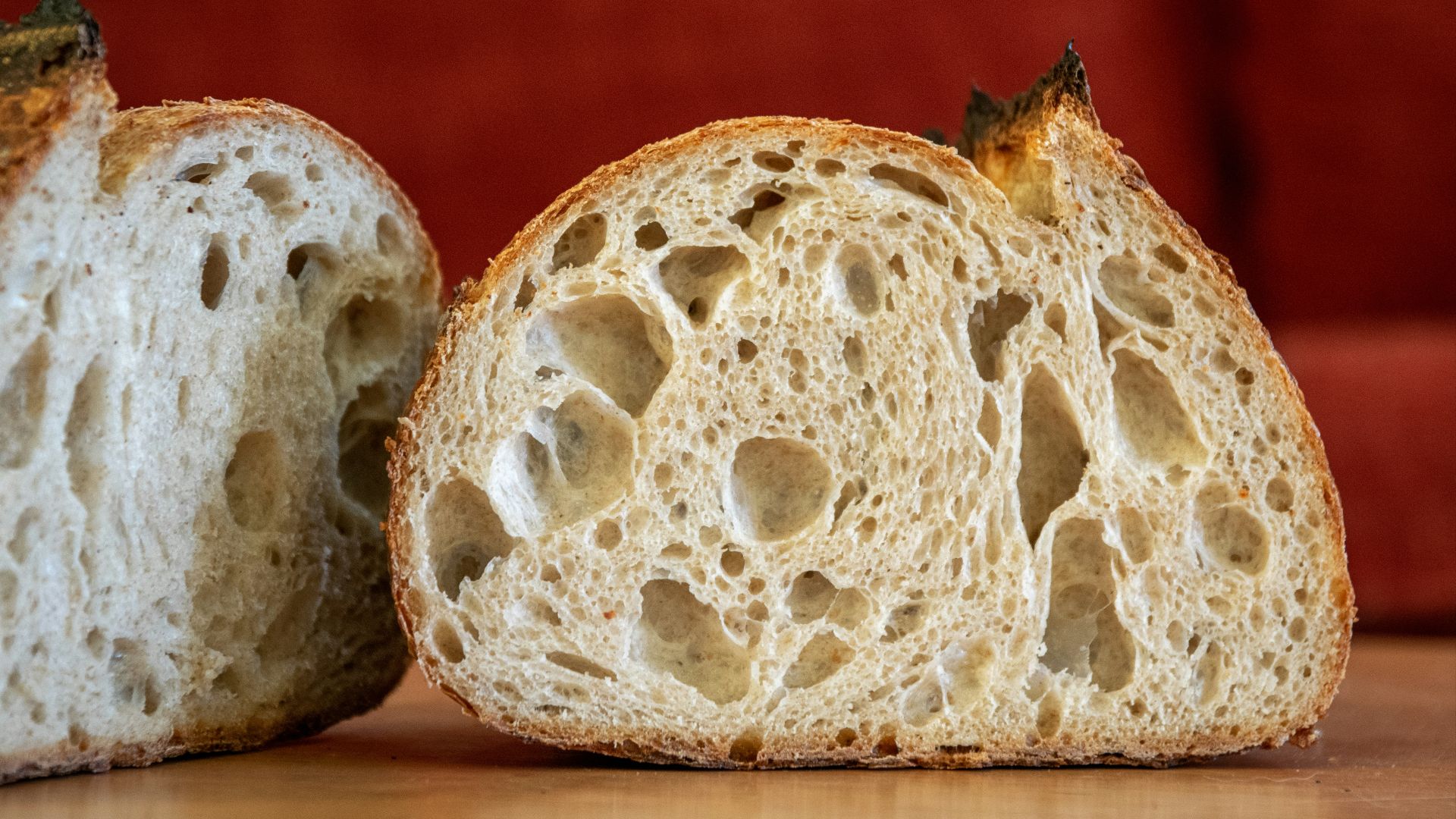
Gluten is a naturally occurring protein found in certain grains, including wheat, barley, and rye. It acts as the "glue" that gives dough its elasticity and structure. It's what gives many foods their characteristic chewy texture, and what gives bread its magical rise and deliciously airy structure.
For the majority of people, gluten is a harmless part of a balanced diet. But for a small subset of the population, it can trigger serious health issues, which is where the confusion often begins.
Celiac disease & sensitivities
The most severe gluten-related condition is celiac disease, an autoimmune disorder affecting roughly one percent of people. When someone with celiac disease eats gluten, the immune system mistakenly attacks the small intestine, leading to nutrient malabsorption, digestive distress, fatigue, skin rashes, and long-term complications. For these people, even trace amounts of gluten can be dangerous, making strict lifelong avoidance essential.
Apart from celiac disease, there are two other forms of gluten sensitivity: wheat allergy and non-celiac gluten sensitivity (NCGS). Wheat allergy is an immune response similar to other food allergies and can cause itching, swelling, or anaphylaxis.
People with NCGS experience symptoms like bloating, headaches, or joint pain after eating gluten, but without the intestinal damage seen in celiac disease.
It's far less understood than the others, varies widely between individuals, and is overdiagnosed or self-diagnosed without proper testing.
The problem with gluten-free diets
Gluten has been swept up into the broader wellness culture, with many people adopting a gluten-free diet believing it will help them lose weight. While avoiding certain gluten-containing products like white bread and donuts may help people slim down because they're cutting out empty calories, it has nothing to do with the gluten.
What's more, gluten-free alternatives are often less healthy than those containing gluten. For example, many gluten-free breads have a long ingredients list full of additives you can't even pronounce, while a loaf of sourdough you buy at your local bakery literally contains three things. Meanwhile, you're missing out on the healthy benefits of whole grains that contain gluten, like bulgur or barley.
At the same time, blaming gluten for every digestive issue may distract from the real cause, like lactose intolerance, high FODMAP foods, or general gut imbalance. Eliminating gluten without professional guidance can make diagnosis harder and lead to nutritional gaps, especially if whole grains are removed without suitable replacements.
All this to say, gluten is not magical or malicious. For most of us, it's simply a protein. It's nourished humans for thousands of years.
While for some people it's crucial to avoid it, this is a tiny percentage of the population. So, go on, enjoy that sourdough bread.
KEEP ON READING

The Most Popular Chocolate Bars in the USA