Tracking Calories Can Help You Lose Weight—But One Crucial Mistake Can Sabotage Your Progress
Tracking Calories Can Help You Lose Weight—But One Crucial Mistake Can Sabotage Your Progress
Many people assume that logging every snack, meal, and drink guarantees weight loss. It feels like a logical system: track what you eat, stay under a target, and the pounds should melt away.
But calorie tracking only works when done correctly. The biggest pitfall is trusting your entries without verifying them. Before you quit or feel discouraged, read on—fixing this one mistake can completely change your results.
Why Calorie Tracking Works…When It’s Accurate
Keeping a food log helps you align your intake with your body’s needs. By comparing what you eat to your estimated daily calorie target, you’re positioned to create a calorie deficit—consuming fewer calories than you burn—which is the foundation of weight loss.
That clarity removes guesswork. It reveals when portions creep up, when hidden calories sneak in (think oils, sauces, drinks), and when your estimates don’t match reality. Used consistently, tracking keeps you honest and aware. It’s not just about numbers—it’s about understanding your habits and making informed choices.

The Big Mistake: Logging Without Precision
The most common error is assuming your logged numbers are accurate. Estimating instead of measuring, skipping sauces or oils, and ignoring liquid calories all add up. It’s easy to forget that splash of cream in your coffee or the drizzle of dressing on your salad—but those calories count.
Each day, you might under-log by a few hundred calories. Over a week, that can mean hundreds—or even thousands—of extra calories. Enough to stall or even reverse your progress, despite your best efforts. Tracking works—but only when your numbers reflect reality.
How to Make Tracking Work for You
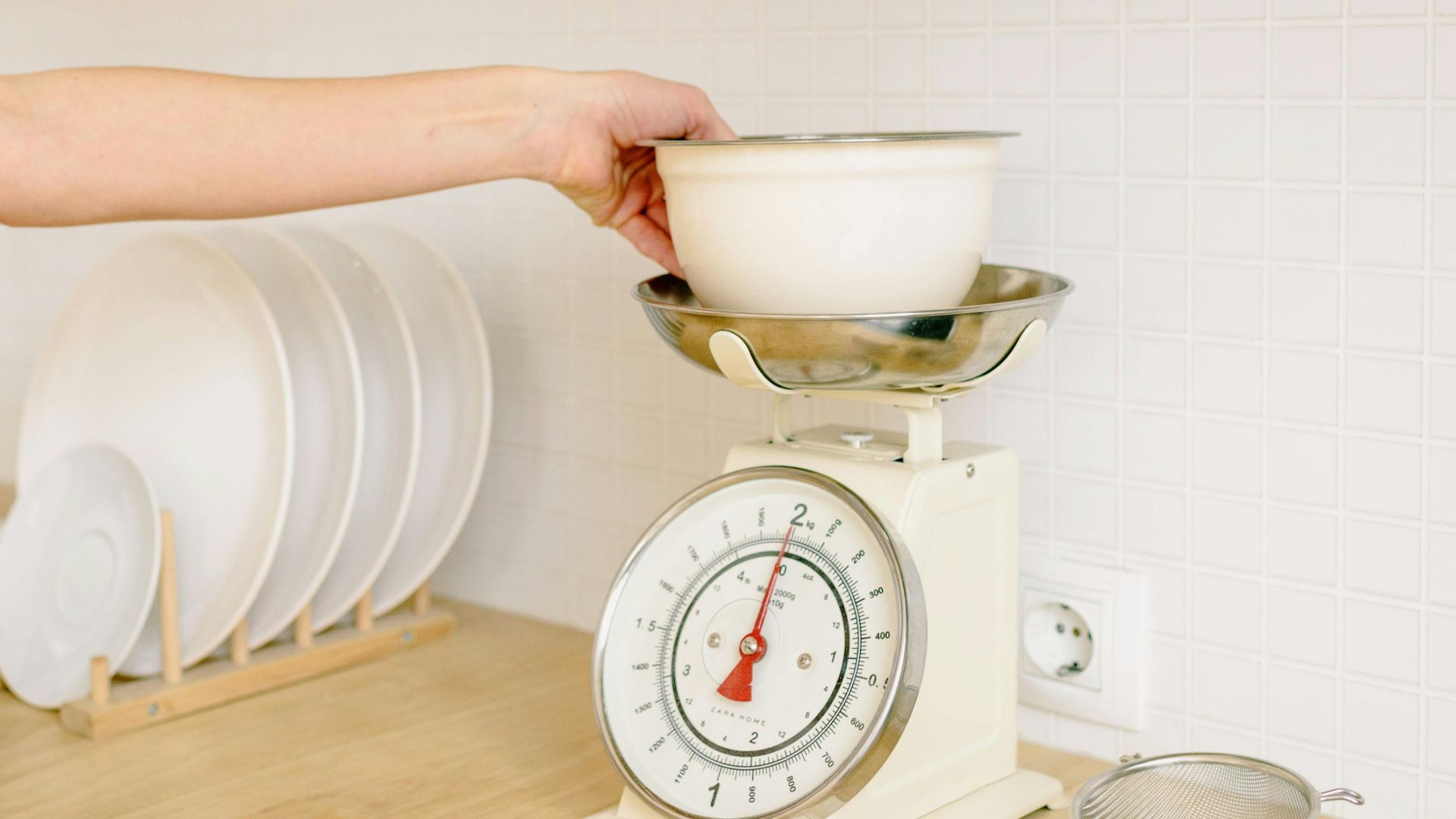
Measure your food: Use a kitchen scale for meats, grains, and snacks. Visual guesses are often way off.
Log everything: Sauces, dressings, oils, even that sip of a coffee drink—small items matter.
Be consistent: Logging “most meals” isn’t enough. A reliable weekly average gives real insight.
Focus on real food, not just numbers: Tracking should help you understand your habits—not become the habit. Food quality still matters for health and fullness.
By following these steps, you turn tracking from a hopeful idea into a reliable tool that supports your goals.
Final Takeaway For Your Weight-Loss Journey
If you’re tracking calories and not seeing results, don’t assume the method is broken—you may just need to sharpen your technique. Measuring portions, logging thoroughly, and catching underestimates could unlock your next breakthrough.
Calorie tracking can support weight loss, especially when paired with consistent habits and realistic goals. So, make your tracking honest, complete, and consistent. That’s how you turn data into results.
KEEP ON READING




20 Dishes That Built Modern American Cuisine