Worth The Hassle?
You know that recipe you bookmarked months ago and never made? There's probably a good reason. Some dishes carry warning labels that aren't written down—multi-day timelines, specialized equipment, and techniques that take years to master. They separate casual cooks who enjoy experimenting from professionals who've trained for this exact moment. These dishes are genuinely difficult, and here's why they'll challenge you.

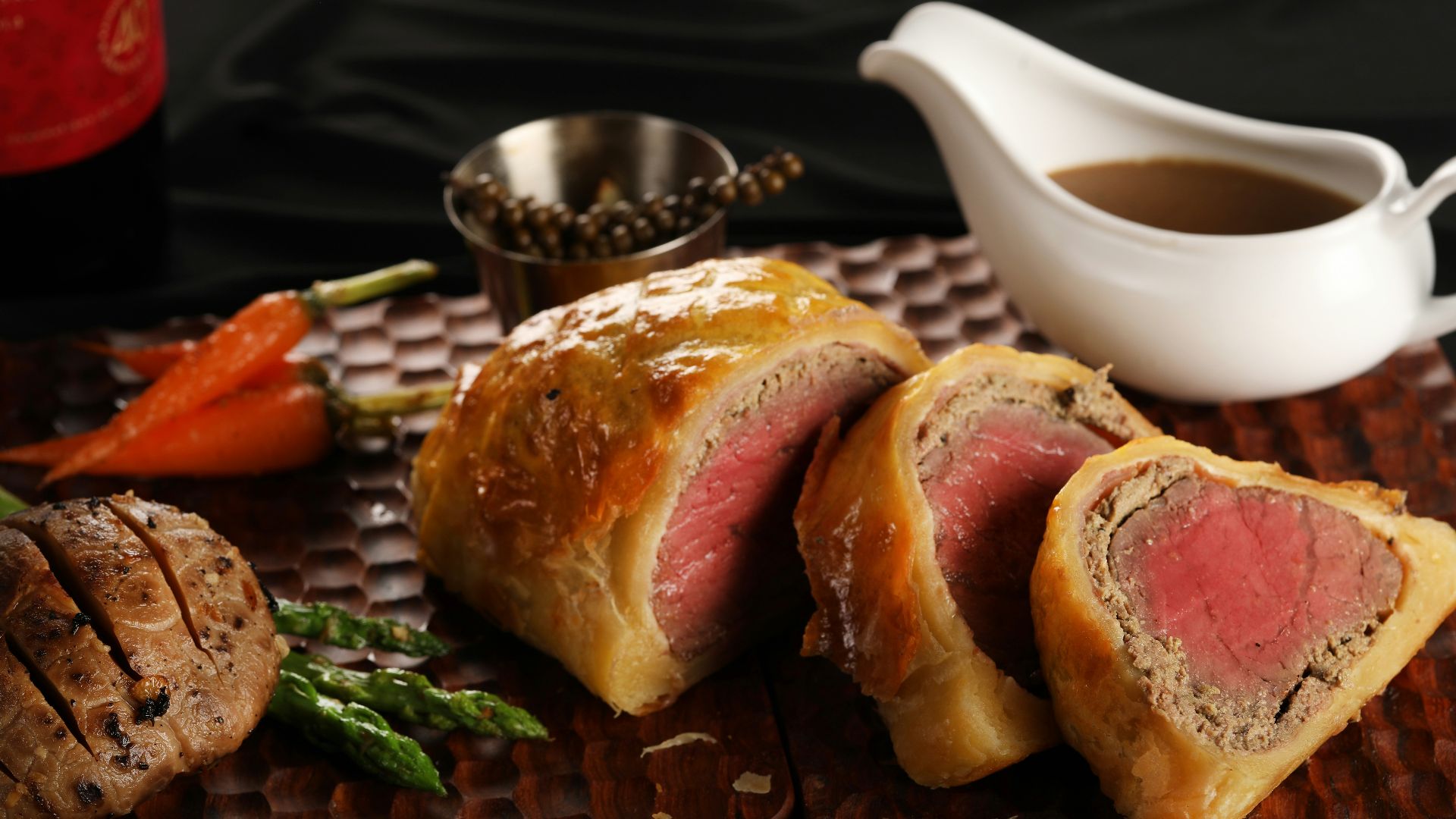
1. Beef Wellington
Beef Wellington demands perfectly cooked beef tenderloin wrapped in mushroom duxelles and puff pastry, where timing becomes your greatest enemy. Overcook the beef by just a minute, or underbake the pastry, and the entire dish collapses.
2. Croquembouche
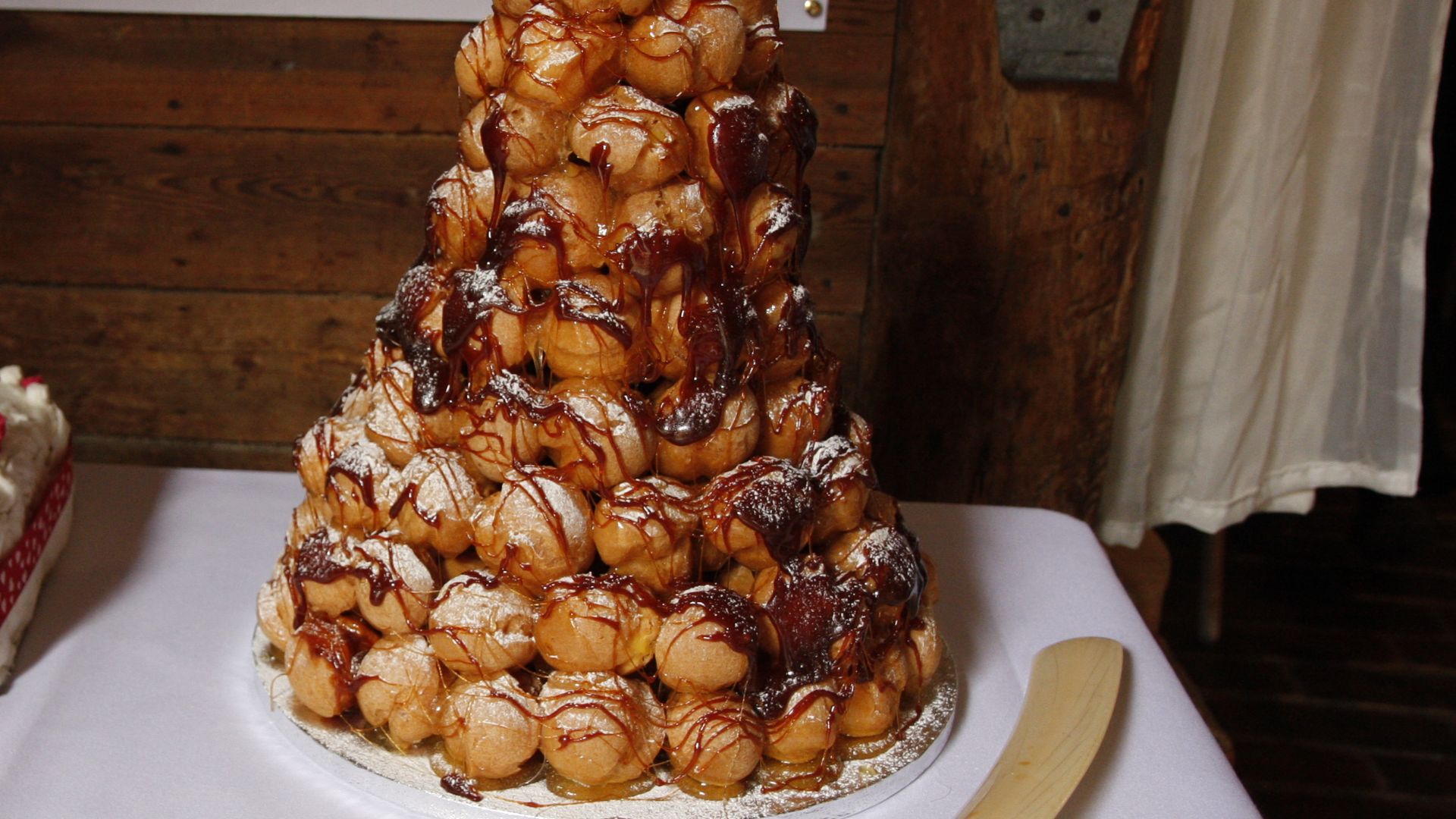
Picture yourself stacking cream-filled profiteroles into a towering cone, each one bound with molten caramel that hardens within seconds. That's the reality of making croquembouche, a French wedding staple that tests your architectural skills as much as your baking prowess.
3. Tamales
Today's home cooks face their own struggle: spreading masa dough evenly across corn husks, adding fillings, and then enduring the long steaming process that requires careful monitoring. The most common mistakes include uneven masa spreading and undercooking.

4. Mole Poblano
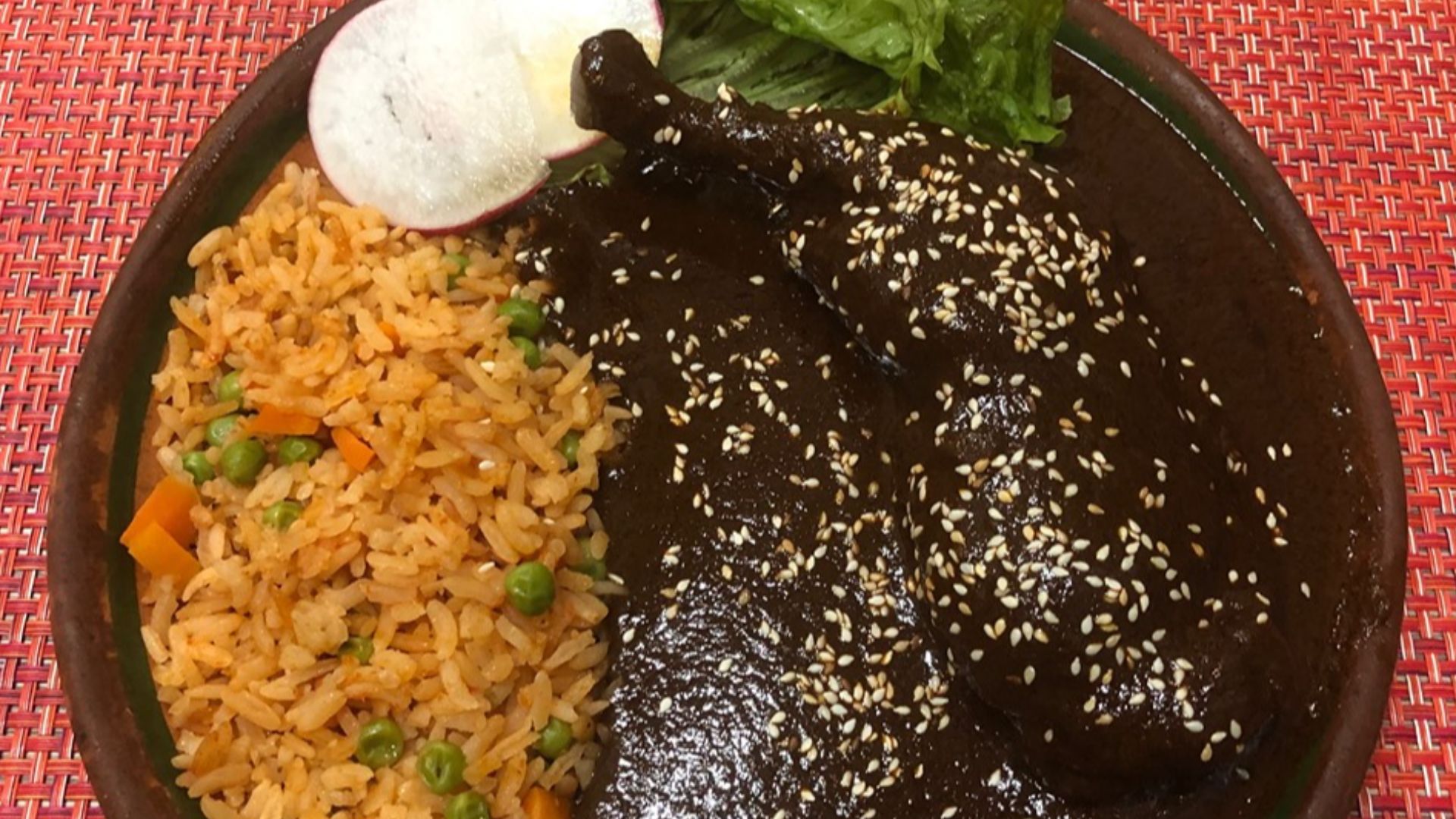
Despite popular belief, mole poblano isn't a chocolate sauce. Chocolate plays only a subtle role among the 20-plus ingredients that include dried chilies, nuts, and seeds. This Mexican national dish from Puebla requires hours of blending, toasting, and simmering.
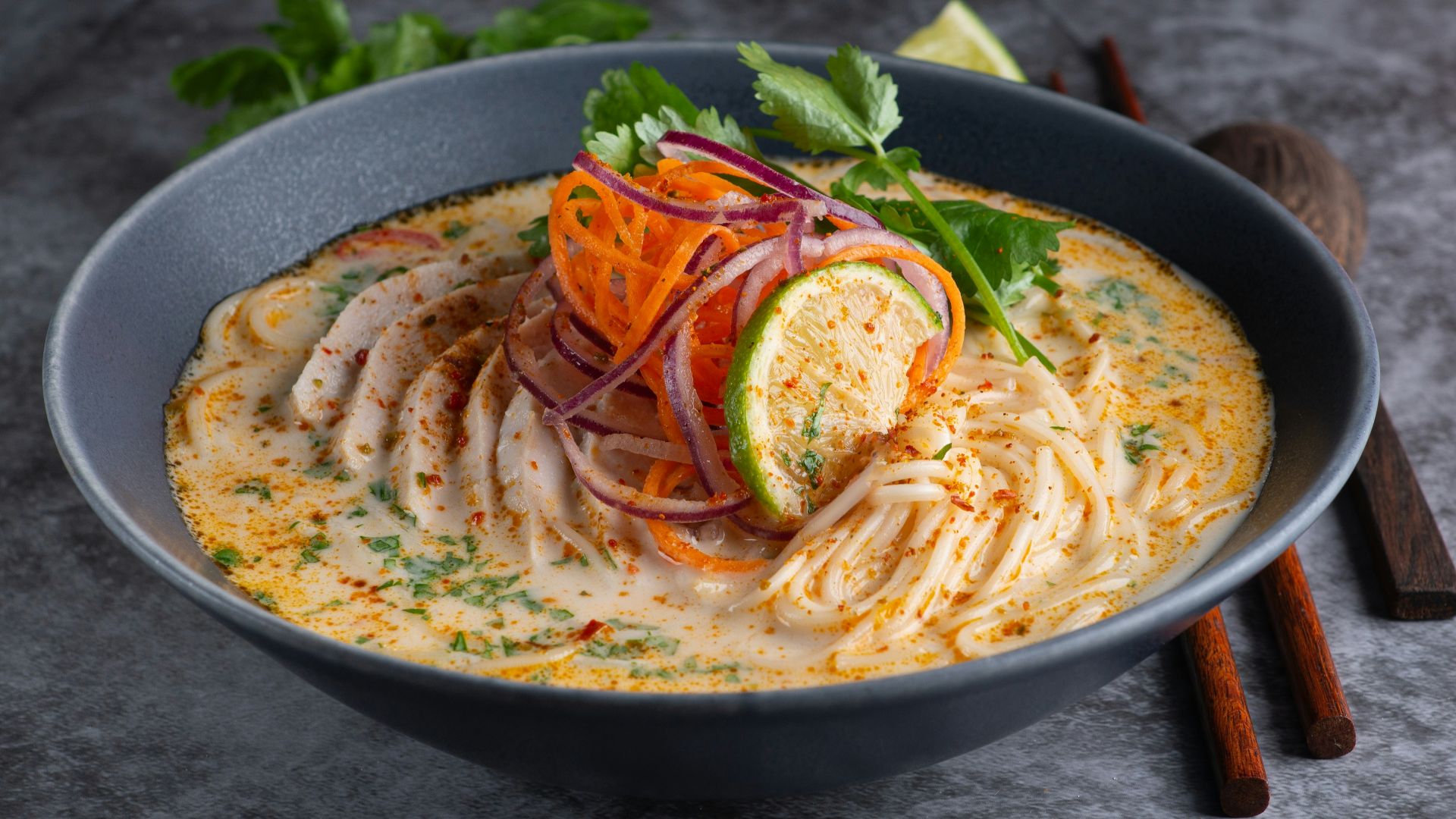
5. Ramen (Authentic Broth)
Enthusiasts and chefs widely regard the broth as the soul of ramen, the most important component for its flavor depth. That soul requires simmering bones, vegetables, and aromatics for anywhere between 12 and 48 hours.
6. Peking Duck
The preparation involves marinating, then air-drying the skin for 24 hours before roasting. This timeline demands planning and patience, which most home cooks lack. Dating back to the Yuan Dynasty, this dish was once reserved exclusively for the imperial court.

7. Biryani (Traditional Layered Style)
Introduced to India by Persian and Mughal influences, biryani evolved into dozens of regional styles, each claiming superiority over the others. The traditional layered style uses dum-pukht, a slow-cooking method where marinated rice and meat are layered and sealed.

8. Soufflé
Apparently, the word "soufflé" comes from the French verb souffler, meaning "to blow" or "to puff," which describes exactly what this temperamental dish does in the oven. Whipped egg whites must be folded into a base sauce with extreme care, then baked with precision timing.
 Pierre-alain dorange on Wikimedia
9. Cassoulet
Originating in Toulouse and considered the crown jewel of Southwest French cuisine, cassoulet traditionally takes two to three full days to prepare. This slow-cooked casserole combines beans, duck, pork, and sausage in layers that develop profound flavors through extended cooking.

10. Baklava
Dozens of phyllo dough layers must be brushed with butter and stacked with precision, then layered with nuts and drenched in syrup—all while avoiding soggy or uneven texture. The paper-thin phyllo tears easily, while the butter-to-dough ratio must be exact.

11. Croissants (Laminated Dough)
Though iconic in France, croissants actually originated from Austrian kipferl pastries, making their way to Paris and becoming a symbol of French baking excellence. The process takes hours, with multiple chilling and proofing stages that can't be rushed or skipped.

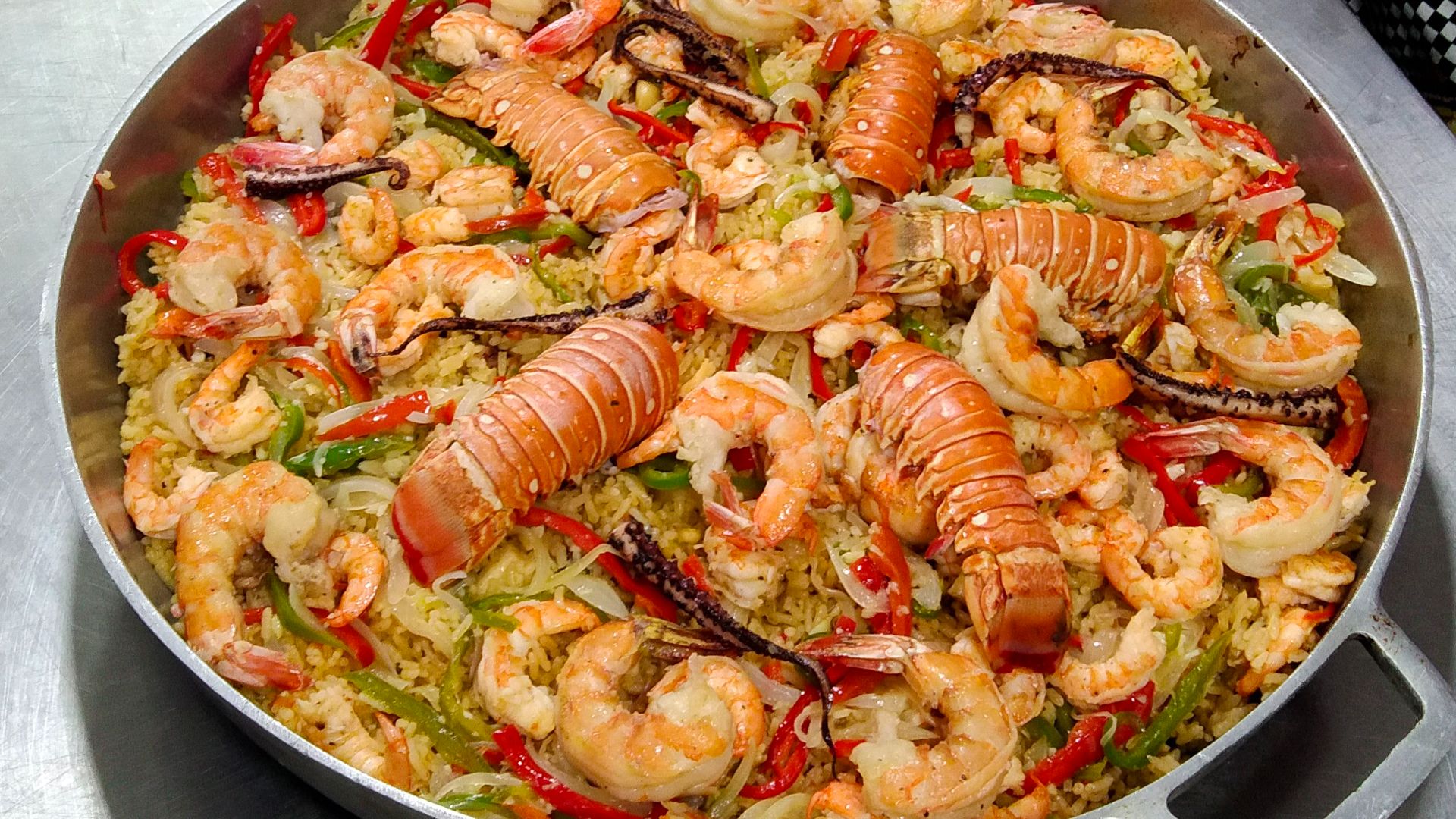
12. Paella
Achieving the socarrat—that coveted crispy rice crust on the bottom—without burning the entire pan is notoriously tricky and separates authentic paella from mediocre attempts. This dish requires precise timing to cook rice evenly alongside seafood or meat.
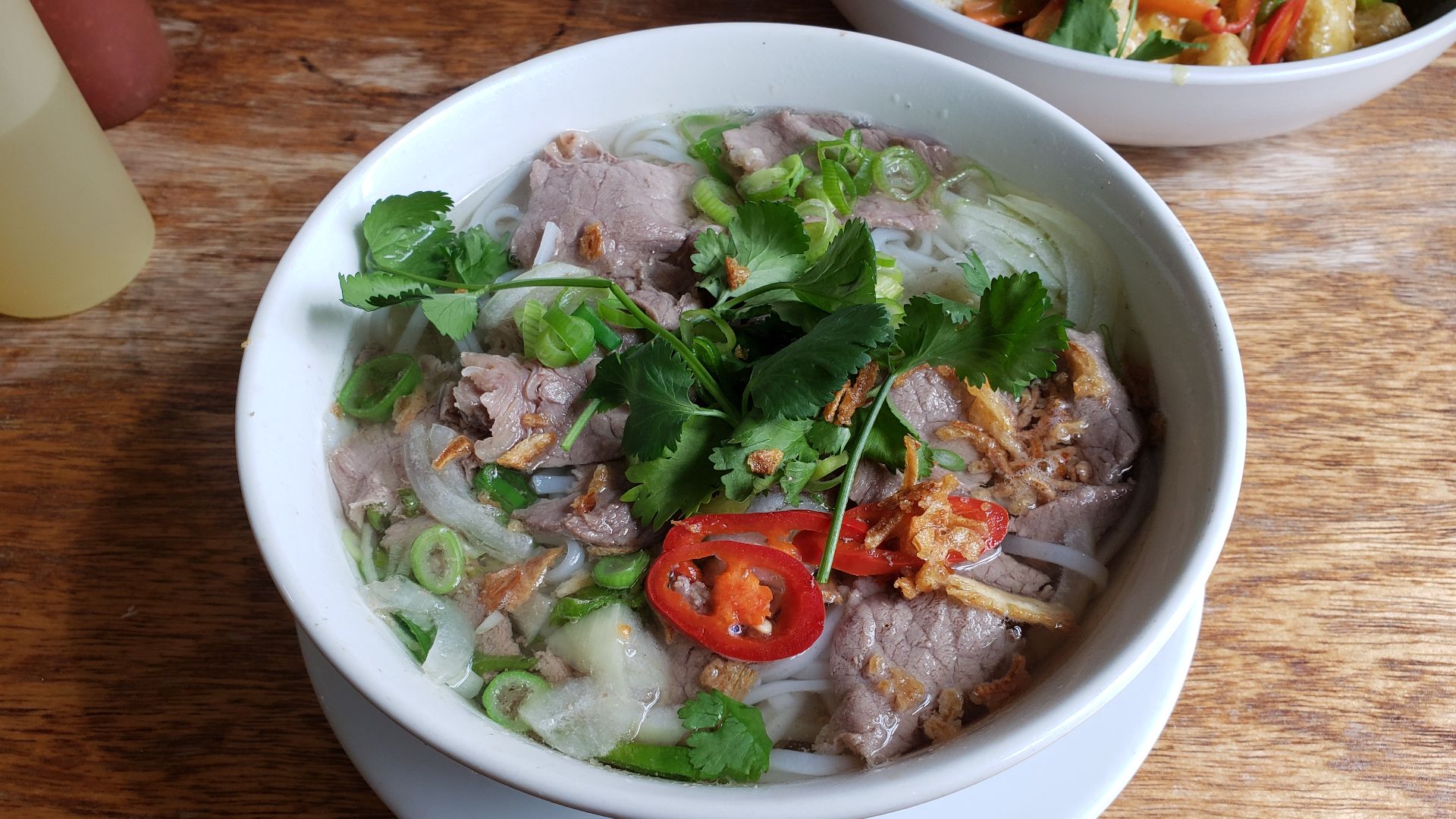
13. Pho (Slow-Simmered Broth)
Clarity of broth is essential in pho. A cloudy broth is considered a failure by Vietnamese standards, immediately marking you as an amateur. The broth requires simmering beef bones for six to twelve hours while carefully skimming impurities that cloud the liquid.
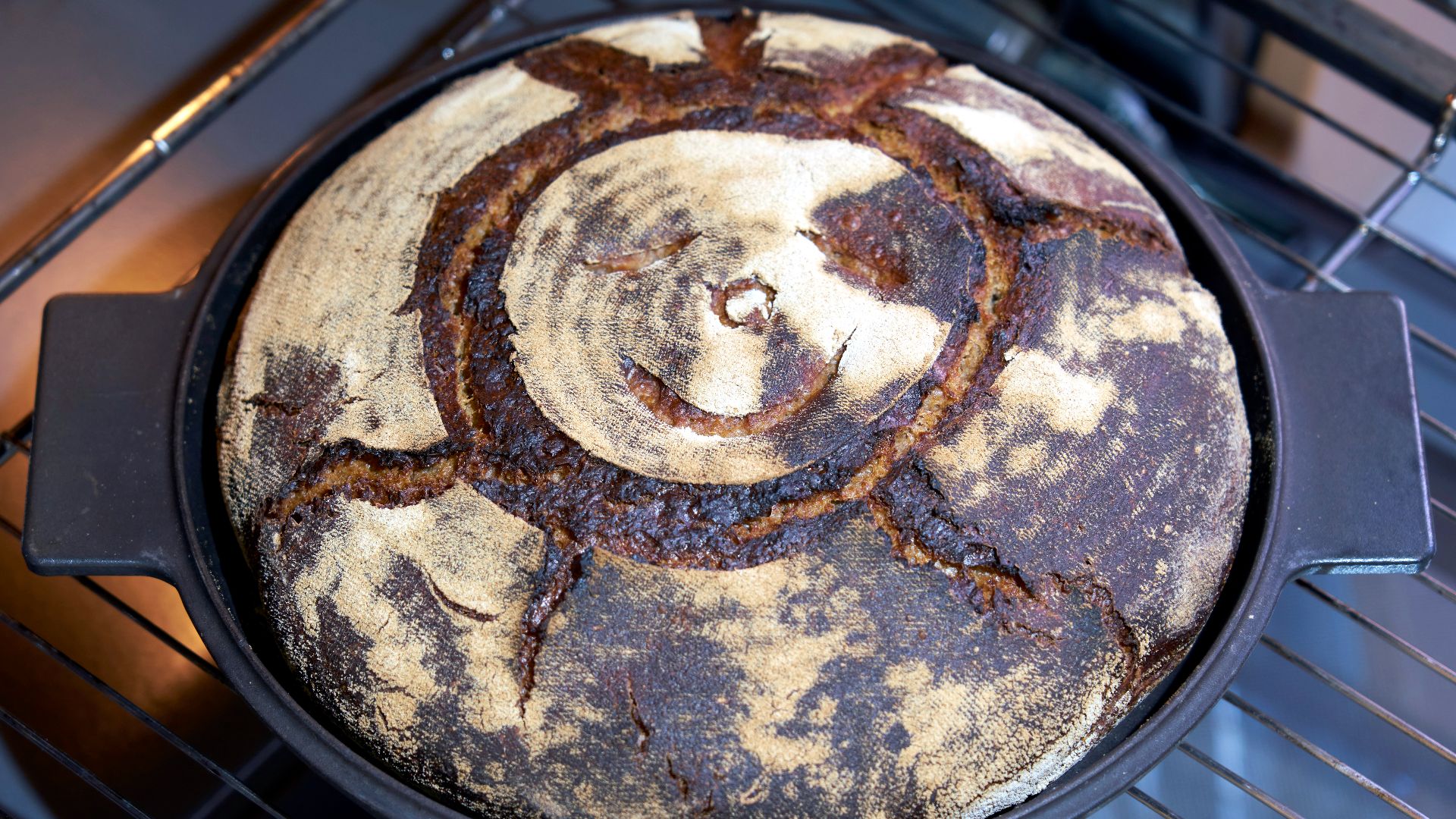
14. Sourdough Bread
The famous San Francisco sourdough starter lineage dates back to the Gold Rush era, with some bakeries maintaining living cultures for over a century. Dough handling requires skill to avoid collapse during baking, as the delicate gluten structure can easily be destroyed.
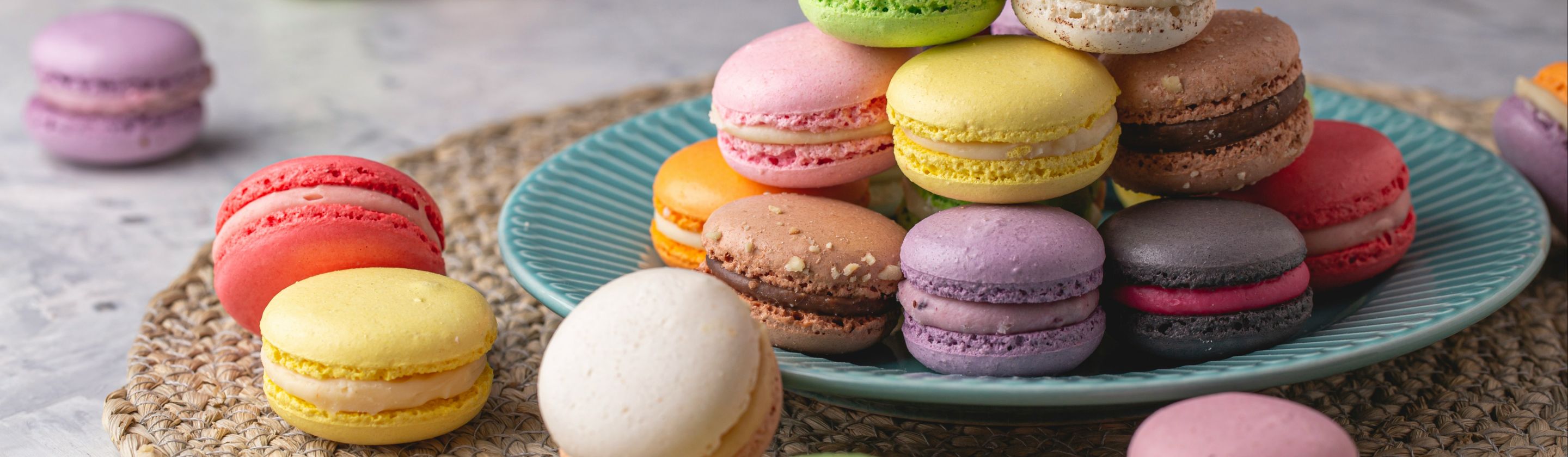
15. Macarons
Humidity can ruin the delicate texture and prevent the signature “feet.” Egg whites must be whipped to exact stiffness for meringue shells, with even slight variations causing cracked tops or hollow centers. The precise filling-to-shell ratio determines everything.
 Volodymyr Proskurovskyi on Unsplash
16. Dolma (Stuffed Grape Leaves)
Labor-intensive preparation defines dolma as dozens of rolls are needed for a single serving, each requiring careful attention to detail. Each grape leaf must be carefully rolled with rice and herbs, with filling consistency critical to avoid bursting during cooking.

17. Chiles En Nogada
Created in Puebla to celebrate Mexico's independence, this dish's colors—green chilies, white walnut cream sauce, and red pomegranate seeds—deliberately match the Mexican flag. Seasonal ingredients make it difficult to prepare year-round, as authentic versions demand fresh walnuts and pomegranates.
 Jorge Luis Fonseca Nava on Pexels
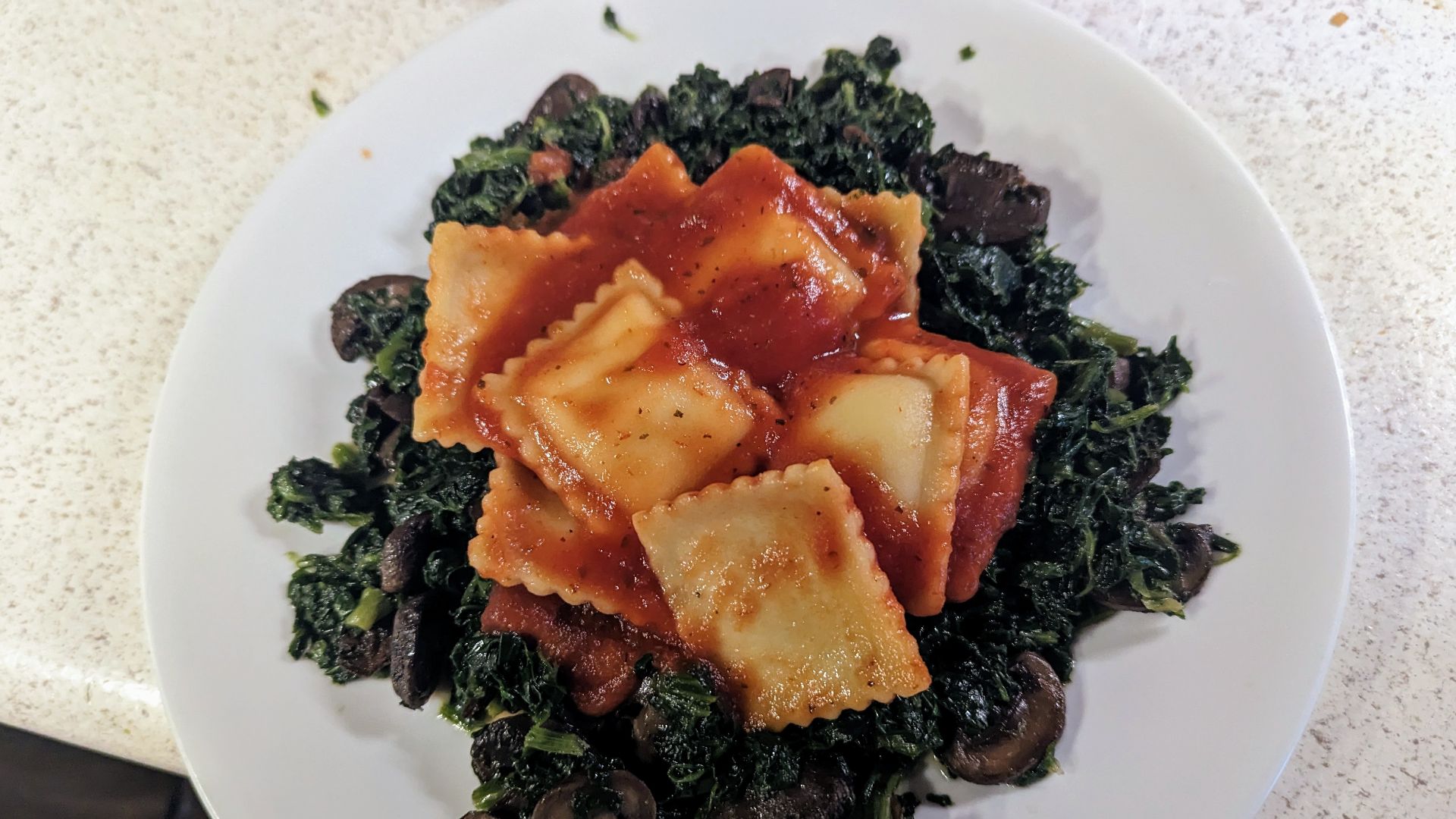
18. Ravioli (Handmade)
Dating back to the 14th century in Italy, ravioli were originally filled with cheese and herbs, a combination that's deceptively simple yet technically demanding. Dough must be rolled thin enough to be tender without tearing, requiring either a pasta machine or exceptional rolling technique.
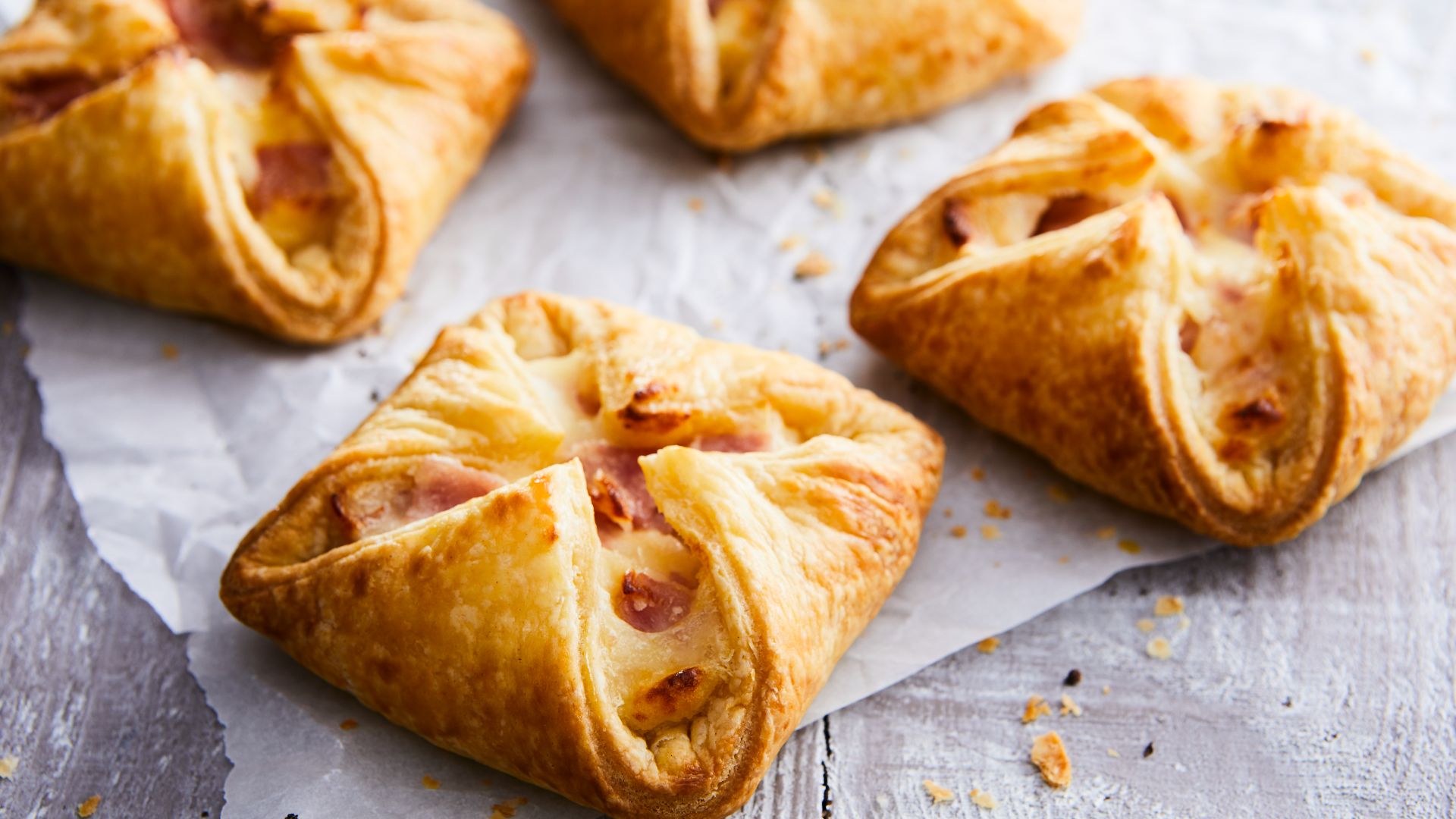
19. Puff Pastry (From Scratch)
Hundreds of layers emerge through repeated folding and rolling, a process that takes hours of chilling and handling to achieve the signature flakiness. If the butter breaks through the dough or softens too much, you're left with greasy, flat pastry.
20. Coq Au Vin
Julia Child famously popularized Coq au Vin in the United States through her TV show. The wine reduction must balance acidity and richness without becoming harsh or cloying, a delicate equilibrium that requires tasting and adjusting throughout cooking.

KEEP ON READING
10 Most Hated Foods in the Entire World