Grandma Had a Trick for Everything
You know, there was a time before the internet when home cooks had to rely on other sources for information. And do you know who our walking encyclopedia was for kitchen hacks? That’s right—grandma! If you spent any time in an ‘80s kitchen, there’s a good chance you were taught at least a few of these old-fashioned hacks before you were tall enough to reach the counter. If not, don’t worry. We’re here to share the knowledge.

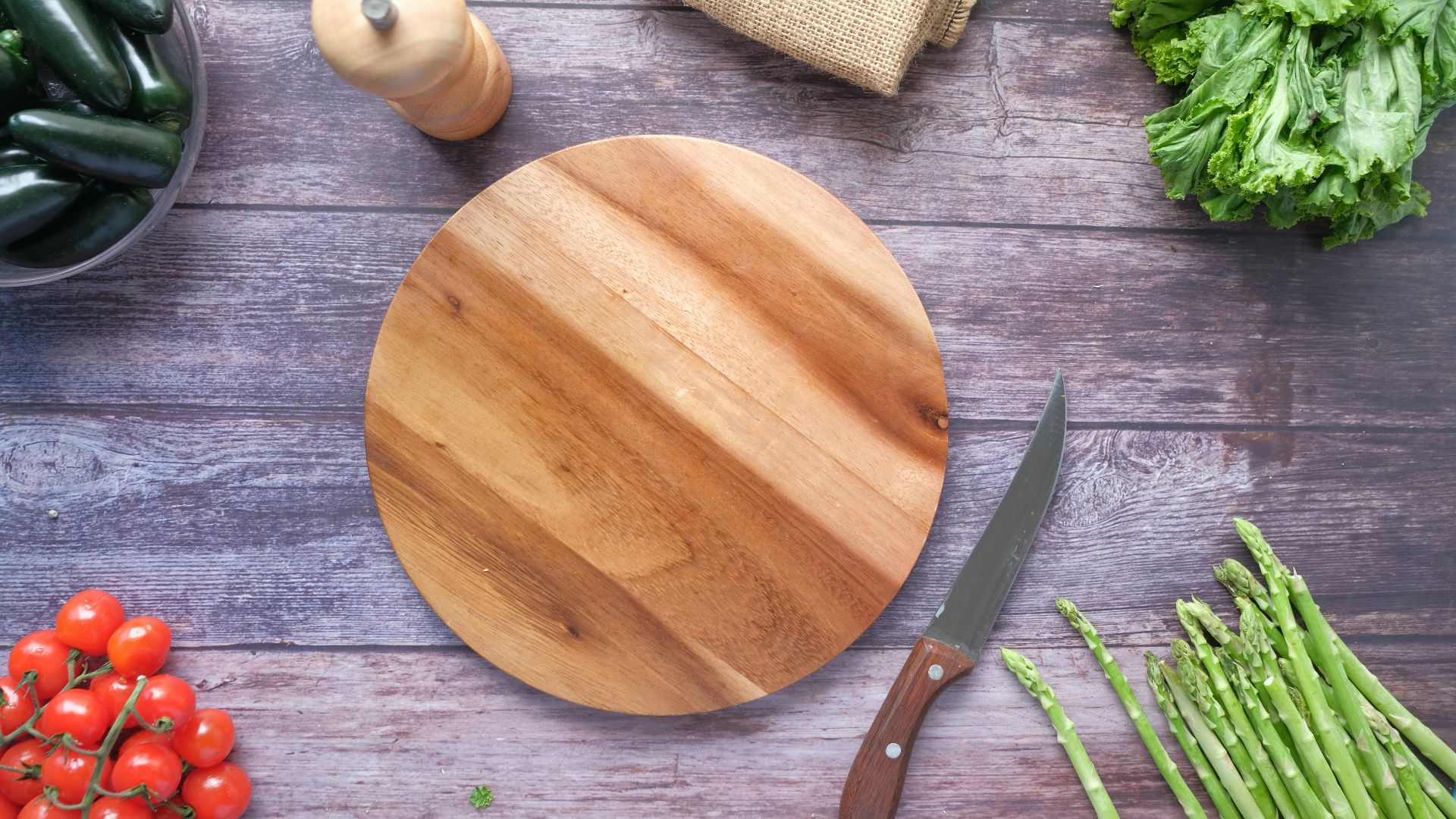
1. Put a Damp Towel Under the Cutting Board
Forget those fancy non-slip cutting boards—a damp dish towel handled the problem just fine. Grandmas everywhere lay the towel flat underneath a wooden or plastic board to keep it from sliding while they chopped their veggies. It’s still a useful little safety trick when your cutting board wanders across the counter.
2. Chill an Onion Before Chopping It
Onions got you down? As it turns out, there’s a trick for that. Grandma might have told you to stick one in the fridge first! Cooling an onion can slow the release of the volatile compounds responsible for irritating your eyes when you cut into it. Okay, you’ll still shed a tear or two, but a cold onion can make chopping less miserable.
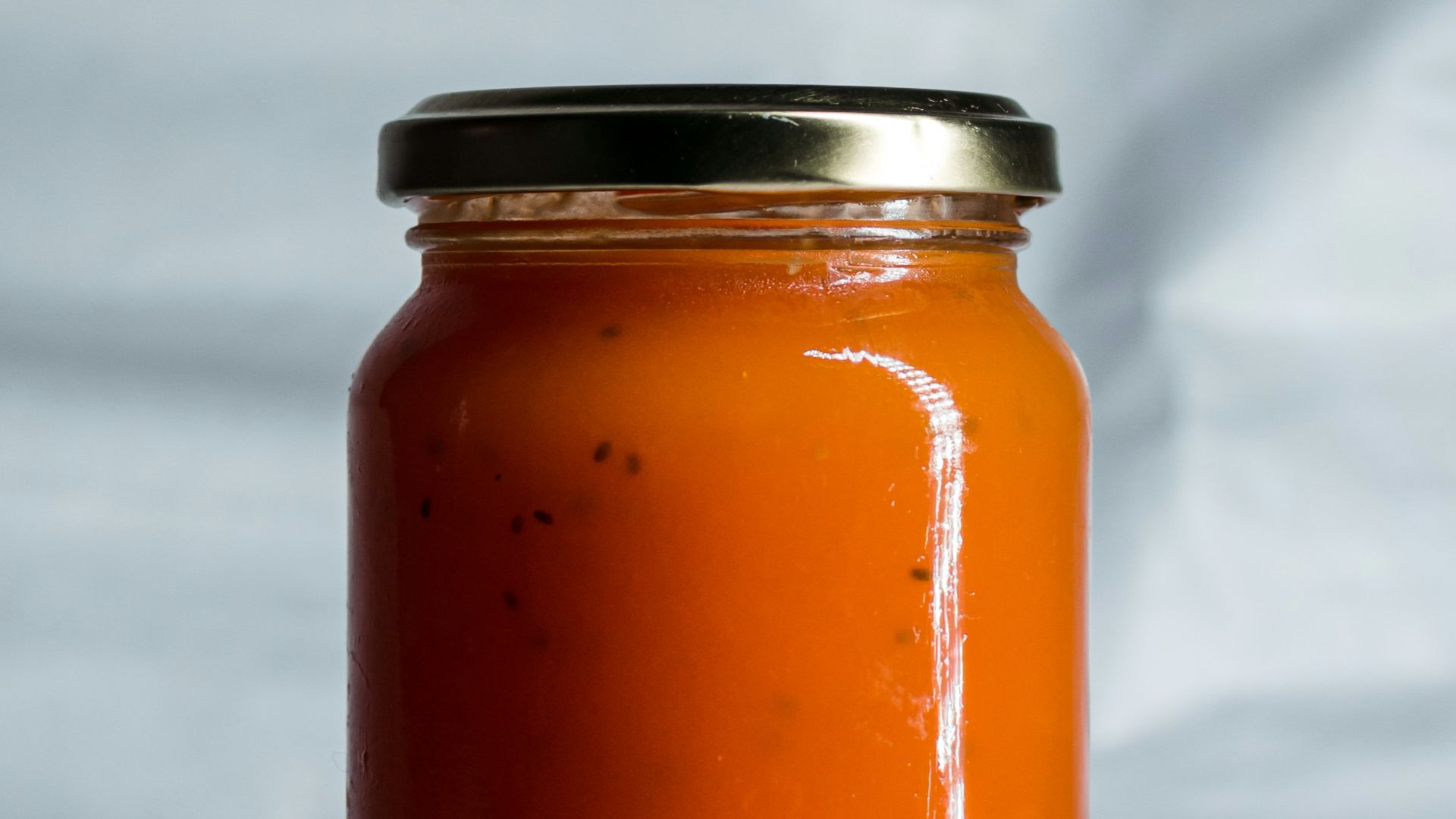
3. Run a Stubborn Jar Lid Under Hot Water
Even if your grandma didn’t live in the kitchen, she was probably the one who taught you about stubborn lids. Running hot water over a metal lid for roughly 30 seconds causes the metal to expand slightly, which can make the seal easier to break. Just make sure you dry the lid afterward for a better grip.
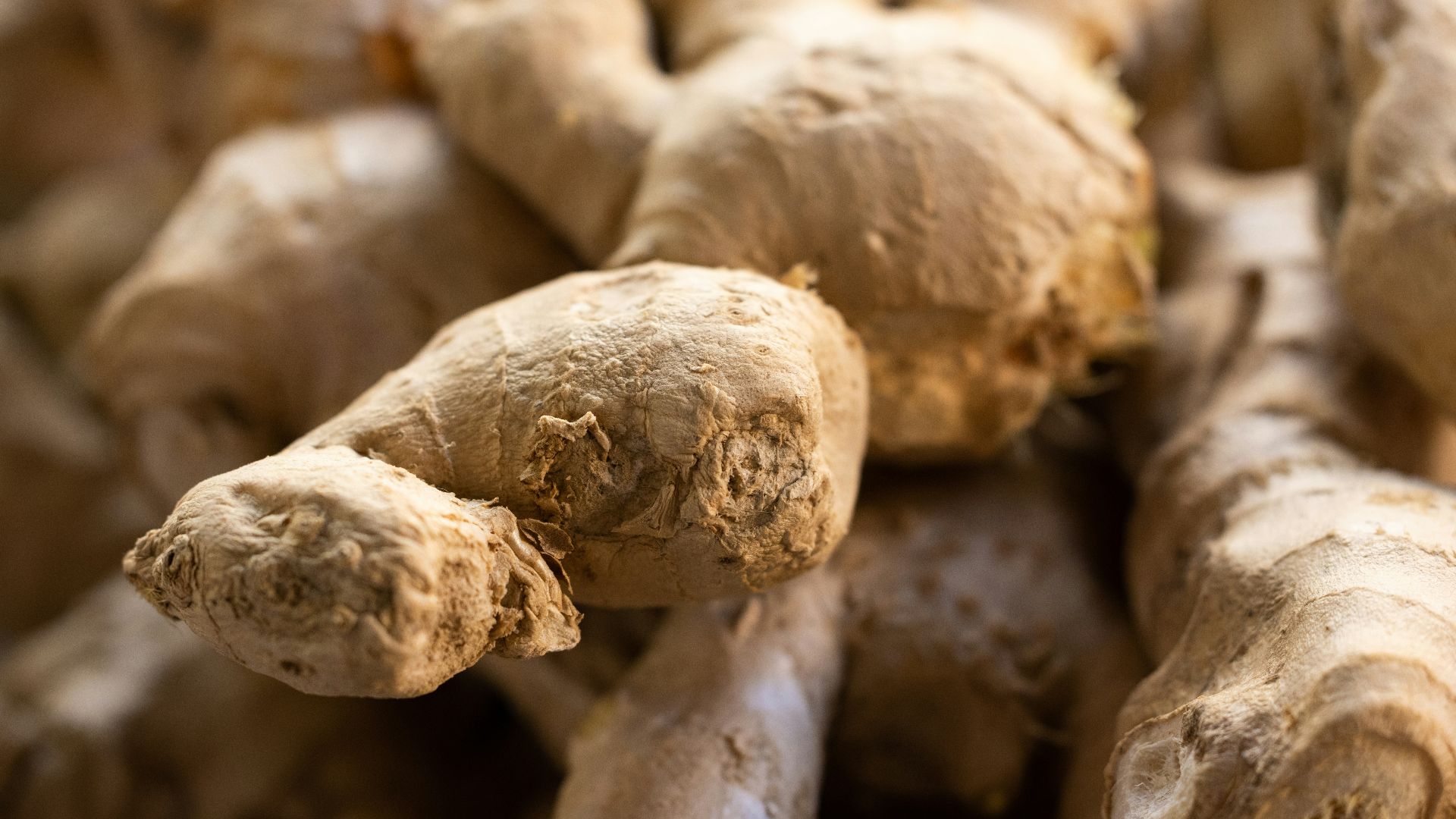
4. Use a Spoon to Peel Ginger
You can use a vegetable peeler on your ginger, but it’ll probably take off more than you actually wanted. So, what’s the solution? Actually, it’s just a teaspoon scraped along the skin. It removes the thin outer layer while leaving most of the ginger behind. It's particularly handy when you're working with a small piece that would be annoying to peel with a knife.
5. Keep Brown Sugar Soft With a Slice of Bread
Rock-hard brown sugar was an avoidable tragedy in Grandma's pantry. All you had to do was place a fresh slice of bread in an airtight container with the sugar, allowing moisture from the bread to soften those stubborn clumps. The hardest part to this one is remembering to swap out the slice before it goes moldy.
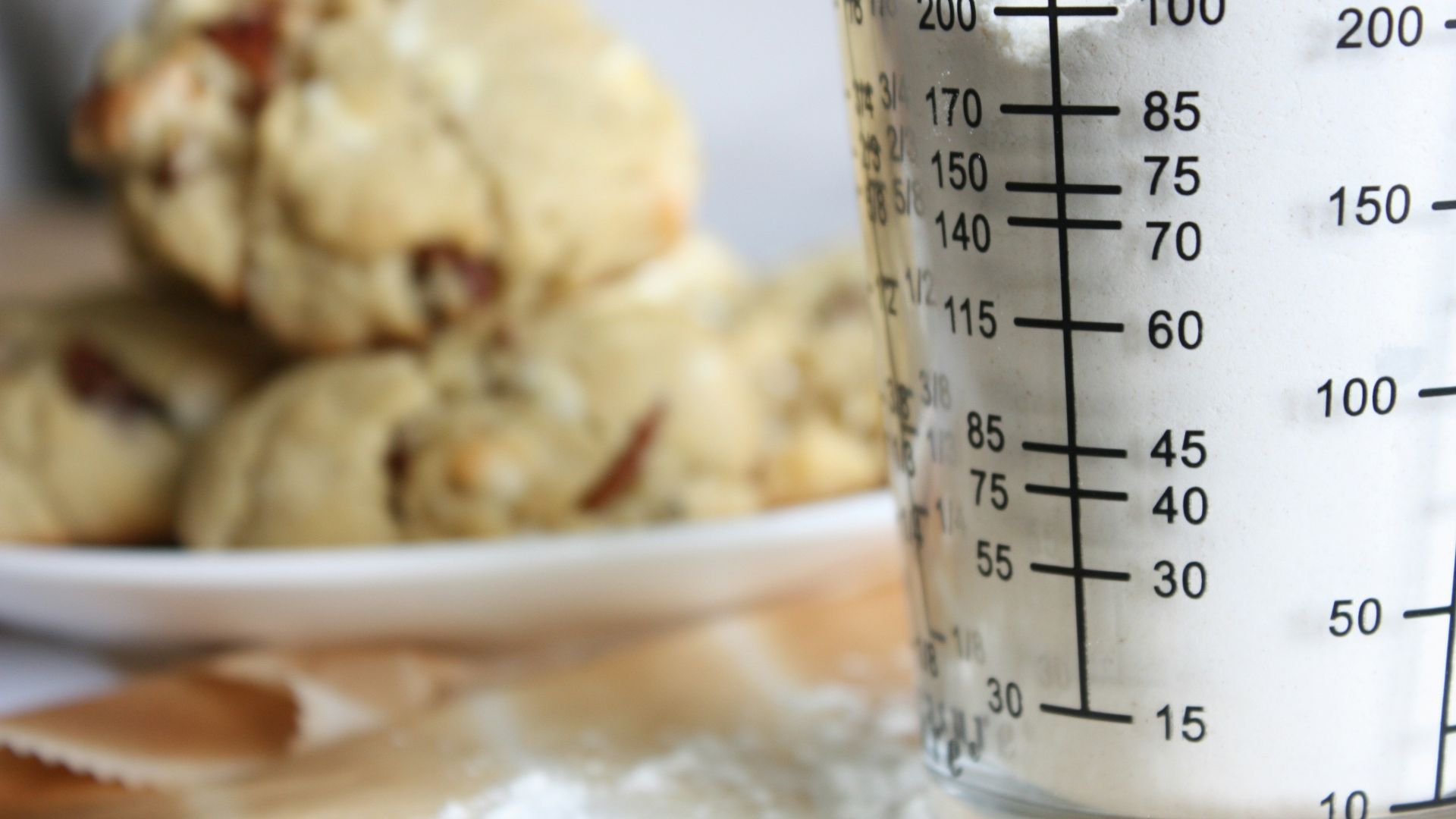
6. Coat the Measuring Cup Before Adding Sticky Ingredients
Measuring molasses, honey, or corn syrup really ruined a lot of otherwise delicious plates. Luckily, there’s a way out of the madness: a very light coating of cooking oil inside the measuring cup. It helps thick ingredients slide out instead of clinging stubbornly to the sides. You also get a more complete measurement.
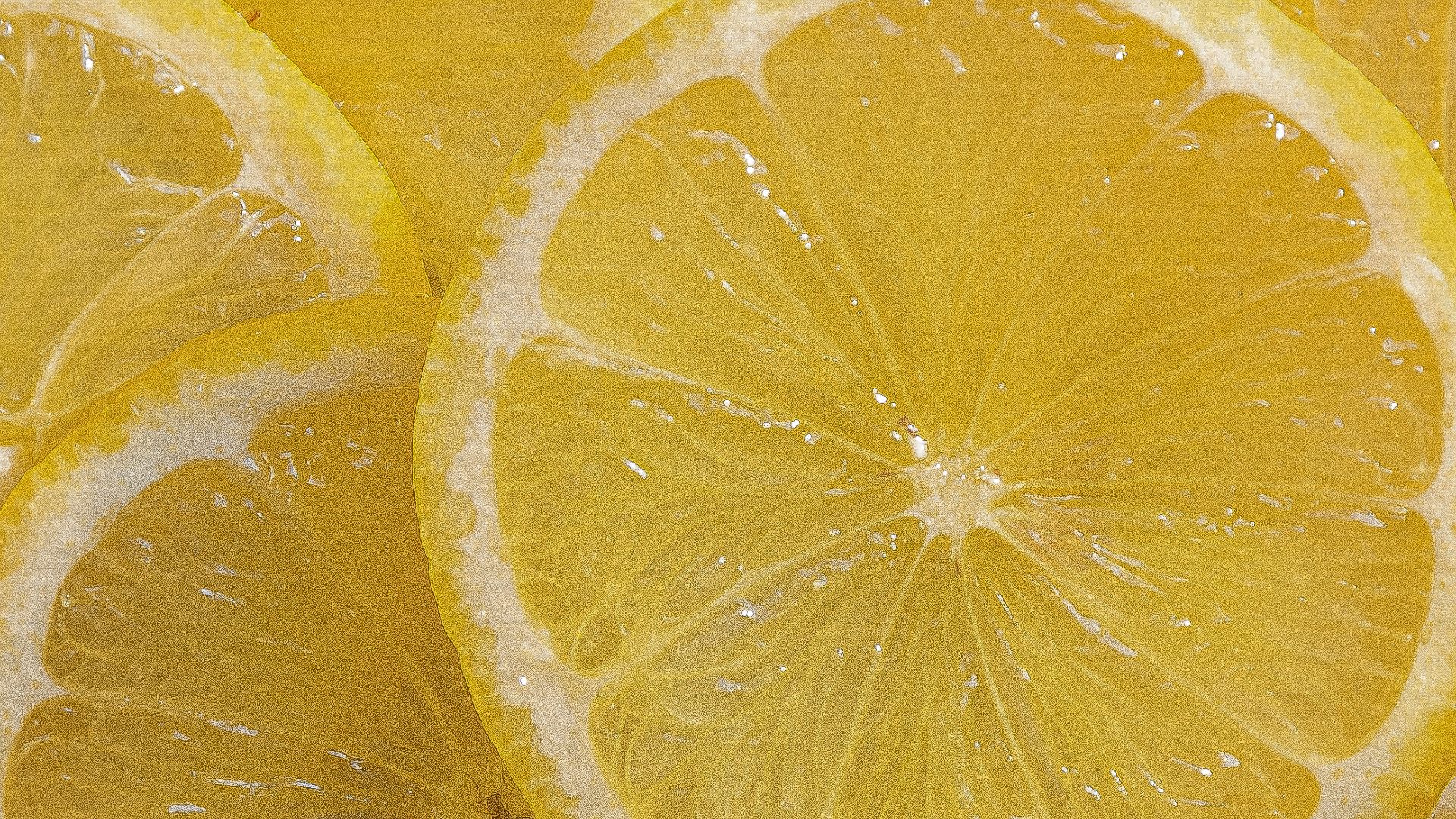
7. Roll Citrus on the Counter Before Juicing It
Grandma wasn't about to waste half a lemon just because it didn't cooperate. She'd press it firmly against the counter with her palm and roll it back and forth before cutting, which helps break some of the membranes inside. The result is a softer lemon that's easier to squeeze by hand.
8. Put Baking Soda in the Refrigerator
It seemed weird when we were kids, but there’s a reason grandmothers always had baking soda in their fridges. Baking soda can help neutralize certain odors, which is why generations of home cooks kept it around. It won't rescue spoiled food, but it can help keep ordinary odors under control.
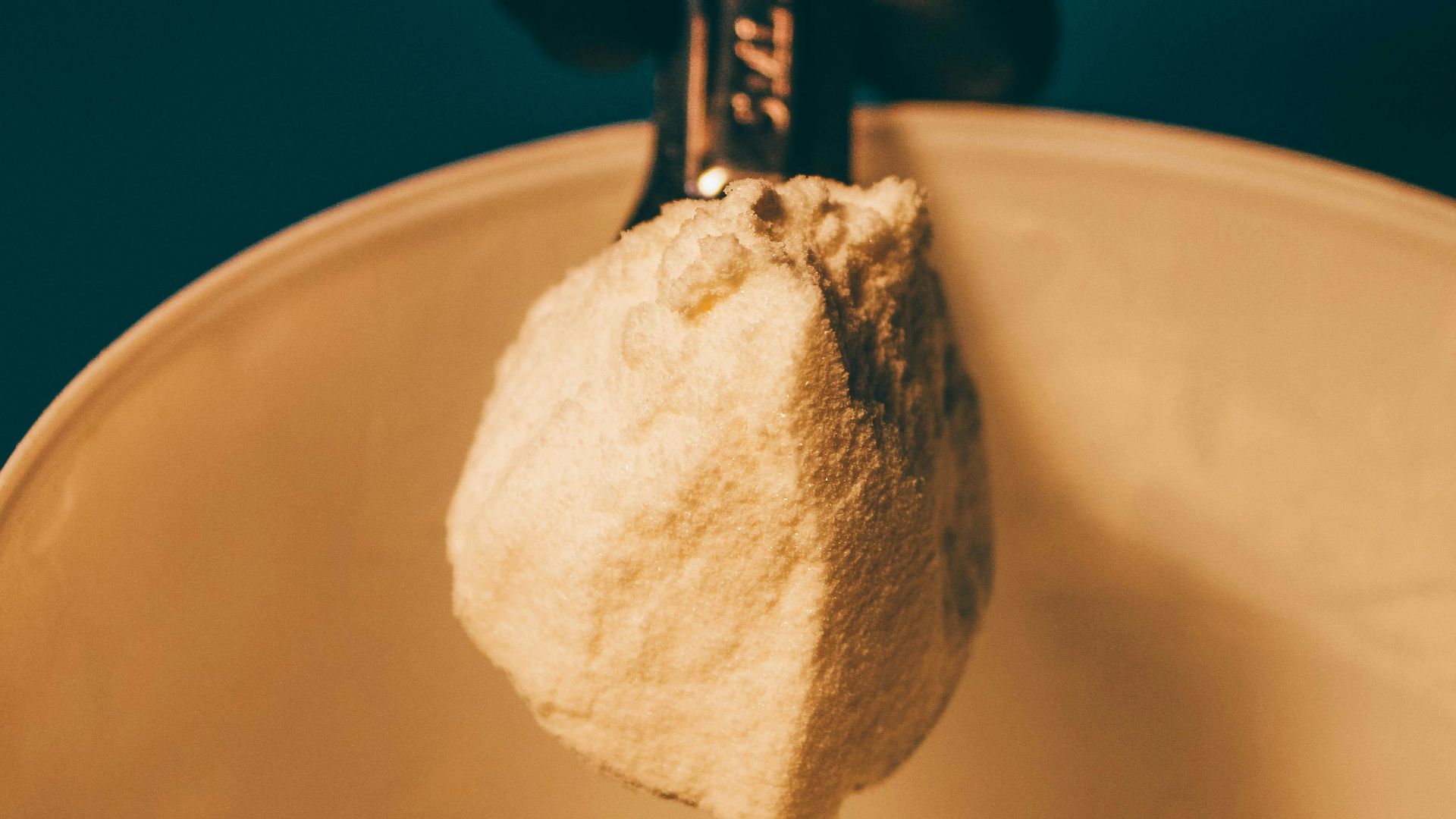
9. Use Vinegar to Remove Hard-Water Scale
We’ll have you know that grandma’s kettle wasn't sparkling because of some special product. No, all she needed was white vinegar! It contains acetic acid, which can help dissolve the mineral deposits left behind by hard water on kettles and other suitable surfaces. The only thing to keep in mind is that everything needs a thorough rinse afterward…unless you want vinegar-flavored tea.
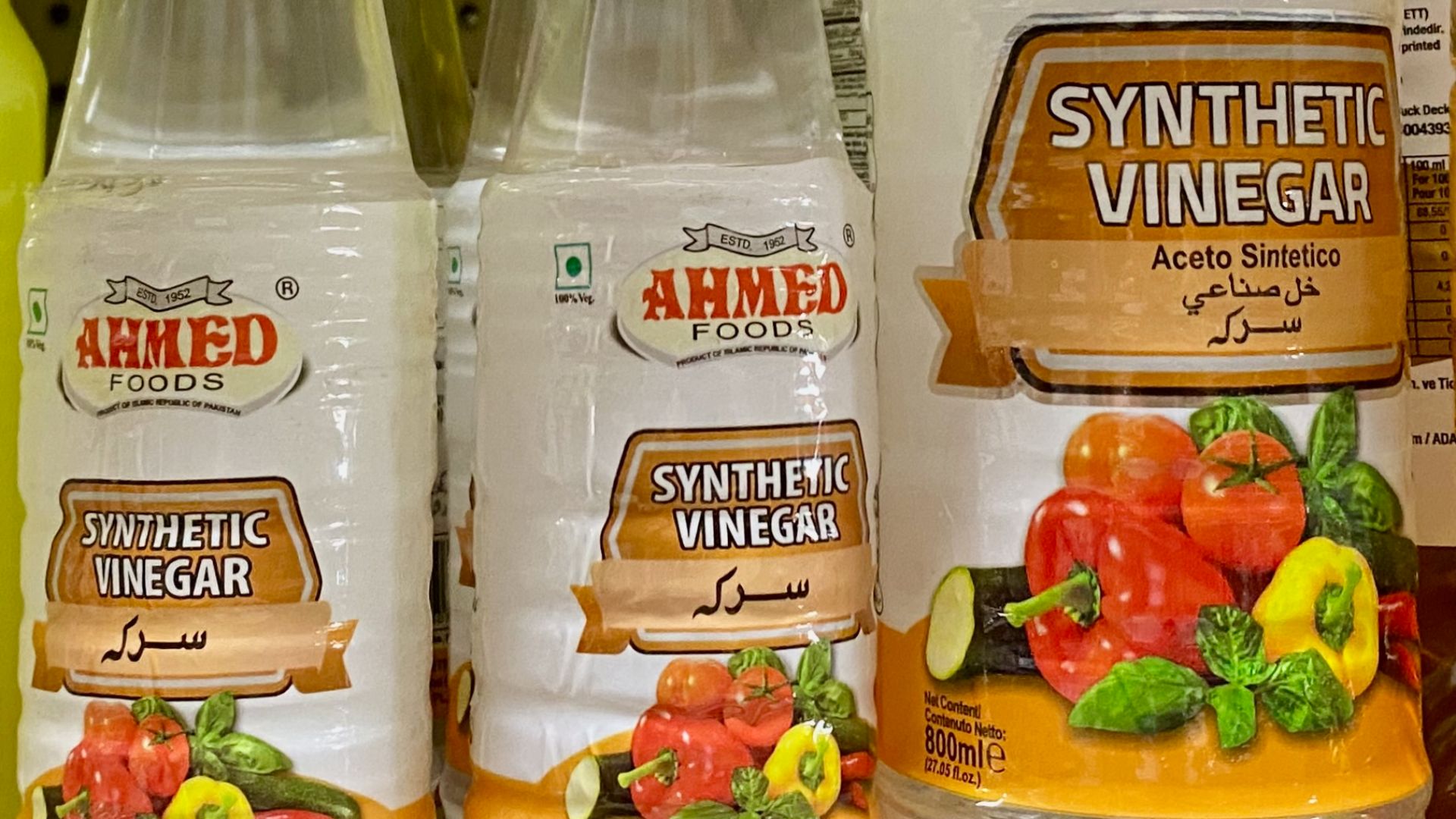
10. Soften Butter by Cutting It Into Small Pieces
How many dessert casualties did we have all because we forgot to take butter out of the fridge? Well, no more! Cutting a cold stick into small cubes increases its exposed surface area, so the pieces warm up faster on the counter. You not only get workable butter without melting half of it in the microwave, but you also don’t need to take the stick out three hours early.
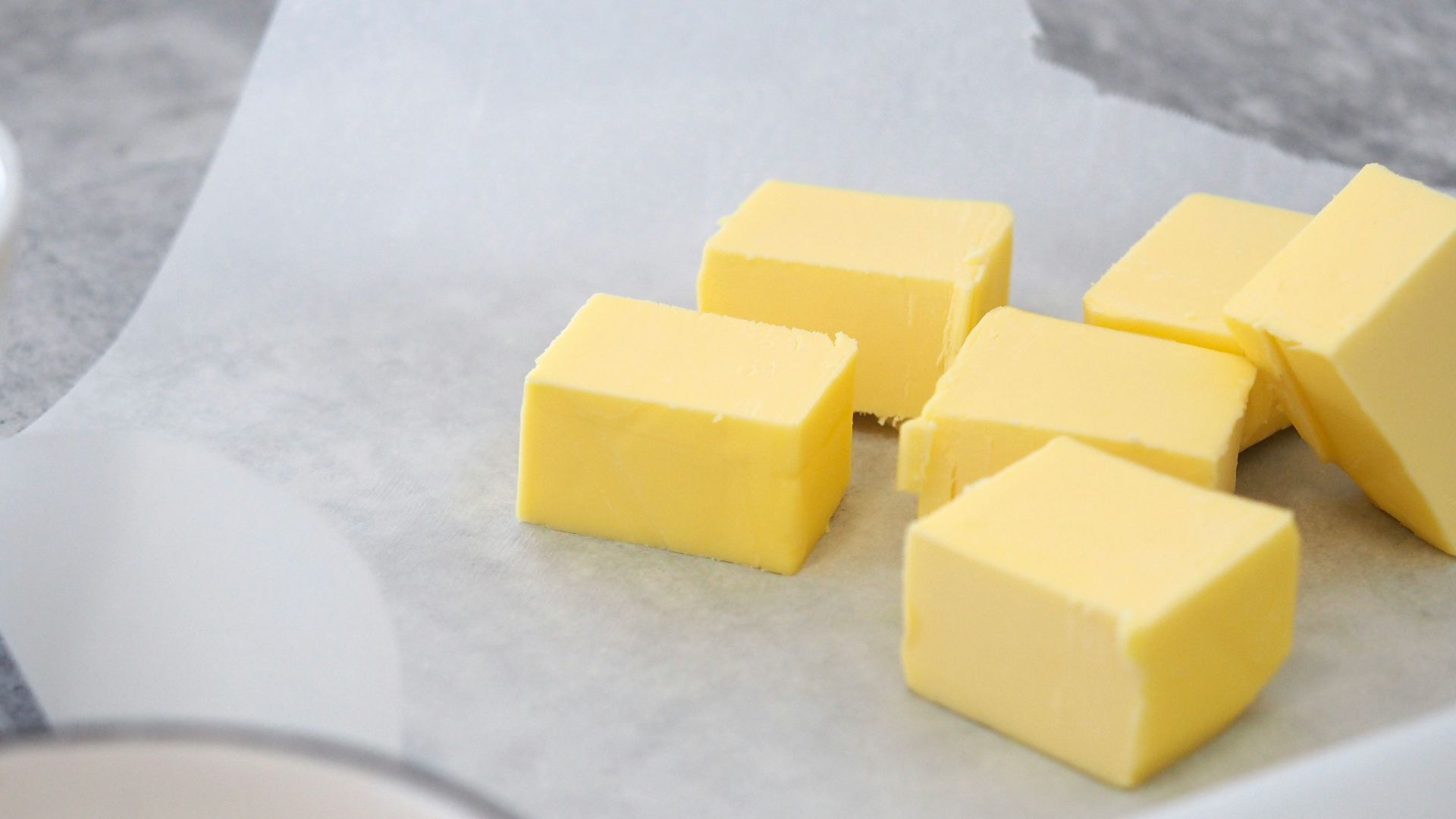
11. Store Celery Wrapped in Foil
We bet you didn’t know that wrapping celery in foil before refrigerating it allows some ethylene gas to escape. Grandma did, and now you do! This trick also helps the stalks retain moisture, which can keep them crisp longer. It's the kind of inexpensive food-saving hack that made sense when wasting groceries really wasn't an option.
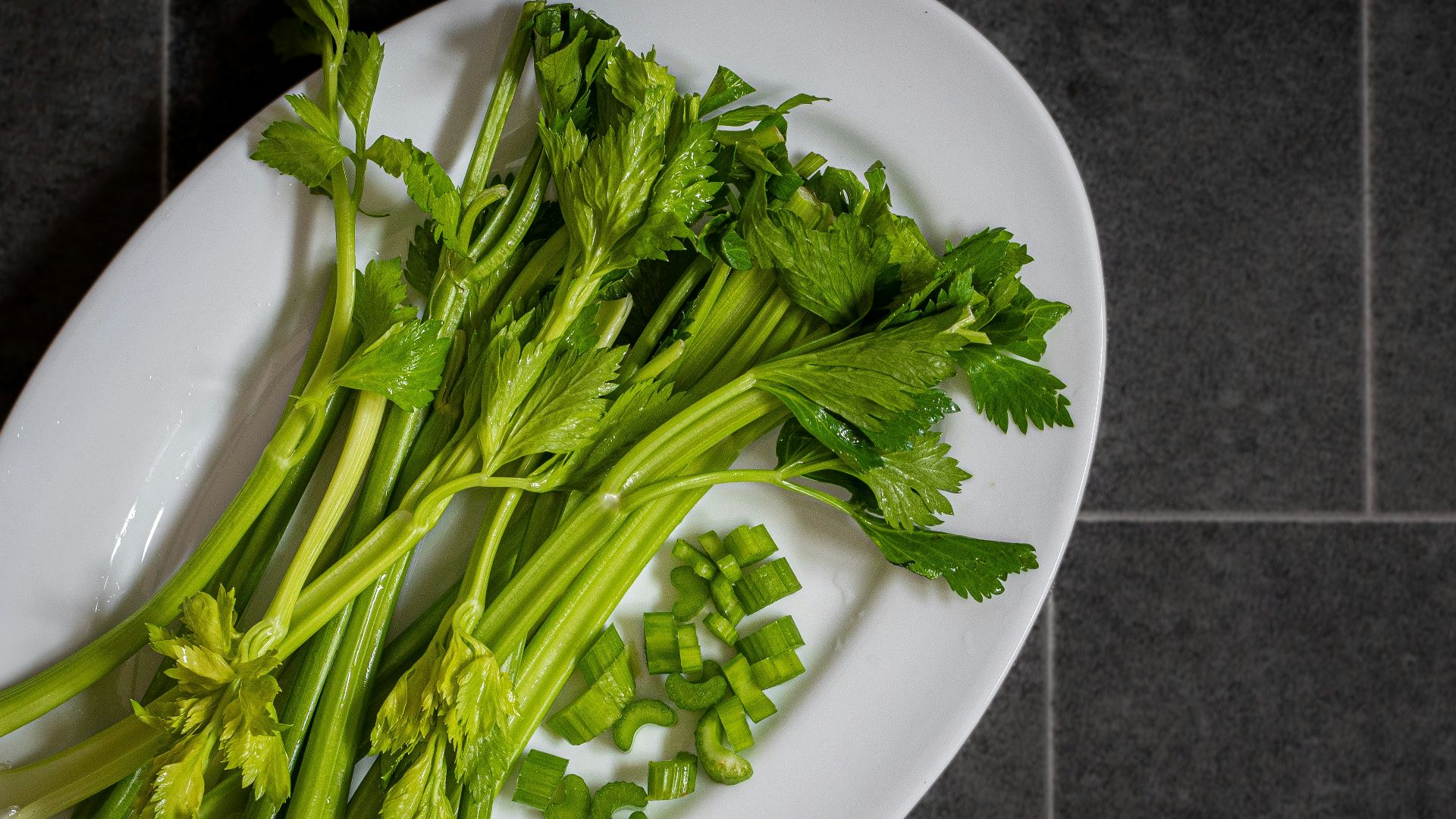
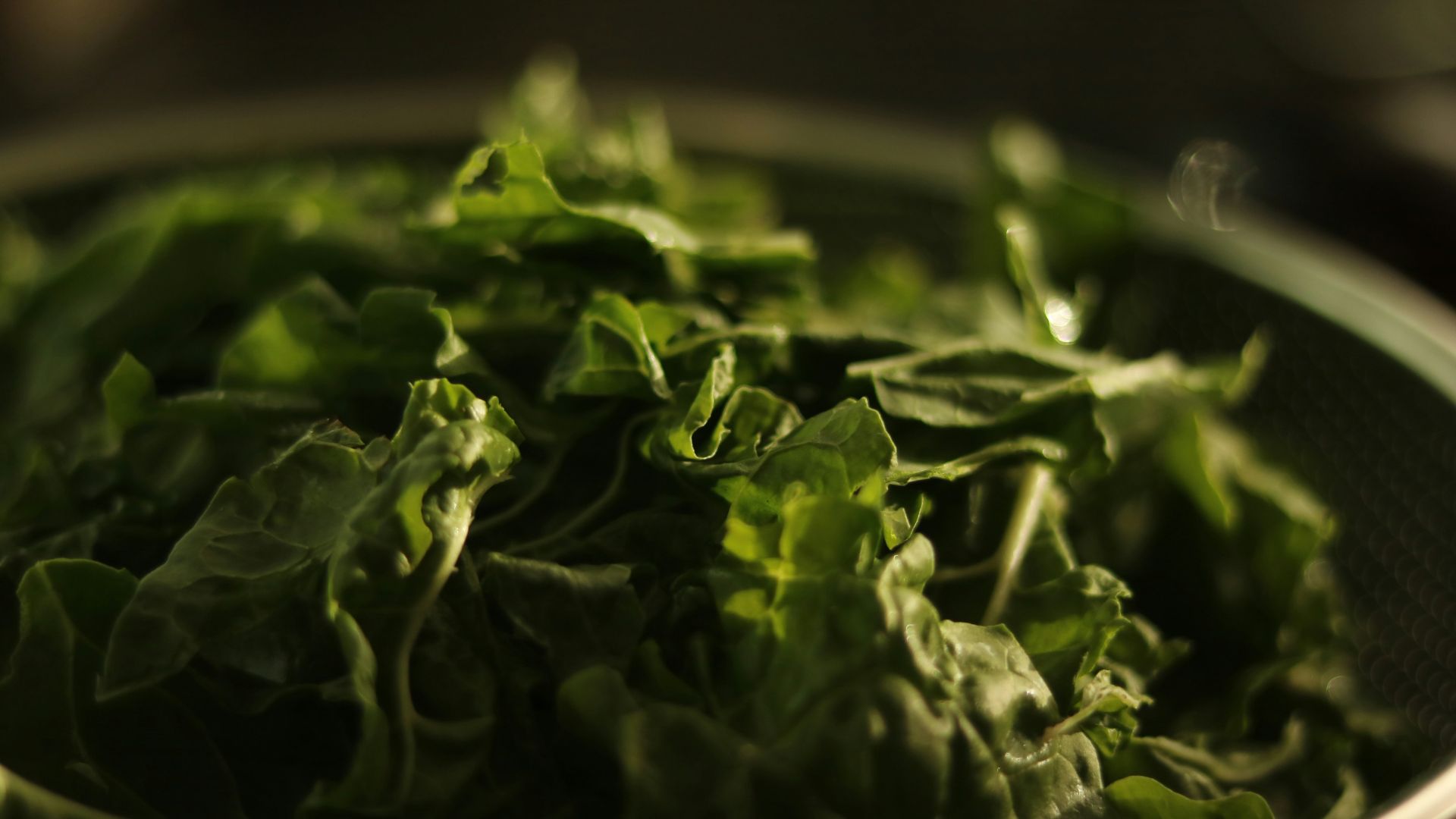
12. Revive Wilted Greens With Ice Water
Sad lettuce didn't mean salad was off the table. Soaking wilted lettuce or leafy herbs briefly in very cold water can help restore some firmness. Drain and dry everything thoroughly afterward, and those tired leaves look a lot more respectable at dinner.
 Alicia Christin Gerald on Unsplash
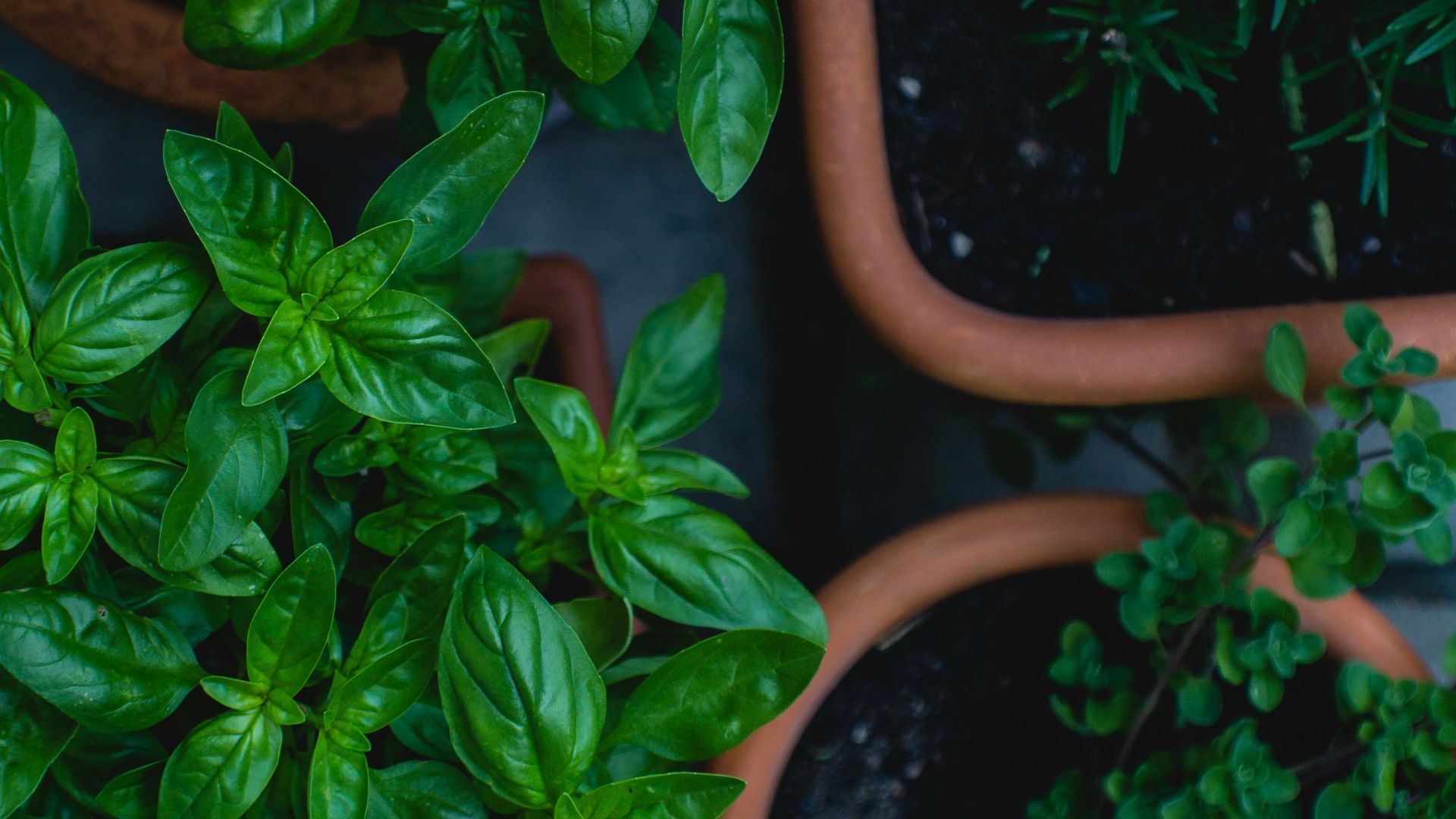
13. Freeze Herbs in Ice Cube Trays
Just about every ’80s grandma had her own herb garden—sometimes one that was too successful for its own good! Luckily, she knew that chopped herbs could be divided into ice cube trays with water or sometimes oil and frozen for later use. Okay, they won't have the texture of fresh garnish after thawing, but they're still useful.
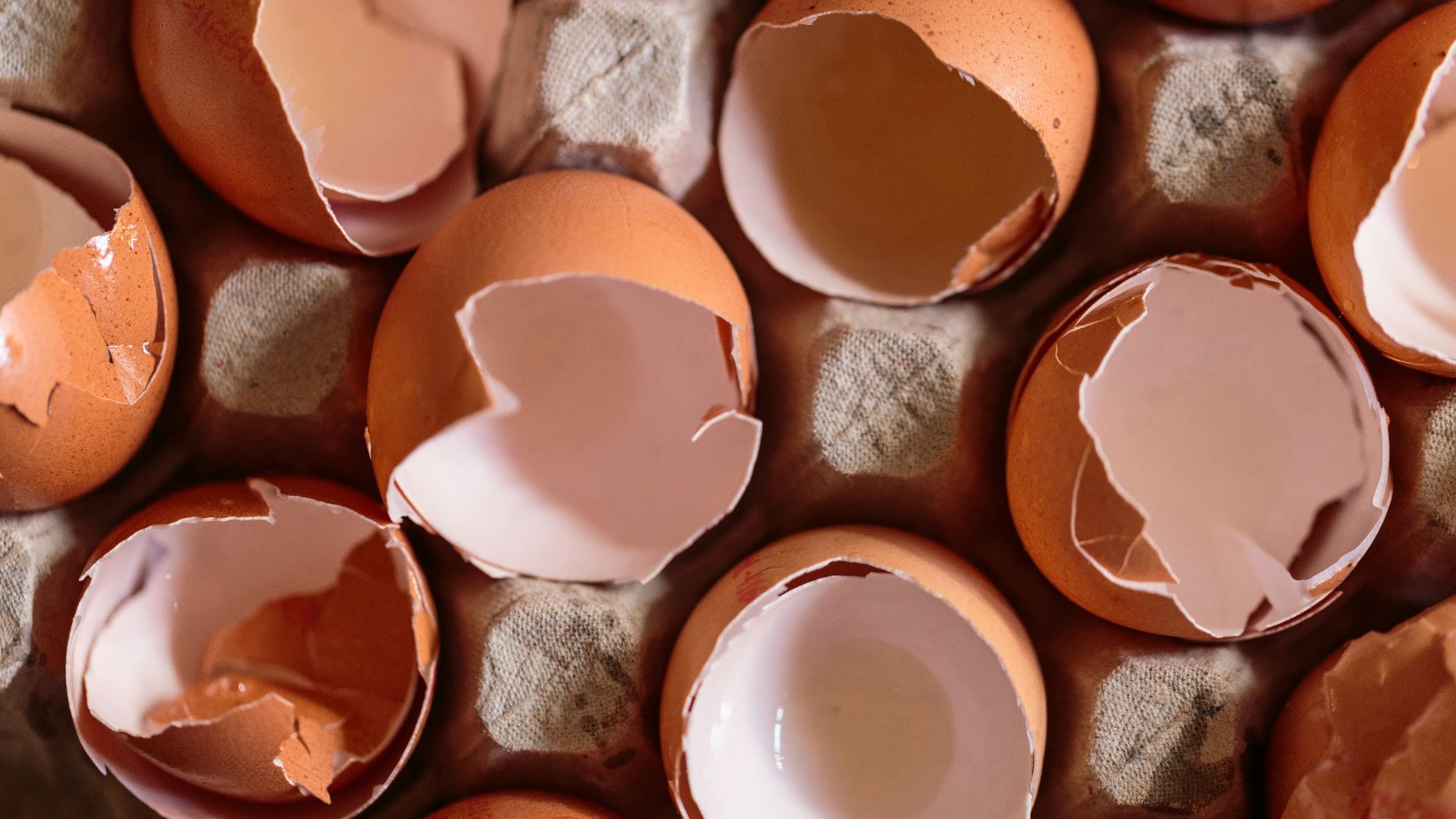
14. Use Eggshell to Scoop Out Eggshell
You’d be surprised just how many home cooks don’t do this one! Well, Grandma knew that a larger piece of eggshell can make a surprisingly effective scoop; the broken fragment is easier to catch against its edge. It's simple, fast, and saves you from poking at slippery egg whites.
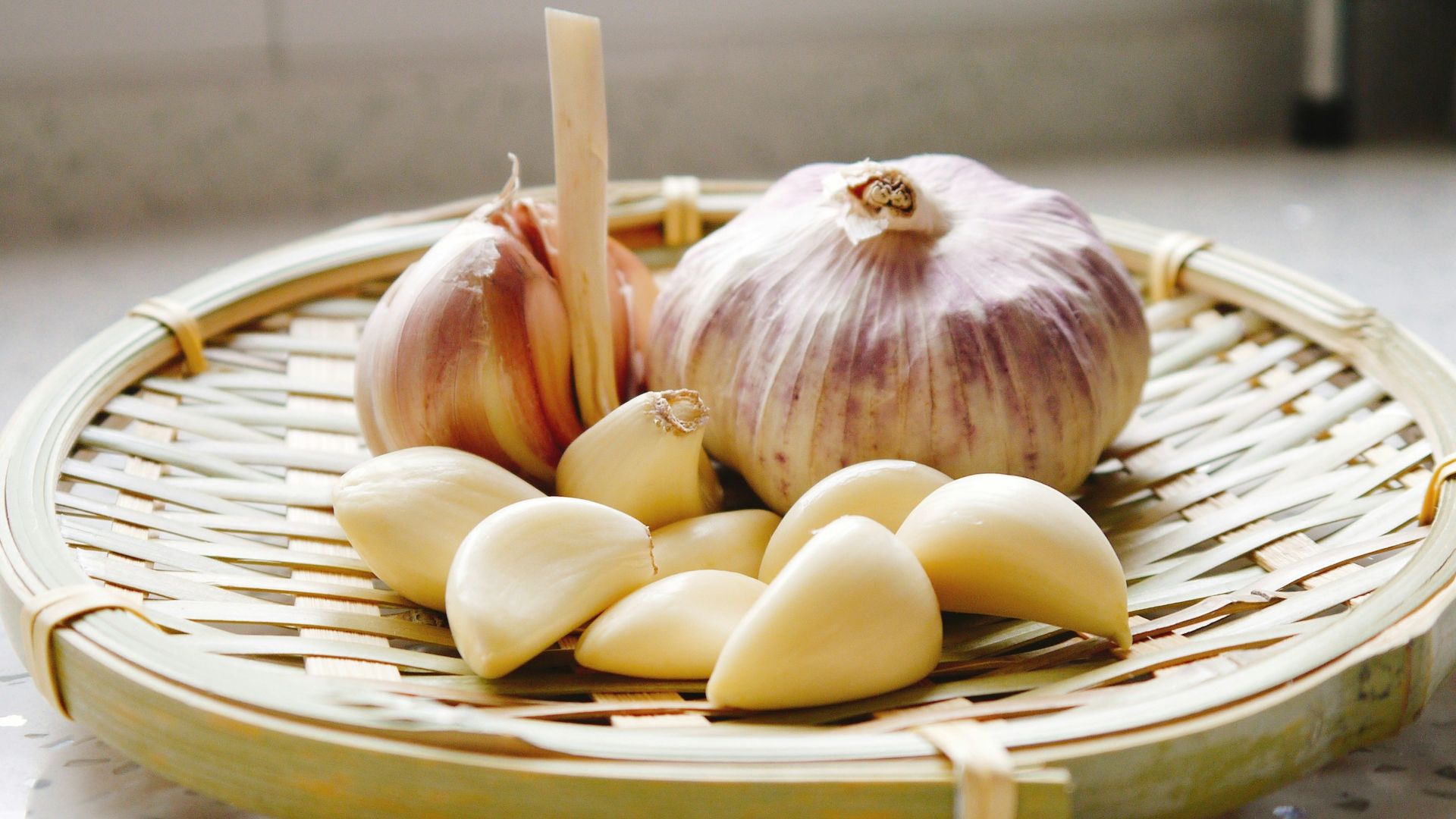
15. Rub Your Hands on Stainless Steel After Chopping Garlic
Garlic and onions don’t just hang around on the tongue; they also leave their stench on your fingers. Rubbing wet hands across stainless steel, like a sink or specialized bar, is a traditional method people use to reduce lingering odors.
16. Add a Potato to an Oversalted Soup
Did you accidentally crack too much salt into the soup? Don’t even worry about it. A potato simmered in soup absorbs liquid along with some of the dissolved salt; removing it can take a small amount of salty broth with it. It won’t save a seriously oversalted pot, but it works in a (salt) pinch as a quick fix.

17. Put a Marshmallow in the Cookie Container
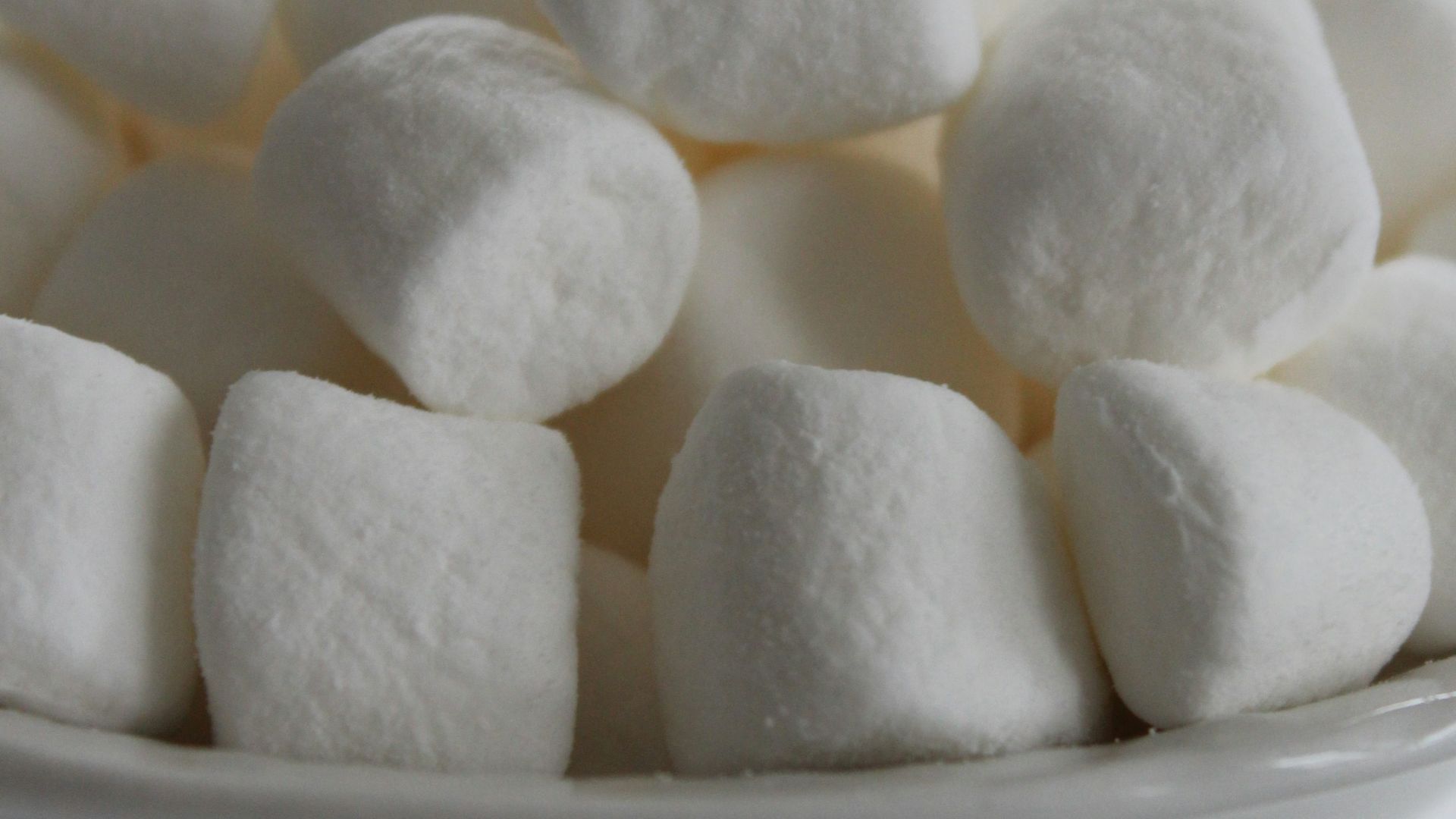
Soft cookies had their own odd little pantry companion in plenty of old-school kitchens: a marshmallow! These fluffy guys were kept inside a tightly closed container to provide moisture that helped soft cookies resist drying out.
18. Use a Warm Knife for Neater Cake Slices
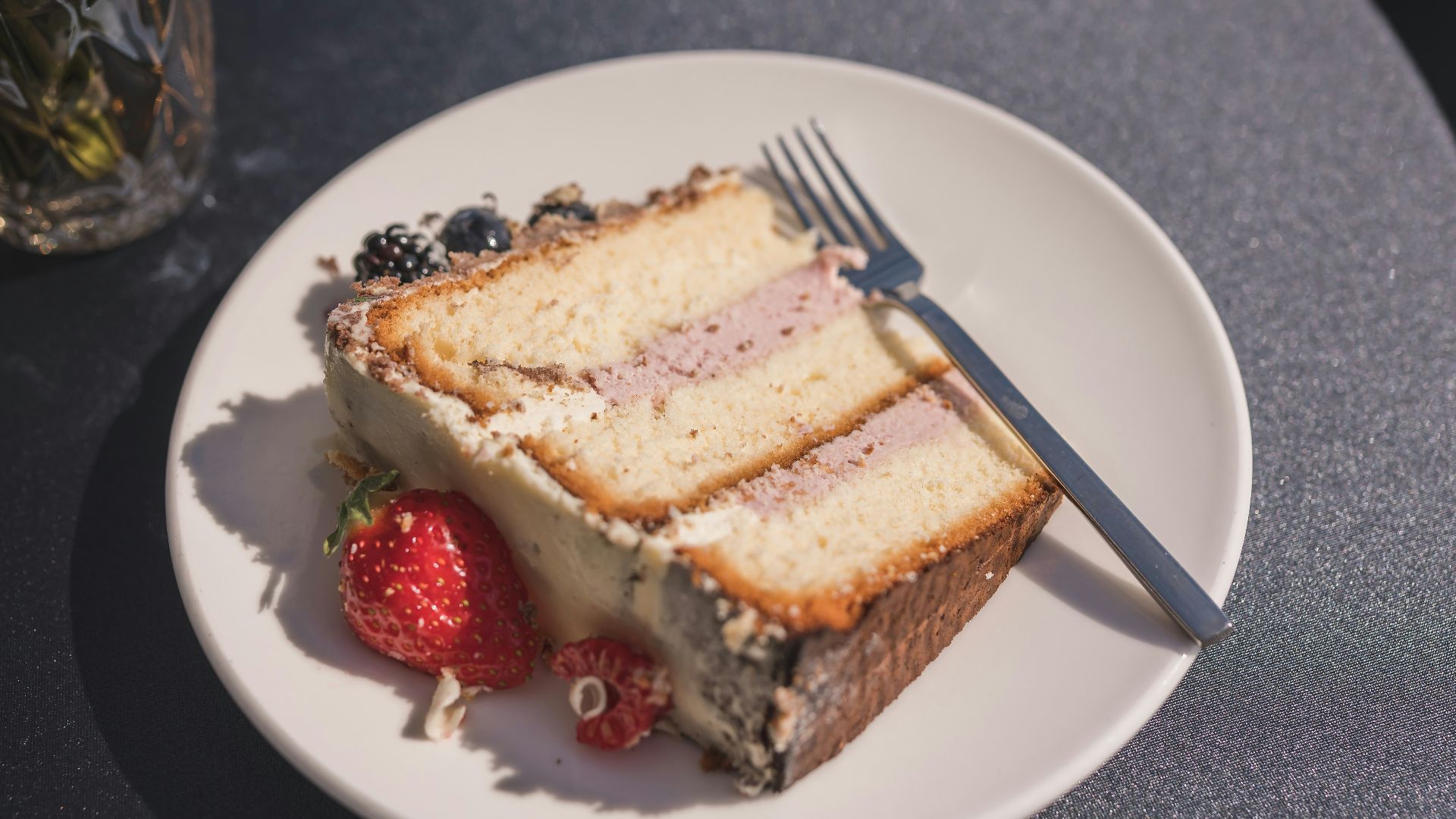
We’ve all done this for ice cream cakes, but dipping a knife in hot water works just as well on other pastries, too. A warm, dry blade moves cleanly through chilled frosting, cheesecake, and dense desserts, so don’t be afraid to reach for this one at the next party.
19. Keep Apples Away From Certain Produce
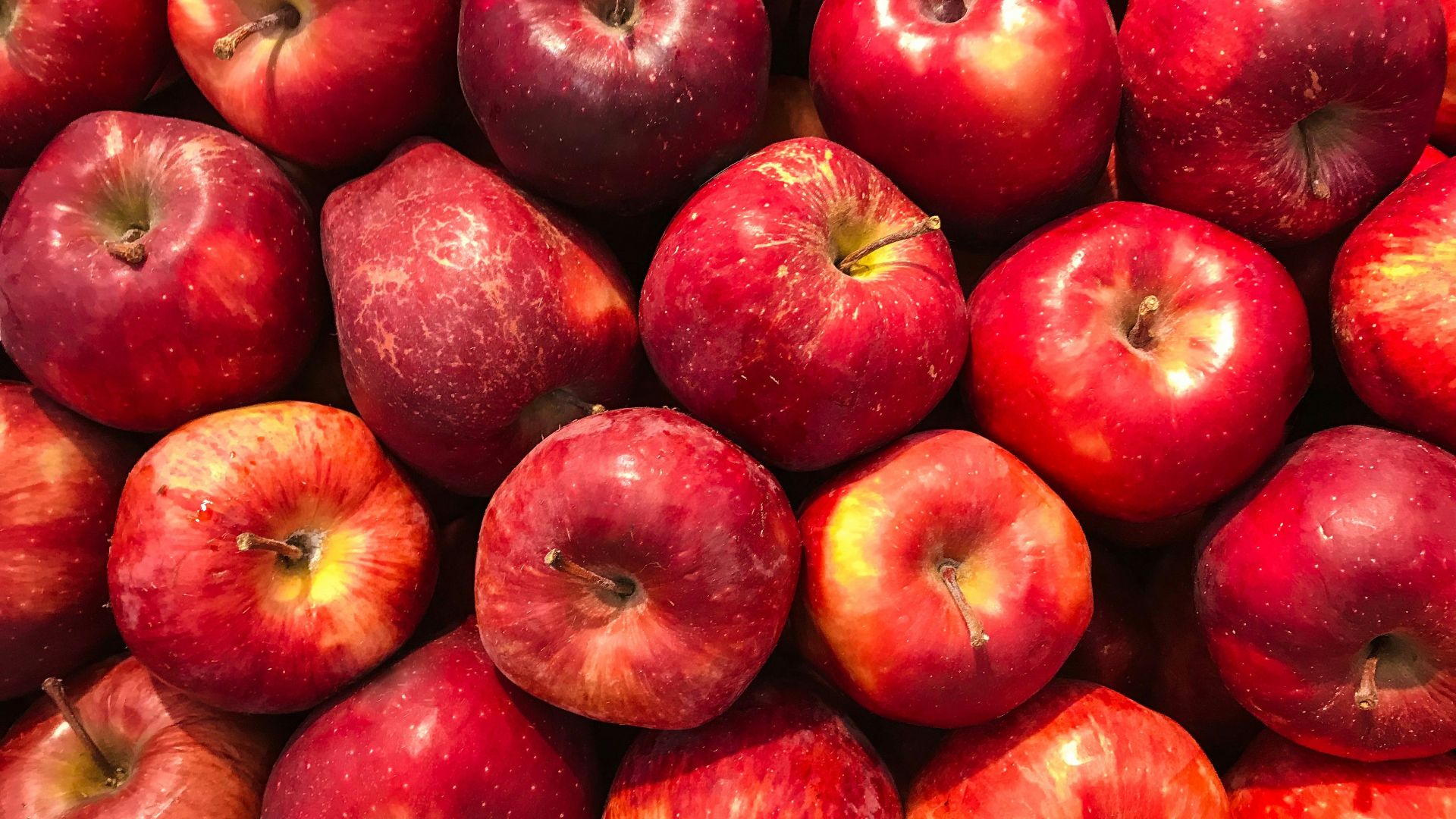
Apples release ethylene gas as they ripen, and that can speed the ripening and eventual deterioration of sensitive produce nearby. Grandmothers may not have broken the science down, but they knew well enough to keep their apples away from leafy greens. Unless you want a nasty surprise when you open the fridge, you’d do well to heed her advice!
20. Clean a Coffee Grinder With Dry Rice
Grinders can hold onto oily residue and strong odors after repeated use. One old household trick is to pulse a small amount of dry rice in certain blade-style grinders so the grains collect some of that residue before everything’s brushed out. Just check the manufacturer's instructions first—harder uncooked rice isn't recommended for every grinder.
 adriaan venner scheepers on Unsplash
KEEP ON READING
The Best Gifts to Give To Any Baking Lover




10 Iconic Australian Foods You Need to Try