A Nice Dining Room Doesn’t Tell the Whole Story
A restaurant doesn’t have to be fancy to be excellent, but it should show care in the details that matter. It’s not always easy to spot when a restaurant is cutting corners, but some slips stand out more than others, appearing in small ways before they become impossible to ignore. From rushed service to tired ingredients, these clues can help you spot when a restaurant is trying to save money or effort at the expense of your meal.
1. The Menu Is Huge
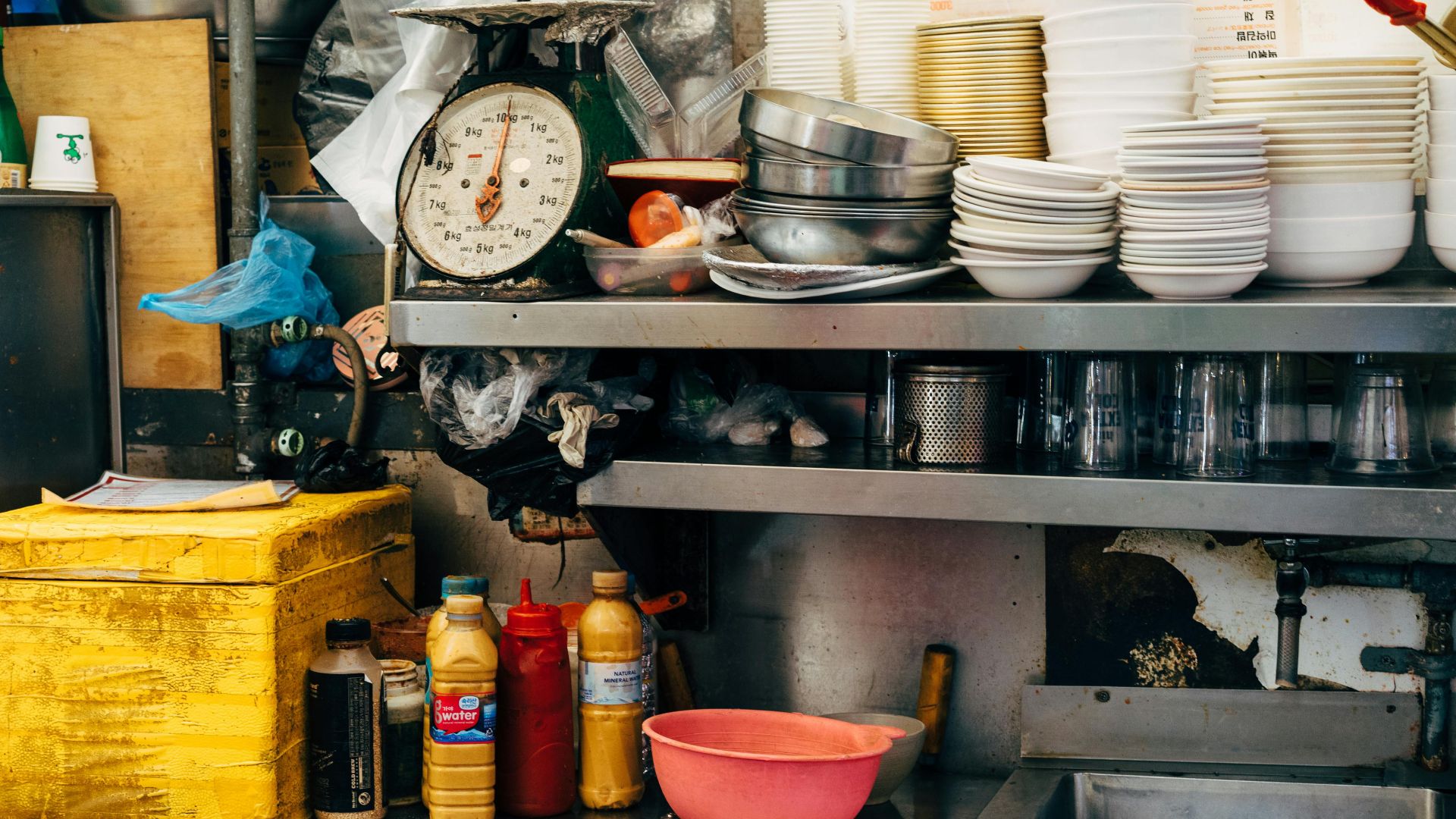
A massive menu can look impressive at first, but that’s only to the untrained eye. In reality, it usually means the kitchen is stretching itself too thin. When a restaurant offers every cuisine under the sun, it’s fair to wonder how much of it is actually fresh—or even cooked properly.
2. The Specials Never Change
Daily specials should be tied to what’s fresh or seasonal. If you frequent the same place, keep an eye on their signature dishes. Once the same “special” sits on the board for weeks, it may just be regular inventory with a fancier label.
3. The Staff Seems Confused About the Food
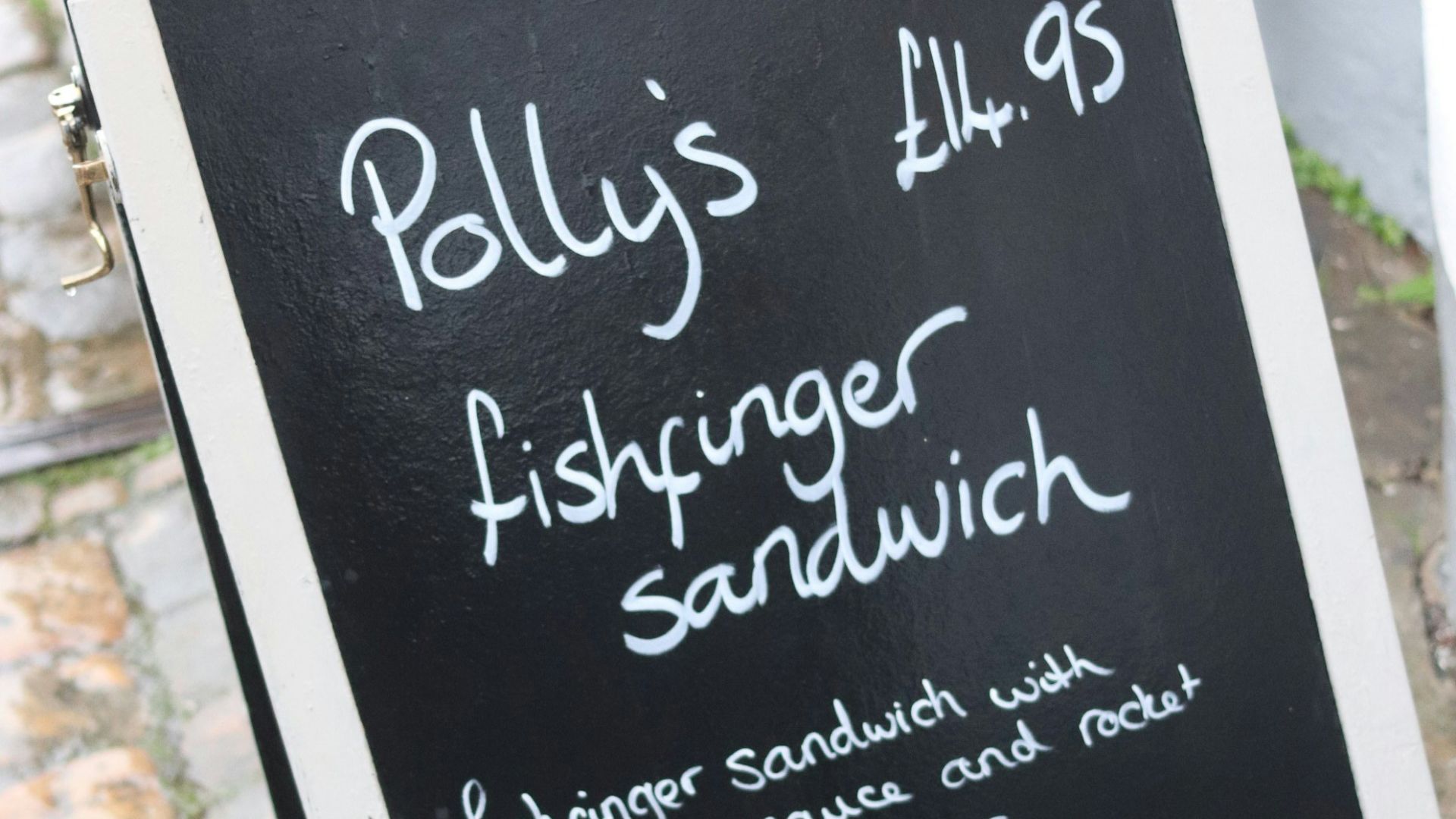
Servers should know the basics of what’s being served, and when they don’t, that signals all kinds of issues. When no one can explain ingredients, preparation, or allergens with confidence, it suggests the restaurant hasn’t invested much in training. It could also easily signal that things are confusing behind the scenes, too.

4. The Dining Room Looks Clean Only at First
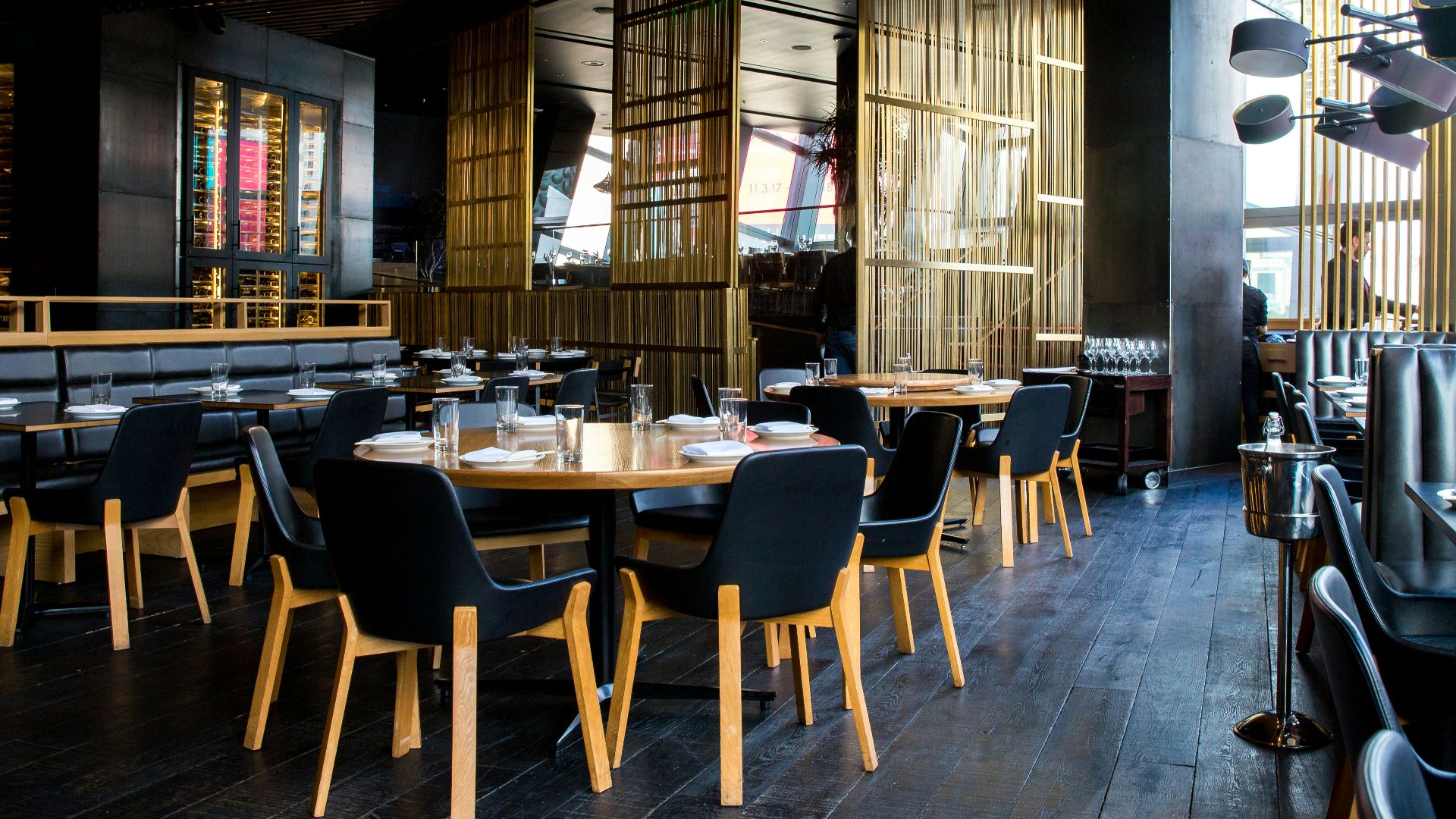
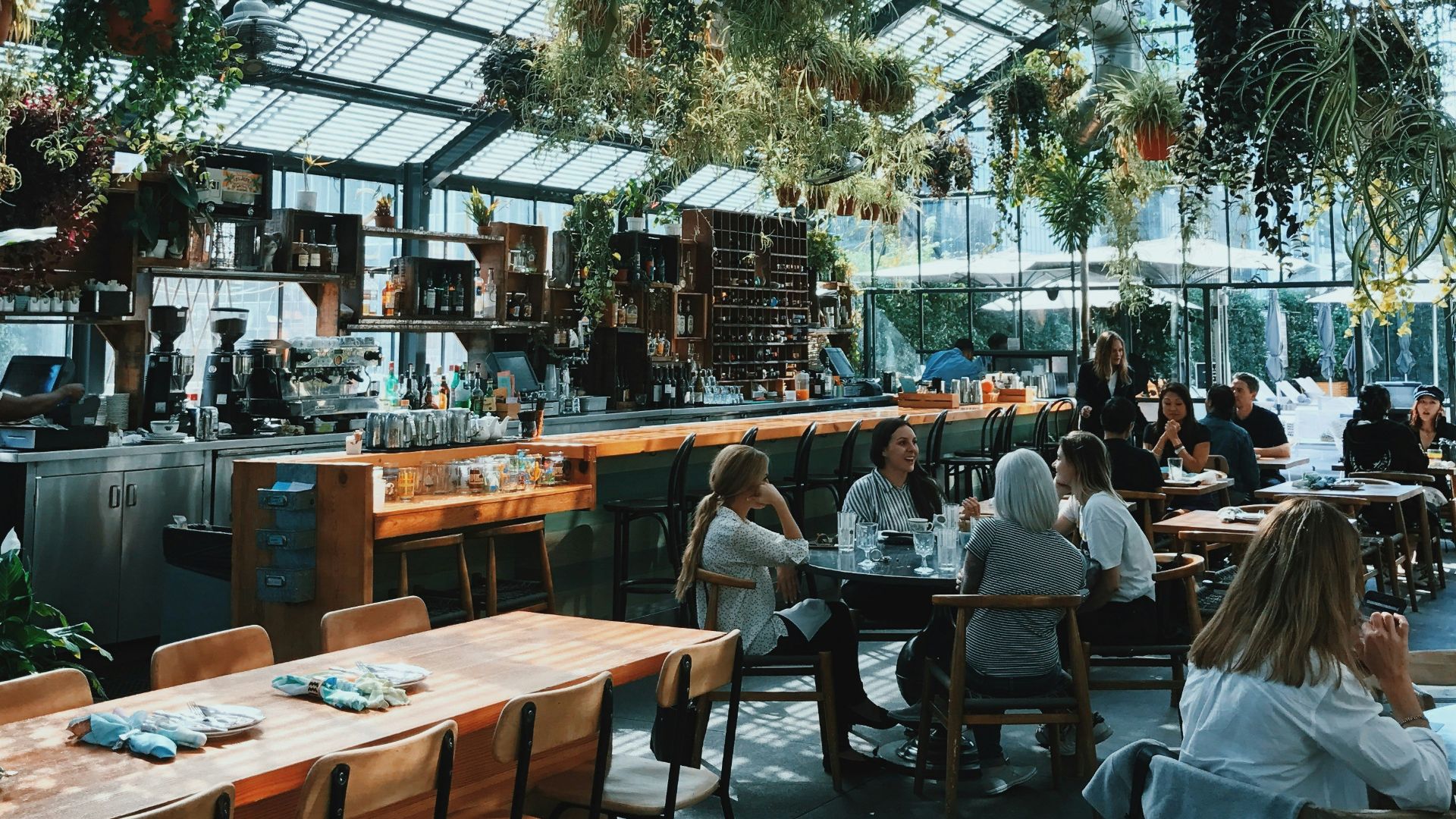
A spotless table is a must-have, sure, but the real clues are often in the corners, floors, menus, and restrooms. Dig deeper than the surface. If the visible areas are sticky, dusty, or neglected, you can reasonably wonder what the hidden areas look like.
5. The Food Arrives Too Fast
There’s nothing more suspicious than a fancy meal that arrives in 15 minutes. Though fast service is wonderful at a drive-thru, good dishes need real cooking time. If a complicated entree instantly lands on your table, it may have been sitting, reheated, or plated with little care.
6. Everything Tastes Overly Salty
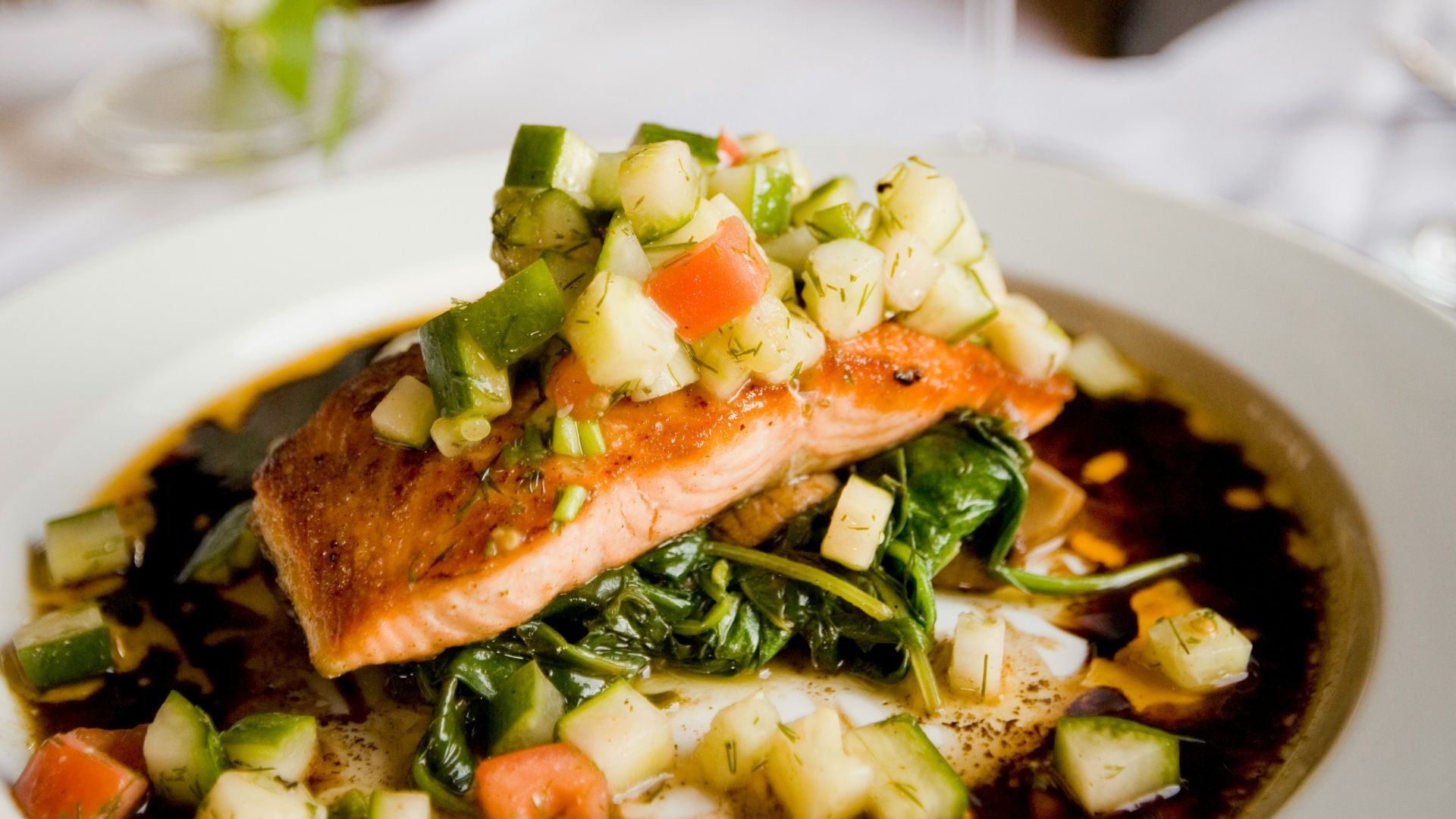
Hey, we all know salt is important. However, we also know that it’s used to cover up bland ingredients or careless cooking. Every dish shouldn’t taste aggressively seasoned in the same way; the kitchen may be relying on salt instead of technique.
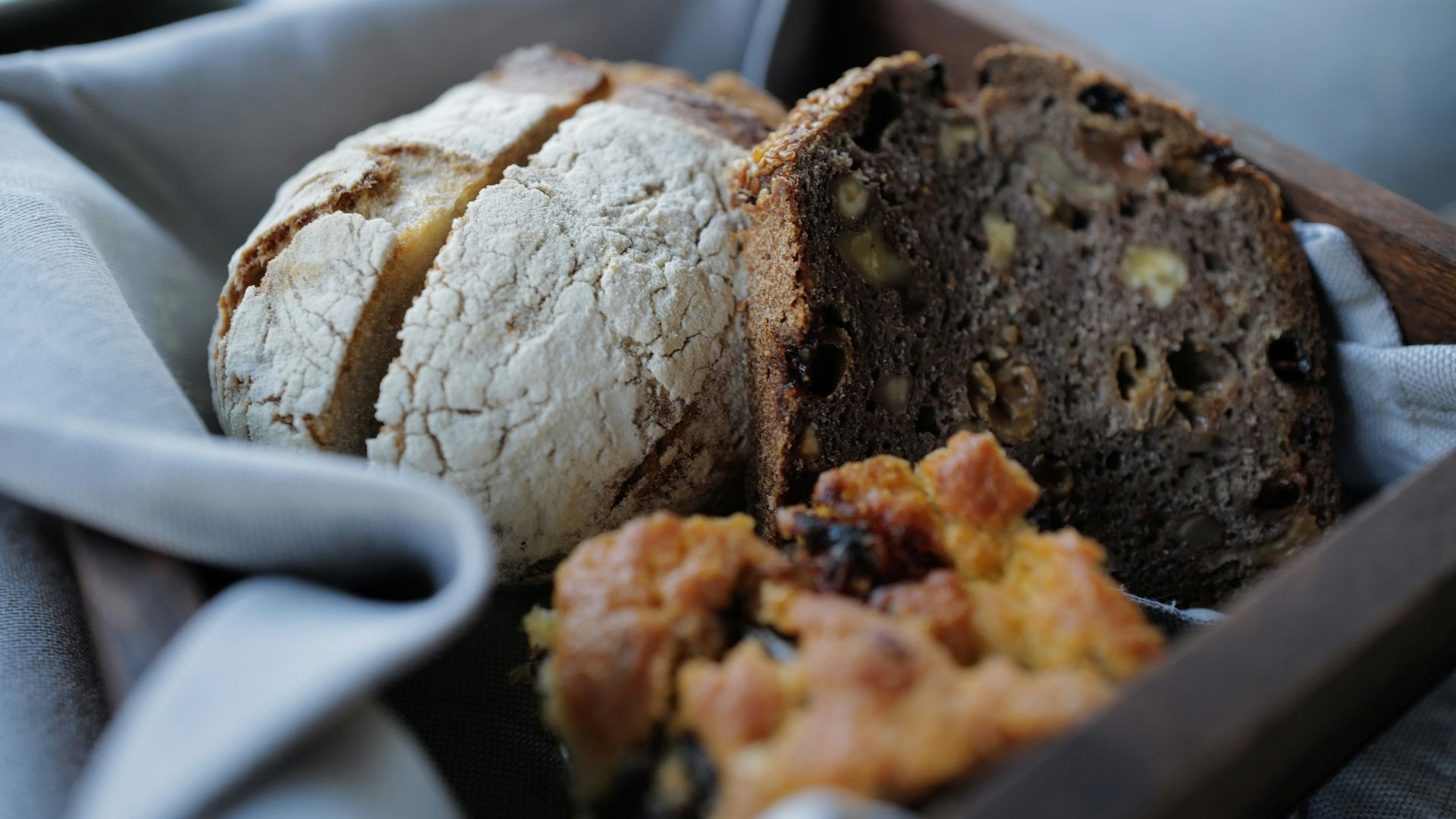
7. The Bread Tastes Stale
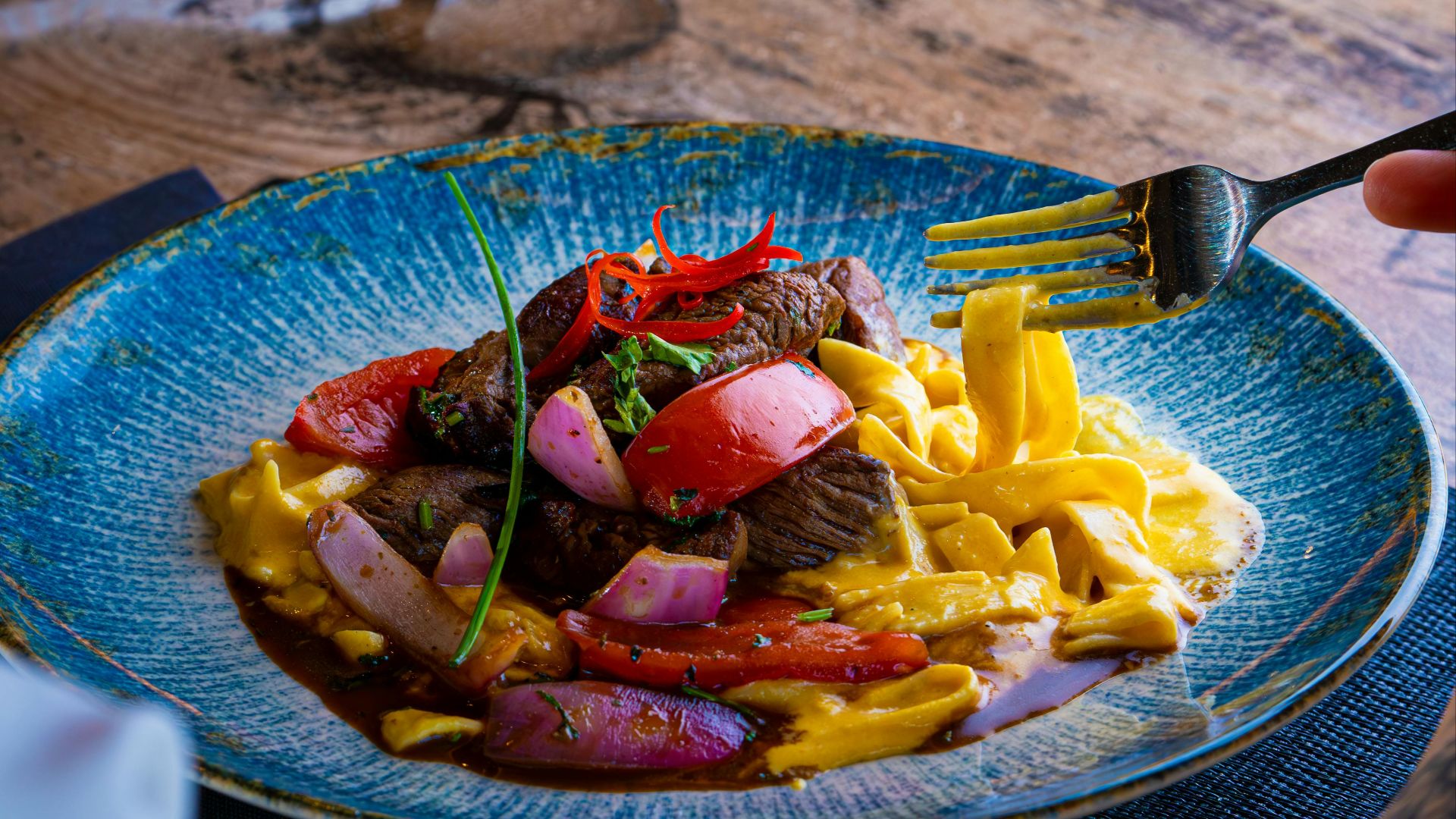
Complimentary starters can tell you a lot about a restaurant’s standards, especially if it isn’t very good. If the bread is dry, the chips are limp, or the hard butter rips right through the bread, someone decided “good enough” was close enough.
8. Sauces Are Nowhere to Be Found
A good sauce brings any dish together, while a poorly-made one makes everything taste flat. Pay attention to what’s on top. Are the sauces watery? Are they separated, overly sweet, or clearly store-bought? The kitchen may be skipping one of the easiest ways to show care.
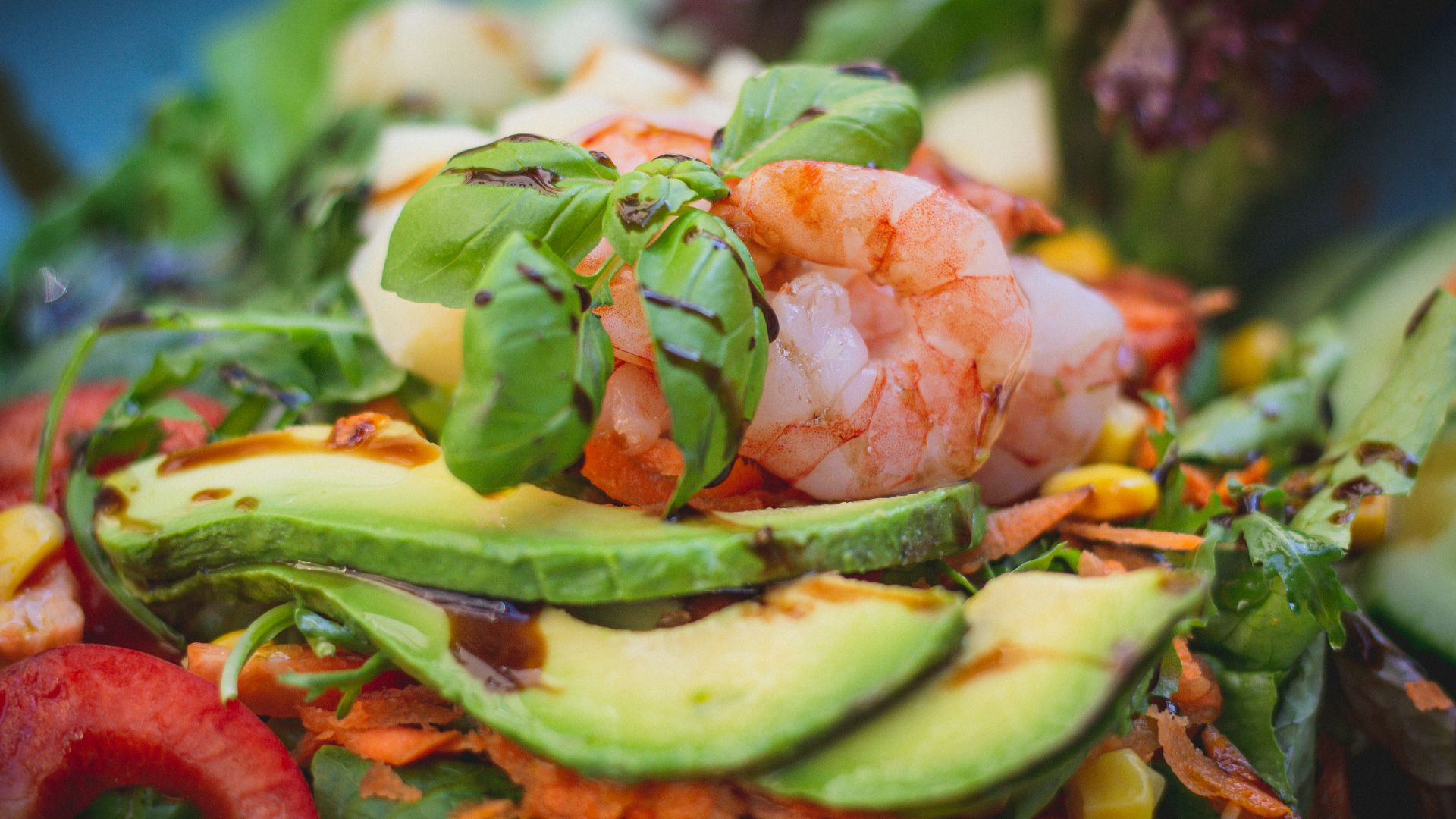
9. The Produce is Limp
Fresh vegetables and garnishes should be exactly that: fresh! No one’s going to salivate over wilted lettuce, browned herbs, or sad lemon wedges. And honestly, that stuff suggests the kitchen is holding onto ingredients too long.
10. The Portions Feel Too Small
Restaurants can absolutely adjust portions to manage costs, but diners can tell when something feels stingy. If the plate is padded with cheap fillers while the main barely shows its face, the value starts to feel questionable. A fair portion doesn’t have to be huge, but it should feel honest.
11. The Same Ingredients Show Up
Cross-using ingredients is only smart when you don’t overdo it—otherwise, it makes the menu lazy. Using the same sauce, garnish, vegetable mix, or protein in nearly every dish just says the kitchen is simplifying more than it should.
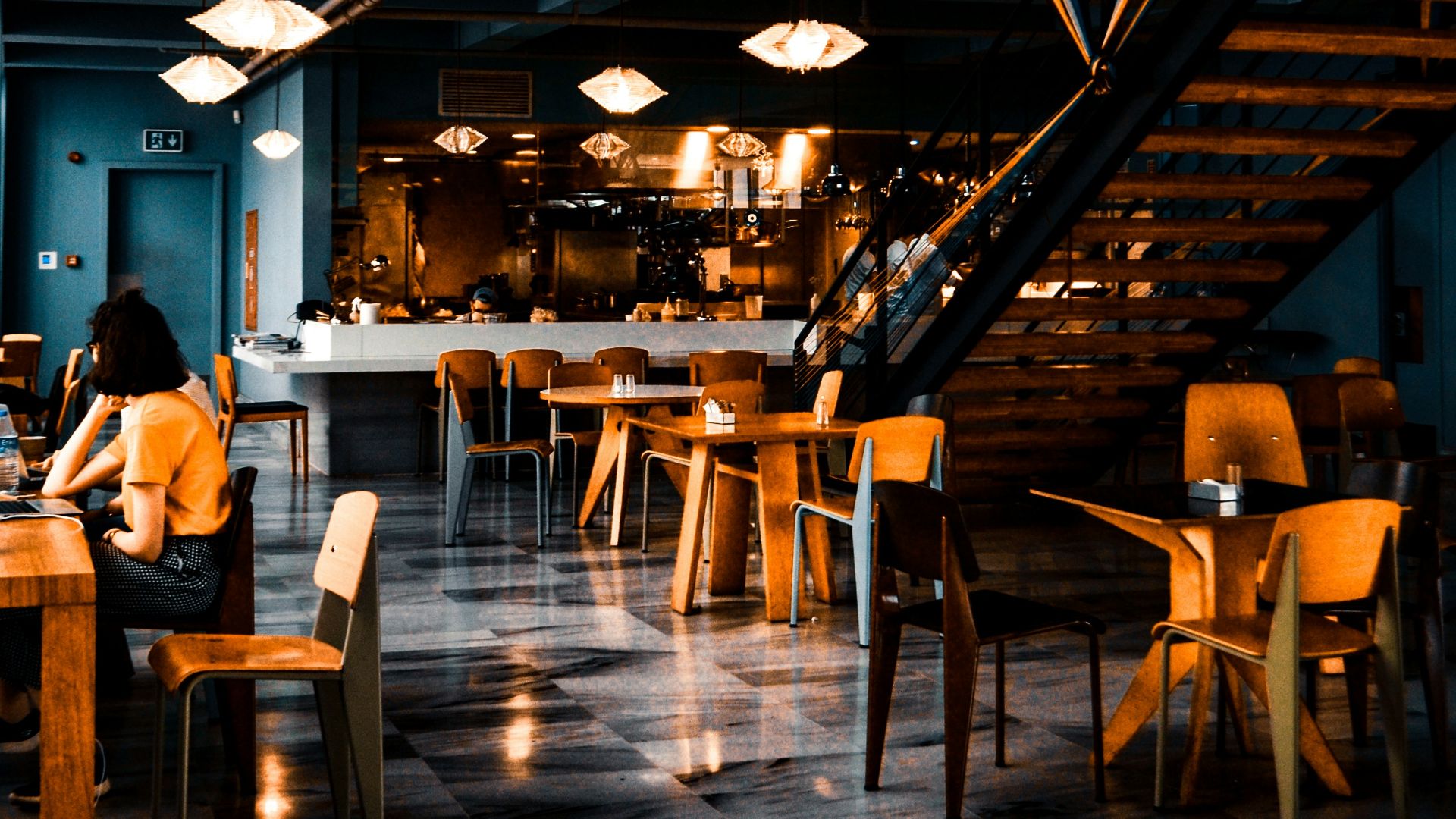 Volkan Buyukvardar on Unsplash
12. The Fried Food Tastes Heavy
We’re not saying that fried food will necessarily make you feel good, even on its best day, but proper plates shouldn’t send you to the toilet. They should be crisp, hot, and clean-tasting. If it arrives greasy or with a stale flavor, the oil may not be changed often enough.
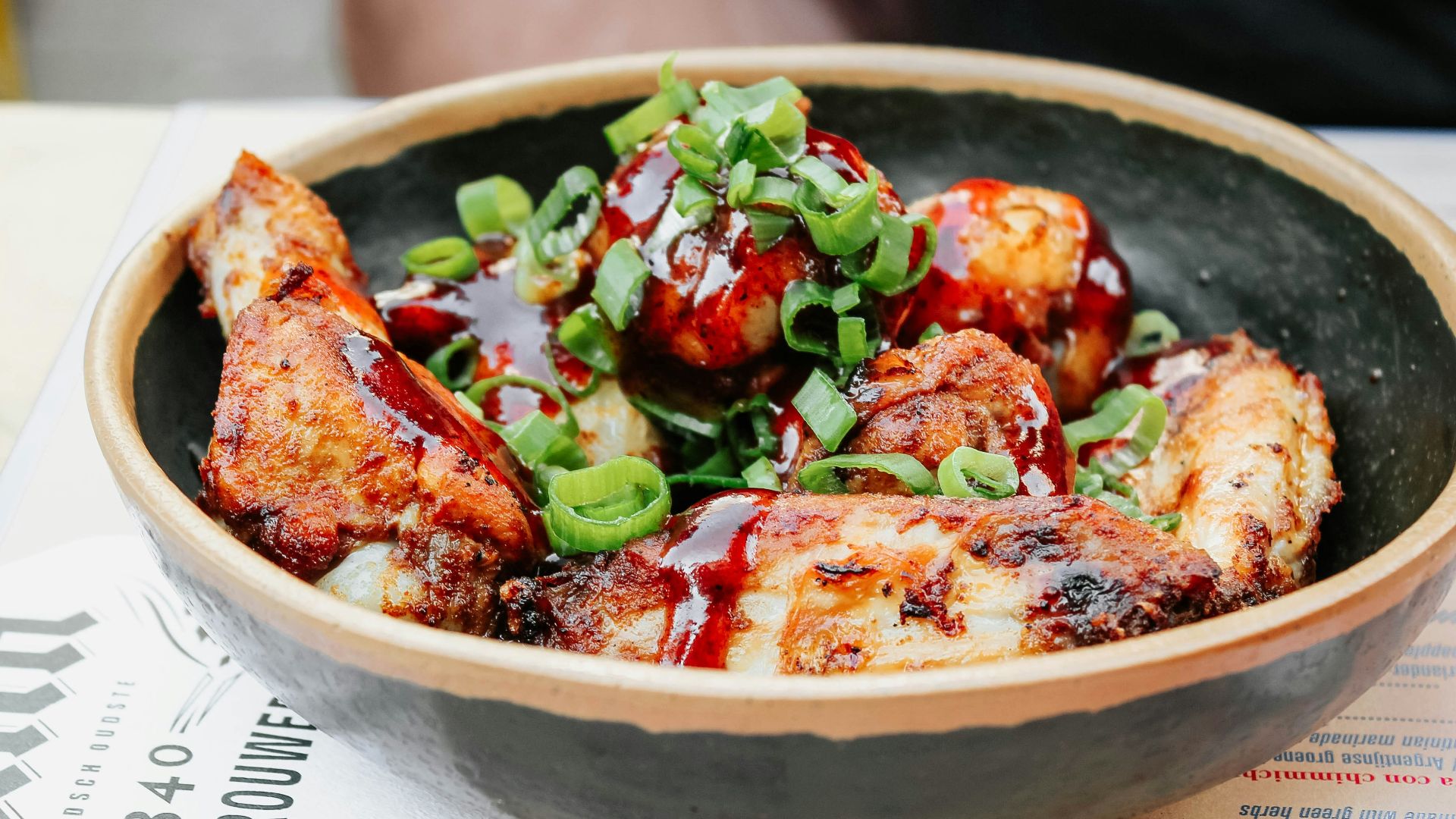 micheile henderson on Unsplash
13. Inconsistent Drinks
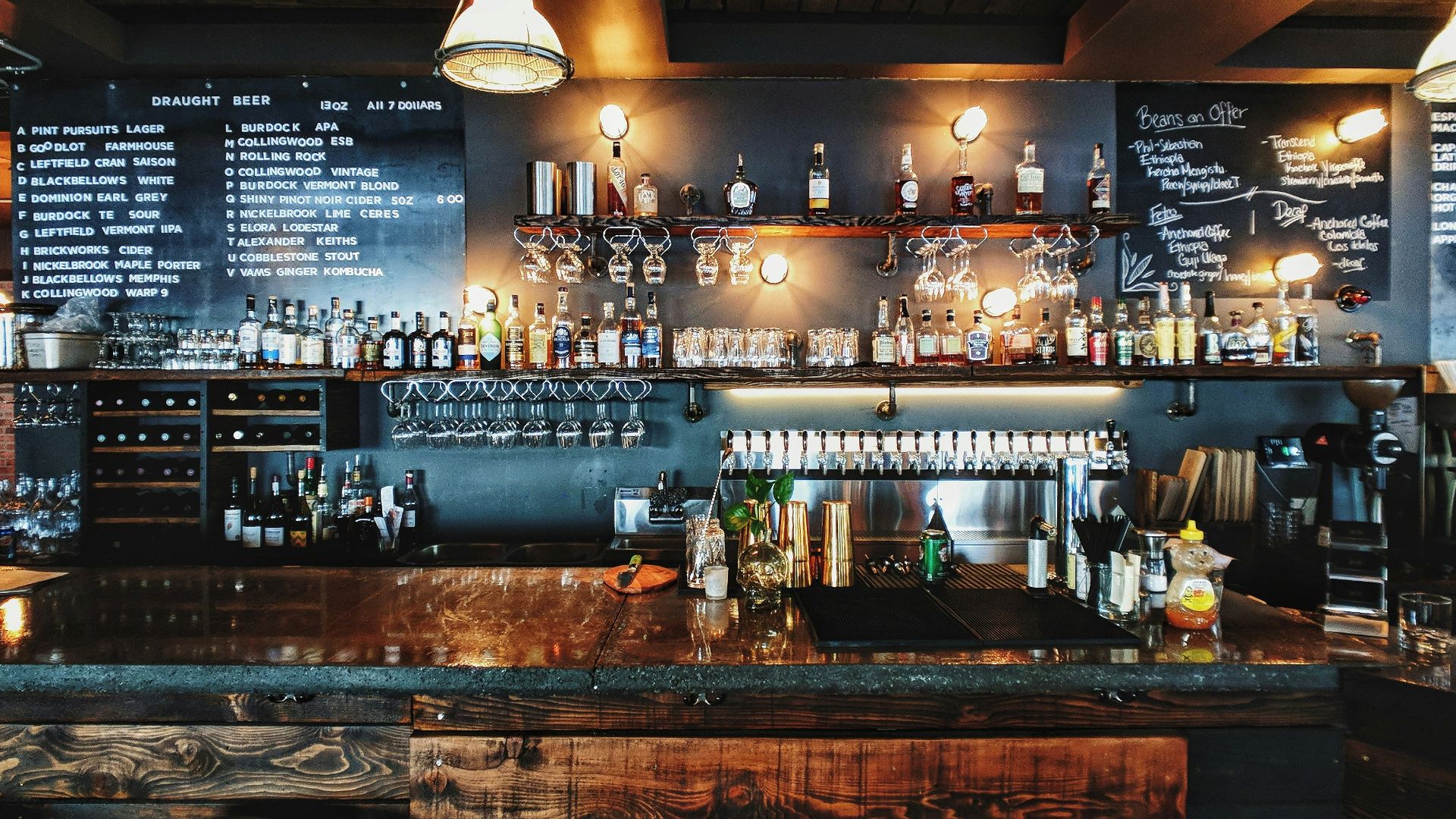
A cocktail shouldn’t taste completely different every time it arrives at the table. While you might not be able to tell without consistent visits, basic drinks all hold the same taste, and you’ll spot the odd man out. You shouldn’t have to wonder which version of your order you’re going to get.
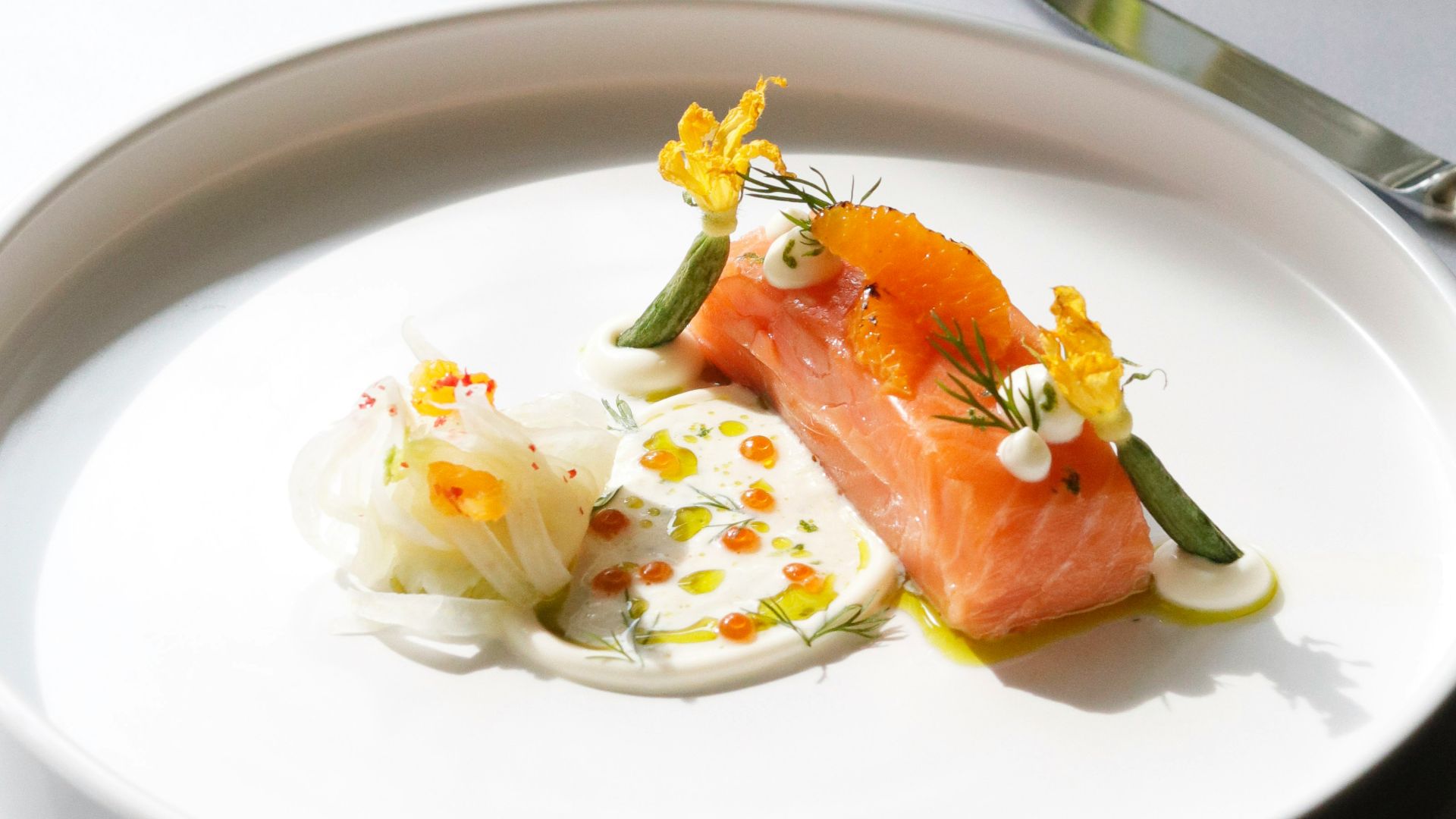
14. Poorly Presented Plates
Believe it or not, food is just as important as its presentation. While dishes don’t need to look museum-ready, they should appear intentional. Sloppy plating, smeared rims, and careless garnishes only show that the kitchen isn’t checking what leaves the pass—or worse, it doesn’t care.
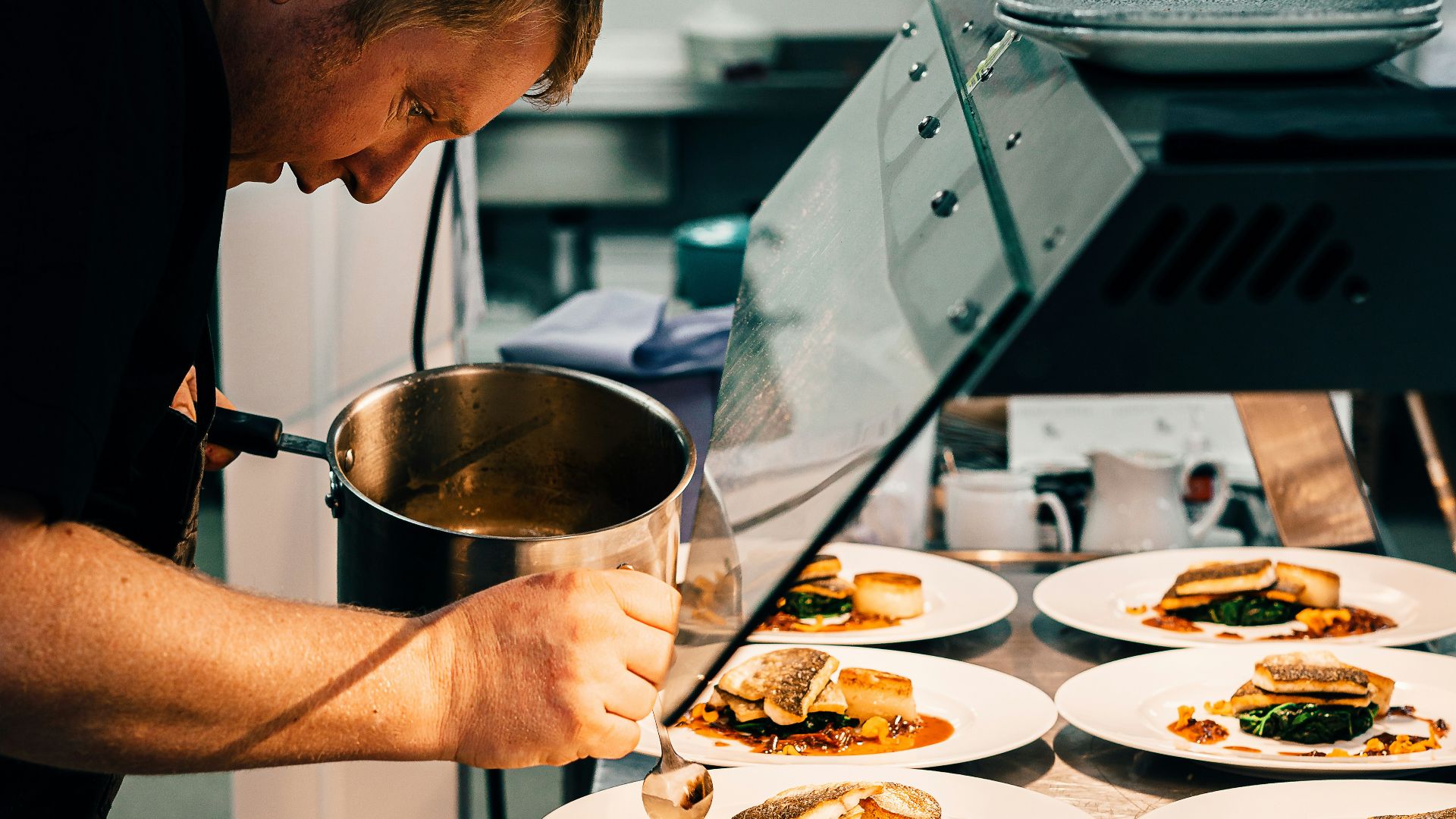 Sebastian Coman Photography on Unsplash
15. The Staff Always Apologizes
Everyone has off nights, and a sincere apology can go a long way. But when apologies become a constant? It could mean anything from an understaffed restaurant to disorganization. You can be patient and still notice when the system isn’t working.
16. The Restaurant Is Out of Stuff
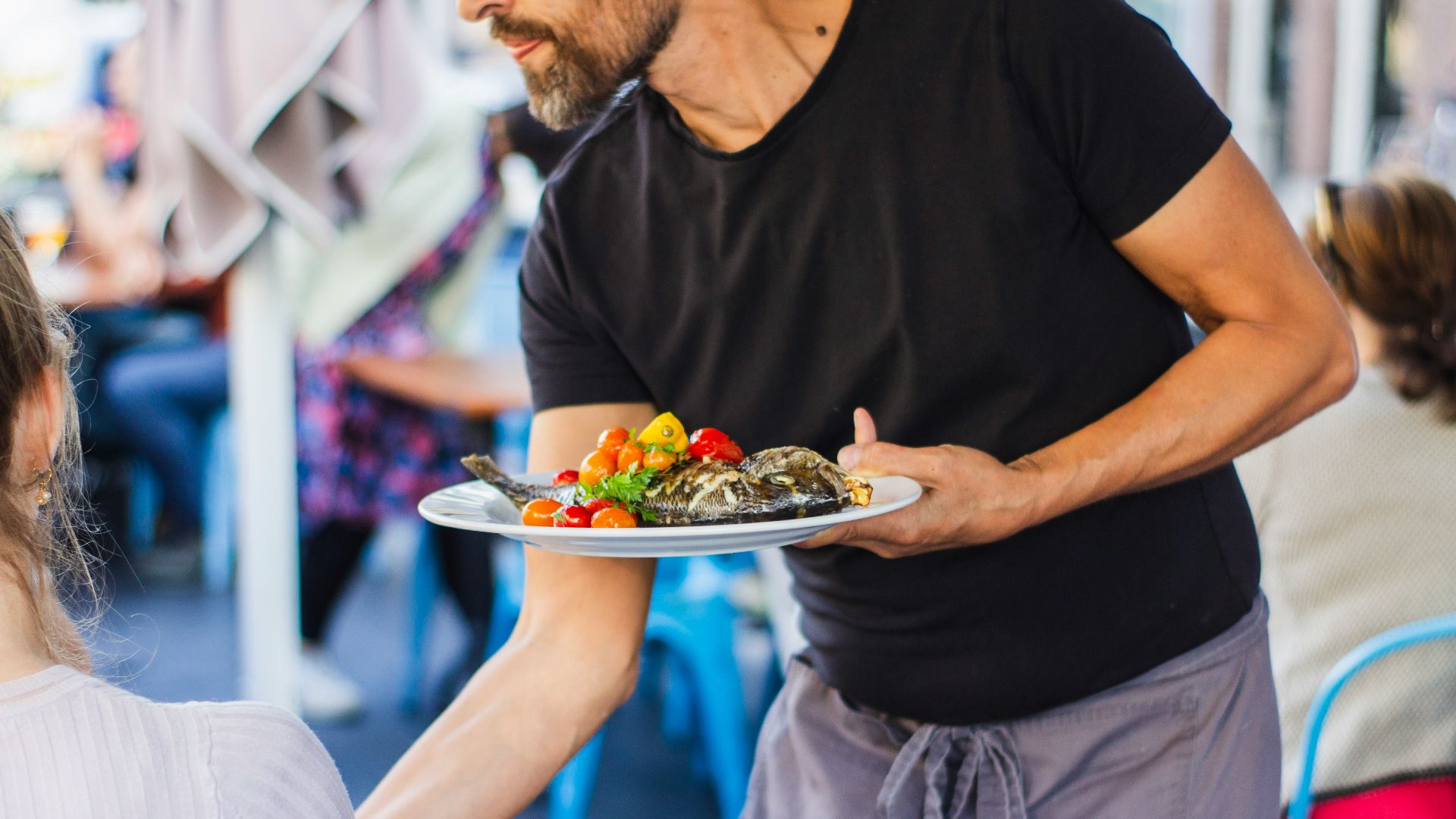
Running out of a popular dish happens, especially when a kitchen cooks fresh food! That said, if several menu items are unavailable early in the evening, planning may be weak, or inventory may be too tight. Either way, it’s not a good sign.
 kayleigh harrington on Unsplash
17. Generic Desserts
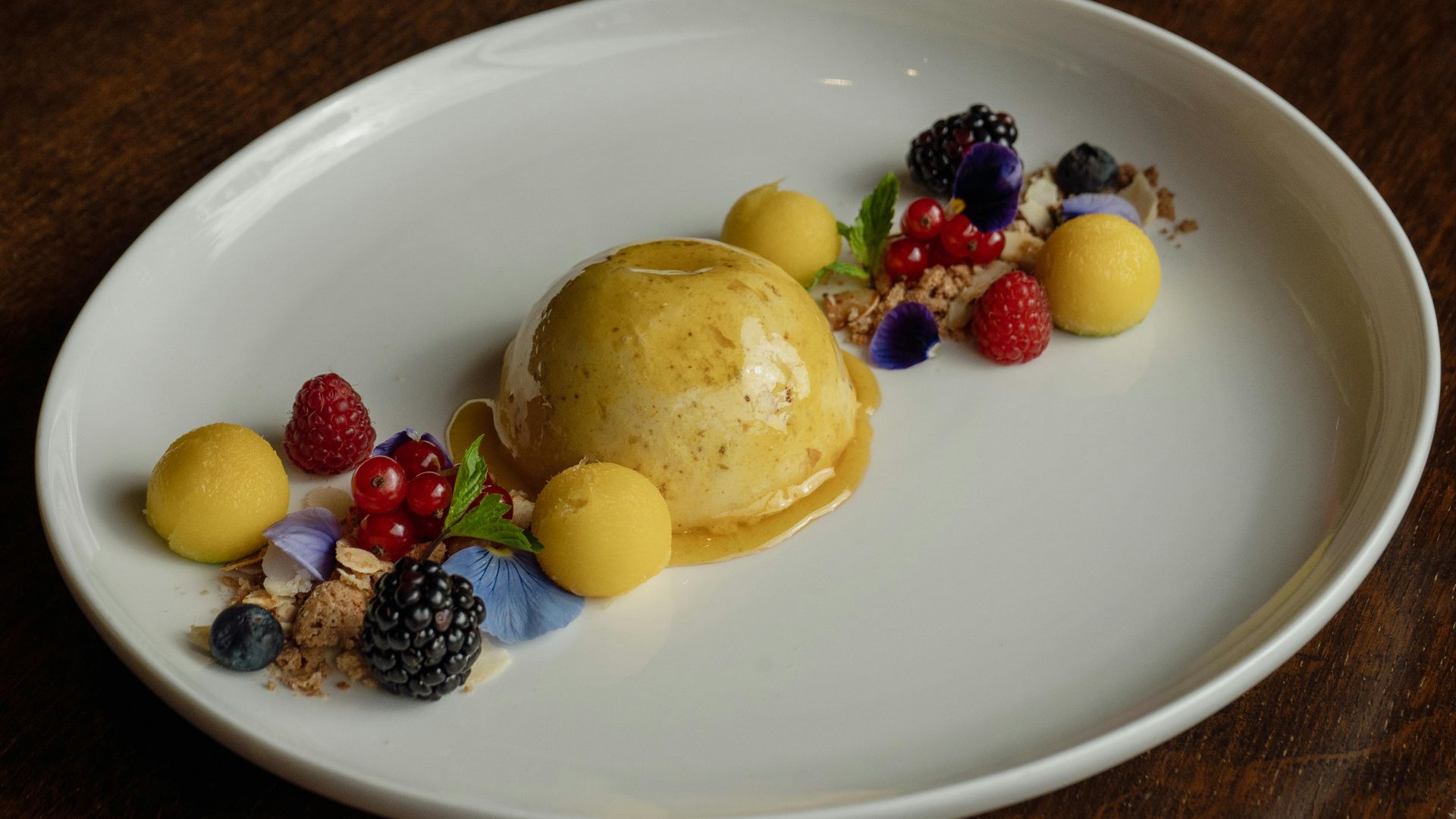
Dessert is where shortcuts become especially obvious, so keep your fork at the ready. If every option tastes frozen or mass-produced, the final course can feel like an afterthought. No one wants the bookend of their meal to taste terrible!
18. The Temperature Is Off
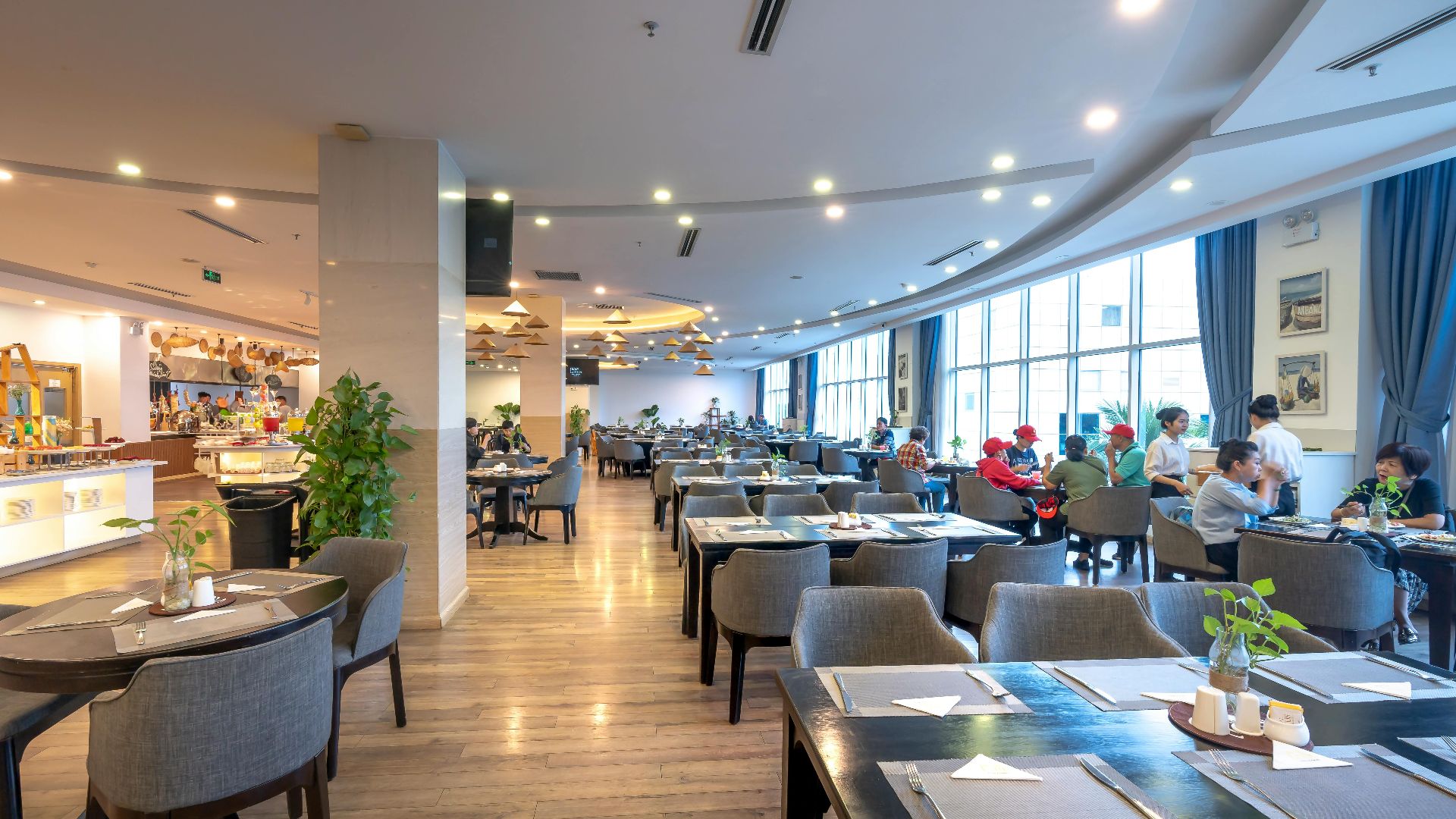
Hot food should be hot, cold food should be cold—it’s pretty basic stuff. You shouldn’t have to eat quickly just to catch the food at its best. You also shouldn’t have to fight with staff on temperature preferences.
19. The Restroom Is Neglected
The restroom isn’t part of the meal, of course, but it’s absolutely part of the restaurant. Little details matter, and if the bathroom only has empty soap dispensers, overflowing trash, or dirty surfaces, it’s pretty clear no one’s checking enough.
20. The Experience Is Lackluster
Sometimes the biggest sign isn’t one problem. Sometimes, it’s the overall feeling that nobody’s paying attention. The food, service, cleanliness, and atmosphere all need to work together, and when they’re slightly off, the restaurant may be cutting corners in several places at once. A good restaurant makes you feel looked after, and you can tell when that care’s missing.
KEEP ON READING

20 Signs A Restaurant Is Cutting Corners