

There’s something surprisingly satisfying about a really well-made sandwich. Even though sandwiches are often treated like quick meals or convenient lunches, the best ones are carefully balanced combinations of texture, flavor, temperature, and ingredient quality. A great sandwich doesn’t happen by accident because every layer plays a role in the final result. When everything works together properly, even simple ingredients can feel restaurant-worthy.
People often focus only on fillings while overlooking the details that actually make sandwiches memorable. Bread choice, ingredient order, moisture control, and seasoning all affect how the sandwich tastes and holds together. The difference between a mediocre sandwich and an excellent one usually comes down to thoughtful preparation rather than expensive ingredients. Once you understand those small details, building a satisfying sandwich becomes much easier.
Choosing The Right Foundation
Bread is easily one of the most important parts of any sandwich, yet many people treat it like an afterthought. The wrong bread can overpower delicate fillings or fall apart halfway through the meal. A sturdy roll works well for heavier ingredients, while softer breads complement lighter fillings better. Texture matters just as much as flavor because the bread affects every bite.
Freshness also makes a huge difference in the overall quality of a sandwich. Bread that’s too dry can make the entire meal feel stale, while overly soft bread may become soggy quickly. Toasting can help improve texture and create structure, especially when using sauces or juicy ingredients. Even a light toast often adds more flavor and prevents the sandwich from becoming messy.
The balance between bread and filling is another detail many people overlook. Thick bread can dominate the sandwich and hide the flavors inside, while bread that’s too thin may not support the ingredients properly. Ideally, each bite should include both filling and bread without one overwhelming the other. A sandwich should feel cohesive rather than stacked randomly together.
Layering Ingredients The Right Way
The order of ingredients affects both texture and practicality more than people realize. Moist ingredients placed directly against bread can quickly make it soggy, especially if the sandwich sits for a while before eating. Using lettuce, cheese, or spreads as barriers can help maintain structure and freshness. Small layering choices often make sandwiches far more enjoyable to eat.
Texture contrast is also essential when building a satisfying sandwich. Crunchy vegetables paired with softer fillings create variety that keeps each bite interesting. Without texture differences, sandwiches can feel flat even when the flavors themselves are good. Crispy bacon, toasted bread, pickles, or fresh lettuce often improve overall balance immediately.
Seasoning is another step that’s frequently ignored in homemade sandwiches. Tomatoes, lettuce, and even deli meats benefit from a little salt, pepper, or seasoning blend to enhance flavor. Many restaurant sandwiches taste better simply because the ingredients are seasoned properly rather than left plain. Even a basic sandwich becomes noticeably better when every layer is thoughtfully prepared.
Creating Flavor Without Overcomplicating Things
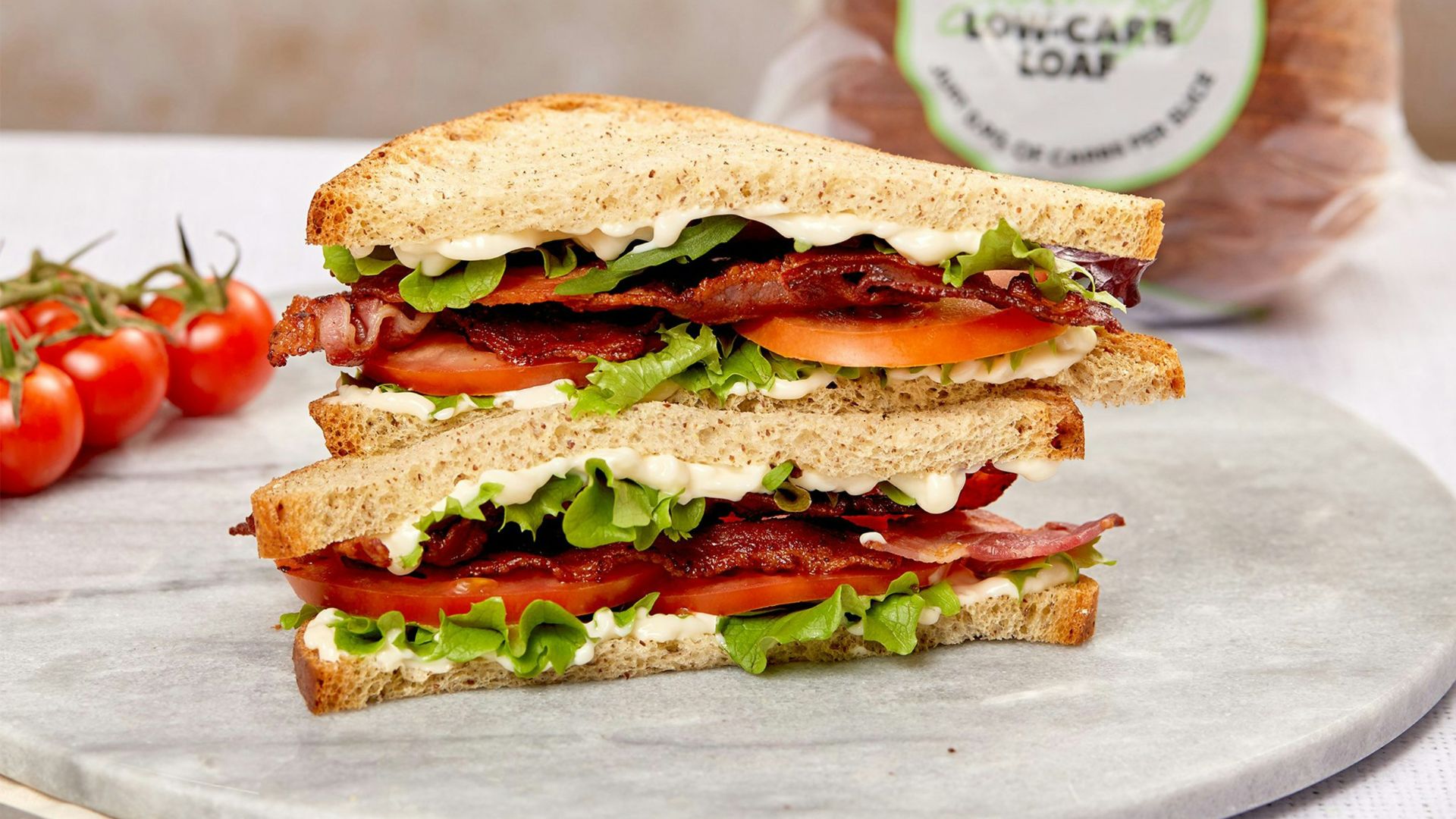 Seriously Low Carb on Unsplash
One common mistake people make is adding too many ingredients at once. While variety can be appealing, overcrowded sandwiches often lose flavor balance because everything competes for attention. A few high-quality ingredients usually work better than piling on endless toppings. Simplicity often creates cleaner, more satisfying flavors.
Sauces and spreads can dramatically improve a sandwich when used carefully. Mayo, mustard, aioli, pesto, or hot sauce add moisture and help connect flavors throughout the sandwich. Too much sauce, however, can overwhelm ingredients and create an unnecessary mess. The goal is enhancement rather than distraction.
Temperature also affects how flavors come together in a sandwich. Melted cheese, warm bread, or freshly cooked proteins create a very different experience compared to cold ingredients straight from the refrigerator. Some sandwiches work best fully chilled, while others benefit from warmth and crisp textures. Paying attention to temperature can make homemade sandwiches feel far more intentional and complete.
At its core, a great sandwich is really about balance and attention to detail rather than complexity. Good bread, properly layered ingredients, thoughtful seasoning, and balanced textures all contribute to the final result. Once you understand how those elements work together, even simple sandwiches can feel surprisingly elevated. The best sandwiches aren’t necessarily the biggest or most expensive, but the ones built with care.
KEEP ON READING

Happy Hour: The 20 Best Foods For Social Snacking