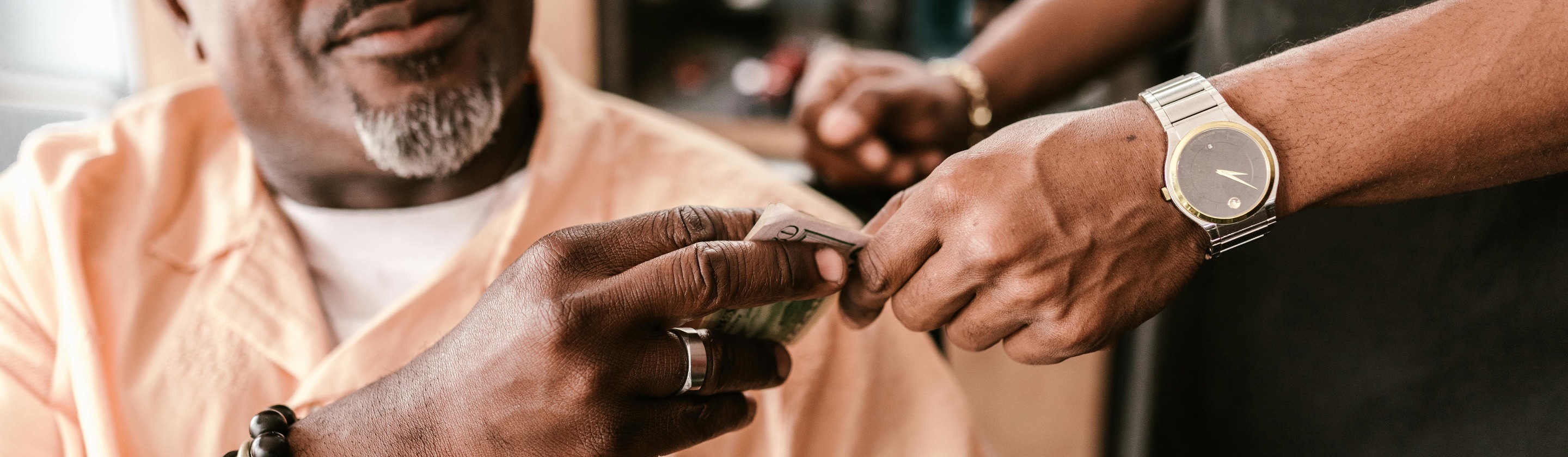
Tipping Isn't Always So Simple
To tip or not to tip? Somehow, no matter where you go, that seems to be the recurring question. No matter whether you received any service or not (or even any good service), the tipping screen still pops up and prompts you to add gratuity—preferably at least 18%. Skip through it, and you might walk out feeling guilty; agree to it, and you'll wonder if you really needed to pay $3 more on top of your already very expensive coffee. The truth is that tipping isn’t always mandatory, and there are valid moments when skipping it makes sense. At the same time, there are also plenty of reasons why leaving something extra can still be the kinder and more socially aware choice. Context, after all, still matters. Still on the fence? This article might just help you figure it out.

1. When There Was No Actual Service Provided
It’s fair to skip a tip when you’re simply buying a packaged item, grabbing something off a shelf, or completing a transaction with no added service. If someone rings up a bottled drink or hands you a prewrapped snack, there may not be much labor beyond the basic sale. That doesn’t mean the worker is undeserving of respect, but it does mean a tip isn’t automatically required. In those moments, a polite thank you can be enough.
2. When the Tip Prompt Feels Completely Out of Place
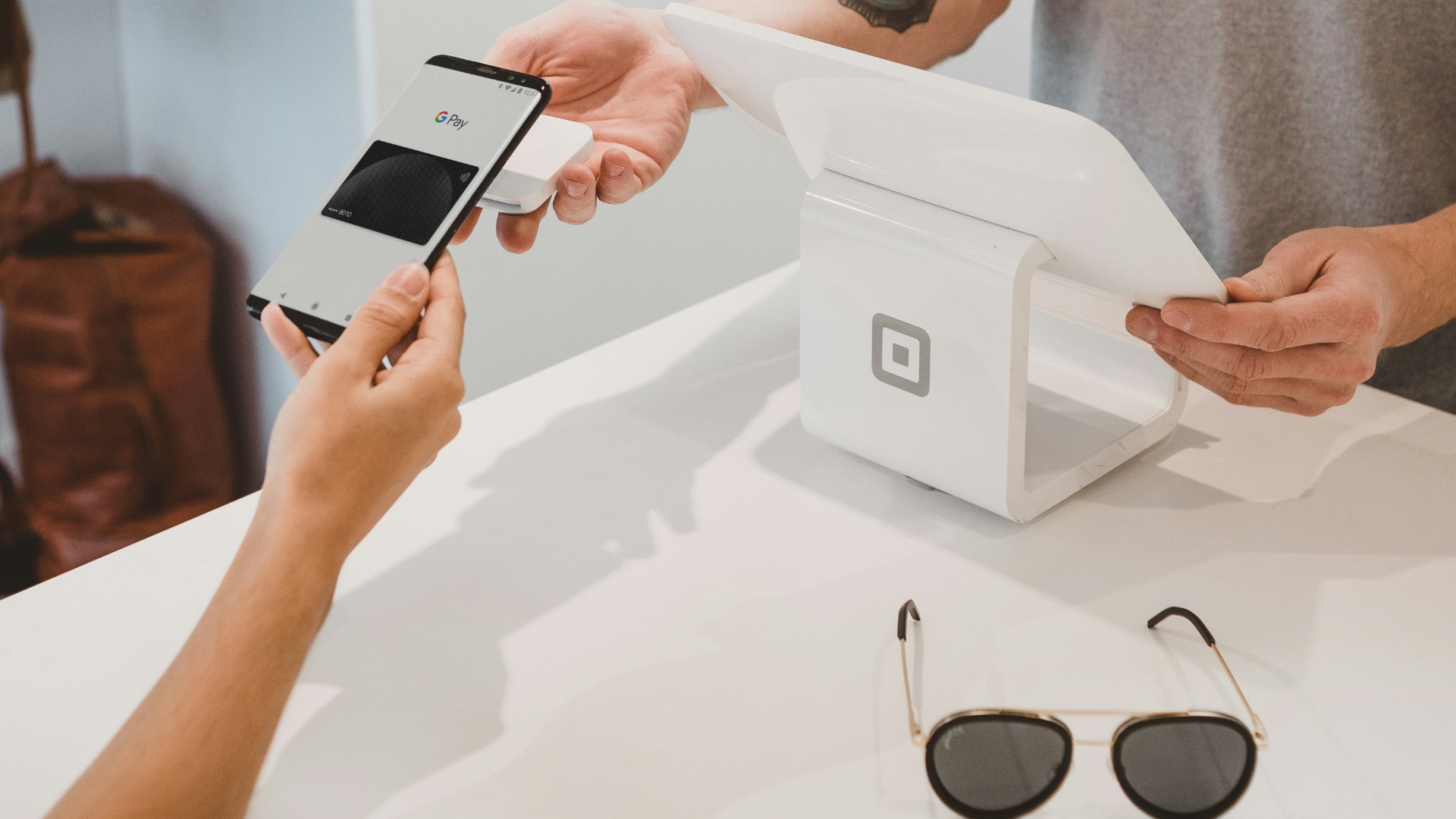
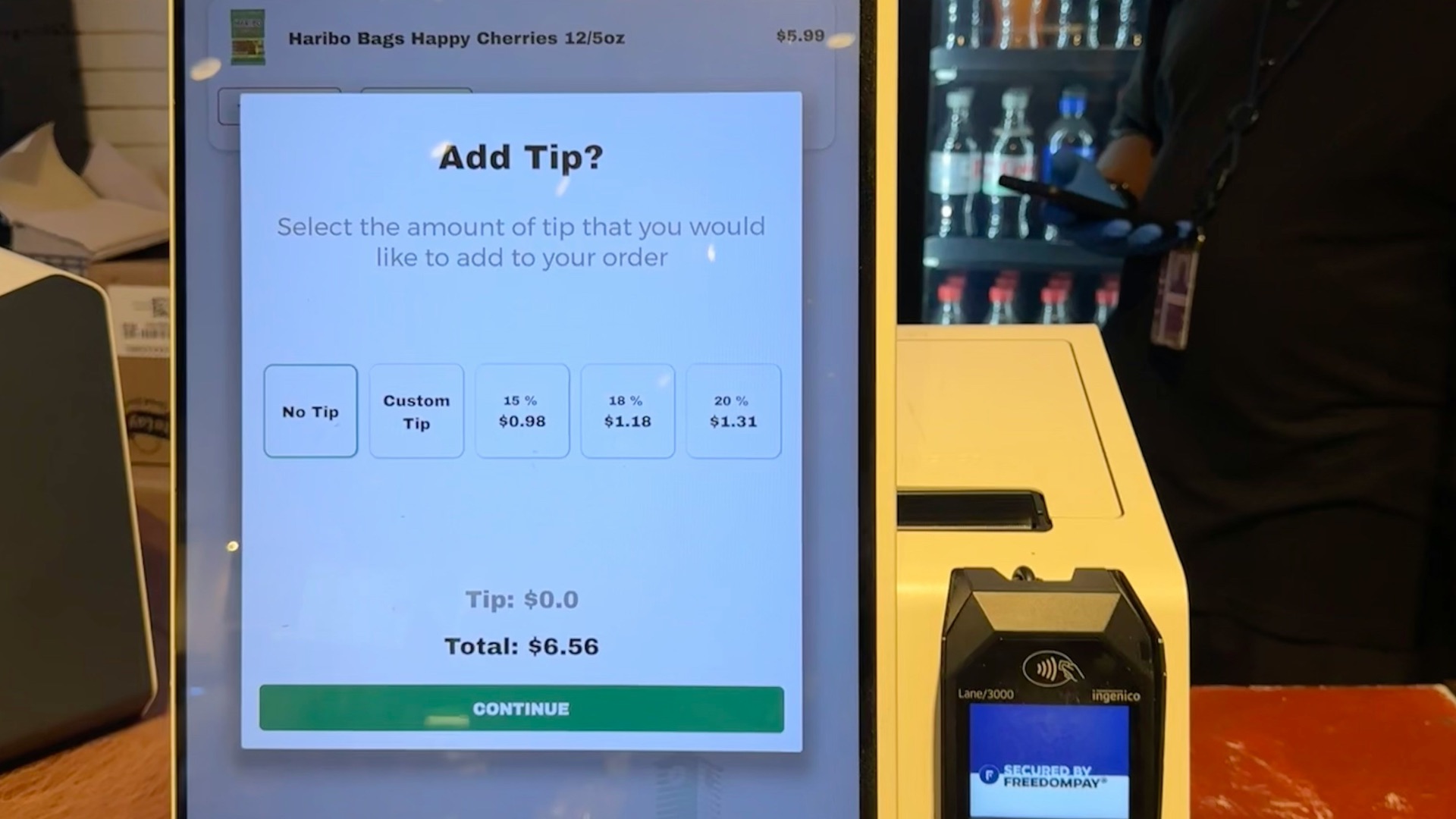
Payment screens now ask for tips in places where tipping was never part of the usual exchange. You might see a suggested 20% tip for a self-service kiosk, a retail purchase, or a counter transaction that took less than a minute. It’s valid to decline when the prompt feels more like a software default than a reflection of service. You shouldn’t feel guilted into tipping just because a screen gives you the option.
3. When Service Was Rude or Dismissive
Bad service doesn’t always mean a small mistake or a busy shift; sometimes it means being treated poorly. If a worker is openly rude, ignores reasonable requests, or makes the experience uncomfortable, withholding a tip can be understandable. A tip is meant to recognize service, not reward disrespect. Still, it’s worth separating true mistreatment from ordinary human error before deciding.

4. When the Order Was Entirely Self-Service
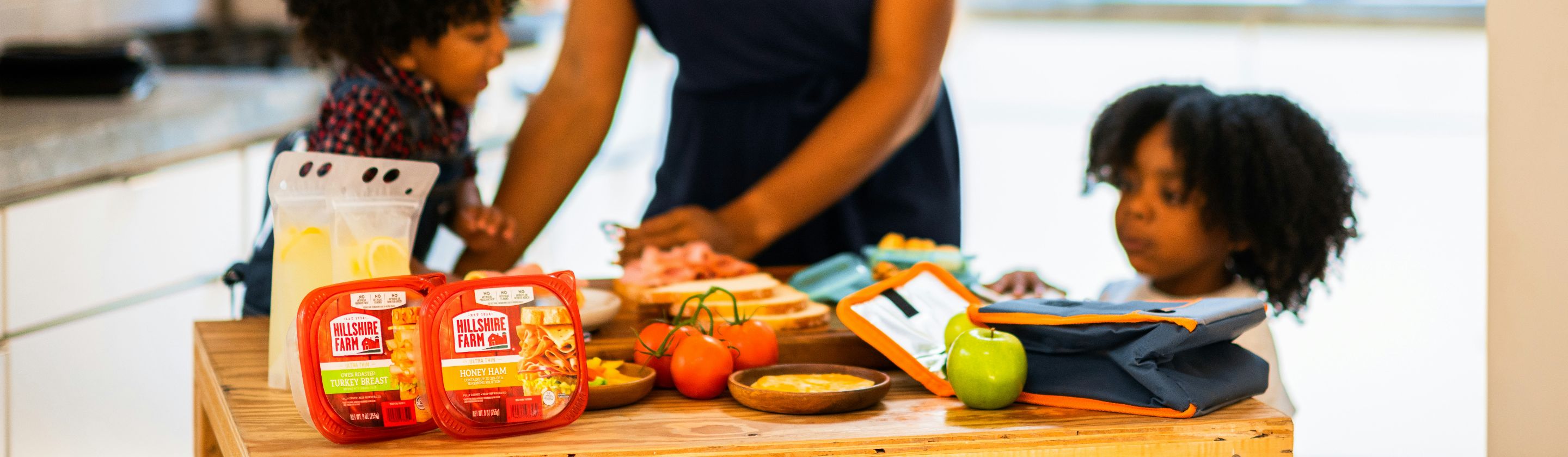
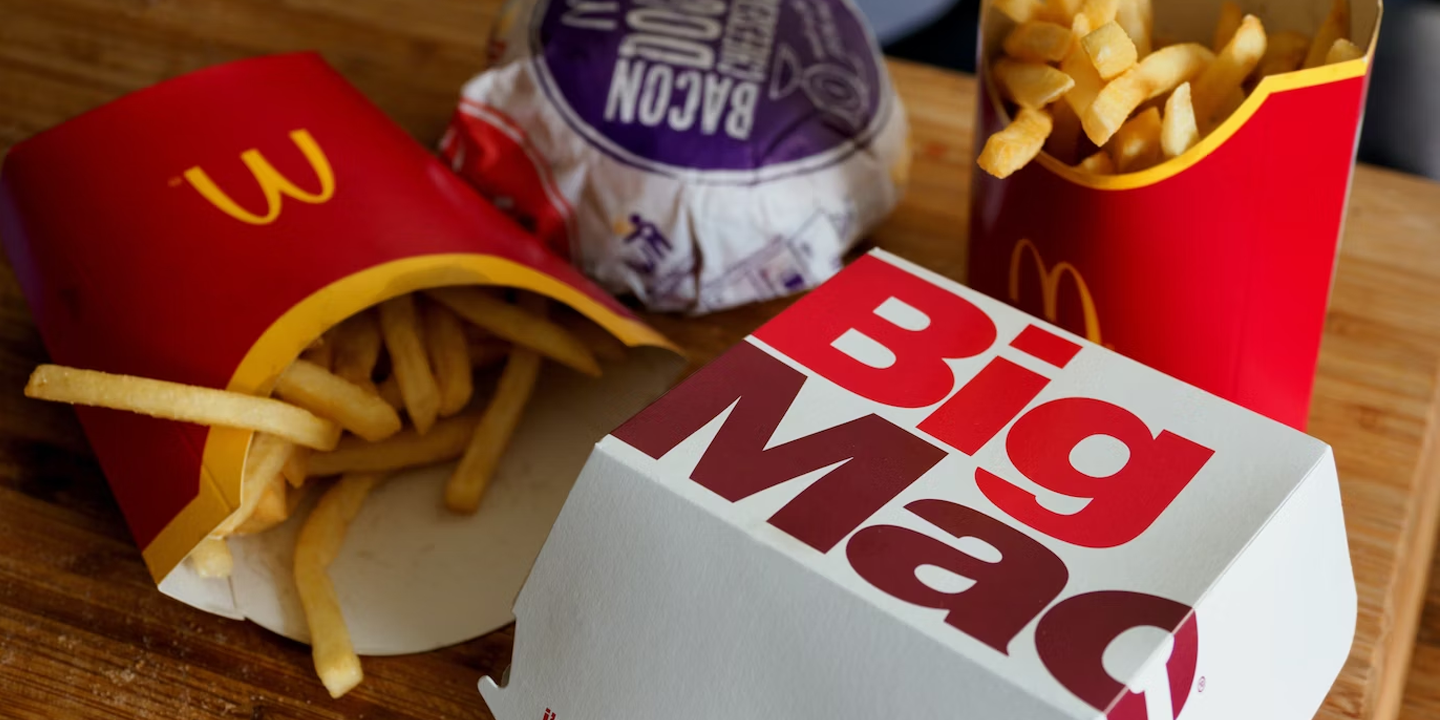
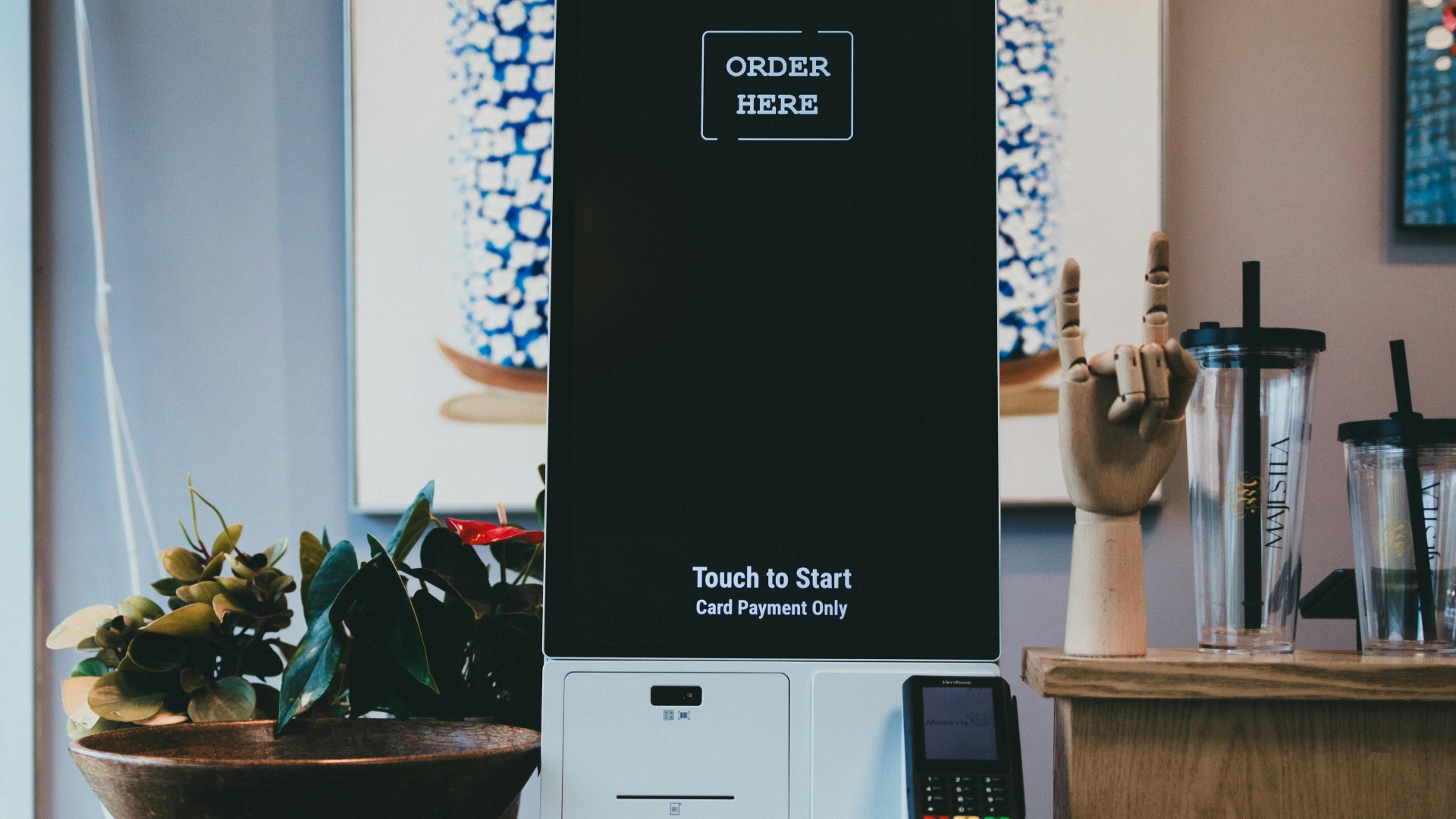
If you placed the order yourself, picked it up yourself, filled your own drink, cleared your own table, and had almost no interaction with staff, a tip may not be necessary. Many restaurants and cafés now blend self-service with traditional tipping prompts, which can make the expectation unclear. In a fully self-directed experience, you’re not wrong for choosing zero. The business model may be confusing, but that doesn’t make every customer responsible for filling the gap.
5. When a Mandatory Service Charge Is Already Included
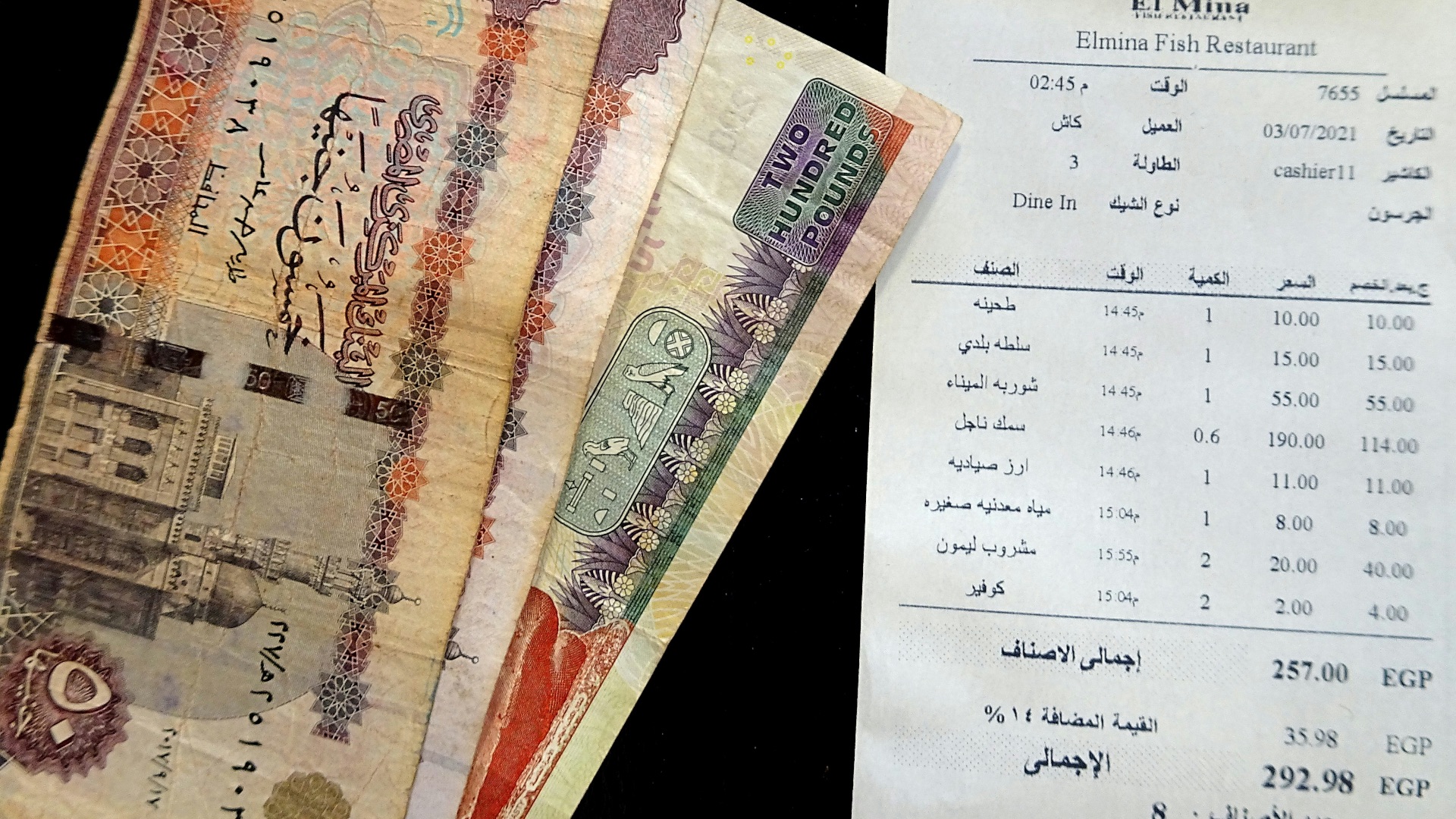
Some restaurants, hotels, event venues, and delivery services add automatic service charges or gratuities to the bill. If that charge is clearly meant to compensate staff, you don’t need to tip again unless you want to. It’s always wise to read the receipt carefully because "service charge" can mean different things depending on the business. But when the gratuity has already been included, doubling it shouldn’t be treated as an obligation.
6. Tipping Isn't the Custom
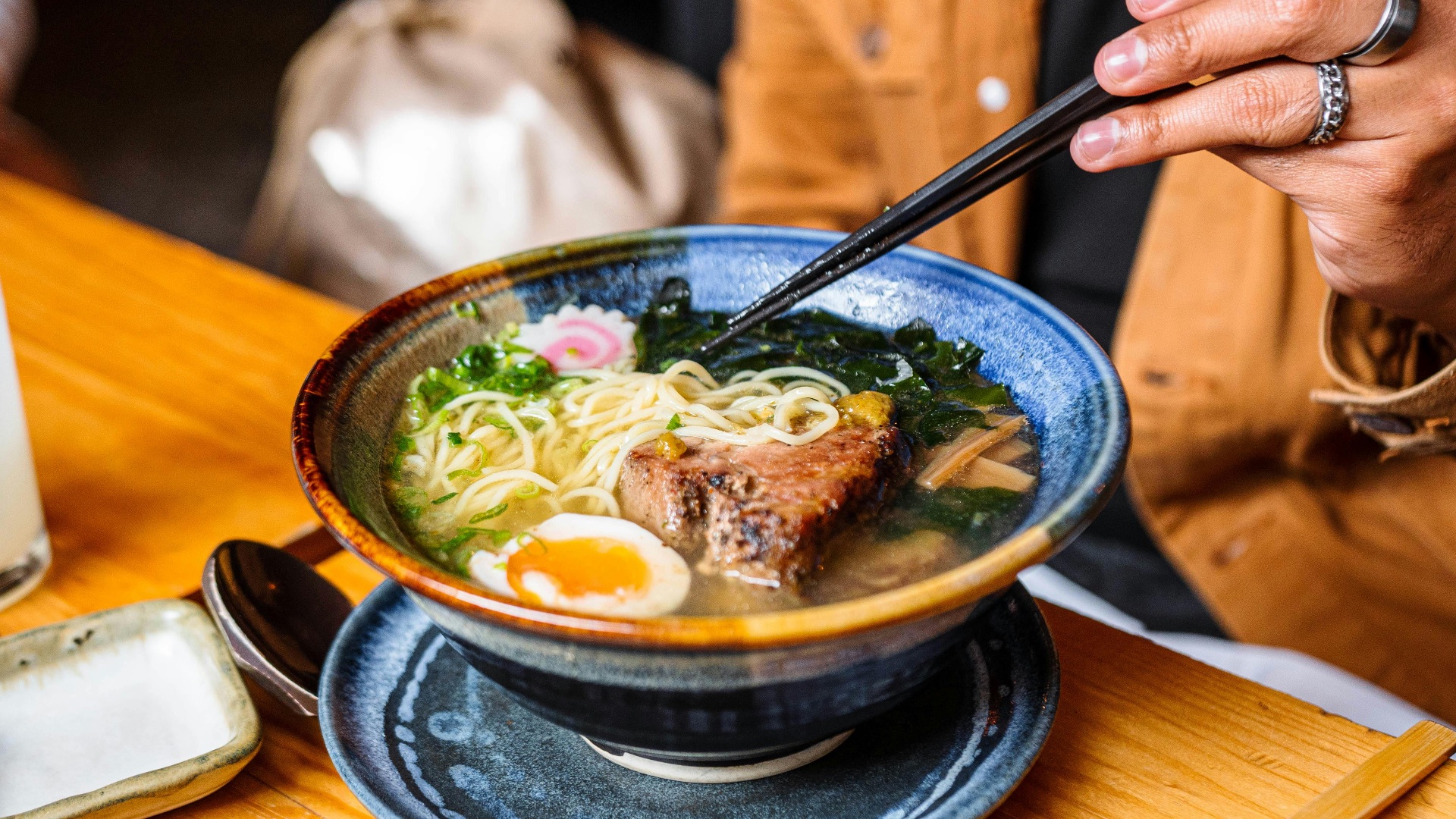
If you're traveling abroad, tipping isn’t expected and may even create confusion or discomfort in some countries. Japan is one well-known example, where good service is generally considered part of the job rather than something that requires extra payment. In these cases, it’s valid not to tip when local etiquette doesn’t call for it. The more respectful choice is to learn the customs before you go, rather than assuming American tipping habits apply everywhere.
7. The Service Was Terrible
A forgotten side dish is one thing, but a major service failure can change the tipping decision. If your meal never arrives, your appointment is mishandled, or the service is so disorganized that the experience falls apart, you may decide not to tip. That’s especially reasonable when the issue comes from carelessness rather than circumstances outside the worker’s control. When possible, speak with a manager so the problem can be addressed directly.
 ANTONI SHKRABA production on Pexels
8. You’re Asked to Tip Before Any Service Happens
Pre-service tipping can feel uncomfortable because you’re being asked to evaluate something that hasn’t occurred yet. This is common with takeout, delivery apps, and counter-service systems, where the tip screen appears before the order is prepared. It’s valid to avoid tipping upfront when you don’t yet know whether the service will be accurate, timely, or attentive. You can always add something later when the option exists.

9. The Price Already Reflects Premium Service
Some businesses charge enough that service is built into the overall cost. A luxury experience, high-end appointment, or all-inclusive package may already account for staff compensation in the pricing structure. In those cases, tipping may be optional rather than expected. It’s still helpful to check the norms for that specific setting, but a high price can sometimes mean you’re not being asked to add more.
10. You Simply Can’t Afford It
There are times when someone’s budget is stretched, and a tip just isn’t realistic. If you’re buying the lowest-cost option, using a gift card, or managing a tight month, you may not have extra money to spare. That doesn’t make you a bad person, especially if you’re polite and considerate throughout the interaction. Tipping is generous, but it should not require putting yourself in a worse financial position.
That said, recognizing when tipping isn’t required doesn’t mean tipping has lost its value. In many everyday situations, a gratuity still matters because it affects real workers and the entire service experience. Even when you technically have the choice, there are strong reasons to leave something extra when you can.

1. Service Workers Often Rely on Tips to Make a Living
In several industries, tips aren’t just a bonus but a major part of workers’ income. Servers, bartenders, delivery drivers, hairstylists, and other service professionals often depend on gratuities to make their pay workable. While the system may be flawed, the person helping you is still living within it right now. If you can afford to tip, you’re supporting someone whose earnings may be less stable than they appear.

2. Good Service Deserves Recognition
When someone is attentive, efficient, and friendly during your entire visit, a tip is a direct way to acknowledge that effort. Good service can make a meal smoother, an appointment more comfortable, or a stressful day easier to manage. A few extra dollars can communicate appreciation in a way that words alone may not.

3. The Worker May Not Control the Problem
A late meal, long line, missing item, or delayed delivery isn’t always the fault of the person in front of you. Restaurants get understaffed, kitchens fall behind, traffic gets bad, and systems malfunction. Before withholding a tip, it’s worth asking whether the worker actually caused the issue. If they handled a difficult situation with patience and effort, tipping may still be the fair choice.

4. Service Jobs Can Be Physically and Emotionally Demanding
Many tipped jobs require workers to stand for long hours, manage difficult customers, carry heavy items, multitask constantly, and stay pleasant under pressure. That work can be exhausting even when it looks routine from the customer’s side. A tip acknowledges not just the final result, but the labor behind it. When someone makes the experience feel easy, they may be working harder than you realize.

5. A Small Tip Means More Than You Think
A few dollars may not feel like much to you, but it can add up quickly for the person receiving it. Tips can help cover transportation, groceries, bills, or the income gaps that come with unpredictable scheduling. Even a modest amount can be meaningful when many customers are making the same decision. You don’t always have to tip extravagantly for the gesture to matter.
6. Regular Tipping Builds Better Relationships
If you frequent the same café, bar, restaurant, salon, or delivery route, tipping can help build a more positive relationship with the people who serve you. Workers remember customers who treat them fairly and respectfully. That doesn’t mean tipping should be used to buy special treatment, but generosity often contributes to a better experience over time. Being a thoughtful regular usually pays off in goodwill.

7. Tipping Can Reflect the Full Experience
Sometimes the value of service goes beyond the basic action performed. A bartender might remember your preference, a server might manage a food allergy carefully, or a stylist might take extra time to get something right. Those details can make the experience safer, easier, or more enjoyable. A tip lets you respond to that extra care instead of treating every interaction like a simple transaction.

8. It Helps Offset Unpredictable Work Conditions
Many service workers deal with slow shifts, canceled appointments, bad weather, seasonal swings, and inconsistent customer traffic. Their income can change dramatically from one day to the next. Tipping helps soften that instability, especially in jobs where hourly wages are low or schedules fluctuate. When you leave a tip, you’re helping make an unpredictable job a little more manageable.

9. Generosity Sets a Better Social Standard
Even if tipping culture feels frustrating, treating workers well still matters. Choosing to tip when service is decent or better helps reinforce the idea that labor deserves respect. It also keeps the frustration aimed where it belongs, which is often at business practices rather than individual employees. You can dislike the broader system and still choose not to take that frustration out on the person serving you.

10. It’s Often the Kindest Choice When You’re Unsure
When the situation is unclear, tipping a little can be a reasonable middle ground. You don’t have to select the highest suggested percentage, especially when the prompt feels excessive. But if someone prepared your food, handled your order carefully, delivered something to your door, or made your experience easier, leaving a modest tip is often the more considerate option. When you can afford it, do it.