The Dos and Don'ts of Dining Globally
When traveling abroad, you should probably forget the dining etiquette you grew accustomed to in your home country. Not only will you likely need to get acclimated to new utensils—like chopsticks, if you've never used them before—but in some places, you might not be using cutlery at all. From France to Japan, here are 20 of the strangest dining rules from around the world.
1. Eat Only with Right Hand
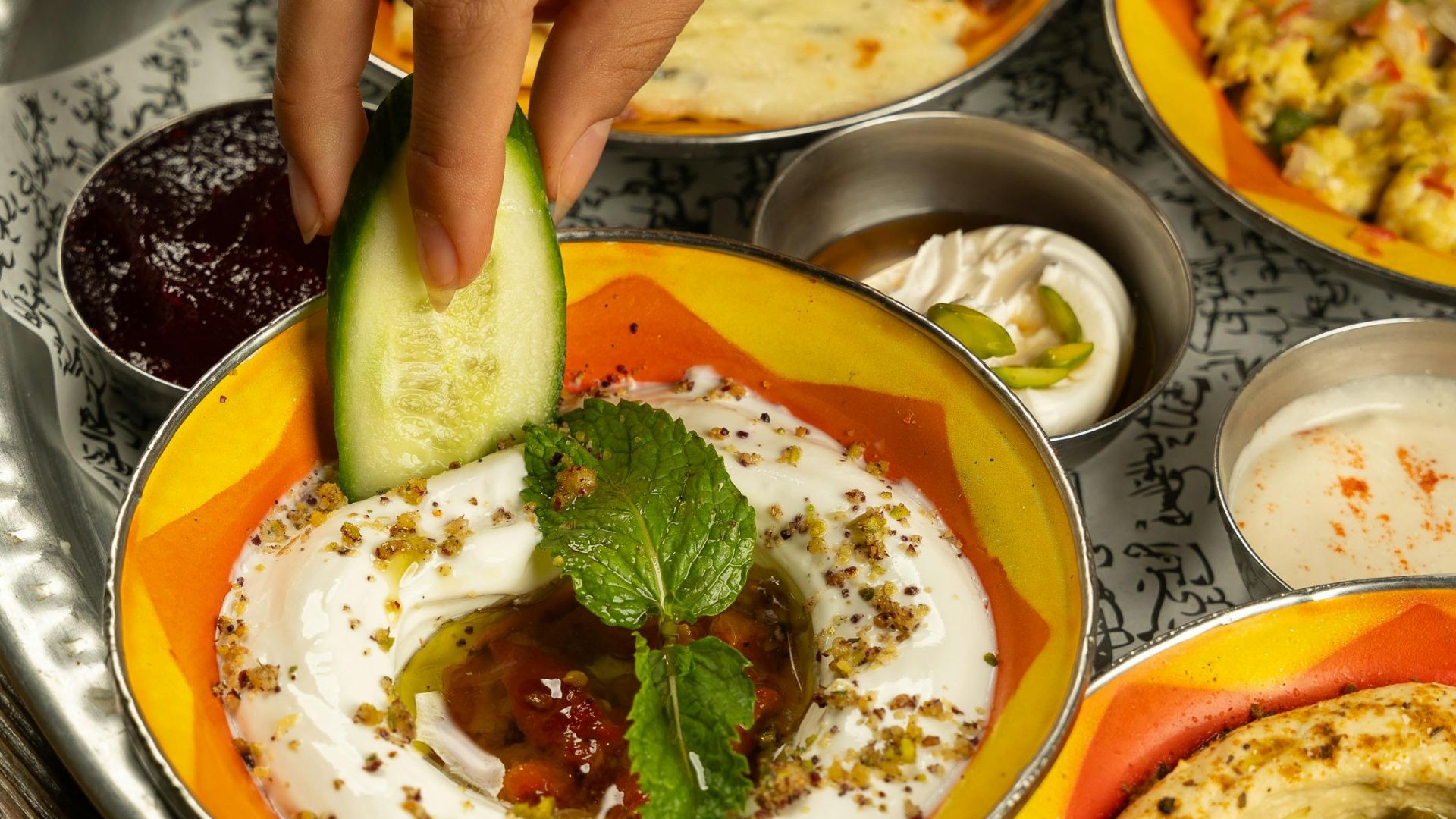
People in the Middle East don't eat their food with utensils—instead, they will only ever use their right hand. The left hand should never be used during meals as it's considered dirty (and often the hand used to clean yourself), and should not be used to greet others, either.
2. Fork as an Assistant
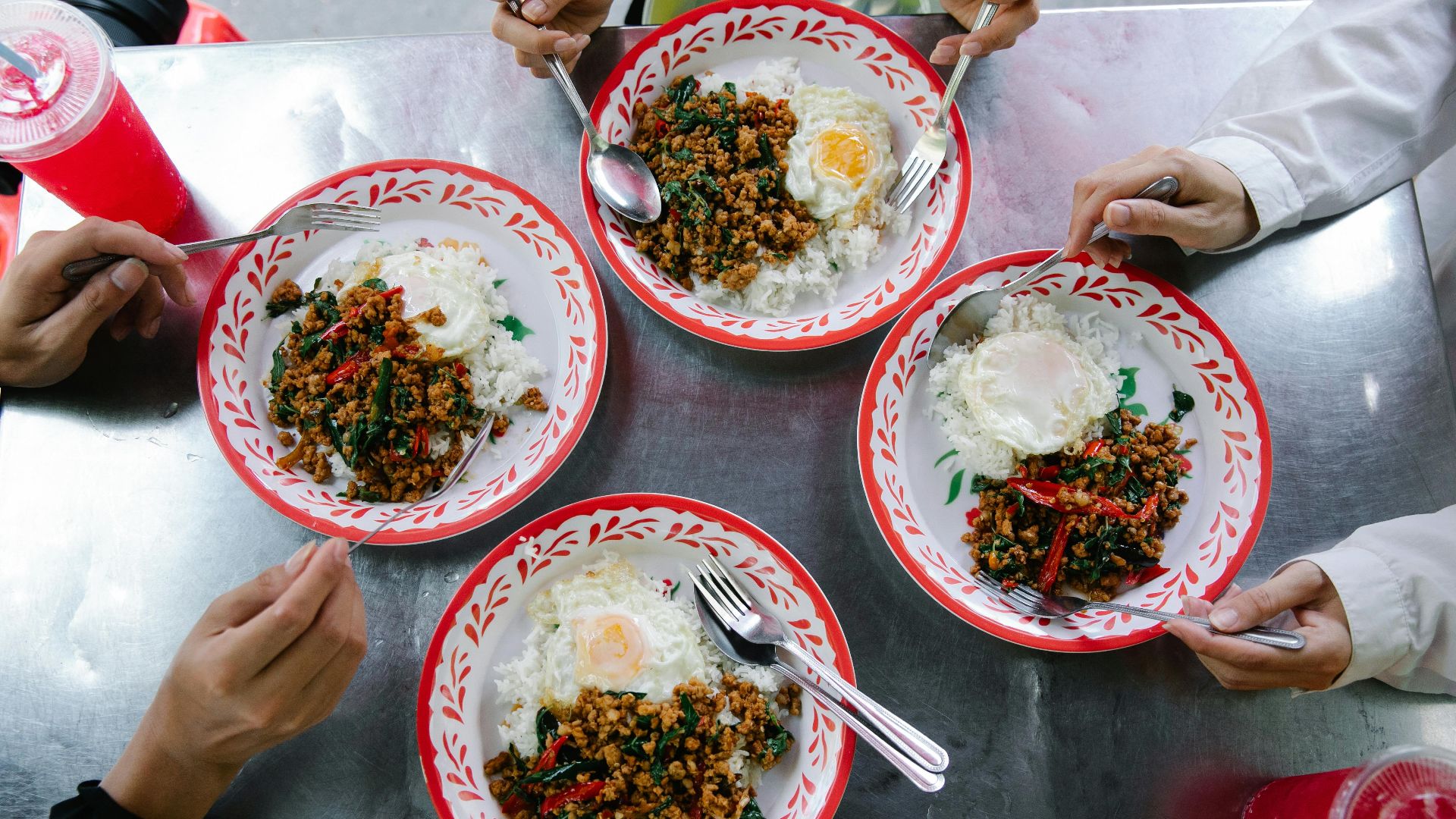
In Thailand, the main utensils are the fork and spoon, and the spoon is the one you should be using to put food in your mouth—not the fork. Instead, the fork is there to assist the spoon and to push food directly onto it, rather than to stab at the things on your plate.
3. No Passing Food with Chopsticks
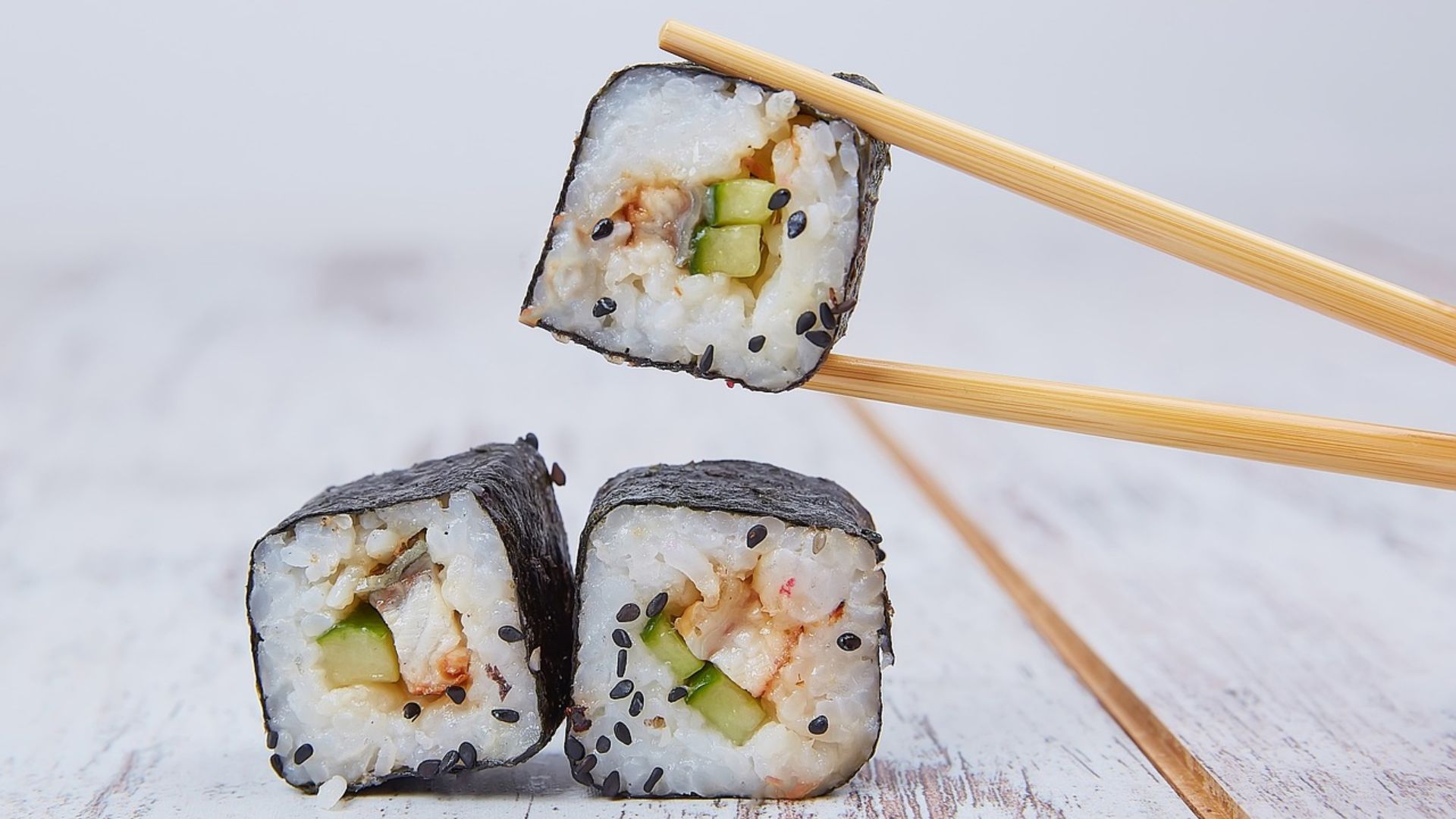
When in Japan, never transfer food from chopstick to chopstick. Called hatashi-watashi, this gesture is considered extremely rude as it's akin to a funeral ritual where the bones of the deceased are passed around in the same way. If you are helping others pick up food, simply drop it off on their plate.
4. Don't Eat Before the Eldest
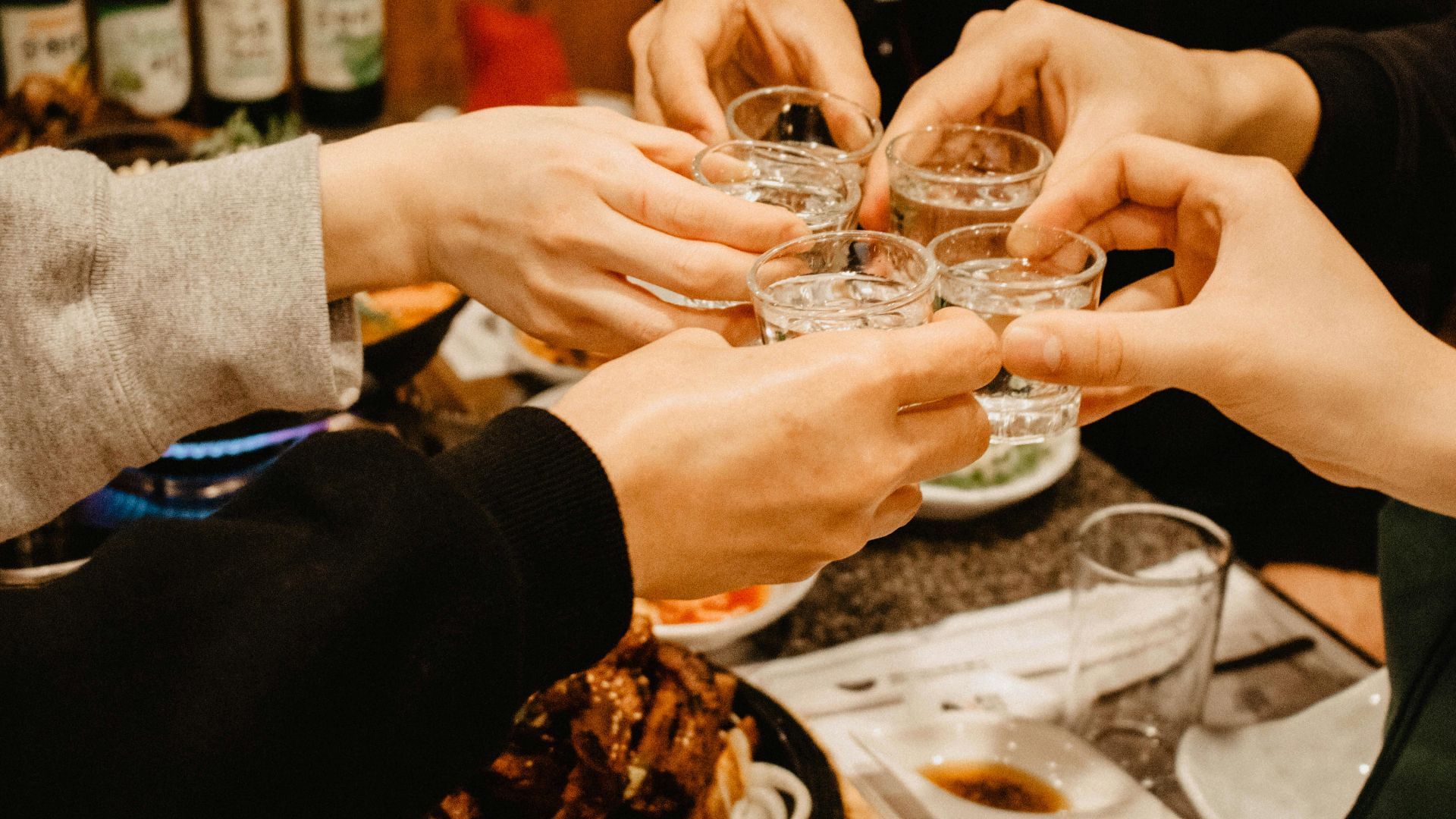
In a country where respect for hierarchy is deeply ingrained in the culture, it comes as no surprise that Koreans don't start their meal before the eldest of the table has taken their first bite. And if you're ever offered a drink from someone older, hold your glass with both hands when they pour, and sip facing away.
5. Leave Food on Plate
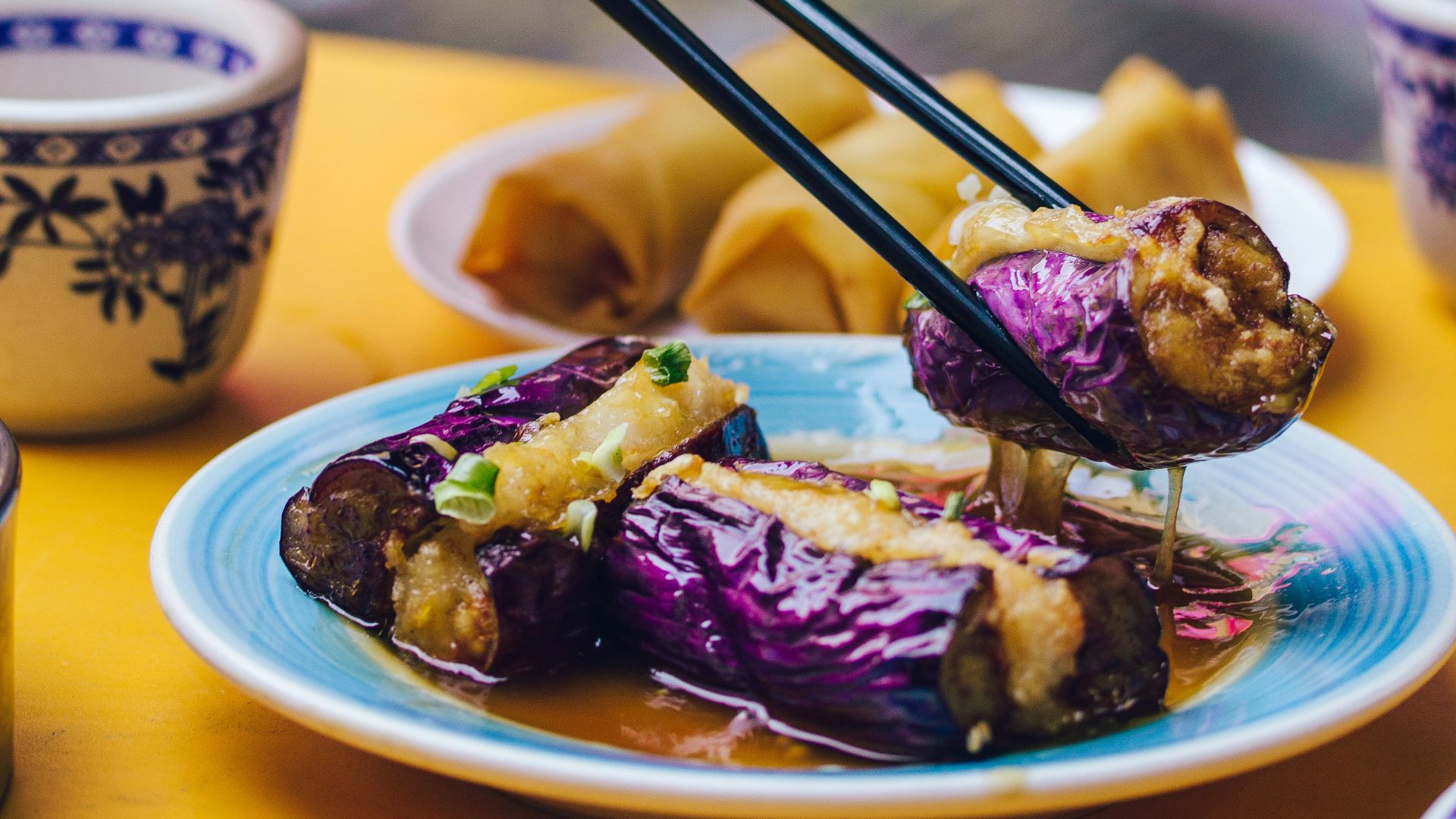
While you might think it's good etiquette to finish everything on your plate to signify you enjoyed the meal, in China, this is considered a bad thing. They believe that if you've eaten every last bite, you were not given a portion that was satiating enough. Instead, it's customary to leave a small amount leftover.
6. Arrive 15 Minutes Late
Don't bother showing up early in France. As odd as it might sound, it's actually normal for people to arrive at least 15 minutes late to lunch or dinner or when invited to someone's home. In fact, it's considered polite when you're not punctual.

7. Don't Salt Your Food
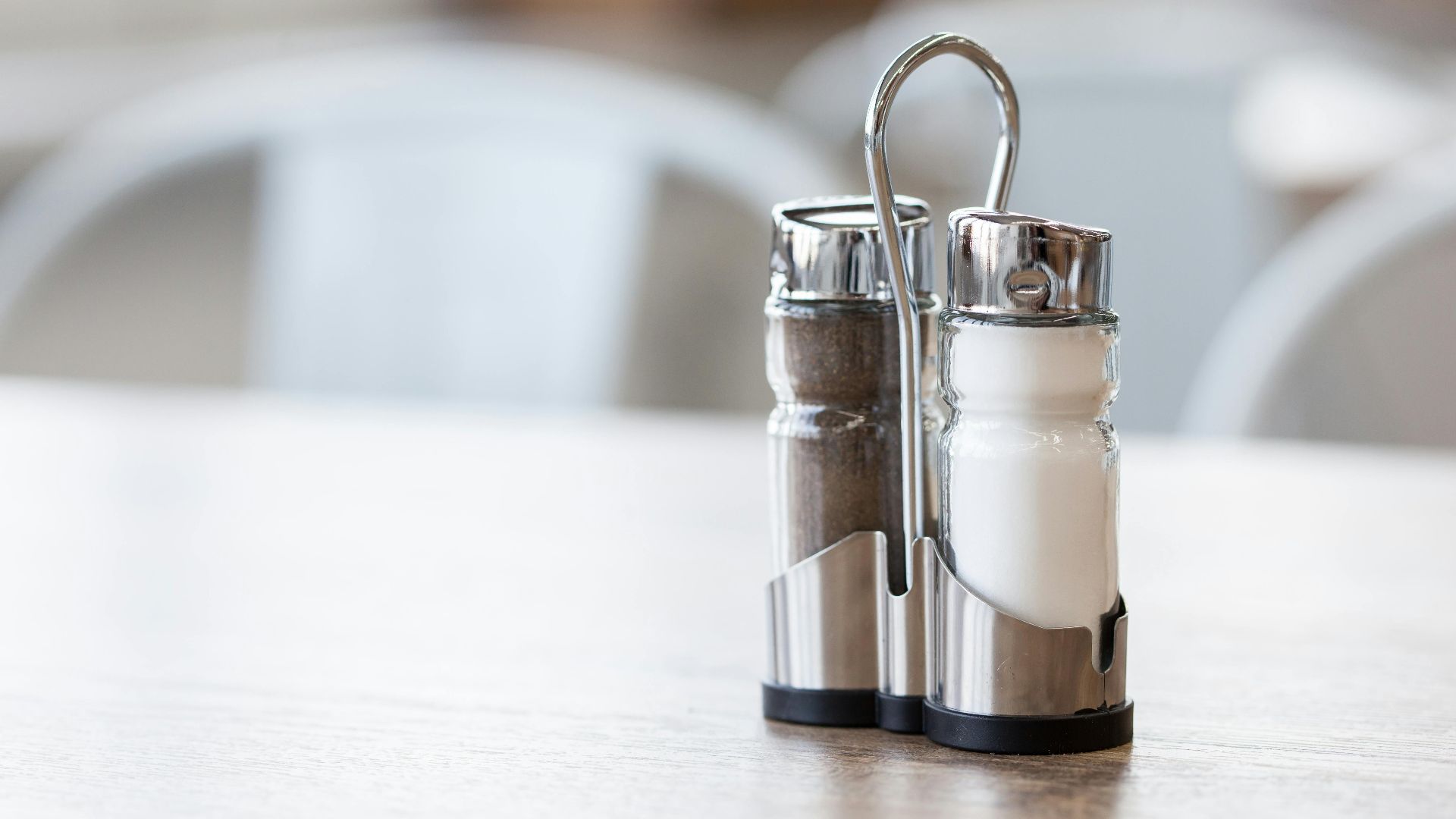
Some countries, like Egypt and Portugal, find it offensive if you add extra seasoning to your food after your meal is served. Sprinkling salt and pepper is considered an insult to the chef's cooking abilities, so it's better to dig into your plate as-is.
8. Slurping Noodles
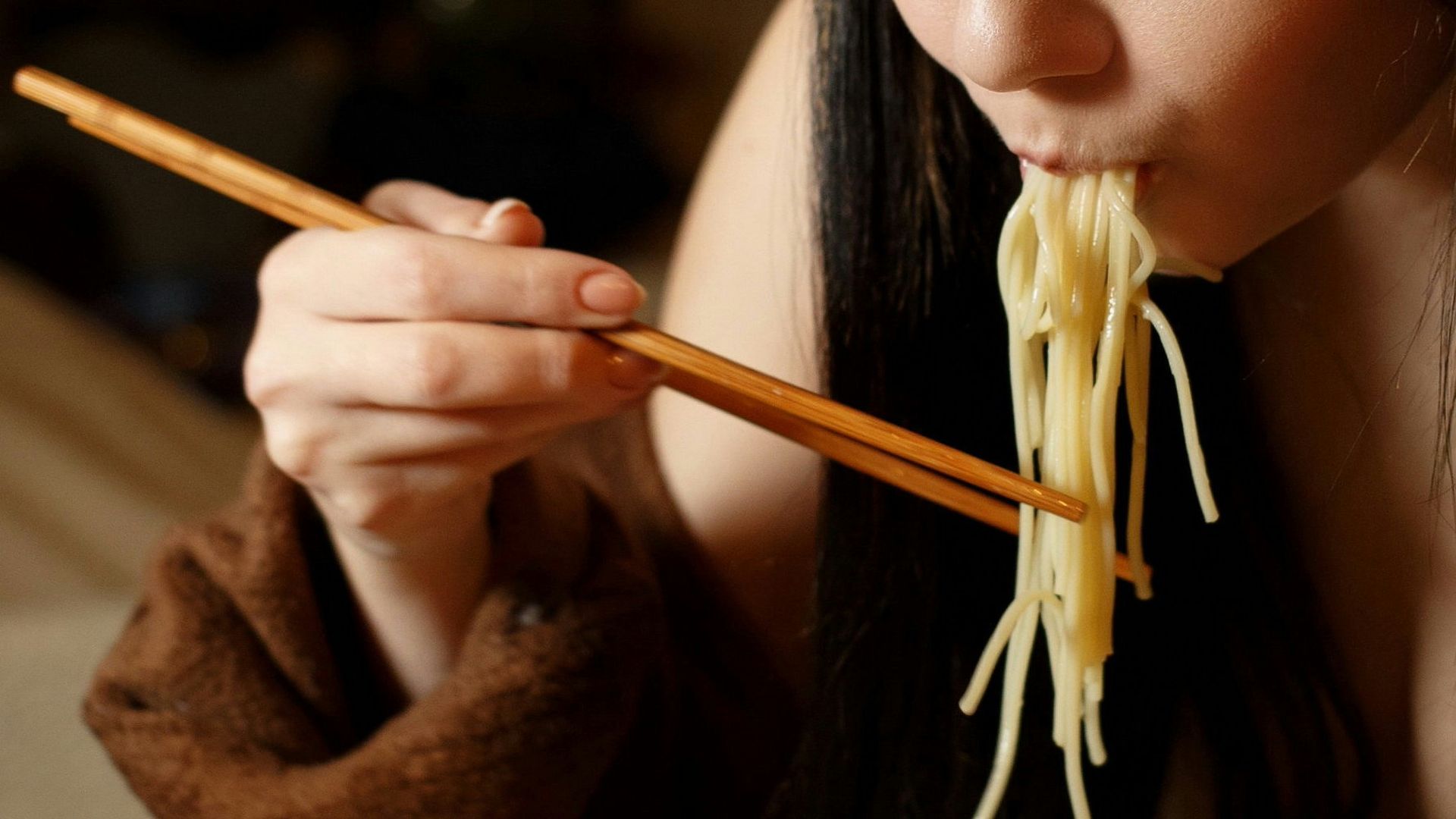
Whereas some countries, like Canada and the US, find slurping rude and disrespectful, other countries like Japan and China consider it a compliment to the chef. The sound signifies that the noodles are delicious and shows your appreciation for the meal.
9. Arrive Half an Hour Late
You thought the deliberate tardiness of the French was rude? Well, Greeks and Tanzanians take the custom a bit further. In these countries, you should arrive at least half an hour late—especially when you've been invited over to someone's home for dinner. This is to avoid walking in when the host is still applying the finishing touches.
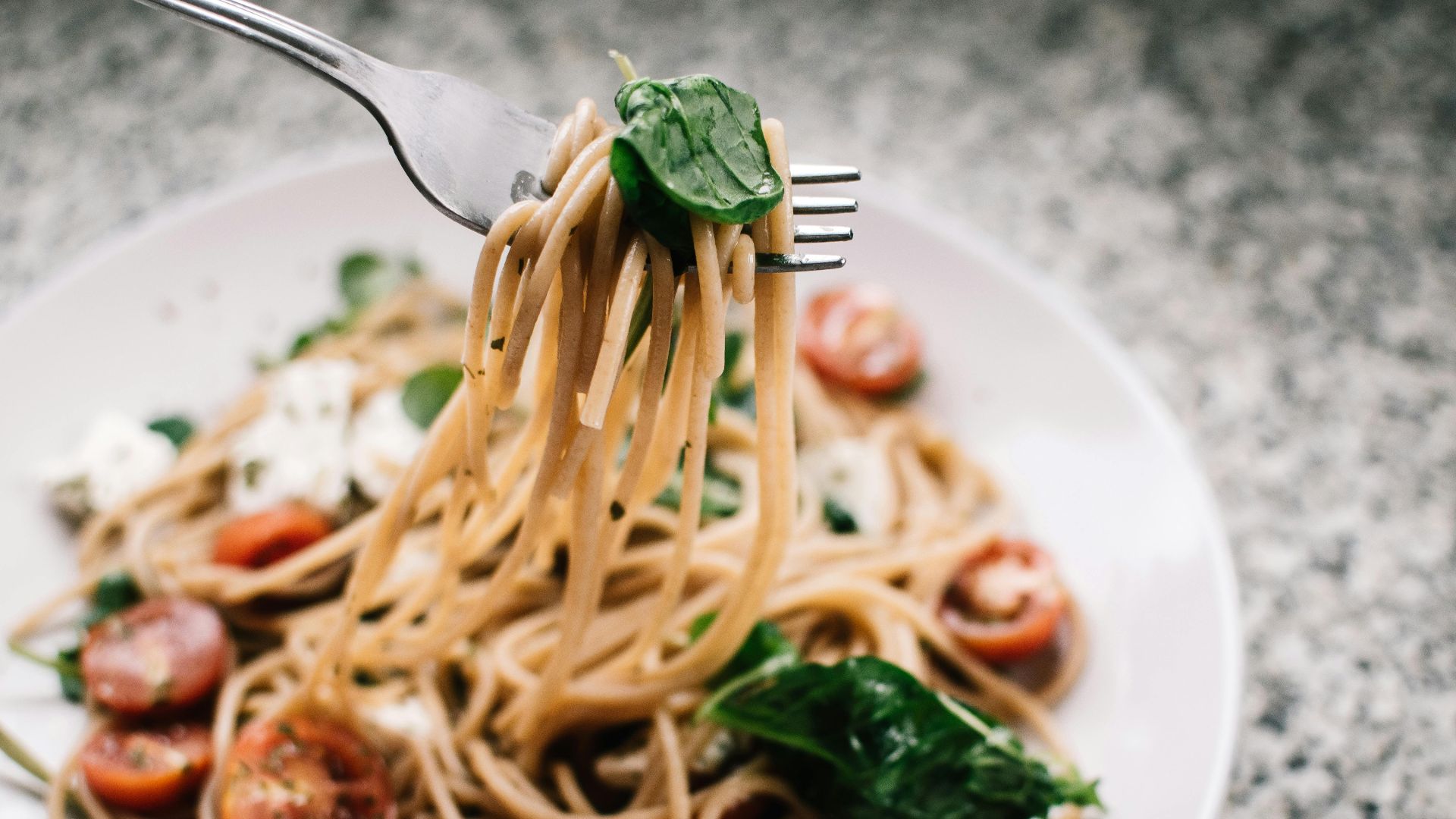
10. No Spoon or Knife with Pasta
Pasta noodles too long? While you might be used to cutting them shorter with scissors or a knife in your home country, don't do this when in Italy. On that note, don't use a spoon, either. Instead, only a fork should be used to eat pasta.
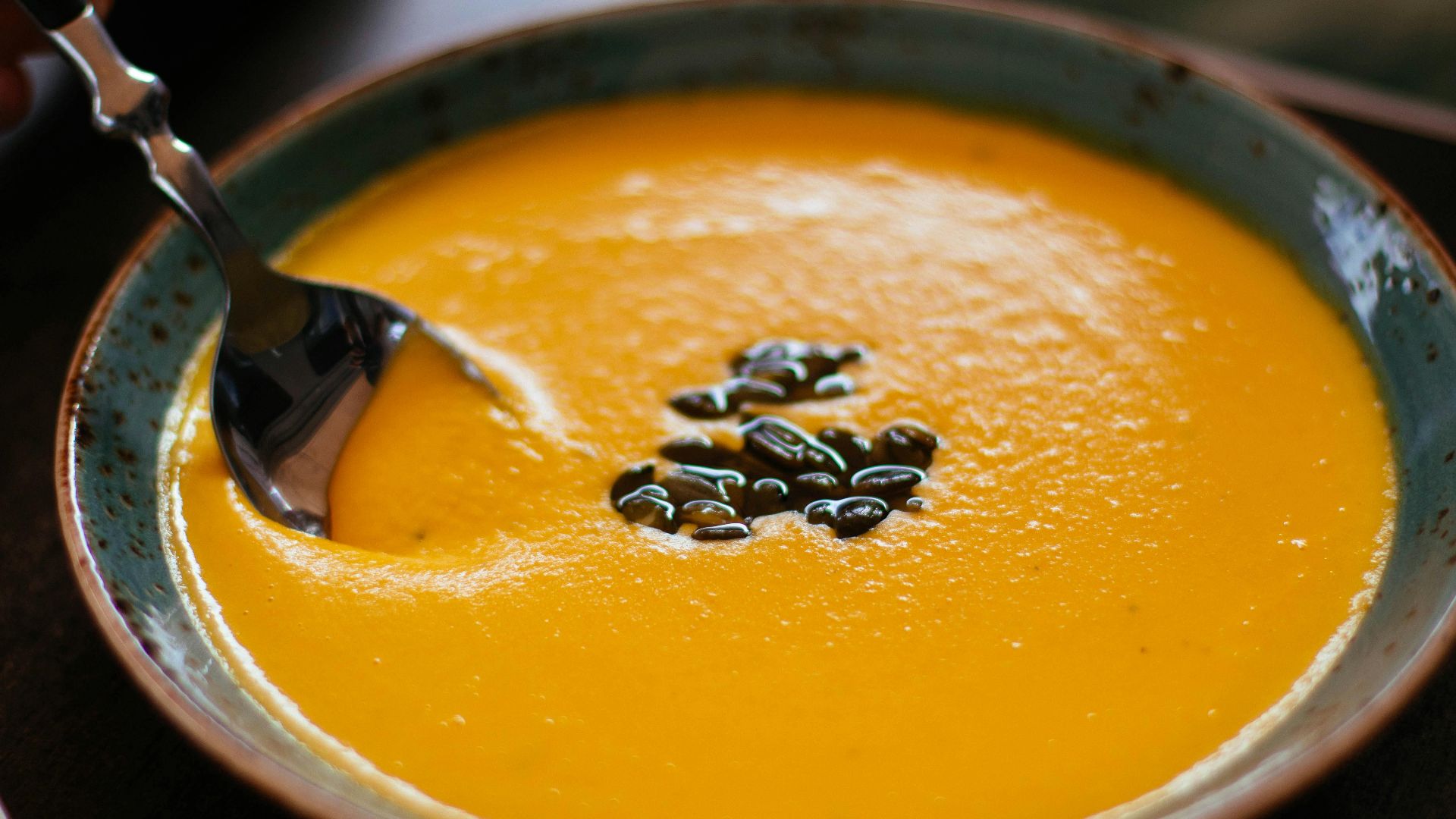
11. Tilt Soup Bowl Away
In the United Kingdom, when you order soup at a restaurant or anywhere else, tilt the bowl away from you. You should also spoon away instead of towards you. But that's not all: good British table manners mean that you should never blow (yup, even if it's steaming hot), slurp, or overfill the spoon.
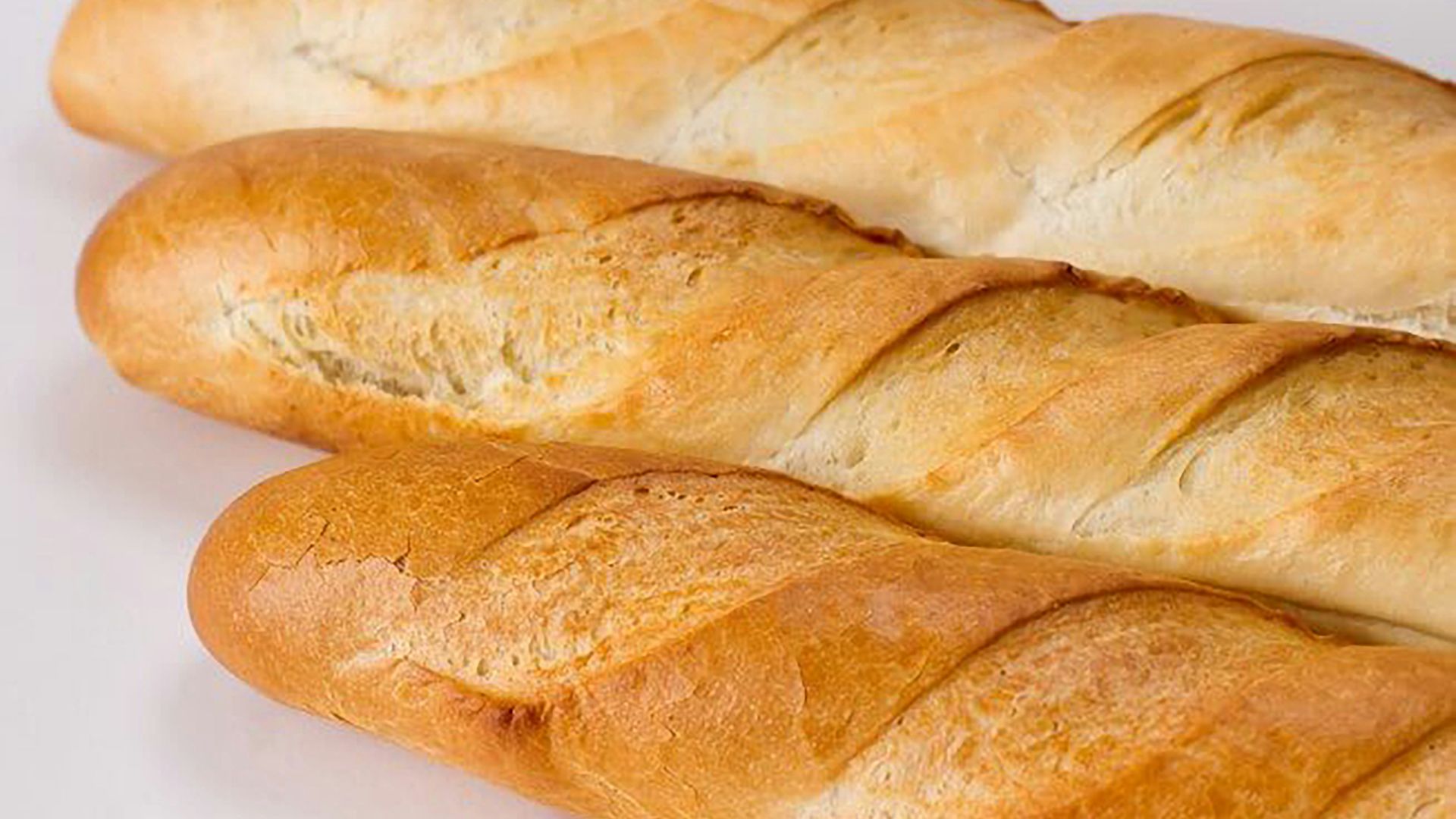
12. Bread on the Table
Don't be alarmed if bread loaves are placed directly on the table and not on a plate in France. It might not seem entirely hygienic, but it's part of the etiquette. Bread is also used to sop up soups and sauces as you eat, so tear it apart and dig in!
13. No Hands—Only Utensils
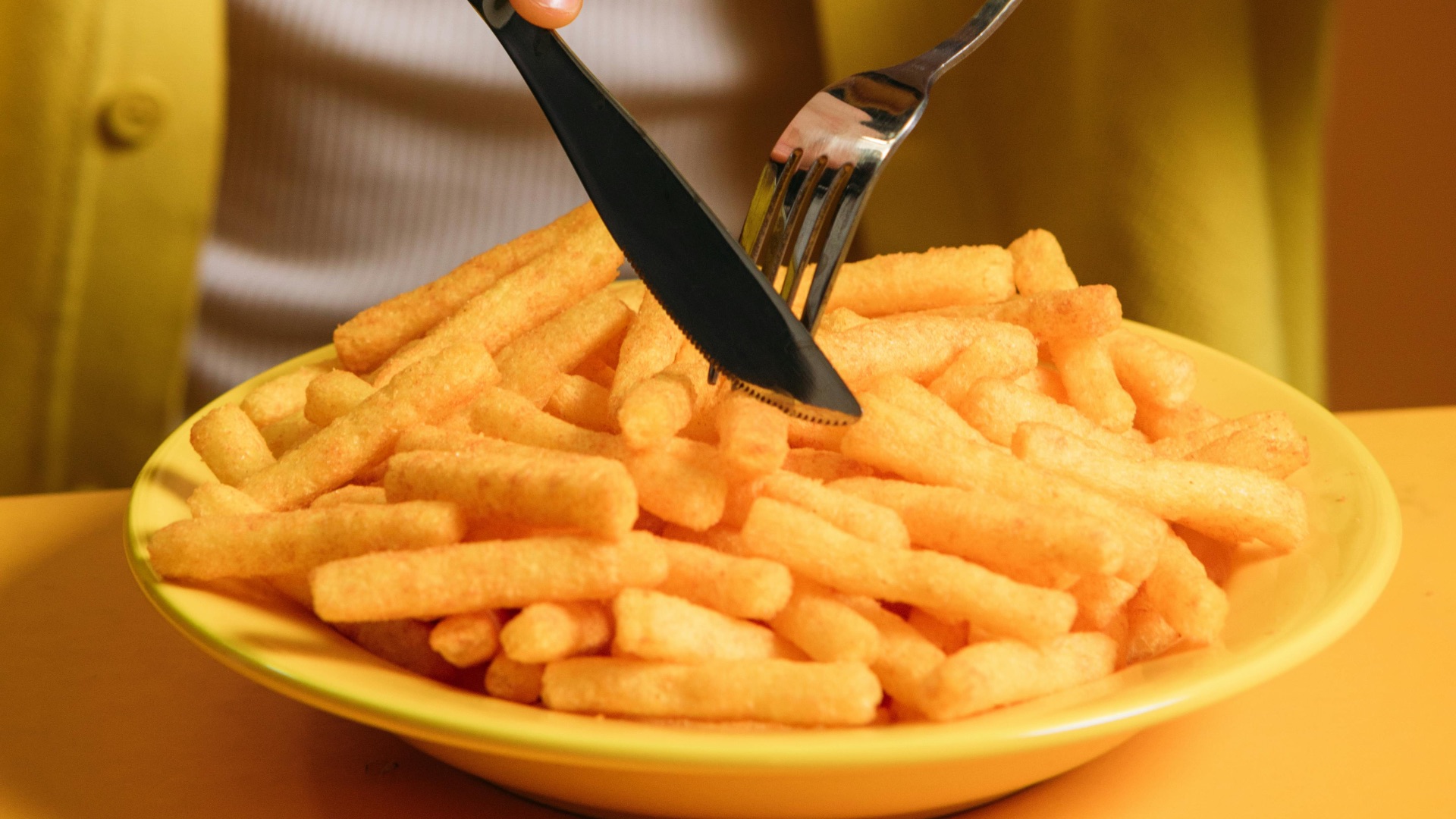
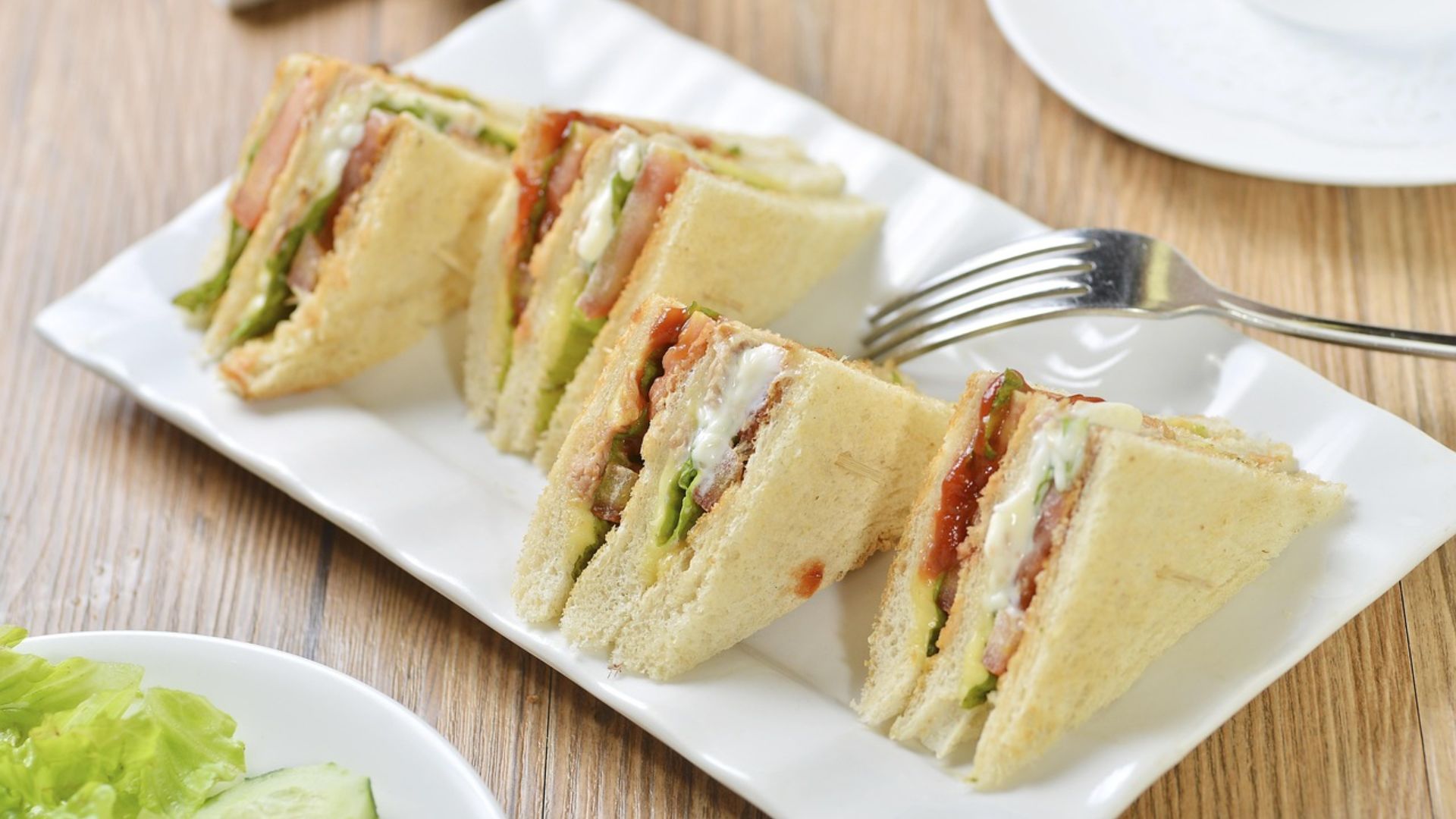
In Chile, you should never, ever eat with your hands. Doing so is considered impolite. You should only ever use utensils to enjoy your meals—even sandwiches and fries are eaten with a knife and fork.
14. Farting After a Meal
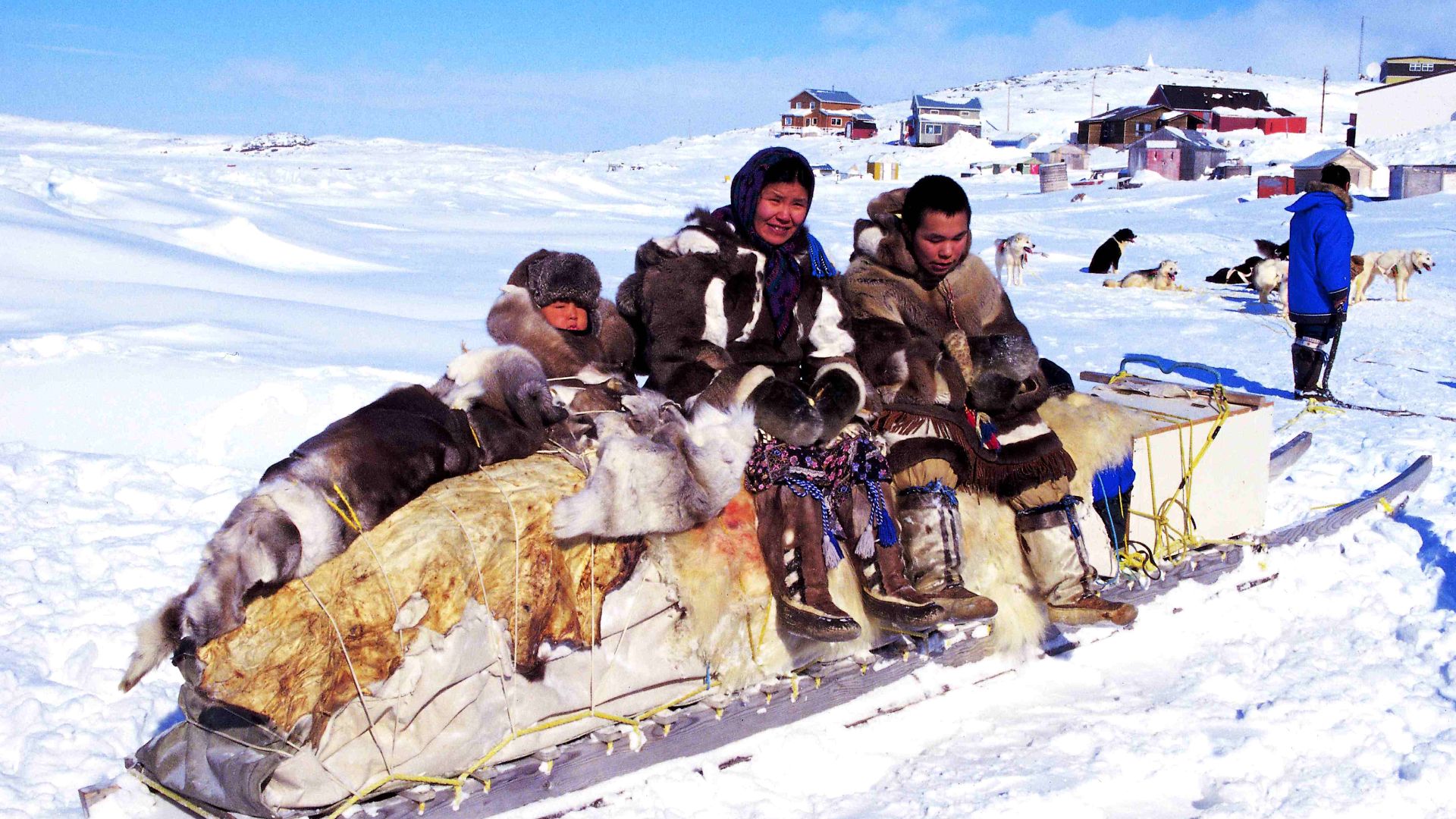
Farting in public anywhere seems like it goes against what we're taught to do, but for some Inuit groups in Canada, it's actually considered polite. Passing gas after your meal signals that you've enjoyed the food and shows your appreciation for it.
15. Bottoms Up During Supra
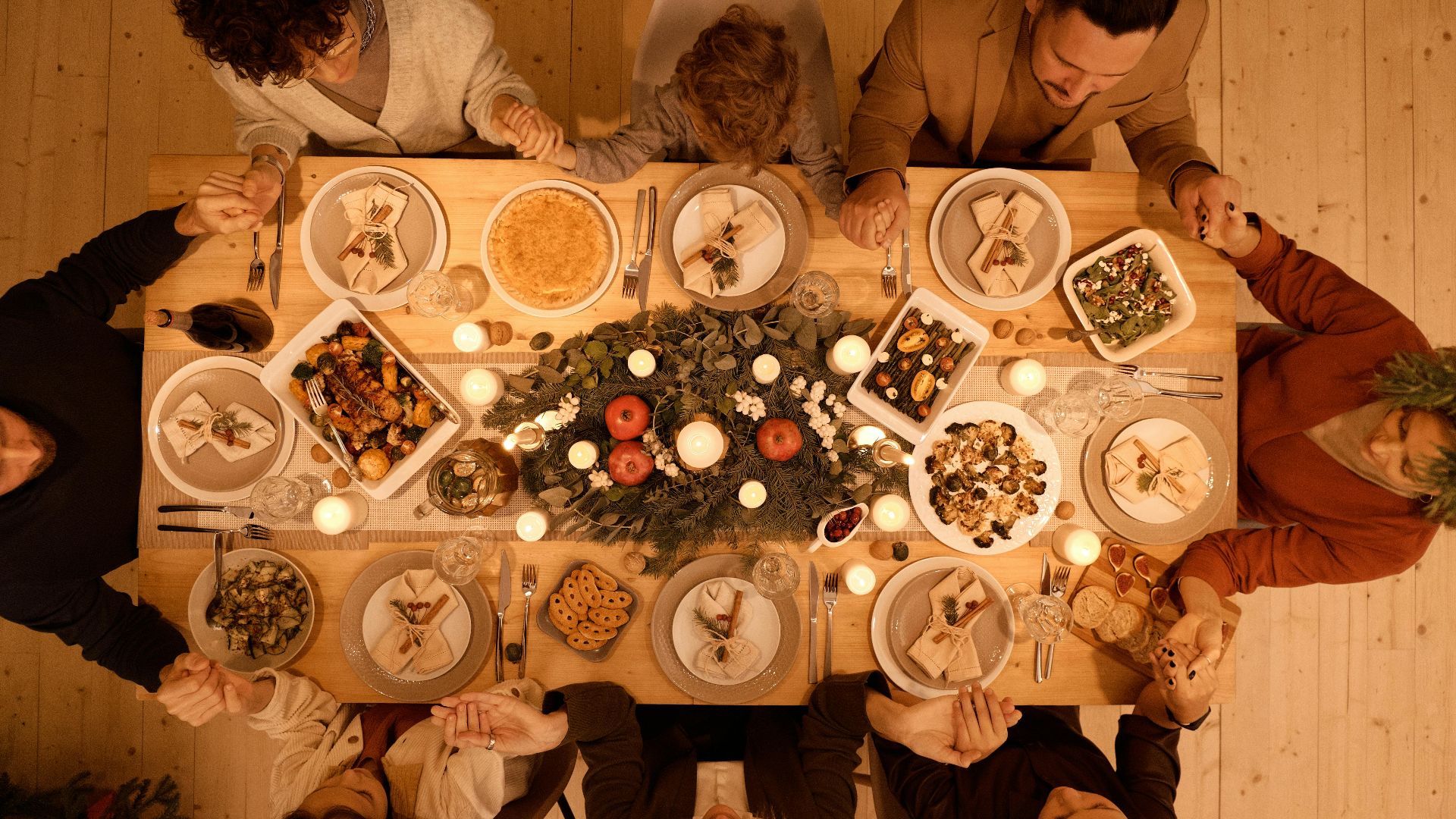
A supra is a traditional Georgian banquet where toasting is considered an integral part of the cultural ritual. The tamada (toast master) leads the table through various themes to salute. While you can eat while the tamada speaks, you must refrain from talking or drinking. It's only when the toast is finished that you drink the entirety of your glass.
16. Thank Pachamama
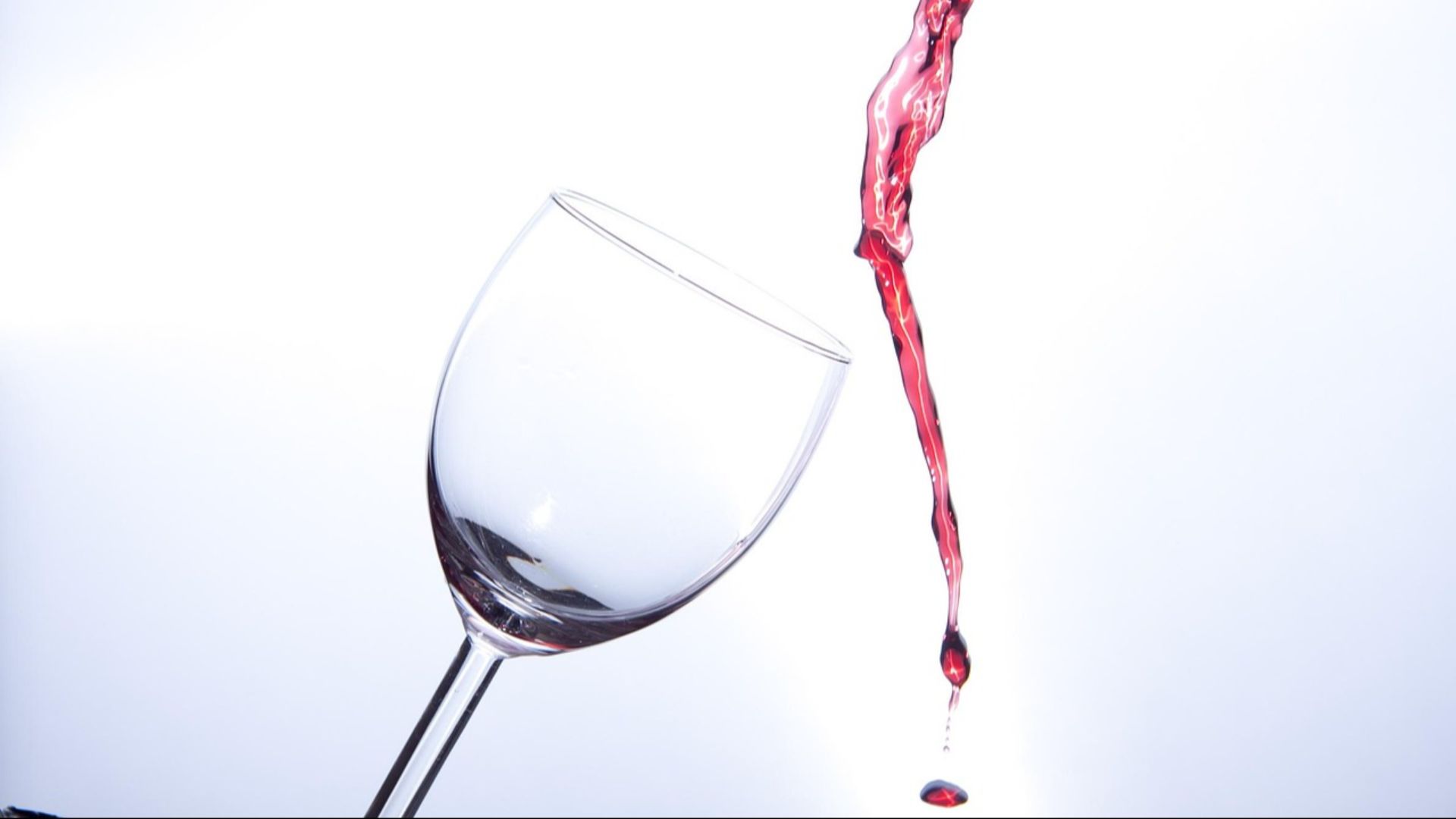
In Inca mythology, Pachamama is the "earth mother," and Bolivians pay deep respect to honor the goddess for the harvests she provides. As a way of showing their appreciation, drinks are spilled onto the floor by means of offering sincere gratitude.
17. Don't Go "Dutch"
In France, it's considered extremely rude to split the bill when eating with friends. Generally, the person who extended the invite will pay for everyone, though the favor is subsequently returned by the other guests—a back-and-forth, continual exchange. Suggesting to pay separately is similar to saying you're severing the relationship.
18. Stir Quietly
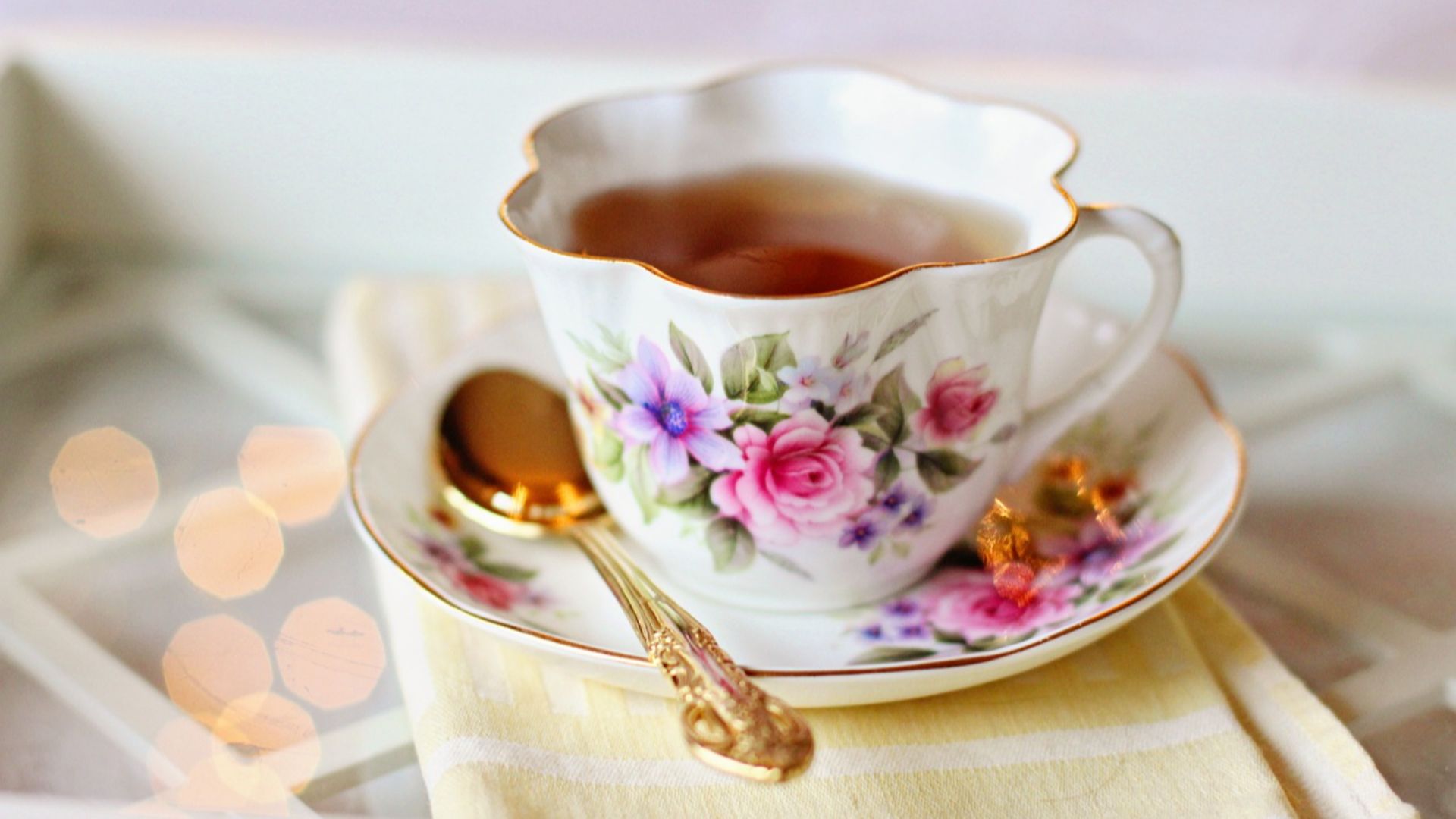
The British spoon etiquette doesn't only apply to soups. When drinking tea or coffee, you should never let your spoon hit the sides of the cup when you stir, and you should also place it gently back down on the saucer plate without making noise.
19. Burp After Meal
You might think it's distasteful—literally—to belch after eating, especially in front of everyone at the table. But in China, it's considered good etiquette, as it shows that you enjoyed your meal.

20. Don't Put Chopsticks Upright
Japan has a slew of chopstick rules, and the Japanese will not only balk if you pass food between chopsticks, but also if you stand them upright. This is referred to as tate-bashi, and is considered extremely impolite as chopsticks are stuck vertically in bowls of rice given to the deceased during funerals.
KEEP ON READING
The Most Popular Chocolate Bars in the USA
The Most Popular Candies in the USA