
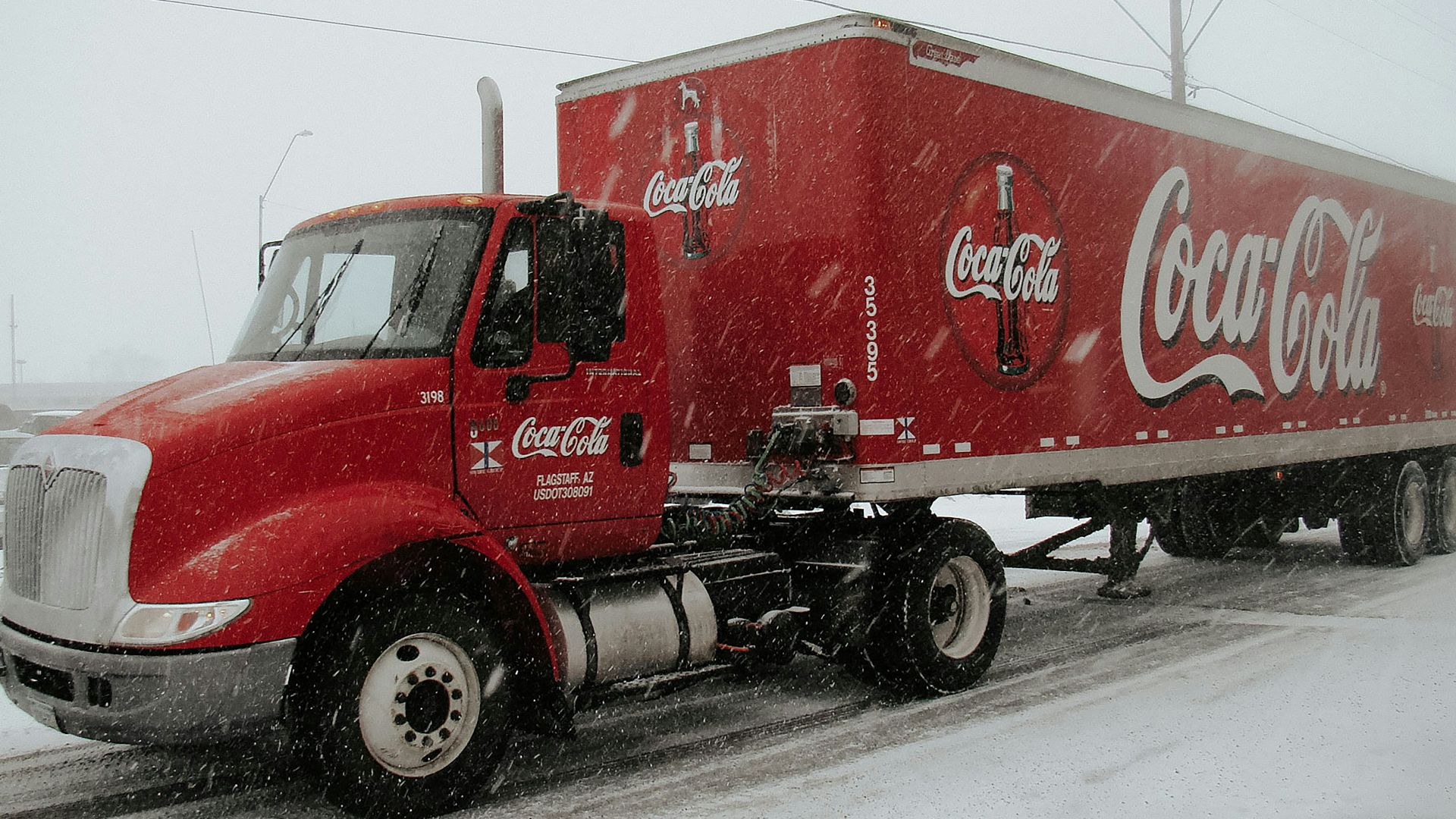
Few brands are so deeply associated with Christmas imagery as Coca-Cola. Over the course of almost a century, Coke did not simply create marketing around Christmas, they created Christmas marketing. Starting as an attempt to increase flagging winter sales, Coke’s campaign became one of the most iconic in the history of marketing. It changed not only how the company was perceived but the very culture of the season. The company’s Christmas strategy shows how large brands can influence, bolster, and even invent the traditions that we think of as timeless.
Reinventing a Holiday
In the early twentieth century, Coca-Cola had a problem that, to modern ears, is almost an oxymoron: consumers didn’t think of soda as a winter drink. Every December, sales fell off. Coca-Cola wanted to change that. They needed to associate their product with a season already laden with emotional spending, nostalgia, and heat.
Santa Claus was real at the time, but the concept was not set in stone. The man in red could be, variously, a small sprite who slipped down chimneys and a black-robed bishop with a sour expression. Coca-Cola recognized an opportunity. If they could find a way to align Coke with an enduring, happy Santa, perhaps people would consider the brand part of the holiday tradition, not a summertime treat.
The battle was not just to push soda at the turn of December. It was to link the Coca-Cola brand to a holiday powerful enough to transcend deeply ingrained seasonal consumption patterns.
Santa the Salesman

Coca-Cola decided to do just that in 1931, hiring artist Haddon Sundblom to design a fresh, cohesive Santa Claus from scratch. Inspired by previous Saint Nick drawings, but updated in a more commercial direction, the result was what we know today: a jolly, plump, red-suited grandfather.
The man was real. He laughed and slept and gave toys, but he also, and this was key, stopped to drink a Coca-Cola. You could imagine him walking through your front door. Sundblom’s paintings ran in major magazines across the country for the decade, bringing the character, and, of course, the brand, national awareness.
Sundblom’s Santa became the prevalent American version. So much so that as the red-suited figure spread, many assumed that Coca-Cola created him outright. The company did not invent Santa Claus, but it can certainly claim to have locked in our modern interpretation, from films to decorations to advertising. The overlap of folklore and brand identity became delightfully muddy.
A Lasting Tradition
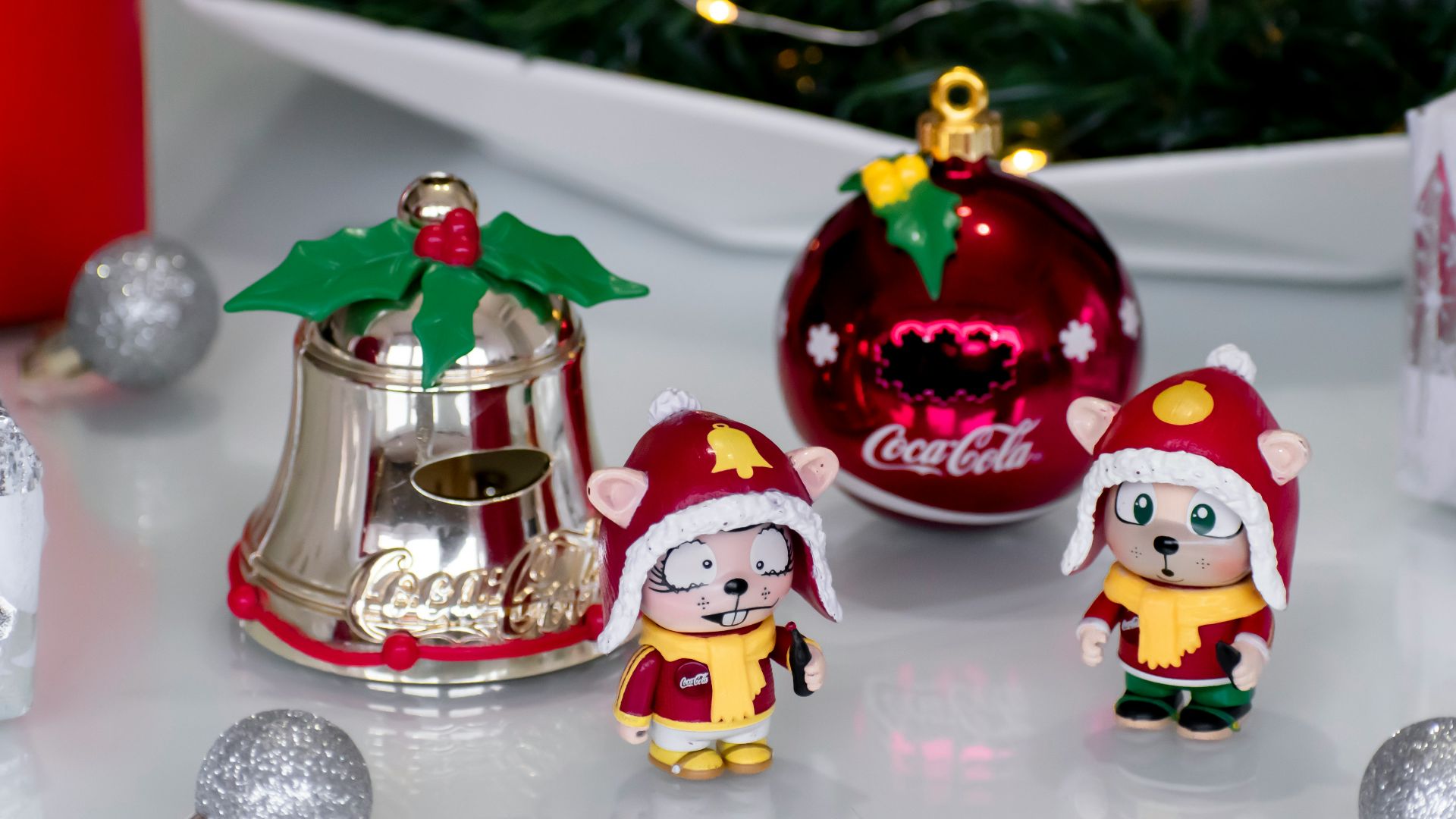
Coca-Cola’s Christmas campaign is one of the clearest examples of how a corporation can get “too big” for a holiday. On one hand, it helped create an iconic, permanent fixture in people’s minds. On the other, it shows what corporations can do to the traditions of cultures, changing and molding them to fit commercial ends.
Of course, the question becomes: How much is too much? When one brand becomes so entrenched in the popular understanding of a holiday, is that good or bad? Coca-Cola’s Santa created warmth and reliability in the visual story of Christmas, but it also shows how a corporation can insinuate its mythology into the very heart of a culture.