Fast food restaurants around the U.S. have dived headfirst into artificial intelligence, looking to automation to solve everything from rising labor costs to speeding up drive-thrus and improving the accuracy of orders. As AI-driven systems replace human workers at ordering stations, however, customers are learning the fast food of the future is… glitchy. From chatbots adding hundreds of dollars of chicken nuggets to drive-thru screens to voice assistants caught in infinite loops, the AI revolution so far hasn’t exactly been winning fans.
Below, we dive into how fast food is using AI, where customer frustration is coming from, and what the industry may have to rethink before pushing automation any further.
Efficiency Over Everything
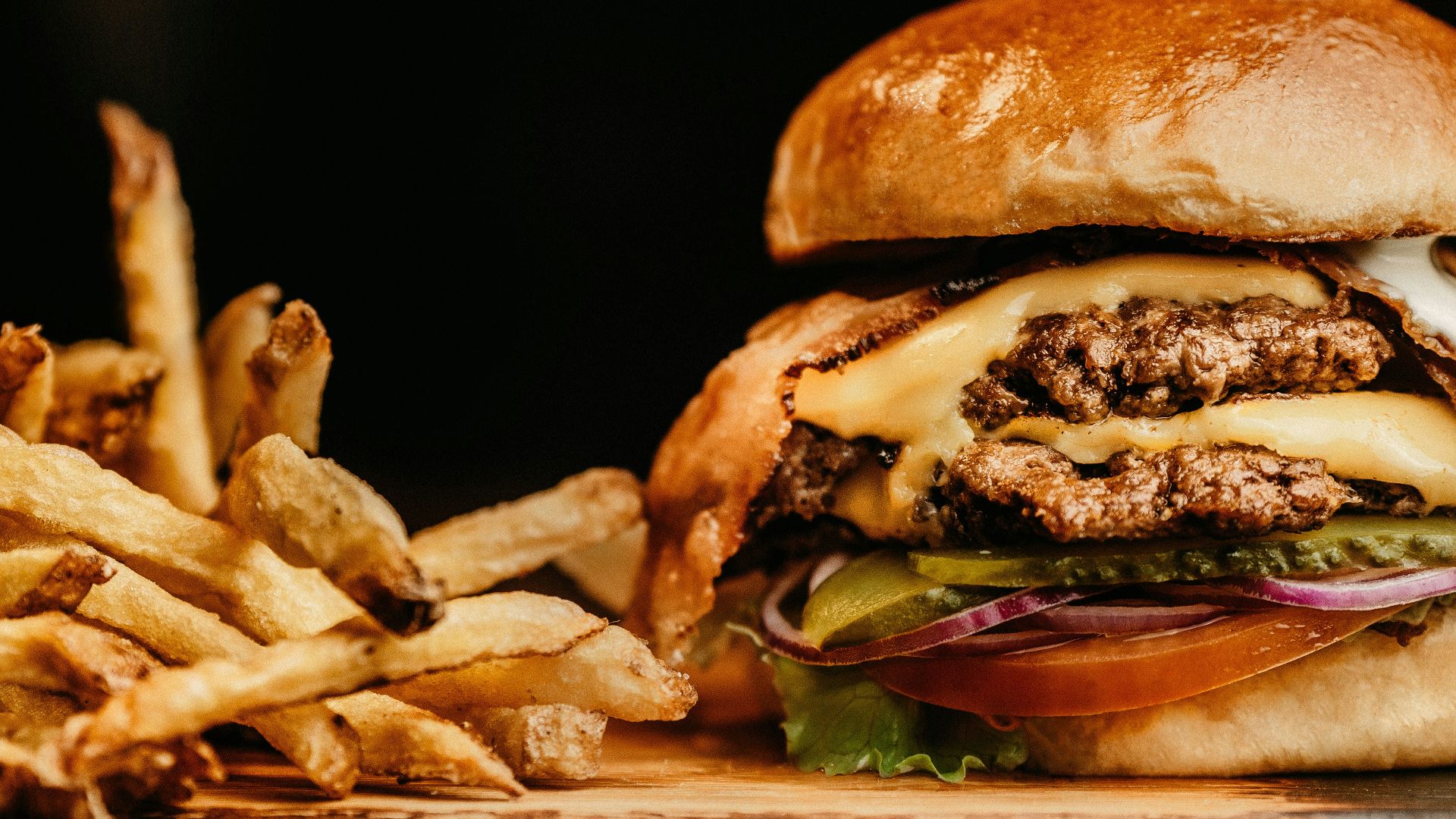
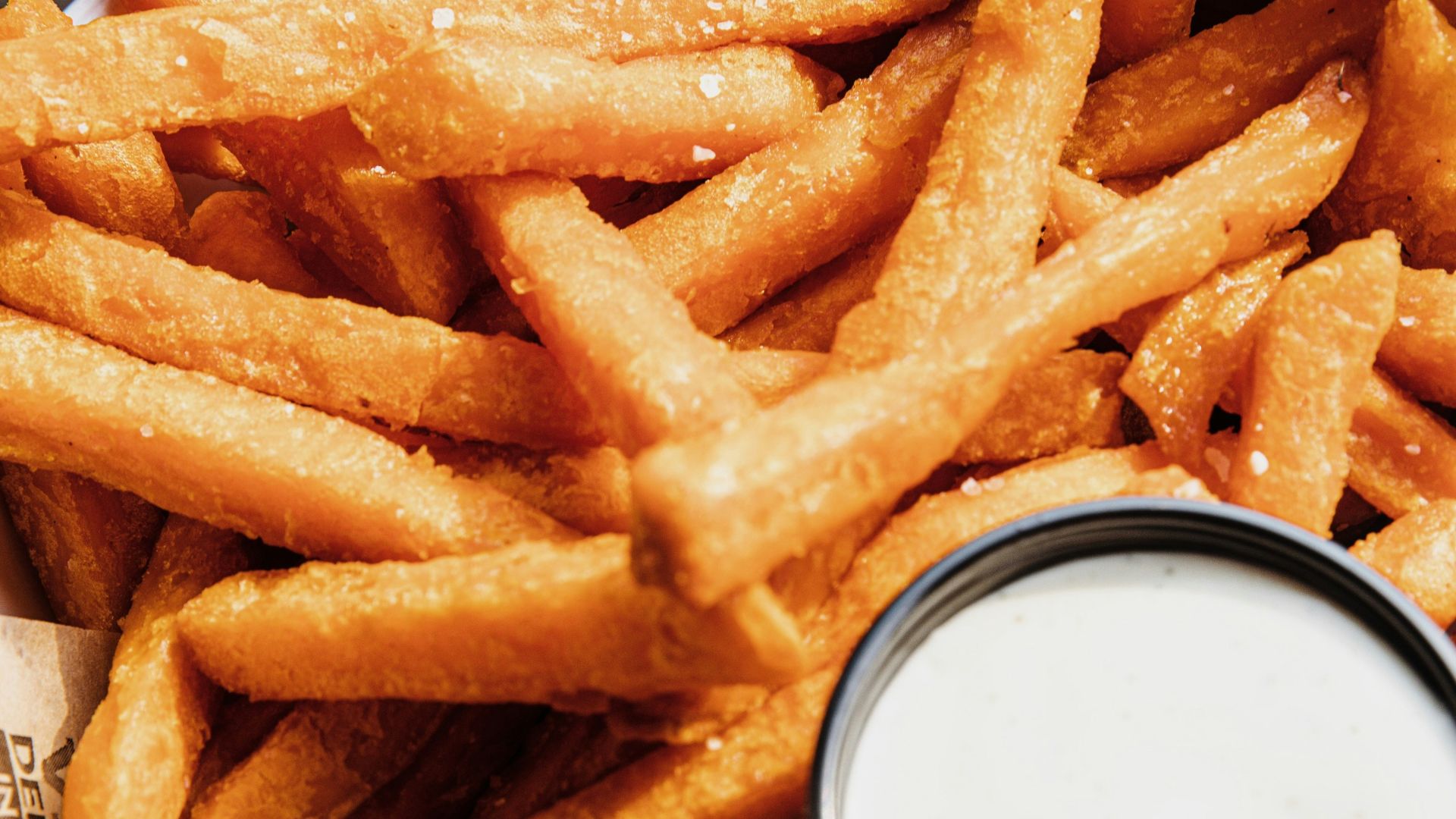 LOGAN WEAVER | @LGNWVR on Unsplash
AI has made its way into fast food at breakneck pace. Voice-ordering systems, automated kiosks, and hyper-targeted drive-thru menus are starting to transition from limited experiments to permanent fixtures.
Nationwide, McDonald’s has rolled out touch-screen ordering kiosks in a bid to speed up service and cut down on human employees. KFC and Taco Bell have experimented with A.I.-powered drive-thru systems that predict what you want to order depending on the weather, time of day, or your purchase history. Domino’s has experimented with A.I. technology that monitors your pizza’s quality as it leaves the store to make sure the toppings are even and the bake meets company standards, while Starbucks uses Deep Brew, a computer program, to accurately forecast ingredient demand days in advance.
Customer Reactions
The biggest problem with AI in fast food? It fails spectacularly. And customers are capturing it all.
Videos of Taco Bell’s AI drive-thru, rolled out in over 500 restaurants, have gone viral. In one, the system is crashed by a customer’s order of 18,000 cups of water. In another, someone repeatedly requests a large Mountain Dew. The system, over and over, replies: “And what will you drink with that?” Clipped to drum music, these videos have collectively been seen on Instagram and TikTok tens of millions of times.
The AI systems at McDonald’s have flubbed orders in similarly viral ways, promising extra bacon on a customer’s ice cream, multiplying items not ordered, or dumping hundreds of dollars worth of McNuggets onto a single order. After years of piloting the technology with IBM, the company quietly removed the systems from over 100 restaurants.
The Human Factor
There’s a strong argument that AI is being prioritized because it’s cheaper than human labor. Interest in automation surged when California passed legislation requiring higher minimum wages for fast food workers.
The wave of customer pushback is finally prompting an about-face. People want to be heard. They want a service that doesn’t make them have to yell at a giant screen.
Fast food corporations claim the future of AI is secure, but rollouts are expected to slow down. McDonald’s plans to reassess automated drive-thru procedures before the end of the year. Taco Bell is also training workers to jump in when AI “isn’t the right fit.”
Customers have spoken, and the message is loud and clear: Innovation is great, but don’t screw up the fundamentals in the process. Until drive-thru systems can parse a request for a milkshake, fast food corporations might benefit from less automation and more workers behind the headset.
KEEP ON READING

Can You Have an Obsession with Eating Healthy?
20 Potluck Desserts That Always Disappear First