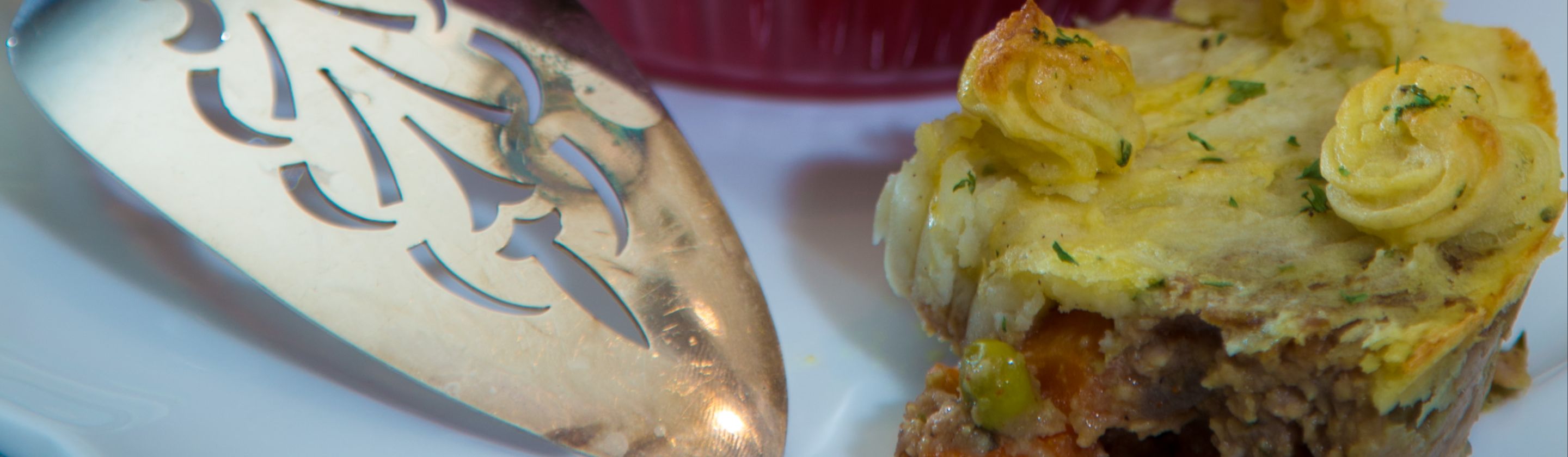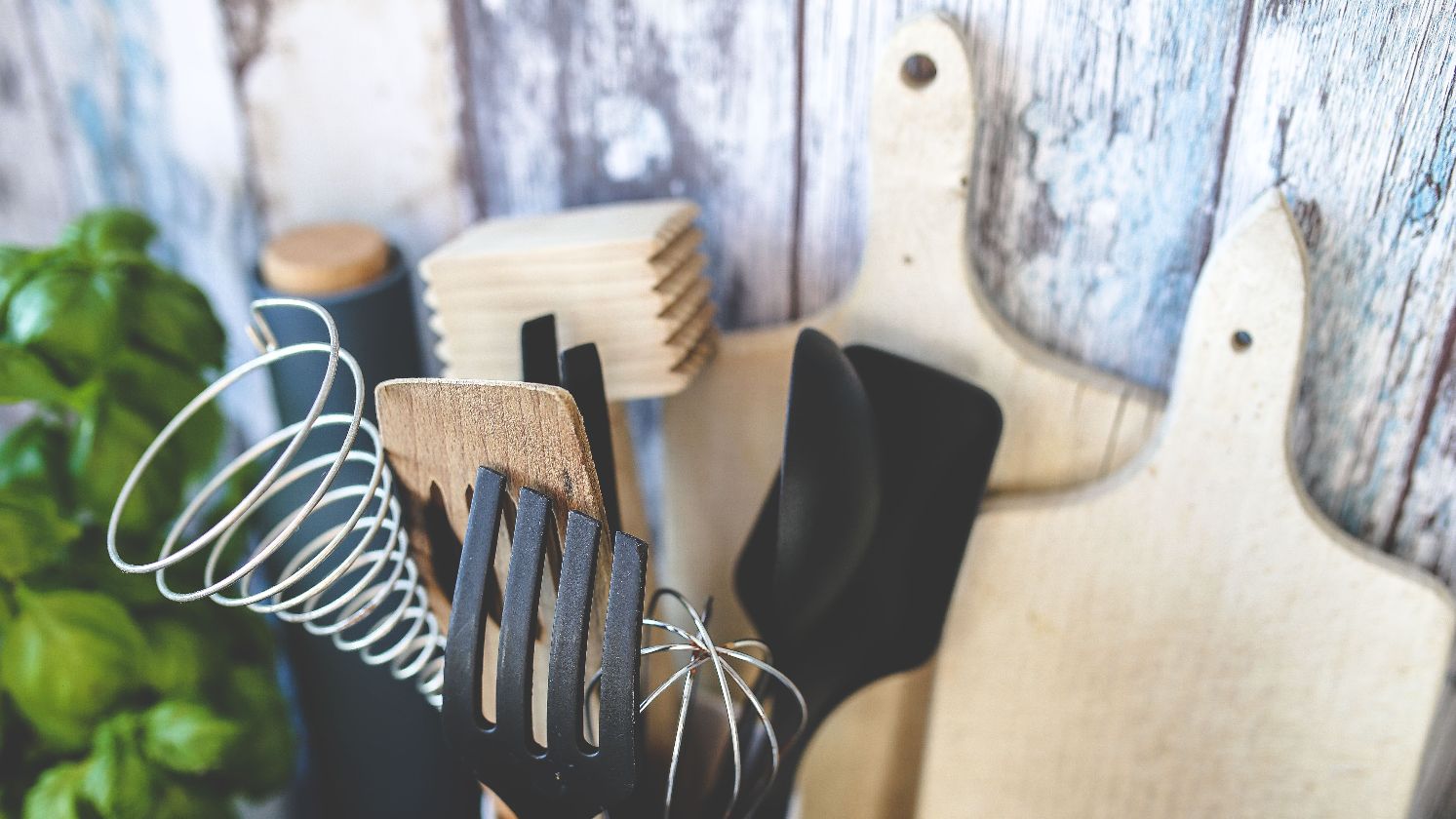
Kitchen trends often move in cycles, and many tools that once seemed outdated are making an unexpected comeback. Home cooks are rediscovering that older utensils and gadgets often perform specific tasks better than modern electric alternatives while adding a satisfying hands-on element to cooking. Whether you're trying to reduce waste, improve your cooking skills, or simply slow down in the kitchen, these forgotten tools are proving they still have plenty to offer.
People aren't abandoning modern appliances altogether, but they're becoming more selective about when technology is truly necessary. As more cooks embrace homemade meals, traditional techniques, and durable equipment, many classic kitchen tools are earning a well-deserved place back on the countertop instead of collecting dust in the back of a cabinet.
Simplicity Often Delivers Better Results
One reason older kitchen tools are returning is that they often do exactly one job, and they do it exceptionally well. A hand-crank egg beater, for example, gives you greater control over whipping eggs or cream without dragging out an electric mixer. Likewise, a sturdy potato ricer creates smoother mashed potatoes than many food processors, which can easily overwork the starches and produce a gummy texture.
Cast iron cookware has experienced one of the biggest revivals because it combines versatility with remarkable durability. When properly seasoned, it develops a naturally nonstick surface while retaining heat extremely well. Many families continue cooking with cast iron pans that have been passed down through several generations, proving that quality construction rarely goes out of style.
Manual citrus juicers, box graters, rolling pins, and mortar and pestle sets are also enjoying renewed appreciation. These tools require a little more effort, but they allow cooks to control texture, consistency, and flavor more precisely than many powered appliances. That greater involvement often makes the cooking process feel more rewarding.
Durability Is Becoming More Appealing
Many vintage kitchen tools were built with longevity in mind rather than convenience alone. Stainless steel, cast iron, hardwood, and heavy-duty aluminum can withstand decades of regular use with only basic maintenance.
In contrast, many inexpensive plastic gadgets are designed for shorter lifespans and eventually end up needing replacement. That difference becomes especially noticeable for people who cook several times a week. Investing in well-made tools often saves money over time because they rarely need to be replaced.
Sustainability has also encouraged people to invest in tools that last. Instead of purchasing multiple specialized appliances, many home cooks are choosing simple utensils that serve several purposes and don't rely on electricity. This approach reduces clutter while making kitchens easier to organize and maintain. It also reduces electronic waste, which has become a growing concern for environmentally conscious households. Owning fewer but better-made tools encourages more thoughtful purchasing decisions and helps create a more efficient workspace.
There's also growing appreciation for the craftsmanship behind older kitchen equipment. Wooden spoons, hand-forged knives, and solid metal sifters often feel sturdier and more comfortable to use than mass-produced alternatives. As people spend more time cooking at home, those small differences become easier to notice and appreciate. Many vintage tools were designed to be repaired rather than discarded if something wore out. That emphasis on craftsmanship gives them a sense of quality that continues to attract both experienced cooks and beginners alike.
Tradition And Skill Are Part Of The Appeal
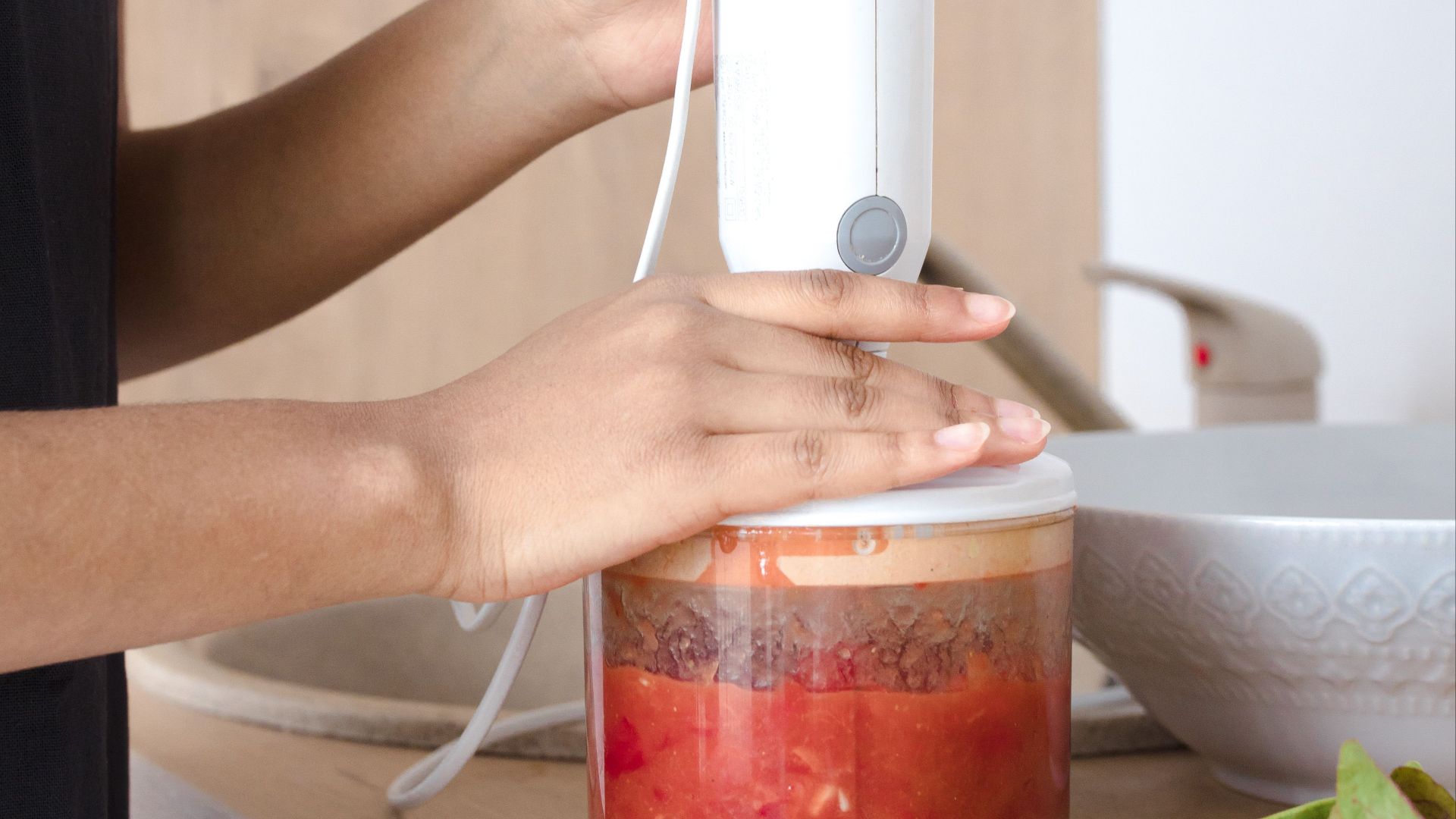
Cooking with traditional tools encourages people to develop techniques instead of depending entirely on automation. Learning how to use a mortar and pestle properly, for instance, teaches you how different ingredients release their flavors under pressure. That hands-on understanding often carries over into many other areas of cooking.
Older kitchen tools also help preserve family traditions. Many recipes were originally written with manual equipment in mind, and using those same tools can recreate textures and flavors that modern appliances sometimes change. For many people, these familiar utensils also carry memories of parents or grandparents preparing meals together.
The revival is also being helped by younger cooks who are finding these tools through thrift stores, estate sales, and social media. A vintage pastry blender or hand-crank food mill may look humble, but once people see how well it works, it quickly becomes more than a nostalgic purchase. These rediscoveries show that practical design can outlast trends when a tool genuinely makes cooking easier or more enjoyable.
The renewed interest in forgotten kitchen tools isn't about rejecting modern convenience. Instead, it's about recognizing that some classic designs solved problems so effectively that they never truly became obsolete. By blending timeless equipment with today's techniques, home cooks can enjoy the best of both worlds while creating meals that feel both satisfying and deeply connected to culinary tradition.
KEEP ON READING

Why Grocery Stores Throw Away Food They Could Donate
What Even Is "American Cheese"?