 Joshua Rawson-Harris on Unsplash
Grocery stores can look like places of endless abundance, which makes it especially frustrating to imagine edible food ending up in the trash. When you see shelves full of bread, produce, prepared meals, and dairy, it’s easy to wonder why every unsold item doesn’t automatically go to a food bank at closing time.
The answer is more complicated than simple carelessness. Some waste comes from confusing date labels, strict food safety rules, limited staff time, transportation problems, and the fear that something could go wrong after the food leaves the store. None of that makes waste less upsetting, but it helps explain why donation is often more complicated than it looks from the outside.
Food Safety Rules Can Make Stores Cautious
The biggest issue is usually safety. Grocery stores handle foods that spoil at different speeds, and not everything can be donated just because it still looks fine. A bruised apple may be harmless, while improperly held deli meat, cut fruit, seafood, or hot prepared food can become risky if time and temperature aren’t controlled carefully.
Prepared foods are especially tricky because they come with tighter handling requirements. A tray of unsold roasted chicken may seem perfect for donation, but someone has to verify how long it sat under heat, when it was cooled, how it was packaged, and whether it can be transported safely. If those steps aren’t documented well, a manager may choose disposal over uncertainty.
Date labels also create confusion for stores and shoppers alike. In the United States, many date labels are about quality rather than safety, but the wording can still make people nervous. A “sell by” date may tell a store when to rotate inventory, while a “use by” date may carry a different meaning depending on the product. When staff members are rushed, it can be simpler to remove and discard items than sort every package into what’s safe, what’s still high quality, and what a donation partner will accept.
Liability fears play a role, even though federal law offers protection for many good-faith food donations. The Bill Emerson Good Samaritan Food Donation Act provides some liability protection for donors and nonprofits that distribute food, as long as certain requirements are met. Still, not every employee or store manager fully understands those protections. When people aren’t clear on the rules, fear wins.
Logistics Are Less Simple Than They Sound
Donation requires more than putting unsold food in a box and calling it a good deed. Someone has to identify what can be donated, separate it from trash and returns, label it properly, store it safely, and arrange pickup at the right time. That takes labor, space, training, and a system that works even when the store is short-staffed. If the process depends on one overworked employee remembering everything at the end of a shift, it’s already fragile.
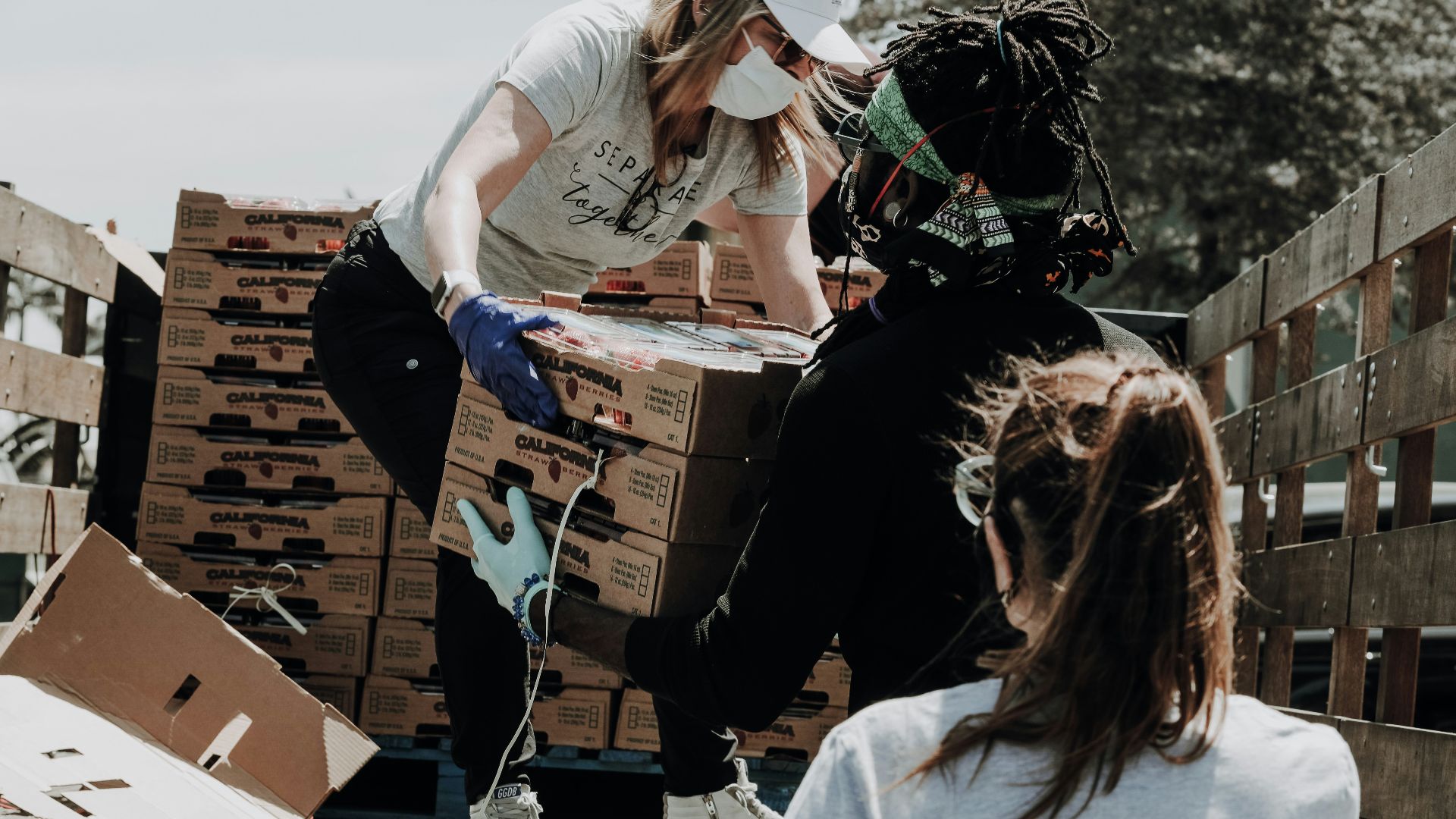
Transportation can be another major obstacle. Food banks and rescue organizations need trucks, drivers, refrigeration, and schedules that match the store’s discard cycle. A grocery store might have edible food available at 9 p.m., while the nearest nonprofit can only pick up in the morning. By then, some food may no longer be safe or appealing enough to distribute, which means the donation opportunity disappears overnight.
Small amounts of food can create surprisingly big coordination problems. One store may have six sandwiches, two bags of greens, a few dented boxes, and a cart of day-old bread. That food matters, but picking it up may cost a nonprofit more in time and fuel than the donation is worth.
Stores also have to protect their normal operations. Employees are already restocking shelves, checking out customers, cleaning departments, managing inventory, and handling deliveries. Adding a donation program can work beautifully, but only if it’s built into the routine instead of treated as an extra favor. Otherwise, donation becomes the task everyone supports in theory, and nobody has time to complete at 10:45 p.m.
Appearance, Standards, & Business Habits Still Matter
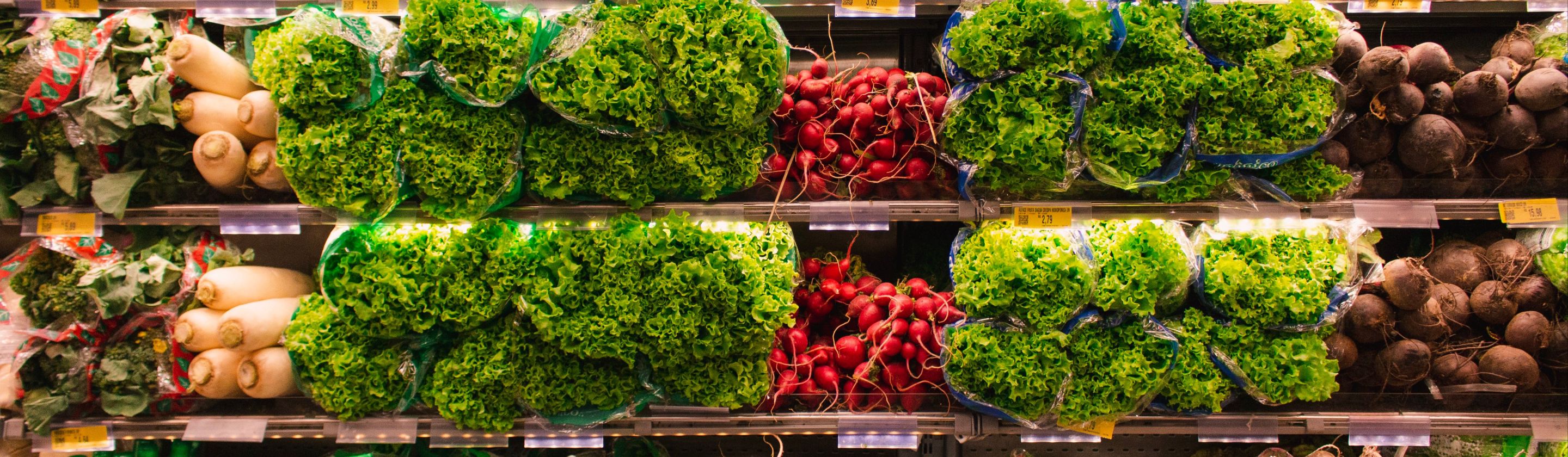
Retail food is judged harshly by appearance. Shoppers may say they care about waste, but many still skip bruised fruit or oddly shaped vegetables. In the West, customers are also accustomed to seeing store shelves overflowing with beautiful produce, meats, cheeses, and baked goods, and anything less than that excess would look oddly sparse by comparison. That visual abundance can increase sales, but it can also create more leftovers than anyone wants to admit.
Some food is thrown out because it no longer fits a store’s quality standards, even if it’s still edible. A banana with brown spots, bread that’s slightly stale, or a package with a torn outer label may not be dangerous. The problem is that stores worry customers will see imperfect products as a sign the whole business is slipping.
There’s also a forecasting problem behind the scenes. Grocery stores have to guess how much people will buy, and customer behavior isn’t always predictable. Bad weather, local events, holidays, delivery delays, and sudden trend changes can leave stores with too much of one item and not enough of another. Since empty shelves are bad for business, many stores would rather risk having extra food than risk disappointing shoppers.
The good news is that food donation is improving when stores, nonprofits, and policymakers make it easier to do the right thing. Clearer date labels, better staff training, stronger pickup systems, and smarter inventory tools can all reduce waste. Grocery stores throw away food for many reasons, but most of those reasons are solvable with planning rather than guilt alone. If the system gets easier, more edible food can leave through the donation door instead of the dumpster.
KEEP ON READING


20 Dishes That Built Modern American Cuisine