Childhood snacks have a special place in our hearts. The sugar rush of candy, the instant gratification of packaged snacks, and the memories they bring can be more than simple nostalgia. Many of us grew up with a favorite, or several, and some have survived the years to the present in some form or another, evolving and adapting in sometimes surprising ways. Others have long since been forgotten, only to be resurrected from the graveyard of childhood snacks. Let’s take a look at some of the most memorable treats from our childhoods and see how they are doing today.
Ring Pops
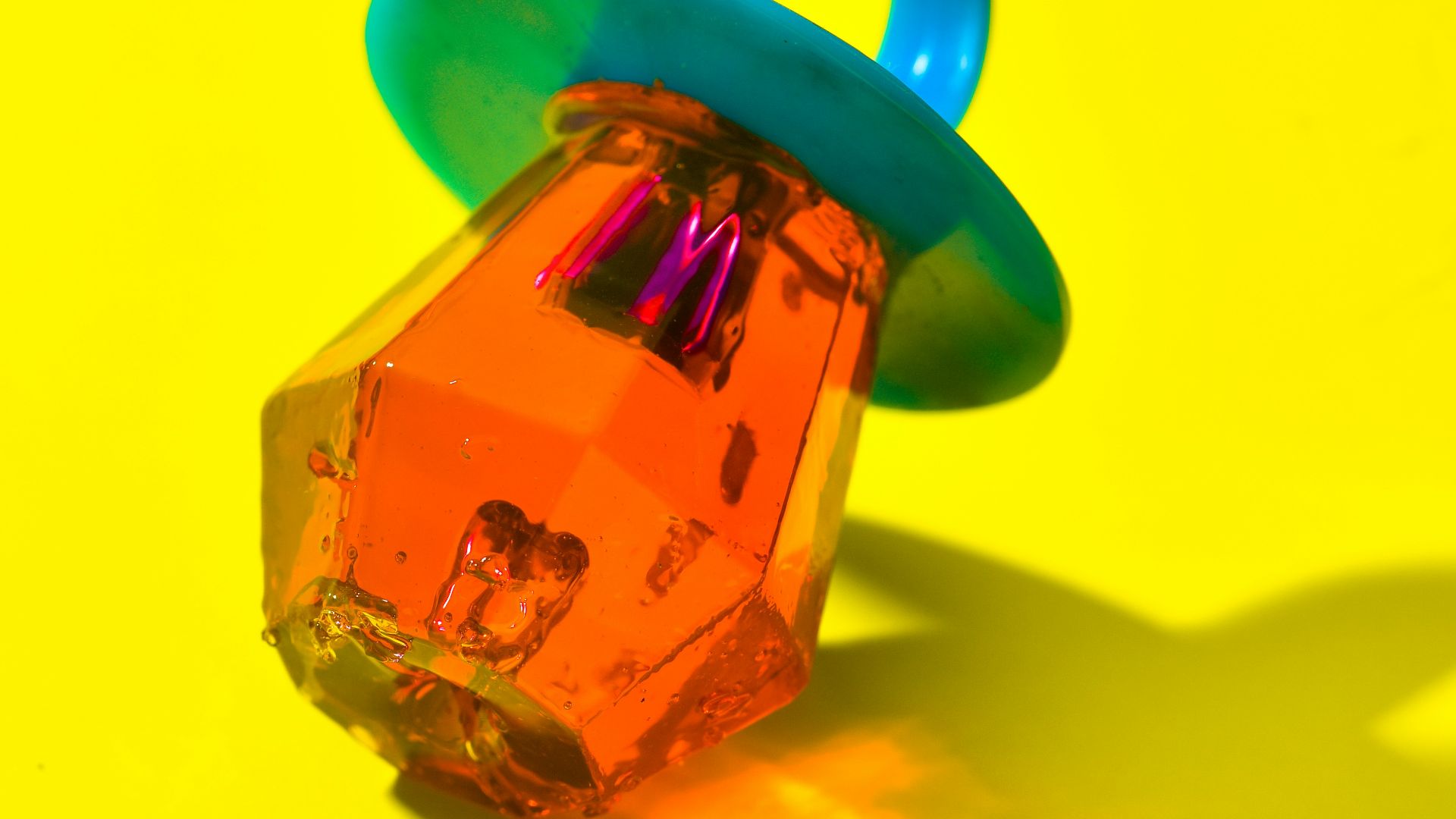
Ring Pops were introduced in 1977 by Frank Richards, a product engineer with the Topps Company. Richards invented the Ring Pop as a way to get his daughter to quit sucking her thumb. The Ring Pop resembles a baby pacifier, a hard candy "jewel" sitting on top of a plastic ring. Eating the Ring Pop provides the same oral gratification for children without the negative thumb-sucking stigma.
Ring Pops were not the first candy jewelry (candy necklaces and bracelets were introduced nearly 20 years earlier). It became an immediate sensation, however, blending fashion and taste into a very irresistible confection for children. Ring Pops have continued to be popular, with a new multimillion-dollar facility for their production being built in Moosic, Pennsylvania, by Bazooka Candy Brands in March 2025. The facility is capable of producing 1.5 million Ring Pops each day and kept nearly the entire Scranton workforce employed.
Dunkaroos
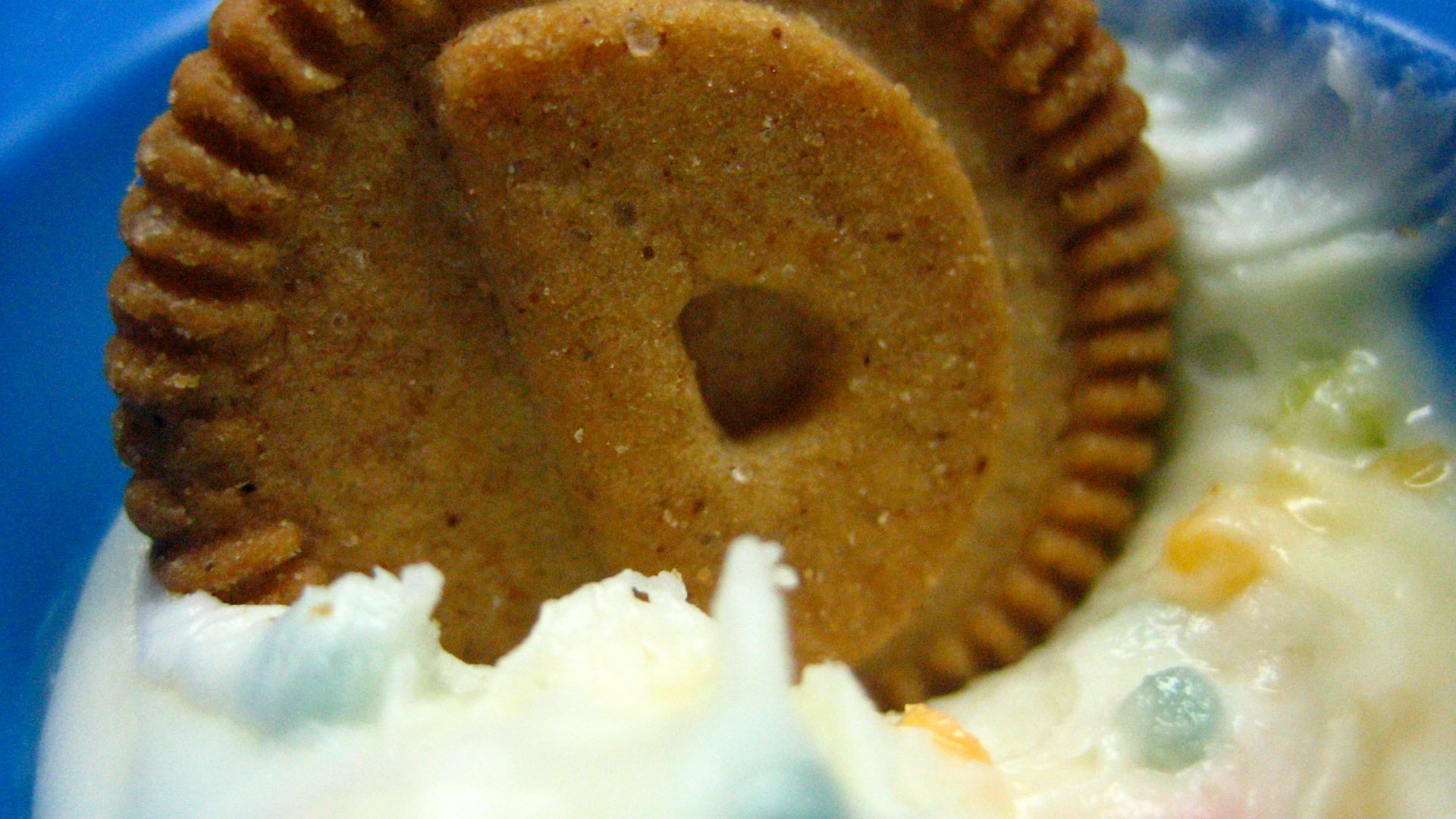 :kirsch: from Raleigh, US on Wikimedia
Dunkaroos remained discontinued in the United States after 2012 but continued to be sold in Canada. However, through a 2016 campaign, "Smugglaroos," Canadians were encouraged to smuggle Dunkaroos back to the United States to feed American nostalgia. The following year, in 2019, Nestlé released a new chocolate-hazelnut flavor of Dunkaroos to Australia, without approval from 7-Eleven, after the distributor of Dunkaroos in Australia, Masterfoods, acquired rights to market Dunkaroos there.
Dunkaroos reappeared on U.S. shelves in 2020, sold exclusively at 7-Eleven. They later expanded to major stores such as Walmart, Target, and Kroger. The new packaging features a slightly larger single-serving size and less sugar per serving. The Dunkaroos brand has since expanded to include Dunkaroos merchandise, cookie dough, cereal, yogurt, and limited-release Dunkaroos flavors such as orange sherbet cookie and chocolate-chip frosting.
Lunchables
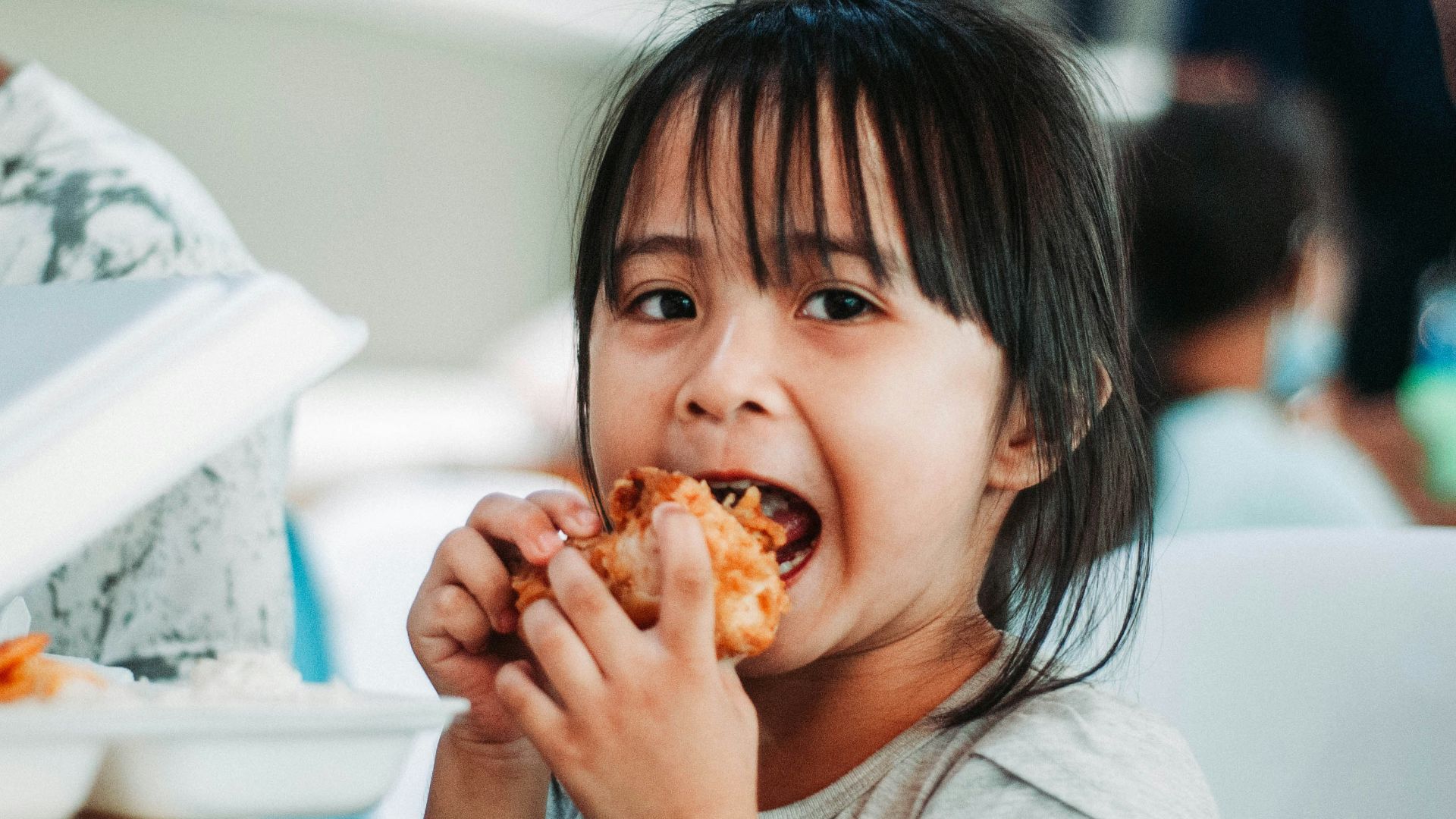
Launched several decades ago, Lunchables were initially advertised as a novel, convenient kids' meal. Over the years, however, they have garnered a reputation for being filled with sodium and saturated fat. For example, one serving of the classic Ham and Swiss Lunchables includes nearly half of an adult's recommended daily intake of sodium. Facing this negative reputation, the U.K. version of Lunchables began featuring healthier ingredients, including orange juice and yogurt in place of sugary drinks and candy.
Stateside, Lunchables continue to draw criticism. A 2024 Consumer Reports study found Lunchables products to have high levels of lead, phthalates, and sodium and suggested they should be pulled from the National School Lunch Program. Despite concerns, Lunchables remain a go-to for many parents and kids who want a quick, easy, and customizable meal.
From Ring Pops' wearable sweetness to Dunkaroos' triumphant return to Lunchables' continual innovation, childhood snacks will forever influence our palates and fond memories. These foods have maintained a nostalgic factor while meeting current trends and health standards. Some have faded away only to come back even more popular than before, while others are just beginning to learn the art of reinventing themselves.
KEEP ON READING
You’re Storing Tomatoes Wrong in This Heat
You’re Storing Potatoes Wrong in This Heat
You’re Storing Peppers Wrong in This Heat