 www.publicdomainpictures.net on Google
There's a particular kind of snack that has started showing up everywhere, and once you notice it, you can't stop seeing it. It's the chip that's so aggressively seasoned your tongue goes numb. It's the candy engineered to be simultaneously sour, sweet, spicy, and somehow fizzy. It's the viral TikTok food that looks structurally impossible, layered and dripping and covered in at least three different textures. These things aren't accidents. They're the result of a deliberate, data-driven, and increasingly dominant philosophy in the food industry: more of everything, all at once.
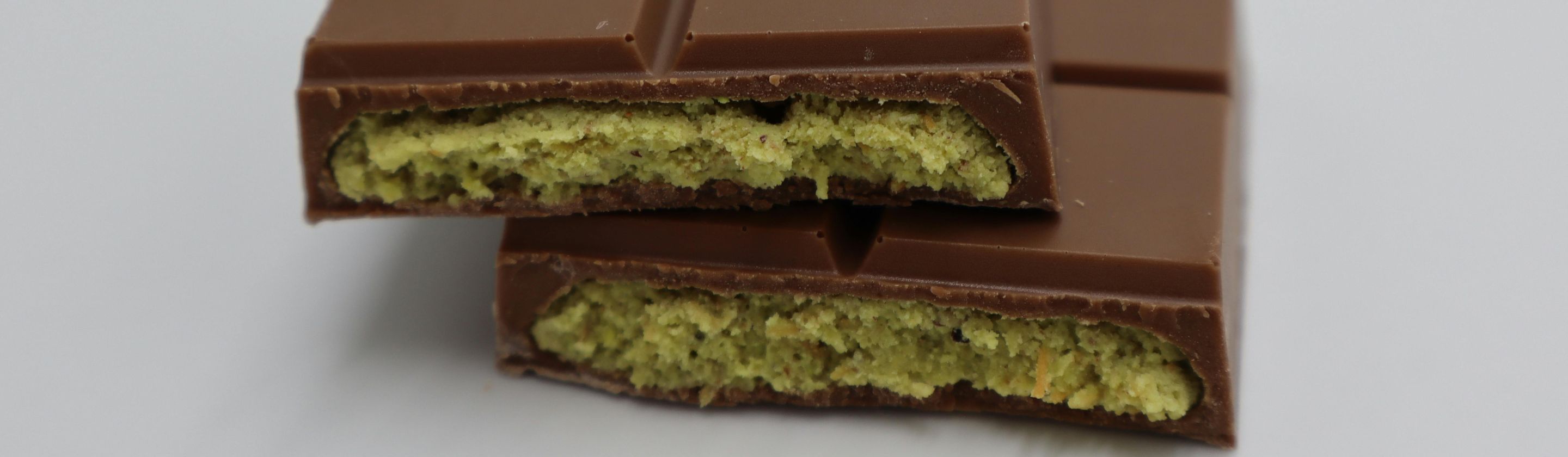
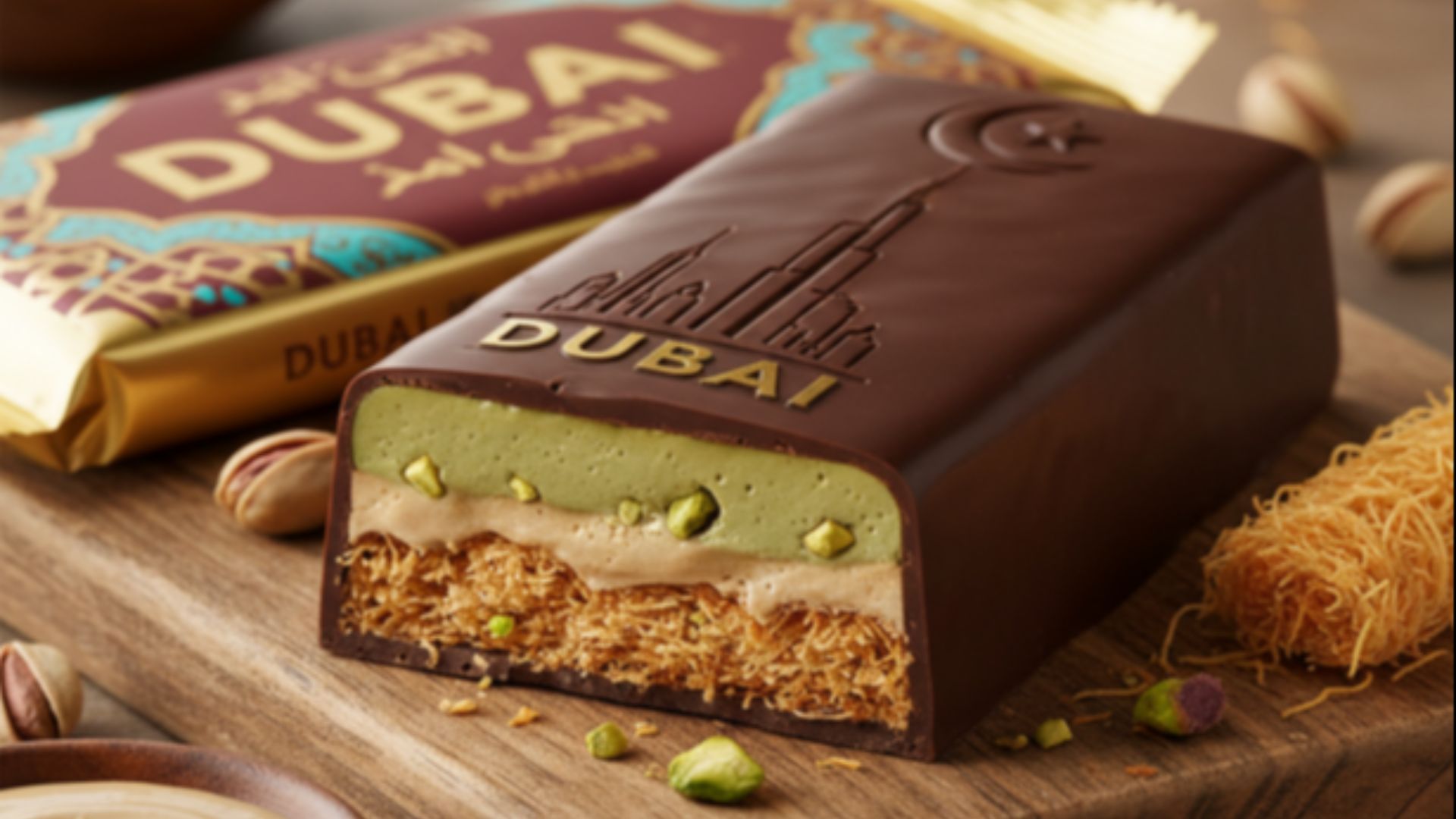
The numbers suggest this philosophy is working. The global hot sauce market alone was valued at over $3.7 billion in 2023 and is projected to keep growing, according to market research firm Mordor Intelligence. Tajín has become one of the fastest-growing condiment brands in the United States. Viral snack trends, from Korean buldak noodles to Dubai chocolate bars stuffed with pistachio and shredded pastry, have triggered genuine supply shortages. Something real is happening here, and it goes beyond food companies simply chasing trends. It reflects something shifting in what people actually want from the act of eating.
The Science Behind Why Your Brain Wants to Be Overwhelmed
Food scientists have a term for what makes a snack irresistible: dynamic contrast. It refers to the experience of multiple competing sensory inputs arriving at the same time, crunchy and creamy, hot and cold, sweet and salty. Research published in journals like Appetite and Food Quality and Preference has documented for years that this kind of layered sensory input drives higher consumption rates and stronger preference scores than single-note flavors. The brain, essentially, finds complexity harder to get bored of.
There's also a neurological dimension tied to novelty. Dopamine responses are stronger when a stimulus is unexpected or variable, which is part of why snacks with unpredictable heat levels or popping textures register as more exciting than consistent ones. Flamin' Hot Cheetos didn't become a cultural phenomenon because they tasted like a perfectly balanced meal. They became one because the heat and the crunch and the dust all arrived together in a way that kept the brain chasing the next piece.
What's changed in the last decade is that food companies have gotten significantly better at engineering this response deliberately. Consumer testing, flavor compound research, and the feedback loop of social media virality have given manufacturers a much cleaner signal about what triggers intense reactions. The snacks that result aren't stumbled upon. They're optimized, almost algorithmically, for maximum sensory disruption.
How Social Media Turned Eating Into a Performance Sport
A bag of chips eaten alone over a sink doesn't need to look like anything. A snack destined for a TikTok or Instagram post operates under completely different requirements. It needs to be visually dramatic, preferably in motion, ideally producing some kind of audible reaction from the person eating it. This is where sensory maximalism and social media have fused into something genuinely new, a feedback loop where the most extreme food gets the most attention, which drives more extreme food, indefinitely.
The numbers behind food content are hard to ignore. Food and beverage videos consistently rank among the most-watched categories on TikTok, with the platform reporting billions of views on food-related hashtags. A single viral clip of someone biting into a hyper-layered snack or reacting to an extreme heat level can drive thousands of units of a product into backorder within days. Buldak's ramen brand, produced by Samyang Foods, saw exports increase dramatically after its products became central to the viral fire noodle challenge, a direct line between content performance and sales volume.
What this means practically is that snack companies now develop products with virality as a design criterion, not an afterthought. Appearance, sound, and the likelihood of producing a visible reaction are all part of the brief. Eating has always had a social dimension, but the scale and speed of social media has compressed that dimension into something more like a performance metric, where the best snack is the one most likely to make someone's eyes water on camera.
When Maximalism Becomes the Baseline, Everything Has to Escalate
There's a sensory adaptation problem baked into this entire trend. The same neurological mechanisms that make intense stimulation exciting also make it ordinary over time. What registers as extreme today becomes the new normal faster than most people expect, and the industry has to keep moving the threshold to maintain the same effect. We've seen this play out before with sugar and salt levels in processed food, and the current maximalism wave follows the same logic, just with more variables in play.
Nutritionists and food researchers have raised questions about where this escalation leads practically. Diets built heavily around hyperpalatable, high-stimulation snacks are associated in the literature with disrupted satiety signaling, meaning the body's ability to recognize fullness gets harder to read when food is engineered to override it. The consequences aren't dramatic or immediate, which is part of why they're easy to dismiss snack by snack.
None of this is likely to slow the trend down in the short term. The market incentives are too strong, the content machine is too hungry, and the snacks are, genuinely, kind of fun. What it does suggest is that we're in the middle of a sensory arms race with no obvious ceiling, driven by algorithms, neuroscience, and the basic human pleasure of being surprised by what's in your mouth. Where it tops out is anyone's guess, but the next thing will almost certainly be louder, spicier, and somehow more structurally improbable than whatever came before it.