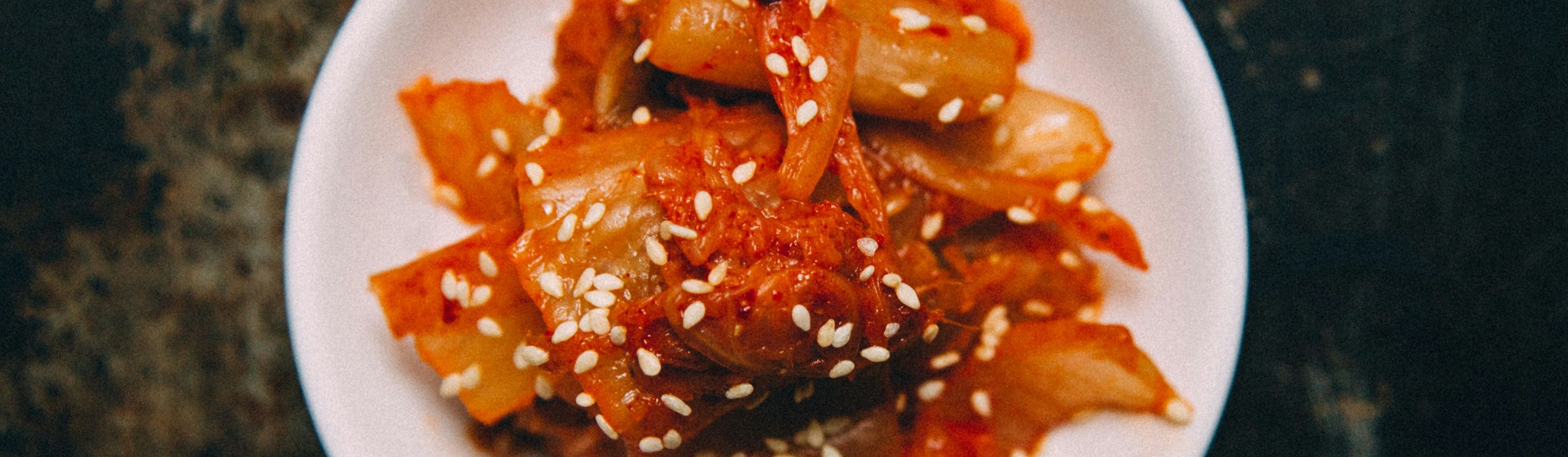
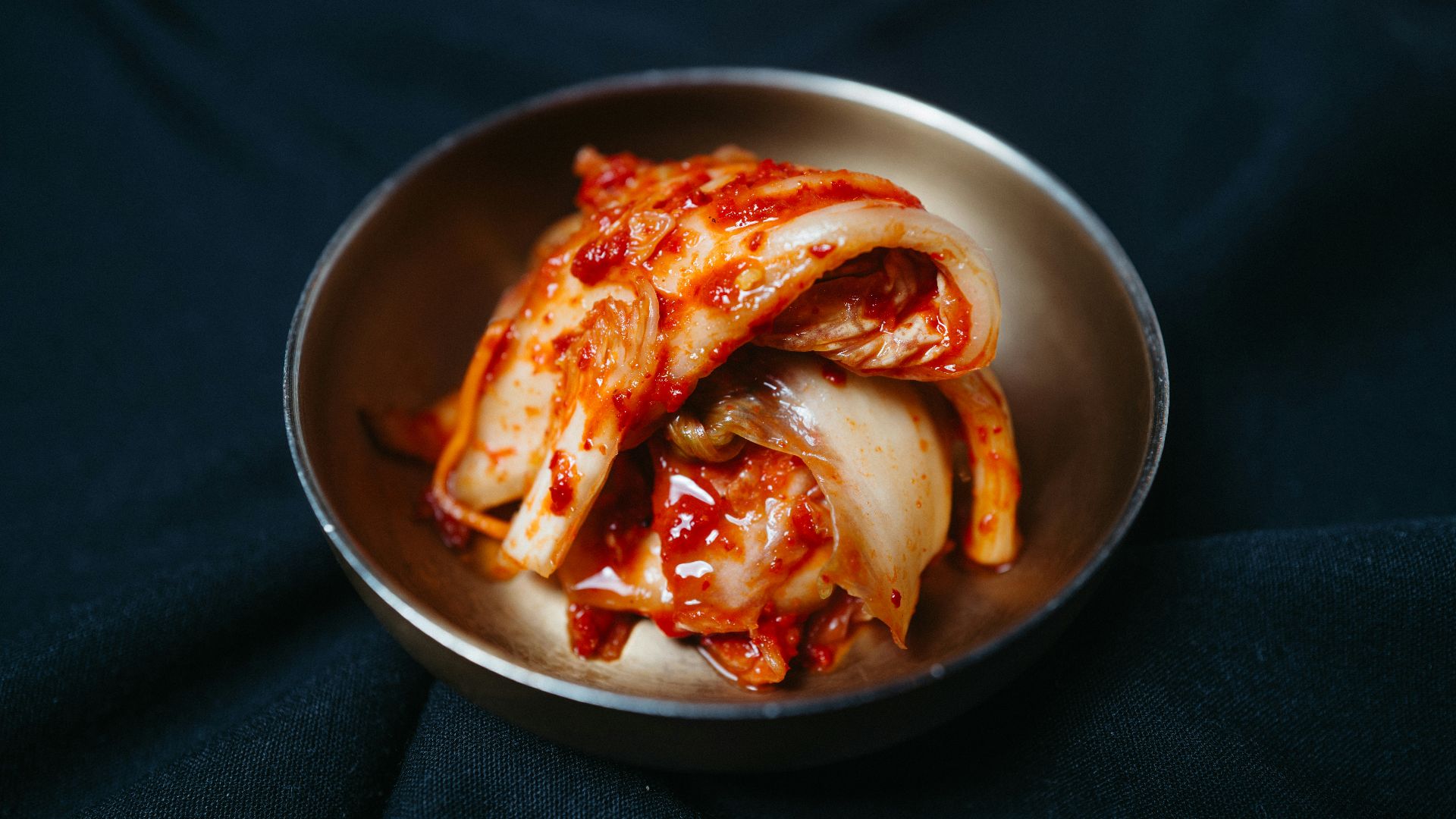
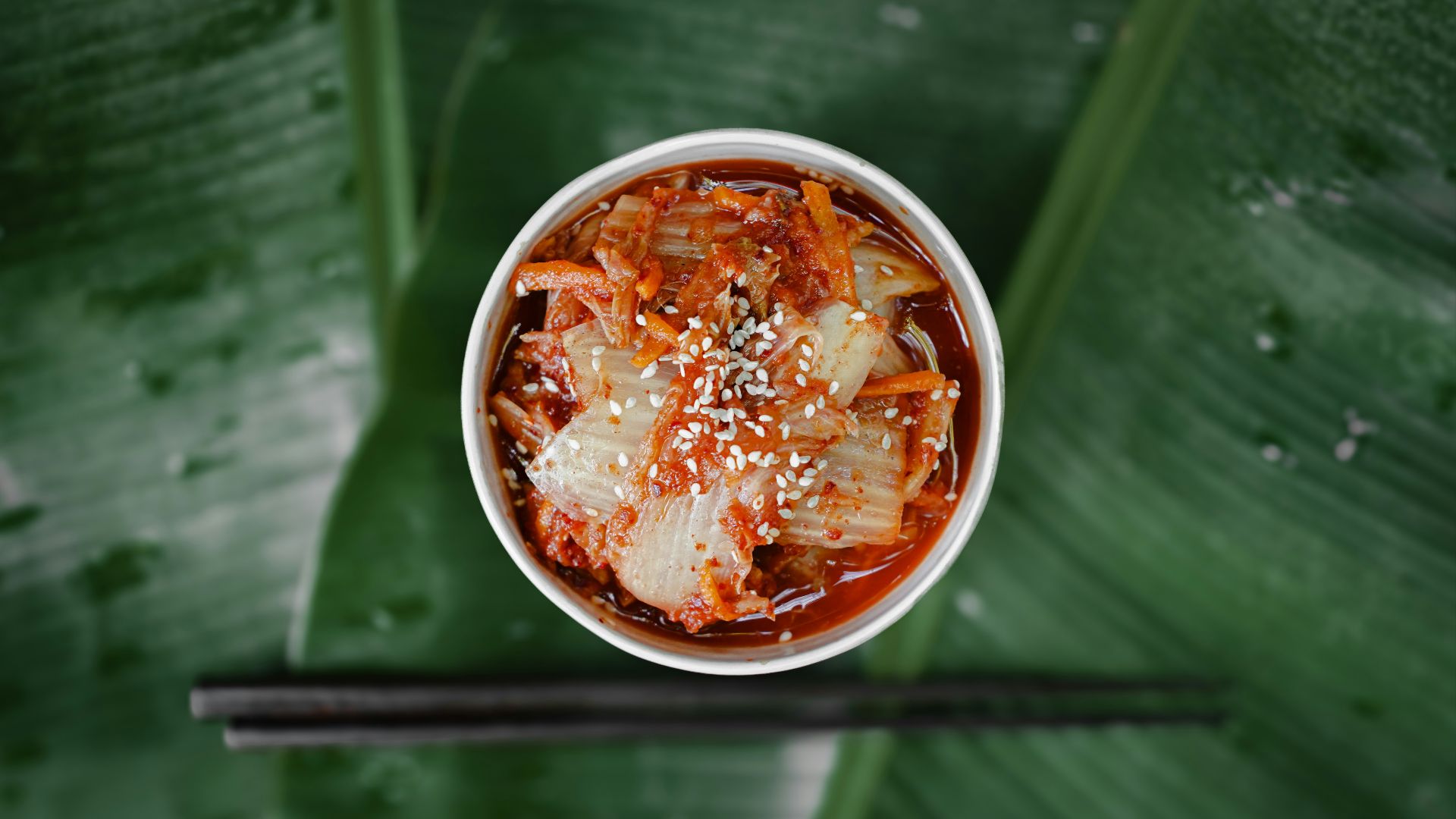
Kimchi sits at the heart of Korean cuisine as a fermented vegetable dish that delivers a punch of flavor in every bite. Picture napa cabbage or radishes transformed by salt, chili, garlic, and time into something tangy, spicy, and utterly addictive. This staple has journeyed from Korean home kitchens to global grocery shelves, captivating eaters with its bold profile and surprising versatility.
You might spot it as a fiery red side dish next to rice or bubbling in a hearty stew, but its appeal stretches far beyond tradition. The fermentation creates probiotics and nutrients, while its complex taste keeps people coming back. Whether you are new to it or already hooked, kimchi offers layers of discovery that explain its worldwide obsession.
From Ancient Roots to Modern Ritual
Kimchi first appeared over 3,000 years ago as salted veggies to survive Korea's brutal winters, with records from the Goryeo Dynasty noting radish versions around 918 AD. Chili peppers arrived later via trade routes in the 16th century, giving baechu-kimchi its signature fire and vibrant color during the Chosun era. This multi-millennial evolution turned what was once a survival food into a cultural icon.
Gimjang, the act of fermenting kimchi, goes beyond preservation; it strengthens family ties as generations stuff cabbage leaves side by side. Pots of onggi clay, prized for breathability, were packed under the snow during the winter season, releasing just enough air to prevent explosions from built-up gases.
This method not only extended shelf life but also boosted digestibility. This communal effort ensured nutrition year-round, packing vitamins A, B, and C into every serving long before refrigeration existed.
A Taste of Tradition
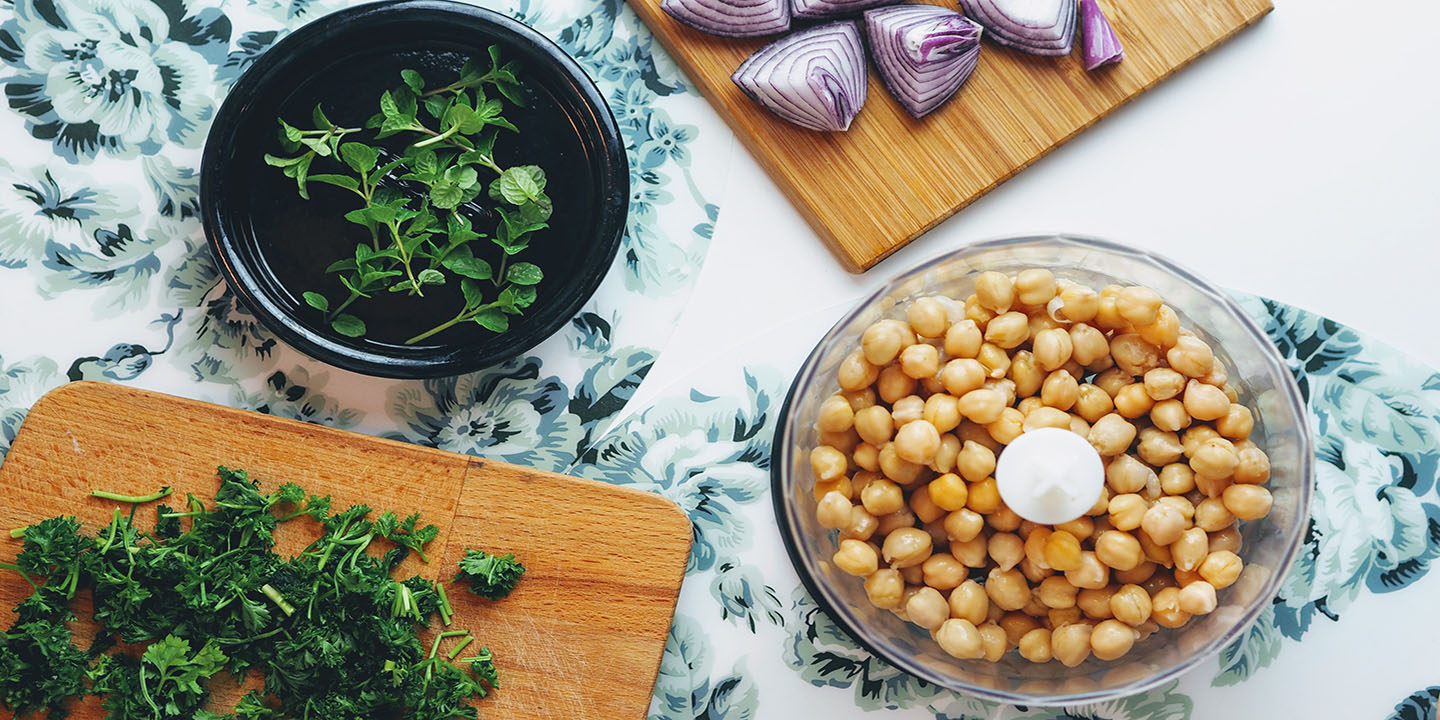
Kimchi starts with simple vegetables like napa cabbage or daikon radish, which are heavily salted to draw out moisture. That briny base is then mixed into a paste of gochugaru chili flakes, garlic, ginger, fish sauce, and scallions for depth and heat. The mix is then sealed in a jar, where the dish really transforms.
There’s no one-size-fits-all for kimchi creation, either. It’s reported that there are over 200 varieties of kimchi, tied to changing seasons or regional ingredients. Southern styles lean spicier, while northern dishes tend to lean milder, due to a lack of chilli growth in the region. No matter the version, kimchi embodies resourcefulness, turning humble cabbage into a flavor powerhouse that demands a spot on any table.
Today, standards like the Codex Alimentarius codify kimchi as a lactic acid-fermented product from salted cabbage and spices. That ancient ingenuity now fuels a booming industry, with South Korea producing millions of tons annually. The ritual lives on, blending heritage with everyday meals in homes and restaurants alike.
Endless Varieties for Every Palate
 Frames For Your Heart on Unsplash
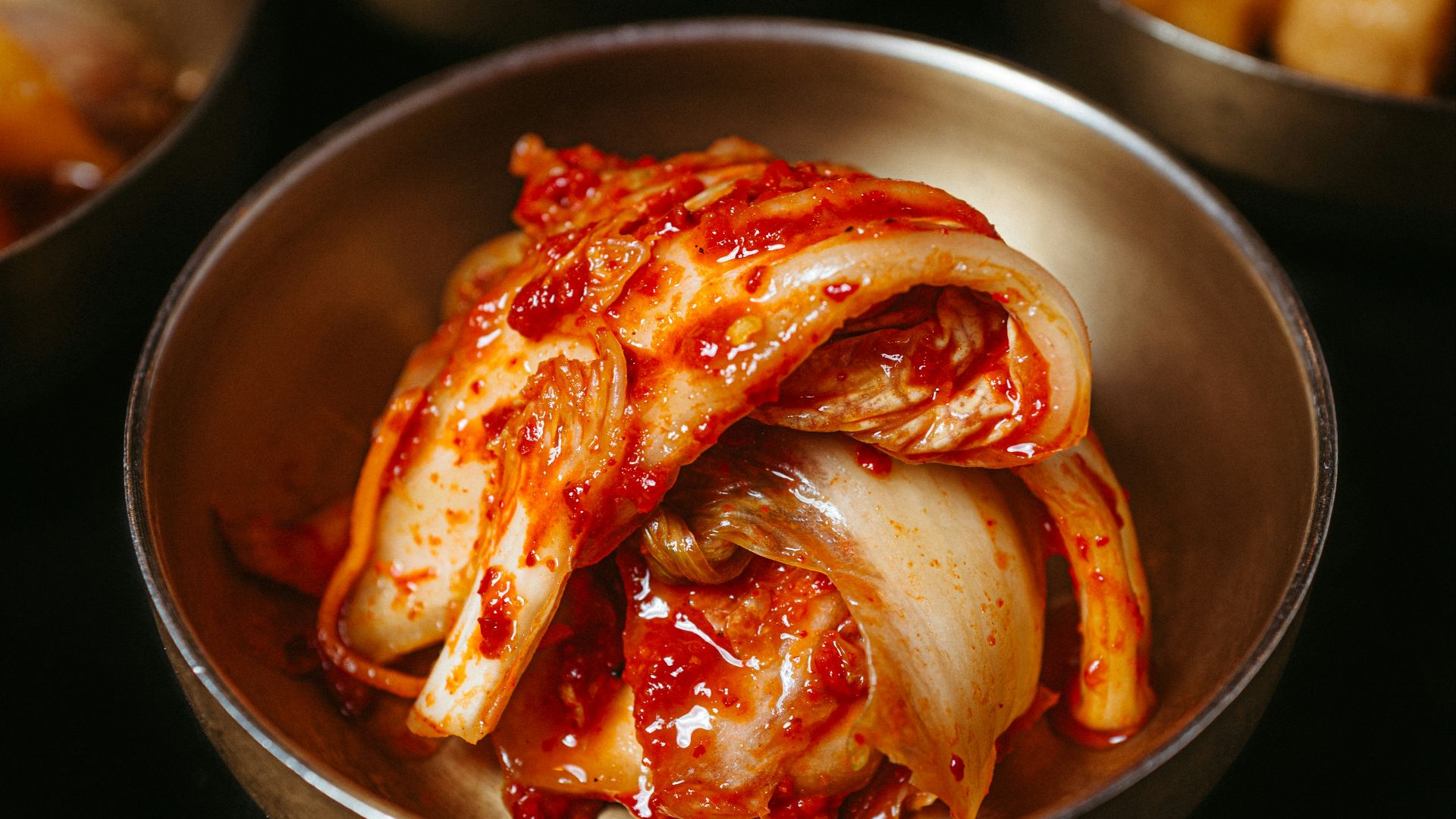
Baechu-kimchi is the star pupil of modern-day kimchi, consisting of quartered cabbage soaked in 3 percent salt brine, slathered in chili paste, and left to bubble for one to five days at room temp. Kkakdugi cubes radishes with shrimp paste for extra funk, while oi-sobagi stuffs cucumbers for a crisp summer bite. There’s also chonggak-kimchi, which uses ponytail radishes for subtle garlic notes, perfect for those of us with milder taste preferences.
Home cooks tweak fermentation time to dial in flavor: quick ferments stay fresh and tangy, longer ones deepen into funky sourness with fizzy bursts. Vegan swaps like soy sauce or kelp replace fish for umami, and rice flour thickens the paste for even coating. If you’re interested in making your own kimchi, it’s important to burp your jars daily to release pressure, or you risk a spicy mess on your counter.
Southern regions favor fiery, short-aged batches, while northern scarcity birthed cabbage-light, less spicy takes. Sugar balances the brine, ginger adds zing, and hygiene ensures good bacteria thrive over the bad.
The Health Perks
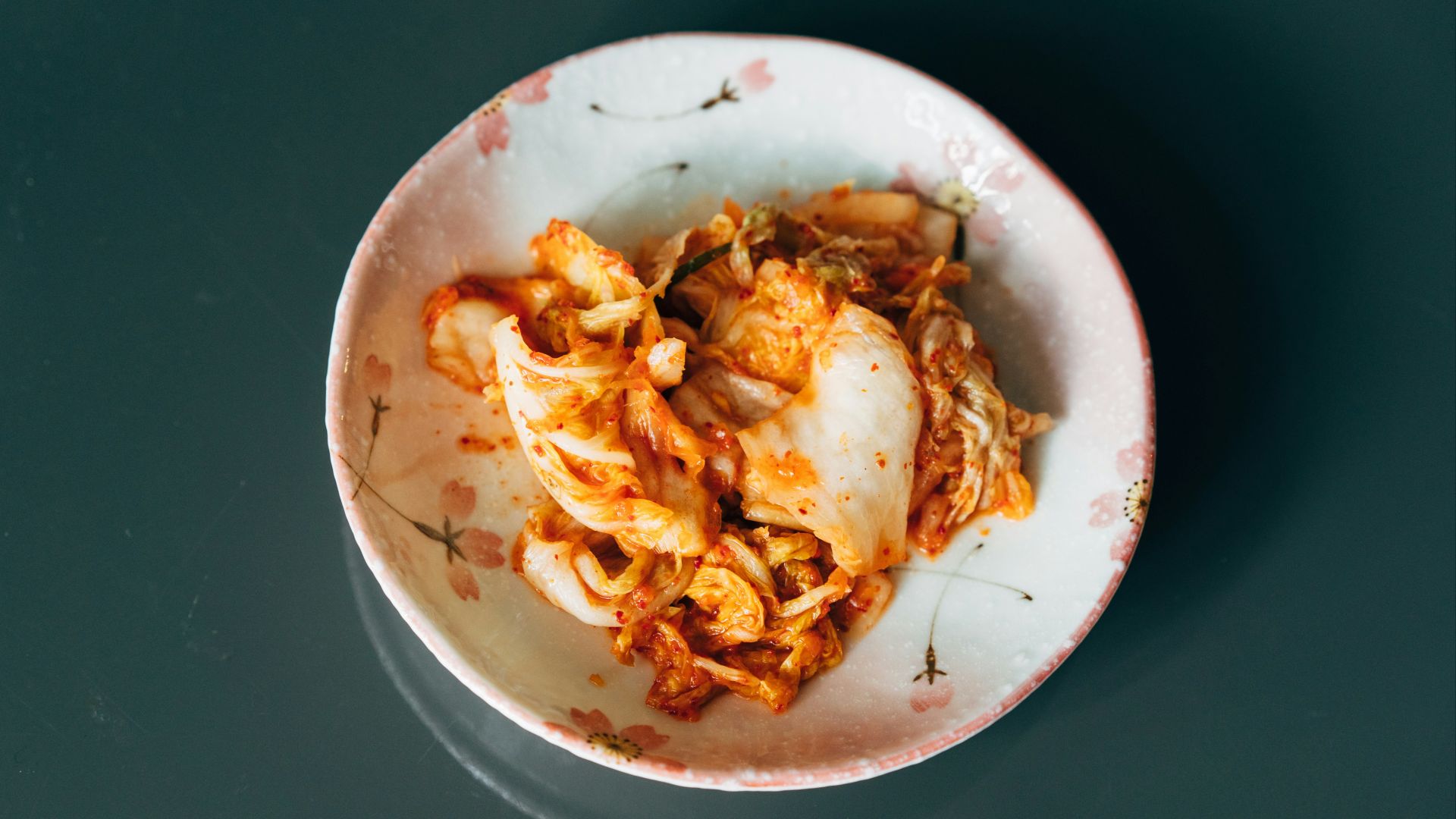
Fermentation brews probiotics like Lactobacillus that nurture gut bacteria, easing digestion and possibly even strengthening immunity. Studies connect regular kimchi intake to lower inflammation and improved cholesterol, thanks to antioxidants in gochugaru chilies. The fiber keeps you feeling satiated, and the vitamins support skin and eye health, all in a low-calorie package that rivals yogurt for gut benefits.
Those same lactic acid bacteria may aid lactose breakdown and cut risks for obesity or gut issues, though it’s important to watch your salt intake if that’s a concern. Napa cabbage delivers vitamin C and K, while fermentation unlocks more from beta-carotene and folate. A single serving packs a nutrient punch without the heaviness of processed snacks.
Modern diets embrace kimchi as a functional food, blending tradition with science-backed perks. Its versatility shines in everything from breakfast bowls to late-night tacos.
The Global Obsession, Explained
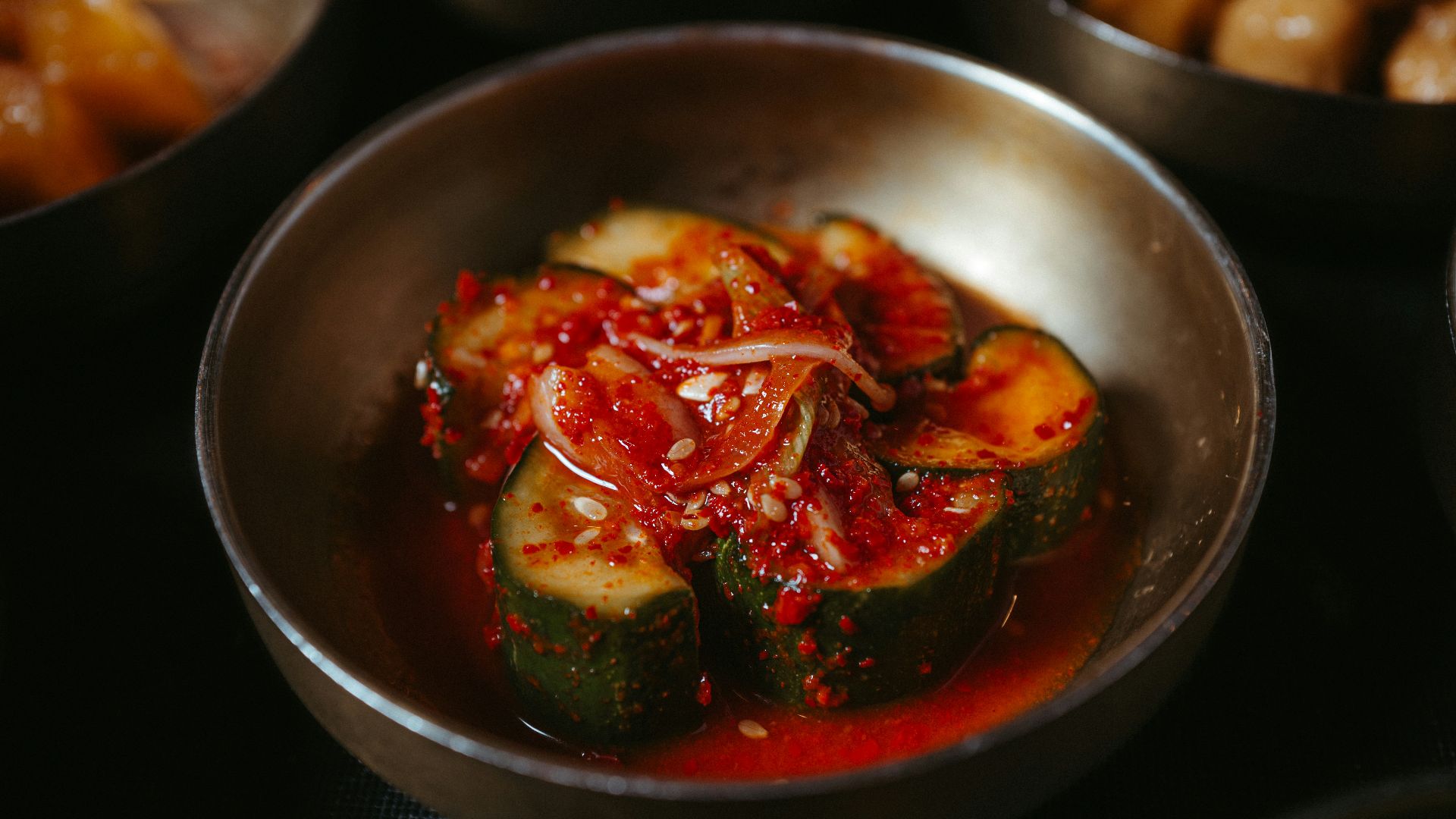
Korea's Hallyu wave, from K-pop hits to binge-worthy dramas, catapulted kimchi into the spotlight, with U.S. sales jumping 58 percent between 2017 and 2022. Ninety percent of Korean households eat it daily, spooned alongside rice, stirred into jjigae stew, or crisped in jeon pancakes. That umami-spicy crunch slips into global favorites like pizzas, burgers, and salads, proving its borderless charm.
Chefs rave about its evolving layers: sweet from veggies, sour from fermentation, heat from chilies, and funk from seafood elements. Social media buzzes with DIY recipes and gimjang hacks, drawing novices into home fermentation. Post-2001 export standards sent production soaring, landing kimchi in supermarkets everywhere.
Health research on microbiomes adds fuel, positioning it as a trendy gut healer amid probiotic crazes. Fusion creativity knows no bounds, from kimchi grilled cheese to bloody mary mix-ins. That perfect storm of flavor, culture, and wellness keeps everyone reaching for another jar.
KEEP ON READING

The Most Popular Signature Dishes Around the World