
Fresh herbs can make an ordinary meal taste way better, but buying them at the grocery store isn't always convenient. Heck, buying them at the grocery store isn’t always affordable, either! Those little plastic packages can be surprisingly expensive, especially when a recipe only calls for a few leaves and the rest end up forgotten in the fridge.
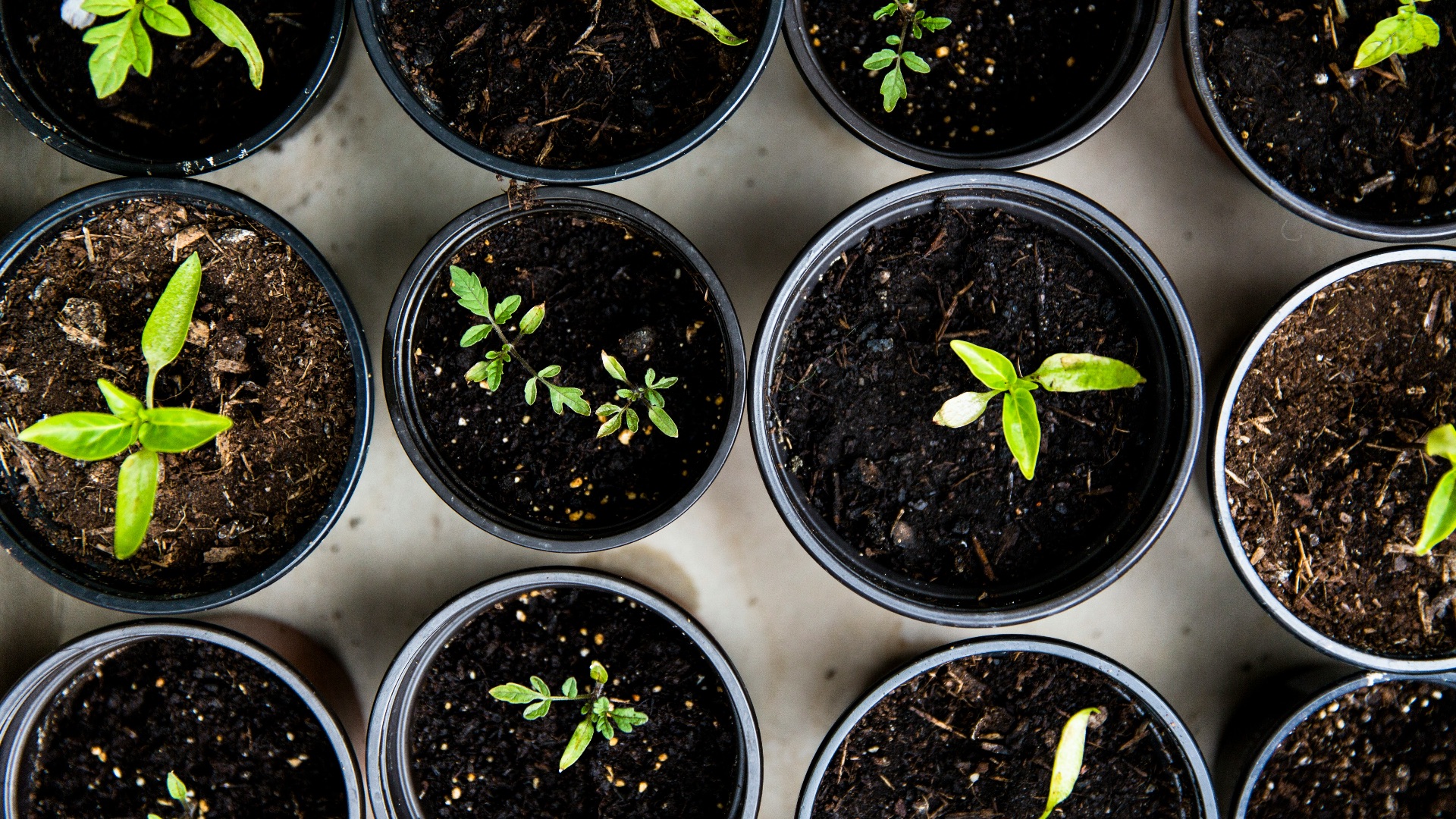
So, what’s left to do when you want something that makes your mouth sing for an affordable price? It might be time to look into your own herb garden! Don’t let the idea scare you away—growing your own herbs doesn't demand a backyard or years of being a green thumb. Many popular options thrive in simple containers, making them suitable for patios, balconies, and sunny kitchen windowsills. If you're ready to start your own, these are some of the best ones worth planting.
Herbs That Belong in Every Kitchen
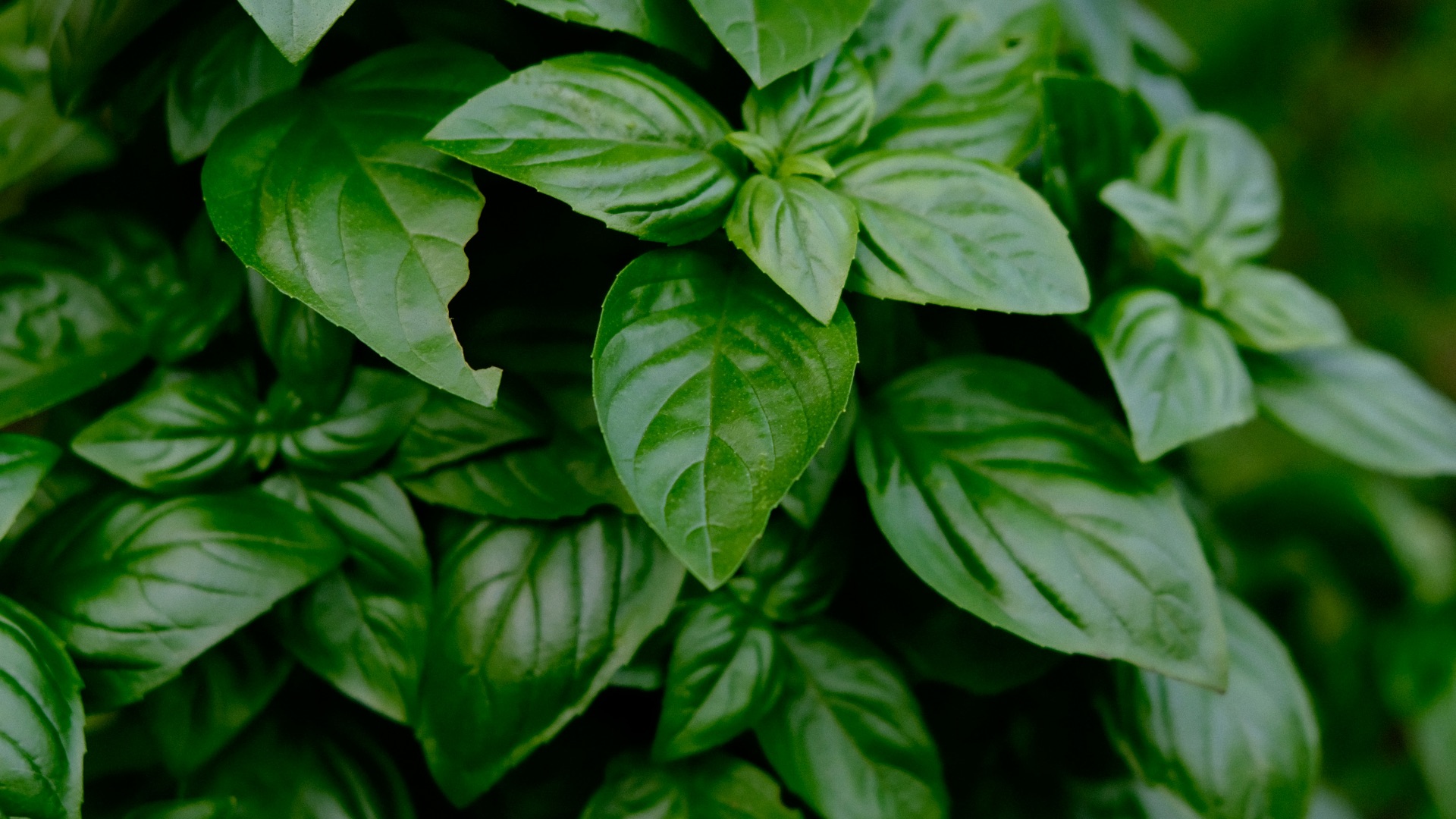
Basil is an excellent starting point, and it’s pretty much a must-have if you enjoy Italian cooking. It’s perfect for homemade pesto, caprese salads, pizza, and fresh tomato sauces, so you’ll get plenty of use of those leaves, too. Just give basil plenty of sunlight, keep its soil consistently moist without waterlogging it, and regularly pinch off the growing tips to encourage fuller growth.
Parsley is another top-dog that deserves more attention than it gets, considering how useful it is in everyday cooking. You have options with flat-leaf parsley; the robust flavor works in chimichurri, soups, roasted vegetables, and Mediterranean dishes. Unlike some sun-loving herbs, parsley can also tolerate partial shade, although it grows best with several hours of sunlight.
On the other hand, anyone who regularly makes baked potatoes, scrambled eggs, or creamy dips should look into chives. They boast a mild onion flavor that actually adds freshness without overwhelming other ingredients. Best of all, they're relatively forgiving indoors, too. Cilantro is another worthwhile addition, especially for households that enjoy Mexican or Southeast Asian food. Fresh cilantro adds the very distinctive flavor we all crave in salsa, guacamole, curries, and rice dishes. Its taste divides opinion, but this is your garden we’re talking about!
Hardy Herbs With Flavor
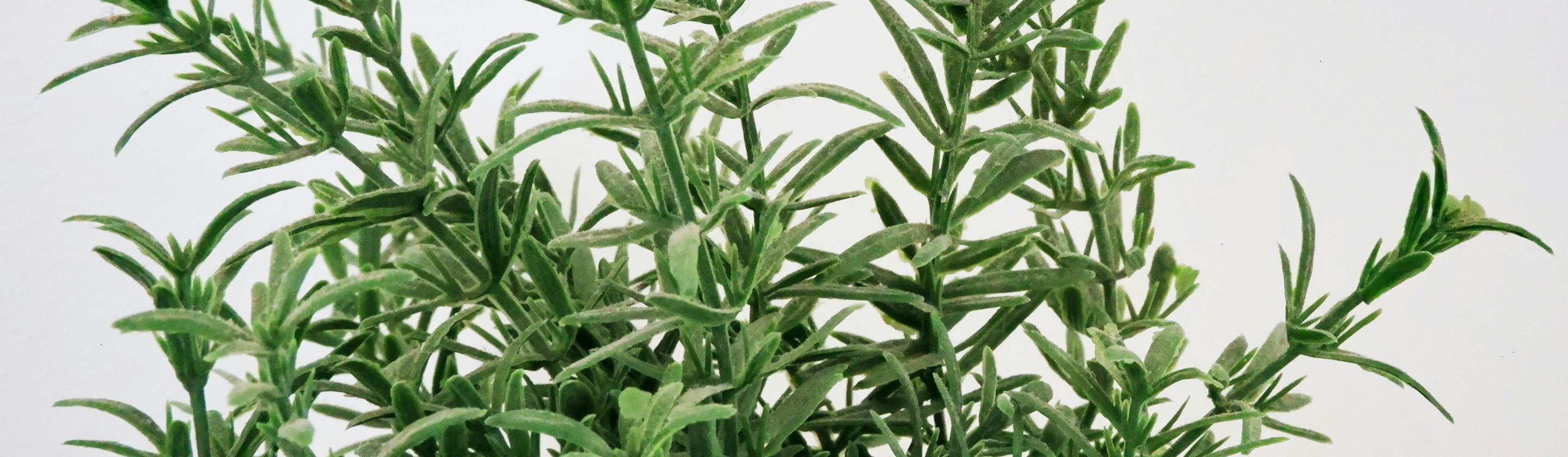
Rosemary is a great choice for anyone who frequently sticks to the hearty basics. Roasted chicken, potatoes, or lamb all thrive with this unassuming herb, and to sweeten the planter even more, you generally won't need much to improve a dish. With this one, it’s all about bright sunlight and well-draining soil, making it particularly suitable for sunny patios.
Thyme is another versatile herb that deserves a permanent place in your routine. Its small, aromatic leaves go well in just about anything, including roasted mushrooms, chicken, stews, and homemade soups. Once established, thyme tolerates relatively dry conditions as well, which makes it easier to maintain than thirstier varieties.
Now, if homemade pizza and pasta are your favorites, it’s oregano to the rescue. The fresh stuff has a slightly different character from its dried counterpart, so having it on hand really does make a difference with tomatoes, grilled vegetables, and marinades. It prefers a sunny location and soil that dries somewhat between waterings, so you don’t need to worry about it too much, either.
Sage might not be the first herb you think of growing, but its possibilities extend far beyond stuffing. Its earthy leaves are particularly delicious when briefly fried in butter and served with ravioli, gnocchi, or roasted squash. This little guy grows best with generous sunlight and excellent drainage, and established plants generally prefer less frequent watering.
Fresh Herbs For Something Different
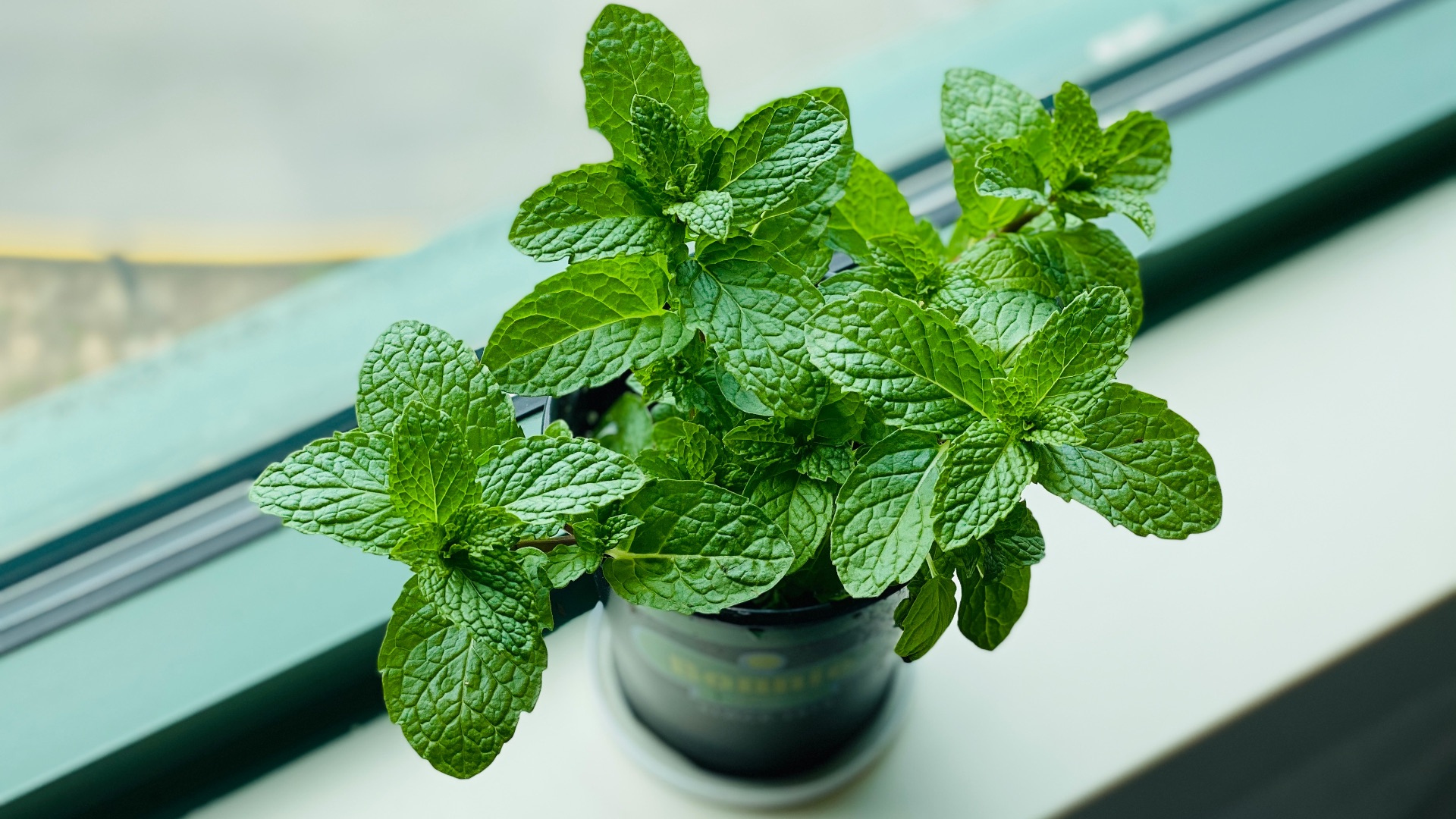
No one said you couldn’t venture off the beaten path in the kitchen! If you’re interested in enhancing drinks or desserts, mint is among the most rewarding herbs to grow. You can add fresh leaves to lemonade, iced tea, fruit salads, yogurt sauces, or homemade mint chocolate desserts—the world’s your oyster! The only thing to keep in mind is that mint can spread like wildfire, so don’t grow it unless you’re going to use it.
Lemon balm offers something slightly different, too, particularly for anyone who loves refreshing drinks. Its leaves can be steeped in tea, yes, but don’t be afraid to think outside the box. They can also be added to fruit salads or used to flavor homemade syrups. You’ll need a little more diligence with it as well, but cutting it back regularly helps control its size and encourages new growth.
Dill isn’t everyone’s cup of tea, but it is especially useful if you enjoy making homemade pickles or seafood dishes. After all, what’s a little fish without fresh tartar sauce? Unlike bushier herbs, dill also has a substantial taproot and prefers being grown directly from seed in a sufficiently deep container.
Ultimately, the best herb garden isn't necessarily the one containing the most varieties. Start with three or four plants that complement the foods you already cook, then expand as your confidence grows. With adequate sunlight, appropriate watering, and regular harvesting, even a modest collection of herbs can make everyday meals more enjoyable. And there's something particularly satisfying about seasoning dinner with ingredients you've grown yourself.
KEEP ON READING

20 Food Requests Only Spoiled People Ask For

20 Hardest Foods on Earth To Eat

Do Vitamin Supplements Actually Make You Healthier?