Bread Decisions Made Easy
Few kitchen smells feel as comforting as bread, yet effort doesn't always equal reward. Some loaves shine in home kitchens, while others depend on mastery built through years of repetition. Knowing the difference saves time and improves every meal. This list explores how technique and environment shape bread outcomes, so read on to bake with confidence and buy with purpose. Let’s begin with the breads worth making at home.
 Diliara Garifullina on Unsplash
1. No-Knead Artisan Bread
Think fresh bakery-style bread without the elbow grease. This crusty loaf practically makes itself—just mix it, leave it alone overnight, and bake it in a hot pot. No kneading or shaping is involved. You’ll love the golden crackle and chewy center.
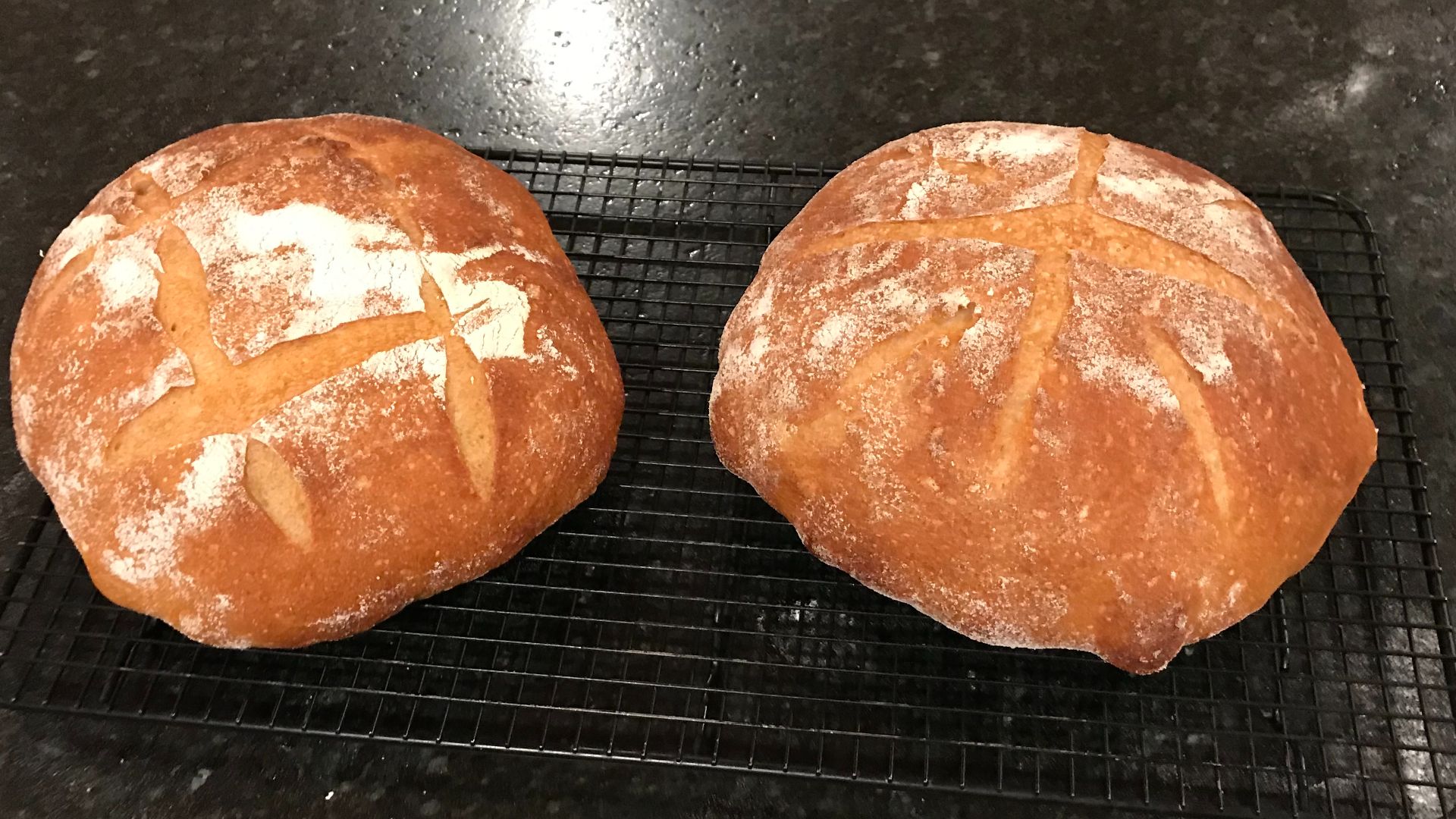
2. Sourdough Bread
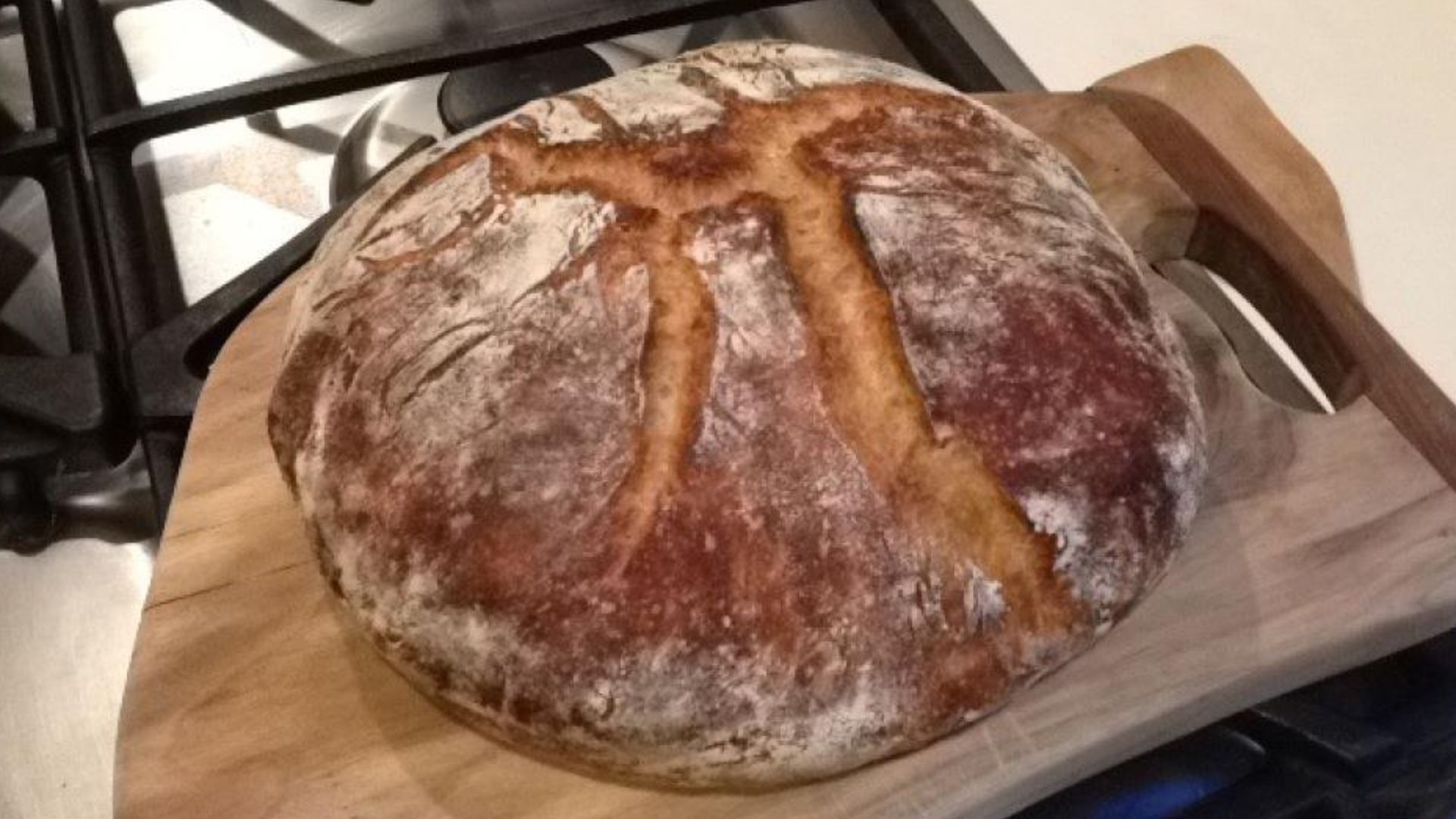
Making sourdough at home might sound intimidating, but it’s a delicious science experiment with a satisfying result. Once your starter’s active, you’ll build structure by folding the dough and letting time work its magic. The result is chewy and worth every step.
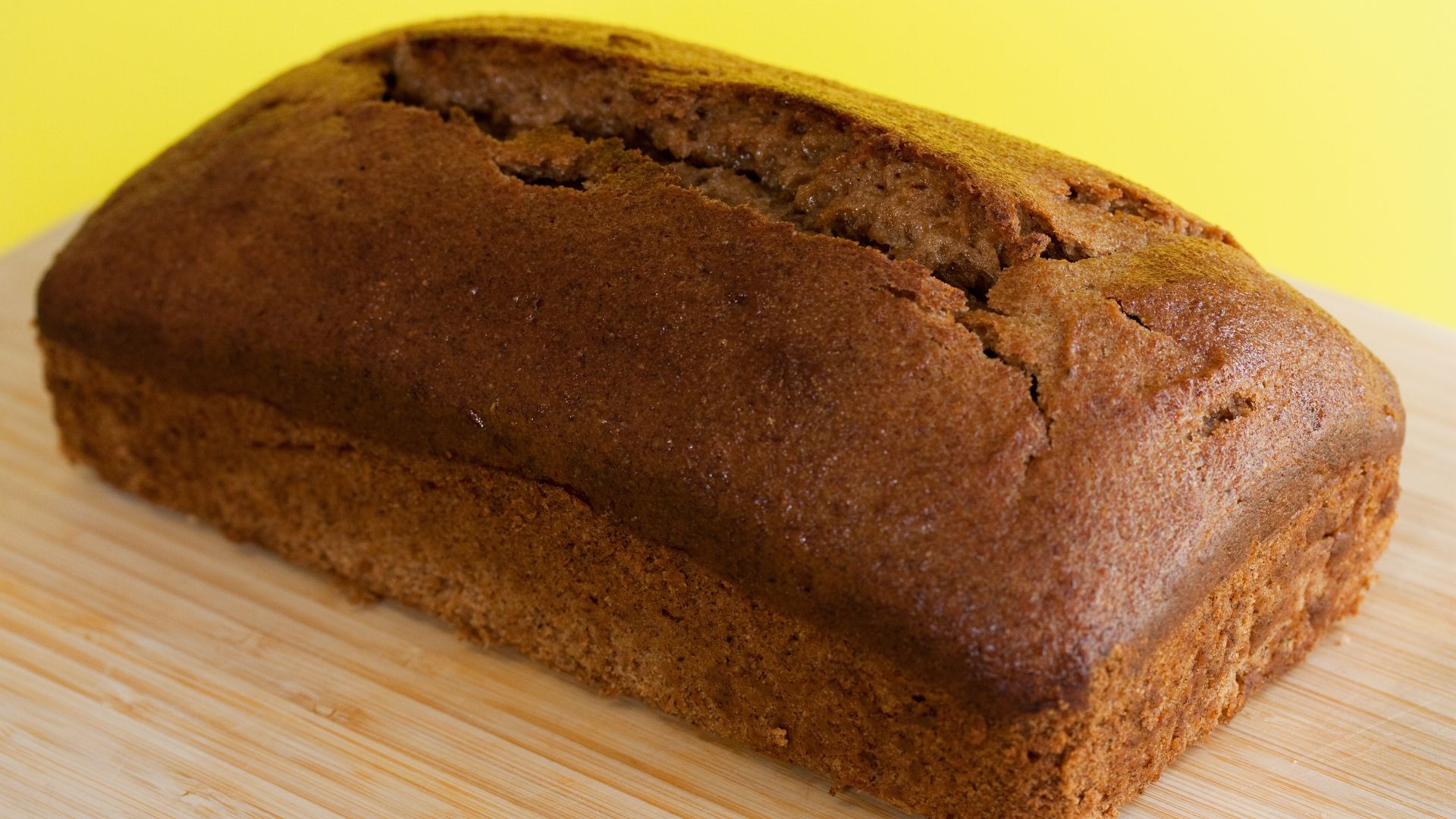
3. Banana Bread
Got overripe bananas? Don’t toss them—bake them. This bread comes together easily in one bowl and doesn’t require special skills. It tastes rich and moist, and it works well as breakfast or a mid-afternoon treat. Bonus: it makes your whole place smell amazing.
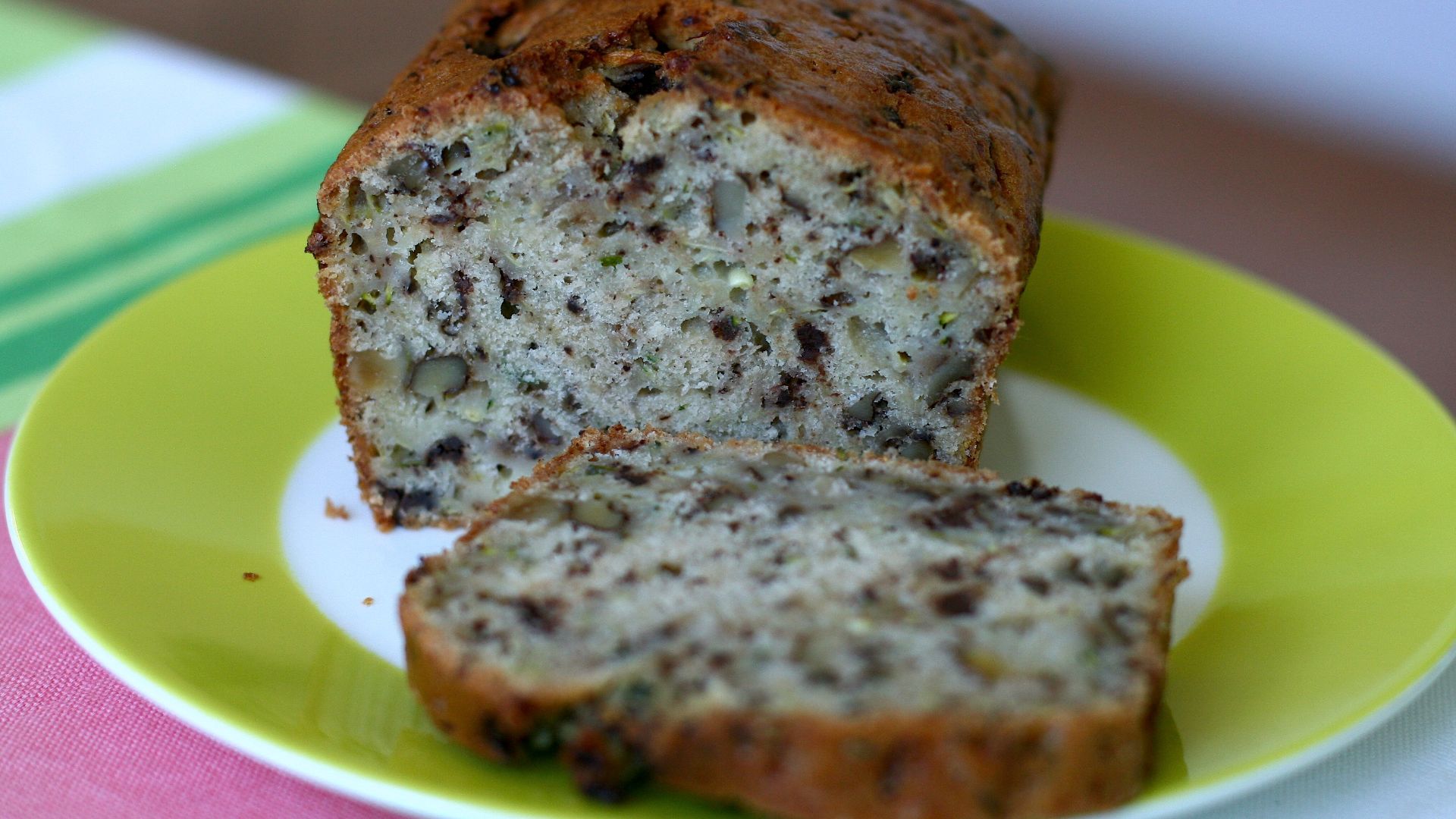
4. Zucchini Bread
Sneaky veggies meet soft, sweet comfort in this easy loaf. All you do is grate the zucchini, mix everything, and pour it into a pan. It bakes up moist and flavorful, and even veggie skeptics often ask for another slice.
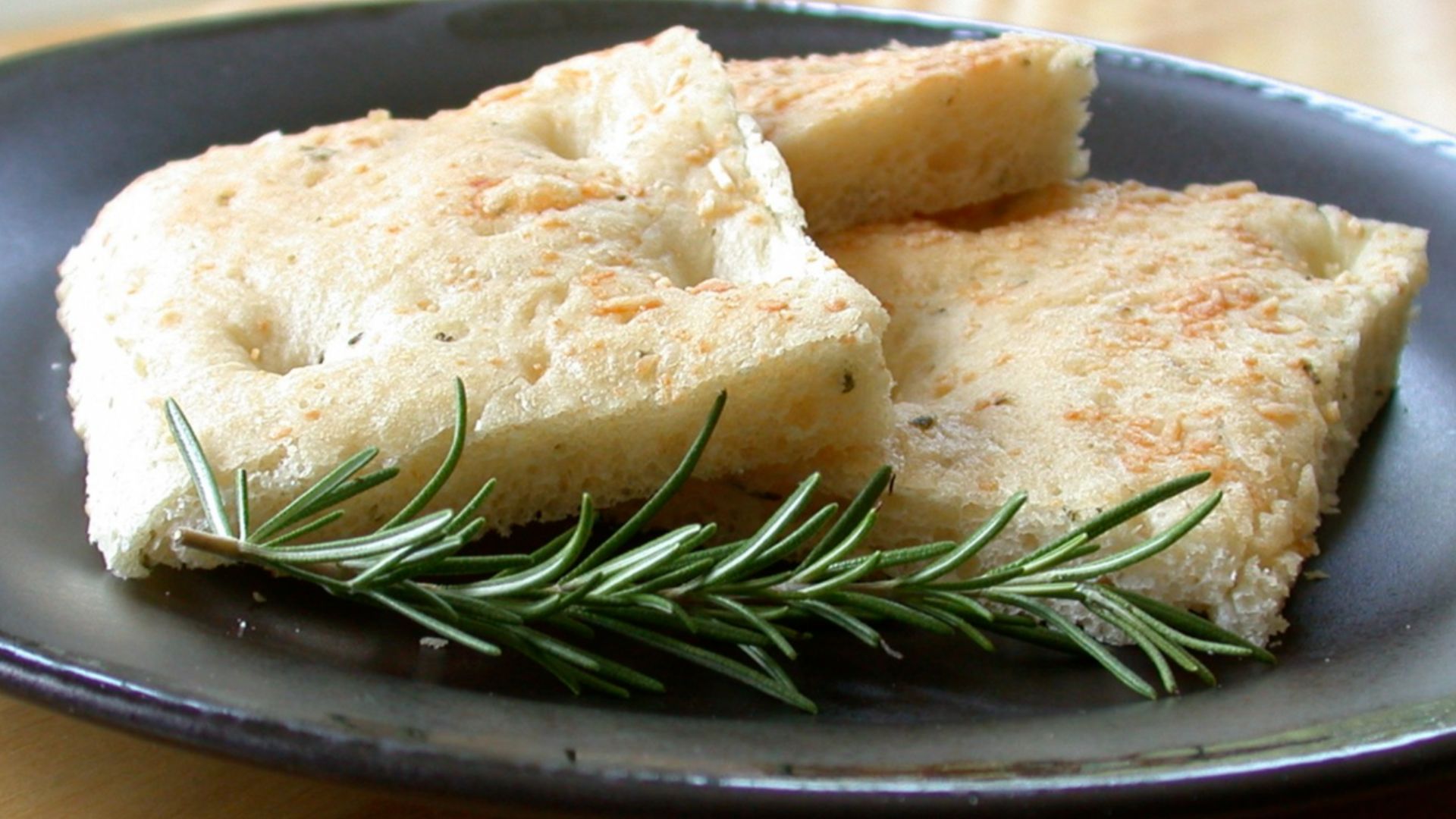
5. Focaccia
This flatbread is a blank canvas for flavor. The dough rises in its pan without much shaping, and your hands do most of the work pressing it down. When it comes out golden and puffy, it’s impossible to resist tearing into a warm square.
6. Crusty Dinner Rolls
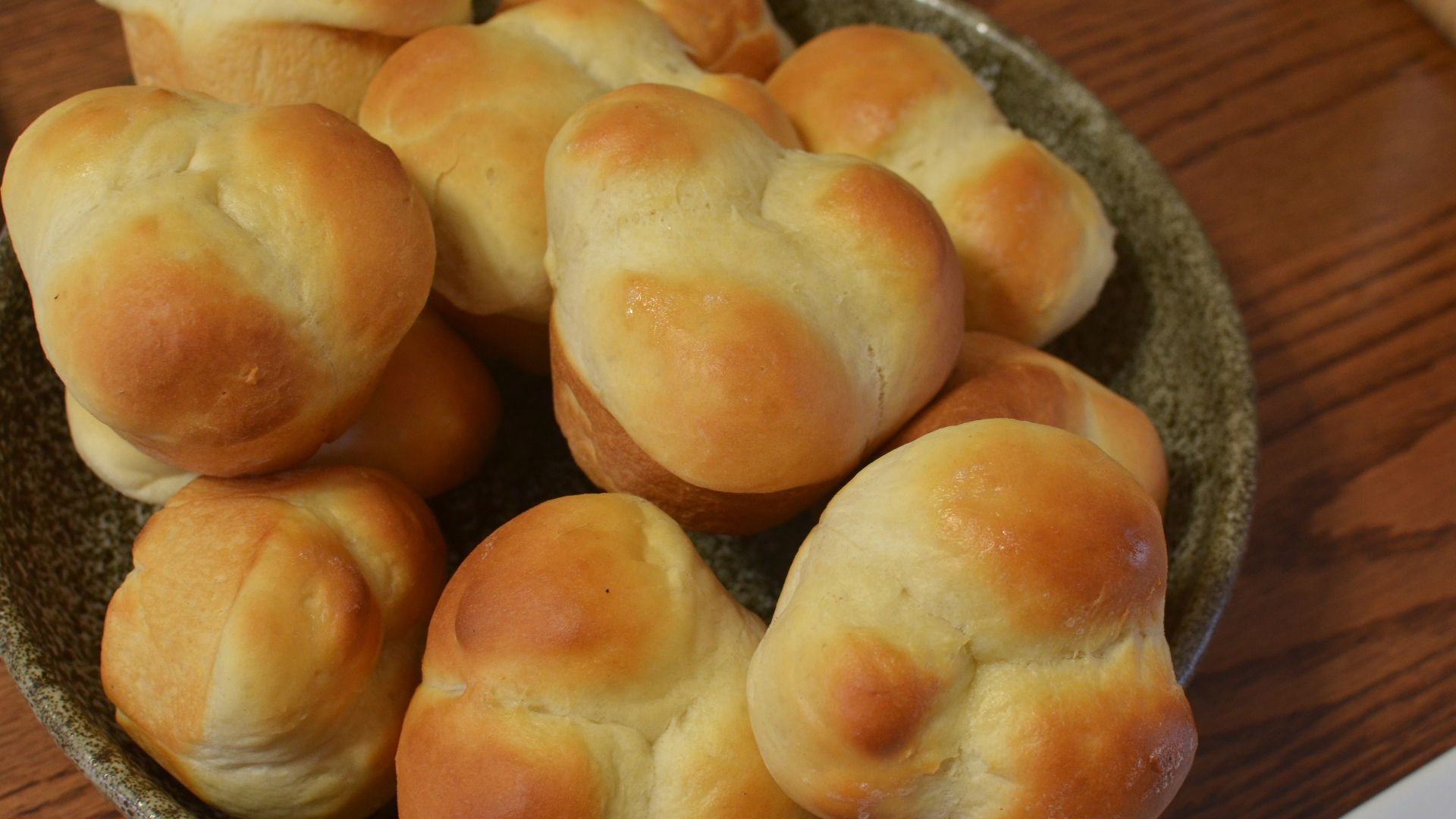
These rolls aren’t complicated but still feel special. The dough shapes quickly and bakes to a golden crust with a soft interior. They’re great for weeknight dinners or holiday meals, and fresh-from-the-oven flavor is something store-bought just can’t beat.
7. Irish Soda Bread
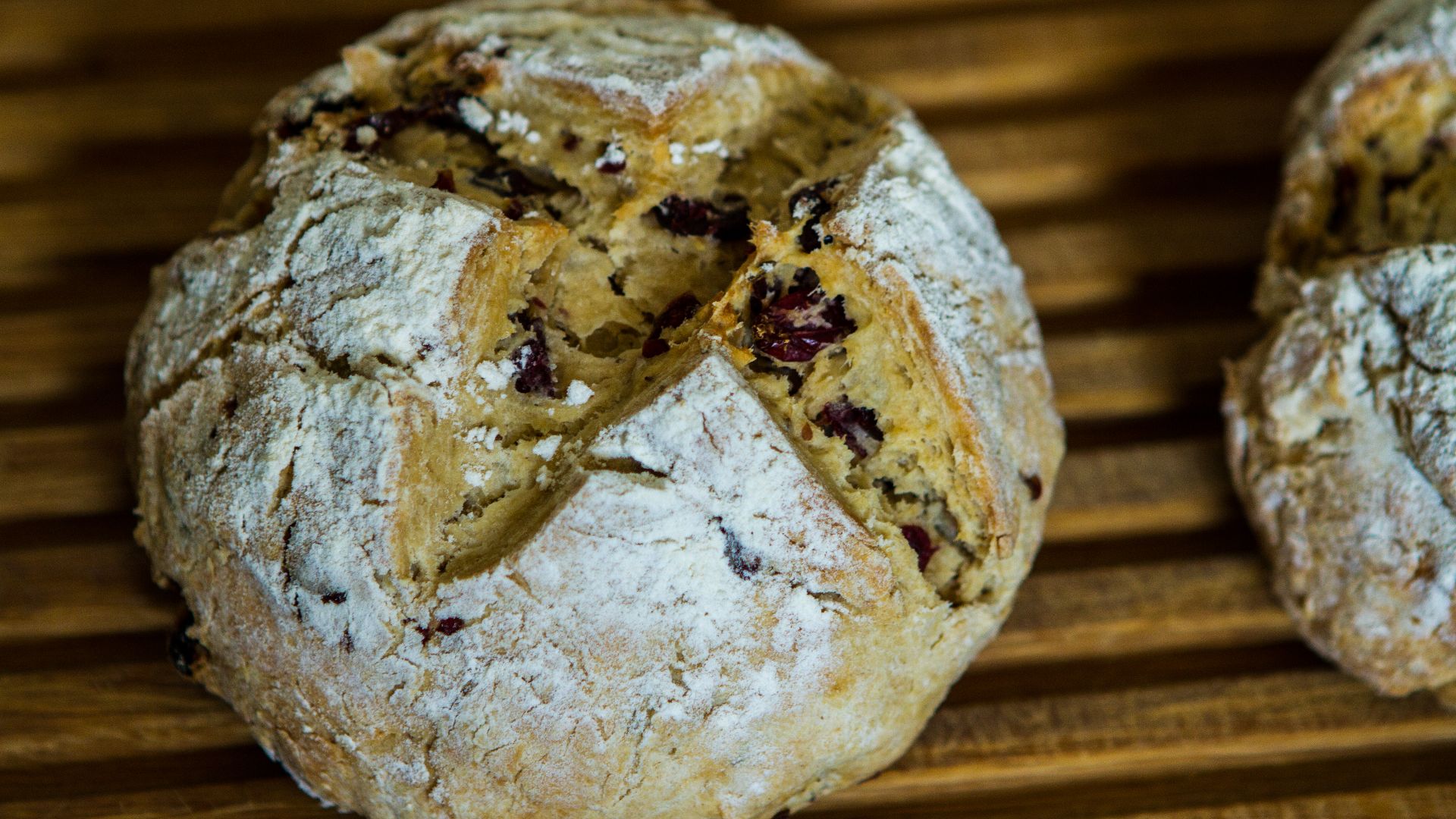
This no-fuss bread doesn’t need yeast, kneading, or rising time. You just need to bake it after stirring it together and giving it a shape. The dense crumb and slightly tangy flavor make it a classic comfort food. It’s especially great with soups or as a snack.
8. Whole Wheat Sandwich Bread
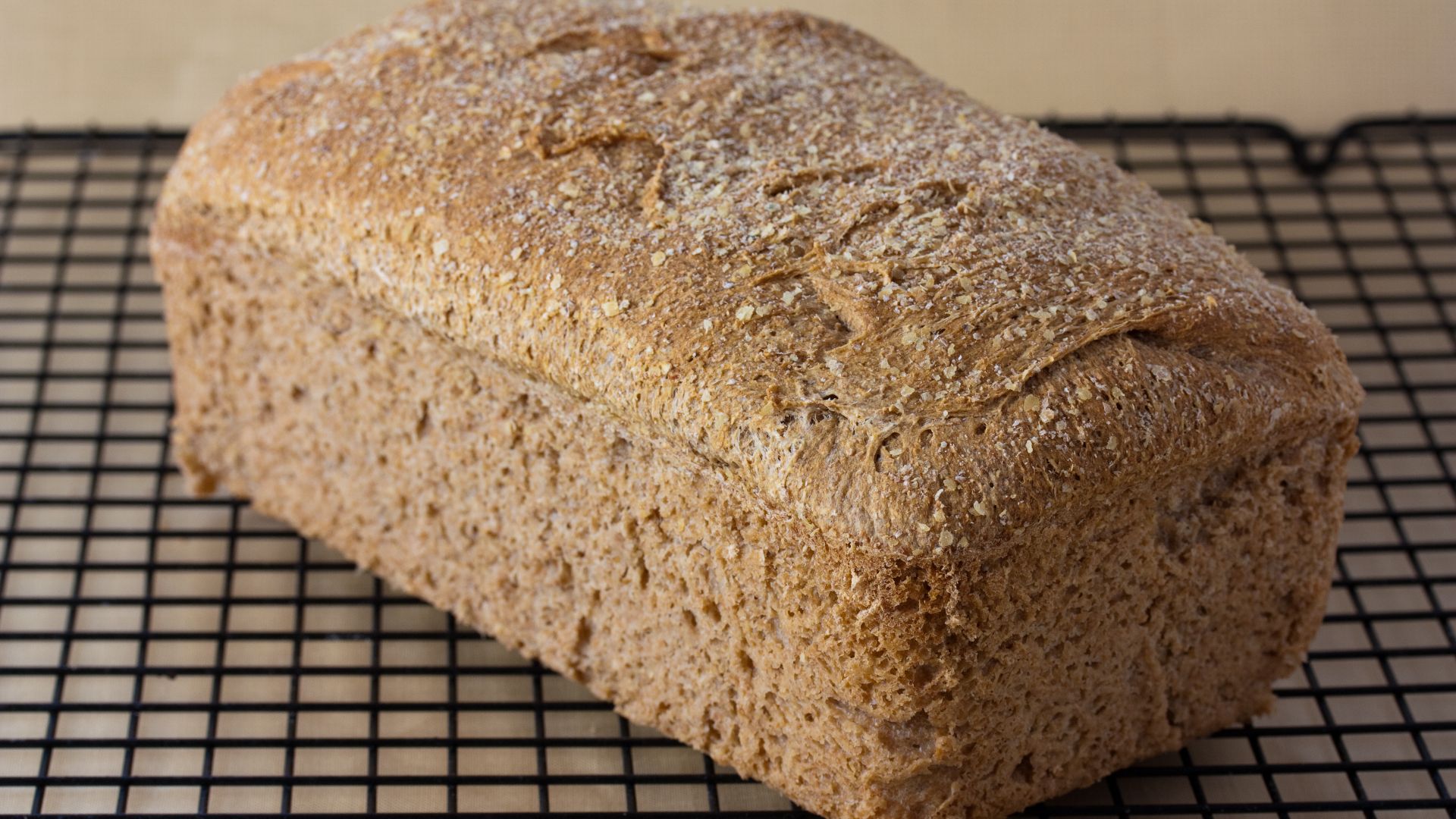
Store-bought bread can’t match the flavor of a freshly baked whole wheat loaf. This one rises neatly in a standard pan and stays soft for days. You control the ingredients and get a satisfying texture that holds up well to slicing.
9. Cinnamon Swirl Bread
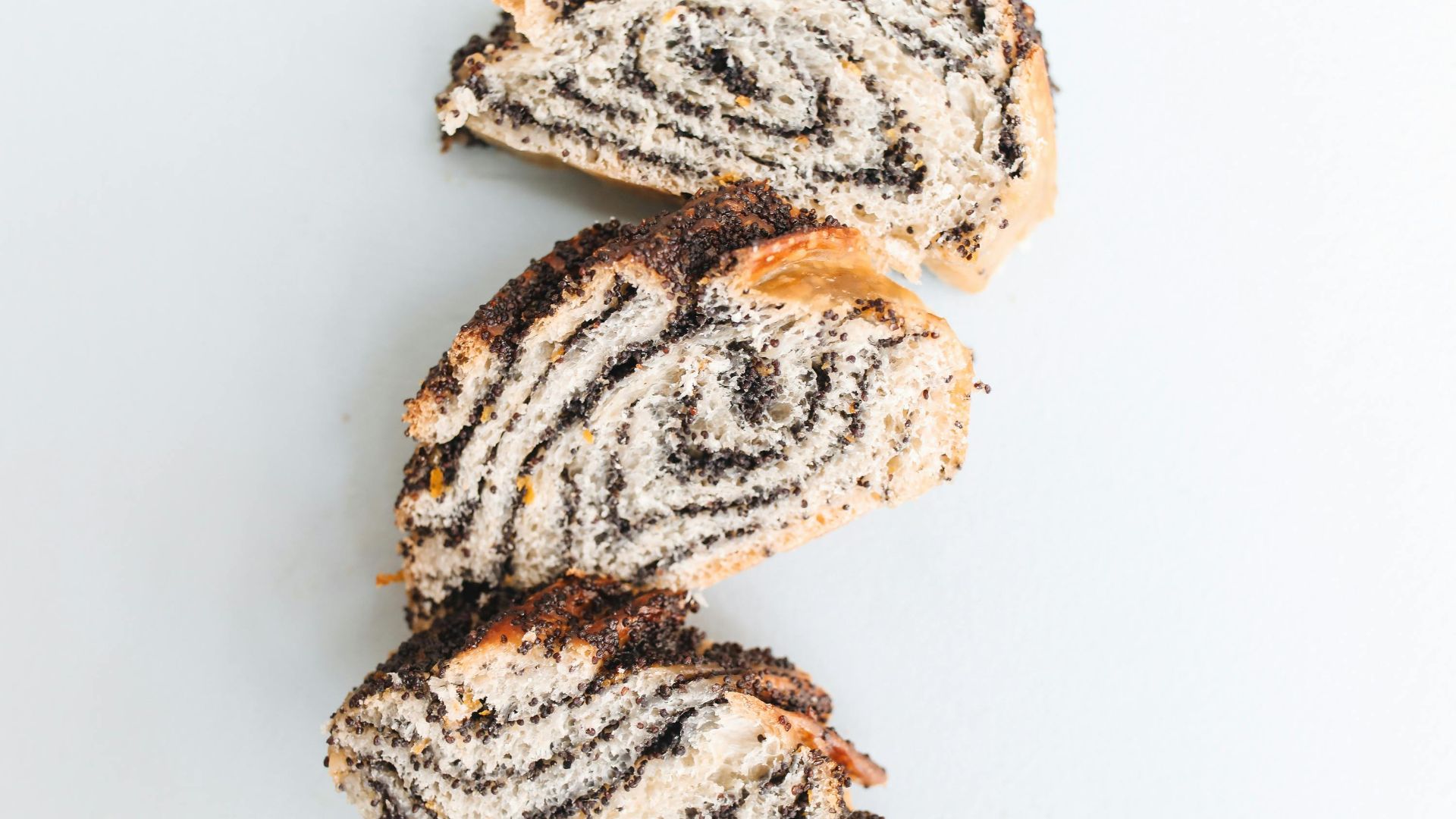
This loaf brings the cozy scent of cinnamon sugar right to your kitchen. You roll the dough while sprinkling the filling inside and shape it into a pan. Each slice reveals a beautiful swirl and tastes like a dessert that fits right into breakfast.
10. Challah
Challah might look fancy, but it’s surprisingly approachable. The dough is soft and easy to braid after rising, and the final result shines with an egg-washed crust. It tastes just slightly sweet and pulls apart in the most satisfying way.
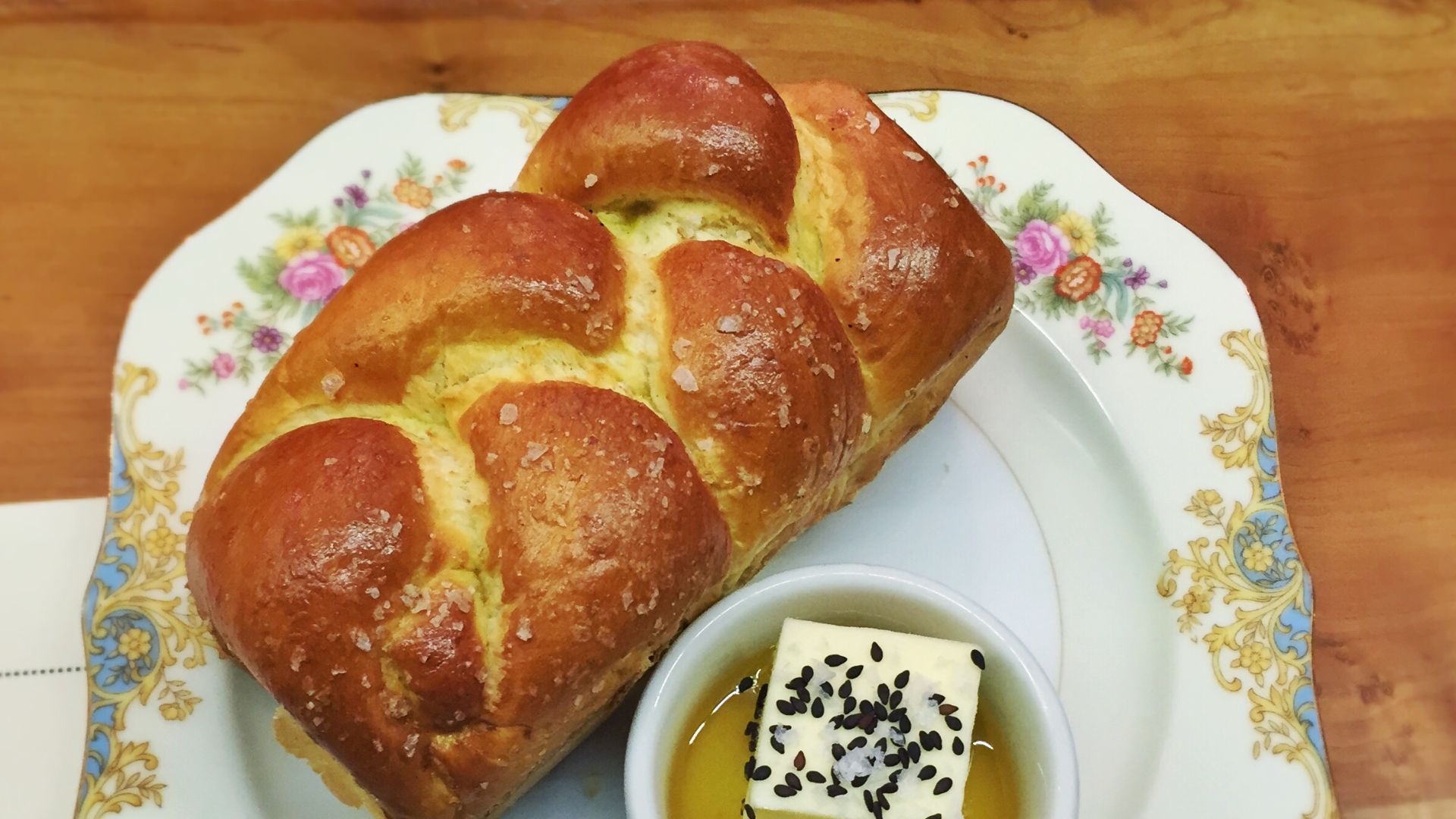
1. Croissants
Croissants require precise lamination, where layers of butter and dough are folded repeatedly and chilled just right. Home ovens rarely match a bakery's consistency as professional bakers use steam-injected ovens to get that signature flaky rise and golden crispness. Store-bought shortcuts just don’t compare.
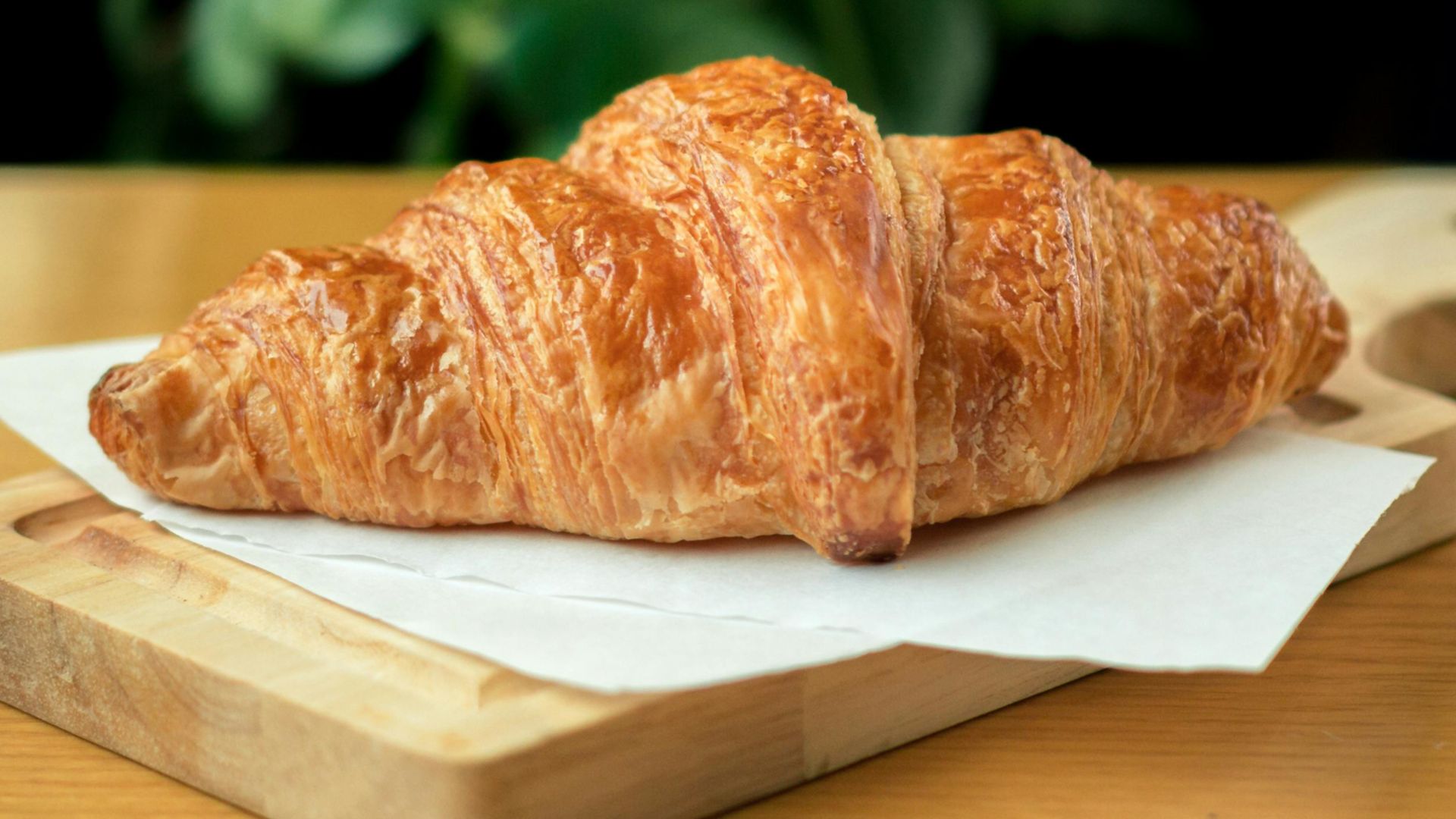
2. Baguettes
The crackly crust and chewy interior of a real baguette depend on steam, fermentation, and high-heat baking. Achieving the right shape and texture at home is tough without a deck oven and proofing chamber. Bakeries get that classic French finish every time.
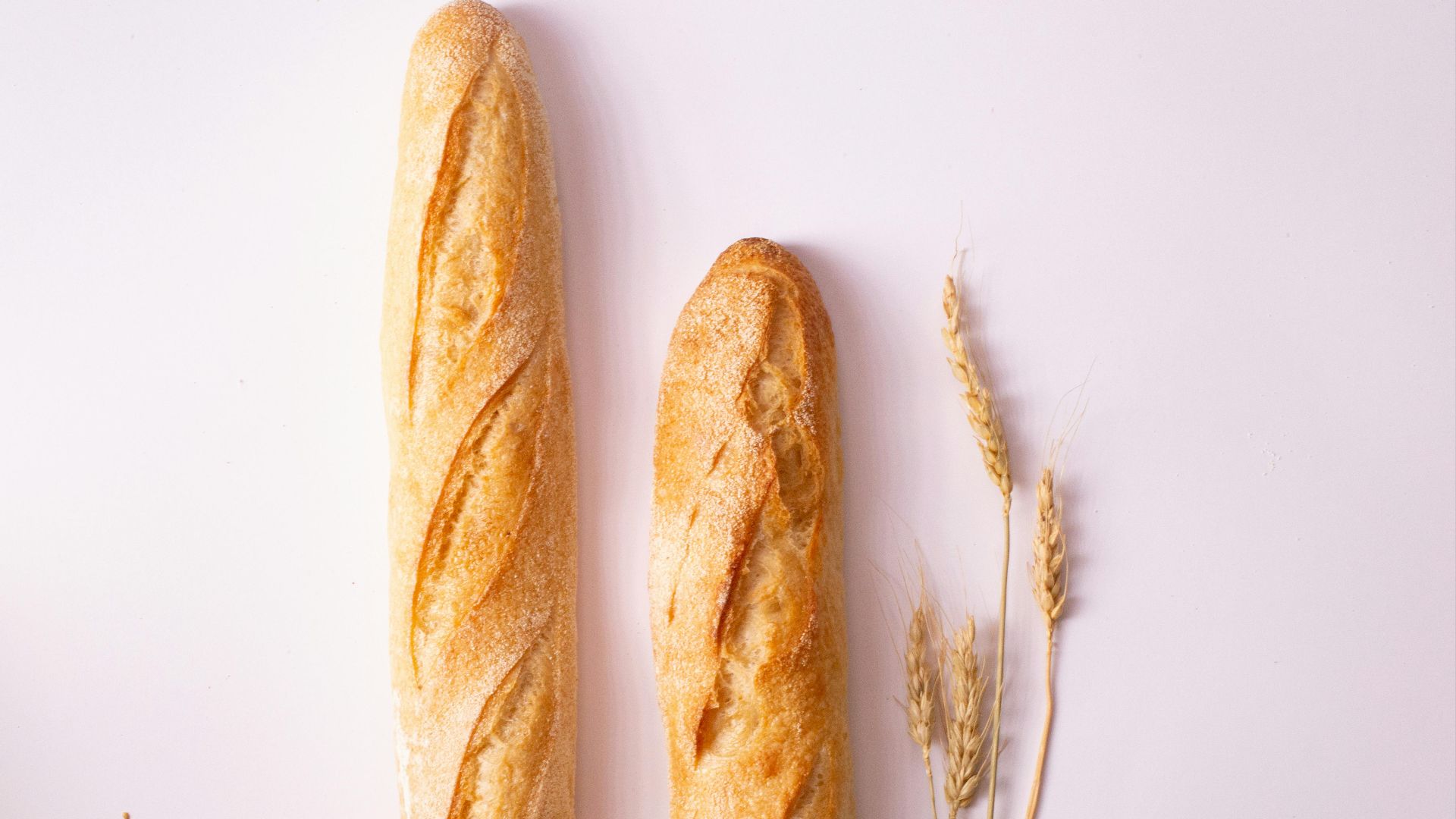
3. Brioche
Brioche dough is rich with butter and eggs, making it delicate and slow to rise. It's easy to overwork or underbake in a home setting. Bakeries have controlled proofing environments that create the pillowy softness and shiny finish this luxurious bread is known for.
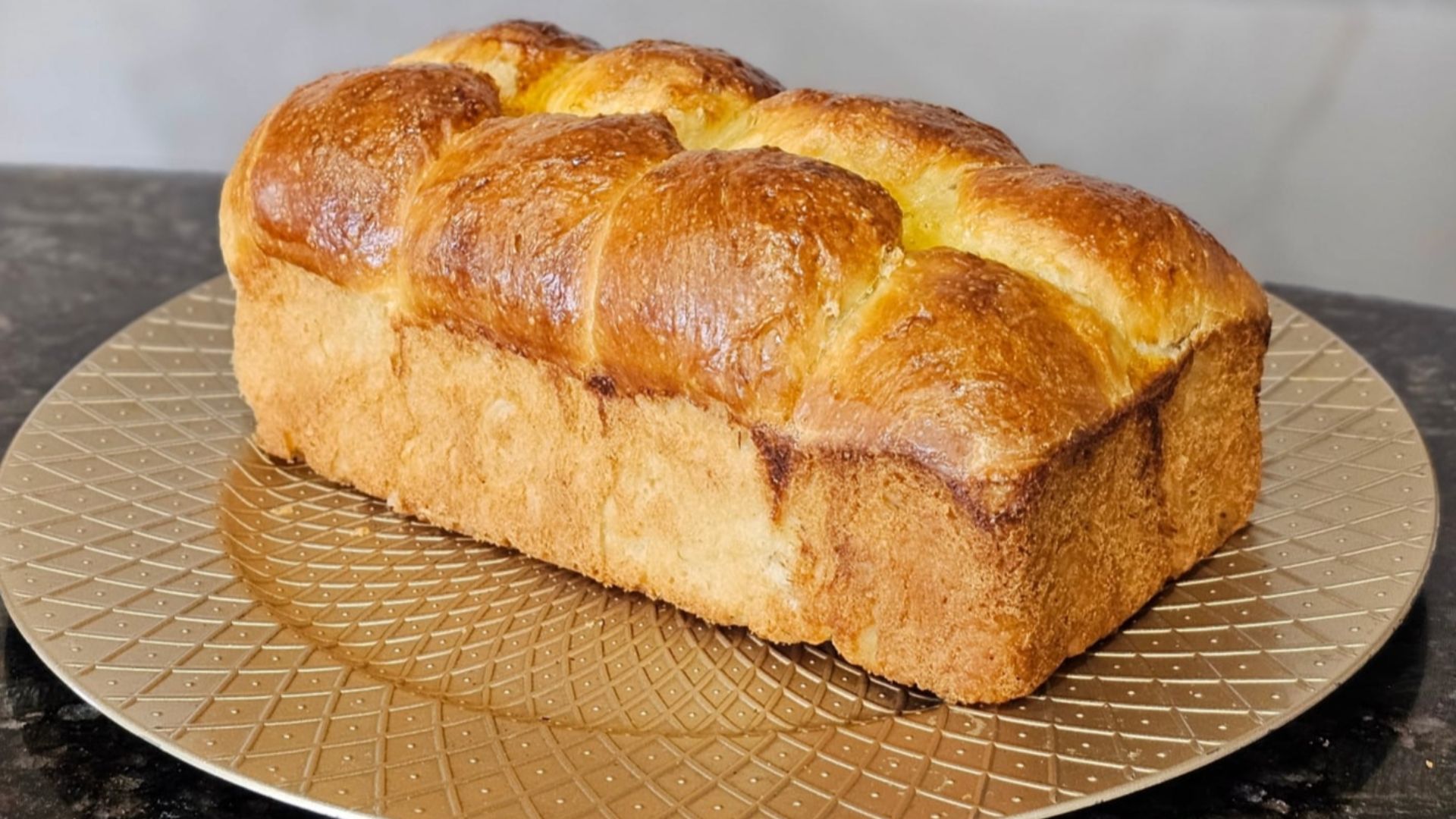
4. Rye Bread (Traditional Deli Style)
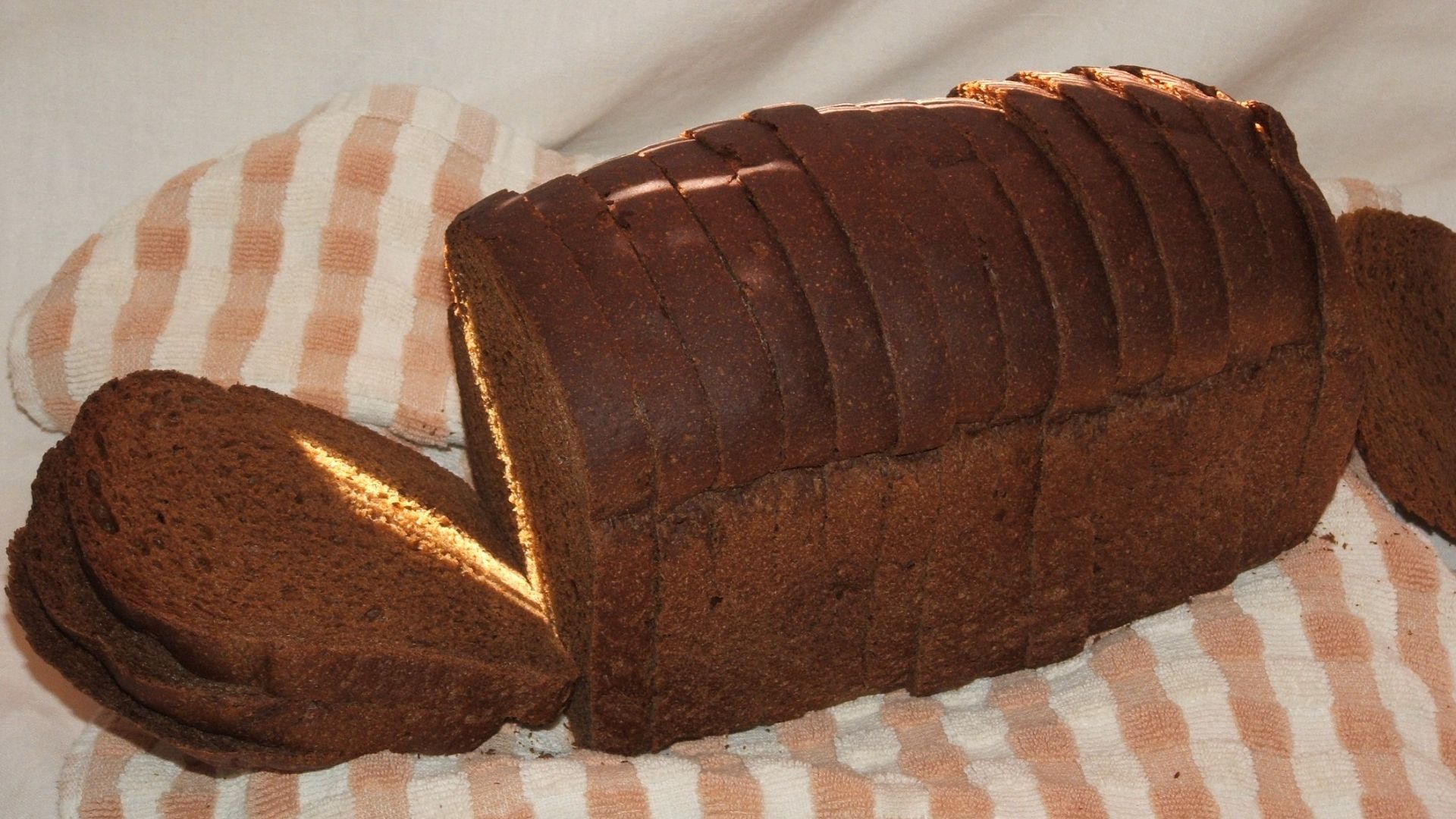
Dense rye loaves need special flours, long fermentation, and often a sourdough base. Getting the balance right between sour and earthy flavors takes practice and time. Professional bakers master this through experience, and their loaves have a depth that’s hard to recreate at home.
5. Panettone
This Italian holiday bread takes several days to make and needs precise temperature control to rise correctly. The dough is extremely sensitive and can collapse easily. Bakeries use hanging techniques and long fermentations to get that tall, fluffy texture that’s light as air.
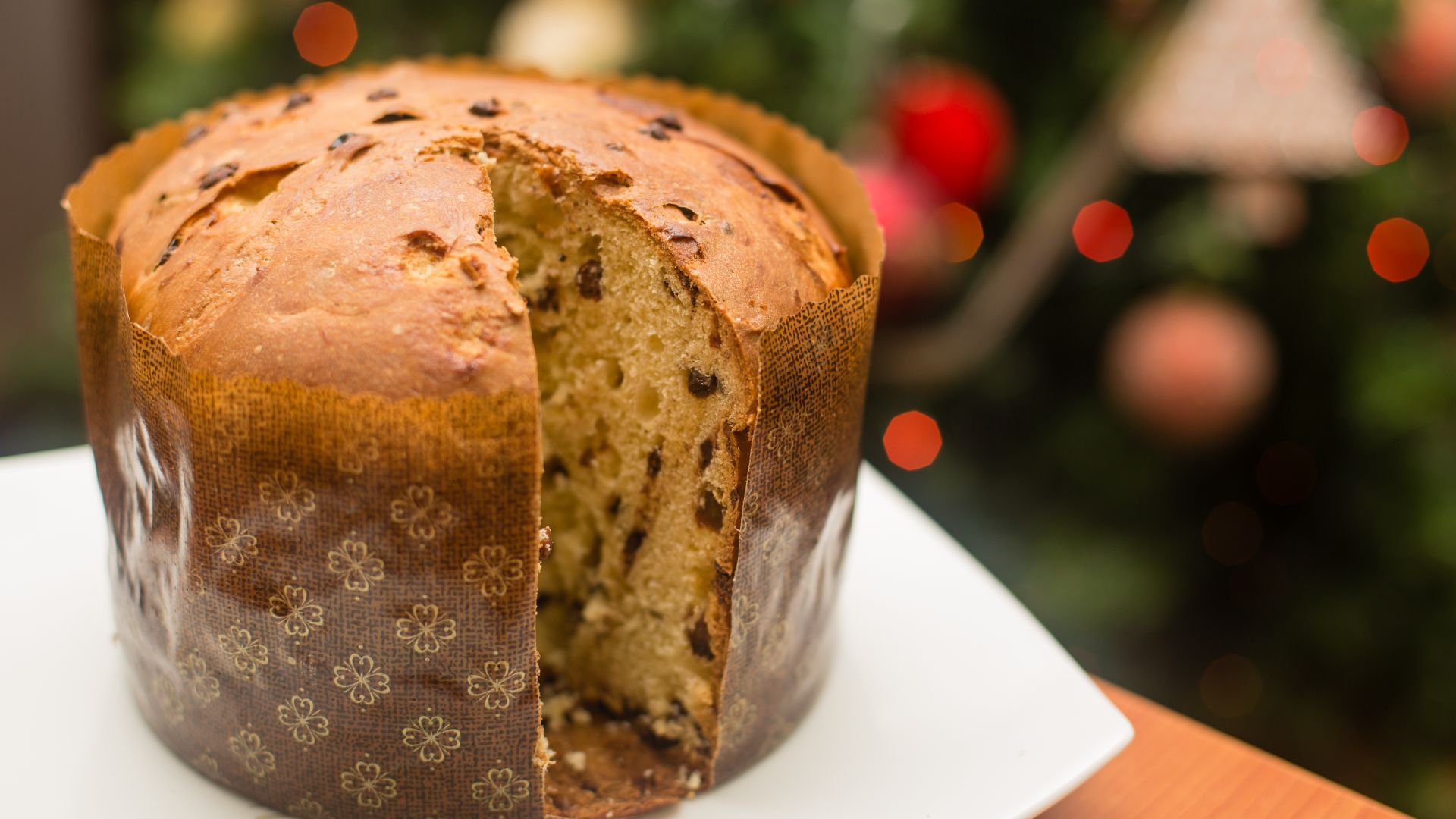 N i c o l a from Fiumicino (Rome), Italy on Wikimedia
6. Pumpernickel
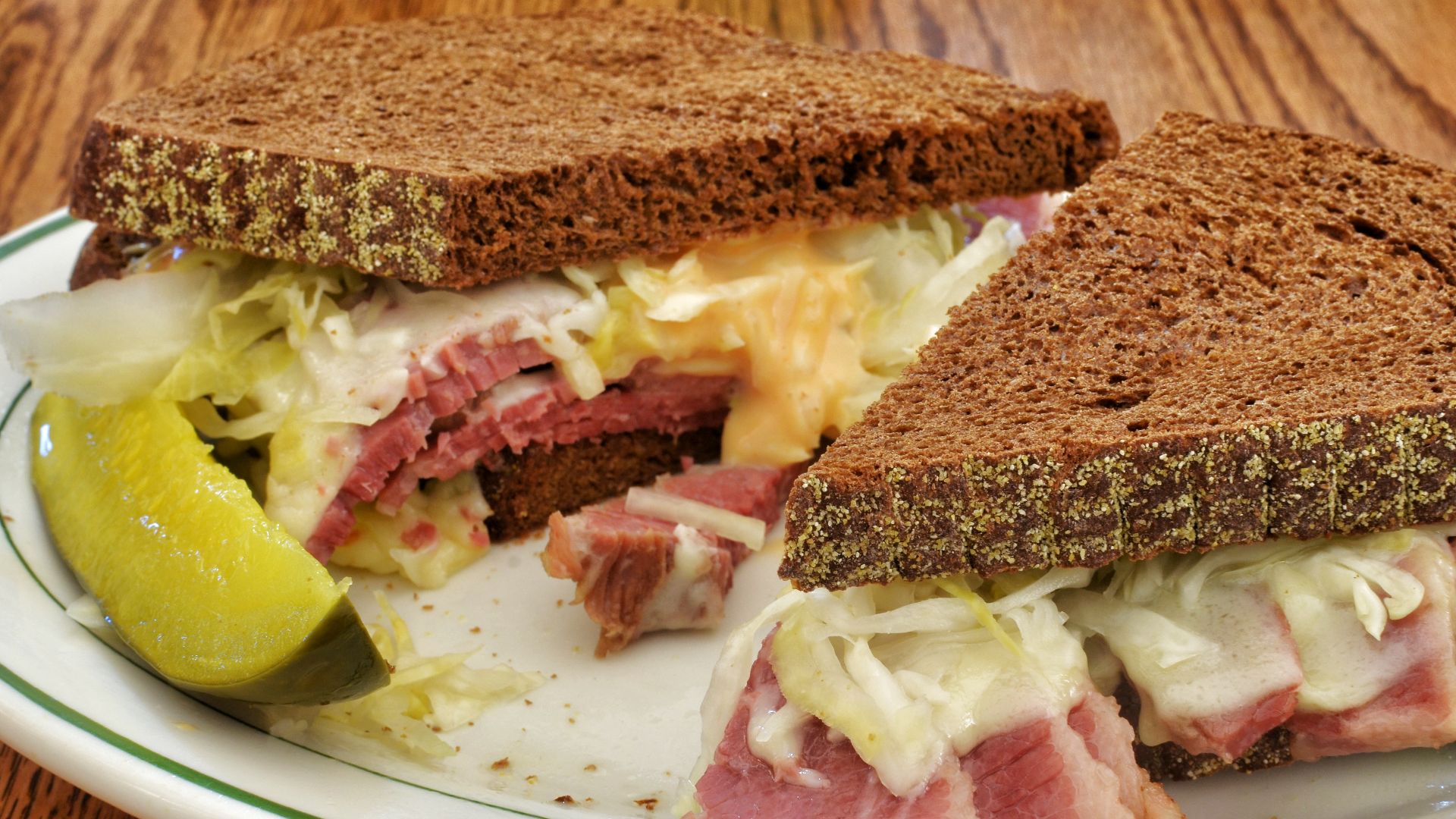
Traditional pumpernickel bakes for many hours at a low temperature and uses coarse rye meal, sour starters, and sometimes even soaked bread crumbs. It’s tricky to source the right ingredients and keep the loaf from drying out. Commercial bakeries handle that process beautifully.
7. Ciabatta
Ciabatta is an airy, rustic Italian bread that uses a very wet dough that’s hard to manage by hand. The open crumb and crisp exterior come from specialty techniques and baking surfaces that most home kitchens lack. You’ll get better results picking one up from a skilled baker.
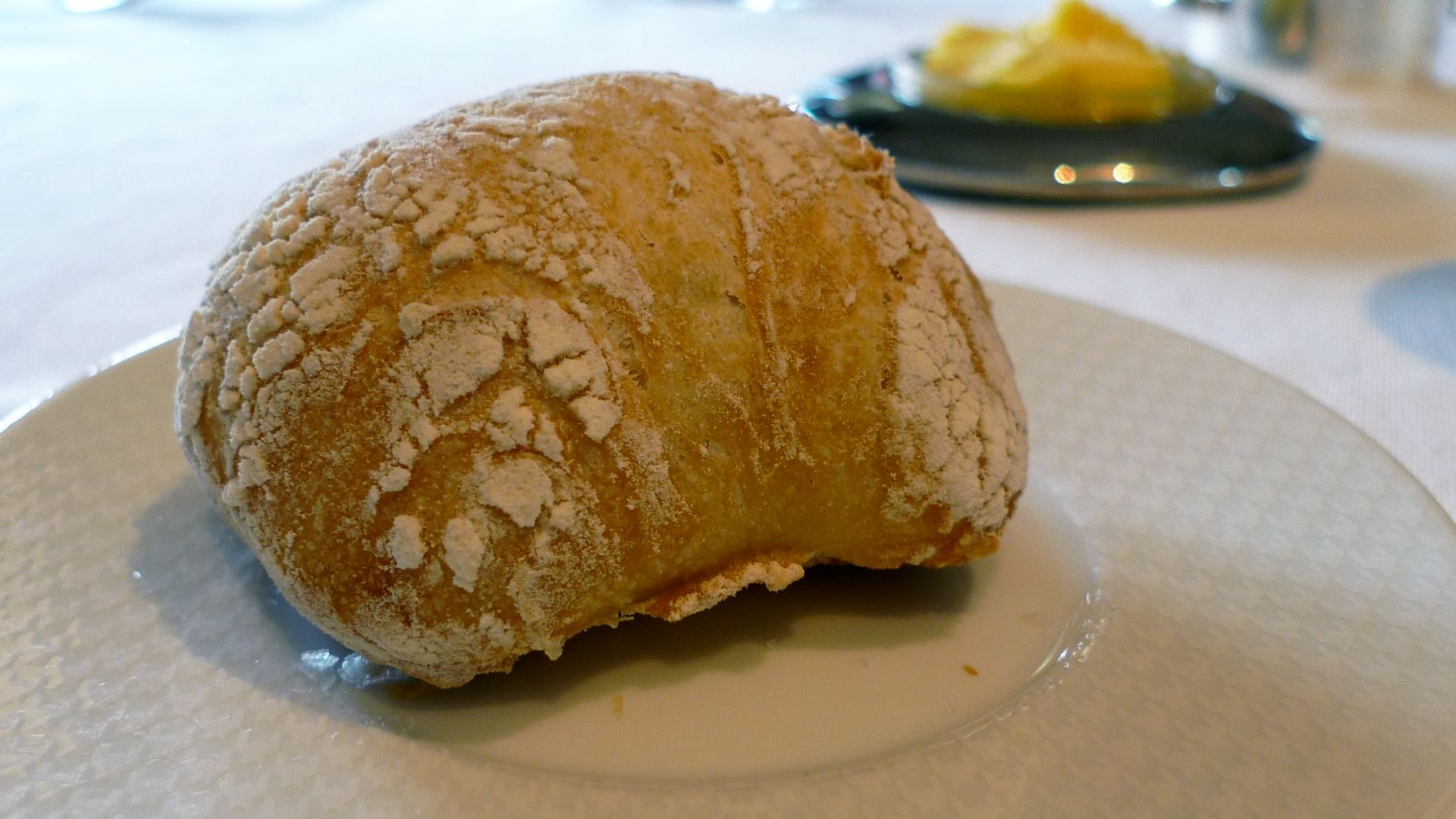 Arnold Gatilao from Oakland, CA, USA on Wikimedia
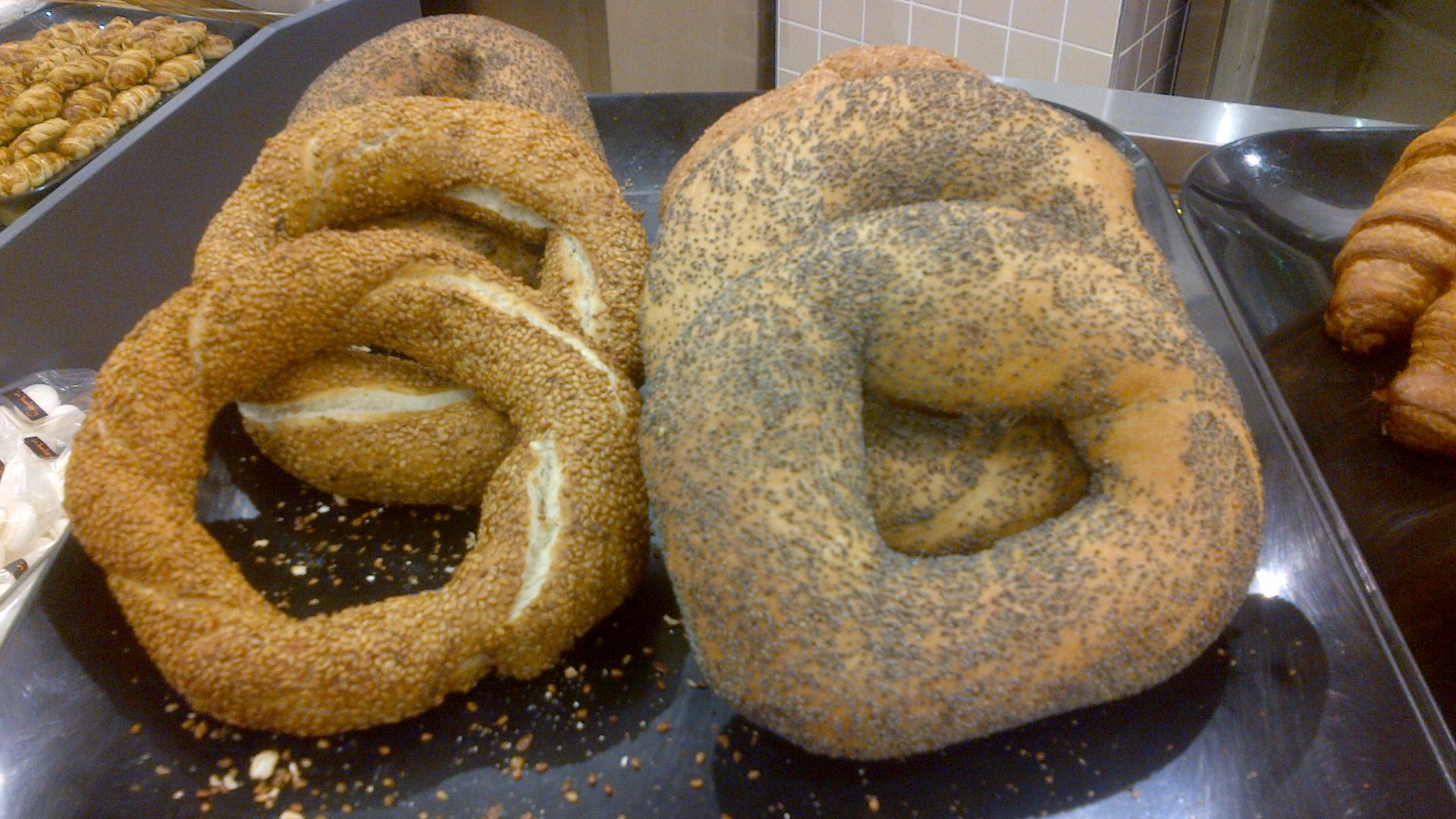
8. Simit
This Turkish sesame-crusted bread ring needs a specific boiling-and-baking process. Its texture and shine come from dipping in molasses water before baking. Most home ovens can't deliver the chewy interior and toasty exterior balance that bakeries achieve daily.
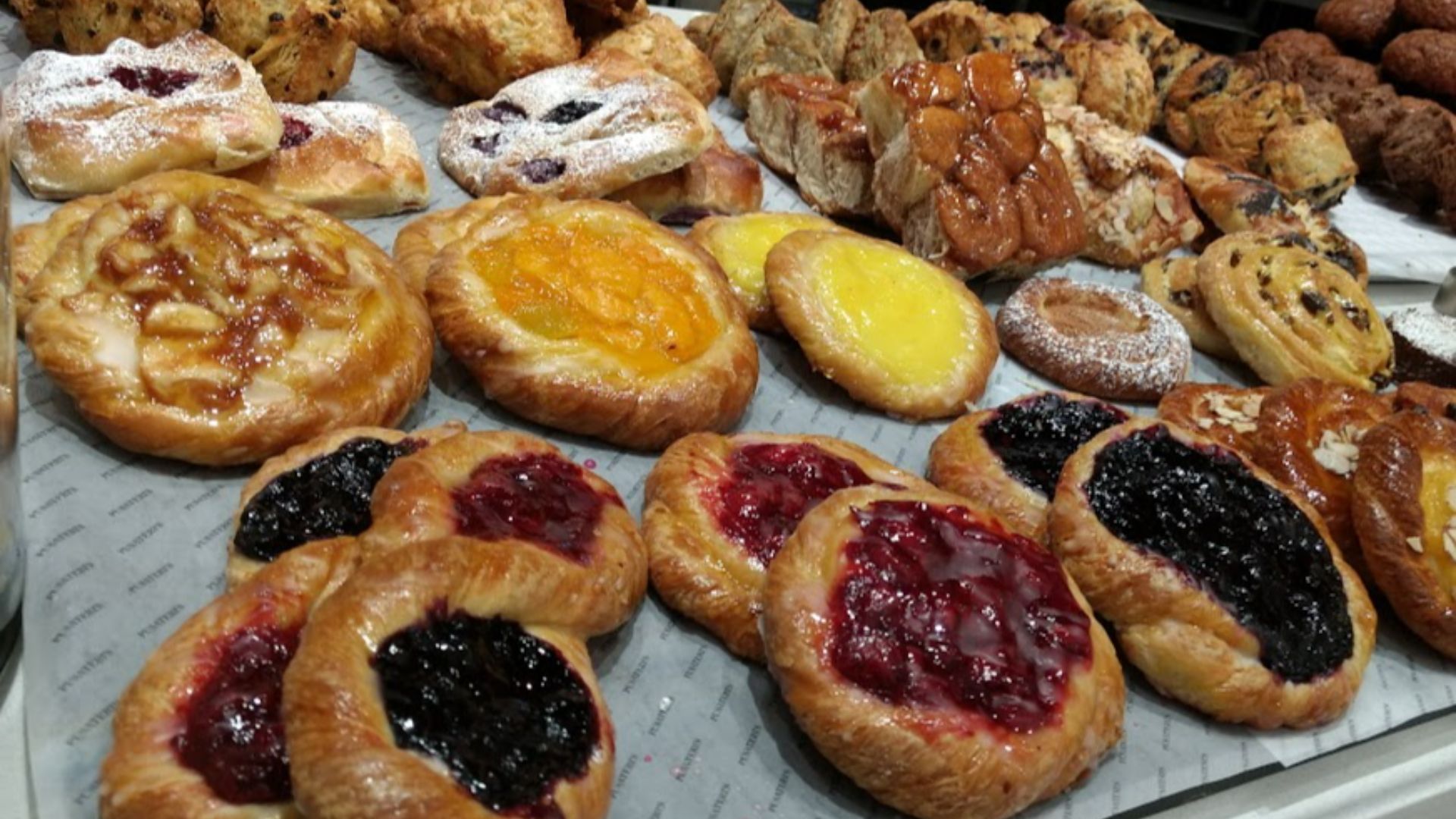
9. Danish Pastries
Like croissants, Danish dough is laminated with layers of butter, which demands cold counters, steady hands, and time. Adding fillings and shaping them without leaking or breaking takes skill. Professional bakeries turn out flawless pastries with that melt-in-your-mouth texture.
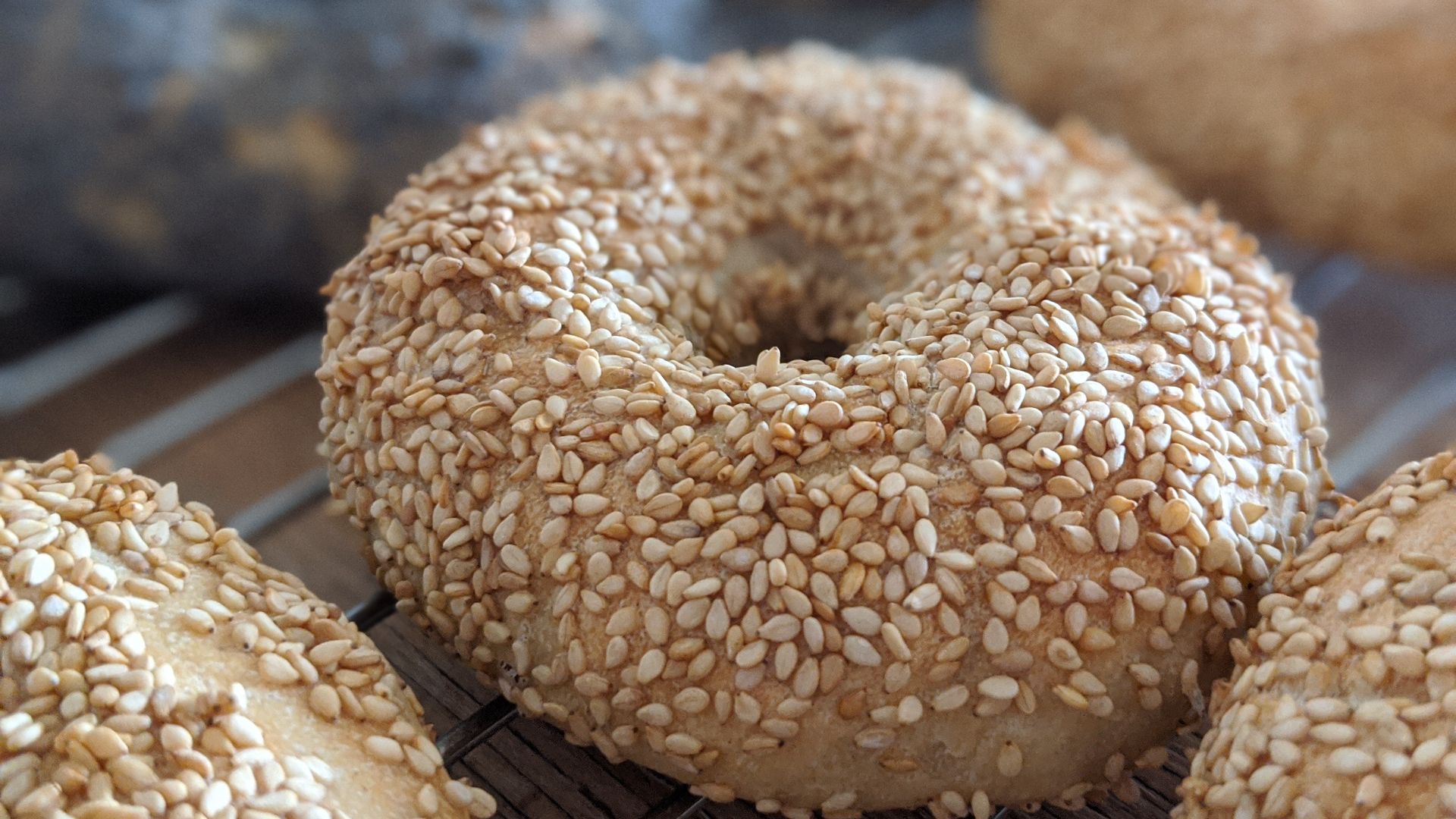
10. Bagels (Boiled And Baked)
Real bagels are boiled before baking, which gives them their chewy crust. Home ovens don’t get hot enough, and most home bakers skip the boiling step or do it unevenly. Bakeries also use malt syrups, steam, and specialty ovens to get that authentic bite.
KEEP ON READING


20 Foods Used in Fertility Rituals Around the World

20 Foods That Taste Better the Next Day