20 Depression-Era Survival Foods That Never Left the American Kitchen
The Budget Meals That Stayed Put
Depression cooking wasn’t built around fun little food trends or anything polished. It came out of empty cupboards, thin paychecks, garden plots, soup pots, and the kind of home cooking that prioritized not wasting anything. A lot of these dishes were already around before the 1930s, though hard times gave them a firmer place in American kitchens because they were cheap, filling, and steady. And once a food proves it can carry people through, it usually doesn’t disappear for good.
1. Bean Soup
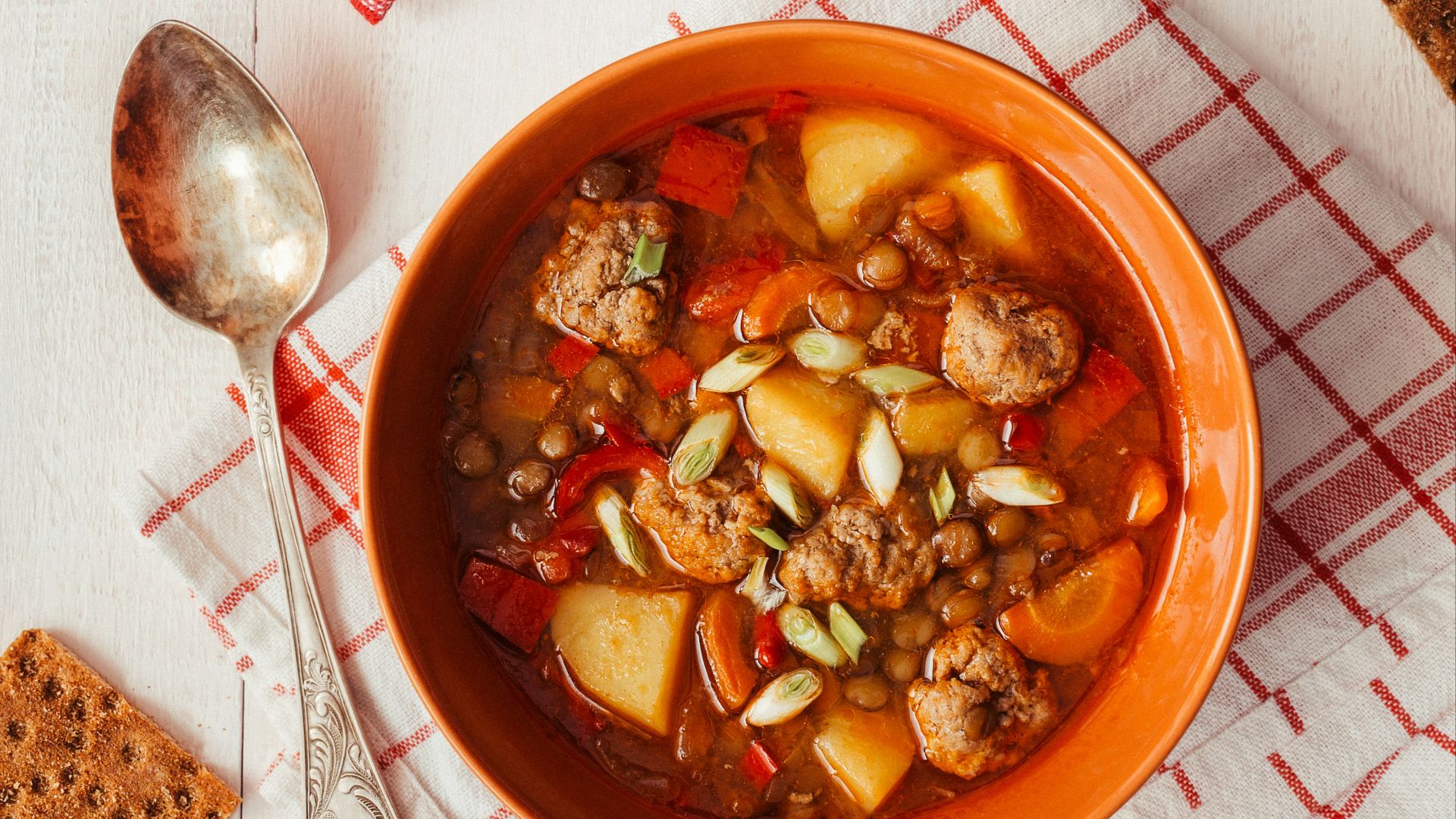
Bean soup kept showing up during the Depression because dried beans were cheap, easy to store, and filling enough to stand in for meat. A pot of beans on the stove still feels familiar in plenty of homes, especially when the weather turns cold.
2. Baked Beans
Baked beans were already part of American cooking long before the 1930s, though they fit Depression budgets almost too well. They’re still around at cookouts, church suppers, and cheap family dinners because beans, a little sweetness, and a long bake still do the job.
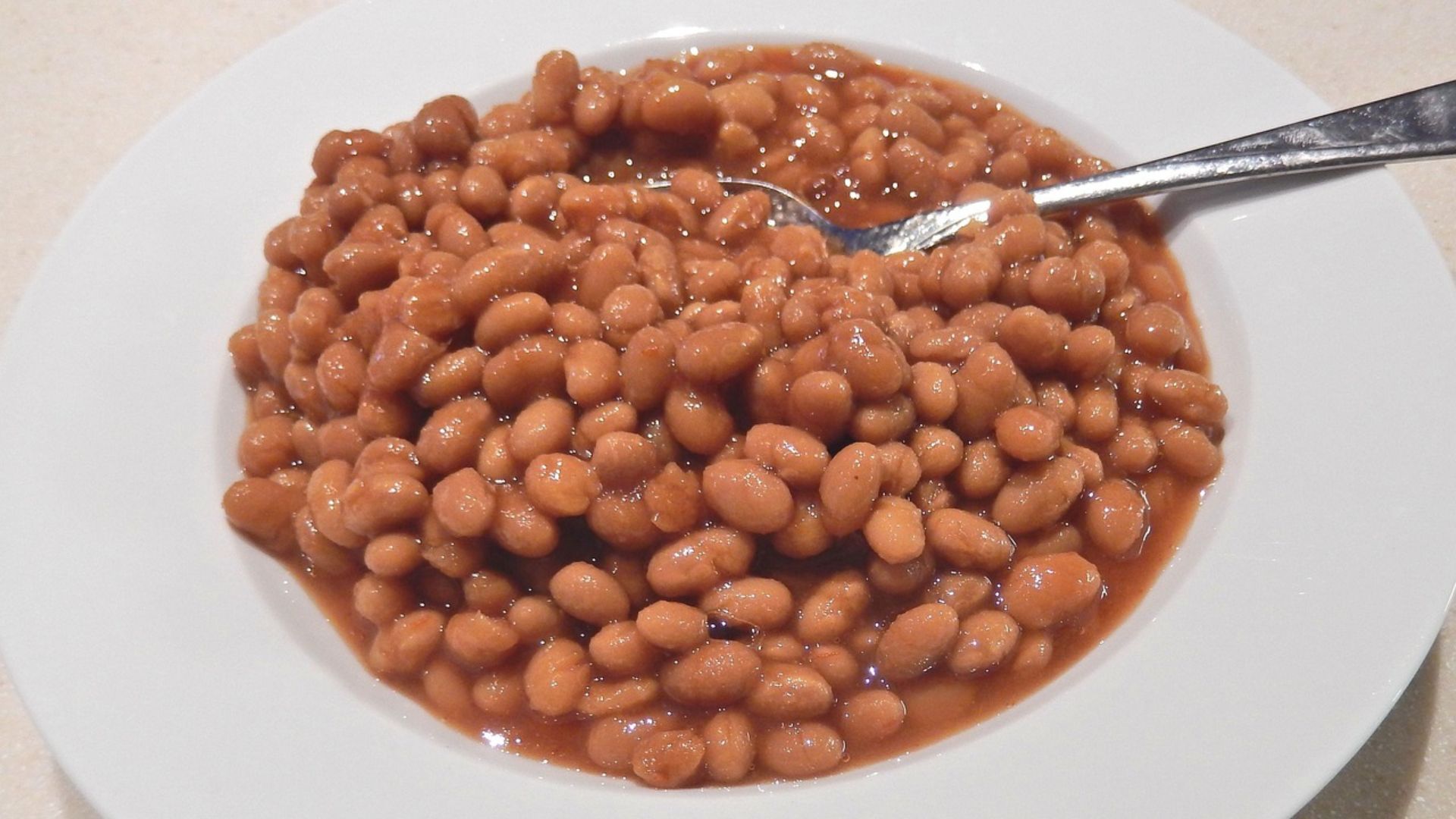
3. Bean Sandwiches
During the Depression, beans mashed or spooned onto bread made sense as a filling midday meal, and that same thrift move still shows up now whenever leftovers need to become lunch.
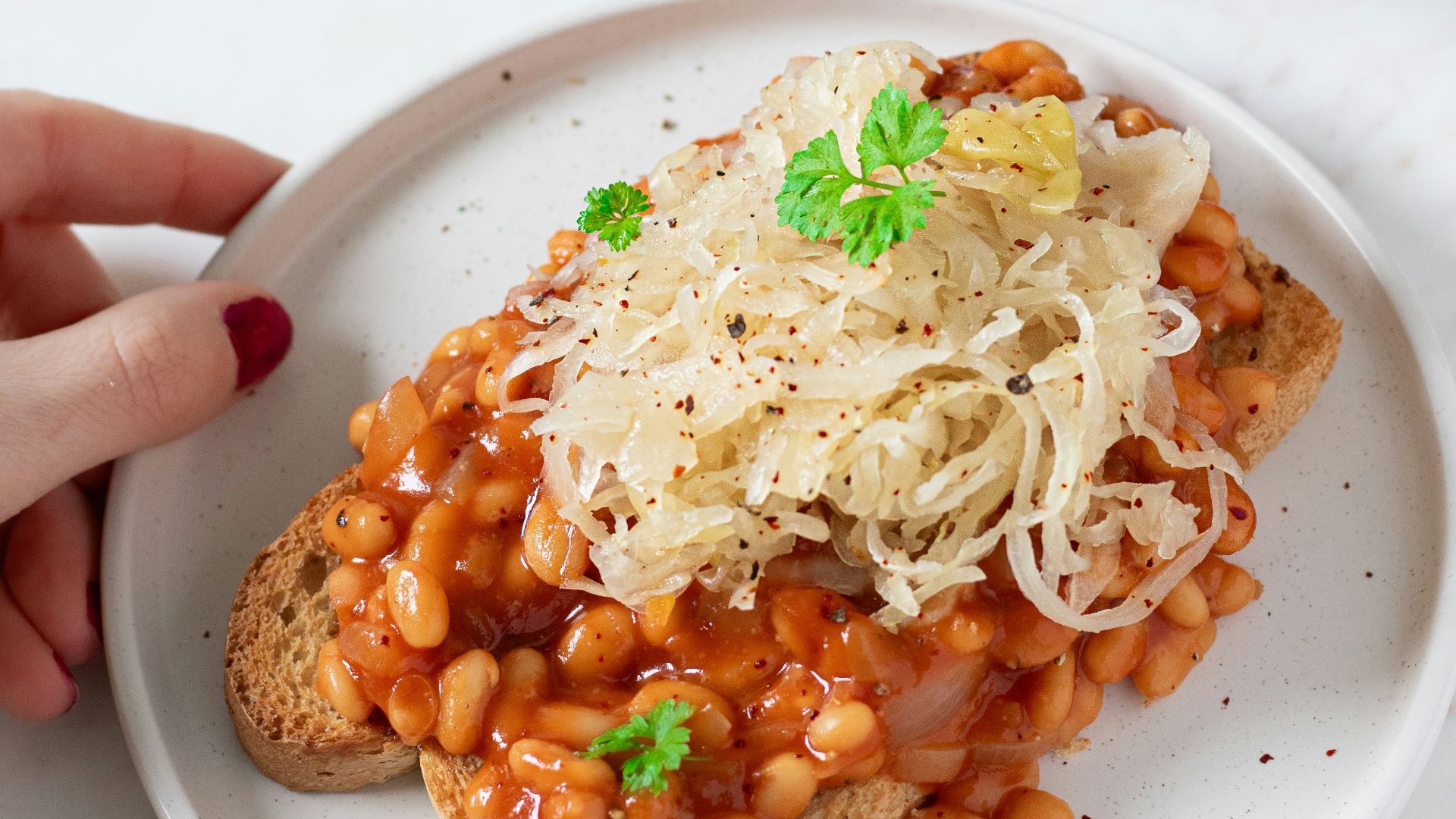
4. Biscuits And Gravy
Biscuits and gravy stuck because flour was affordable, drippings mattered, and breakfast had to hold people for hours. You can still see that logic all over Southern diners and family kitchens, where a plate of soft biscuits and peppery gravy feels normal.
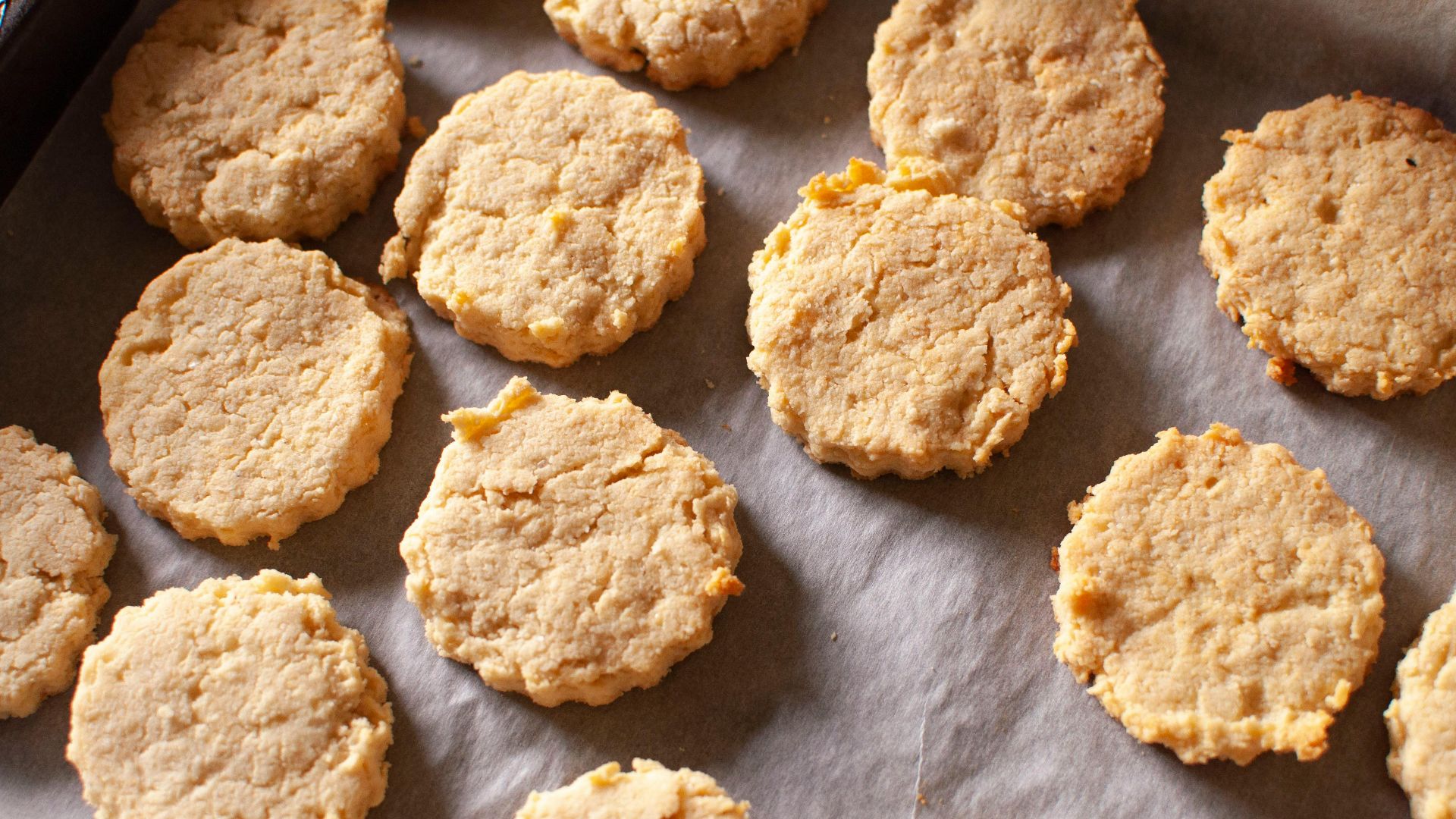
5. Cornbread
Cornbread made sense during the Depression for the same reason it made sense before and after it: cornmeal was dependable, cheap, and easy to turn into something hot and filling. In the South and Appalachia, that pan of cornbread never really left the table.
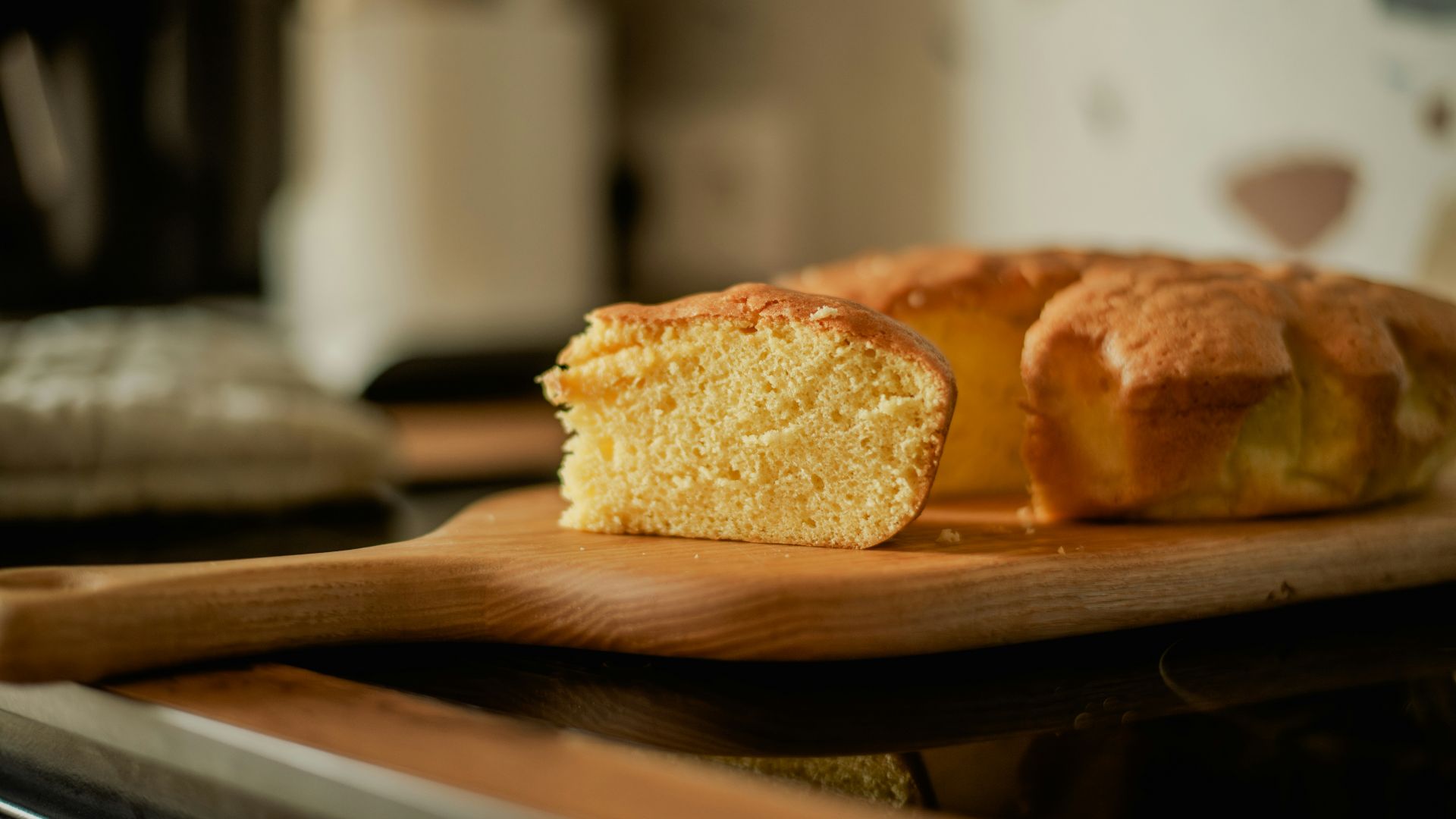
6. Beans And Cornbread
Beans and cornbread were one of those full meals built from very little, especially in poor Southern households where dried beans, cornmeal, and maybe a bit of pork had to stretch. People still make it because it's tasty and filling.
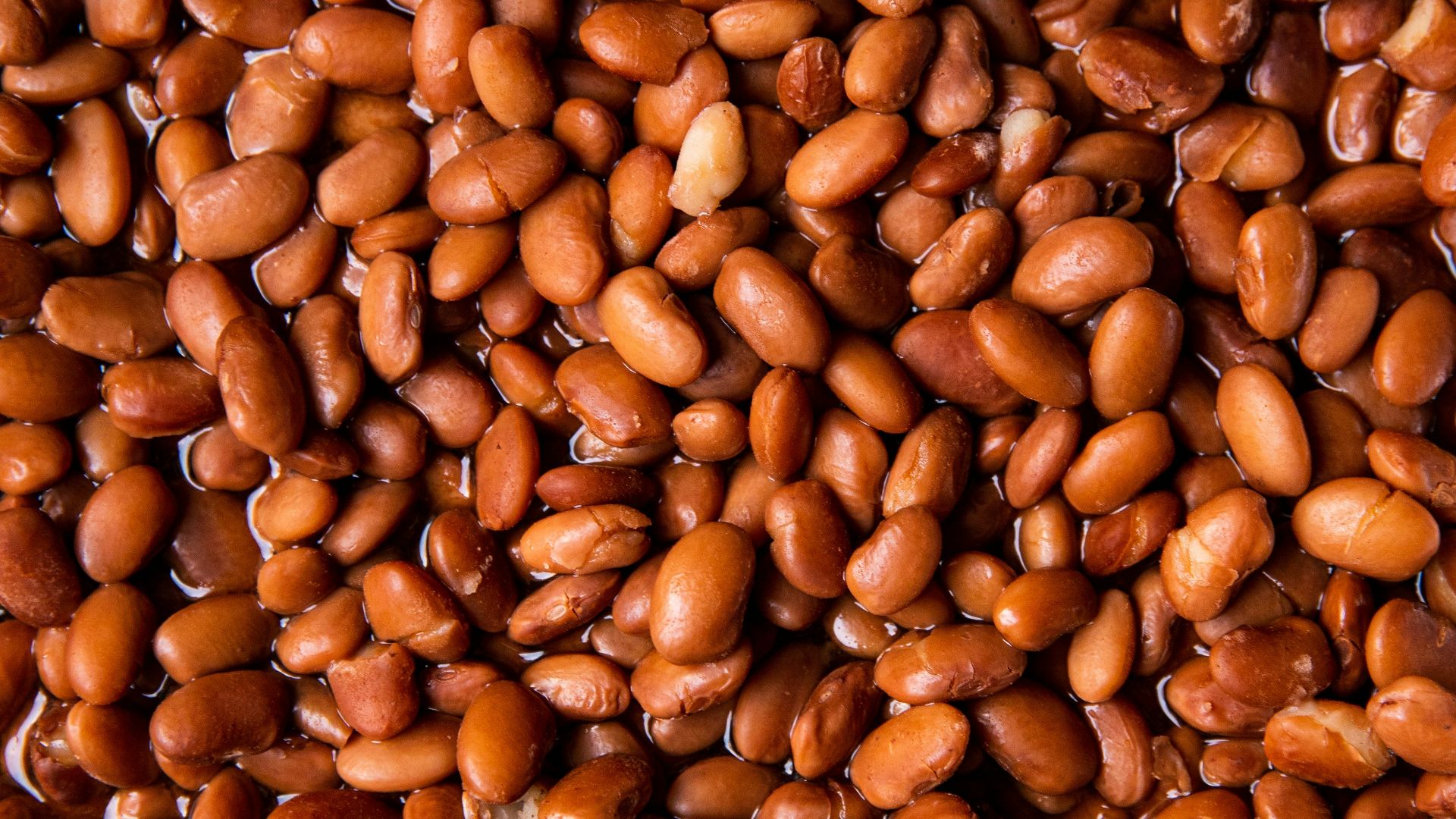
7. Potato-Onion Soup
Potato-onion soup is the kind of meal that tells you exactly what it’s for. Potatoes, onions, a little milk or broth if you had it, and you had supper on the table.
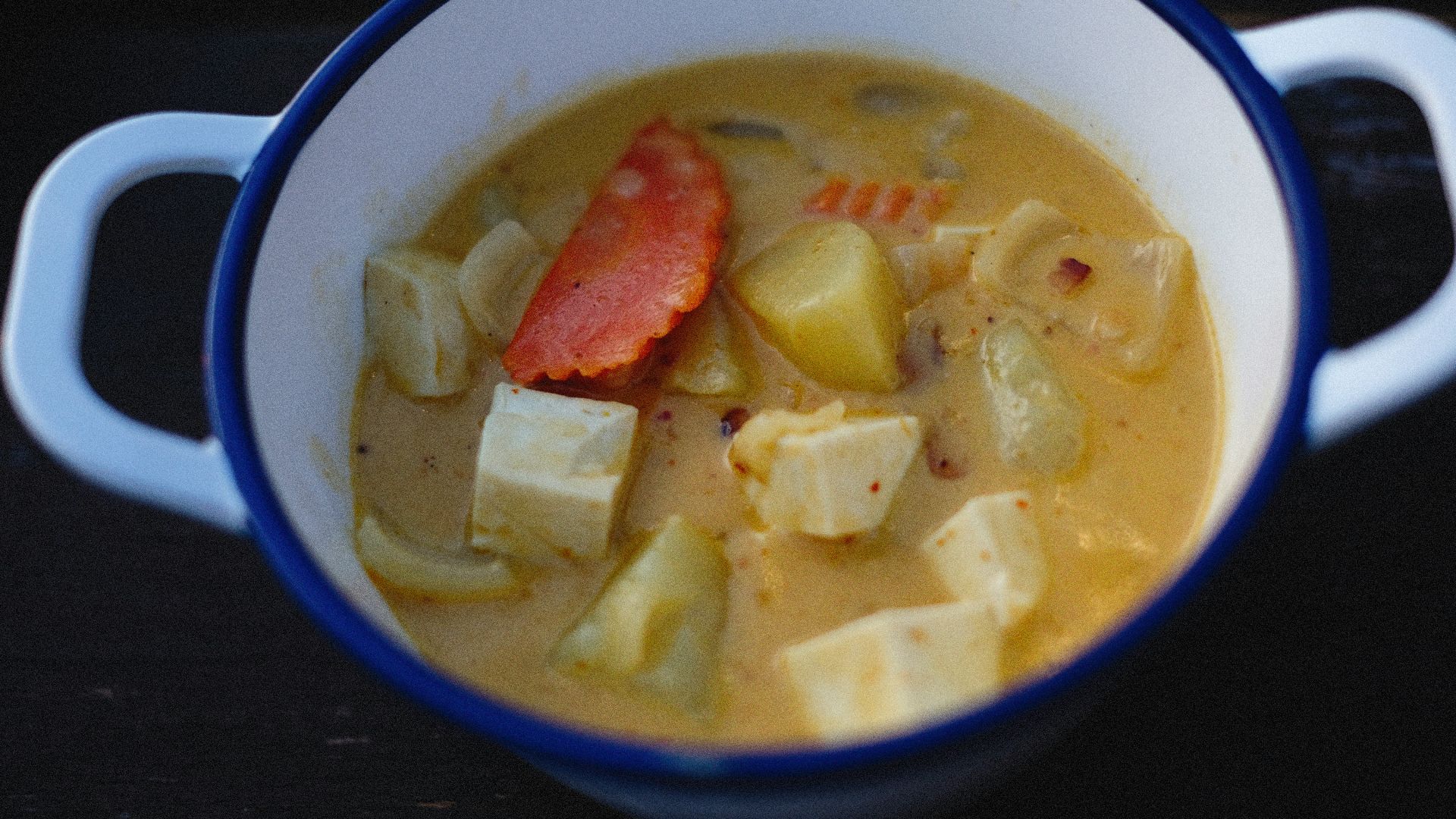
8. Vegetable Soup
Vegetable soup worked during the Depression because it could change with whatever was on hand. A few carrots, some cabbage, maybe tomatoes, maybe beans, maybe not much at all, and the pot still gave everybody something warm at the end of the day.
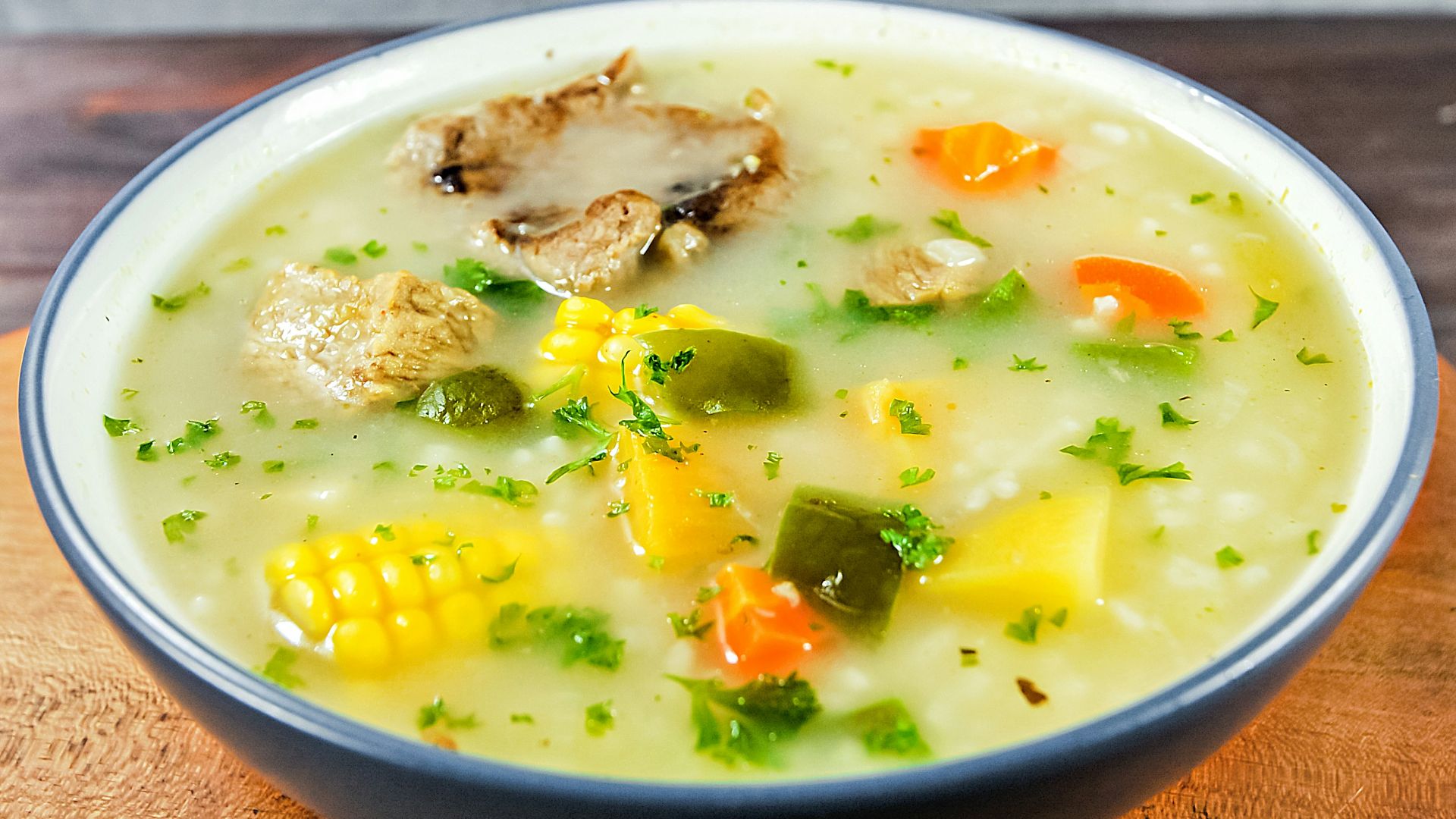
9. Boxed Macaroni And Cheese
Kraft introduced boxed macaroni and cheese in 1937, and the timing couldn't have been better. Cheap, quick, shelf-stable, and easy to feed a family with, it solved a lot of problems then and still does now when dinner needs to happen fast.
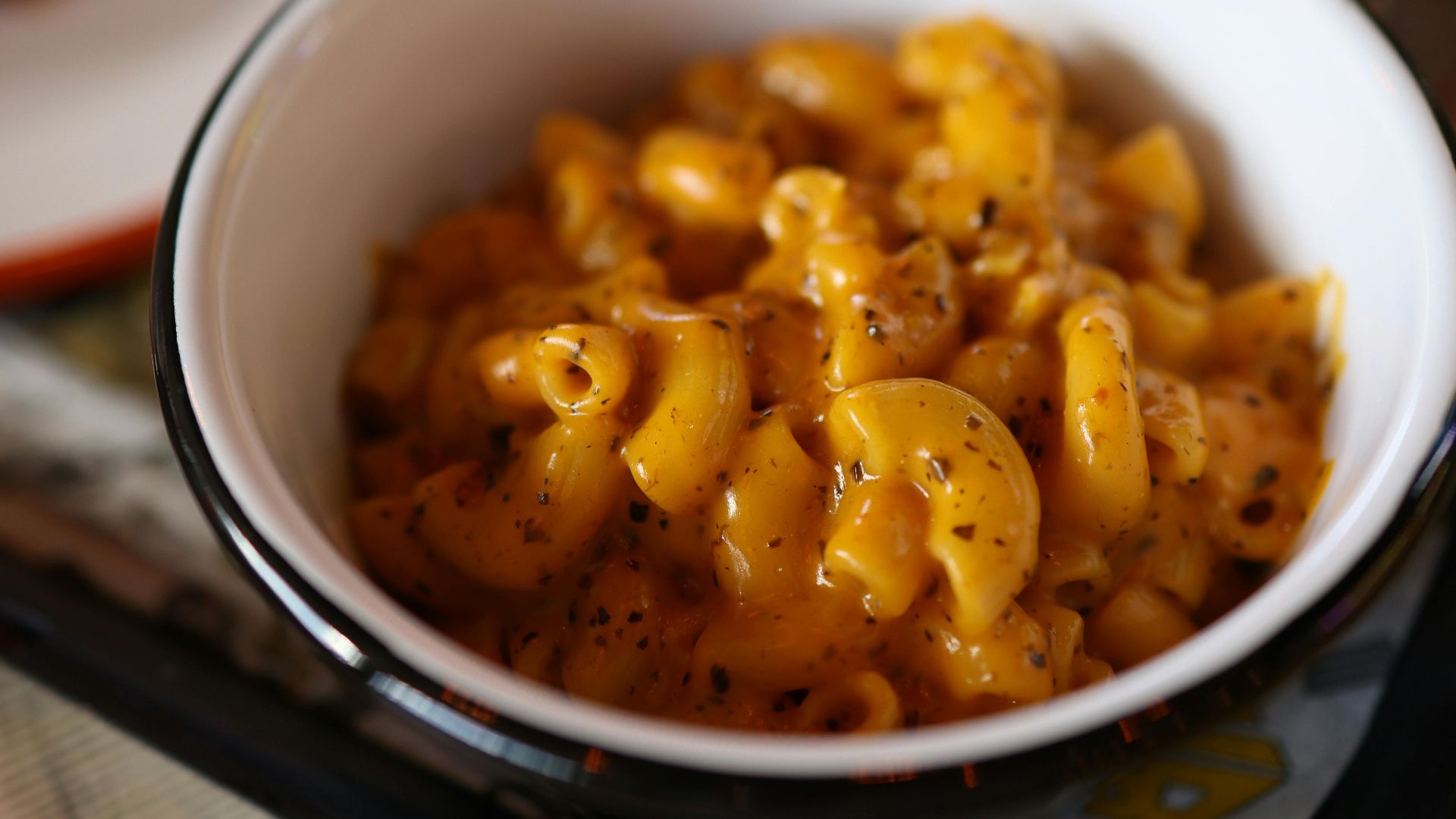
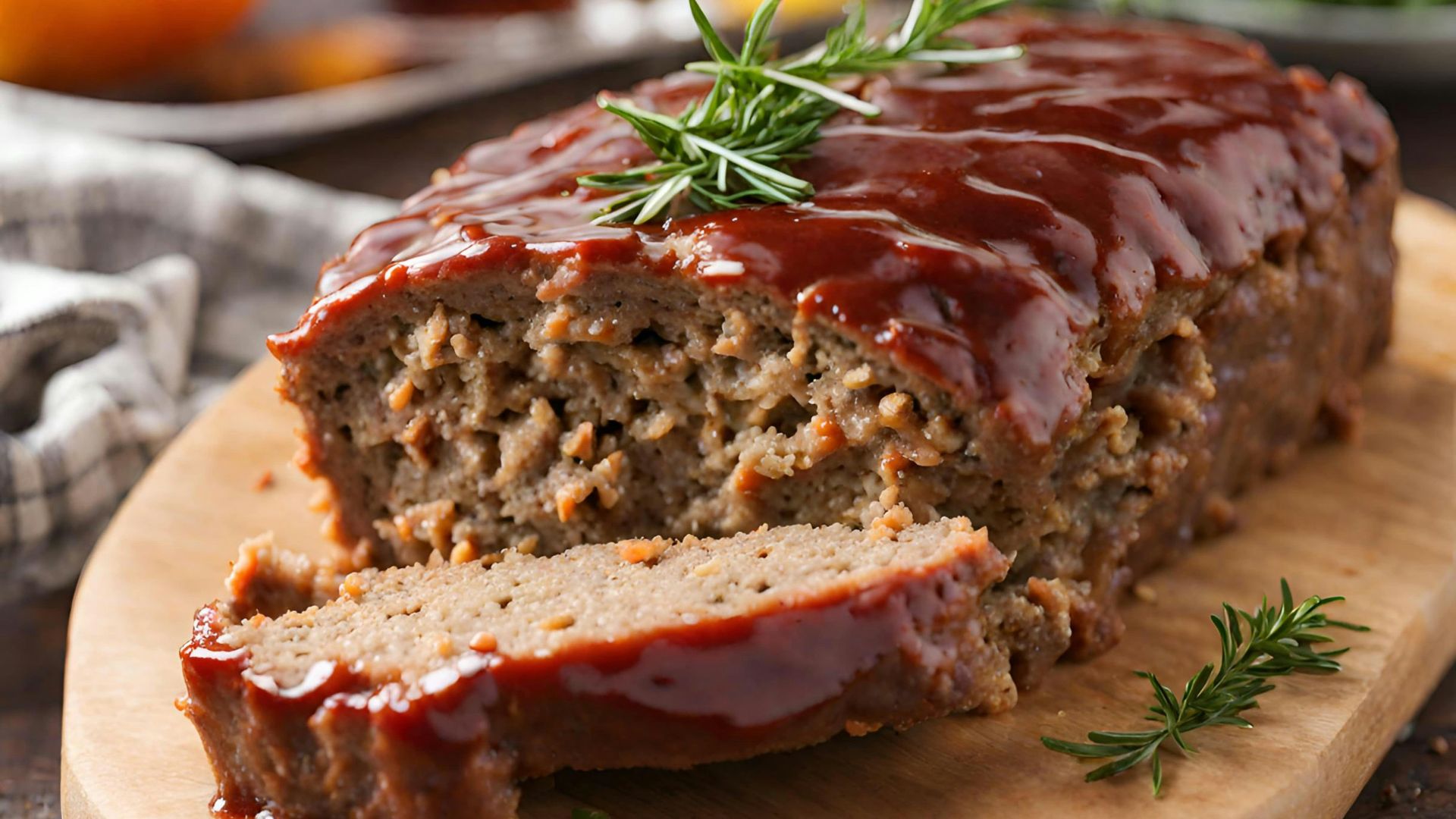
10. Meatloaf
Meatloaf mattered during the Depression because breadcrumbs, oats, or crackers could stretch a small amount of ground meat into a full meal. That same trick still works today, and that’s a big reason meatloaf keeps hanging on in weeknight dinners, diners, and family recipe cards.
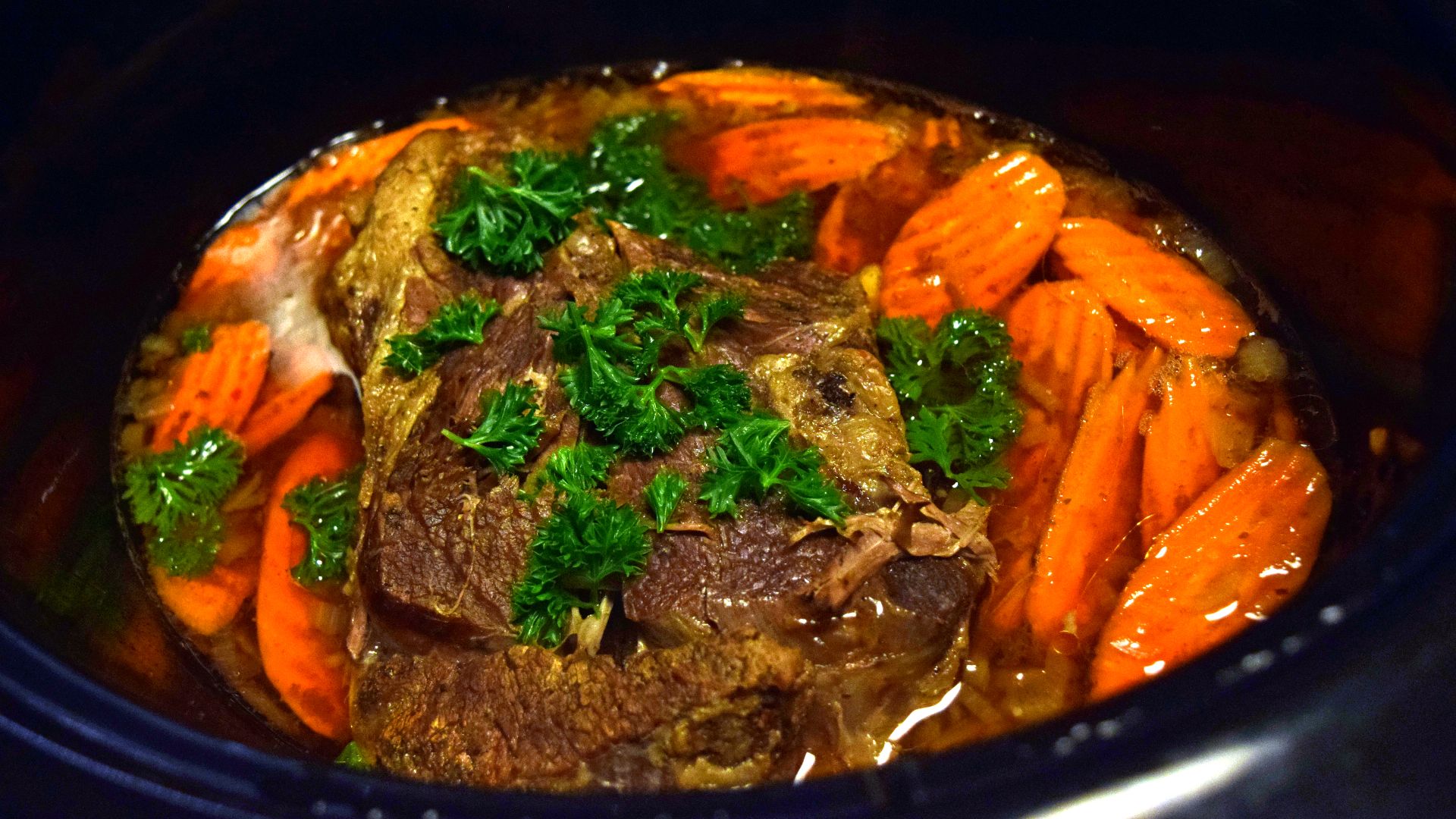
11. Yankee Pot Roast
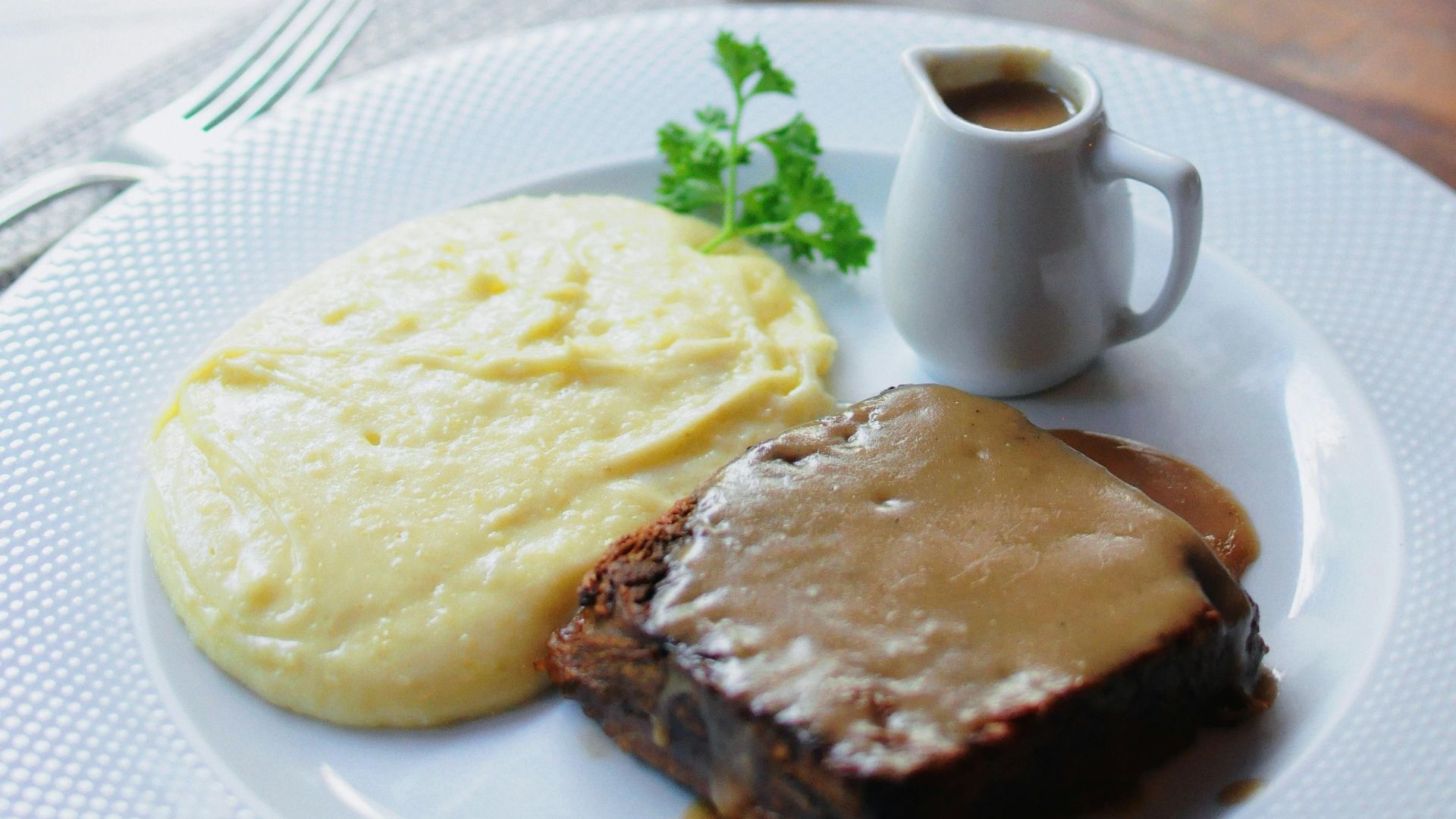
Yankee pot roast came out of the old New England habit of taking a tougher cut and cooking it at low heat until it softened up. It was a smart Depression-era meal for budget-minded households, and it still feels like one of the clearest examples of cheap cuts turning into something people really want to eat.
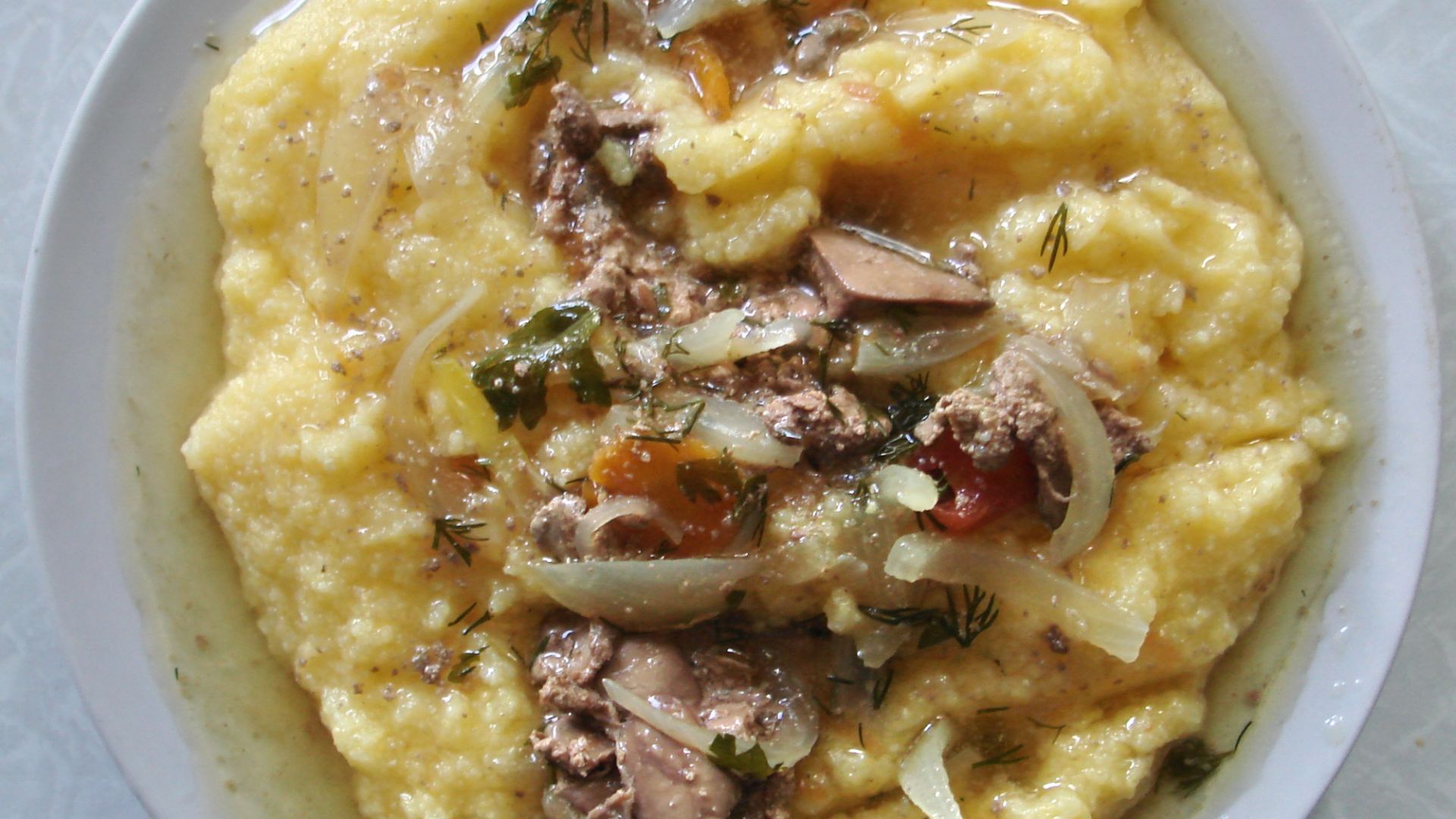
12. Cornmeal Mush
Cornmeal mush was about as practical as food gets. You cooked it soft, chilled the leftovers, sliced it the next morning, fried it in a pan, and got two meals out of one cheap pot, which is exactly why older Midwestern kitchens held onto it for so long.
 No machine-readable author provided. Zserghei assumed (based on copyright claims). on Wikimedia
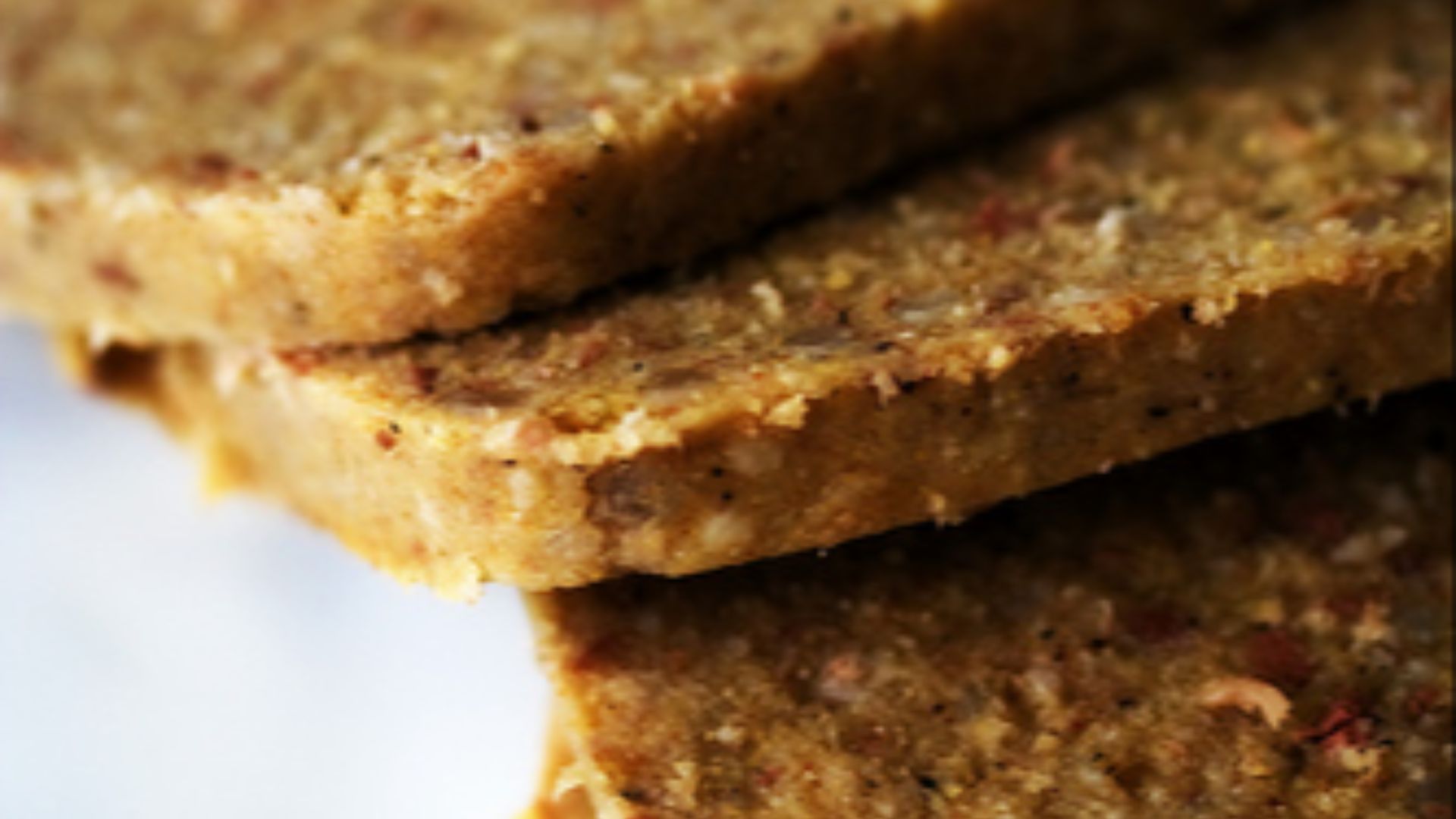
13. Scrapple
Scrapple had been around in Pennsylvania Dutch country long before the Depression, though hard times only made its thrift logic more useful. Pork scraps, broth, and cornmeal turned into something sliceable and fryable, and that no-waste attitude is still part of why scrapple has such a loyal following in Pennsylvania, New Jersey, Delaware, and Maryland.
 Steamykitchen SteamyKitchen.com on Wikimedia
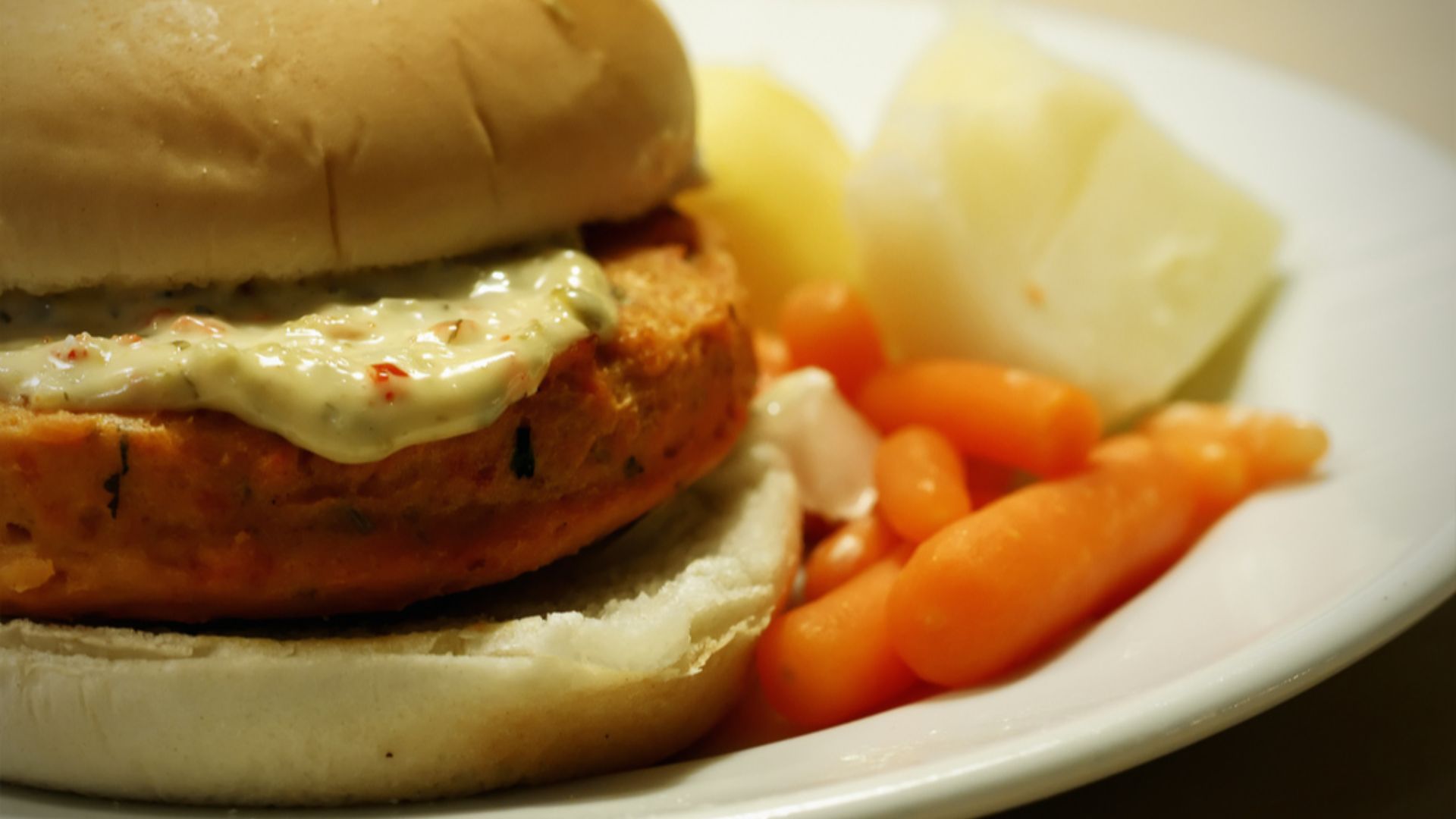
14. Salmon Patties
Canned salmon gave families a way to put protein on the table without paying fresh-fish prices. Mix it with egg and crackers or crumbs, fry it into patties, and you’ve got the same no-nonsense supper that still shows up in Southern kitchens and older American cookbooks.
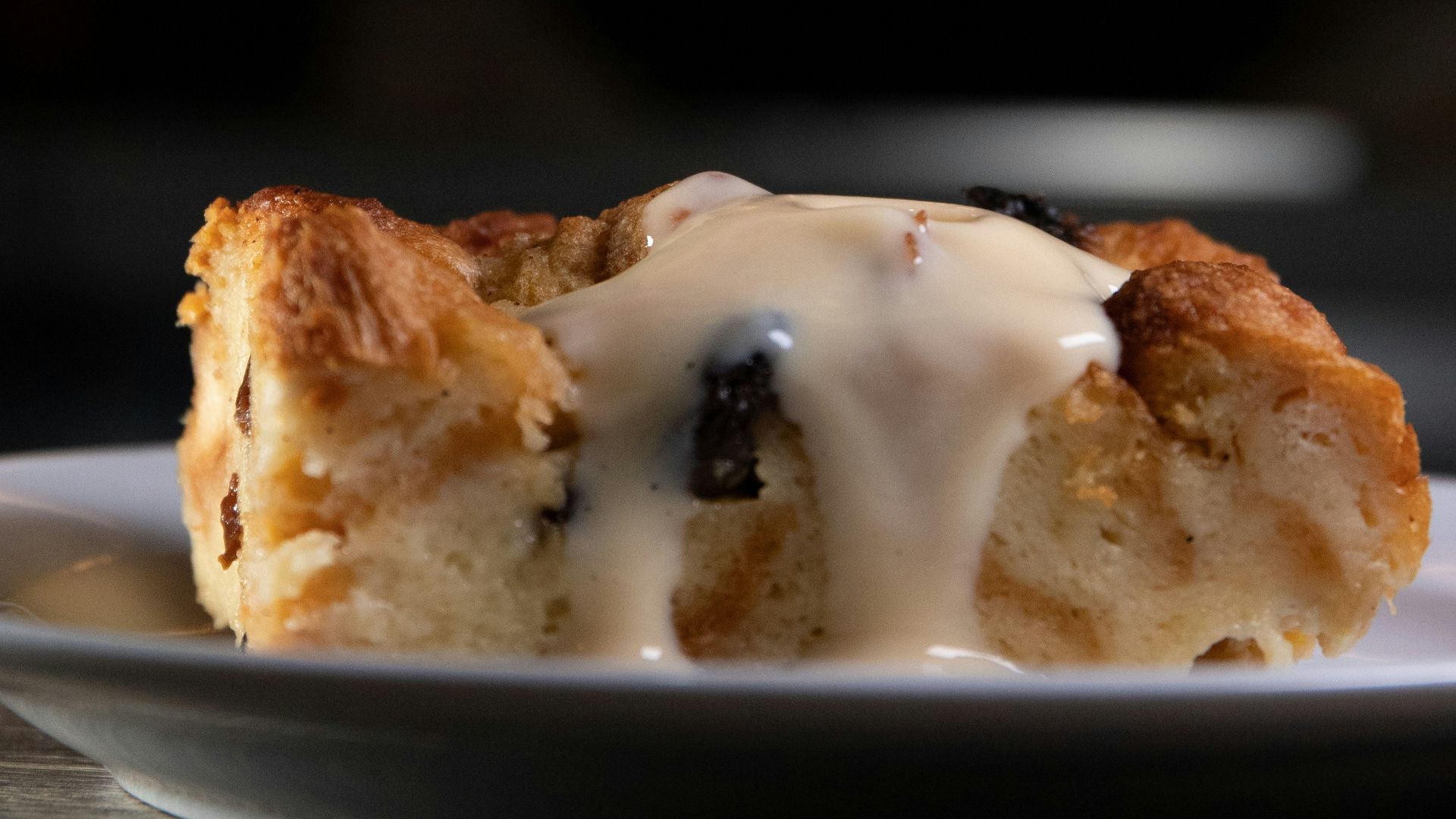
15. Bread Pudding
Bread pudding was already old by the time the Depression hit, though it fit those years perfectly because stale bread still had a job to do. A little milk, sugar, spice, and whatever dried fruit or raisins were around could turn scraps into dessert, which is why the dish still feels familiar in diners and home kitchens.
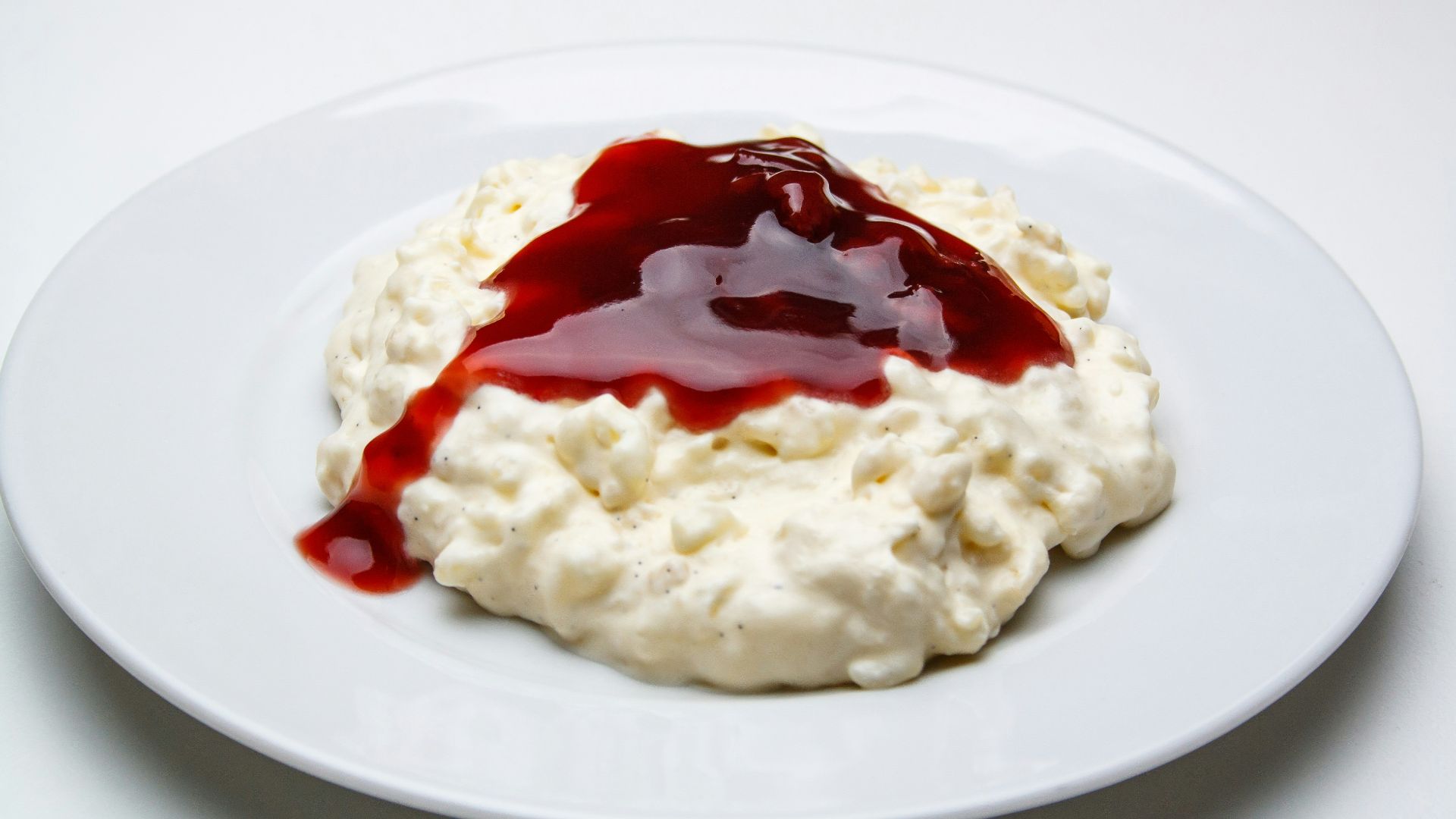
16. Rice Pudding
Rice pudding worked for the same reason. Leftover rice, milk, sugar, maybe cinnamon if the jar wasn’t empty, and suddenly there was something sweet on the table that didn’t cost much at all. That kind of dessert never really goes out of style, especially with people who grew up seeing it in cafeteria steam trays and family fridges.
 Rasmus Gundorff Sæderup on Unsplash
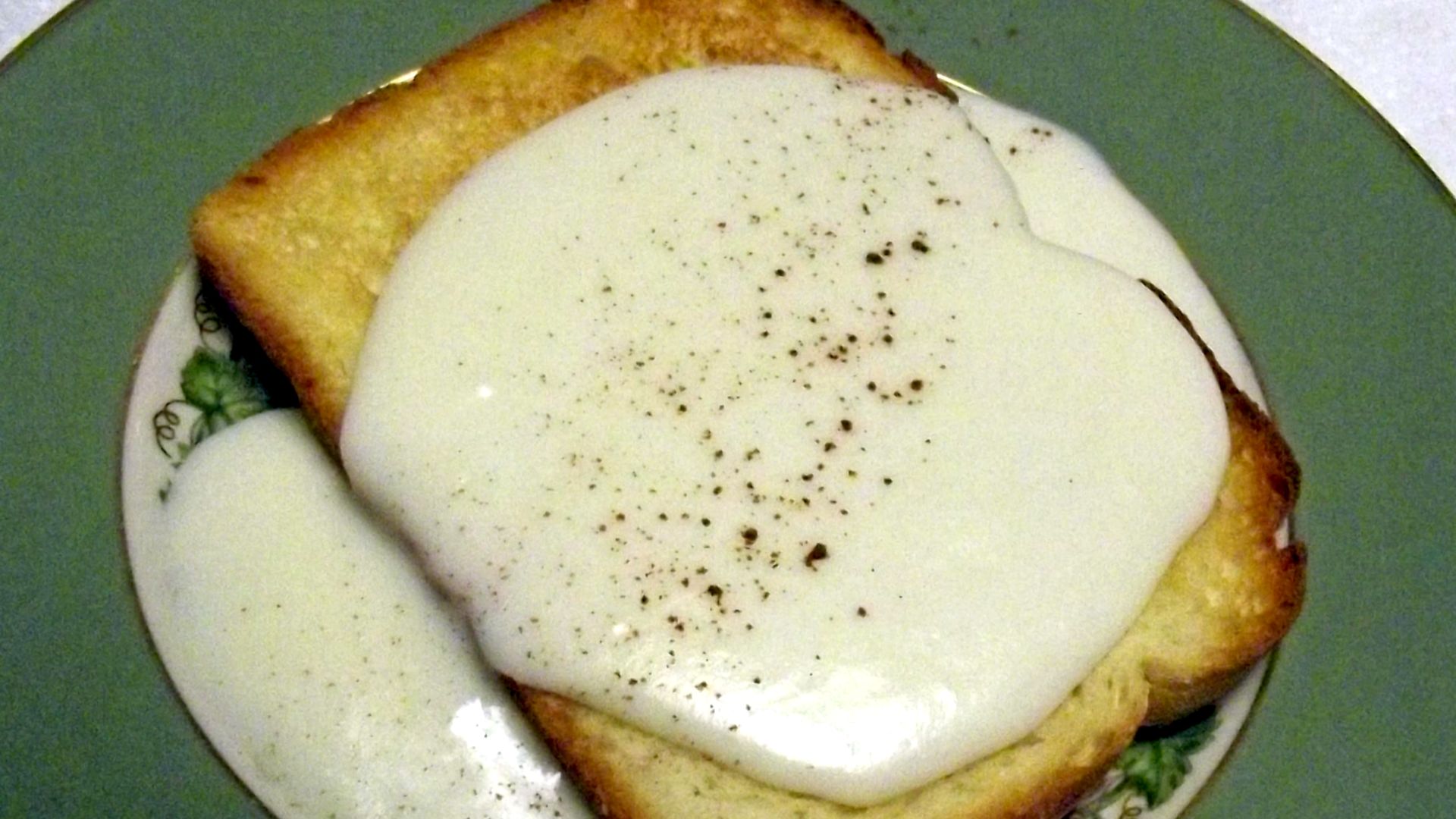
17. Milk Toast
Milk toast was one of those quiet foods people made for children, sick relatives, or anyone who needed something soft and cheap. It’s mostly faded now, sure, though older Americans still remember it, and that memory alone says a lot about how common it once was.
18. Hoppin’ John
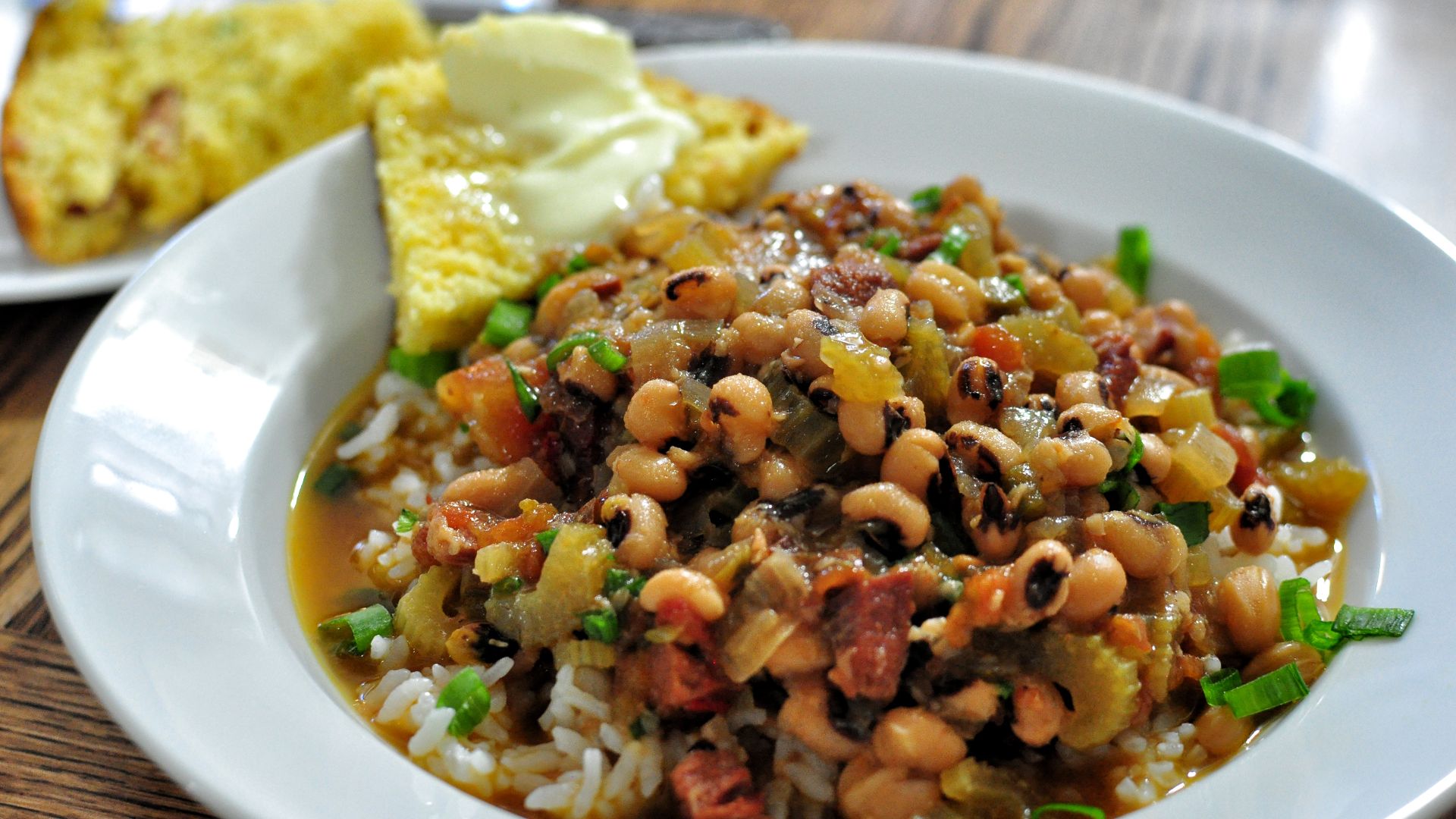
Hoppin’ John goes back well before the Great Depression, though it belongs in this conversation because it’s built on exactly the kind of ingredients people relied on in lean years. Black-eyed peas, rice, and pork made a filling, inexpensive meal then, and the dish still comes back every New Year’s Day across the South like clockwork.
19. Cabbage And Noodles
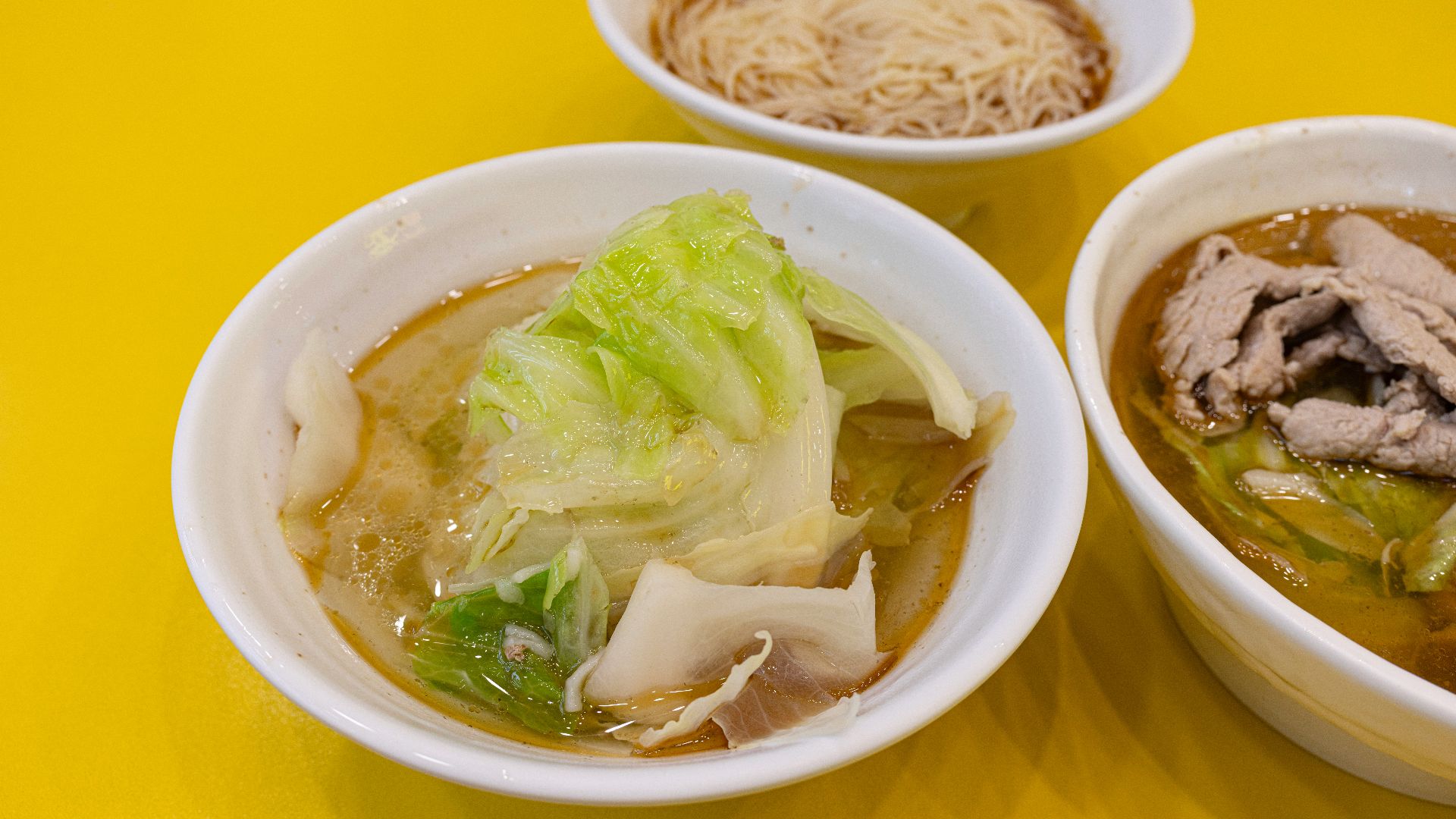
Cabbage and noodles, often called haluski in many families, came out of immigrant cooking that understood frugality. Cabbage was cheap, noodles were filling, butter and onion could do a lot of heavy lifting, and the dish still hangs on in Pennsylvania, Ohio, and other places where practical comfort food never stopped mattering.
20. Potato Pancakes
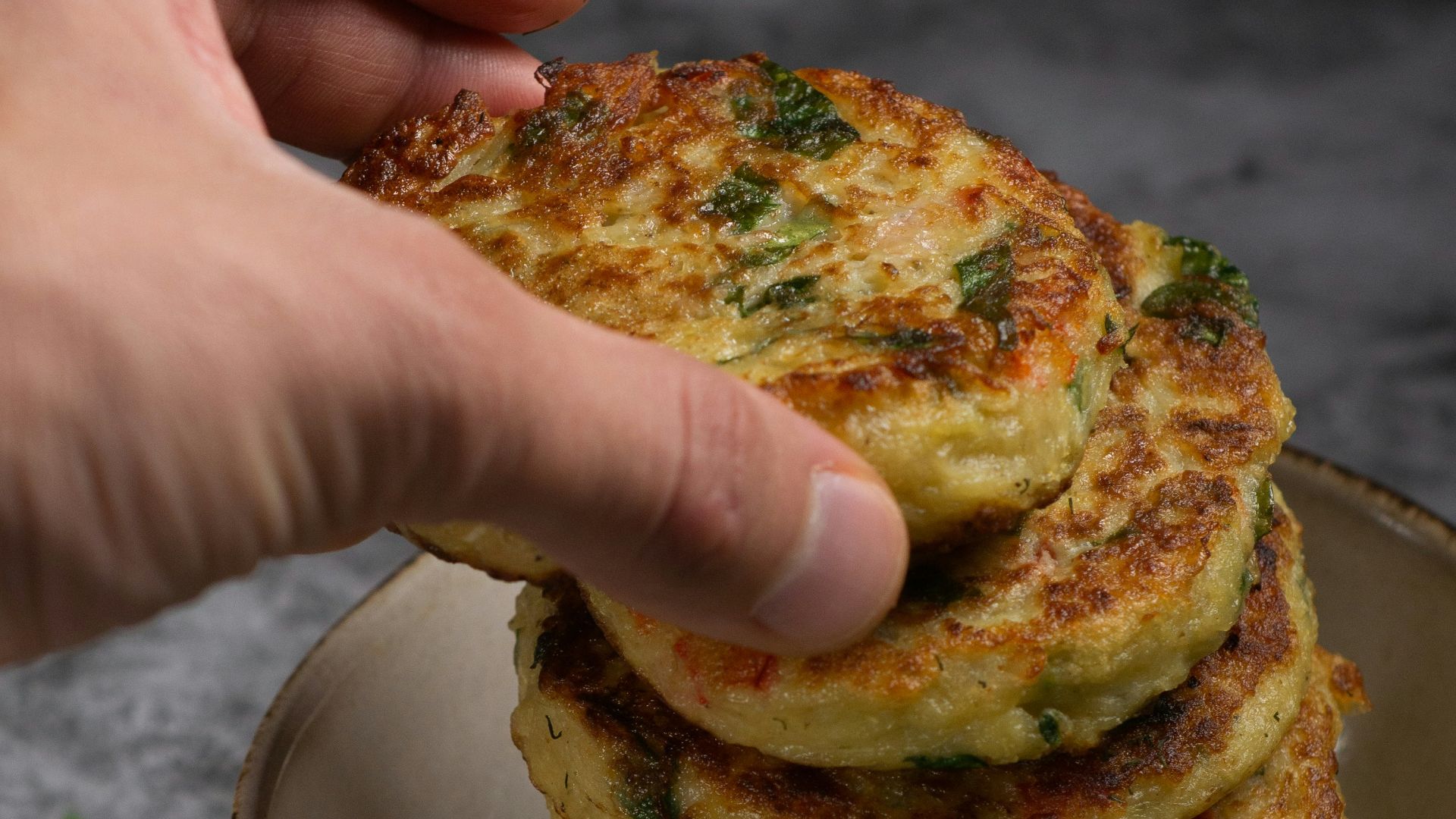
Potato pancakes belong to that long line of meals that start with leftovers and end with something crisp and satisfying. Depression-era kitchens knew yesterday’s potatoes were still useful, and plenty of cooks still know it now when they stand at the stove turning a bowl of odds and ends into dinner or breakfast the next morning.
KEEP ON READING

The Most Popular Signature Dishes Around the World