Language Built For Speed
A busy restaurant kitchen doesn’t have much room for long explanations. Cooks are moving around hot pans, servers are trying to get plates out while they’re still perfect, and one missed detail can mean a dish has to be remade. That’s why kitchen-speak is so short, specific, and satisfying once you know what it means. Some phrases come from classic culinary training, while others are simple restaurant shorthand that helps everyone stay safe, organized, and just a little less frazzled. Here are 20 kitchen-speak phrases most people don’t know, and what they actually mean.
1. 86
When something is “86’d,” it usually means the restaurant is out of that item. If the last order of mussels goes out, someone may call “86 mussels” so nobody sells another plate. The phrase can also mean removing or refusing service to a person, though in kitchen talk, it’s most often about a dish that’s no longer available.

2. All Day
“All day” means the total number of one dish needed across all active orders. A cook might have two burgers on one ticket, three on another, and one more just printed, which makes six burgers all day. It helps the kitchen think in totals instead of chasing every ticket separately.

3. Behind
“Behind” is a quick safety call used when someone is passing behind another person. In a tight kitchen, that person may be carrying hot soup, sharp knives, stacked plates, or a tray of glassware. Saying it clearly can prevent burns, crashes, and spills.
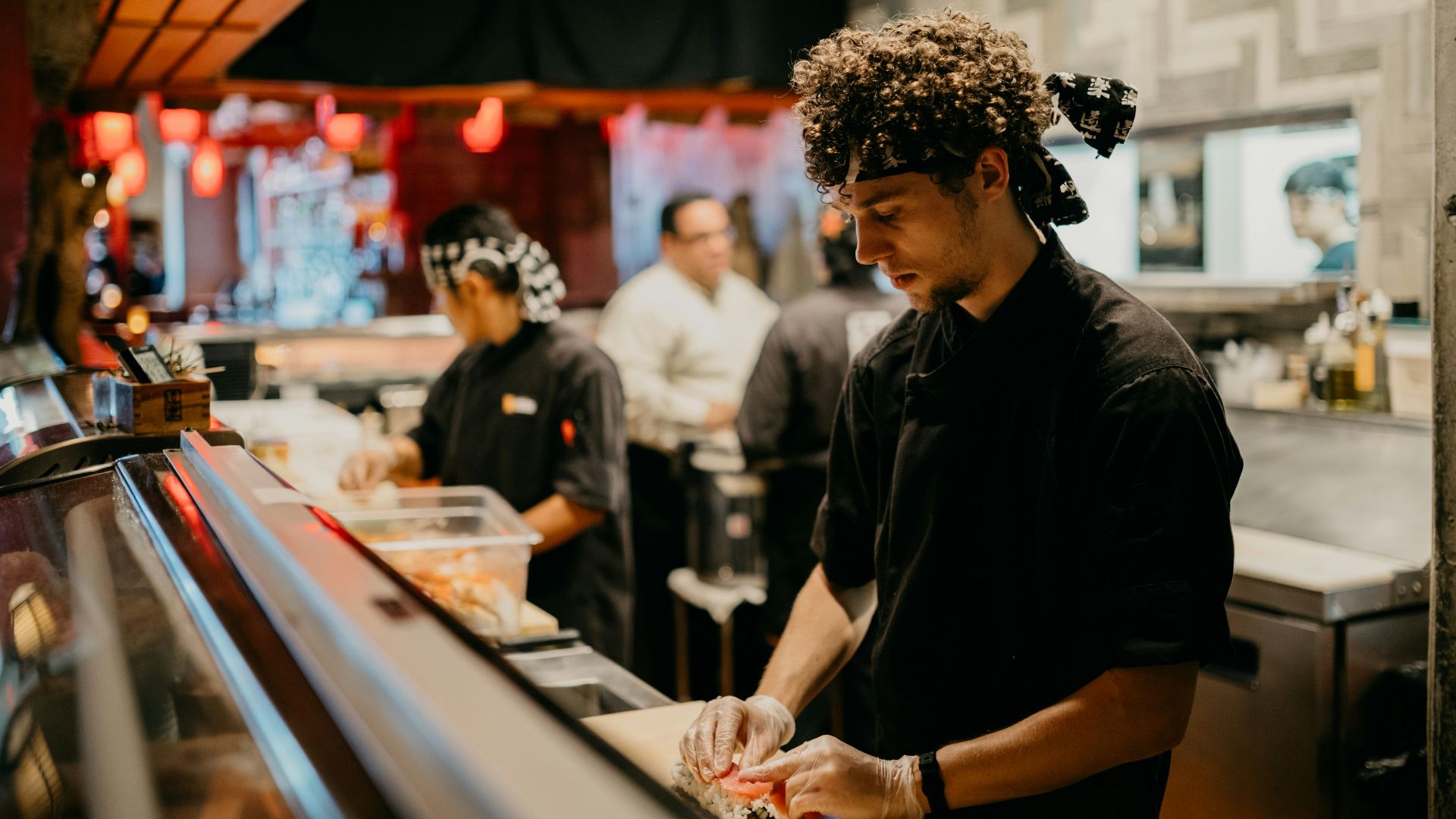
4. Heard
“Heard” means a message was received and understood. If someone calls “no cheese on table 12,” a simple “heard” confirms that the alteration will be made. It’s short, but in a noisy kitchen, that little confirmation can save a lot of food and frustration.
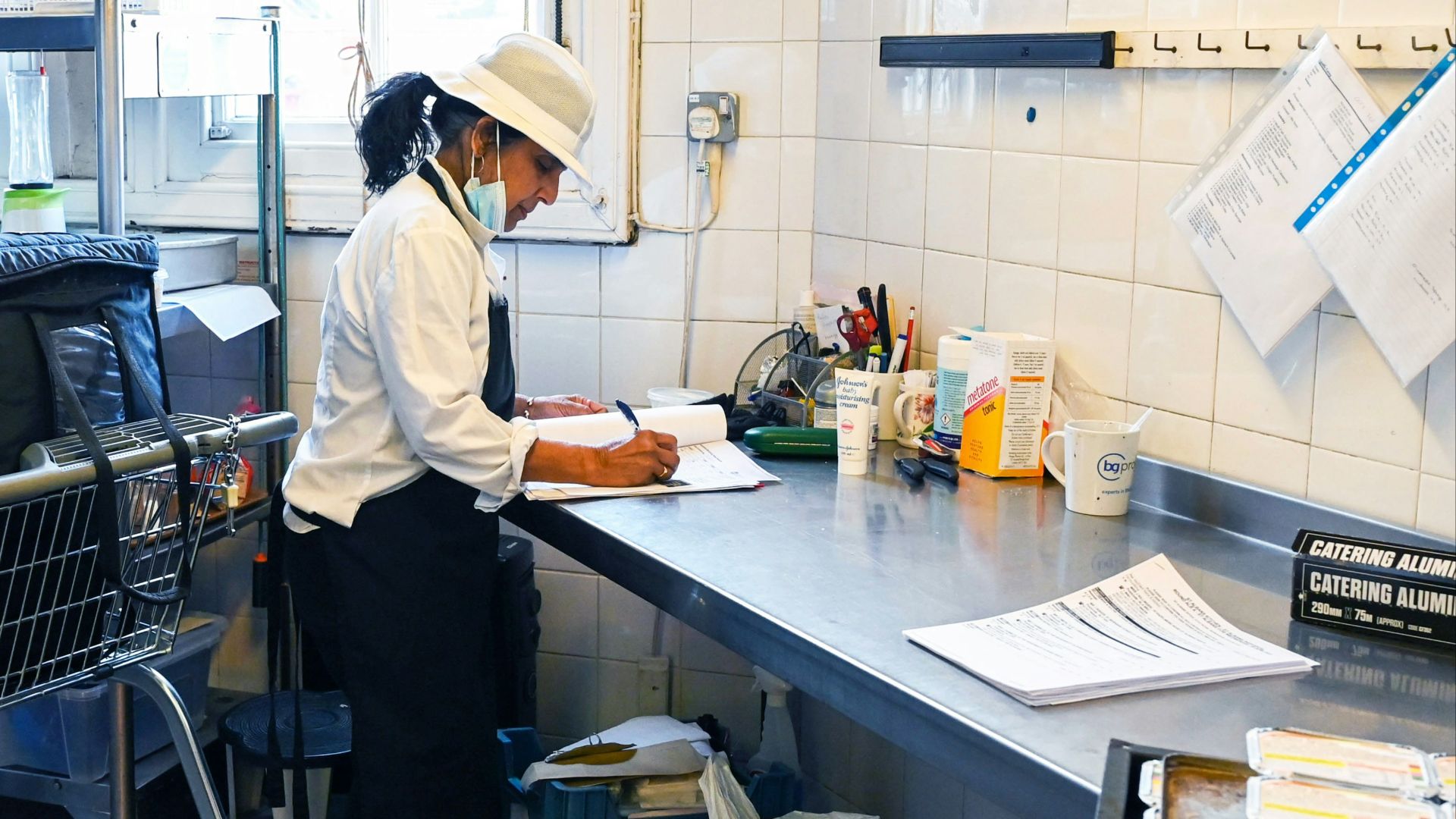 Centre for Ageing Better on Unsplash
5. Hands
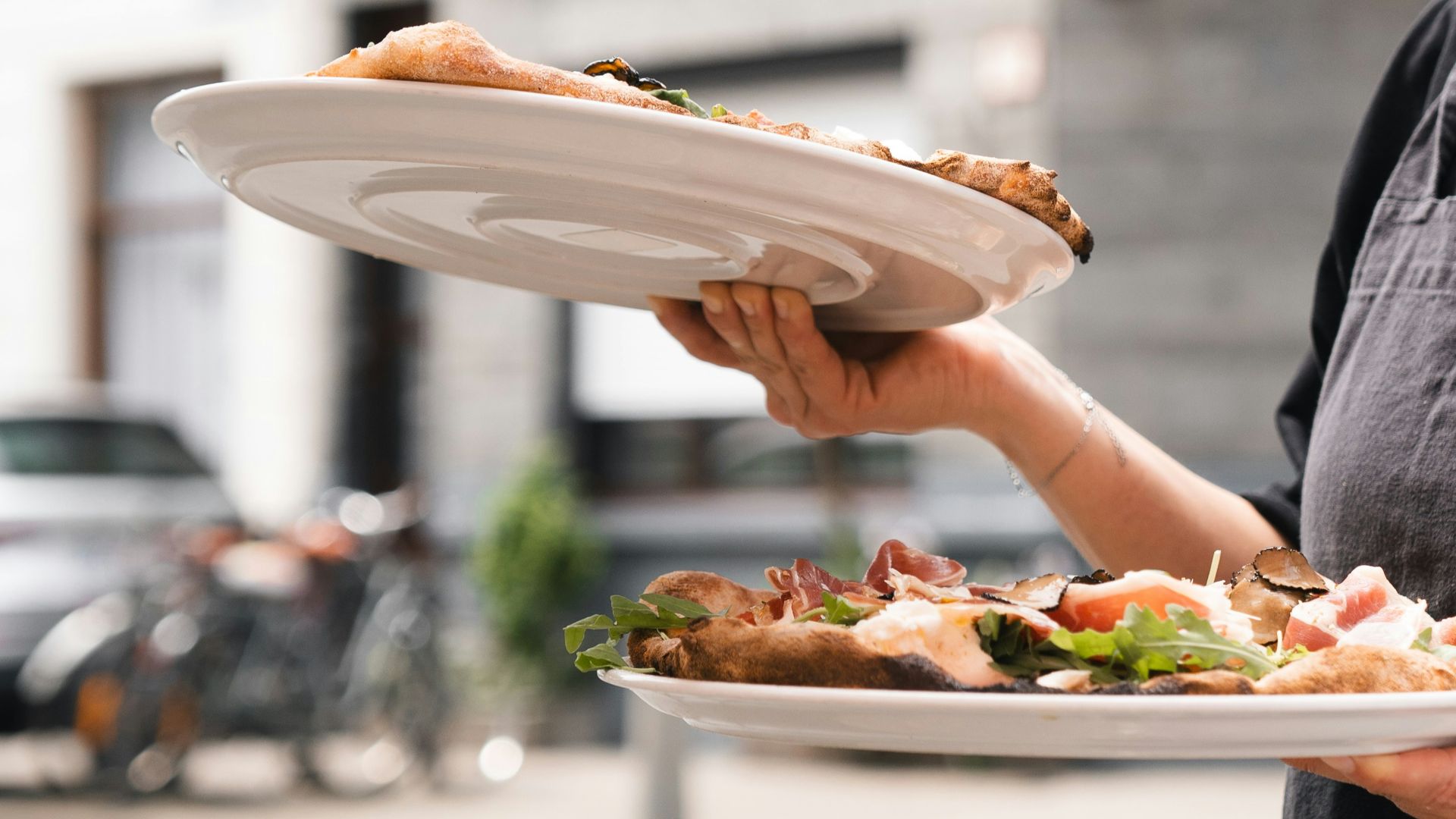
When someone calls for “hands,” finished plates need to leave the kitchen. The food is ready, the window is filling up, and someone needs to carry those plates to the dining room before they cool down.
6. On the Fly
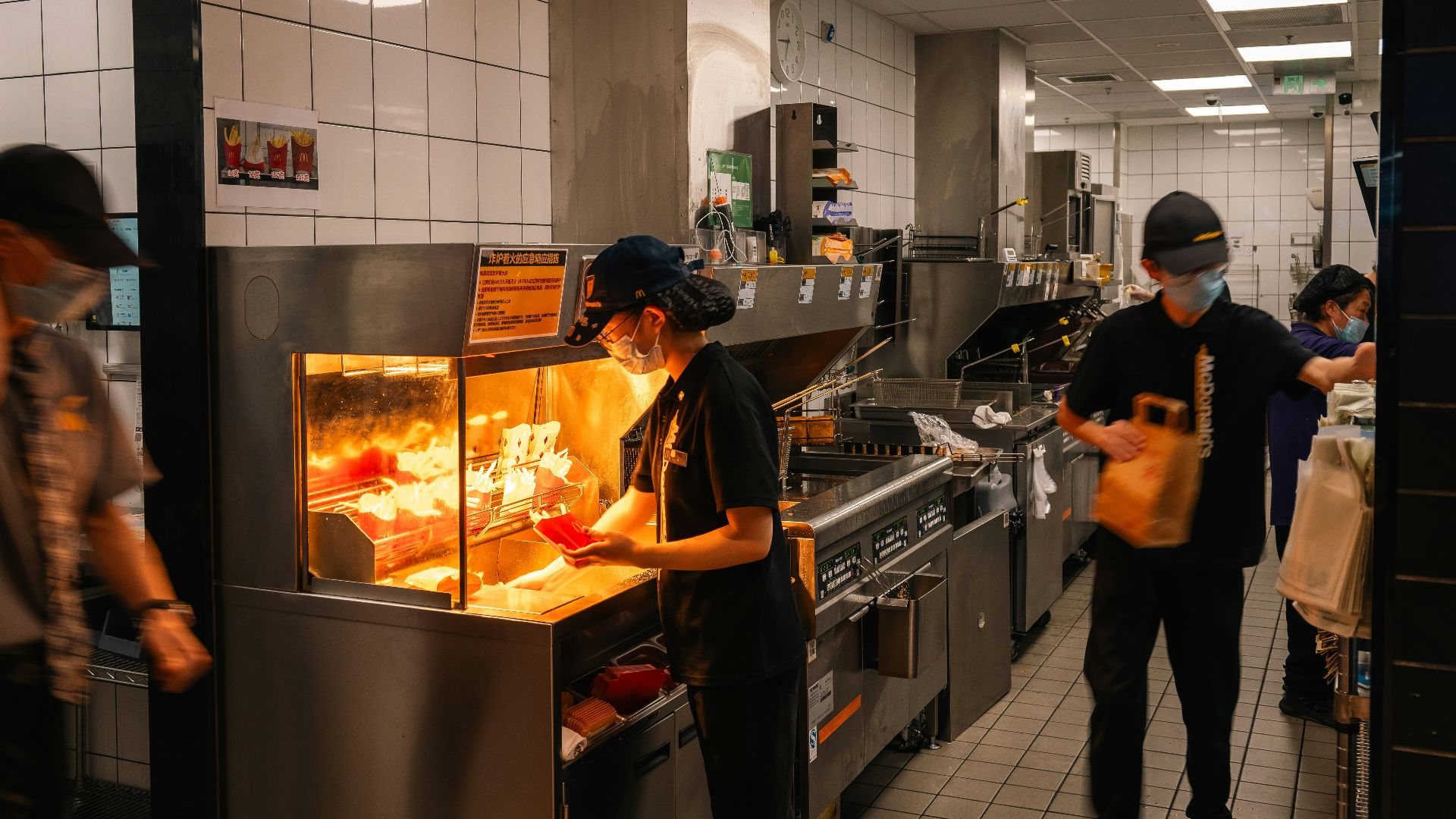
“On the fly” means something needs to be made or fixed immediately. Maybe an order was missed, a plate was dropped, or a guest sent something back that needs quick attention. It’s not the kitchen’s favorite phrase, but it’s a useful one during a busy service.
7. Fire
To “fire” an order means to start cooking it. Servers may wait to fire entrées until a table is nearly done with appetizers, which helps keep a customer’s meal paced. Good timing keeps delicate dishes from sitting around and keeps guests from staring at an empty table.
8. Flash
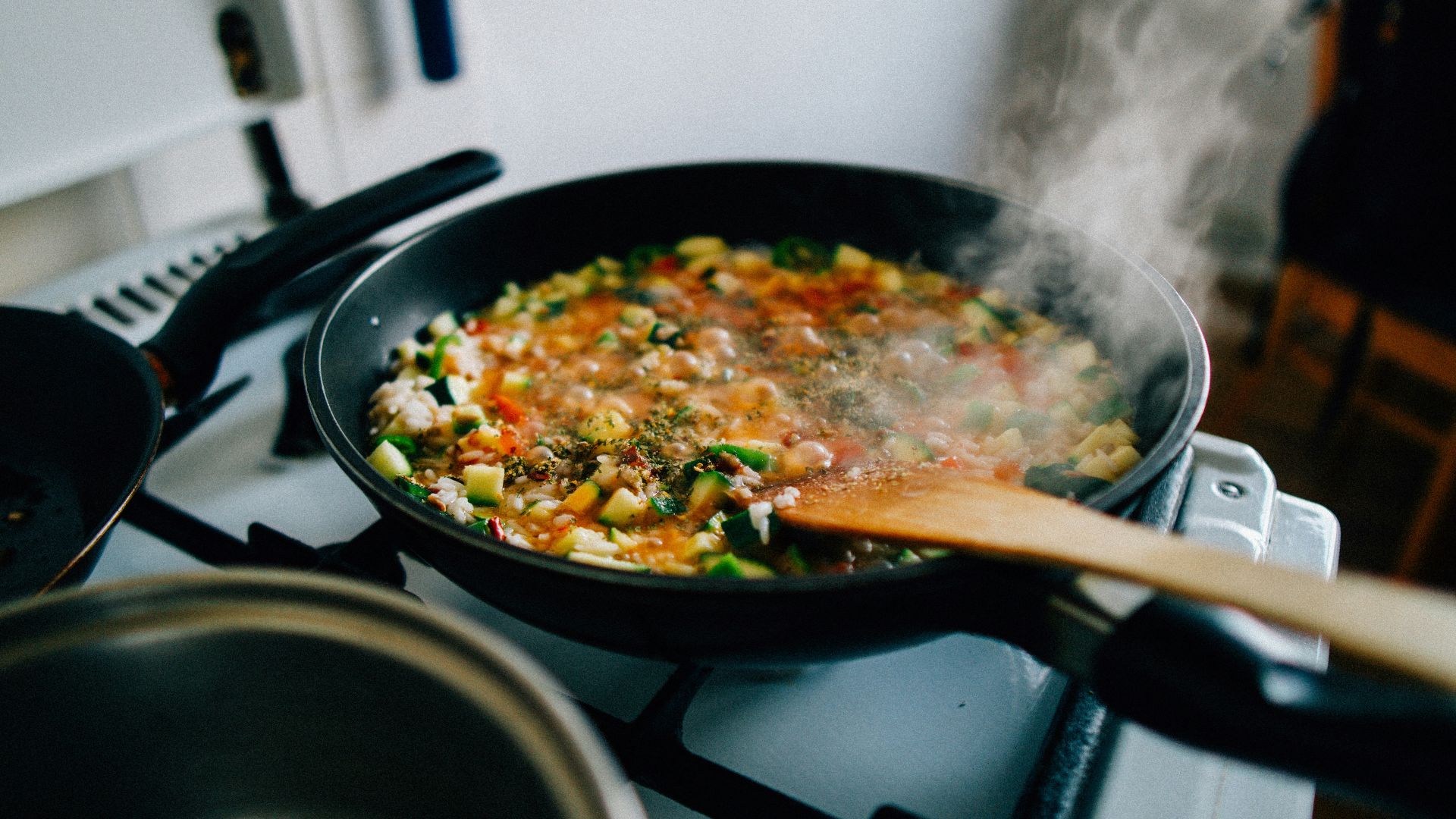
To “flash” something means to heat it quickly, usually with intense heat. A dish may get flashed if it has cooled down, needs more color, or has come back slightly underdone.
9. In the Weeds
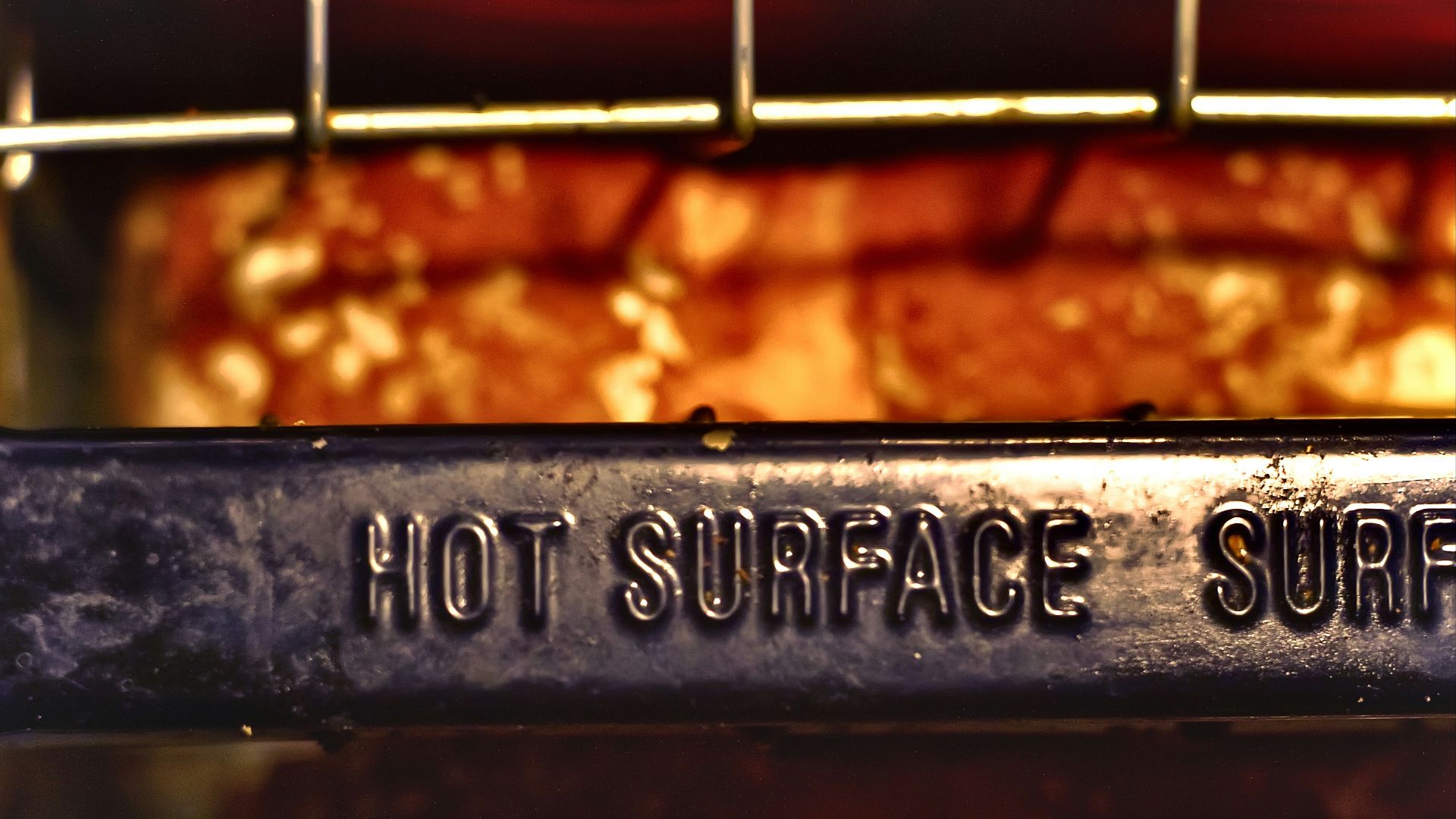
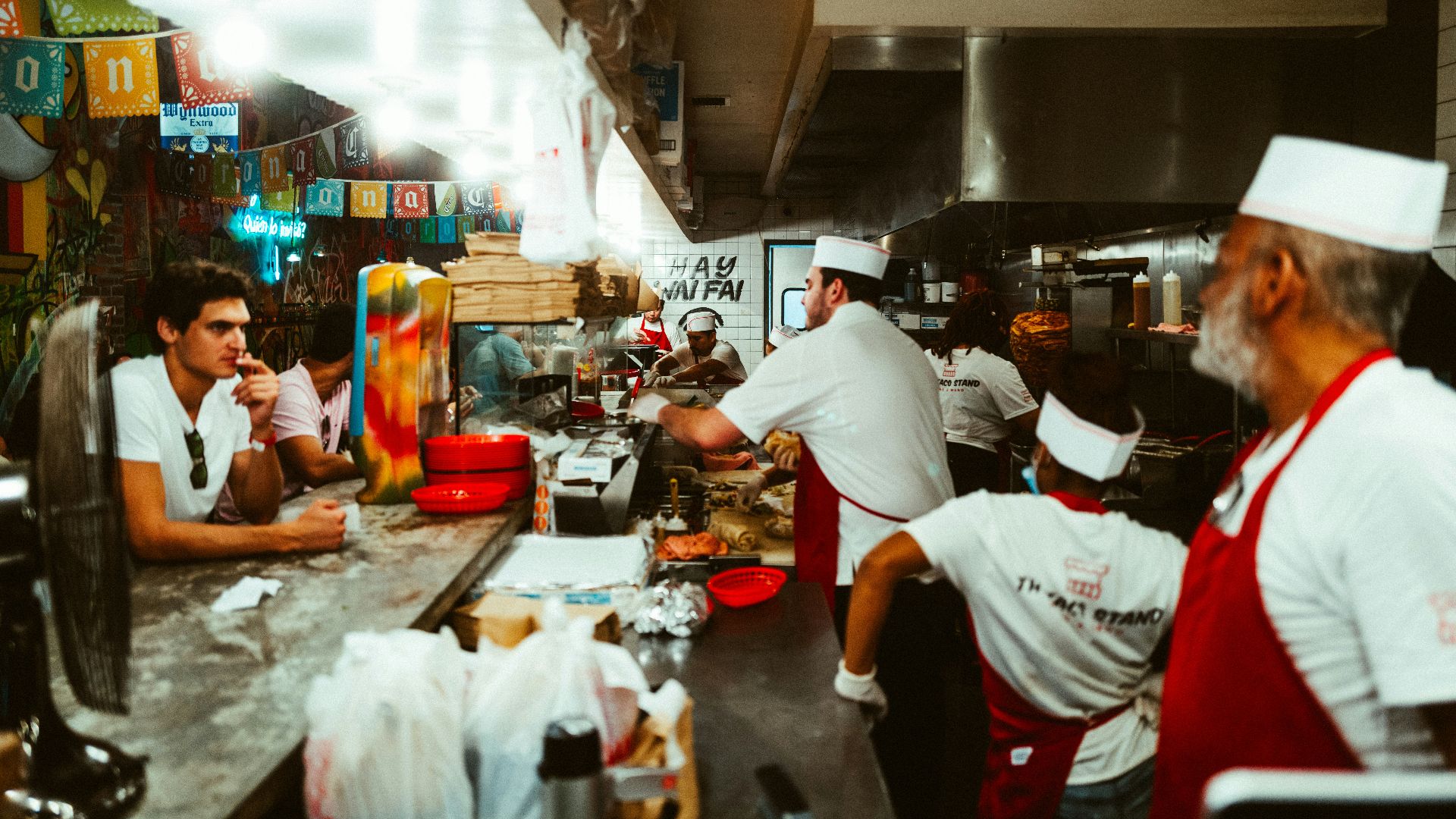
Someone who is “in the weeds” is overwhelmed and falling behind. A cook might be buried under tickets, or a server might be juggling too many tables at once. This phrase doesn’t need a long-winded explanation as to why someone’s struggling, but it does let the team know when someone needs help.
10. Mise
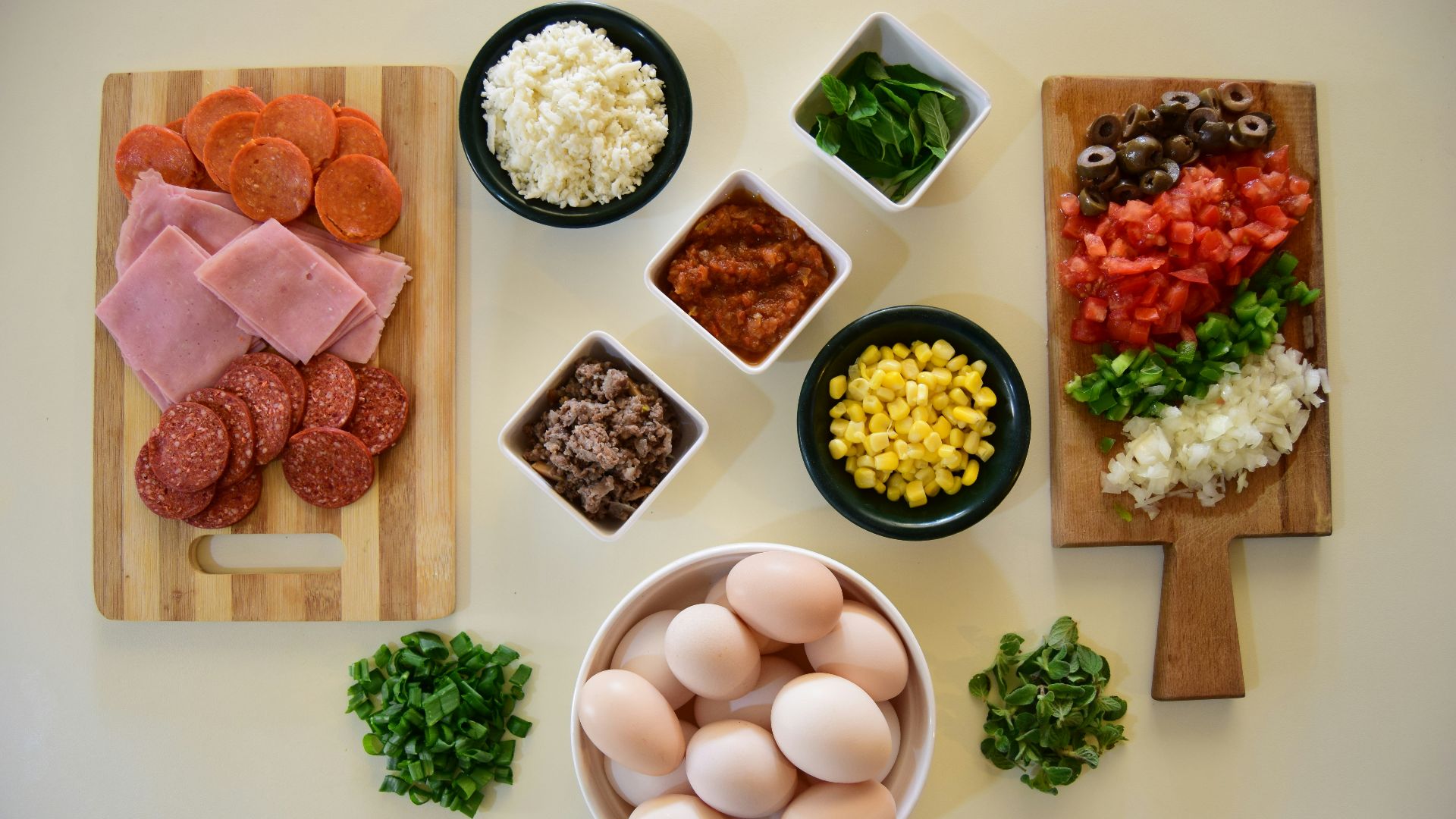
“Mise” is short for mise en place, which means having ingredients prepared and organized before cooking begins. In a restaurant, that can mean chopped herbs, portioned sauces, trimmed vegetables, clean towels, and tools ready to go.
11. À La Minute
A minute means something is prepared to order or finished right before serving. It’s often used for foods that are best when they’re fresh, delicate, or time-sensitive. A sauce, garnish, seafood dish, or quick-cooked component may be handled this way so as not to ruin the dish.
12. Garde-Manger
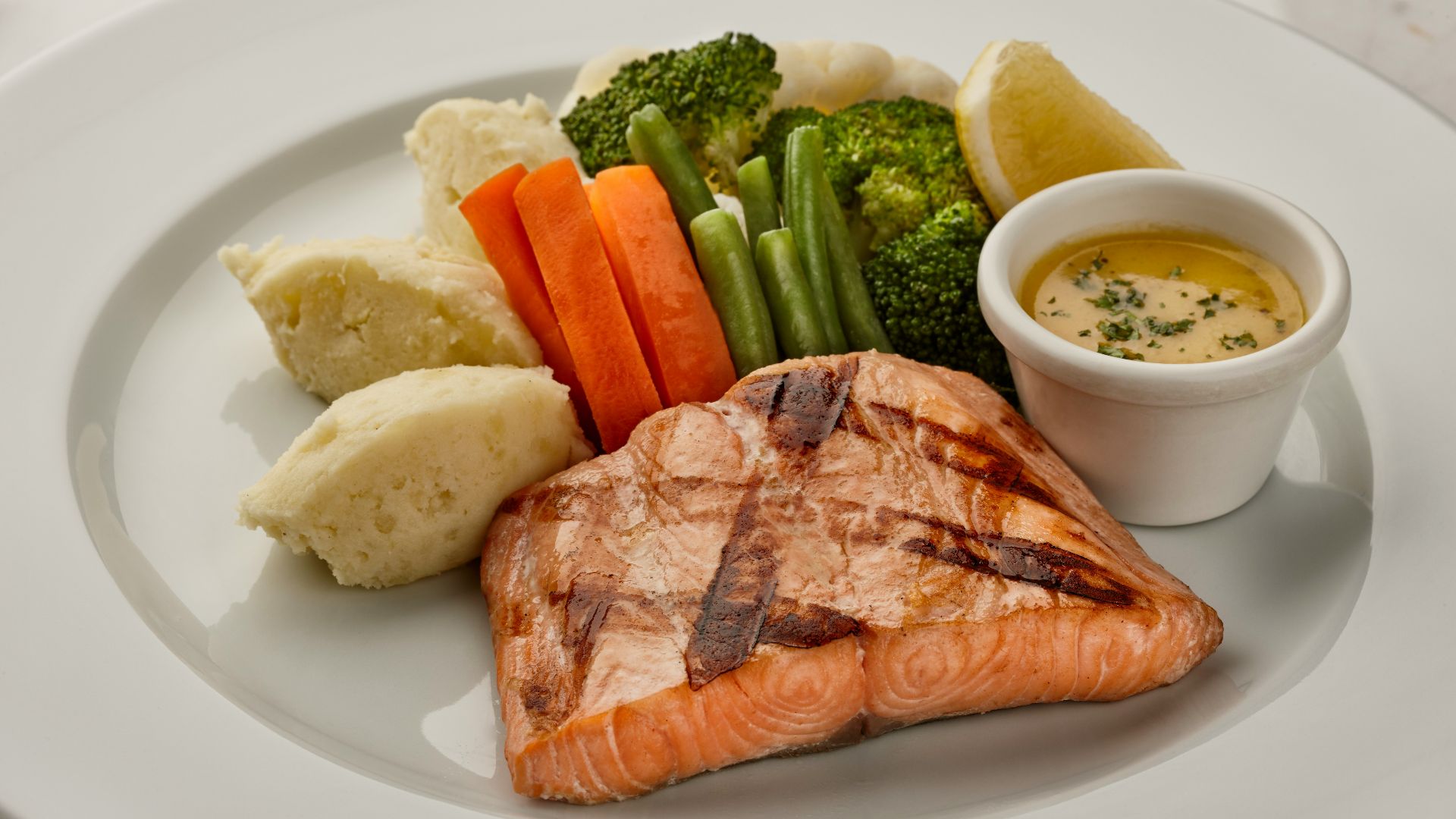
Garde-manger refers to the cold side of the kitchen, or the cook who works with cold foods. This area may handle salads, chilled appetizers, fruit, pâtés, cold sauces, and other dishes that don’t come straight off the hot line. It can look calmer than the grill station, but the work still takes precision.
13. Expo
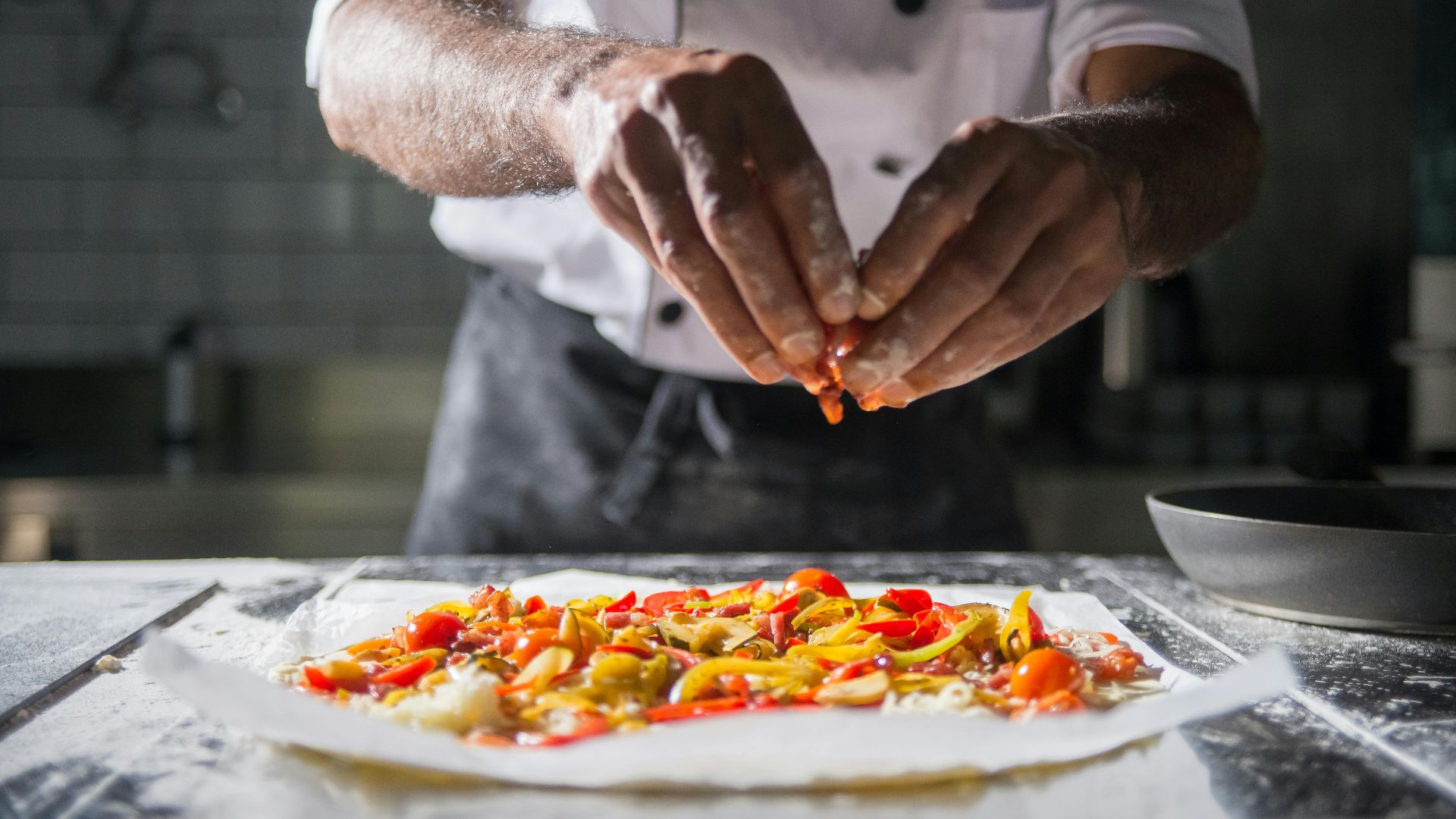
“Expo” is short for expeditor, the person who helps manage plates before they leave the kitchen. The expo checks orders, catches missing sides, keeps timing straight, and helps the dining room receive food in the right order. A strong expo can make even the most chaotic dinner service a little more manageable.
14. The Pass
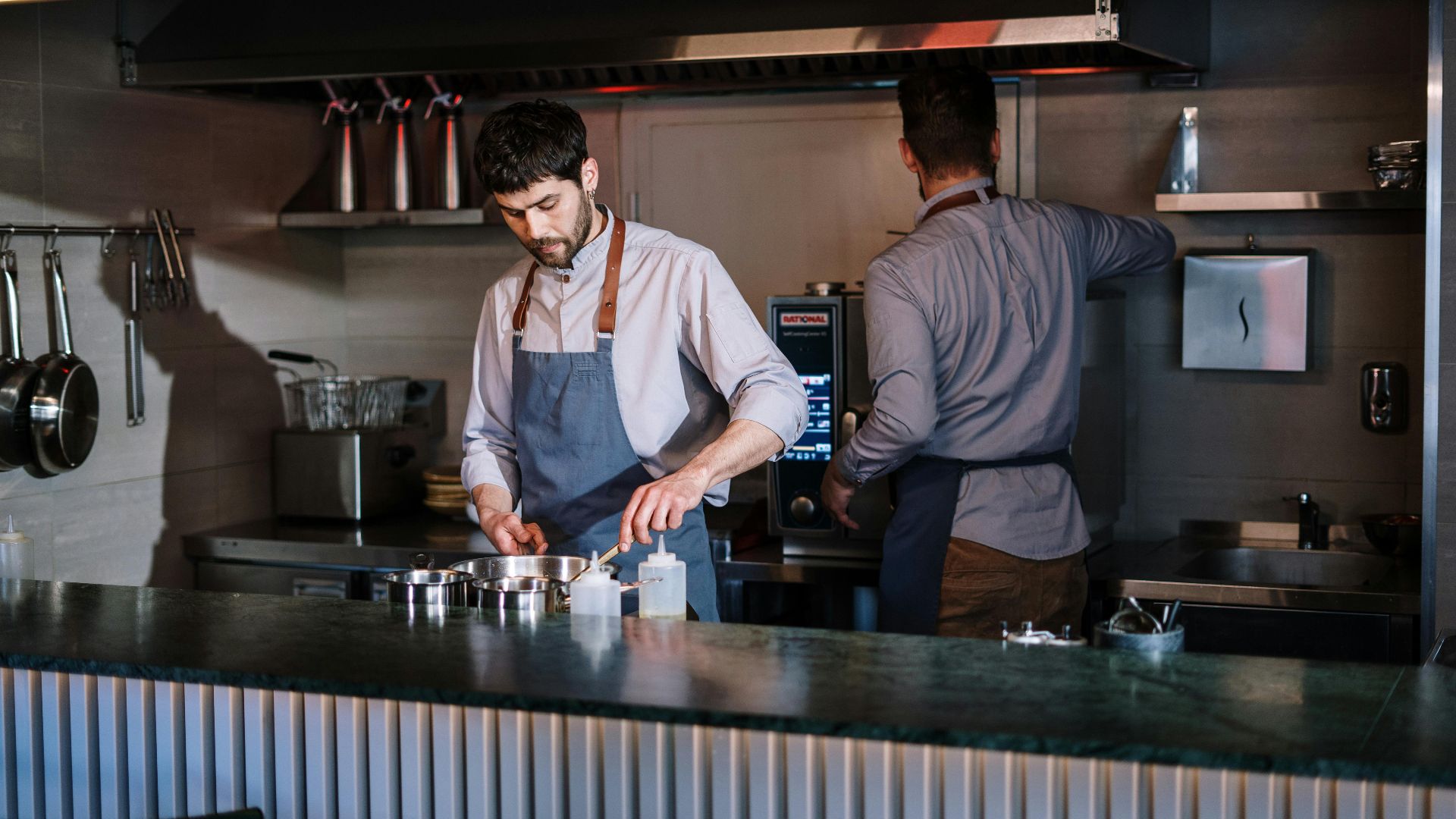
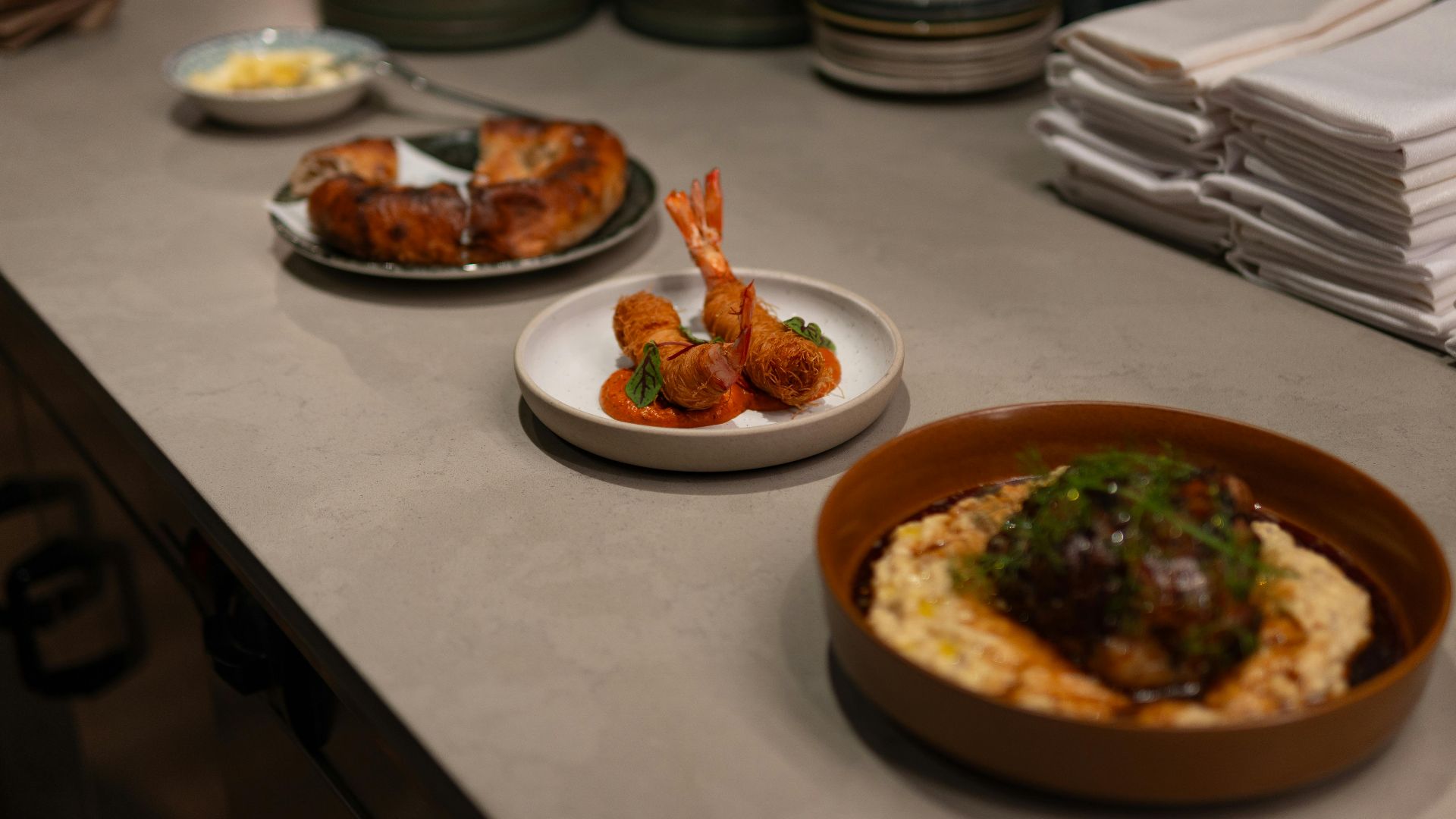
The pass is the area where finished plates wait before going to the dining room. It’s the handoff point between the cooks and the service team, and it’s often where final checks happen. Once food hits the pass, it’s ready, but it shouldn’t linger there.
15. Dying on the Pass
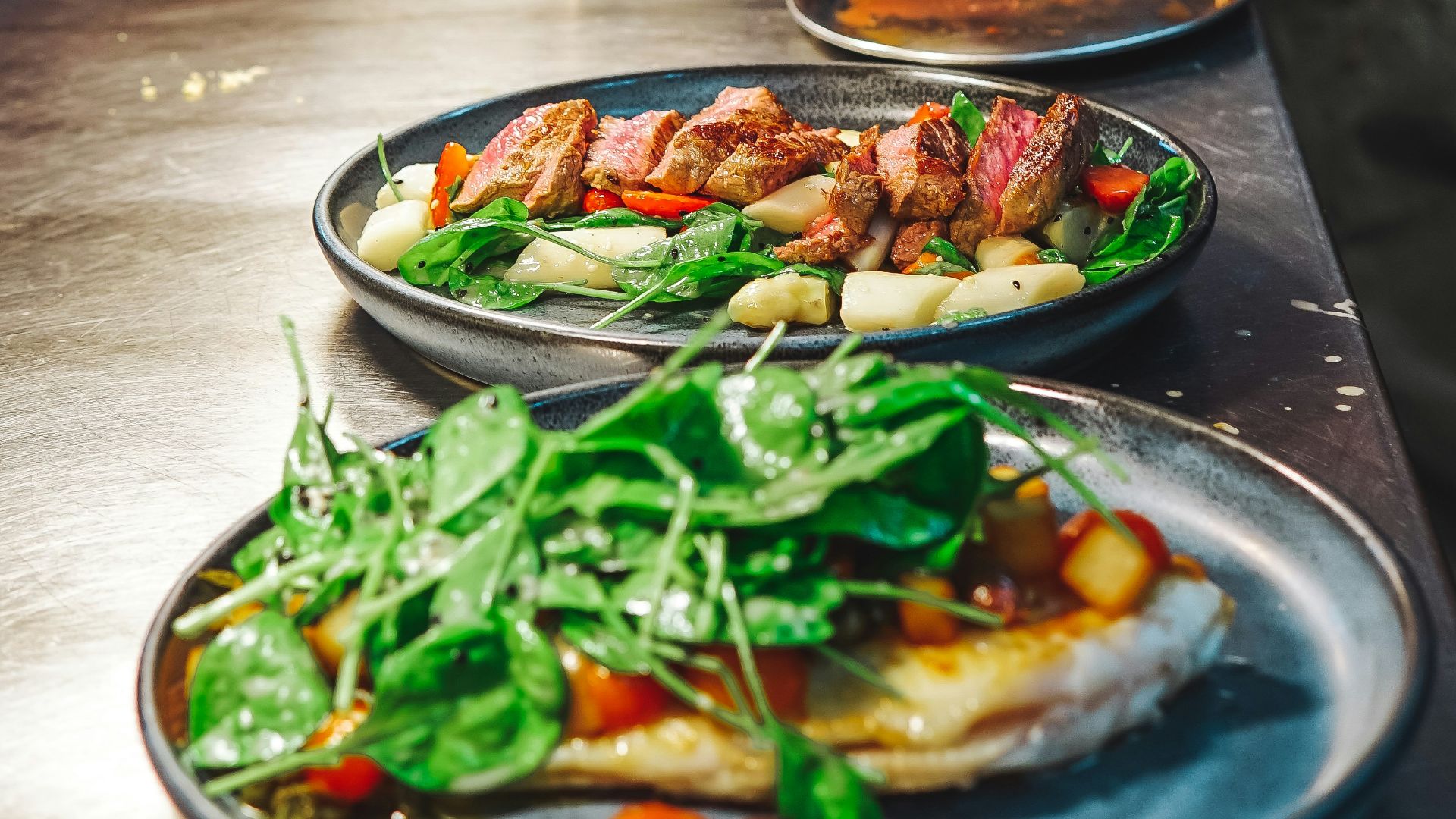
A dish that’s “dying on the pass” has been sitting too long and is losing quality. Sauces thicken, crispy edges soften, and hot food starts sliding into lukewarm territory.
16. The Rail or Board
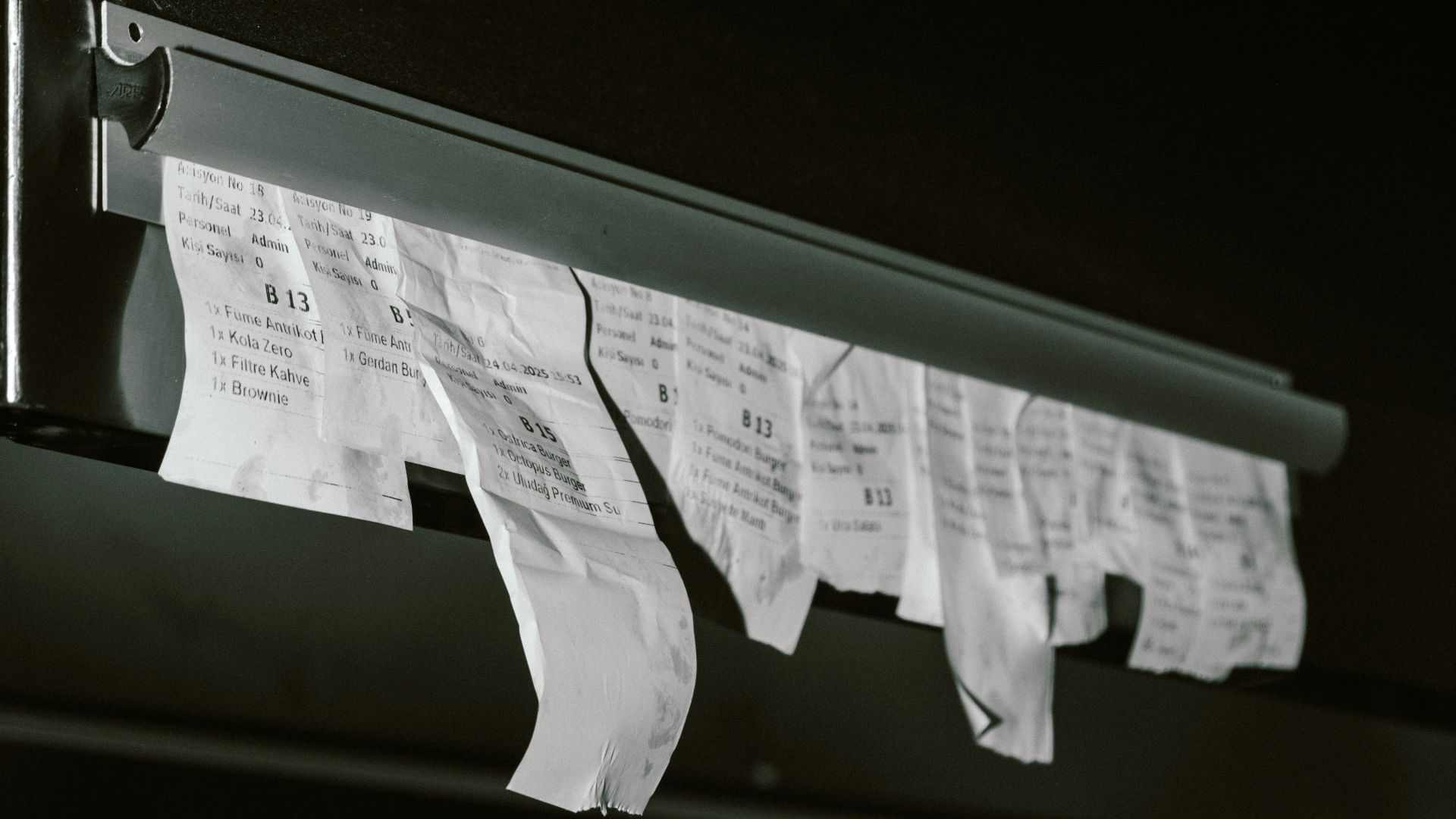
The rail, or board, is where active tickets are held so the kitchen can track orders. In some kitchens, it’s a physical strip above the line, while others use a screen or another ordering system.
17. Chit
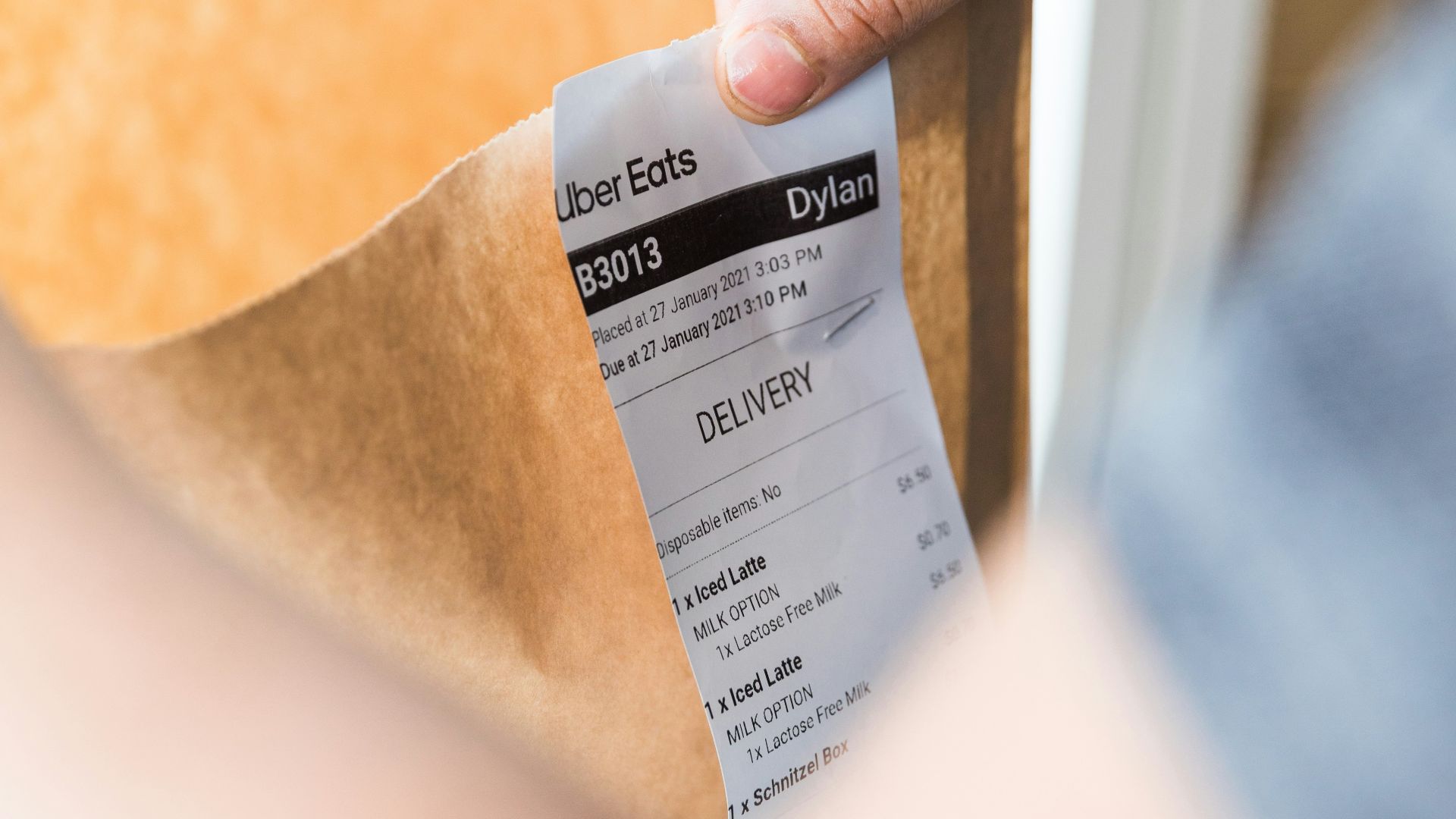
A chit is an order ticket. It tells the kitchen what was ordered, what modifications were requested, and where that dish fits into the flow of service. If a detail gets questioned, the chit is the one-stop reference point.
 S O C I A L . C U T on Unsplash
18. Covers
“Covers” means the number of guests served. A restaurant that does 120 covers serves 120 people, not 120 tables. That number helps restaurants think about staffing, prep, pacing, and how much food they’ll need for another busy night.
19. SOS
SOS usually means “sauce on the side.” It tells the kitchen to keep dressing, gravy, aioli, salsa, or another sauce separate instead of putting it directly on the plate. That may sound small, but one missed sauce request can easily send a dish back.

20. Salamander
A salamander is a high-heat broiler used to finish food quickly. It can melt cheese, brown gratin, toast bread, caramelize sugar, or give the top of a dish a final hit of color. No amphibians involved.
KEEP ON READING