Most people have eaten something slightly burnt at some point: scraped the char off toast, polished off a patty that was on the grill for too long, or eaten the overdone edges of a baked dish without giving it much thought. It seems harmless enough, and the instinct is usually to shrug it off rather than throw the food away. Why bother tossing it out when it still tastes fine? But beware: research consistently suggests that regularly consuming burnt food carries real health risks that are worth taking seriously.
Contrary to what you might think, the issue isn't just about the flavor or texture. When food is exposed to high heat for too long, a series of chemical reactions occurs that produce compounds linked to everything from digestive discomfort to long-term disease risk and even cancer. So, before you pop that burnt piece of meat into your mouth, you'll want to understand what actually happens to your food when it blackens—and what that means for your body.
The Chemistry Behind Burnt Food
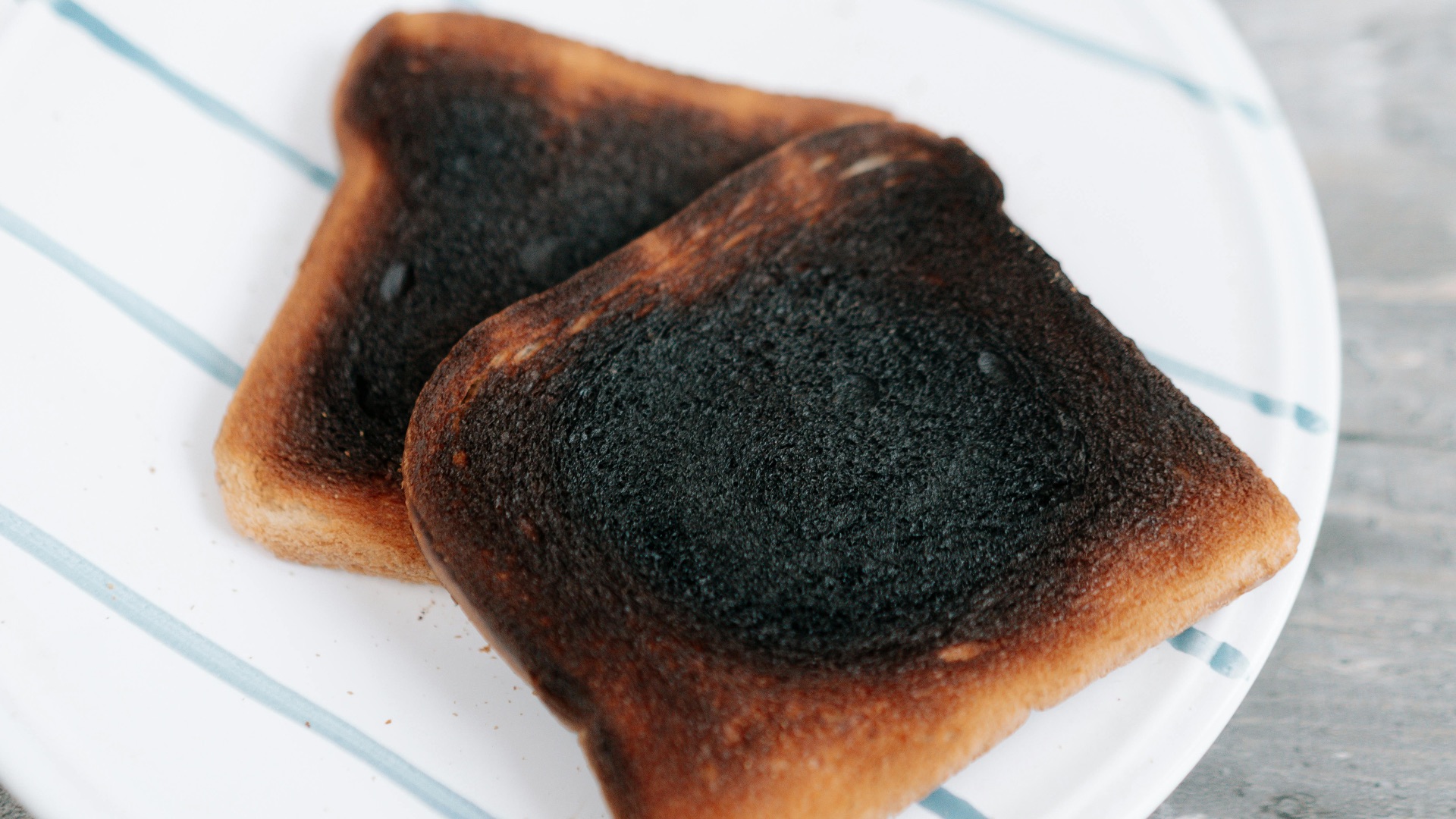
When food burns, it undergoes a process that fundamentally changes its chemical composition. One of the most well-documented concerns is the formation of acrylamide, a compound that forms when starchy foods (like bread, potatoes, and cereals) are cooked at high temperatures above 248°F (120°C). The National Cancer Institute (NCI) notes that acrylamide has been shown to cause cancer in animals, and while the evidence in humans is still being studied, the potential risk is enough to warrant caution.
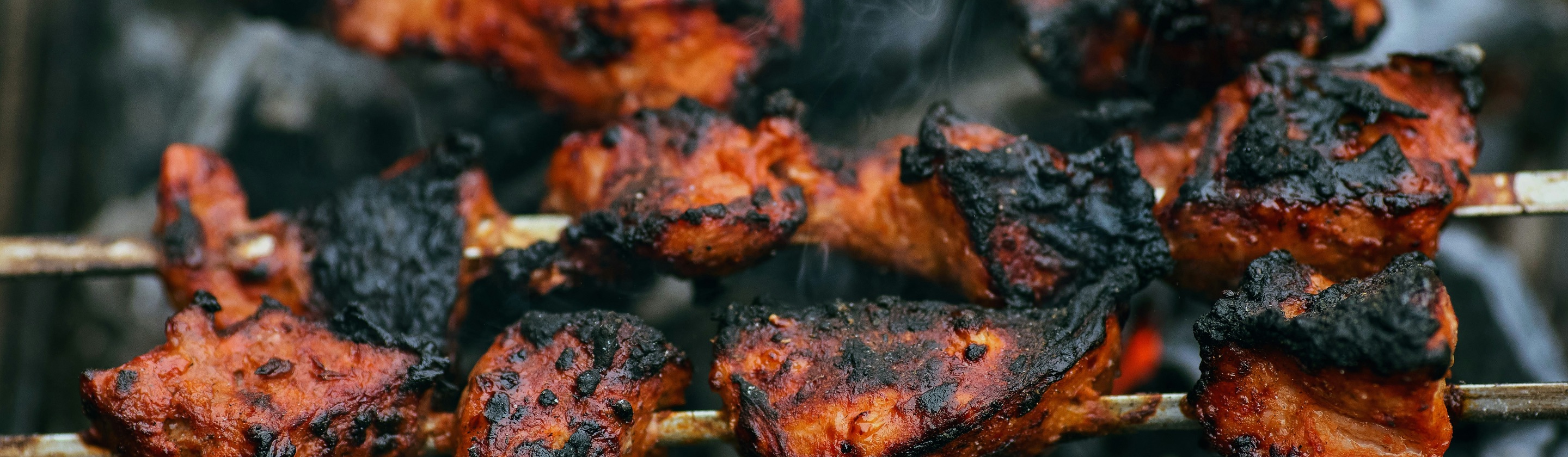
Burnt meat and fish present a separate but related concern. When muscle proteins in meat are exposed to very high heat, particularly through grilling or charring, they produce compounds known as heterocyclic amines (HCAs) and polycyclic aromatic hydrocarbons (PAHs). The NCI confirms that both HCAs and PAHs have been found to be mutagenic, meaning they have the potential to alter DNA in ways that may increase cancer risk over time.
It's also worth knowing that the darker and more heavily charred the food is, the higher the concentration of these harmful compounds tends to be. A lightly golden piece of toast is a very different situation from bread that's been left to turn fully black. The degree of burning matters, and consistently eating food at the more extreme end of that spectrum is where the risk becomes more significant.
How Burnt Food Affects Your Digestive System
Beyond the longer-term risks, burnt food can have more immediate effects on your digestive health. The charred portions of food are harder for your body to break down properly, which can contribute to digestive irritation. For people who already have sensitive stomachs or conditions like acid reflux, eating burnt food can make symptoms noticeably worse.
Burnt or heavily charred food can also disrupt the balance of your gut microbiome, the community of beneficial bacteria that plays a major role in overall health. A well-functioning gut microbiome supports immune function, mood regulation, and nutrient absorption; repeatedly introducing harmful compounds can interfere with that balance in ways that accumulate over time. Digestive health is deeply connected to your overall well-being, so it's not an area where consistent exposure to damaging substances is without consequence.
There's also the matter of nutritional loss. Burning food destroys nutrients—particularly heat-sensitive vitamins like B vitamins and vitamin C—leaving you with food that's not just potentially harmful but also significantly less nutritious than it should be. You're essentially consuming the downsides with fewer of the benefits.
Smart Steps to Reduce Your Exposure
Avoiding burnt food doesn't require drastic changes to how you cook; it mainly comes down to being more attentive. Using a food thermometer to monitor cooking temperatures, for one, is one of the most reliable ways to prevent overcooking, especially with meat. Marinating meats before grilling has also been shown to reduce the formation of HCAs, making it a simple but key step worth adopting if you grill regularly.
Choosing lower-heat cooking methods where possible, such as steaming, poaching, or slow-cooking, can also significantly reduce the likelihood of burning and limit the formation of harmful compounds in the first place. When you do use high-heat methods like roasting or grilling, always keep a close eye on cooking time and flip food more frequently to prevent excessive charring. These small adjustments in your cooking habits can make a meaningful difference without requiring you to give up the foods you enjoy.
If something does end up burnt, it's also worth knowing that scraping or cutting away the charred sections is a reasonable way to reduce your exposure, though it doesn't eliminate it entirely. Cooking at lower temperatures and staying attentive to what's on the stove or in the oven is the most effective approach overall. You might hate the thought of wasting food, but your health should always be the number one priority.
KEEP ON READING

The Most Popular Signature Dishes Around the World