When One Ingredient Changes Everything
Some of the best meals come from ingredients that usually play a supporting role but suddenly take center stage in a dish. A pantry staple, a snack food, or even a condiment can completely change the texture, flavor, or personality of a recipe when it's used more creatively. These 20 dishes prove you don't need expensive ingredients or complicated techniques to make food that feels fresh, memorable, and a little surprising.
1. Caesar Salad and Anchovy Paste
Caesar salad gets much of its signature savory flavor from anchovies, even though many people don't immediately recognize them in the dressing. The fish dissolves into the mixture, adding saltiness and depth without creating a strong seafood taste.

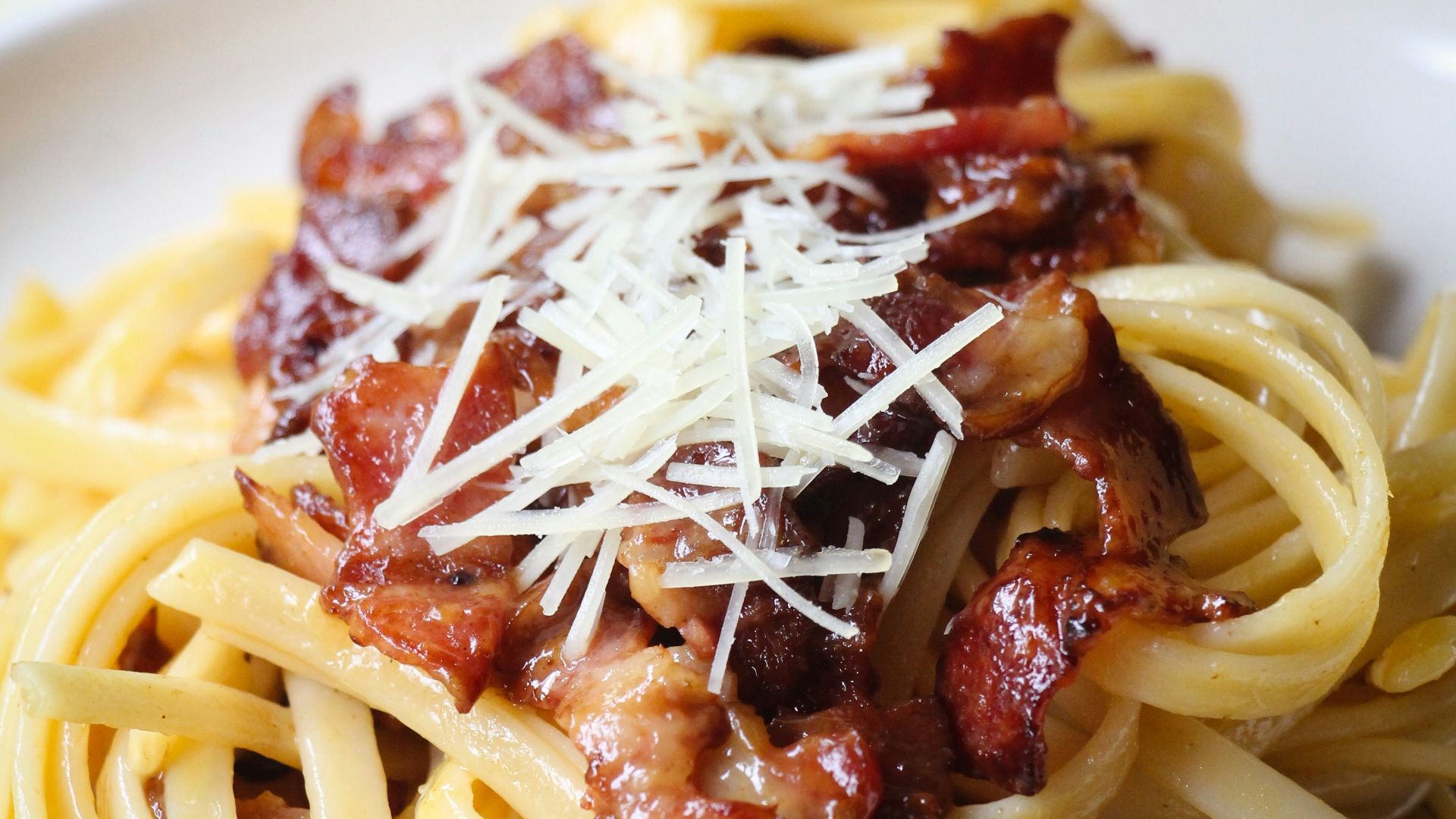
2. Carbonara and Guanciale
Authentic carbonara depends heavily on guanciale, a cured pork jowl that's richer and more delicate than bacon. As it cooks, the fat melts into the sauce and coats the pasta with a savory flavor that pancetta can't completely duplicate. Italian cooks have used guanciale for generations because it gives the dish its distinct texture and depth.
 montatip lilitsanong on Unsplash
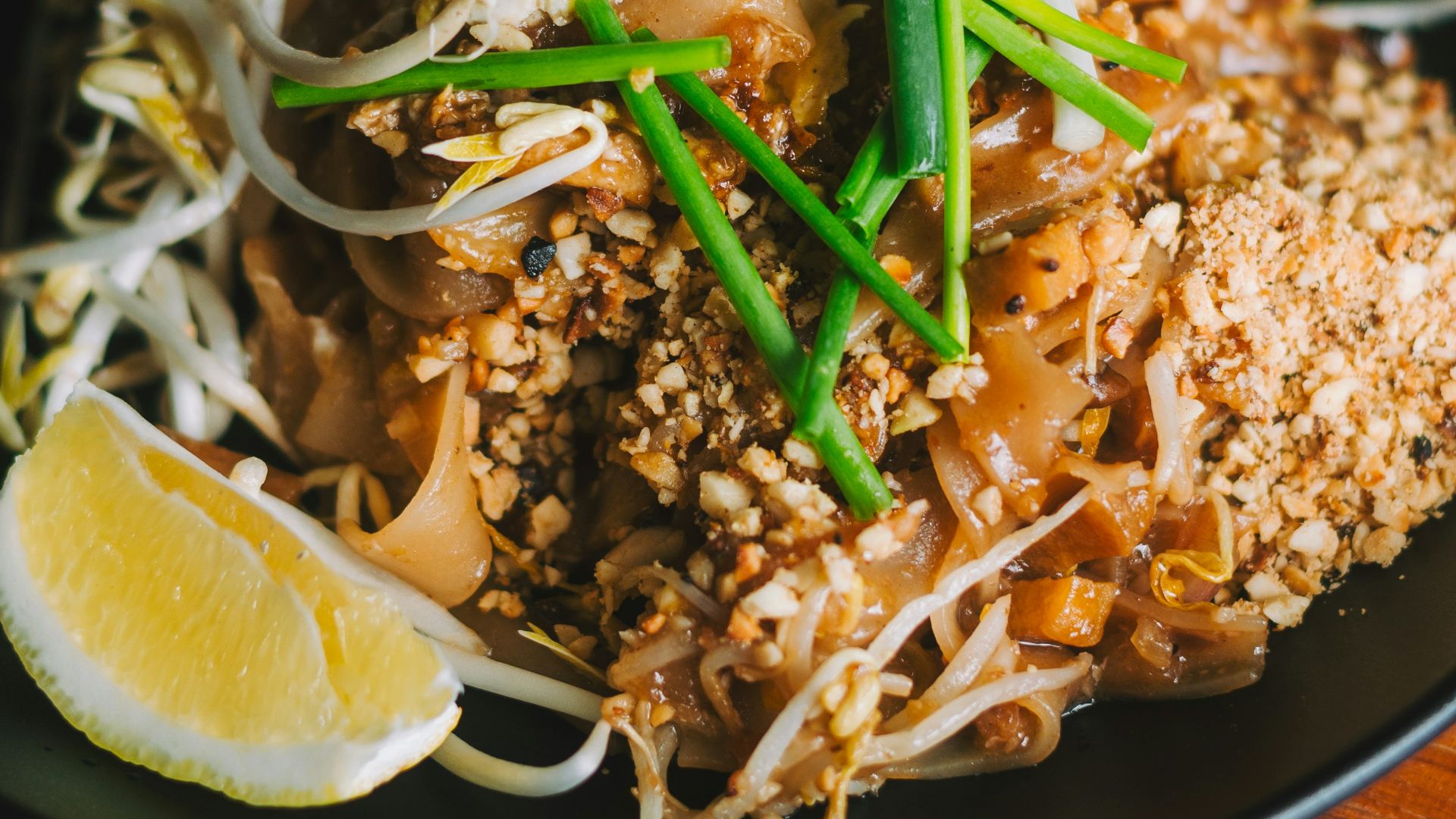
3. Pad Thai and Tamarind
Tamarind paste is what gives traditional pad thai its recognizable sweet-sour flavor. Without it, the noodles can taste flat or overly sugary, even when the other ingredients are correct. The fruit's tartness balances fish sauce, palm sugar, and peanuts in a way that defines the dish.
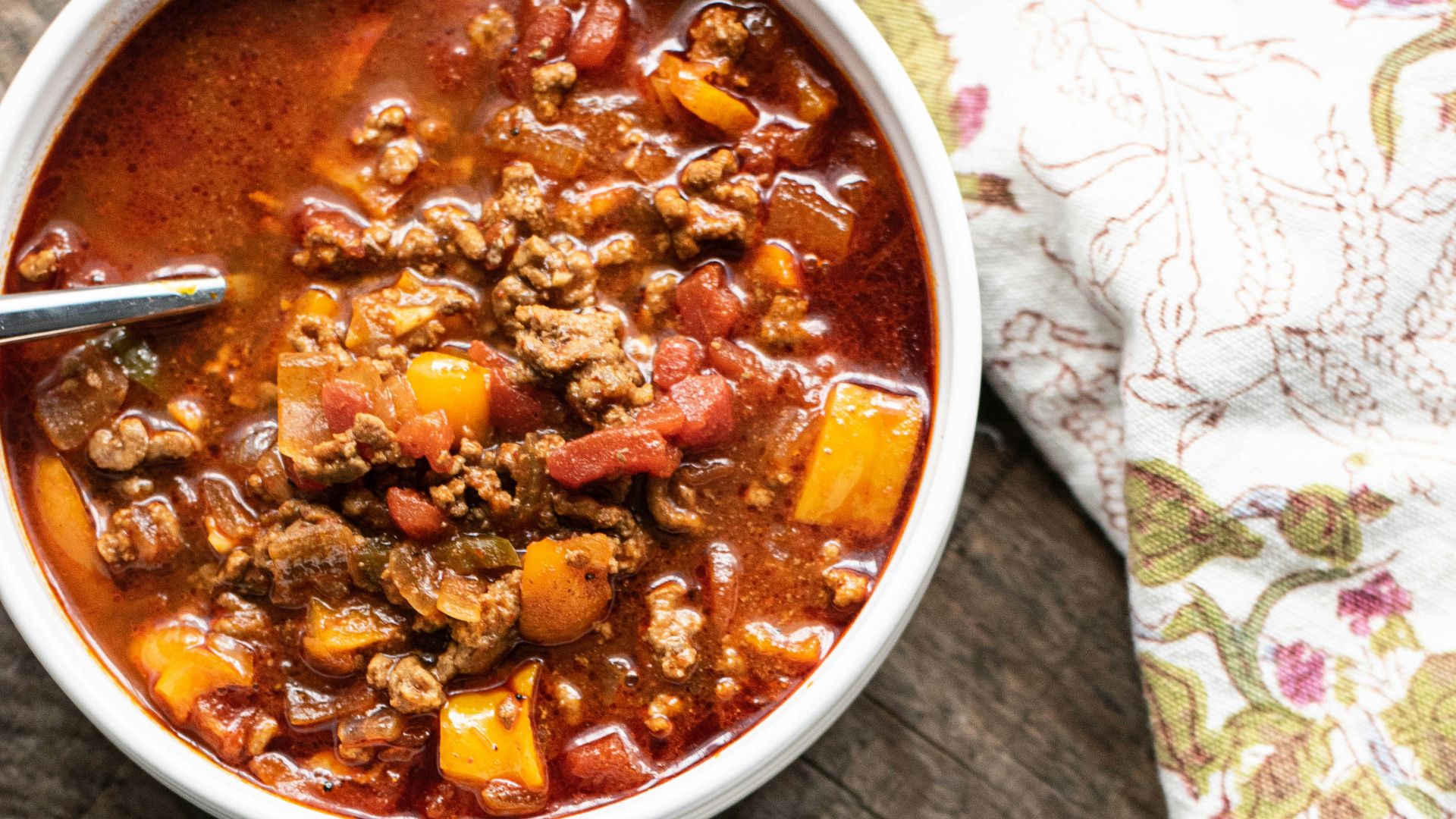
4. Chili and Unsweetened Cocoa Powder
A small amount of cocoa powder appears in many traditional chili recipes throughout the American Southwest and parts of Mexico. It doesn't make the dish taste like chocolate, but it adds bitterness and depth that round out the spices. This ingredient works especially well with cumin, dried chiles, and slow-cooked beef.
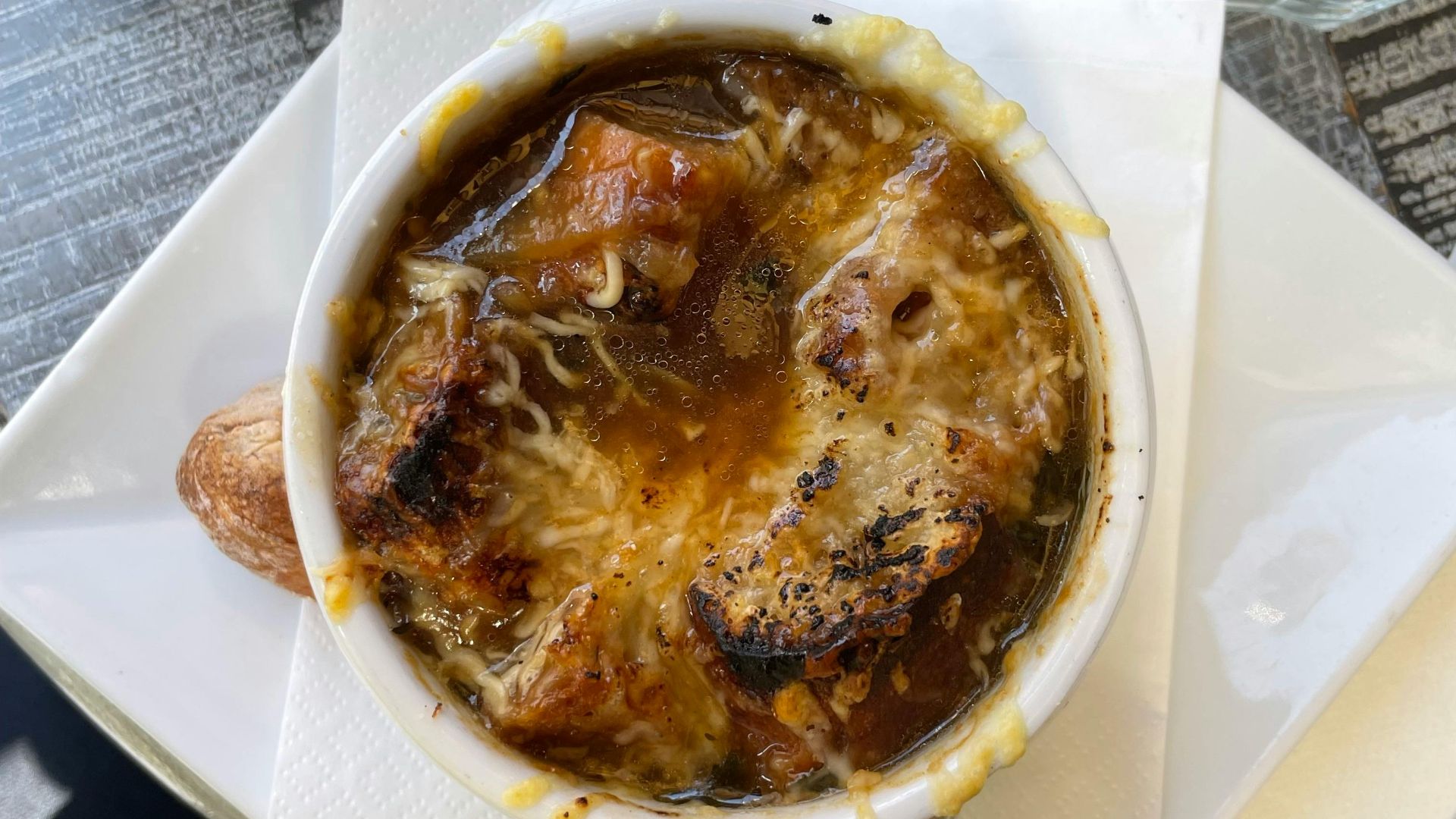
5. French Onion Soup and Sherry
A splash of dry sherry quietly transforms French onion soup from sweet and simple into something more balanced. The fortified wine adds nutty complexity that strengthens the caramelized onions without overpowering them.
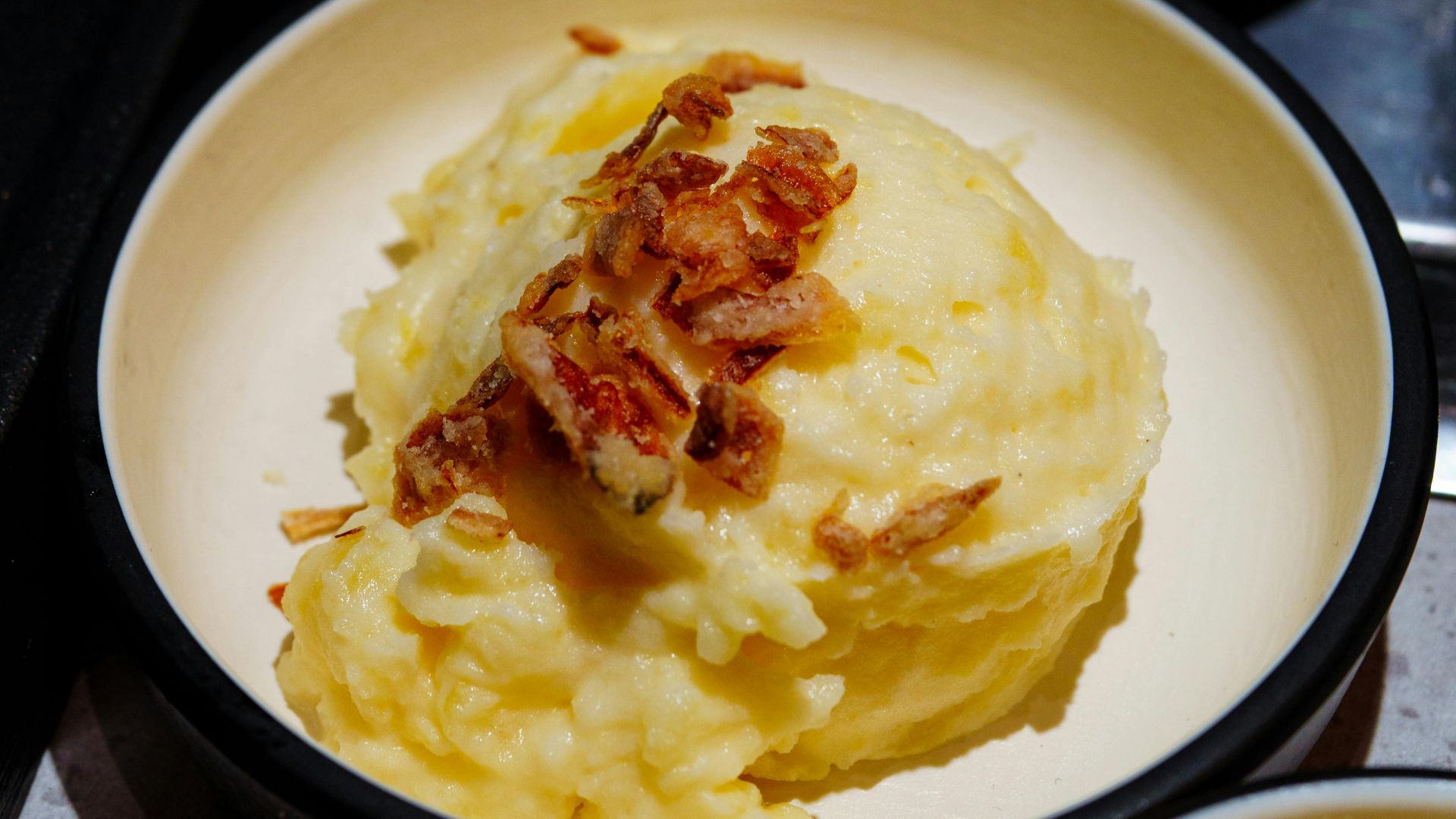
6. Mashed Potatoes and Cream Cheese
Cream cheese has long been a secret addition in richer mashed potato recipes because it creates a smoother, tangier finish. You don't need much to notice the difference once it's blended into hot potatoes. The extra fat also helps the dish stay creamy longer on the table.
7. Red Velvet Cake and Vinegar
Traditional red velvet cake depends on vinegar for more than just chemistry. Combined with baking soda and buttermilk, it creates a lighter texture while enhancing the cake's subtle cocoa flavor. Before modern food coloring became common, the acidic ingredients also helped strengthen the cake's reddish tint.

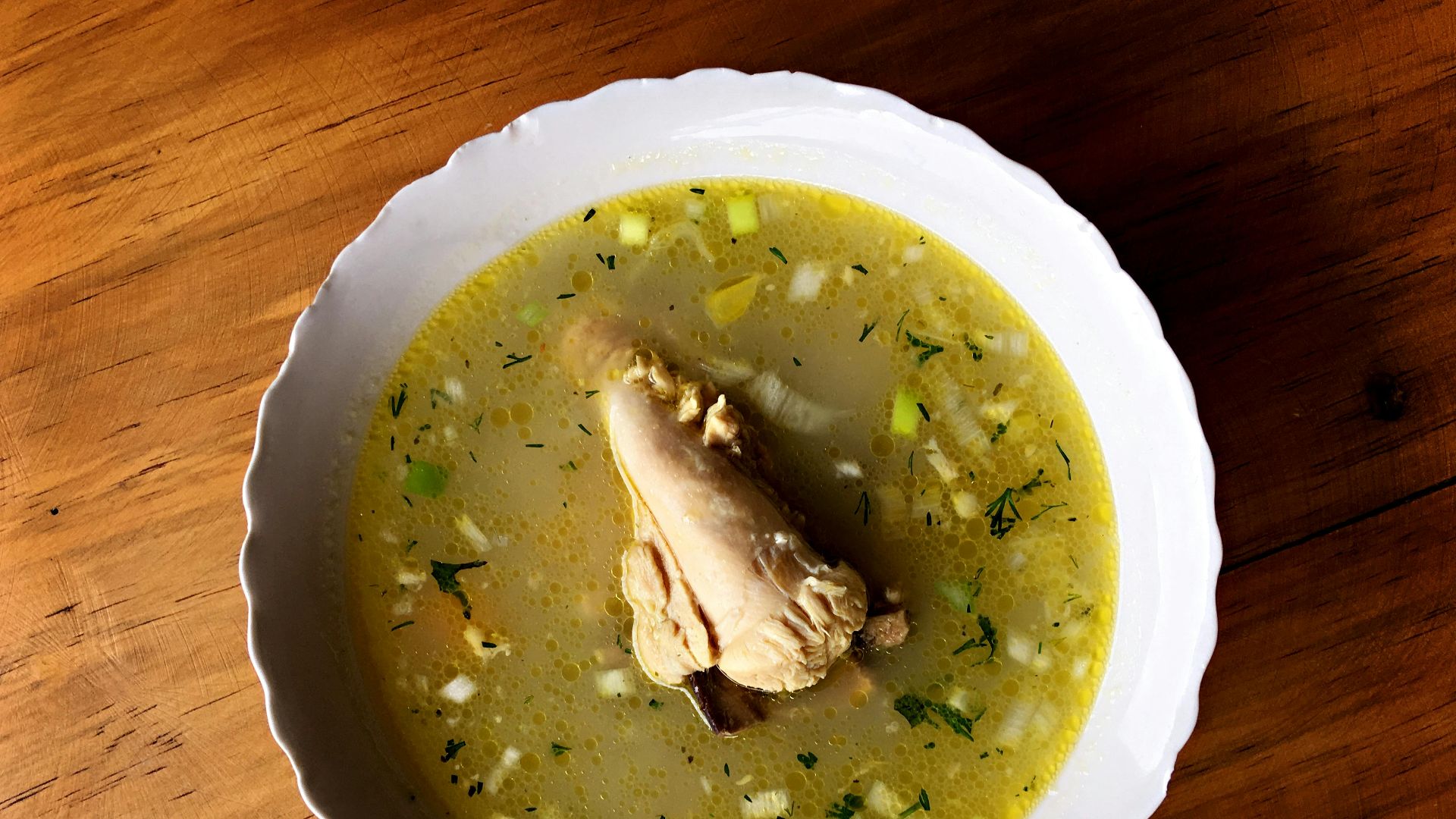
8. Chicken Soup and Dill
Fresh dill gives many Eastern European chicken soups their unmistakable brightness. The herb cuts through the richness of the broth and keeps the flavor from becoming too heavy after long simmering. Even a small handful added near the end can completely shift the character of the soup.
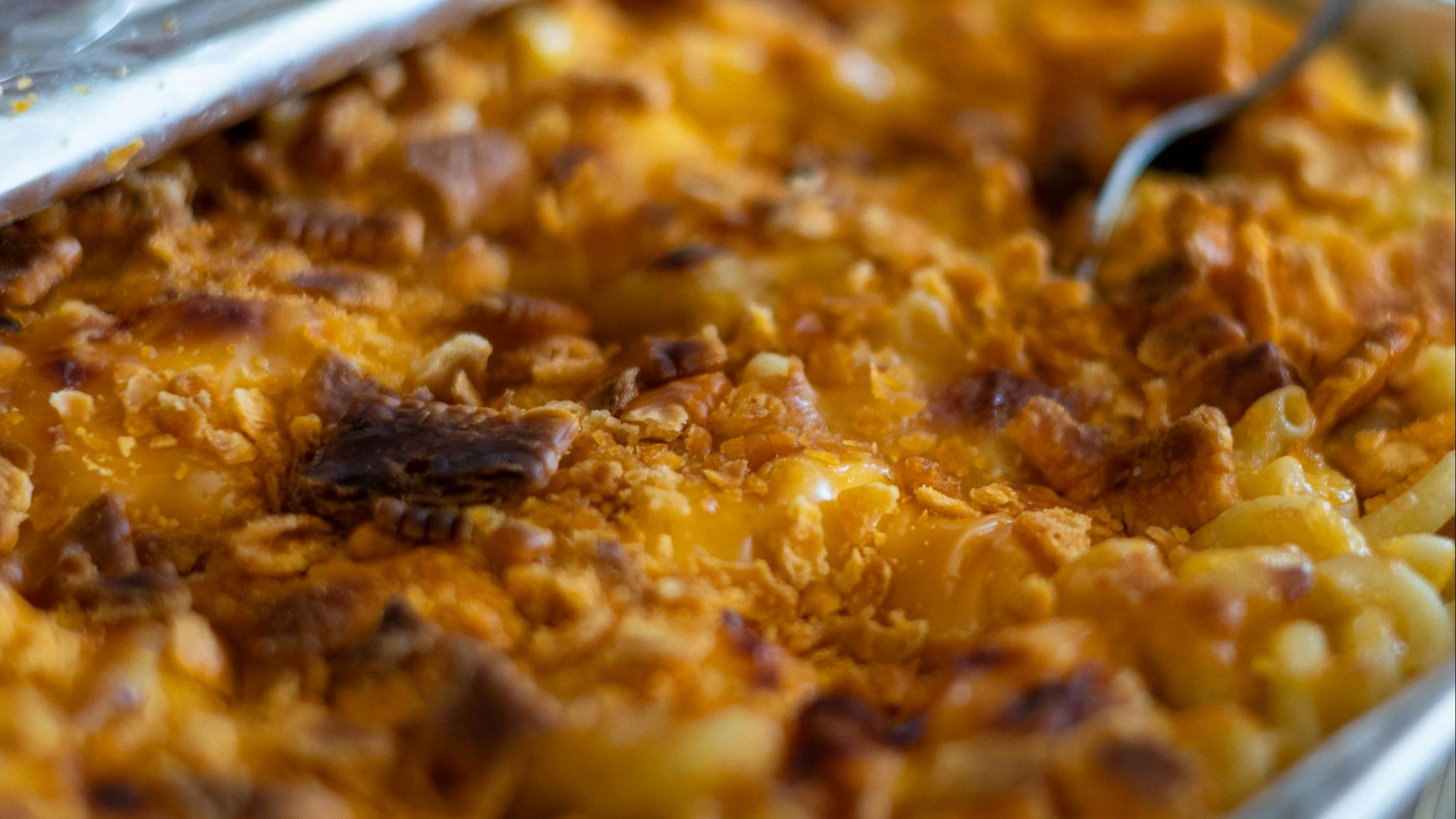
9. Macaroni and Cheese and Mustard Powder
Mustard powder quietly appears in countless traditional macaroni and cheese recipes because it sharpens the flavor of cheddar cheese. The dish doesn't end up tasting mustardy, but the seasoning keeps the sauce from feeling overly heavy.
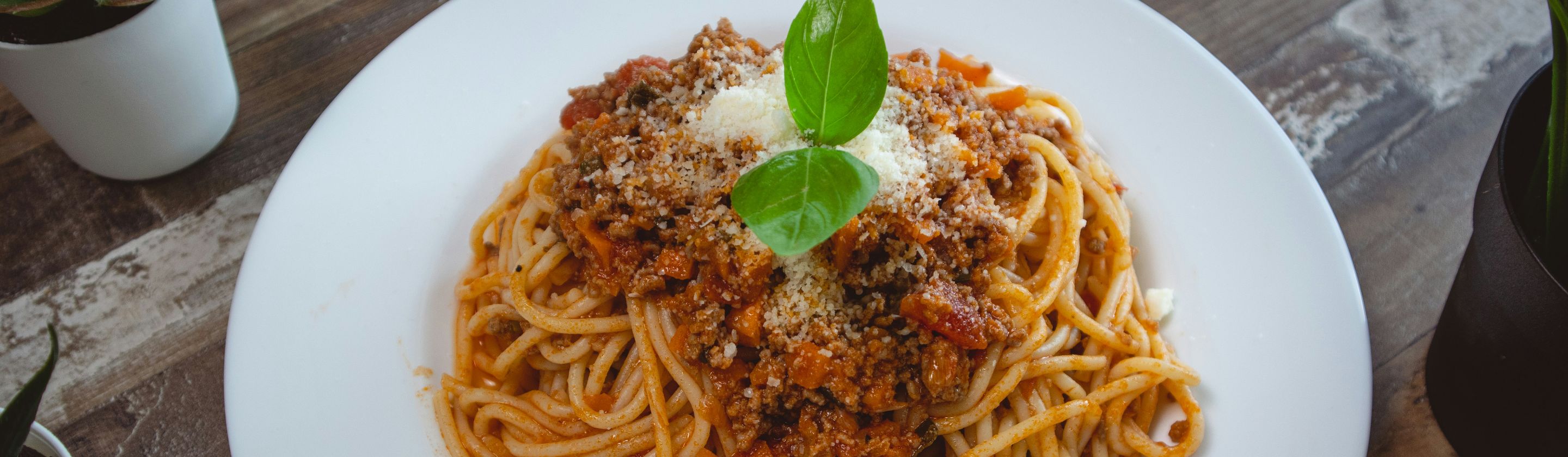
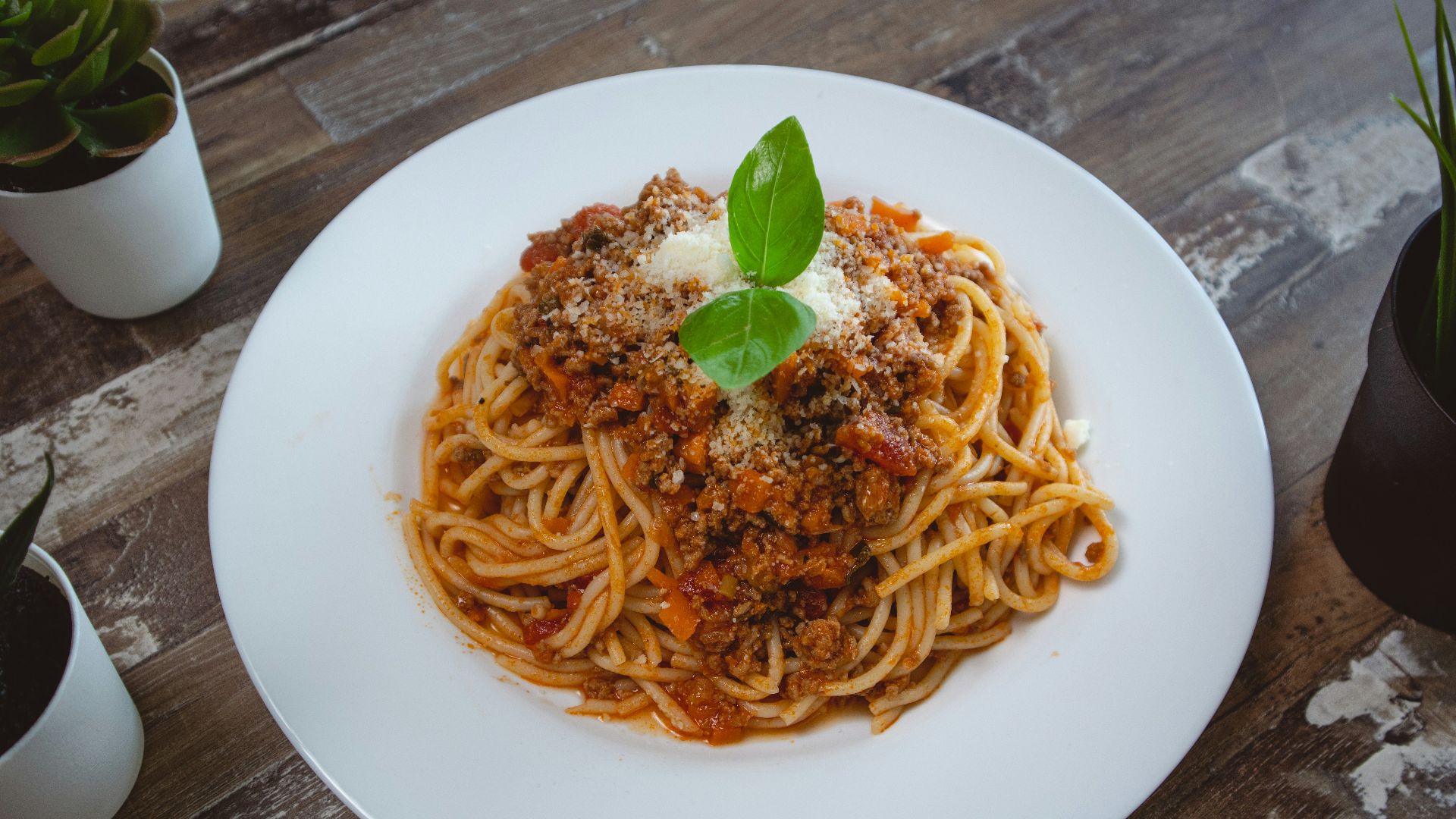
10. Bolognese Sauce and Milk
Classic ragù alla Bolognese often includes milk early in the cooking process, which surprises many home cooks. The milk softens the acidity of tomatoes and helps tenderize the meat while the sauce simmers.
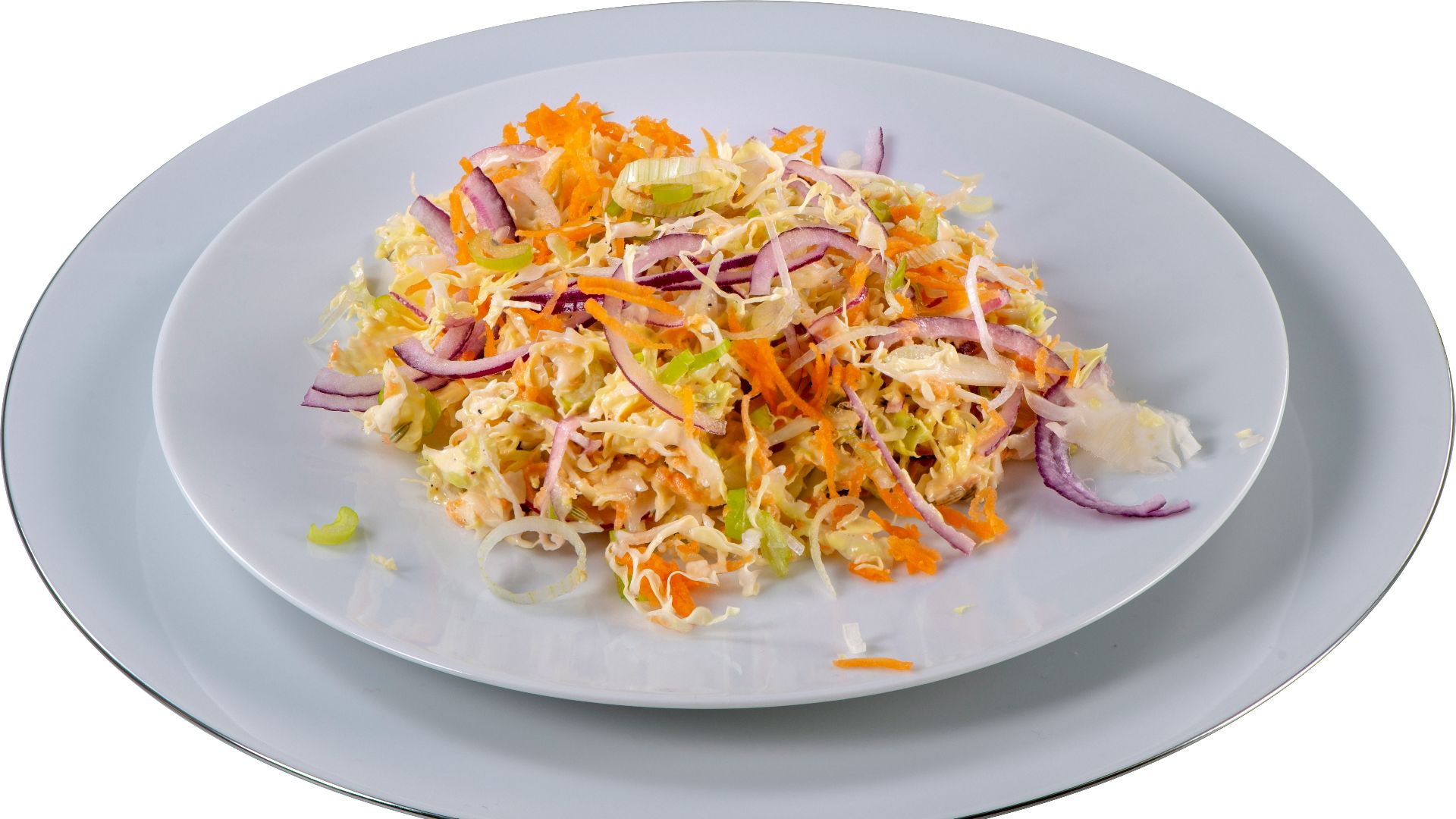
11. Coleslaw and Celery Seed
Celery seed is one of the defining flavors in traditional deli-style coleslaw, even though it's rarely the ingredient people notice first. The tiny seeds add a mild bitterness and earthy aroma that balances the creamy dressing beautifully. Without it, the slaw can taste one-dimensional.
12. Biscuits and Sour Cream
Southern biscuit recipes sometimes include sour cream because it creates tenderness without making the dough overly wet. The acidity also reacts with leavening agents to help the biscuits rise higher in the oven.

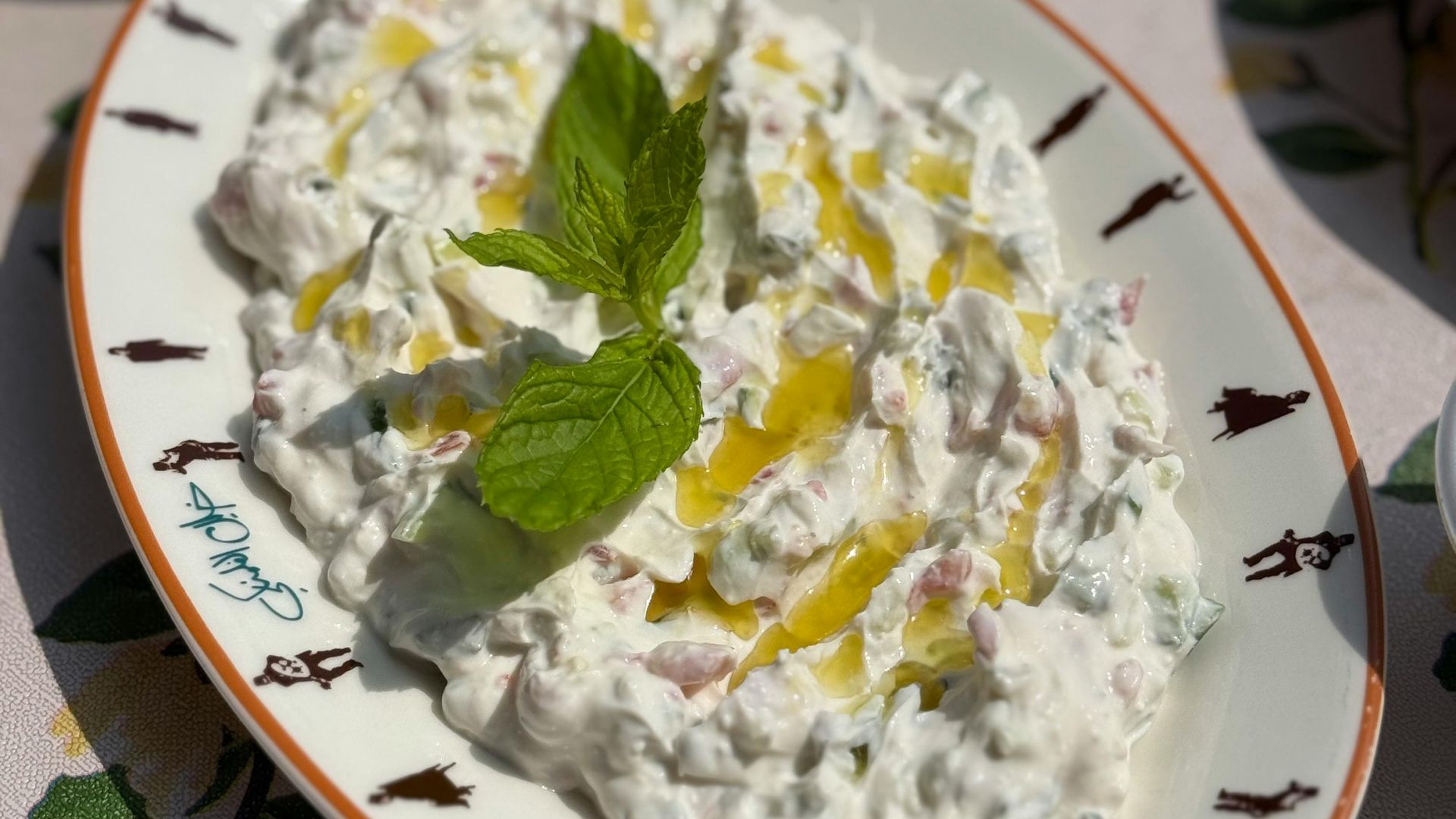
13. Tzatziki and Fresh Mint
While cucumber and yogurt get most of the attention in tzatziki, mint often provides the refreshing flavor people remember most. The herb brightens the dip and keeps the garlic from becoming overpowering.
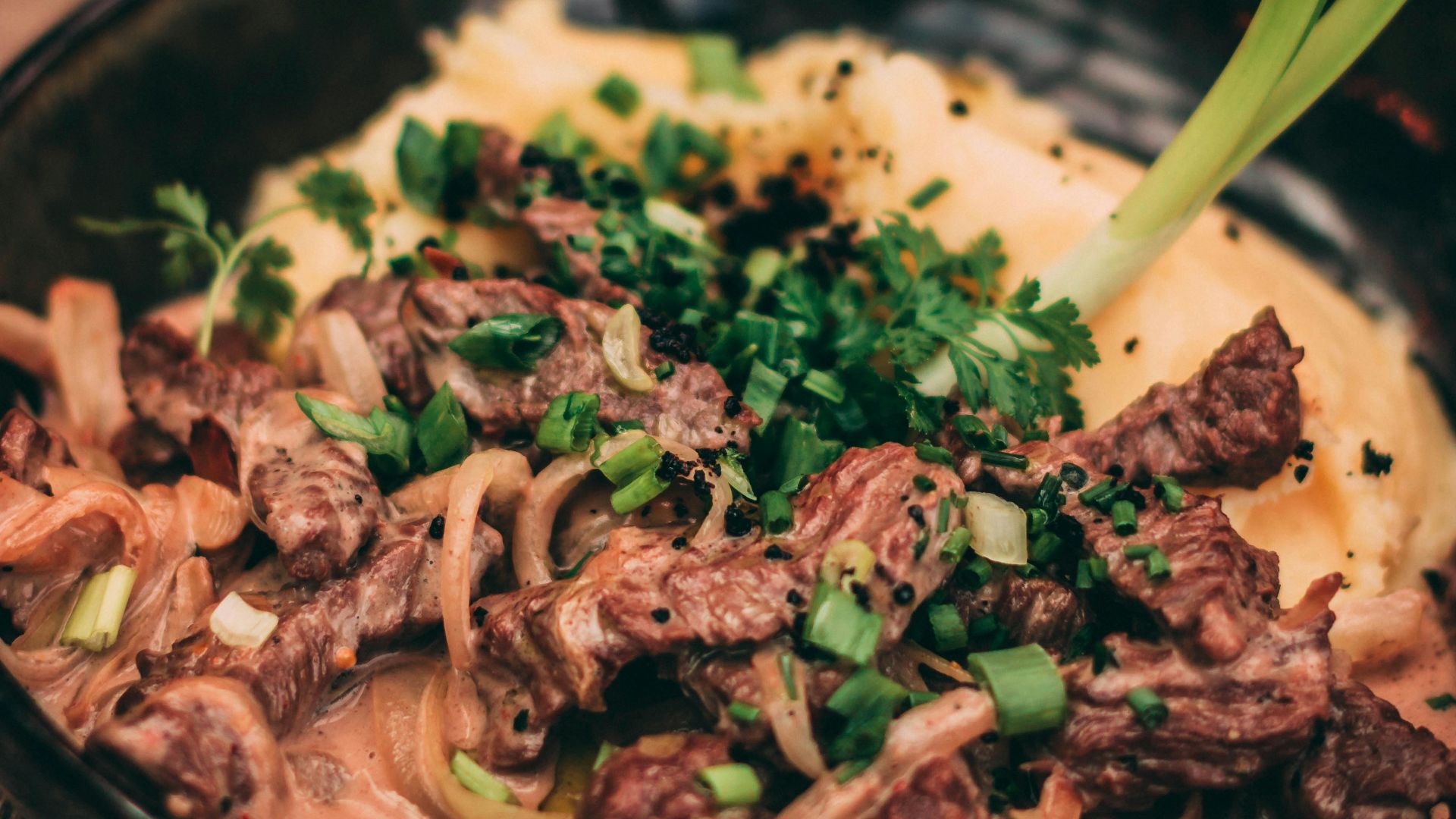
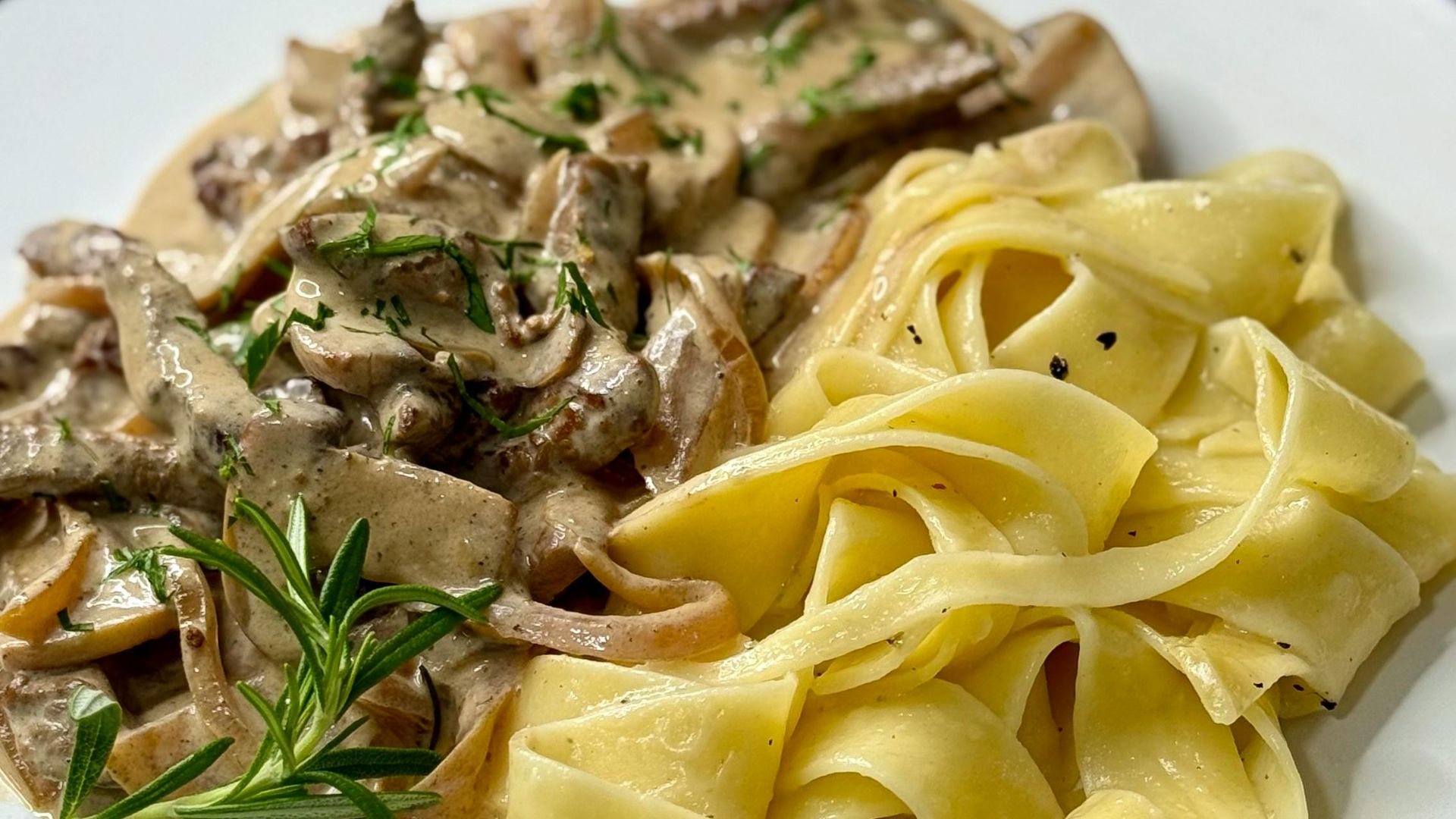
14. Beef Stroganoff and Dijon Mustard
Dijon mustard quietly deepens the sauce in traditional beef stroganoff by adding acidity and gentle sharpness. It balances the sour cream while helping the beef taste richer rather than heavier.
15. Gumbo and File Powder
File powder, made from dried sassafras leaves, thickens gumbo while adding an earthy flavor unique to Creole cooking. Before refrigeration and packaged thickeners became common, it was an important pantry ingredient across Louisiana kitchens.

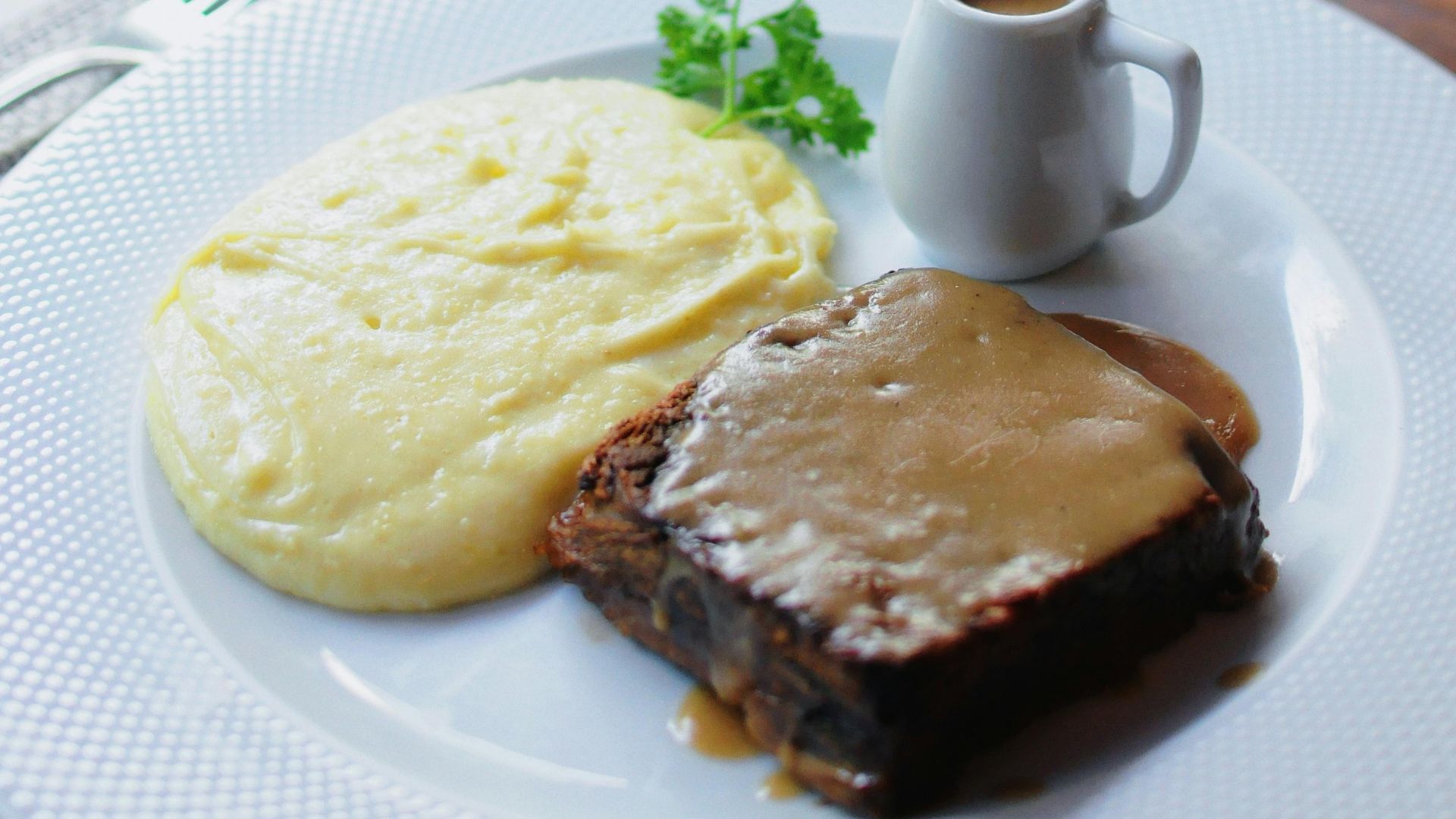
16. Meatloaf and Worcestershire Sauce
Worcestershire sauce gives classic meatloaf much of its savory backbone through a mix of anchovies, vinegar, tamarind, and spices. The ingredient deepens the beef flavor without making the loaf taste obviously seasoned.
17. Risotto and Parmesan Rind
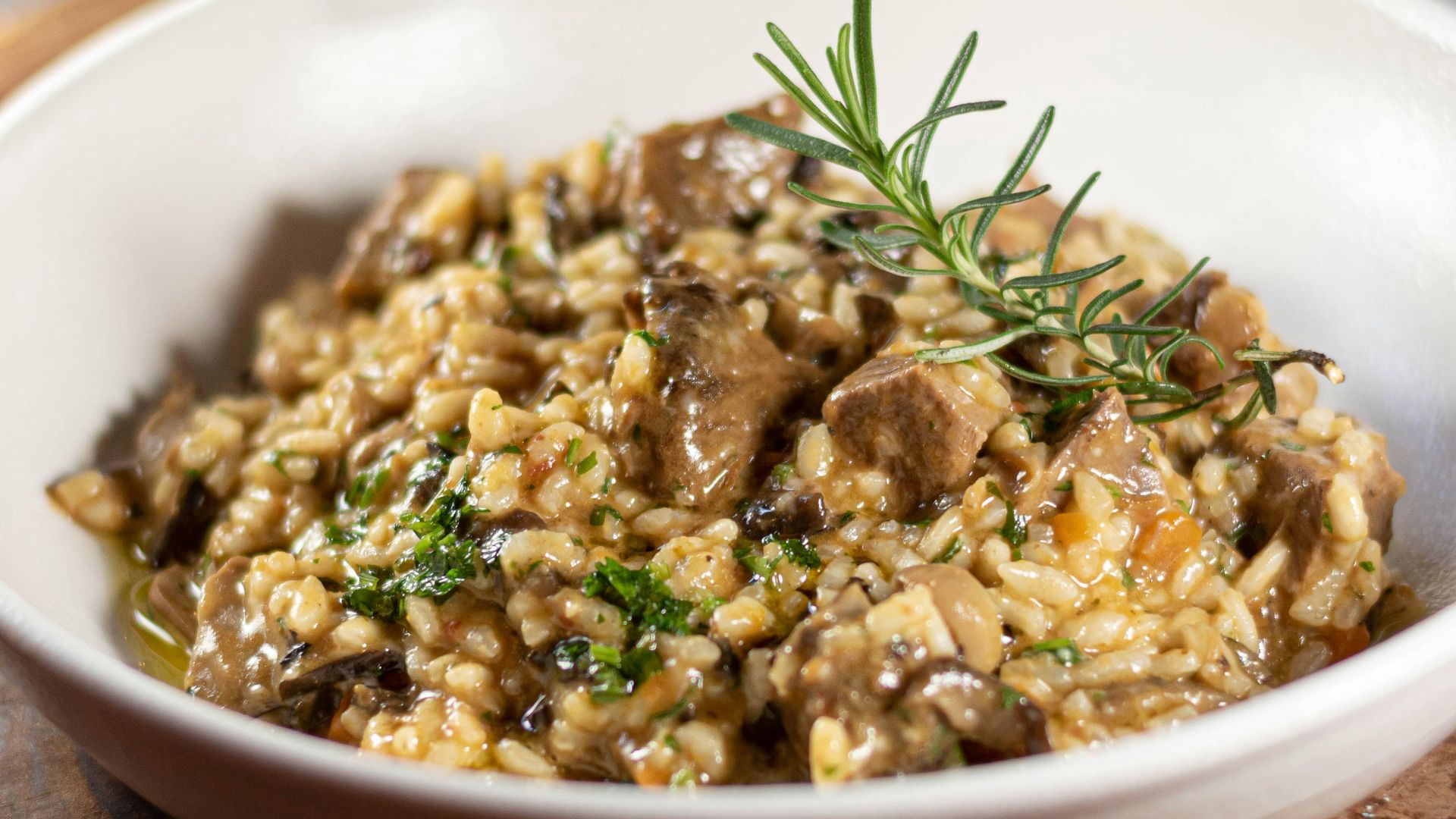
Italian cooks have simmered Parmesan rinds in risotto and soups for generations instead of throwing them away. As the rind softens, it releases salty and nutty flavors directly into the rice.
18. Hummus and Ice Water
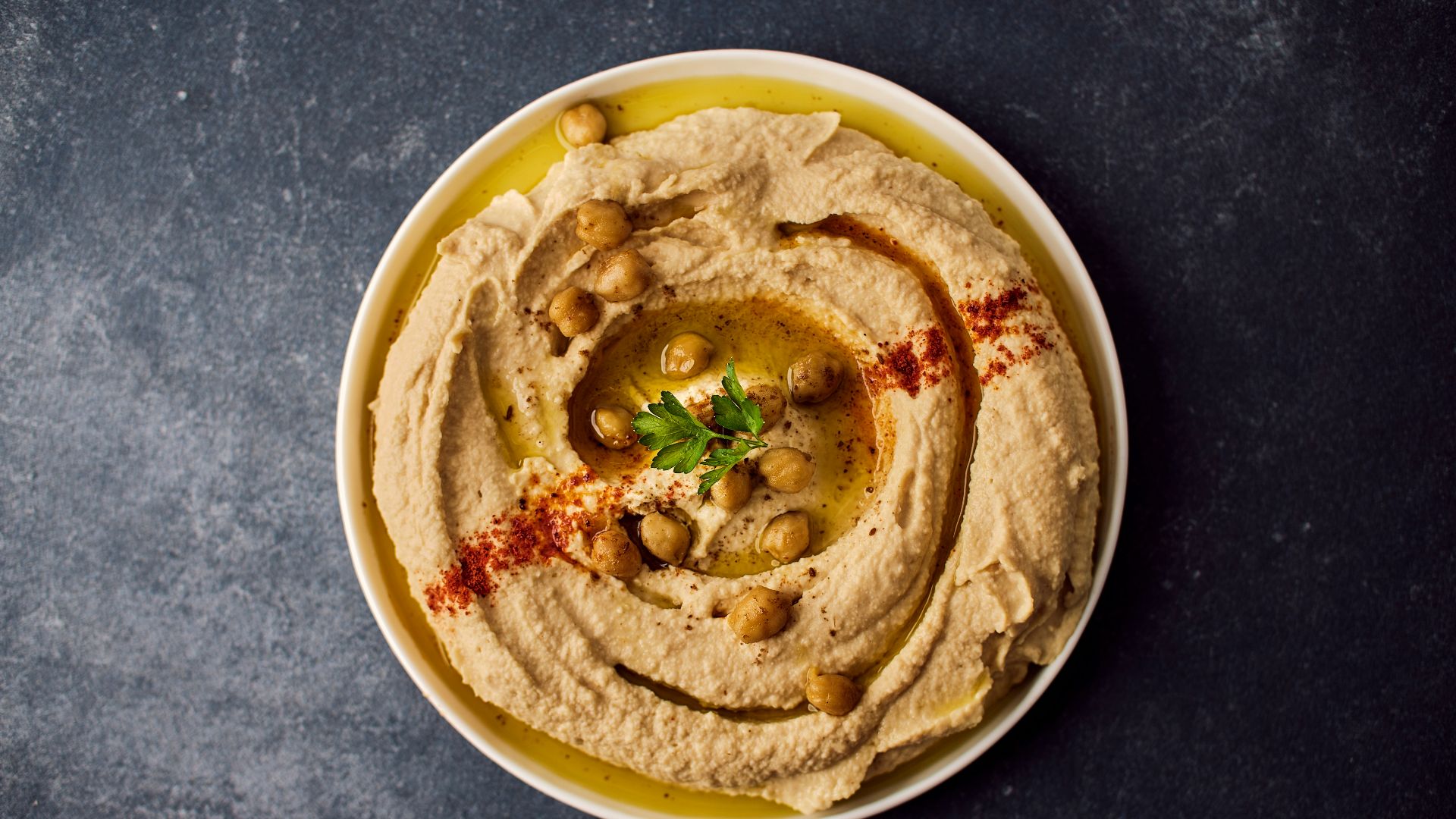
Many traditional hummus makers swear by ice water because it changes the texture dramatically during blending. The cold water helps whip the tahini and chickpeas into a lighter, smoother spread.
19. Pecan Pie and Corn Syrup
Corn syrup is the ingredient that gives pecan pie its smooth filling and glossy texture. Traditional Southern recipes rely on it because it prevents crystallization while keeping the filling stable during baking.

20. Clam Chowder and Salt Pork
Before bacon became common in chowder recipes, salt pork was the traditional ingredient used to build flavor in the pot. The cured pork adds smokiness and richness while seasoning the soup at the same time.
KEEP ON READING

20 Fast Food Items With Surprisingly Weird Origins

20 Foods Only Rich Kids Ate Growing Up