Friend or Foe?
If you're like most people, you probably wouldn't put ants in your mouth. Or spiders, for that matter. Any creepy crawly is best kept in the habitat they're supposed to be in, and definitely not on your plate. And yet, you'd be surprised: insect eating, known as entomophagy, has long been part of diets in major parts of the world, and there are actually nearly 2,000 edible insect species. Of course, as wild and adventurous as you might be, you still don't want to be plucking just any bug off the street and plopping it onto your tongue—it could be deadly. If you're easily squeamish, don't eat while reading this.
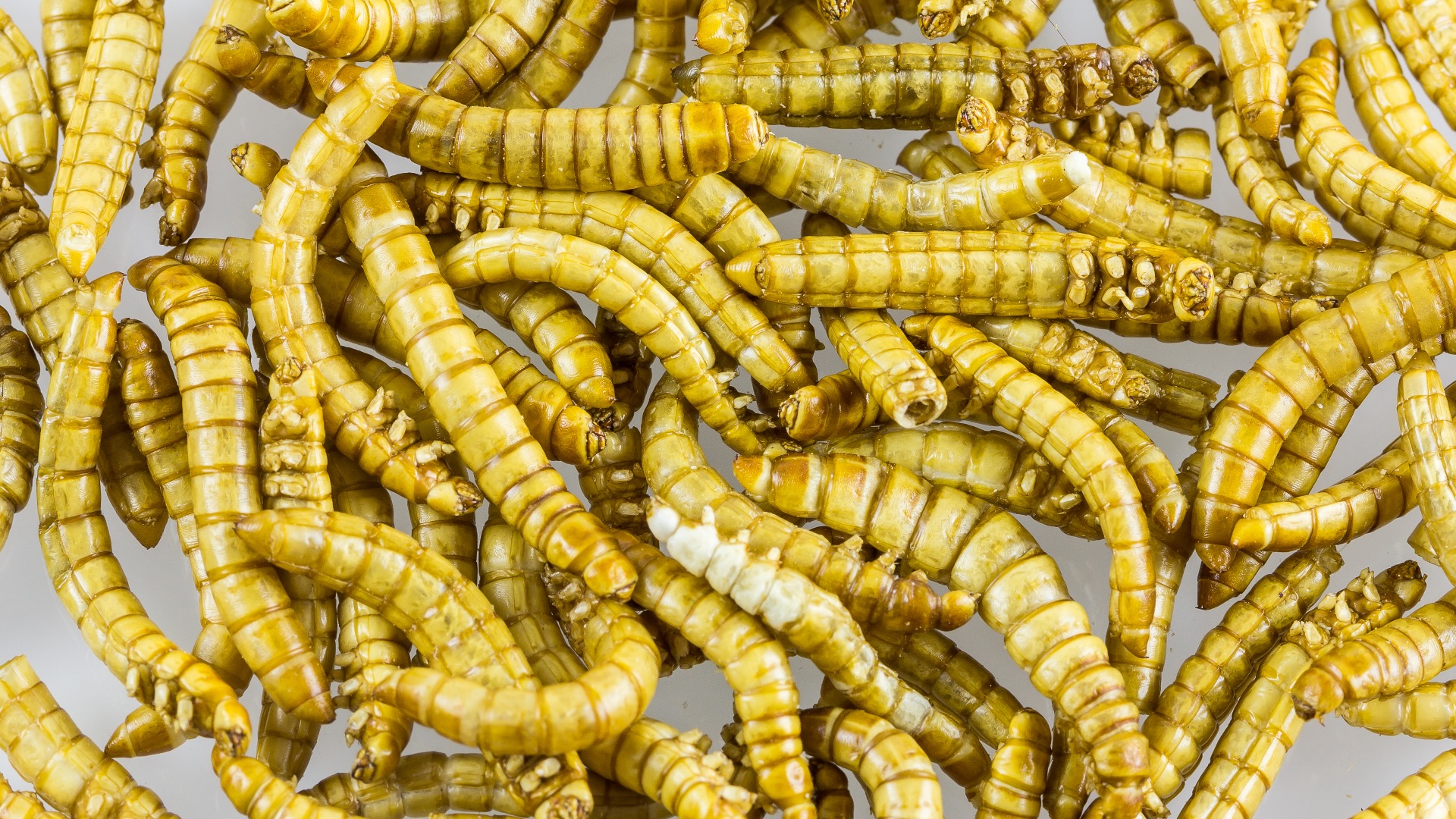
1. Crickets
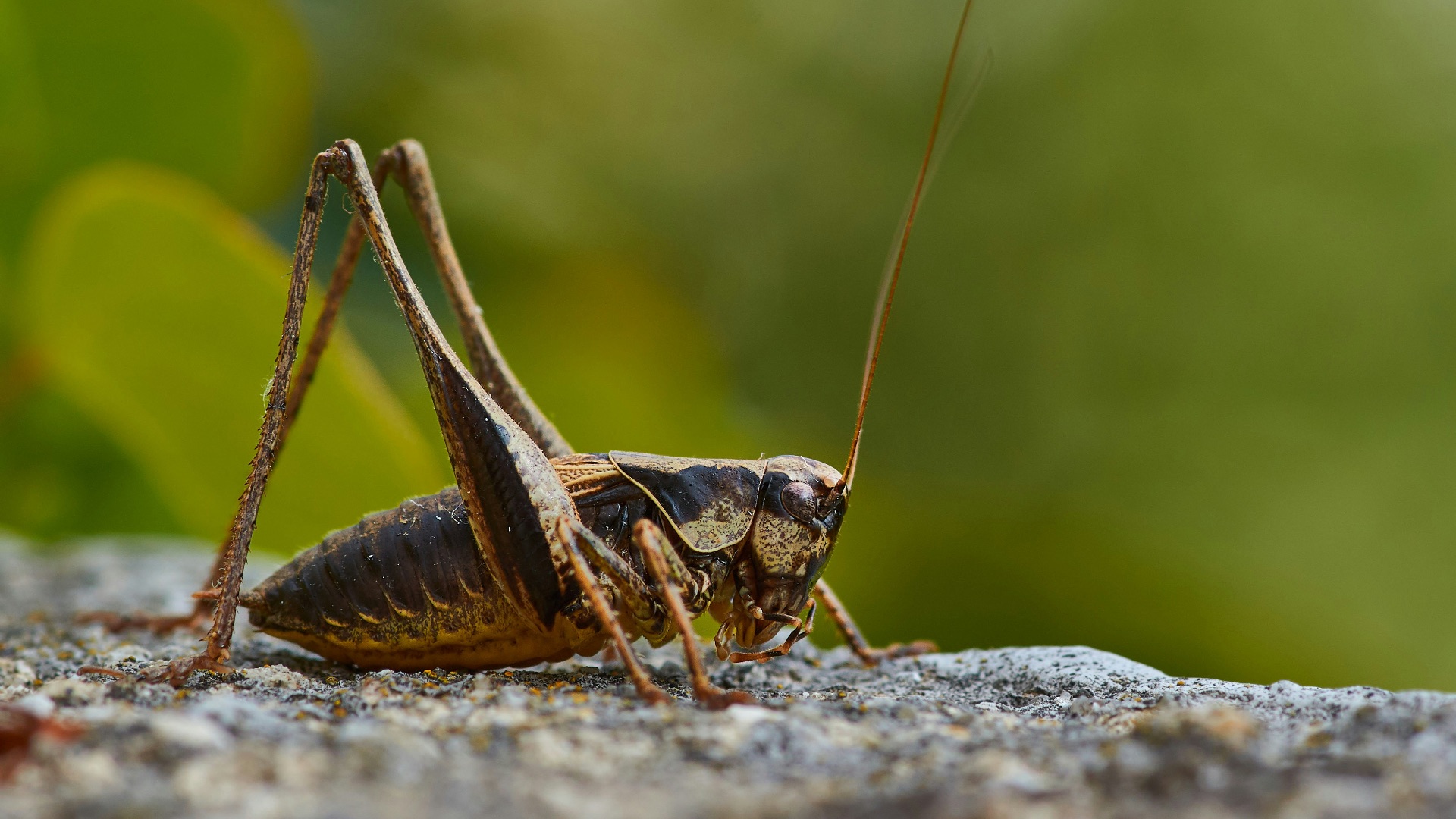
It might sound gross, but crickets are one of the most recognizable edible insects and can be roasted, seasoned, or ground into powders to be incorporated into other foods. They're especially valued for their protein content. (If you're brave enough, you can swap it with your protein bar.)
 Wolfgang Hasselmann on Unsplash
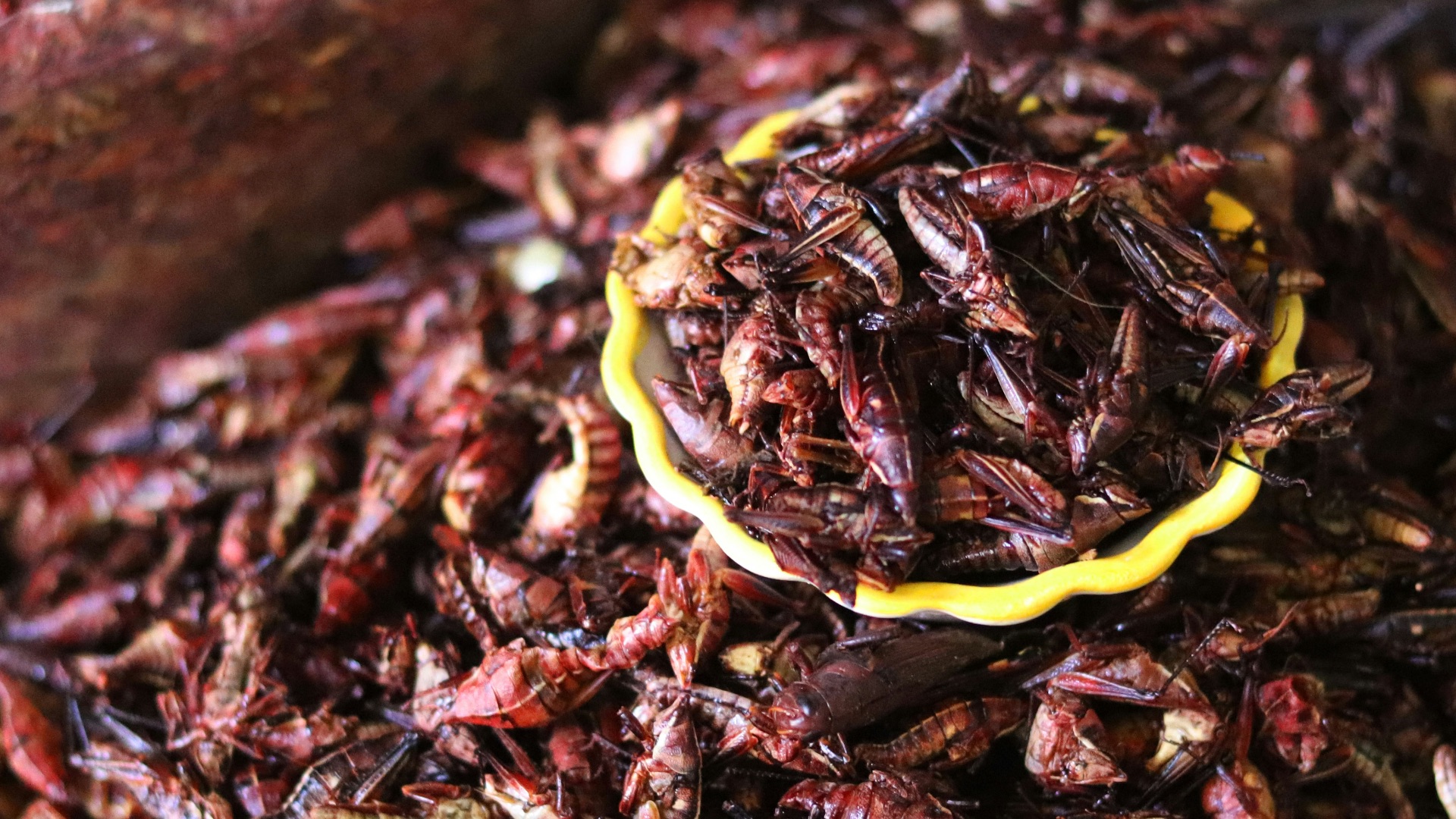
2. Grasshoppers
You'll probably see chapulines everywhere you go in Mexico. These edible grasshoppers are commonly toasted and seasoned, sometimes appearing as snacks or fillings for tacos and other dishes. They're also generally prepared with salt, lime, or chile, giving them a punch of flavor to help cancel out their creepy-crawly appearance.
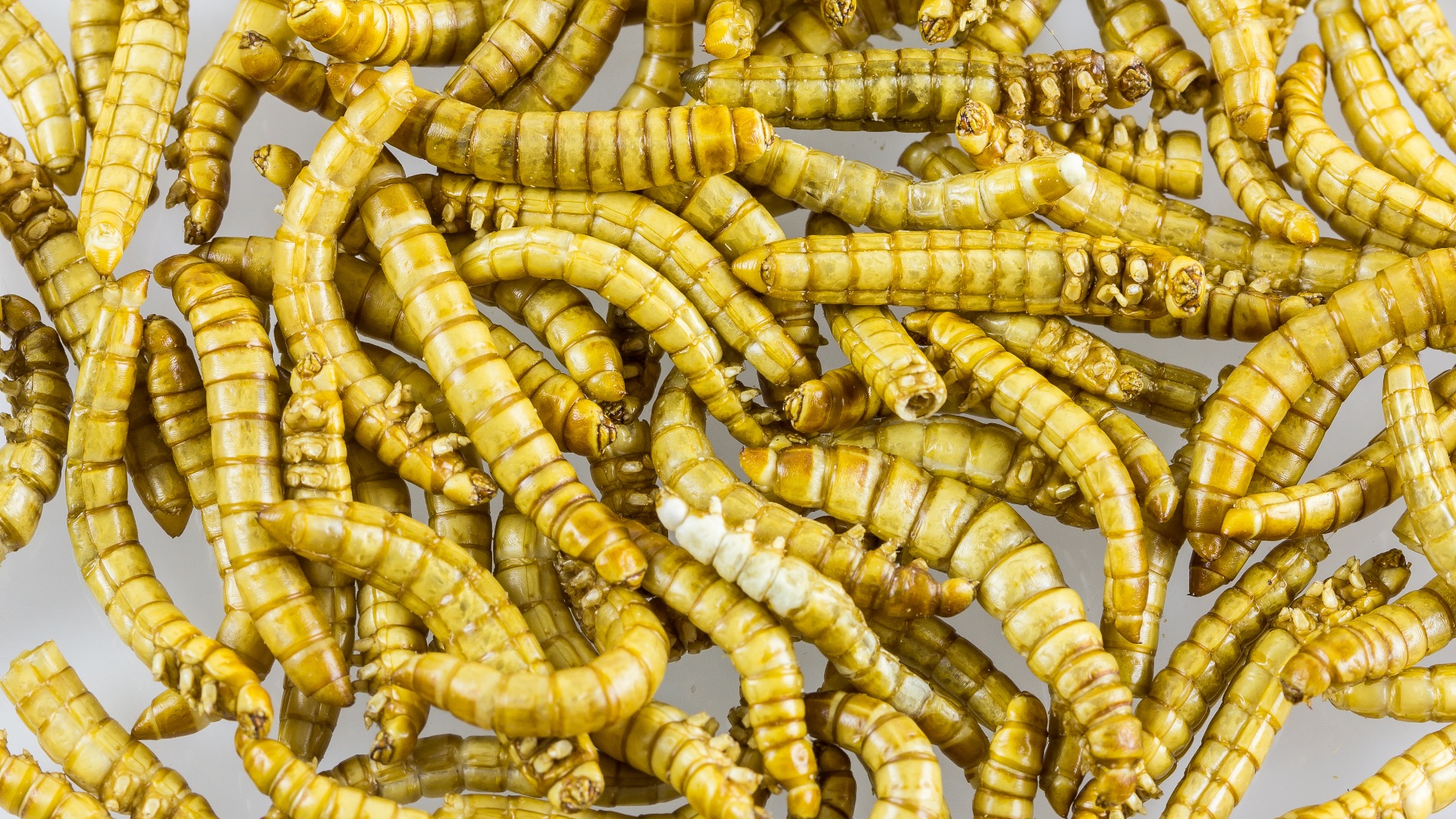
3. Mealworms
Despite the name, mealworms aren't worms at all, but the larval stage of the darkling beetle. Sounds even grosser, right? Yellow mealworms can be roasted whole or tossed into flour and other ingredients, and they've become fairly well-known edible insects, probably partially thanks to their protein content.
4. Silkworm Pupae
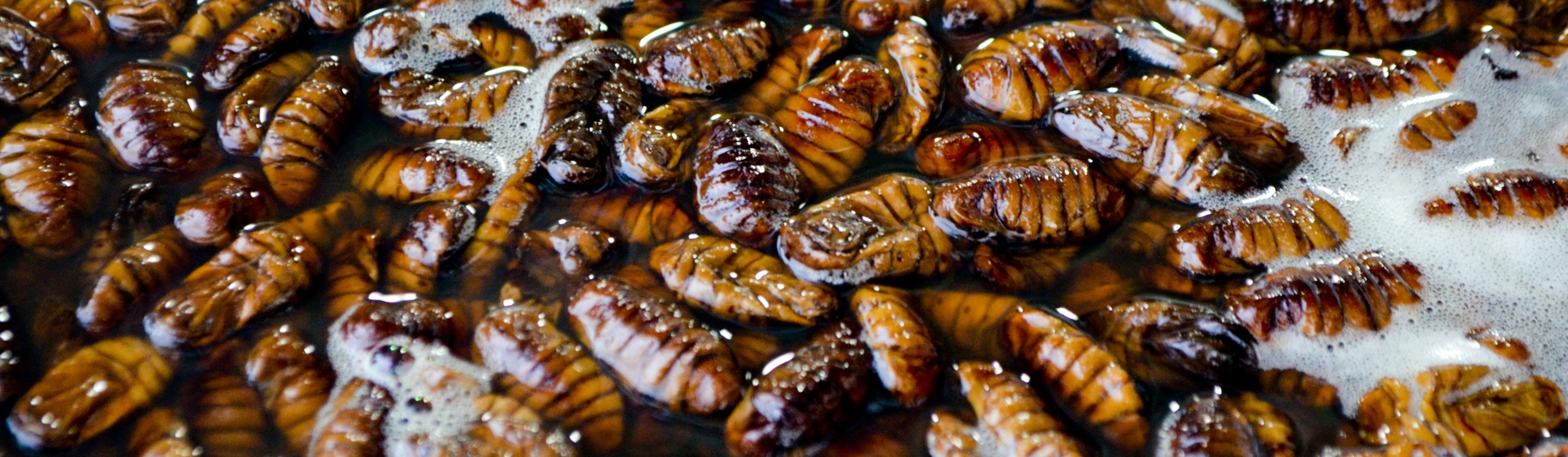
Producing silk leaves behind a surprisingly useful food source, and silkworm pupae have long been eaten in several Asian countries, including China, Japan, and Thailand. They're often roasted or seasoned, but if you really want their natural flavor, you can boil or steam them, too. Their rich protein and fat content also makes them more nutritious than their size would suggest.
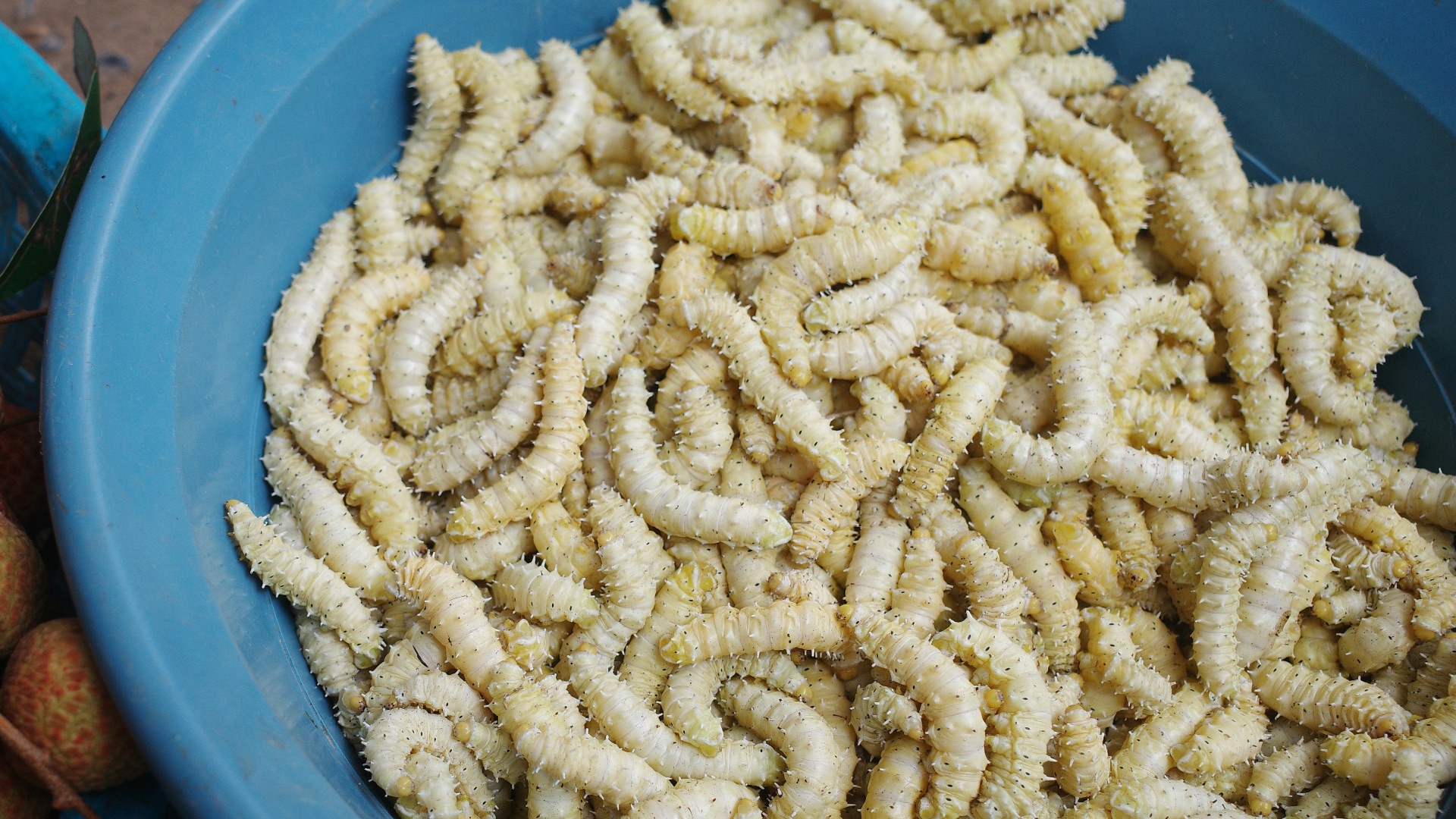
5. Palm Weevil Larvae
Another traditional snack in parts of Africa, Latin America, and Southeast Asia is the larvae of palm weevils. They're notably higher in fat than many other edible insects and have a distinct rich texture when roasted or fried. They also have a hint of sweetness when cooked.
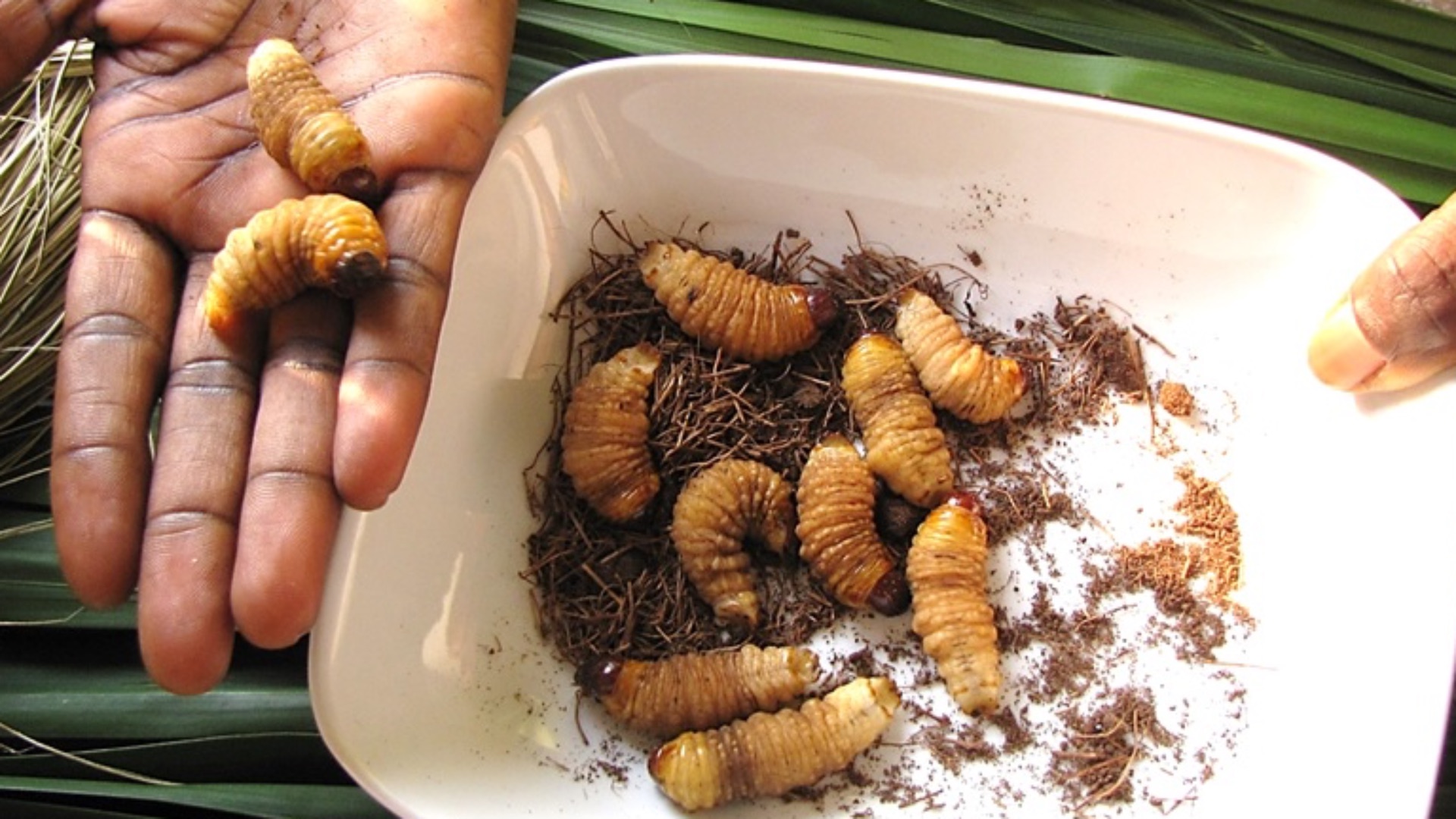
6. Termites
You might think of termites as annoying household pests, but large species, including members of the genus Macrotermes, are actually eaten in several African countries. In fact, winged adults may be collected after a bout of rain to be fried, smoked, or steamed. Like other bugs on the list, some edible termite species pack a lot of protein and fatty acids.
 Dick Culbert from Gibsons, B.C., Canada on Wikimedia
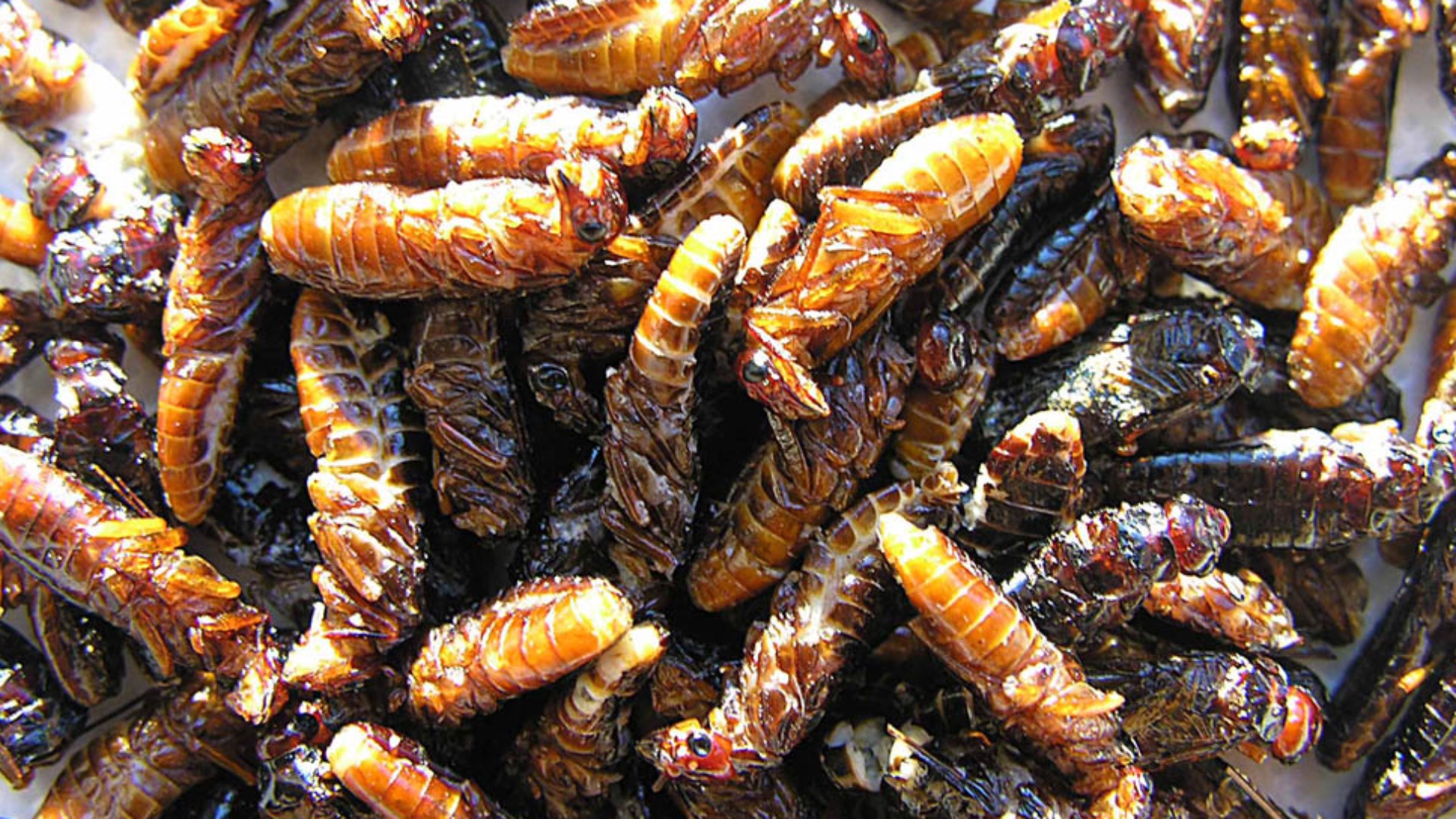
7. Cicadas
You know those loud summer insects that just never seem to quiet down? Well, you can eat them. That'll show them. Of course, you'll want to make sure they're properly sourced and prepared first, and popular cooking methods range from frying to roasting. Be careful if you're prone to food allergies, though, as unfamiliar insects may trigger a reaction.
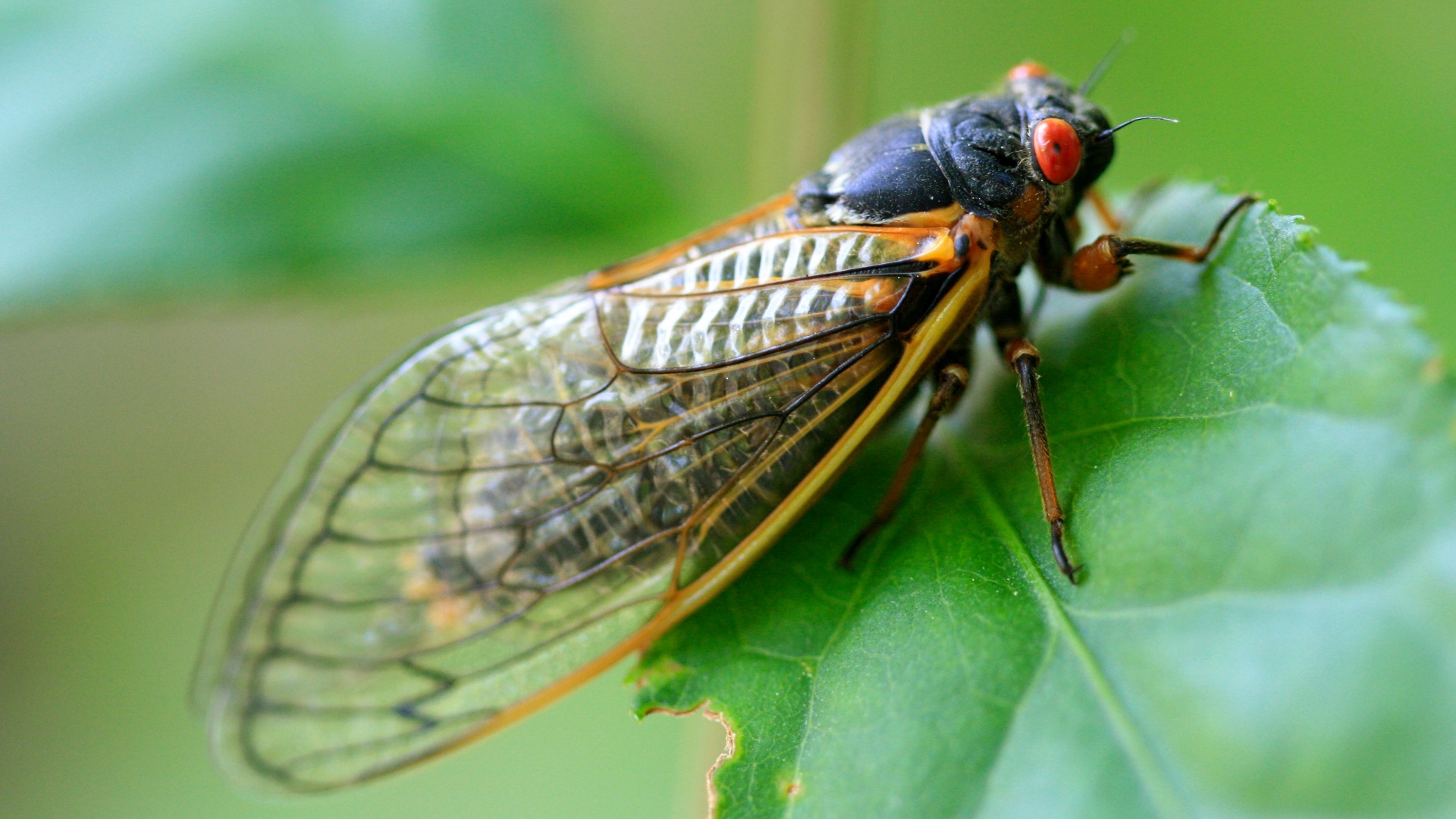
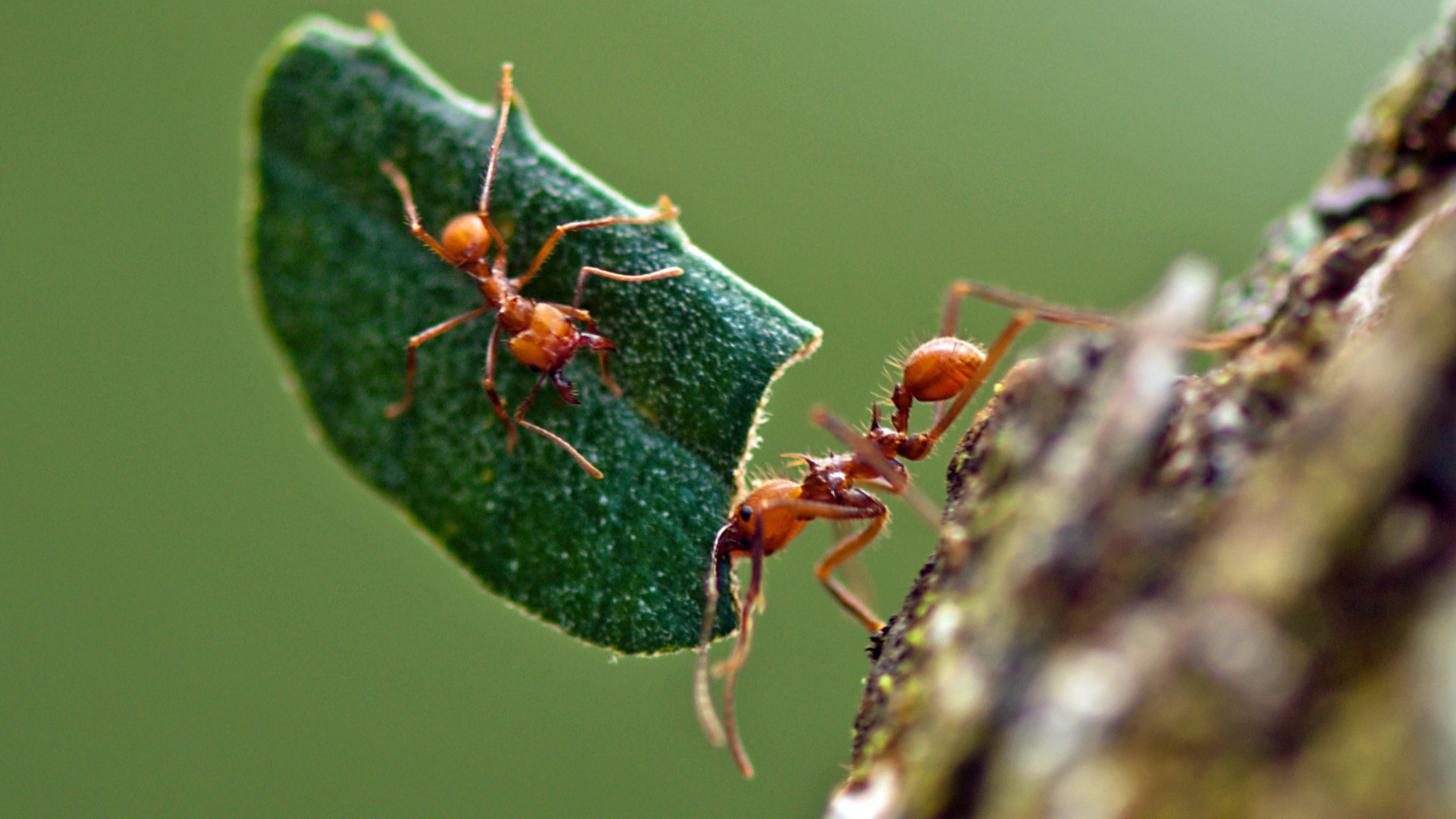
8. Leafcutter Ants
In parts of Central and South America, leafcutter ants may be roasted and eaten whole. Some preparations may also use the insects like a seasoning, taking advantage of their distinctive savory flavor. Who knew people would deliberately put ants in their food?
 Kathy & sam from Beaverton OR, USA on Wikimedia
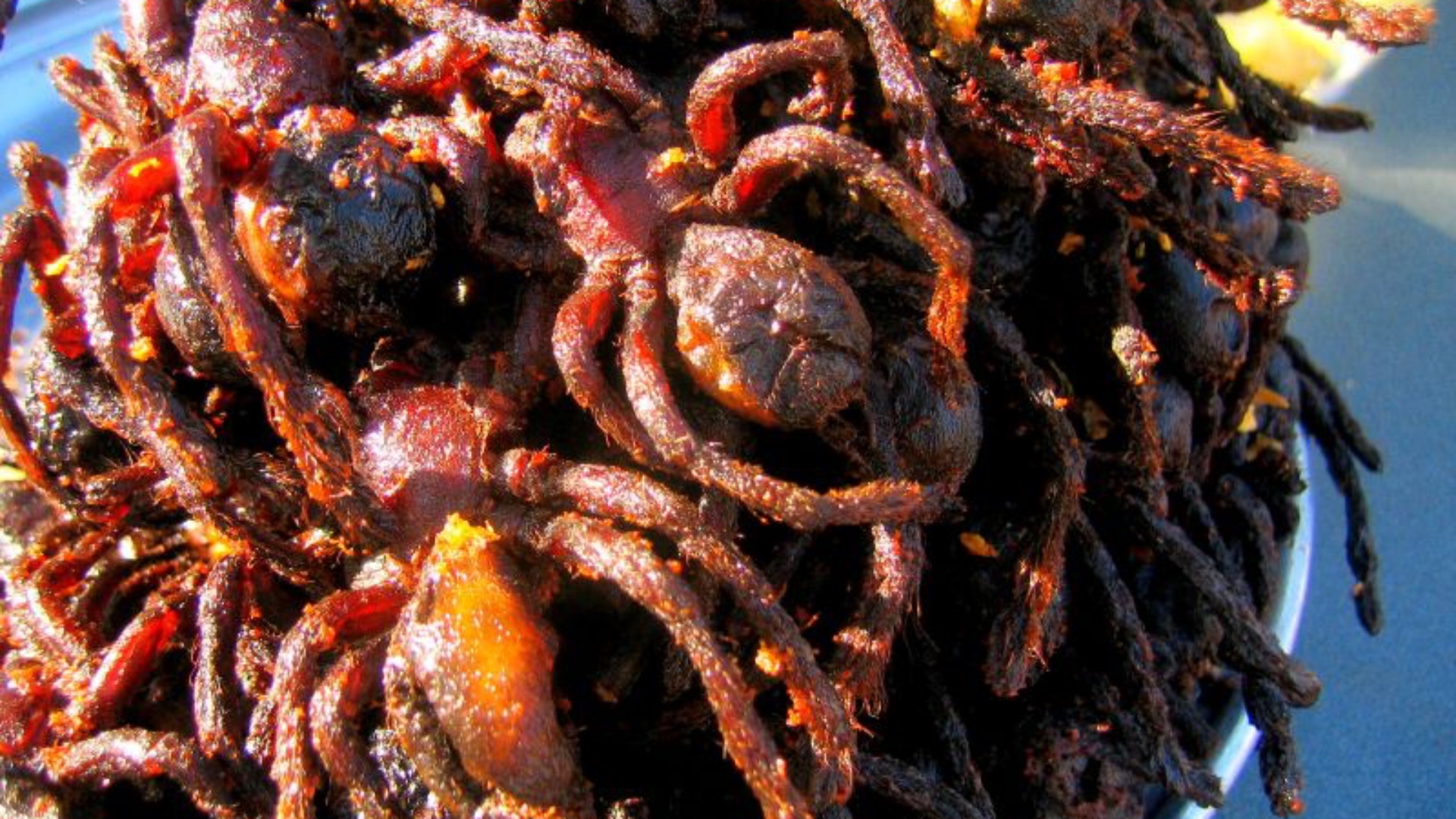
9. Tarantulas
Sure, tarantulas are technically not bugs, and they can be as big as your face—but in parts of Cambodia they're a delicacy. There, the eight-legged monster is commonly seasoned and fried whole, leaving the legs crisp while the body remains squishy. They're usually sold as snacks or street food, but proper preparation matters as hairs and fangs need to be removed before eating.
 A. www.viajar24h.com on Wikimedia
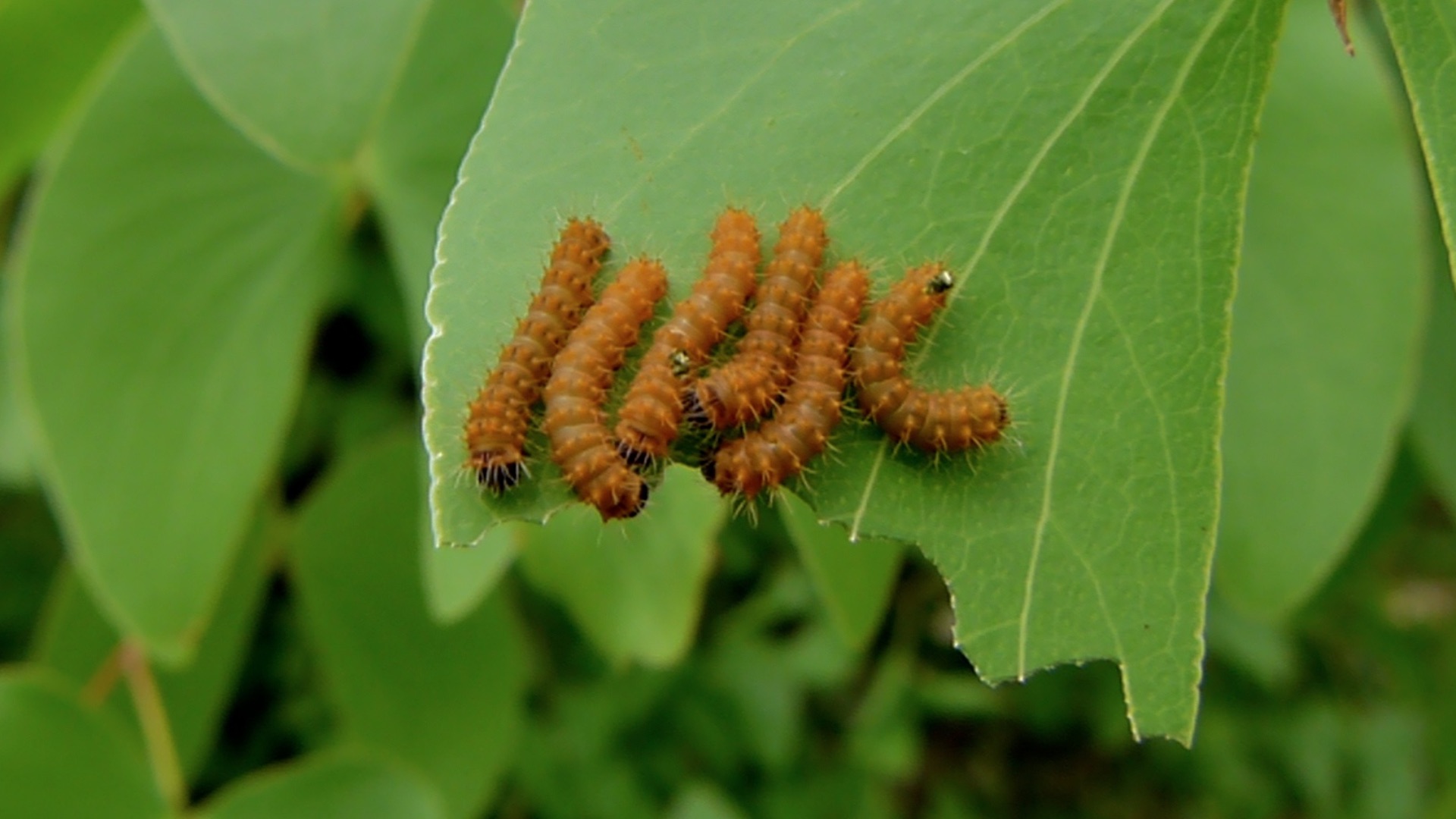
10. Mopane Worms
The mopane worm is actually the caterpillar of the mopane emperor moth, and it has been eaten across southern Africa for generations. After the caterpillars are cleaned, they're boiled, roasted, or dried, allowing them to be stored and sold well beyond the harvesting season.
As you can see, insects can make perfect snacks, provided you're not easily grossed out. You should still be careful, however. These next 10 you definitely don't want to mess with.
 Bernard DUPONT from FRANCE on Wikimedia
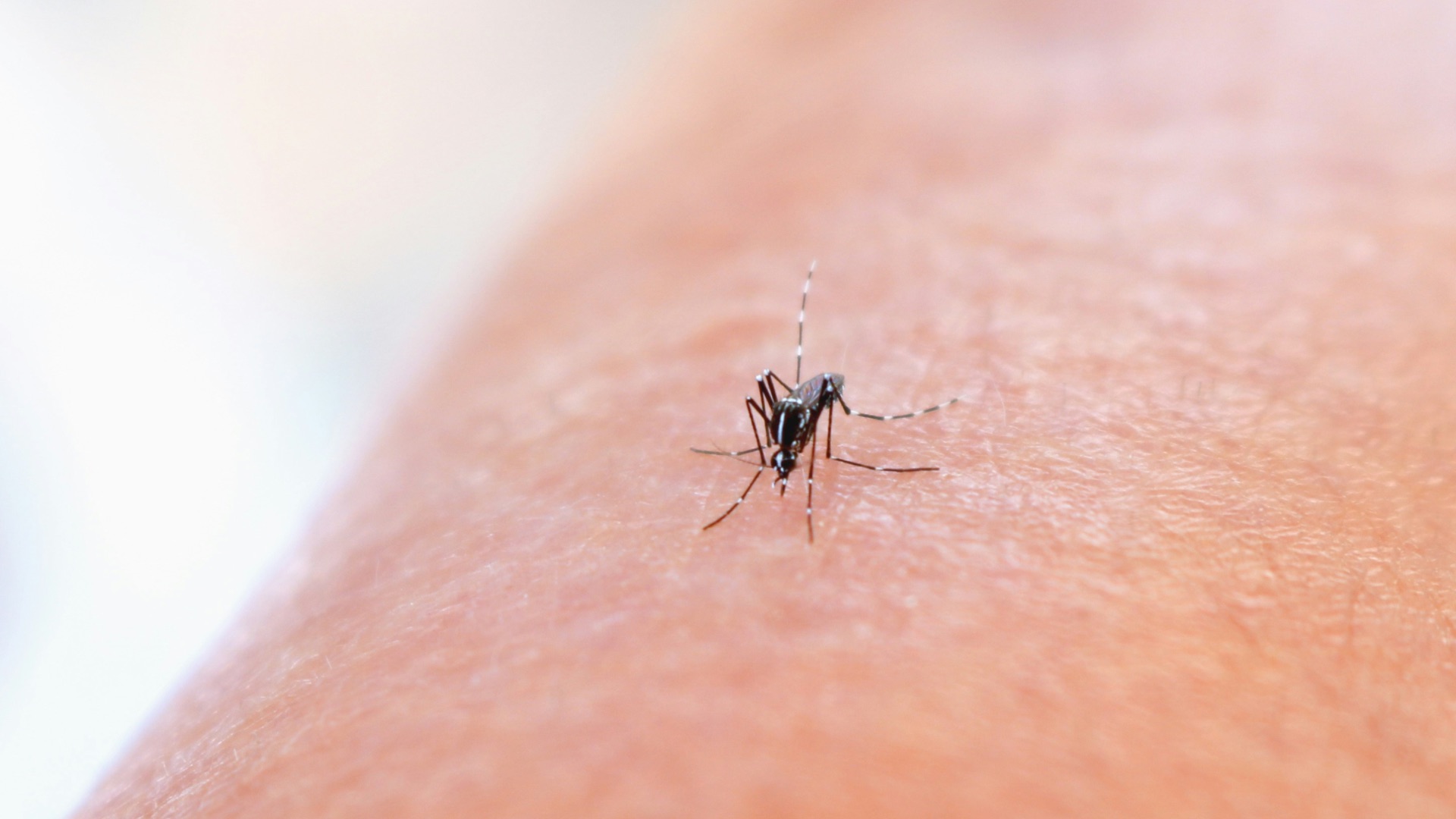
1. Mosquitoes
Eating a mosquito would totally show them the consequence of sucking your blood, but it's not worth it. Certain species can transmit malaria, dengue, West Nile virus, and several other serious diseases, meaning you should never mess with them.
 National Institute of Allergy and Infectious Diseases on Unsplash
2. Tsetse Flies
A bite from a tsetse fly can transmit the parasites responsible for human African trypanosomiasis, or sleeping sickness. This disease can eventually affect the central nervous system, producing neurological problems and disturbances in the sleep cycle. Without treatment, the disease is generally fatal.
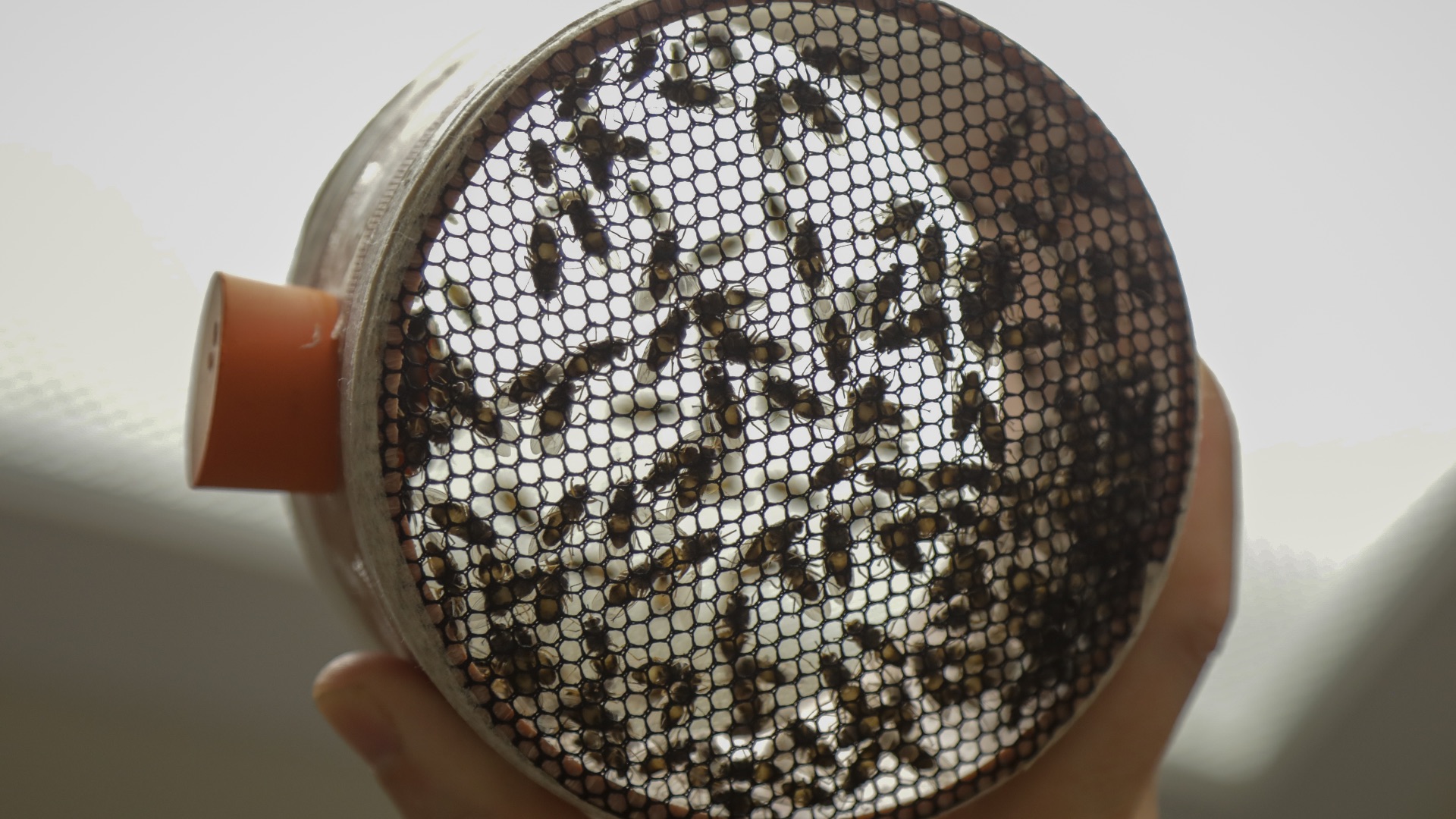 DFID - UK Department for International Development on Wikimedia
3. Kissing Bugs
Kissing bugs, also known as triatomine bugs, can carry the parasite responsible for Chagas disease. But infection doesn't usually come directly from the bite itself. Instead, the parasite can enter the body when contaminated bug droppings are rubbed into the bite, eyes, mouth, or another opening in the skin. Chronic Chagas disease can eventually cause serious heart and digestive complications and may become life-threatening.
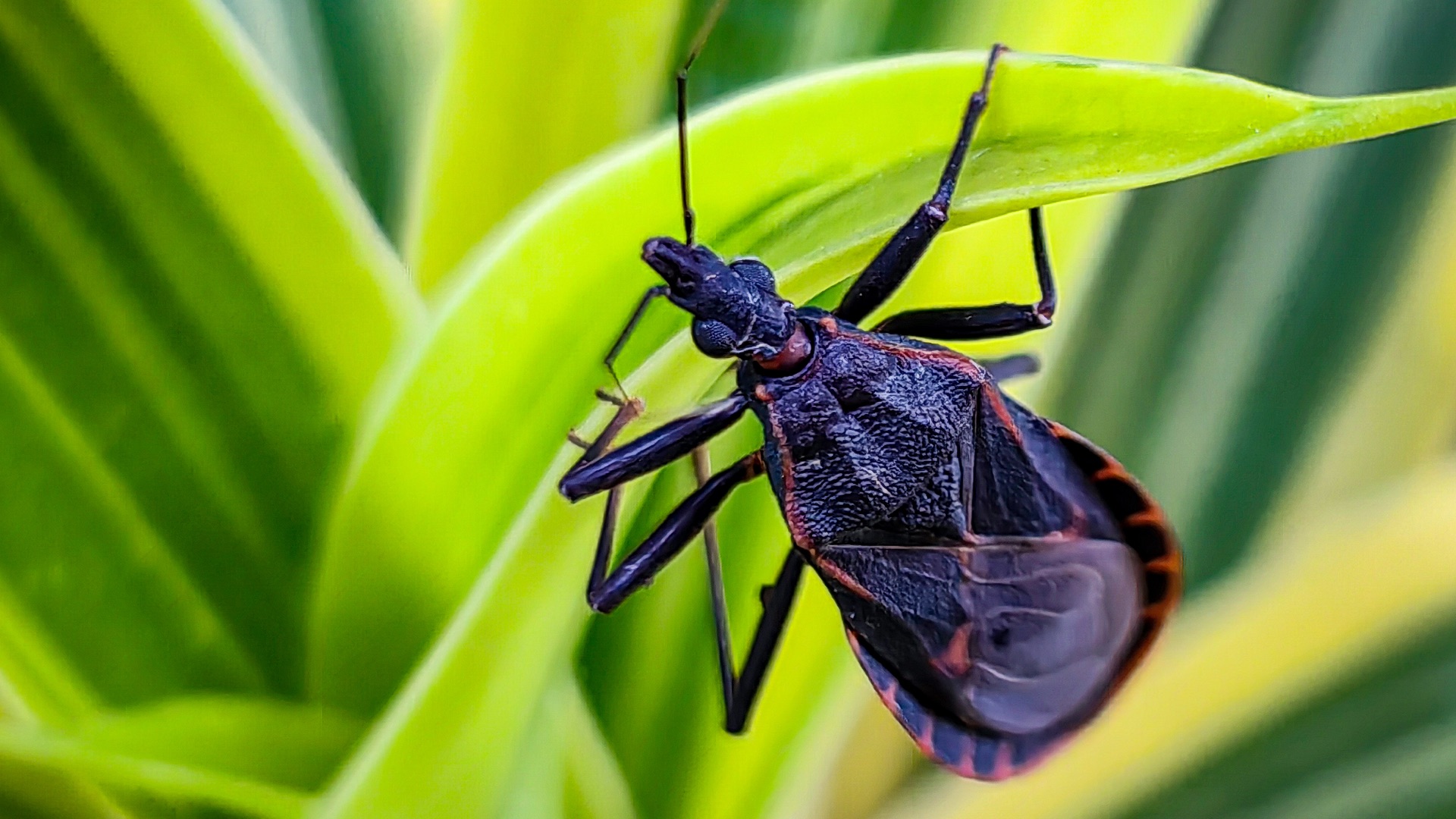 Heigen Villacarlos on Wikimedia
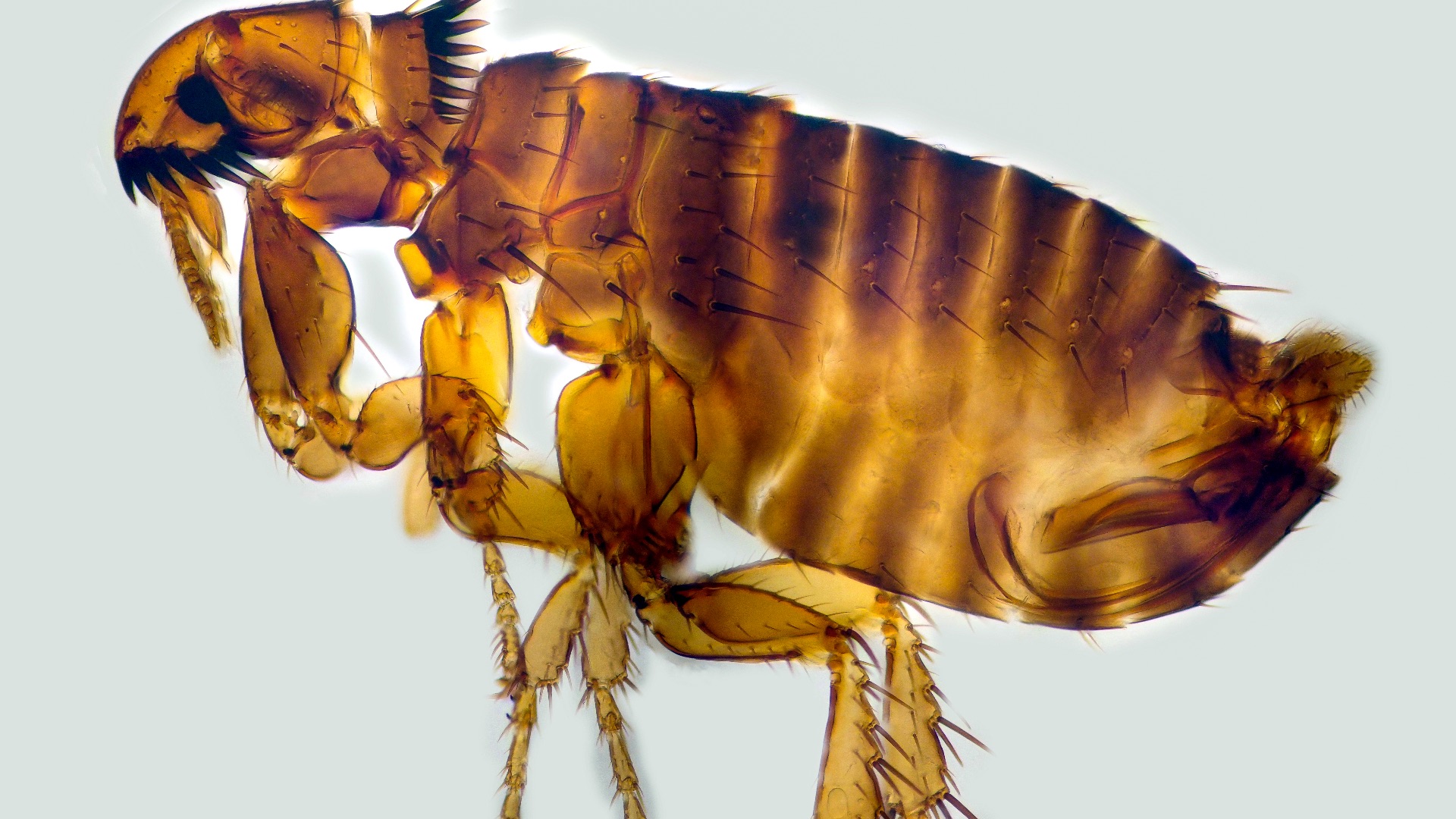
4. Fleas
Fleas have played a pretty infamous role in human history: they can transmit Yersinia pestis, the bacterium that causes plague. Modern antibiotics have since made plague treatable, but delayed treatment can still result in severe illness or death.
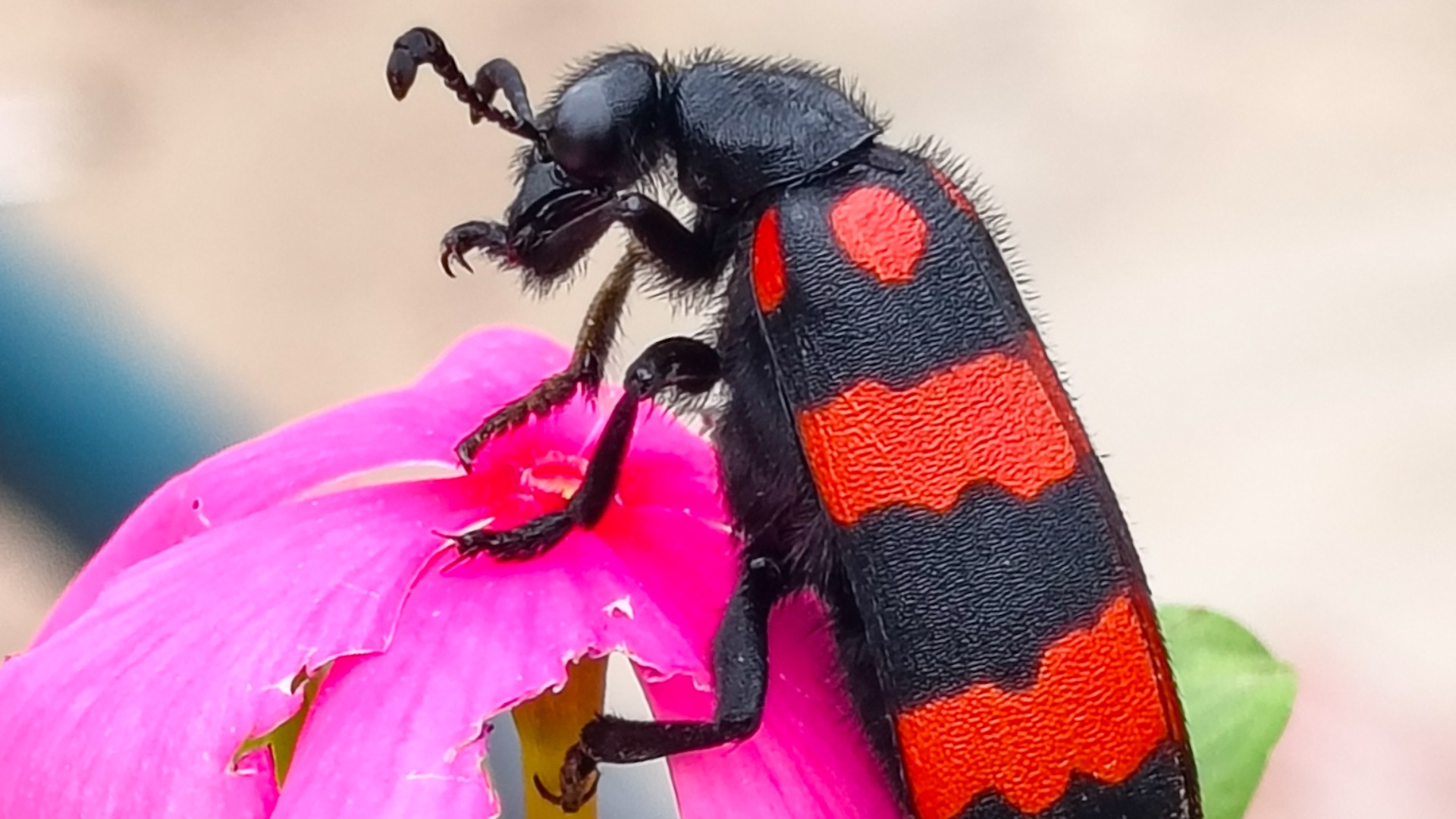
5. Blister Beetles
Blister beetles contain a potent chemical, cantharidin. Contact with cantharidin can damage skin, and if you swallow enough of it, you'll experience far more serious poisoning. The amount of toxin can also vary considerably between individual insects and species.
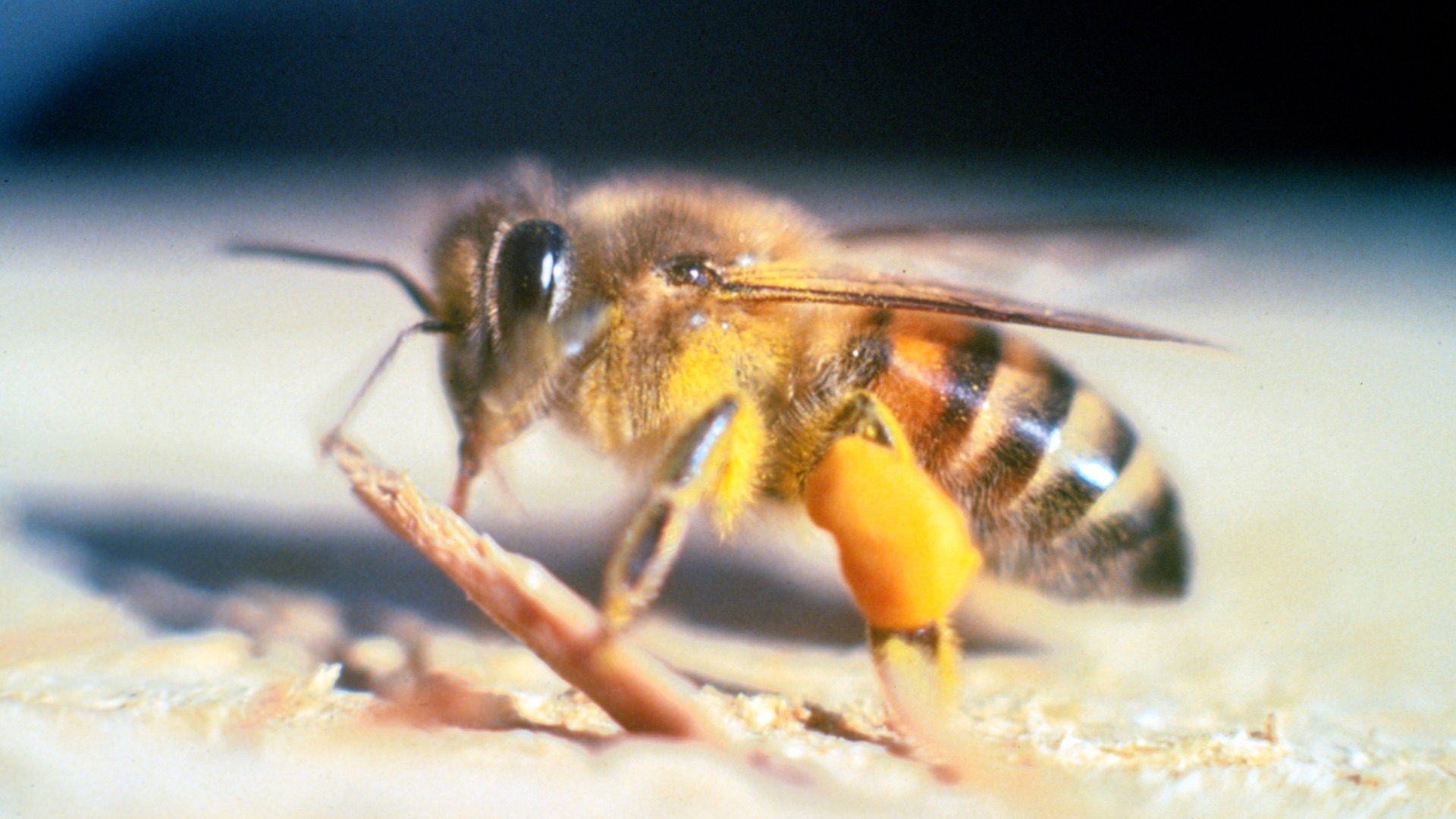
6. Africanized Honey Bees
While the venom of an Africanized honey bee is no more toxic than that of other honey bees, the danger comes from their defensive behavior. Heavy envenomation from repeated stings can cause severe complications such as kidney injury and cardiac problems, and the consequences are even more serious if you have a bee allergy.
 Jeffrey W. Lotz, Florida Department of Agriculture and Consumer Services, Bugwood.org on Wikimedia
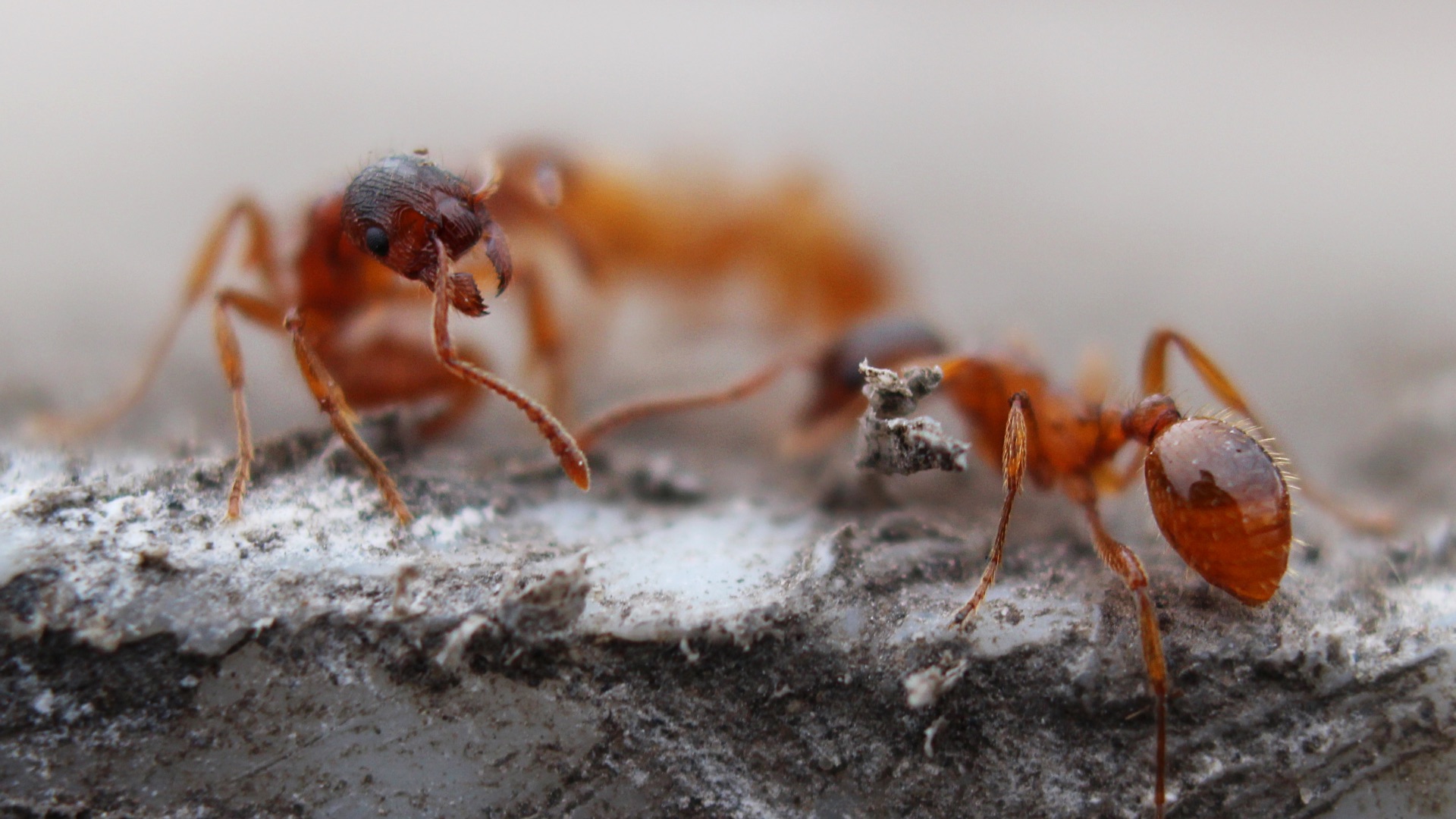
7. Fire Ants
Leafcutter ants may be edible, but stay away from fire ants. A sting from one will cause painful burning followed by a small blister or pustule, and some may experience more dangerous reactions. Individuals who are allergic to their venom can develop anaphylaxis, which can be fatal without prompt treatment.
 Magdalena Smyczek on Wikimedia
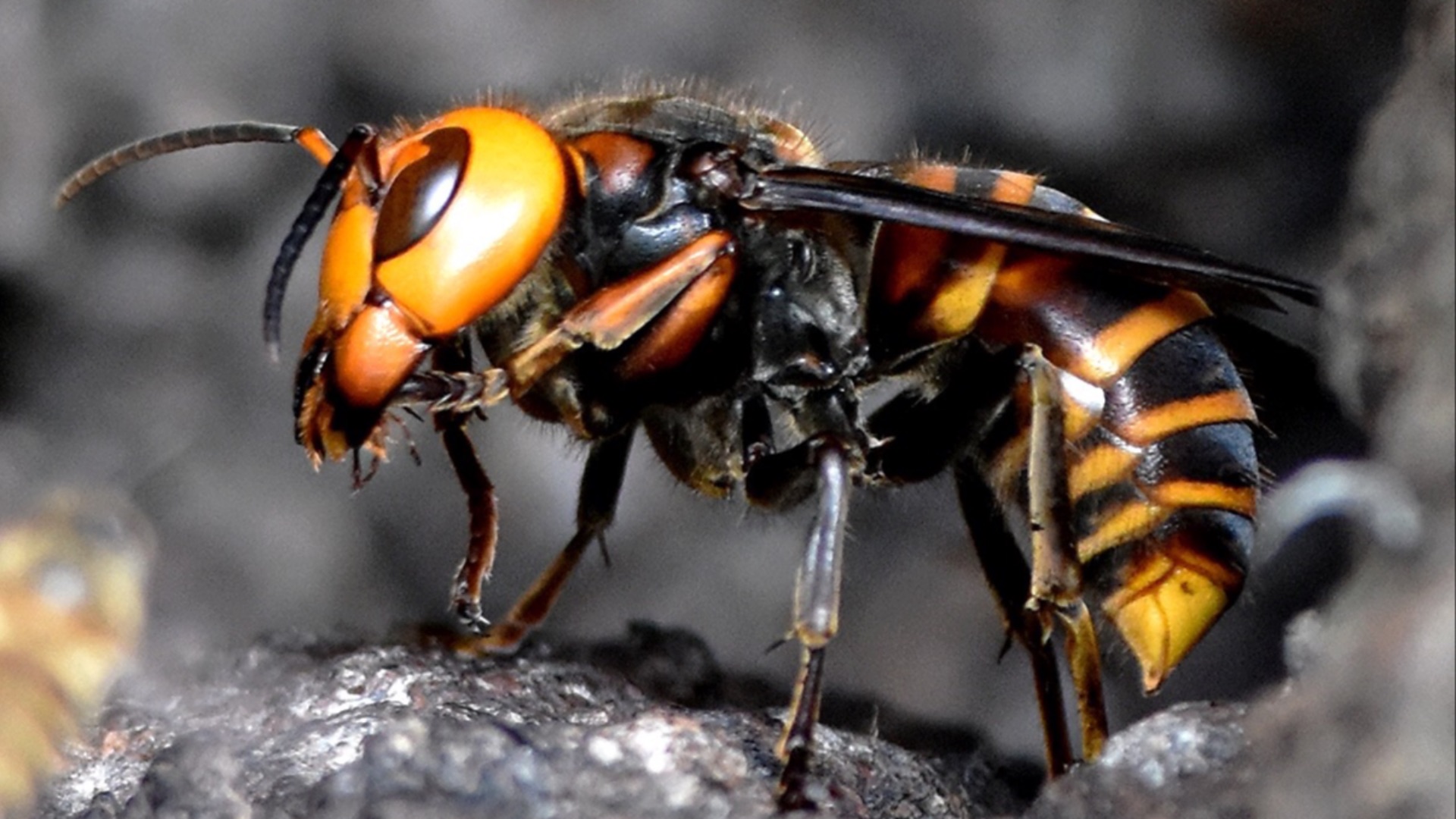
8. Asian Giant Hornets
Asian giant hornets are another insect that carries powerful venom. They are also capable of delivering repeated stings, which can damage the kidneys, liver, heart, and other key organs, even in people who aren't allergic, so you definitely don't want to anger one.
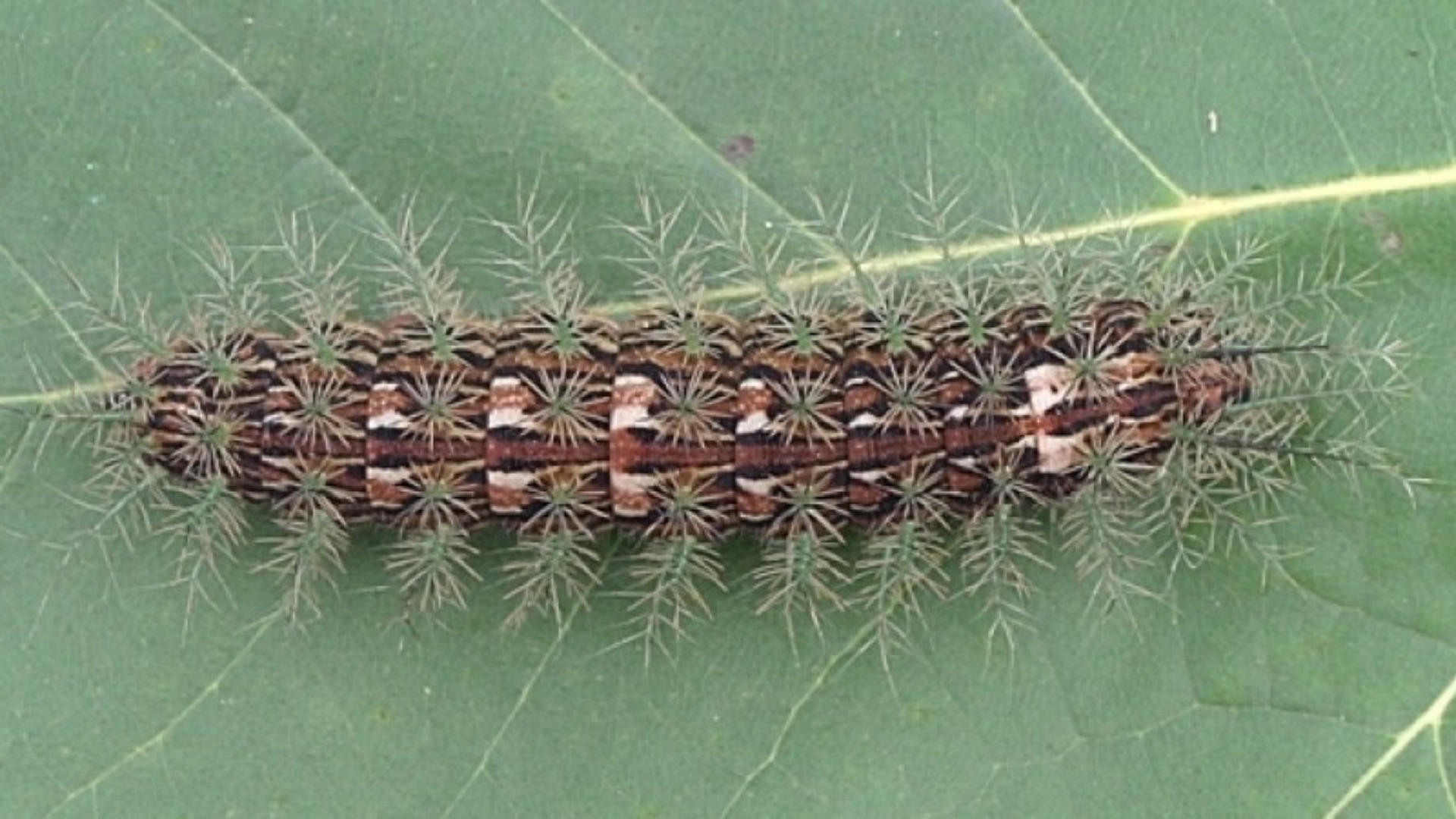
9. Lonomia Caterpillars
The caterpillars of Lonomia moths may look less dangerous than other venomous animals, but don't underestimate them: their spines can deliver potent toxins. Envenomation from one can interfere with normal blood clotting and, in severe cases, lead to major bleeding, kidney failure, or even intracranial hemorrhage.
 Centro de Informações Toxicológicas de Santa Catarina on Wikimedia
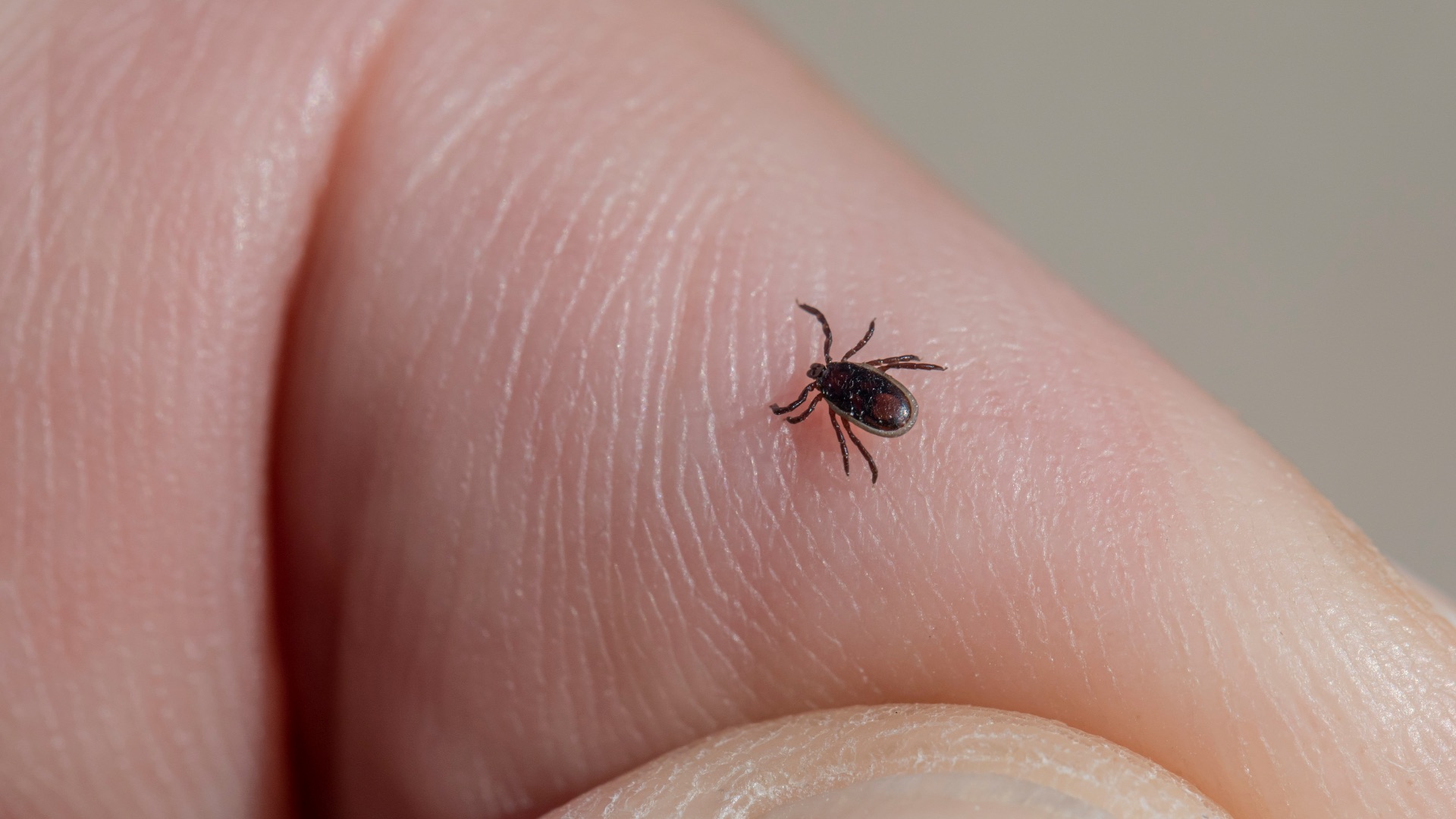
10. Disease-Carrying Ticks
Ticks aren't technically insects, but you should still be careful around them—some species carry potentially fatal infections. Some North American ticks, for example, can spread Rocky Mountain spotted fever, which is a bacterial disease that can progress rapidly if medical care is delayed. Without prompt antibiotic treatment, advanced illness can cause fatal blood-vessel and organ damage.
KEEP ON READING

Happy Hour: The 20 Best Foods For Social Snacking