The Kitchen Time-Savers Professionals Swear By and the Ones They'd Rather Skip
Professional chefs are constantly looking for ways to work more efficiently, but that doesn't mean they're willing to sacrifice quality for convenience. Many restaurant kitchens rely on practical shortcuts that save time without affecting the final dish, while other common hacks are often avoided because they create more problems than they solve. If you've ever wondered which kitchen shortcuts actually earn a chef's approval, these 20 examples offer a good place to start. Here are 10 cooking shortcuts chefs actually use and 10 they avoid entirely.
1. Prepping Ingredients Before Cooking
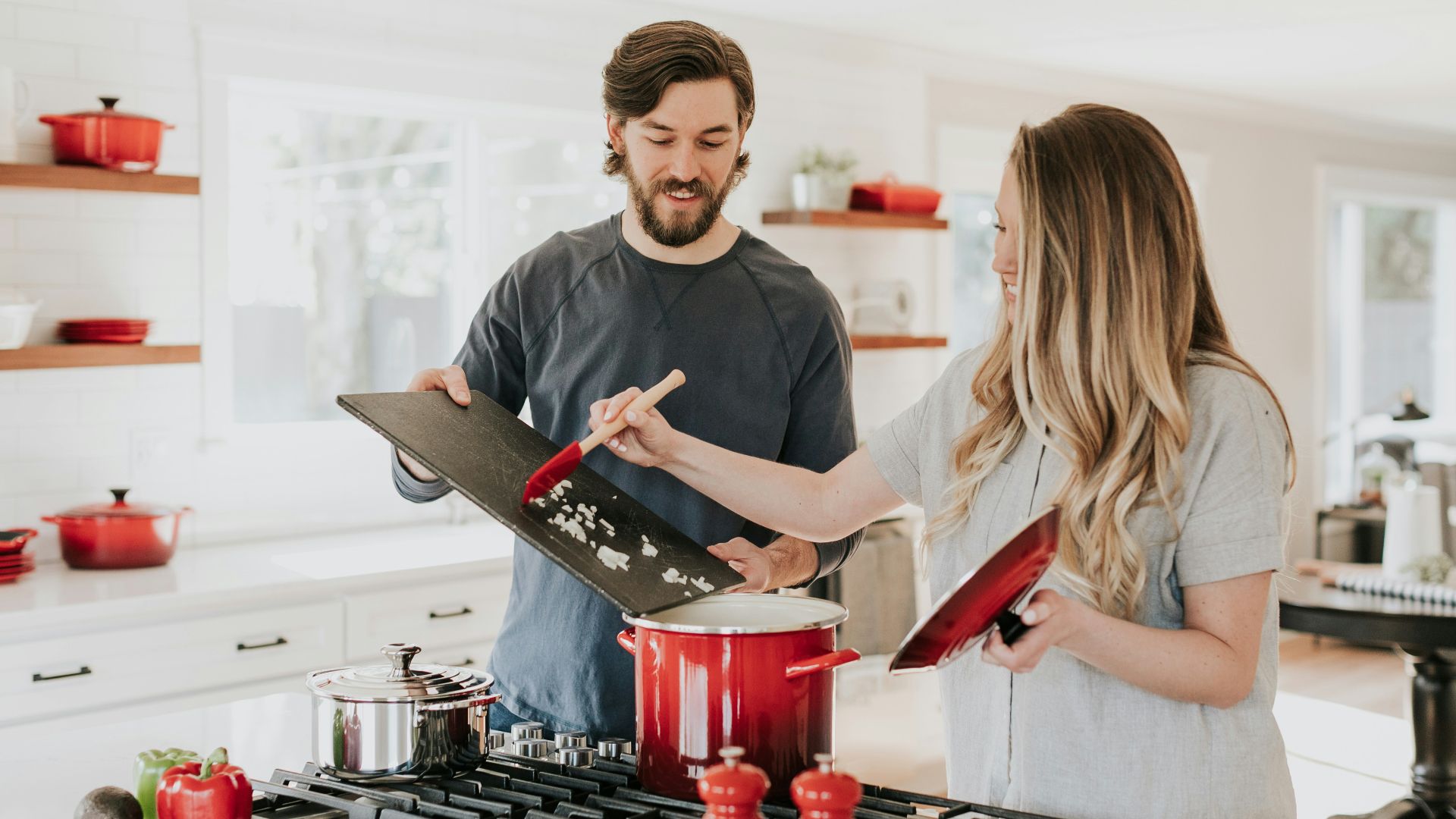
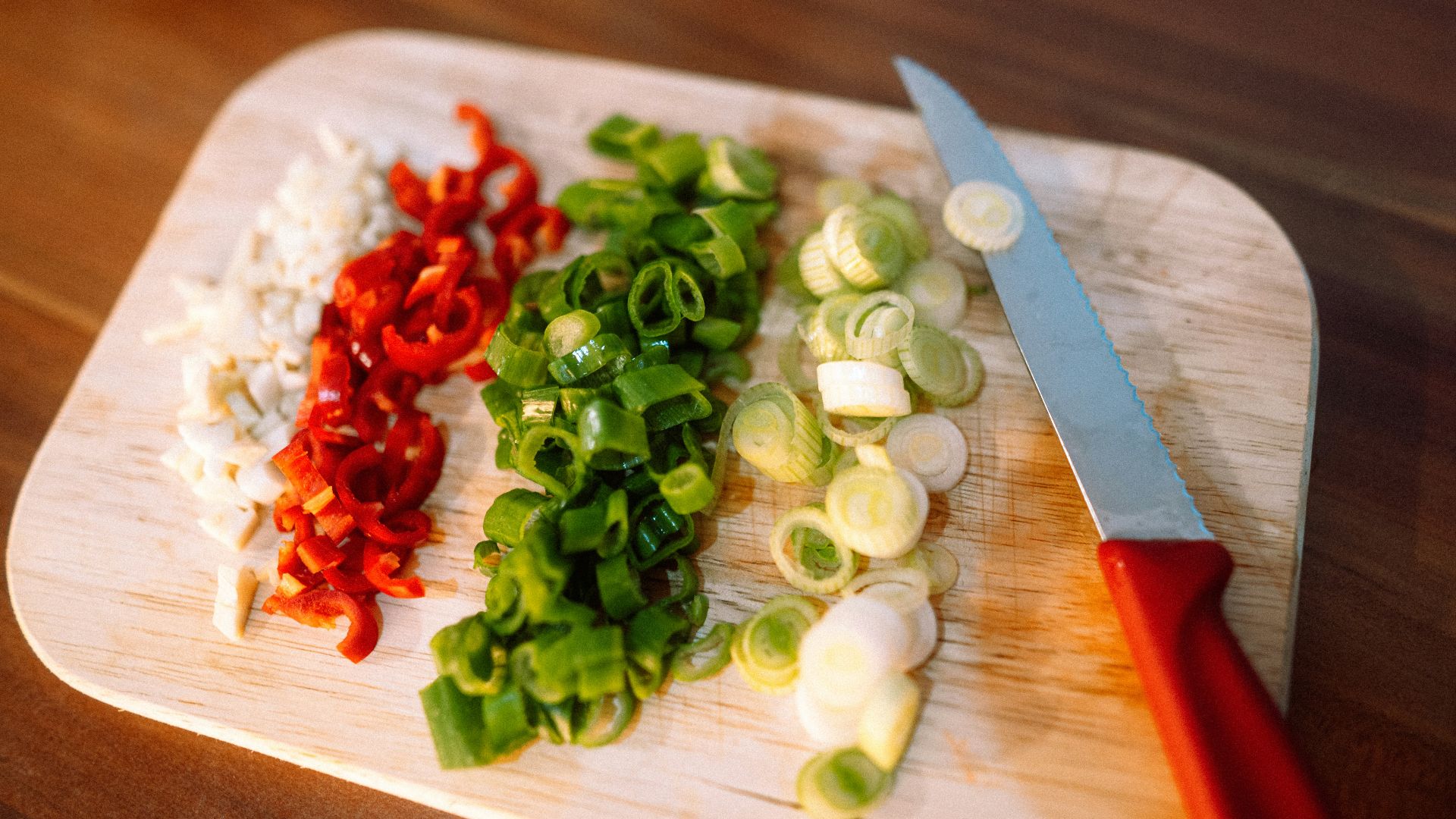
Professional kitchens rarely begin cooking before ingredients are measured, chopped, and organized. This practice, known as mise en place, prevents mistakes and speeds up the entire process. Having everything ready allows chefs to focus on cooking rather than scrambling for ingredients. It also makes it much easier to keep multiple dishes moving at the same time.
2. Using Pre-Peeled Garlic
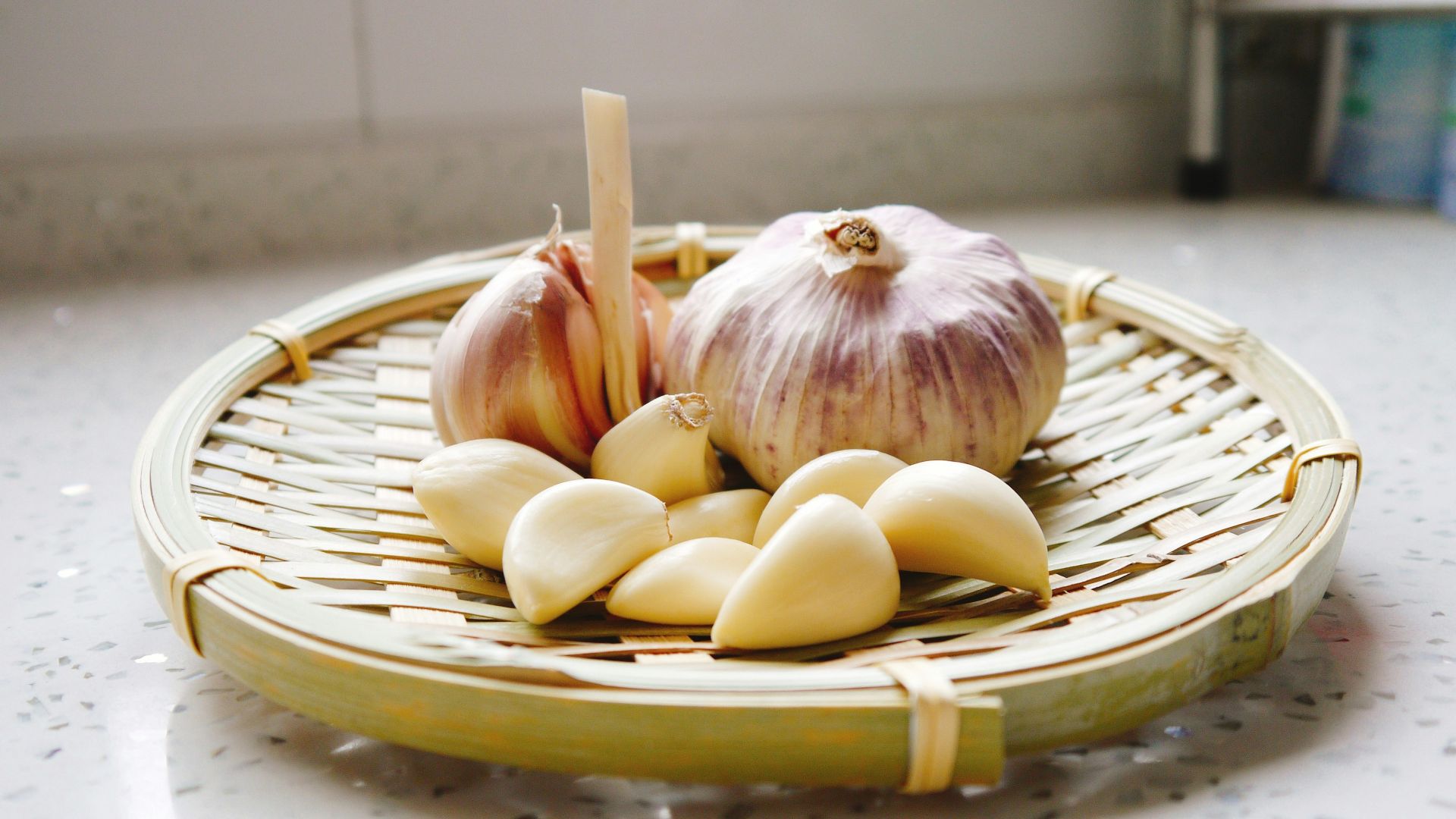
While freshly peeled garlic is ideal in some situations, many chefs use quality pre-peeled garlic to save time. The difference is often negligible in cooked dishes where garlic isn't the star ingredient. It can eliminate one of the more tedious prep tasks. In a busy kitchen, saving even a few minutes on repetitive jobs can make a noticeable difference.
3. Keeping Frozen Stock on Hand
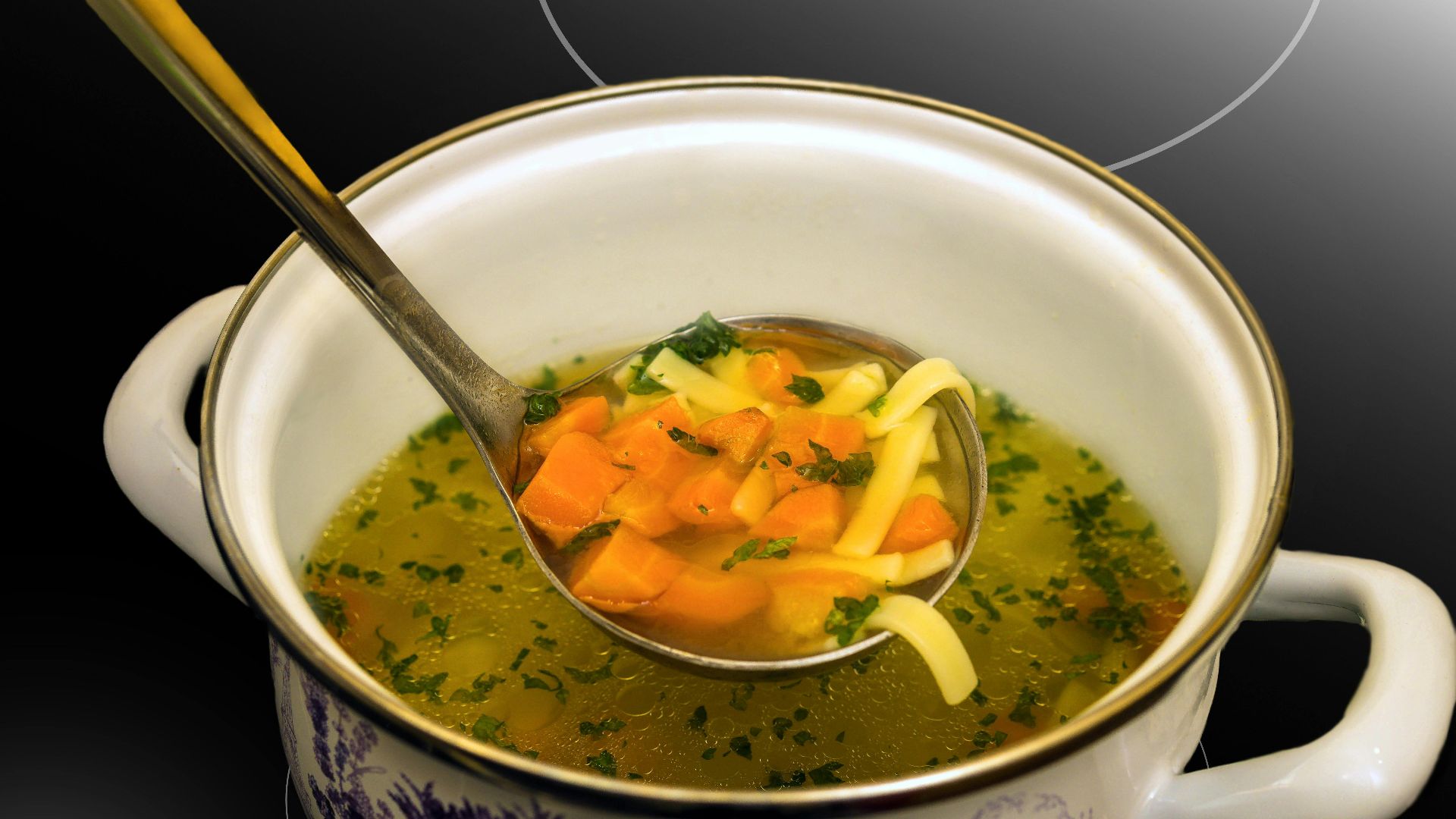
Many chefs prepare large batches of stock and freeze portions for later use.
This provides the flavor benefits of homemade stock without requiring hours of work every time it's needed. It's a practical shortcut that doesn't compromise quality. Having stock ready to go also encourages cooks to build deeper flavors into everyday meals.
4. Using a Food Processor for Repetitive Tasks
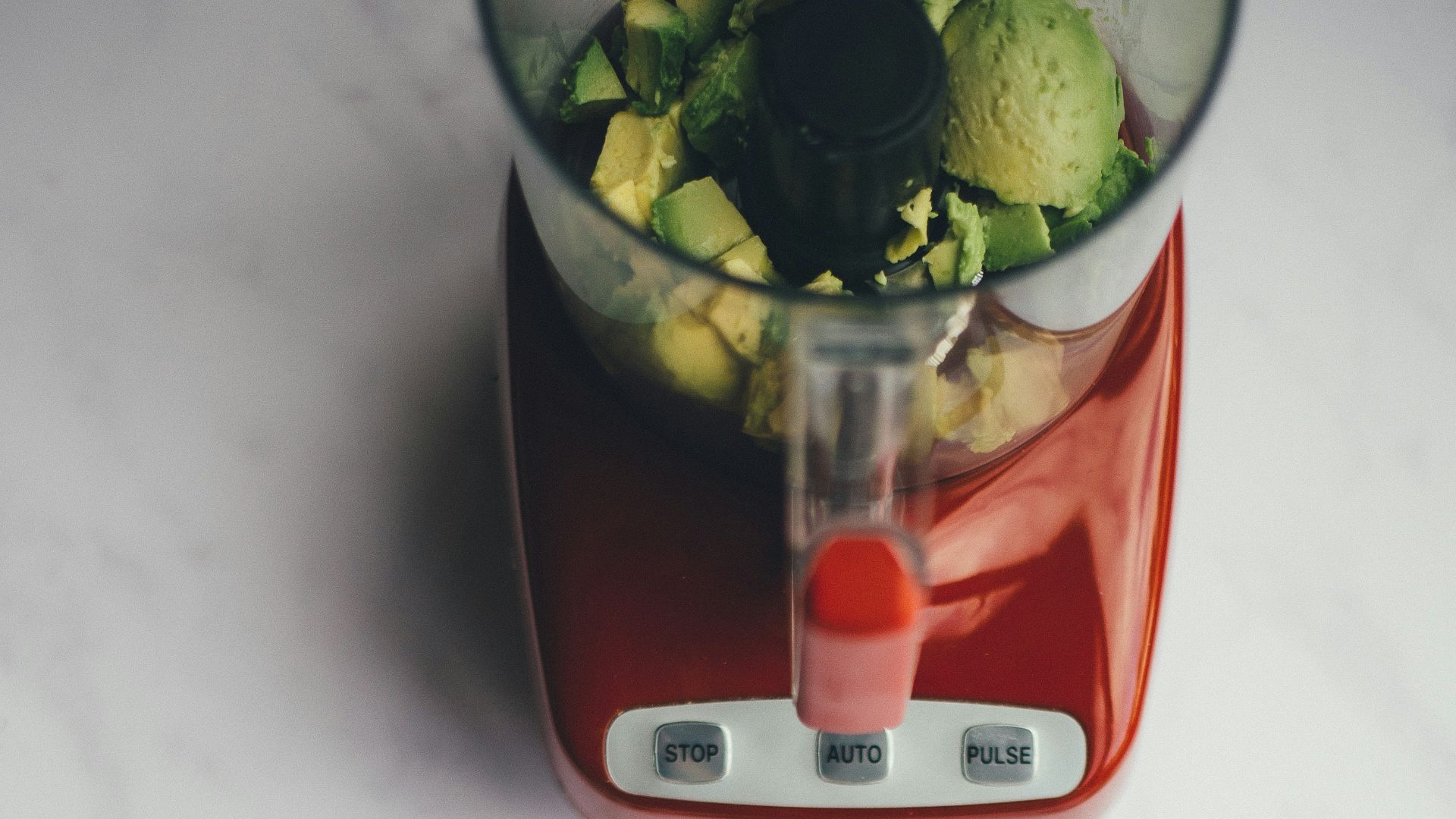
When large quantities of vegetables need chopping, a food processor can be a major time-saver. Most chefs aren't interested in hand-cutting pounds of onions if a machine can do the job efficiently. The key is knowing when precision matters and when it doesn't. For soups, sauces, and stews, the time savings often outweigh any minor differences in appearance.
5. Buying Quality Puff Pastry
Even talented pastry chefs often purchase frozen puff pastry. Producing it from scratch requires significant time and effort, while many commercial versions are excellent. Using a high-quality product allows more focus on fillings and presentation. It's one of the few store-bought shortcuts that many professionals openly recommend.

6. Batch Cooking Components
Professional kitchens frequently prepare sauces, grains, and proteins in advance. This approach reduces workload during busy service periods. It also helps maintain consistency across multiple dishes. Home cooks can benefit from the same strategy when planning meals for the week.

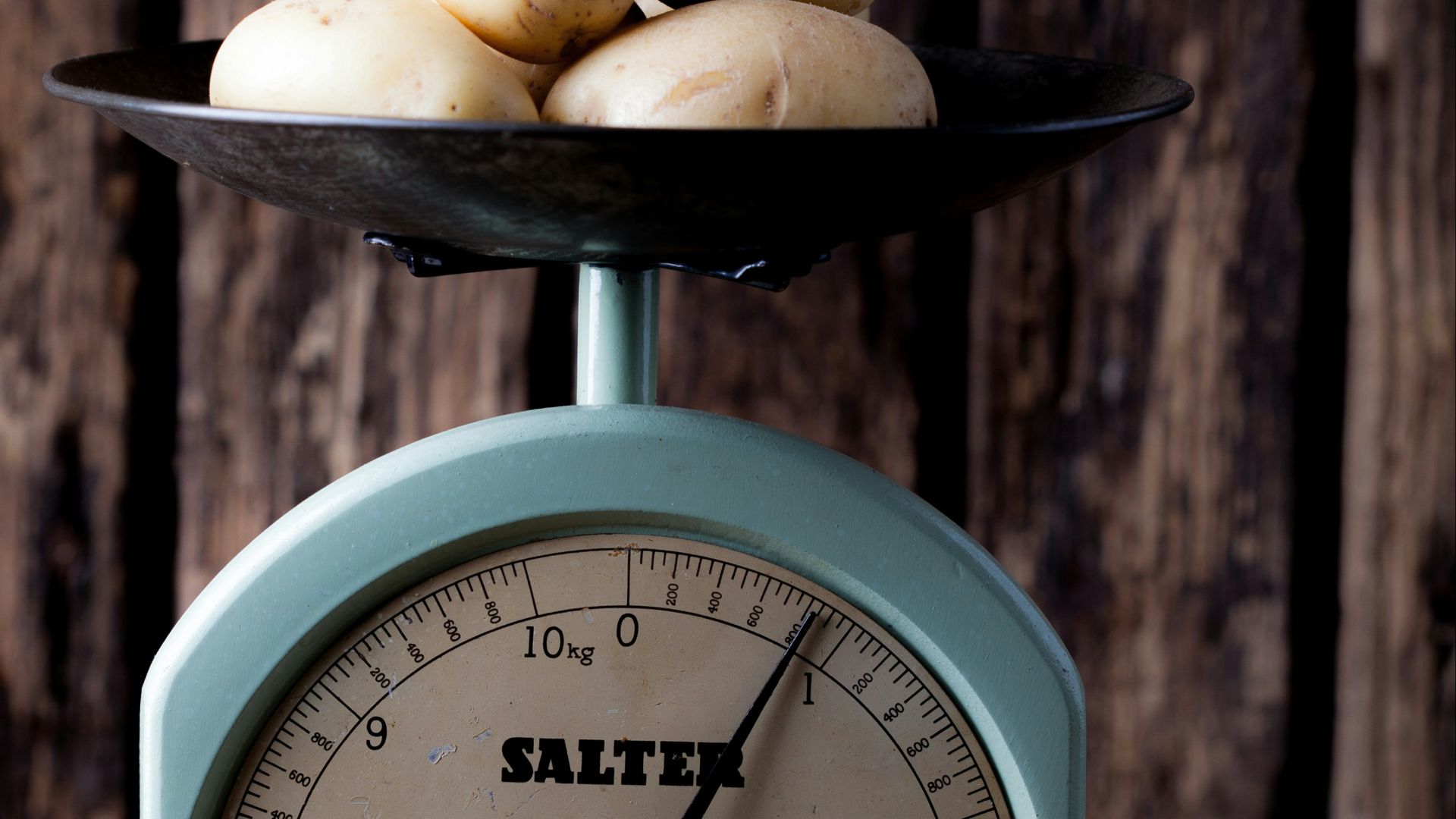
7. Using Kitchen Scales
Weighing ingredients is often faster and more accurate than measuring cups and spoons. Many chefs rely on scales for baking and even everyday cooking.
The process reduces cleanup and improves consistency. Small differences in measurements can significantly affect the outcome of certain recipes.
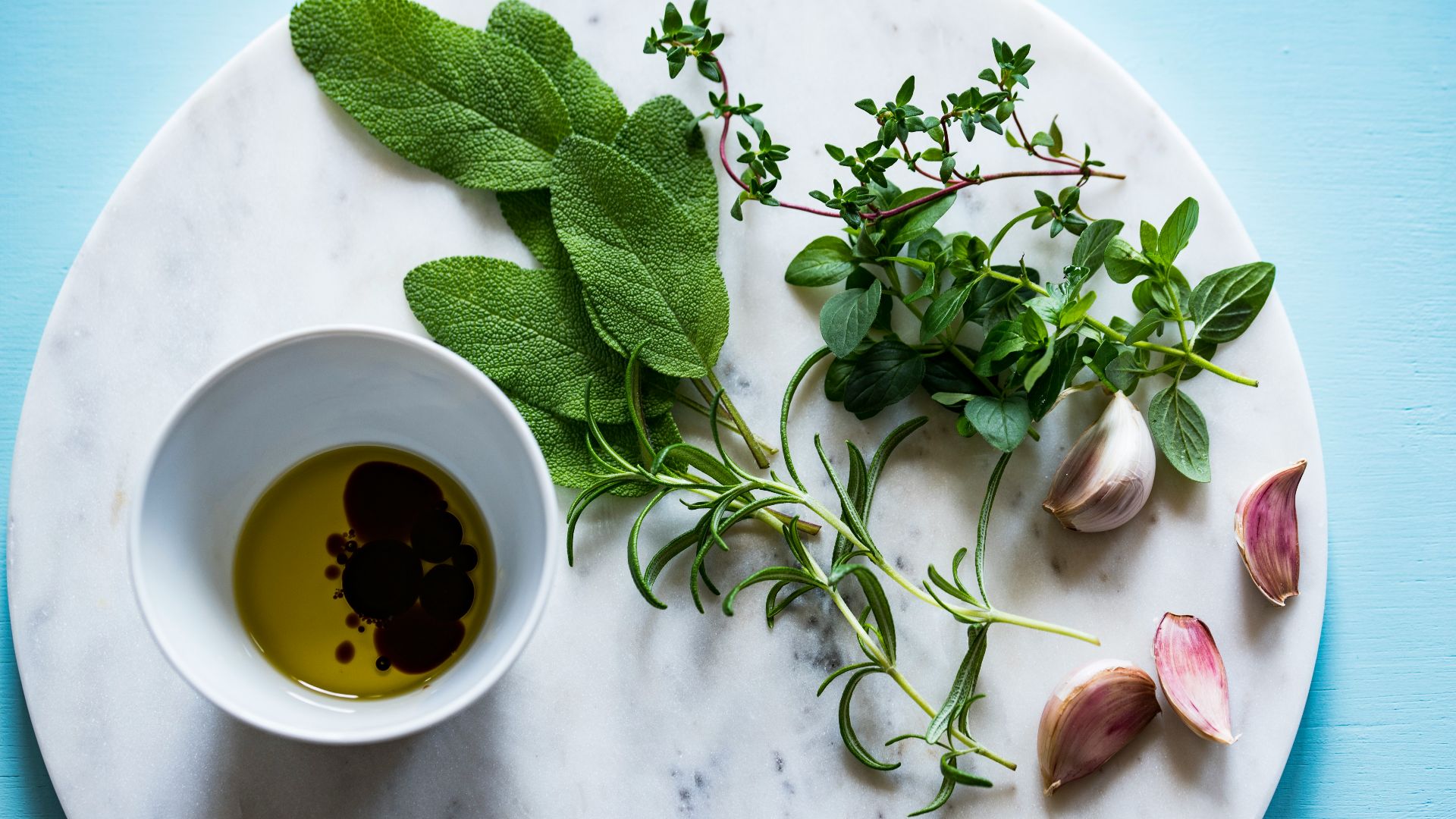
8. Freezing Fresh Herbs in Oil
Extra herbs don't have to go to waste. Chefs often freeze chopped herbs in small portions with olive oil for future use. This preserves flavor while making future cooking more convenient.
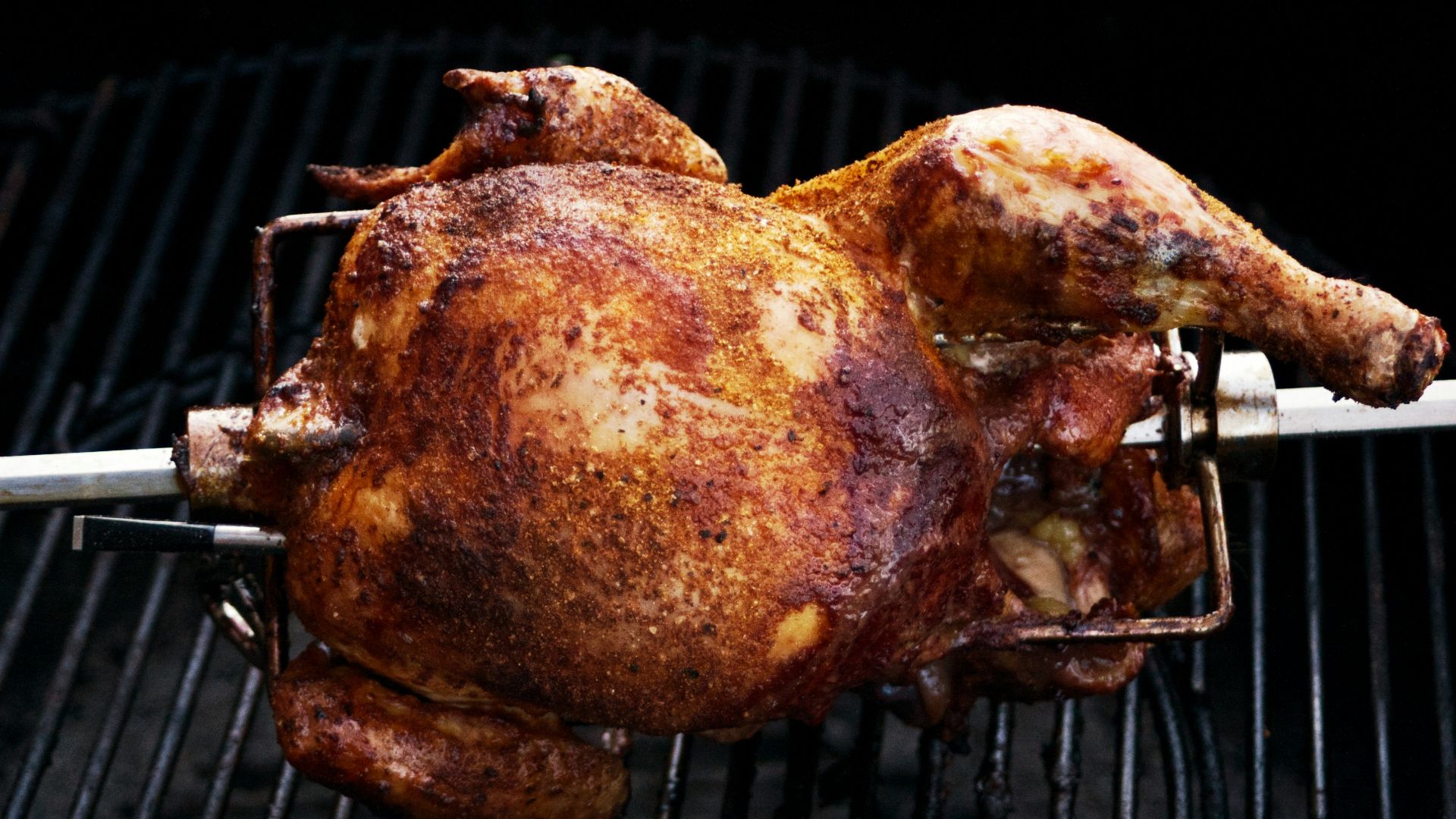
9. Using Rotisserie Chickens
A good rotisserie chicken can become the foundation for numerous meals. Many chefs see no reason to roast a chicken from scratch when time is limited and a quality option is readily available. It provides a quick starting point for soups, salads, and sandwiches. The leftover bones can even be used to make stock.
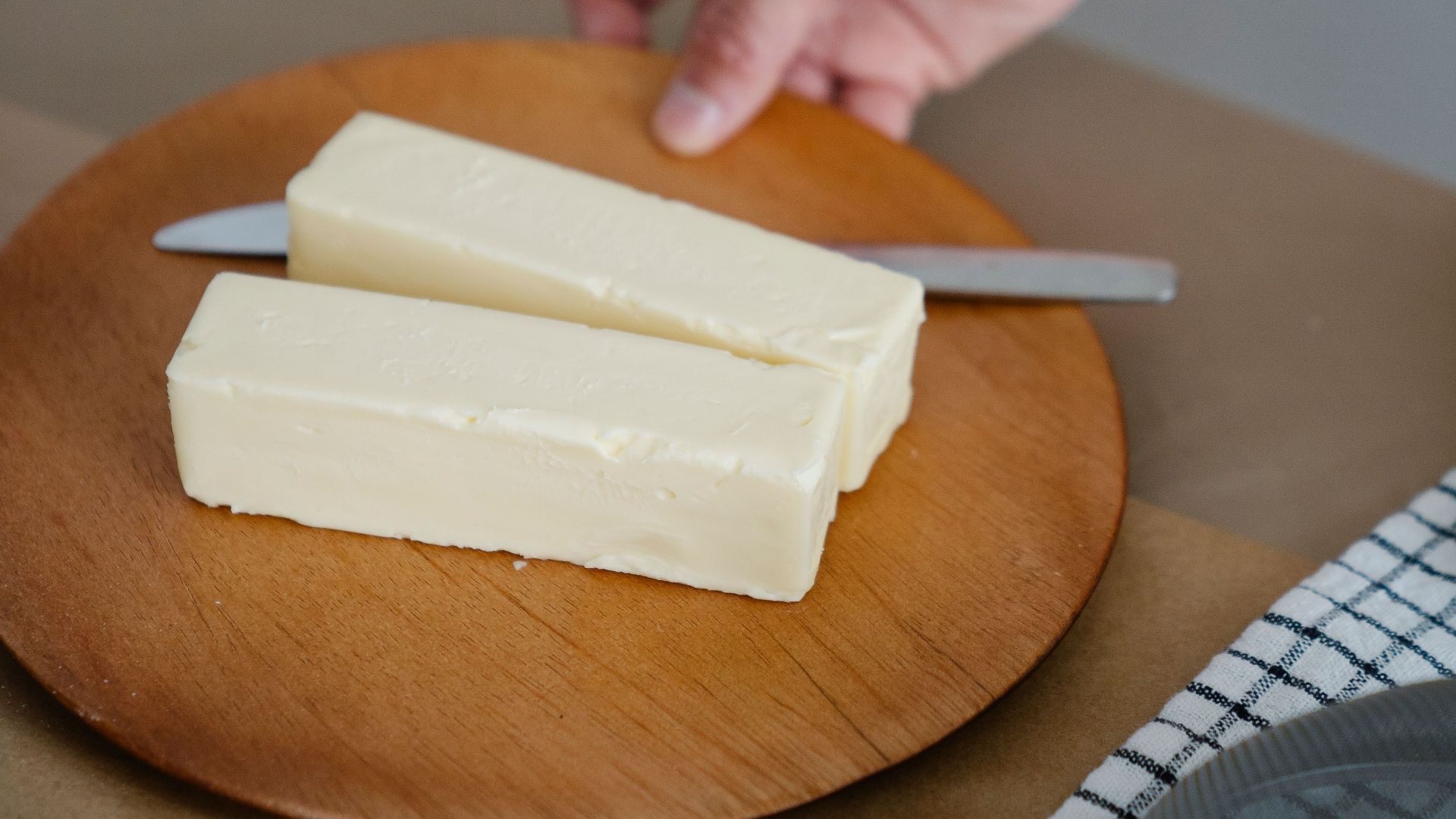
10. Grating Butter for Baking
Cold butter can be difficult to incorporate into doughs and pastries. Grating it allows for faster mixing and more even distribution. Many bakers use this technique to save time without affecting results. It can be especially useful when making biscuits, scones, or pie crusts.
1. Overcrowding the Pan
Trying to cook too much food at once often backfires. Overcrowding traps moisture and prevents proper browning. Most chefs would rather cook in batches than sacrifice flavor and texture.
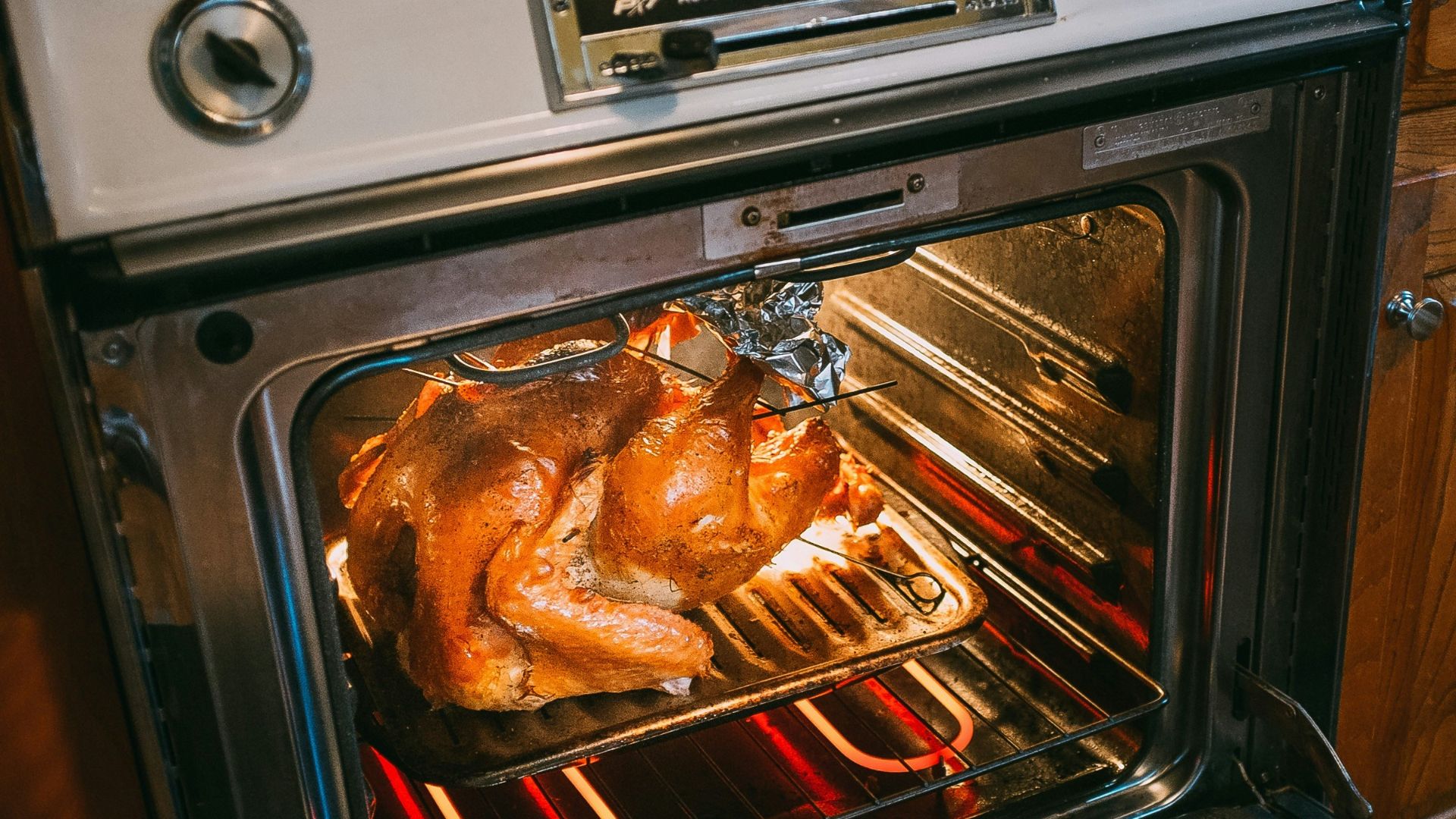
2. Skipping the Preheat
Adding food to a cold oven or pan can lead to inconsistent cooking. Proper preheating creates better texture and more predictable results. Chefs rarely view this step as optional.
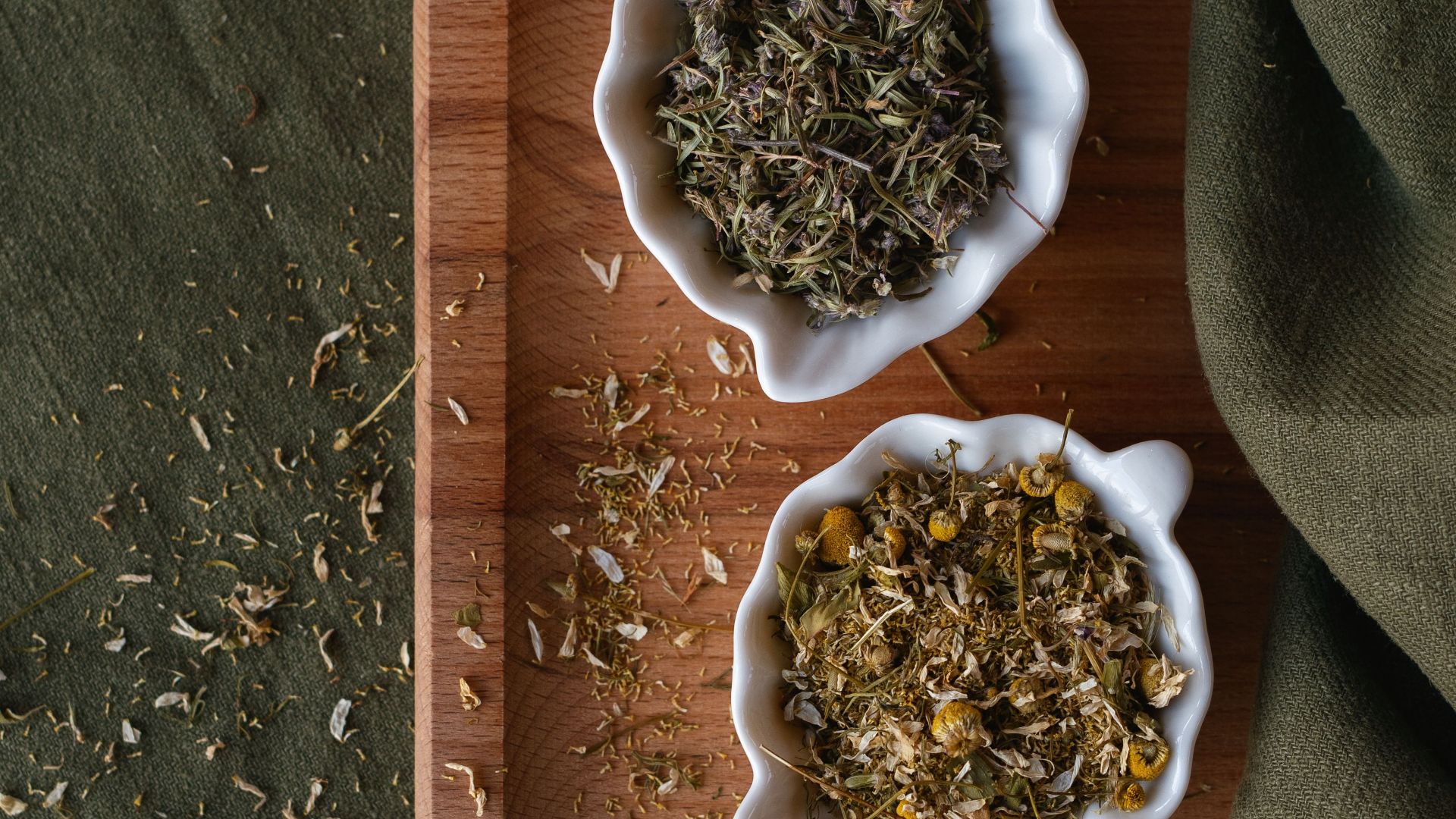
3. Replacing Fresh Herbs with Dried Ones Automatically
Dried herbs have their place, but they aren't always interchangeable with fresh herbs. Certain dishes depend on the brightness and texture of fresh ingredients. Many chefs avoid making substitutions without considering the recipe carefully.
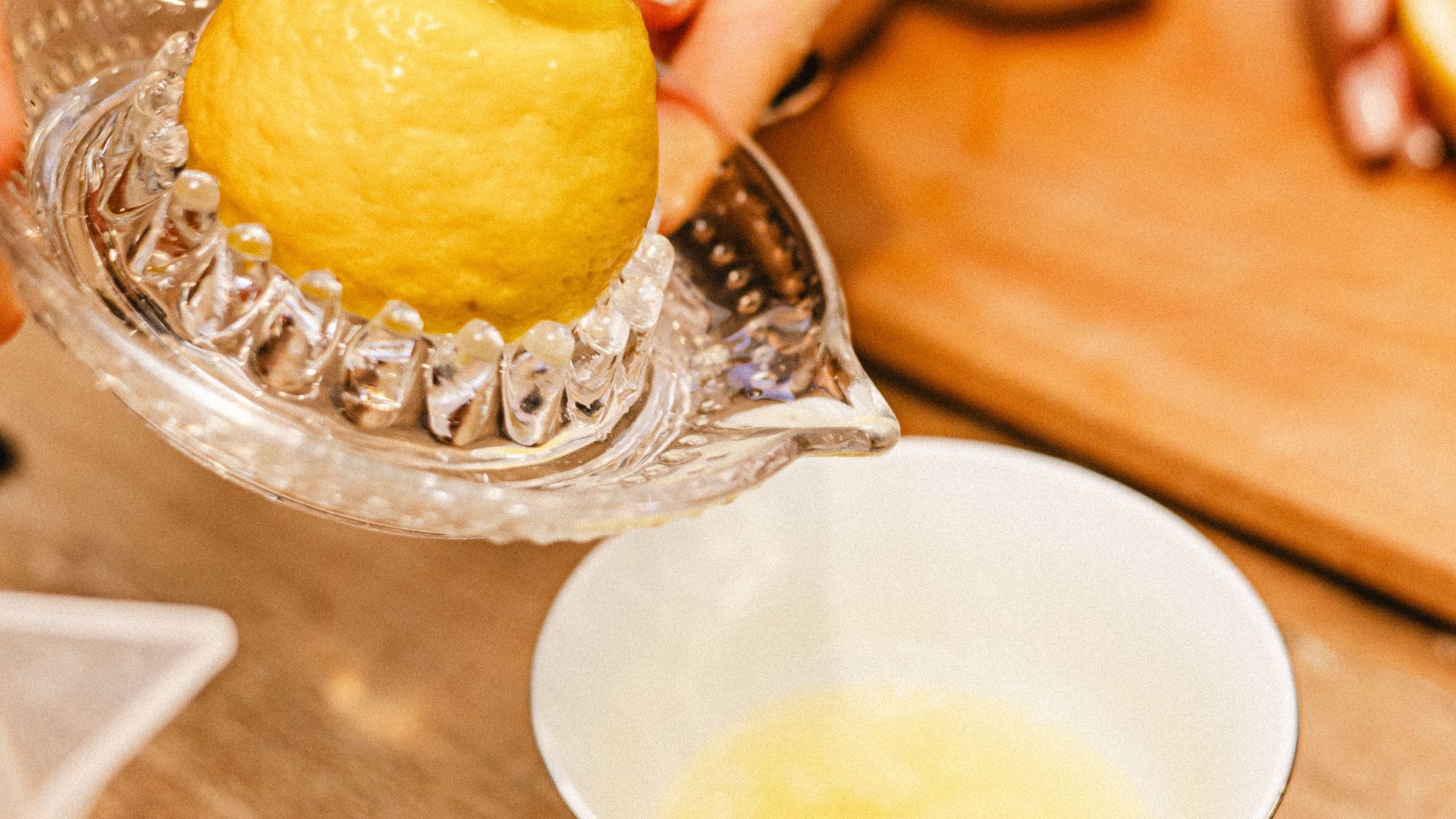
4. Using Bottled Lemon Juice for Everything
Fresh lemon juice offers flavor and aroma that bottled versions often can't match. While bottled juice can be convenient, chefs generally prefer fresh citrus when the flavor is prominent. The difference is especially noticeable in simple dishes.
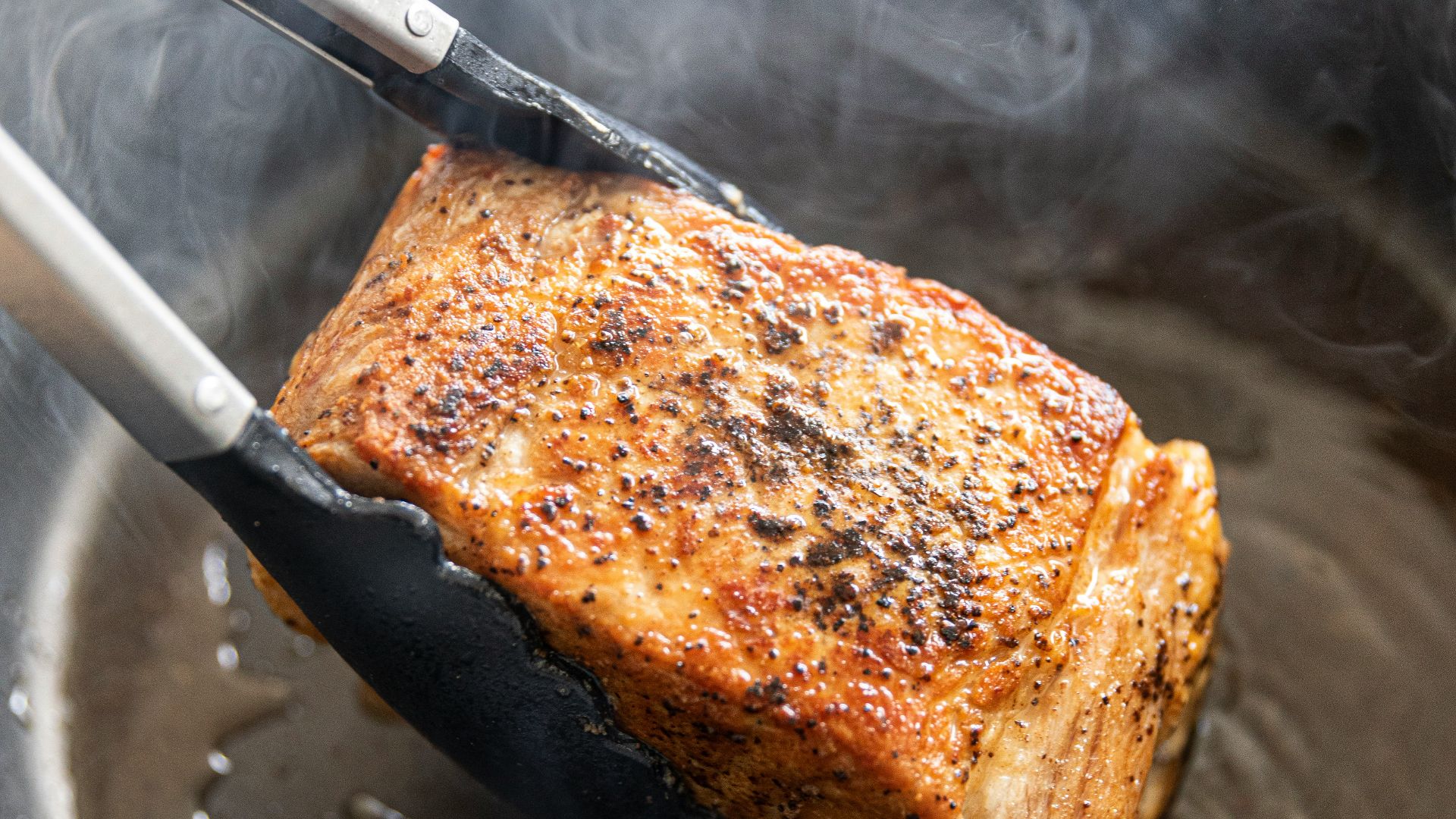
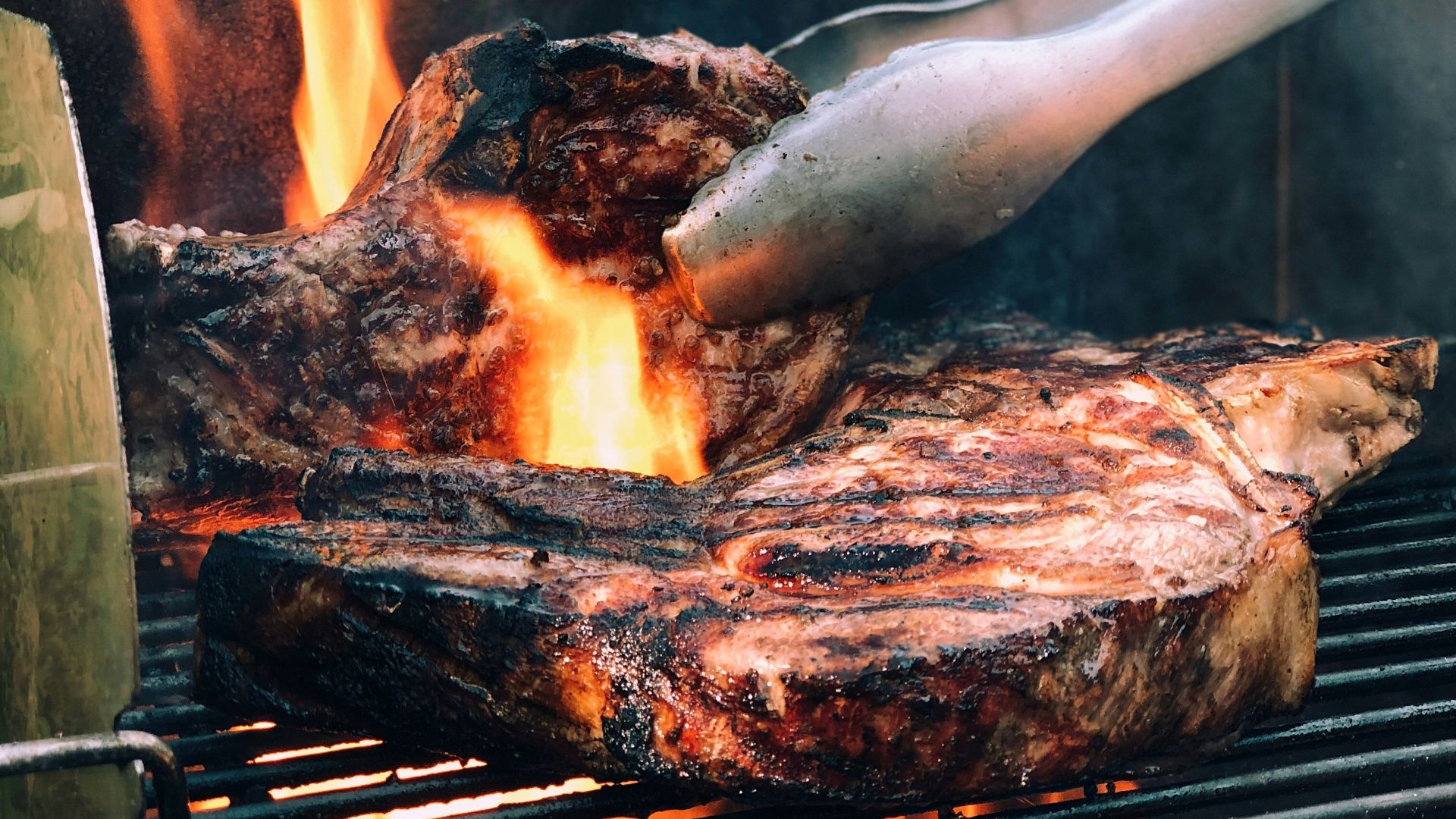
5. Constantly Flipping Meat
Many home cooks turn meat repeatedly while cooking. Chefs typically allow food enough time to develop proper browning before flipping. Too much movement can interfere with texture and flavor development.
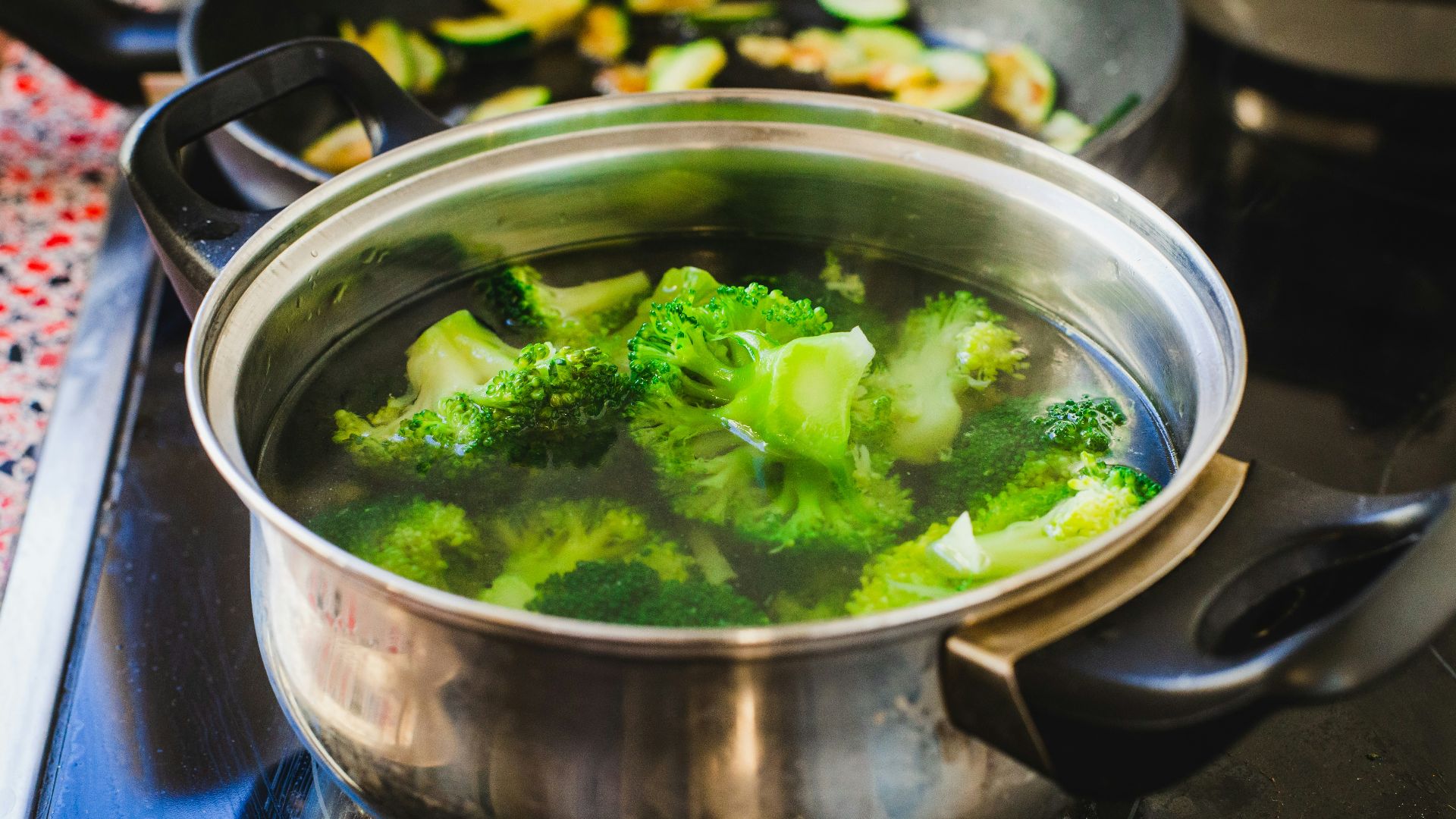
6. Boiling Vegetables Excessively
Cooking vegetables until they're overly soft may save time, but it often sacrifices texture and nutrients. Most chefs prefer methods that preserve color and structure.
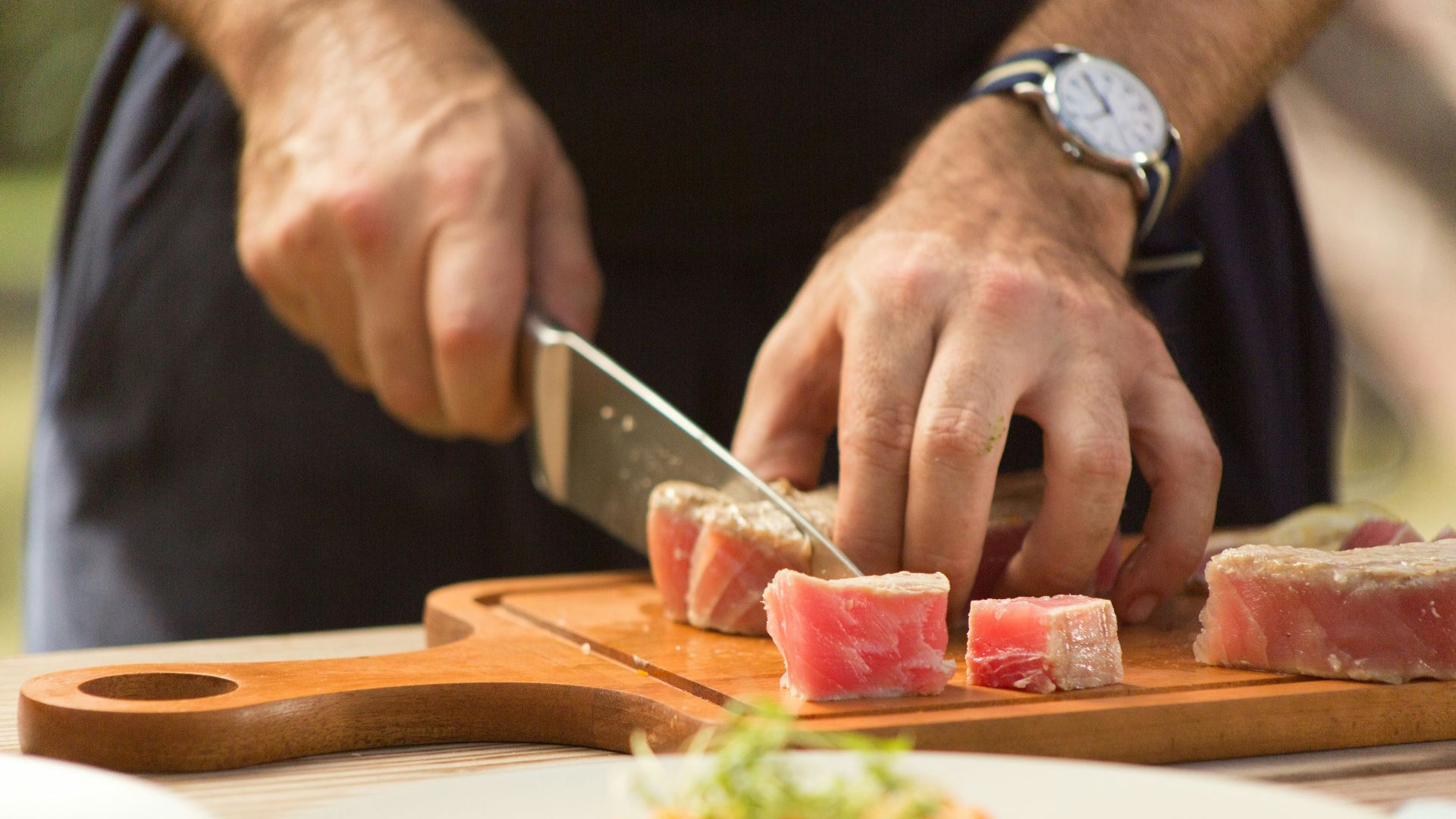
7. Using Dull Knives
Some people delay sharpening knives because it seems inconvenient. Professional cooks know dull blades slow prep work and increase accident risks. Maintaining sharp knives actually saves time in the long run.
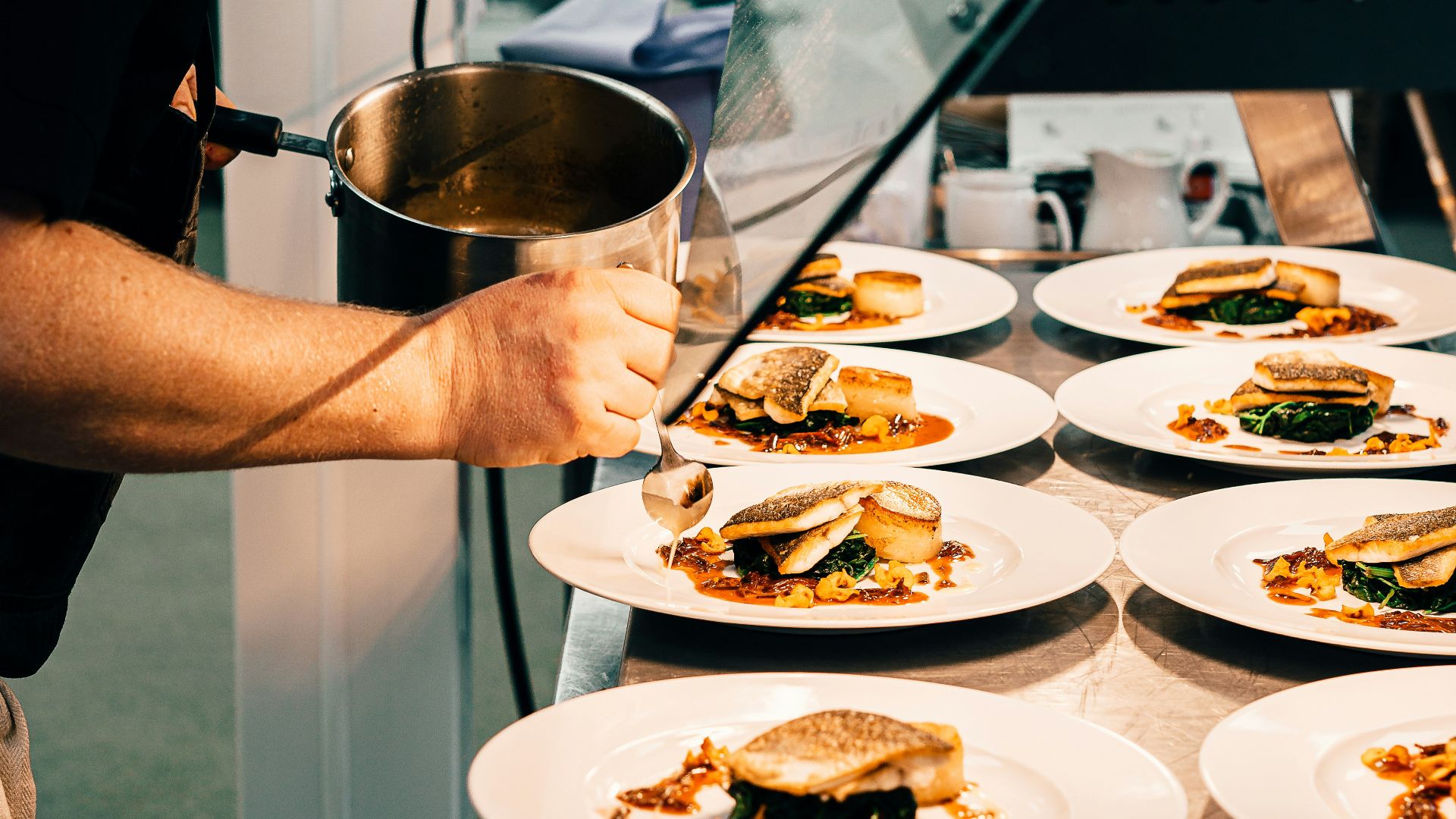
8. Adding All Ingredients at Once
Many recipes benefit from ingredients being added in stages. Dumping everything into a pan simultaneously can prevent proper flavor development. Chefs generally follow cooking sequences for a reason.
 Sebastian Coman Photography on Unsplash
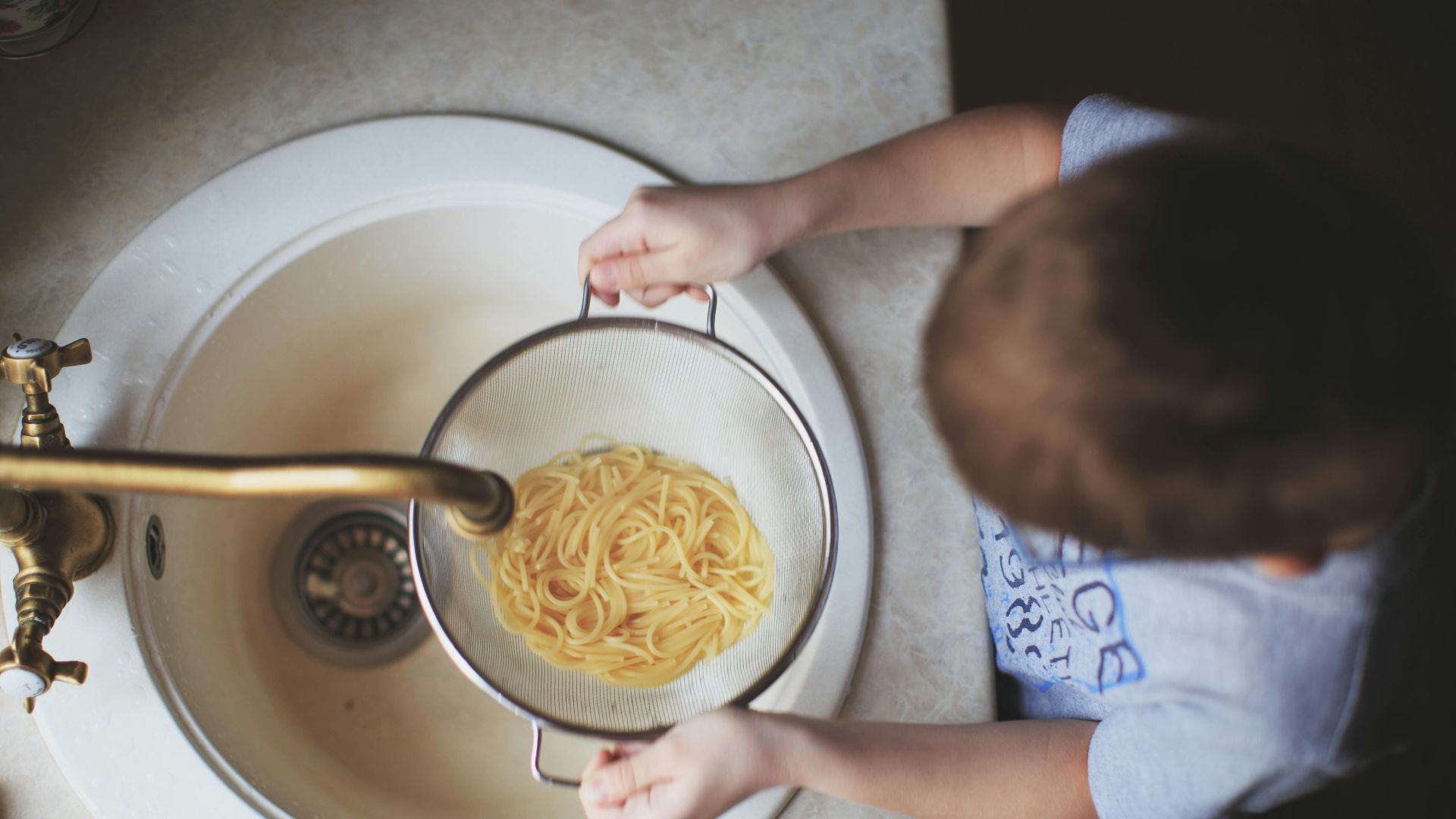
9. Rinsing Pasta After Cooking
Unless a specific recipe calls for it, rinsing pasta washes away starch that helps sauce adhere. Chefs typically transfer pasta directly into the sauce instead.
This creates a more cohesive final dish.
10. Depending on One-Pan Recipes for Everything
One-pan meals can be convenient, but they're not always the best option. Certain ingredients cook at different rates and require different techniques. Chefs often avoid forcing every recipe into a single pan when better results come from using multiple cooking methods.