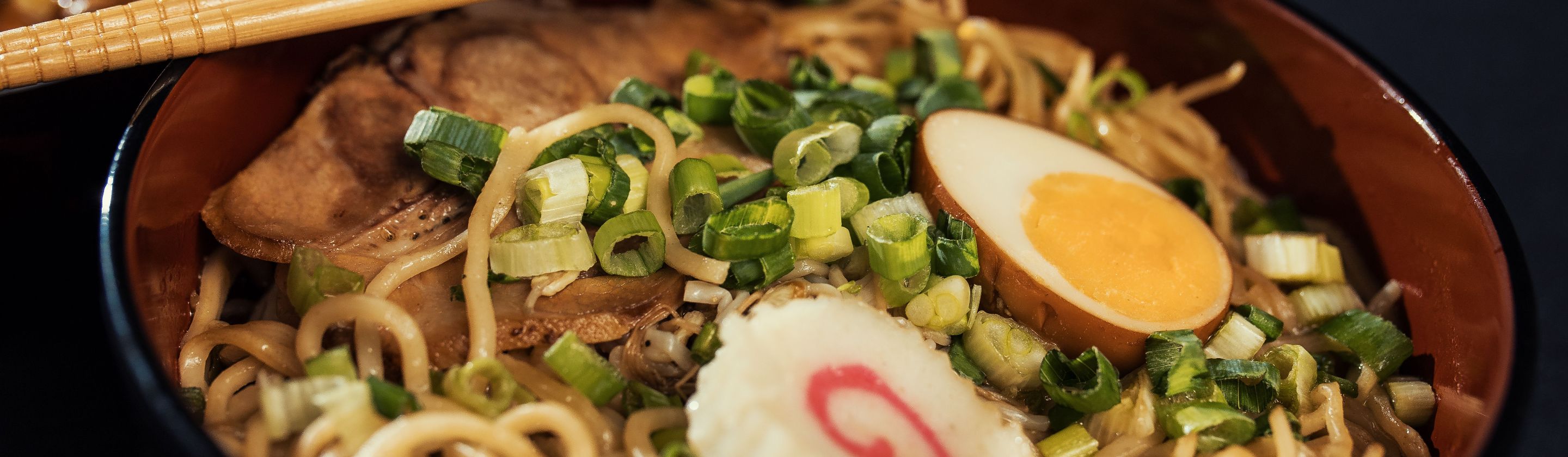
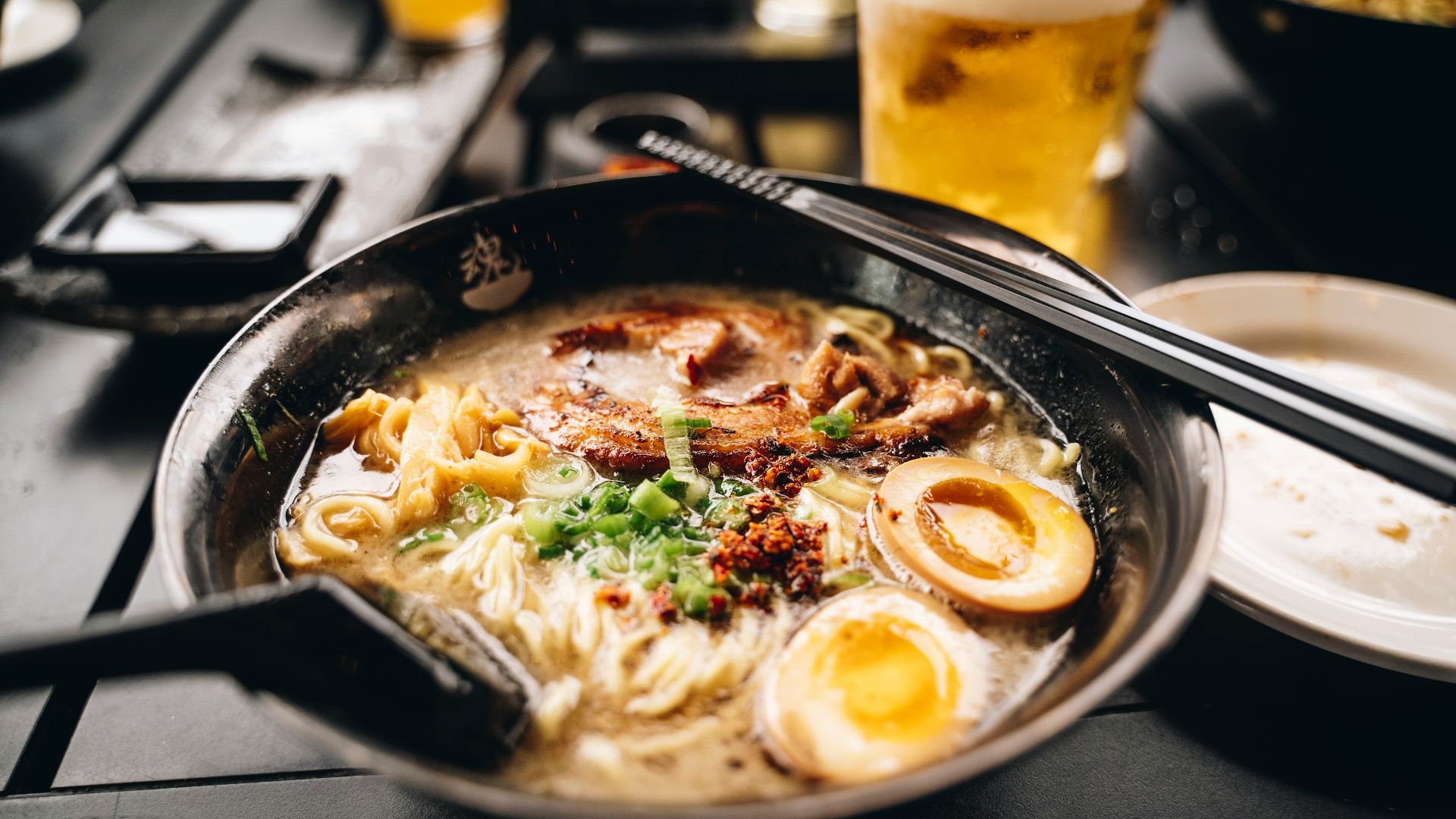
Ramen has earned a reputation as a dish that requires specialty ingredients, hours of preparation, and years of practice to perfect. While some restaurant bowls are built on elaborate techniques, you can still create a deeply satisfying version at home using ingredients from a typical grocery store. Many professional kitchens rely on fundamentals that home cooks can easily adapt. With a little attention to detail, you can achieve impressive results without overcomplicating the process.
The key is understanding which elements contribute the most flavor and texture. By focusing on a rich broth, properly prepared noodles, and carefully selected toppings, you can build a bowl that feels far more impressive than its simple ingredients might suggest. Small improvements in each area combine to create a noticeable difference in the final dish. That's why even basic ingredients can produce exceptional ramen when they're used thoughtfully.
Build a Rich and Flavorful Broth
A great bowl of ramen starts with the broth, which serves as the foundation for every other ingredient. Instead of relying solely on the seasoning packet that comes with instant noodles, begin with a quality store-bought chicken, beef, or vegetable stock. This simple upgrade immediately creates a more flavorful base. You'll notice a deeper and more balanced taste before adding any other ingredients.
Once the stock is heated, add aromatics such as fresh ginger, garlic, and green onion. Simmering these ingredients for twenty to thirty minutes allows their flavors to infuse throughout the liquid without requiring hours of cooking. The result is a broth that tastes much more developed and balanced. Even a short simmer can create a noticeable improvement compared to plain stock.
To add additional depth, stir in ingredients like soy sauce, miso paste, or a small amount of fish sauce. These pantry staples contribute savory flavors that are commonly associated with restaurant ramen. A drizzle of toasted sesame oil added just before serving can also provide a pleasant layer of richness and aroma. Together, these ingredients help create the complexity that makes ramen so satisfying.
Choose Better Noodles and Seasonings
While broth receives much of the attention, noodles are equally important to the overall experience. Many grocery stores now carry fresh ramen noodles in refrigerated sections, and they often provide a texture that's closer to what you'll find in a ramen shop. Their firm bite helps create a more authentic bowl. The texture difference becomes especially noticeable when paired with a rich broth.
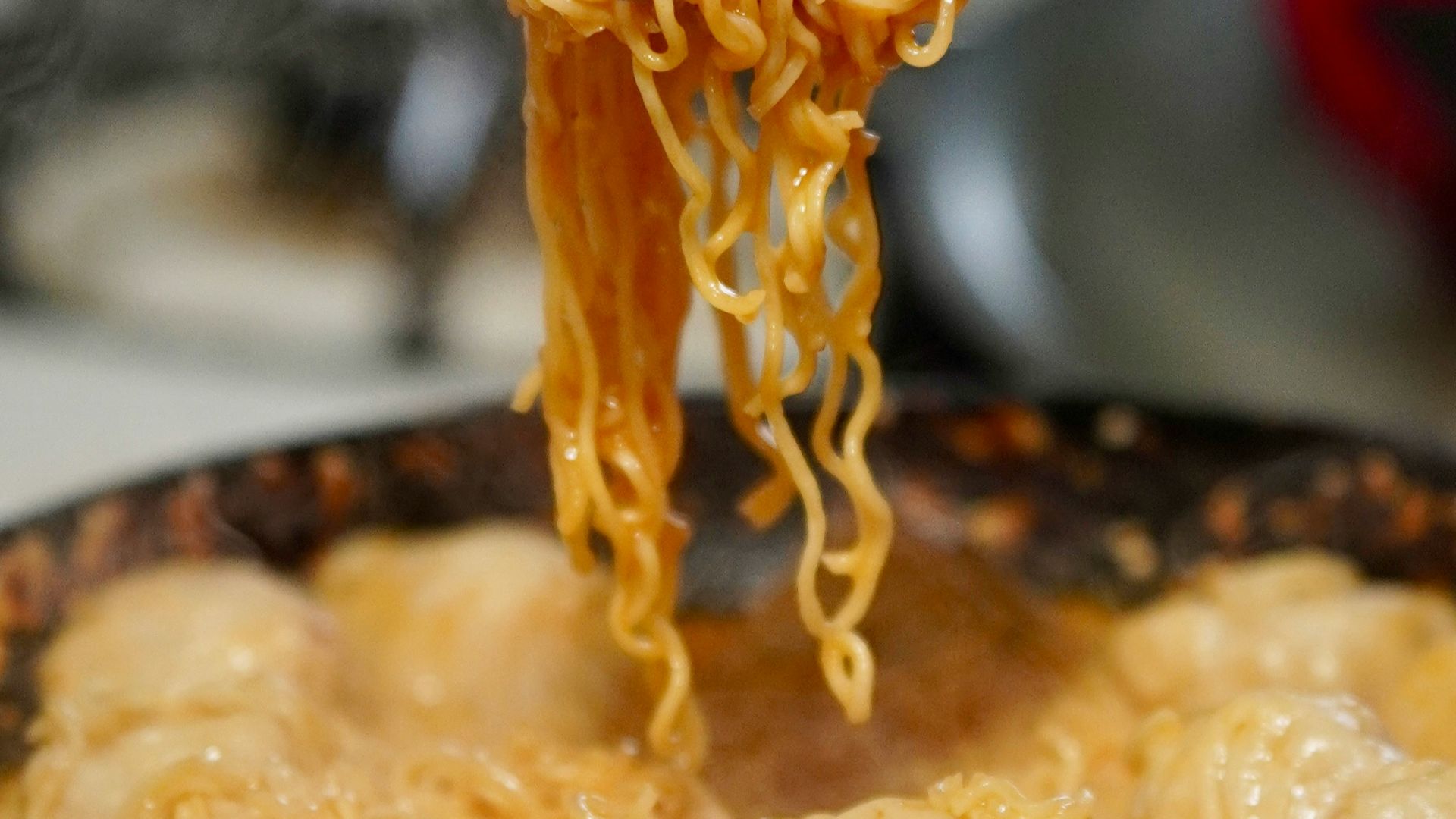
If fresh noodles aren't available, dried ramen noodles can still produce excellent results when cooked properly. It's best to prepare them separately from the broth and follow the cooking time carefully. Overcooked noodles can quickly become soft and lose the texture that makes ramen enjoyable. Cooking them just until tender helps preserve their pleasant chewiness.
Seasonings offer another opportunity to elevate the dish beyond basic instant ramen. Soy sauce, rice vinegar, chili oil, and sesame oil can be combined in different amounts to create a personalized flavor profile. Adding these ingredients gradually allows you to fine-tune the taste without overwhelming the broth. A small adjustment can often have a surprisingly large impact on the finished bowl.
Add Toppings That Create Contrast
 Shomitro Kumar Ghosh on Unsplash
One of the reasons restaurant ramen feels so satisfying is the variety of textures in every bite. Toppings bring freshness, richness, crunch, and color that complement the noodles and broth. Even a few simple additions can dramatically improve the finished bowl. They also make the meal feel more complete and visually appealing.
Soft-boiled eggs are among the most popular ramen toppings because they add both flavor and texture. Cooking eggs for about six and a half to seven minutes typically creates firm whites and creamy yolks. Once cooled and sliced in half, they provide an appealing visual element as well as extra richness. Many ramen enthusiasts consider them one of the essential finishing touches.
Protein and vegetables help transform ramen from a snack into a complete meal. Rotisserie chicken, sliced pork, tofu, mushrooms, spinach, corn, and green onions are all easy-to-find grocery store ingredients that work well together. Finishing the bowl with sesame seeds, nori strips, or a spoonful of chili crisp adds the final layer of flavor that makes homemade ramen feel special. These additions allow you to customize the bowl according to your personal preferences.
Making restaurant-level ramen at home doesn't require expensive ingredients or advanced culinary training. By building a flavorful broth, paying attention to noodle preparation, and using toppings that add variety, you can create a bowl that's both comforting and impressive. Once you've mastered these basics, you'll be able to customize each serving and enjoy ramen that rivals many restaurant versions. Best of all, the skills you learn can be applied to countless future bowls, making each one better than the last.
KEEP ON READING


20 Food Requests Only Spoiled People Ask For


20 Hardest Foods on Earth To Eat

Do Vitamin Supplements Actually Make You Healthier?