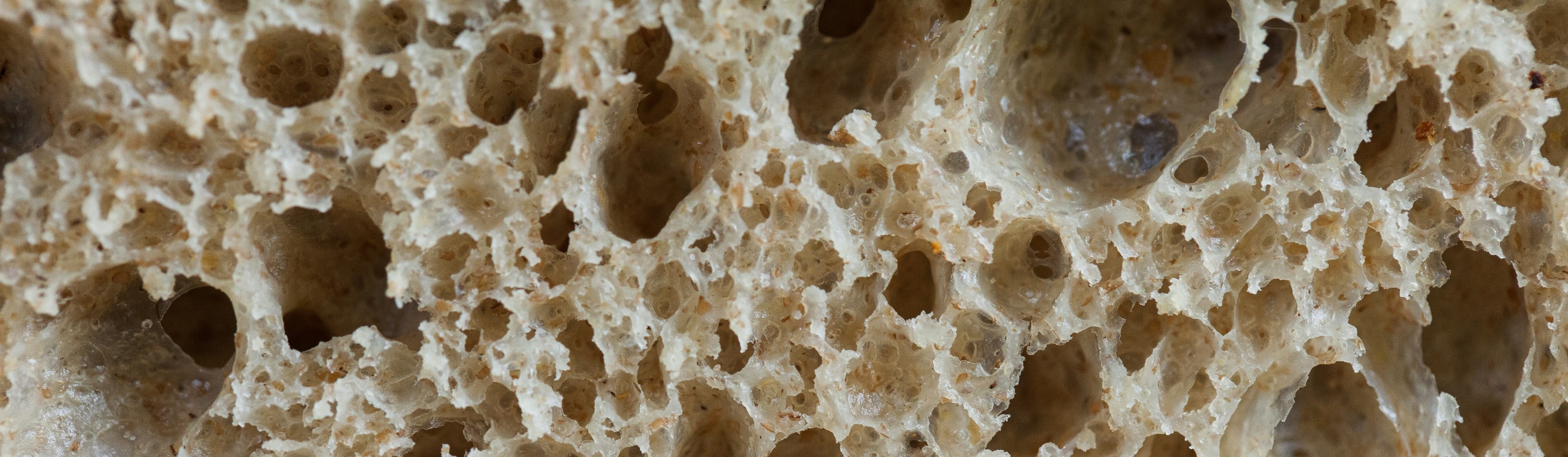
What Going Gluten-Free Really Means
Thinking of going gluten-free? Sure, it might sound like a simple way to eat cleaner or take control of your health, but contrary to what you might think, it’s not the right move for everyone. For some people, a gluten-free diet is medically necessary and life-changing, while for others, it can create unnecessary stress, higher grocery bills, and nutritional gaps without delivering much benefit. Before you decide, it's key to understand both sides clearly so you can make a choice that actually fits your body and health needs. Here are 10 reasons you shouldn't go gluten-free, and 10 reasons why it could be a good thing.

1. You May Not Need to Restrict Gluten at All
If you don’t have celiac disease, a wheat allergy, or another diagnosed gluten-related condition, removing gluten may not give you the health boost you’re expecting. Many people feel better when they cut back on highly processed foods, but that improvement doesn’t always come from avoiding gluten itself. You could end up blaming gluten when the real issue is portion size, low fiber intake, stress, or another food trigger.

2. It Can Make Your Diet Less Nutritious
Many wheat-based foods are fortified with nutrients such as iron and B vitamins, so cutting them out without replacing them carefully can leave gaps. Some gluten-free packaged products are also lower in fiber than their whole-grain counterparts. If you go gluten-free without a plan, you might accidentally make your diet less balanced rather than healthier.

3. Gluten-Free Doesn’t Automatically Mean Healthy
Contrary to what you might think, going gluten-free doesn't mean "healthier"; a cookie, cracker, or frozen meal doesn’t suddenly become more nutritious just because it's sans gluten. In fact, many gluten-free products still contain added sugars, refined starches, and plenty of sodium. If you’re using the label as a shortcut for “better for me,” you may end up buying foods that don’t actually support your health goals.
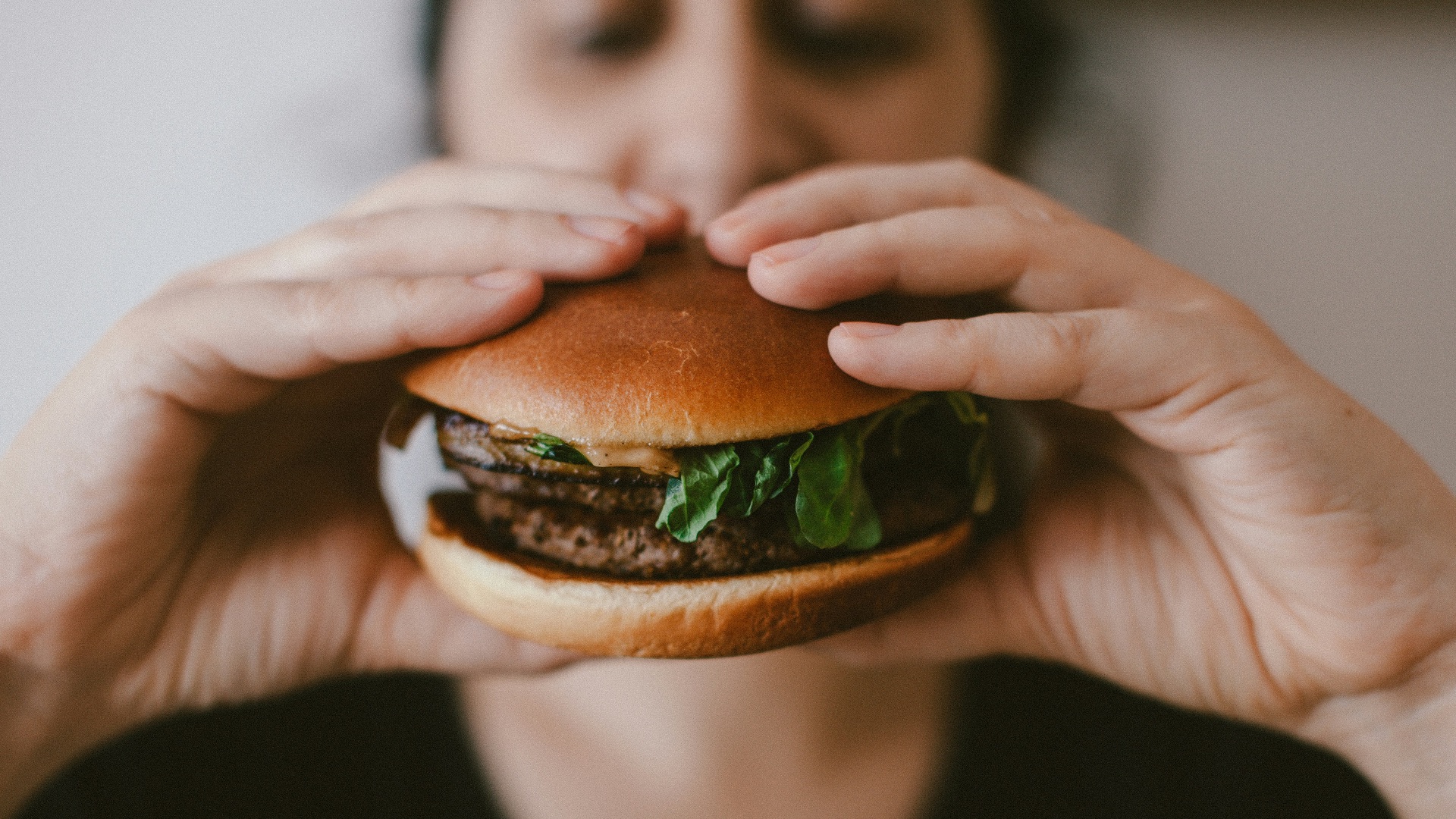
4. It Can Be More Expensive
Gluten-free breads, pastas, baking mixes, snacks, and prepared meals often cost more than standard versions. That price difference can add up quickly if you’re replacing a lot of staple foods at once. For someone who doesn’t medically need to avoid gluten, the extra cost may not be worth it.

5. Dining Out Gets More Complicated
Restaurants can be harder to navigate when you’re avoiding gluten, especially if sauces, marinades, fried foods, or shared cooking surfaces are involved. Even if a dish looks gluten-free, ingredients can be hidden in places you might not expect. That level of checking can make casual meals feel more stressful, particularly if your restriction isn’t medically necessary.
6. You Might Miss the Real Cause of Your Symptoms
Bloating, fatigue, headaches, and stomach discomfort can come from many different causes, not just gluten. If you remove gluten on your own before getting evaluated, you may make it harder to identify what’s actually going on. It’s usually better to talk with a healthcare professional first, especially if your symptoms are frequent or worsening.

7. Testing for Celiac Disease Can Become Less Accurate
Celiac disease testing usually depends on your body reacting to gluten while you’re still eating it. If you stop eating gluten before being tested, your results may be less clear and your doctor may ask you to reintroduce it later. That can be uncomfortable, so it’s smarter to get medical guidance before starting a strict gluten-free diet.
8. It Can Limit Whole-Grain Variety
Whole grains can be an important source of fiber, minerals, and long-lasting fullness. While gluten-free whole grains like quinoa, brown rice, buckwheat, and millet exist, many people don’t automatically add those in when they cut out wheat. Without thoughtful substitutions, your meals can become narrower and less satisfying.
9. You May Develop Unnecessary Food Anxiety
Strict food rules can make eating feel more complicated than it needs to be. If gluten isn’t harming you, constantly scanning labels and avoiding shared foods may create worry without a clear health benefit. A healthy diet should support your life, not make every meal feel like a problem to solve.

10. It Can Distract from Bigger Nutrition Habits
Going gluten-free can feel like a major health move, but it may not address the habits that matter more for many people. Eating more vegetables, choosing enough protein, getting fiber, drinking water, and limiting heavily processed foods often have a bigger impact. If gluten isn’t the issue, focusing only on removing it may pull attention away from changes that would help more.
That said, gluten-free eating isn’t just a trend or a personal preference for everyone. For some people, avoiding gluten is an essential part of protecting their health, reducing symptoms, and preventing long-term complications.
 Phillip Goldsberry on Unsplash
1. You Have Celiac Disease
If you have celiac disease, going gluten-free isn’t optional; it’s the core treatment. Gluten triggers an immune reaction that damages the small intestine and can interfere with nutrient absorption. A strict gluten-free diet helps the intestine heal and reduces the risk of ongoing health problems.
 Farhad Ibrahimzade on Unsplash
2. You Have a Diagnosed Wheat Allergy
A wheat allergy is different from celiac disease, but it can still make wheat-containing foods unsafe. Depending on the person, reactions can involve the skin, digestion, breathing, or more serious allergic symptoms. If your healthcare provider has diagnosed a wheat allergy, avoiding wheat and carefully reading labels becomes an important part of staying safe.
3. You Have Non-Celiac Gluten or Wheat Sensitivity
Some people test negative for celiac disease and wheat allergy but still feel better when they avoid gluten or wheat. Symptoms can include digestive discomfort, bloating, fatigue, or other issues that improve after removing the trigger. In this case, going gluten-free may be useful, but it’s still best done with guidance so you don’t cut out foods unnecessarily.

4. Your Doctor Recommends It for a Medical Reason
There are times when a healthcare professional may recommend a gluten-free diet as part of a broader plan. That recommendation matters because it’s based on your symptoms, test results, medical history, and nutritional needs. Following professional guidance can help you avoid both under-restricting and over-restricting your diet.
 National Cancer Institute on Unsplash
5. You Feel Noticeably Better After a Careful Trial
Some people do feel better after removing gluten, especially when the change is done in a structured way. A careful trial means tracking symptoms, keeping the rest of your diet fairly consistent, and reintroducing foods thoughtfully instead of guessing. This approach gives you a clearer sense of whether gluten is actually connected to how you feel.

6. You Need to Reduce Ongoing Digestive Symptoms
If gluten-containing foods regularly leave you with pain, bloating, diarrhea, constipation, or other digestive problems, it’s reasonable to investigate. Going gluten-free may help if gluten or wheat is part of the problem. Still, ongoing digestive symptoms deserve medical attention so conditions like celiac disease, inflammatory bowel disease, or other issues aren’t missed.

7. You’re Supporting Intestinal Healing After Diagnosis
For people with celiac disease, avoiding gluten allows the small intestine to recover over time. That healing can improve nutrient absorption and reduce symptoms that may have been present for months or years. The diet needs to be strict, though, because even small amounts of gluten can be a problem for some people with celiac disease.
8. You Want to Become More Aware of Food Labels
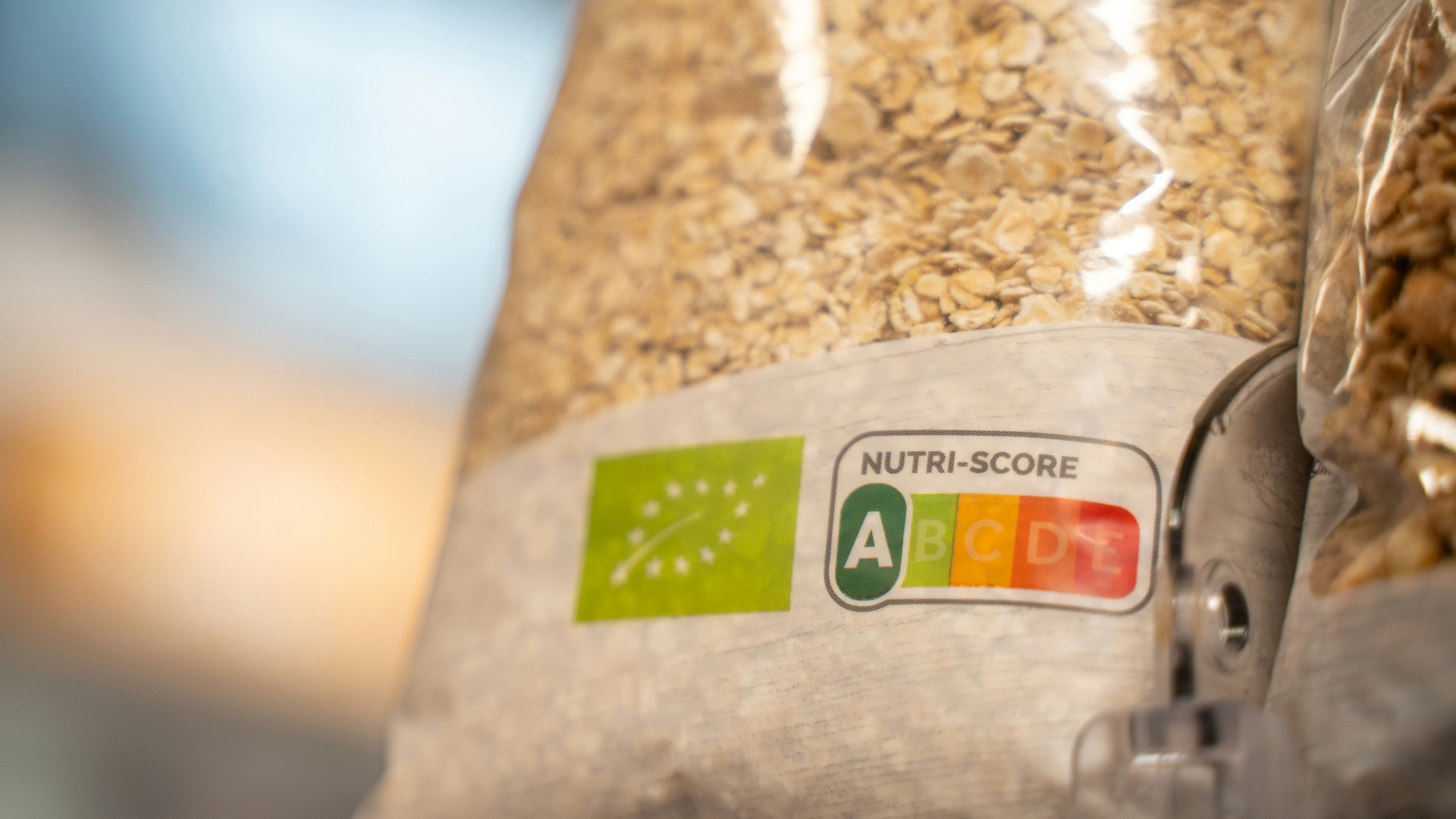
A gluten-free diet requires close attention to ingredients, cross-contact risks, and packaged food claims. For someone who medically needs it, that label awareness can be empowering and protective. You learn where gluten hides, which foods are naturally safe, and which products need a closer look.
9. You Can Build a Strong Diet Around Gluten-Free Foods
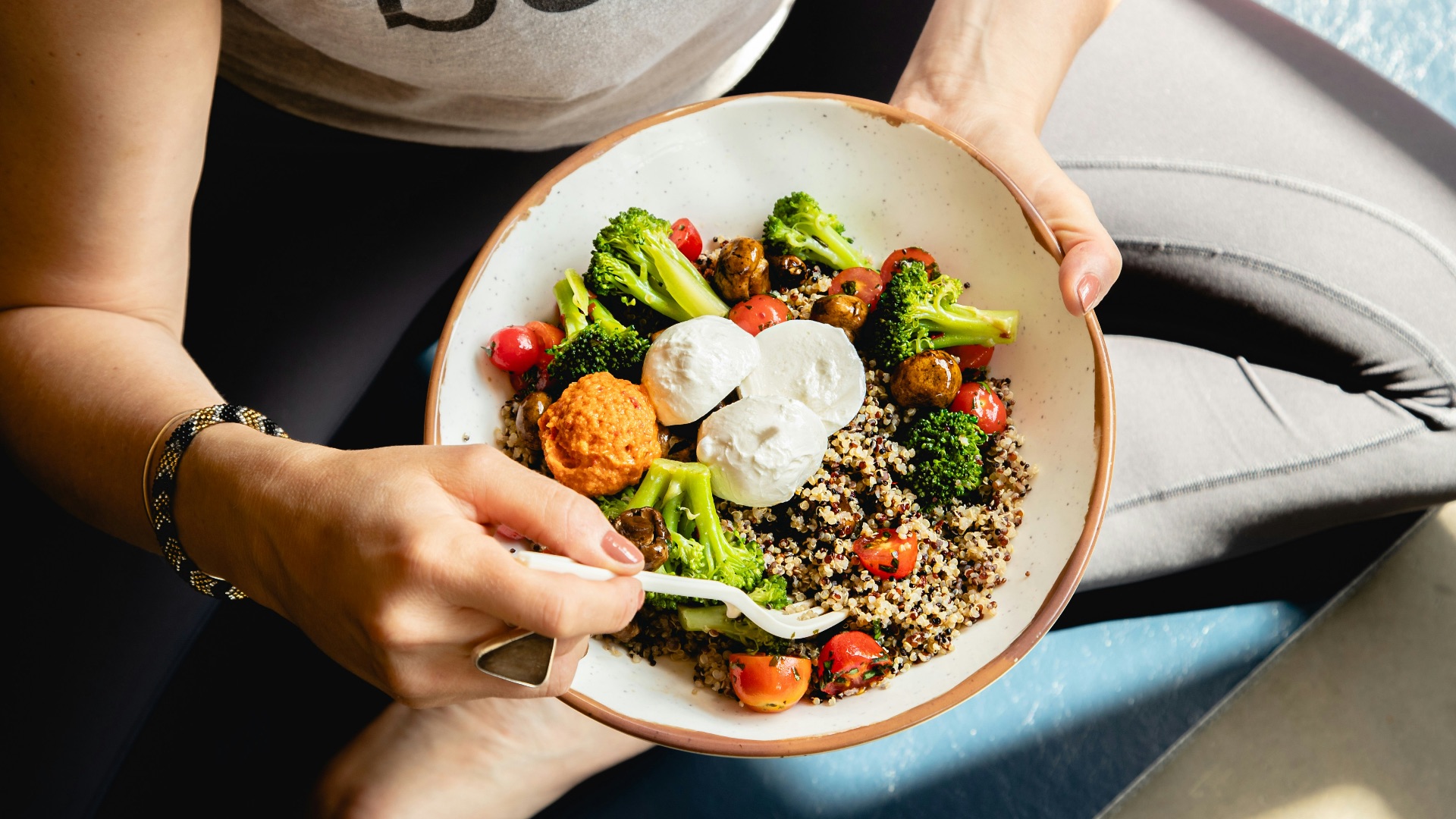
Going gluten-free doesn’t have to mean living on specialty breads and packaged snacks. Fruits, vegetables, beans, lentils, eggs, fish, poultry, meat, dairy, nuts, seeds, potatoes, rice, corn, and many other foods are naturally gluten-free. When you build meals around these foods, the diet can be varied, filling, and nutrient-rich.
10. It Could Improve Your Quality of Life
When gluten is truly causing symptoms or damage, removing it can make daily life much easier. Better digestion, improved energy, fewer flare-ups, and less worry around symptoms can all make a meaningful difference. The key is knowing whether gluten is actually the issue, because the gluten-free diet works best when it’s matched to a real need.

KEEP ON READING

20 Fast Food Items With Surprisingly Weird Origins

20 Foods Only Rich Kids Ate Growing Up