The Ongoing Battle
If you’ve ever scraped untouched peas into the trash after dinner, you’re in good company. Kids can be deeply suspicious of vegetables, often stemming from odd textures or unfamiliar flavors. Since the dawn of time, parents have worked tirelessly to get their kids to eat their vegetables. If you're finding the process especially difficult, these 20 ideas can help make dinnertime a little easier.
1. Keep Putting Them on the Plate
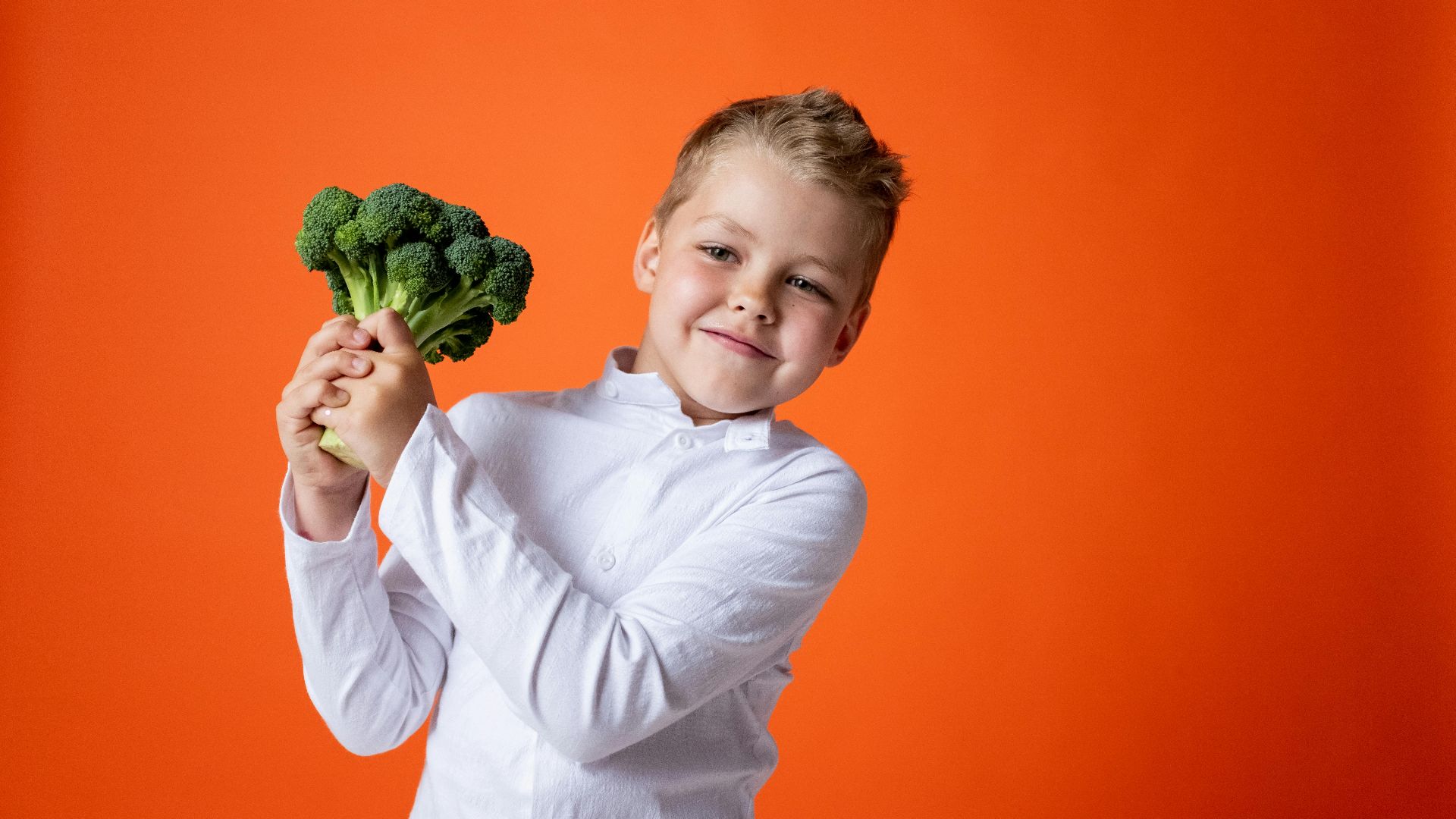
One rejected green bean doesn’t mean you can't try again. Kids often need repeated chances to see and taste a food before they feel comfortable with it.
2. Eat the Vegetables Yourself
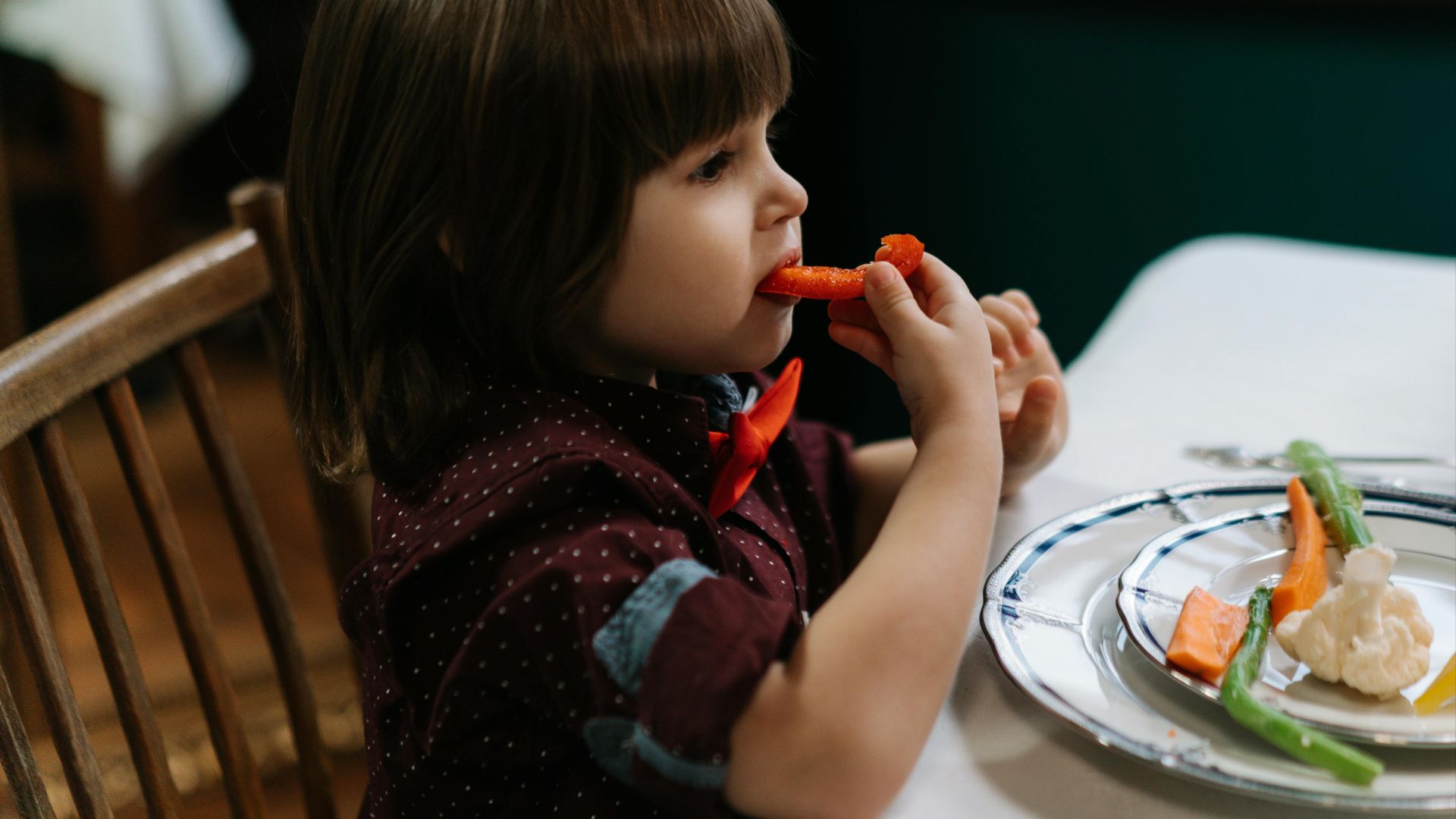
Children are very good at noticing what adults actually do. If you’re asking them to eat broccoli while your own plate is broccoli-free, they’ll notice.
3. Pair New Vegetables With Favorite Foods
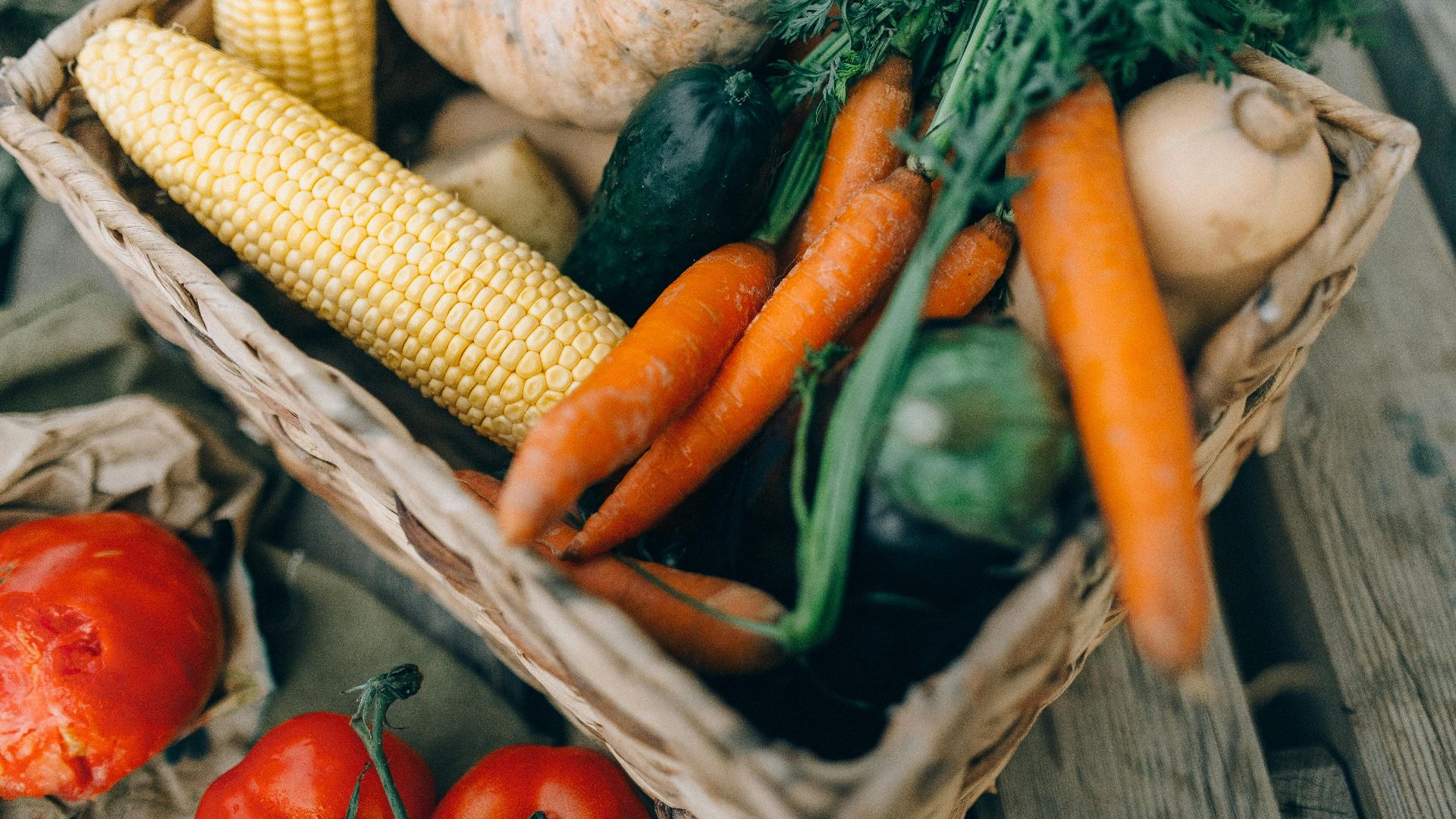
Trying a new vegetable feels easier when kids like the other food on their plate. The familiar food gives your child somewhere comfortable to start.
4. Offer Them a Choice
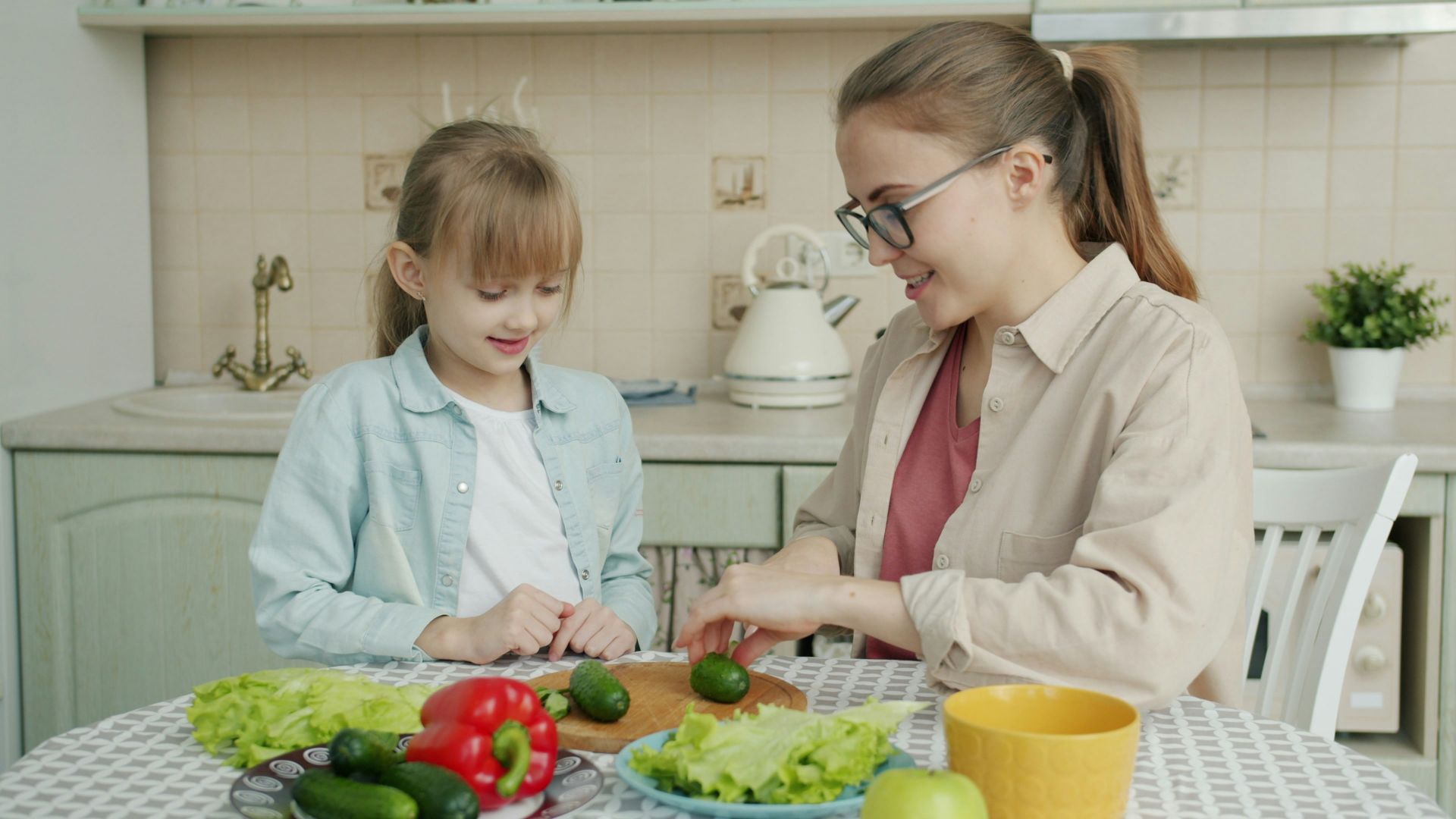
Kids often do better when they get a choice. Ask whether they’d like carrots or cucumbers, not whether they want vegetables at all. That keeps the expectation simple while still giving them control. It can also lower the resistance that comes with being told exactly what to eat.
5. Start With Small Servings
A large scoop of vegetables can feel like too much for a hesitant eater. One broccoli floret, three peas, or a couple of pepper strips is easier to manage. If your child wants more, great, and if not, that's okay too.
6. Make Vegetables a Dinner Staple
Vegetables shouldn’t feel like something only kids are being forced to handle. If your diet doesn't often consist of veggies, how do you expect your kids will learn to like them?
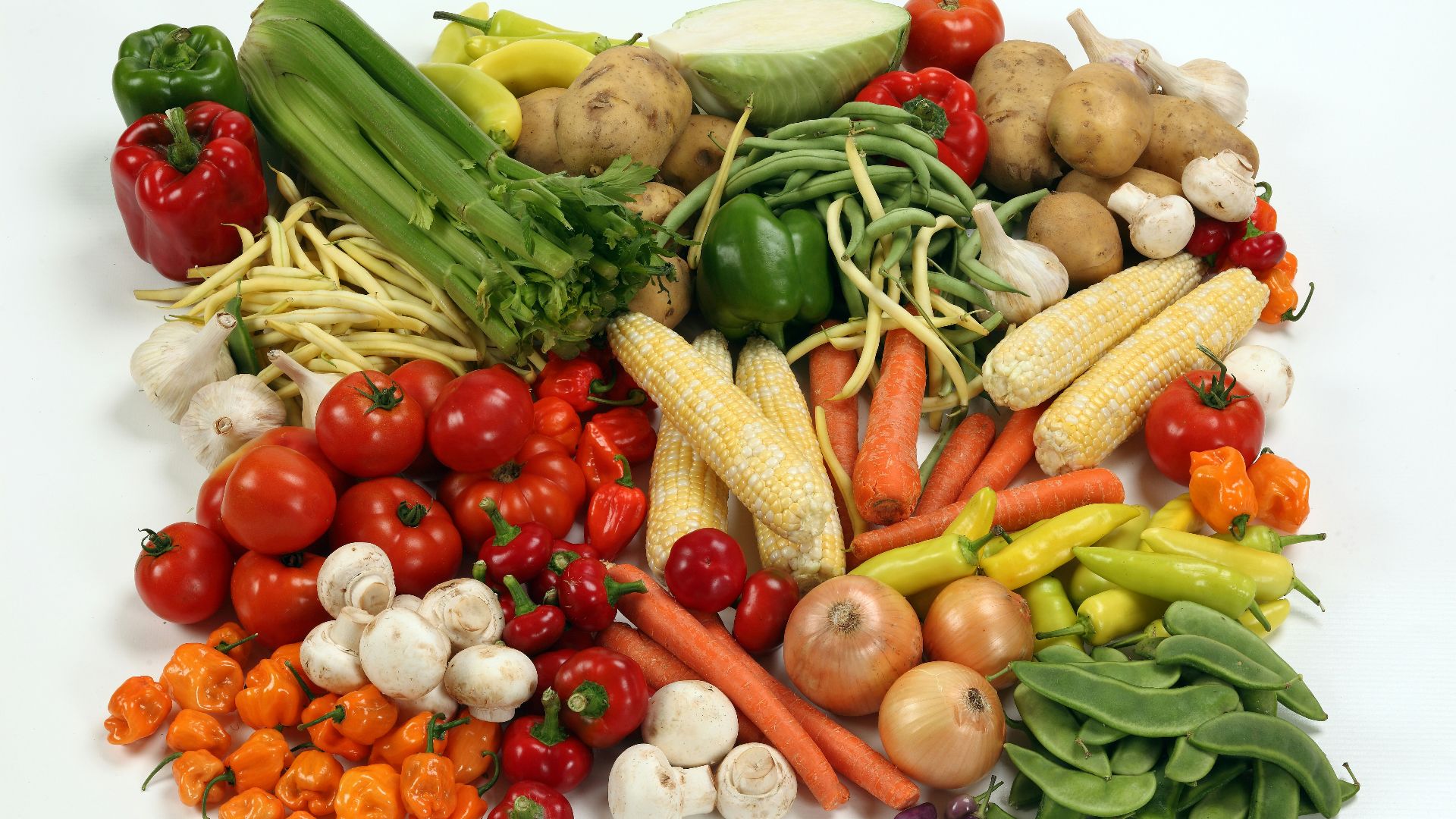
7. Let Kids Pick Something
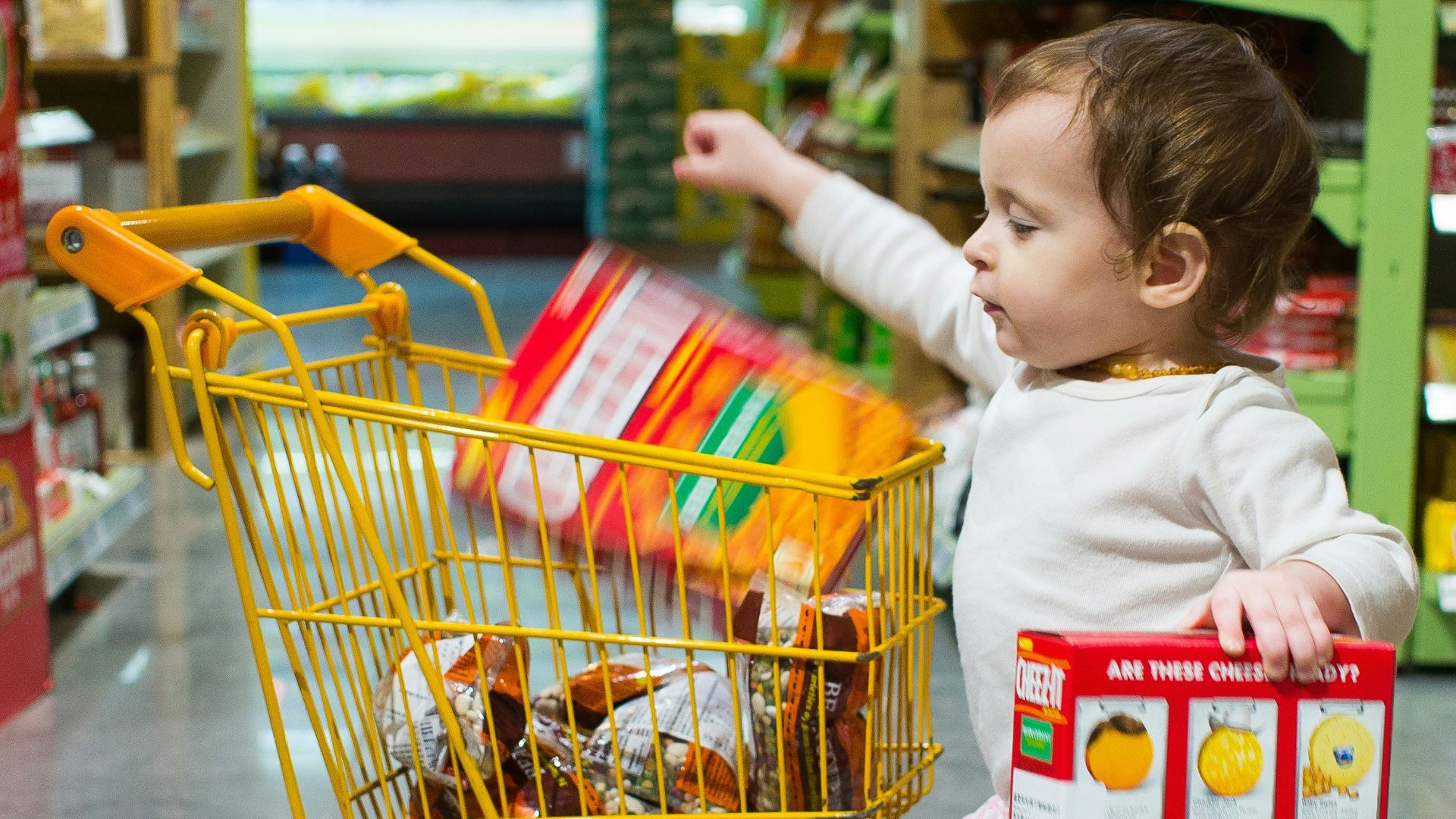
Even grocery shopping can play a role in how things go at the dinner table. Let your child choose the vegetable you're going to eat later. It may make trying something new feel a little easier, because your kid had a hand in choosing it.
8. Give Them a Job
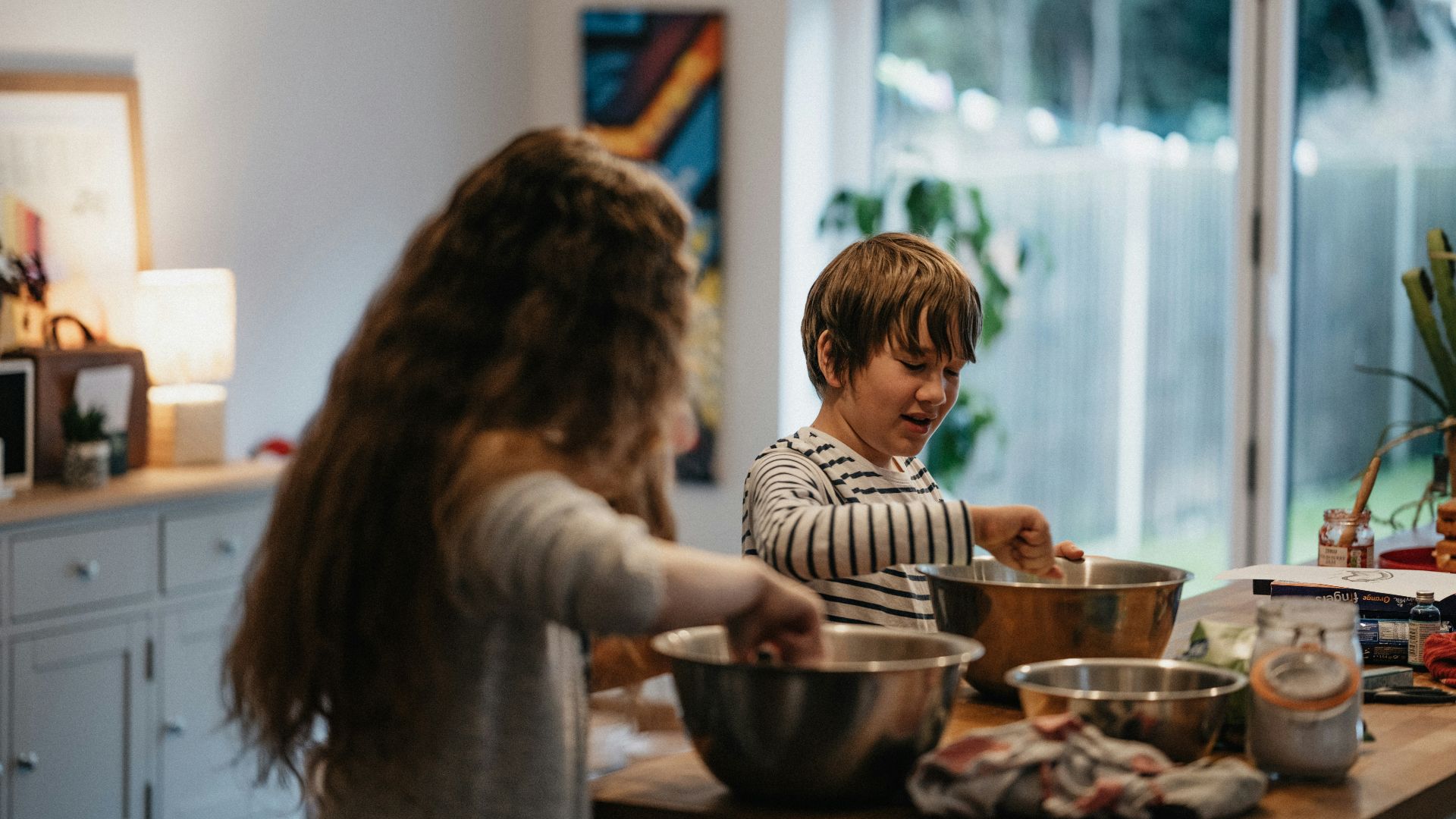
Kids don’t need to cook a full meal to feel involved. Instead, ask them to rinse lettuce, tear spinach, sprinkle seasoning, or place sweet potato wedges on a baking sheet. Older kids can stir soup, help build a salad, or toss vegetables with oil before roasting. There may be extra mess, but the hands-on part can make eating a little bit easier.
9. Try Roasting
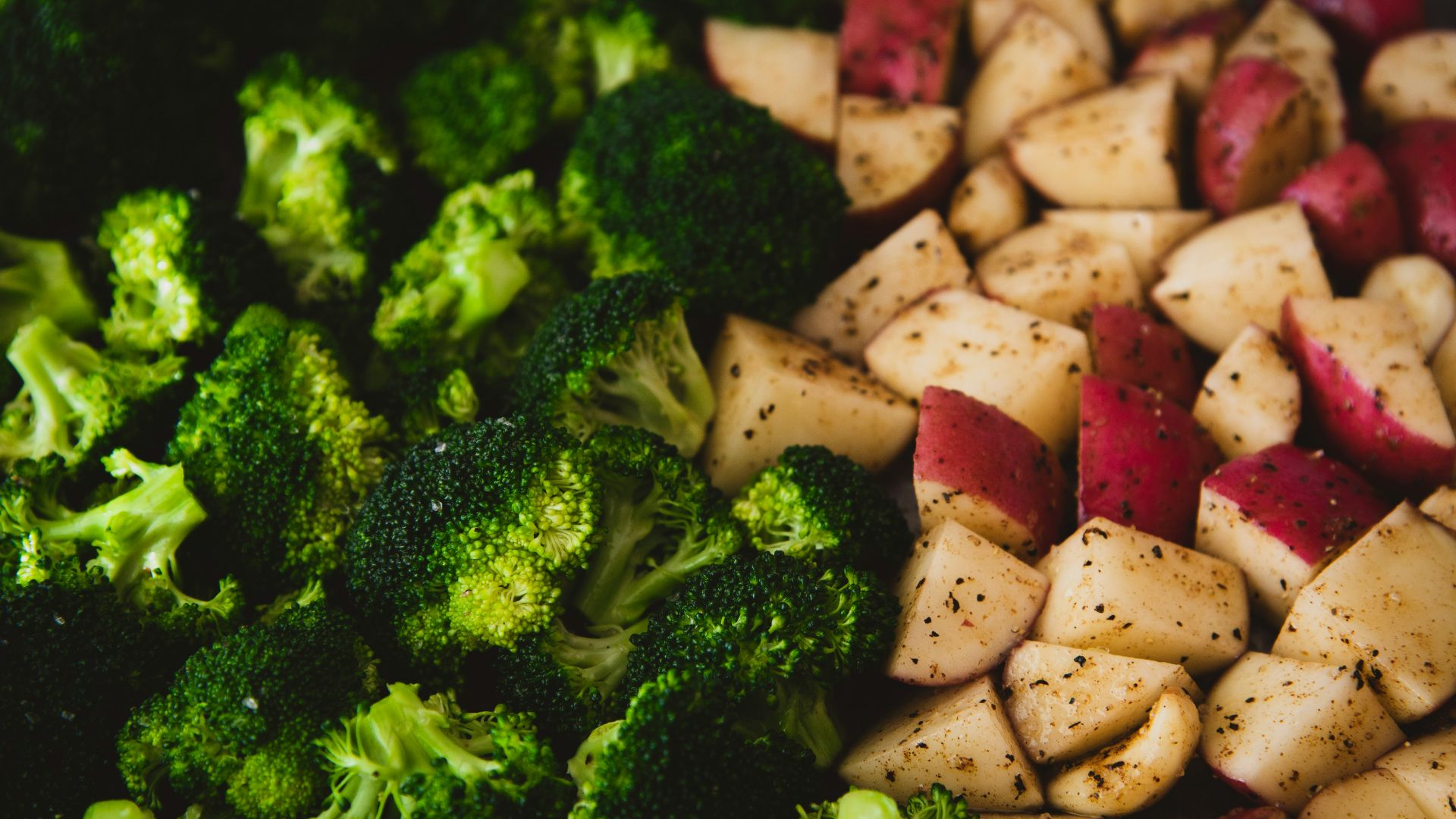
A lot of kids dislike vegetables because of texture. Steamed broccoli can be soft and strong-smelling, while roasted broccoli has crisp edges and a milder taste. Try roasting carrots, cauliflower, Brussels sprouts, or sweet potatoes with a little oil. Kids may be more open to the sweeter flavor and softer texture. The flavor and the texture may be easier for kids to accept.
10. Use Dips
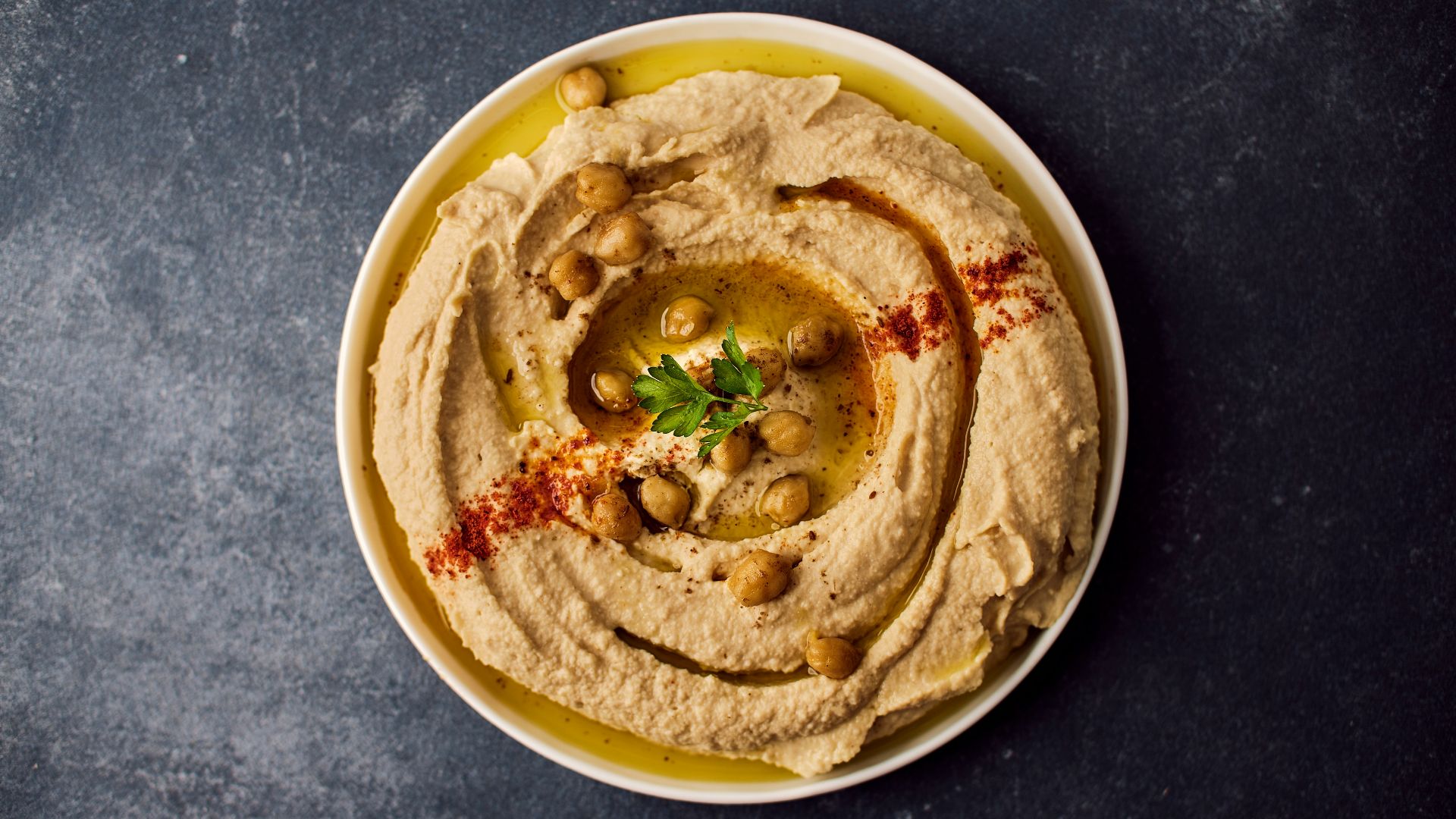
Dips can make raw vegetables more appealing. Hummus with cucumbers, guacamole with peppers, or yogurt ranch with carrots can make snack time go more smoothly.
11. Serve Vegetables Before Dinner
The hour before dinner can be a great time to offer veggies, as kids are often hungry anyway. Put out a small plate of carrots, snap peas, or cucumber slices while you cook. They may eat more vegetables when there isn’t a full meal in front of them. Timing can do a surprising amount of work.
12. Build an After-School Snack Plate
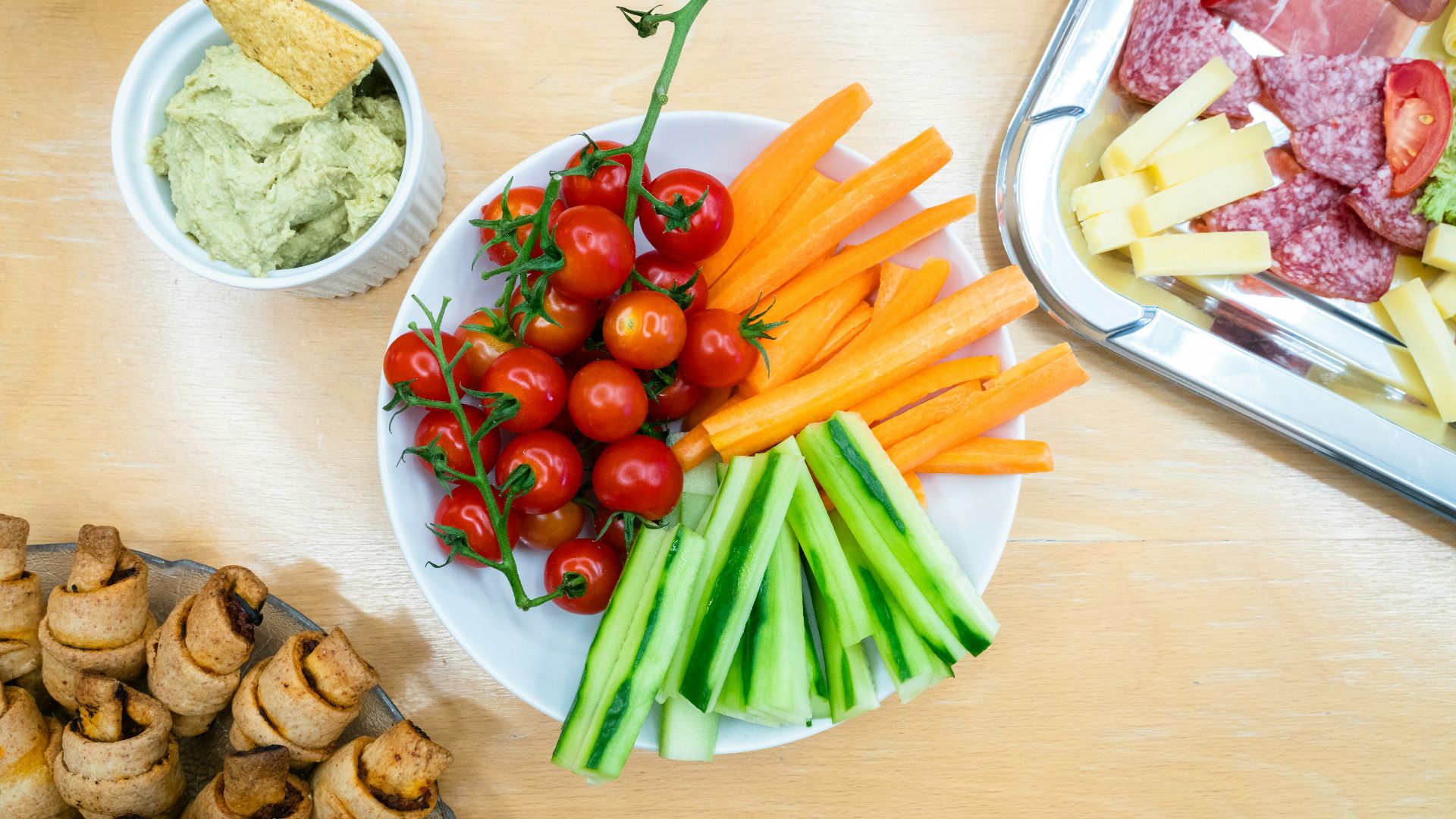
Snack plates feel easier than a formal meal. Add bell peppers, cheese cubes, crackers, apple slices, and hummus to a plate, then let your child graze. Your child may try a new veggie in this situation as well, thanks to the low pressure of an informal snack.
13. Add Vegetables to Foods They Already Like
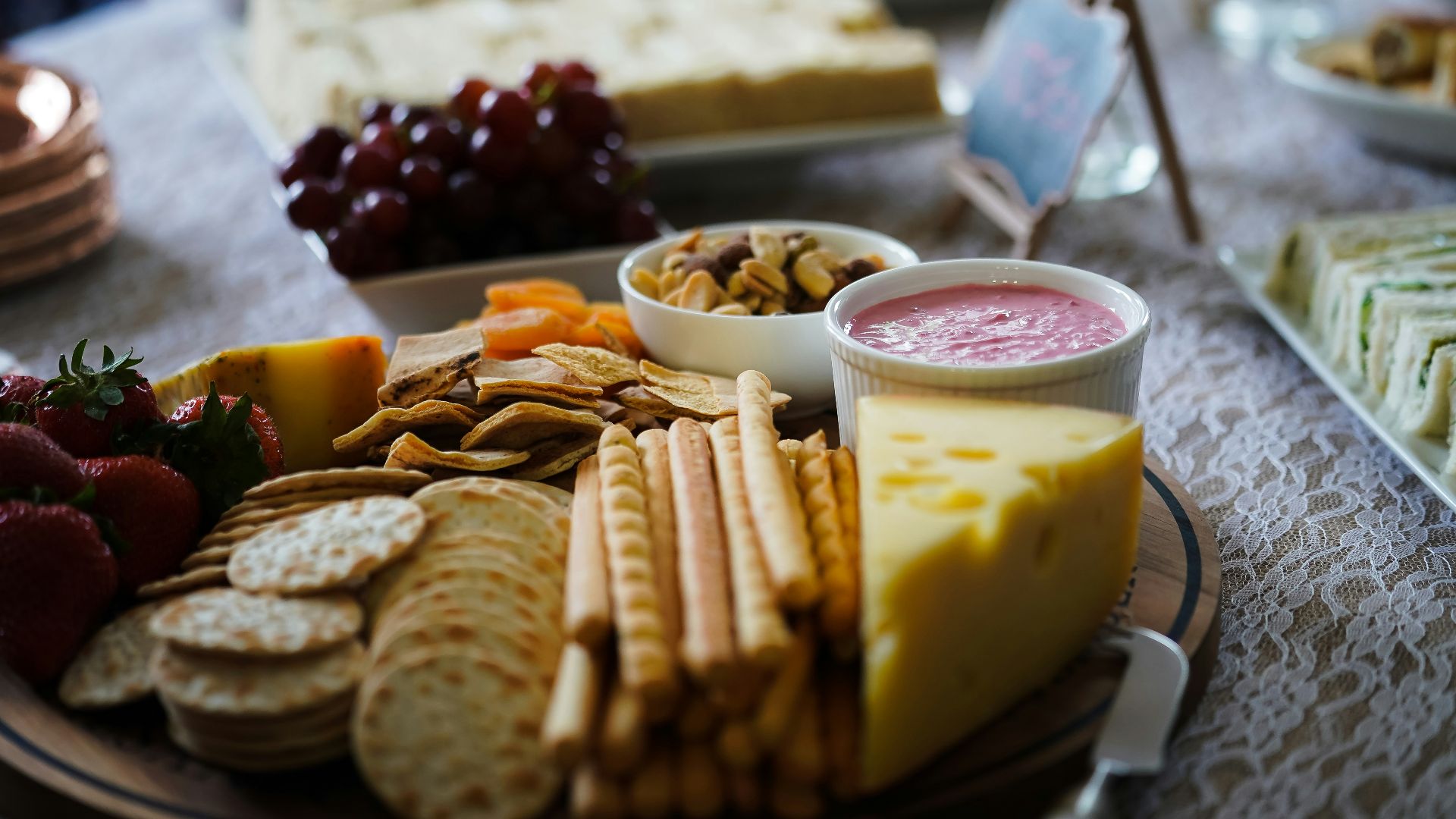
Vegetables can be part of familiar meals. Add spinach to scrambled eggs, mushrooms to meatballs, zucchini to muffins, or shredded carrots to pasta sauce. This helps kids get used to flavors in a low-pressure way. Keep offering visible vegetables too, so they learn what those foods look and taste like on their own.

14. Keep the Texture Safe for Their Age
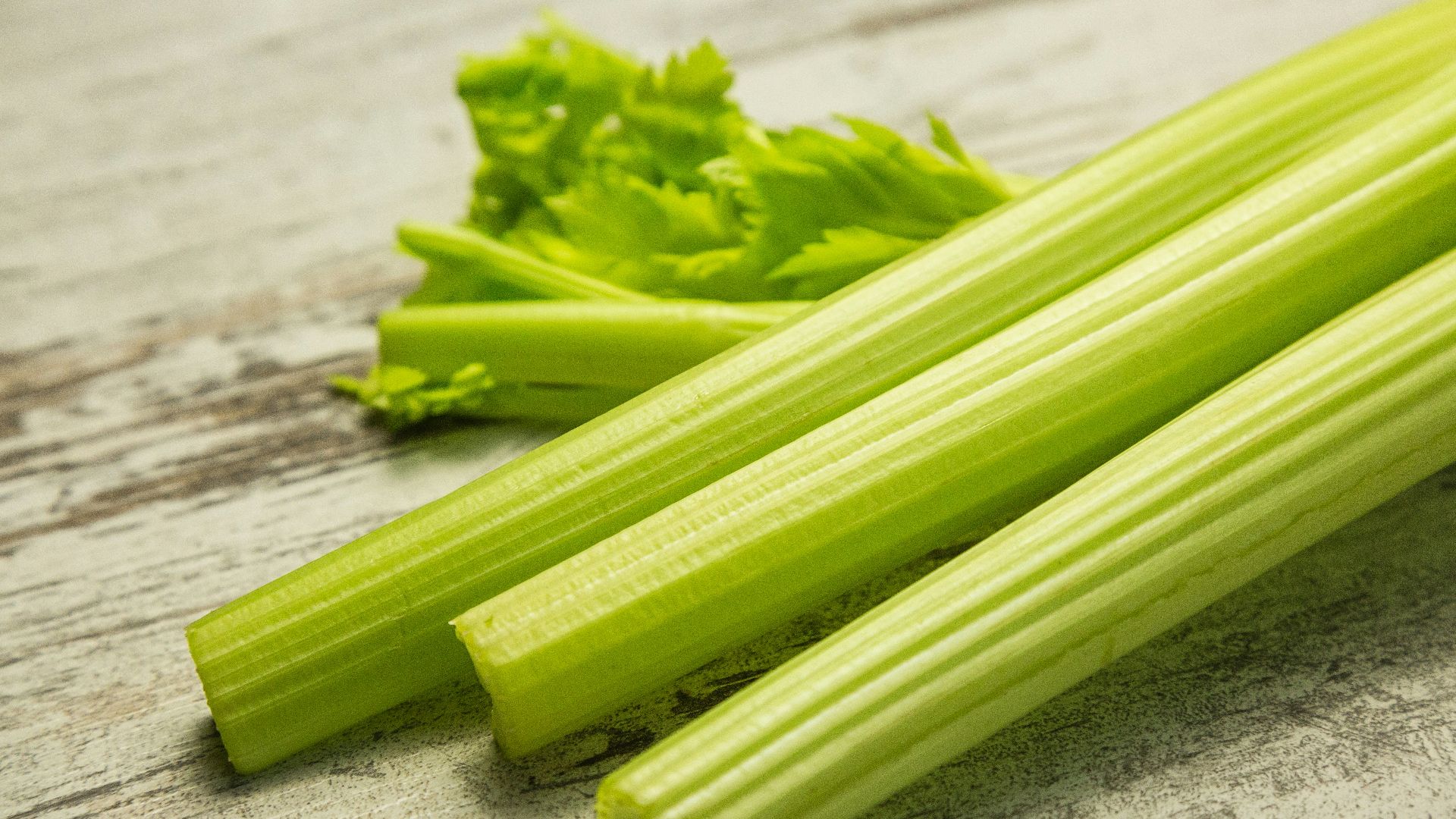
Raw vegetables can be hard for younger children to chew safely. Carrots, cherry tomatoes, celery, and similar foods may need to be sliced, chopped, or cooked until softer. A child who can chew comfortably is more likely to stay calm and actually taste the food.
15. Don’t Make Bites a Bargaining Chip
Forcing “three bites” can make vegetables feel like an unpleasant part of the meal. Offer the food and let your child decide what they eat from what’s available.
16. Don't Treat Dessert as a Reward
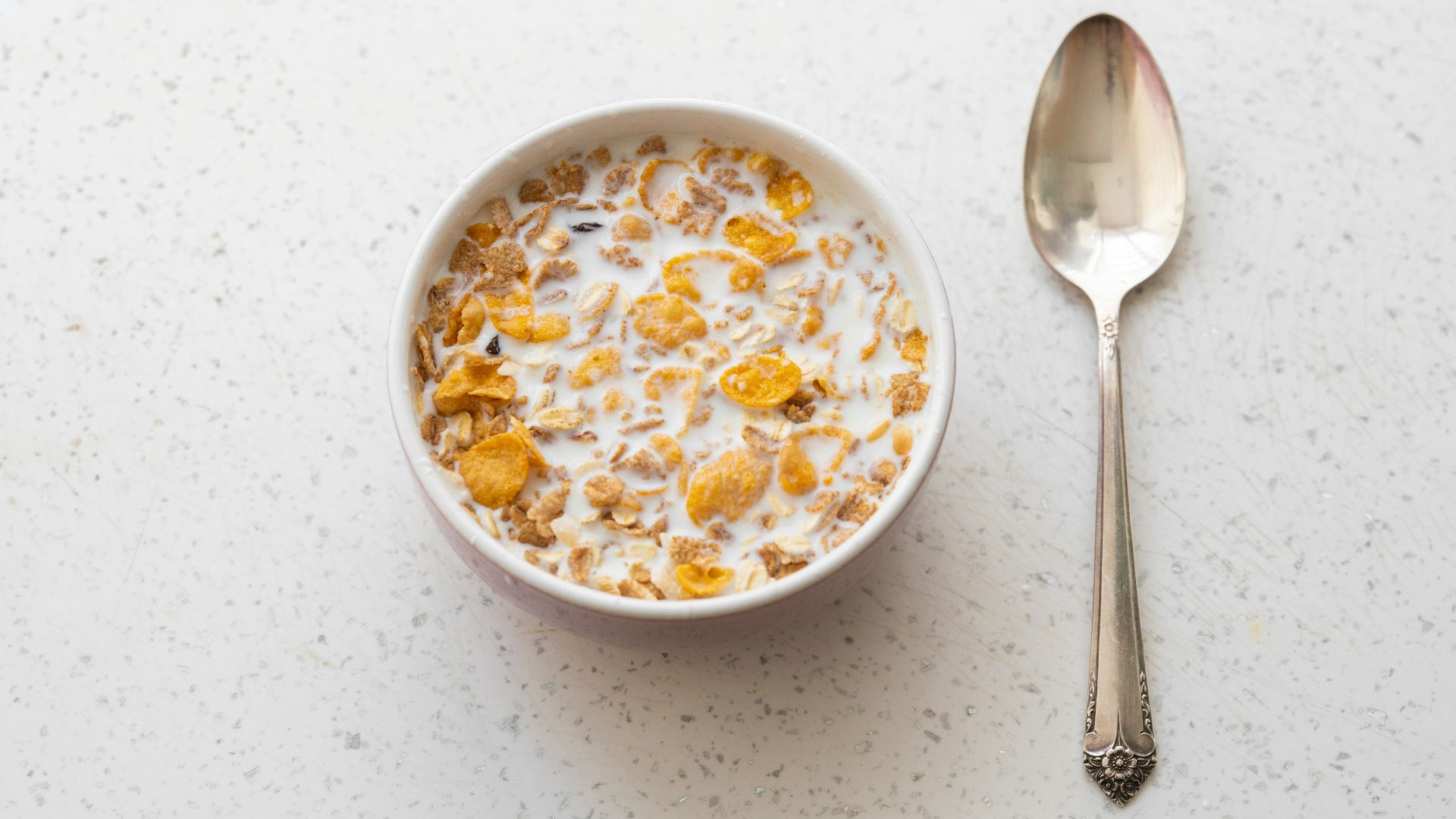
When getting dessert depends on eating broccoli, broccoli becomes the thing standing in the way. Kids learn that sweet food is the prize and vegetables are the chore. Serve dessert when it’s part of the meal plan, not as a payment.
 American Heritage Chocolate on Unsplash
17. Talk About Taste and Texture
Most kids aren’t moved by a dinner-table lecture on nutrients. They respond better to things they can see, smell, and feel. Say the carrots are sweet, the cucumbers are cold, or the roasted potatoes are crispy. That kind of language helps kids notice food in a way that makes sense to them.

18. Try Vegetables at Breakfast
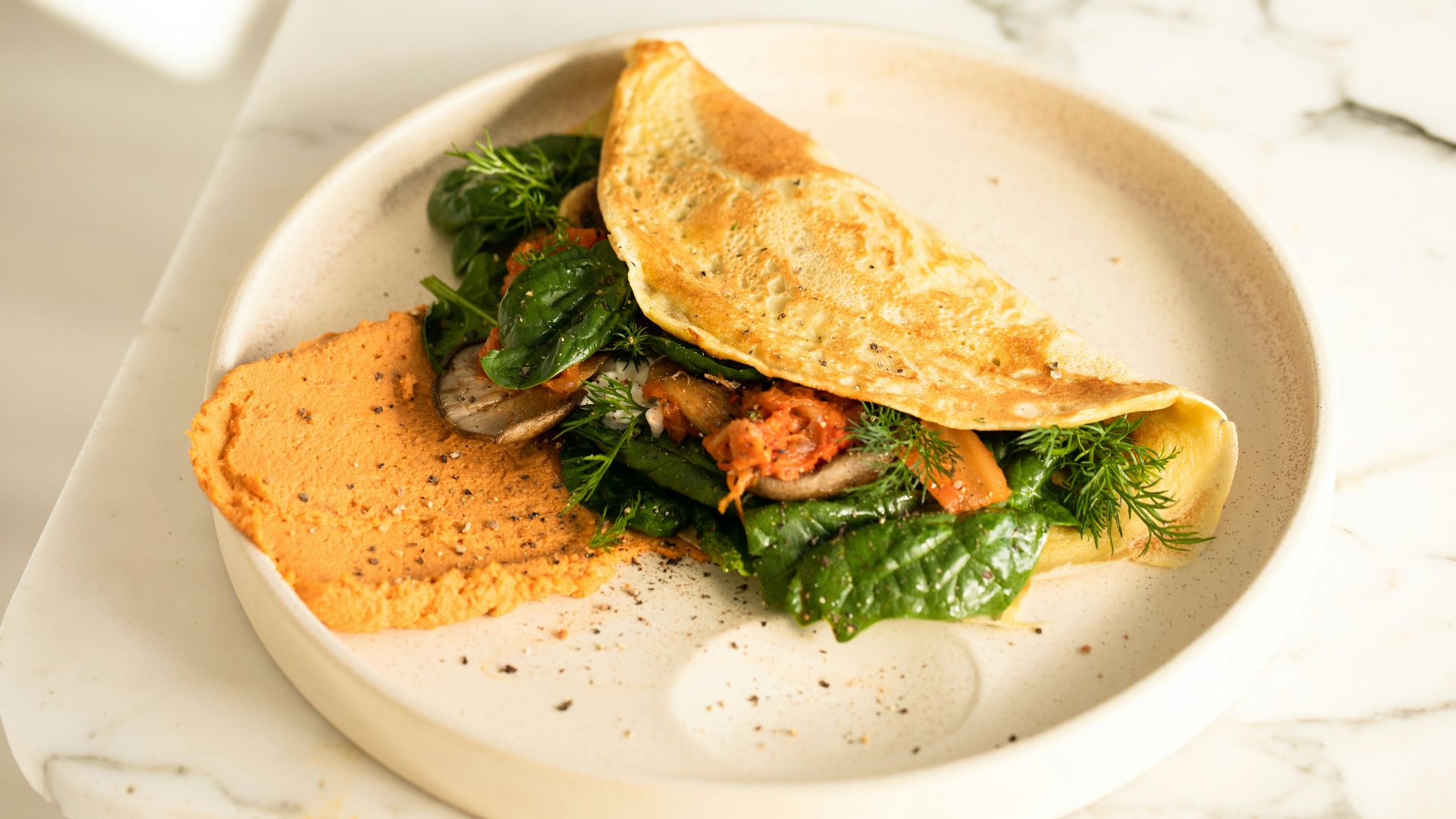
Dinner doesn’t need to do all the heavy lifting. Spinach can go into scrambled eggs, avocado can go on toast, and leftover roasted potatoes can sit beside eggs on a weekend morning. Start small, and keep it familiar.
 Bakd&Raw by Karolin Baitinger on Unsplash
19. Grow Your Own Veggies
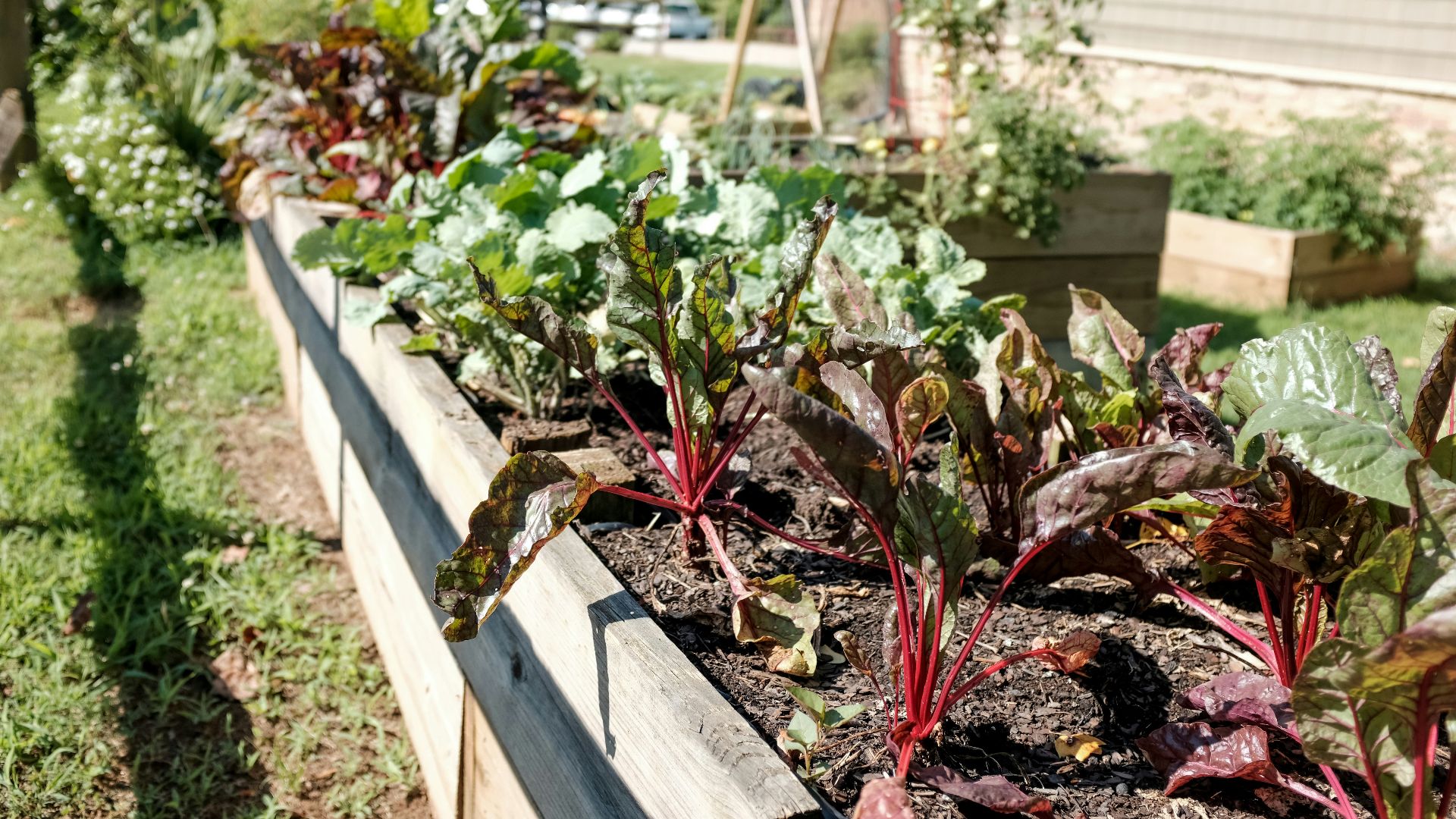
You don’t need a big garden for this to work. A basil pot on the windowsill, a patio tomato plant, or a small container of lettuce can make vegetables more interesting to kids. Let them water it, check it, and pick something when it’s ready. Like letting them pick something at the grocery store, it allows kids to feel more involved with the process.
20. Keep Trying
Some kids will love corn, tolerate cucumbers, and refuse kale for years. That’s okay, and it doesn’t mean the effort is wasted. Keep offering vegetables, keep eating them yourself, and keep meals as calm as you can. Over time, those small habits can help vegetables feel like a normal part of your meal schedule.
KEEP ON READING

The Most Popular Chocolate Bars in the USA
The Most Popular Candies in the USA