10 Different Ways Foods Taste When They Go Bad & 10 Tips for Keeping Things Fresh
When Freshness Starts To Turn
Sure, you know to toss things out when they start growing mold. But what about the foods that don't look off? Weirdly enough, not everything that's gone bad tastes the way you think it would; leave pineapple out for too long, for example, and you might end up with wine. While you should never taste food you strongly suspect is unsafe, understanding these odd flavor changes can help you recognize spoilage before it ends up on your plate. Here are 10 different ways foods taste when they spoil, along with 10 tips on how to keep things fresher for longer.
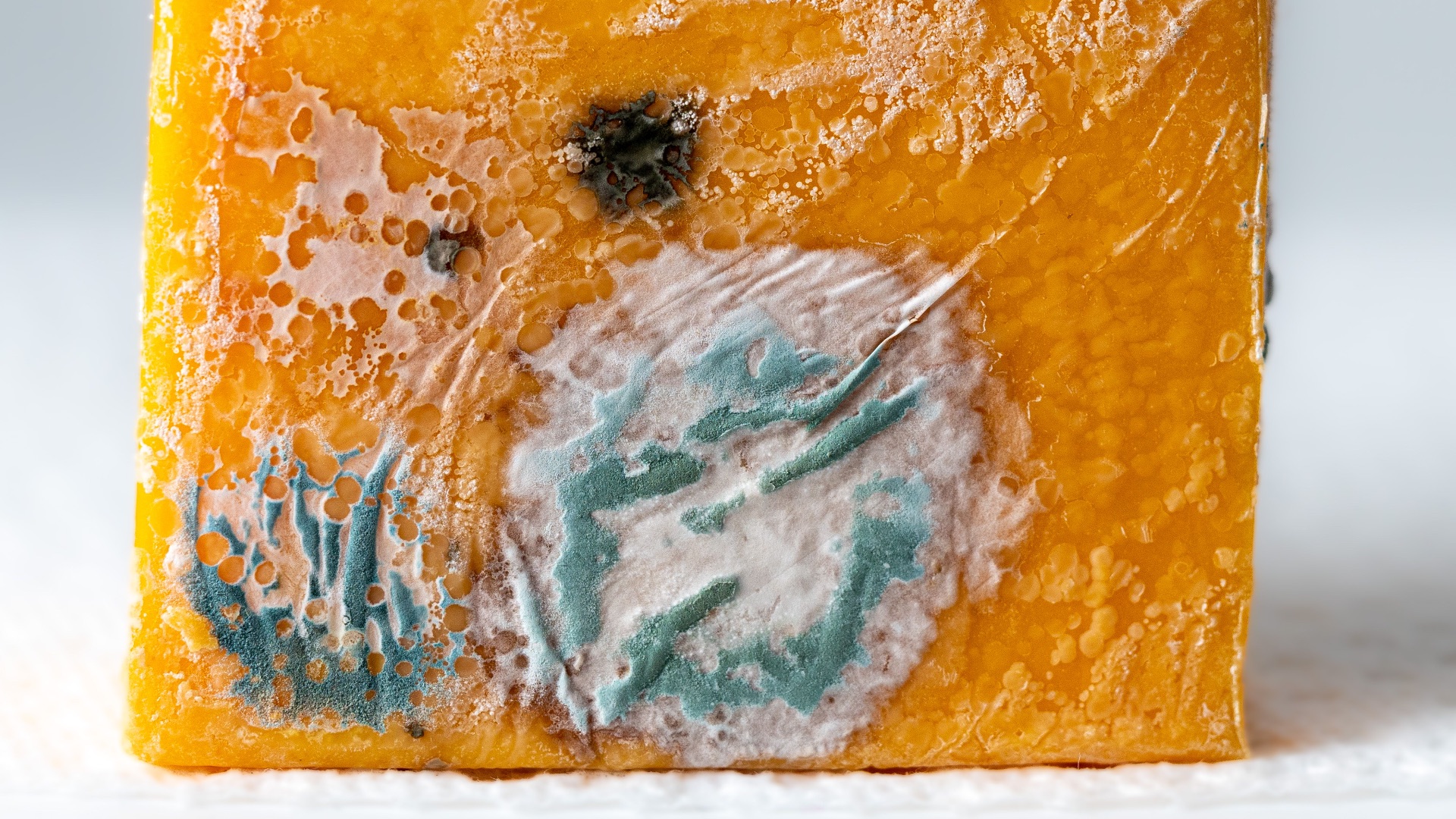
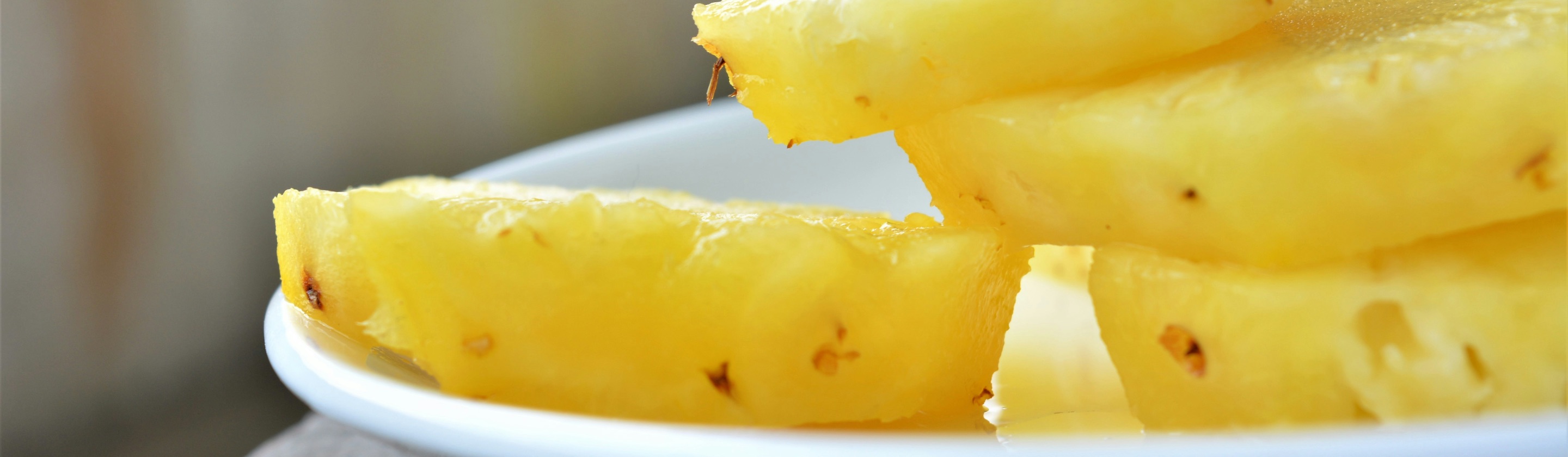
1. Pineapple Tastes Like Alcohol
When pineapple overripens or starts fermenting, its natural sugars can break down and give it a boozy flavor. Instead of tasting bright and tropical, the fruit may taste oddly fizzy, wine-like, or almost like it has been soaked in liquor. That flavor is a sign that fermentation has begun, especially if the pineapple also smells yeasty or feels slimy.
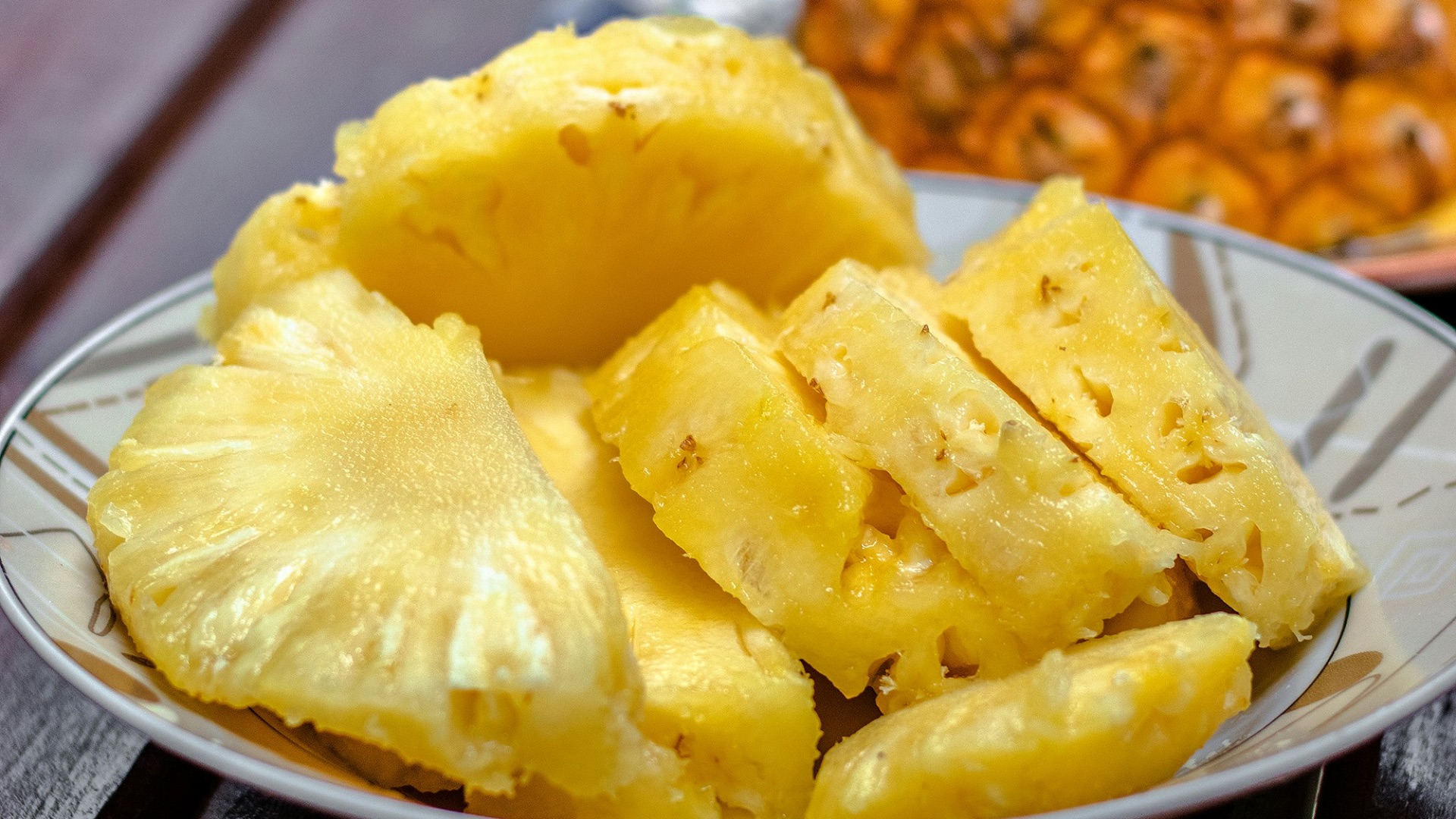
2. Milk Turns Tangy
Spoiled milk is one of the easiest foods to recognize because its flavor changes drastically: the clean, mild sweetness of fresh milk gives way to a sour, tangy taste as bacteria produce acids. Even a small sip can taste pungent and rancid, so it’s best to toss milk if it smells off or, worse, looks curdled.
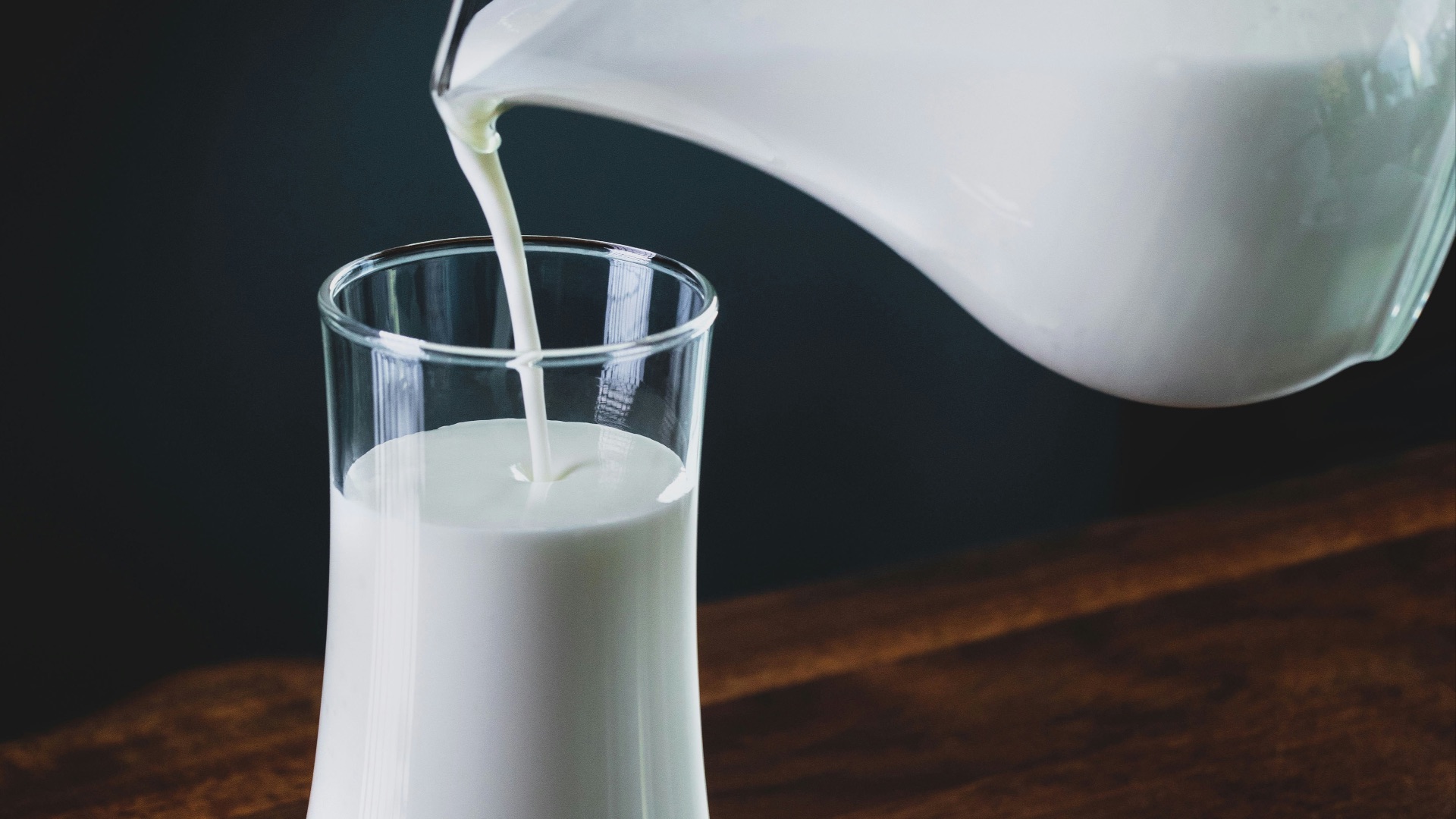
3. Nuts Taste Like Crayons
Nuts don’t usually spoil in an obvious way, meaning you might not be able to tell from their appearance, but the fats in them can go bad over time. When that happens, they may taste bitter, waxy, or sour instead of rich and slightly sweet. The aftertaste can linger in your mouth, which is often the clearest clue that the nuts are past their best.
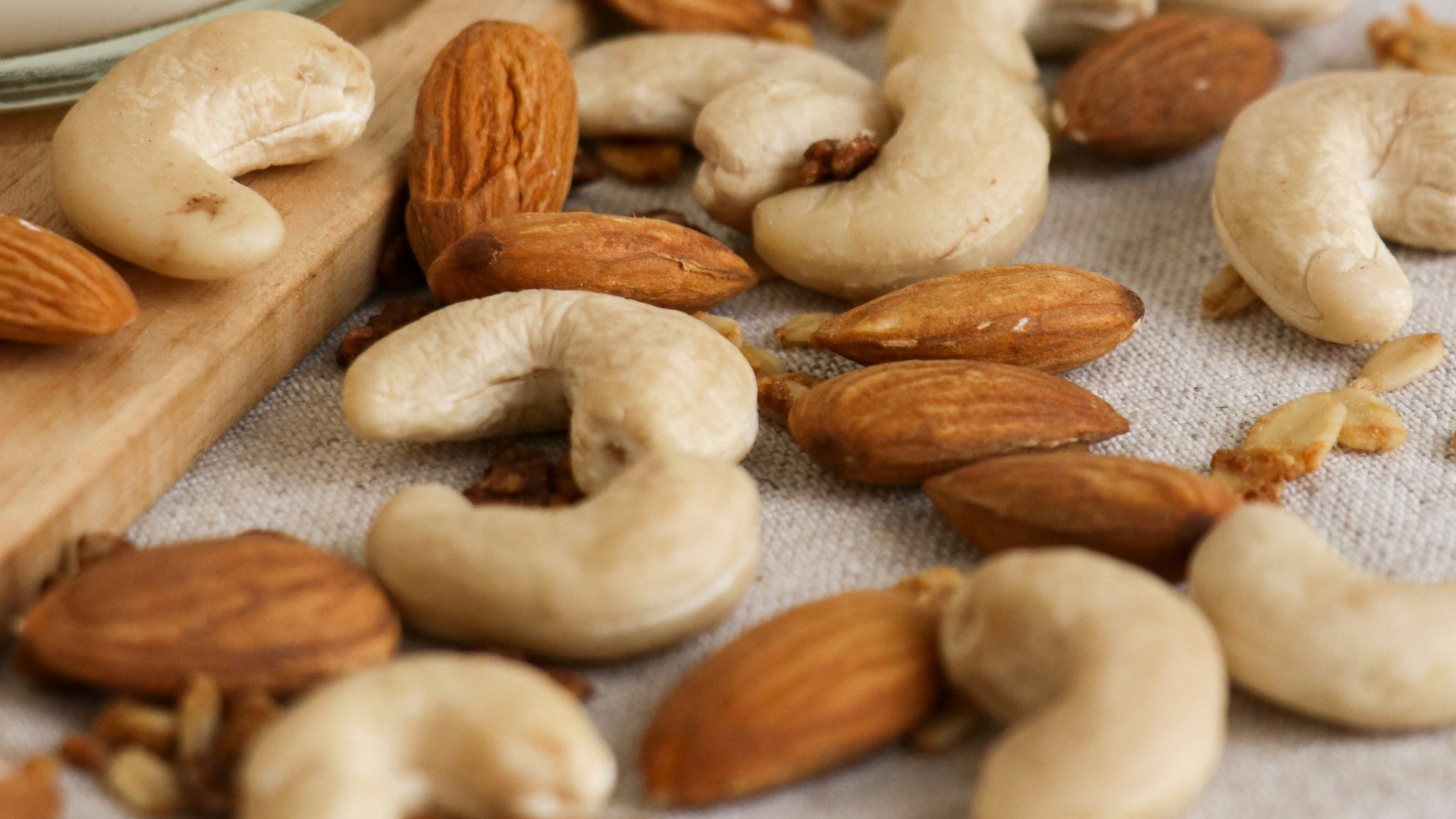
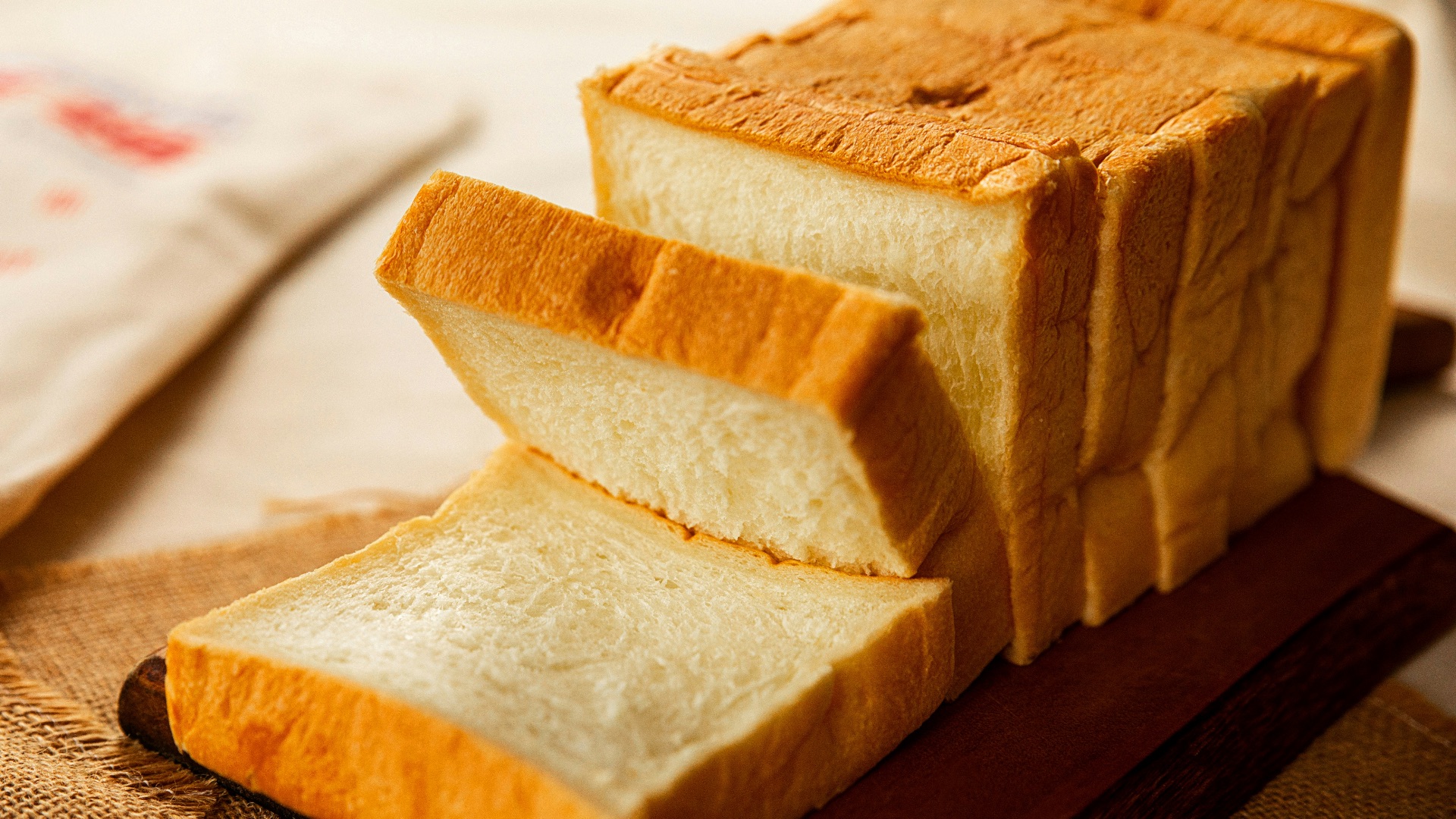
4. Bread Can Taste Musty
Bread doesn’t have to be covered in visible mold before it starts tasting wrong. As it ages, it may take on a musty, sour, or even a metallic flavor. Since mold can grow below the surface before you see it, bread with an off taste or smell should always be thrown away rather than merely trimmed.
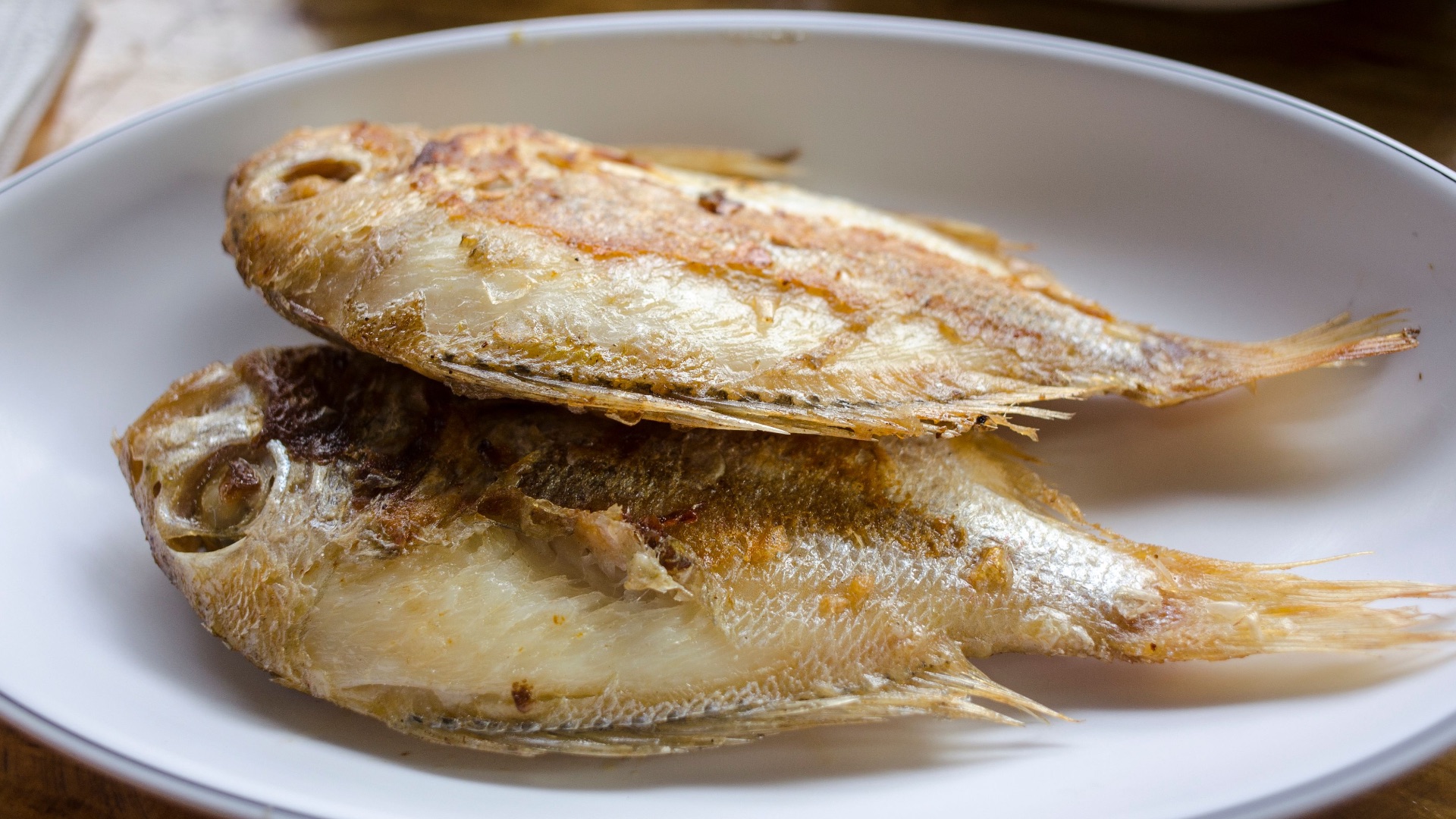
5. Fish Tastes Like Bleach
Fresh fish should taste clean and slightly briny, not harsh or chemical; it should remind you of the ocean. When fish begins to spoil, however, it can develop a sharp ammonia or bleach-like taste that's more pungent than simply “fishy.” That flavor is a serious warning sign, especially if the fish also feels sticky or slimy, or has a gray-ish appearance.
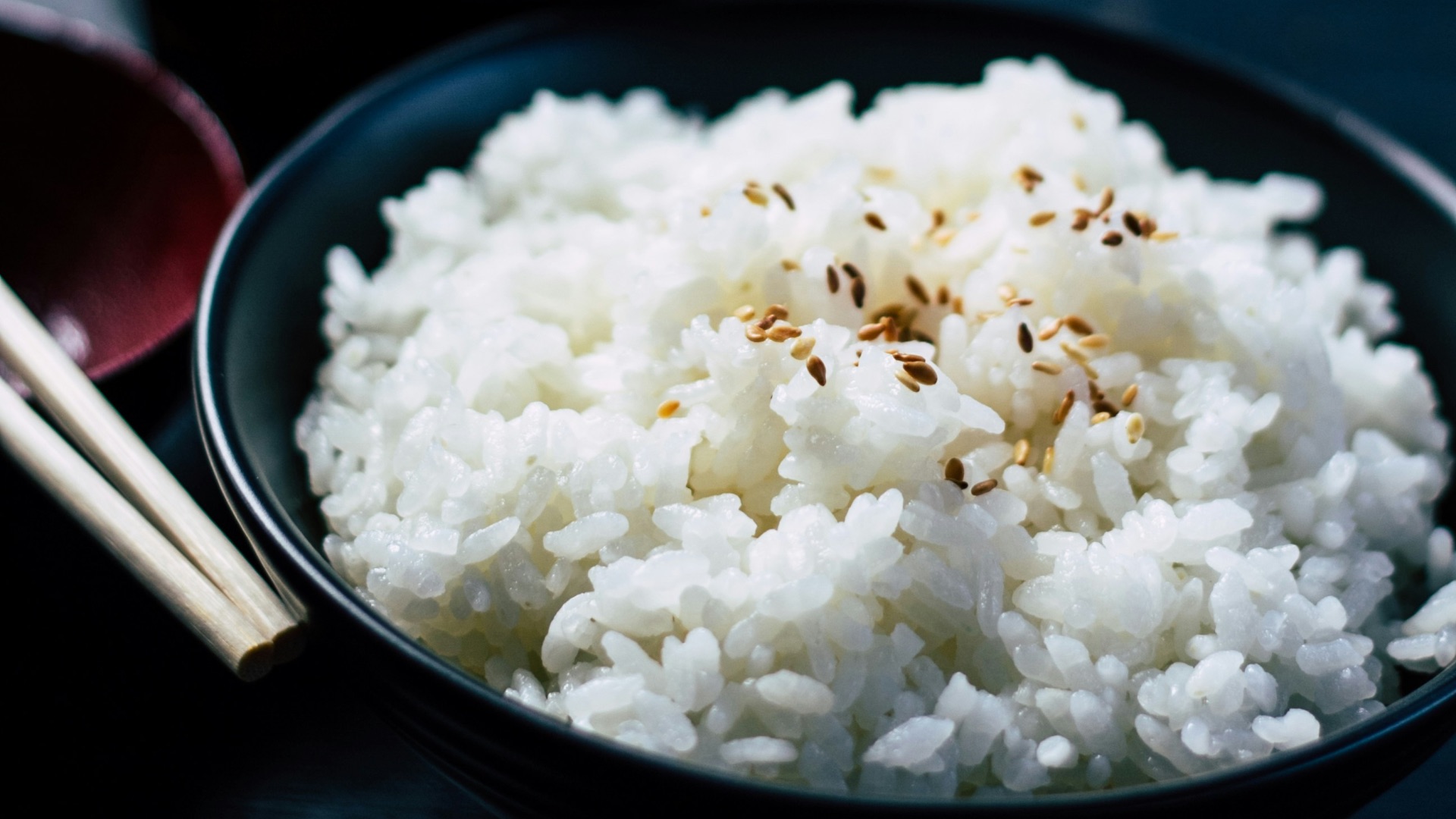
6. Cooked Rice Can Taste Sour or Fermented
Cooked rice may seem harmless (because it's cooked, right?), but it can spoil quickly if it’s left at room temperature or even in the fridge for too long. When it starts to go bad, the flavor may turn sour, fermented, or slimy. Because rice can carry bacteria that aren’t always obvious from taste or smell, it’s important to refrigerate leftovers promptly and reheat them thoroughly.
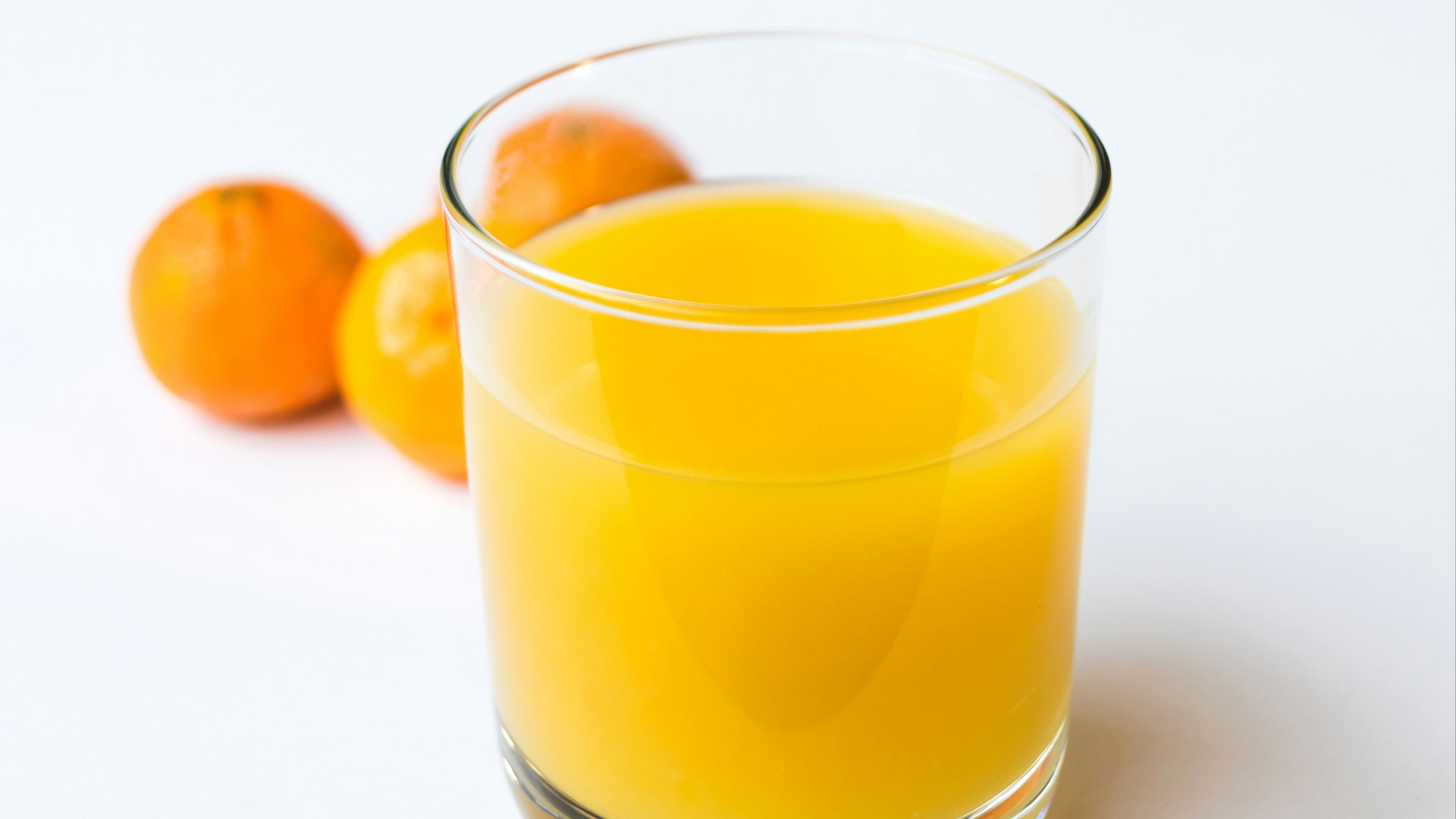
7. Fresh Juice Can Taste Yeasty
Fresh fruit juice is naturally high in sugar, which makes it vulnerable to fermentation once it’s no longer fresh. If orange juice, apple juice, or other fresh juice tastes yeasty or slightly alcoholic (similar to the way spoiled pineapple might taste like), it may have started fermenting in the container. It might also taste bitter. That bubbling sensation isn’t the same as intentional carbonation, and it’s usually a sign that the juice should be discarded.
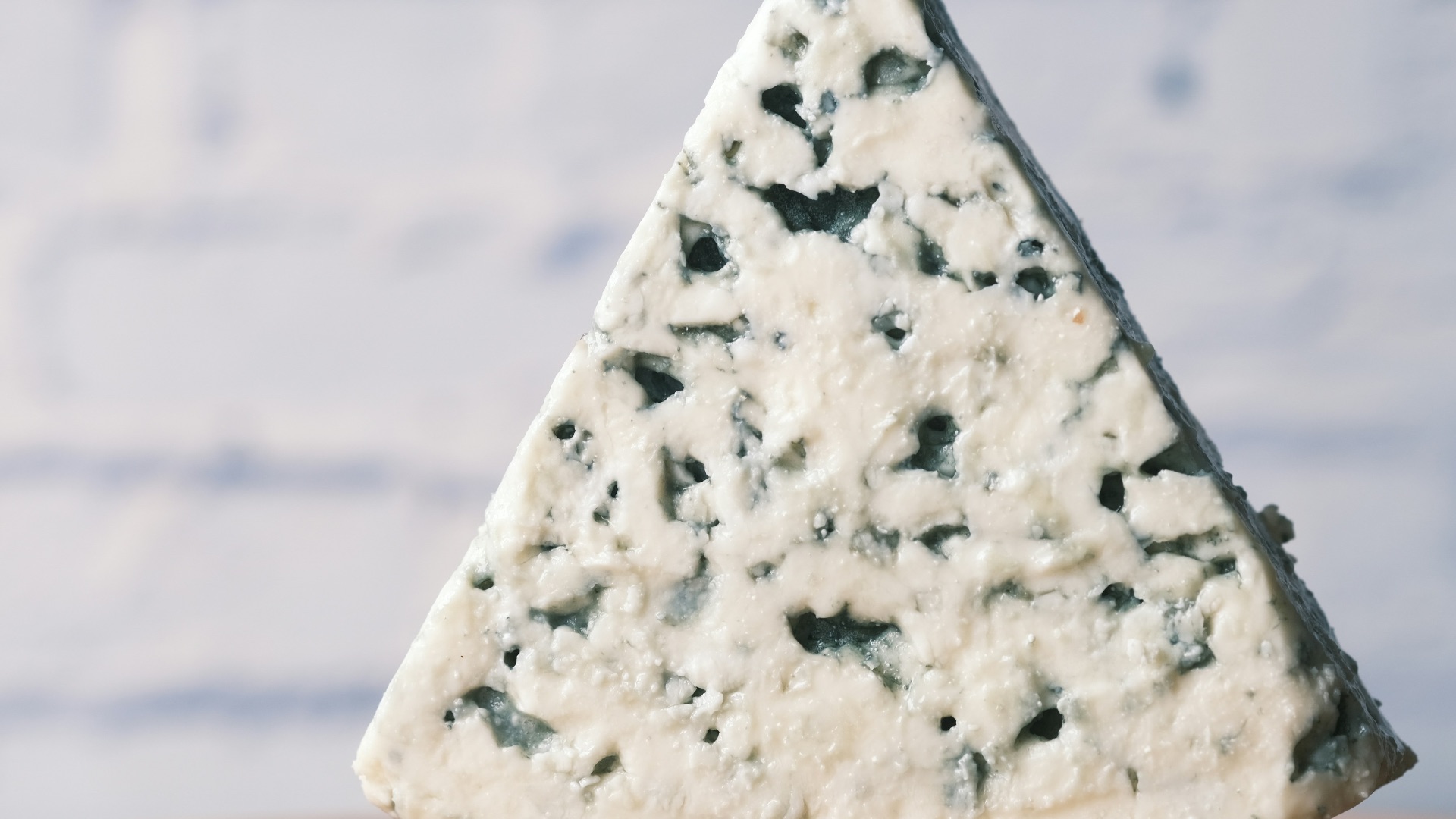
8. Cheese Can Taste Like Ammonia
Some cheeses are naturally pungent, so spoilage can be harder to identify than it is with milder foods. However, a cheese that tastes strongly ammoniated, bitter, or painfully sharp may have moved beyond normal aging. If the flavor seems aggressive in a way that doesn’t match the cheese’s usual profile, it’s safer not to keep eating it.
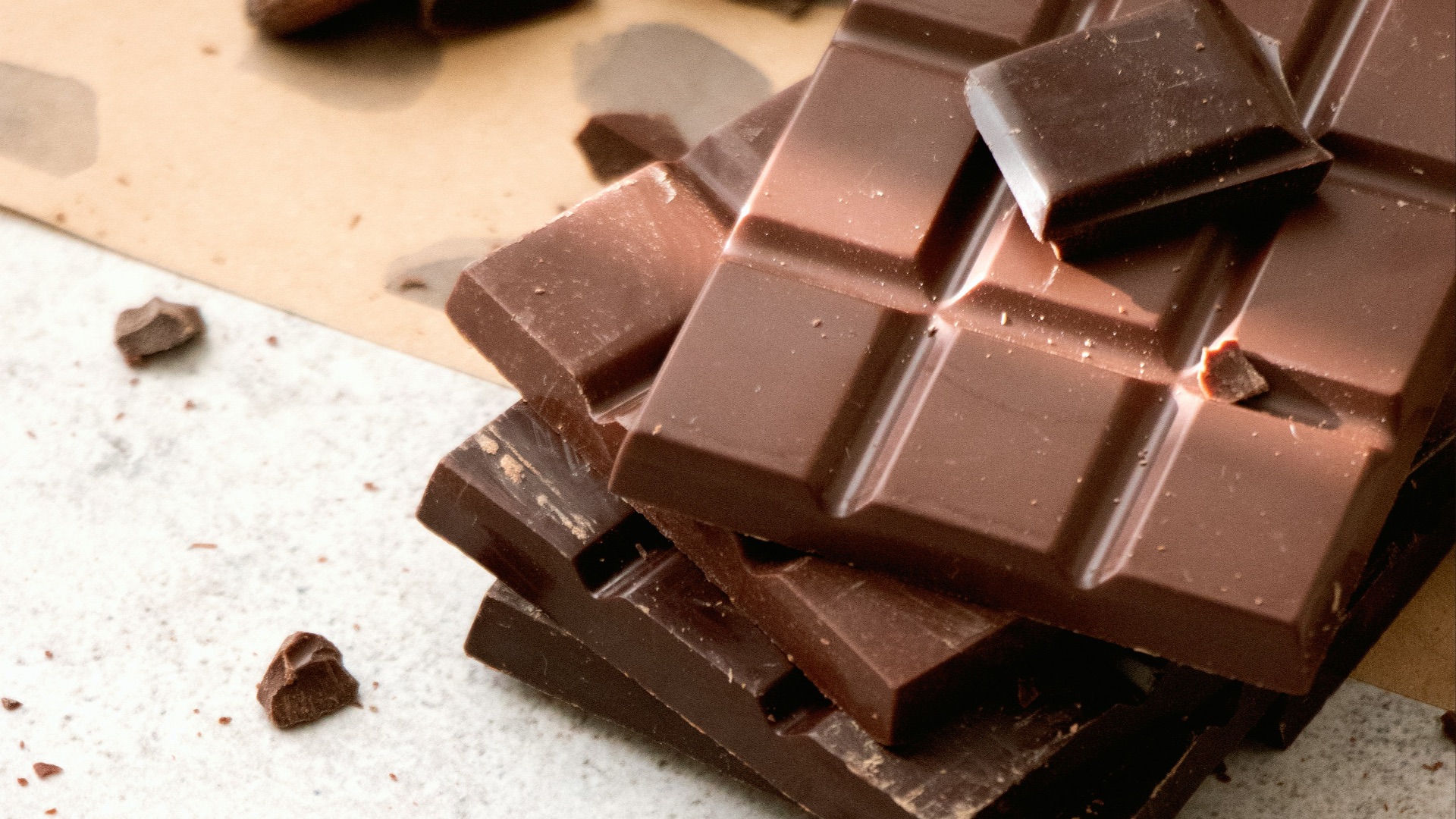
9. Chocolate Can Taste Soapy or Bitter
Chocolate is another weird one. A bar that once tasted rich and smooth may start to develop a soapy or unusually bitter flavor when it spoils. Chocolate can also absorb odors from nearby foods and strong scents, which may leave it tasting strange or stale. If the flavor seems noticeably off and the texture has become grainy or chalky, the chocolate is likely past its peak quality.
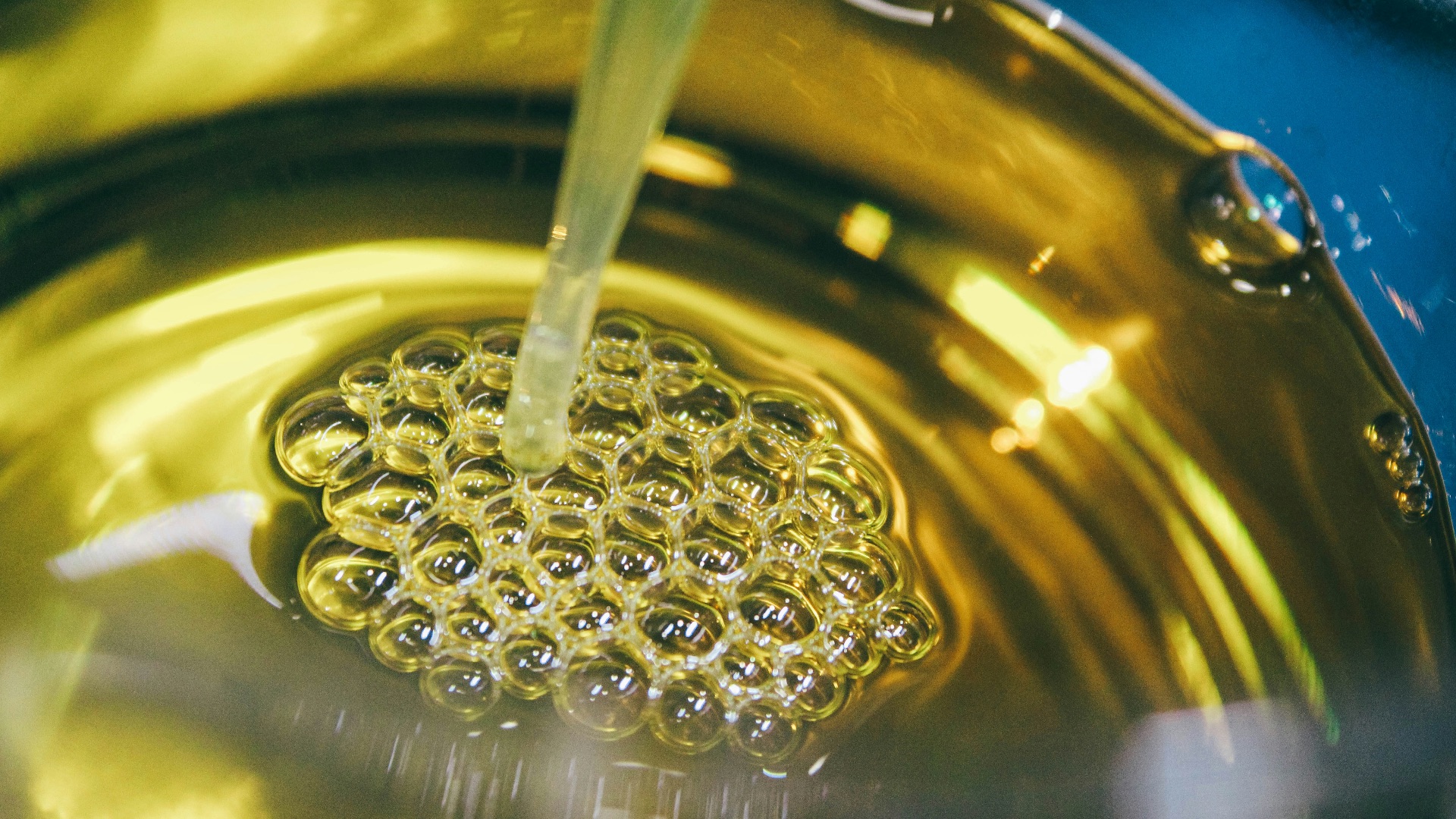
10. Oils Can Taste Waxy
When cooking oils turn rancid, such as when they're exposed to heat, light, or air for too long, the flavor may taste oddly waxy, like crayons (similar to spoiled nuts). This is especially common with delicate oils, nut oils, and bottles that have been sitting open in a warm cabinet. If it smells off to you, it's best to swap for a new bottle.
Now that we've covered the warning signs, let's jump into the important part: how to keep things fresher for longer.
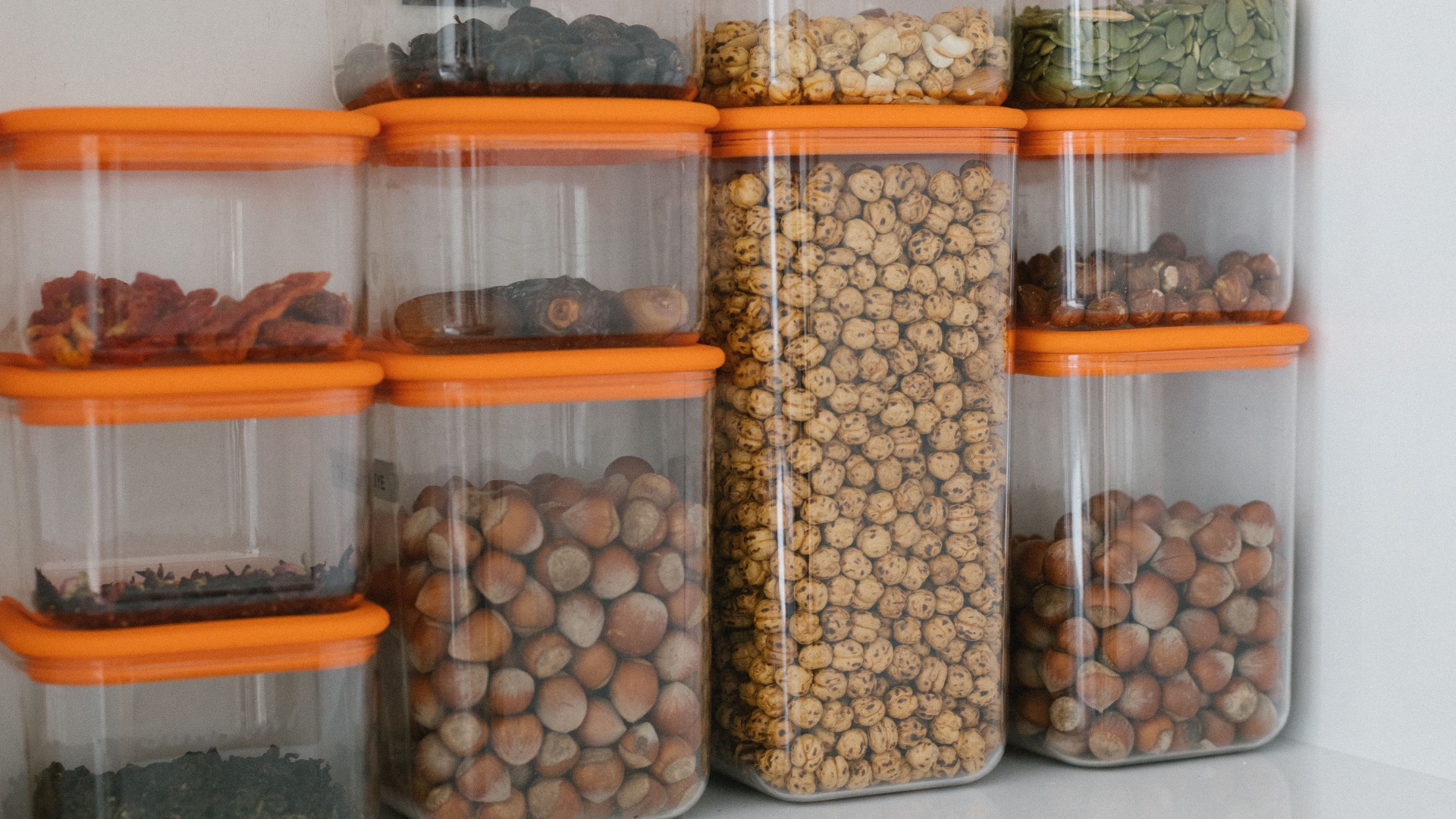
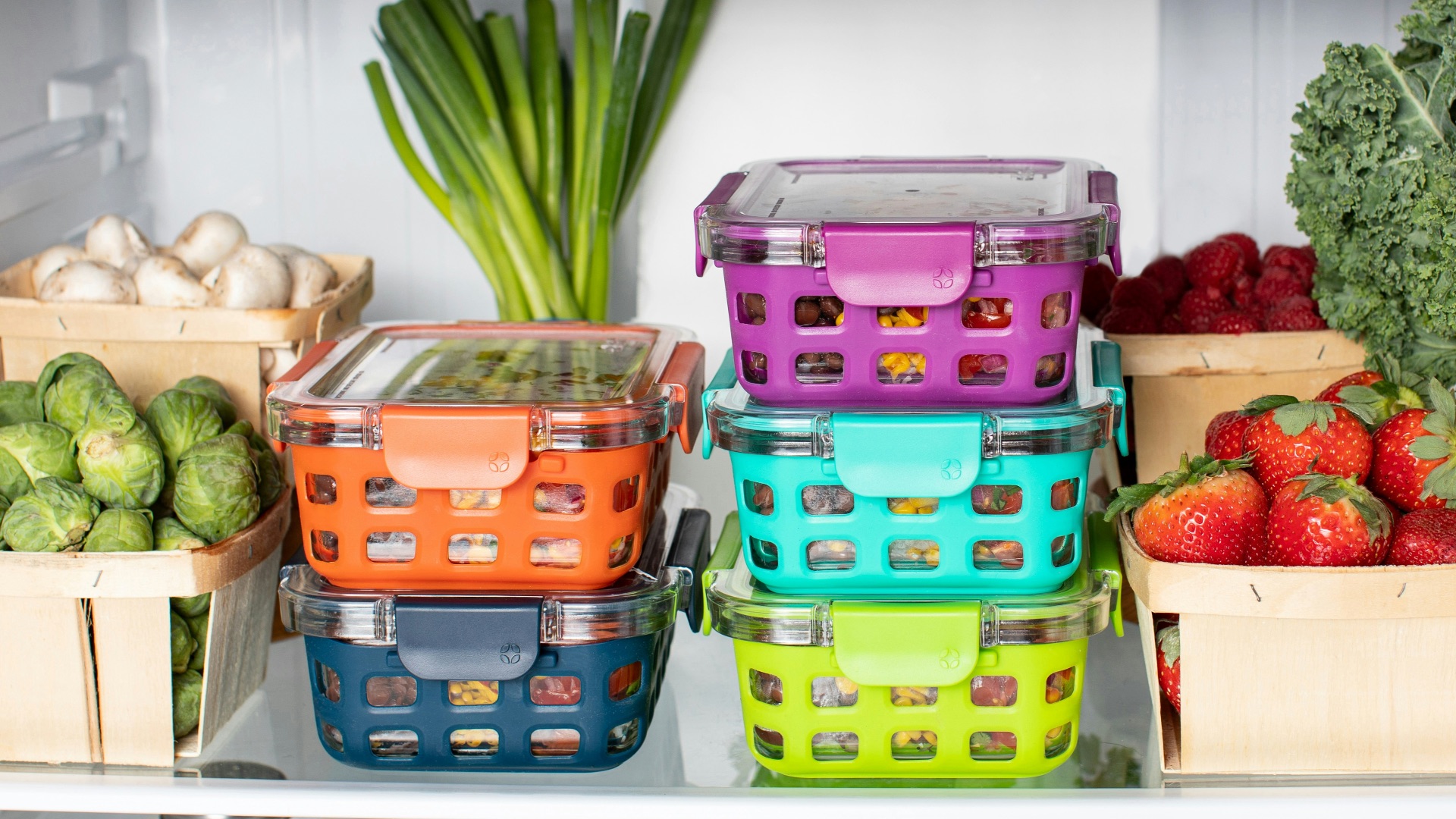
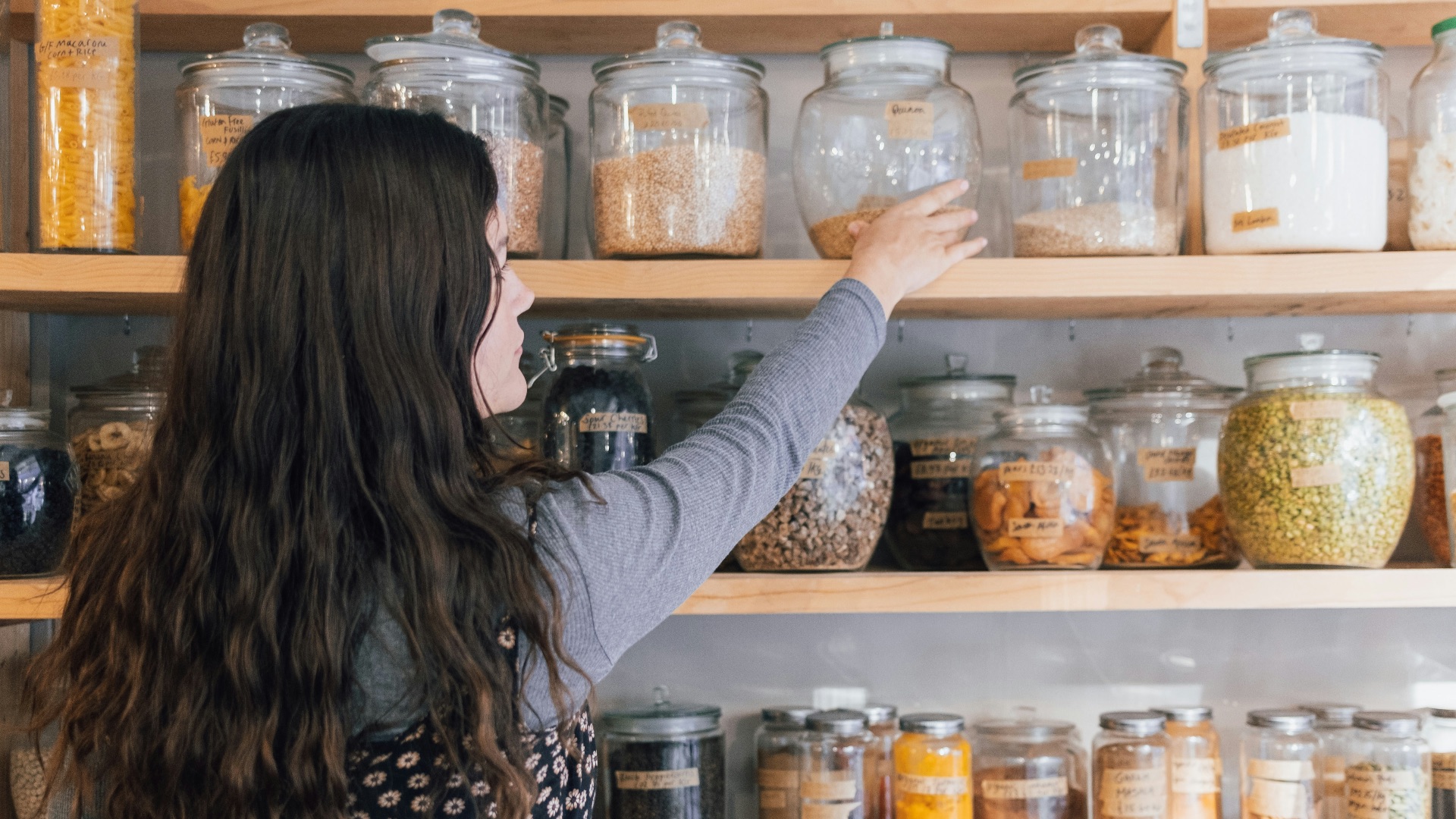
1. Use Airtight Containers Whenever Possible
Air is one of the biggest factors that causes food to lose freshness. Whether you're storing cut fruit, leftovers, nuts, or baked goods, airtight containers help slow down moisture loss and reduce exposure to odors and bacteria. Taking a few extra seconds to seal food properly can make a noticeable difference in both flavor and texture.
2. Keep Your Refrigerator at a Consistent Temperature
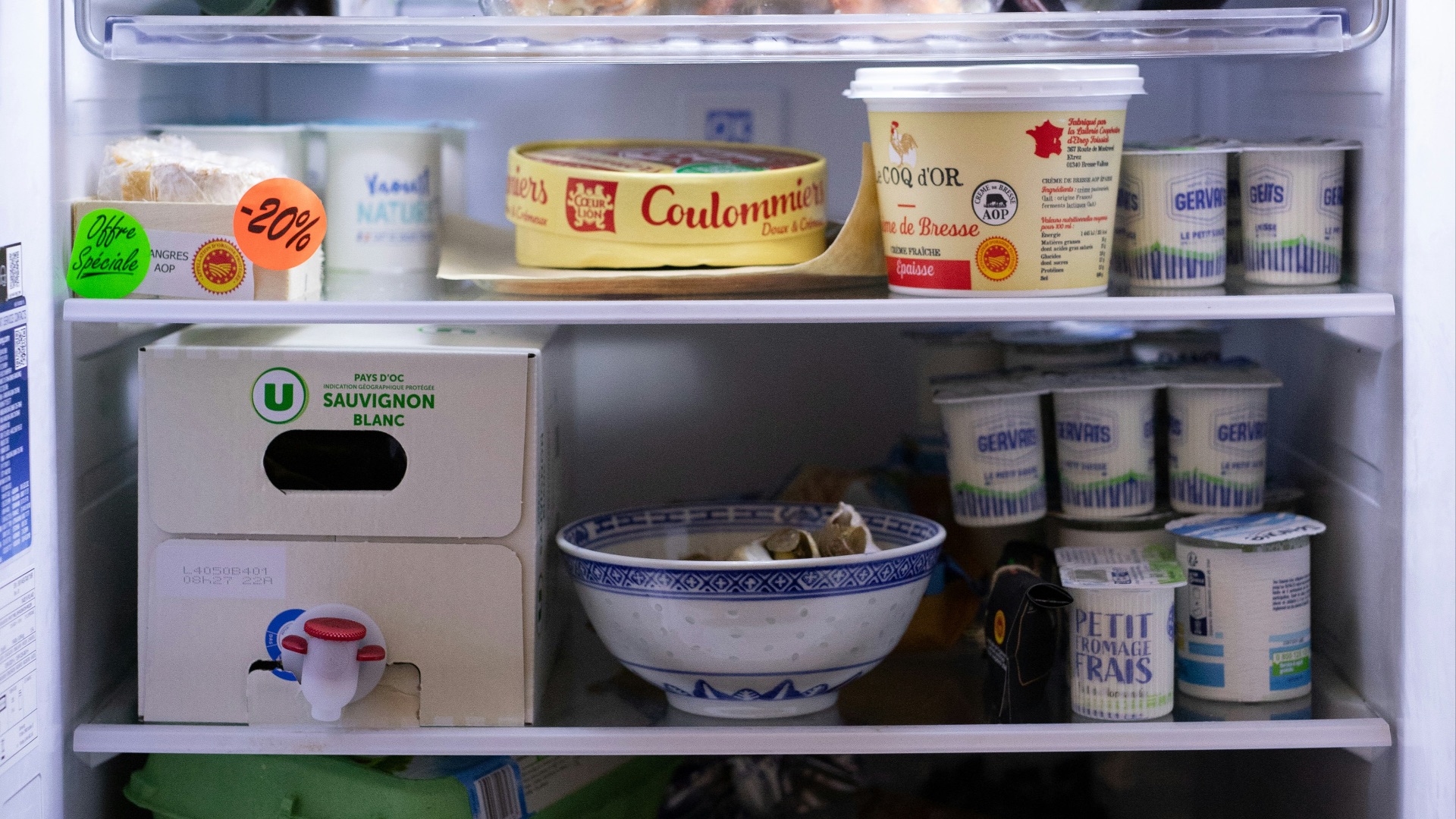
Many foods stay fresh longer when they're stored at a steady, cold temperature. Frequent temperature fluctuations can speed up spoilage and shorten shelf life, especially for dairy products, cooked foods, and fresh produce. Try not to leave the refrigerator door open longer than necessary, and avoid overcrowding shelves so cold air can circulate.
 Nicolas J. Barbier on Unsplash
3. Freeze Foods Before They Reach Their Limit
Freezing isn't just for long-term storage; it's also a great way to prevent waste. If you know you won't use bread, nuts, meat, fruit, or leftovers before they start declining in quality, move them to the freezer while they're still fresh. This helps preserve flavor and gives you more flexibility when planning meals.
4. Control Moisture During Storage
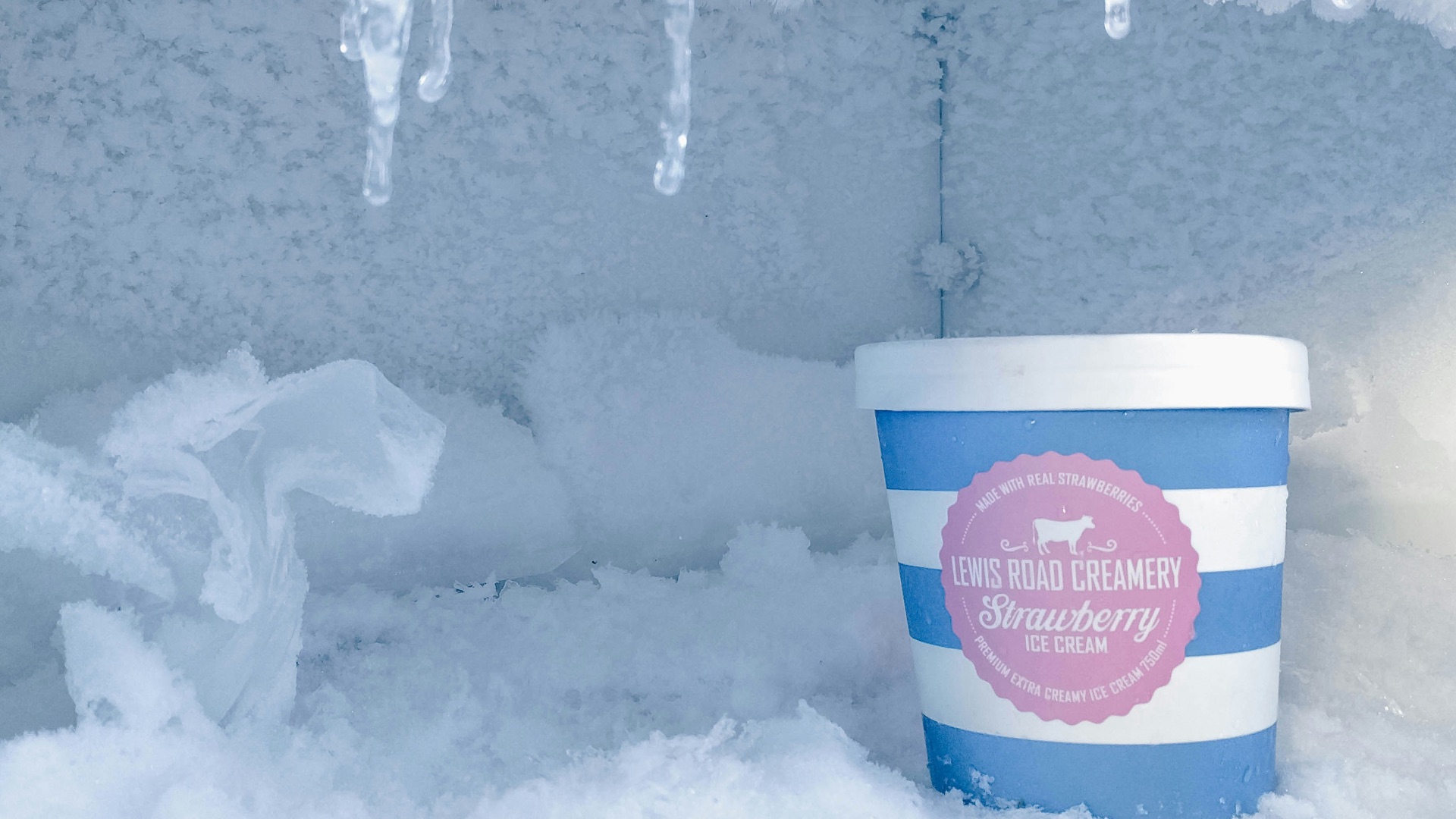
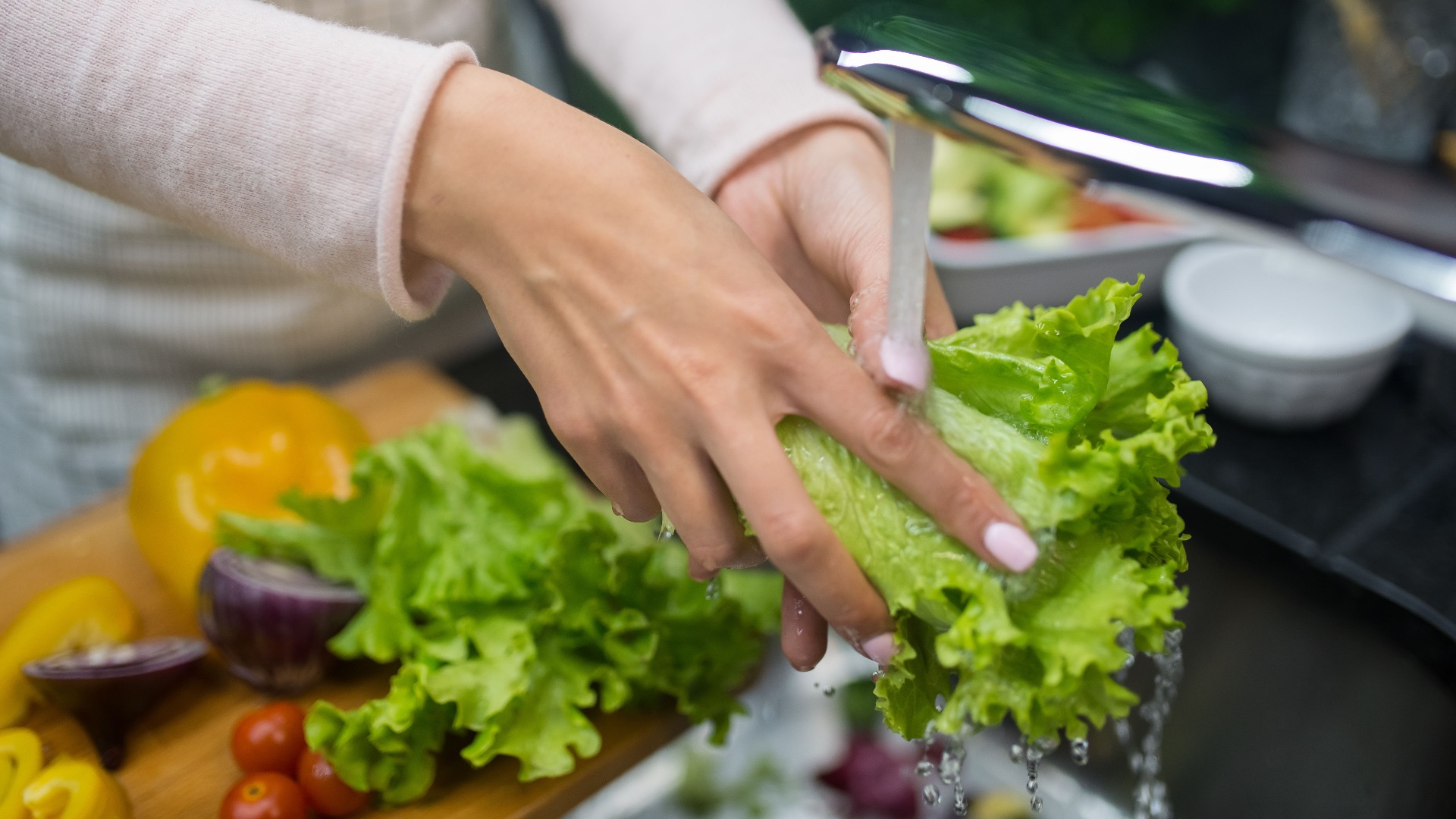
Too much moisture can encourage mold growth, while too little can cause foods to dry out and lose quality. Paying attention to humidity levels is especially important for produce, bread, cheese, and leafy greens. Using paper towels, breathable packaging, or proper containers can help create a better storage environment.
5. Buy Perishable Foods in Realistic Quantities
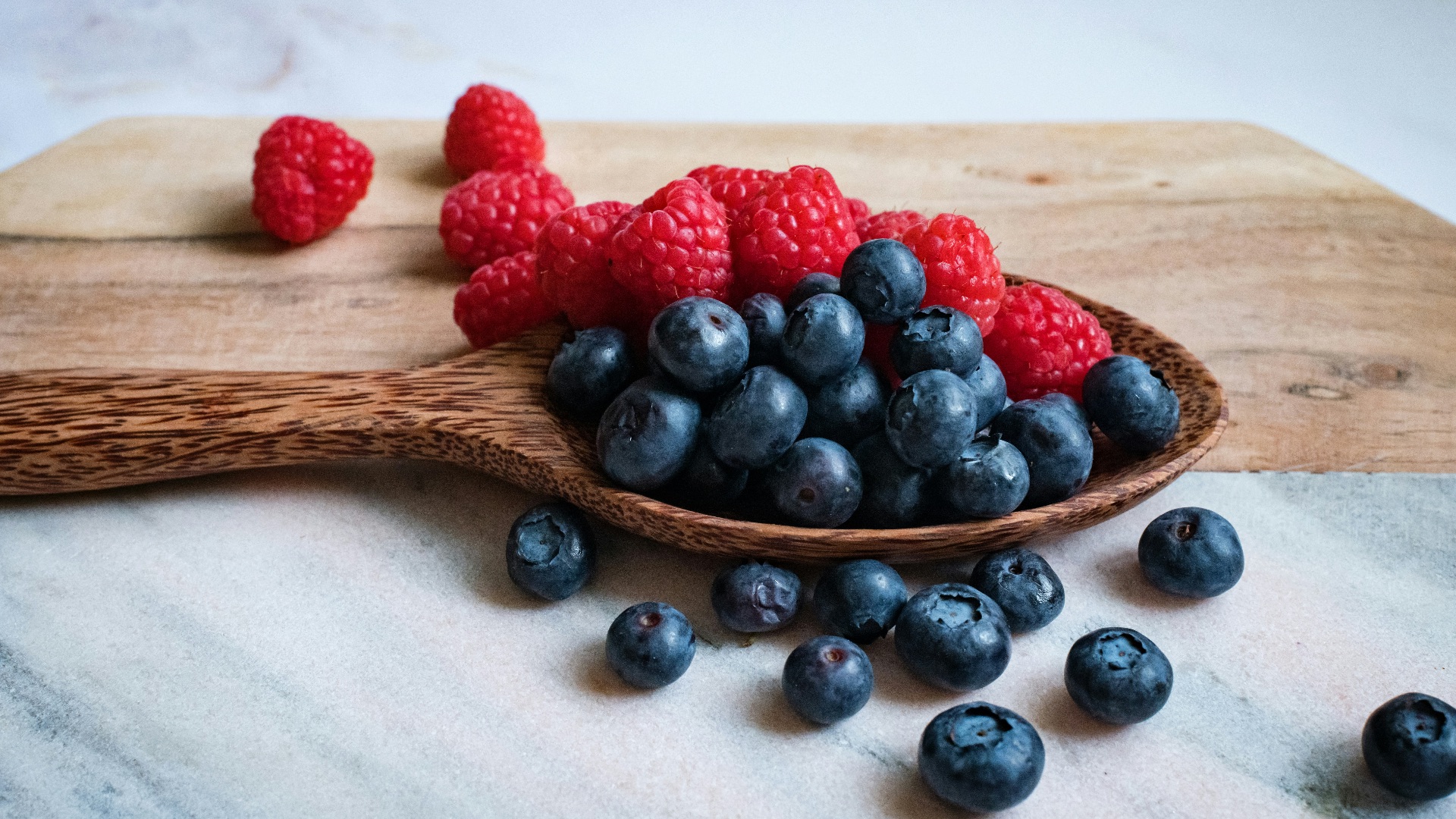
It's tempting to stock up when something is on sale, but buying more than you can reasonably use often leads to waste. Fresh fish, berries, dairy products, and other highly perishable foods are usually best purchased with a plan in mind. Smaller quantities often stay fresher because they're consumed before quality starts to decline.
6. Refrigerate Leftovers Promptly
Cooked foods shouldn't spend extended periods sitting at room temperature. Once leftovers have cooled slightly, transfer them to the refrigerator in shallow containers so they chill more quickly. This simple habit helps maintain both food safety and flavor.
7. Label Foods with Dates
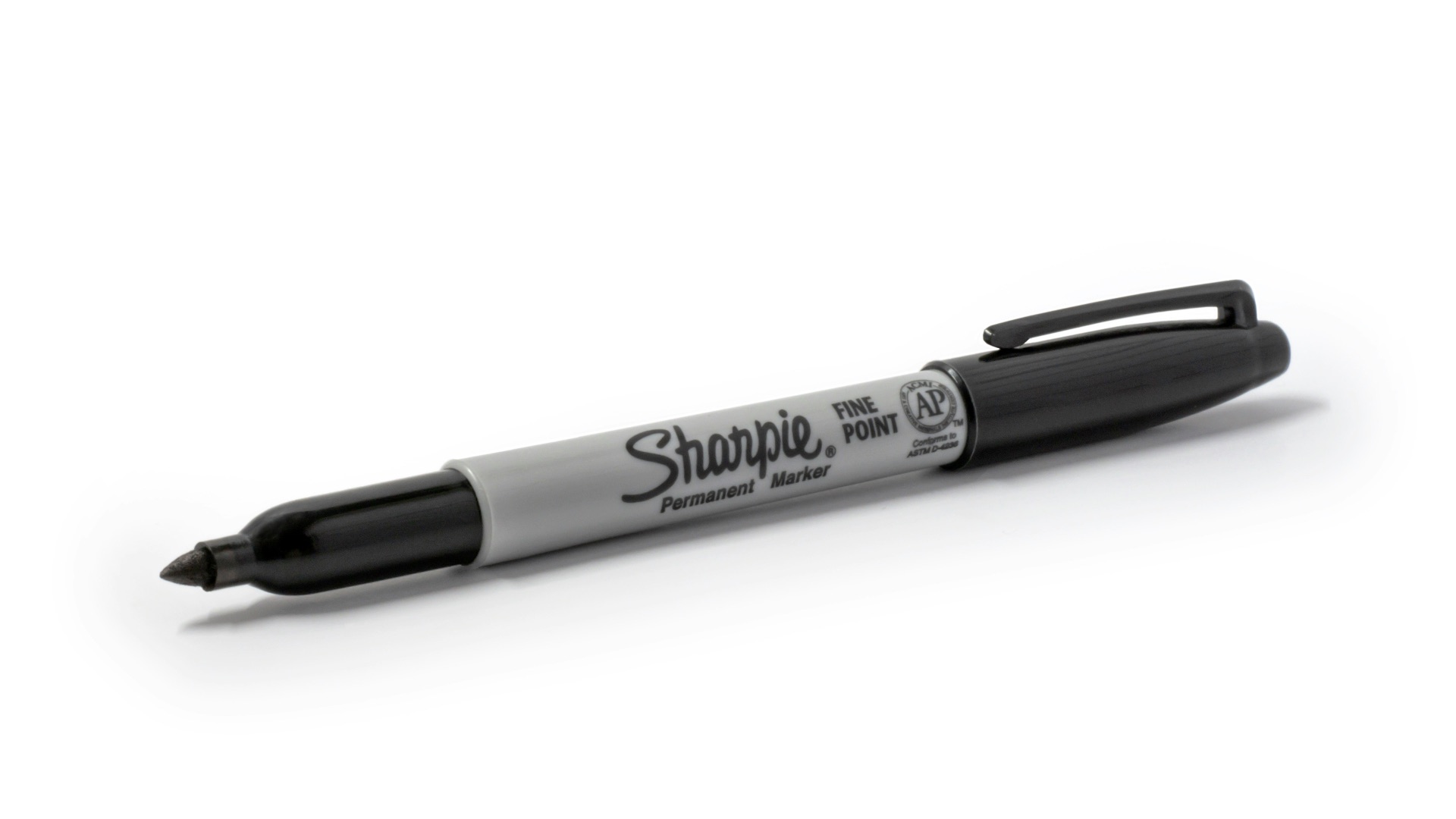
It's surprisingly easy to forget when something was opened or prepared. Adding a date to containers, freezer bags, or leftovers helps you keep track of what should be used first. This reduces guesswork and makes it easier to avoid eating foods that are past their prime.
8. Store Foods According to Their Needs
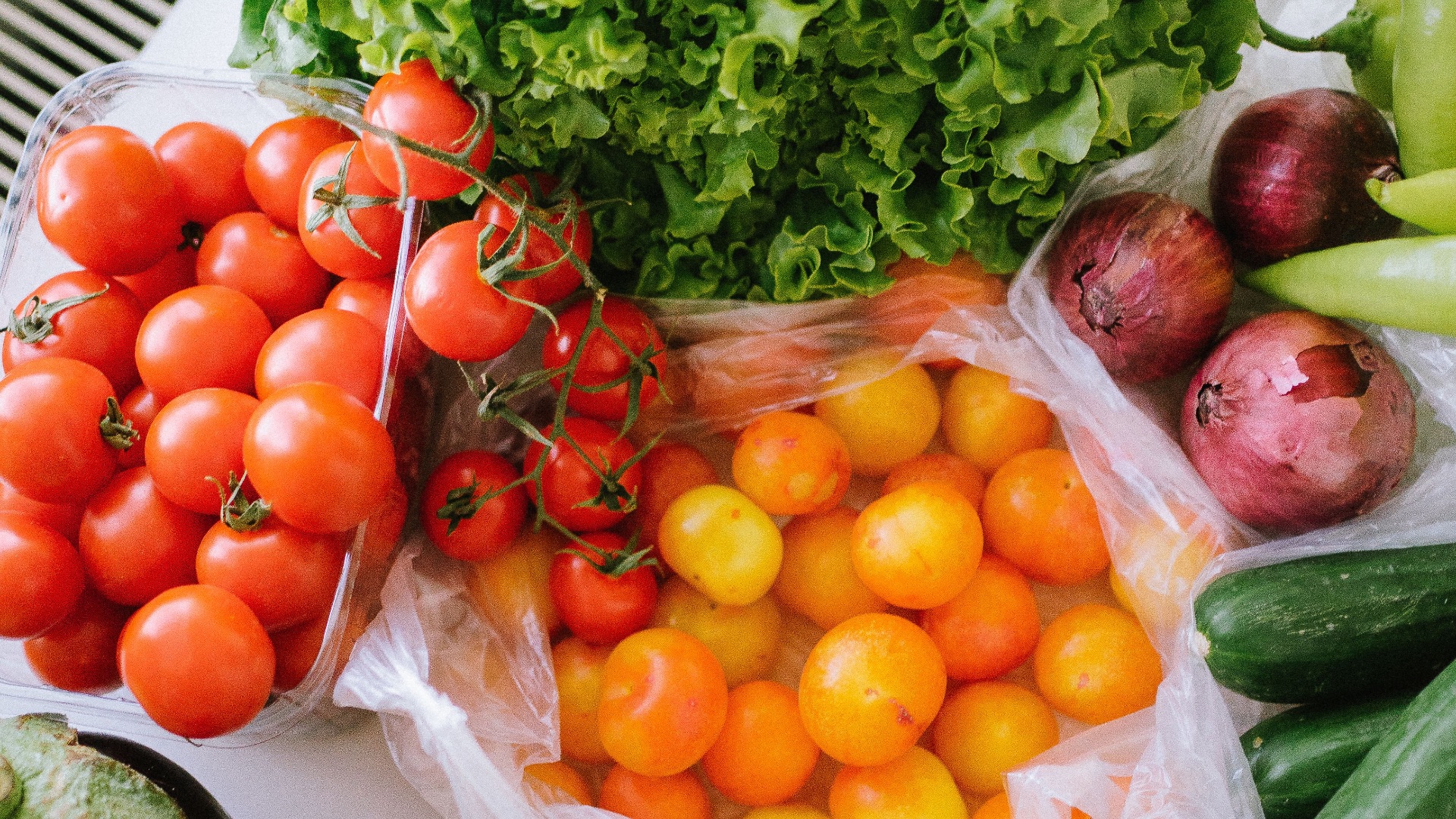
Different foods stay fresh under different conditions. Some items need airflow, others need airtight storage, and certain foods benefit from refrigeration while others do better at room temperature. Taking a moment to learn the best storage method for commonly purchased foods can extend their shelf life considerably.
9. Keep Strong-Smelling Foods Separate
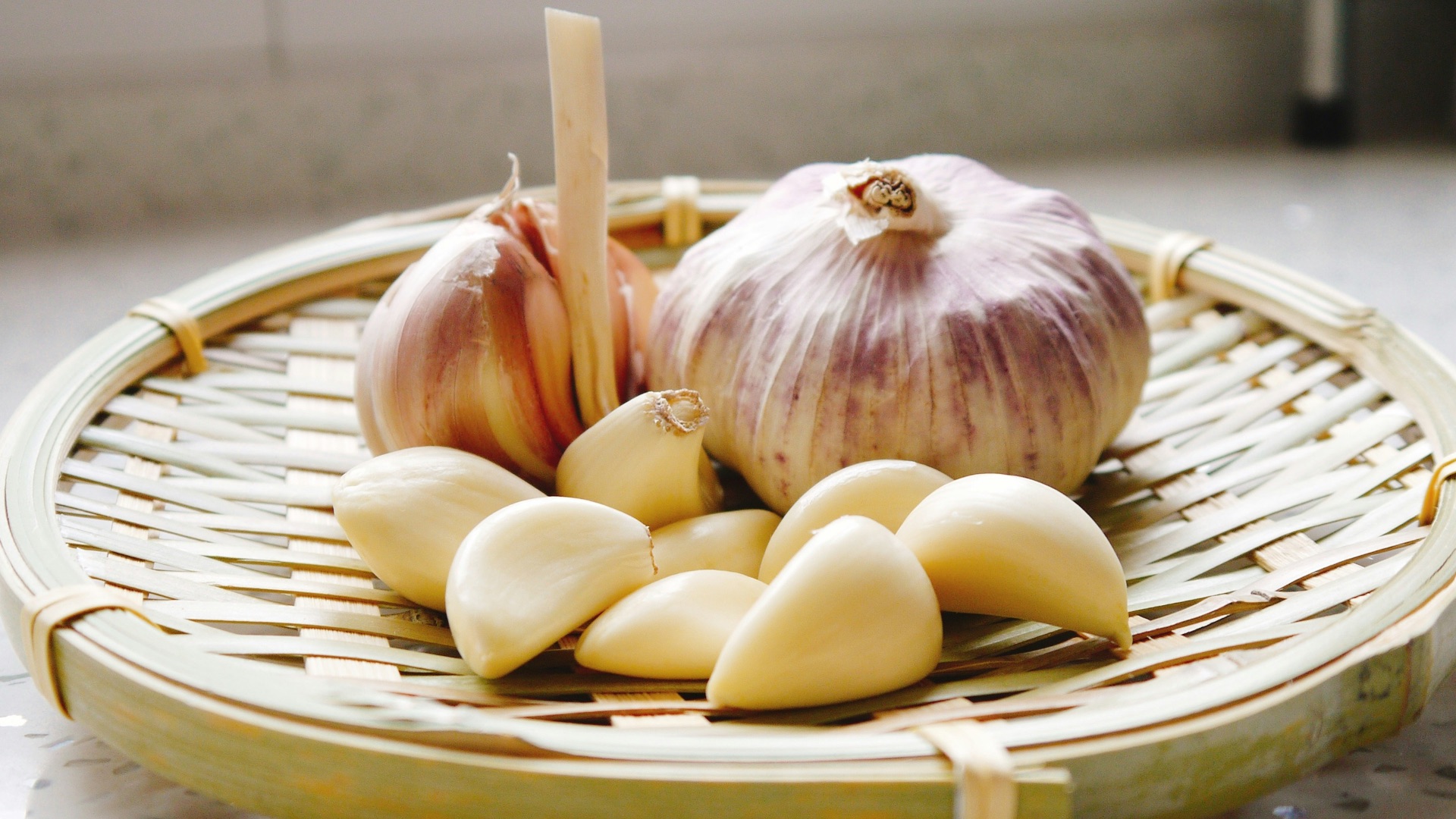
Many foods absorb odors from their surroundings, which can affect their flavor long before they actually spoil. Chocolate, dairy products, butter, and certain fruits are especially prone to picking up unwanted smells. Sealed containers and thoughtful organization can help prevent flavor transfer.
10. Check Your Pantry and Fridge Regularly
Freshness is easier to maintain when you know what you already have. A quick weekly check helps you spot foods that should be used soon and prevents forgotten items from lingering until they spoil. It also makes meal planning easier and reduces unnecessary purchases.
KEEP ON READING