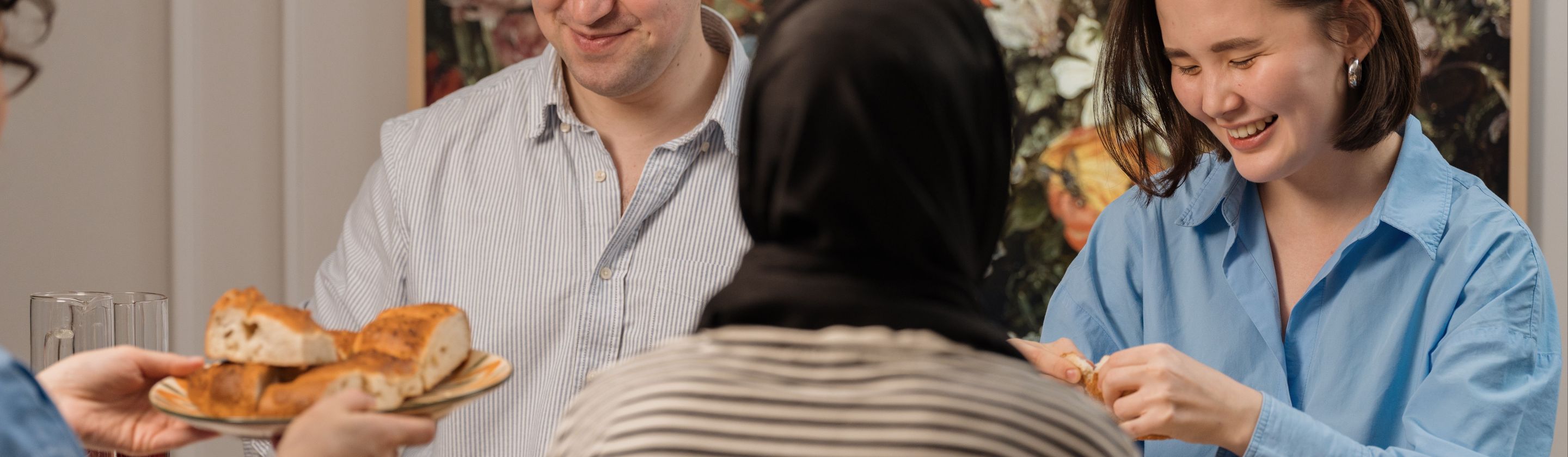
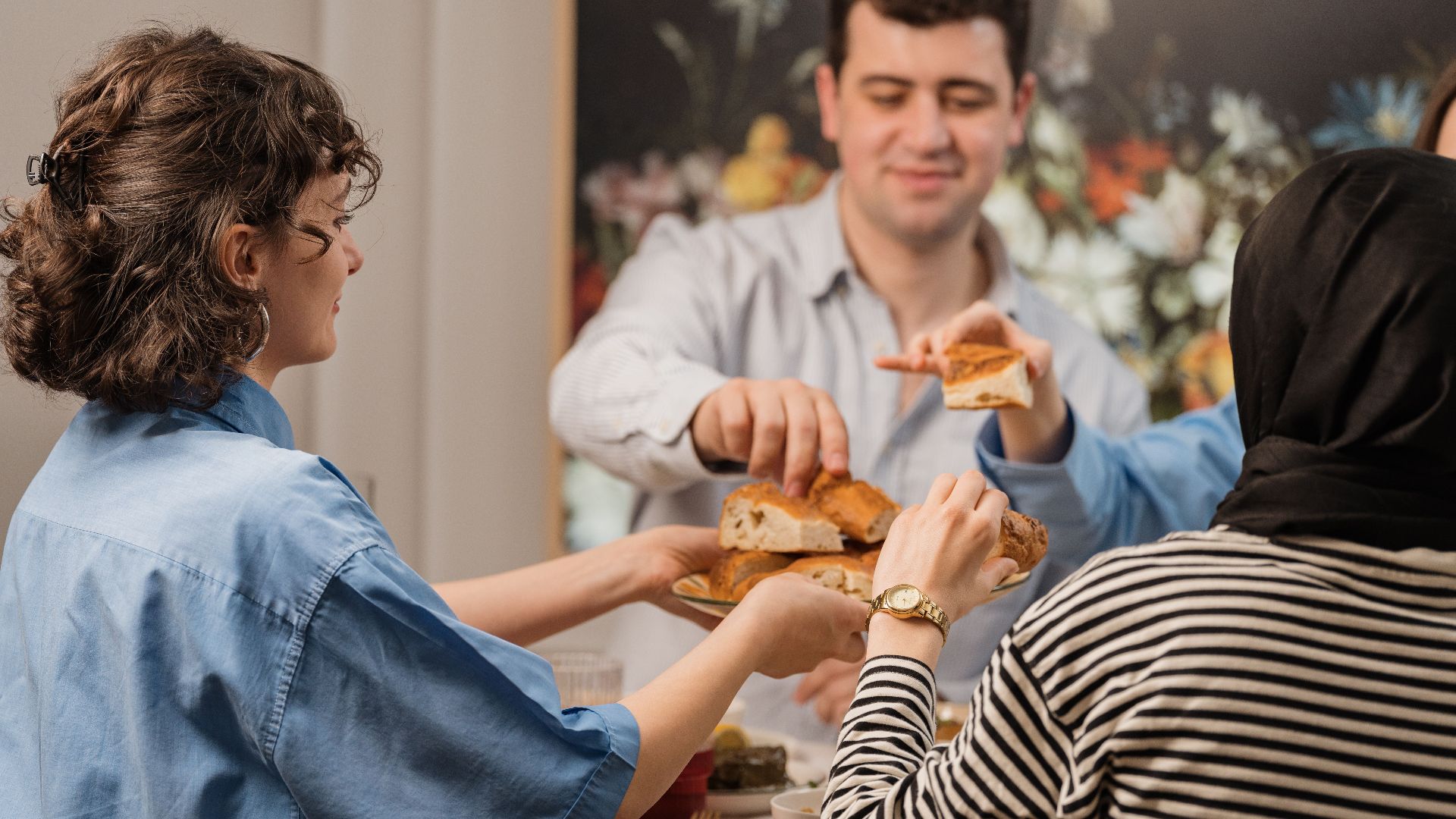
Bread is one of those foods that feels simple until you notice how much meaning it carries. Across cultures, it can welcome guests, honor ancestors, mark holy days, or turn an ordinary meal into something that feels more shared and intentional. Because it’s usually made from basic ingredients, bread also shows how ordinary food can become deeply symbolic when people gather around it.
That’s why bread shows up at celebrations in so many different forms. It can be braided, sweetened, blessed, broken, dipped, or passed around the table, and each version says something about the people who make it. Even when the recipe is humble, the ritual around it can make the bread feel special.
Bread as a Welcoming Symbol
In many cultures, bread is used to greet people because it’s practical, generous, and easy to share. In parts of Eastern Europe, guests may be welcomed with bread and salt, a tradition that represents hospitality, respect, and the wish that a visitor will never go hungry. The gesture may look simple, but it turns arrival into a small ceremony. It also reminds guests that food can be one of the clearest ways to say, “You belong here.”
Moroccan celebrations often include rounds of khobz, a sturdy bread used to scoop up stews, salads, and dips. At family gatherings, the shared loaf helps bring everyone into the same meal instead of separating food into individual portions. This style of eating makes bread feel less like a side dish and more like part of the conversation. Since everyone reaches for the same bread, the meal naturally becomes more communal.
In Ethiopia and Eritrea, injera plays a similar role during communal meals and special occasions. The spongy flatbread lines the platter, holds stews, and becomes the utensil people use to eat together. Because everyone gathers around the same dish, the bread becomes part of the celebration’s sense of closeness. Its texture, flavor, and function all help turn eating into a shared experience.
Bread In Religious And Seasonal Traditions
Challah is strongly connected to Jewish Sabbath meals and holidays, where its braided shape and ceremonial blessing give it special importance. It’s often slightly sweet, glossy, and rich with eggs, which helps make the meal feel distinct from the rest of the week. During some holidays, the shape changes, showing how bread can follow the calendar as closely as the people do.
In many Christian traditions, bread carries deep religious meaning, especially during Communion or Eucharist services. It represents spiritual nourishment and remembrance, which is why even a small piece can hold great significance. Outside church services, festive breads like panettone in Italy or hot cross buns in English-speaking countries also connect baking with sacred seasons. These breads help people mark the year through taste as much as through ceremony.
During Lunar New Year, some Chinese families serve steamed buns or filled breads as part of a larger table of symbolic foods. Round shapes, soft textures, and generous fillings can suggest fullness, prosperity, and togetherness. The exact customs vary by region and family, but bread-like foods often fit naturally into celebrations built around abundance. In that setting, the food isn’t only delicious; it also carries hopes for the year ahead.
Bread As A Marker Of Family And Memory
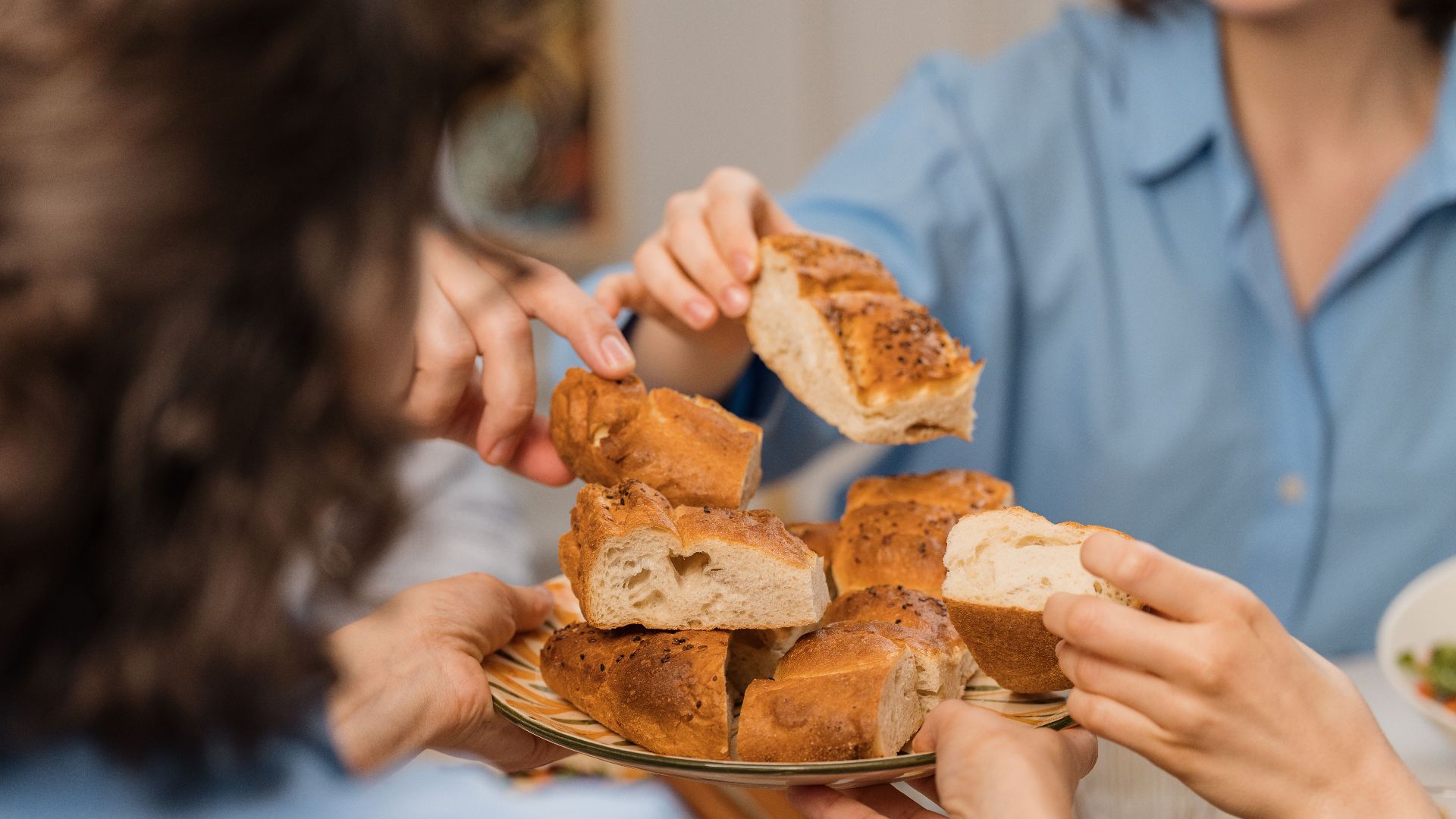
Mexican pan de muerto is closely tied to Día de los Muertos, when families honor loved ones who have died. Its decorations often suggest bones or tears, and it’s placed on altars or shared during the holiday season. The bread is sweet and festive, but its meaning is tender because it connects food with memory.
In Greece, vasilopita is baked for New Year’s celebrations and traditionally includes a hidden coin. Whoever gets the slice with the coin is believed to receive good luck for the year ahead. The ritual turns cutting the bread into a moment of suspense, laughter, and family attention. It’s a simple tradition, but it gives everyone at the table a reason to lean in.
For many families, celebration breads matter because the recipe itself is part of the inheritance. A grandmother’s rolls, a father’s flatbread, or a holiday loaf made only once a year can carry memories that no store-bought version can replace. Even when people move countries or adapt ingredients, making that bread again can keep a family story alive.
Bread celebrations may look different from one culture to another, but they often share the same emotional center. Whether bread is offered to a guest, blessed at a table, or baked from an old family recipe, it turns food into a gesture of connection. That’s why a loaf, bun, or flatbread can feel much bigger than the ingredients that made it. In the end, bread keeps showing up at celebrations because it’s easy to share and hard to separate from belonging.
KEEP ON READING