The Menu Items You Should Probably Skip
You've ordered it a hundred times: the dish that sounds incredible on the menu, then arrives looking like a sad afterthought of itself. Restaurants are full of foods that promise big and deliver small, and it's rarely one specific kitchen's fault. Some dishes just aren't built to survive the trip from stove to table; they need to be eaten within minutes of being made, not held under a heat lamp or reheated during the dinner rush. Others have cut corners baked into the process long before your server ever brings them out. Here's 20 restaurant dishes that sound better on paper than they usually taste in real life.
1. Chicken Parmesan
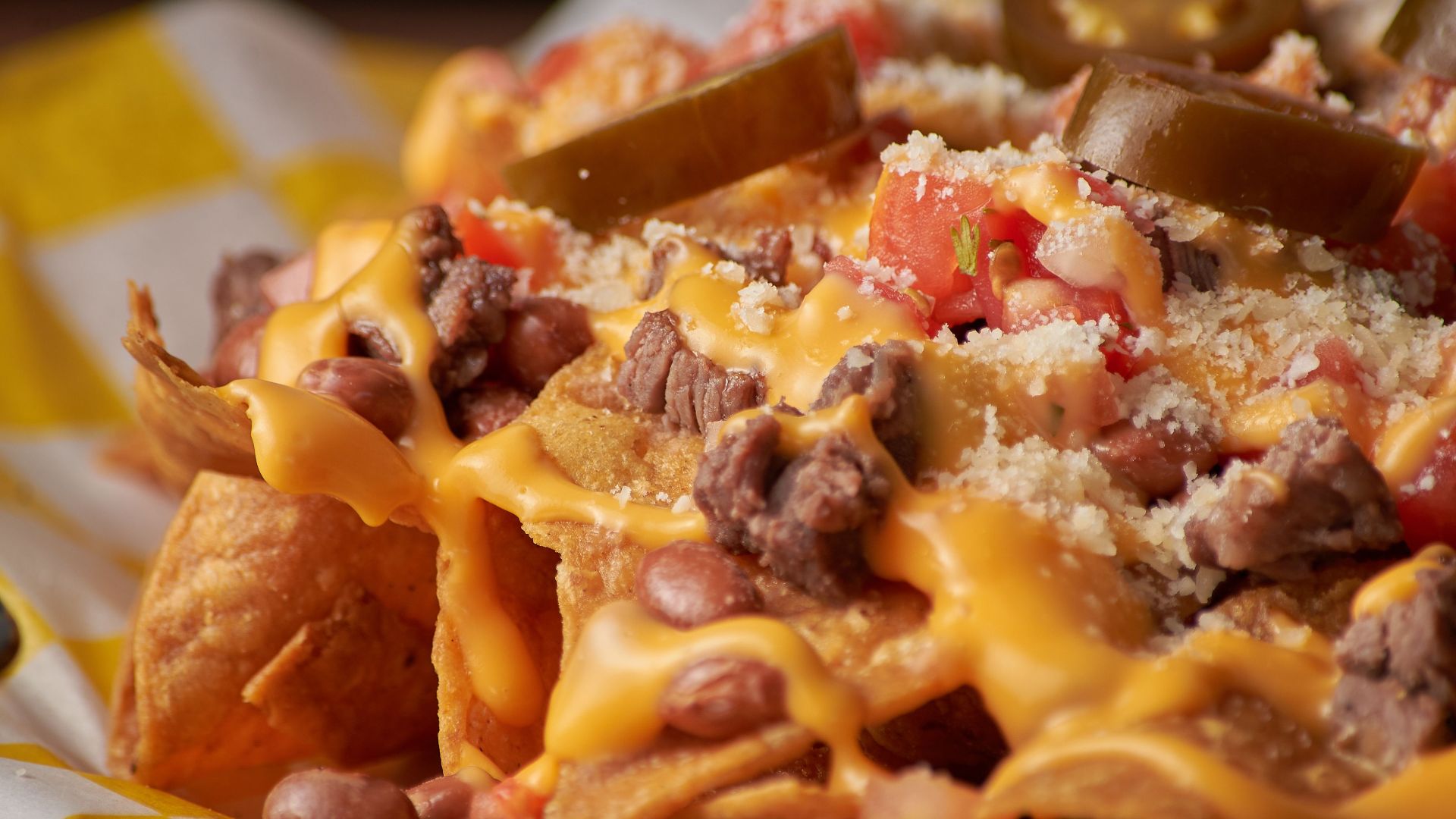
Chicken parm sounds like a guaranteed win, but most versions land as a thin, over-breaded cutlet buried under jarred sauce and cheese that never quite melts right. The chicken is usually fried ahead of time, then reheated under a broiler until it turns rubbery at the edges. By the time it hits your plate, you're basically eating cheese-flavored cardboard with a side of spaghetti.
2. Caesar Salad
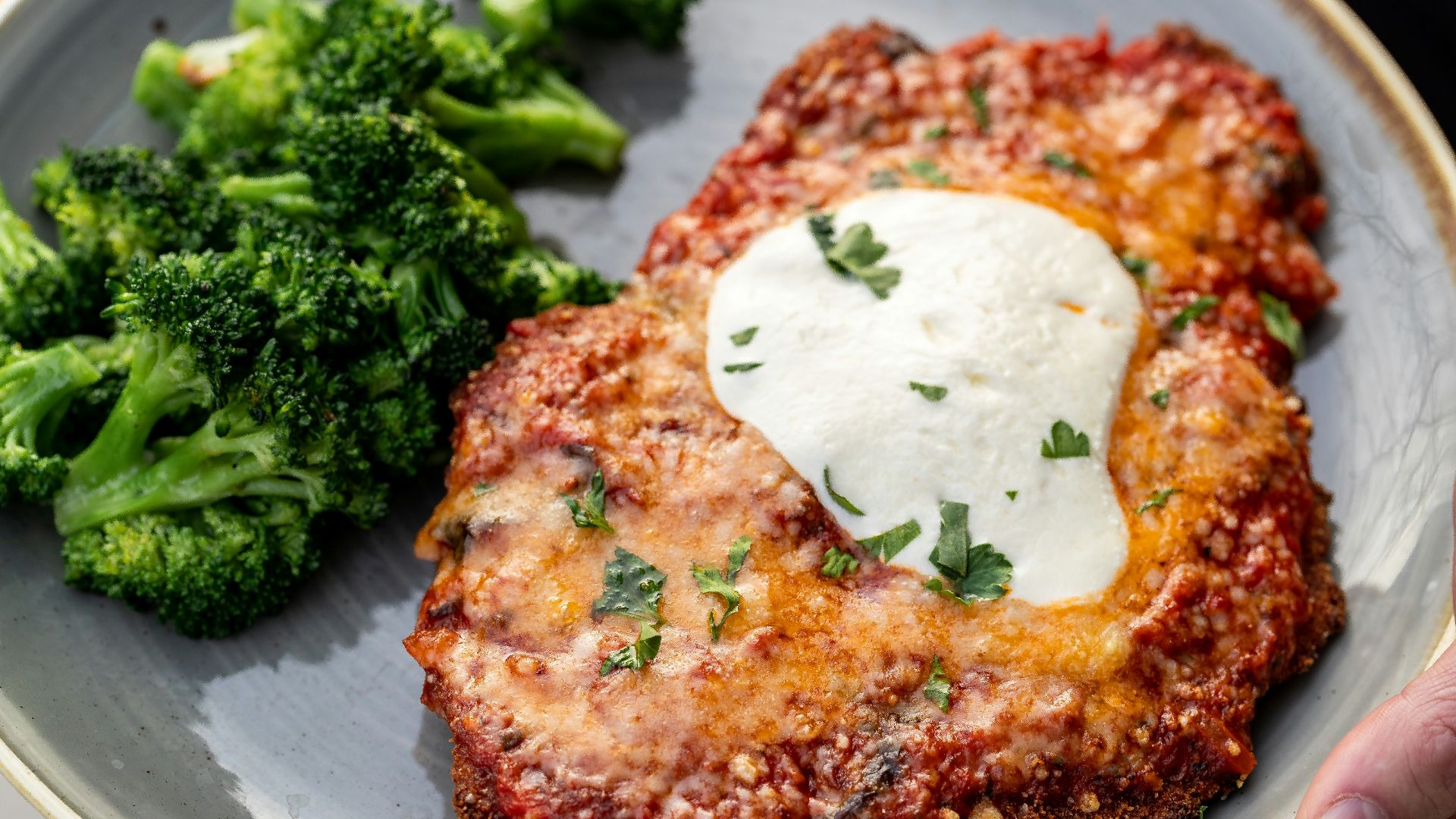
A great Caesar depends on the dressing being made fresh, with real anchovy and enough garlic to make you a little worried about your afternoon plans. Most restaurants pour from a bottle instead, and you end up with limp romaine drowning in something closer to ranch than an actual Caesar. Even the croutons feel like an afterthought, tossed in stale and forgotten.
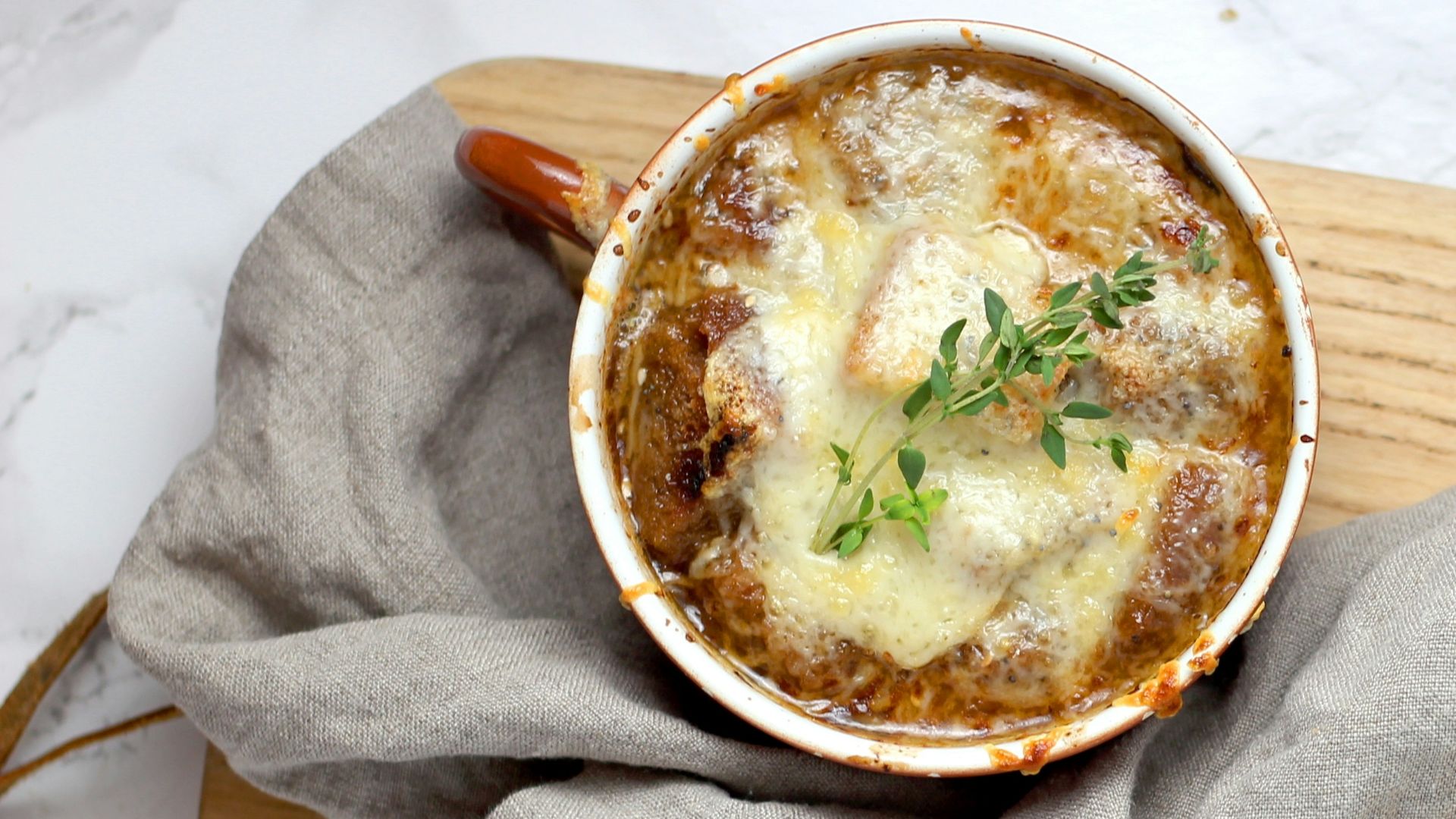
3. French Onion Soup
The idea is romantic: deep, caramelized onions, rich broth, and a crust of bubbling cheese on top. In practice, the broth is often thin and salty, the onions barely cooked past translucent, and the cheese is more of a plasticky cap than something you'd actually want to eat. You end up fighting the bowl with a spoon just to get to soup that wasn't very good anyway.
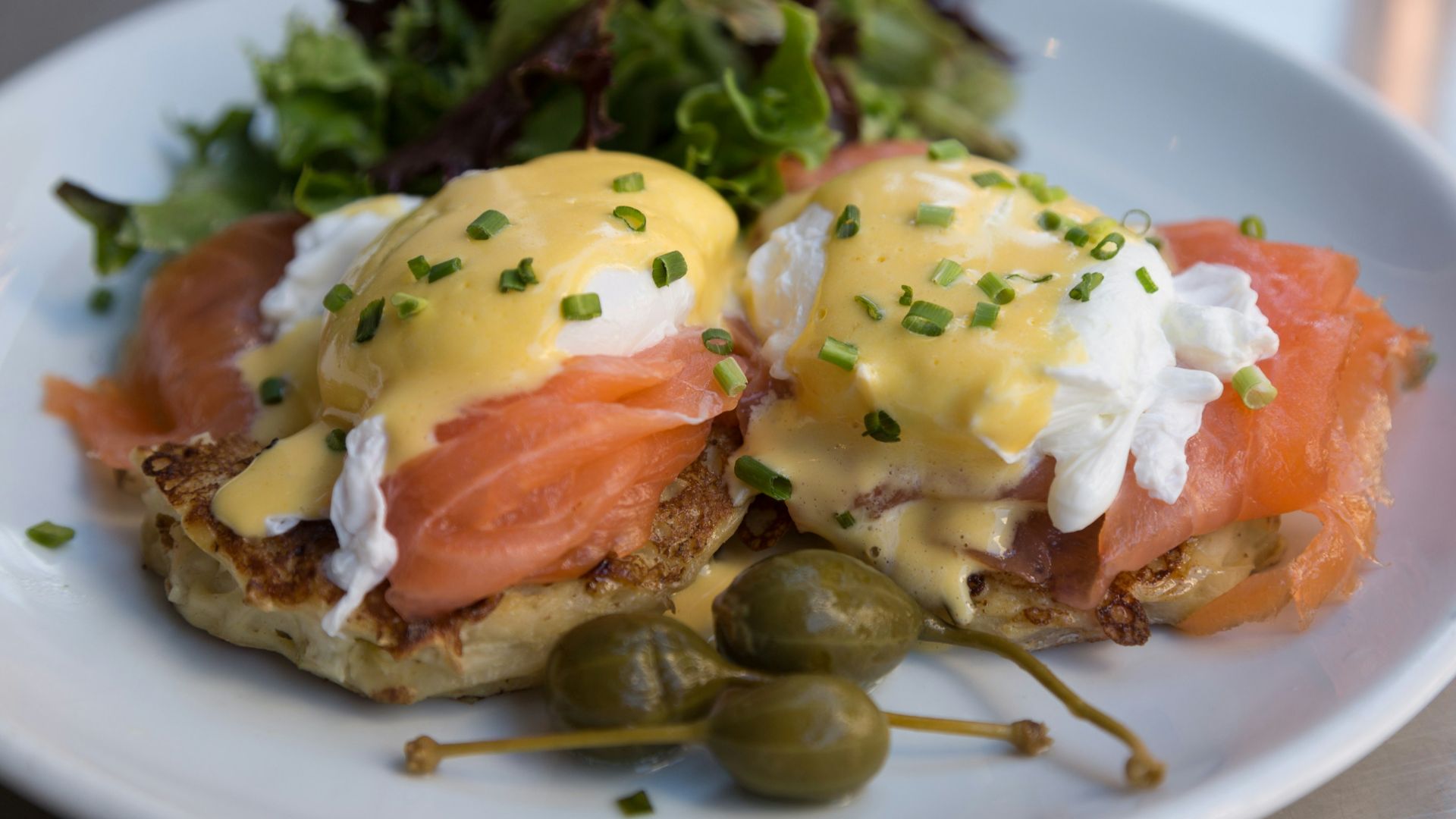
4. Eggs Benedict
Eggs Benedict requires precise timing: a runny poached egg, hollandaise that hasn't broken, and an English muffin that isn't soggy. Most brunch spots make hollandaise in one big batch early in the morning and let it sit under heat for hours, which turns it thick and a little sour. By the time it reaches your table, the whole dish tastes heavy instead of delicate.
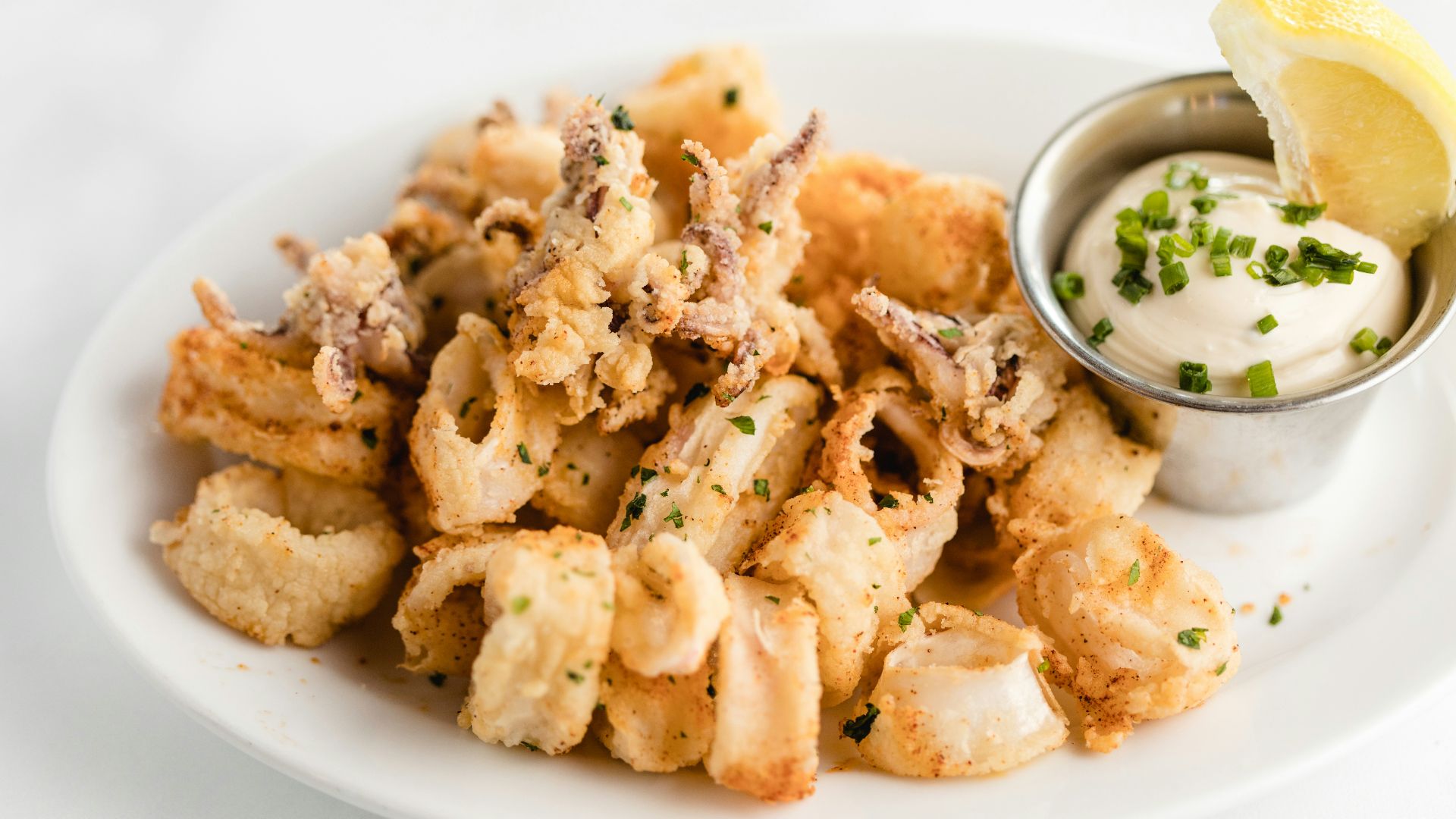
5. Fried Calamari
Calamari sounds light and crispy on the menu, but it's too often cooked a beat too long and turns into something closer to rubber bands with breading. The marinara on the side is usually an unremarkable dip that came out of a can, not something made in-house. Even at nicer restaurants, calamari rarely earns its price tag.
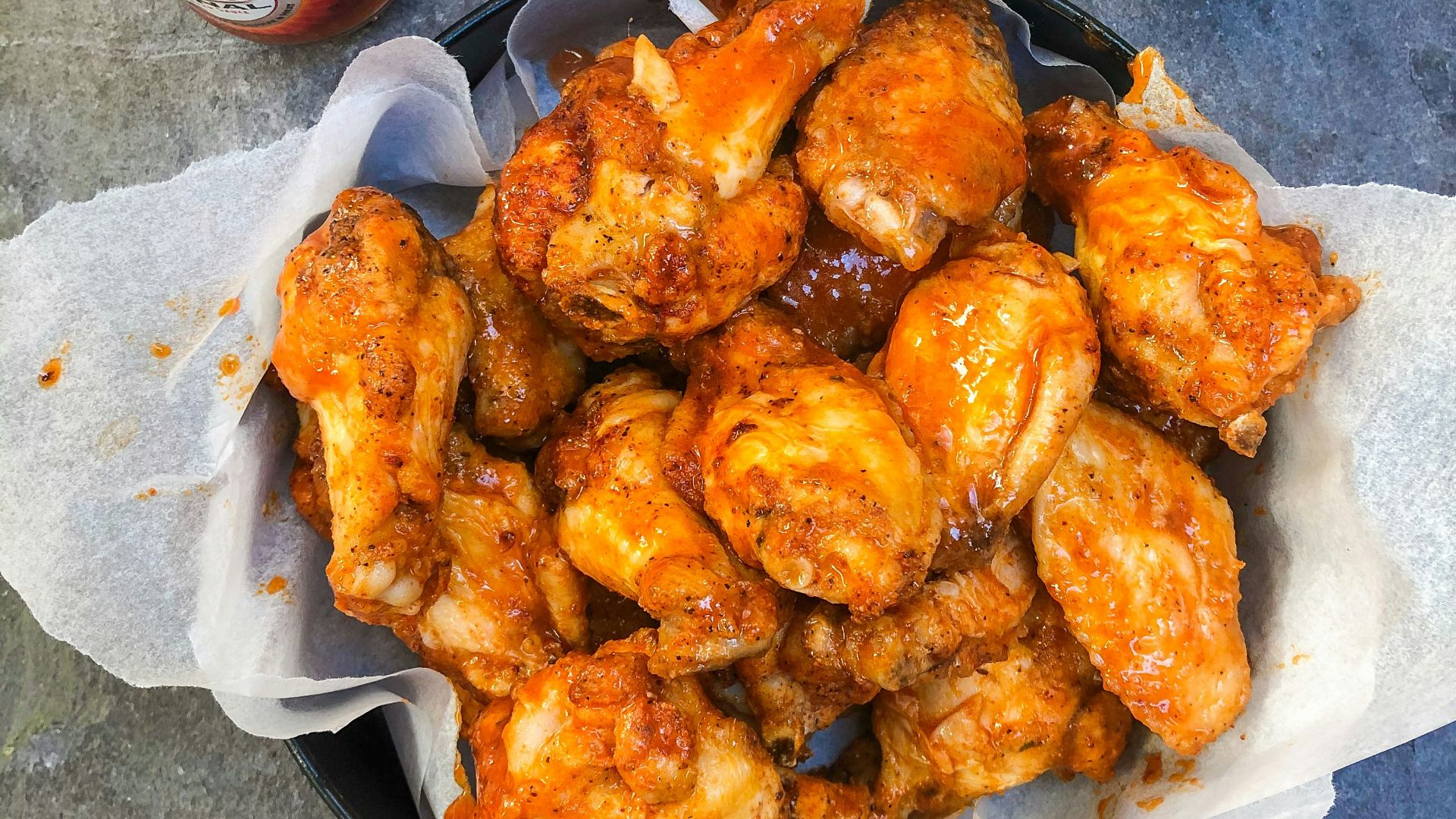
6. Buffalo Wings
Wings promise crispy skin and a sauce with real kick, but at most restaurants they're fried once, held, and reheated before they ever reach you. The sauce is frequently just hot sauce and butter with no real depth, and the wings themselves are often more breading than meat. A basket looks great in the photo and a lot less great by the third bite.
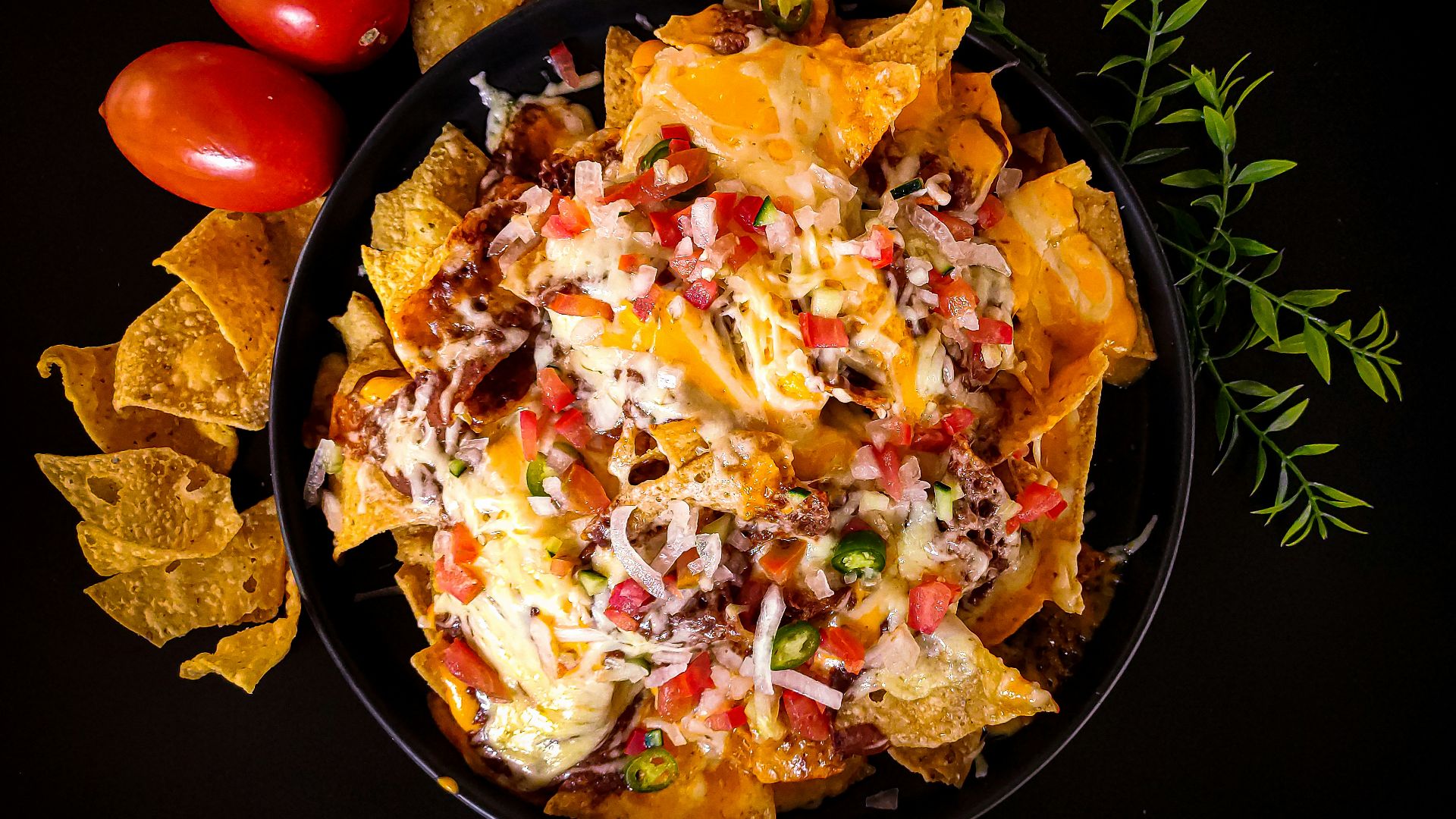
7. Loaded Nachos
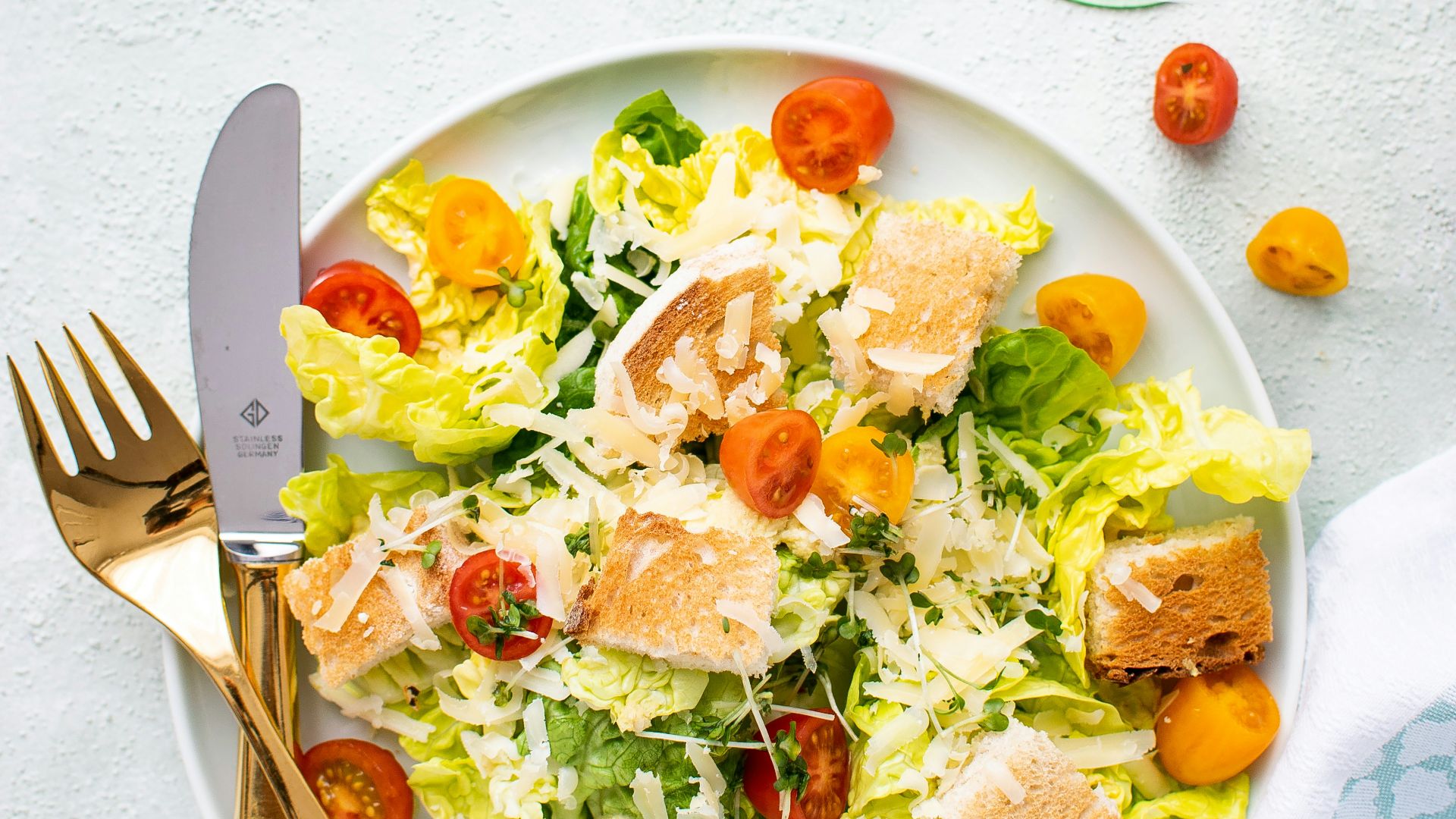
Nachos suffer badly from sitting under a heat lamp, causing the chips at the bottom to go soggy under all that cheese and all those toppings. What starts as a beautiful mountain in the menu photo becomes a soupy mess of chip mush and stray jalapeños by the time it reaches the table. The best nachos get eaten fast, which is nearly impossible when four people are sharing one basket and one fork.
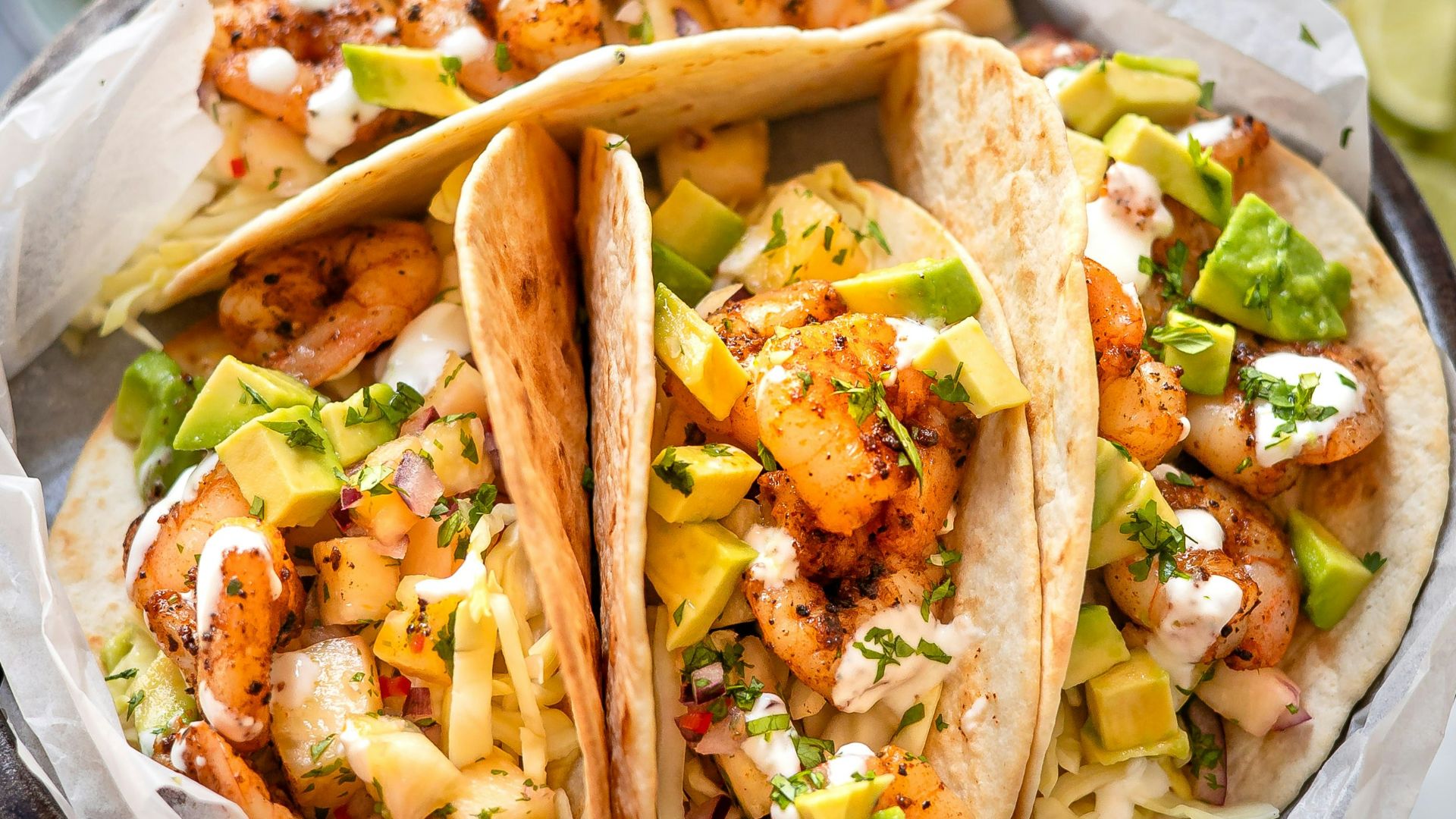
8. Fish Tacos
Fish tacos hinge on fresh fish and crisp slaw, but a lot of restaurants use frozen fillets that turn mushy the second they hit the fryer. The tortillas often go soggy from sauce or grease before you can even eat them, and the salsa on top is usually generic pico that could go on anything. What should feel bright and coastal ends up tasting like something pulled from a freezer bag.
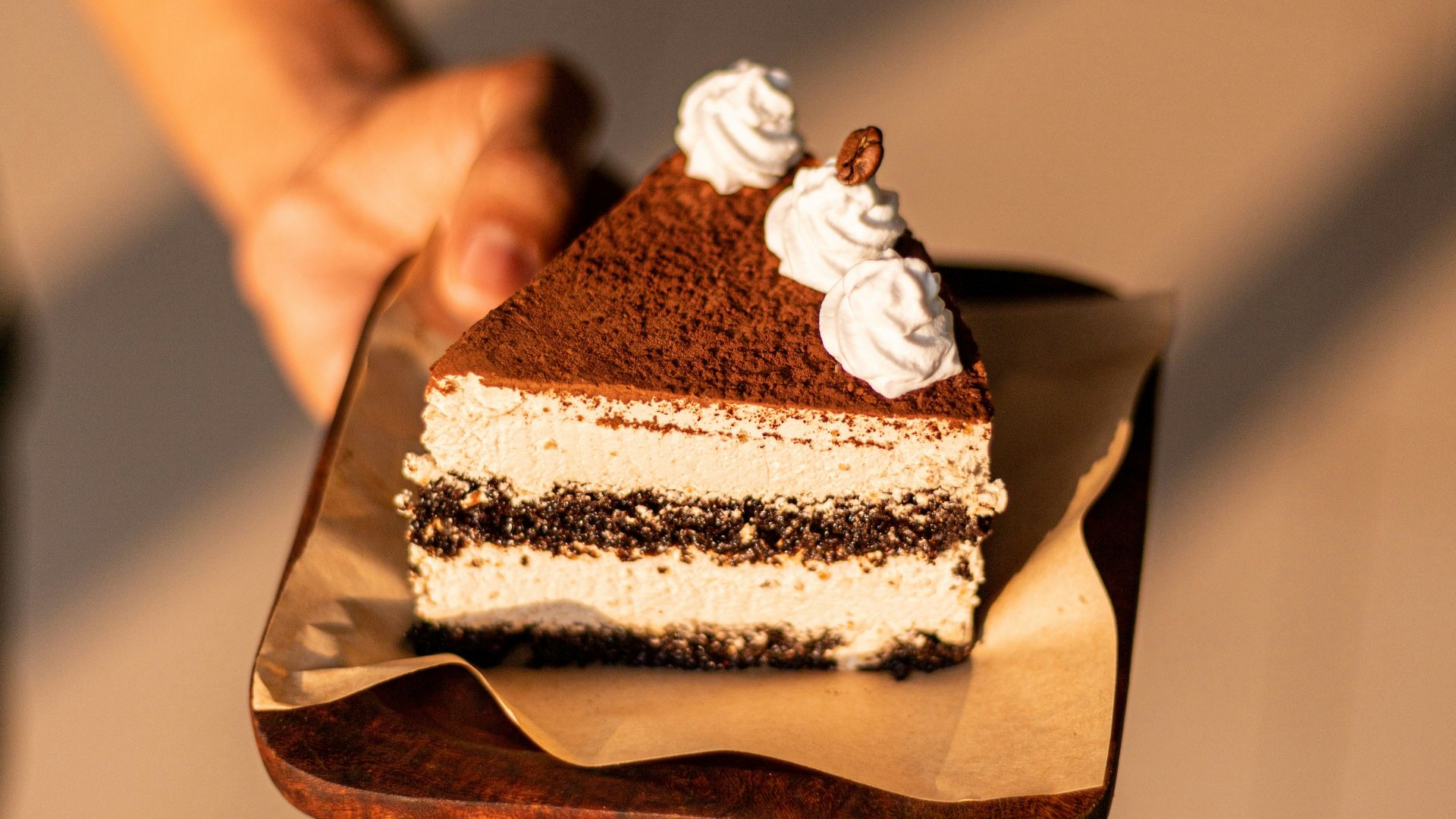
9. Tiramisu
Tiramisu depends on properly whipped mascarpone and ladyfingers that are just barely soaked, not drowning in espresso. Restaurant versions are frequently made in bulk days ahead, which leaves the ladyfingers either dry or completely disintegrated by the time you order a slice. The whole thing often tastes like coffee pudding instead of the delicate layered dessert it's supposed to be.
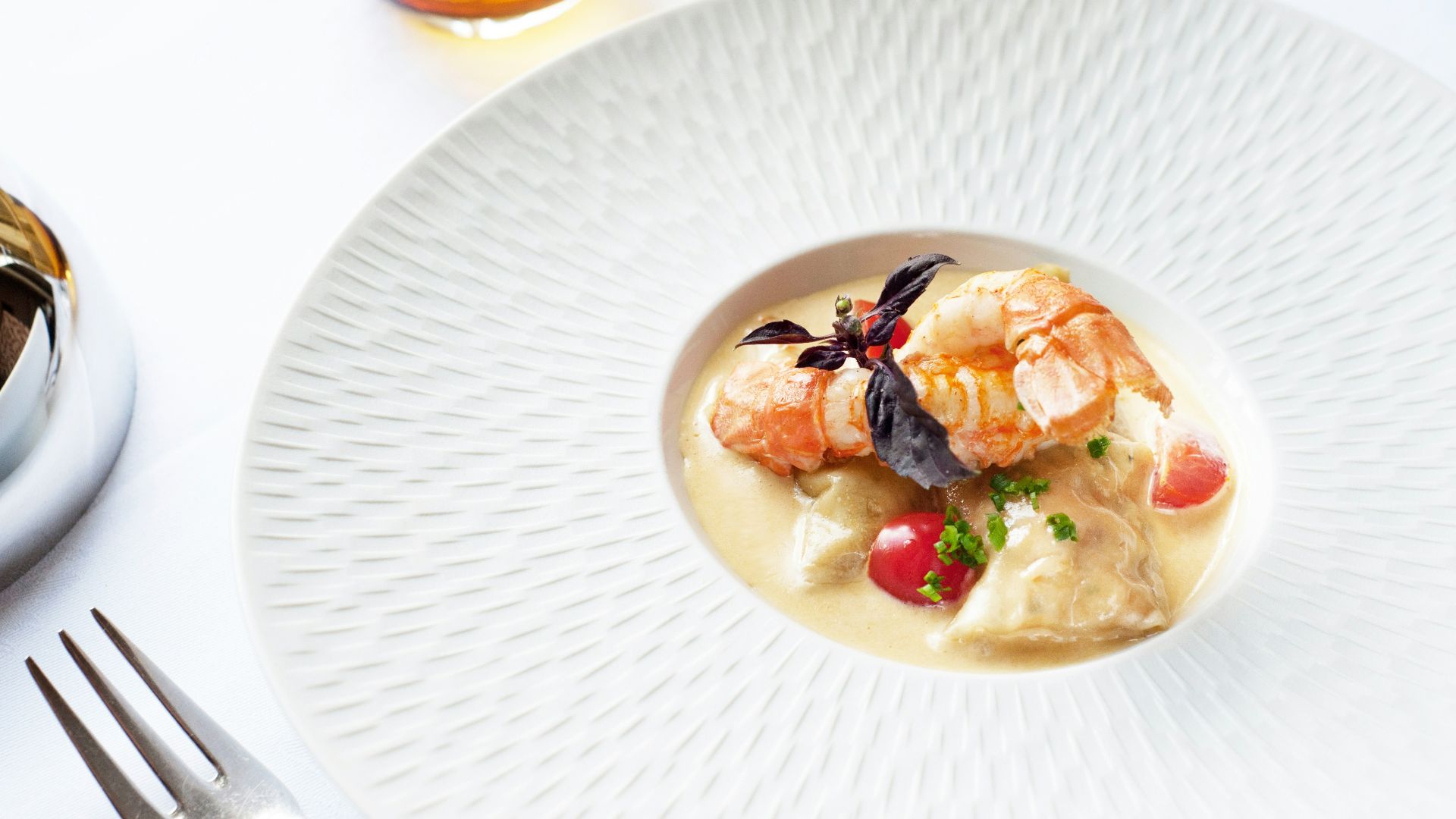
10. Lobster Bisque
Lobster bisque sounds luxurious, but it usually turns out to be tomato-cream soup with barely a whisper of actual lobster in it. Restaurants use bisque as a way to stretch lobster scraps and shells into something that reads impressive on a menu, and you rarely get more than a few token chunks of meat. For the price, you'd often do better ordering just about anything else.
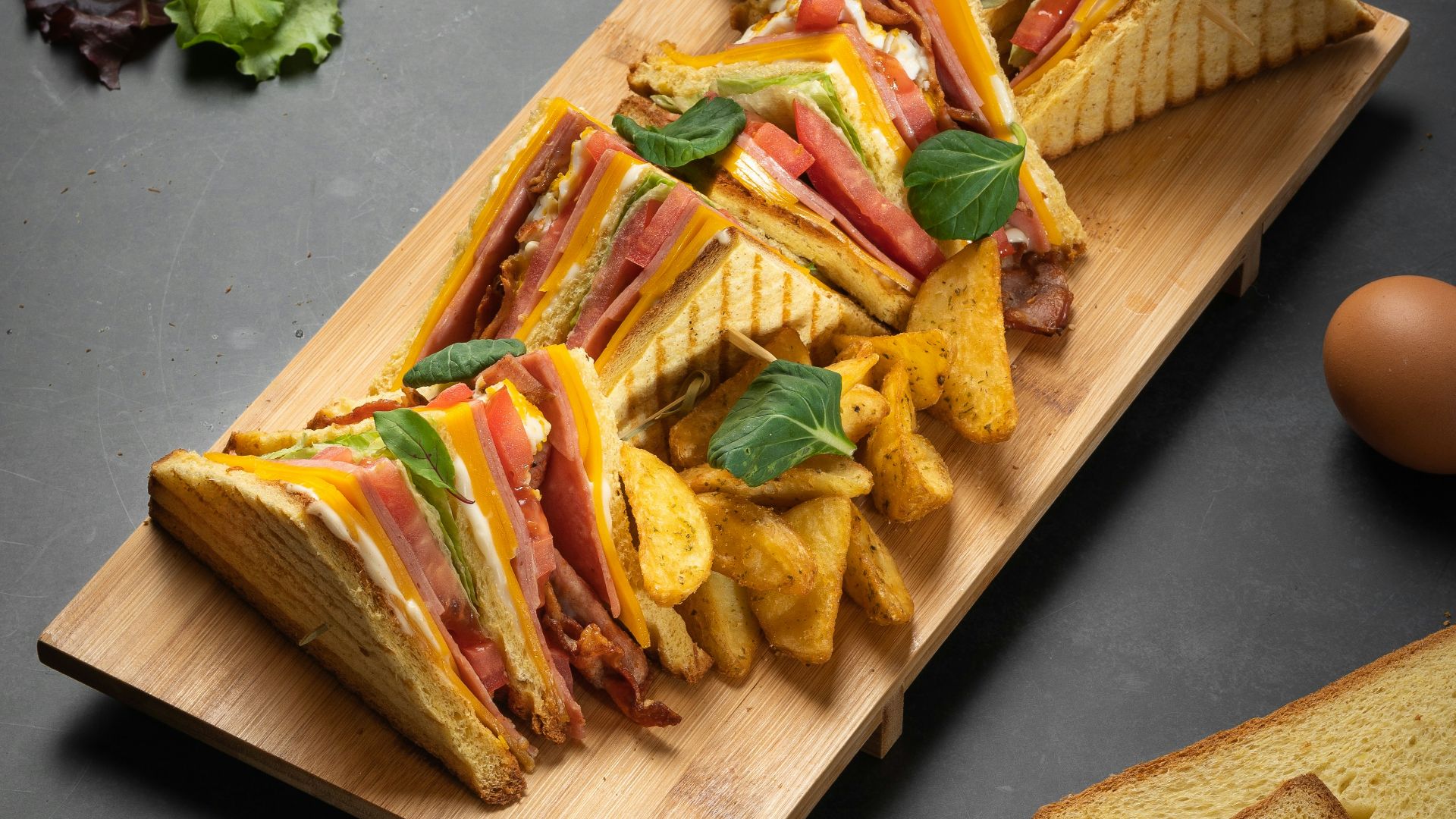
11. Club Sandwich
A club sandwich should be a stack of good ingredients, but most versions arrive with dry turkey, flavorless bacon, and bread that turns brittle the second it's toasted. The triple-decker format looks impressive stacked on a plate, but it's a structural mess to eat, and half the filling ends up on the table before you're three bites in. Mayo, lettuce, and a toothpick can only do so much.
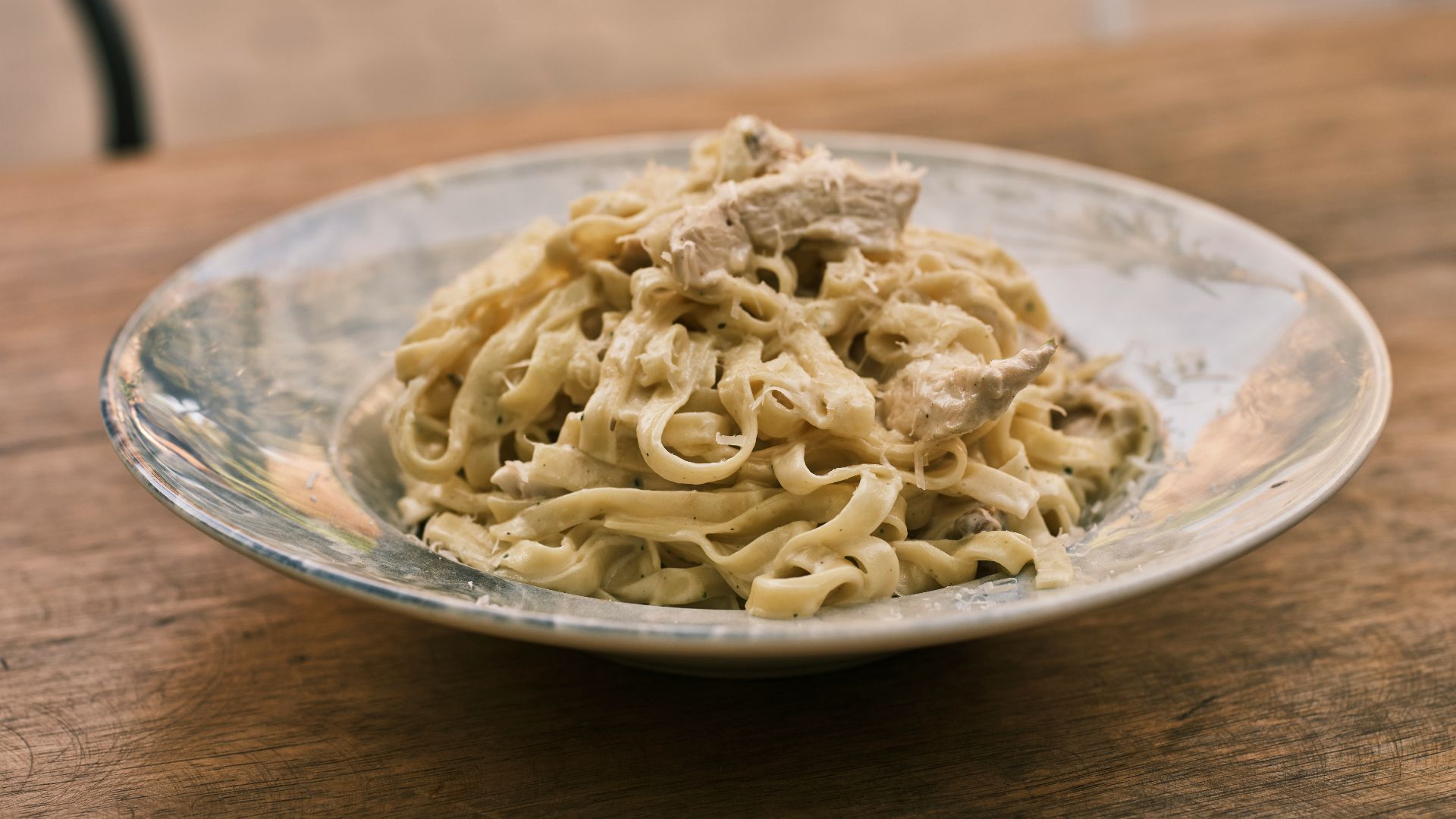
12. Chicken Alfredo
Alfredo sauce should be simple: butter, cream, and Parmesan, emulsified into something silky. Most restaurants lean on a jarred base or a roux-thickened sauce that turns gluey the moment it cools, and the chicken on top is usually dry from sitting under a broiler. What should feel indulgent instead just feels heavy, in a way that has nothing to do with actual richness.
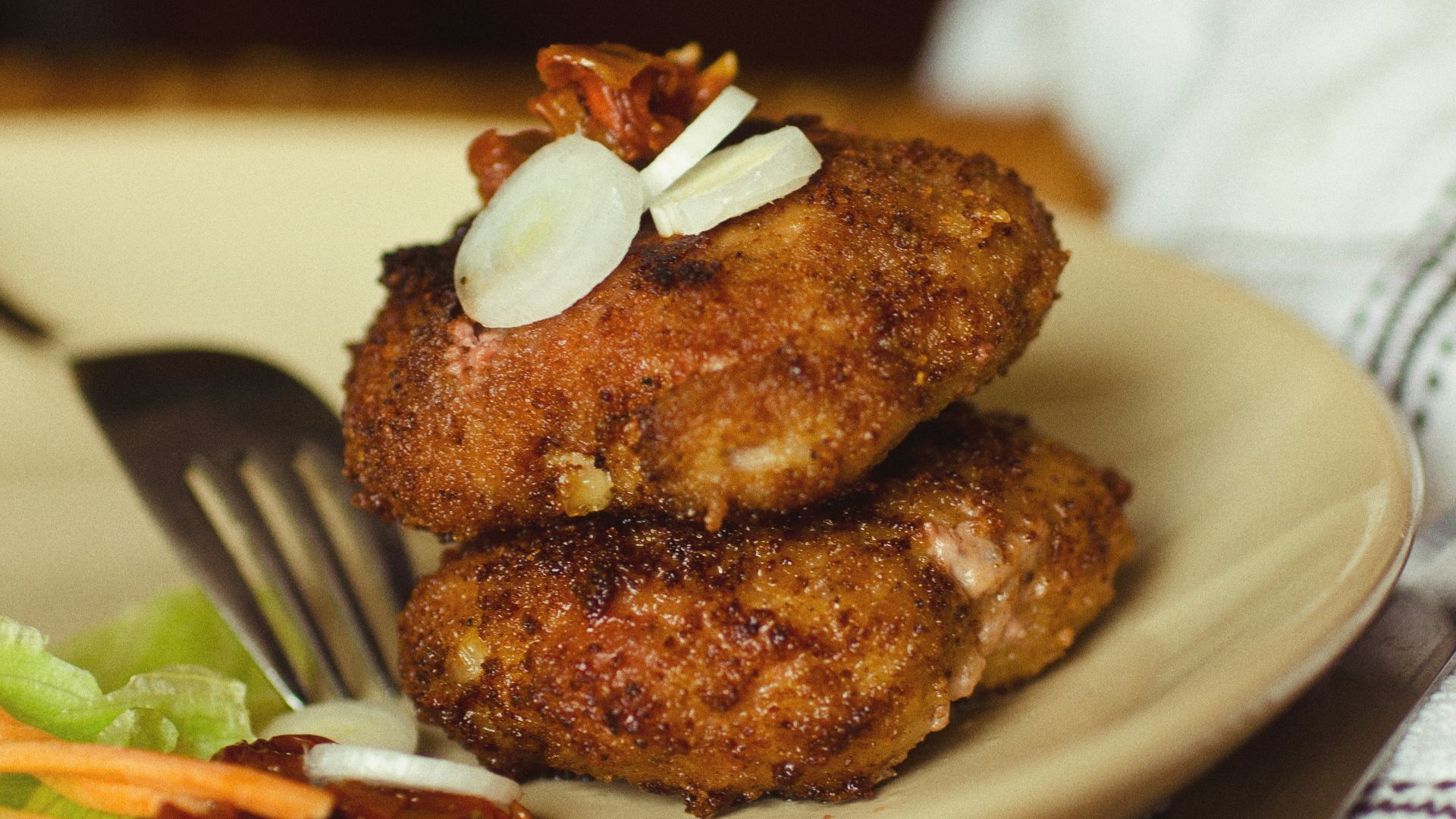
13. Crab Cakes
Good crab cakes are mostly crab, held together with just enough binder to keep their shape. Restaurant versions often flip that ratio, packing in bread crumbs and filler until you're mostly tasting Old Bay and frying oil. Then they get seared hard enough to form a crust so thick it competes with whatever crab flavor is left.
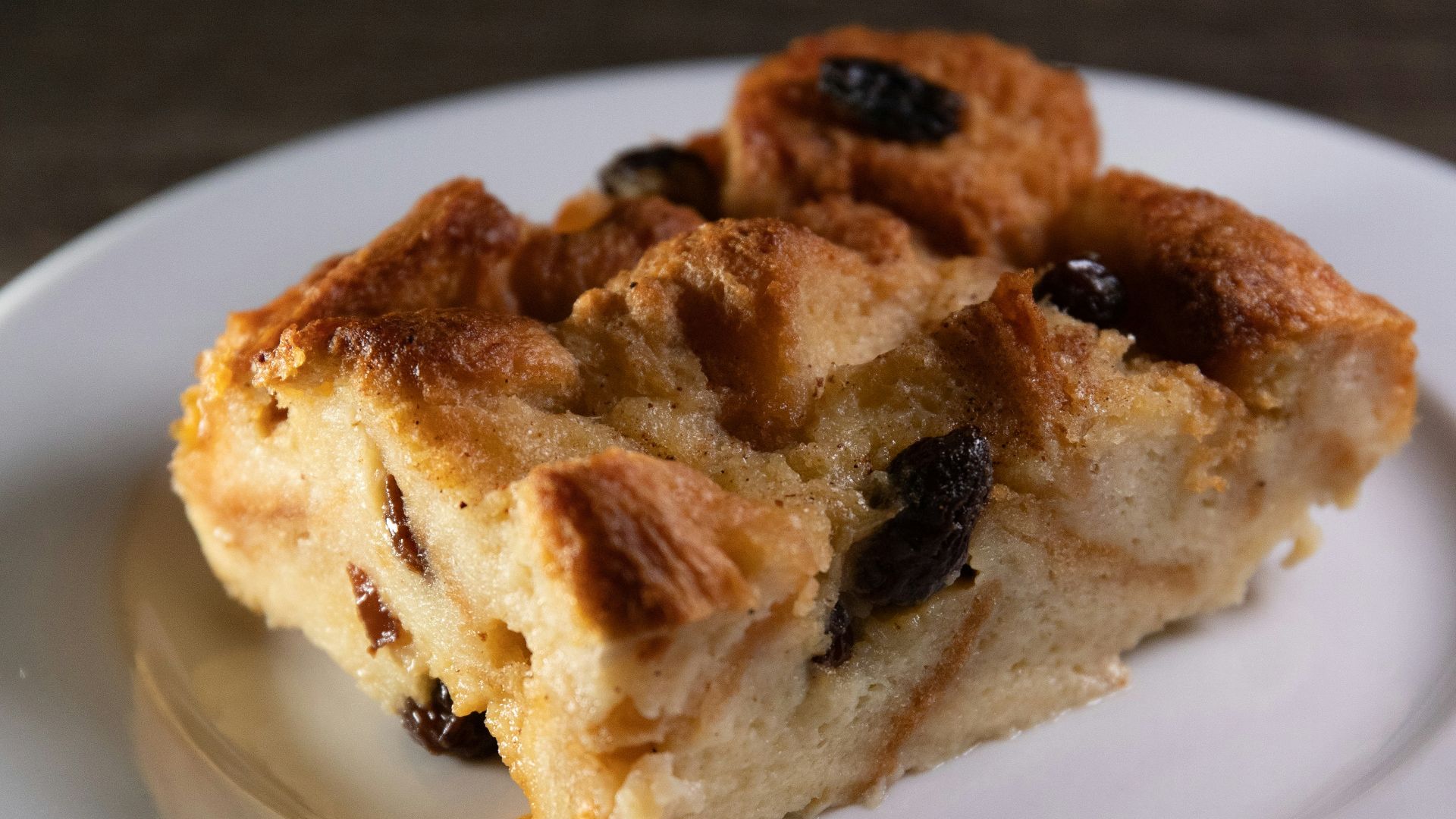
14. Bread Pudding
Bread pudding should have a soft, custardy center with just enough crisp on top for texture. In practice, restaurant bread pudding is often dry throughout, oversweetened with caramel sauce, and served in a portion so dense it's hard to finish. It's the dessert equivalent of an easy default, not something anyone spent real time thinking through.
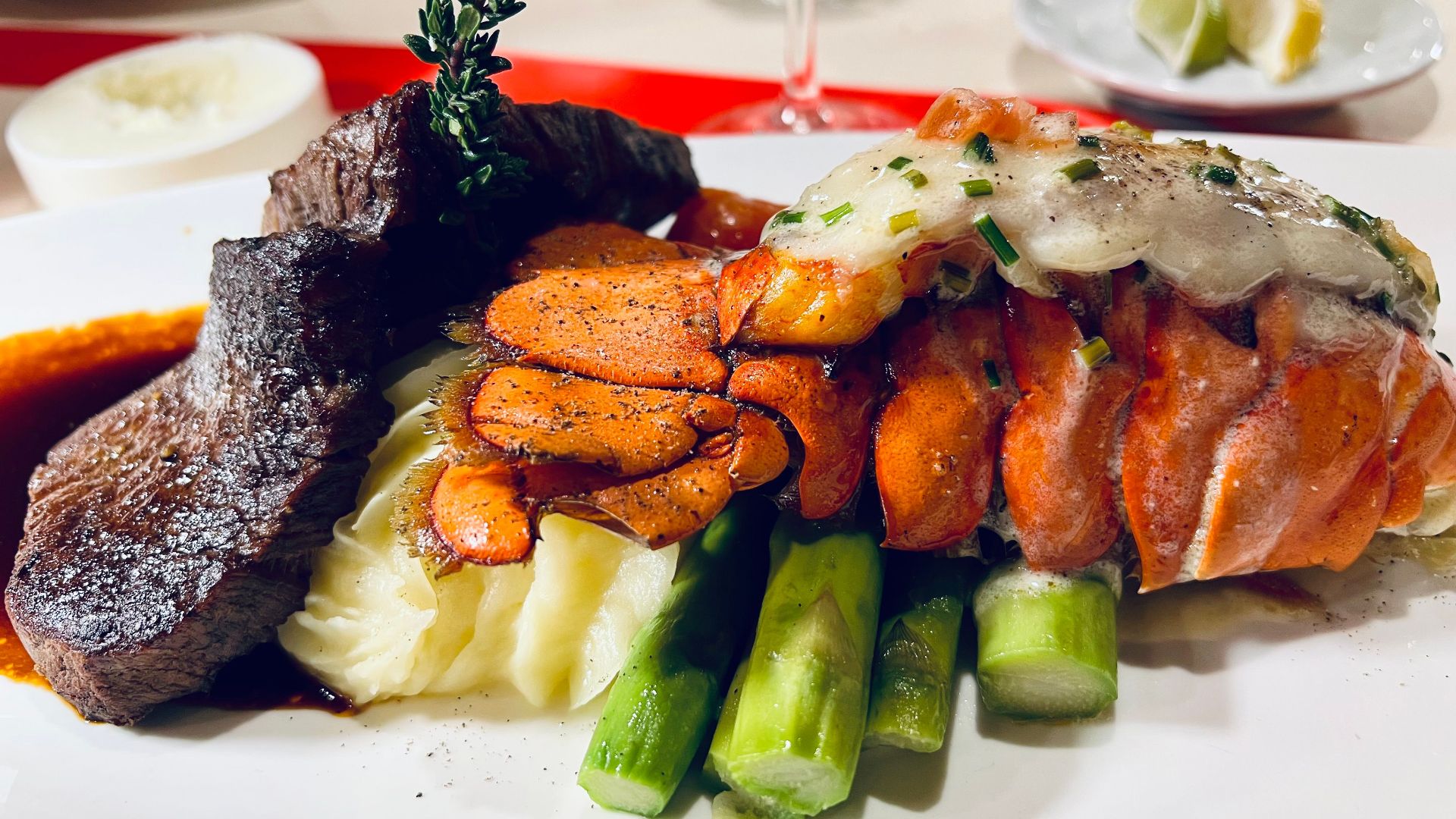
15. Surf and Turf
Combining steak and lobster on one plate sounds like a treat, but it usually means the kitchen compromises on both. The steak gets timed around the lobster, or vice versa, and you frequently end up with an overcooked filet next to a tail that tastes mostly like butter. Paying for two proteins rarely means getting two good ones.
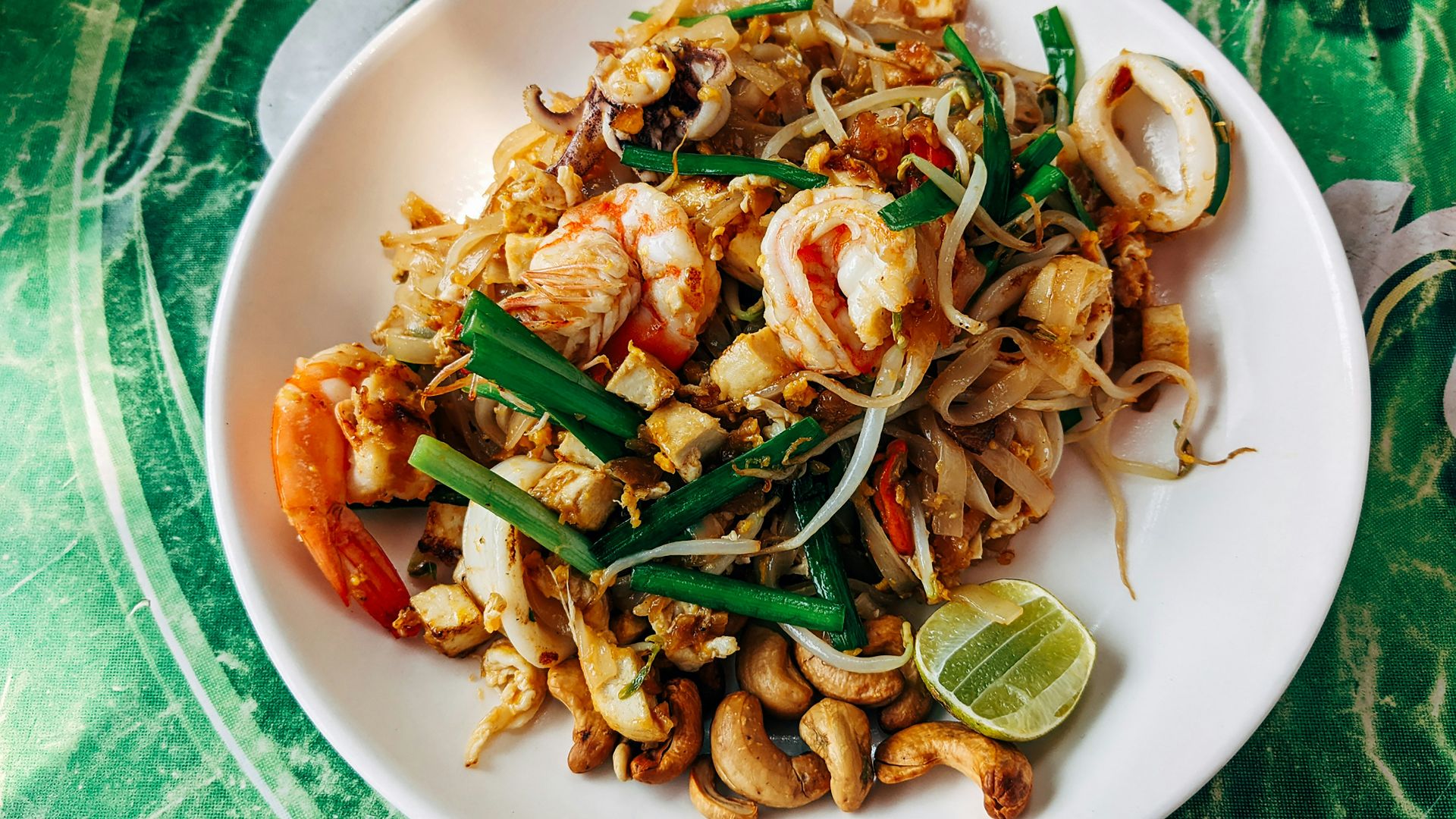
16. Pad Thai
Pad Thai gets Americanized fast, and most restaurant versions taste like ketchup and brown sugar instead of the tamarind and fish sauce balance that makes it work. The noodles frequently clump into a sticky mass, and the "spicy" option barely registers any heat at all. It's rarely bad exactly, just a flattened, sweeter version of what it's supposed to be.
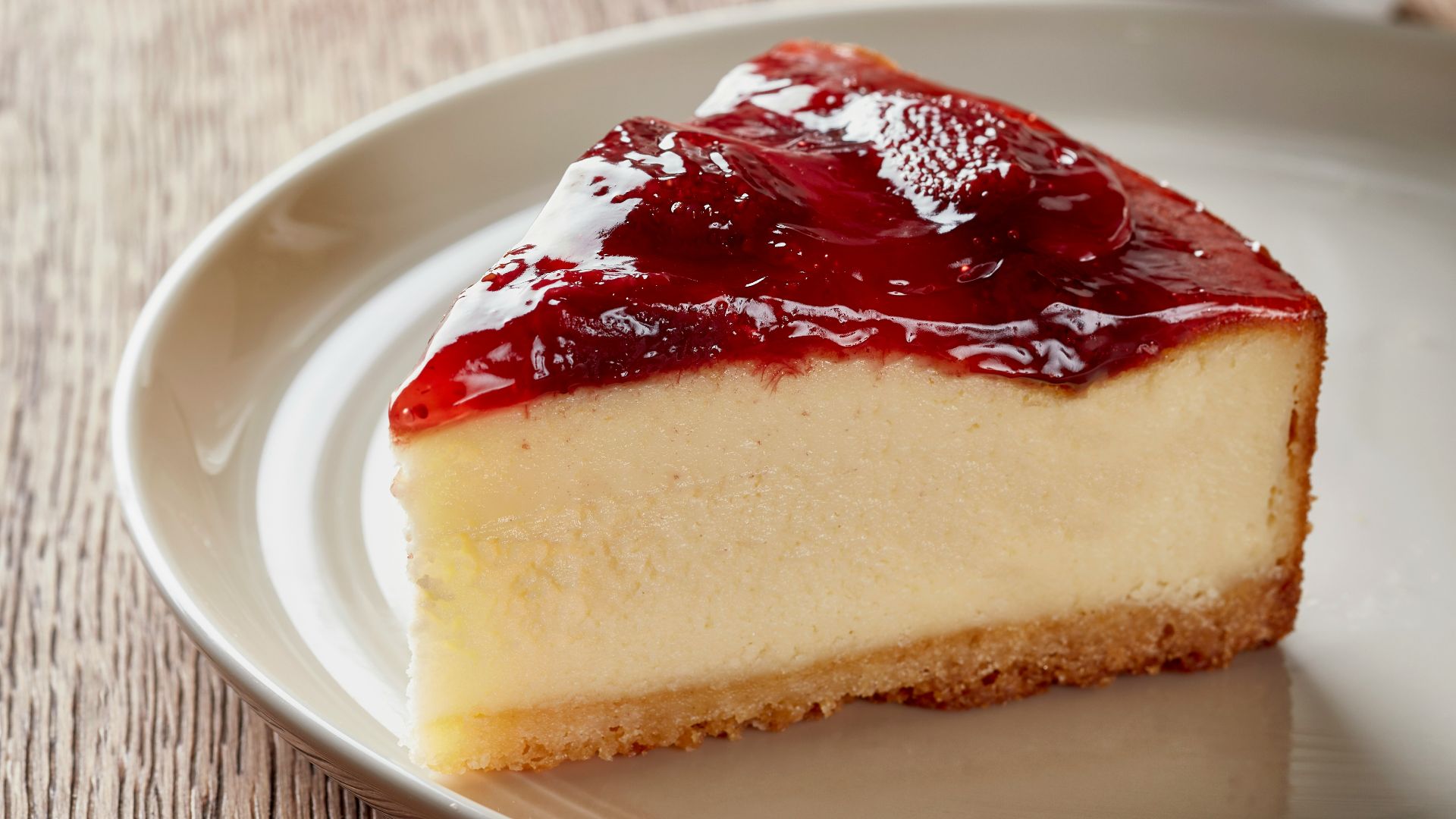
17. Cheesecake
Cheesecake is easy to get right in theory, and shockingly easy to mess up at a restaurant, where it's often shipped in frozen from a supplier rather than made in-house. The texture skews dense and gummy instead of light, and the crust can taste like a stale graham cracker box. A slice piled with strawberry glop doesn't fix a cheesecake that wasn't good to begin with.
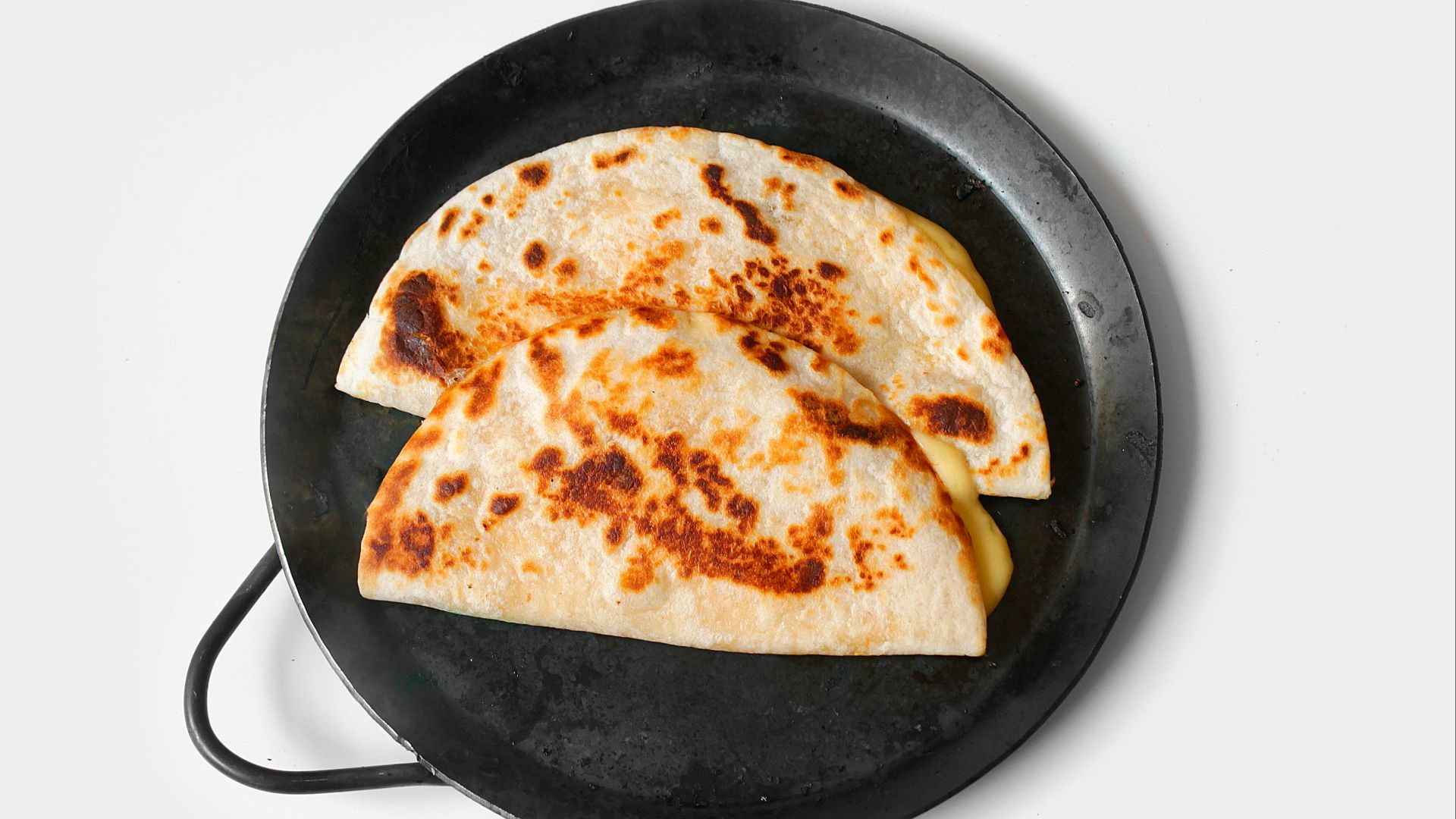
18. Quesadillas
A quesadilla is one of the simplest things a kitchen can make, which is exactly why restaurants tend to phone it in. You'll often get a tortilla barely crisped, cheese that's more rubbery than melted, and a filling so sparse you have to search for it between bites. Sour cream and salsa on the side can only mask so much.
19. Carbonara
Real carbonara is eggs, cheese, pepper, and pork, emulsified into a sauce with no cream involved at all. Most American restaurants add cream anyway, turning what should be a light, silky dish into something heavy and one-note. The pasta often overcooks slightly too, since carbonara needs precise timing that a busy kitchen rarely has room for.
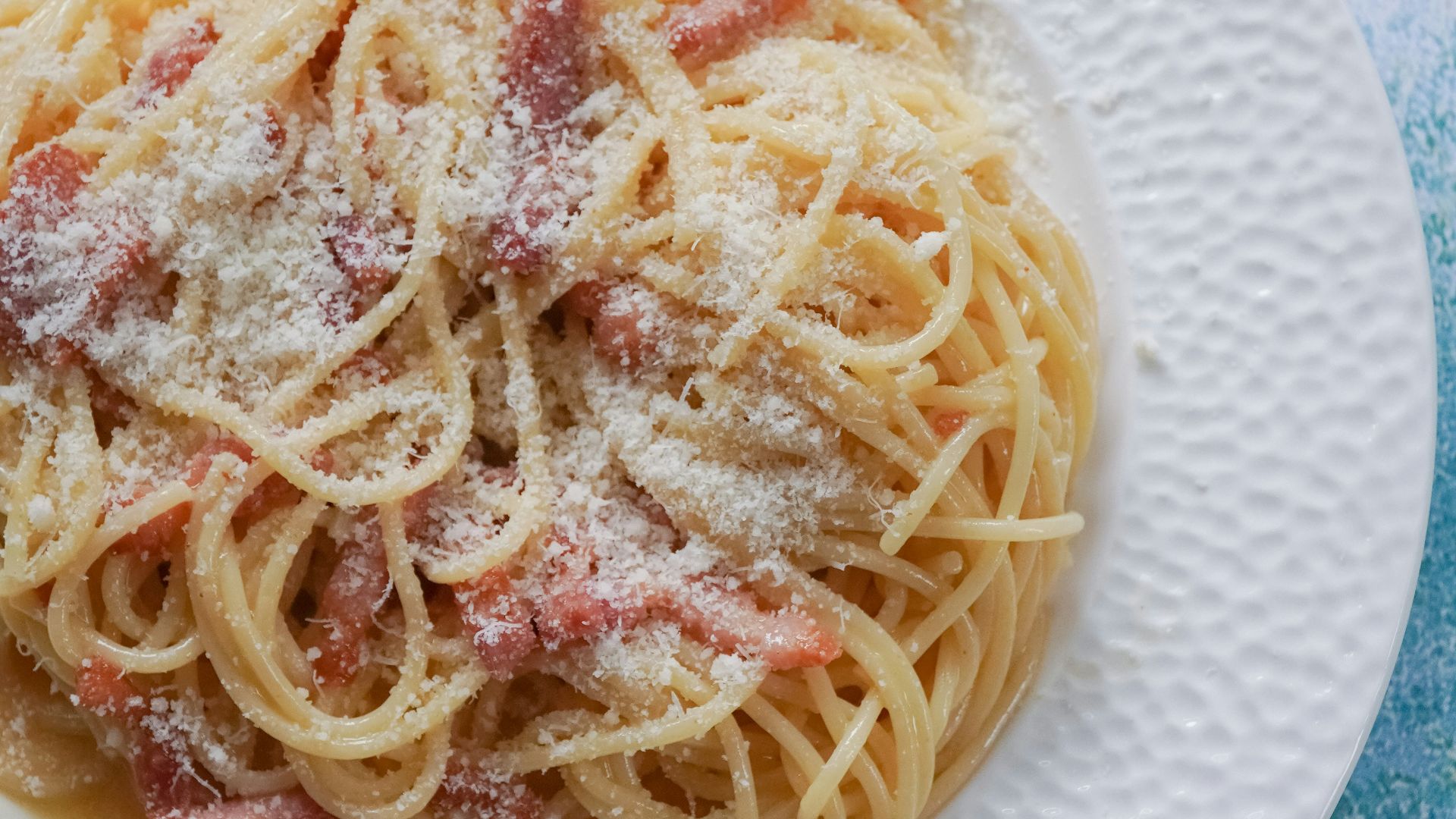 Karolina Kołodziejczak on Unsplash
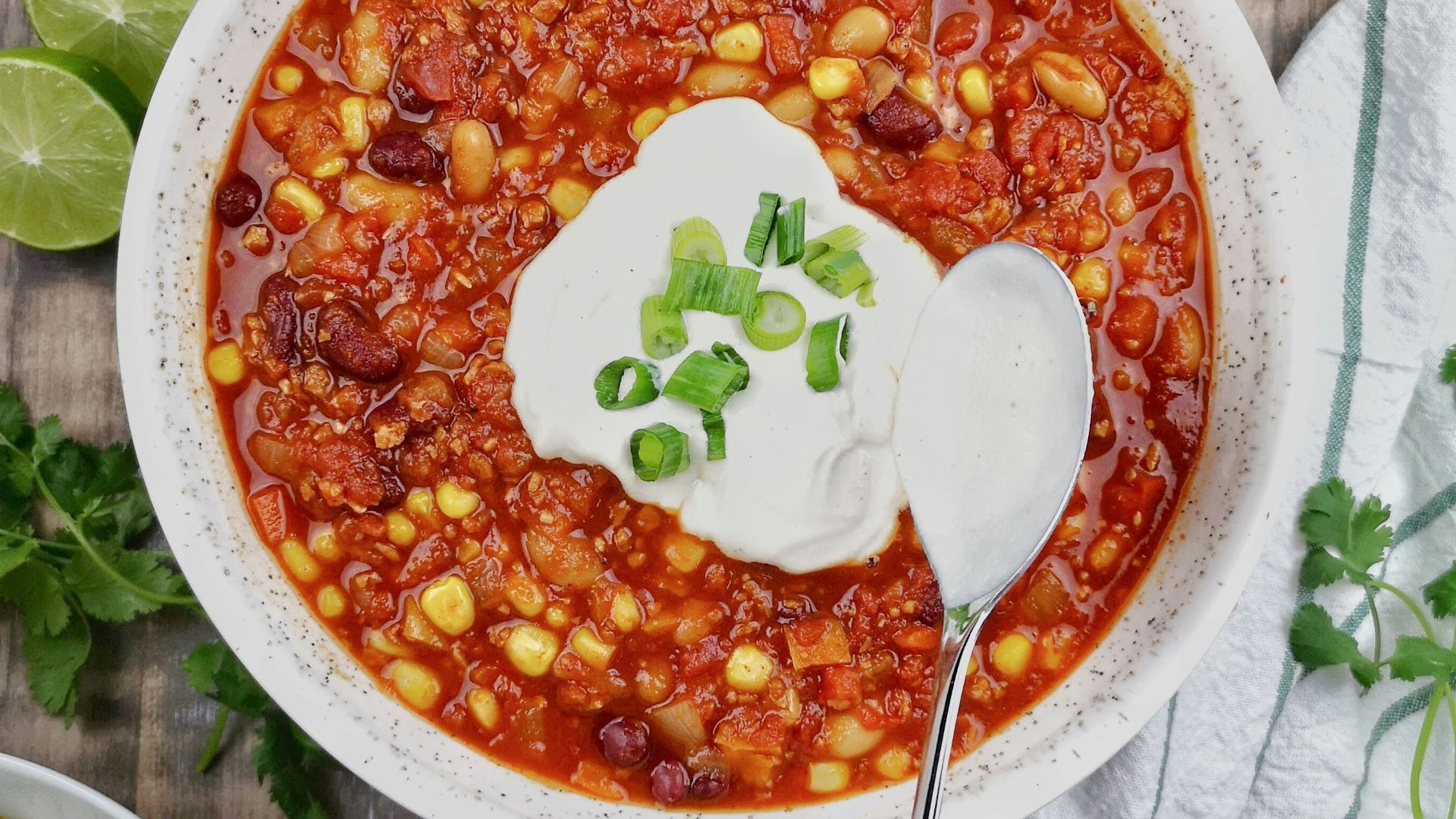
20. Chili
Chili on a restaurant menu is usually an afterthought, made in one huge batch and reheated for days rather than built fresh for you. It tends to skew either bland and watery or oddly sweet, with beans gone soft and meat that's lost any real texture. A pile of oyster crackers and shredded cheddar can dress it up, but it's rarely worth ordering over anything else on the menu.
KEEP ON READING