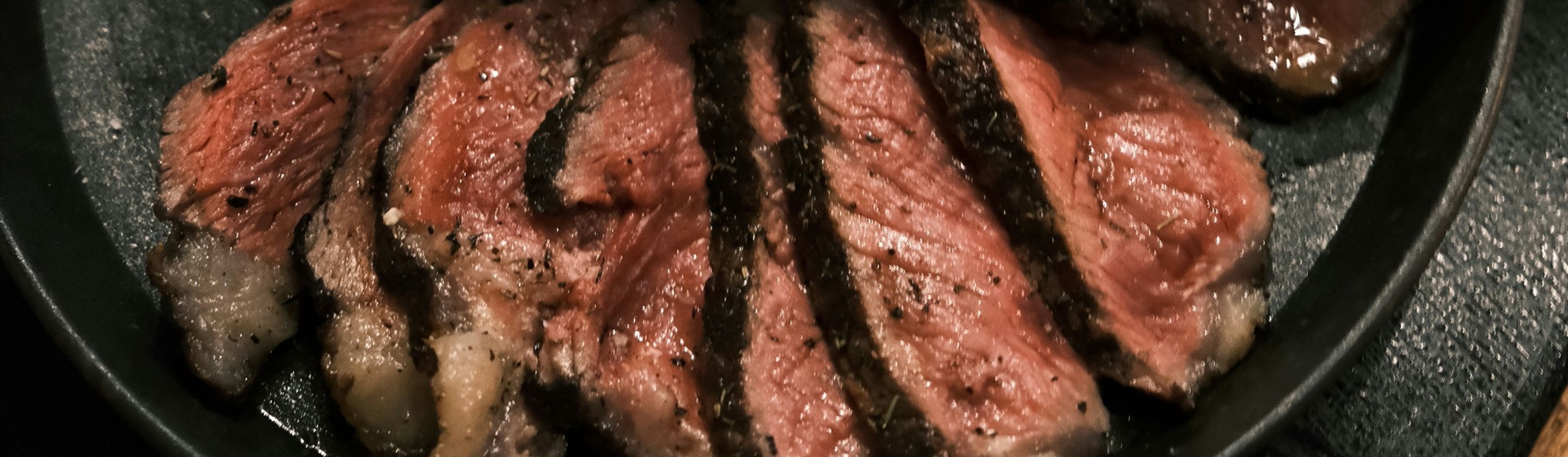
Order Like You Know the Menu
Steakhouse menus are built around habit more than anything else, and most kitchens know exactly which dishes get ordered on autopilot. A handful of items show up on nearly every table because they feel safe, not because they show off what the kitchen actually does well. Some of those defaults were designed for a broader, less confident crowd decades ago and never got reconsidered. Meanwhile, better cuts and sides sit further down the menu, ordered far less often, usually for no better reason than unfamiliarity. Here's 10 dishes worth skipping and 10 that make a much better case for themselves.
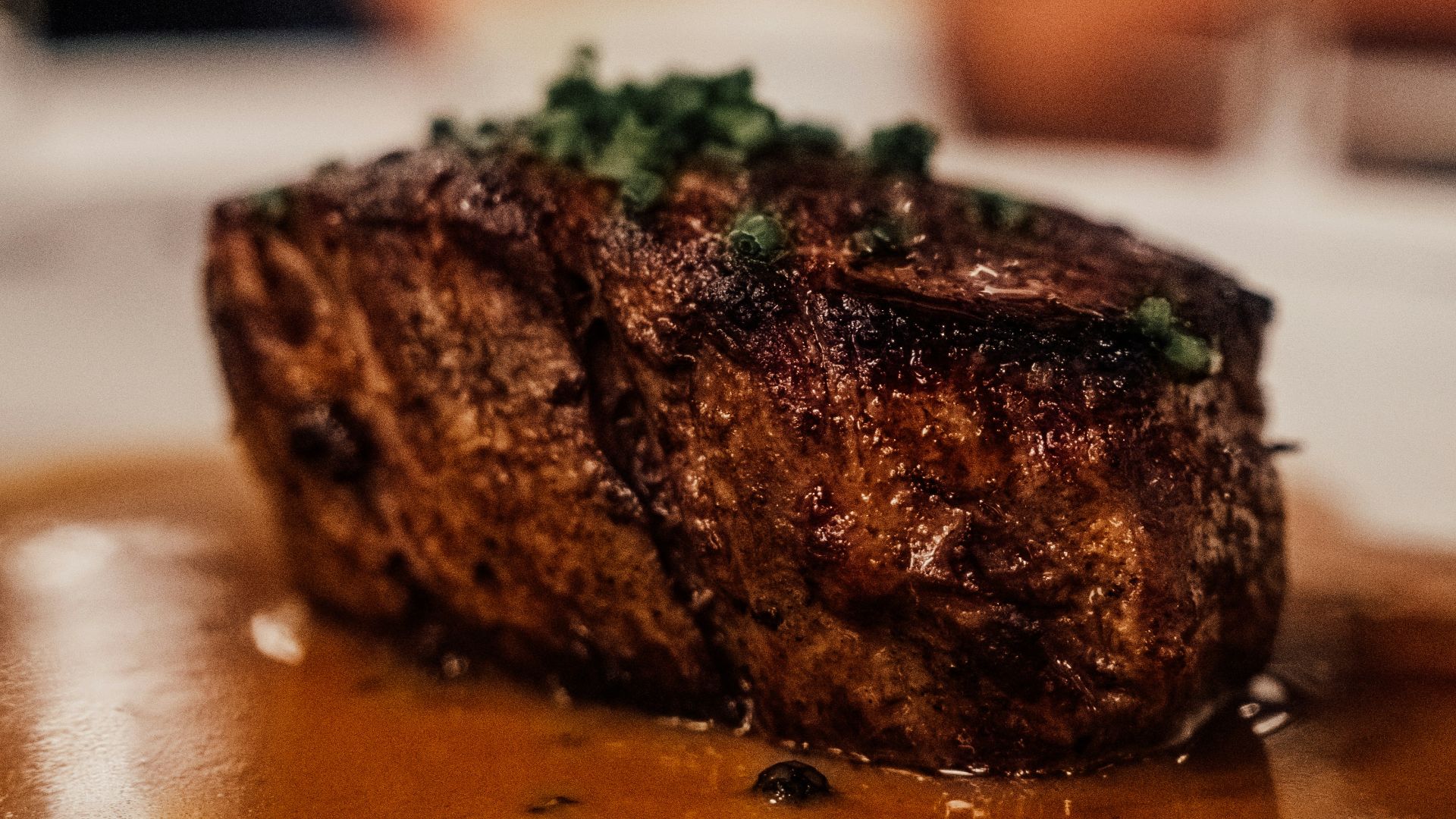
1. The Filet Mignon
Filet gets ordered because it sounds like the premium choice, and it is tender in a way few cuts can match. But tenderness isn't flavor, and filet has very little fat running through it compared to the cuts steakhouses actually build their reputation on. You're paying top dollar for texture over taste.
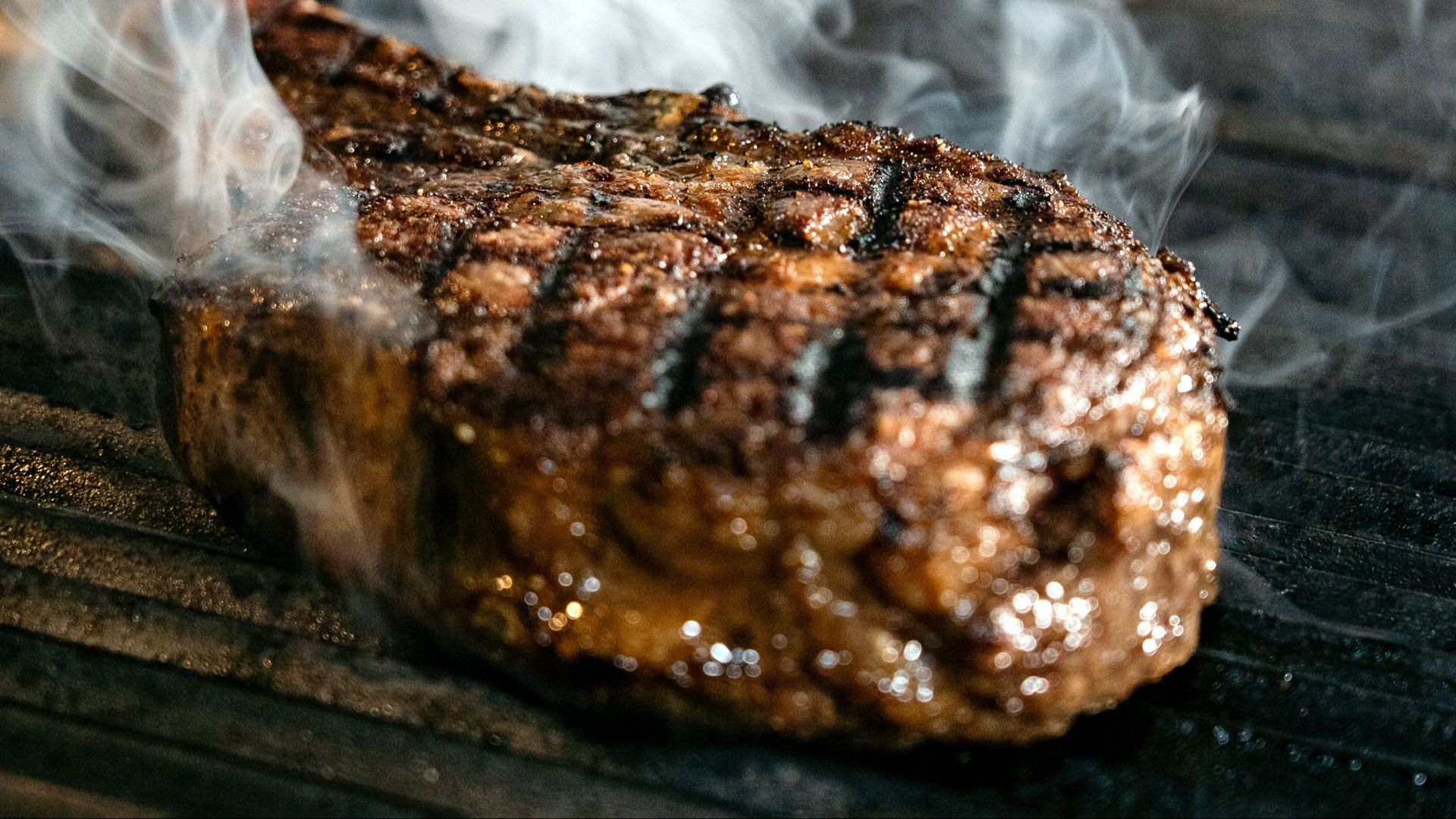
2. Any Steak Ordered Well-Done
Asking for a steak well-done erases the reason to order a good cut in the first place. At that temperature, the fat has rendered out and the muscle fibers have tightened up, leaving something closer to shoe leather than what the butcher intended. A great steakhouse can still do it competently, but it won't be memorable.
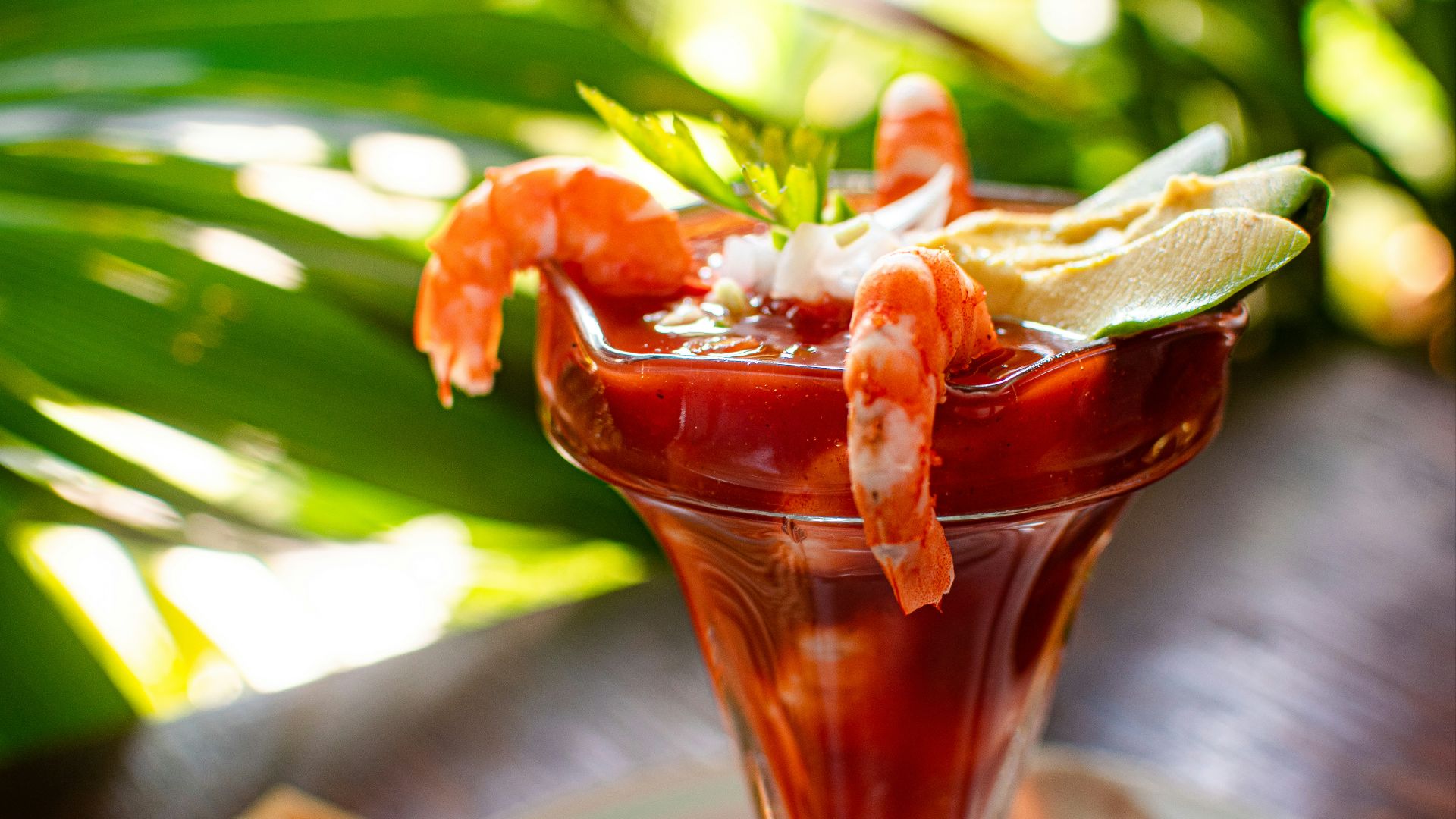
3. Shrimp Cocktail
Shrimp cocktail shows up on almost every steakhouse menu because it's cheap to execute and easy to sell, not because it's a specialty. The shrimp usually arrives frozen and precooked well before it reaches your table, then gets marked up several times over. It's a starter built for margins, not flavor.
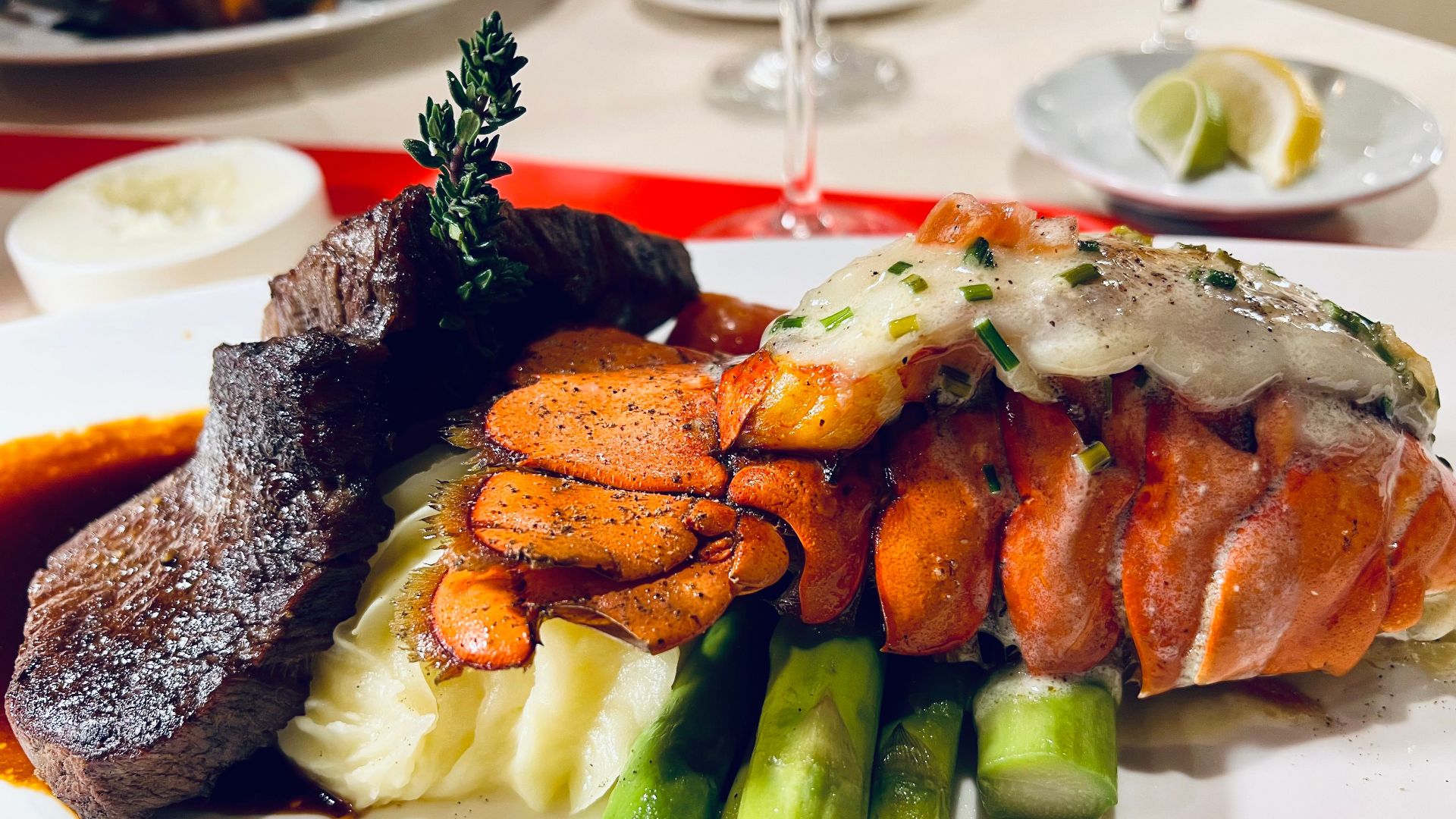
4. The Surf and Turf Combo
Pairing a small lobster tail with your steak sounds indulgent, but it usually means neither piece gets the attention it deserves. The lobster tends to sit under a broiler timed for the steak, not for shellfish, and comes out rubbery more often than not. You end up with two average dishes instead of one great one.
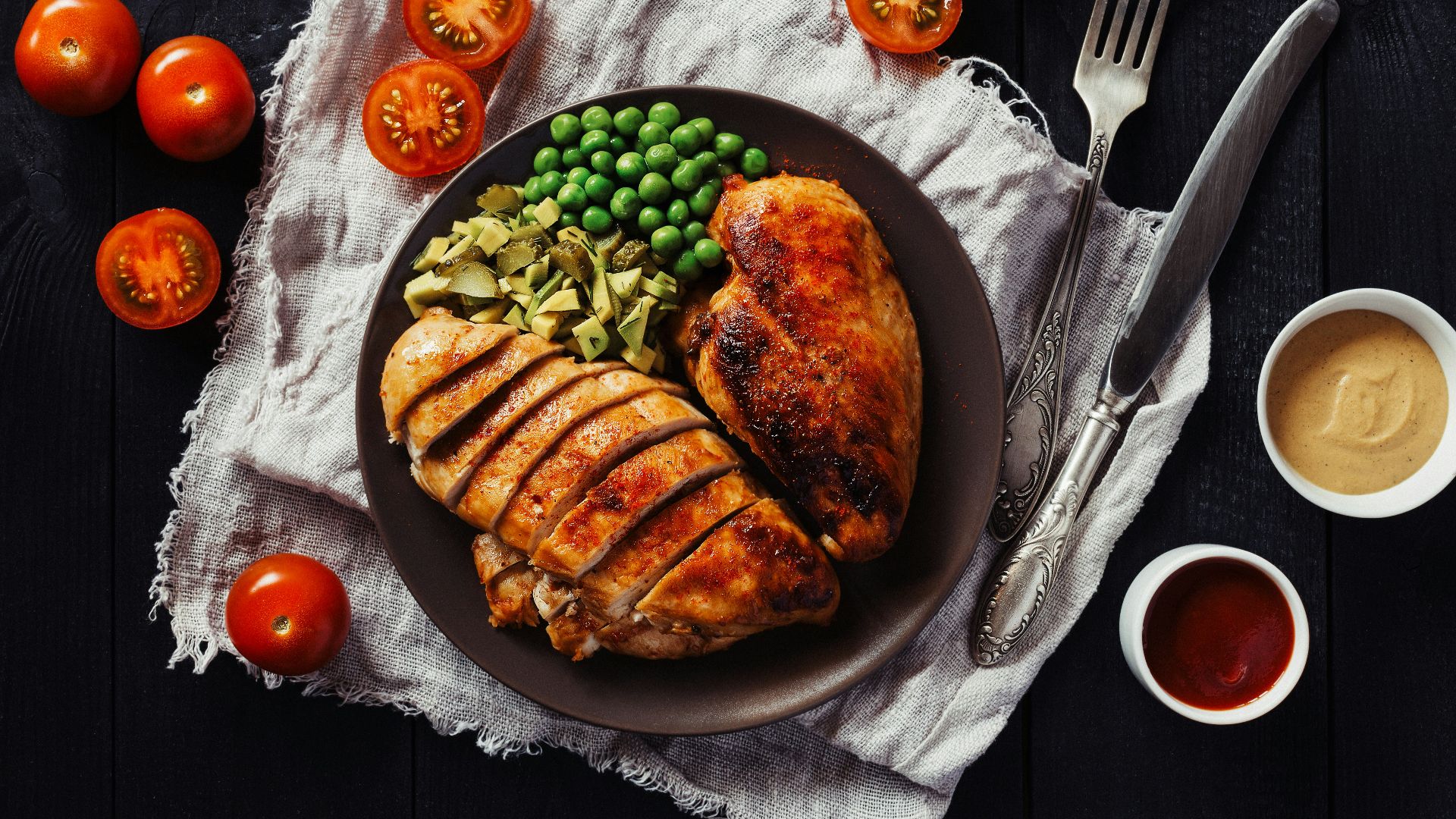
5. Grilled Chicken or Salmon
Ordering chicken or salmon at a steakhouse means asking a kitchen built around fire and fat to cook something it rarely practices. These dishes exist mainly for the one person at the table who didn't want steak, and they read that way on the plate. If beef isn't the goal tonight, a different restaurant will serve you better.
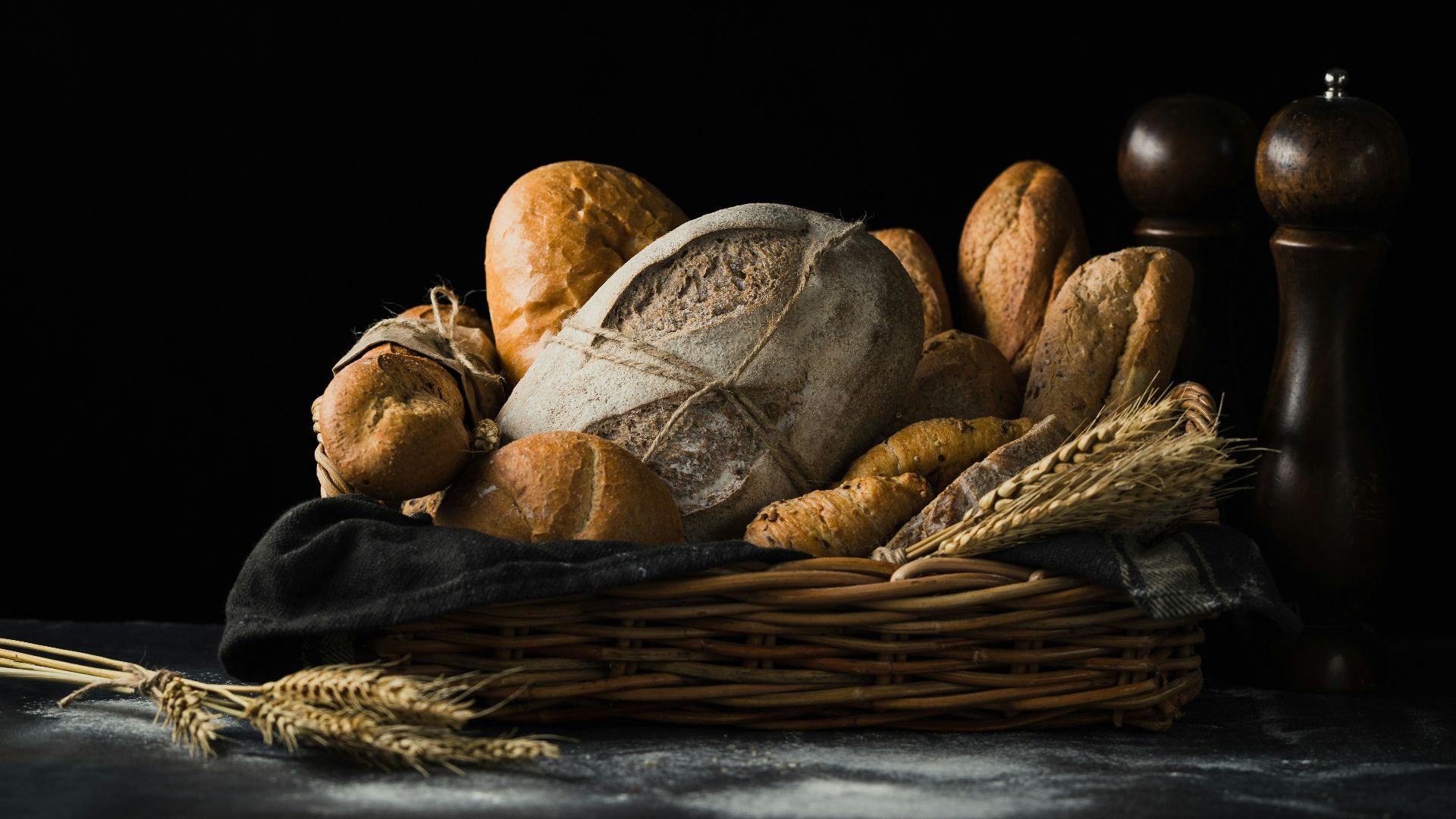
6. The Bread Basket, in Excess
A little bread before the meal is fine, but steakhouse bread baskets are refilled constantly for a reason. Filling up on warm rolls and butter before the entrée arrives is how a $60 steak ends up half-eaten and boxed to go. Pace it, or skip it entirely.
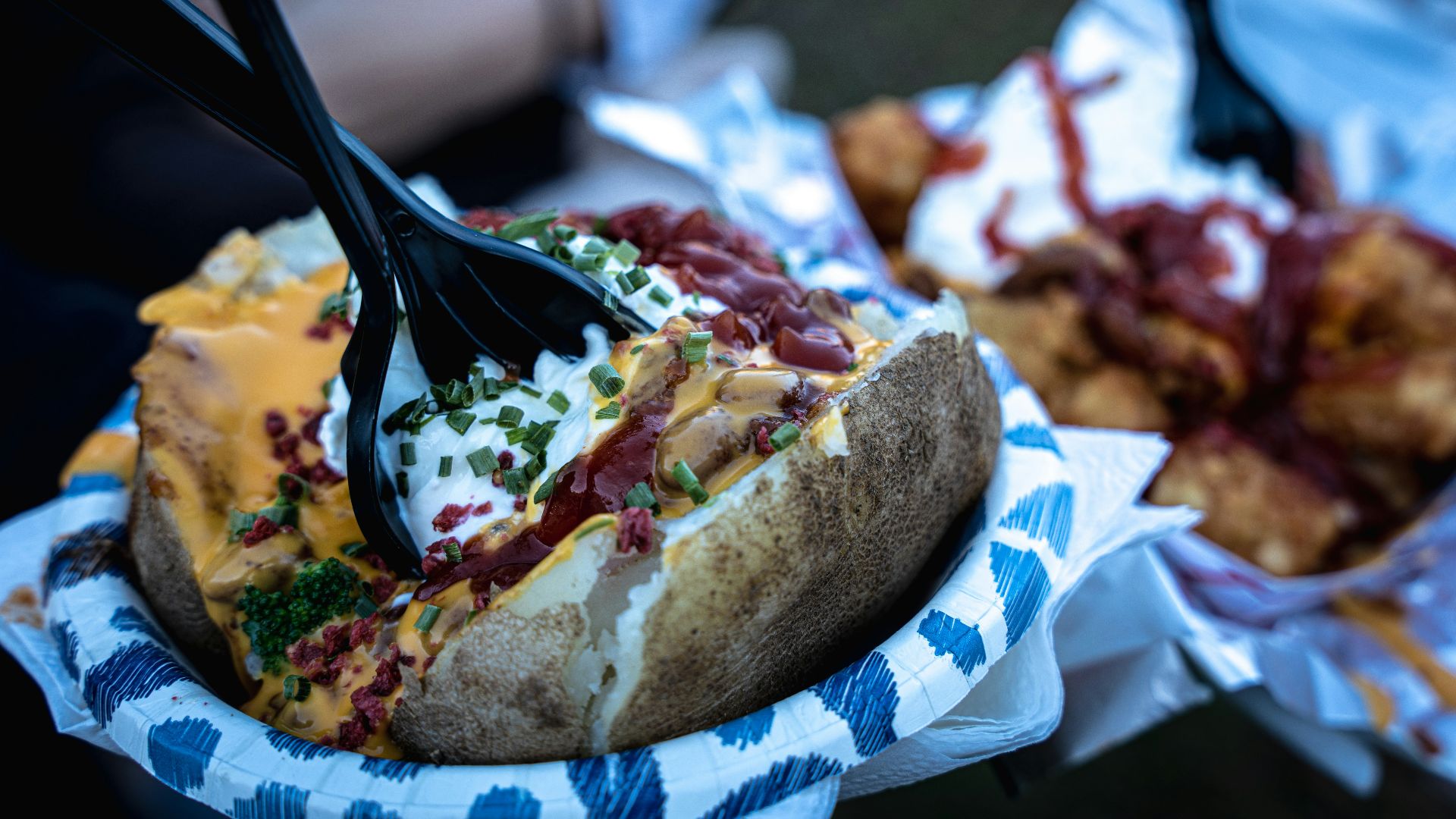
7. The Default Loaded Baked Potato
Loaded baked potato has become the automatic side order, piled with cheese, bacon, and sour cream until the potato itself barely matters. It's not a bad dish, just an unimaginative one, and it tends to fill you up before the steak does its job. Most steakhouses have better starch options a few lines down the menu.
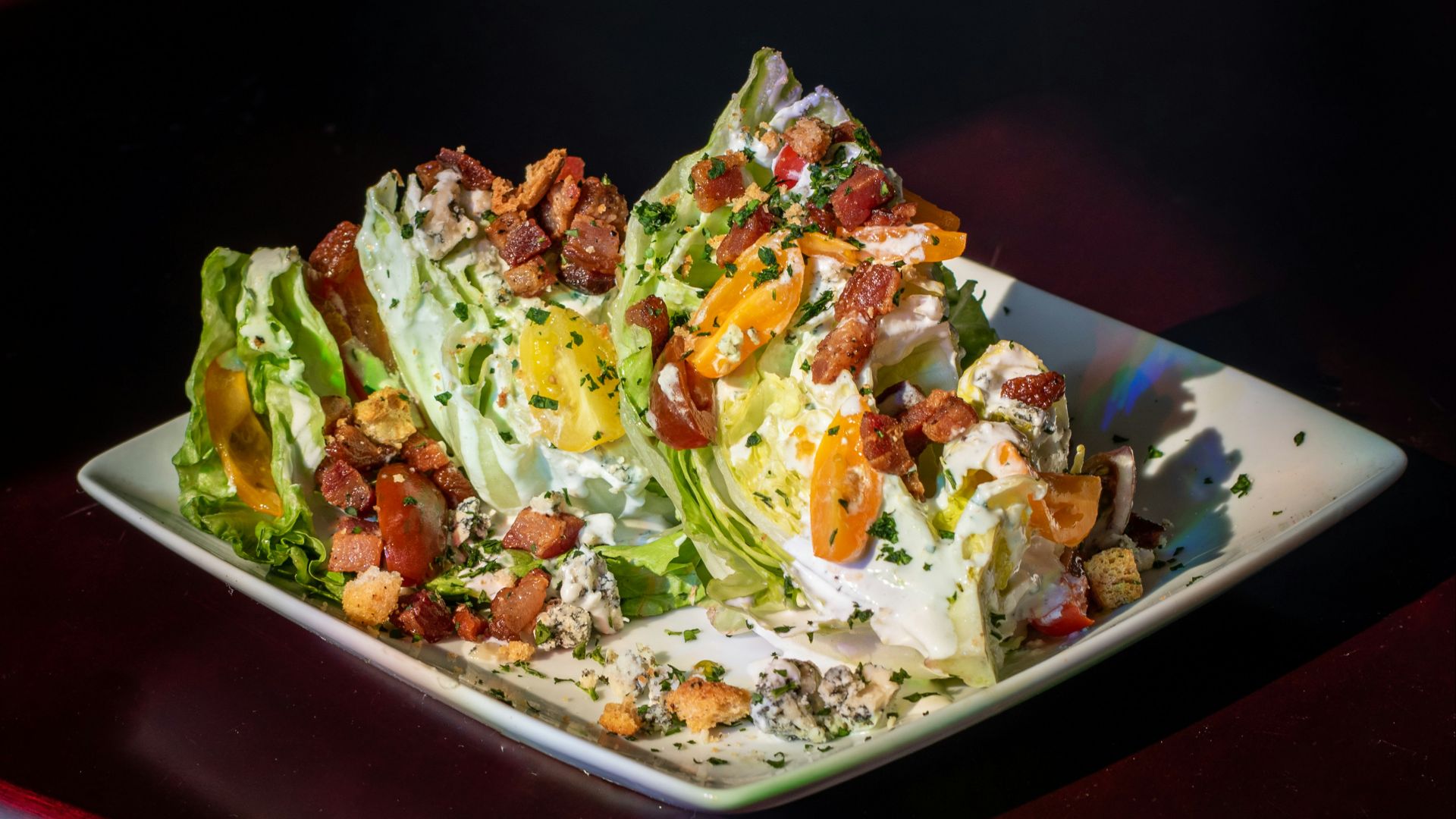
8. The Basic Wedge Salad
A wedge salad can be excellent when the blue cheese is fresh and the bacon is crisp, but at plenty of steakhouses it's just cold iceberg and bottled dressing dressed up with a fancy name. It requires almost no kitchen effort and gets ordered mostly out of habit. If the menu doesn't specify house-made dressing, assume it isn't.
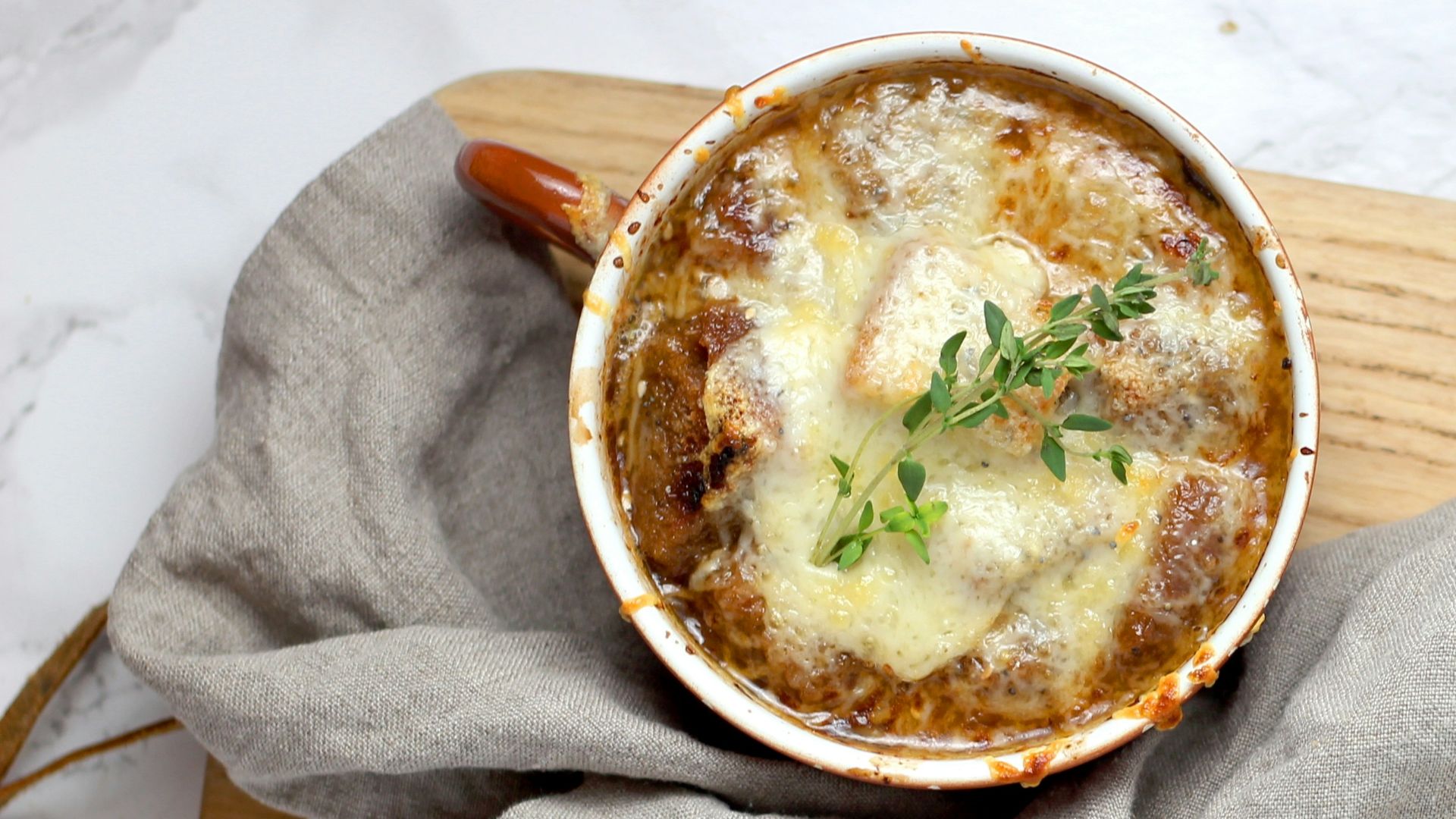
9. French Onion Soup
French onion soup sounds like a classic steakhouse starter, but it's rarely where these kitchens put their energy. The base is often made well in advance and reheated, and the broiled cheese cap does most of the work disguising a thin, one-note broth underneath. It's filler dressed up as tradition.
10. The Unlabeled "Butcher's Cut"
Some menus list a mystery house cut with a clever name and no real explanation of what it is. Ordering it blind means gambling on consistency at a restaurant where you already have better, clearly defined options in front of you. Ask your server what it actually is before committing.
Here's 10 dishes to order instead, starting back at the top of the list.
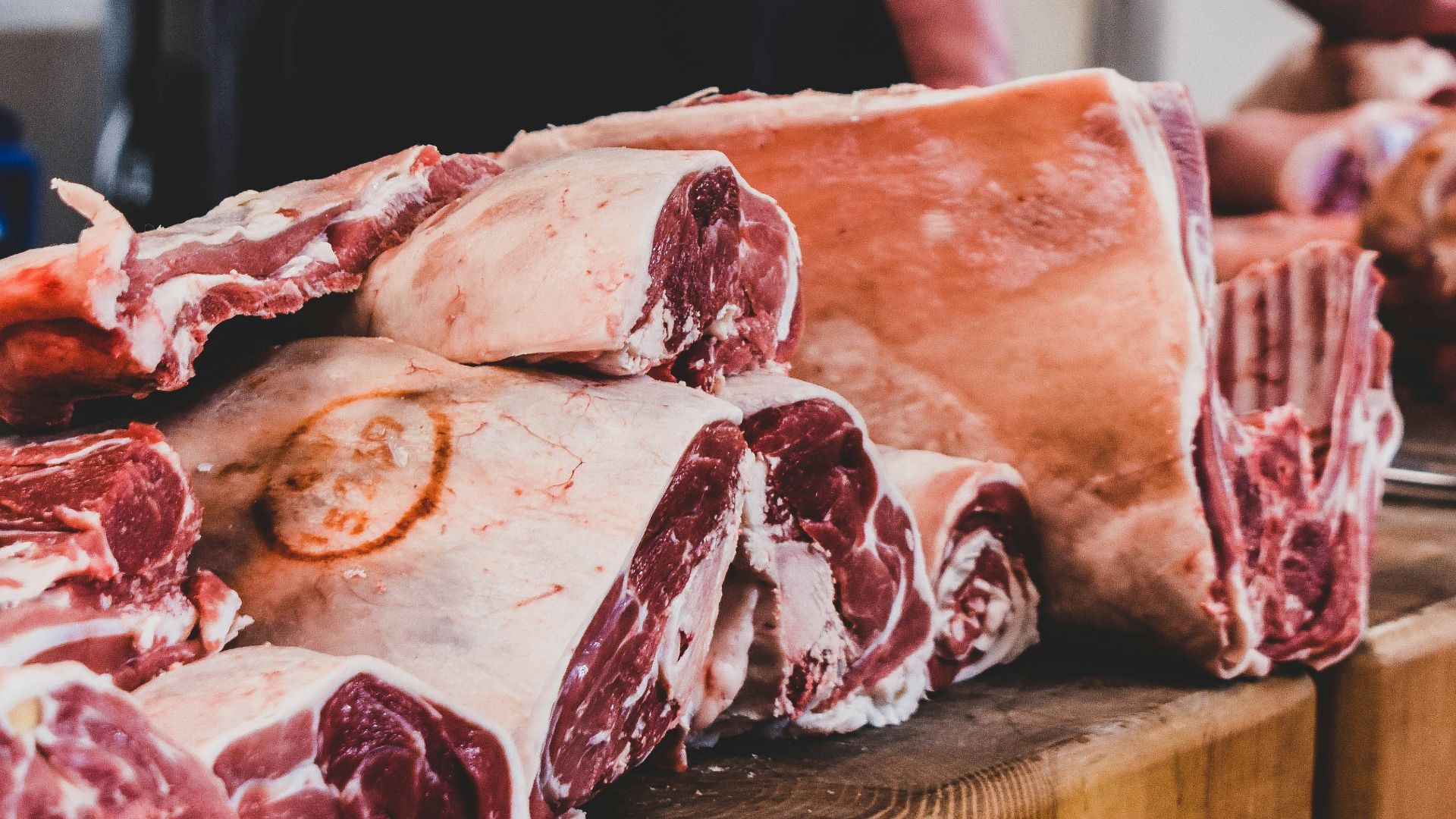
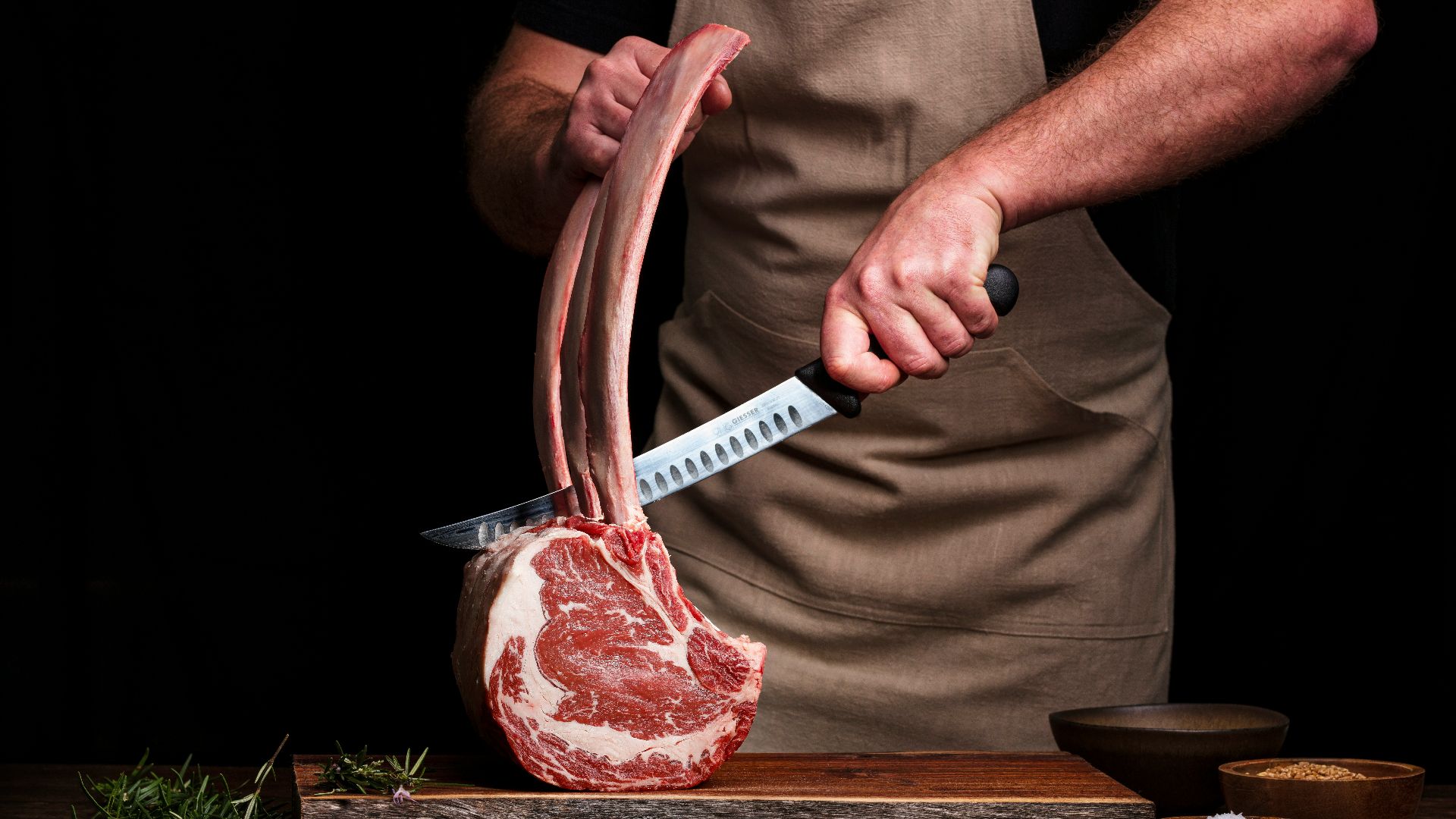
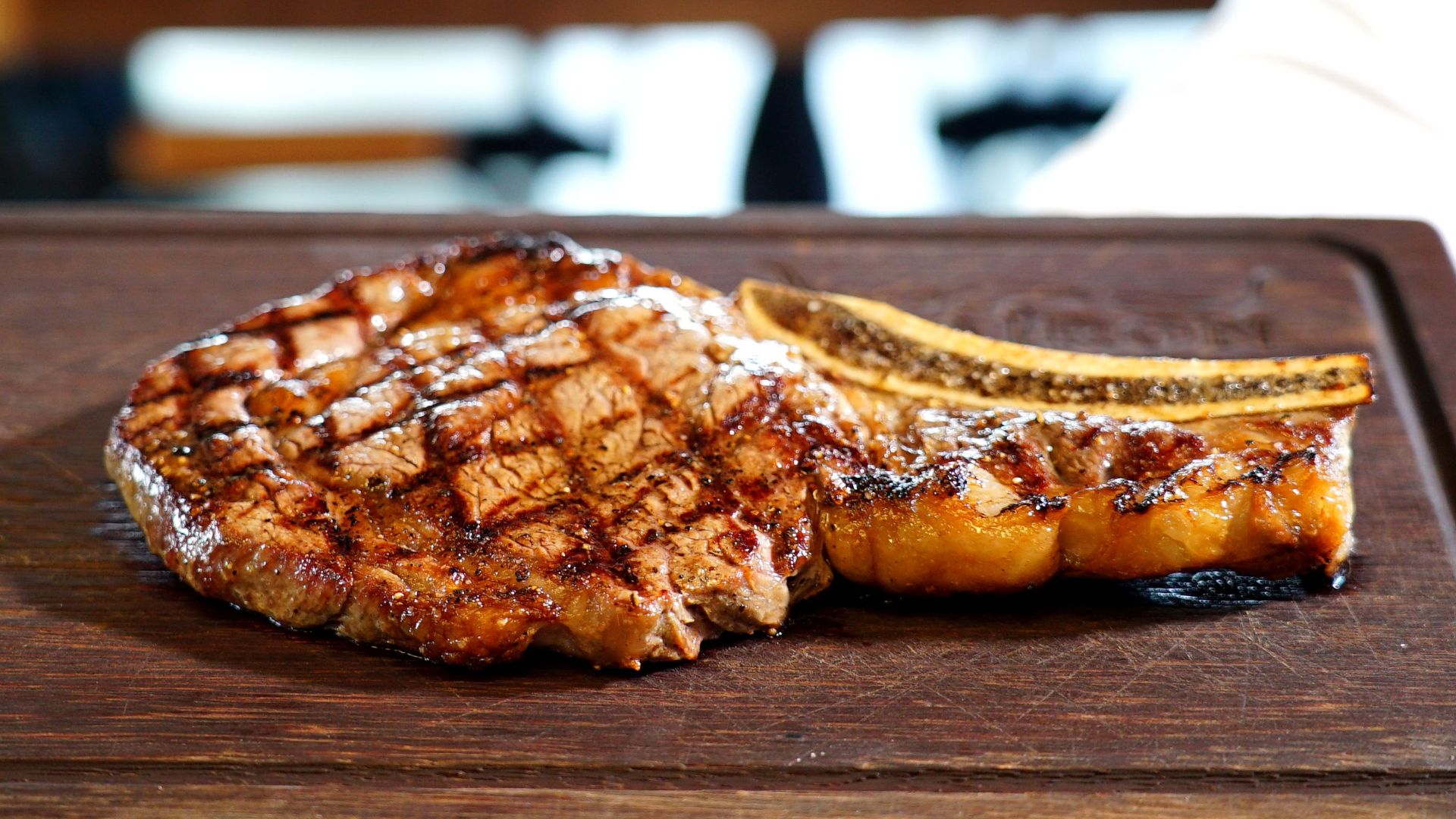
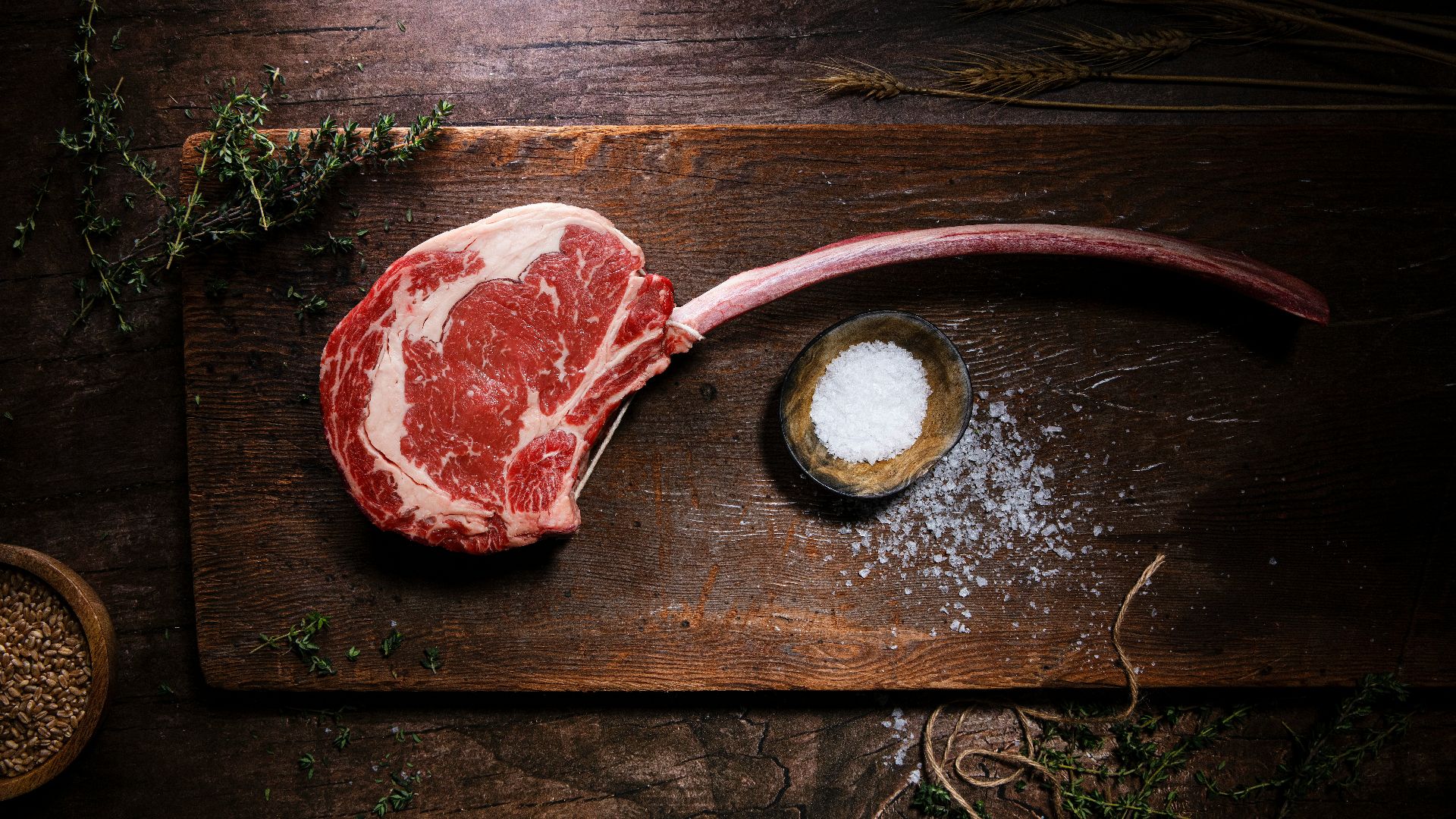
1. The Bone-In Ribeye
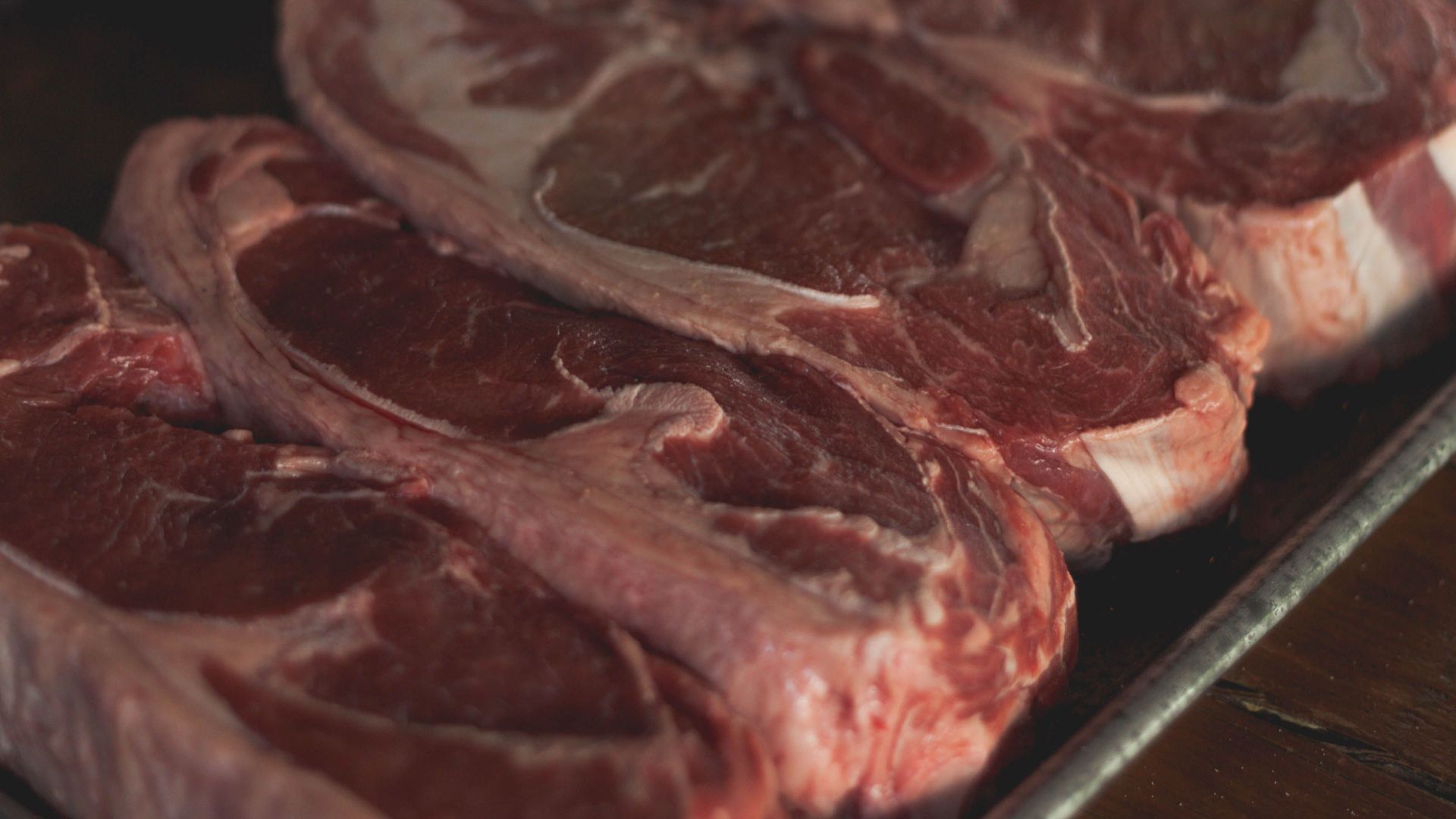
Ribeye carries far more intramuscular fat than filet, and that fat is where the flavor lives. The bone adds even more depth as the meat cooks close to it, and a good steakhouse will let that fat render slowly instead of rushing the sear. It's the cut most chefs order for themselves.
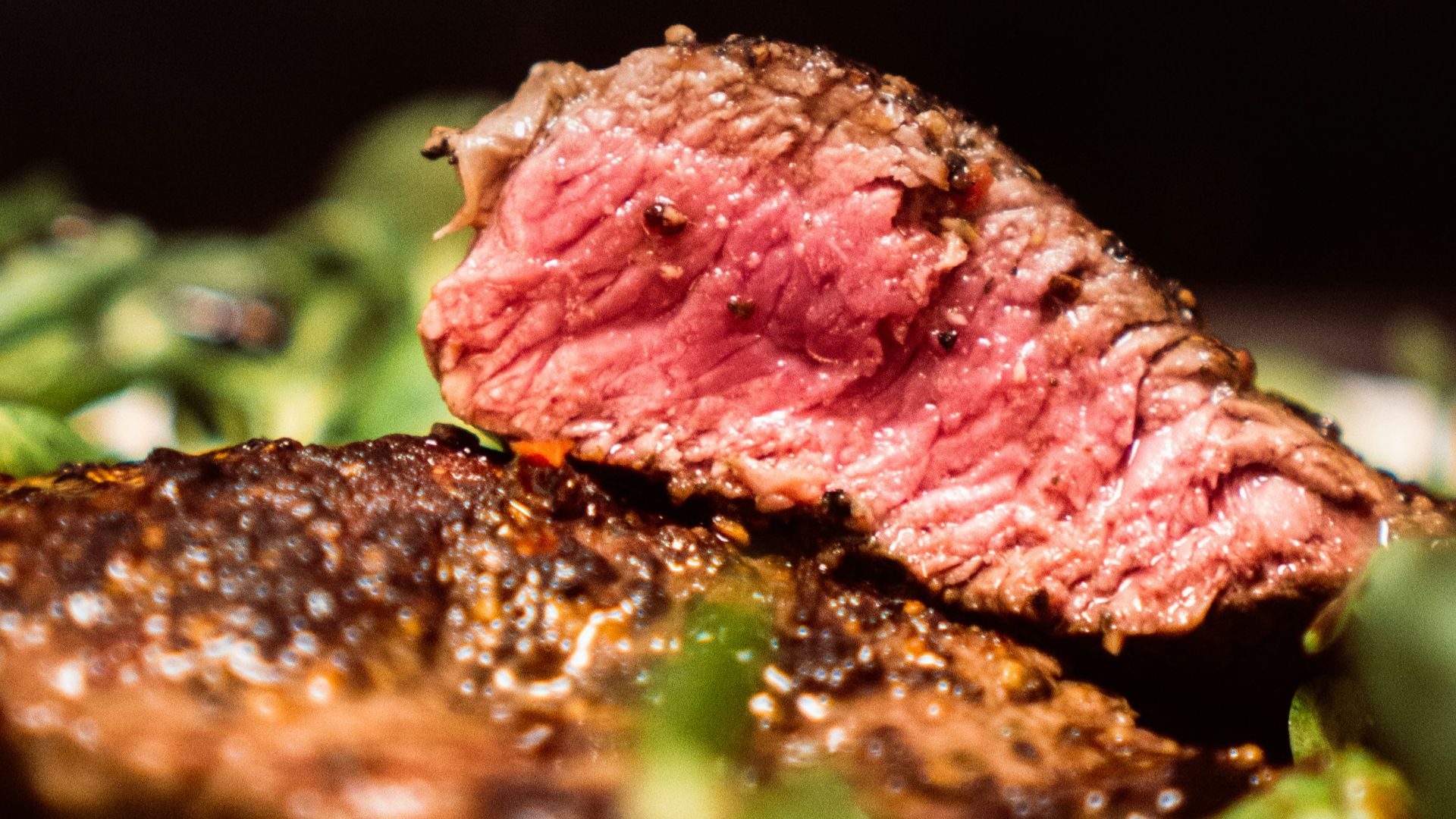
2. Steak Cooked Medium-Rare
Medium-rare is where most cuts hit their best balance of tenderness and flavor, letting the fat render without cooking the moisture out entirely. It gives the kitchen room to show off a proper sear on the outside while keeping the center loose and red. Trust the temperature the chef recommends before defaulting to safer ground.
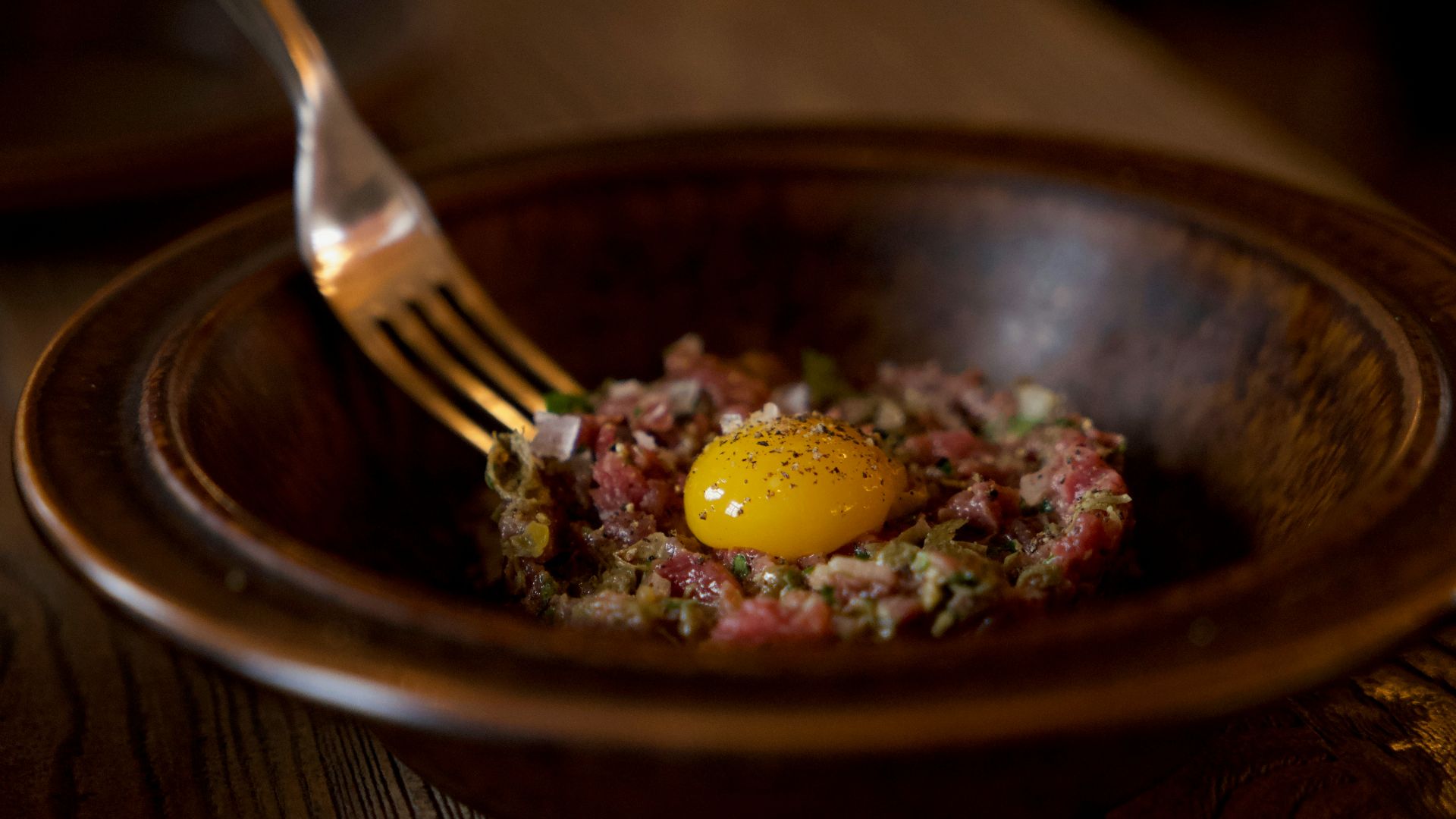
3. Steak Tartare or Raw Bar Oysters
Ordering something raw is one of the fastest ways to judge a steakhouse's actual skill and sourcing. Tartare in particular takes real knife work and a kitchen confident enough to serve beef with nothing to hide behind. If it's on the menu, it's usually there because they're proud of it.
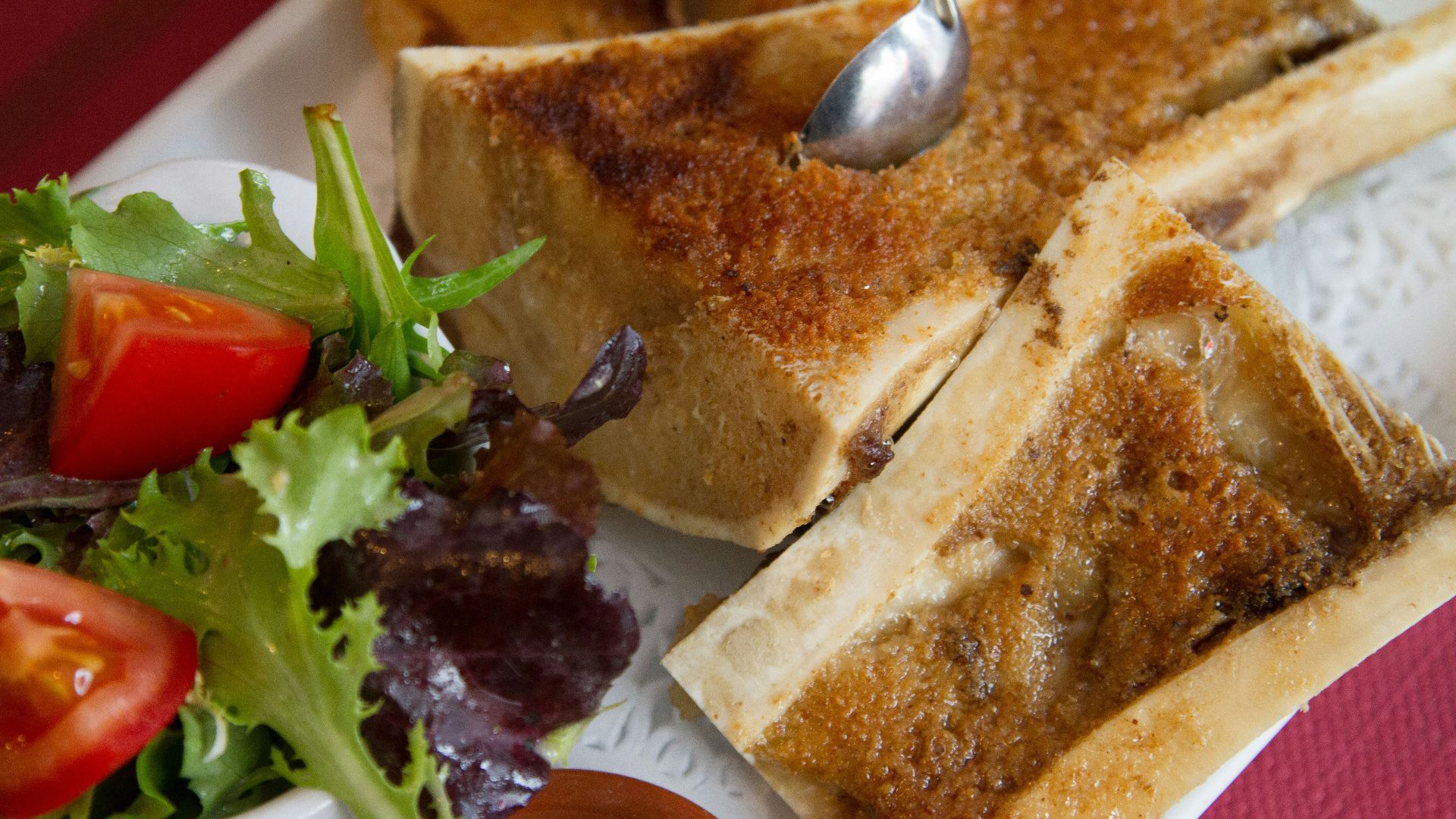
4. Bone Marrow
Bone marrow rarely gets ordered, which is strange given how cheap and rich it usually is compared to everything else on the menu. Roasted until soft and spread on toast with a little salt, it delivers more depth per bite than most appetizers twice its price. It's an easy way to eat well without overspending early in the meal.
5. A Porterhouse or Tomahawk for the Table
If there are two or more of you, a porterhouse or tomahawk built for sharing shows off more of what a steakhouse can do than any single cut alone. You get strip and filet on the same bone, or a dramatic presentation worth the extra cook time. Split it, and let the char do the talking.
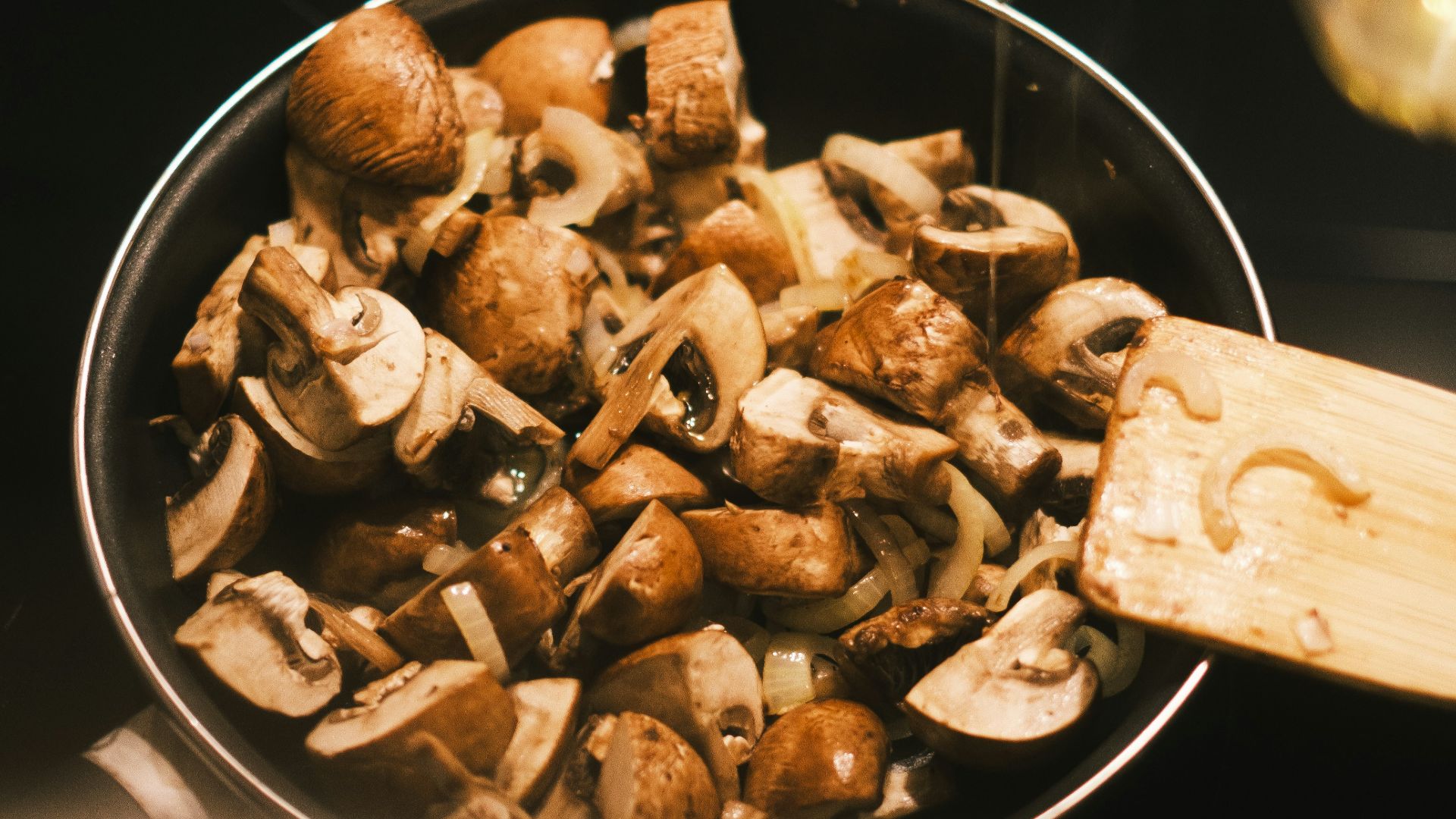
6. Creamed Spinach or Sautéed Wild Mushrooms
These sides exist because they're genuinely good with beef, not because they're easy. Creamed spinach done right has real depth from the cream and nutmeg, and mushrooms sautéed in butter pick up flavor from whatever pan the steak just left. Either one does more for the plate than another potato.
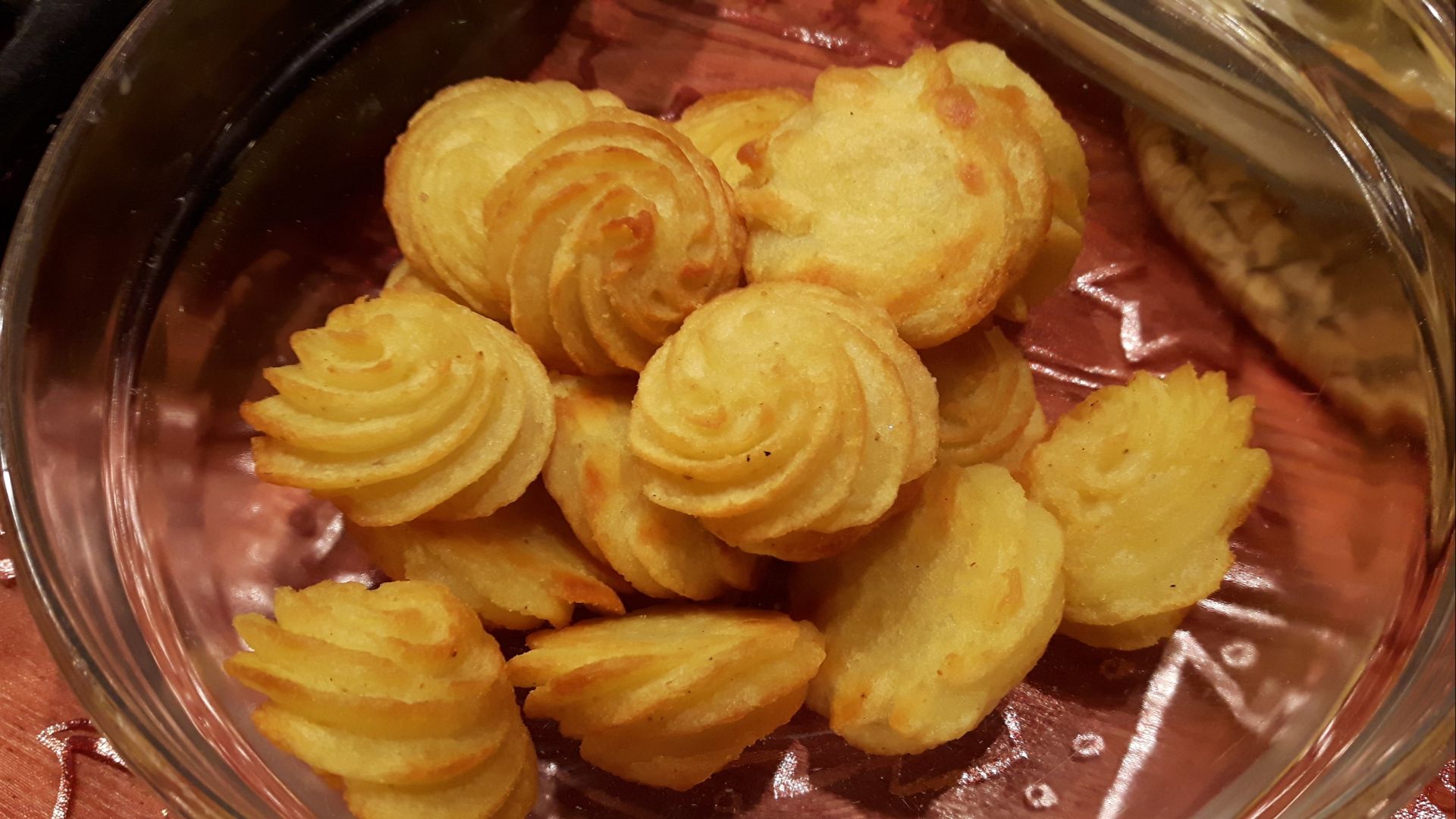
7. Twice-Baked or Duchess Potatoes
If potatoes are the goal, twice-baked or duchess potatoes take more kitchen effort than a pile of toppings ever will. The extra step of baking, scooping, and rebaking produces something with actual texture contrast, crisp outside and soft within. It's the same vegetable, treated like it matters.
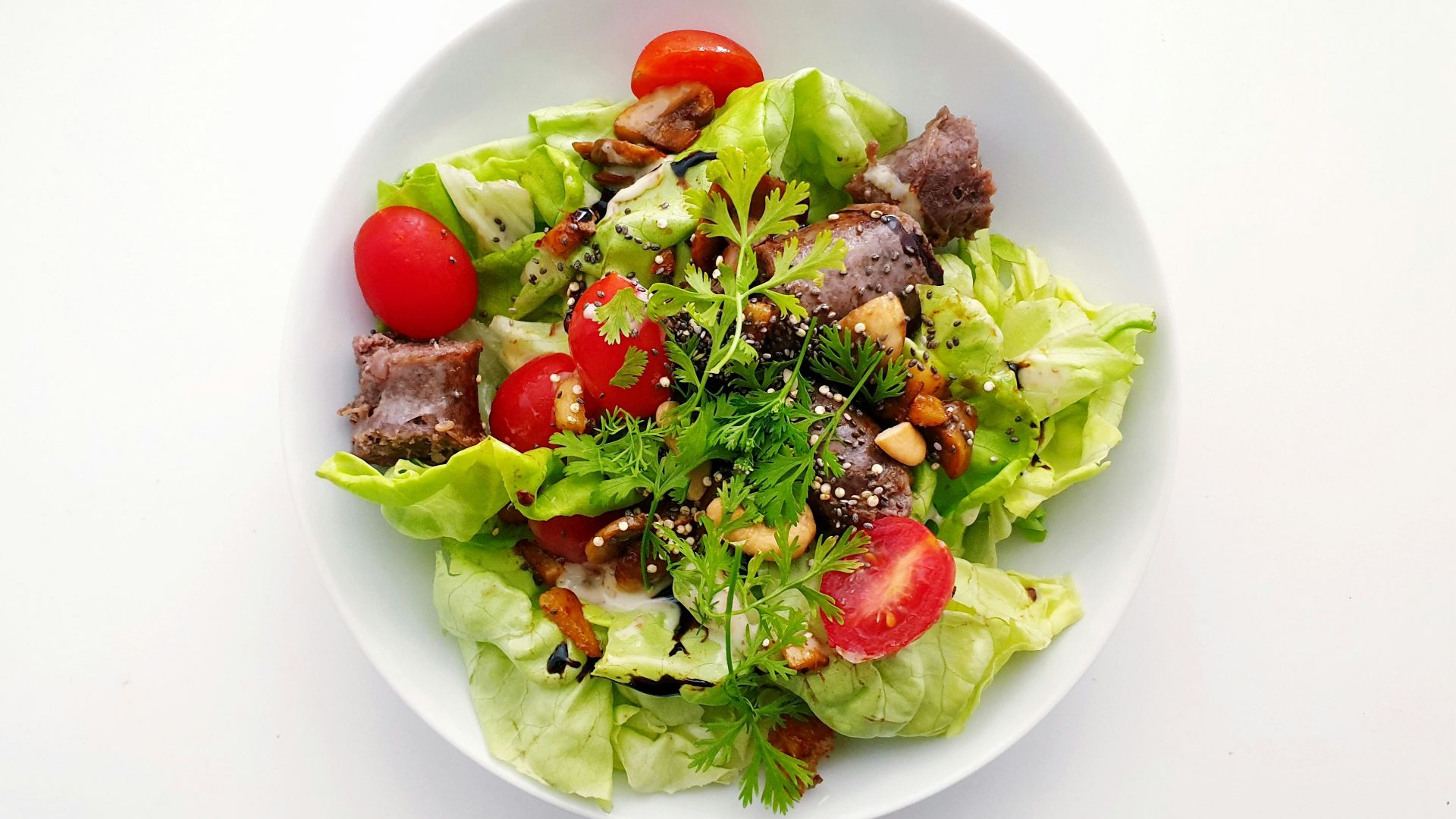
8. A Proper Caesar
A caesar made with real anchovy, fresh lemon, and a dressing whisked to order tastes almost nothing like the bottled version most restaurants default to. Ask if it's made in-house before ordering it, since the answer usually tells you a lot about the kitchen's standards elsewhere on the menu. It's a small order that reveals a lot.
9. Béarnaise or Peppercorn Sauce, on the Side
A good steak shouldn't need a sauce, but a well-made béarnaise or peppercorn sauce served alongside it, rather than poured over it, adds flavor without hiding the meat underneath. It also lets you control how much you actually want. Ask for it on the side and use it sparingly.
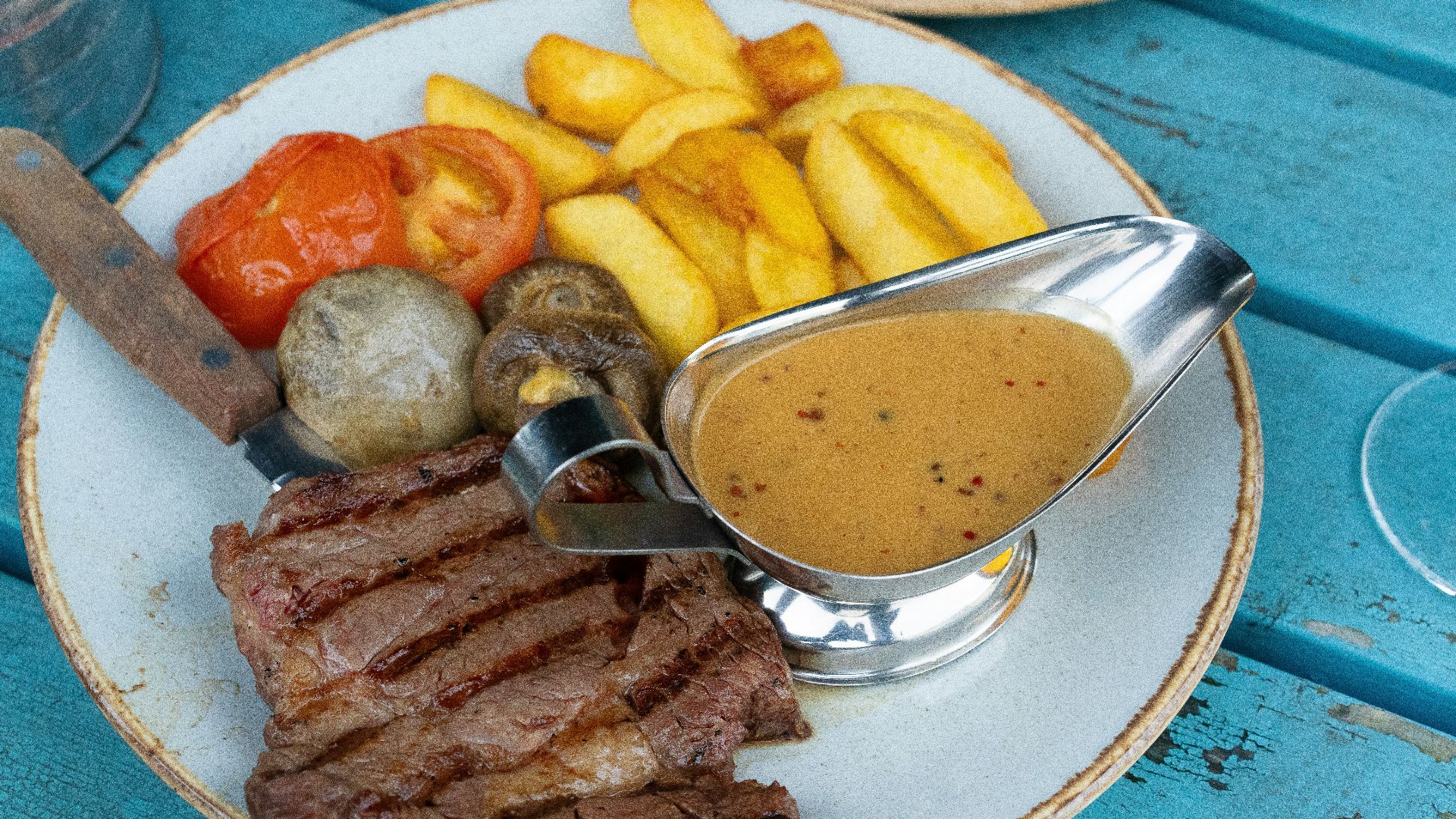
10. A Dry-Aged Strip
Dry-aged strip brings a nuttier, more concentrated flavor that a standard cut simply doesn't have, the result of weeks spent losing moisture under controlled conditions. It costs more, but the difference shows up in every bite rather than in the marketing copy. If a steakhouse offers it, that's usually the cut worth trusting most.
KEEP ON READING
The 10 Best Fried Chicken Sandwiches & The 10 Worst