What Familiarity Tends To Leave Out
Food can take on new forms when it shows up in a new place, and the first version someone tries often covers only part of its history. In the United States, restaurant menus and grocery shelves can narrow a food tradition to one flavor, one list of ingredients, or a quick origin line. Those adaptations can be delicious, and they’re part of how food culture changes. Even so, knowing where a dish comes from, how it varies by region, and who keeps its traditions going gives a meal more context. These 20 dishes deserve to be known beyond their most familiar American versions.
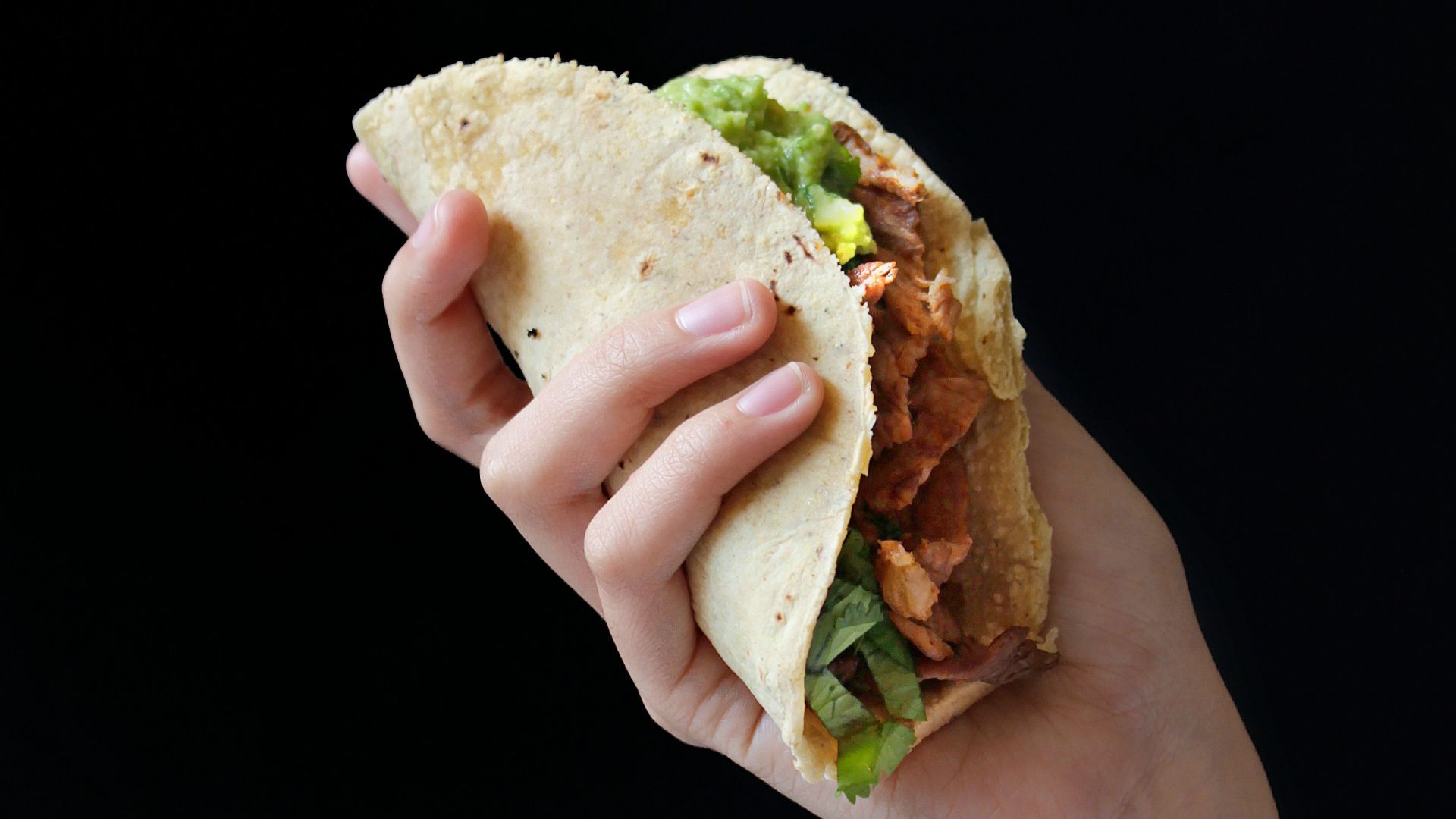
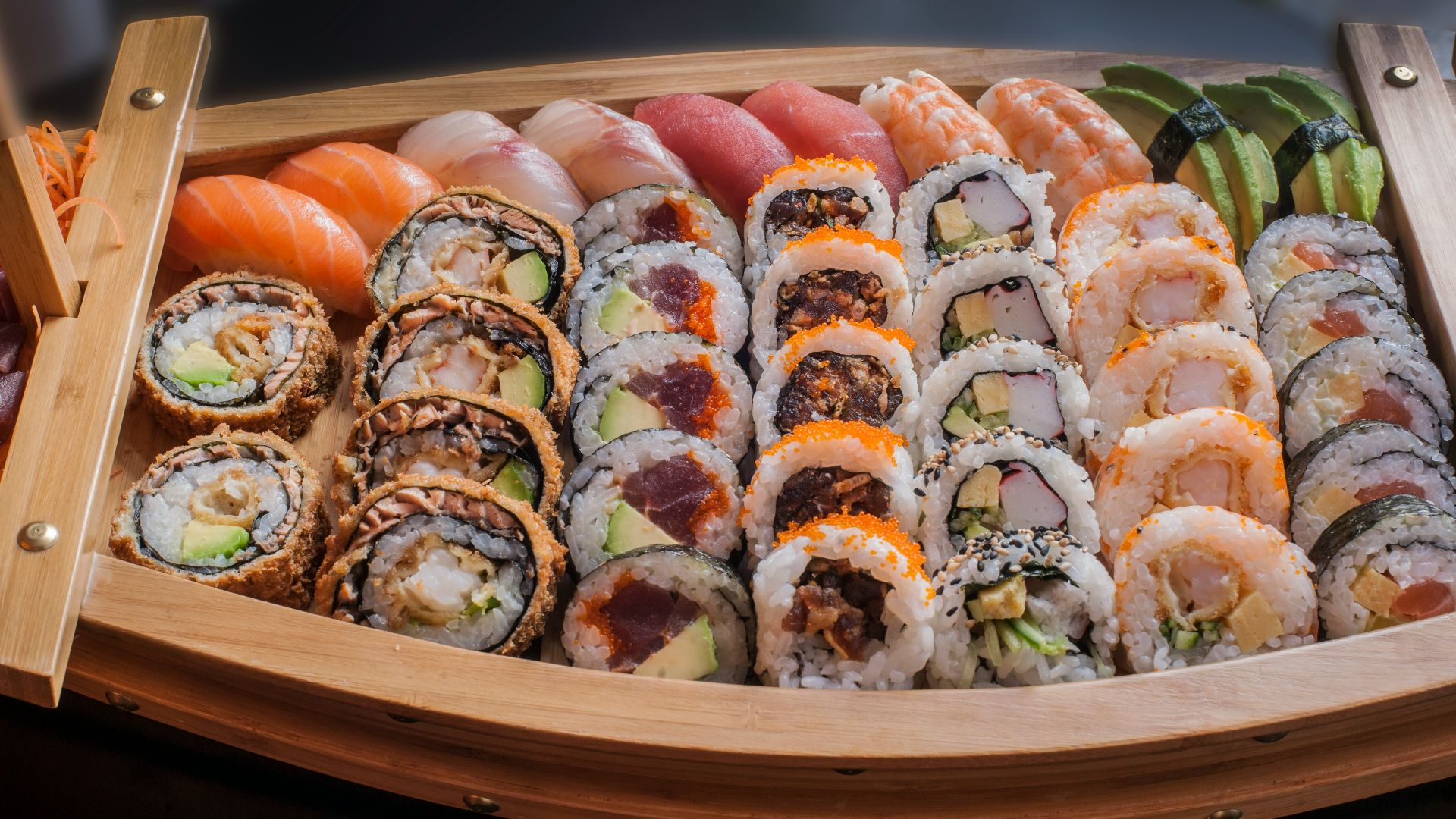
1. Sushi
Sushi starts with seasoned vinegared rice, and nigiri is rice topped with another ingredient. That topping can be raw, cooked, cured, or egg-based, so raw fish isn’t part of every piece. Sashimi is sliced fish served without rice, which is what separates it from sushi. Rice is the common part that holds sushi together.
 Riccardo Bergamini on Unsplash
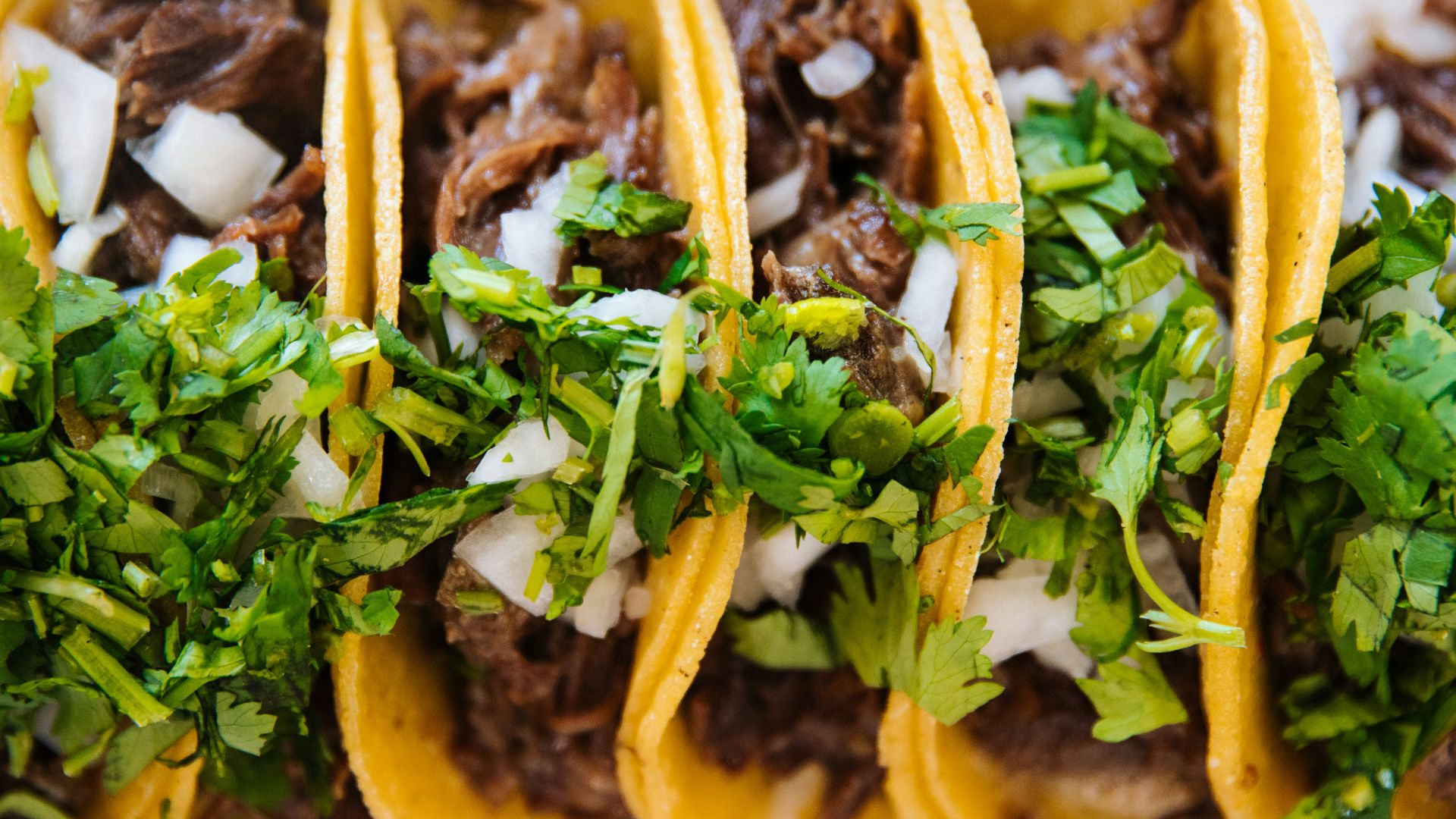
2. Tacos
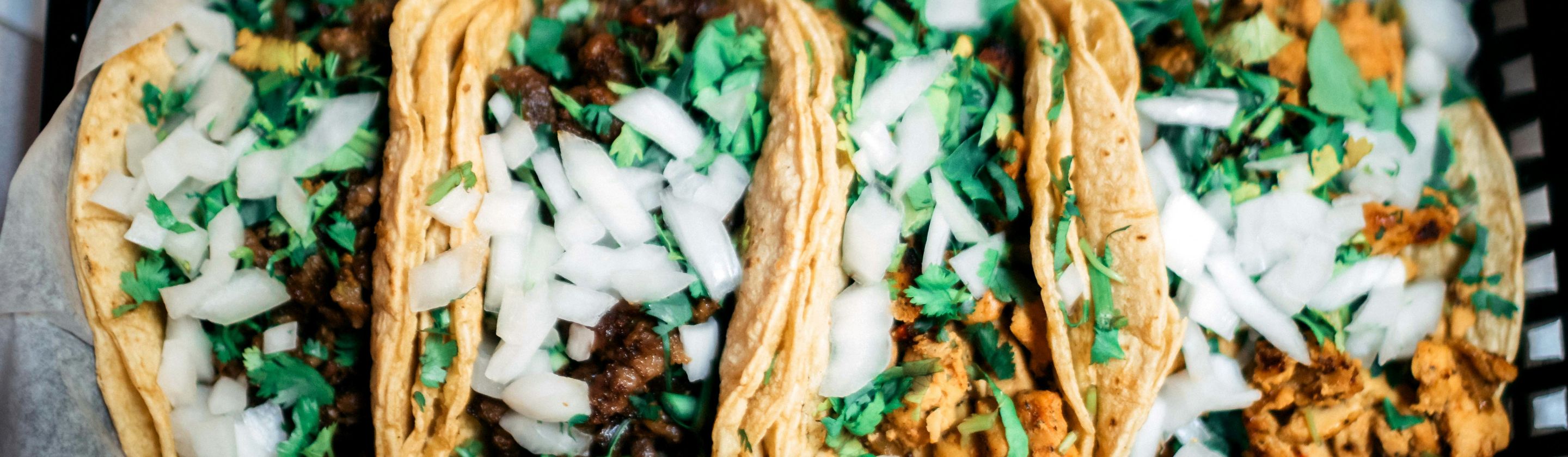
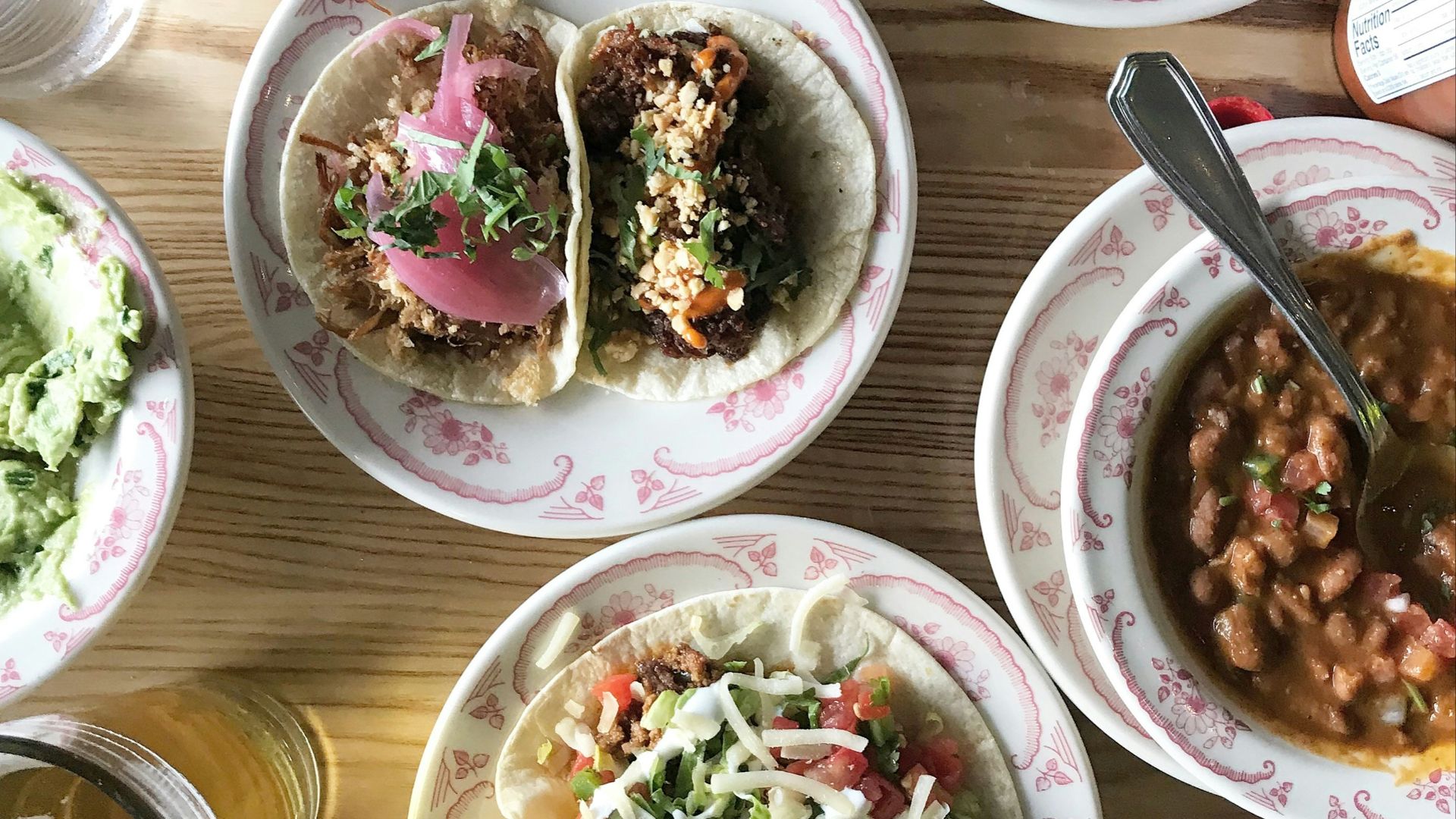
Seasoned ground beef, cheddar, lettuce, and a crisp shell make up one familiar U.S. taco style, though they don’t define tacos as a whole. Tacos can use corn or flour tortillas and hold grilled meats, seafood, vegetables, beans, braises, or regional stews. Salsa can matter just as much as the filling, and the combination changes widely across regions.
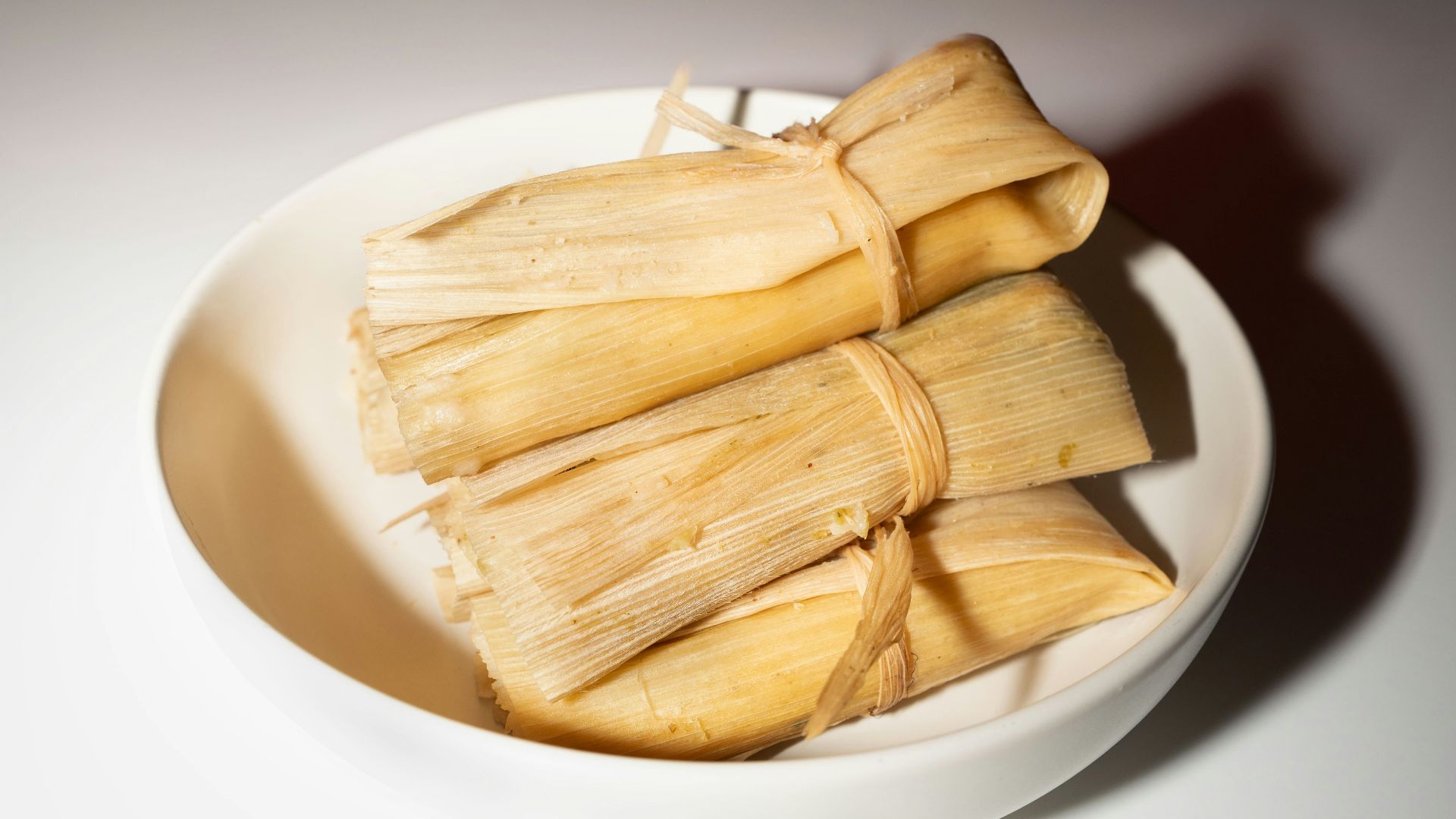
3. Tamales
Tamales are Mesoamerican dishes made from masa wrapped in corn husks or leaves and steamed. Fillings, wrappers, sizes, and seasonings vary across Mexico and Central America, so they don’t all look or taste the same. Tamaladas bring people together for the work of making them, and those differences are part of the tradition.
4. Mole
Mole refers to a family of sauces rather than one sweet, dark recipe. Mexican moles can combine chiles, seeds, nuts, spices, fruit, and other ingredients, with recipes changing from place to place. Chocolate even plays a part in some versions.
 Rebecca Orlov | Epic Playdate on Unsplash
5. Paella
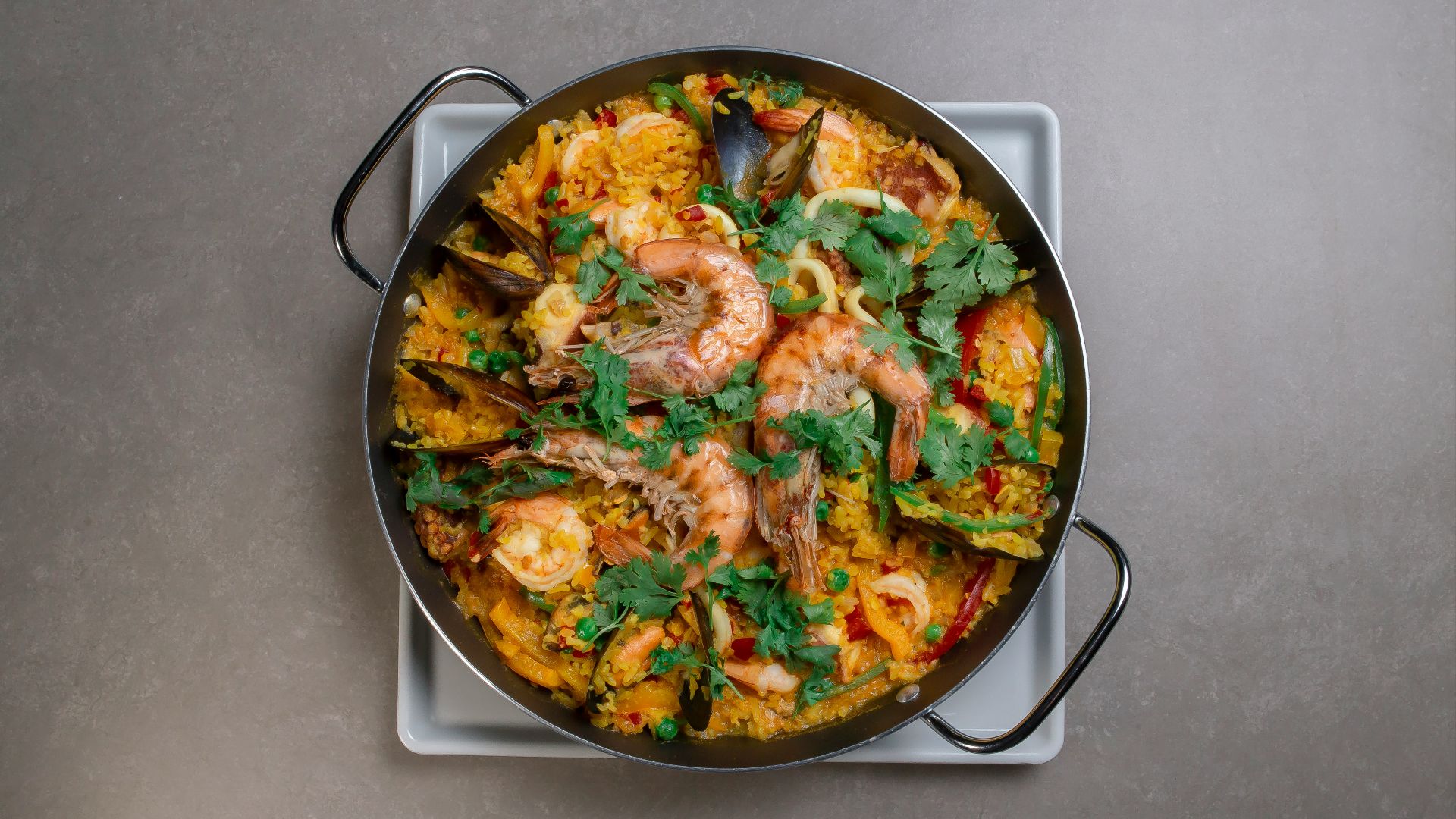
Paella has historic roots in Valencia, where a traditional version commonly includes rice, chicken, rabbit, green beans, and garrafón beans. Seafood, mixed, and vegetable paellas are also widely enjoyed. Their popularity doesn’t change paella’s deep connection to Valencia, which remains part of how the dish is understood.
6. Couscous
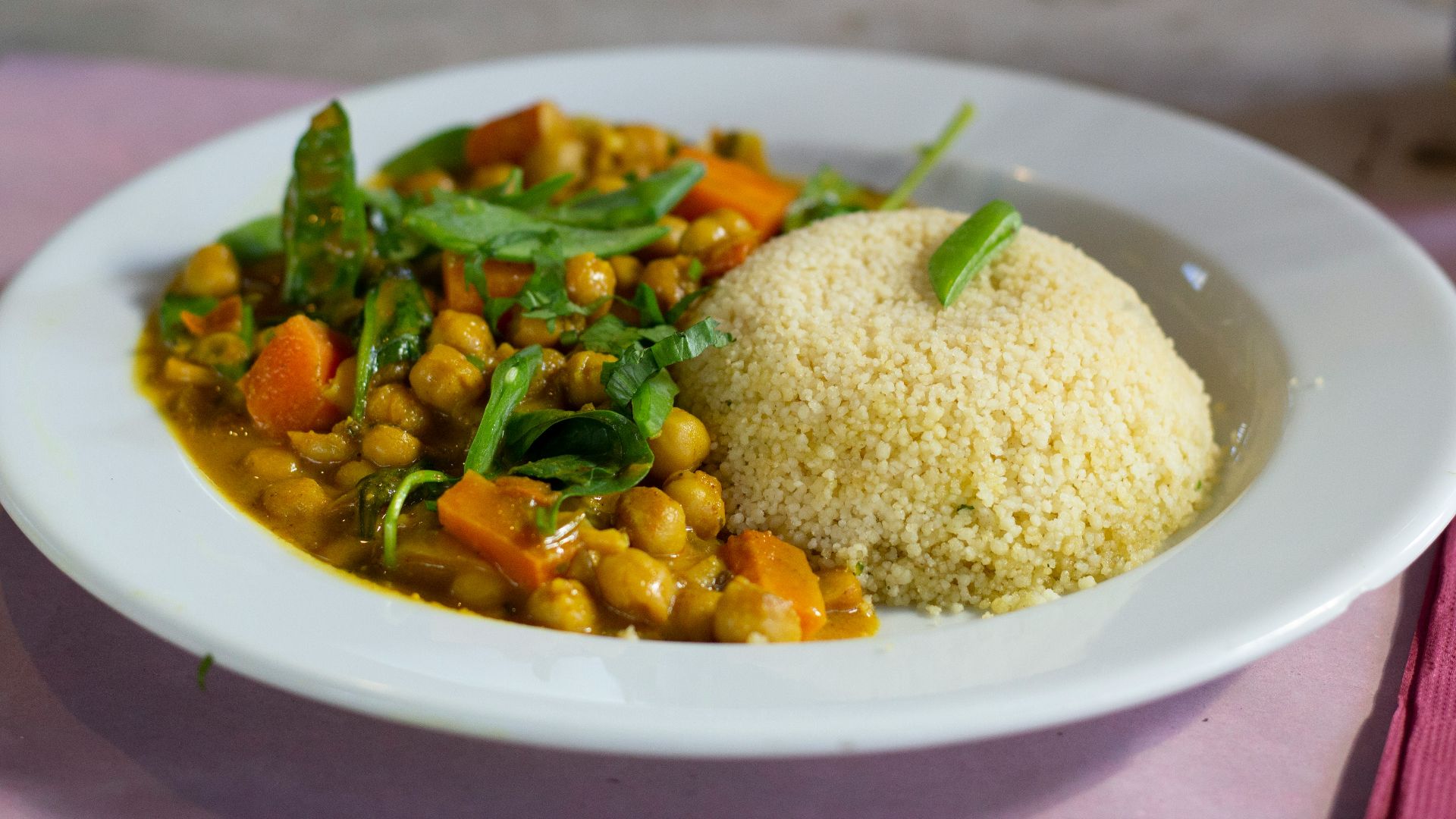
Couscous is a shared North African tradition with variations across Algeria, Mauritania, Morocco, and Tunisia. No single nation owns it, and its grain, broth, toppings, and methods change by place and household. Preparing couscous can also be a communal ritual.
7. Curry
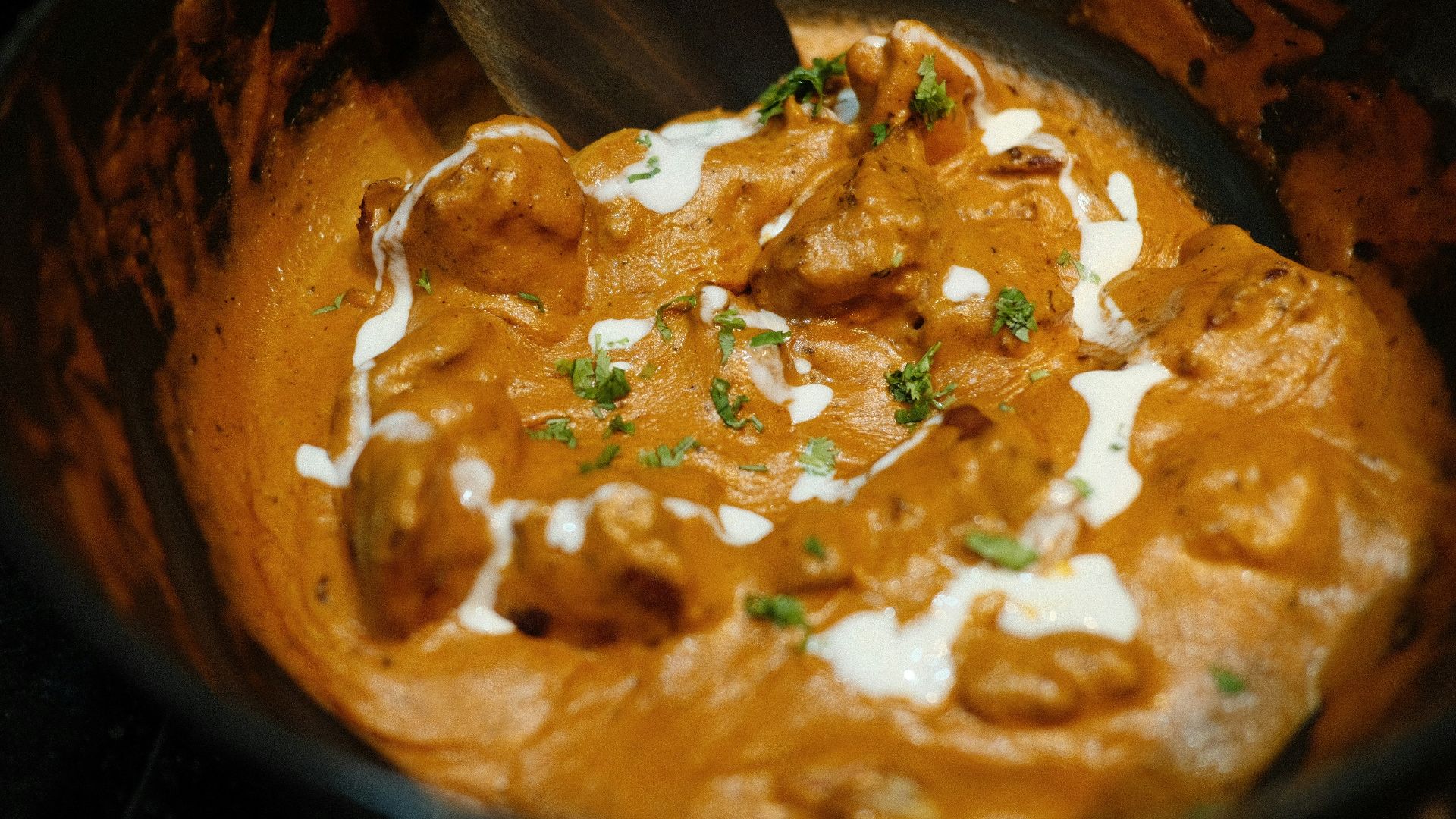
Curry is a broad English term shaped by colonial history, and it can’t neatly cover every dish from India or other countries placed under that label. Regional traditions use different spices, cooking methods, textures, and names. One creamy sauce represents only a small part of that range, and the word can hide those differences.
8. Pad Thai
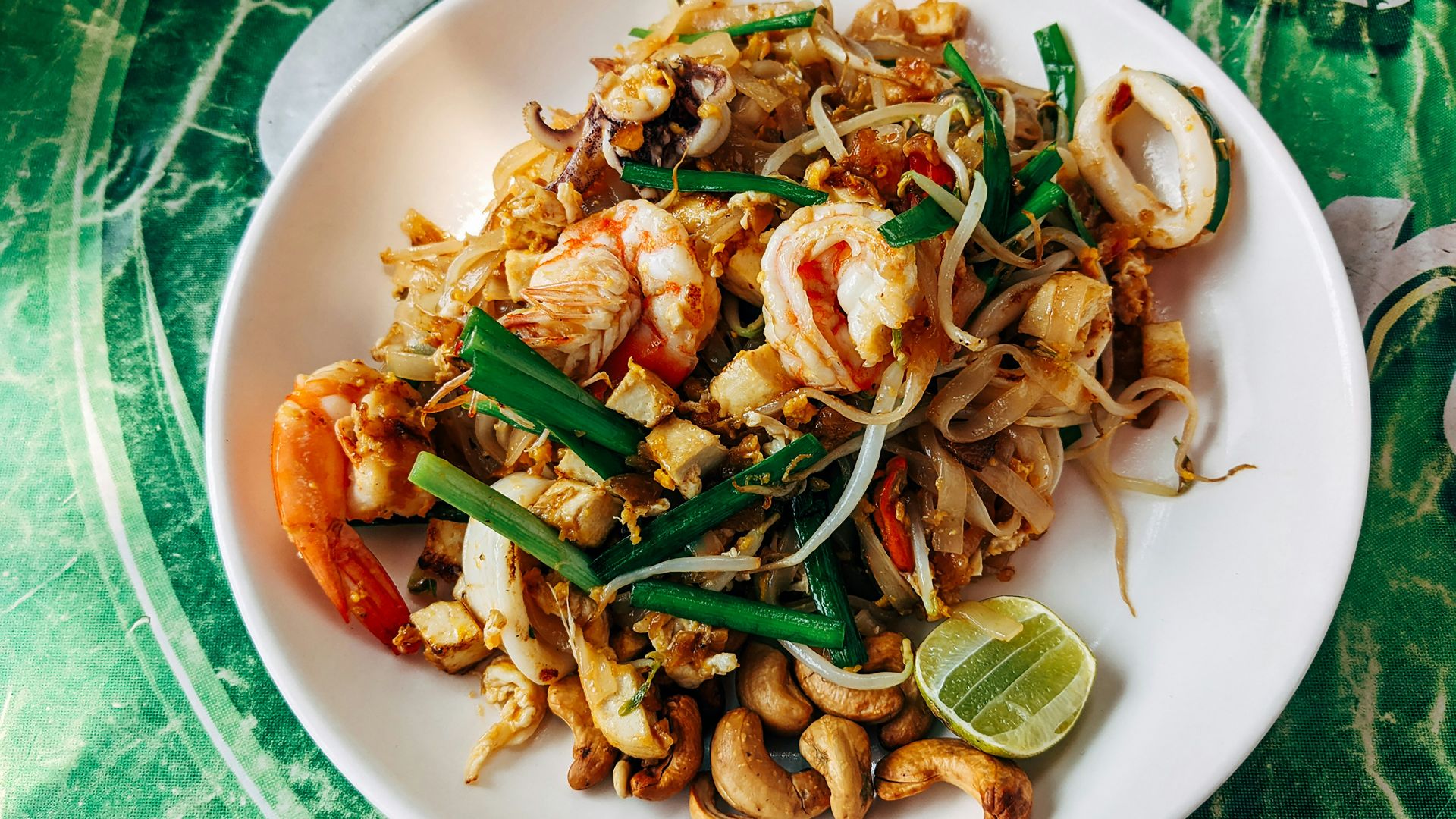
Pad Thai developed through Thai and Chinese culinary connections. Its rice noodles are combined with ingredients such as tamarind, fish sauce, palm sugar, tofu, and dried shrimp. It became a Thai national icon while still carrying the food history that helped shape it. Those influences remain part of what the dish is.
9. Pho
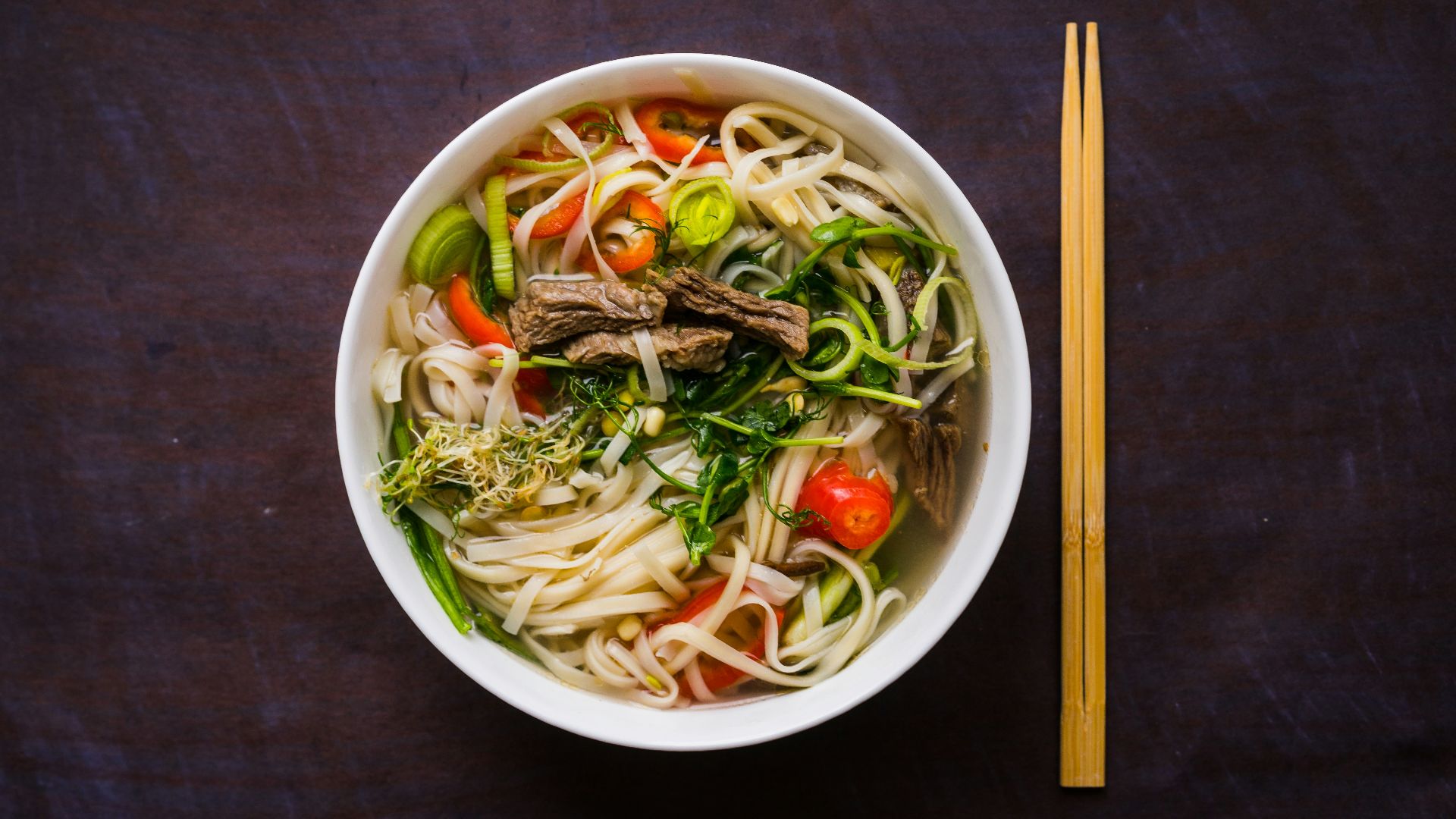
Pho is a Vietnamese rice-noodle soup with familiar beef and chicken versions, although it changes by region. Northern and southern styles differ in broth character, sweetness, garnishes, and accompaniments.
10. Bánh Mì
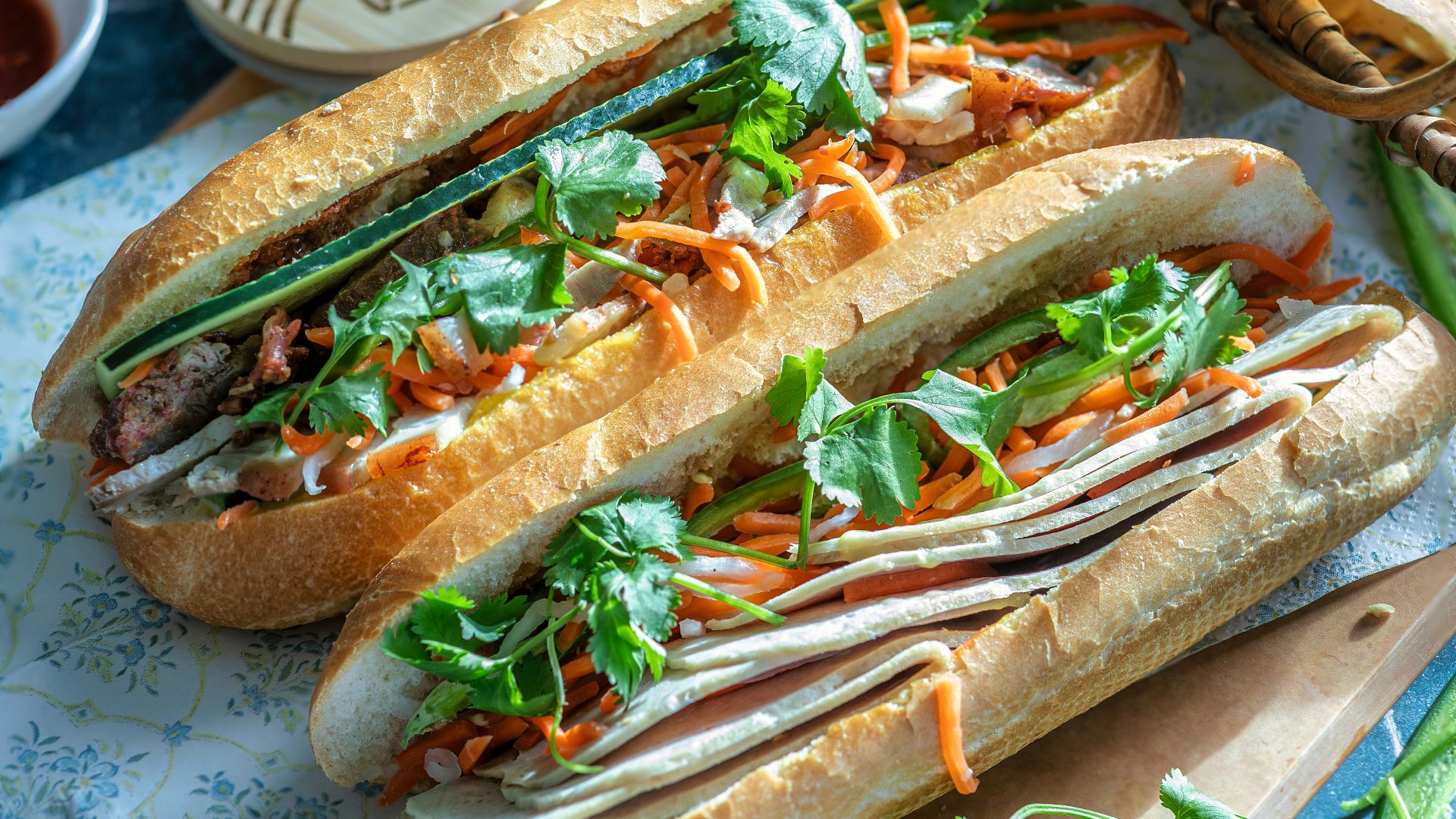
French colonial rule brought the baguette to Vietnam, and Vietnamese cooks turned it into bánh mì. Fillings such as pâté, meats, pickled vegetables, herbs, and chile change by city and seller. There isn’t one definitive version of the sandwich, since those choices are part of what makes bánh mì vary so much.
11. Ramen
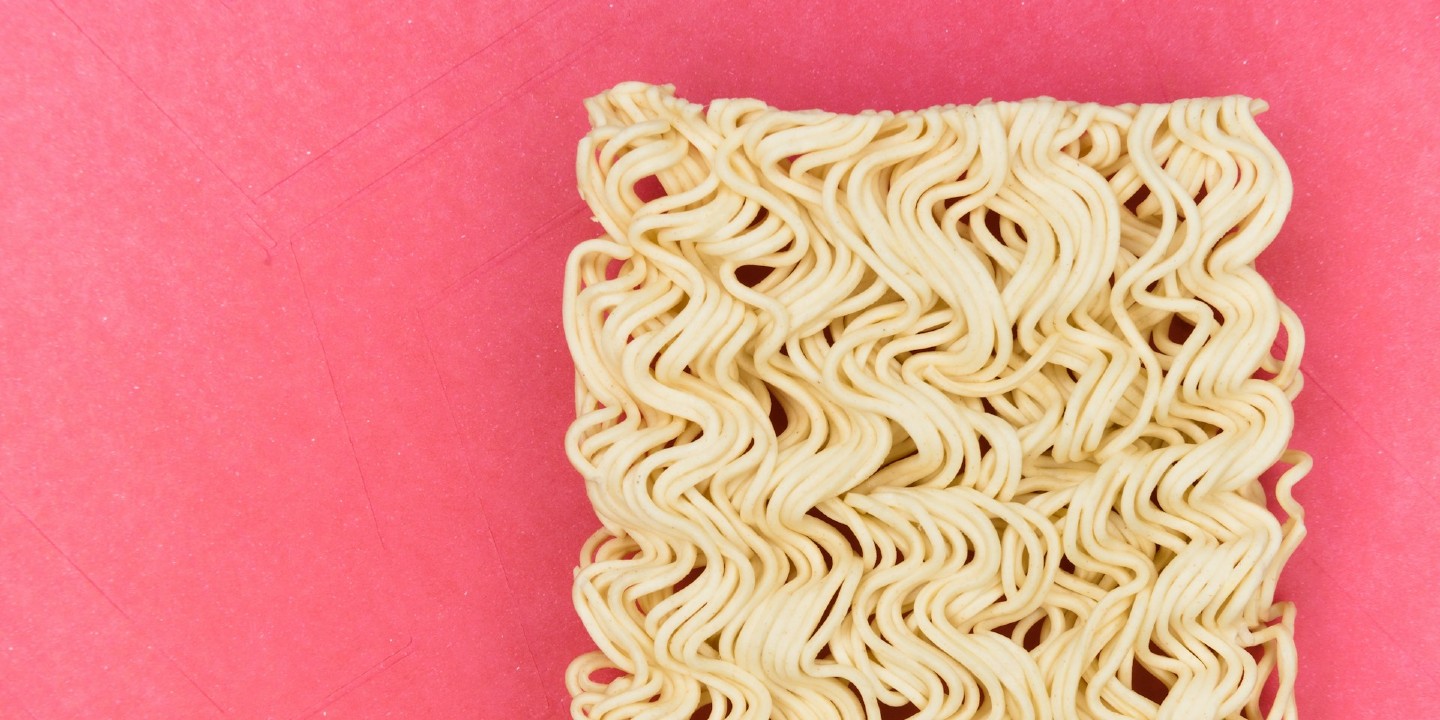
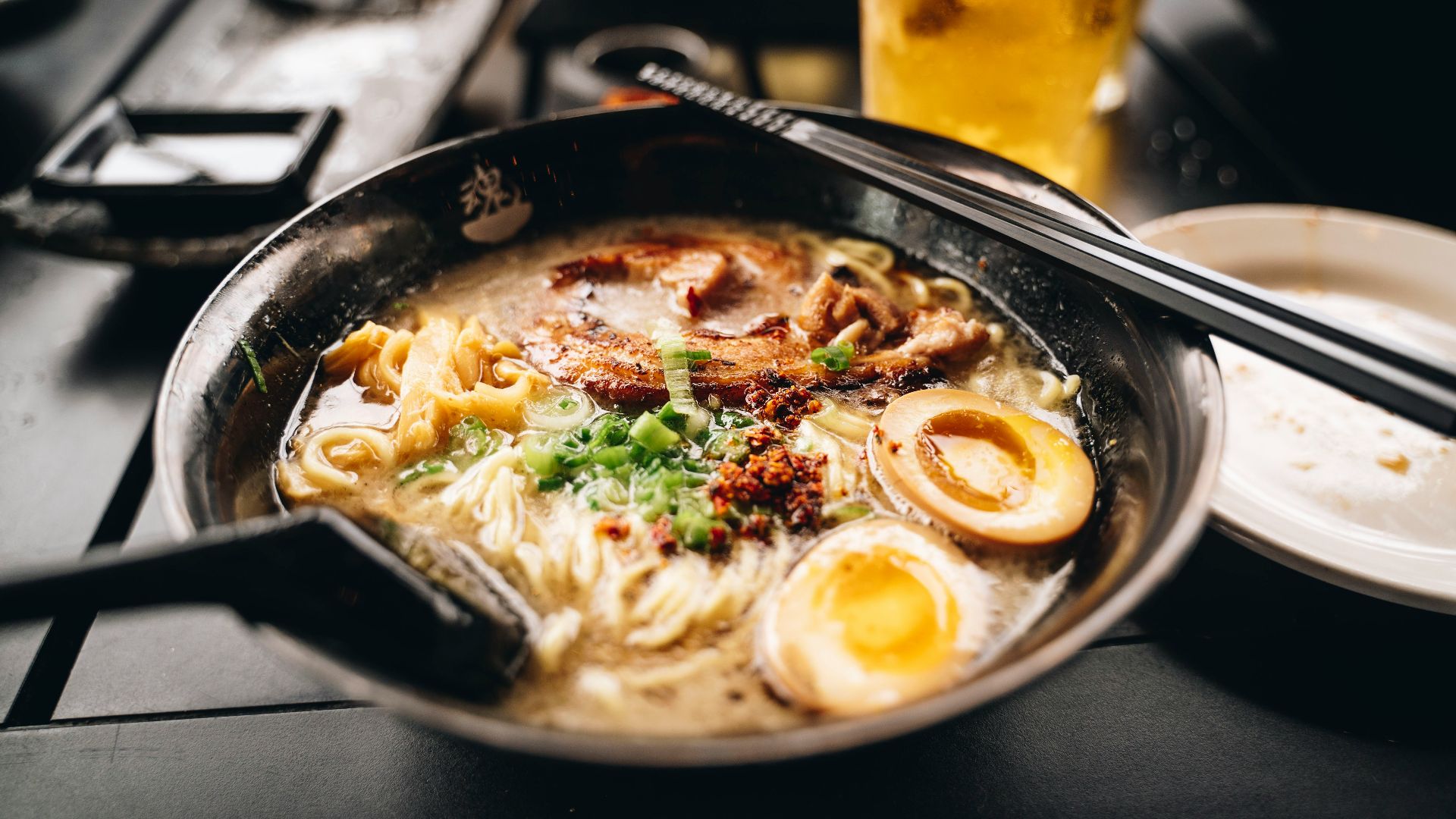
Ramen developed in Japan from Chinese roots and now includes many regional styles. Shio, shoyu, miso, and tonkotsu broths are only a starting point, since noodles, toppings, and preparation vary by area and shop.
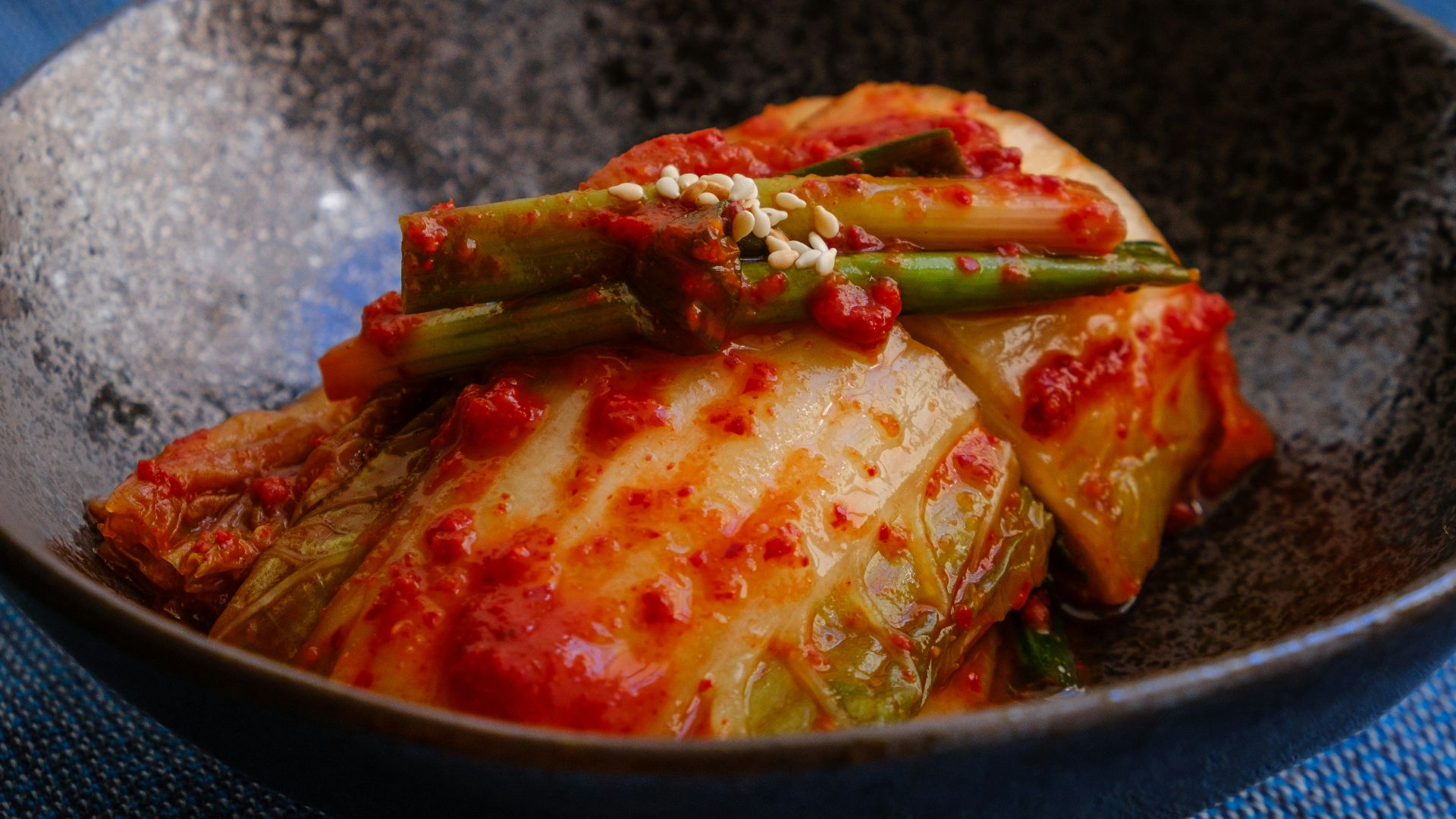
12. Kimchi
Kimchi is a Korean category of seasoned preserved vegetables with hundreds of variations. Napa cabbage is widely known abroad, though radish, cucumber, greens, and other vegetables also appear. Seasonal kimjang preparations show the communal side of the tradition, not just the finished food. Kimchi includes much more than one cabbage dish.
 Portuguese Gravity on Unsplash
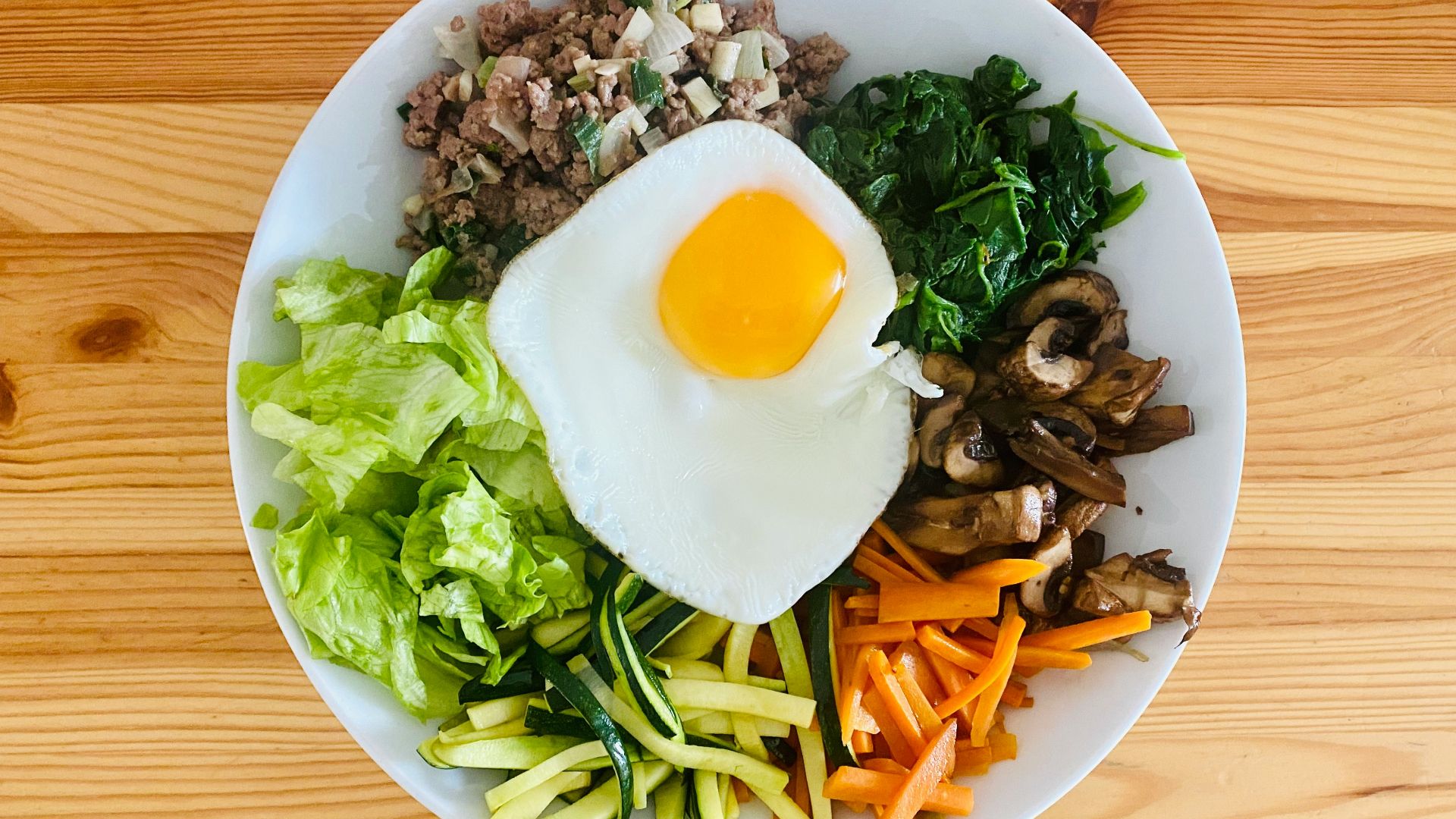
13. Bibimbap
Bibimbap combines rice with vegetables, meat or other toppings, and chili paste before everything is mixed. Dolsot bibimbap, served in a hot stone bowl, is one popular version. Seasonal ingredients and regional styles give the dish a much wider range than that one presentation. Mixing remains central to the way it’s eaten.
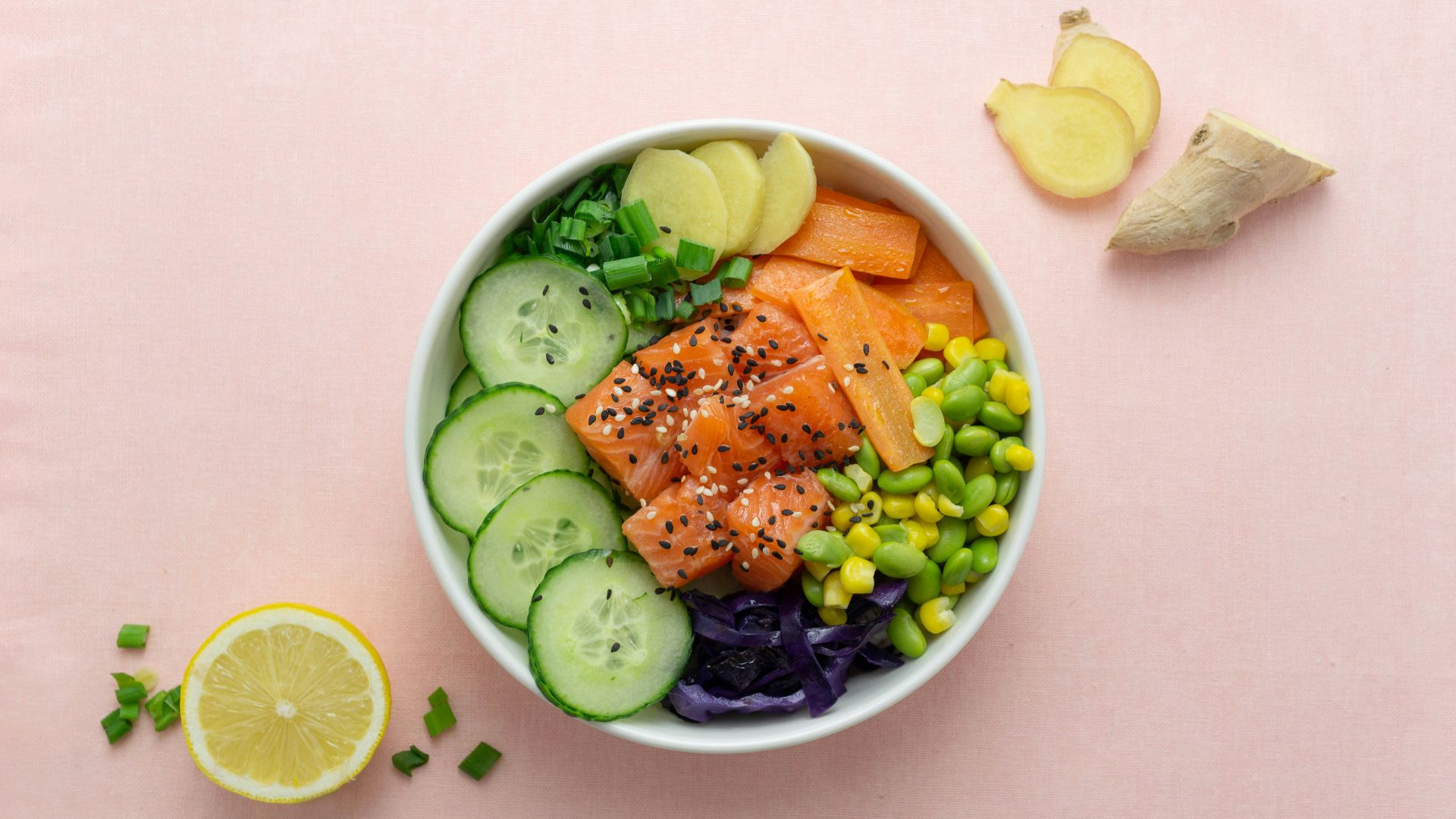
14. Poke
Poke began in Hawaiʻi as seasoned chopped raw fish. Salt, roasted kukui nut meat, and limu were among its traditional seasonings, and they’re tied to its Hawaiian history. That background is more specific than the build-your-own bowls now common far from the islands. Those local ingredients are part of poke’s history.
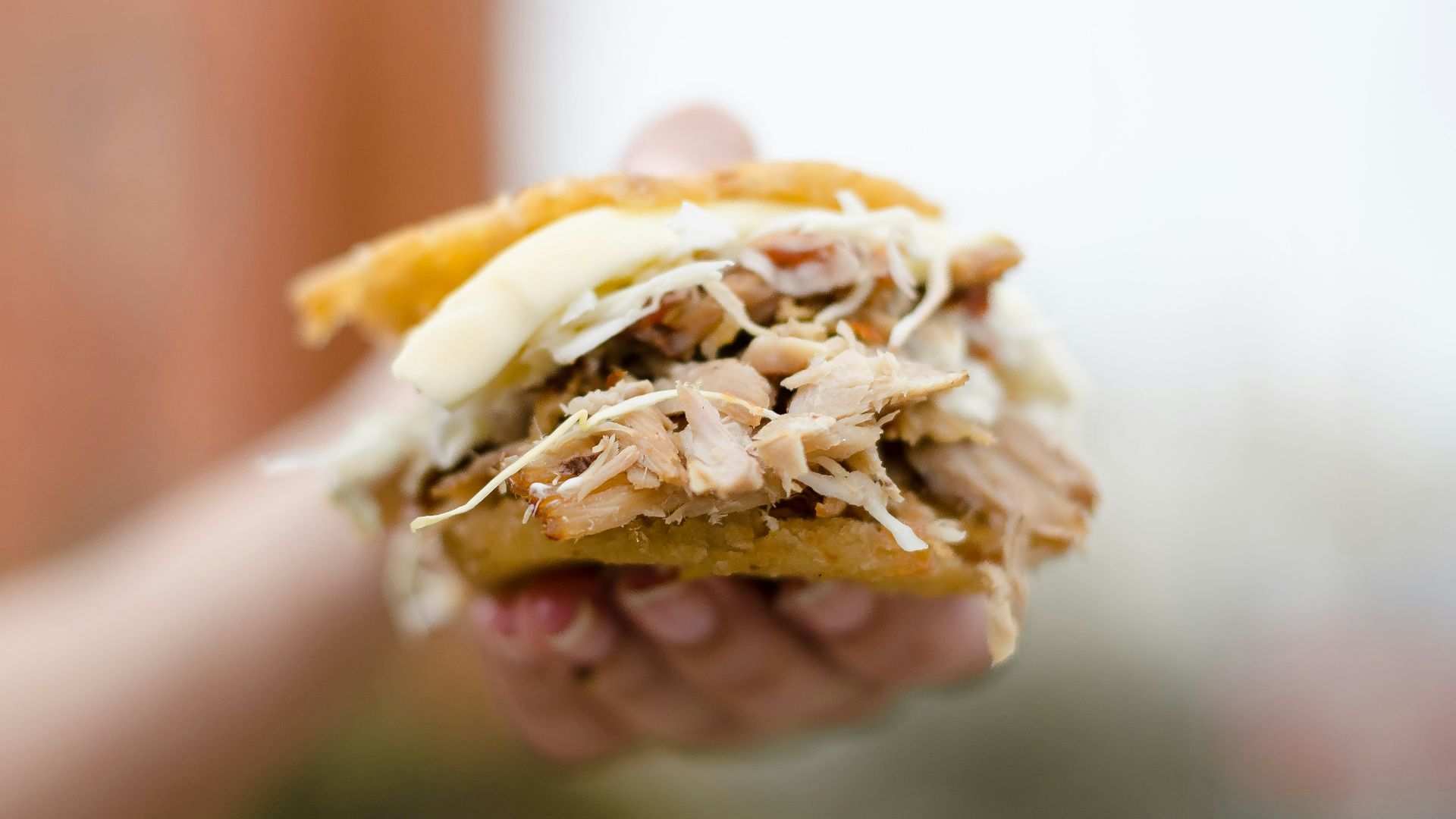
15. Arepas
Arepas are iconic corn cakes in both Colombia and Venezuela, though their thickness, texture, cooking method, and fillings differ widely. A cheese-filled arepa, a grilled arepa, and one split for stuffing can all be authentic expressions of local traditions. The differences go beyond what’s inside, and they belong to the dish’s everyday range.
16. Ceviche
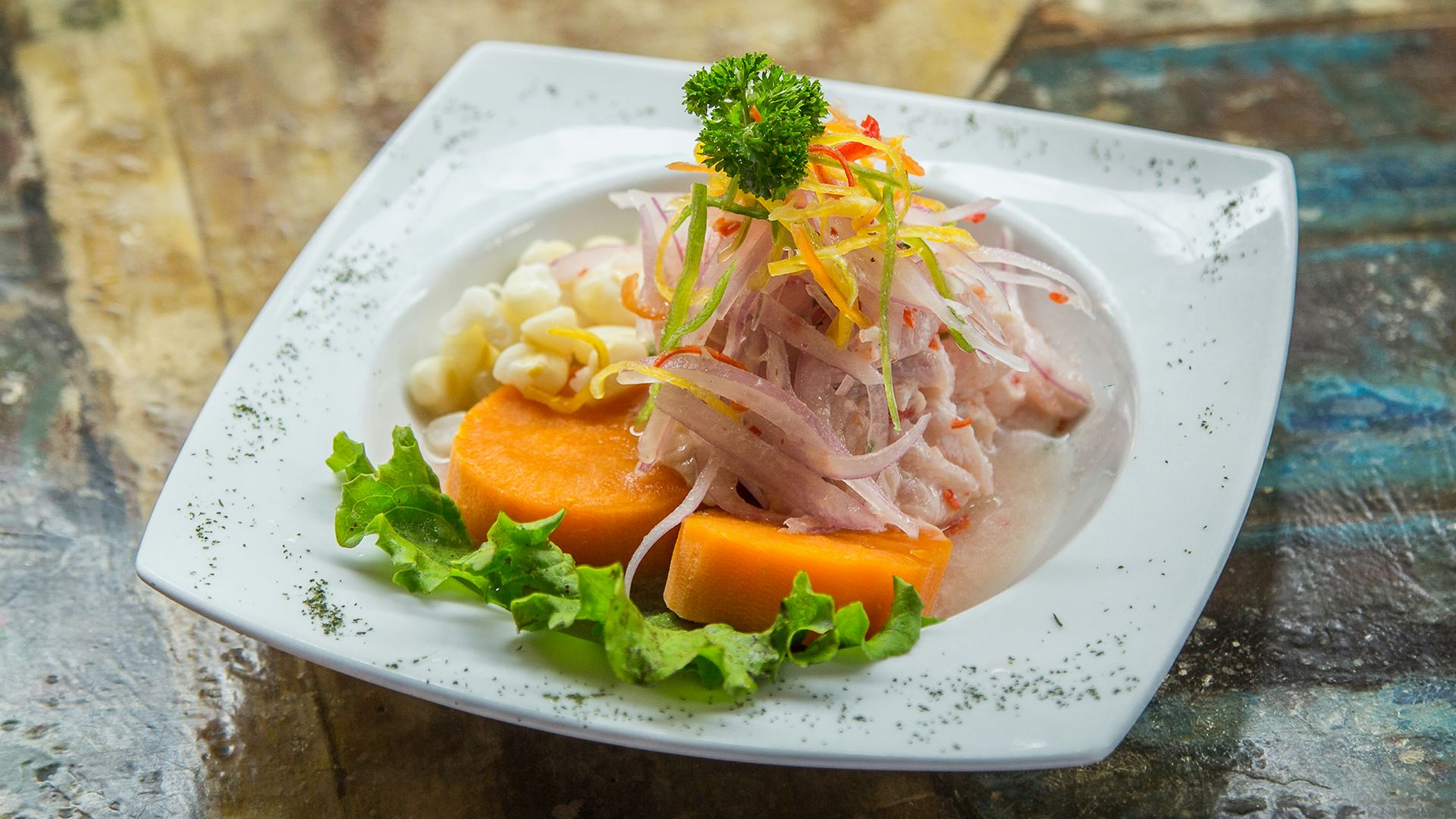
Peruvian ceviche traditionally features raw fish marinated in lemon and seasoned with chile and salt, then served with local accompaniments. It’s part of everyday eating, celebrations, and fishing communities. Ceviche traditions elsewhere in Latin America have their own ingredients and histories, even when citrus and seafood are part of the meal.
 Pirata Studio Film on Unsplash
17. Jollof Rice
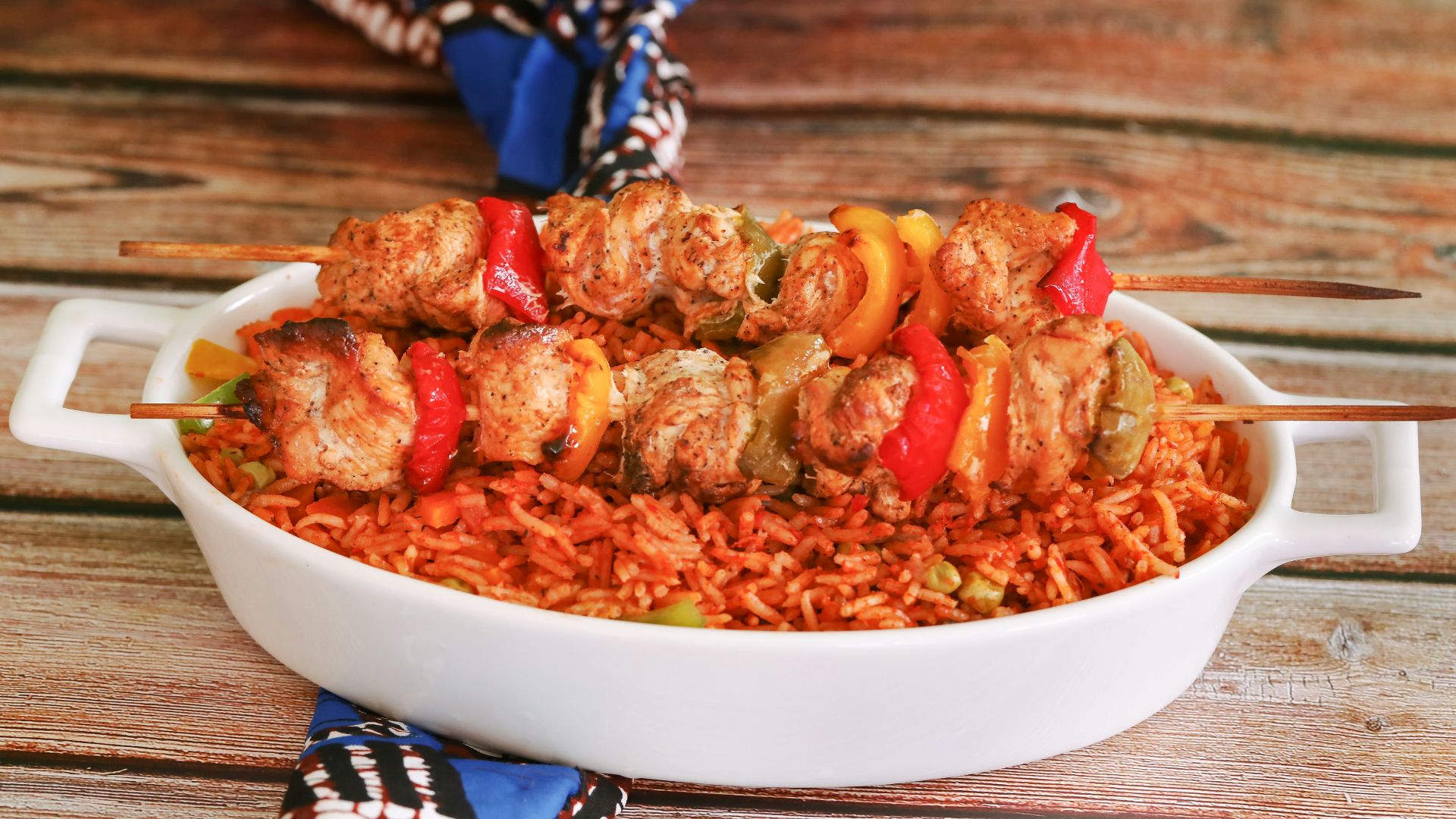
Jollof rice is cherished across West Africa, and recipes vary in seasoning, texture, proteins, and cooking style. Its origins are often linked to the Wolof people of the Senegambian region. National variations remain a lively part of the dish’s identity, and they shape how it’s understood from place to place.
18. Injera
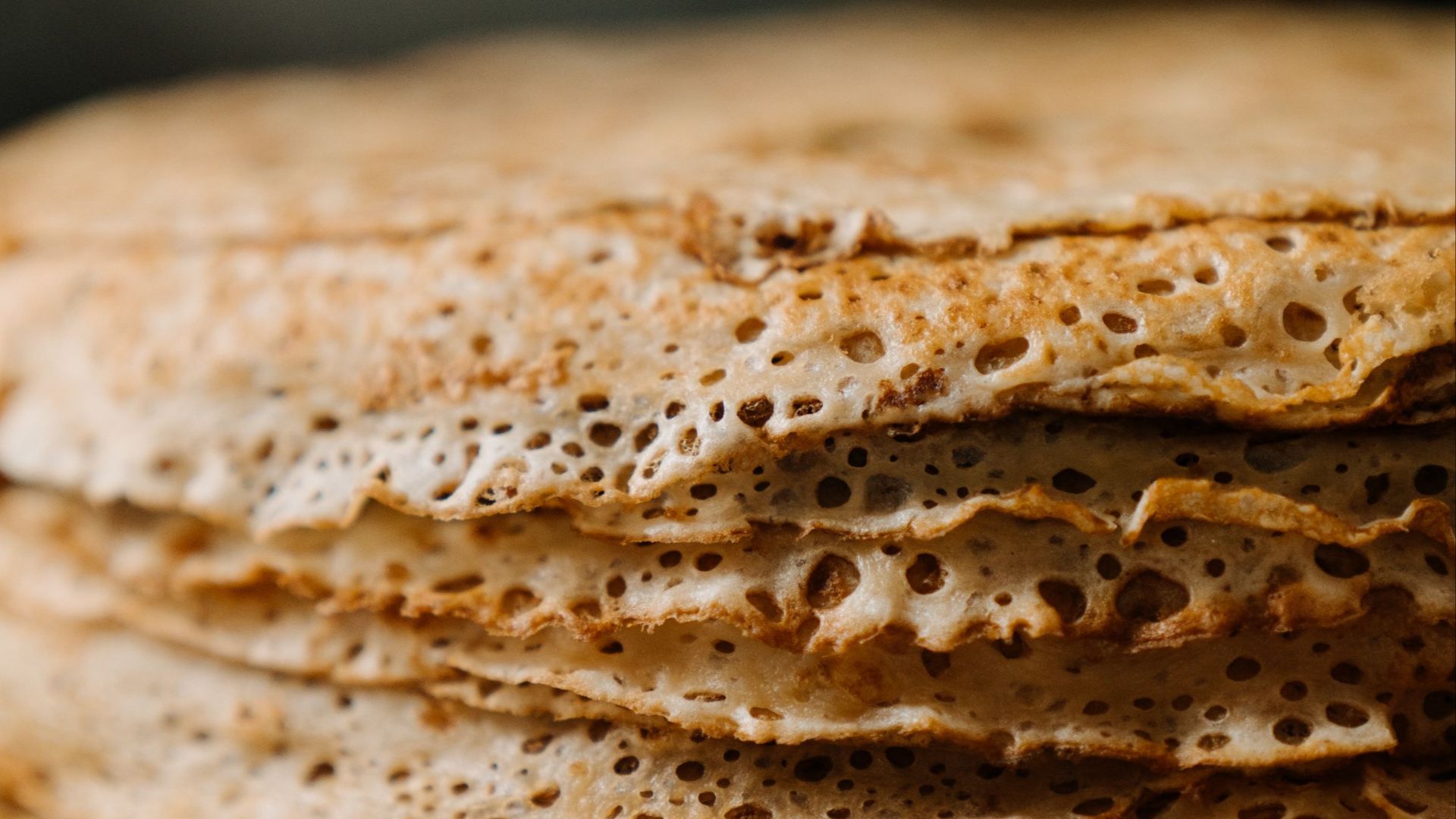
Injera is a fermented flatbread, usually made from teff, and a staple in Ethiopian and Eritrean cuisines. Its spongy surface serves as both a base for stews and a utensil for eating them. Shared meals are often part of the experience.
19. Falafel Has No Single Owner
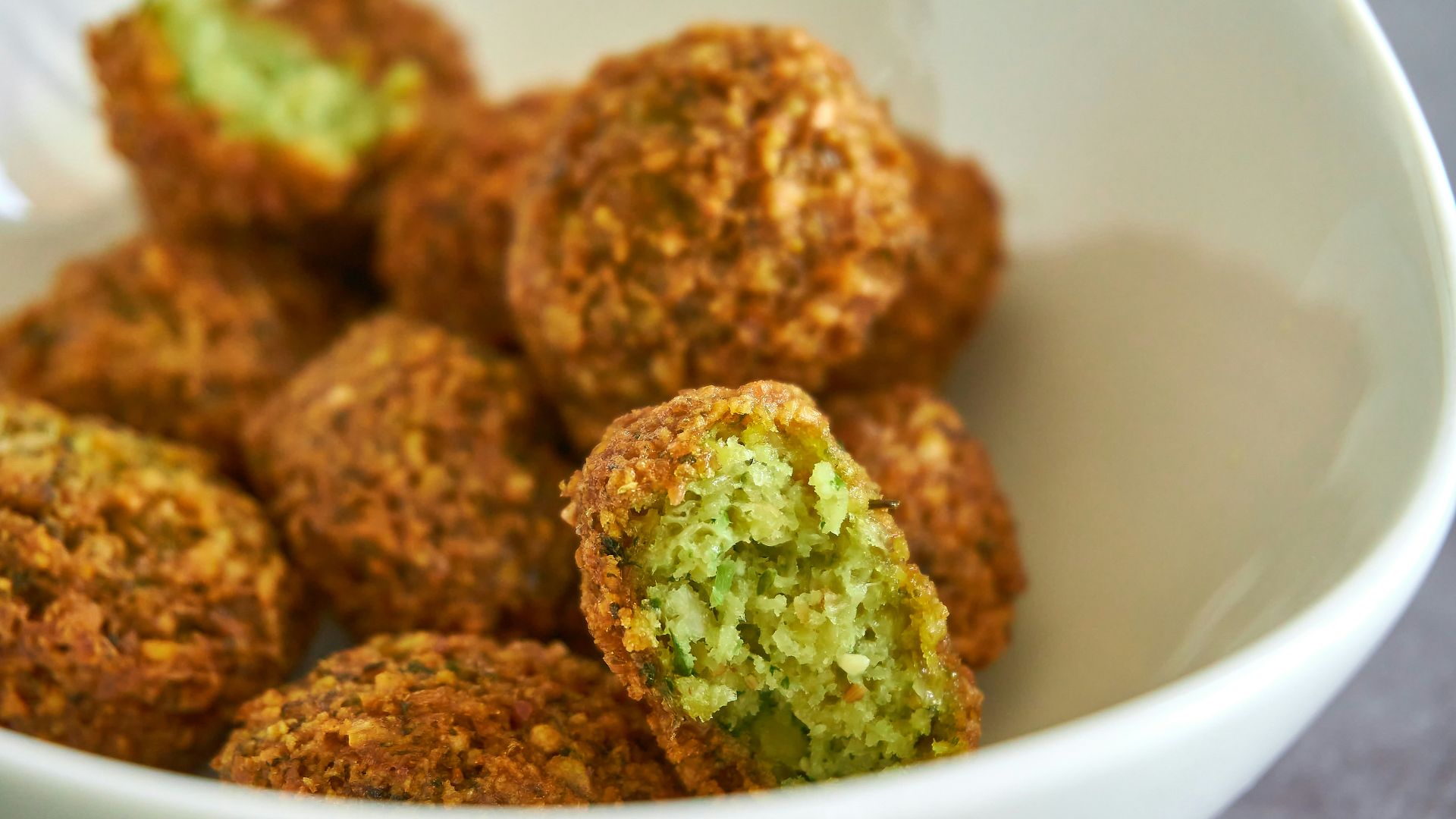
Falafel is associated with cuisines across the Middle East, and its precise origin remains contested. Chickpeas, fava beans, herbs, spices, sauces, and serving styles all vary. Giving it one national label misses its broader regional history and the differences in how people make and serve it.
20. General Tso’s Chicken
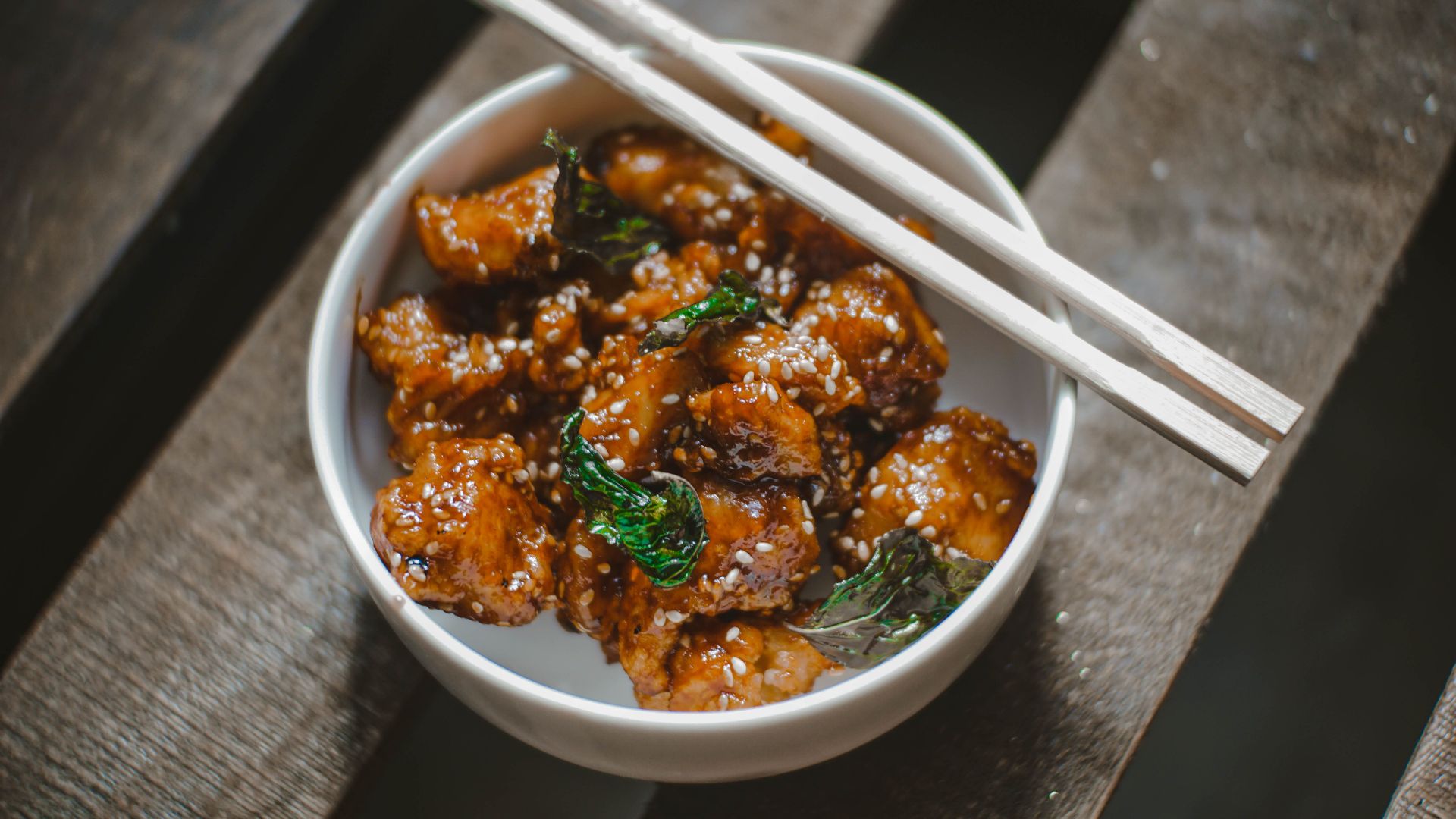
General Tso’s chicken has a documented history connecting Hunan-born chef Peng Chang-kuei to Taiwan and later New York. His earlier version differed from the sweet, battered restaurant versions now widespread in the United States. Those popular versions developed within Chinese American dining culture, and that path is part of the dish’s history in the United States.
KEEP ON READING