Convenience Can Come With Risks
Kitchen appliances save time and reduce effort, which is why we have more than we need sitting under our counter islands. While we’d like to think we’re in control, unfortunately anything involving sharp blades, pressure, or an exposed heating element deserves more attention than most people give it. Come with us as we go through the most dangerous appliances and the safest ones you can use without a manual.
 Christopher Welsch Leveroni on Pexels
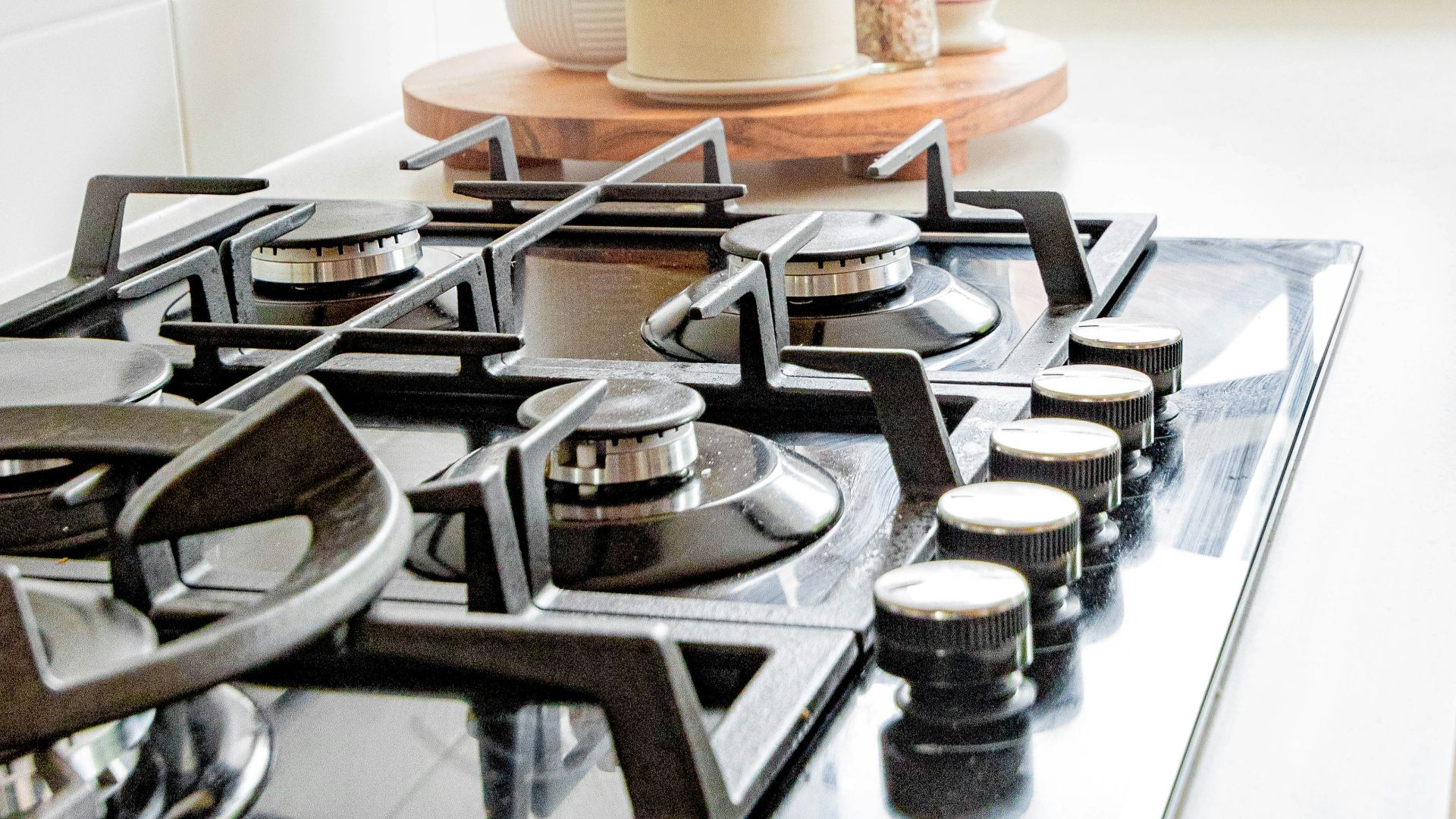
1. Ranges and Cooktops
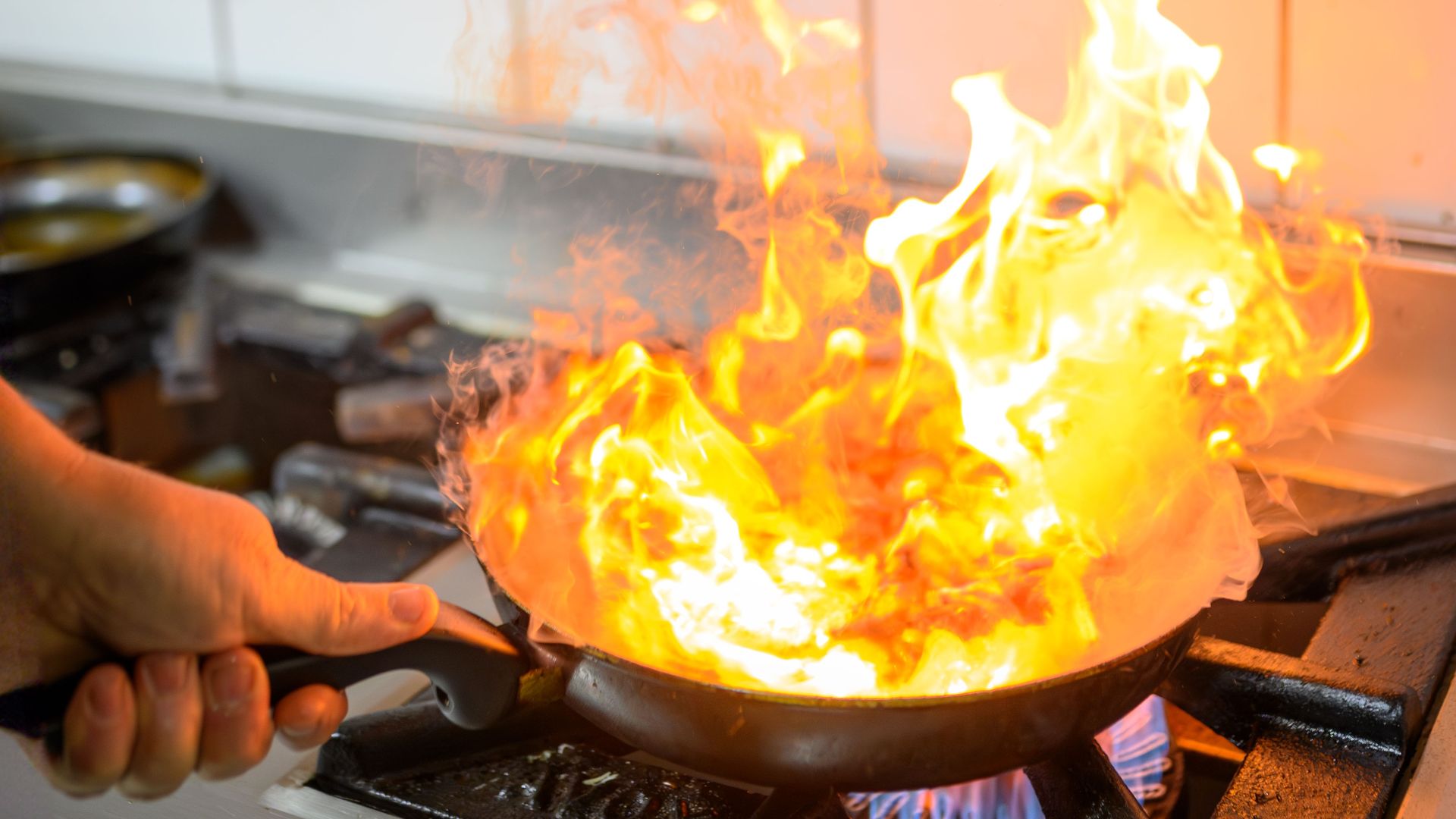
Let’s be honest—these two earn the top position because they combine open heat, heavy cookware, flammable grease, and plenty of distractions. NFPA data shows that ranges or cooktops are actually involved in more than half of reported home cooking fires, with unattended cooking contributing to deaths and injuries. Don’t forget that a forgotten skillet or a pot handle can turn an ordinary dinner into an emergency.
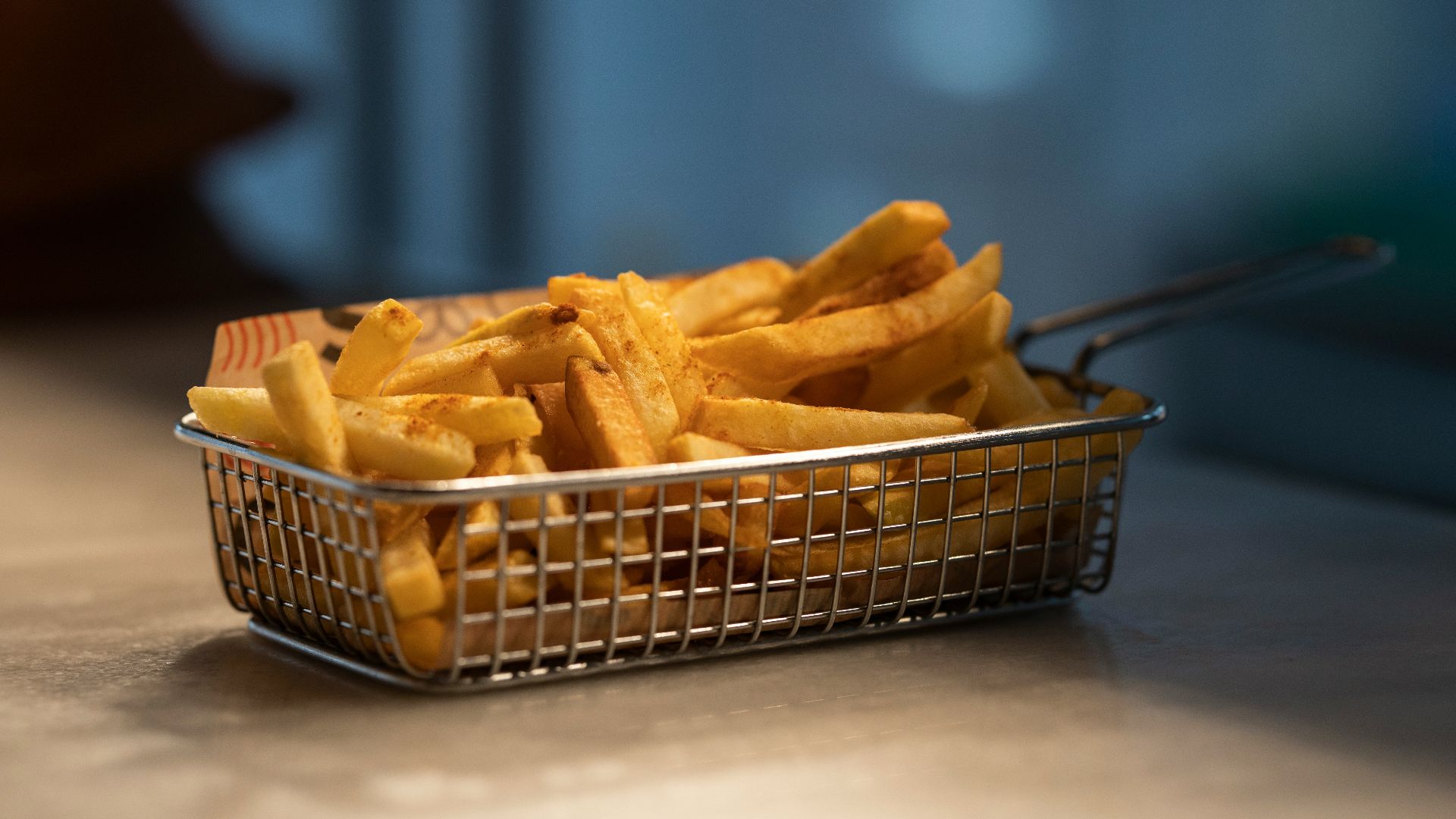
2. Deep Fryers
Lowering food into several quarts of extremely hot oil leaves little room for carelessness. To make matters more nerve-wracking, ice crystals on frozen fries can make oil spit violently, while an overfilled fryer can sometimes spill grease directly onto its element. Turkey fryers are particularly risky, too; tipping or attempting to fry a partially frozen bird can cause severe burns and fast-moving fires.
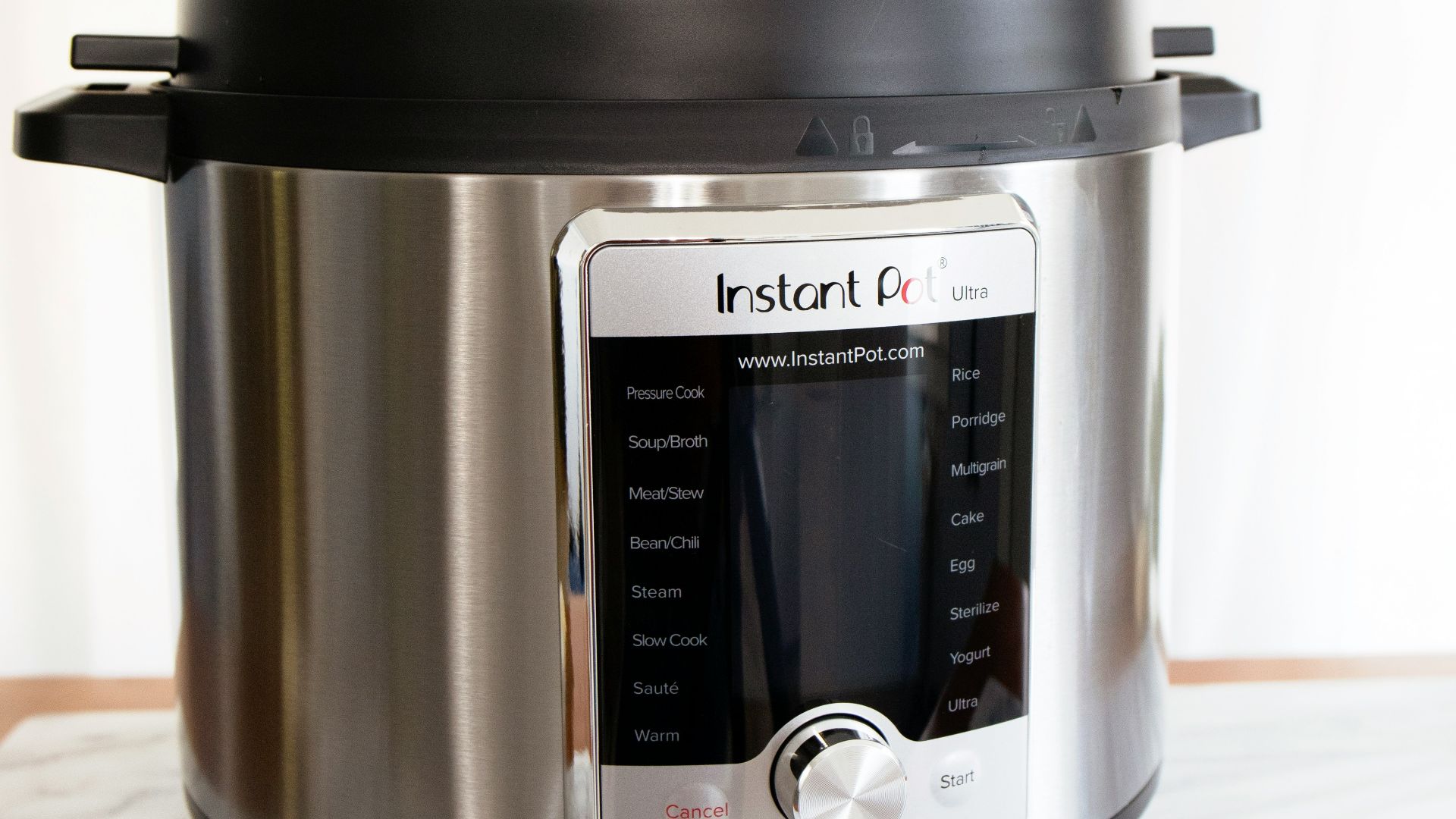
3. Pressure Cookers
Modern pressure cookers include locking lids and safety valves, but that doesn’t mean everything is immediately safe. The combination of steam, pressure, and boiling food still requires careful handling. Opening a faulty or improperly sealed cooker can also release everything in your face or on your upper body, causing serious scalds.
4. Blenders
A blender’s blades are sharp enough to crush ice, so fingers don’t stand a chance if things go awry. Don’t assume it couldn’t happen to you! Injuries happen most while removing food lodged beneath the blades, cleaning the base, or accidentally switching on a unit that’s still plugged in.

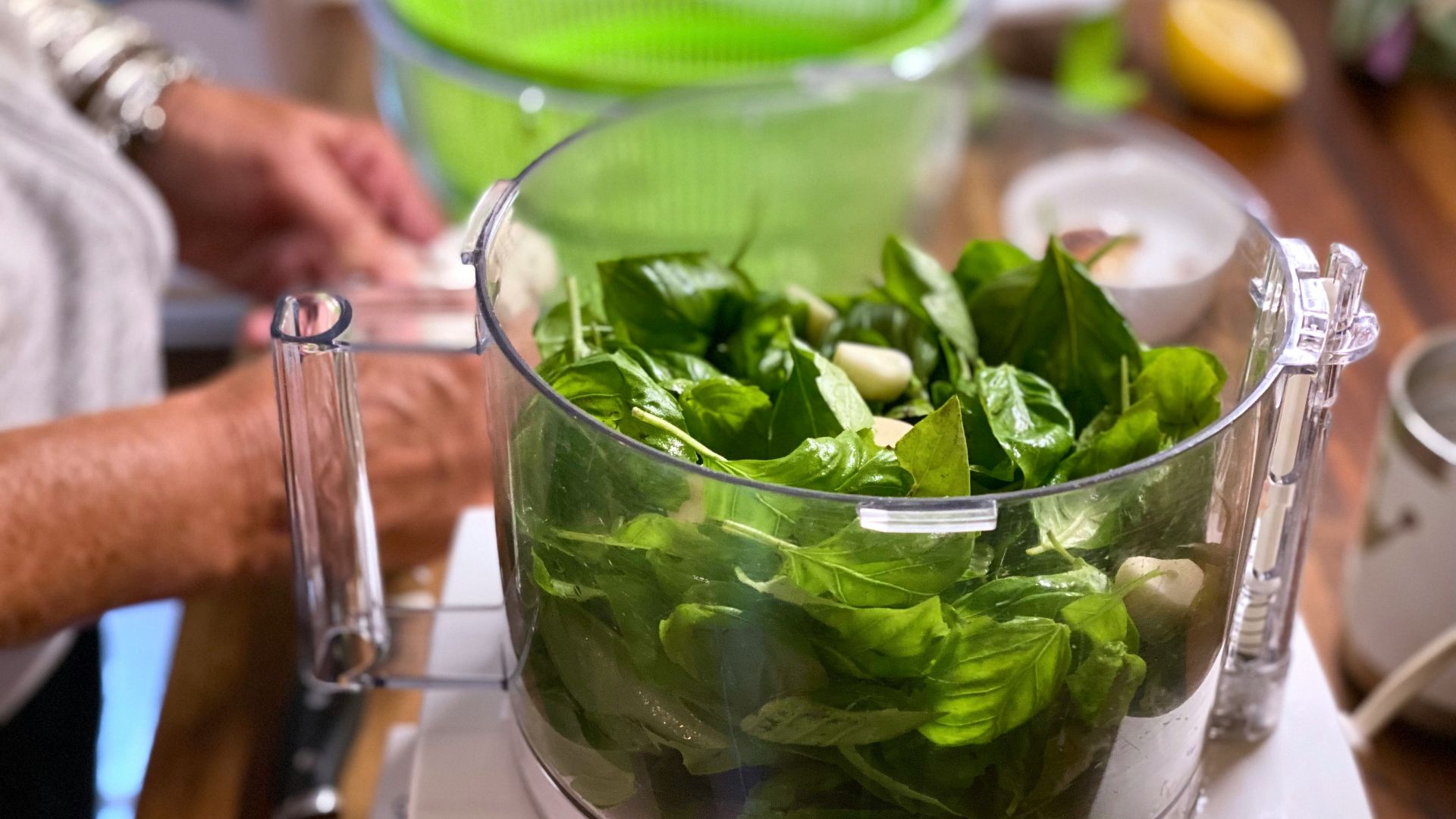
5. Food Processors
Food processors basically work like a blender; they slice, shred, and puree ingredients within seconds. So, that’s all the more reason to protect your precious fingers! Their removable blades remain dangerous long after the motor stops, and someone emptying the bowl can easily forget that the blade assembly shifts unexpectedly.
 David Todd McCarty on Unsplash
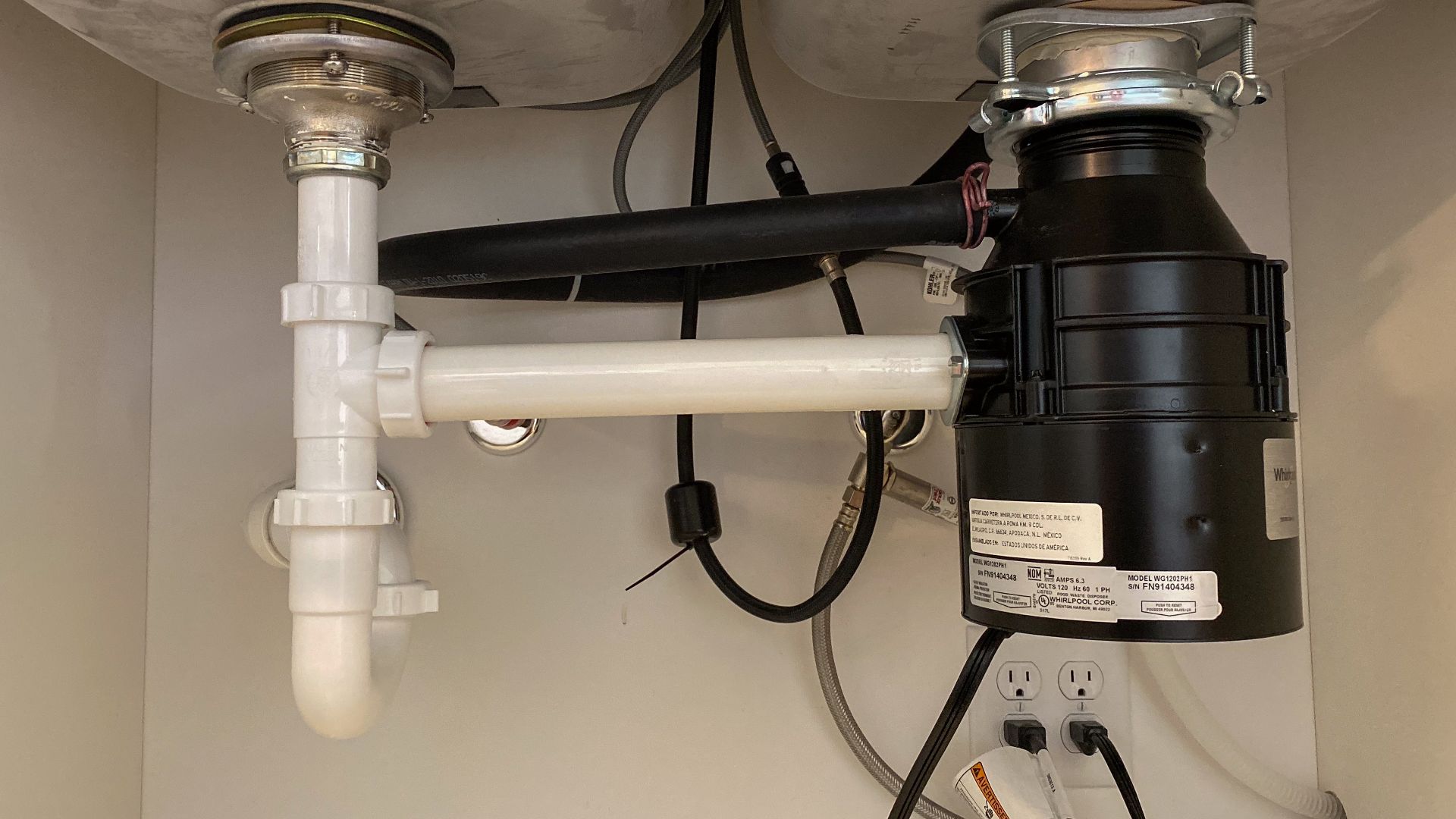
6. Garbage Disposals
Hey, there’s a reason these appear in horror films! The disposal’s grinding can cause devastating injuries if a hand goes inside—and reaching in happens more than you think. People often reach down to retrieve utensils, remove fibrous food, or investigate a jam without fully disconnecting the power. Tongs and pliers are safer choices, but the appliance should still be switched off before attempting a repair.
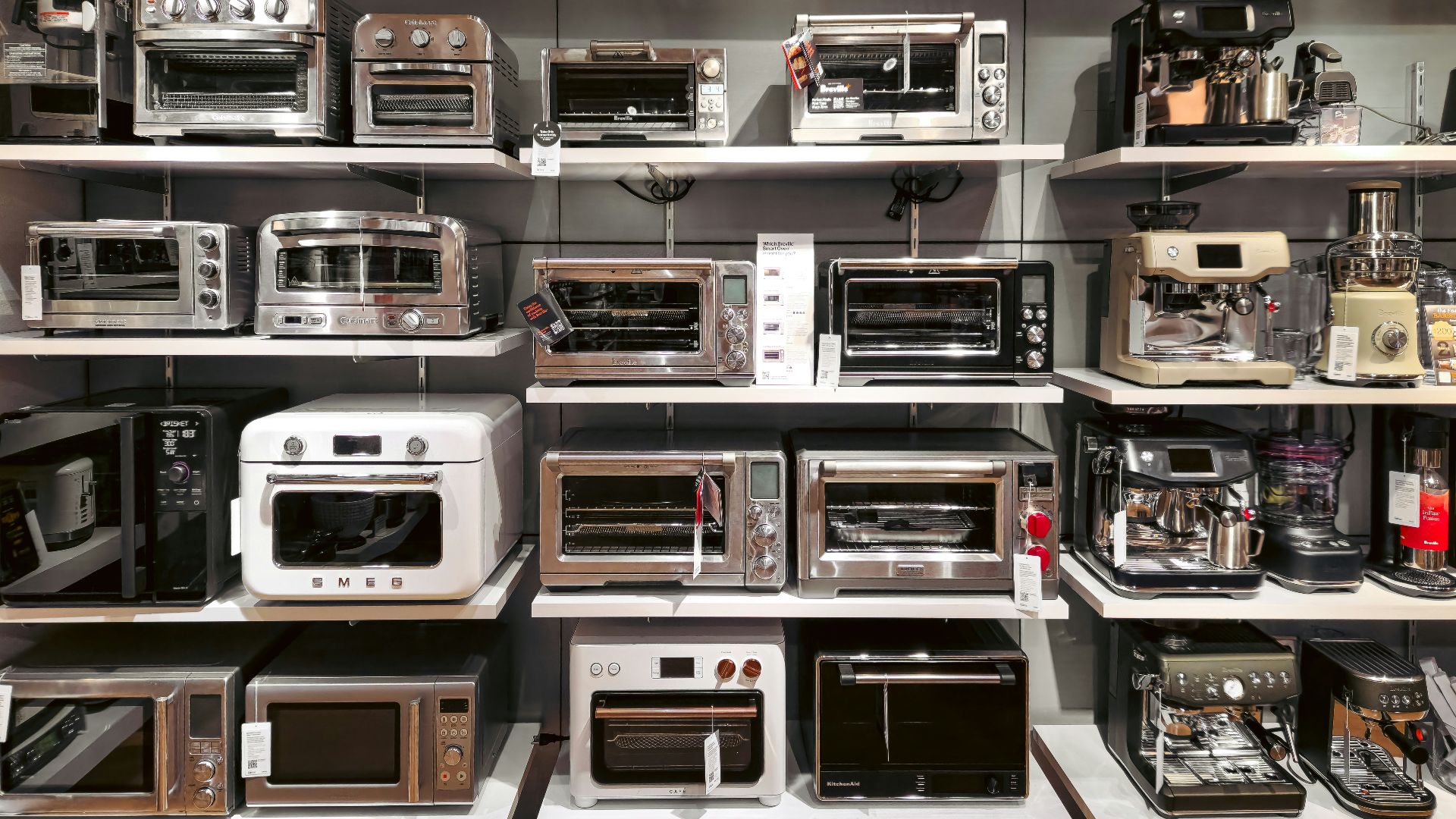
7. Toasters and Toaster Ovens
Crumbs, melted cheese, and grease can all accumulate around a toaster’s heating elements—and they can also lead to smoking. Trying to retrieve stuck bread with a metal fork adds the possibility of a shock, too, especially when the appliance is still plugged in. Not to mention, toaster ovens create an additional burn risk because their glass doors and outer surfaces remain extremely hot after the food comes out.
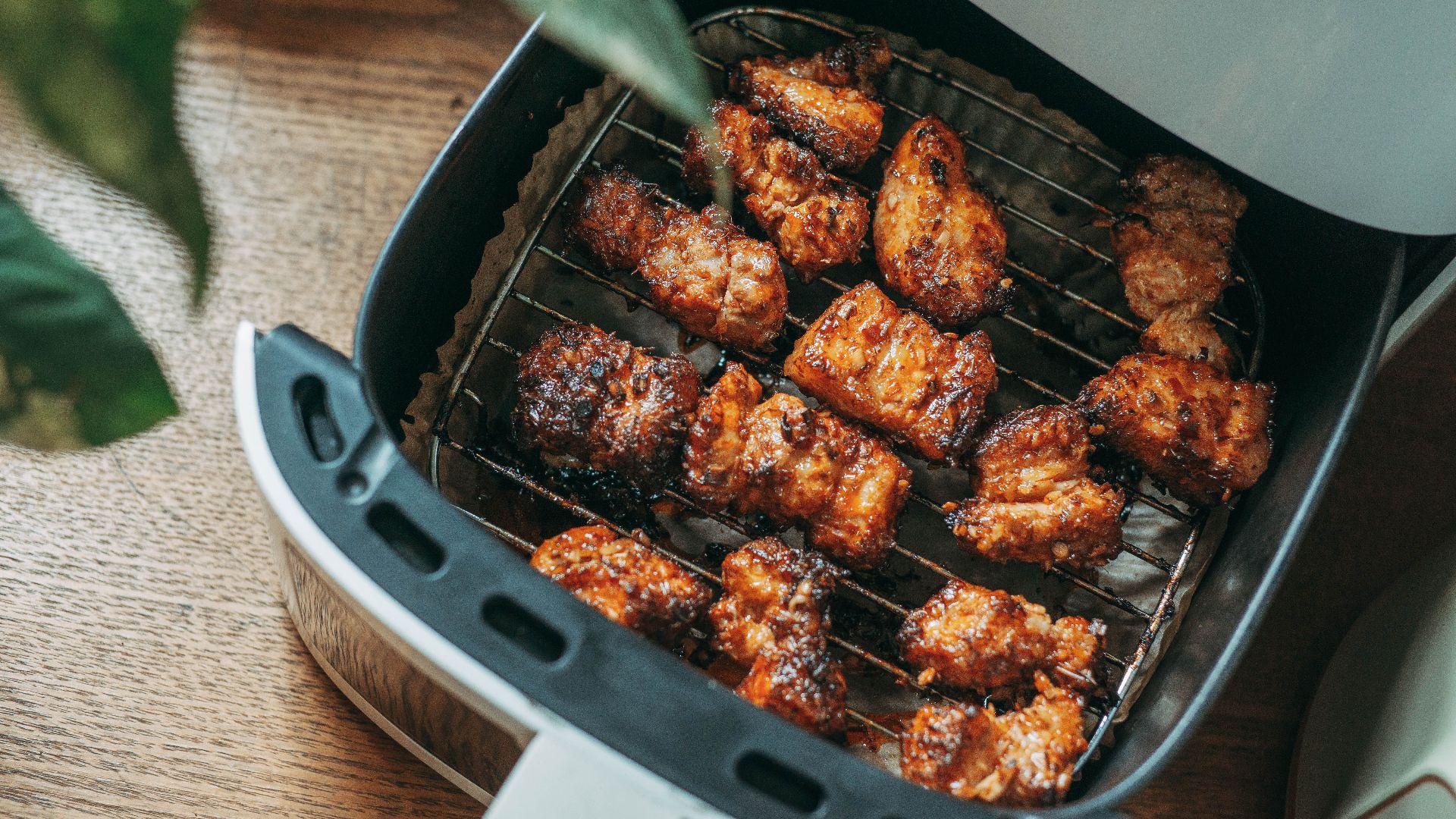
8. Air Fryers
Air fryers circulate intense heat through a compact chamber, which means grease buildup can ignite if the basket and interior aren’t cleaned regularly. Treating an air fryer as a set-it-and-forget-it device is tempting, but that’s also where things go wrong; it should stay on a stable surface where you can actually keep an eye on it.
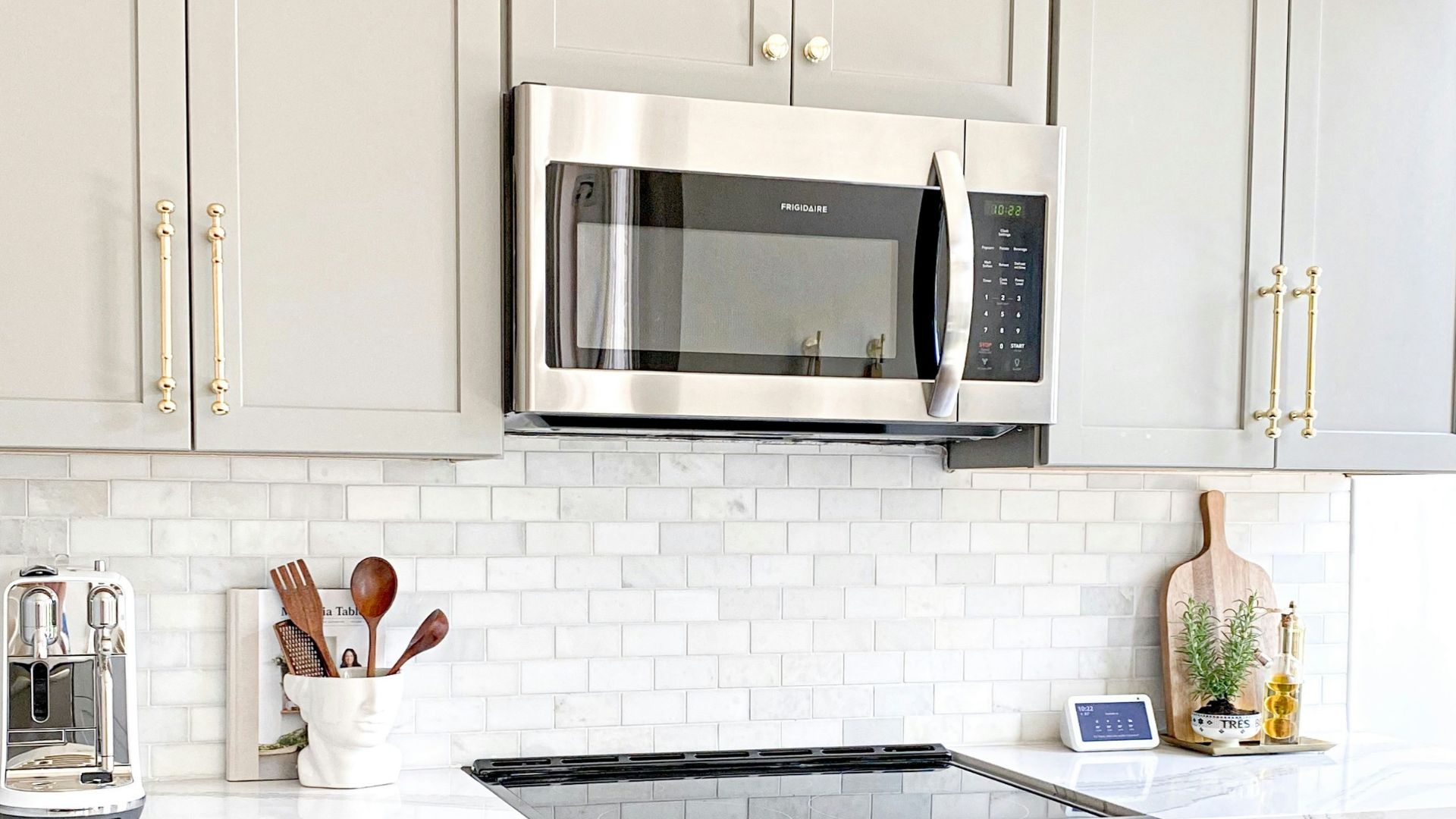
9. Microwaves
Microwaves don’t have an open flame, but that’s no reason to discredit their potential danger. Superheated water only looks calm—when it’s moved or disturbed, it can erupt without warning. Sealed foods, foil, metal-trimmed dishes, and containers that aren’t microwave-safe can also burst or start a fire.
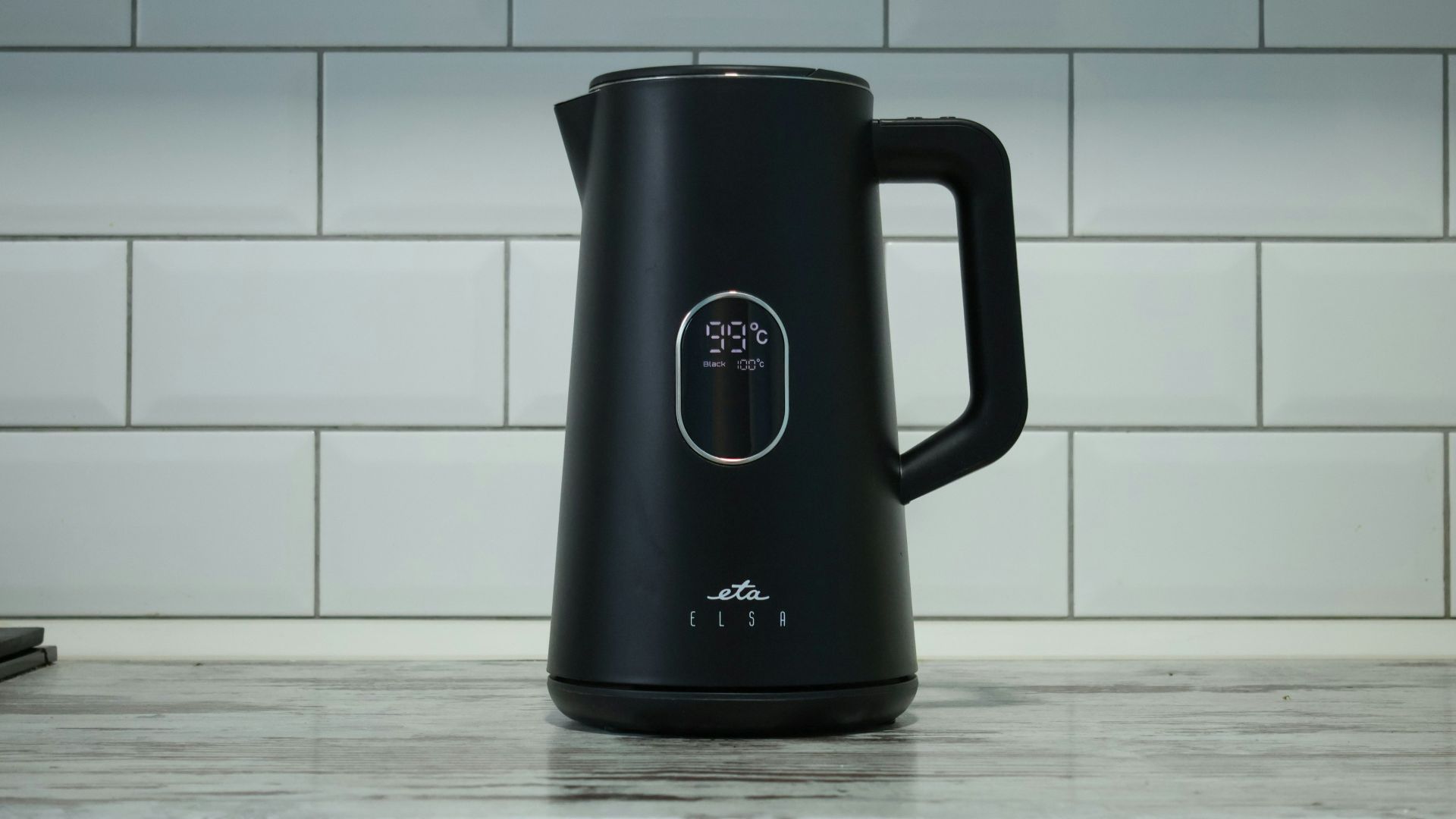
10. Electric Kettles
An electric kettle brings water to a boil pretty quickly, and a loose lid or careless pour can send boiling water right toward your hands. To make matters worse, damaged cords or unstable bases add even more concerns, and they’re the kinds of hiccups people often ignore.
No kitchen appliance is completely risk-free, especially when electricity or hot food are involved. Still, some tools are designed to operate with minimal supervision, so let’s break down a few you don’t have to worry about as much.
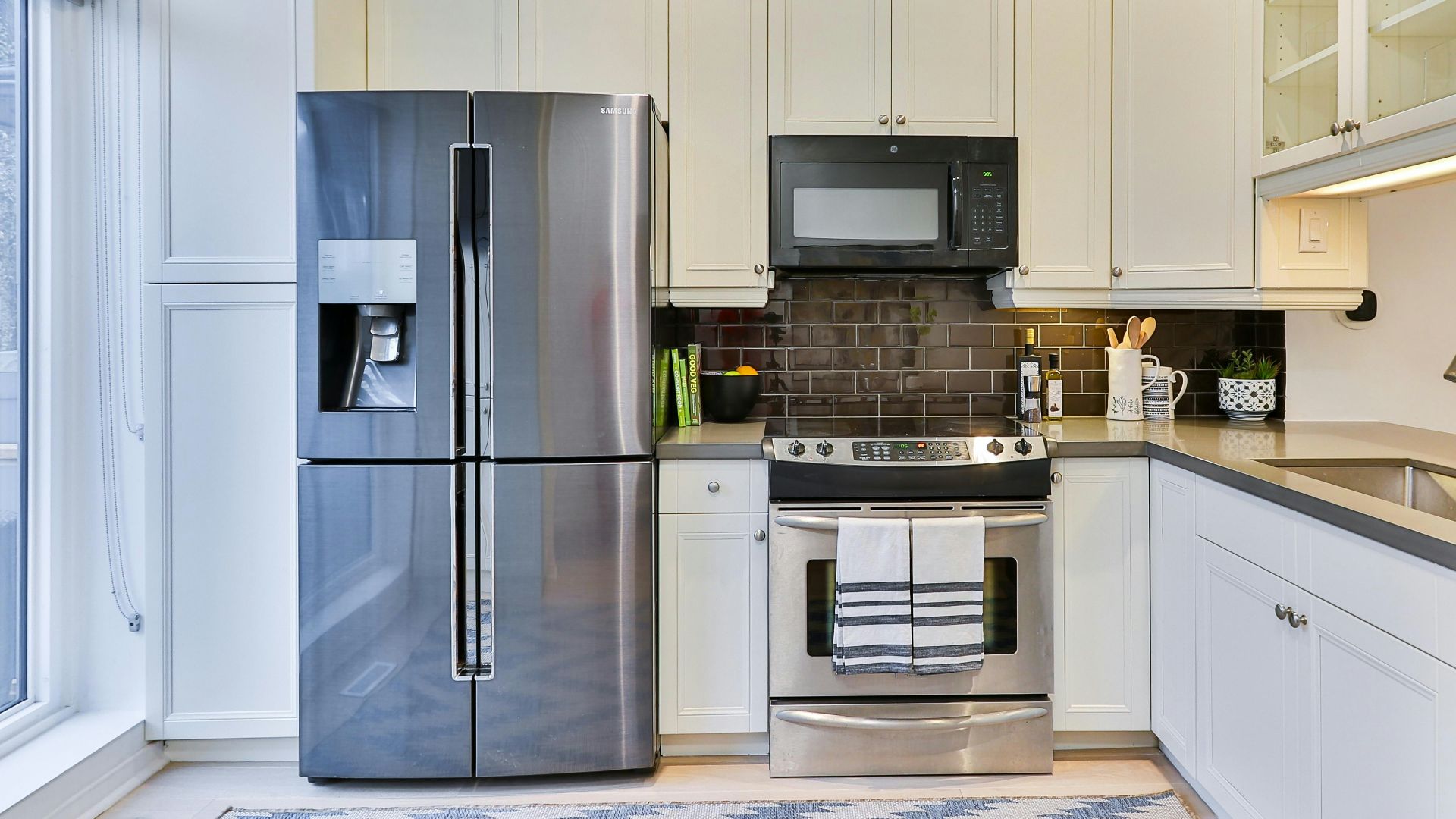
1. Refrigerators
The fridge handles one of the kitchen’s most important jobs, and it does it all without requiring you to operate it. Its components stay enclosed, and the cold interior helps keep our beloved foods at a safe temperature. Cleaning spills, replacing damaged cords, and keeping the coils free of dust also don’t warrant the same caution as cleaning a garbage disposal.
 Lotus Design N Print on Unsplash
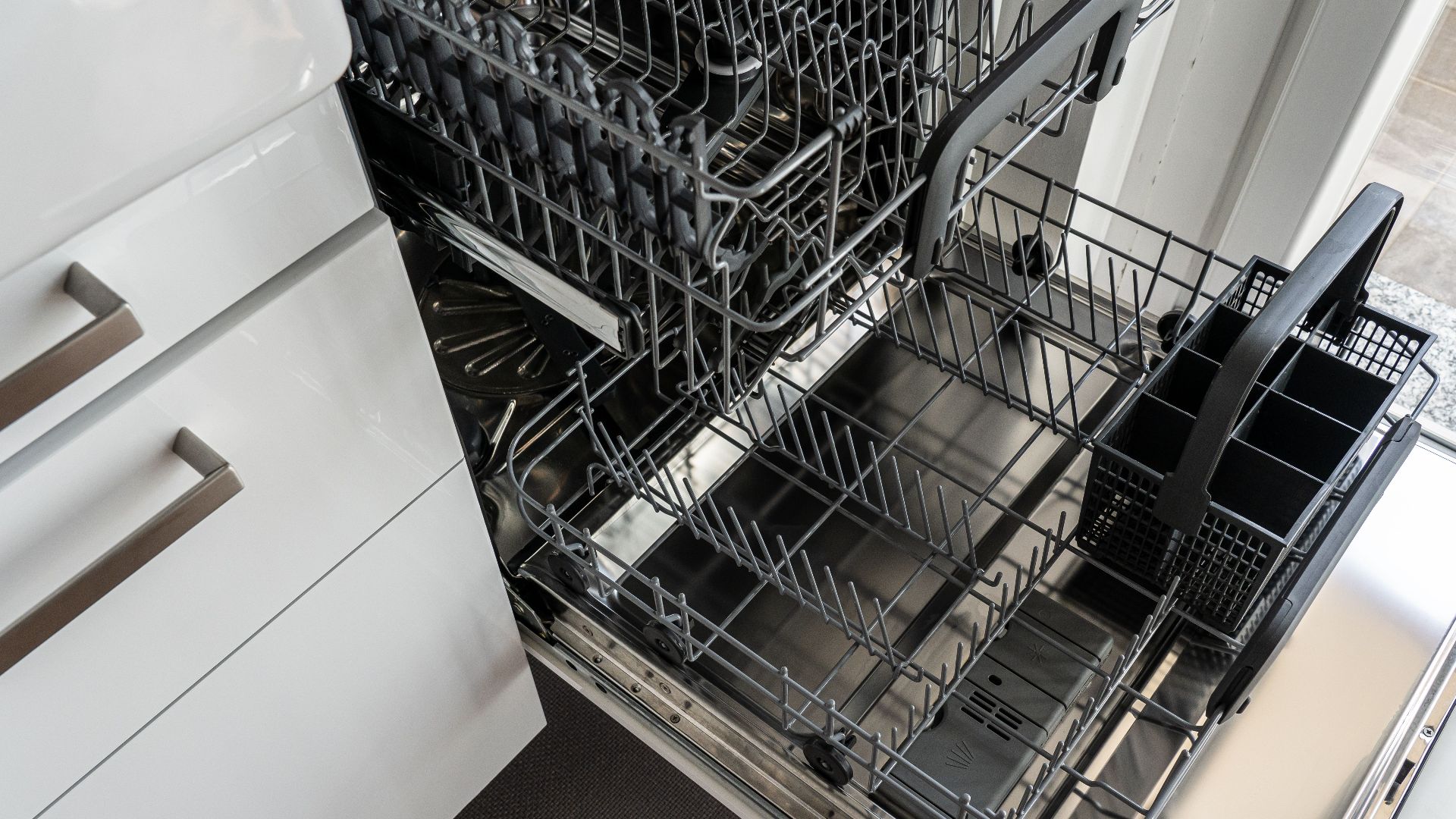
2. Dishwashers
A dishwasher keeps hot water and most of its components safely contained behind a door, meaning you’re usually in the clear. Modern models generally won’t even kickstart a cycle unless the door’s closed, further limiting your exposure. You’ll still want to load knives with care and allow steam to escape before reaching in, though!
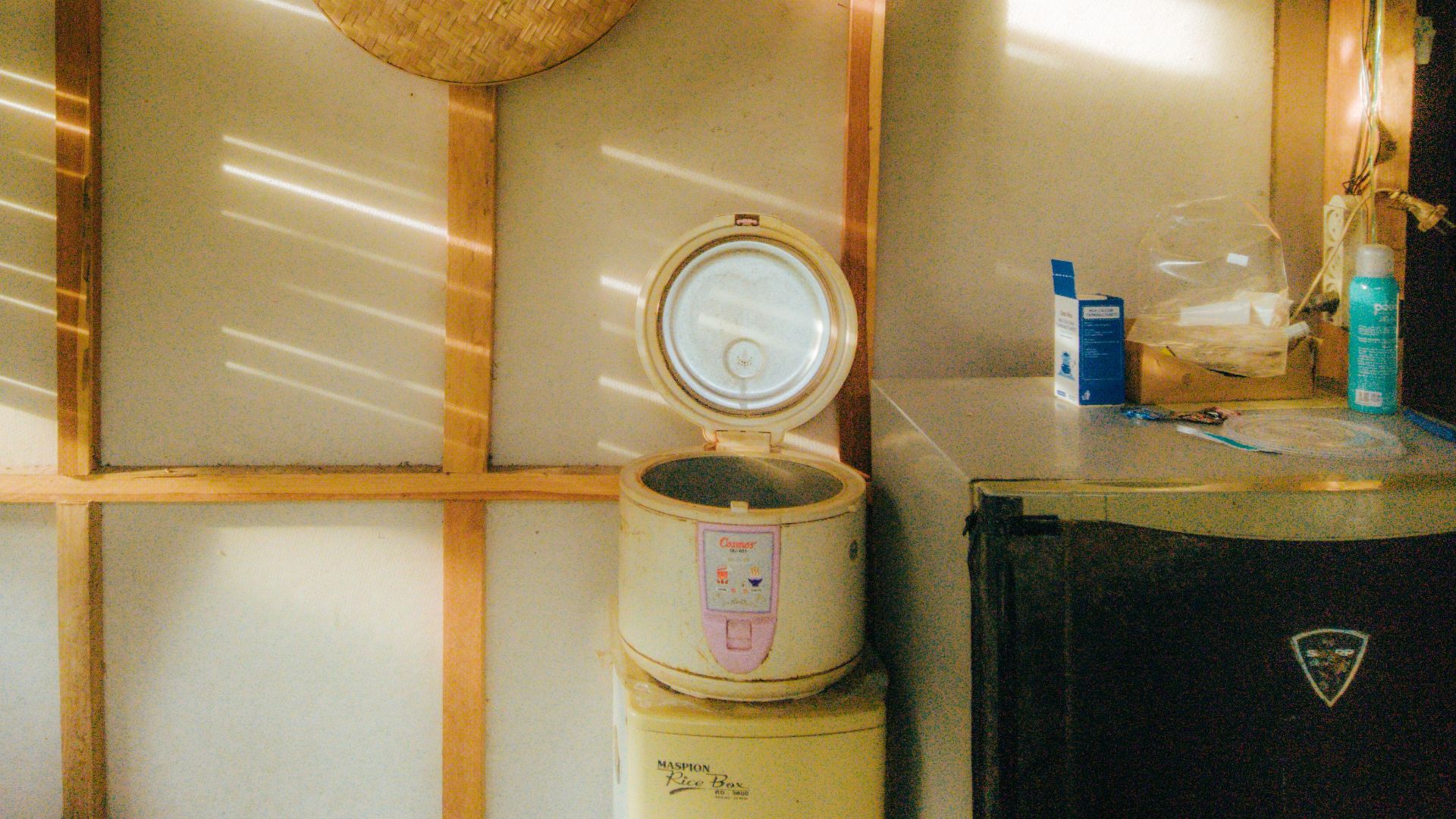
3. Rice Cookers
Rice cookers remove the need to watch a bubbling pot, so they’re convenient and safe! Many models also switch from cooking mode to a lower setting once the rice has absorbed the water, and they’ll do it automatically. As long as you don’t touch the steam vent, this appliance asks very little of you.
 Eky Rima Nurya Ganda on Pexels
4. Slow Cookers
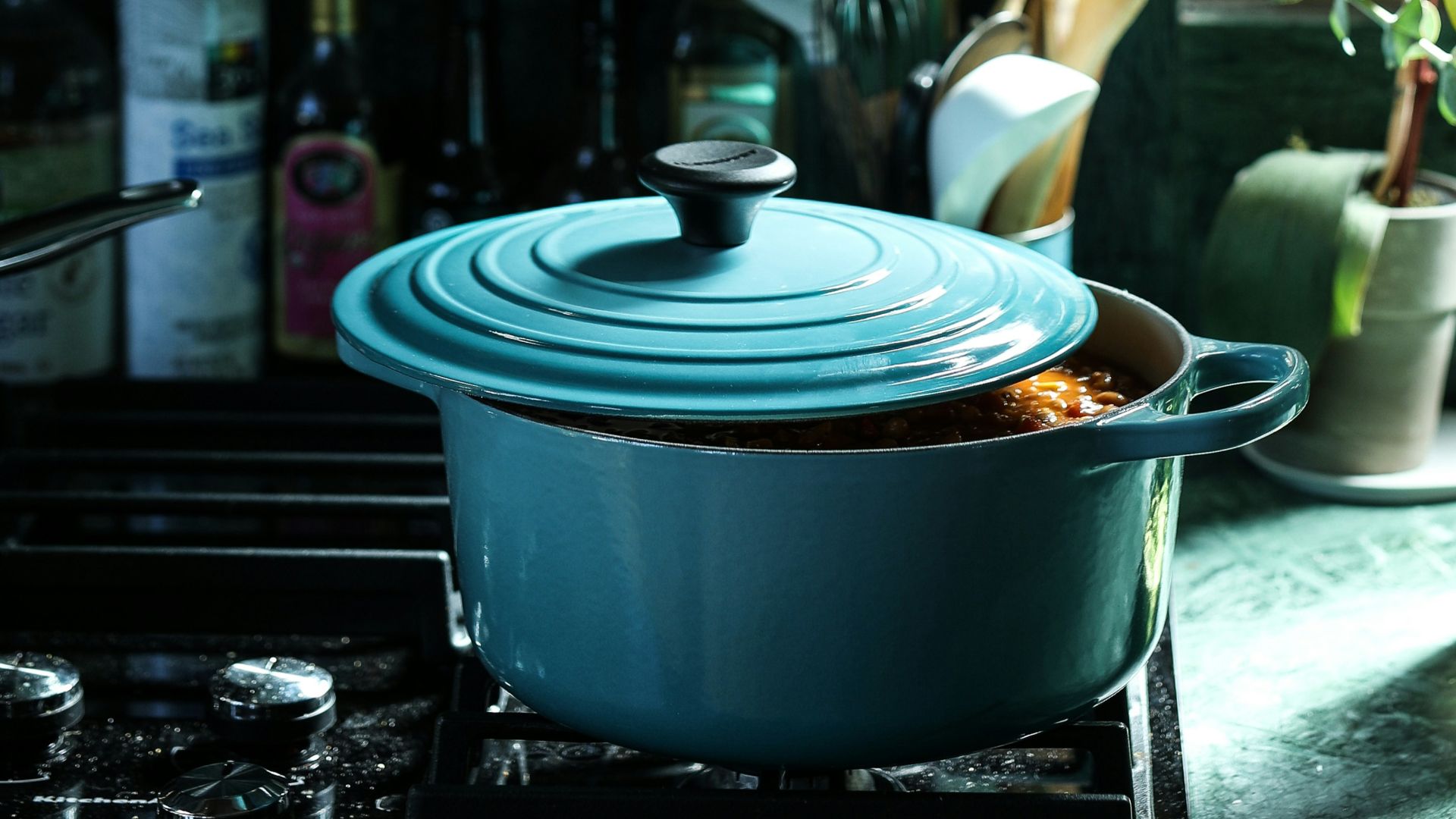
Low cooking temperatures and a covered ceramic insert? Now we’re talking! The slow cooker is a reassuring choice for just about any meal, and unlike stovetop cooking, it doesn’t involve an exposed flame. Just set it on a clear, heat-resistant surface, follow the recommended fill levels, and let it work without lifting the lid.
5. Bread Makers
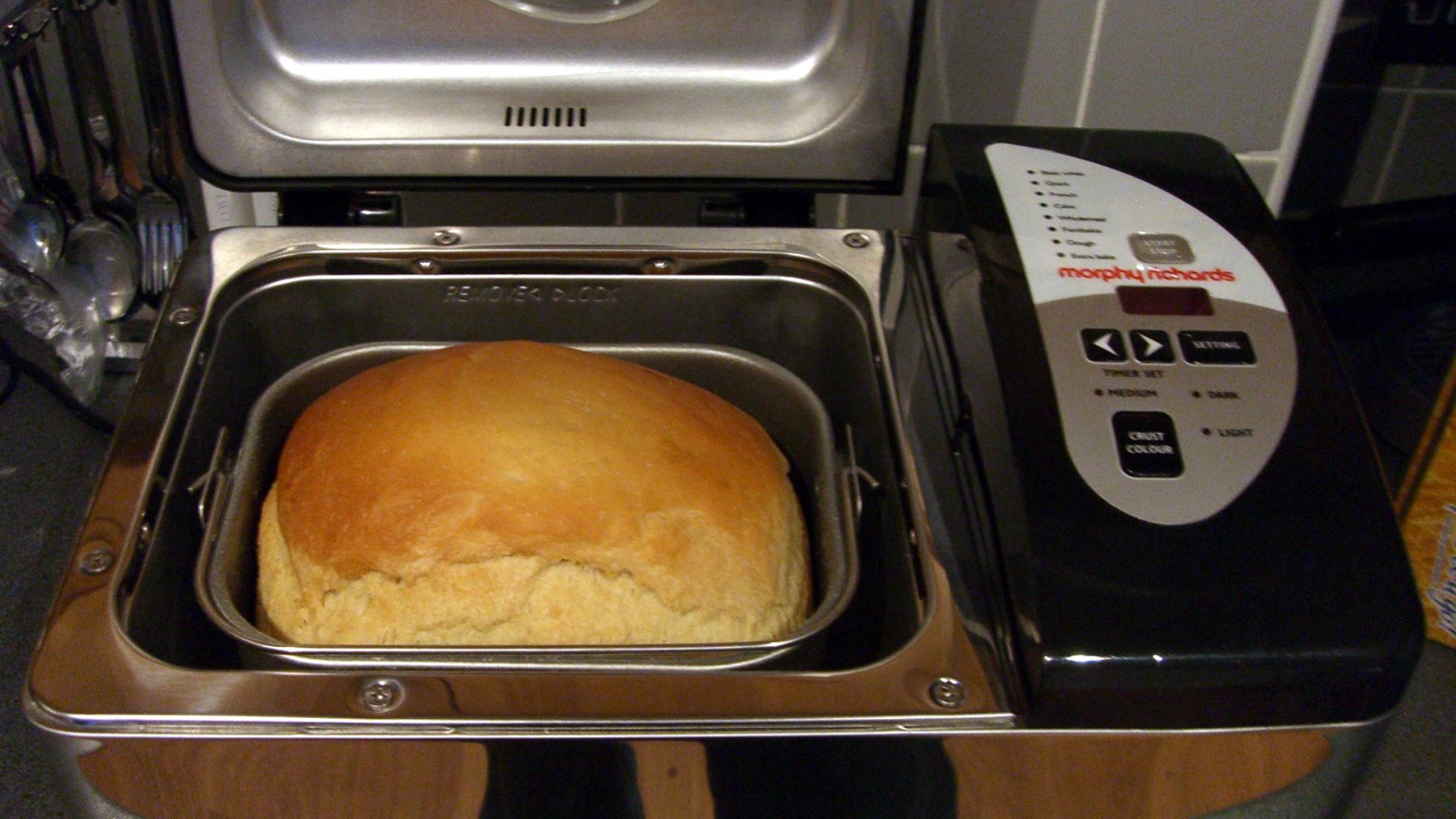
A bread maker does all the mixing, kneading, rising, and baking inside one enclosed machine. It’s not only helpful, but it’s also perfectly safe. Now, it won’t eliminate every hazard—the pan and finished loaf obviously get hot—but there’s little reason to interact with it while it’s operating.
 edvvc from London, UK on Wikimedia
6. Yogurt Makers
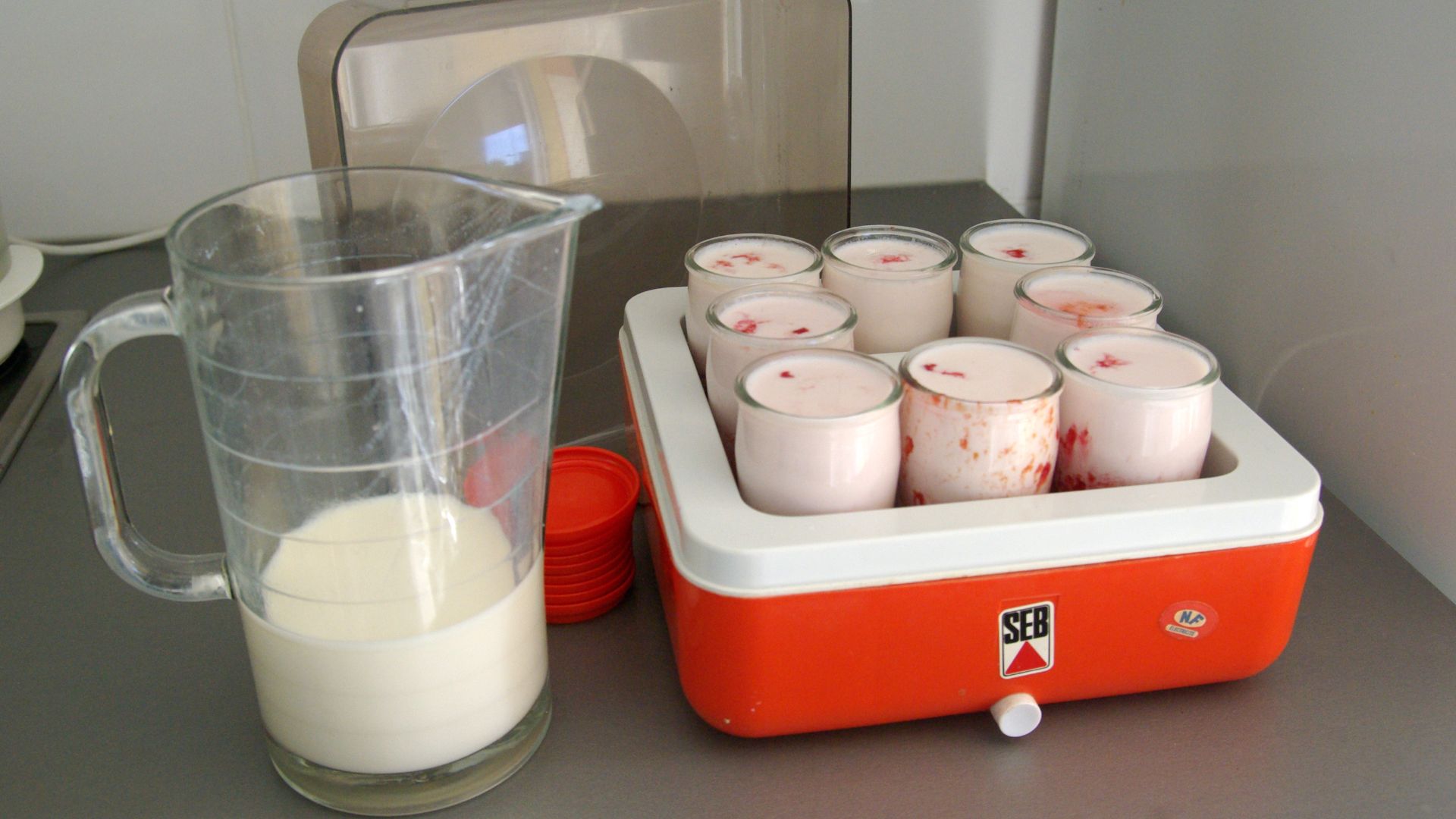
Yogurt makers use controlled, gentle warmth to maintain the conditions needed for fermentation. The best news is that since they don’t boil, chop, or build pressure, there are fewer ways for the average session to go wrong. Clean jars and correct refrigeration still matter for food safety, but the machine itself is about as calm as kitchen equipment gets.
7. Immersion Circulators
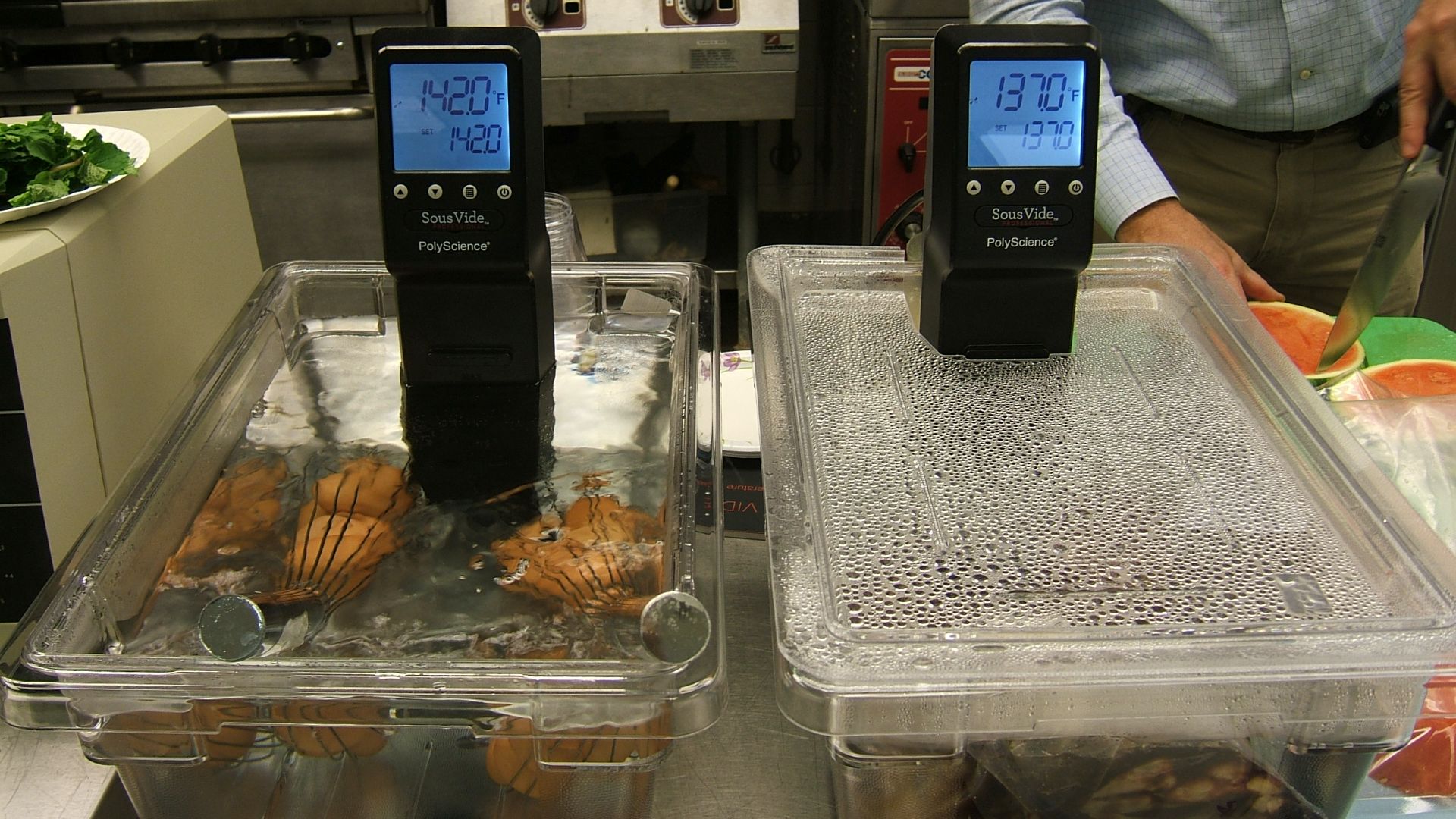
An immersion circulator warms water to a selected temperature and keeps it there without using an exposed stovetop burner. It’s basically the best of both worlds. Food also remains sealed inside a bag, so there’s no splattering grease or direct contact with a hot pan during cooking. If you secure the device properly and keep its plug away from water, you’re in the clear.
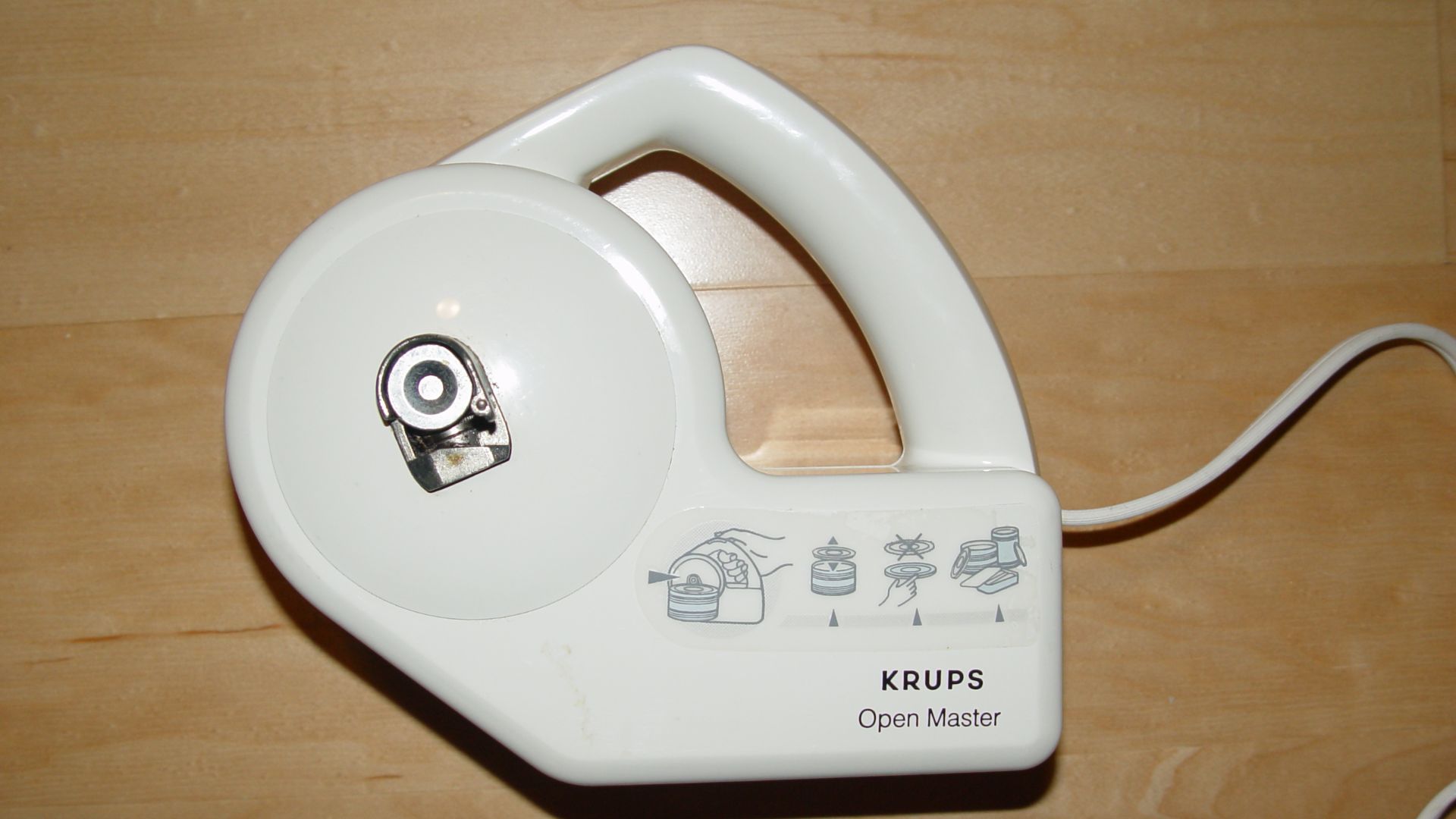
8. Electric Can Openers
An electric can opener does its work largely shielded by the appliance housing. Basically, it isn’t out to hurt you, and it can be especially useful for anyone who struggles to grip a manual opener! The cut edge is still sharp, though, so remove the lid carefully rather than just digging in.
9. Digital Kitchen Scales
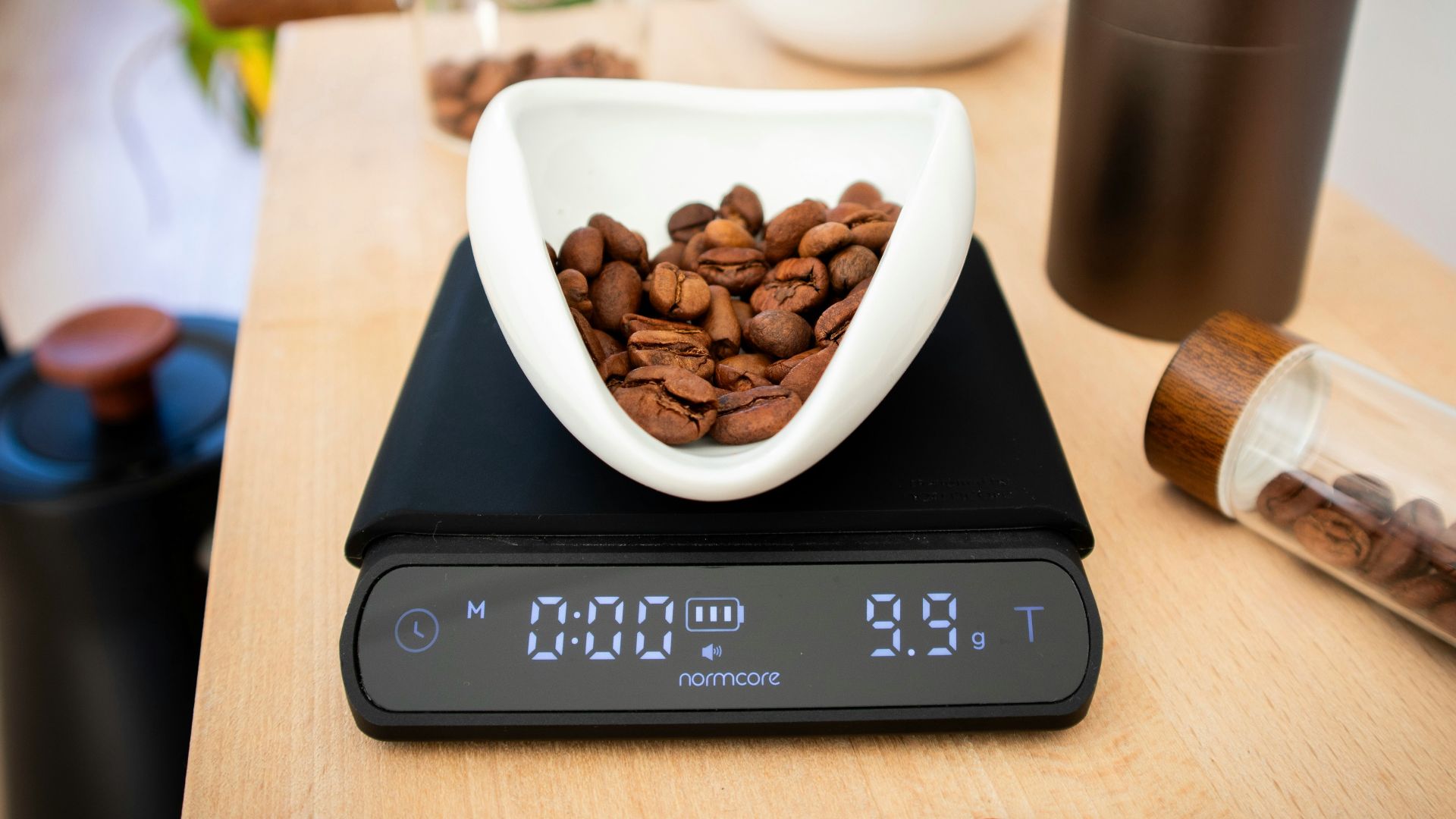
A kitchen scale gives you precise measurements without heat, blades, or machinery—so you’re perfectly safe! Whether you’re weighing flour or dividing ground beef, its biggest threat is taking up too much counter space.
10. Vacuum Sealers
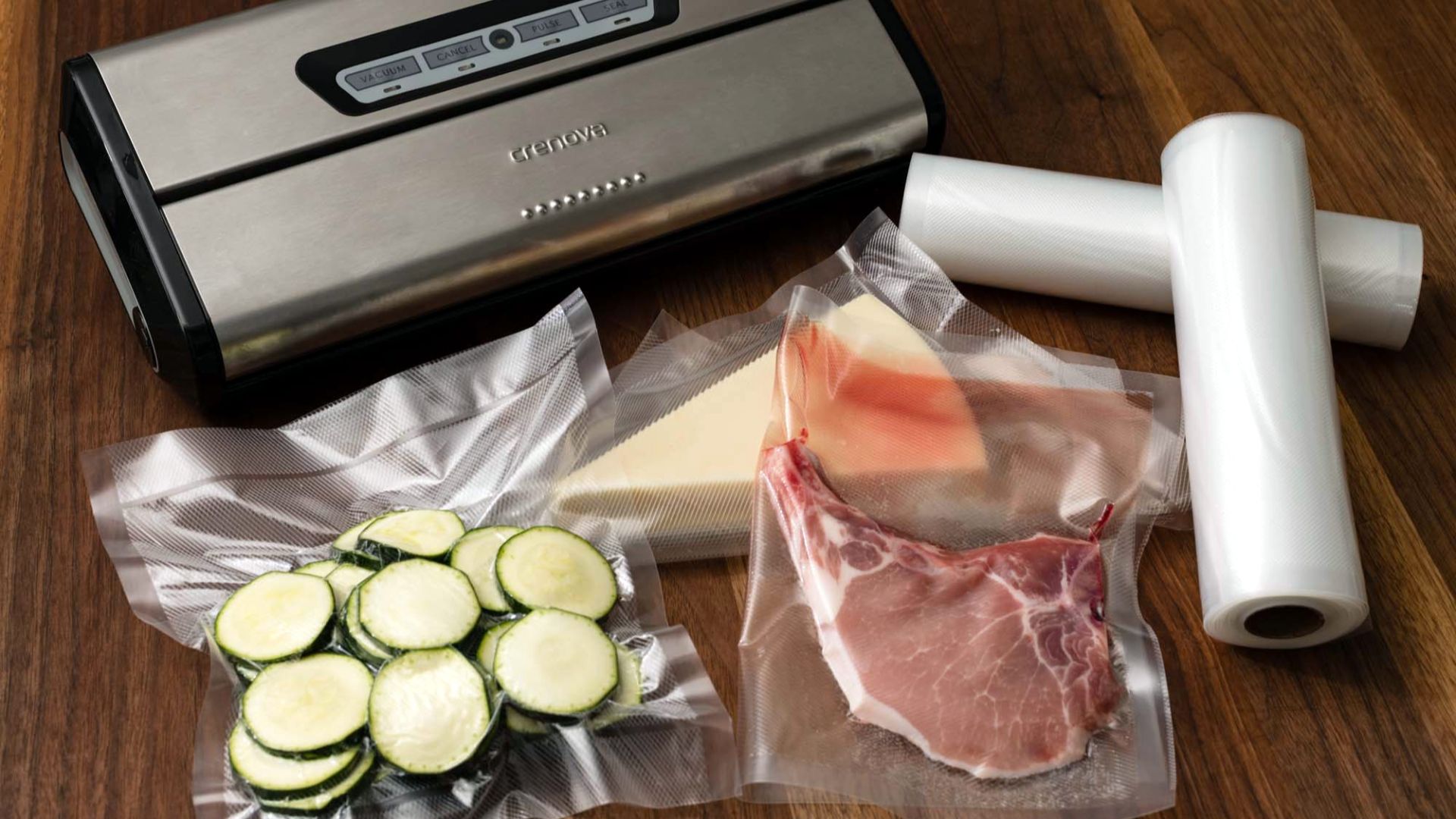
Vacuum sealers look intimidating, but they really just package food using suction and a narrow heated strip built into the unit. Your hands stay outside the bag while the machine removes air and seals the opening, making the process largely contact-free. The only thing to remember is that the sealing area can become warm, but following the instructions keeps it easy to manage.