10 Food Superstitions With a Surprisingly Logical Origin & 10 That Are Pure Myth
Some of This Advice Used to Save Lives
Every kitchen runs on rules that nobody in the room can source. They get handed down at the counter as half instruction, half warning, and questioning one gets immediate pushback. Some began as practical advice from a period when a bad meal could kill you, and the reason fell away while the rule endured. Others were invented outright by people who sounded sure enough to be believed. Here's 10 with real logic buried in them, followed by 10 that never had any.

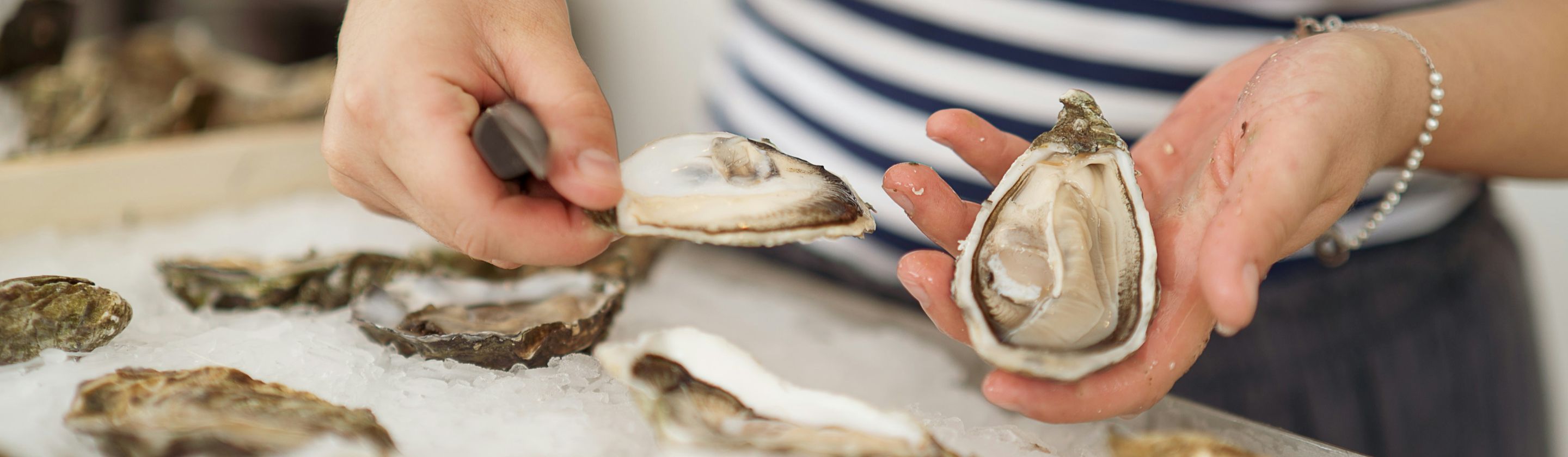
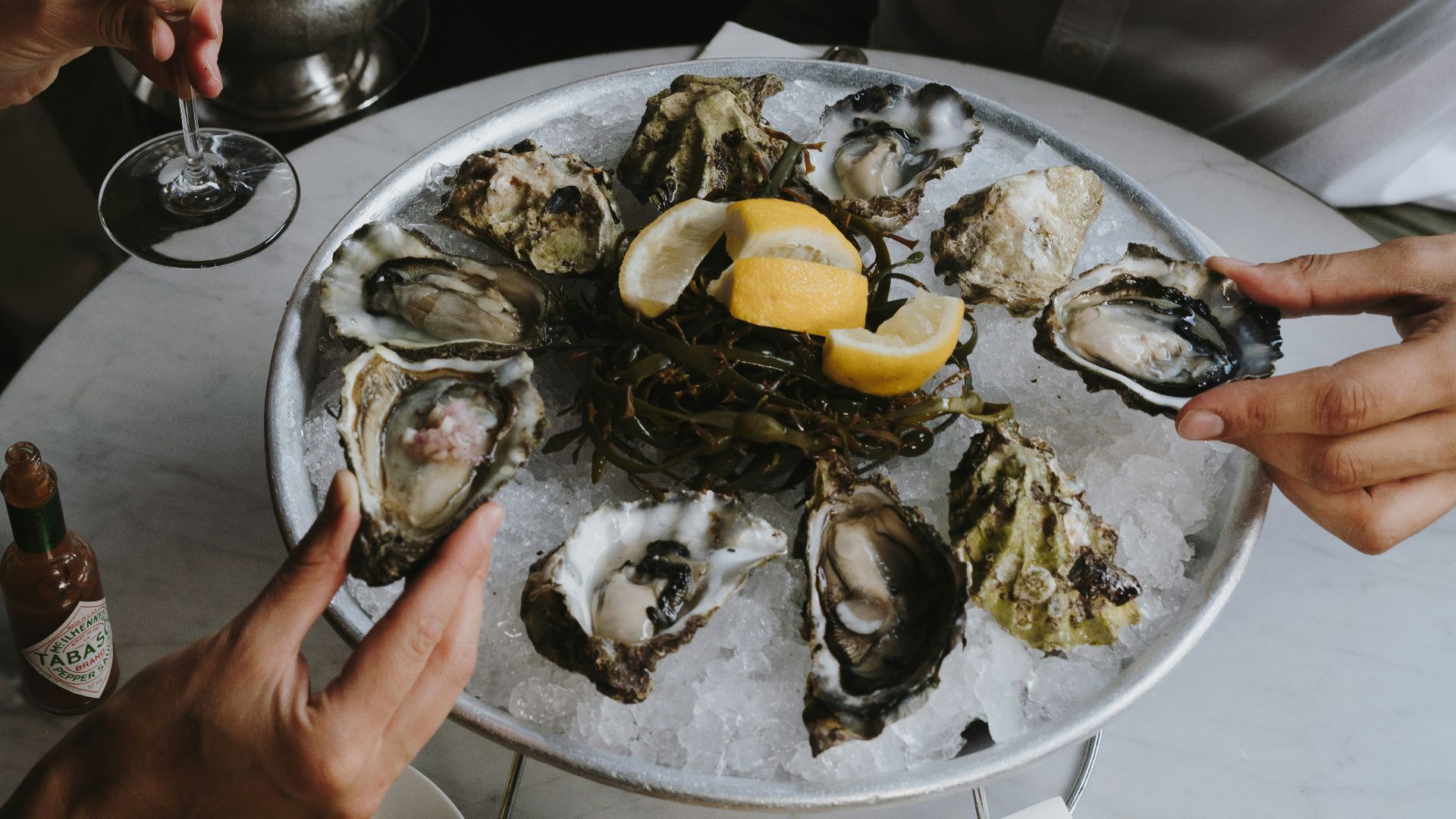
1. No Oysters in Months Without an R
May through August is when Vibrio bacteria multiply fastest in warm coastal water, and before refrigeration a raw oyster in July was a genuine gamble. Those same months are when oysters spawn, which leaves them thin and milky and not worth the money. Cold storage has handled the safety half of the problem, though the flavor argument still holds up.
2. Don't Wash in Someone Else's Water
Rural kitchens shared a single basin well into the last century, and folklore attached bad luck to being second or third in line. What was being passed around the room was whatever came off the previous pair of hands. The rule worked long before anyone could point to a germ and name it.
3. Never Eat Rhubarb Leaves
The stalks are fine. The leaves concentrate oxalic acid heavily enough to put you in a hospital, and Britain demonstrated this during World War I when the government suggested people eat them as a wartime vegetable. That advice was withdrawn after poisonings, and the folk warning has outlived it by a century.
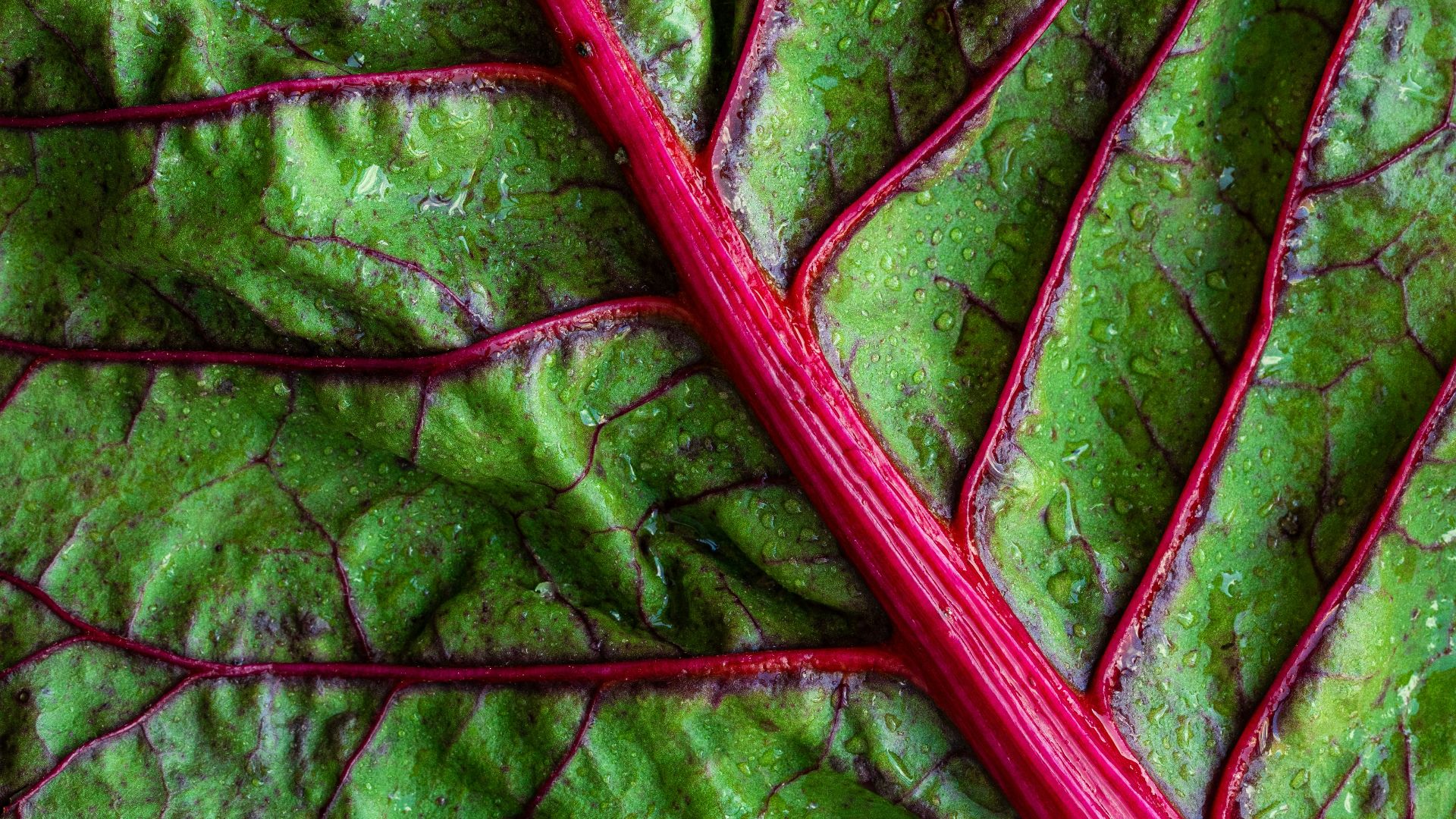
4. Spilled Salt Brings Bad Luck
Salt was expensive enough in medieval Europe that knocking over the cellar cost real money. Tossing a pinch over your left shoulder to blind the devil came later, layered on top of what began as an ordinary financial setback. A spill in 1300 meant ruining something worth more than the meal it was seasoning.
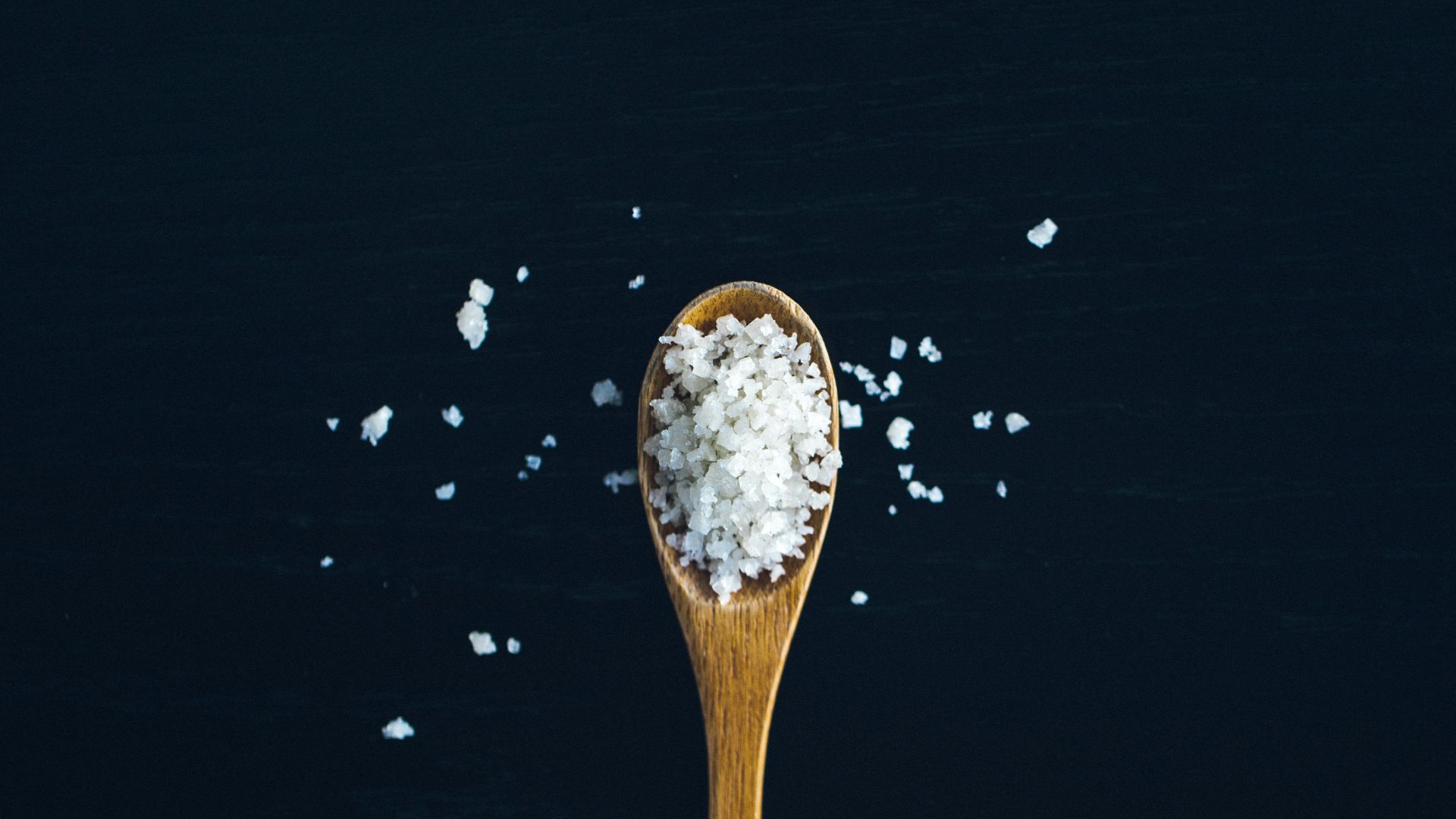
5. Don't Eat Green Potatoes
Green skin means light exposure, and light exposure is exactly what pushes a potato to produce solanine. The green itself is chlorophyll, harmless, and irrelevant to the danger. It functions as a visible flag for the compound you can't see, which brings on vomiting and headaches at a high enough dose.
6. Feed a Cold, Starve a Fever
The phrasing traces back to medieval humoral medicine, which was wrong about nearly everything else it proposed. This one lands close to something real anyway. Appetite drops sharply during a fever, and pushing food on someone whose digestion has already slowed tends to make them feel worse.

7. A Loaf Placed Face Down Is Cursed
French bakers once turned a loaf upside down to set it aside for the town executioner, who came by later to collect it. The mark existed so no ordinary customer would carry it home by mistake. The profession vanished and the flinch stayed put.
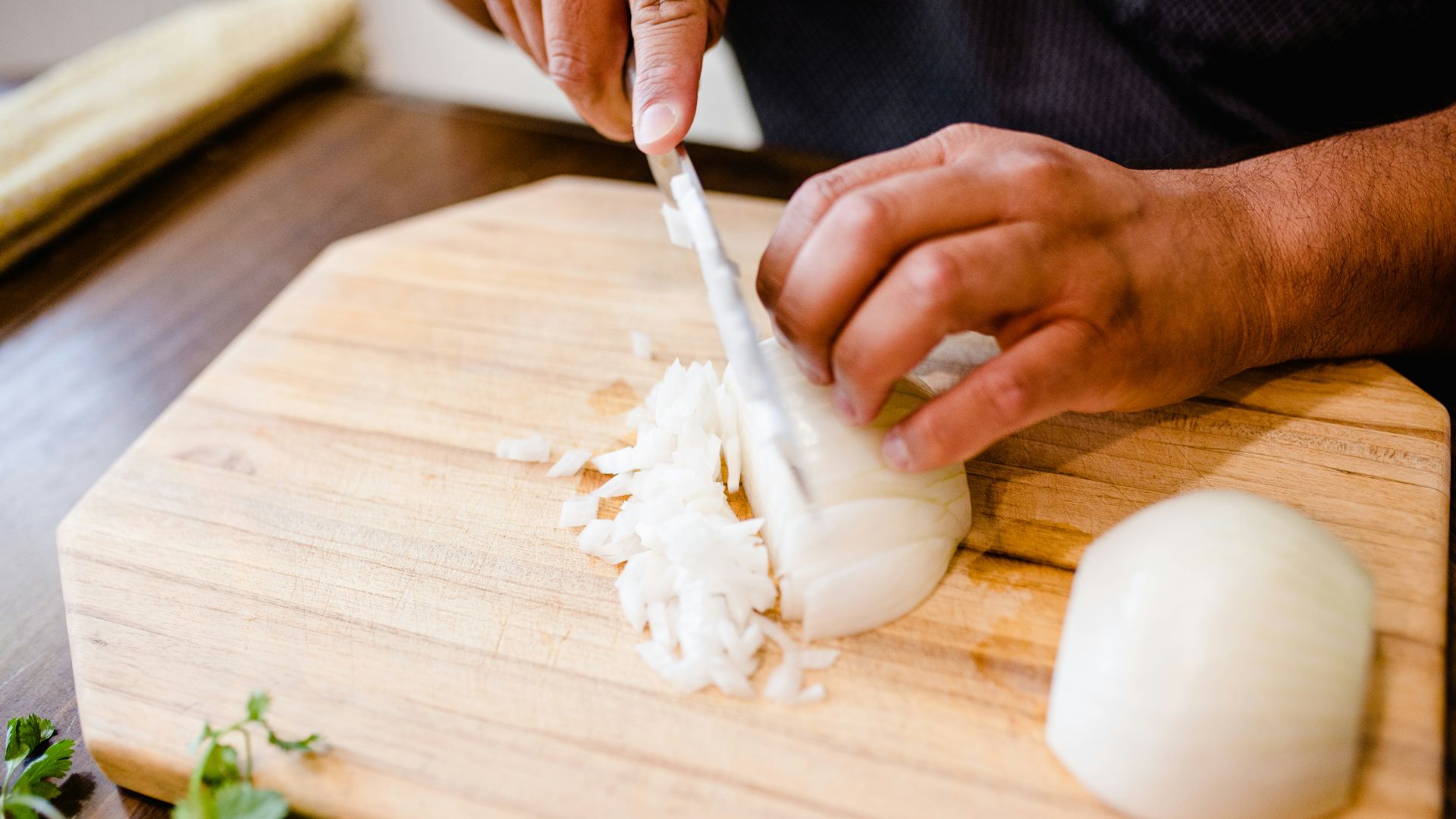
8. Keep Onions Away From Potatoes
Both give off moisture and ethylene gas, and each speeds up the other's decline. Store them in the same bin and the potatoes sprout early while the onions turn soft. Kitchens enforced this for generations, and the chemistry only caught up much later.
9. Pregnant Women Shouldn't Eat Soft Cheese
Listeria survives in unpasteurized soft cheese and can cross the placenta, which makes it one of the few foodborne infections that threatens a pregnancy directly. The caution predates any understanding of the bacterium by a long stretch. Pasteurized versions carry almost none of the risk, though the blanket version of the rule has stuck around.

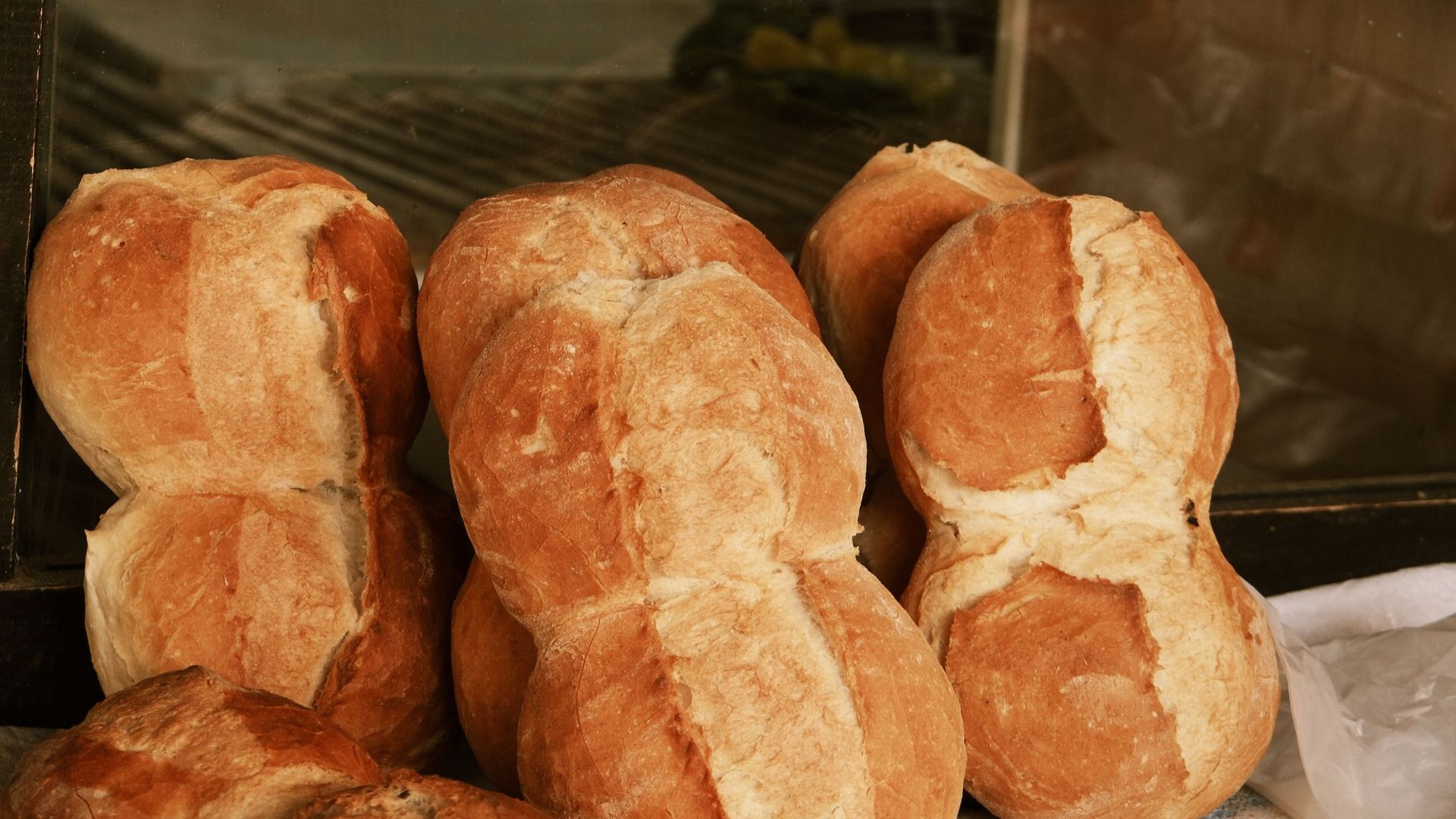
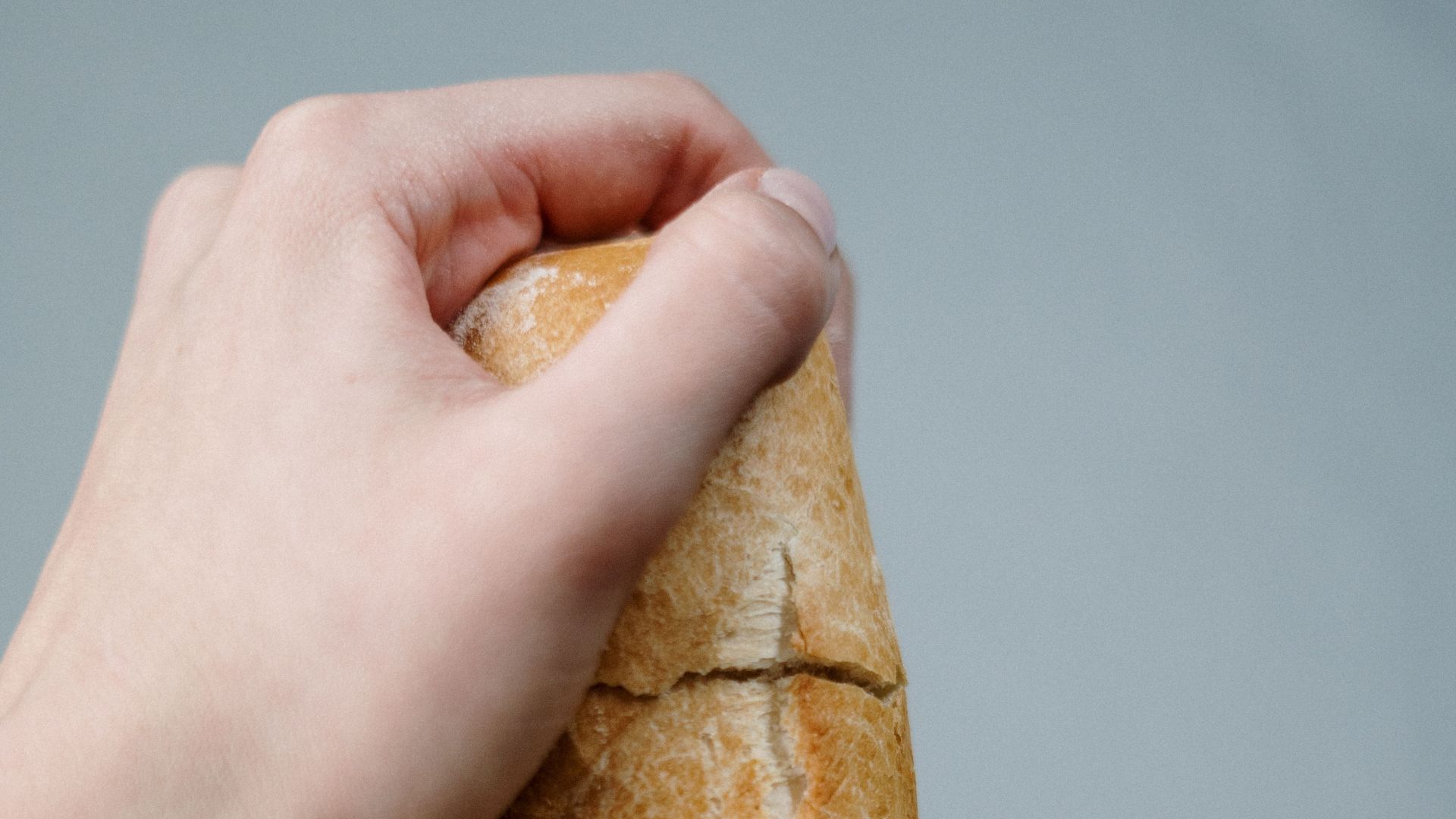
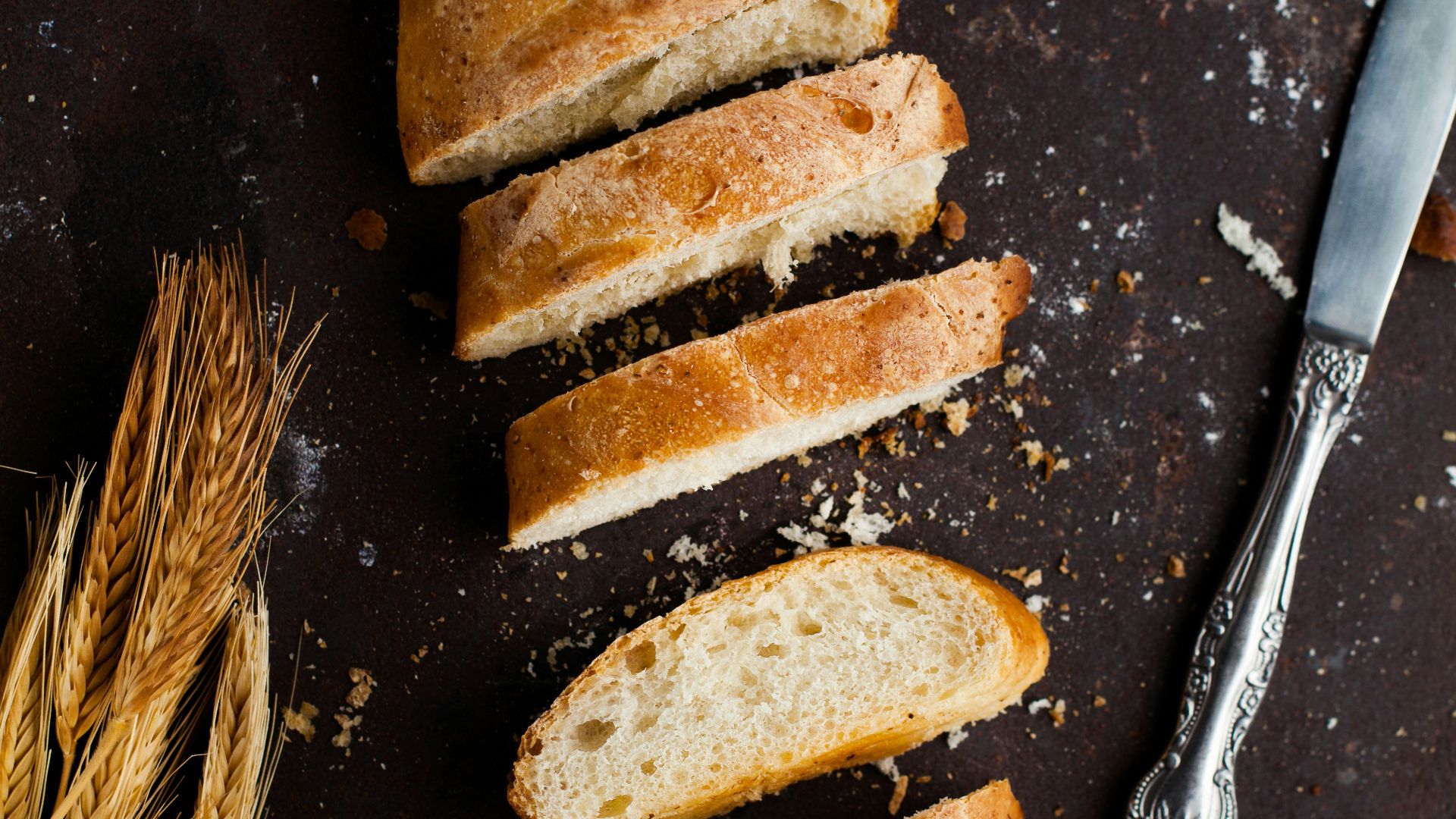
10. Tear Bread, Don't Cut It
Several traditions call for pulling a loaf apart by hand rather than slicing it, usually on days with religious weight behind them. The symbolism came first and still does most of the work. A torn loaf also keeps better, since a clean cut opens more surface to the air and staling follows fast.
Now, here's 10 that never had a reason behind them.
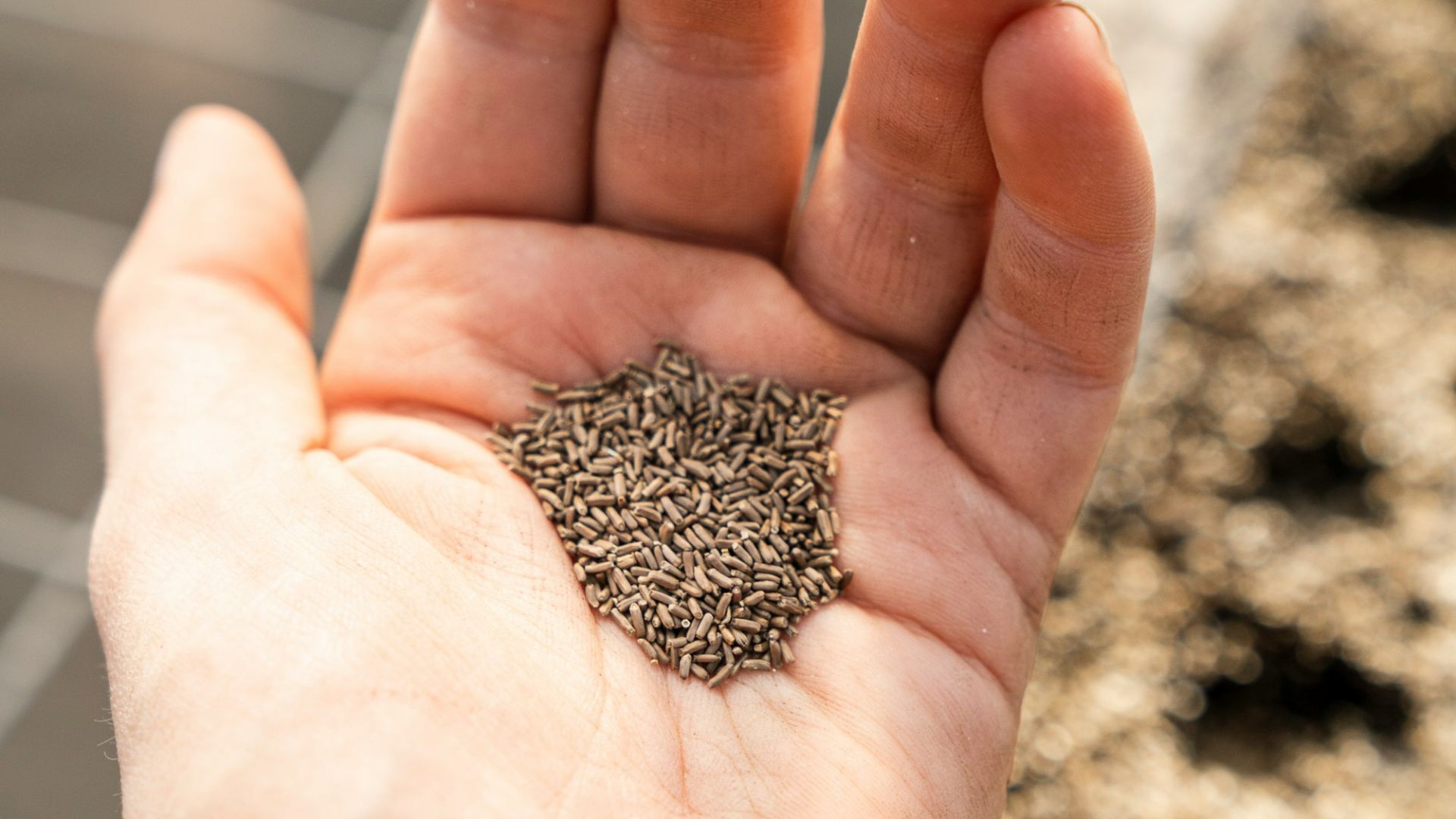
1. Swallowed Seeds Sprout Inside You
A seed needs soil and light to do anything at all, and your digestive tract offers neither. Watermelon seeds pass through completely intact and completely inert. The story survives because generations of adults got tired of picking seeds out of the carpet.
2. Sugar Makes Children Hyper
A 1994 trial in the New England Journal of Medicine put children on sugar and placebo diets and found no behavioral difference between them. What parents observe is real enough. Sugar tends to show up at birthday parties and holidays, where a dozen kids in one room account for the noise on their own.

3. MSG Gives You Headaches
The whole scare began with one letter to a medical journal in 1968, written half in jest about symptoms after Chinese restaurant meals. Controlled trials have failed to reproduce anything consistent since, including a review commissioned by the FDA in 1995. Glutamate occurs naturally in parmesan and ripe tomatoes, and no one has ever accused parmesan of anything.
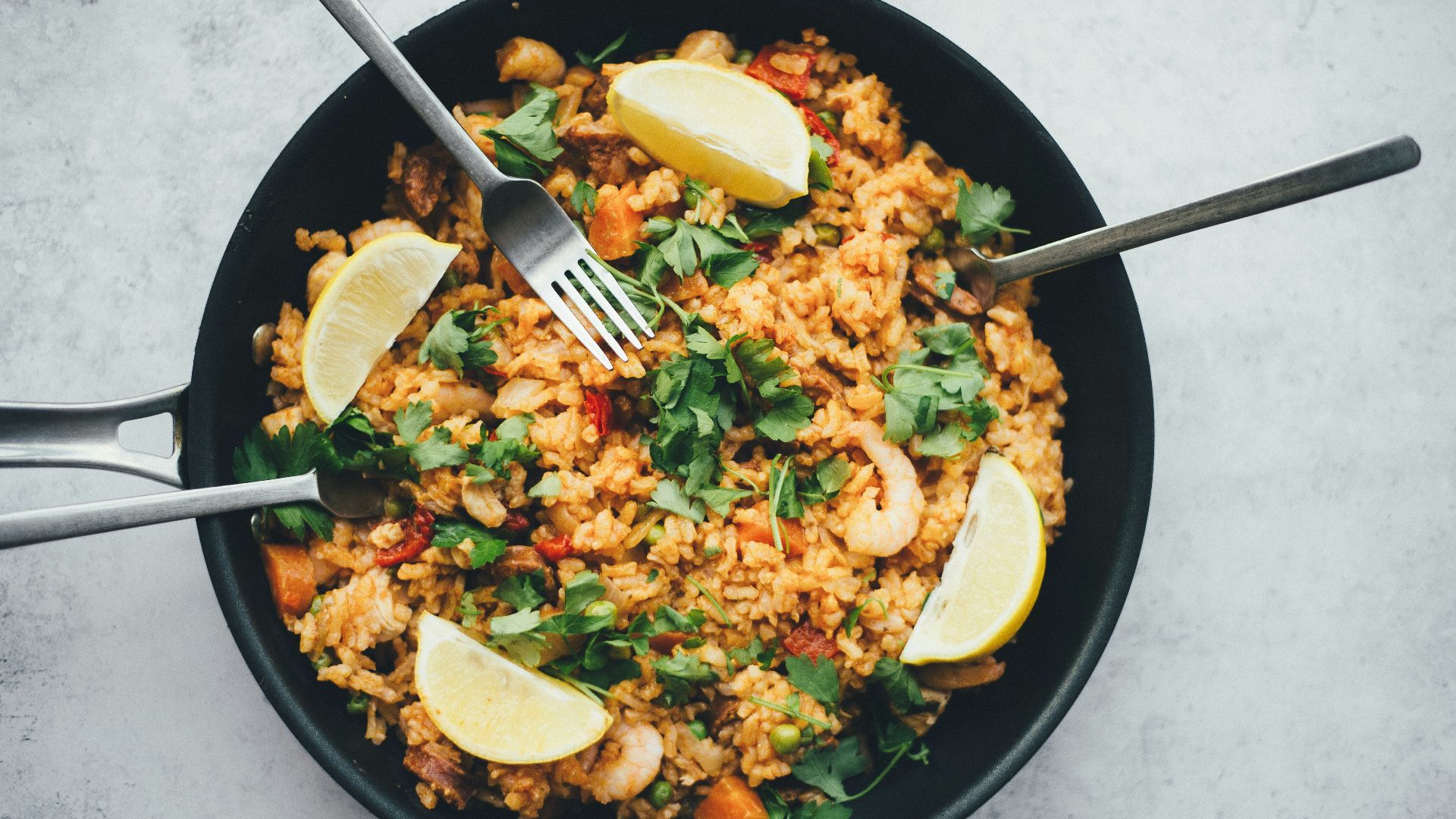
4. Carrots Improve Night Vision
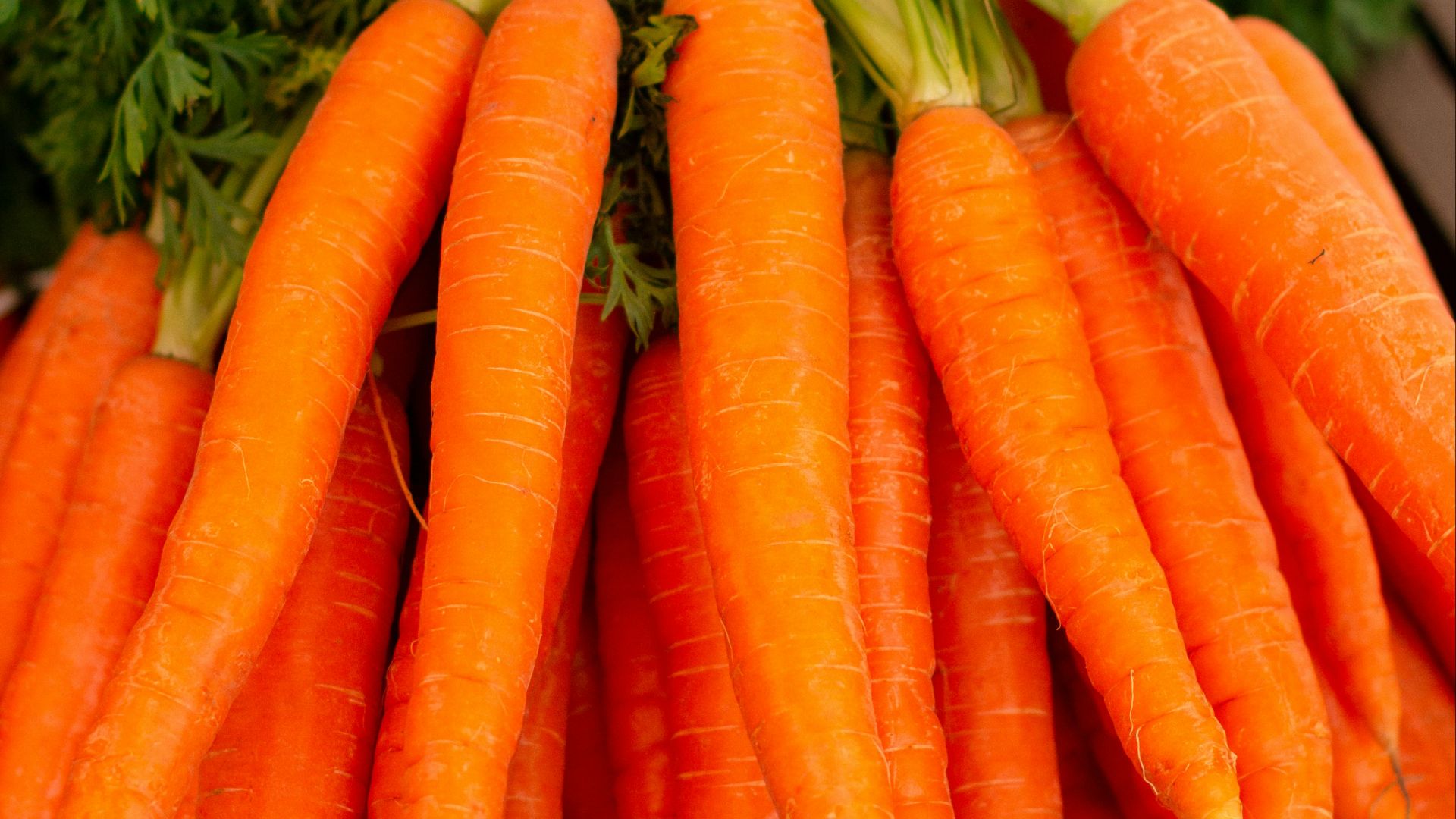
British intelligence pushed this during World War II to explain how RAF pilots kept spotting German bombers after dark, which kept onboard radar out of the papers. Vitamin A deficiency does wreck night vision, so correcting a deficiency helps. Eating extra carrots on top of a normal diet does nothing whatsoever.
5. Crack the Egg at the Wrong End and You're Cursed
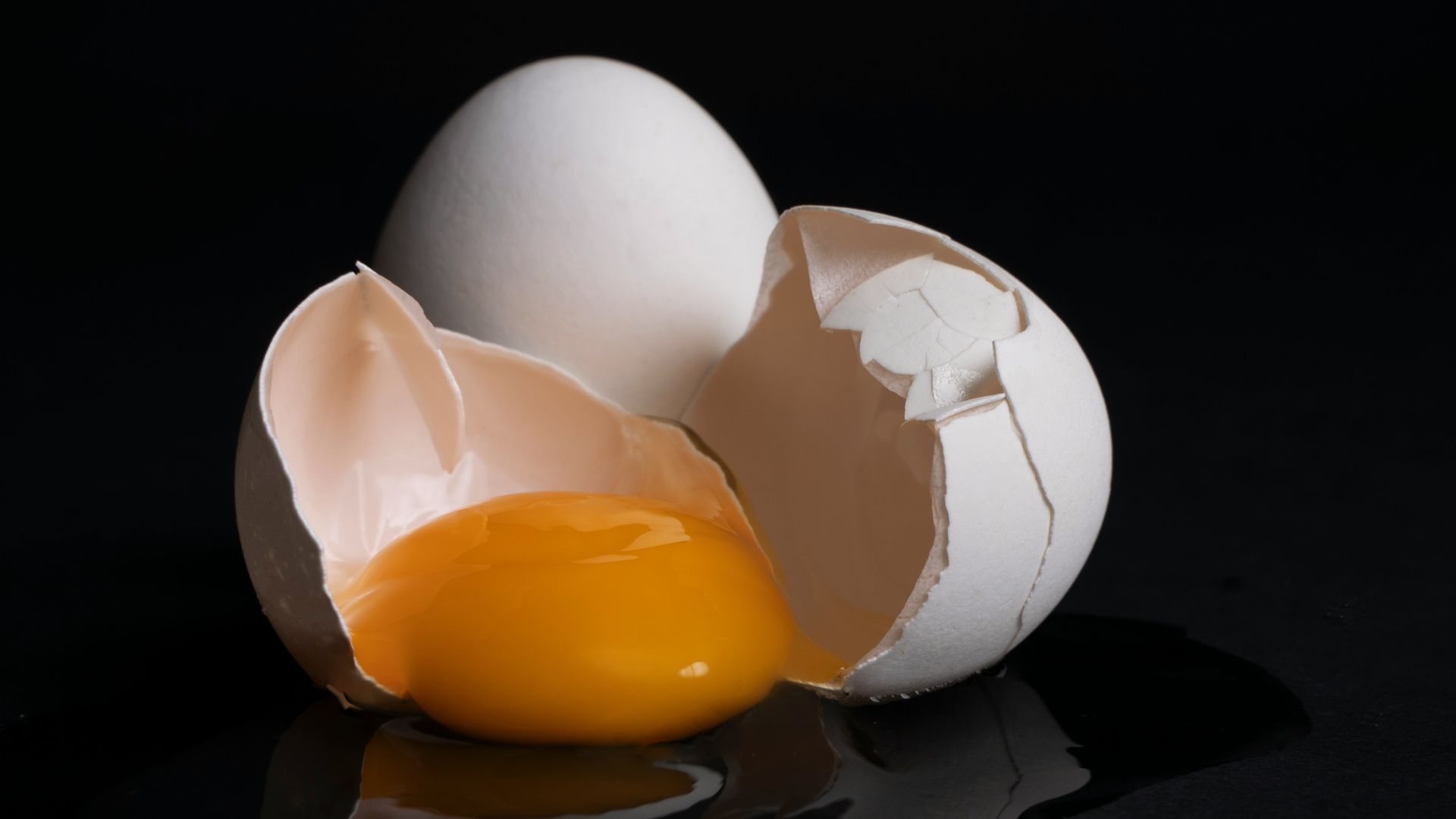
Leaving a boiled eggshell whole was supposed to give a witch something to sail away in. Versions of this turn up across Europe with no practical logic underneath any of them. People still crush the shell in the cup out of a habit whose reason died centuries ago.
6. The Five-Second Rule
Rutgers researchers tested this in 2016 across four surfaces and four foods, and bacteria transferred on contact every single time. Moisture mattered far more than the clock did. A wet slice of watermelon picks up more in one second than a dry cracker does in thirty.
7. Eating Late Makes You Gain Weight
Your body does not consult a clock before deciding what to do with calories. Total intake across the week is what moves the number on the scale, and midnight carries no special metabolic status. The correlation holds up only because late eating is usually snacking stacked on top of three full meals.
 Alireza heidarpour on Unsplash
8. Bread Crusts Curl Your Hair
Parents in Britain and Ireland deployed this for decades on kids who left the ends of their sandwiches. Follicle shape determines hair texture, and that gets settled long before anyone sits down to eat. The crust does carry slightly more fiber and browning compounds than the middle, which is true and beside the point.
9. Alcohol Cooks Off Completely
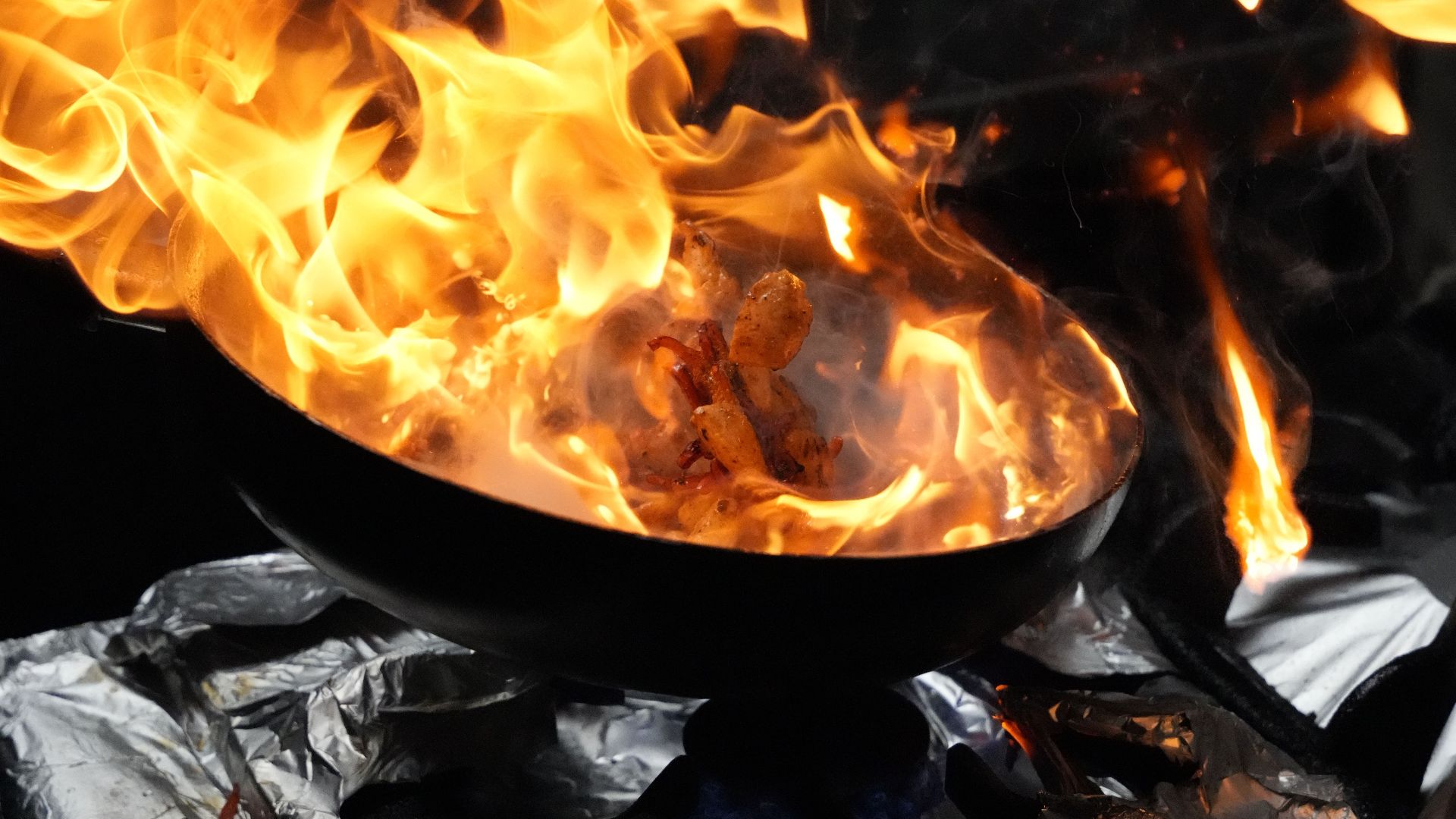
USDA figures put retention at around 25 percent after a full hour of simmering, and a long braise still holds onto roughly 5 percent. A quick flambé keeps most of it. The smell of alcohol burning is dramatic and tells you very little about what's left in the pan.
10. Spicy Food Causes Ulcers
Barry Marshall drank a flask of H. pylori in 1984 to prove that bacteria were responsible, and he and Robin Warren collected a Nobel Prize for the work in 2005. Nearly every ulcer traces back to that infection or to long-term NSAID use. Chili can aggravate one that already exists, which is how it ended up taking the blame for causing them.