When Pre-Cut Food Is A Bad Deal And When It Helps
Pre-cut produce can save time, yet it usually costs more and goes downhill faster. Once fruits and vegetables are peeled or chopped, they dry out more quickly, lose aroma, and have more exposed surface area where bacteria can grow. Food safety agencies treat fresh-cut produce differently for that reason, and they emphasize strict temperature control and sanitation for ready-to-eat cut items. The goal is not to avoid all convenience, it’s to avoid paying extra for food that tastes worse or spoils sooner. Below are 10 pre-cut foods that are typically not worth buying, followed by 10 that often are.
1. Pre-Cut Melon
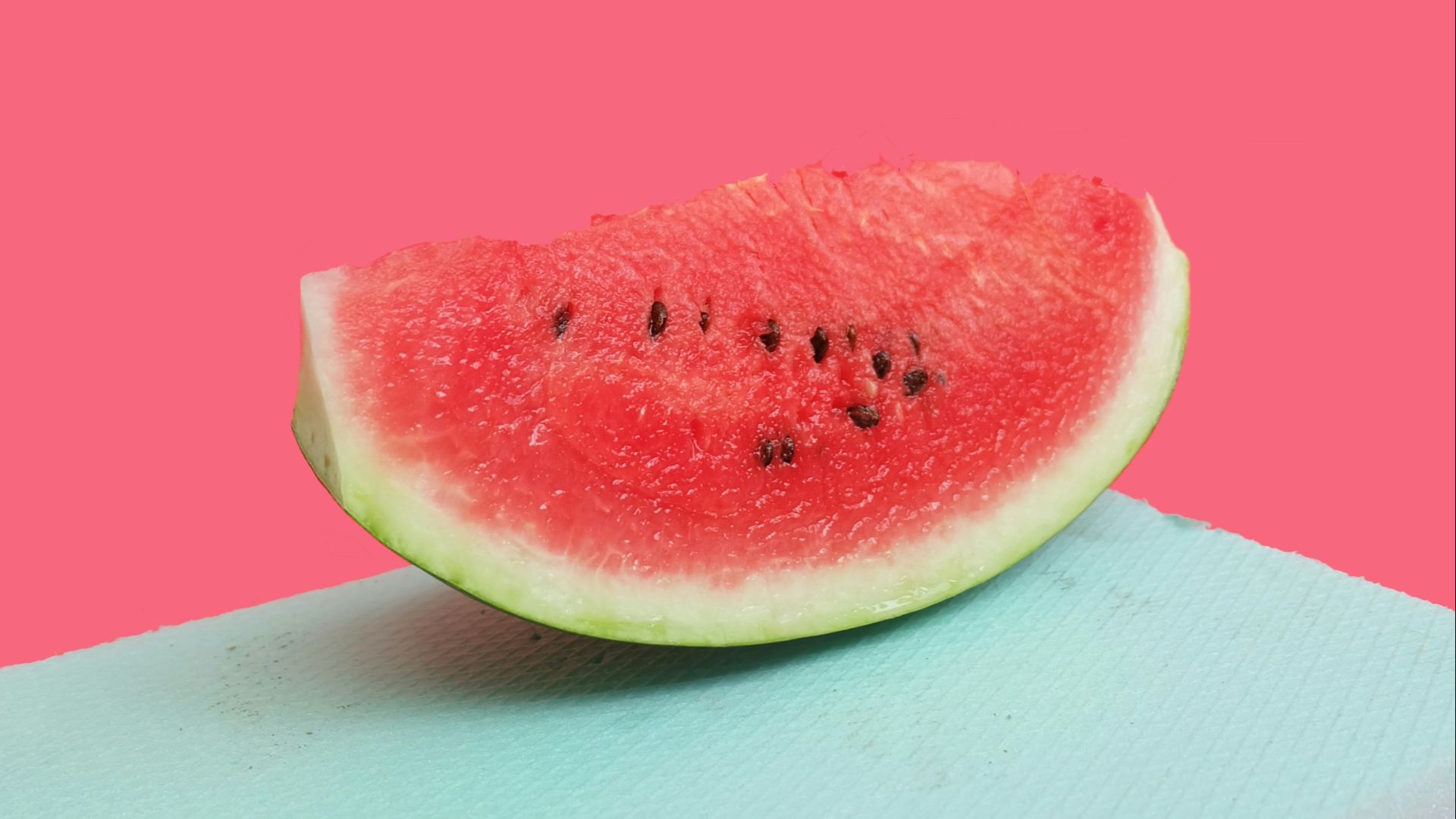
Pre-cut melon tends to get watery and soft, and it often tastes less sweet than melon cut at home. Ready-to-eat cut melon is also a higher food safety risk than whole melon because Listeria can grow if refrigeration or handling is not ideal, and public health agencies have issued specific warnings about it. If you want melon, whole melon usually gives better flavor and lasts longer.
2. Pre-Cut Pineapple
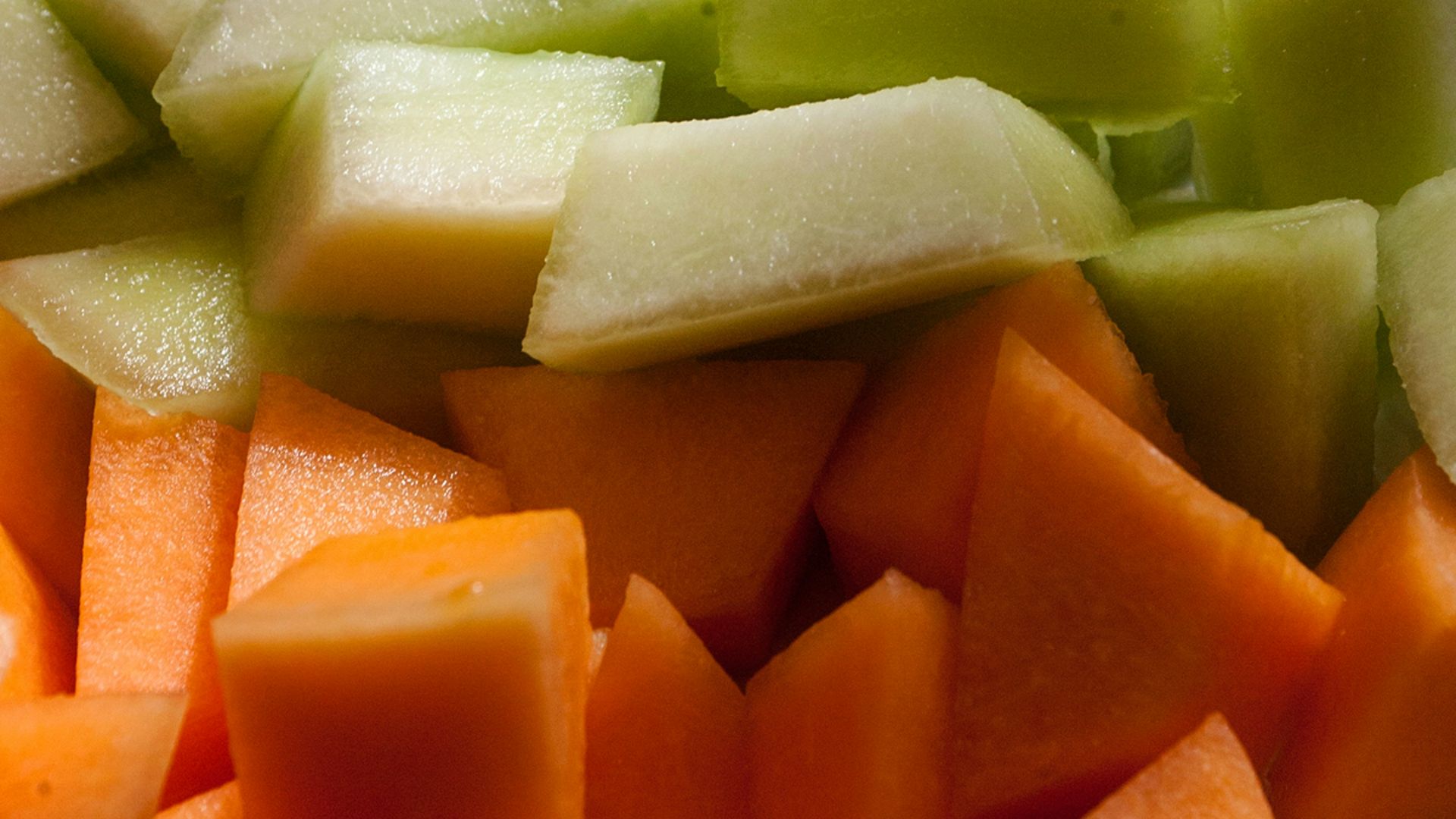
Pre-cut pineapple dries out at the edges and can develop a slightly fermented taste as it sits. It also leaks juice into the container, which speeds up texture changes and makes the pieces taste less fresh. Whole pineapple holds up better and lets you cut it right before eating.
3. Pre-Sliced Apples
Pre-sliced apples commonly turn soft and lose crunch, even when they still look acceptable. Many are treated to slow browning, yet the texture and flavor still decline with time. An apple is quick to slice, and the fresh slices usually taste cleaner and feel firmer.
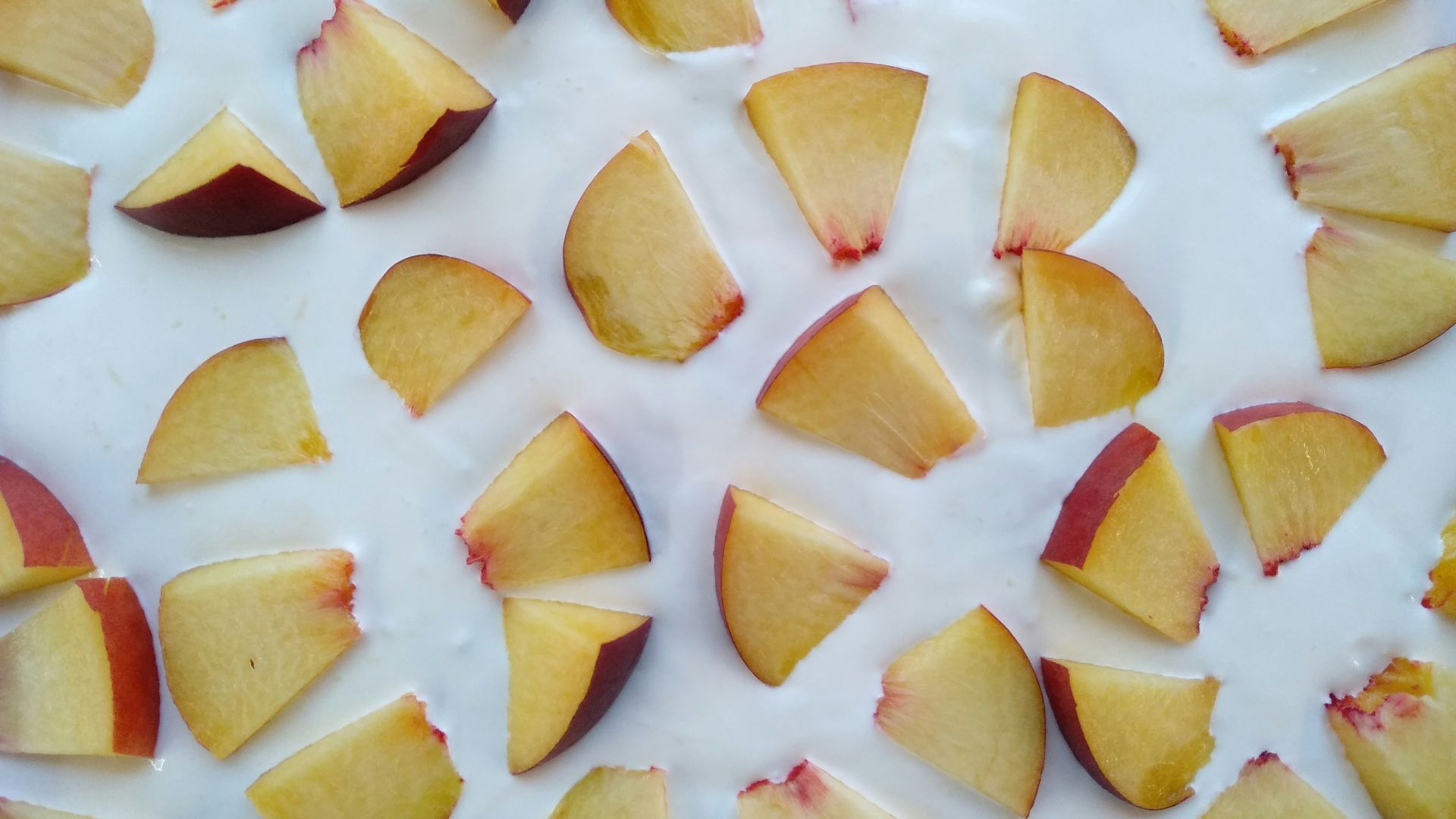
4. Diced Onions
Diced onions lose flavor fast, and the pieces can dry out or become watery in the bag. Since onion is often a base ingredient, that loss shows up in the final dish. Whole onions are inexpensive, store well, and take only a few minutes to chop.
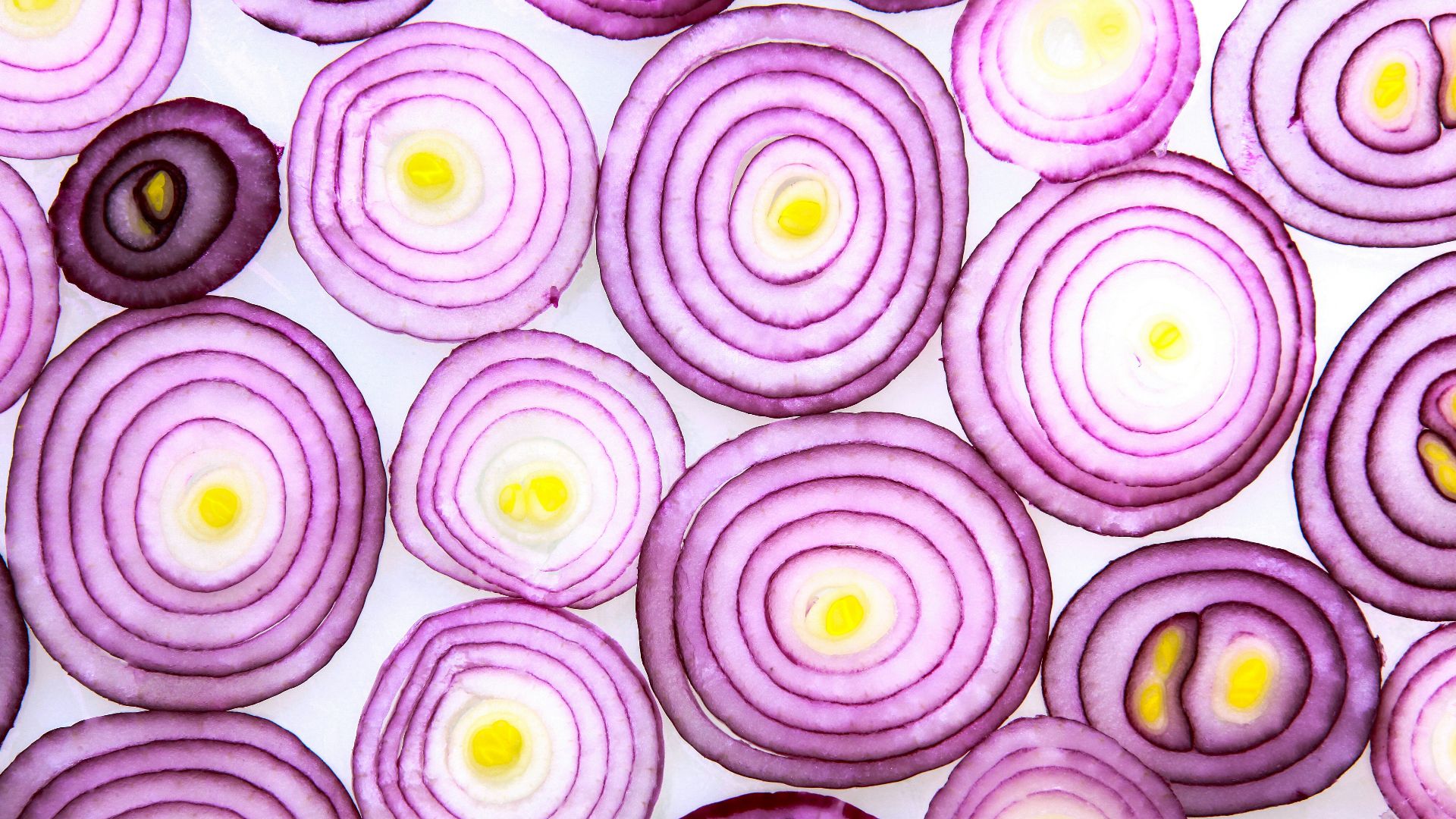
5. Minced Garlic In A Jar
Jarred minced garlic has a noticeably weaker flavor than freshly chopped garlic. The taste can come across as dull or slightly sweet compared with fresh cloves. Garlic is one of those ingredients where freshness matters, so chopping a few cloves usually improves the result.
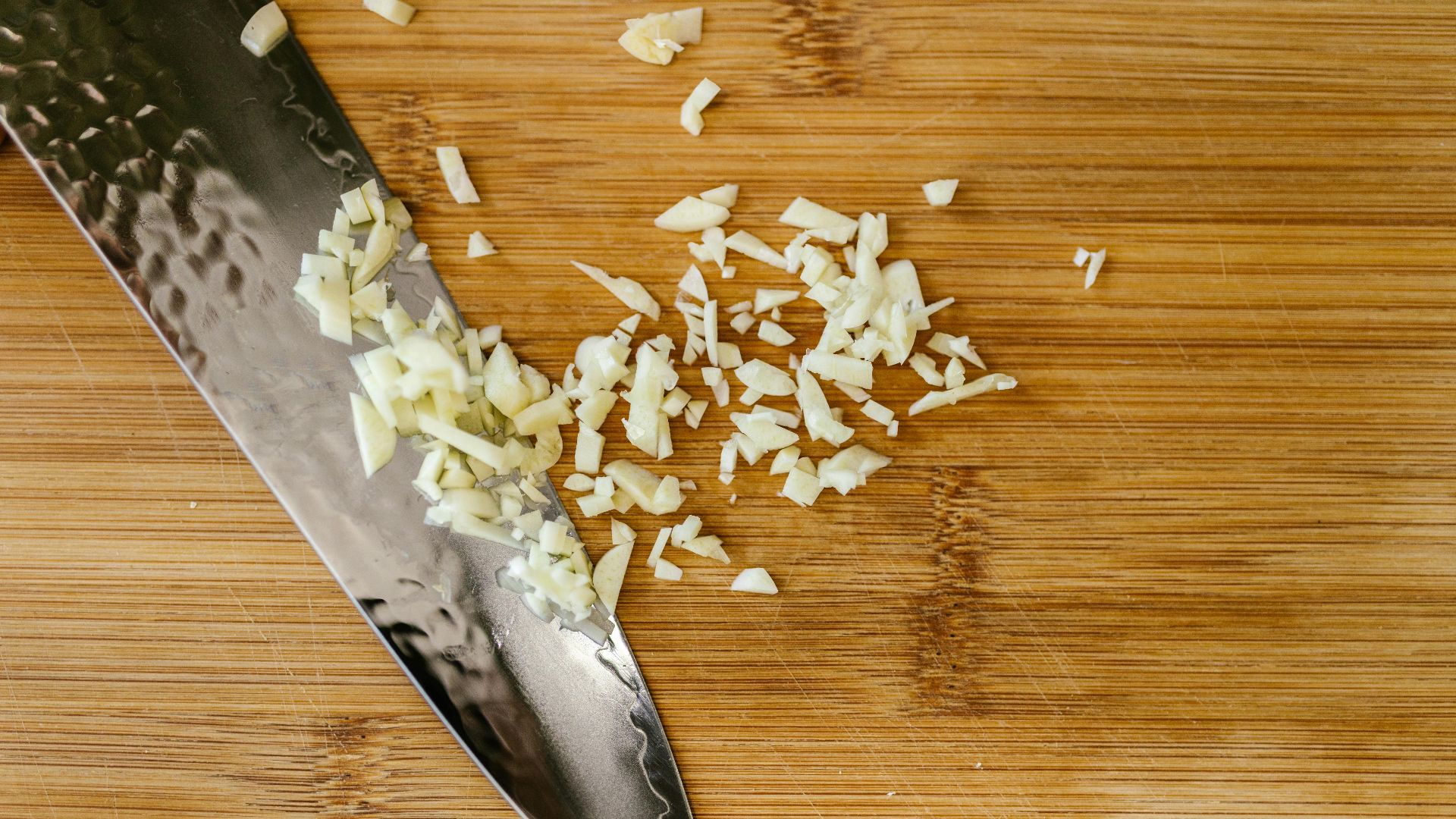
6. Peeled Garlic Cloves
Peeled garlic dries out and loses aroma sooner than garlic stored in its skin. It can also pick up odors from the refrigerator more easily. Whole bulbs keep longer and usually have a stronger smell and taste.
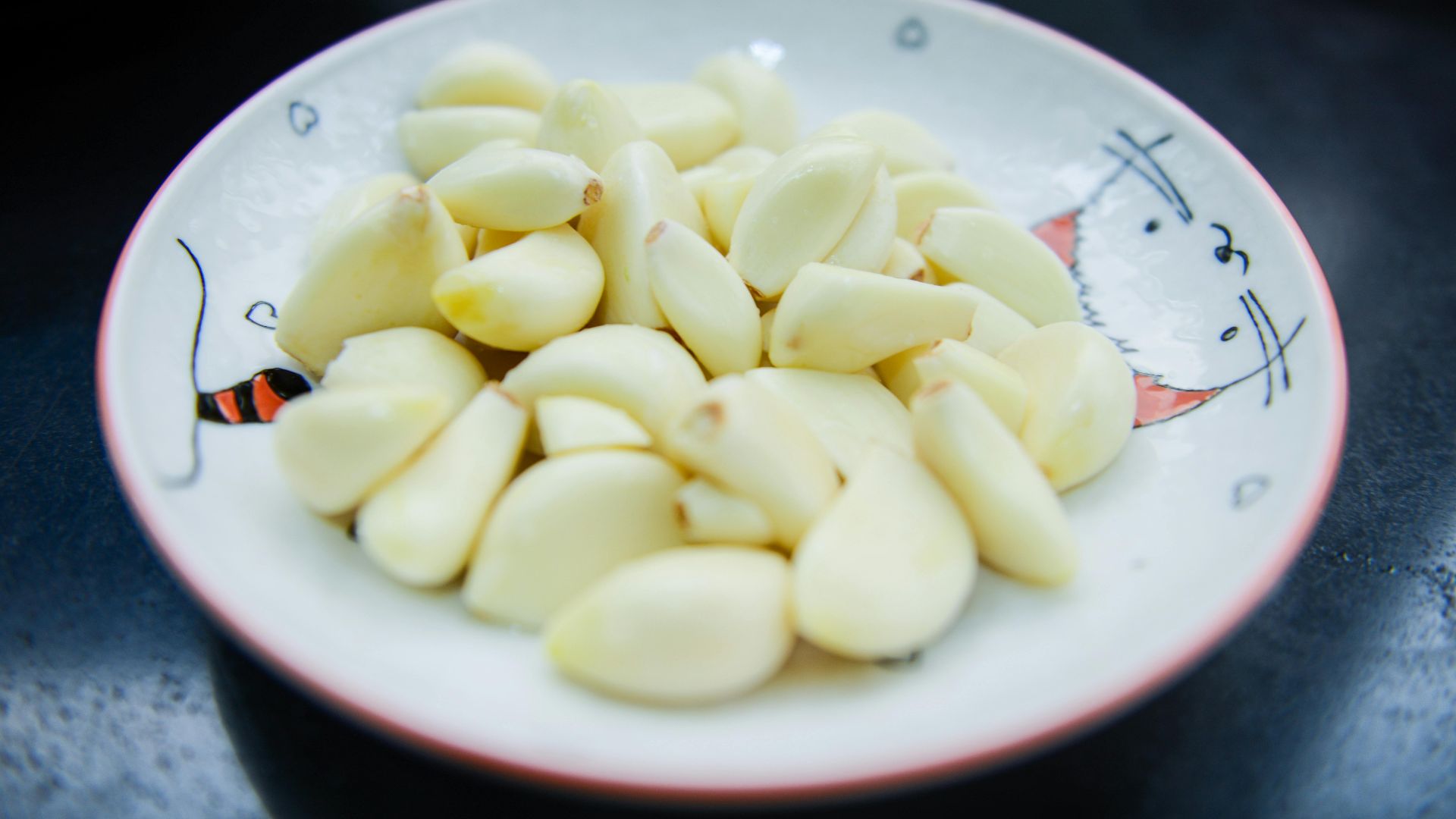
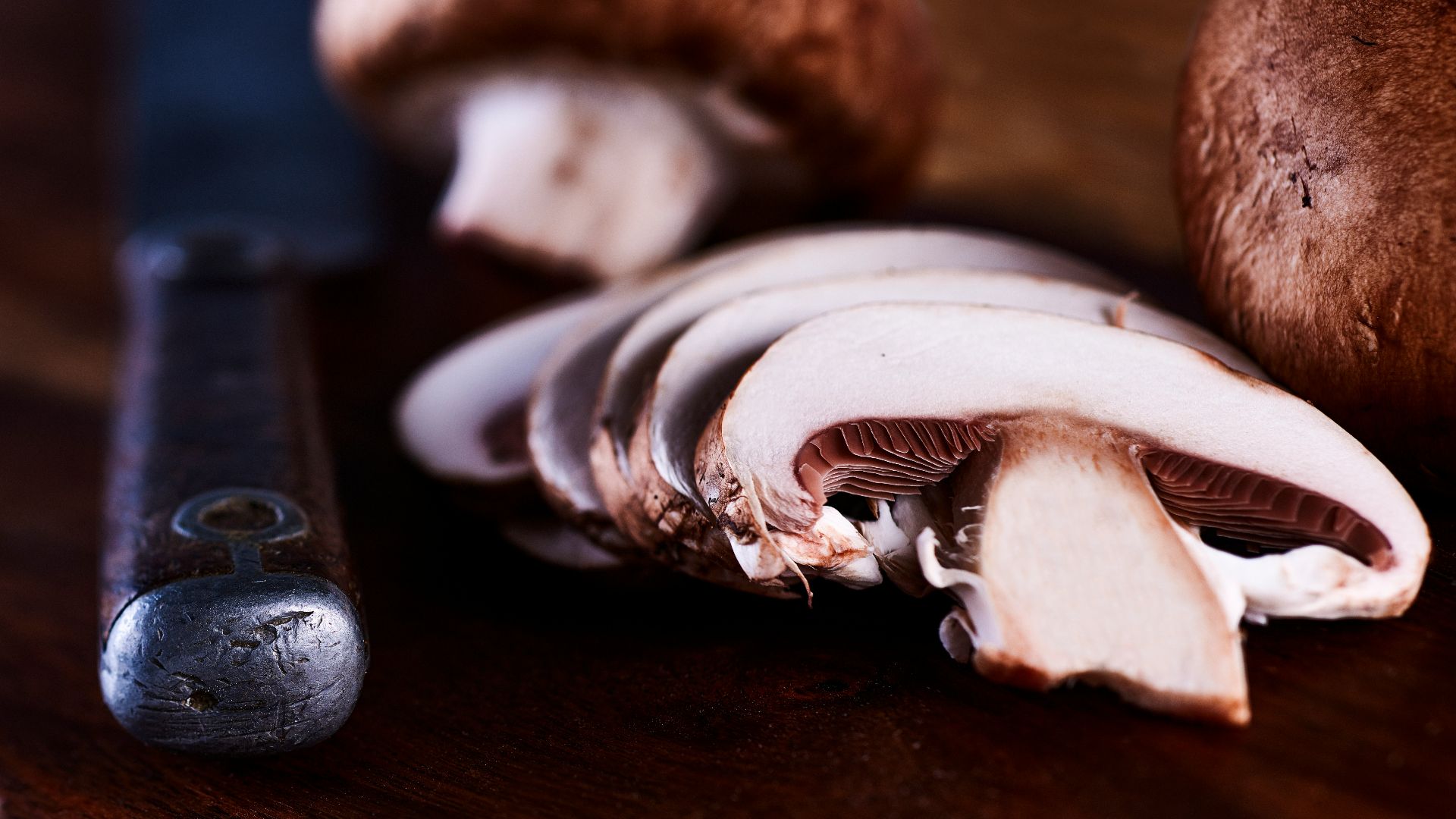
7. Sliced Mushrooms
Sliced mushrooms dry out and bruise quickly, and the cut surfaces can turn leathery. They also spoil sooner because the exposed area is larger. Whole mushrooms keep their texture longer and are easier to judge for freshness.
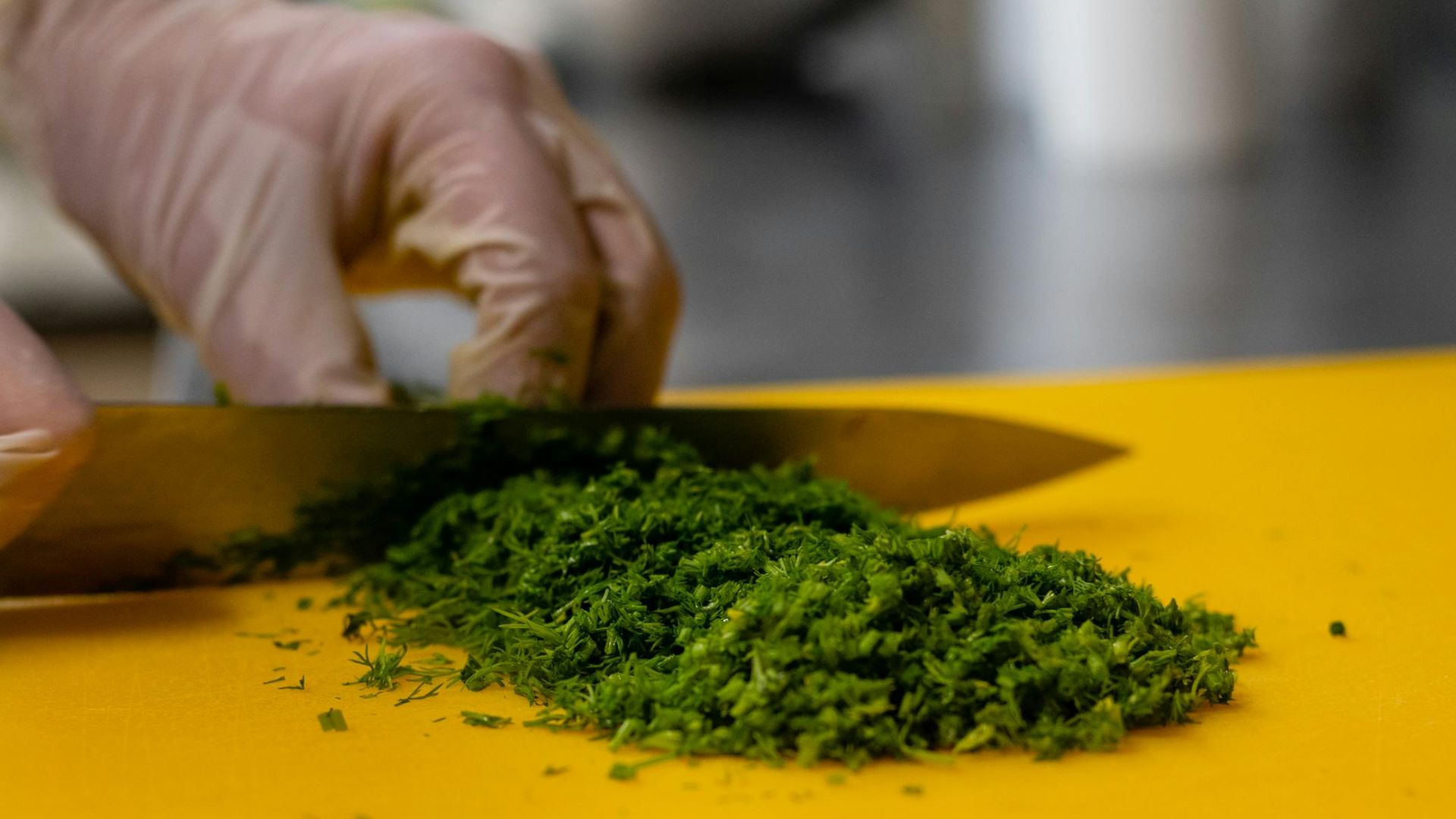
8. Chopped Fresh Herbs
Chopped herbs lose aroma quickly once they are cut, and they often discolor at the edges. The flavor difference is noticeable in salads, sauces, and finishing touches. Buying a bunch and chopping right before use typically gives a stronger taste.
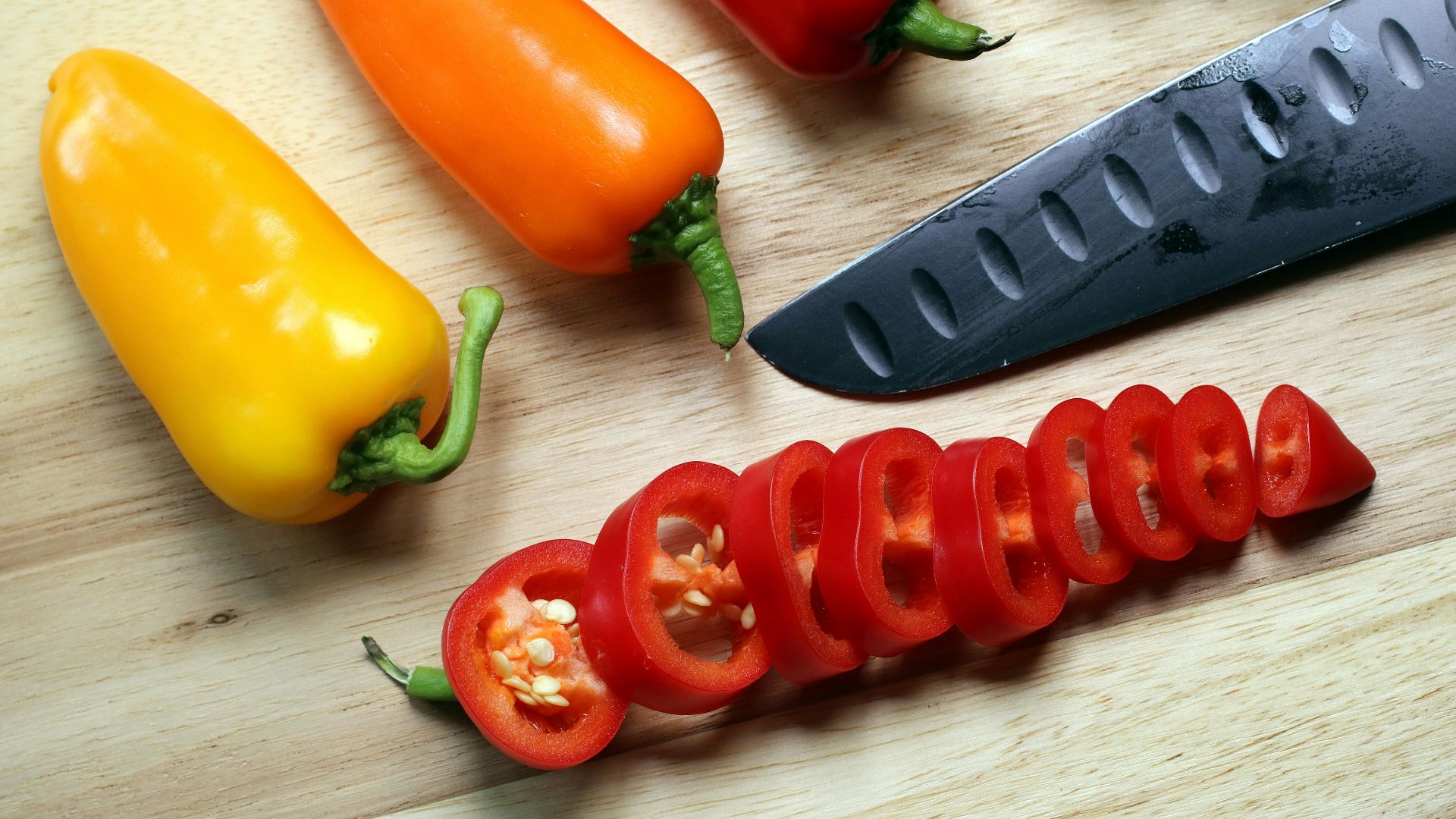
9. Bell Pepper Strips
Pre-cut peppers soften and lose their crisp texture, especially when they sit in moisture inside the container. They can also start to taste slightly sour as they age. Whole peppers keep longer and are simple to slice.
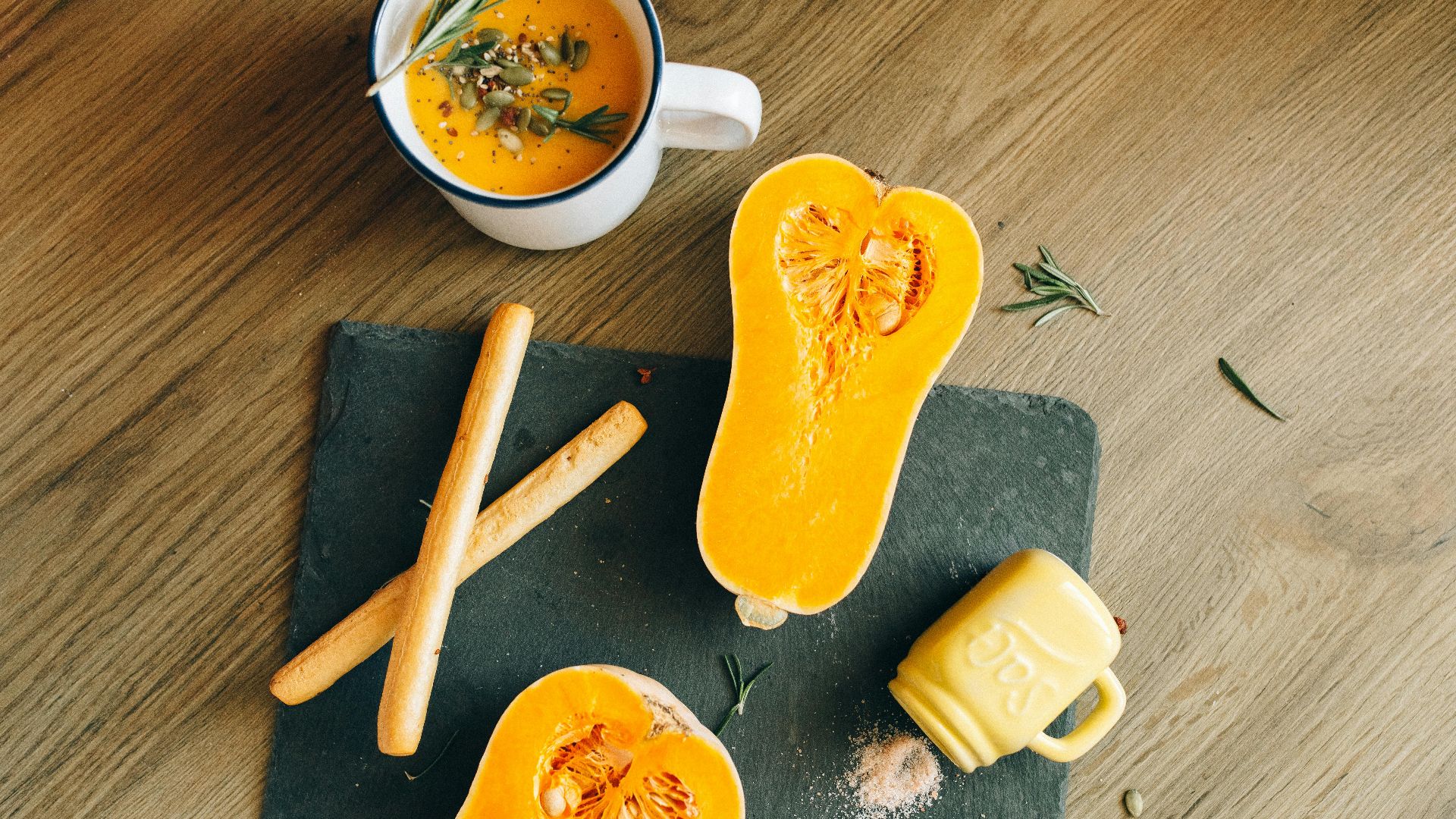
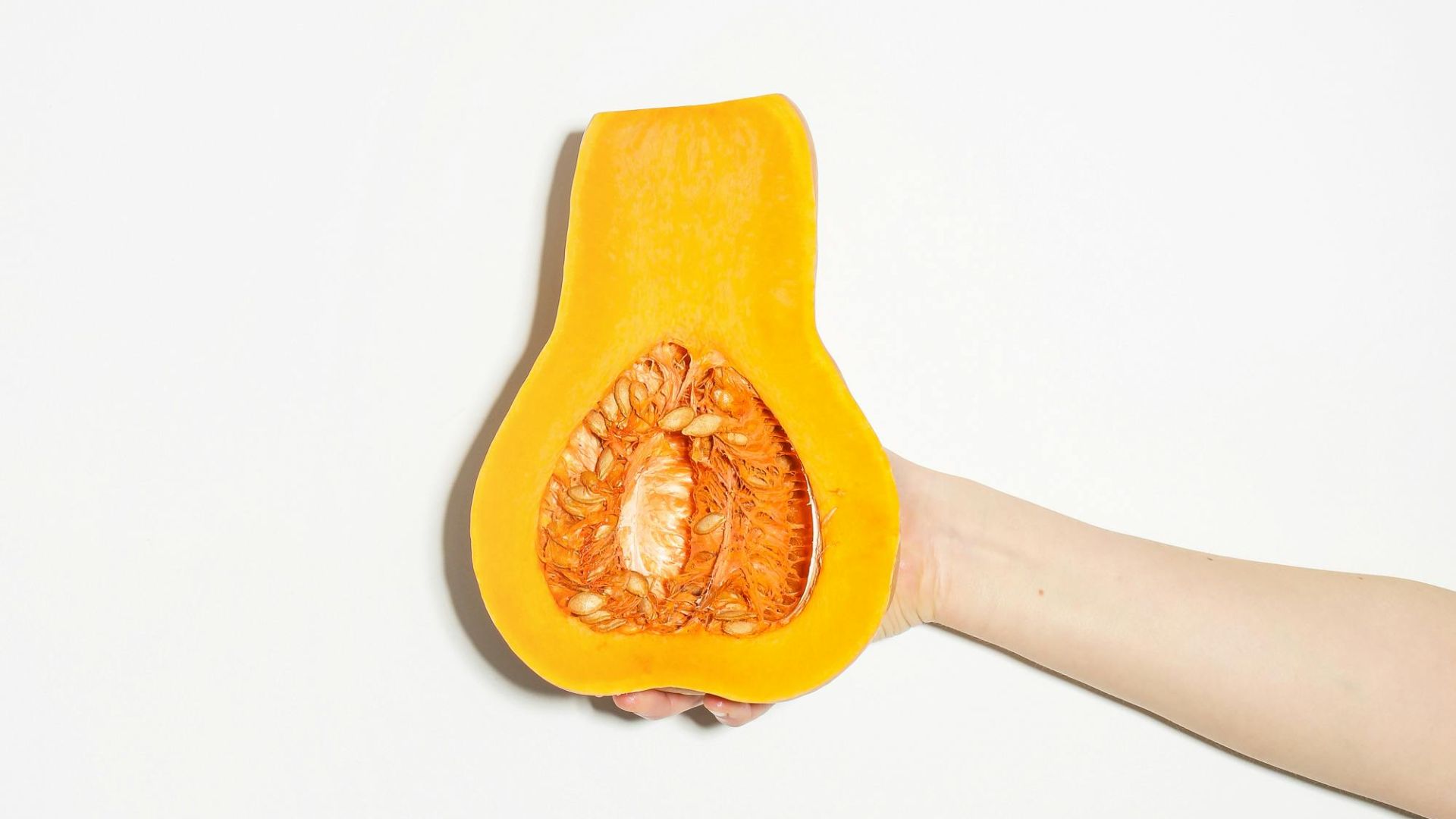
10. Pre-Cut Butternut Squash
Pre-cut squash is expensive for what you get, and the pieces can dry out and lose sweetness. The cut surfaces sometimes look chalky, and the texture can be inconsistent. Frozen squash is often a better convenience option than fresh pre-cut squash for soups, roasting, and purees.
A few pre-cut items are still worth paying for when they save substantial prep time and are likely to be used quickly. Here are ten.
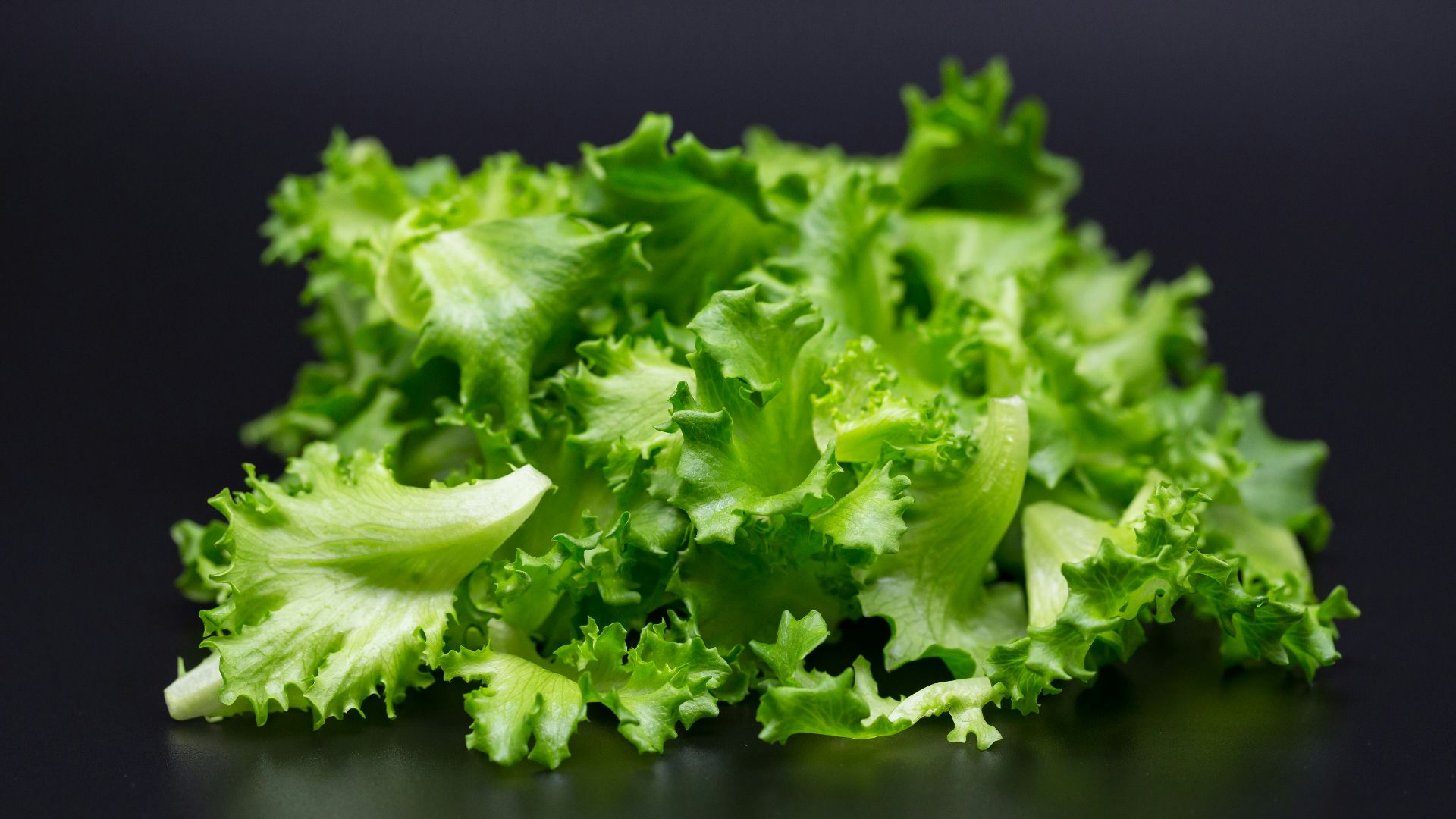
1. Pre-Washed Salad Greens
Washing greens thoroughly takes time and can be messy, especially with grit trapped in leaves. Pre-washed greens make it easier to eat salads regularly, which is often the main benefit. Keep them cold and use them promptly since prepared produce needs consistent refrigeration.
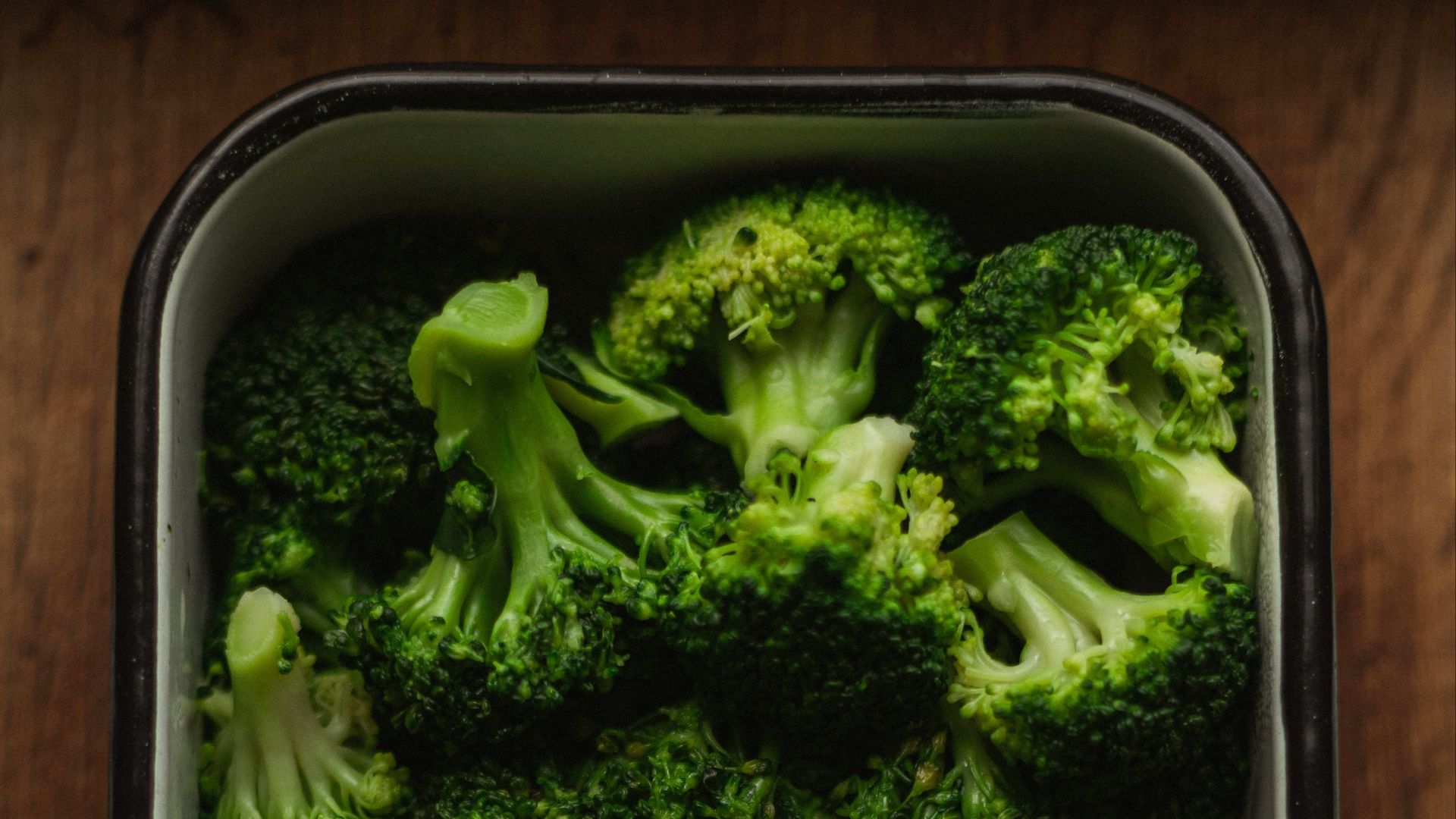
2. Broccoli Florets
Cutting broccoli into florets is not difficult, yet it adds steps and cleanup. Florets work well for roasting, steaming, and quick stir-fries, and the convenience can be meaningful on busy nights. They also reduce waste if you rarely use the stalk.
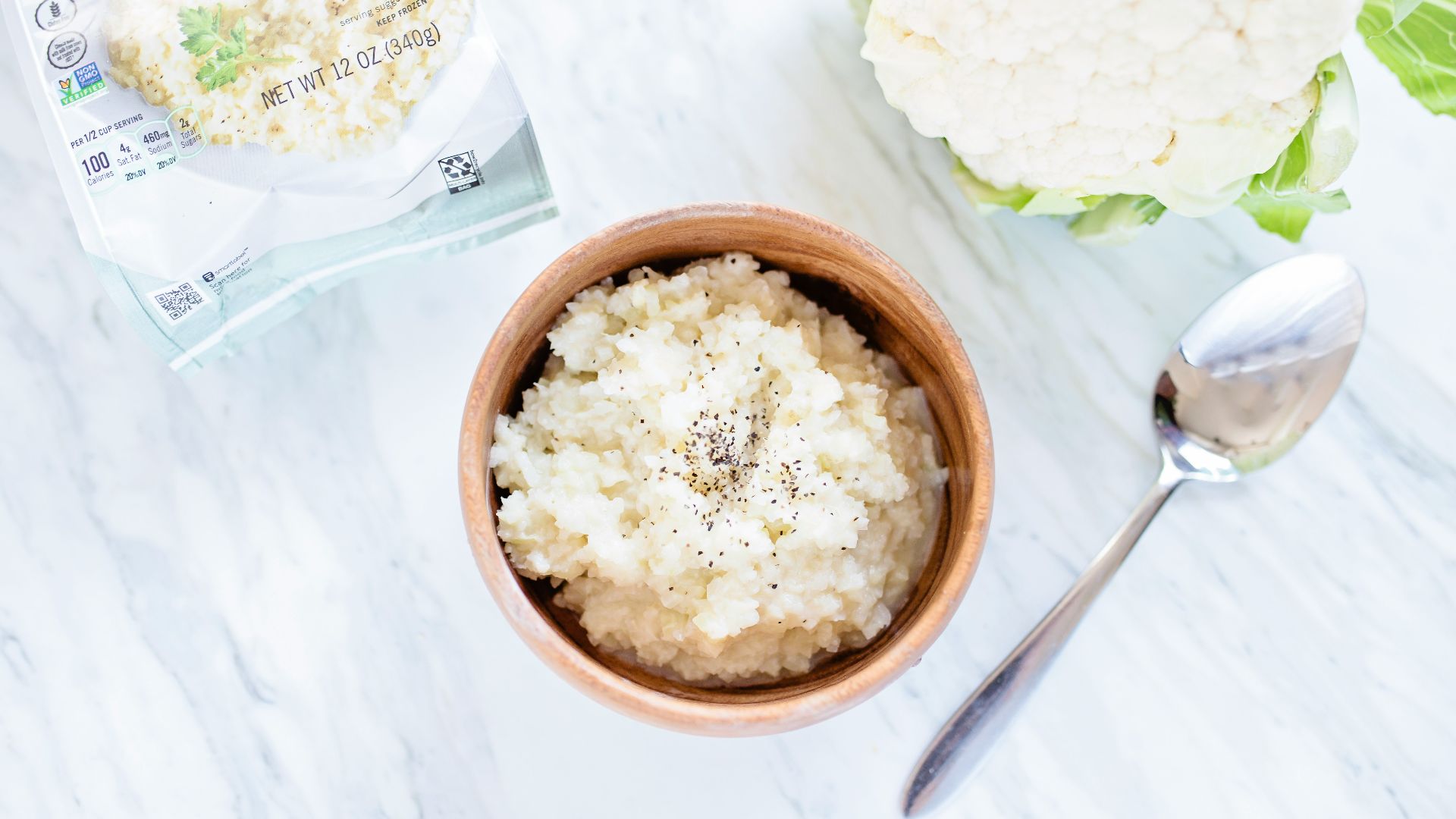
3. Cauliflower Rice
Making cauliflower rice usually requires a food processor or grater and then extra cleanup. Pre-riced cauliflower saves that work and makes it easier to use cauliflower as a quick base for bowls or炒-style dishes. It is most cost-effective when you use the whole package within a day or two.
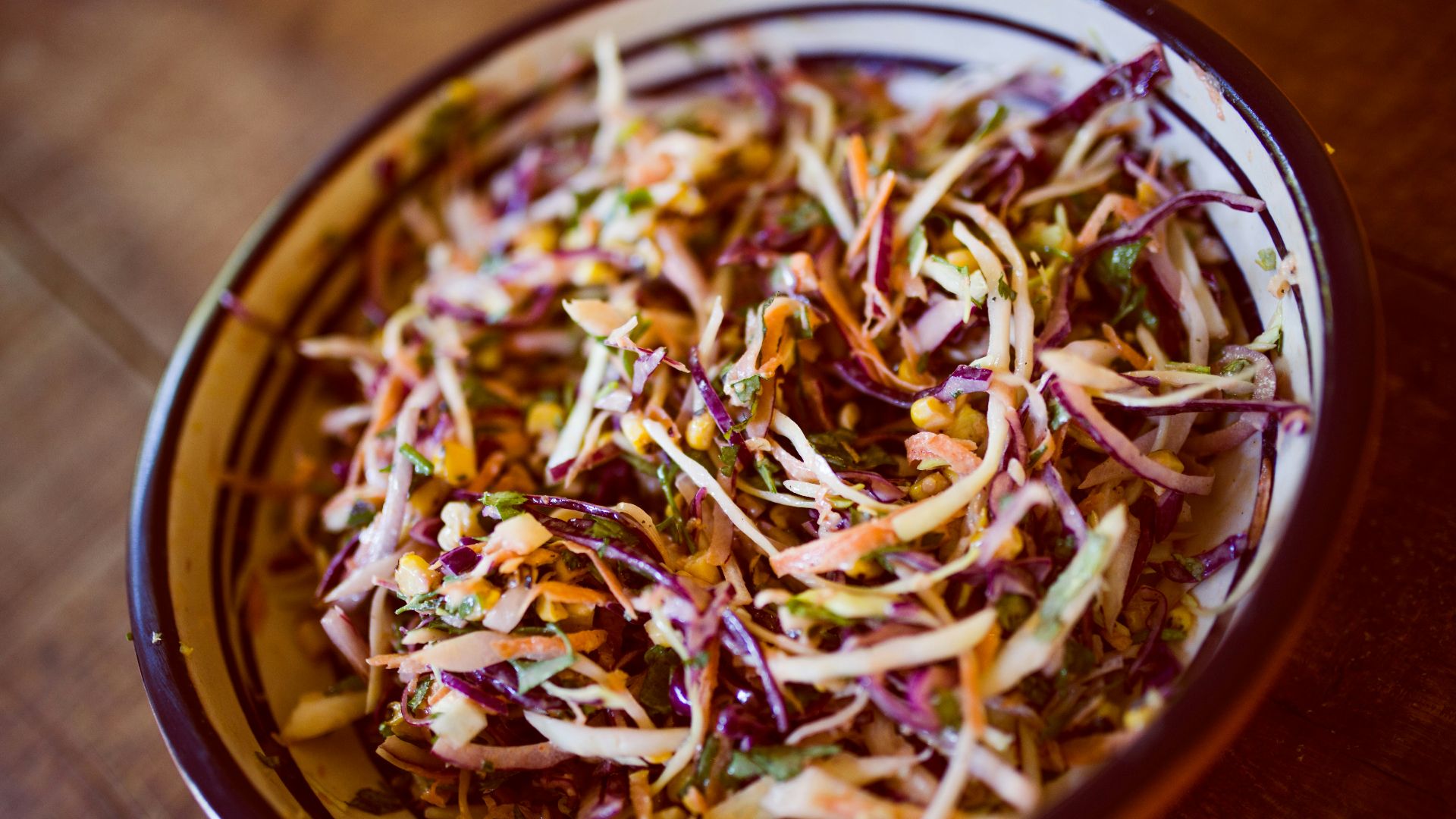
4. Coleslaw Mix
Shredding cabbage evenly takes time and a sharp knife, and many people buy a whole cabbage for one recipe and do not finish it. Coleslaw mix is practical for salads, tacos, and sautés where uniform shreds matter. It also helps with portion control and reduces leftover produce.
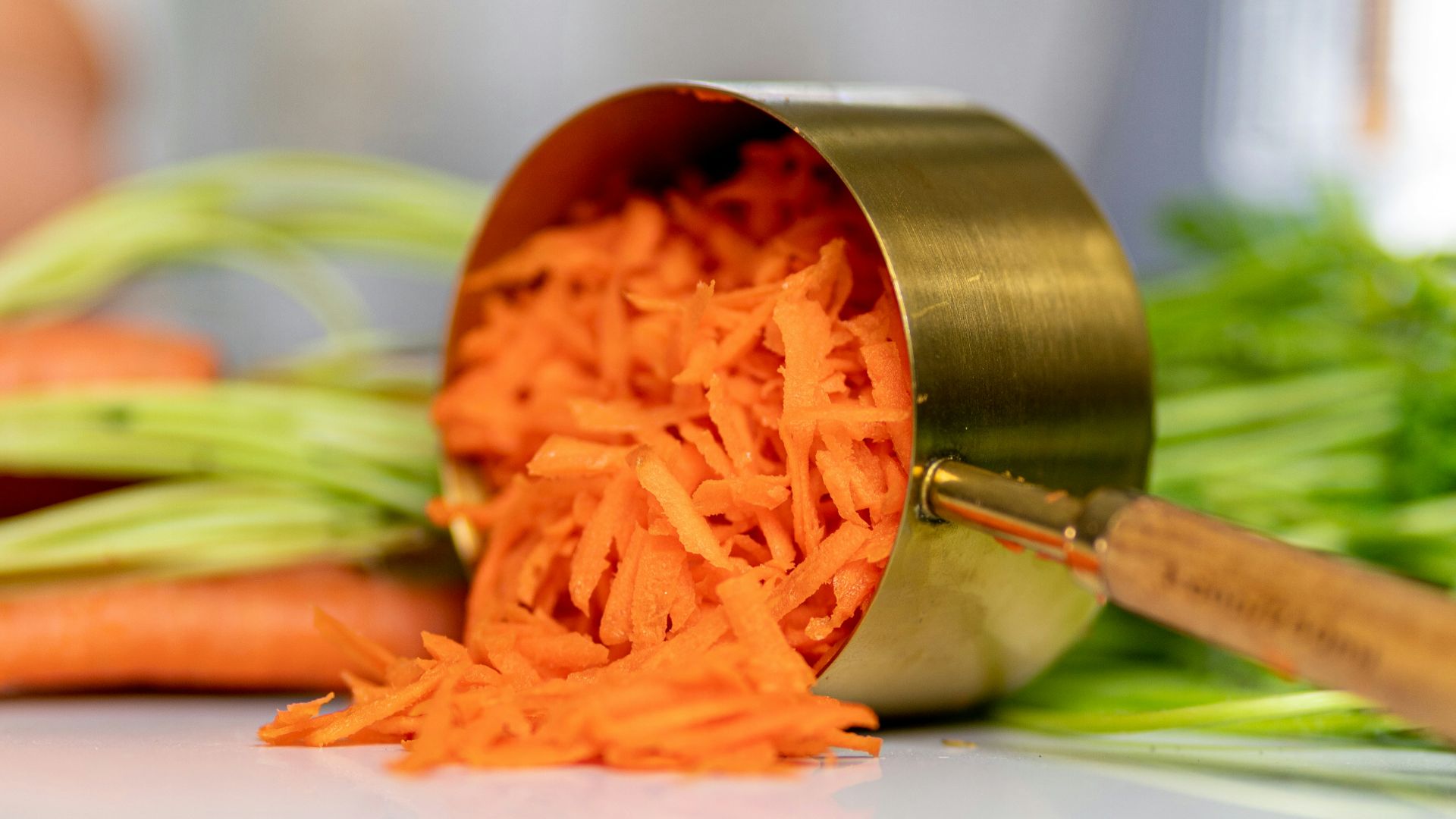
5. Shredded Carrots
Grating carrots is simple, yet it takes longer than expected when you need more than a small amount. Shredded carrots are useful for salads, quick breads, and stir-fries without extra prep. They are worth it when you know they will be used quickly before they dry out.
6. Mirepoix Mix
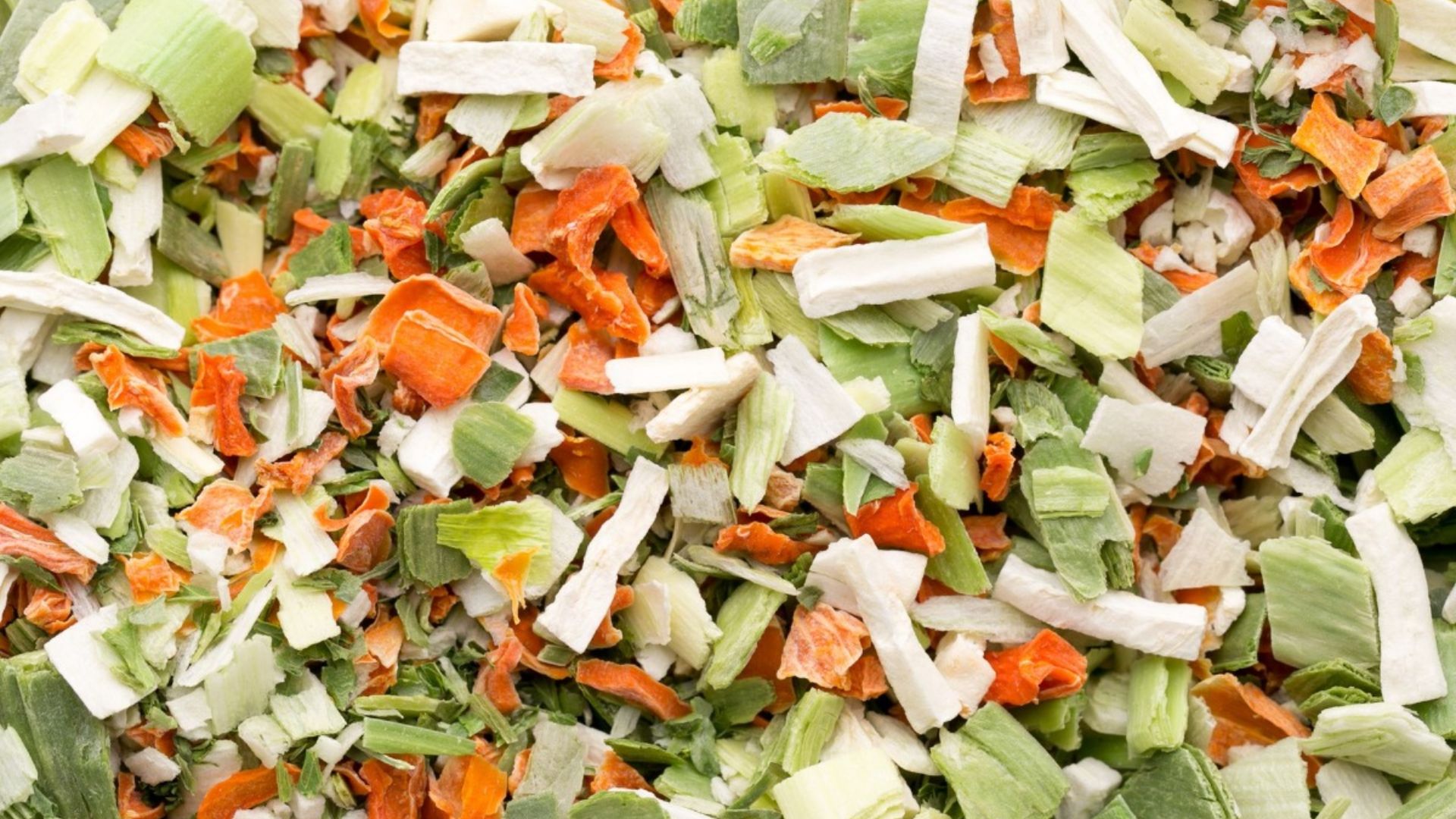
A mix of chopped onion, carrot, and celery saves real time because it removes multiple prep steps at once. It is especially useful for soups, stews, and sauces where the pieces cook down and you are not relying on perfect knife work. It can also prevent waste if you do not regularly use celery.
 commons.wikimedia.org on Google
7. Stir-Fry Vegetable Mix
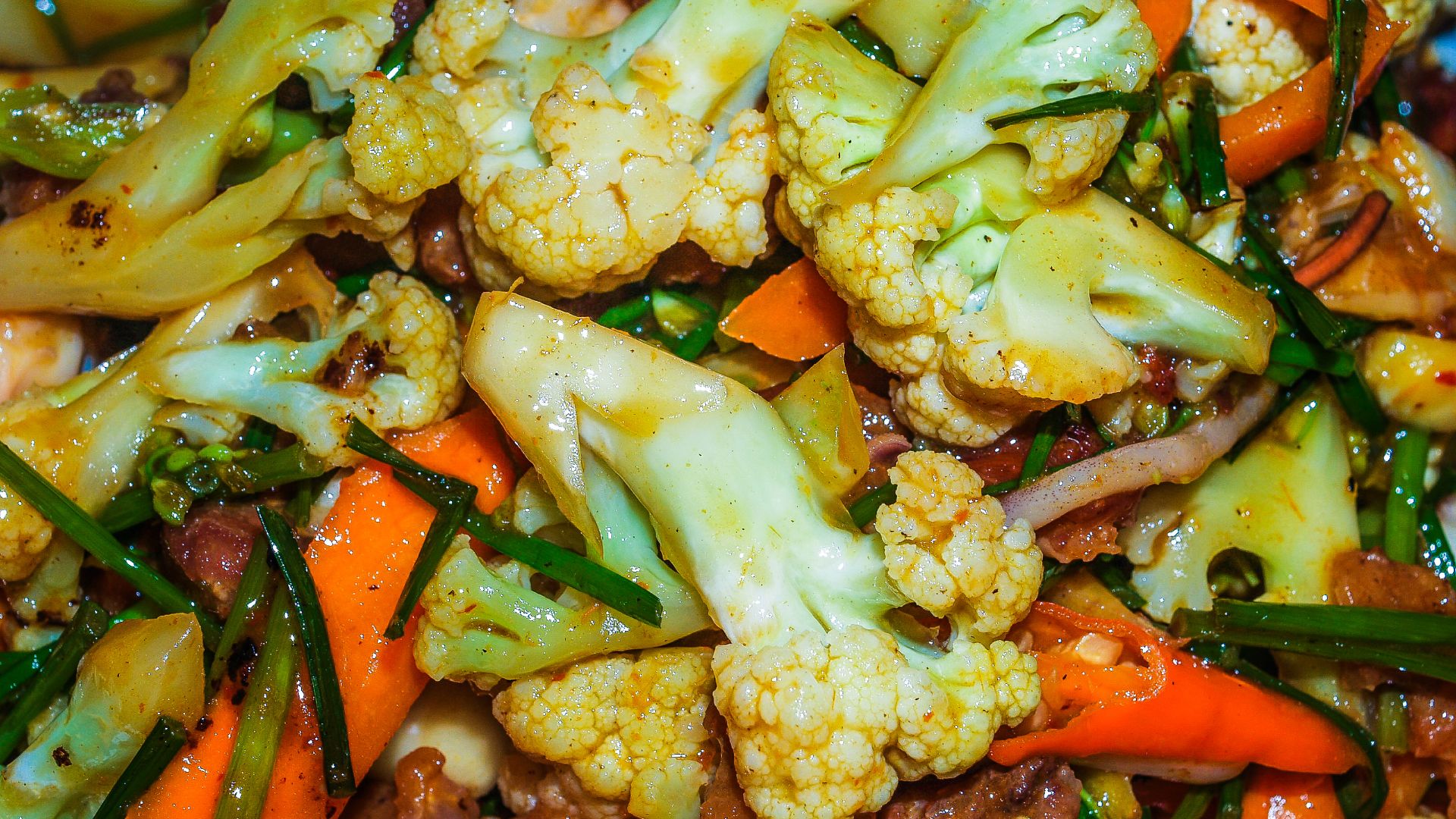
A stir-fry works best when all vegetables are ready to cook at the same time, and that prep can be the barrier. A mix provides variety without buying several separate vegetables, and it reduces leftovers you might not use. It is best for high-heat cooking where small texture differences are less noticeable.
8. Trimmed Green Beans
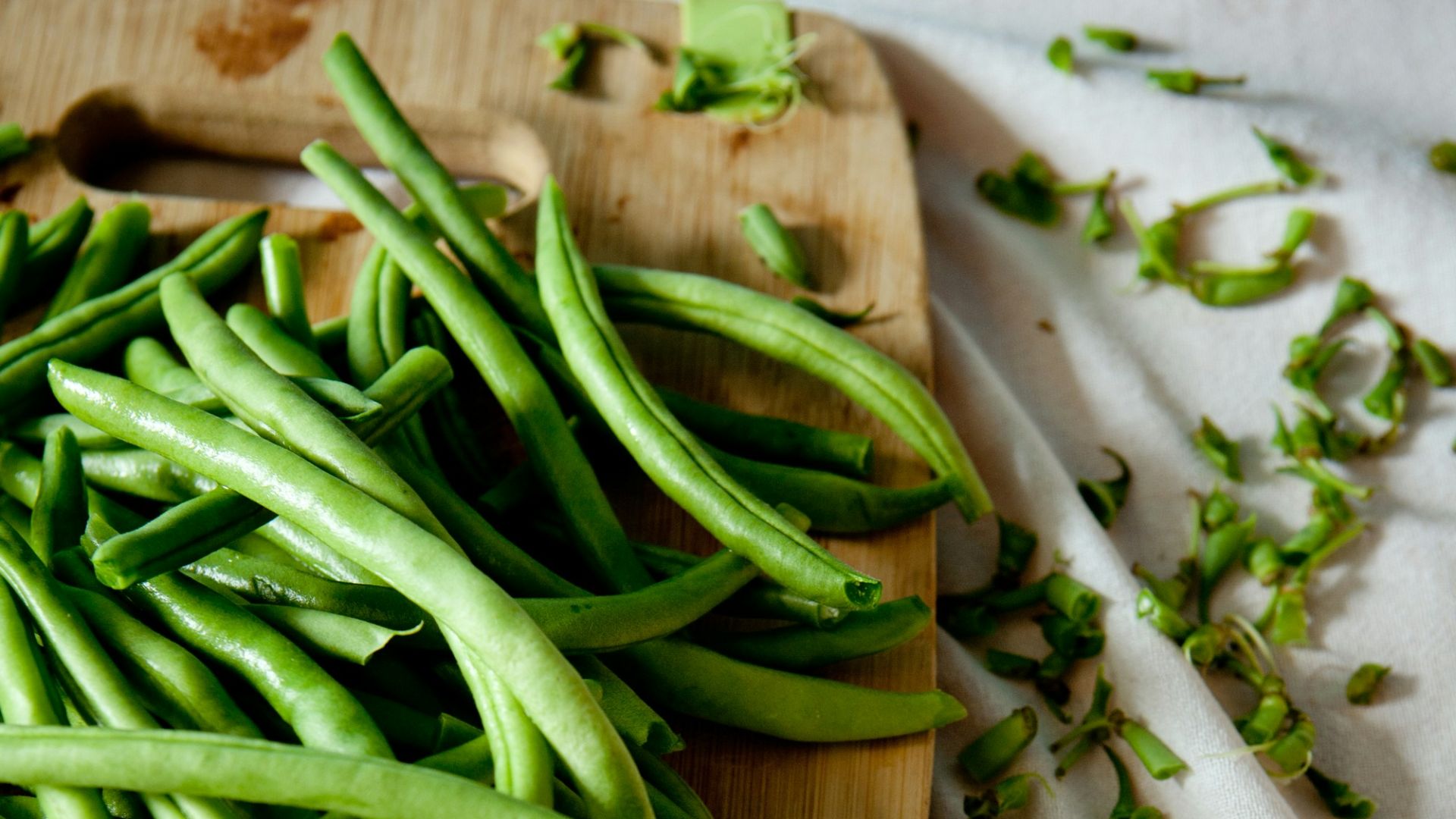
Trimming green beans is repetitive and can be a deal-breaker on a rushed day. Pre-trimmed beans save that time and can go straight to roasting, sautéing, or boiling. They are a good buy when you plan to cook them the same day or next day.
9. Pre-Cut Squash Noodles
Making squash noodles usually requires a spiralizer and extra cleanup. Pre-cut noodles make it easier to use squash as a quick side dish without specialized tools. They are worth it when you want that specific cut and will cook them soon after purchase.
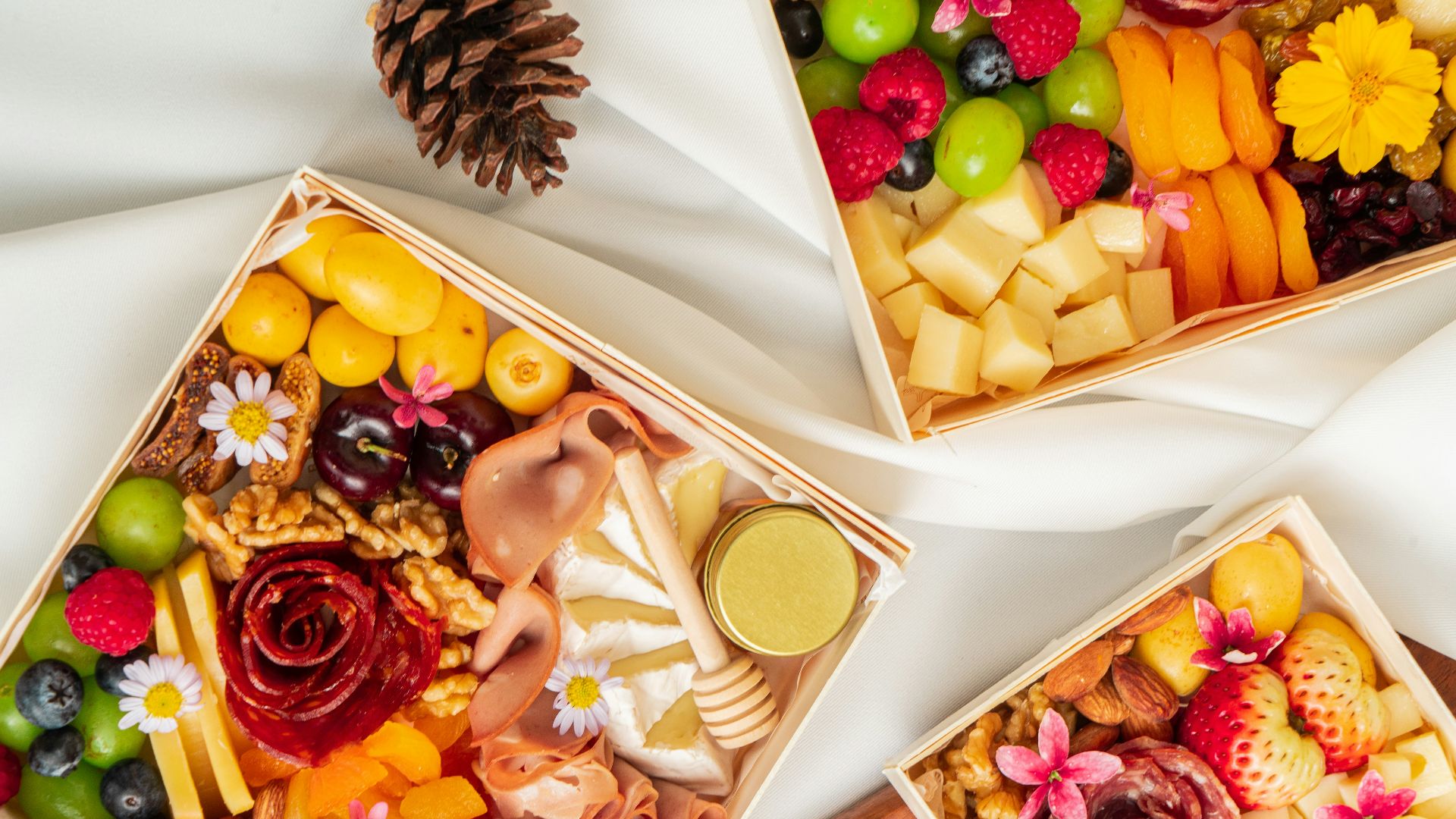
10. Fresh Fruit For Immediate Eating
Pre-cut fruit can make sense when it is being eaten the same day, such as for packed lunches, a road trip, or a meeting snack. The convenience is the main value, since whole fruit keeps longer and usually costs less. Keep it cold and choose containers that look fresh and dry rather than wet and sticky.
KEEP ON READING