These Ingredients Cost a Small Fortune
From caviar to truffles and even a hybrid juicy melon, there are plenty of foods in the world that are extremely costly to try a bite of. These luxury ingredients are pricey for a few predictable reasons: they’re hard to harvest, seasonal, spoil quickly, or sourced from supply chains that can’t scale without sacrificing quality. Grab a snack as you flip through this list—you might need it. Here are 20 of the most expensive foods in the world.
1. Almas Caviar
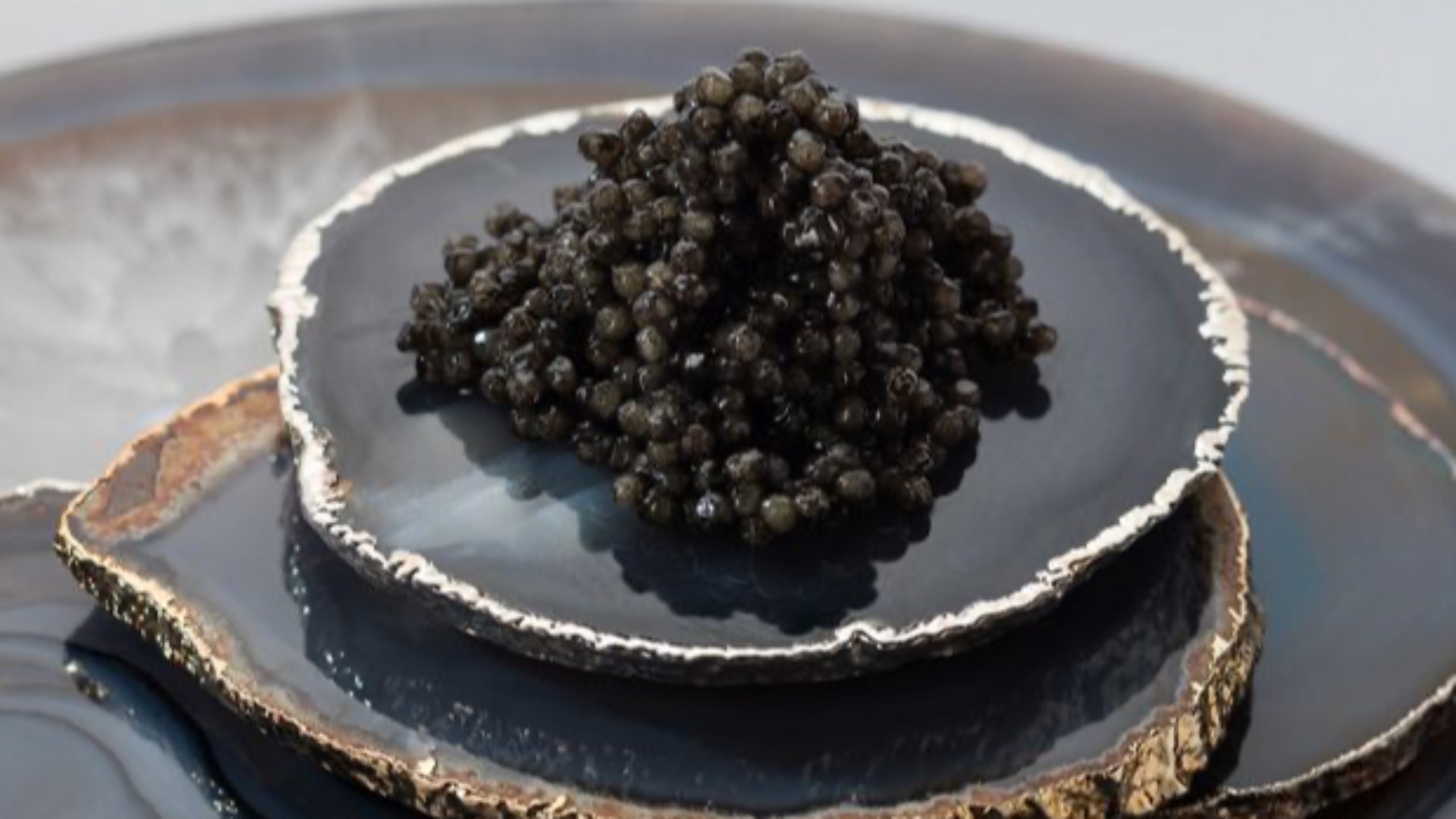
Almas caviar is prized for its rarity and the long timeline required to produce it, since it comes from extremely uncommon albino beluga sturgeon. Even among caviars, it sits in a separate category of scarcity and prestige. Reported pricing is often cited at extremely high levels per kilogram, reflecting how limited the supply can be.
 https://www.astrakhancaviar.ru/ on Wikimedia
2. Beluga Caviar
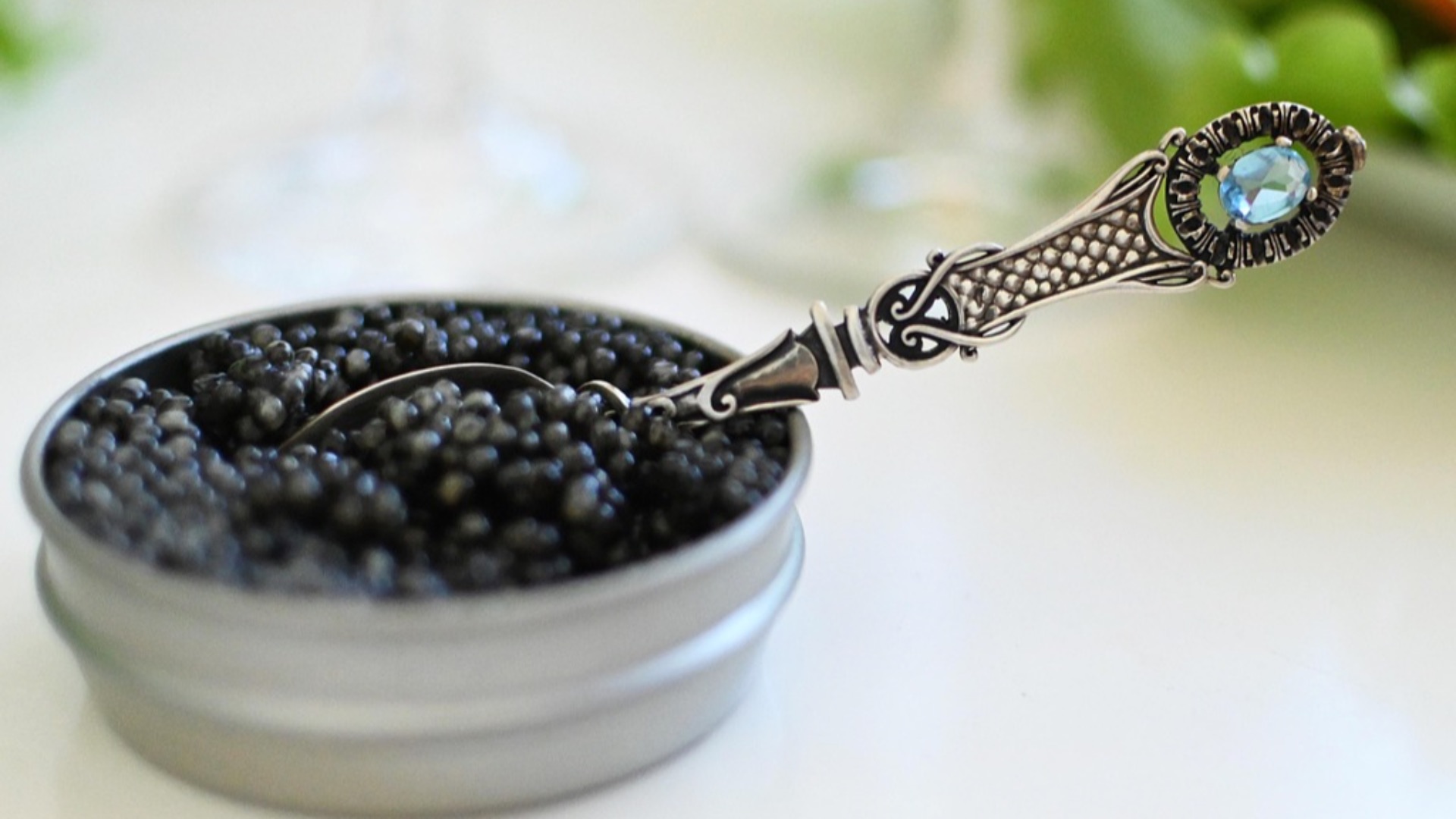
Beluga caviar remains one of the best-known high-end roes, with pricing that swings widely based on origin and quality. The sturgeon’s conservation status and slow maturation keep supply tight, which pushes prices up in legitimate markets. When you see it on a menu, you’re paying for rarity, handling, and strict sourcing constraints all at once.
3. White Alba Truffles
White Alba truffles are hunted rather than farmed, which means the supply is limited by nature and by season. Quality can vary, so prices shift fast, sometimes week to week, depending on harvest conditions and demand. If you’re buying them fresh, you’re also paying for speed, because they’re at their best soon after they’re found.
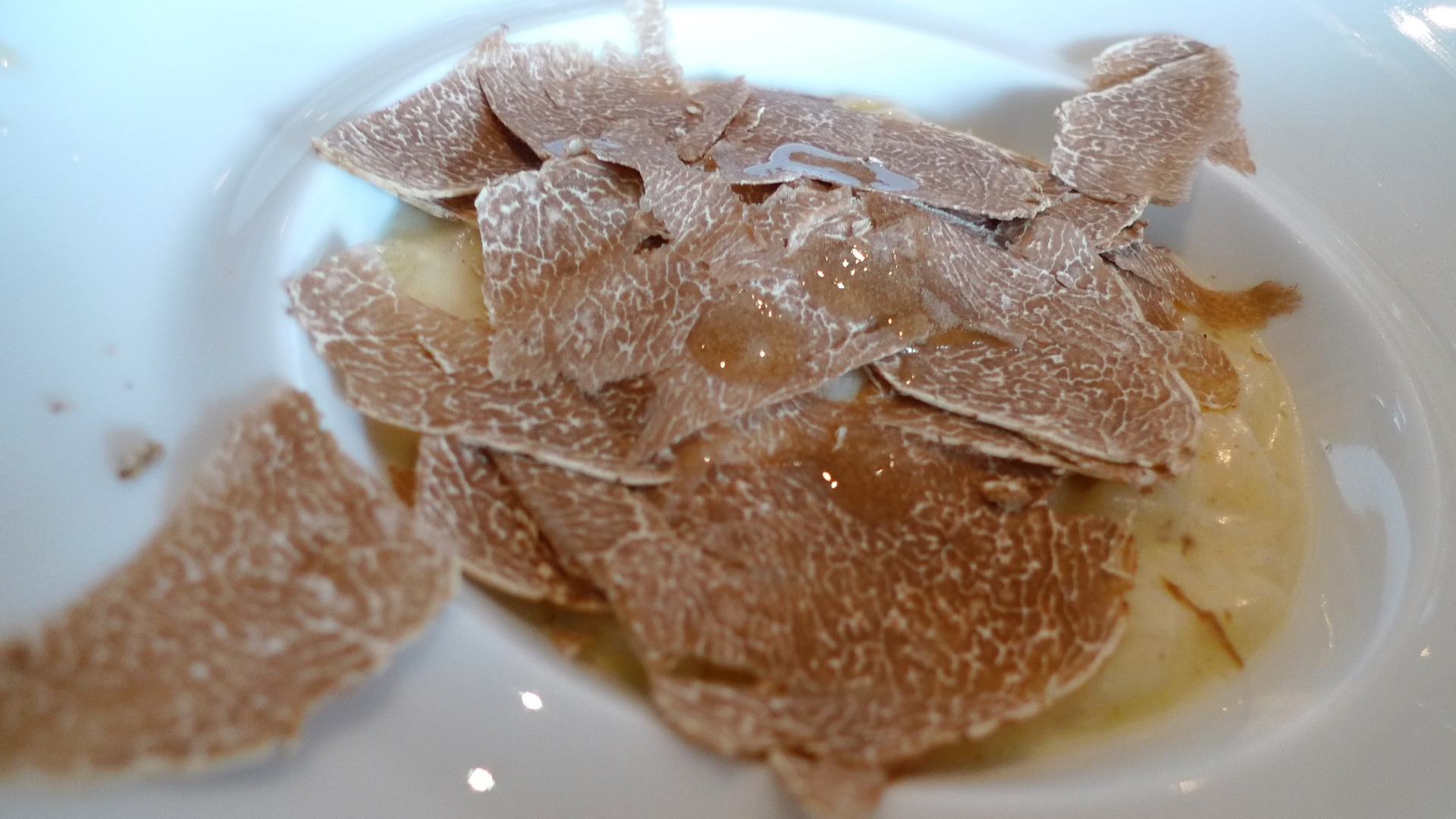 Arnold Gatilao from Fremont, CA, USA on Wikimedia
4. Saffron
Saffron is expensive because it takes an enormous amount of hand labor to gather and process the delicate threads. The yield per flower is tiny, so scaling up production isn’t simple, even when demand rises. Retail pricing often lands in a high per-gram range, especially for top grades with strong color and aroma.
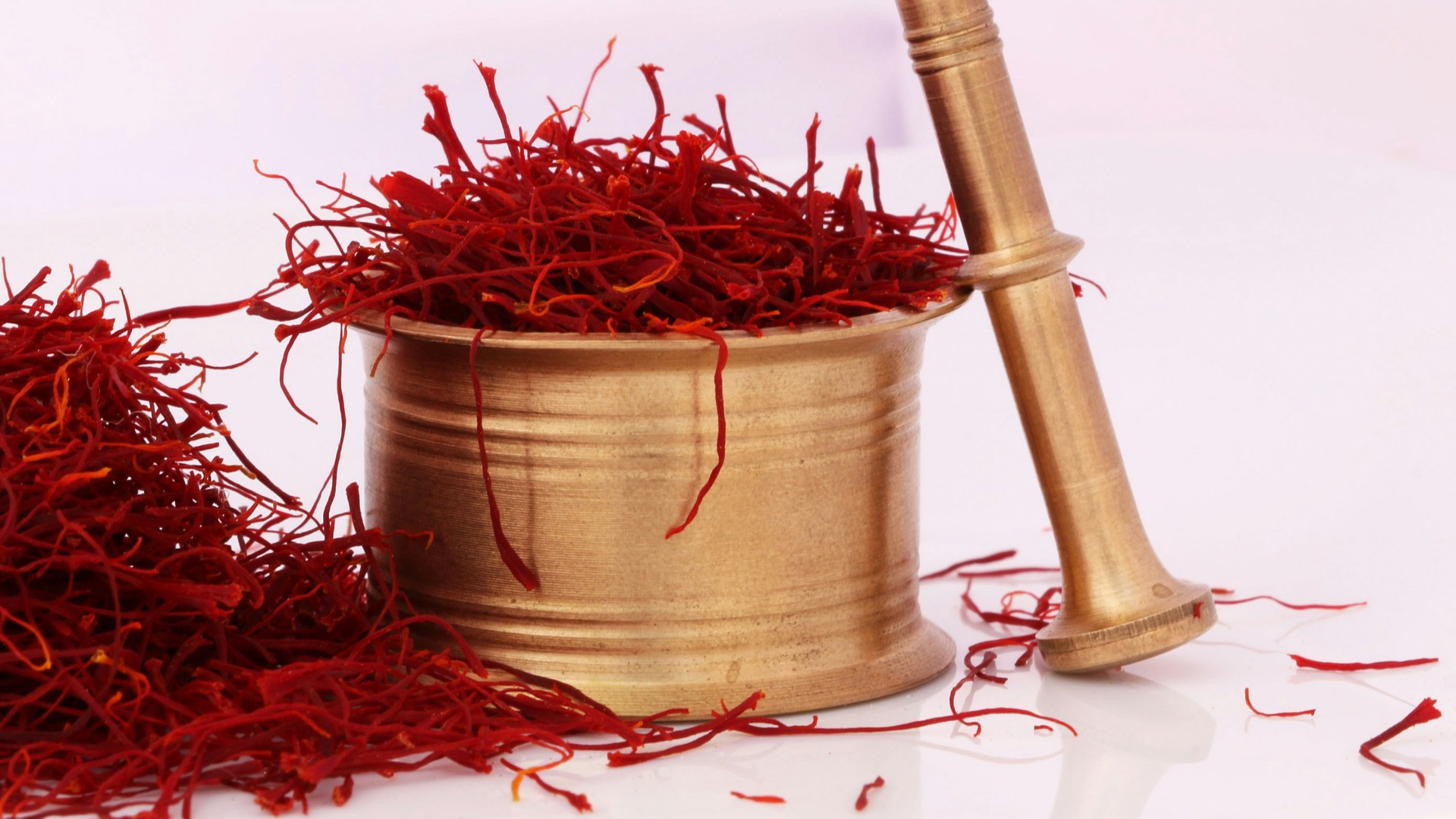
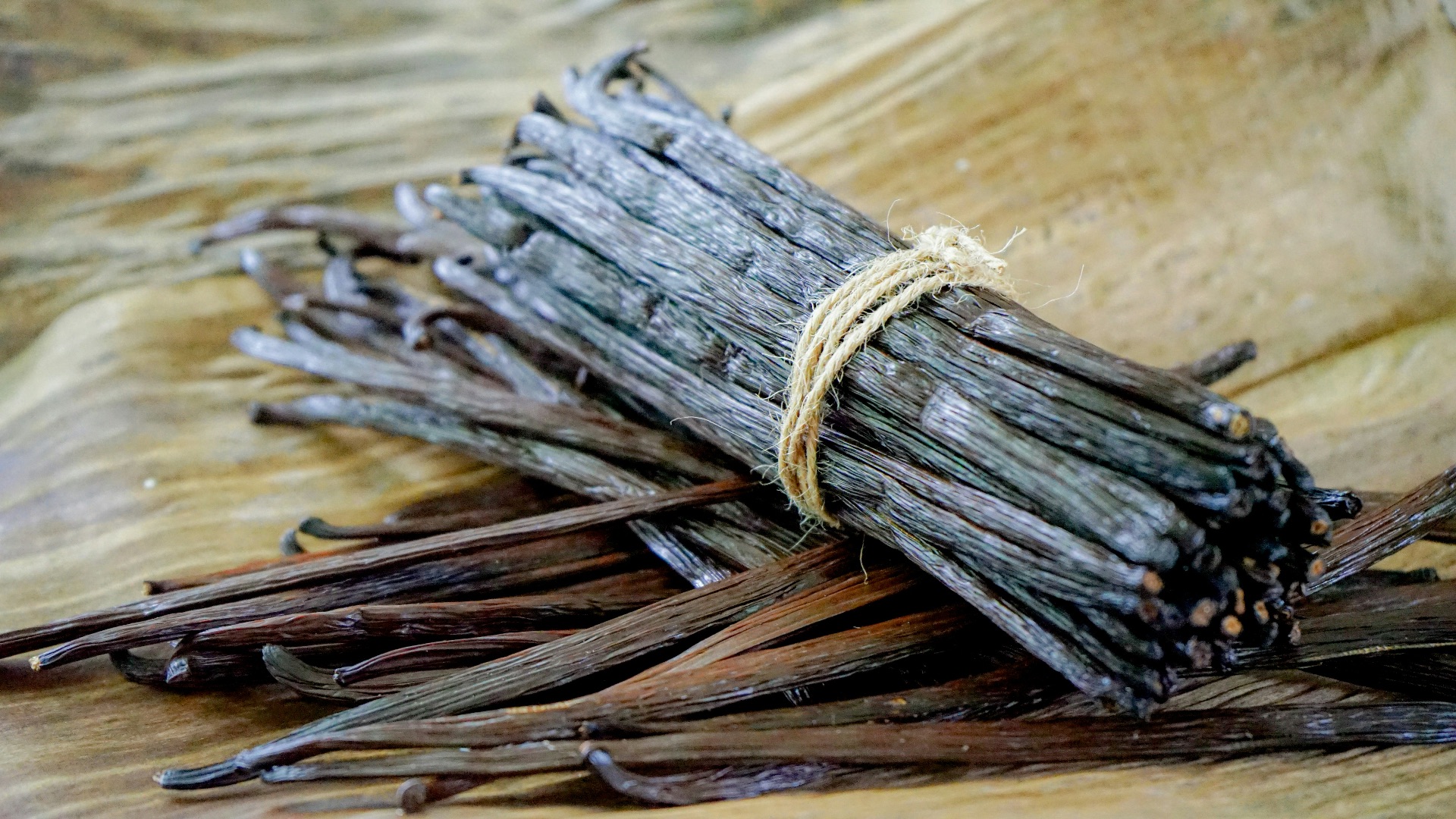
5. Vanilla Beans
Natural vanilla can be shockingly pricey because the plants require careful cultivation and, in many places, hand pollination. Weather events and crop volatility can tighten global supply quickly, which shows up in market prices. If you’re buying whole beans instead of extract, you’re usually paying for a premium product with less processing and a clearer origin.
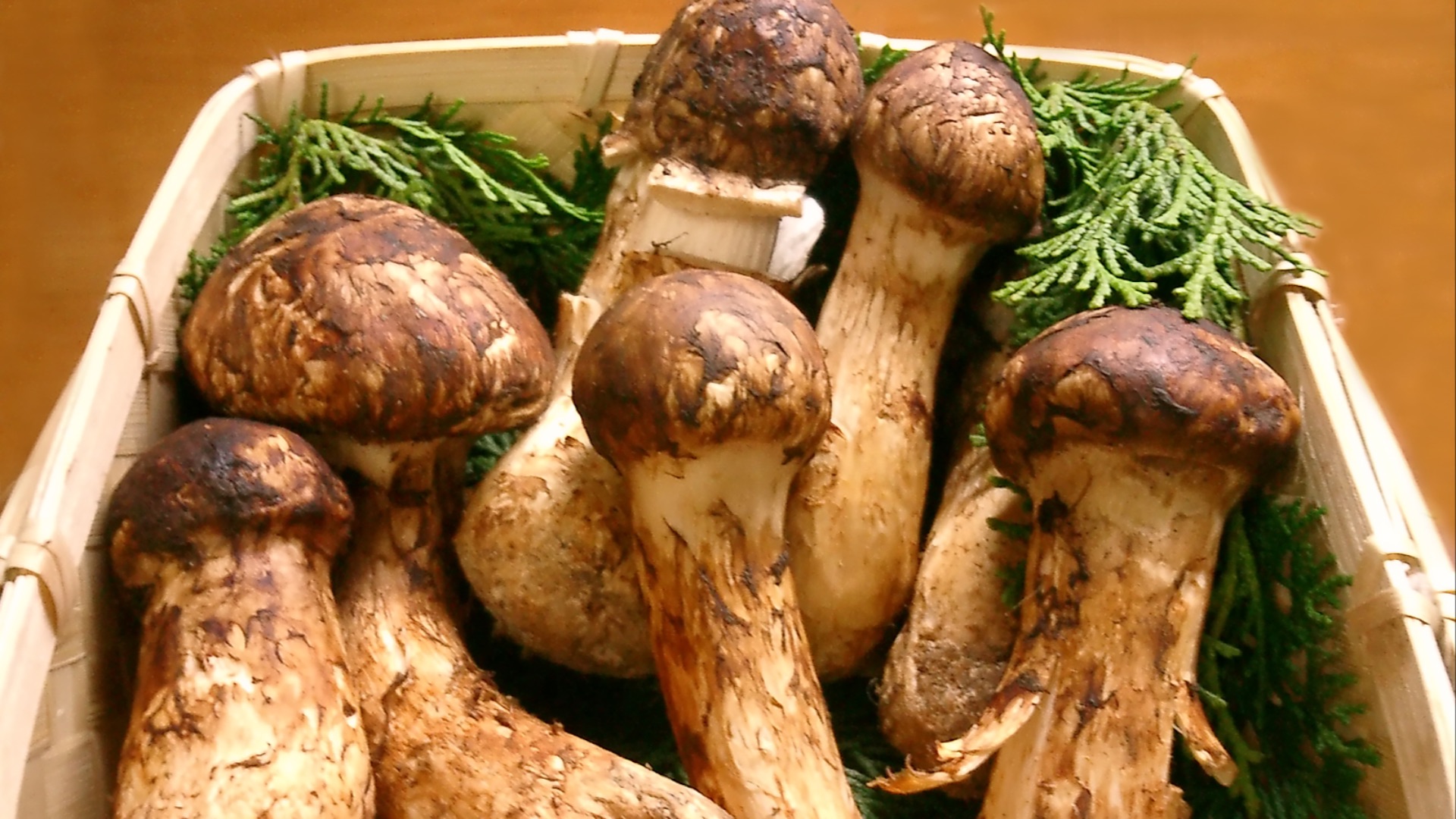
6. Matsutake Mushrooms
Matsutake mushrooms are costly largely because they’re difficult to cultivate and rely on specific forest ecosystems. Their availability is seasonal and unpredictable, which makes high-quality specimens especially competitive at the top end of the market. Peak pricing can reach extraordinary levels per pound when supply is tight and demand is strong.
7. Bluefin Tuna
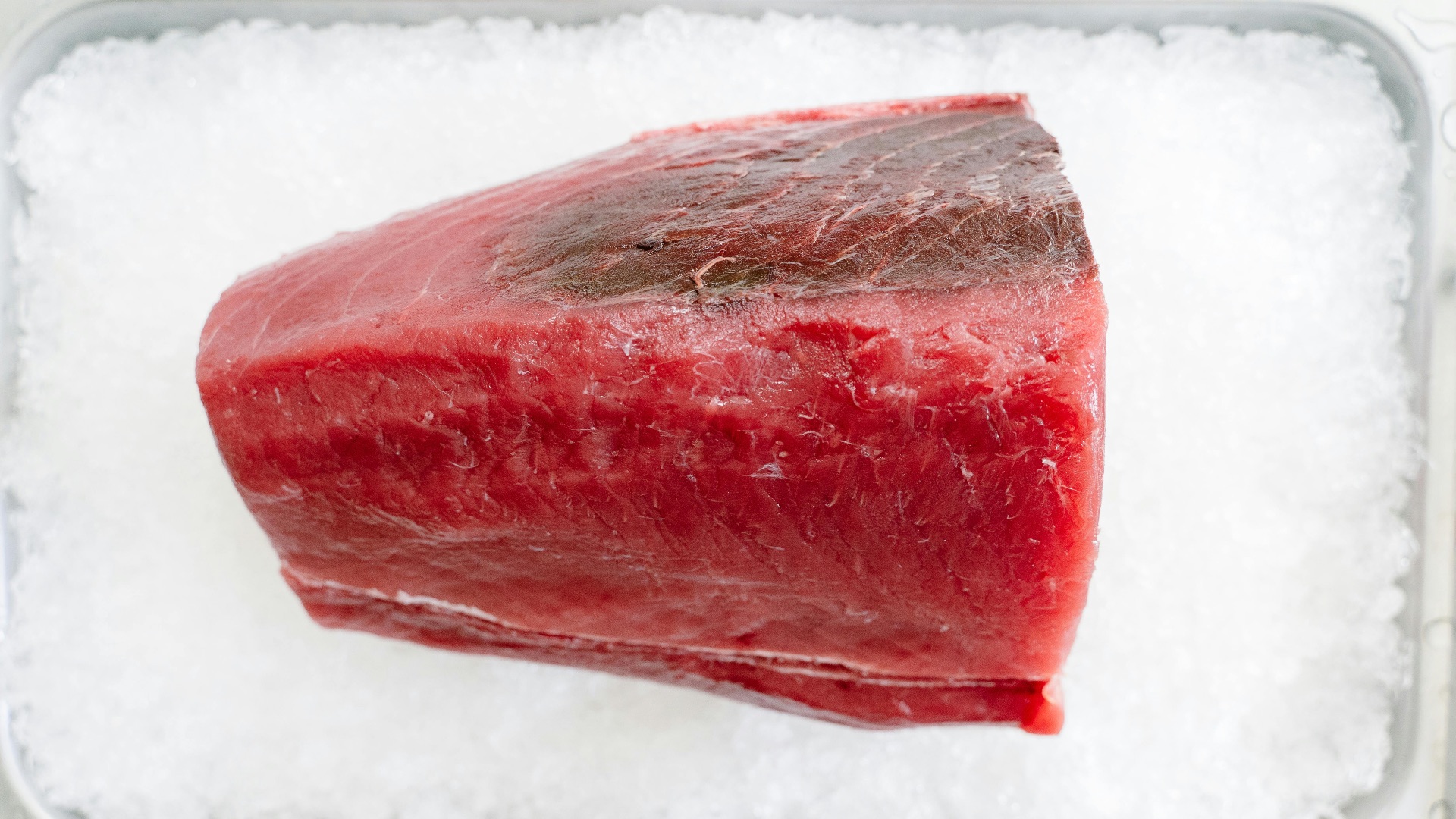
Top-grade bluefin can become astronomically expensive when it’s tied to prestige buying and headline-making auctions. The famous New Year auction at Tokyo’s Toyosu market is a good example of how celebratory bidding can spike prices beyond everyday wholesale levels; in 2026, a 243kg fish fetched a $3.2 million bid. Even outside that event, the highest-quality cuts command luxury pricing because demand is global and the product is highly perishable.
8. Japanese A5 Wagyu Beef
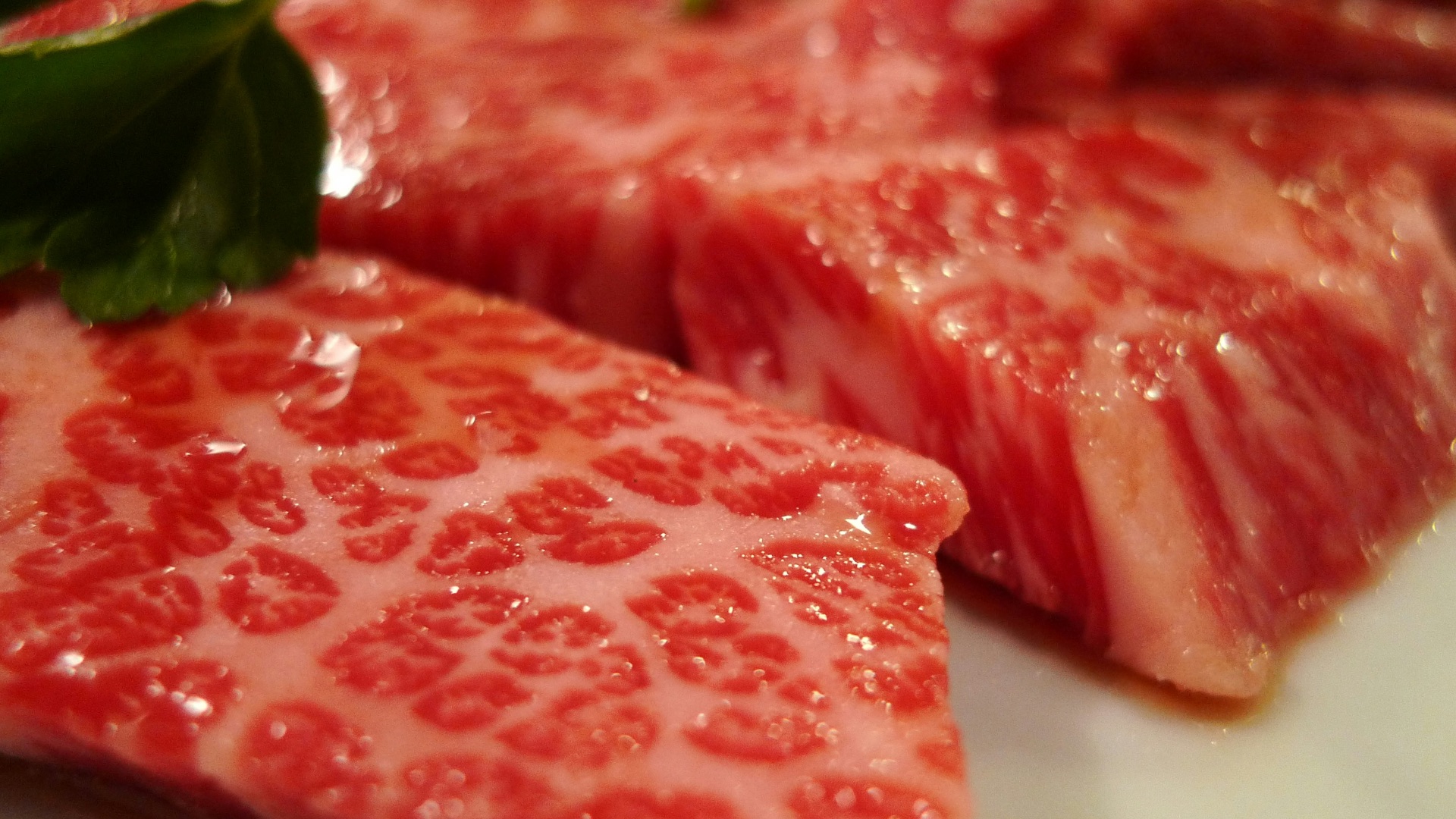
A5 Wagyu is priced for meticulous production standards, from breeding and feeding to grading and distribution. True top-grade Japanese Wagyu is limited, and traceability matters because the name gets misused in marketing. When you buy it, you’re paying for consistent marbling, strict grading, and the supply controls that keep it exclusive.
9. Jamón Ibérico de Bellota
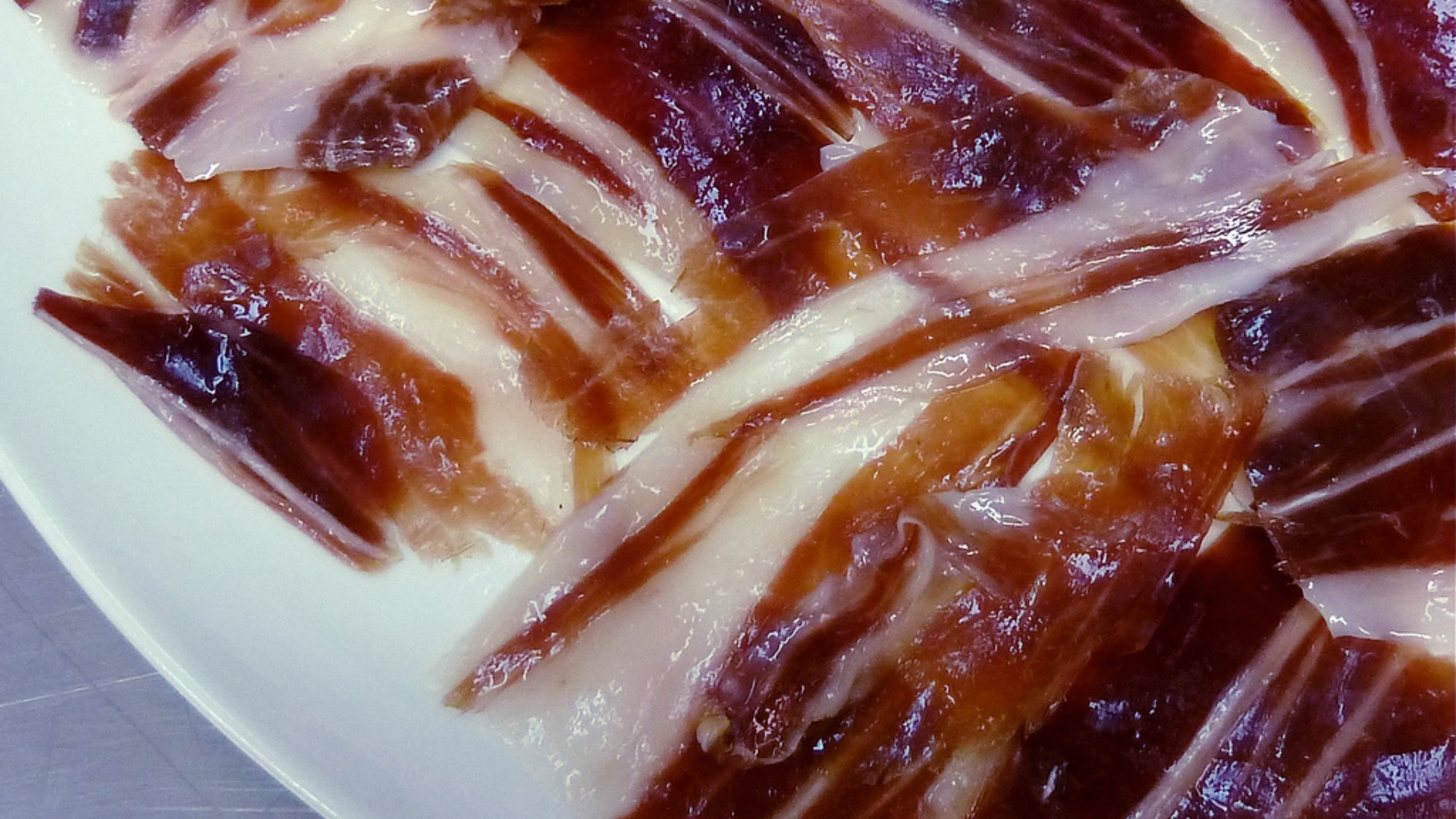
Acorn-fed Ibérico ham takes time, space, and careful curing, so the cost reflects a long production cycle rather than a quick farm-to-table turnaround. The best versions come from tightly controlled systems that regulate breed, feed, and aging. If you’re shopping for it, you’ll notice pricing rises quickly as you move toward higher purity and stricter designation standards.
 La Cesta Bar Restaurante from Madrid, ES on Wikimedia
10. Pule Donkey-Milk Cheese
Pule is rare because donkey milk yields are low, and producing enough milk for cheese is a slow, labor-heavy process. Availability is limited, so it doesn’t behave like a normal retail cheese market where you can just ramp up volume. When it appears, the price can land in the hundreds of dollars per pound range.

11. Edible Bird’s Nest
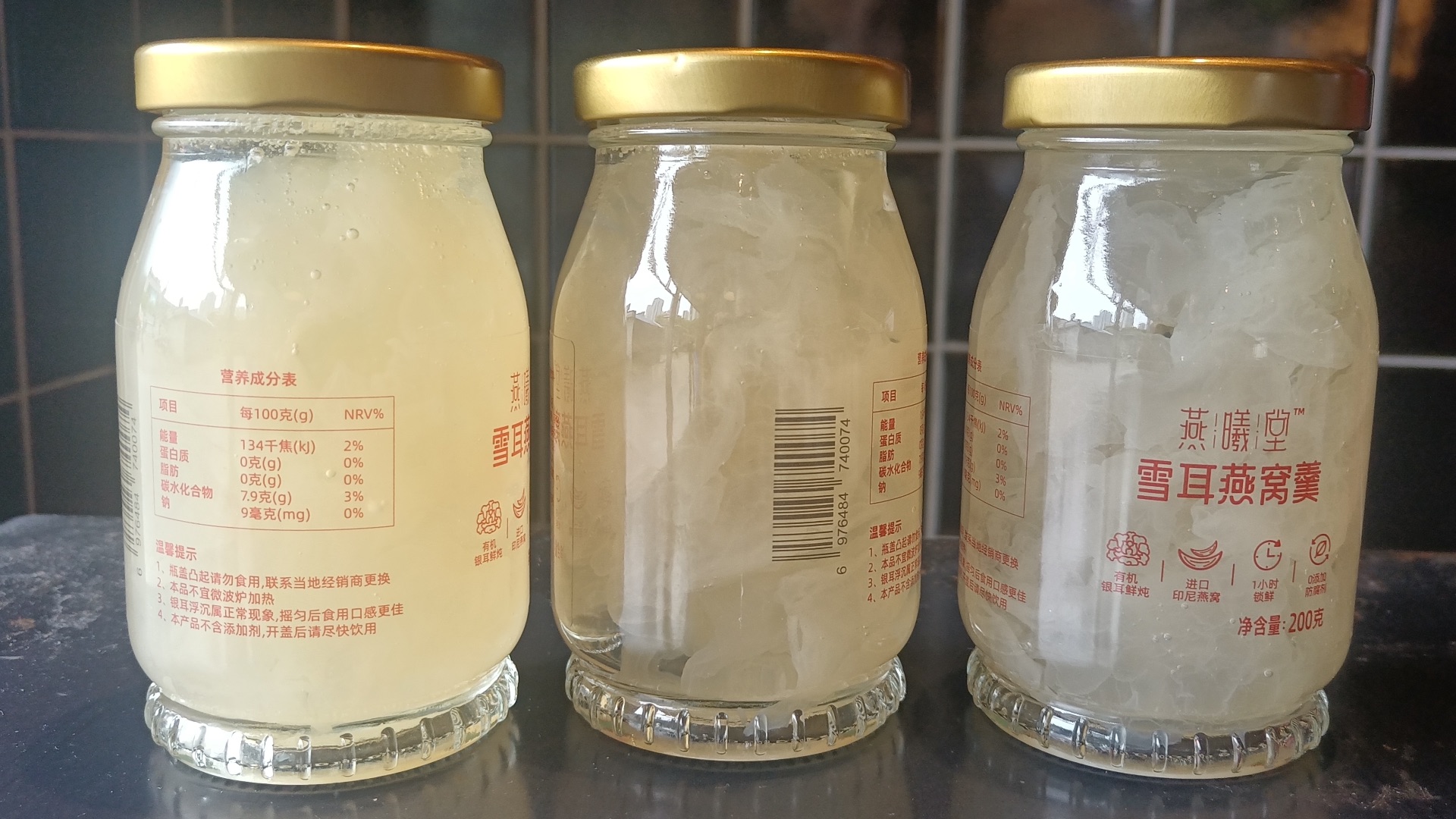
Edible bird’s nest is expensive because harvesting and cleaning it are painstaking, and quality grading is strict. It also sits inside a specialized market where origin and processing methods make a big difference to buyers. Pricing is commonly reported in the thousands of dollars per kilogram for premium nests.
 Fumikas Sagisavas on Wikimedia
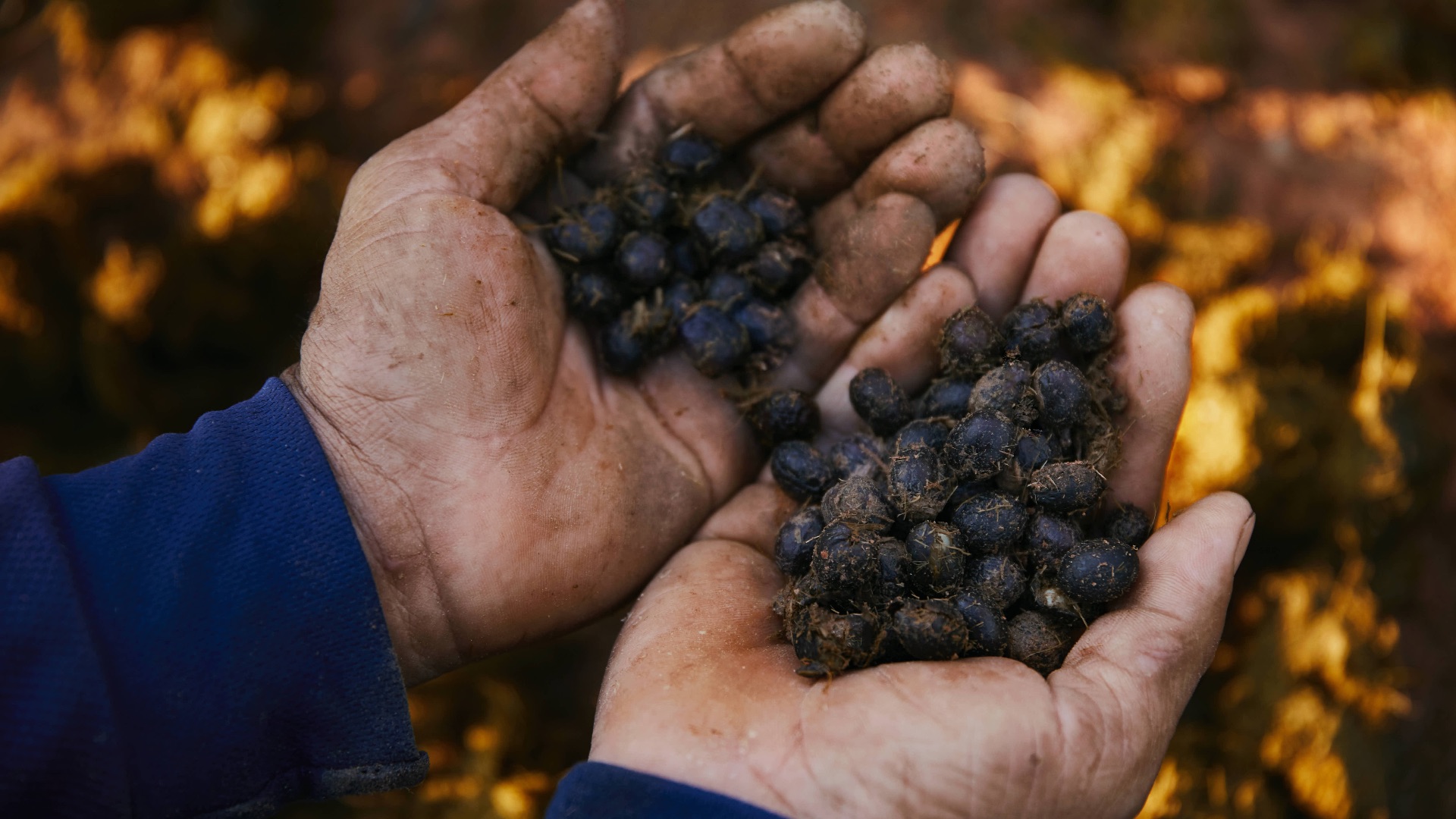
12. Black Ivory Coffee
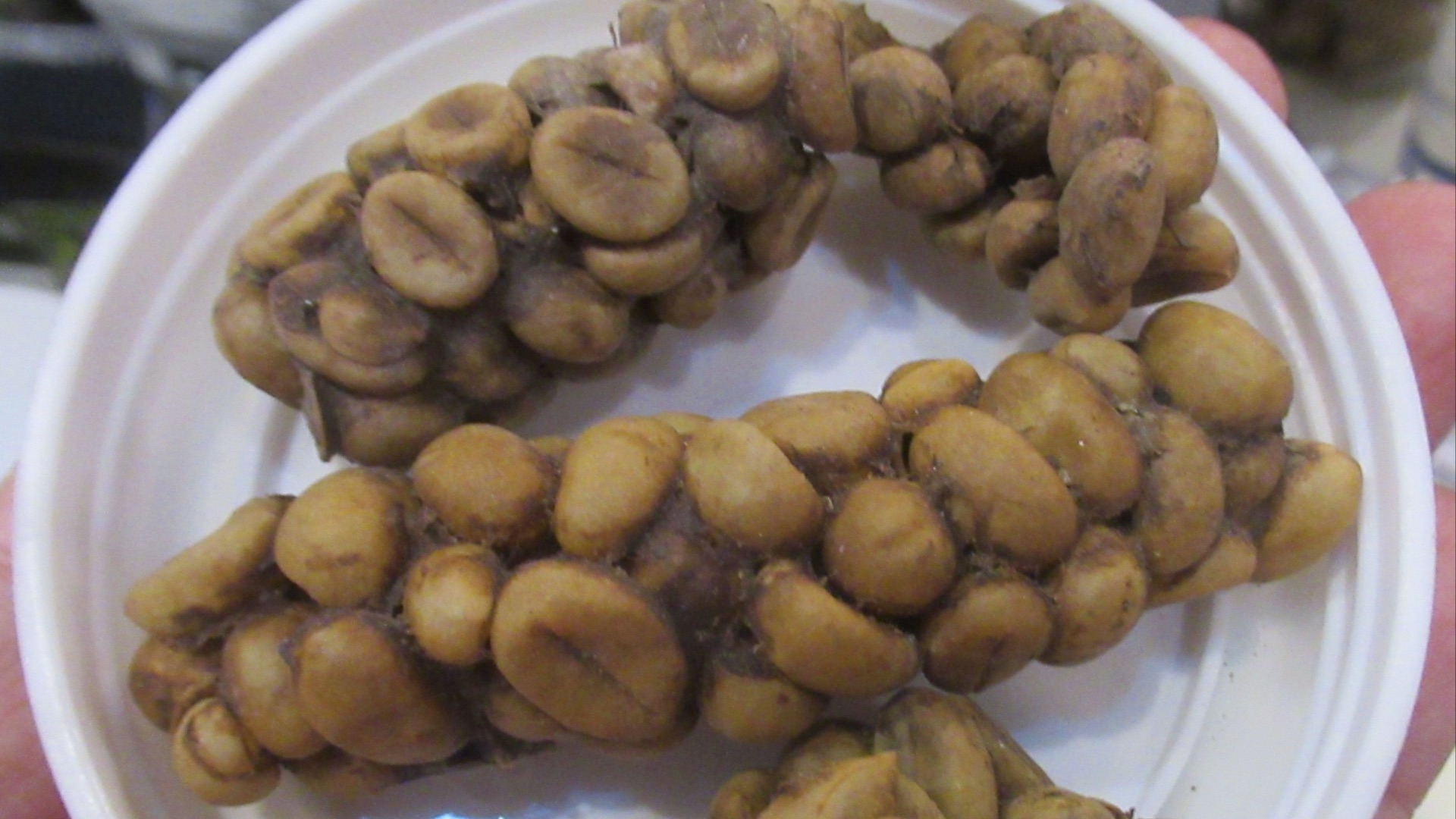
Black Ivory is costly because production is extremely low-yielding and involves careful collection and sorting after the beans pass through elephants. That limited output creates a luxury supply ceiling that’s hard to break, even with strong demand. Typical price ranges are often reported well into four figures per kilogram.
 Blake Dinkin - blackivorycoffee on Wikimedia
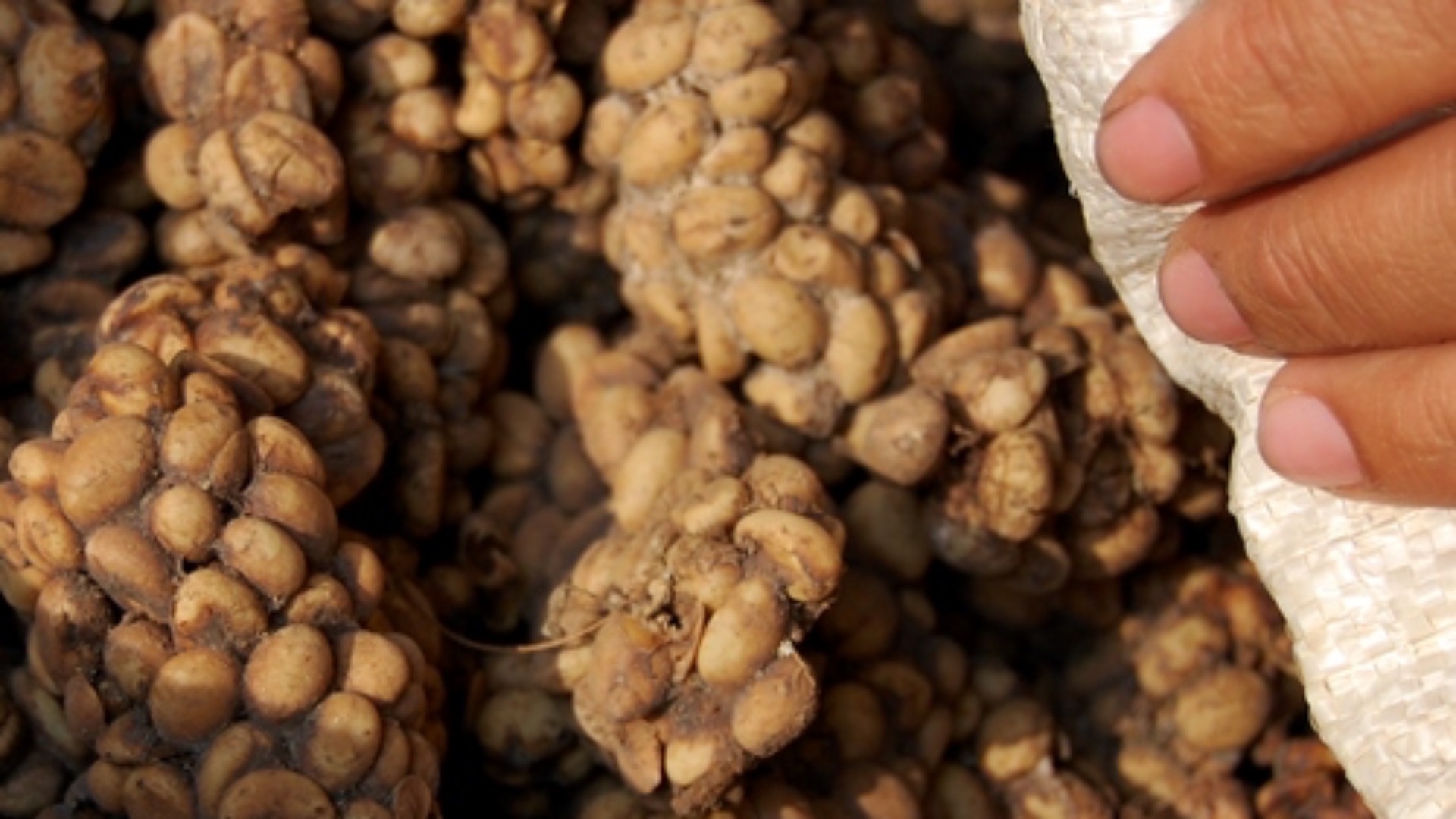
13. Kopi Luwak
Kopi luwak is priced as a luxury curiosity, and authentic sourcing is a major driver of what you’ll pay. It’s produced from beans that pass through civets, but the market has also faced serious issues with fraud and animal welfare concerns. Legitimate pricing is frequently cited as high per kilogram, especially for verified wild-sourced coffee.
 Wibowo Djatmiko (Wie146) on Wikimedia
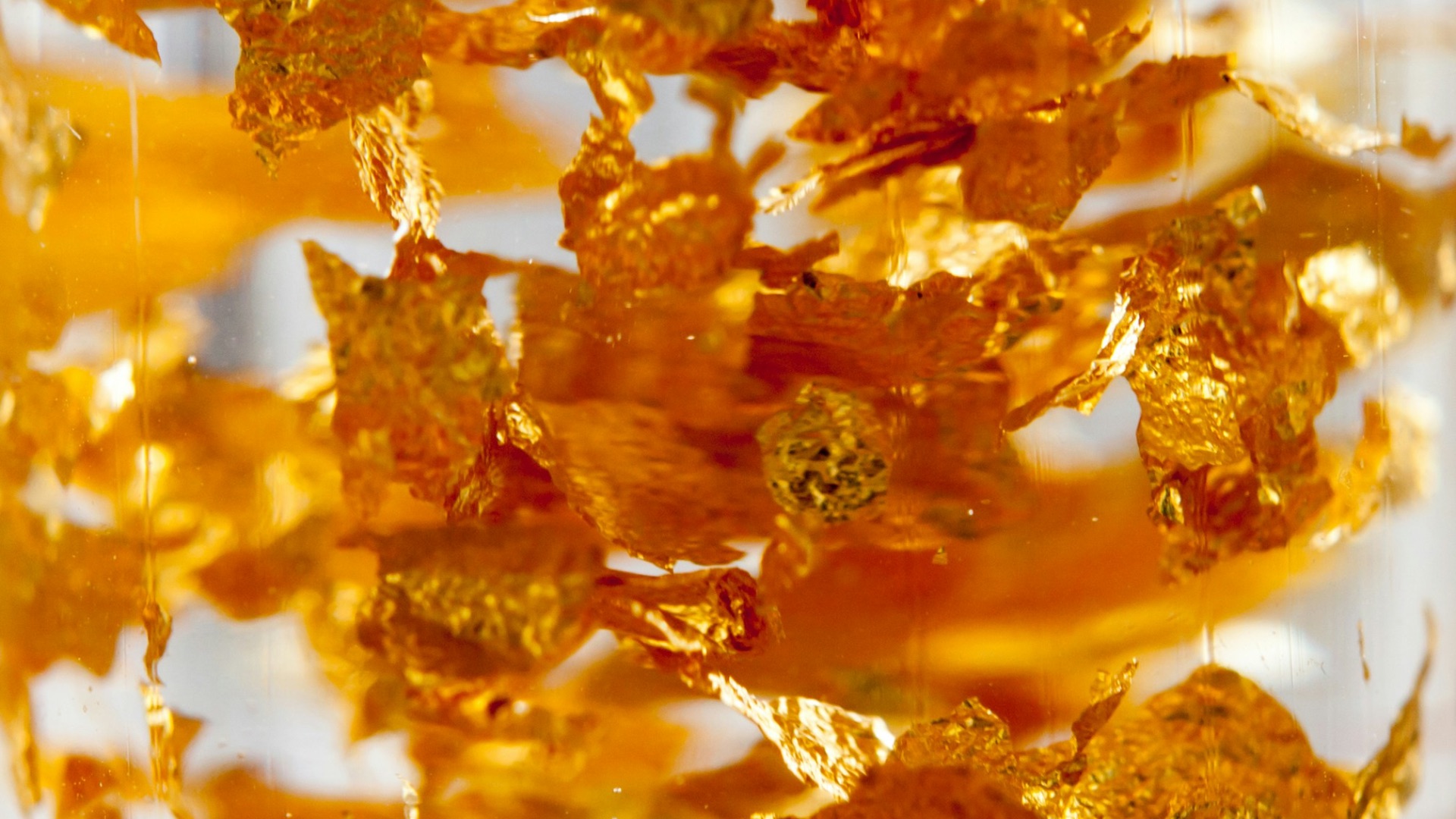
14. Edible Gold Leaf
Edible gold leaf sounds wildly expensive, but it’s often sold in ultra-thin sheets that use very little metal per serving. What you’re really paying for is the processing, handling, and the luxury it adds to a dish. Retail packs are commonly priced in the tens of dollars for small booklets, depending on karat and quantity.
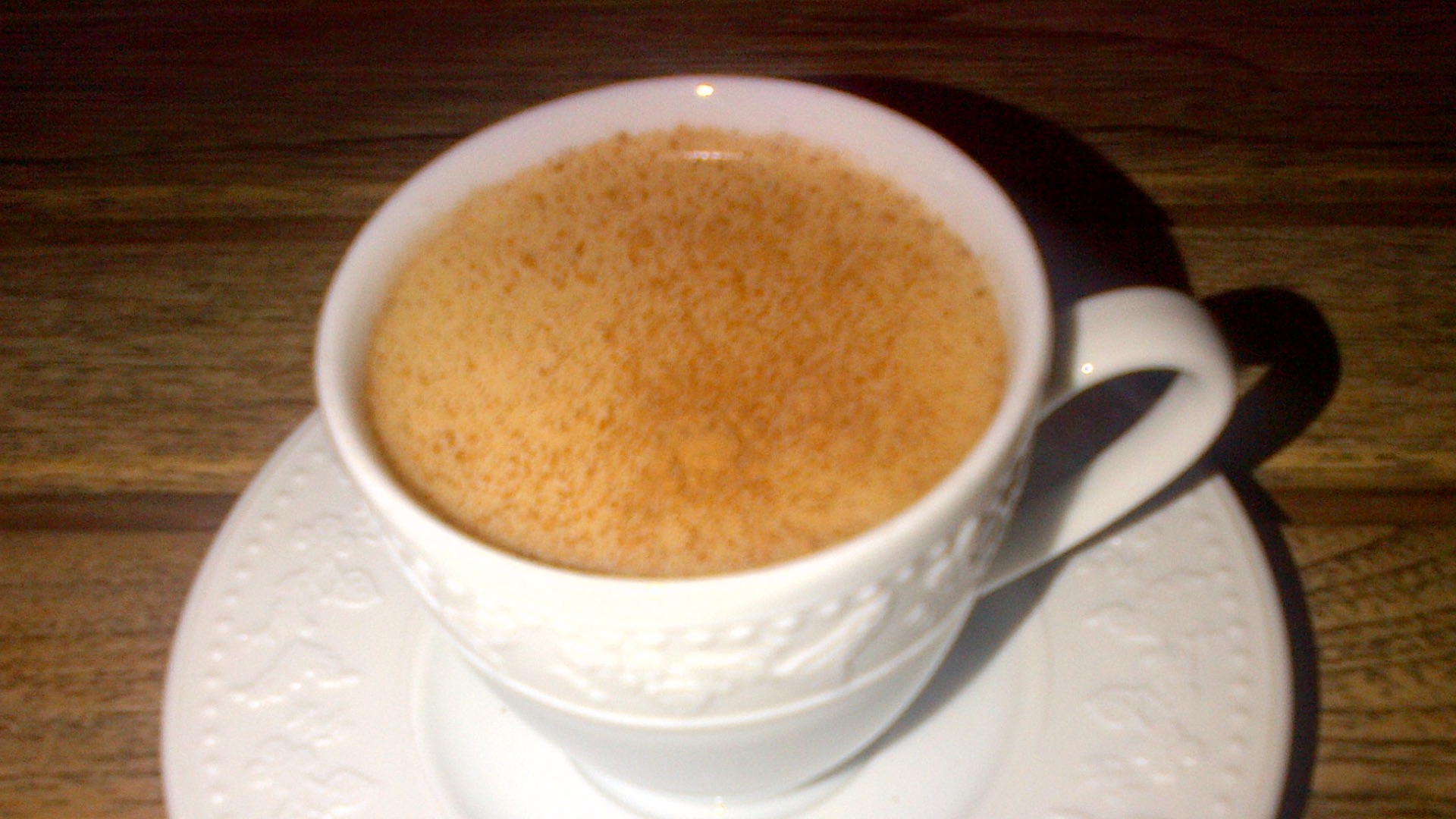
15. Salep Orchid Tuber Flour
Salep is expensive and controversial because it’s traditionally made from orchid tubers, and overharvesting has threatened wild orchid populations. Regulations and scarcity both push the cost up, while also making authentic supply harder to verify. When you see it in traditional drinks or stretchy ice cream, you’re looking at an ingredient tied to a real conservation challenge.
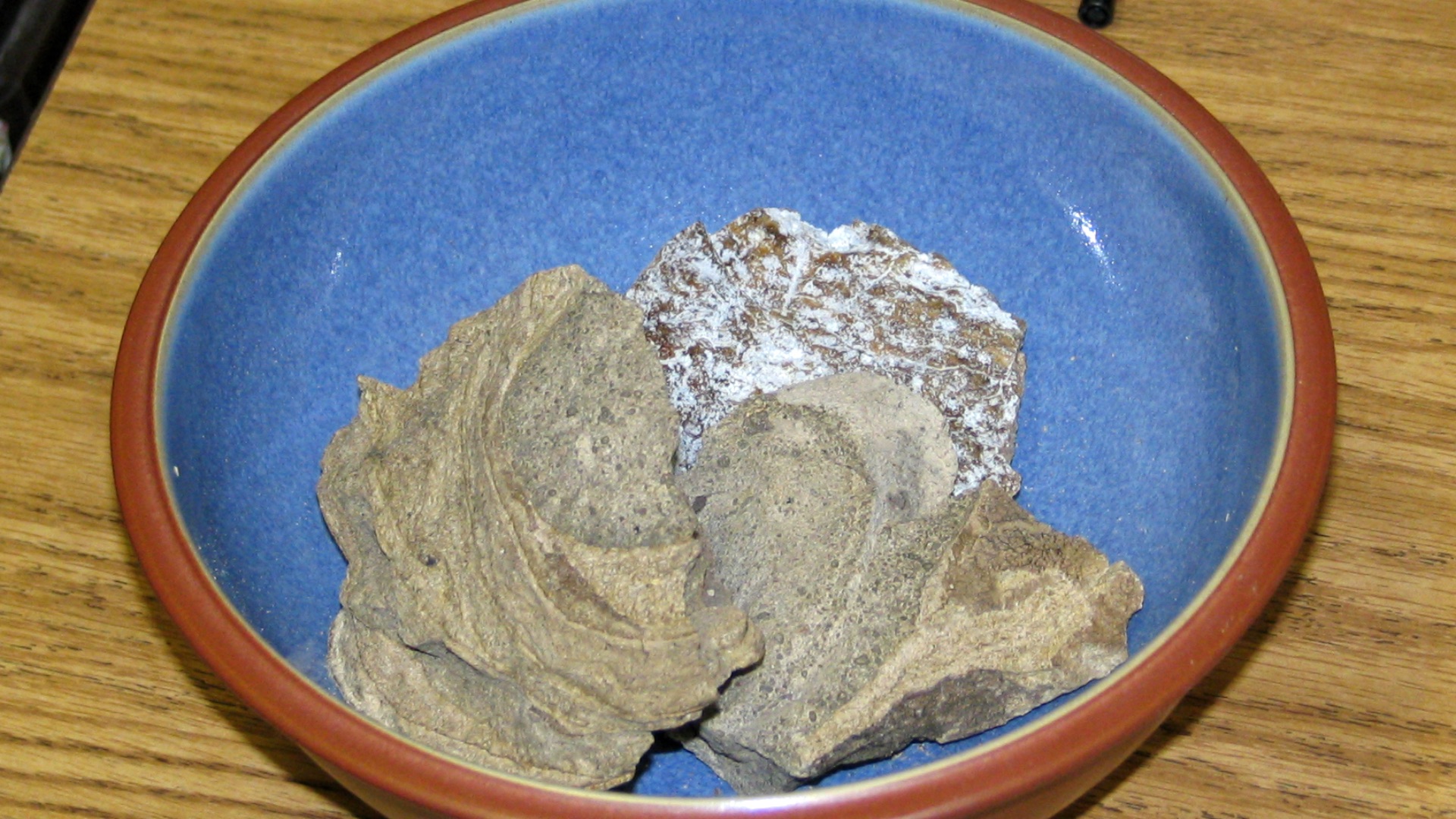
16. Ambergris
Ambergris is mostly associated with perfumery, but it has also been used historically in tiny amounts to flavor foods and drinks via tinctures. It’s rare to find, difficult to authenticate, and legally complicated in some places, which adds friction and cost. Even when used culinarily, it’s typically dosed sparingly because it’s potent and scarce.
 Photographer: Peter Kaminski on Wikimedia
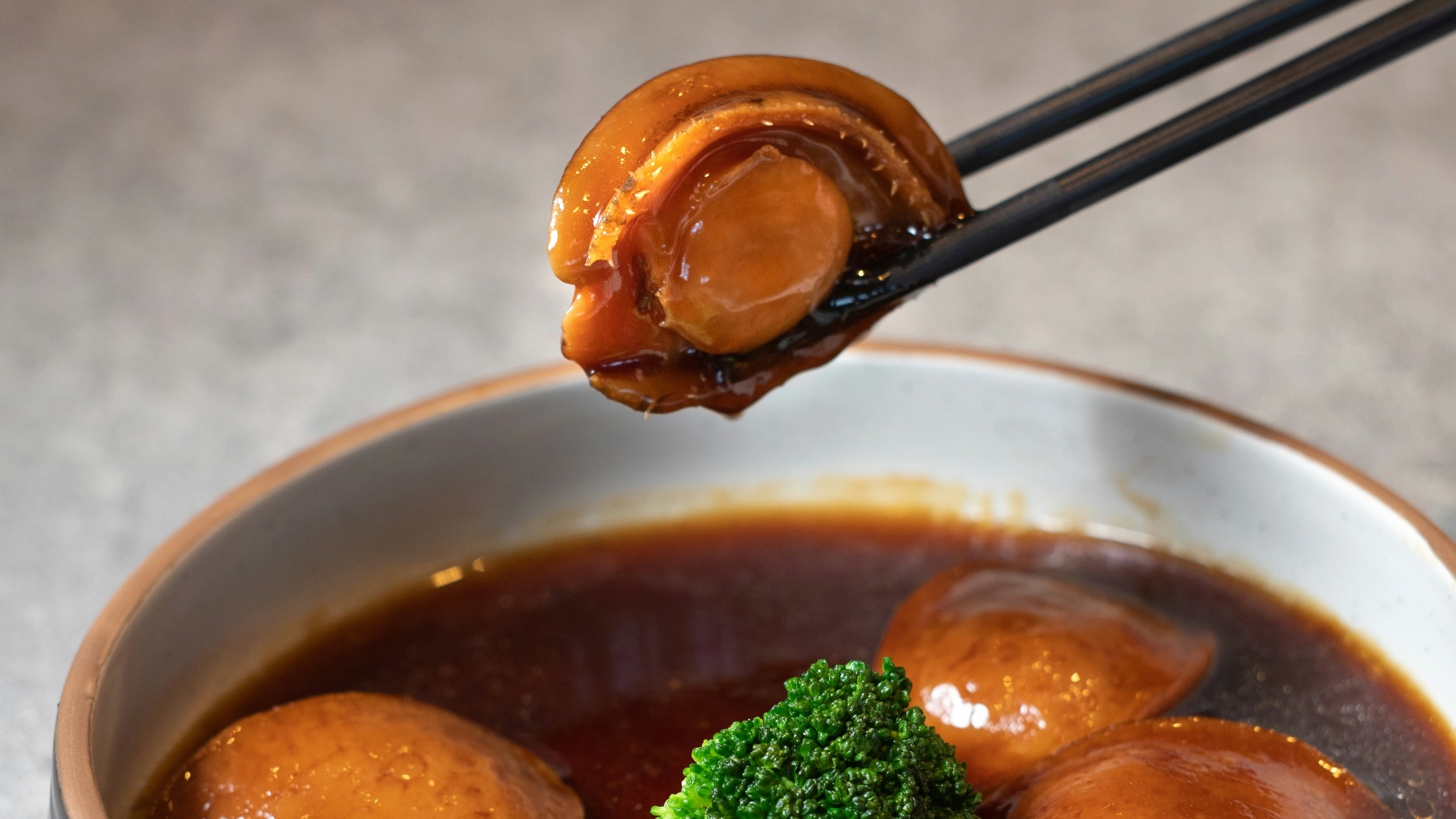
17. Abalone
Abalone gets expensive because harvesting is difficult, supply is limited, and demand stays strong in luxury seafood markets. Prices can range widely by species and whether it’s wild-caught or farmed, but premium options can climb dramatically. If you’re ordering it, you’re paying for rarity, careful handling, and a product that doesn’t scale easily.
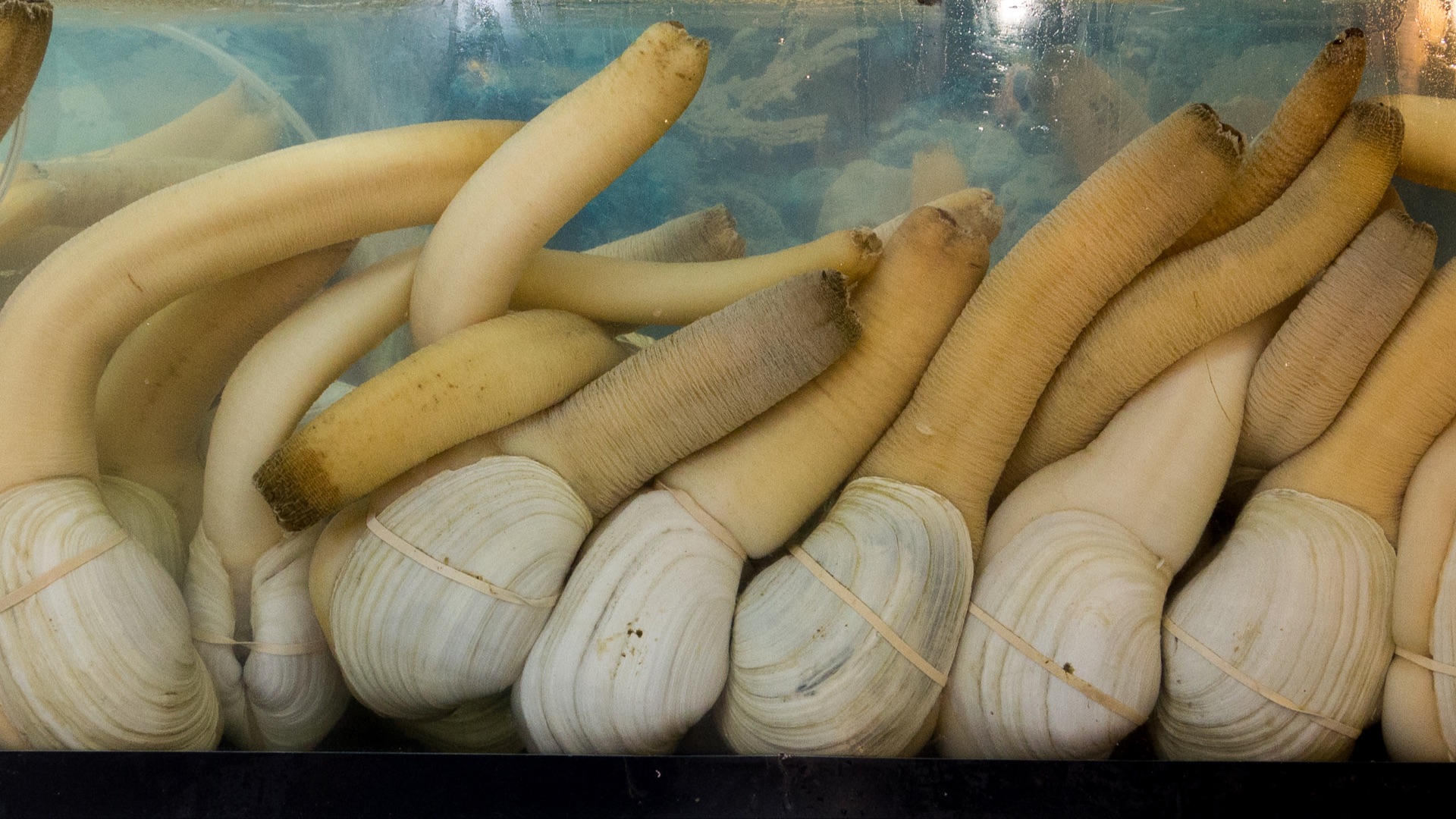
18. Geoduck
Geoduck is a specialty clam with a strong reputation in high-end dining, particularly in export markets. Pricing varies by market and season, but it’s often described as a premium shellfish with a surprisingly high per-pound cost for top-quality supply. Its value is also tied to labor-intensive harvesting and a supply chain built around freshness.
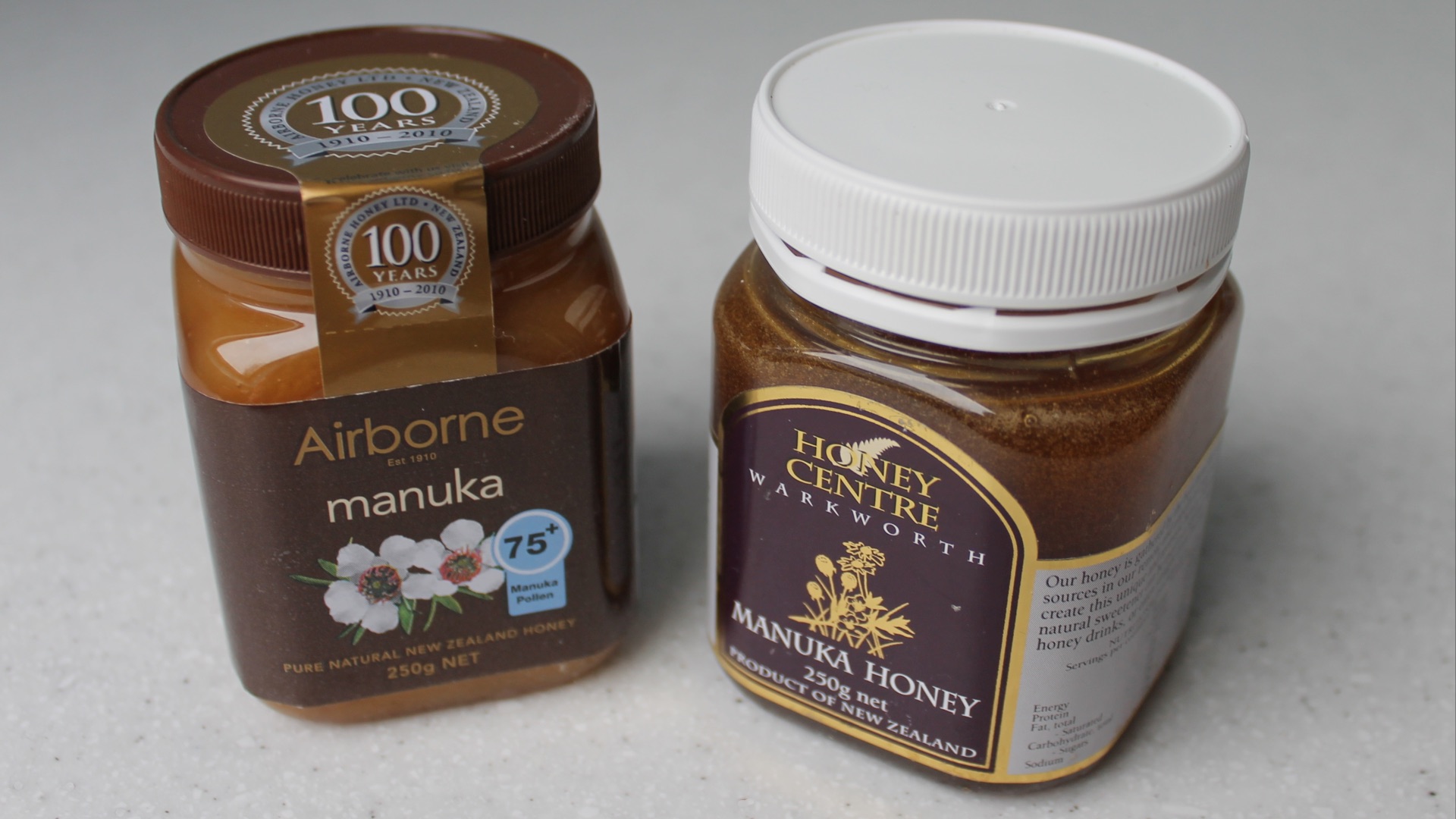
19. High-UMF Manuka Honey
High-grade manuka honey costs more because it’s graded for potency and sold through certification-focused programs. That testing, branding, and limited production from specific regions help keep prices elevated. If you’re buying UMF-rated jars, you’re paying for verified standards rather than generic honey economics.
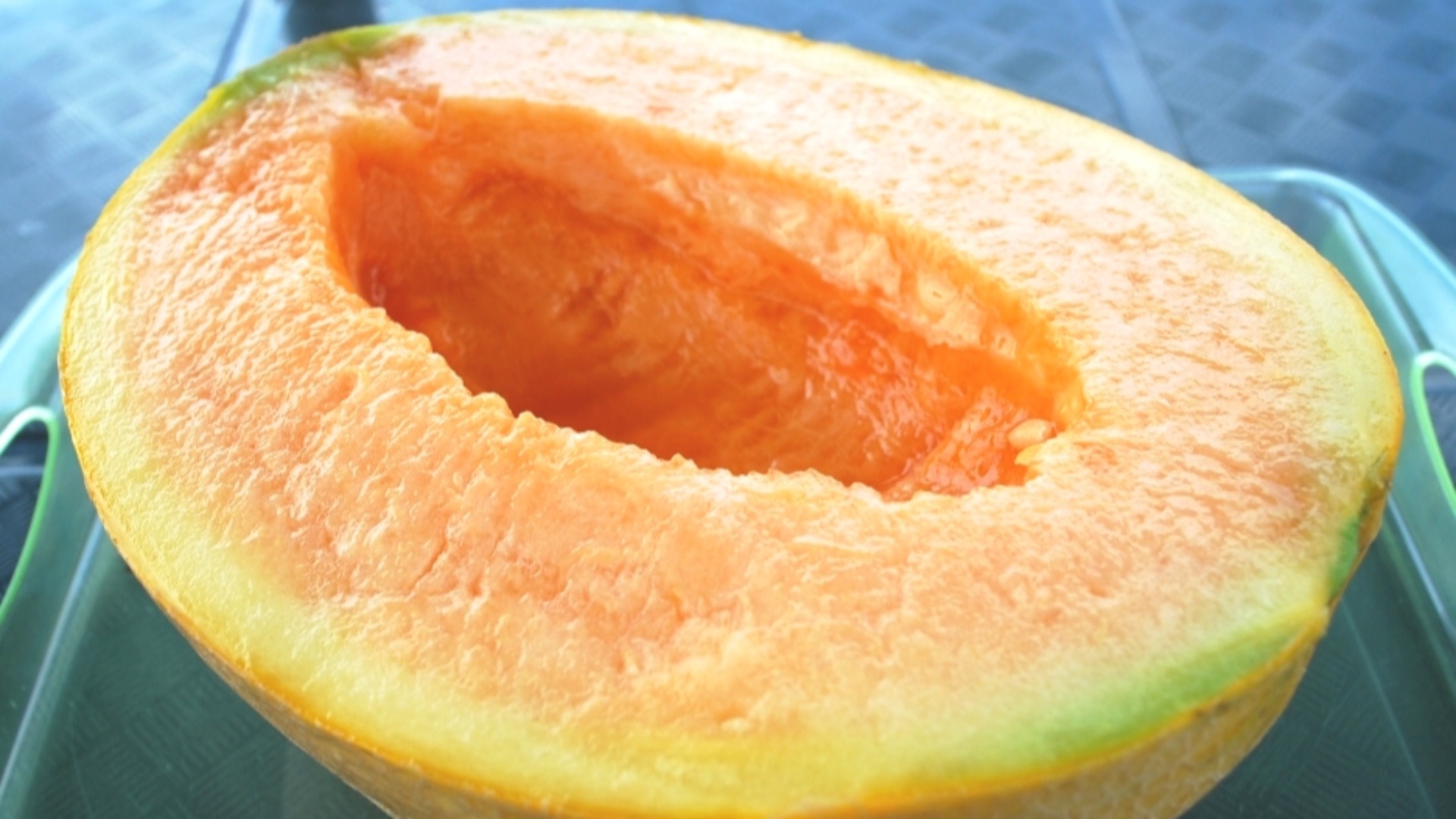
20. Yubari King Melons
Yubari King melons are famous for extreme auction prices that make headlines, even though everyday retail melons won’t always reach those peaks. The high-end market revolves around presentation, strict cultivation standards, and the gifting culture that rewards flawless fruit. Record-setting auctions have reached tens of thousands of dollars for a pair.
KEEP ON READING

The Most Popular Signature Dishes Around the World