Small Details Can Make Or Break Your Morning
Breakfast can feel routine, but the ingredients you choose have a huge impact on how the first meal of the day tastes and even how it makes you feel. A fluffy stack of pancakes or a savory egg scramble can go from forgettable to fantastic with just one smart addition. On the other hand, a careless inclusion can compromise flavors or alter the texture entirely. If you’ve ever wondered why some breakfasts taste like a cozy café experience, and others feel like a rushed afterthought, it usually comes down to what’s mixed into the pan, sprinkled on top, or left sitting in the fridge too long. Here are 10 ingredients that elevate breakfast and 10 that ruin it.

1. Fresh Herbs
A handful of chopped chives, parsley, or cilantro can completely wake up scrambled eggs or a breakfast sandwich. Fresh herbs add brightness and aroma that dried versions just can’t match, especially when they’re stirred in at the end of cooking.

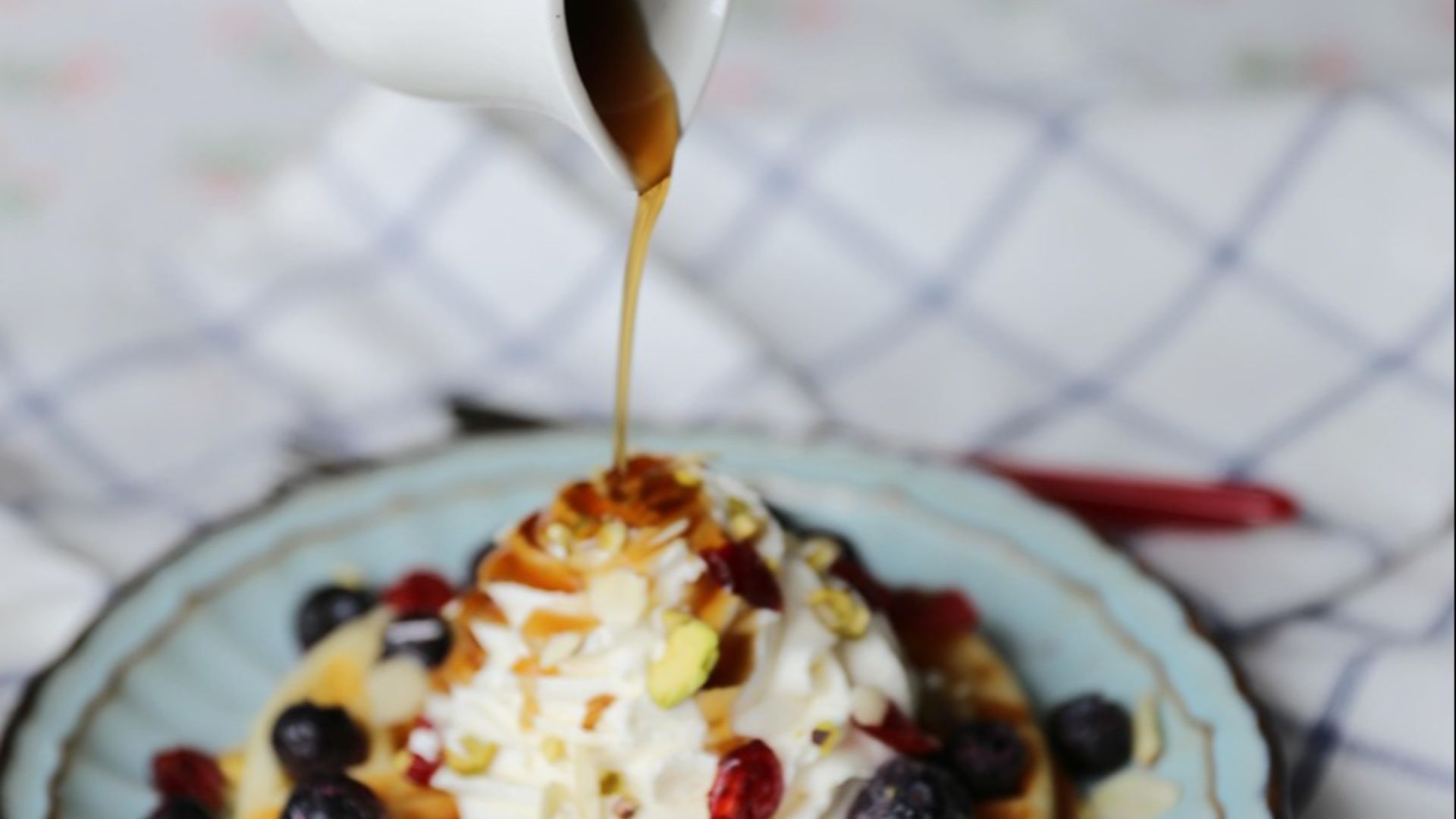
2. Real Maple Syrup
Real maple syrup, which is made by boiling down sap from sugar maple trees, has a depth of flavor that pancake syrup simply doesn’t. It contains natural caramel and vanilla notes that complement waffles, oatmeal, and even bacon.
3. Sharp Cheddar Cheese
Sharp cheddar brings a tangy, complex flavor that stands up beautifully to eggs, potatoes, and breakfast burritos. Because it’s aged longer than mild cheddar, it has a firmer texture and more pronounced taste, so you can use less while still getting a bold flavor.

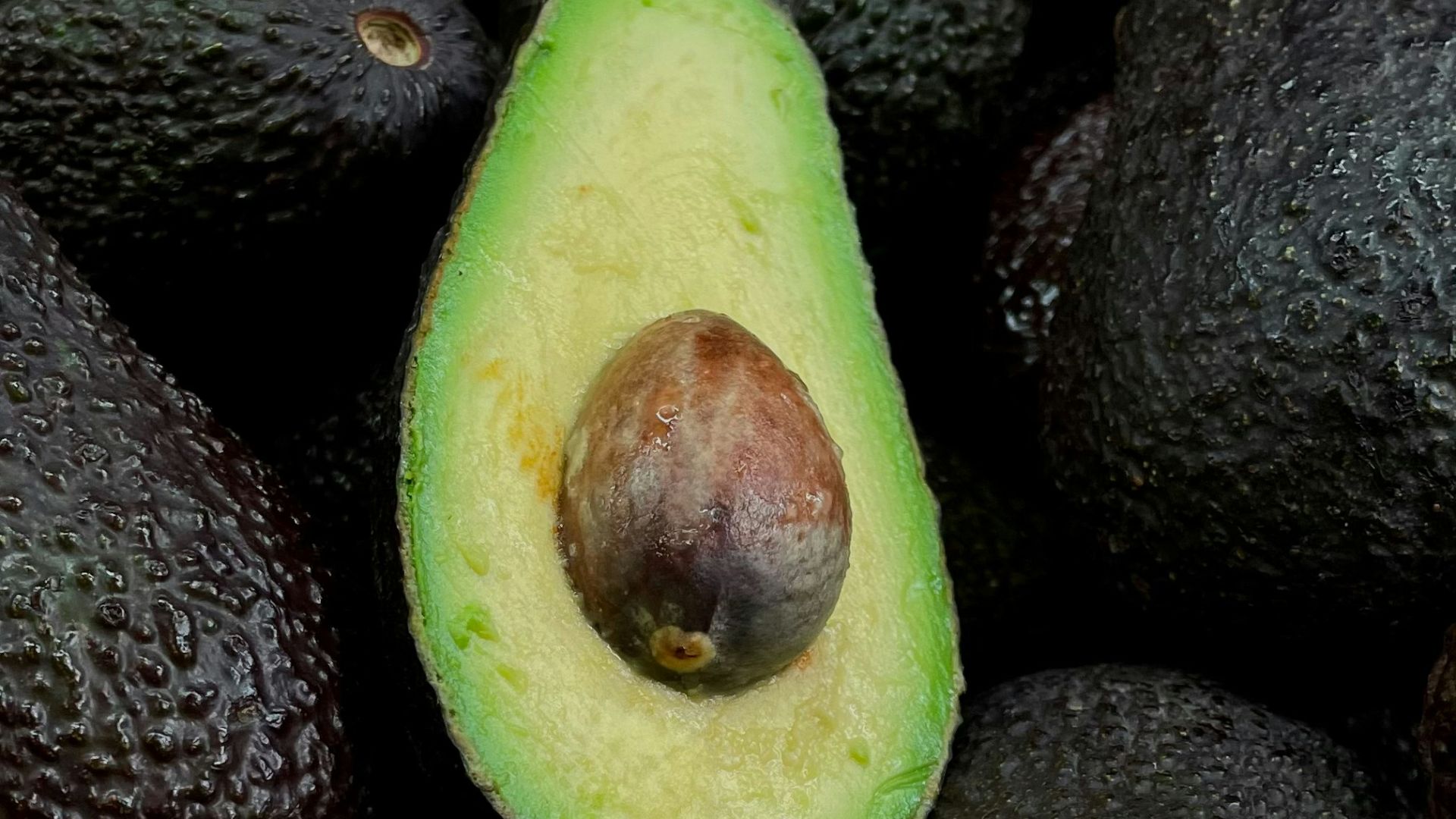
4. Ripe Avocado
When avocado is perfectly ripe, it adds a creamy texture and subtle richness without overpowering other ingredients. It’s loaded with monounsaturated fats, which help you feel satisfied longer.
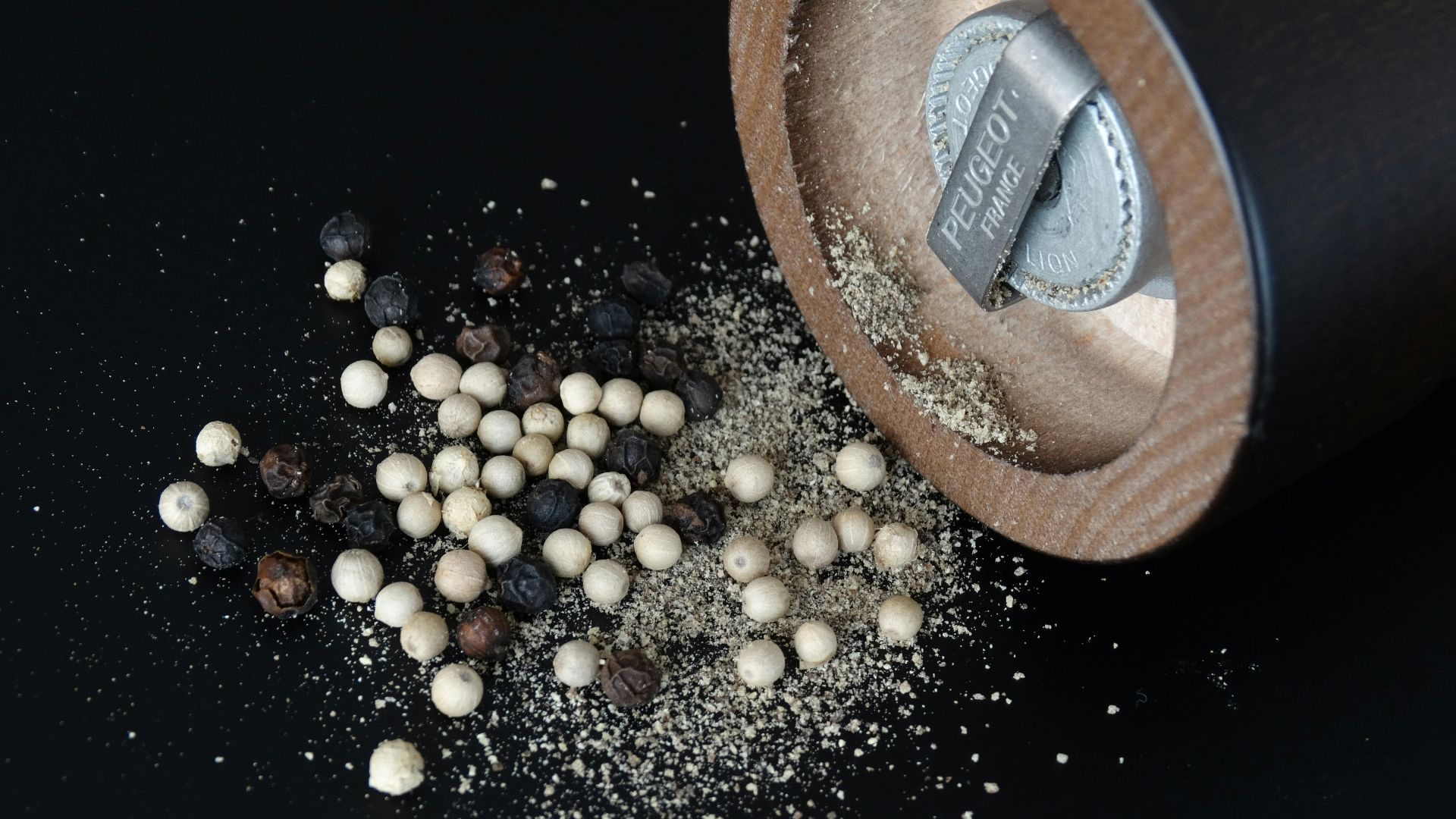
5. Freshly Ground Black Pepper
Pre-ground pepper loses much of its aromatic oils over time, which means it won’t pack the same punch. Grinding it fresh releases those oils right onto your eggs or avocado toast, giving you a sharper, more complex flavor.
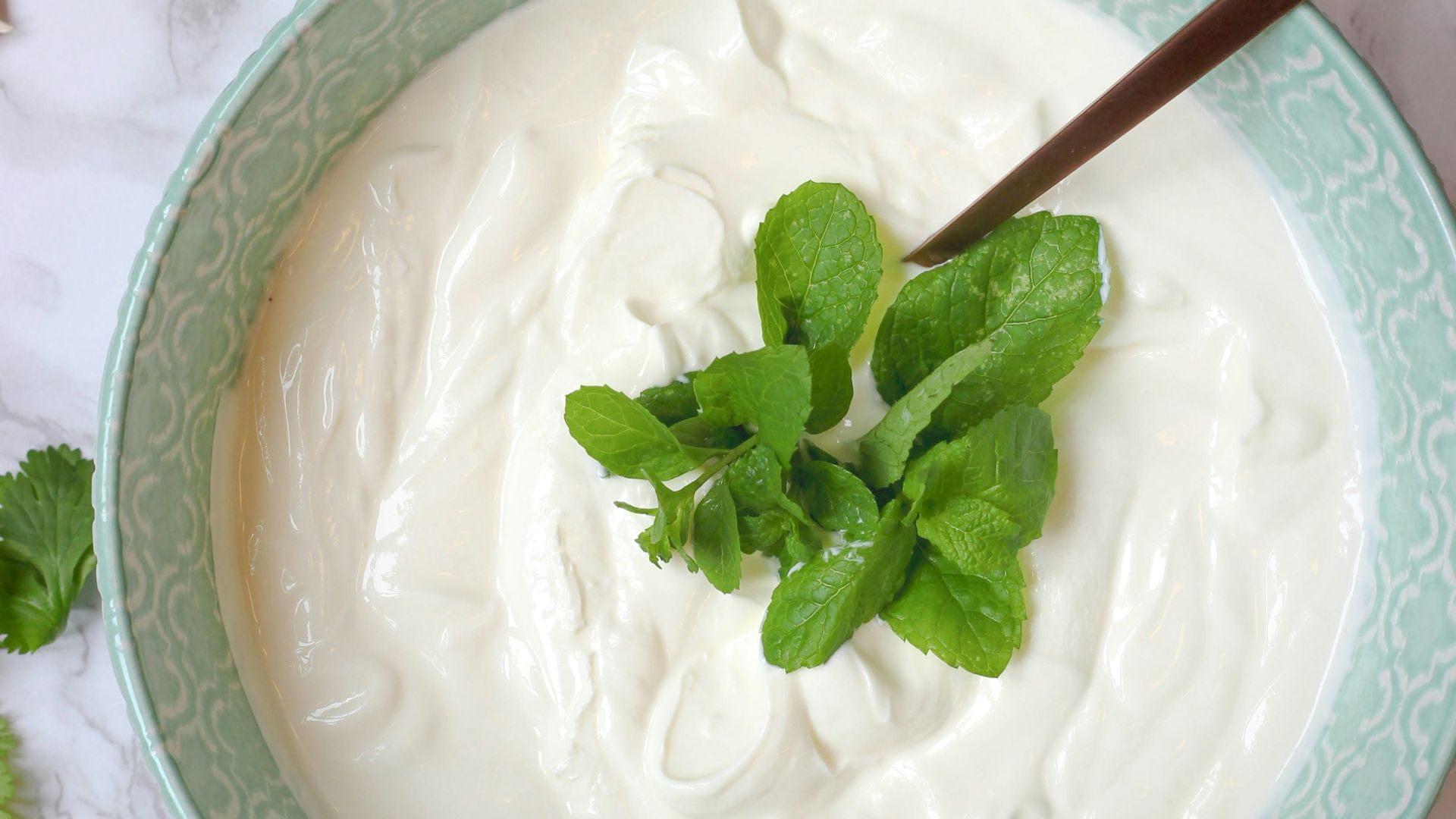
6. Greek Yogurt
Greek yogurt is strained to remove much of the whey, which gives it a thicker texture and higher protein content than regular yogurt. That creaminess works beautifully in parfaits, smoothies, or even as a topping for pancakes.
 micheile henderson on Unsplash
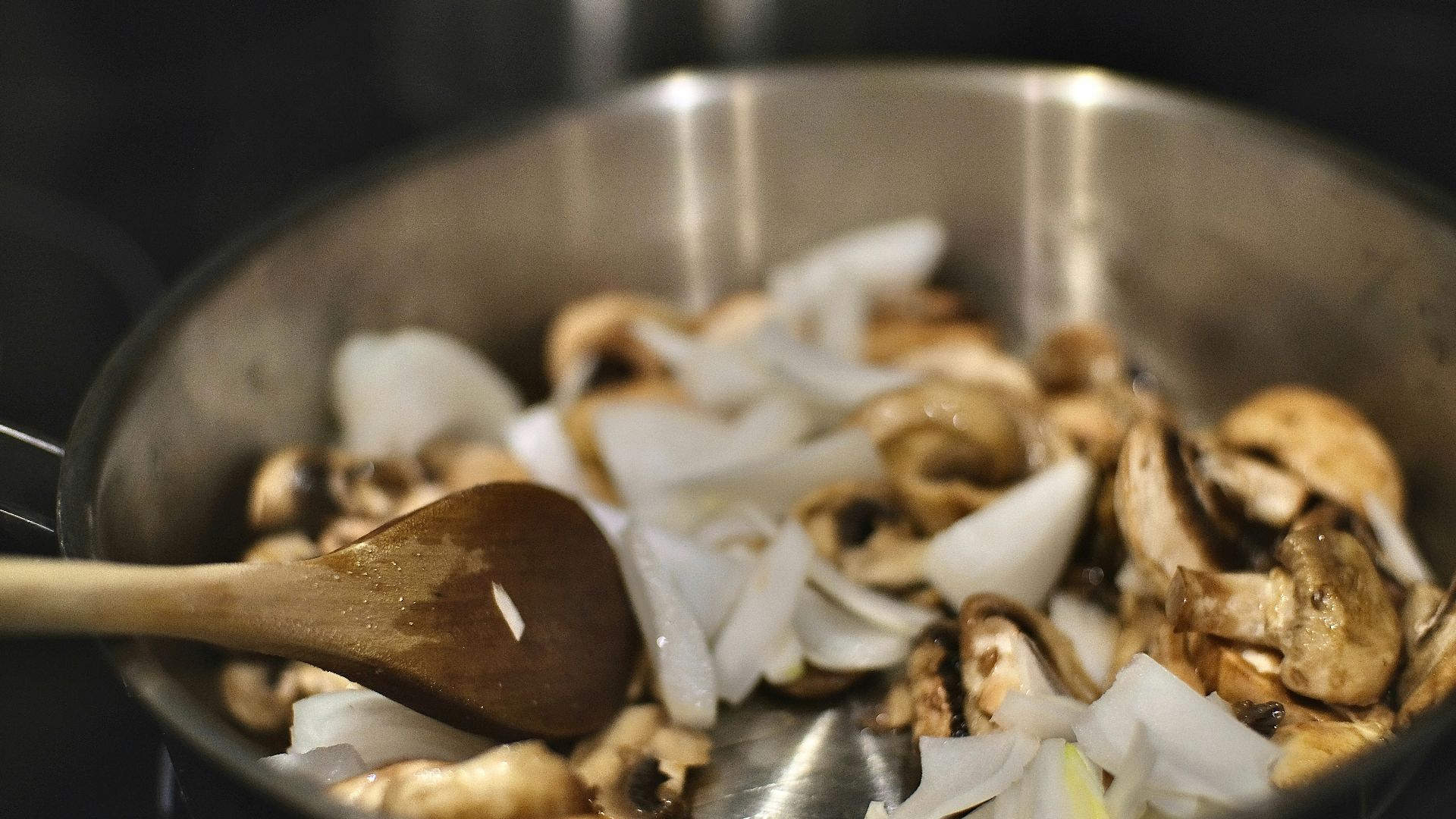
7. Sautéed Mushrooms
Mushrooms are packed with glutamates, which create umami, the savory taste that makes food feel deeply satisfying. When you sauté them properly and let their moisture cook off, they develop a rich, almost meaty flavor.
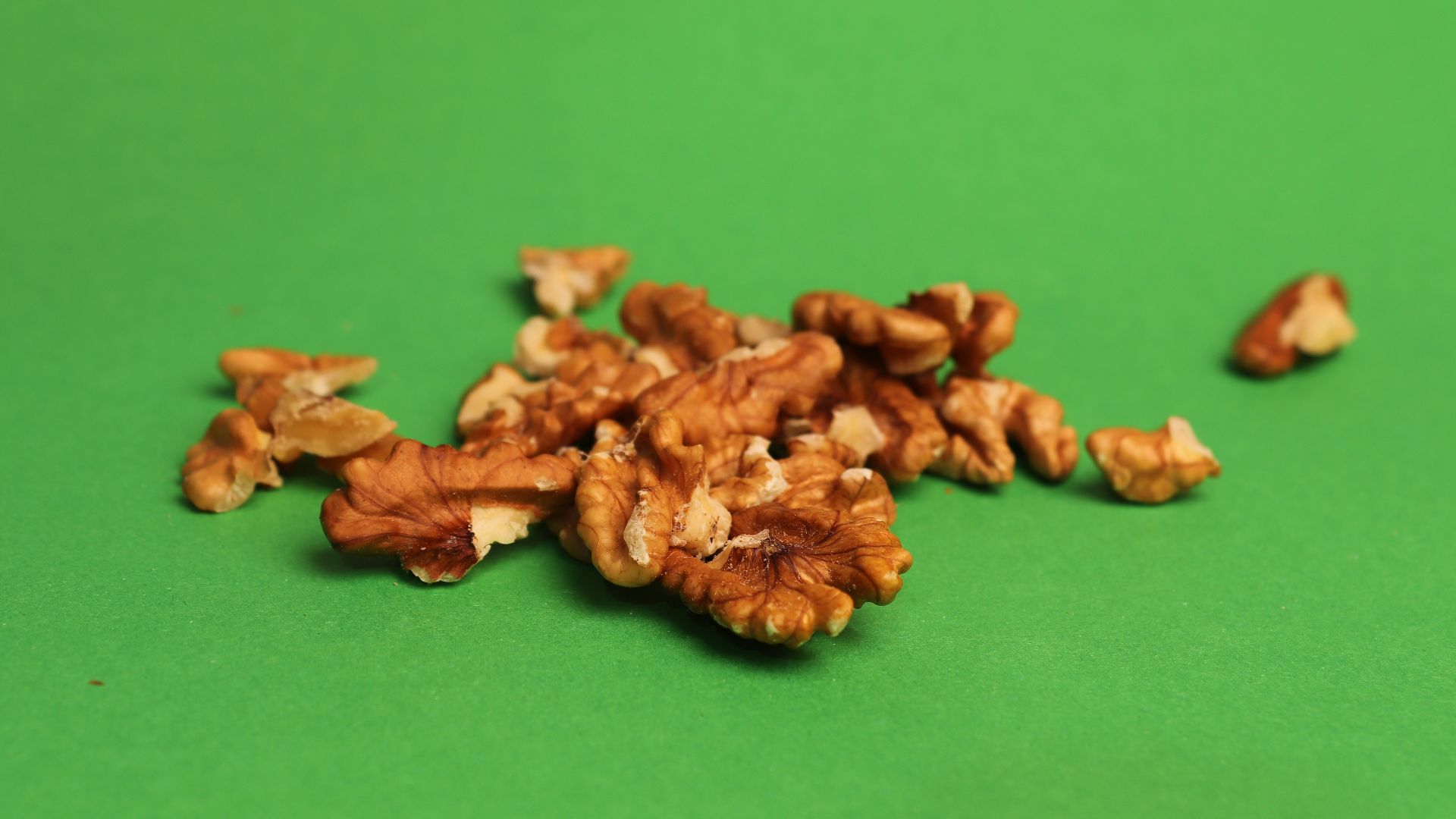
8. Toasted Nuts
Toasting nuts enhances their flavor by encouraging browning through the Maillard reaction. Almonds, pecans, or walnuts gain a richer taste and crunch that transforms oatmeal or yogurt bowls. You’ll also add healthy fats and a bit of protein, which can help keep your energy steady through the morning.
9. A Squeeze Of Citrus
A splash of lemon or orange juice can brighten heavier dishes like breakfast hash or smoked salmon bagels. Acidity balances salt and fat, which keeps flavors from feeling flat or greasy. It’s the kind of subtle addition you might not immediately notice, but you’d miss it if it weren’t there.

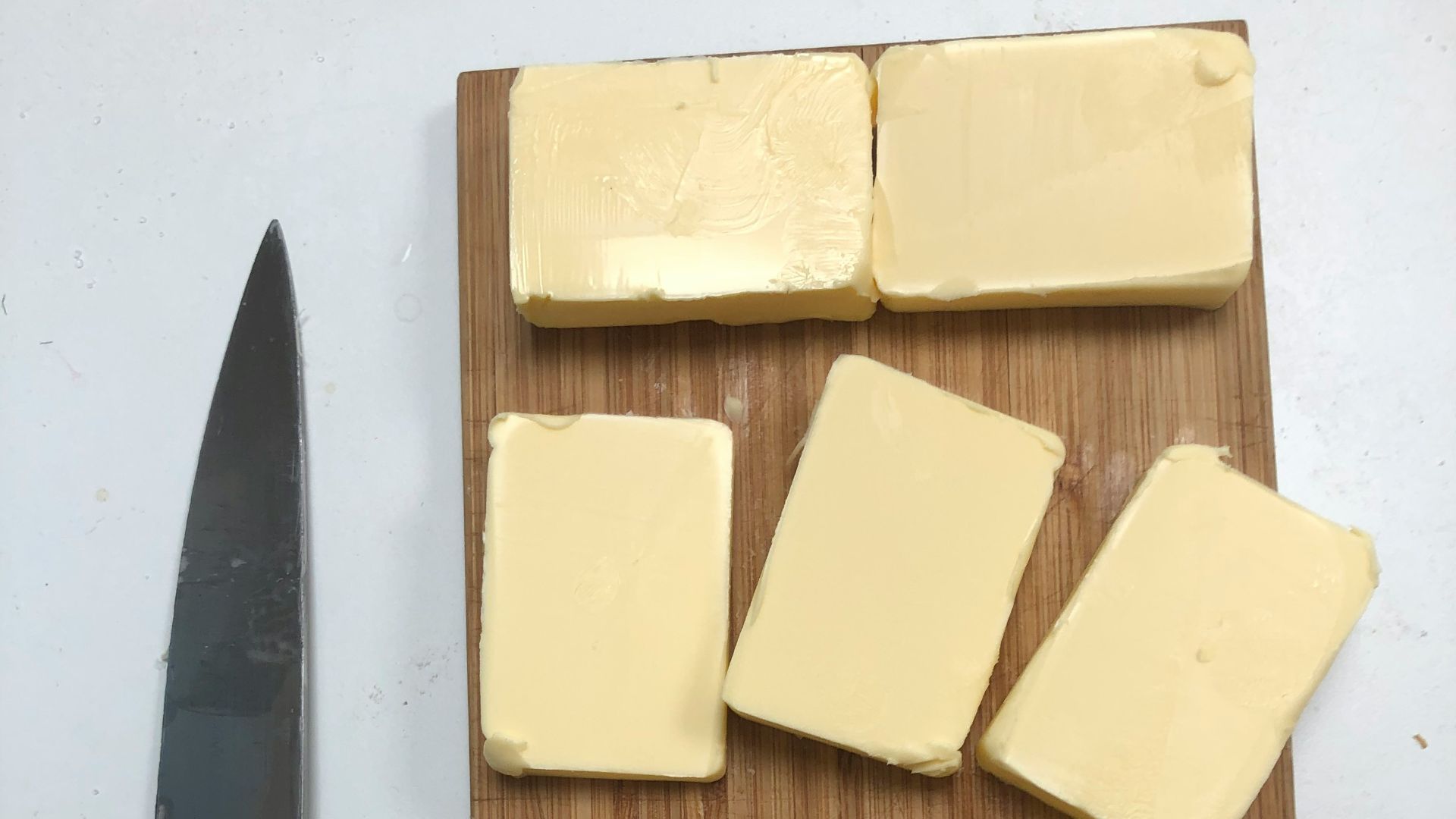
10. Good-Quality Butter
Butter with a higher fat content tends to have a richer taste and better texture when it melts. Whether you’re scrambling eggs or spreading it on toast, quality butter adds depth without needing extra seasoning.
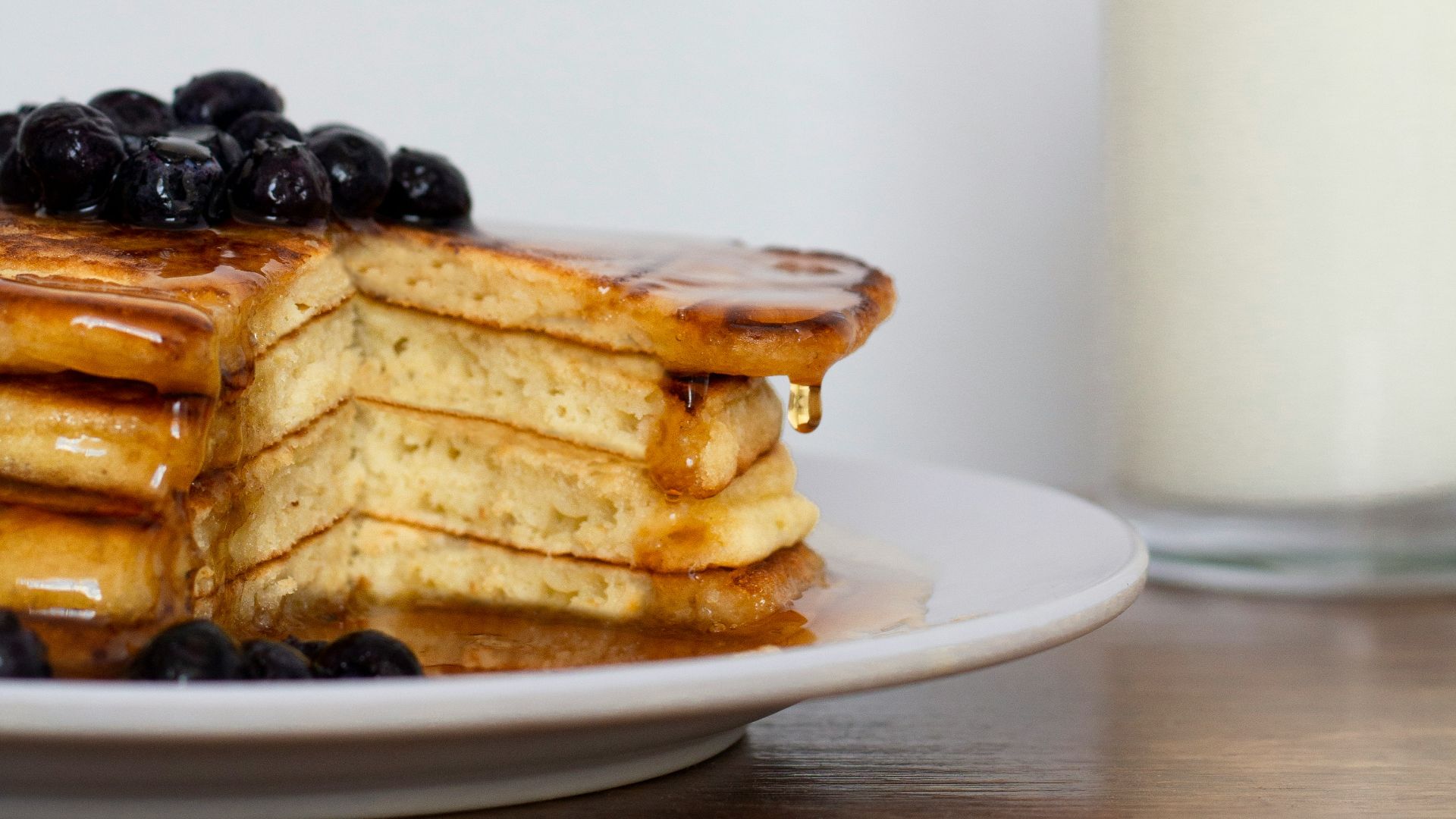
1. Artificial Pancake Syrup
Most artificial pancake syrups are made primarily from corn syrup and artificial flavoring, not maple sap. They’re extremely sweet but lack the layered flavors that real maple syrup provides.
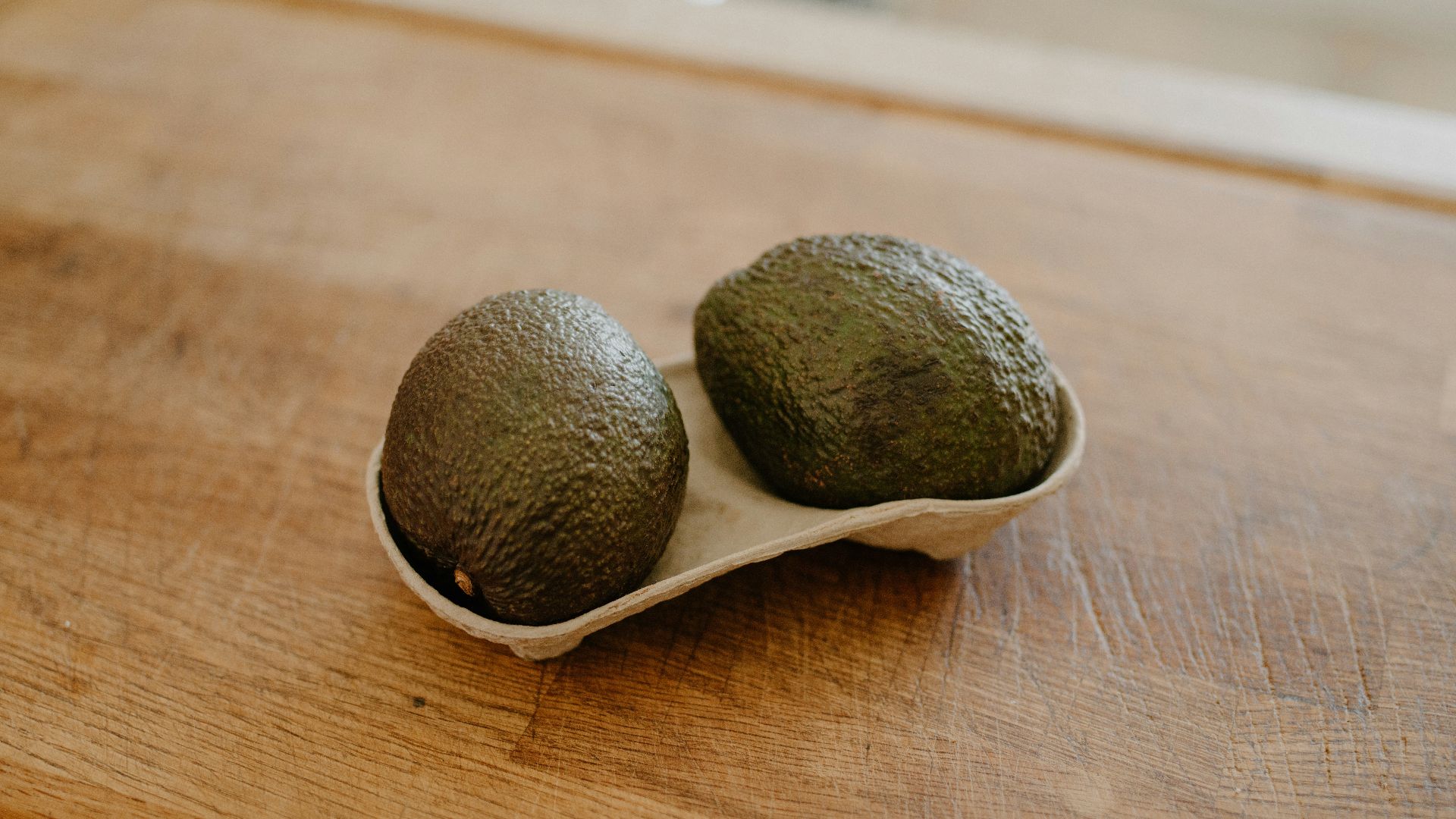
2. Overripe Avocado
An avocado that’s gone too far turns mushy and develops a slightly bitter taste. Instead of adding creamy balance, it can make toast feel slimy and heavy.
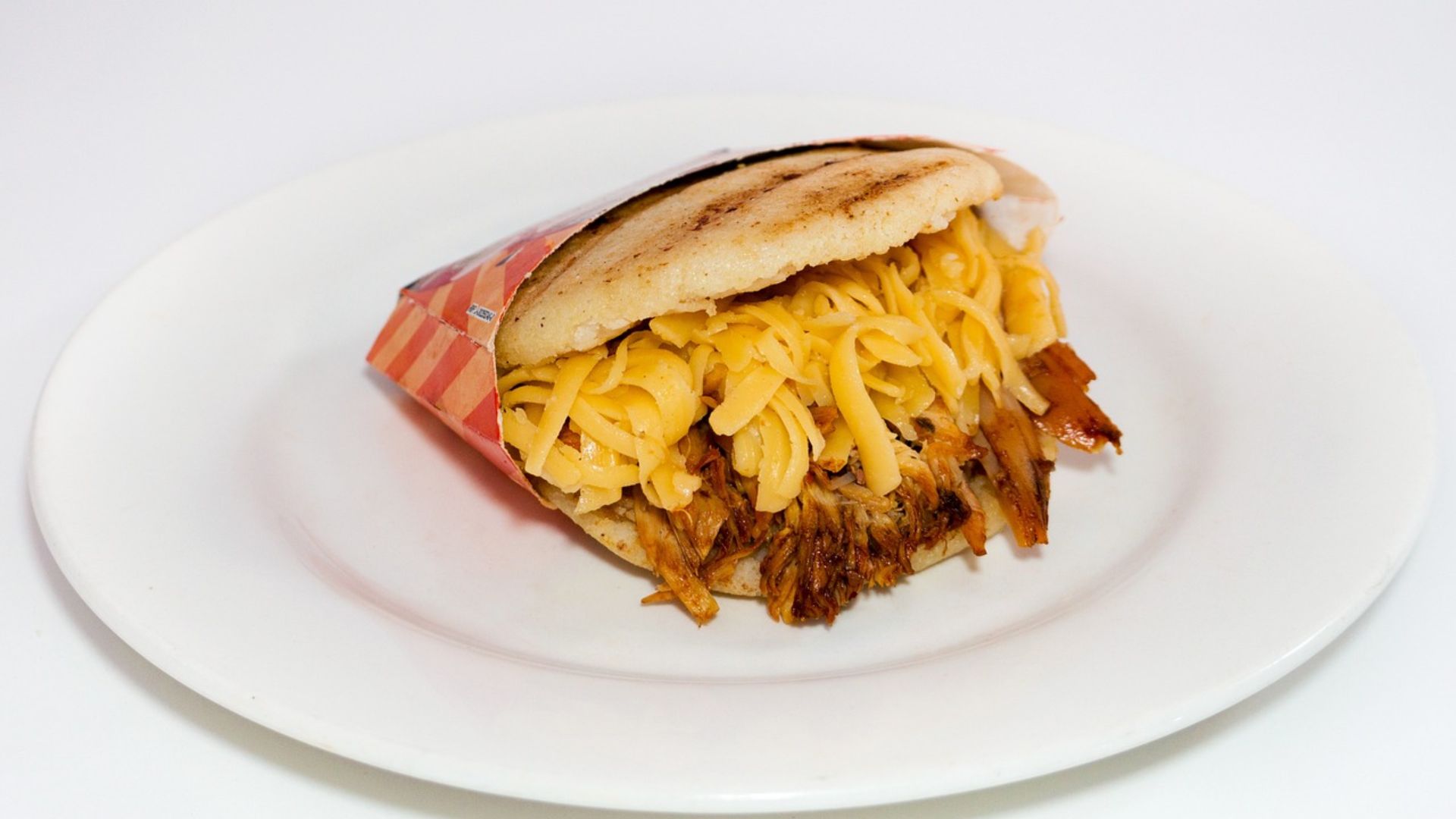
3. Pre-Shredded Cheese With Additives
Many pre-shredded cheeses are coated with anti-caking agents like cellulose to prevent clumping. While they’re convenient, they don’t always melt as smoothly as freshly grated cheese.
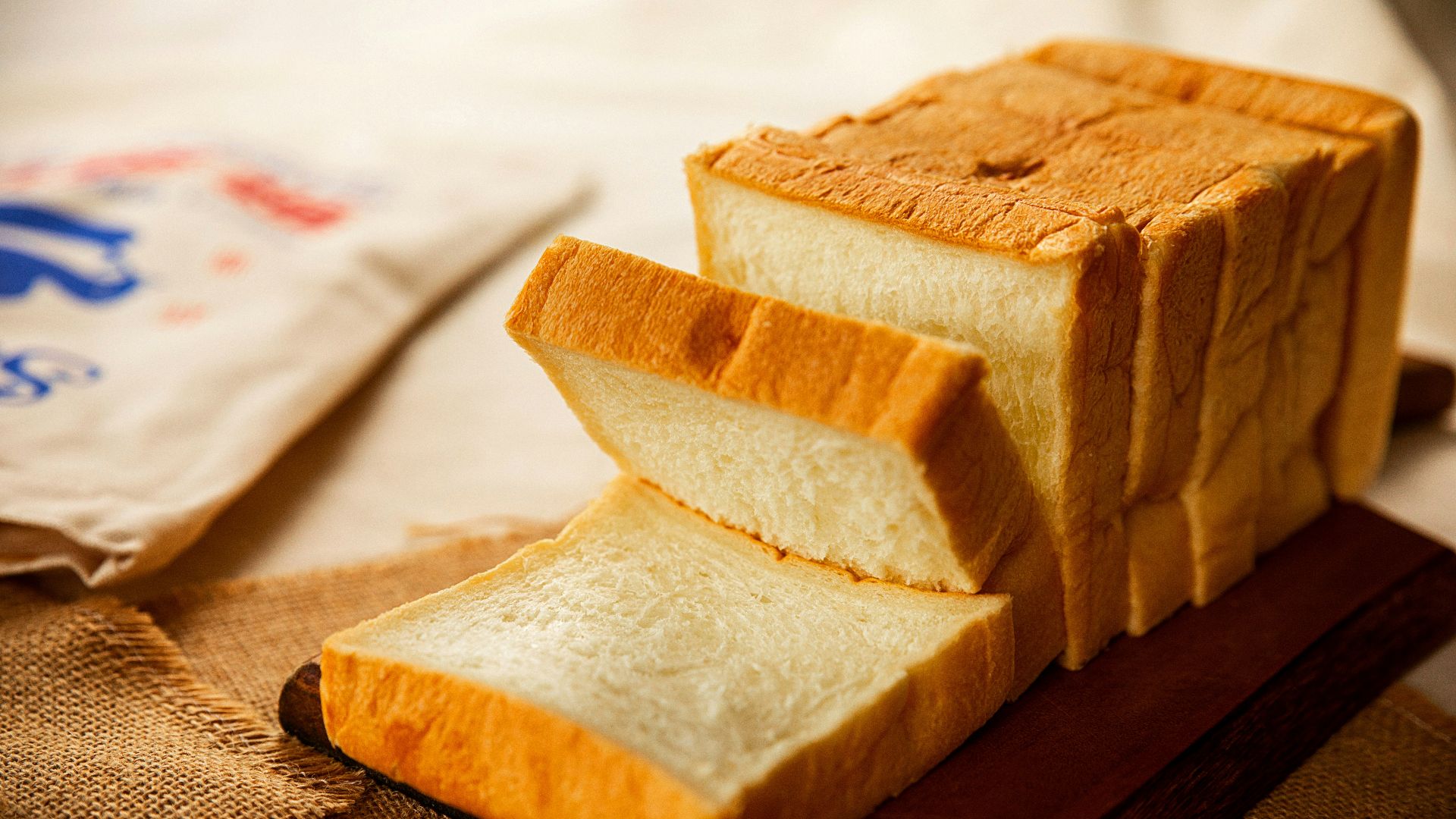
4. Stale Bread
Bread loses moisture over time, and once it’s stale, it won’t toast evenly or taste as good. Even if you try to revive it in the toaster, the texture often ends up dry and crumbly.
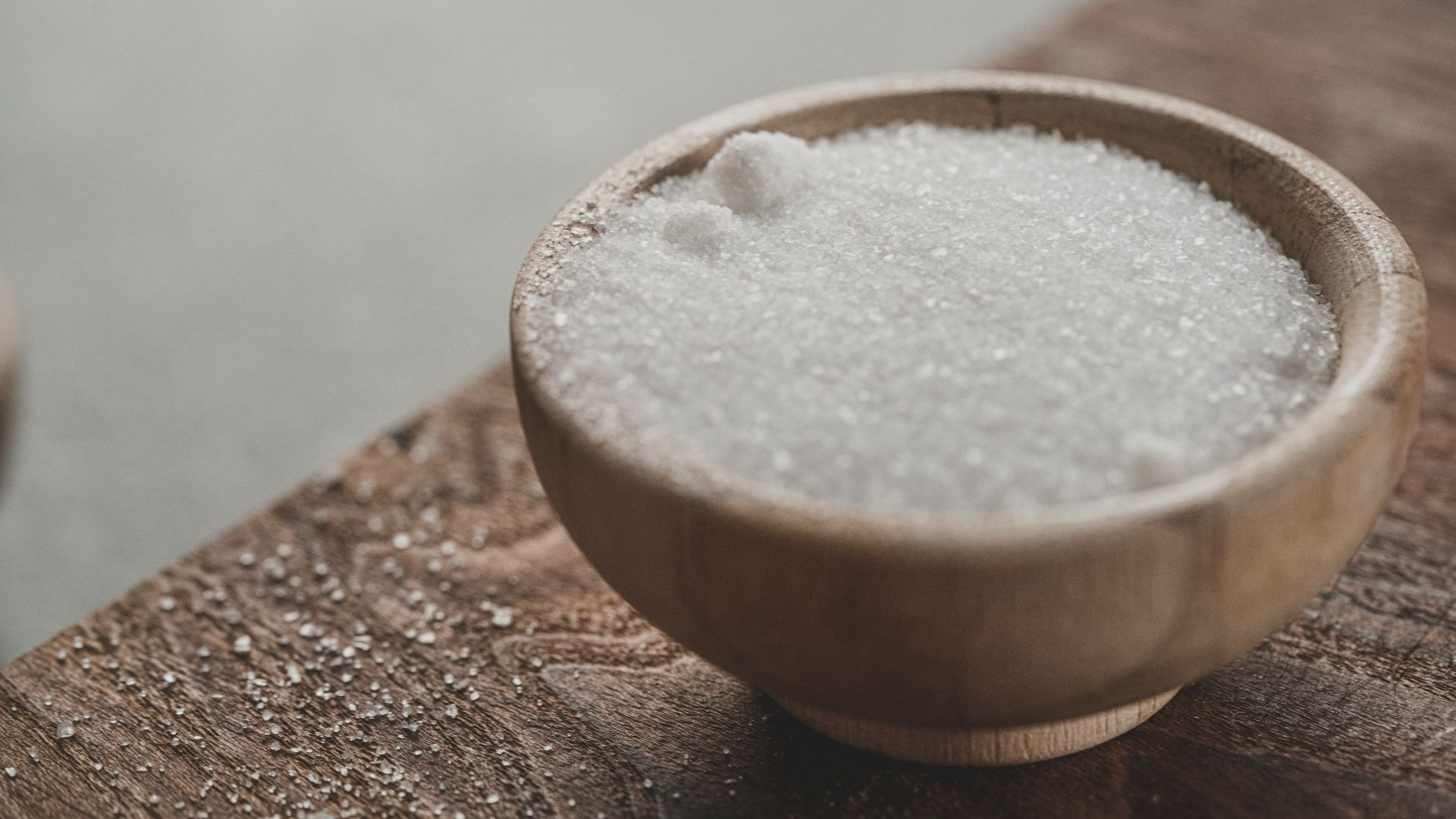
5. Excessive Salt
Salt enhances flavor, but too much overwhelms your taste buds and masks everything else. Breakfast items like bacon and sausage are already salty, so piling on extra salt can push the dish over the edge.
6. Burnt Garlic
Garlic cooks quickly, and once it burns, it turns sharply bitter. That bitterness spreads through the entire dish, whether it’s a scramble or a breakfast skillet. Instead of adding warmth and depth, burnt garlic dominates in the worst possible way.

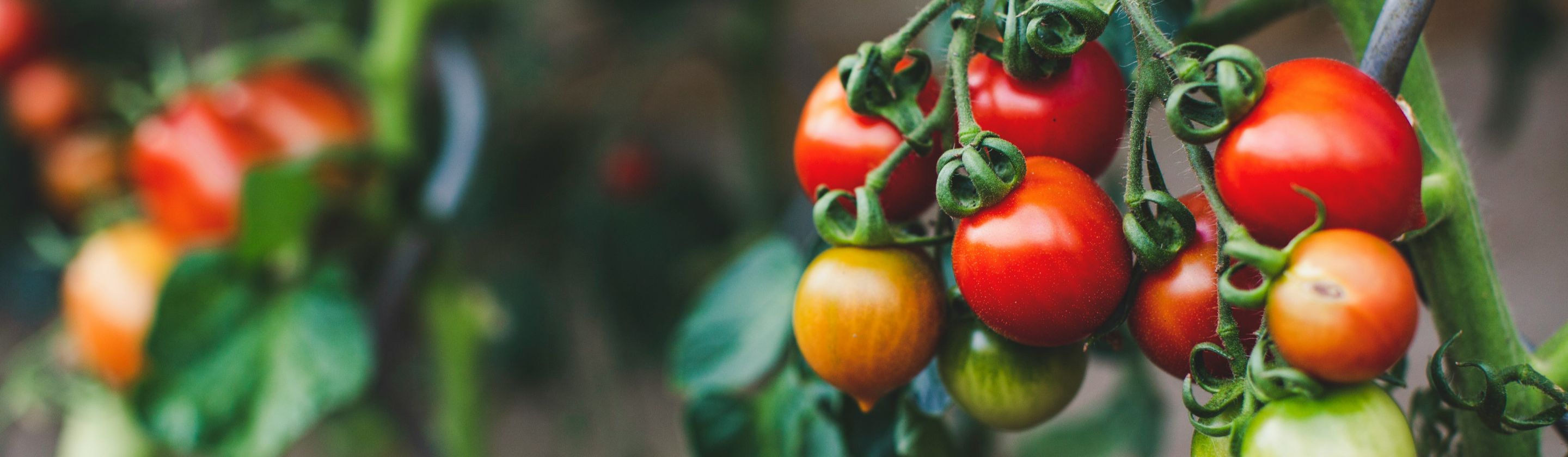
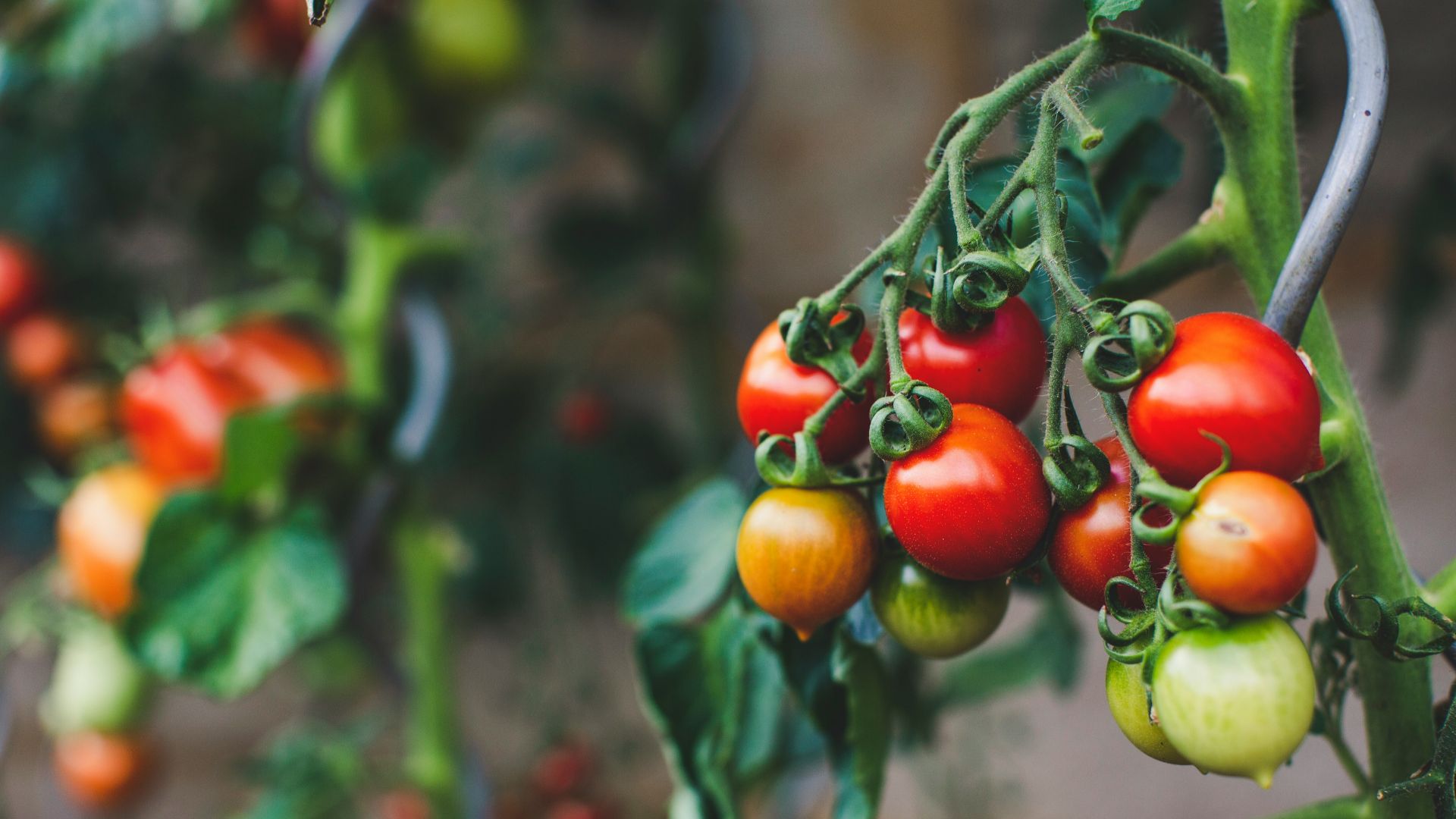
7. Watery Tomatoes
Out-of-season tomatoes often contain more water and less flavor. When sliced onto toast or into eggs, they can release excess liquid that makes everything soggy.
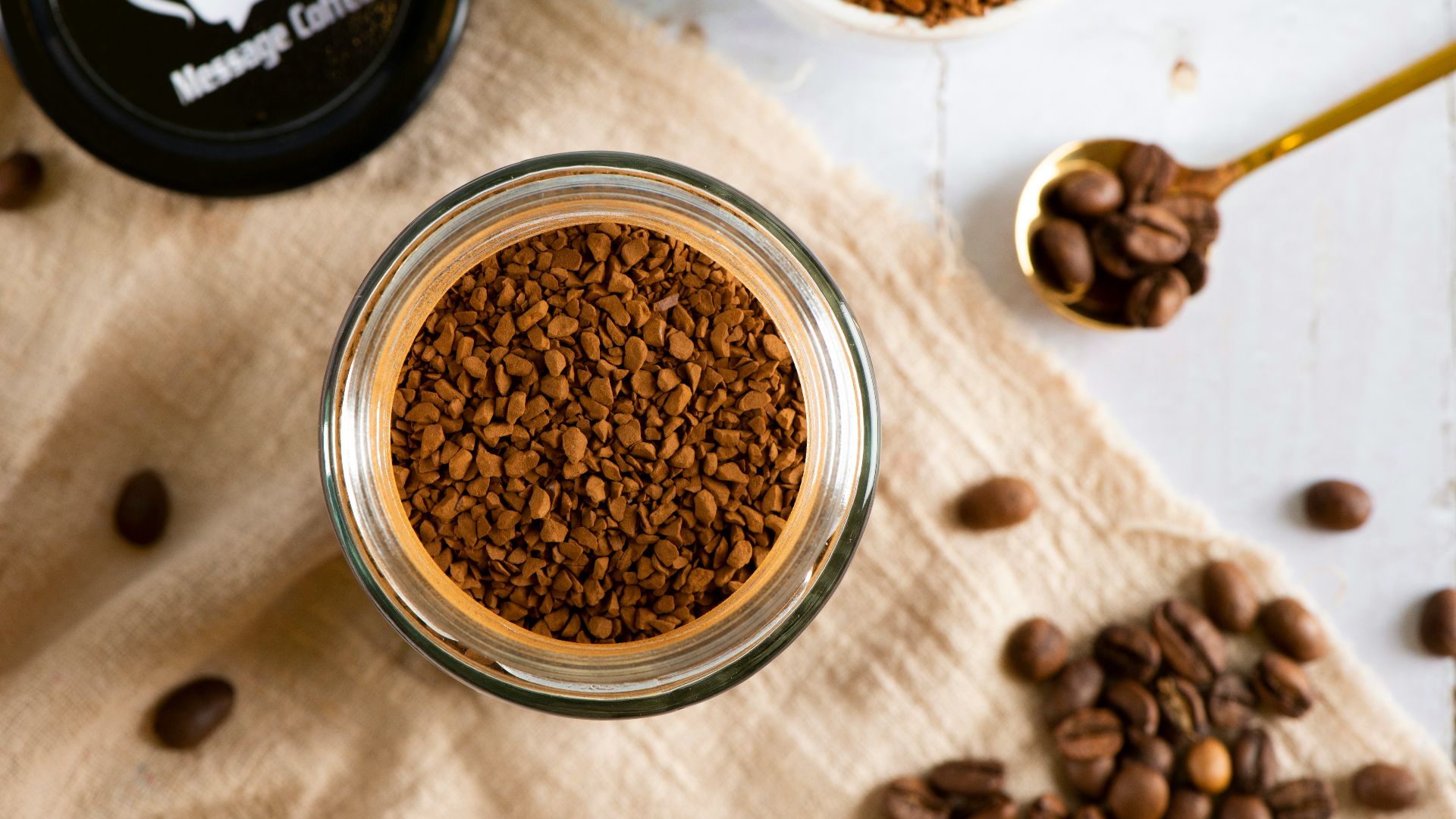
8. Low-Quality Instant Coffee
Instant coffee is made from brewed coffee that’s been dehydrated, and cheaper versions can taste flat or harsh. If your morning cup is bitter and thin, it can overshadow even a well-made breakfast.
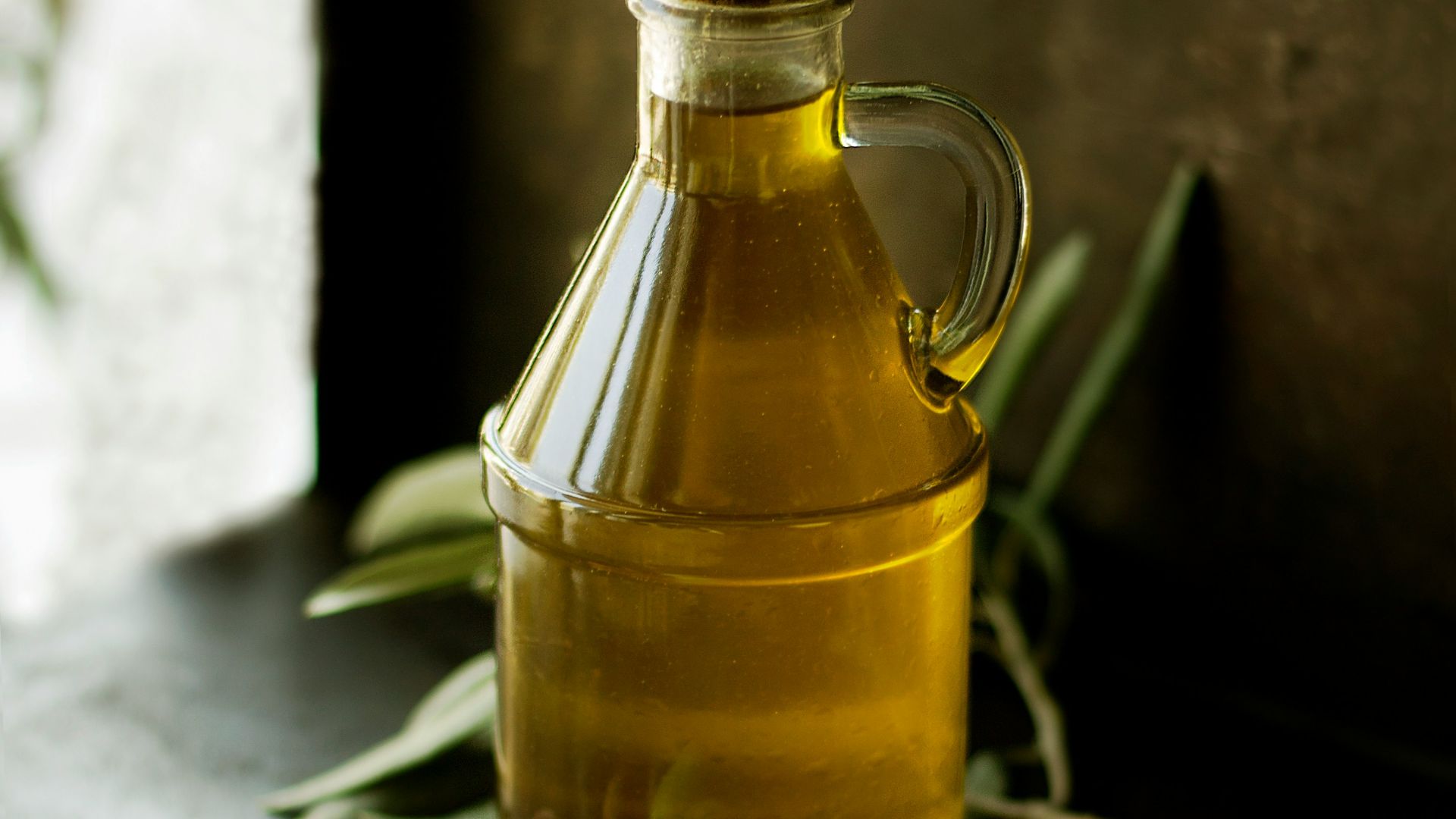
9. Reused Cooking Oil
Cooking oil that’s been overheated or reused too many times starts to break down and develop off-flavors. It can make fried eggs or hash browns taste stale or greasy instead of crisp and clean. Fresh oil with a suitable smoke point helps maintain both flavor and texture.
10. Unripe Fruit
Fruit that’s picked too early often lacks sweetness because its natural sugars haven’t fully developed. Adding under-ripe berries or melon to a bowl of yogurt won’t give you the bright flavor you’re expecting.
KEEP ON READING

20 Food Requests Only Spoiled People Ask For


20 Hardest Foods on Earth To Eat

Do Vitamin Supplements Actually Make You Healthier?