Knowing When Food Is Actually Finished
Ever thrown out a banana just because it looked too bruised and brown? Or tossed out bread because it was stale or was past the "best before" date? You've probably also assumed eating eggs beyond the date listed on the carton is a major no-no, too. Sure, expiration dates, changing textures, and cosmetic imperfections can certainly make perfectly usable foods look as though they belong in the trash, but most package dates are actually intended to indicate quality rather than safety, so the printed date alone doesn't always tell you when a product has gone bad. If you want to save money and reduce your food waste, here's what you're tossing out way too early and, on the flip side, keeping for way too long.
1. Eggs
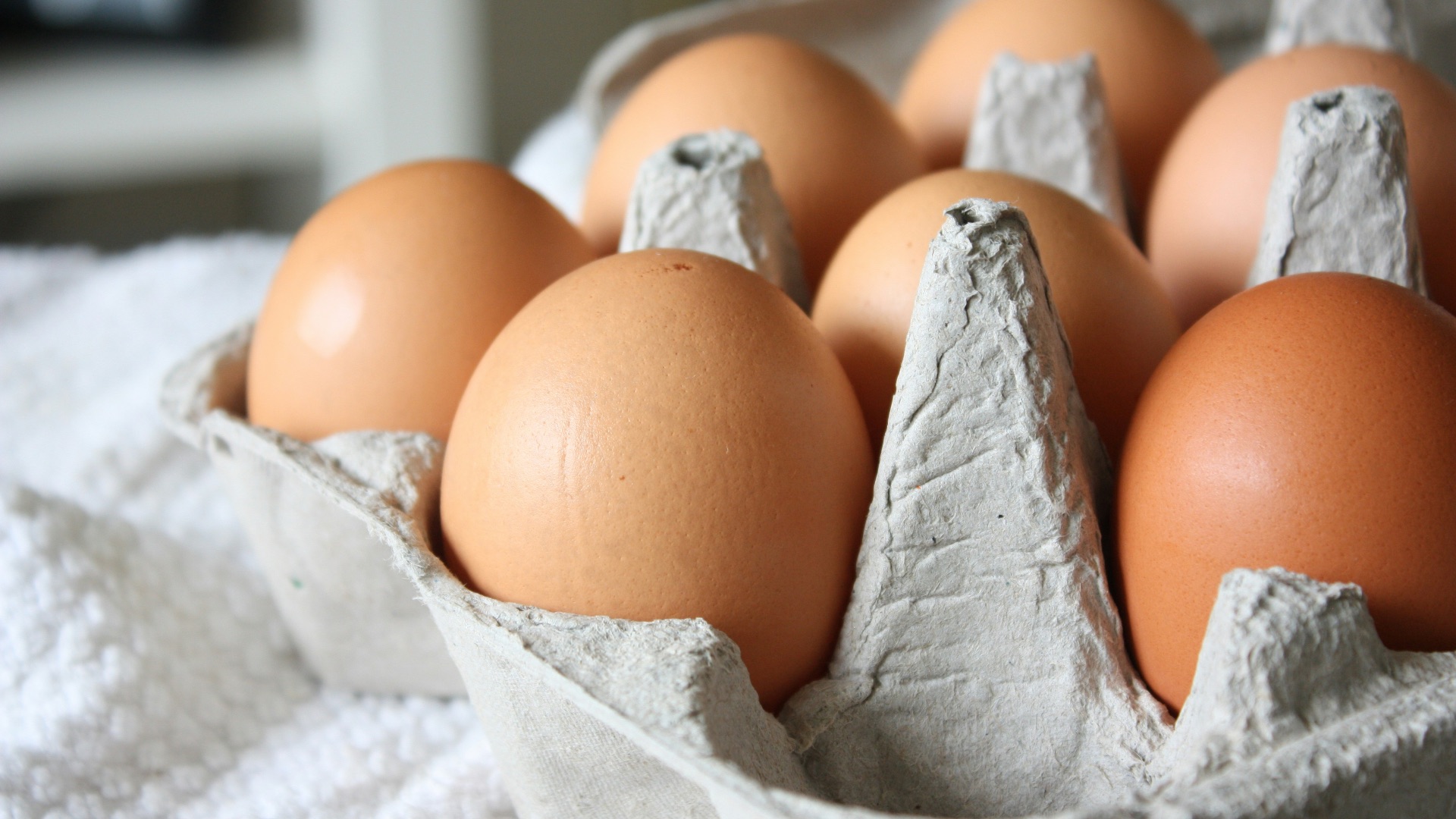
Seeing yesterday's date printed on an egg carton doesn't necessarily mean the remaining eggs need to go straight into the garbage. Many package dates have more to do with quality or retail handling, meaning properly refrigerated eggs can remain usable beyond some dates on the carton unless they've started to smell rotten. Remember to keep them in their original carton on an interior refrigerator shelf rather than the door, where temperatures fluctuate more each time the refrigerator is opened.
2. Bananas
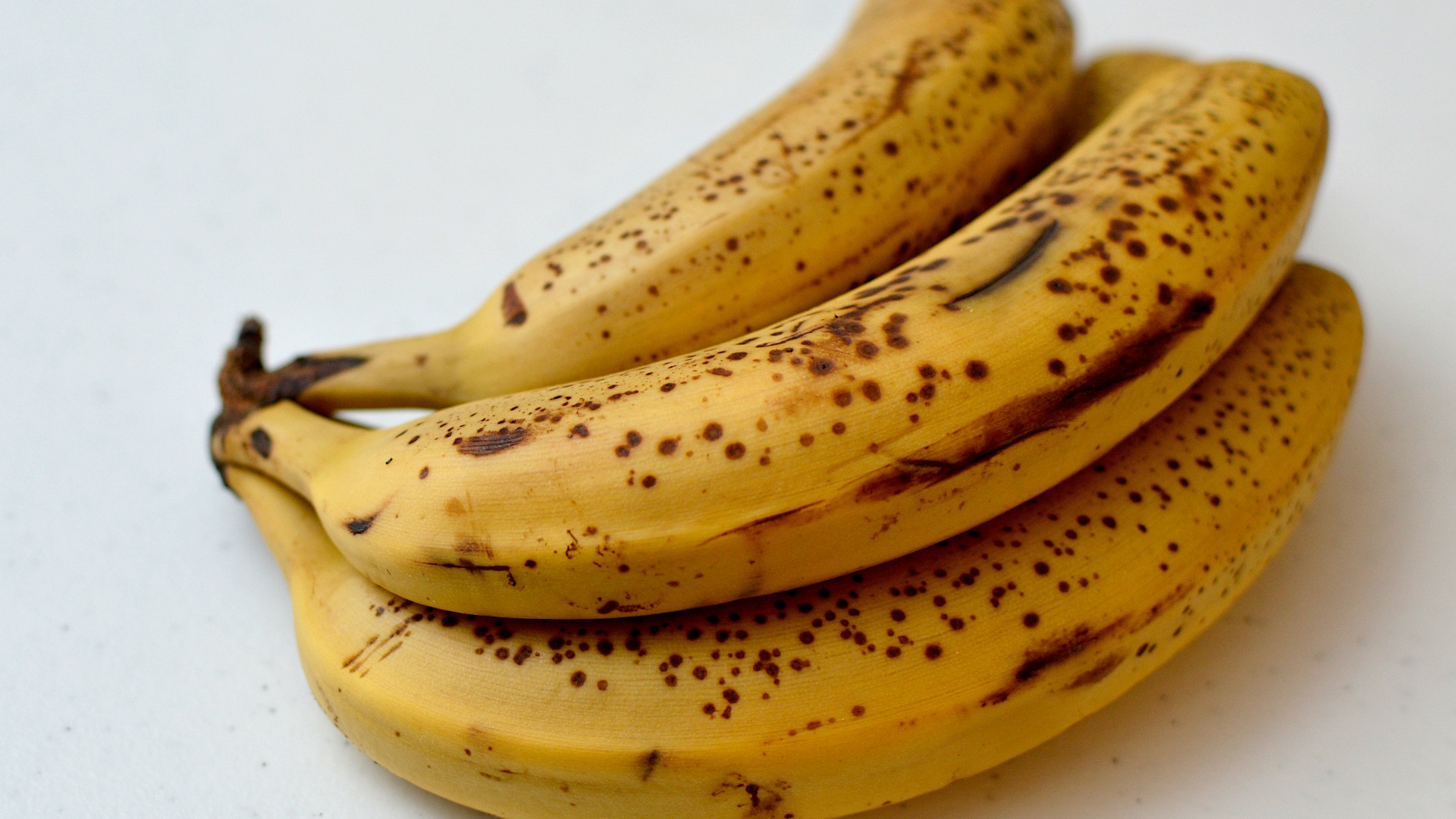
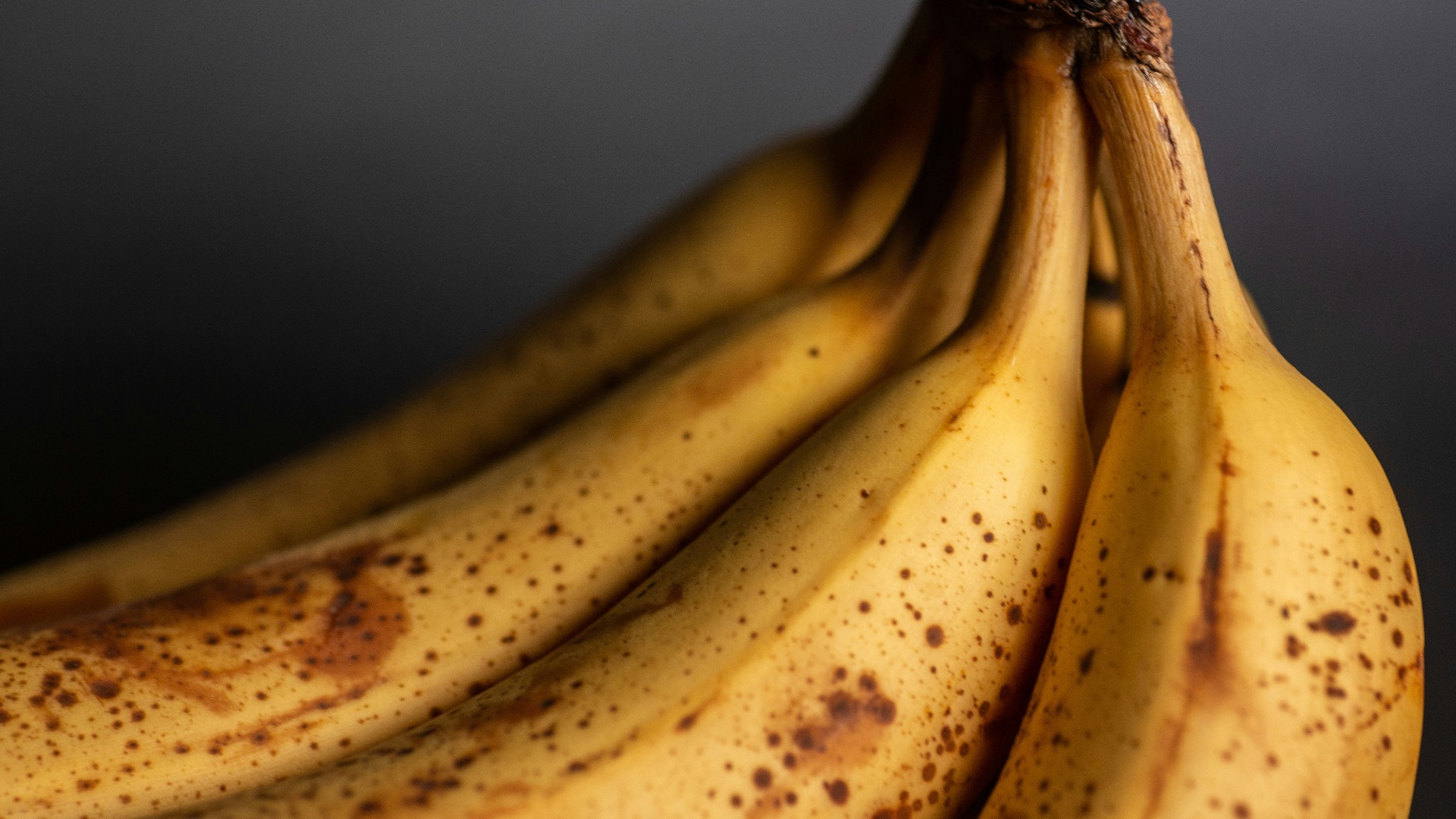
A banana covered in brown spots may no longer be what you want to slice over cereal, but that doesn't make it useless. As bananas ripen, their flesh becomes softer and sweeter, which can actually make an overripe banana better suited to banana bread, muffins, pancakes, smoothies, and other recipes where appearance doesn't matter. If you can't use ripe bananas immediately, peel and freeze them before they deteriorate further. Mold, leaking liquid, or an unpleasant fermented or rotten smell are much stronger reasons to discard them than a darkened peel.
3. Leafy Greens
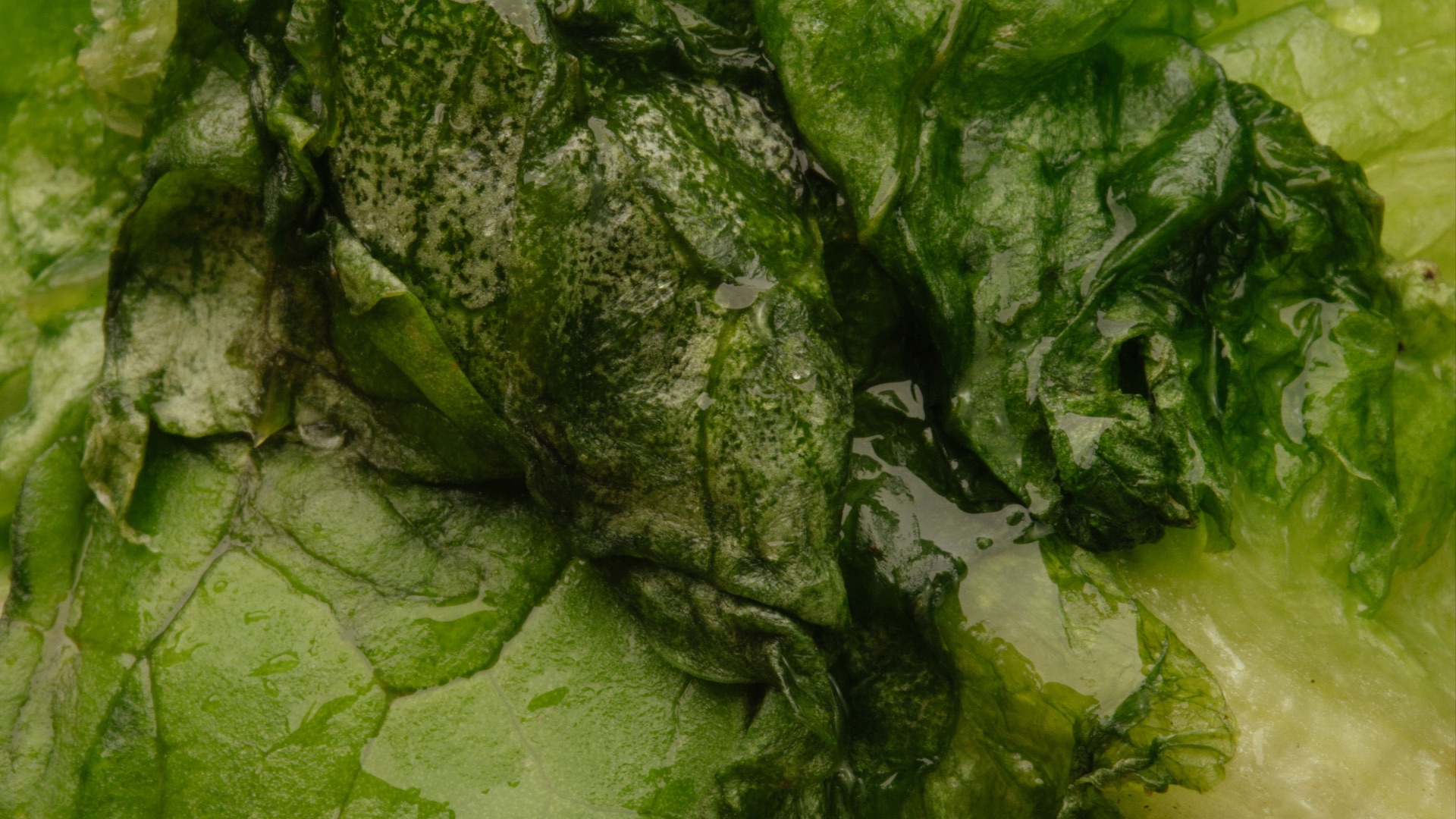
Lettuce, spinach, and other greens can lose their crispness well before they're truly spoiled. Leaves that are merely limp can often still be used in soups, sautés, sauces, omelets, or other cooked dishes where their original texture isn't important. A soak in cold water may also restore some firmness to greens that have simply become dehydrated. Once the leaves turn slimy, develop visible mold, or smell noticeably unpleasant, however, they're no longer candidates for rescuing.
4. Bread
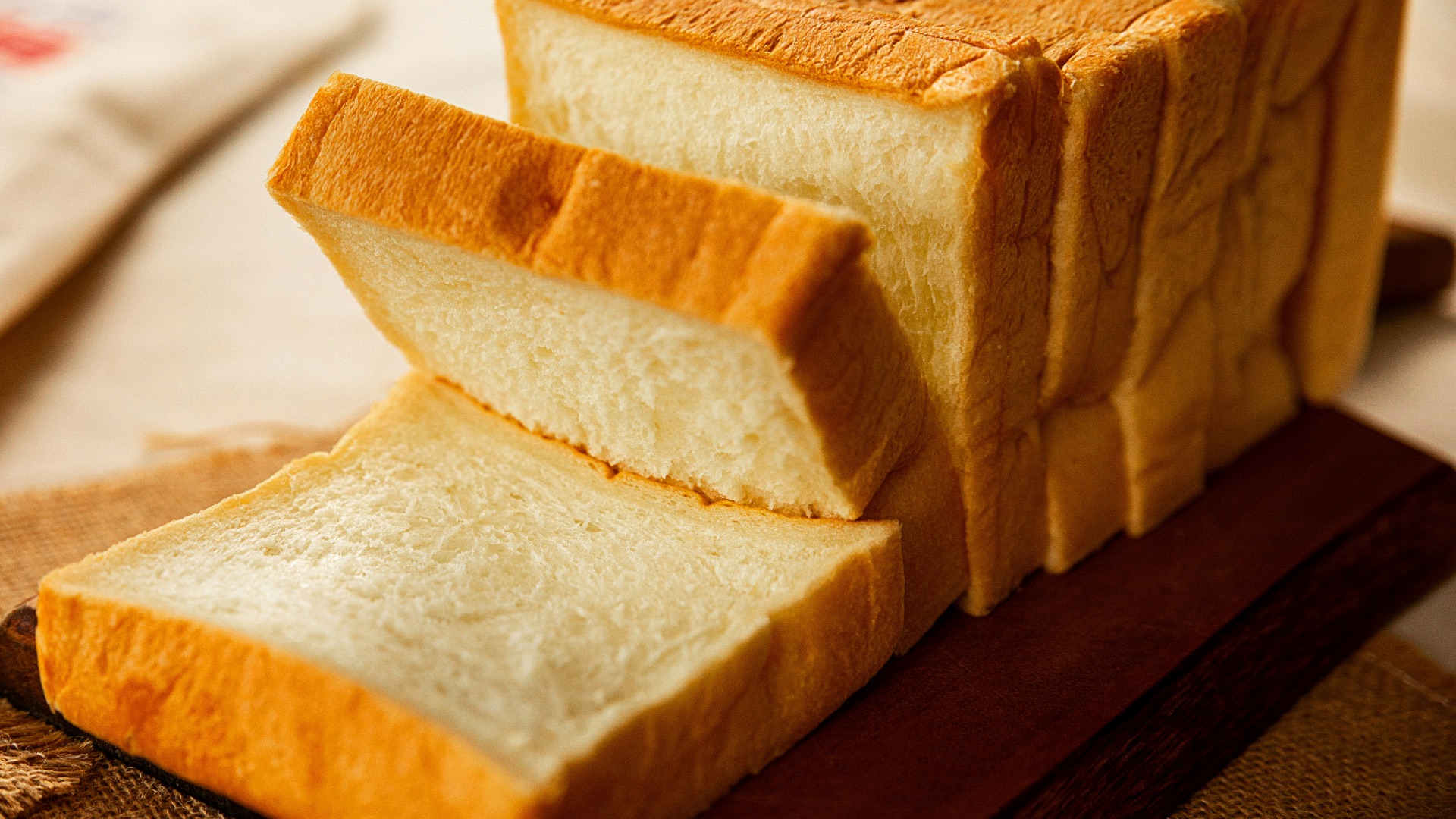
Bread doesn't have to be perfectly soft to earn a place at the table, especially when you're planning to toast or cook with it. A loaf that's dried out or stale can still work well for toast, breadcrumbs, croutons, French toast, bread pudding, or stuffing rather than being discarded simply because its texture has changed. Packaged shelf-stable foods can remain usable after a best-by date even though their flavor or texture may gradually decline. Mold is different: if you spot it on bread, toss it out—don't simply trim off the visible patch and keep eating the rest.
5. Bruised Apples
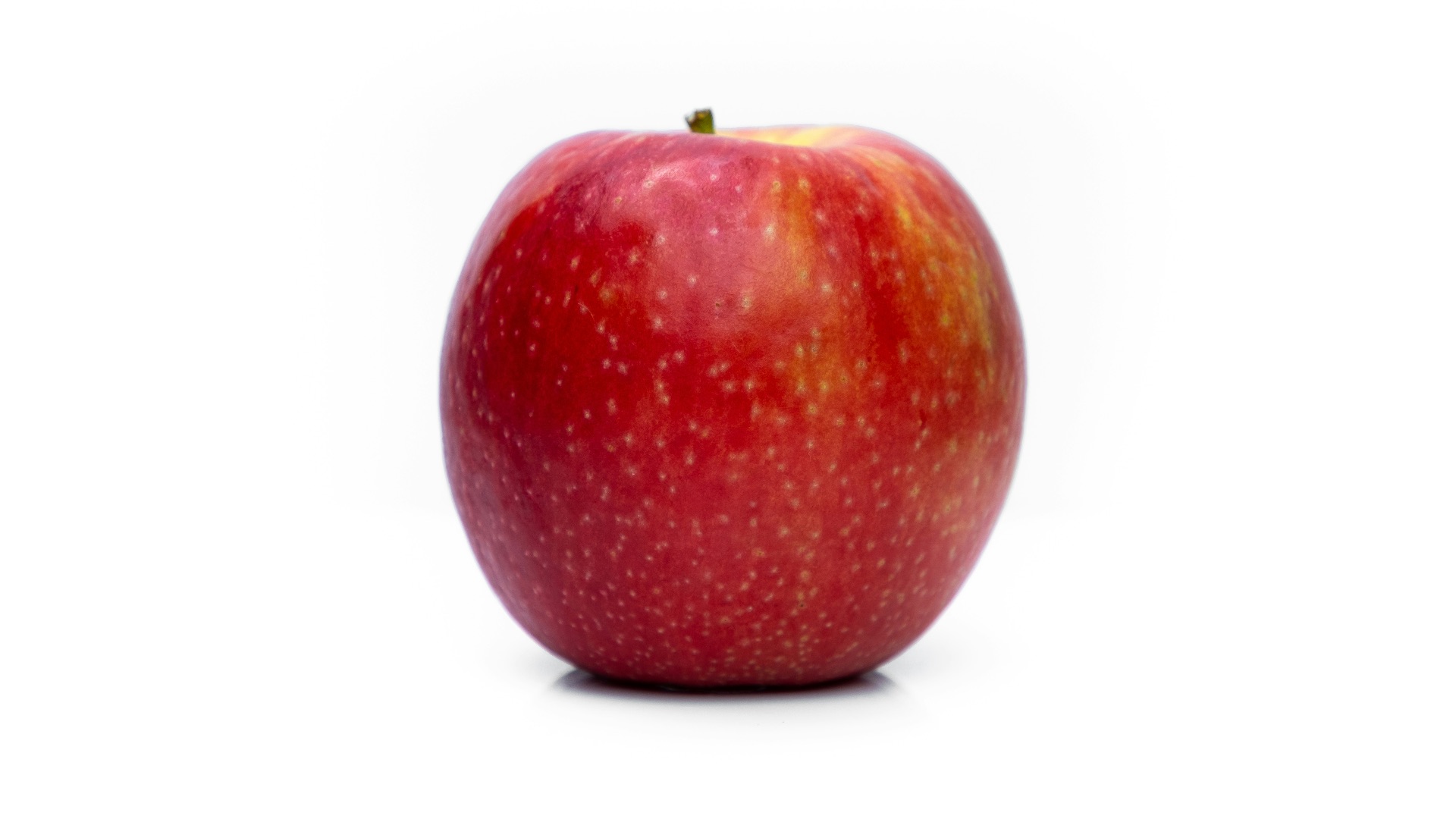
A brown patch caused by an apple getting bumped in the grocery bag isn't automatically a sign that the entire fruit has spoiled. If the damage is localized and the rest of the apple is firm and normal-smelling, you can cut away the bruised section and use what's left. Less-than-perfect apples are particularly useful for applesauce, baked desserts, oatmeal, or cooked dishes where flawless slices aren't necessary. Apples that are extensively rotten, moldy, or leaking should be discarded rather than salvaged.
6. Yogurt
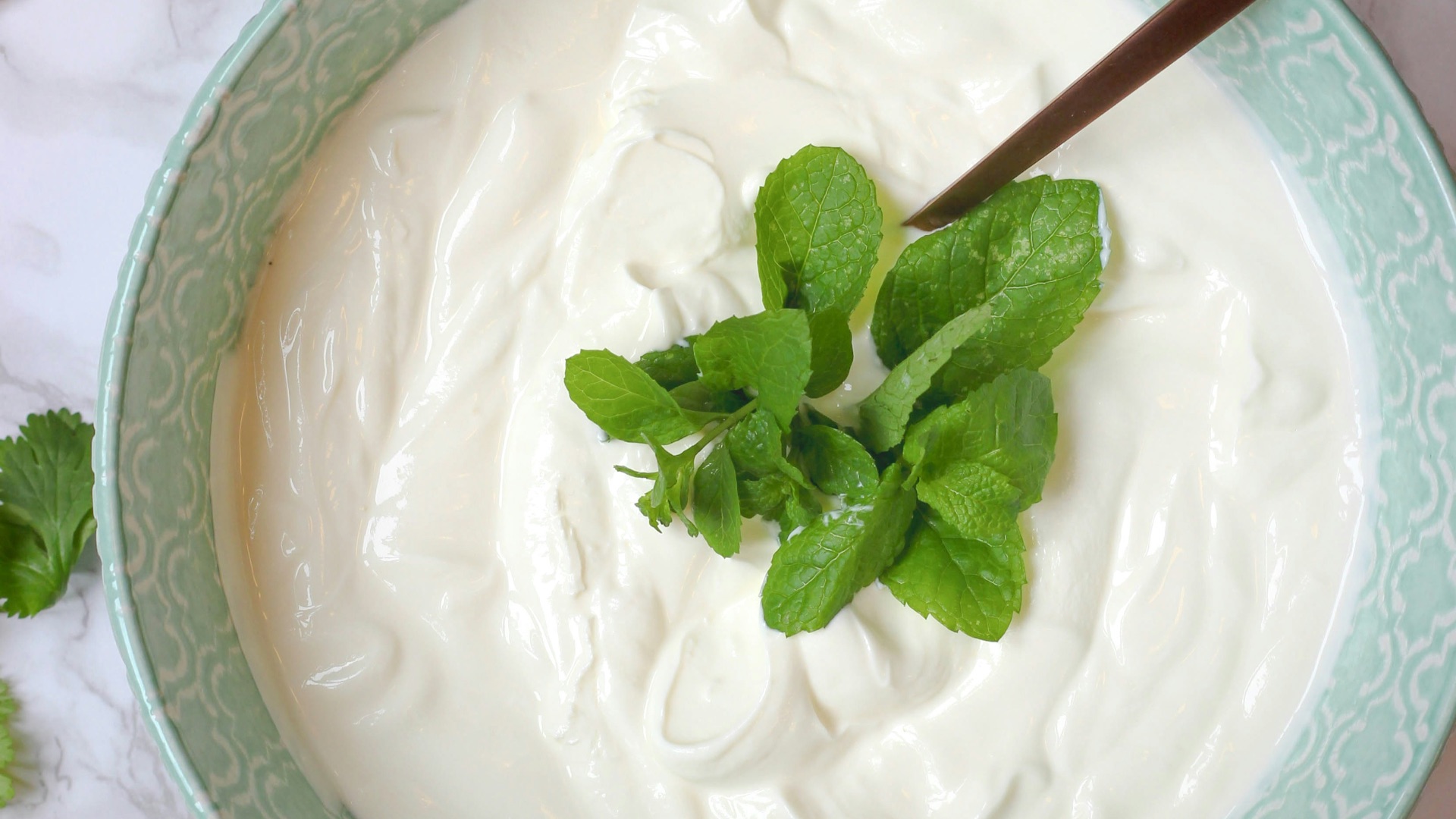
Yogurt often gets tossed the moment the date on the container passes, even though that date is usually about quality rather than an exact safety cutoff. Greek yogurt, in particular, can sometimes last a bit longer than regular yogurt because it’s more strained and has less whey, which helps slow down spoilage changes. It’s also normal for yogurt to separate a bit and have a layer of liquid on top, which you can simply stir back in before eating. Once opened, most yogurt is best used within about one to two weeks if it’s been kept consistently refrigerated, and you should still rely on smell, appearance, and texture to decide if it’s okay. If you notice mold, a strong sour or off smell, or an unusual texture that doesn’t improve with stirring, that’s when it’s time to discard it.
 micheile henderson on Unsplash
7. Food with Freezer Burn
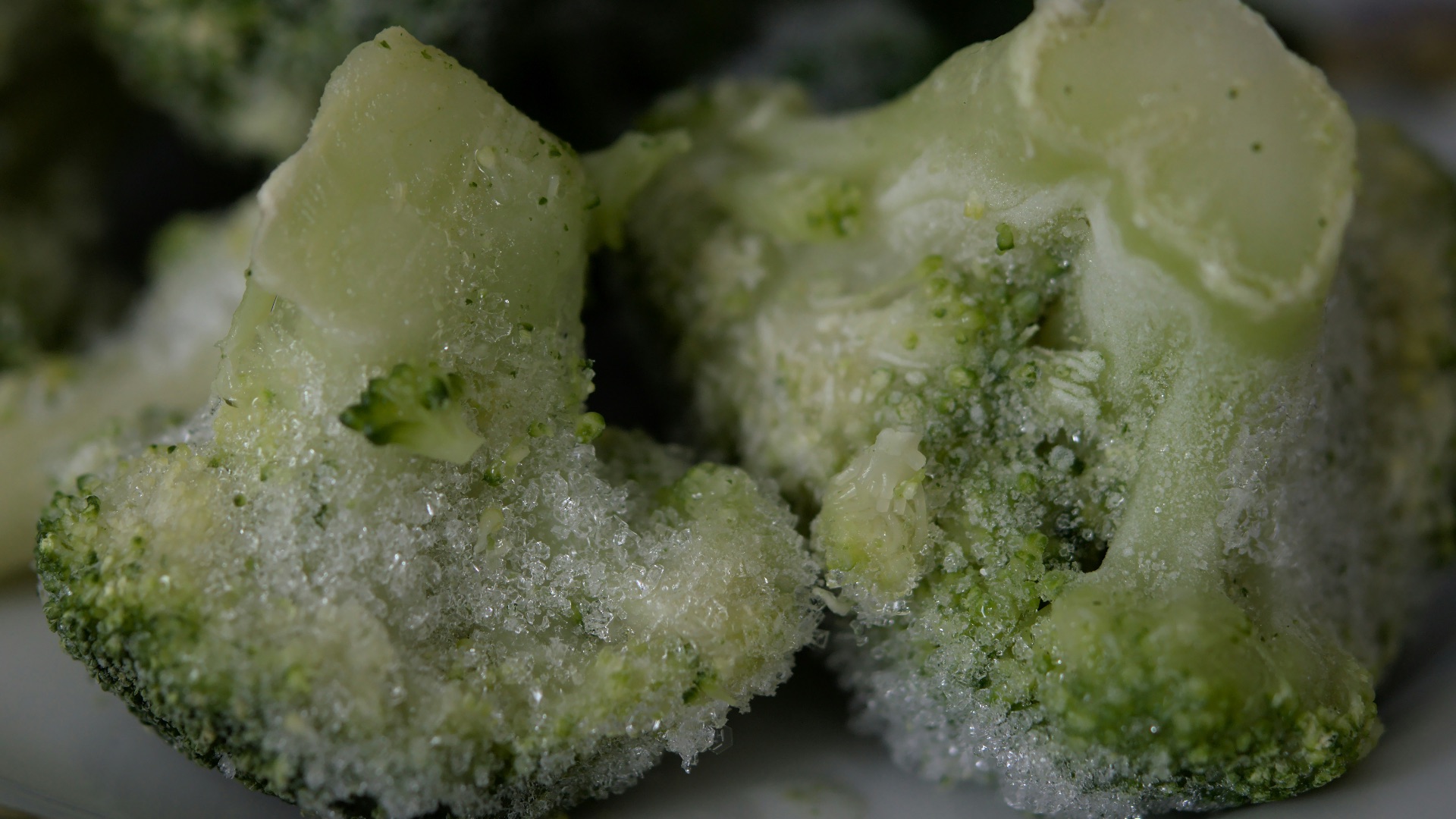
Those pale, dry patches on frozen meat can look alarming, but freezer burn itself isn't a food-safety problem. It happens when air reaches the food's surface and removes moisture, leaving affected portions dry and sometimes unpleasant in flavor or texture. USDA guidance notes that freezer-burned areas can be trimmed away, although food with extensive damage may not be worth keeping for quality reasons. Better wrapping and airtight freezer packaging can reduce the problem the next time you freeze something.
8. Pantry Foods
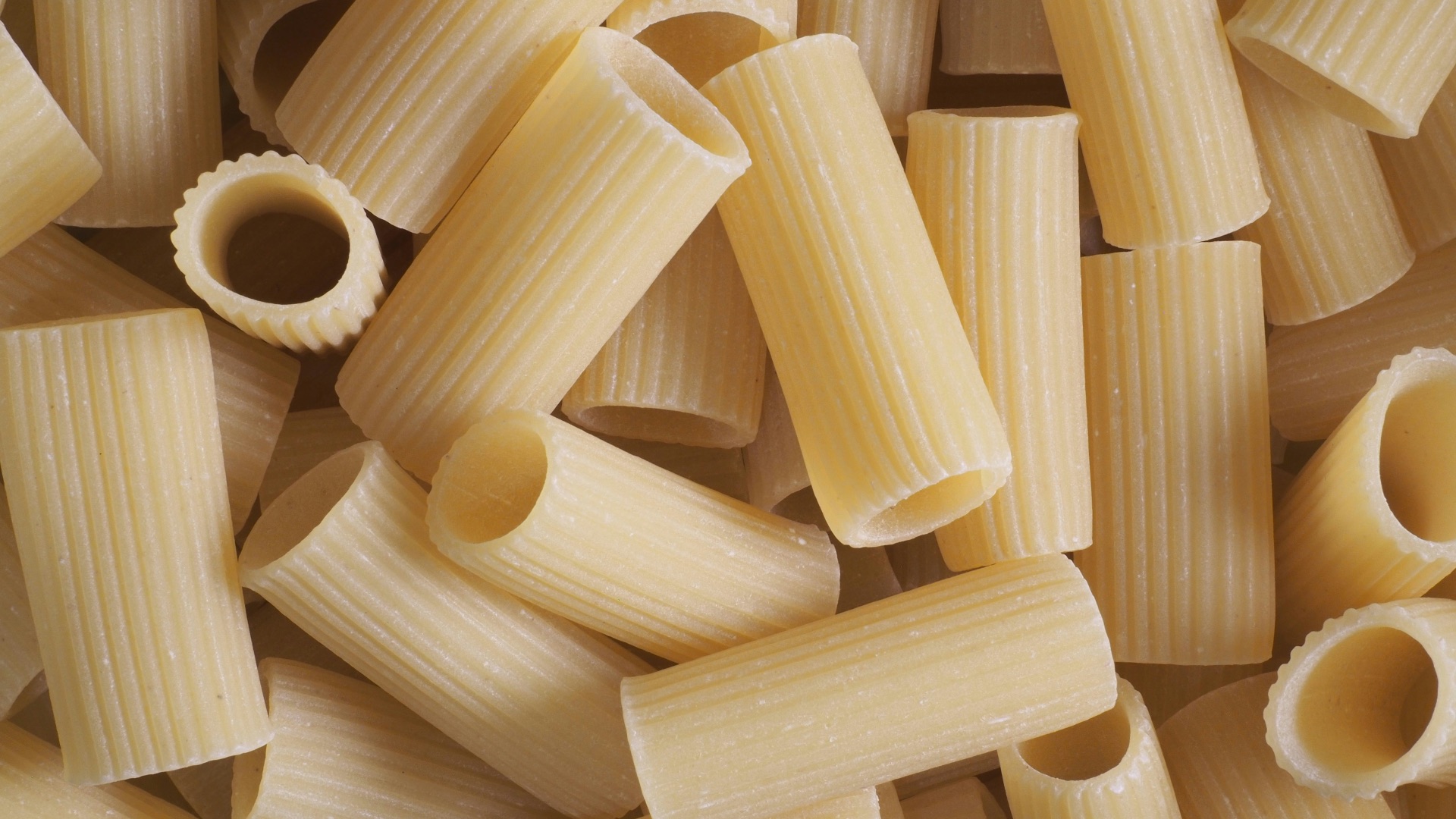
Boxes of pasta, cereal, crackers, and similar shelf-stable foods don't necessarily become unsafe at midnight on the date printed on the package. A “Best if Used By” style date generally addresses when a product is expected to have its best quality, and dry packaged foods may simply become stale or lose flavor as they age. Check for signs such as insects, moisture damage, mold, rancid odors, or other obvious deterioration rather than relying on the calendar alone. An unopened package that's been stored properly may still have plenty of use left even when its peak-quality date has passed.
 Francesco Esposito on Unsplash
9. Canned Foods
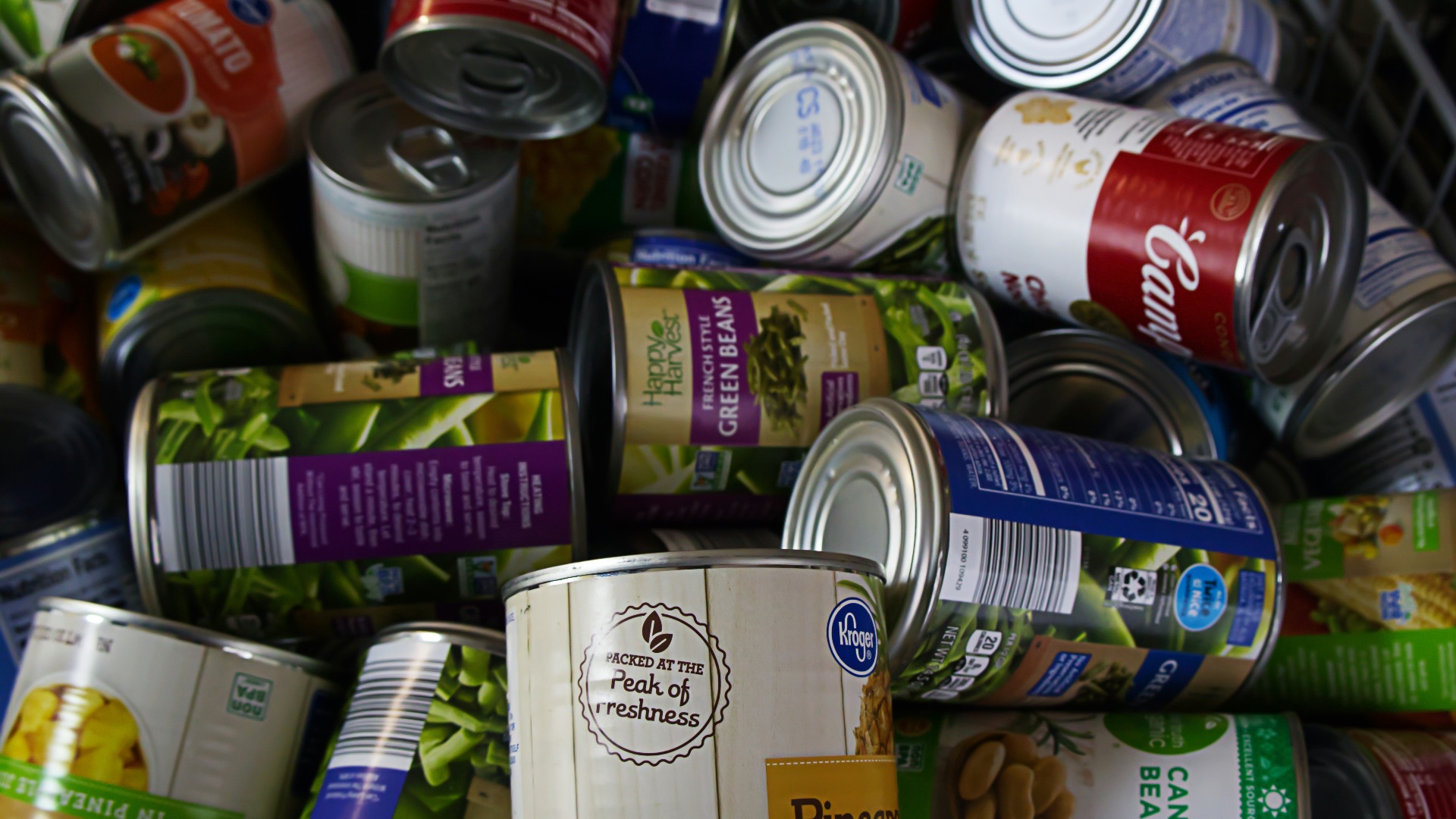
An intact can doesn't automatically become unusable just because its best-by date is behind you. Commercially canned foods can remain shelf-stable for a long time when they've been stored correctly, and USDA guidance emphasizes the condition of the container as an important factor. Don't use cans that are bulging, leaking, badly rusted, or deeply dented, since those defects are far more concerning than an ordinary quality date. This advice applies to genuinely shelf-stable cans, not products specifically labeled to be kept refrigerated.
10. Vegetables
A bell pepper with slightly wrinkled skin or zucchini that's lost some firmness may not look particularly impressive in a salad, but appearance alone doesn't always mean the vegetable has reached the end of its usable life. Produce that's simply aging can often be redirected into roasted dishes, soups, sauces, casseroles, or other cooked recipes before it deteriorates further. Cooking gives you more flexibility when texture is the main problem, so there's no reason every vegetable has to remain produce-aisle perfect until the moment you eat it. If you find mold, extensive soft rot, slime, or a clearly unpleasant odor, that's when salvaging it stops making sense.
Yet, while throwing food away too soon costs money, keeping highly perishable foods indefinitely creates a very different problem. Let's flip the coin and take a look at 10 foods you're keeping too long.
1. Cooked Leftovers
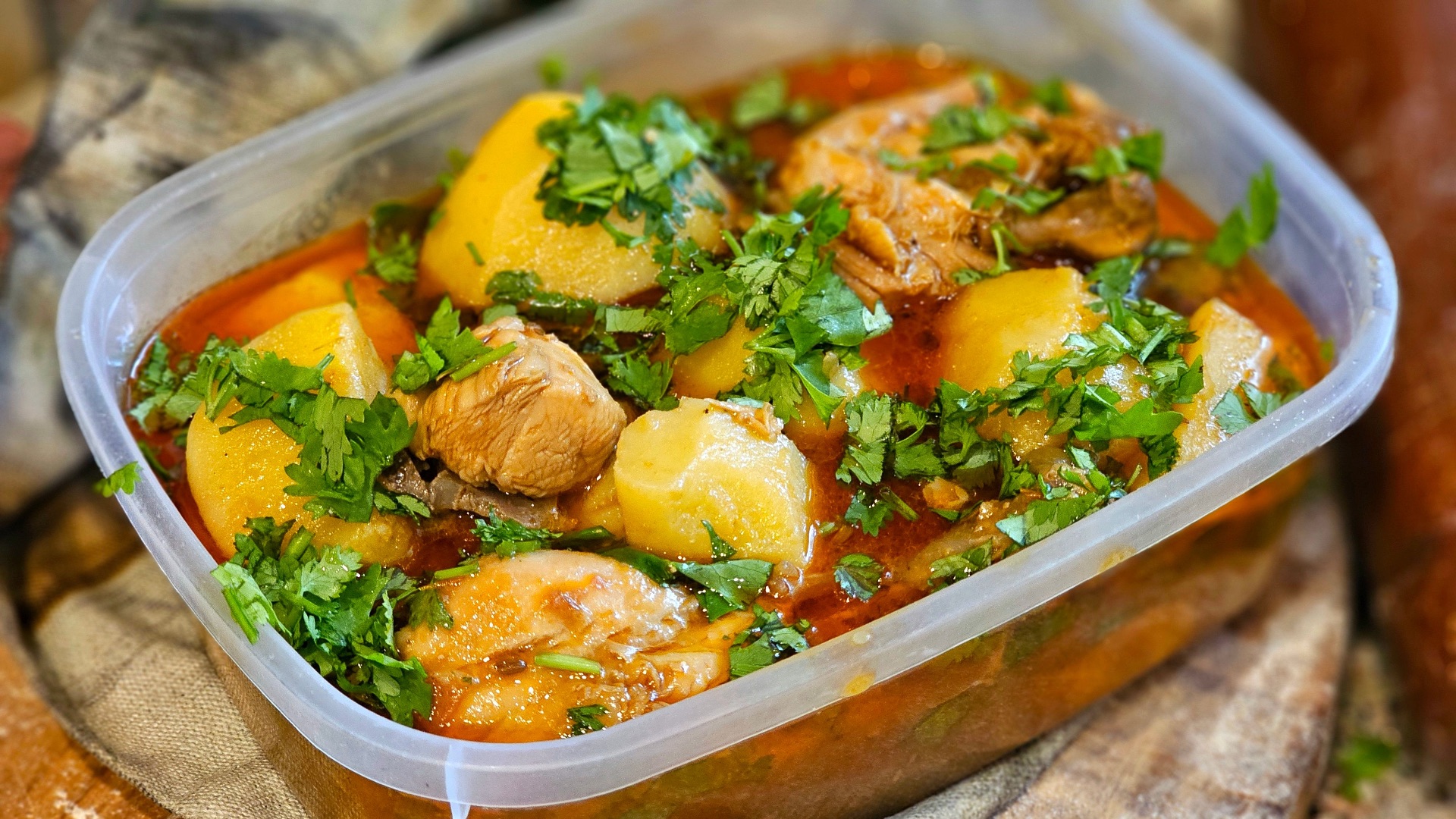
That container from dinner earlier in the week can remain surprisingly convincing long after you should be planning to eat it. Cooked meat and poultry leftovers are generally recommended for only three to four days in the refrigerator, and the same window applies to many soups, stews, and other prepared dishes. If you won't finish leftovers within that period, freezing them sooner is a better strategy than repeatedly deciding they'll probably still be fine tomorrow. Don't rely on smell alone to decide whether an old refrigerated meal is safe.
 Muhammad Khawar Nazir on Pexels
2. Opened Deli Meat
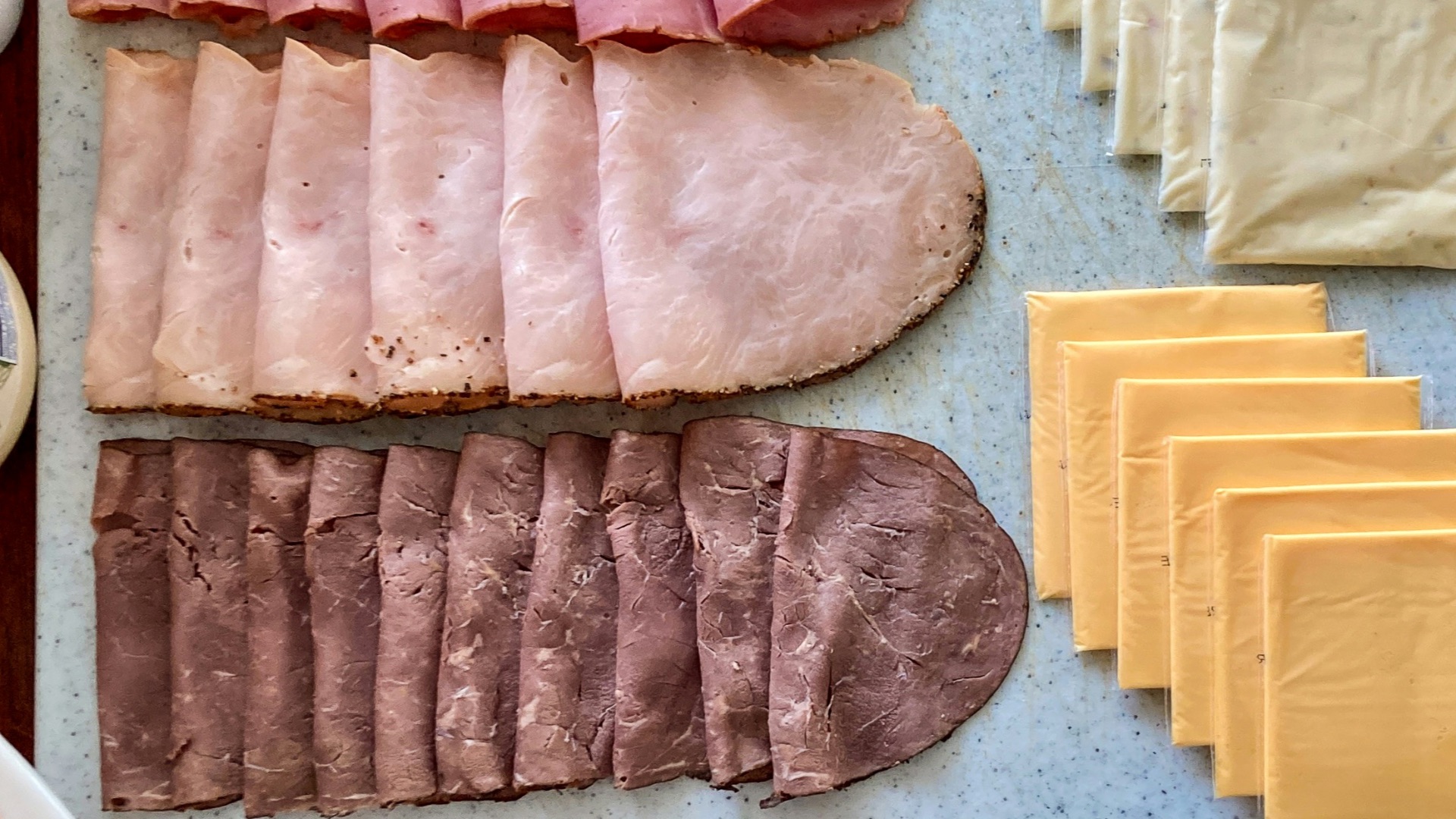
Once a package of sliced lunch meat has been opened, it shouldn't become a semi-permanent fixture in the deli drawer. Opened packages and freshly sliced deli meats generally have a refrigerator storage recommendation of about three to five days. Because ready-to-eat meats can support harmful bacteria during refrigerated storage, extending that window simply because the meat still looks normal isn't a good gamble. Date the package when you open it if you tend to forget how many lunches ago that actually was.
3. Raw Ground Meat
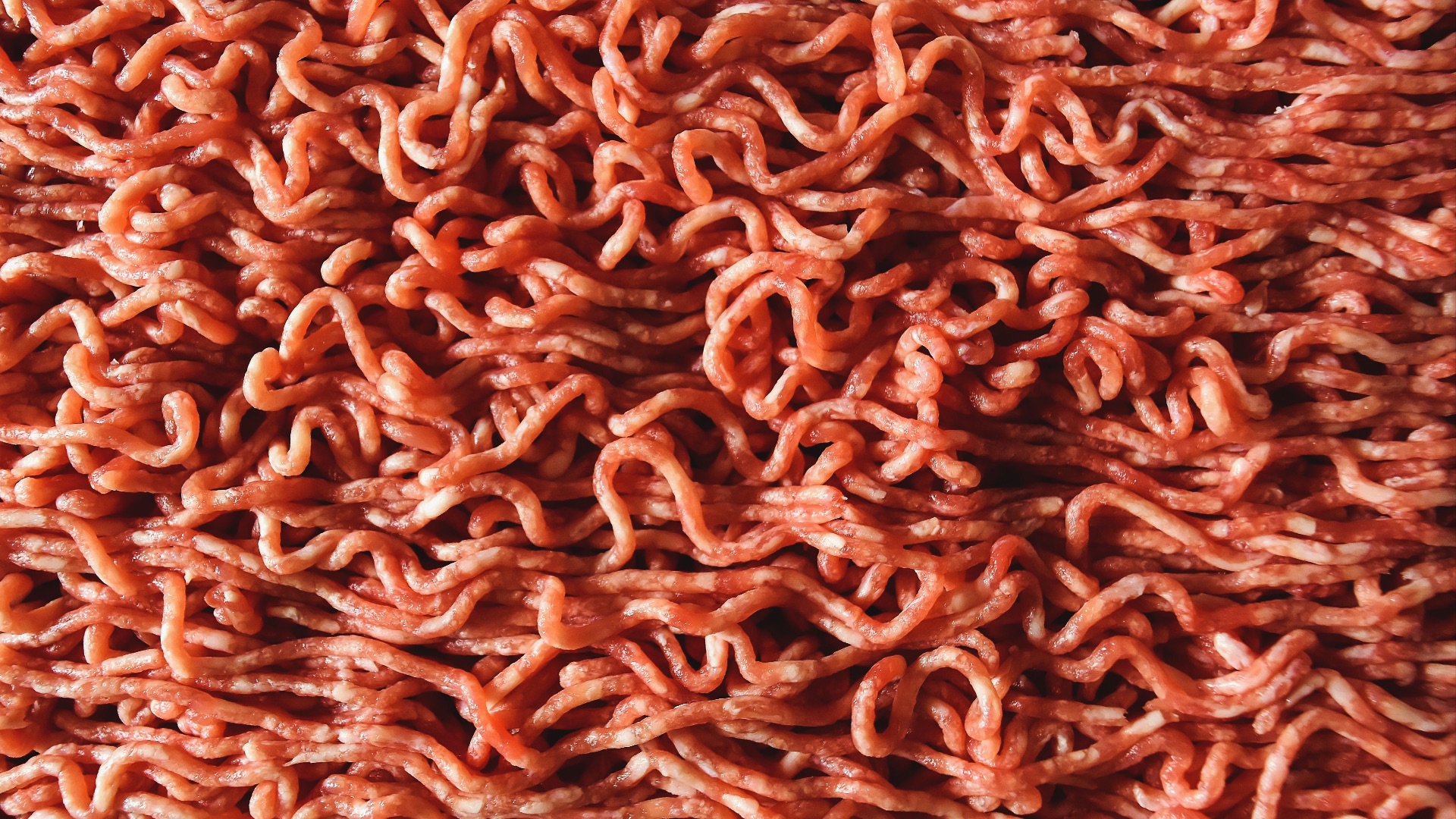
Ground beef, pork, lamb, and similar meats have a much shorter refrigerator life than intact steaks or roasts. The recommended refrigerated storage window for raw ground meat is generally only one to two days, so buying a package on Monday with vague plans to cook it later in the week isn't ideal. Freeze it promptly if your dinner plans change instead of leaving it in the refrigerator until you're finally ready. Grinding increases the amount of meat exposed during processing, which is one reason careful handling and timely cooking matter.
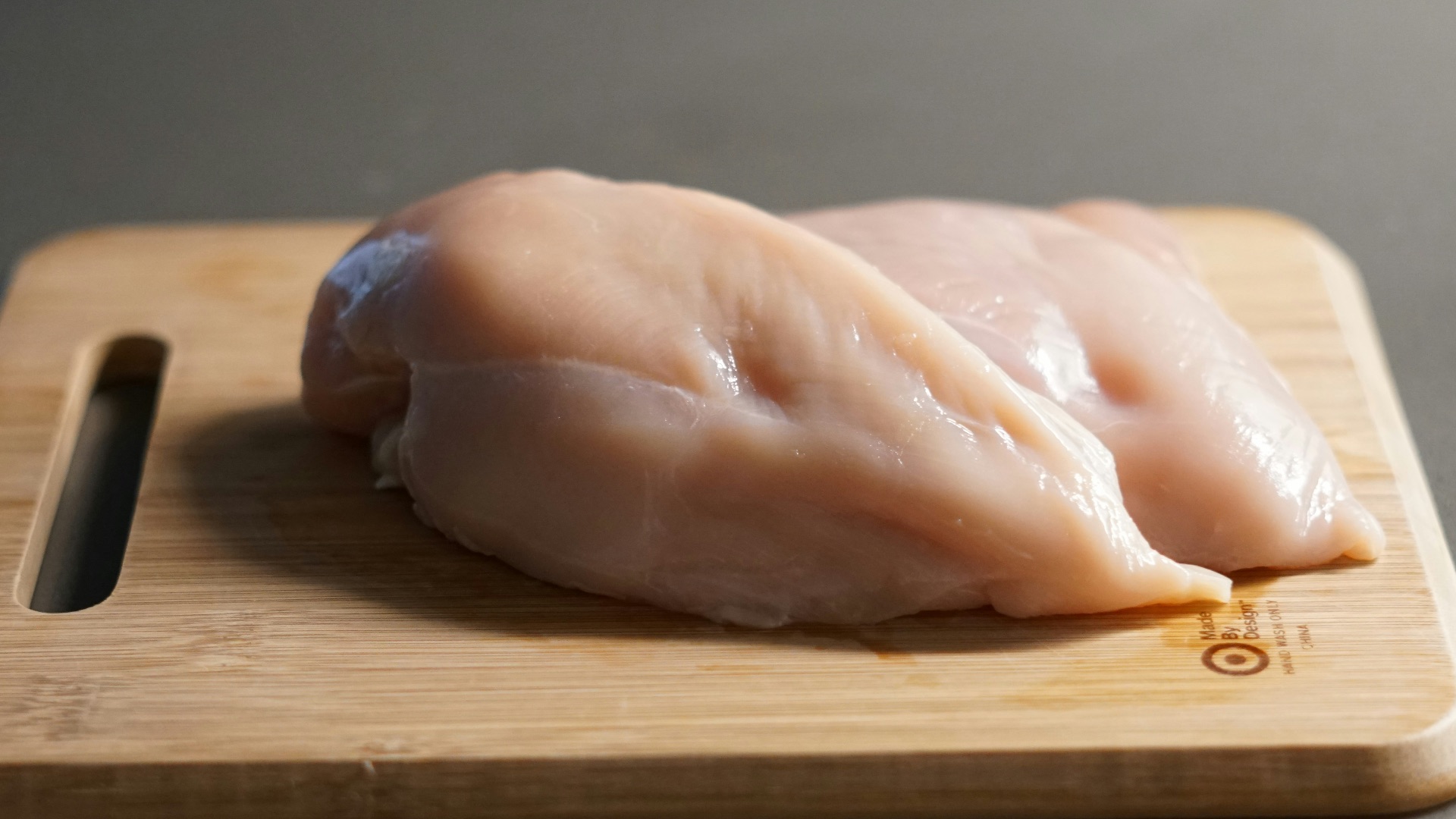
4. Raw Chicken and Turkey
Raw poultry isn't something you want sitting in the refrigerator while you spend several days deciding what to make with it. Fresh chicken and turkey are generally recommended for only one to two days of refrigerated storage before cooking or freezing. Keep the package contained and separated from ready-to-eat foods so leaking juices can't contaminate other items in the refrigerator. If your schedule changes, transferring the poultry to the freezer early is far better than stretching the refrigerator window.
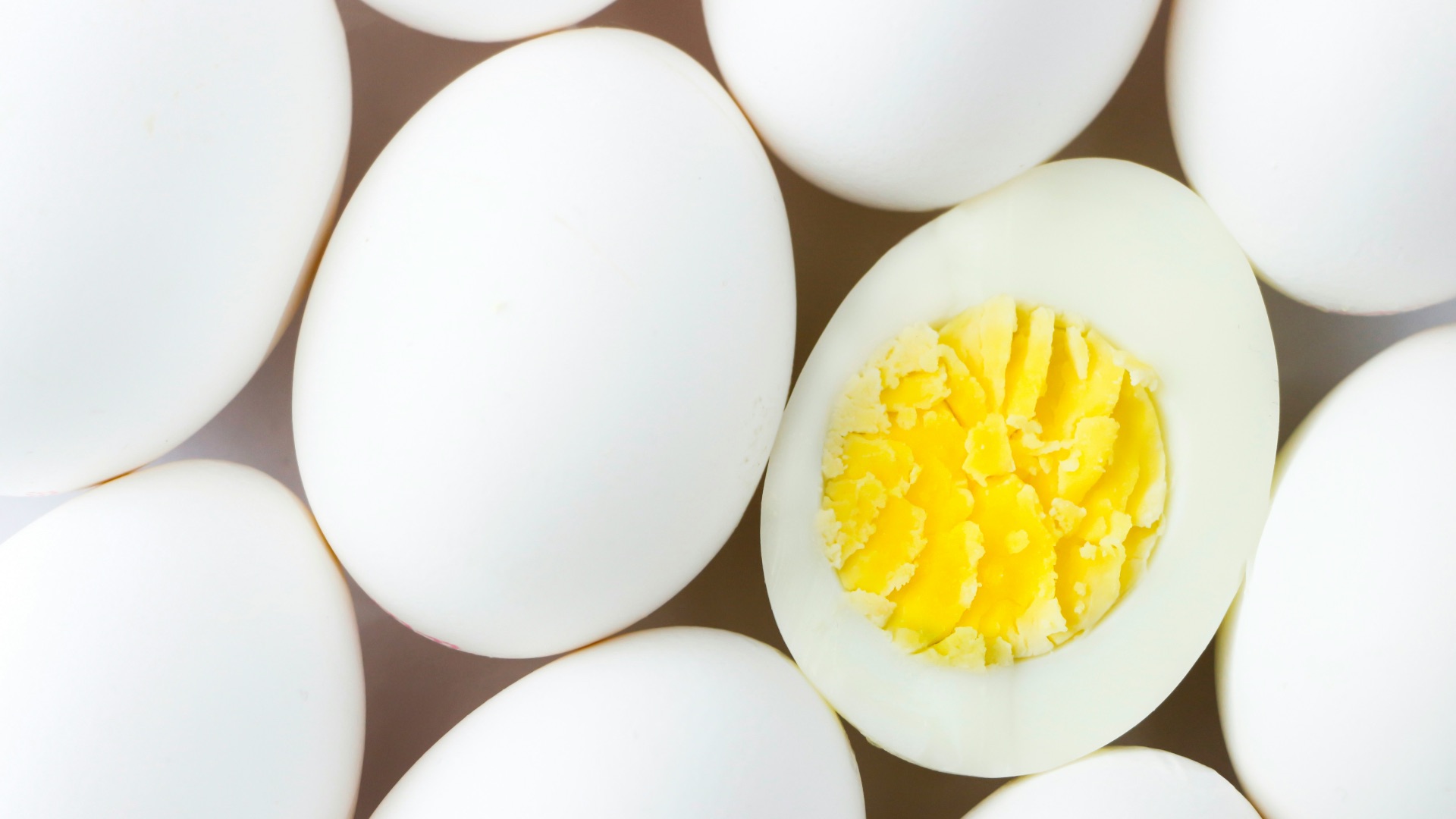
5. Hard-Boiled Eggs
Boiling eggs doesn't turn them into a refrigerator staple that lasts for weeks; on the contrary, actually. Hard-cooked eggs should generally be eaten within one week when they're kept refrigerated. That can be easy to lose track of if you cook a large batch for breakfasts and snacks, especially once the original egg carton is gone. Marking the cooking date on their storage container takes a few seconds and gives you a much clearer cutoff than trying to remember when you made them.
6. Homemade Prepared Salads
Creamy prepared salads are convenient precisely because they're ready to scoop out and eat, which can make it tempting to keep nibbling from the same batch all week. Homemade or store-prepared egg, chicken, tuna, ham, and macaroni salads generally have a refrigerator storage window of roughly three to four days. Making smaller batches can help if you routinely find a forgotten container in the back of the refrigerator several days later. When you're approaching the end of the recommended window, don't count on a normal appearance to earn it extra time.
 Christine Isakzhanova on Unsplash
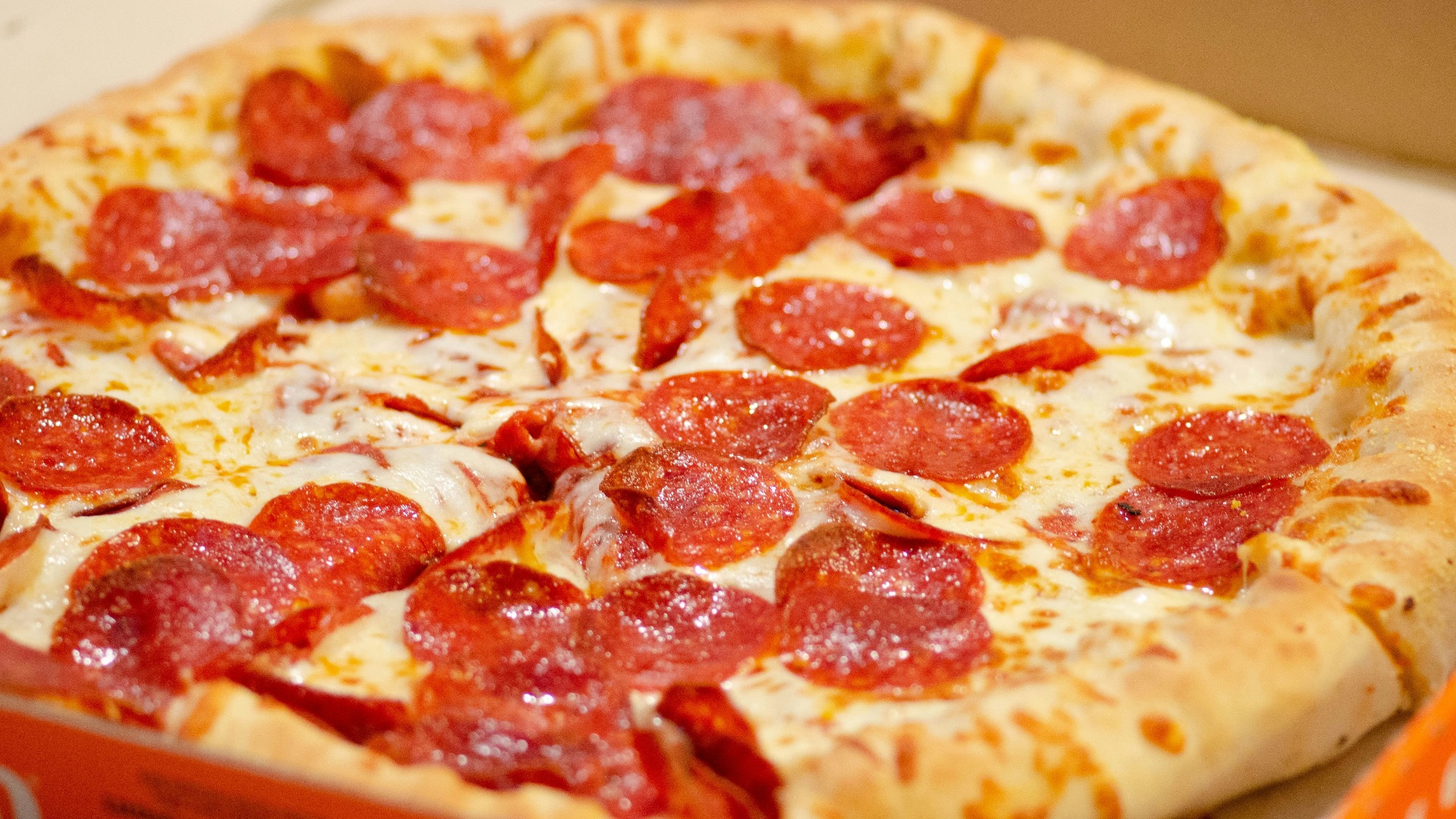
7. Cooked Pizza
A leftover pizza box may seem less perishable than a container of cooked chicken, but pizza belongs under the same basic rules for refrigerated leftovers. FoodSafety.gov lists refrigerated pizza at three to four days, assuming it was refrigerated promptly rather than sitting out for hours after the meal. Move slices into a covered container if a bulky box makes them easier to forget, and freeze extras when you know you won't get to them soon enough. The fact that pizza reheats well doesn't mean an aging slice gets a new safety window every time you warm it up.
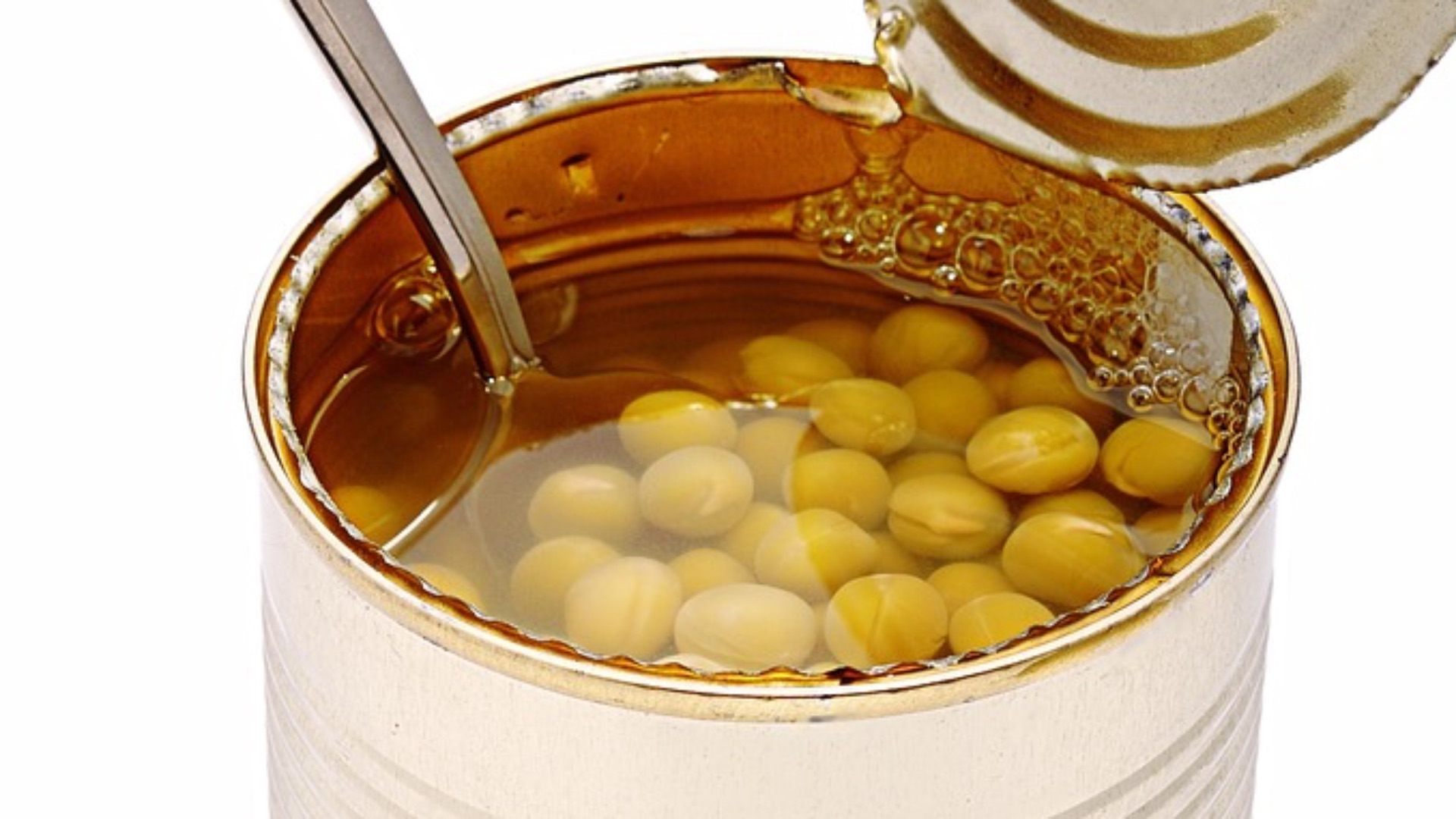
8. Opened Canned Food
Shelf-stable canned food can last a remarkably long time before opening, but opening the container completely changes the situation. Many shelf-stable canned foods should be treated as refrigerated leftovers once opened, with common guidance putting numerous products in roughly the three-to-four-day range. Transfer what you don't use into a covered storage container, refrigerate it promptly, and make a plan to finish it rather than letting half a can disappear behind other groceries. The multiyear storage life associated with canned goods applies to sealed shelf-stable cans, not yesterday's opened beans or soup.
9. Condiments
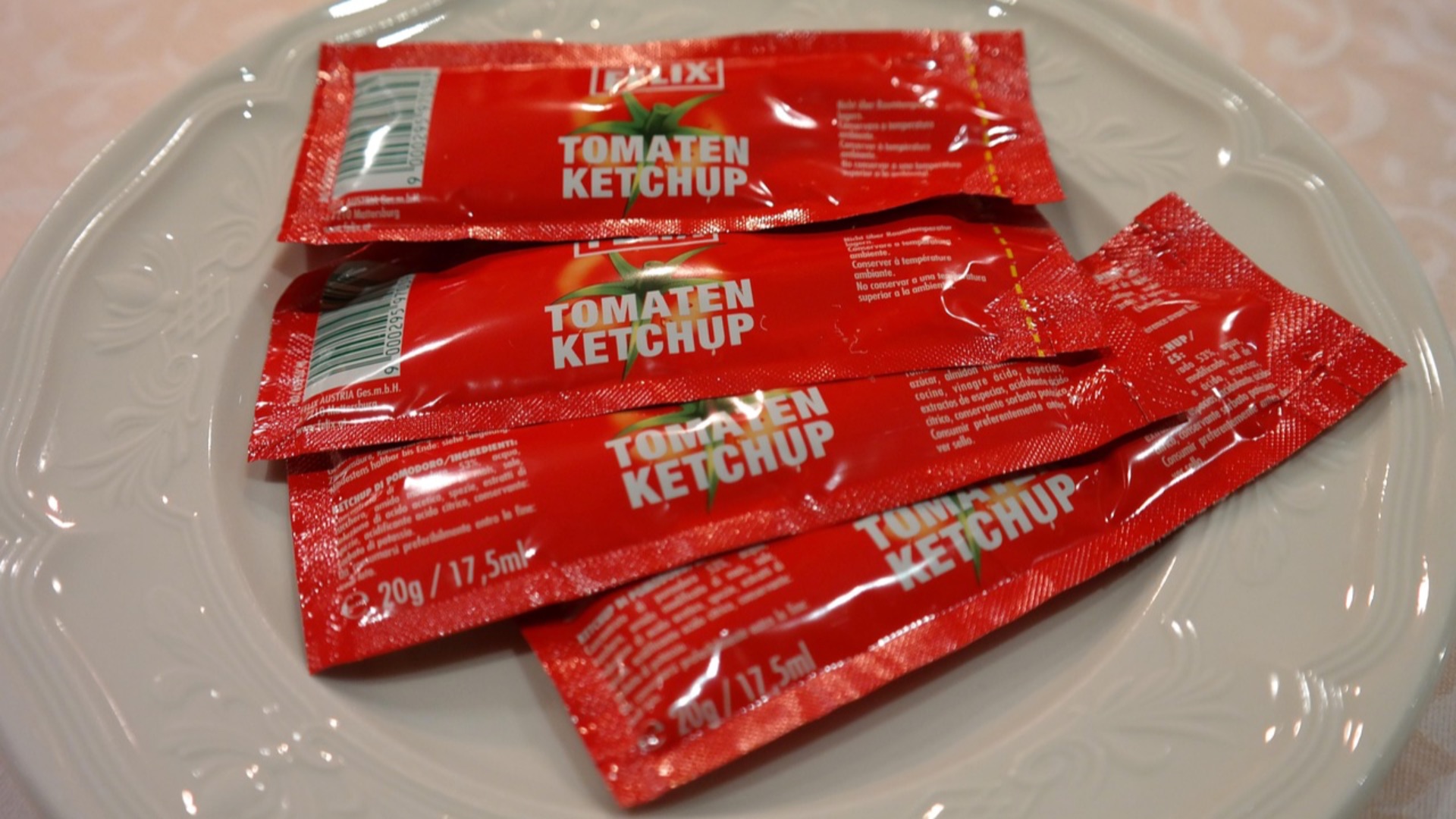
Single-use condiment packets and leftover sauces from takeout meals often get pushed into the fridge and forgotten, but they don’t last indefinitely just because they came with a restaurant order. Once you open or transfer items like soy sauce, ranch, salsa, or creamy dipping sauces into a container, they should be treated like any other perishable refrigerated food. Many of these sauces only stay at their best quality for a few days to about a week once opened, especially if they contain dairy, eggs, or fresh ingredients. If you can’t remember when you first used them, or they’ve been sitting in the fridge for a while, it’s usually safer to replace them than to keep guessing.
10. Food from a Too-Warm Refrigerator
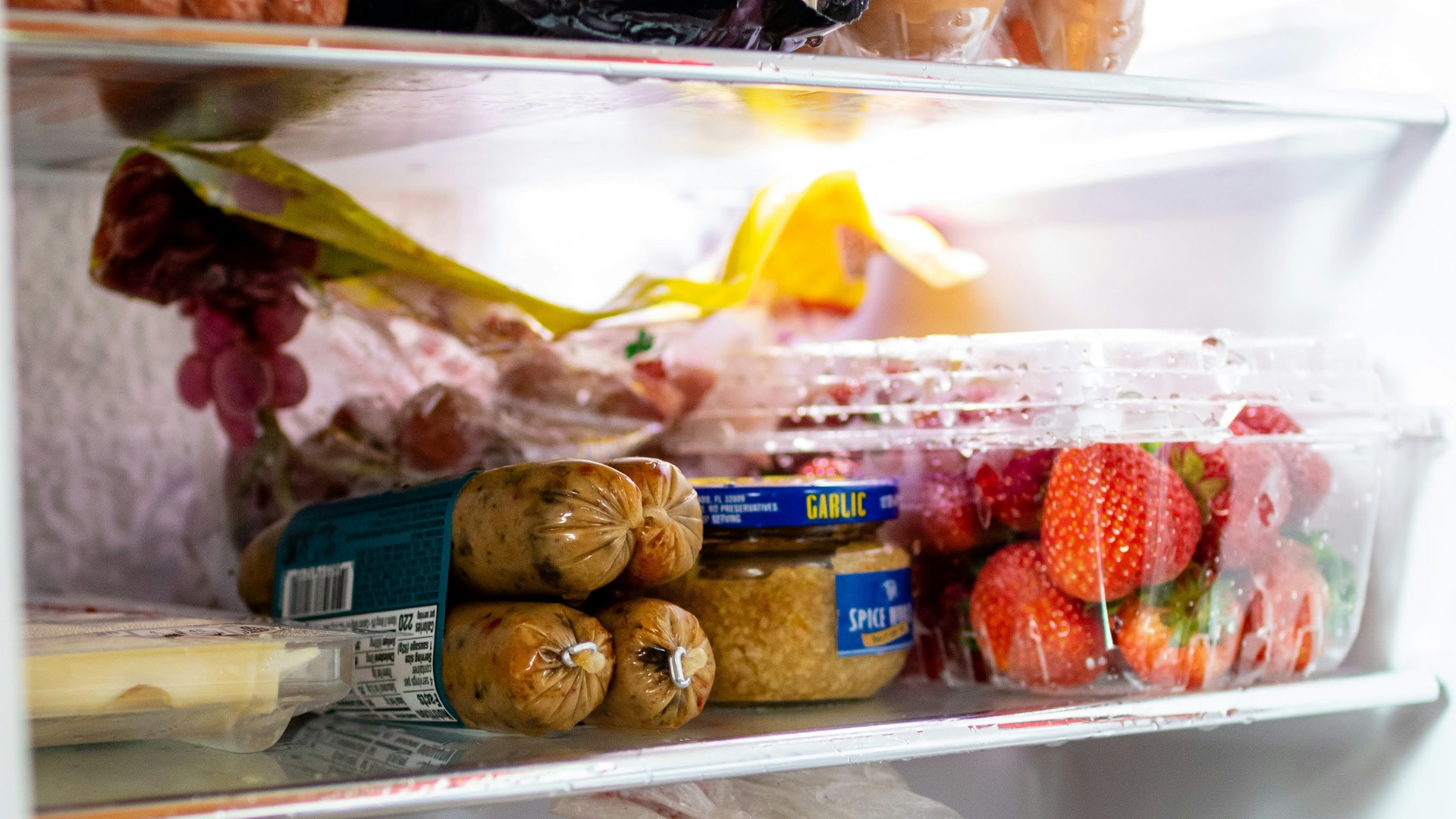
Sometimes the problem isn't how many days you've kept a food but the temperature at which it was stored. Refrigerators should be kept at 40°F or below, and perishable foods can become unsafe when they're held above safe refrigeration temperatures for too long. This matters after extended power outages, a refrigerator malfunction, or situations where the door has been left open and the interior warms considerably. Don't assume food is safe merely because it's still cool to the touch, particularly when meat, poultry, seafood, milk, eggs, or prepared leftovers have spent hours outside proper refrigeration.
KEEP ON READING
You’re Storing Tomatoes Wrong in This Heat
You’re Storing Potatoes Wrong in This Heat
You’re Storing Peppers Wrong in This Heat