Less Waste, Better Meals
Buying everything fresh sounds ideal, but it’s not always the best move for your wallet or your schedule. Sure, some foods are better when fresh because their texture and flavor can fall off fast, but frozen or canned varieties can be just as good (and sometimes, even better) than "fresh" versions. Use this list as a cheat sheet so you can spend your effort where it matters. Here are 10 groceries you should always buy fresh, and 10 that are fine to purchase frozen or canned.
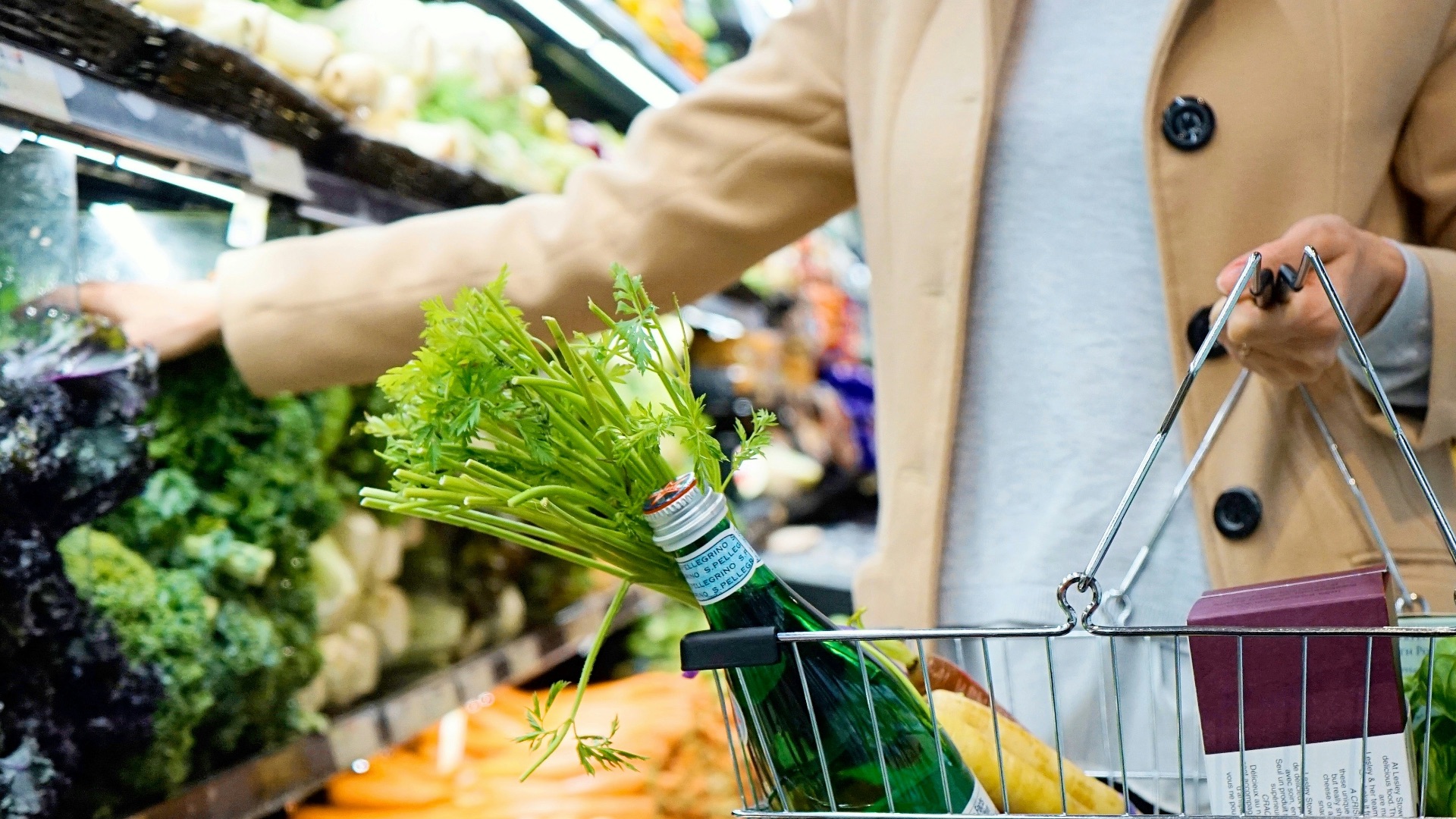
1. Berries
Berries can go from perfect to mushy in what feels like 10 minutes, so fresh is the move when you want that bright flavor and pop. Check the bottom of the carton because a single crushed fruit can start a whole fuzzy situation you definitely don't want to deal with. If you’re not eating them soon, rinse only right before snacking so they last longer.
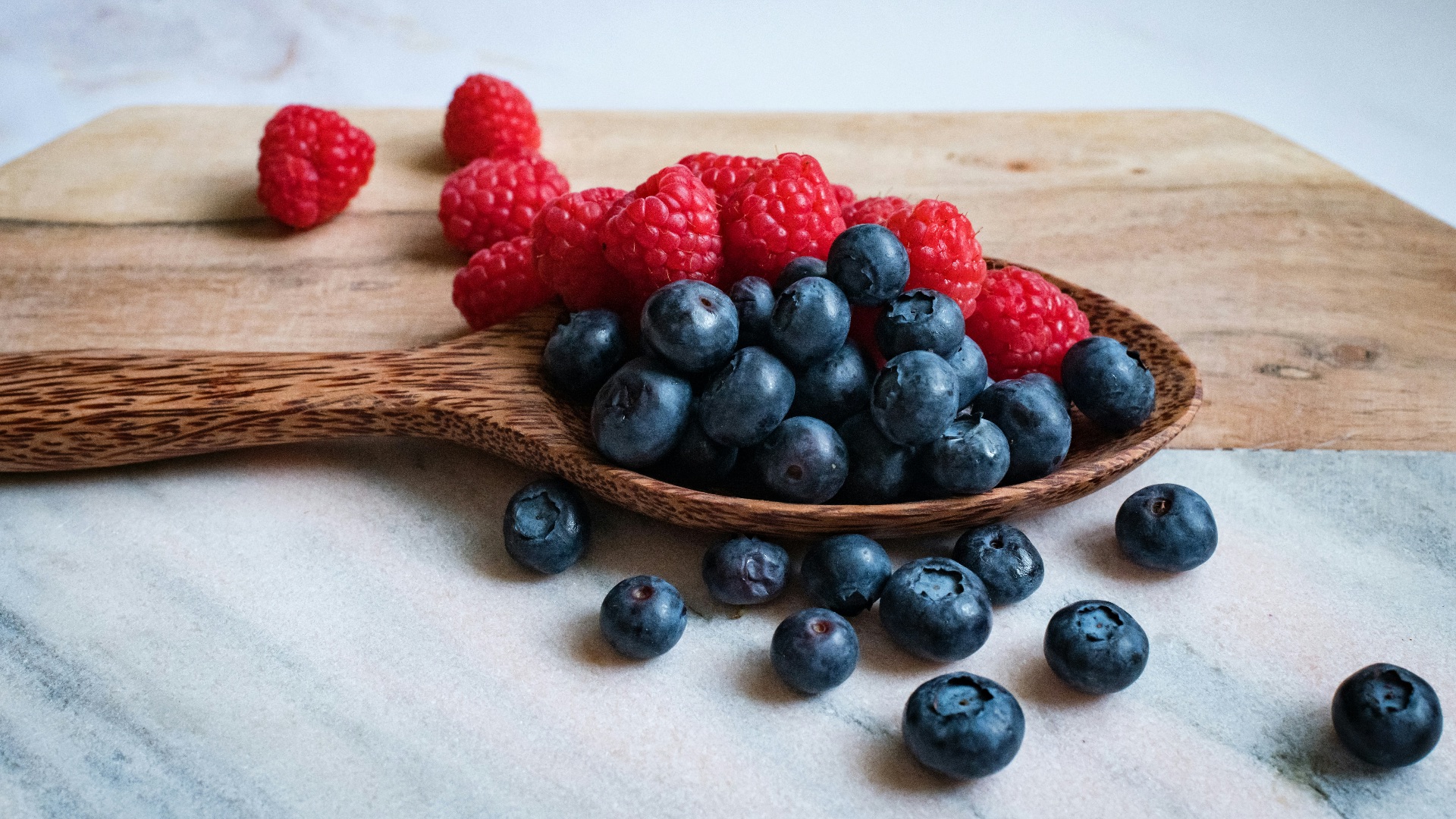
2. Leafy Greens
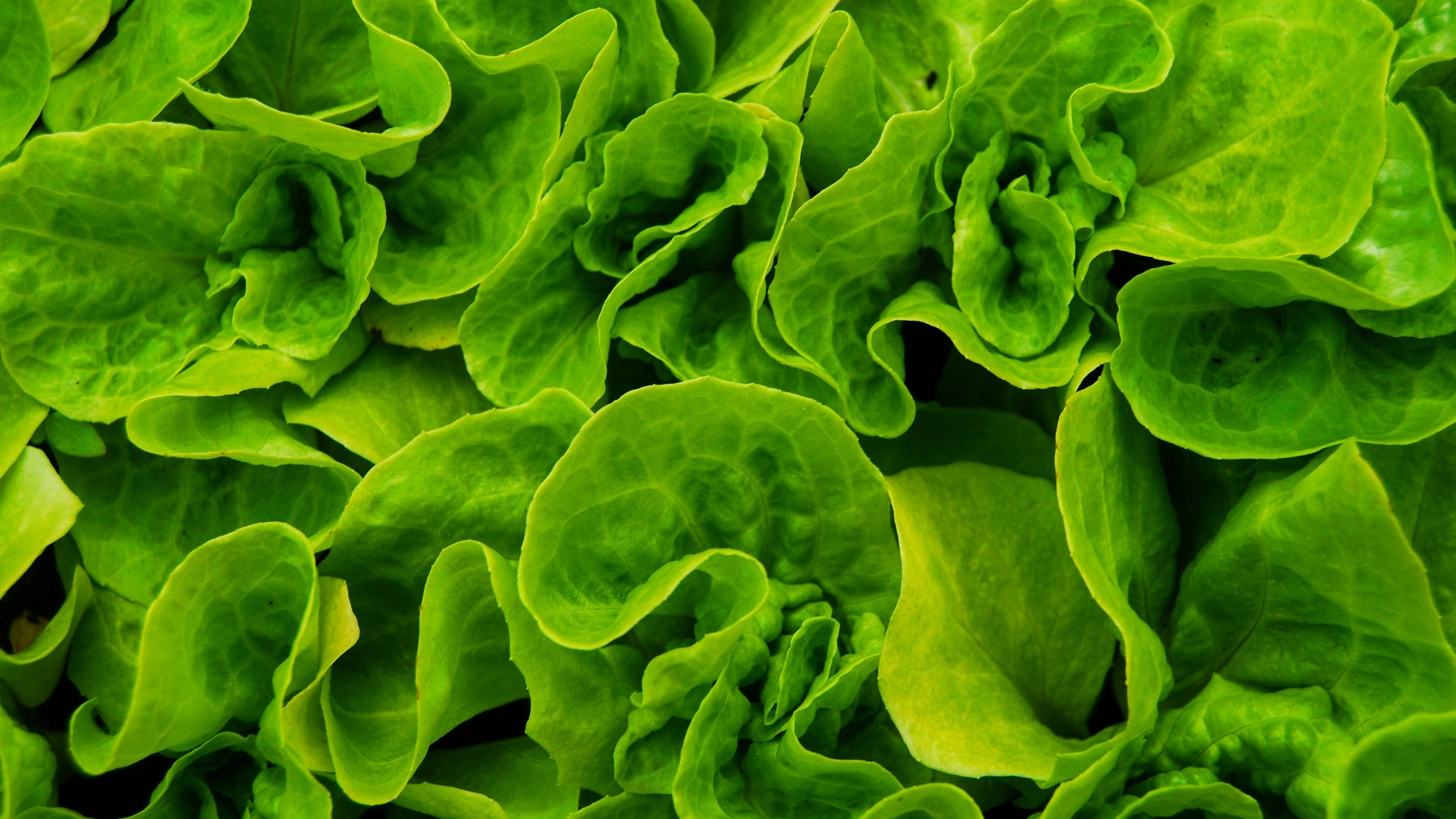
Fresh greens keep their crunch and clean taste in a way frozen versions just can’t match for salads. Look for crisp leaves and avoid bags with a lot of moisture because that’s a wilt warning. Pro tip: if you store them with a paper towel in the container, you’ll buy yourself a couple extra days. (You can thank us later.)
3. Tomatoes
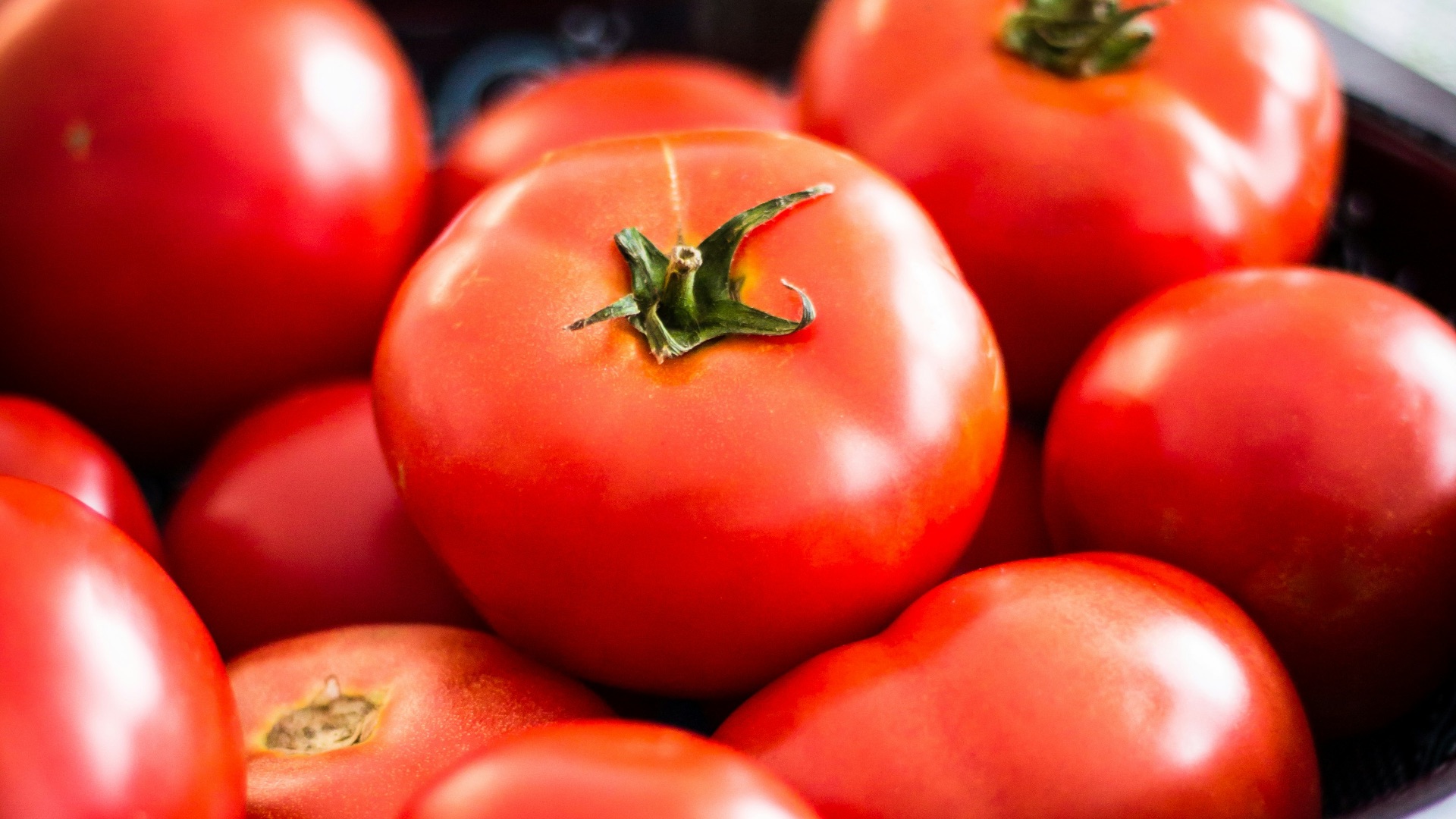
A fresh tomato has that juicy snap and earthy smell that canned versions can’t recreate for raw dishes. Skip the refrigerated ones if you can, because cold temps can dull the flavor and make the texture mealy. When you find good ones, let them sit on the counter until you're ready to enjoy them.
4. Avocados
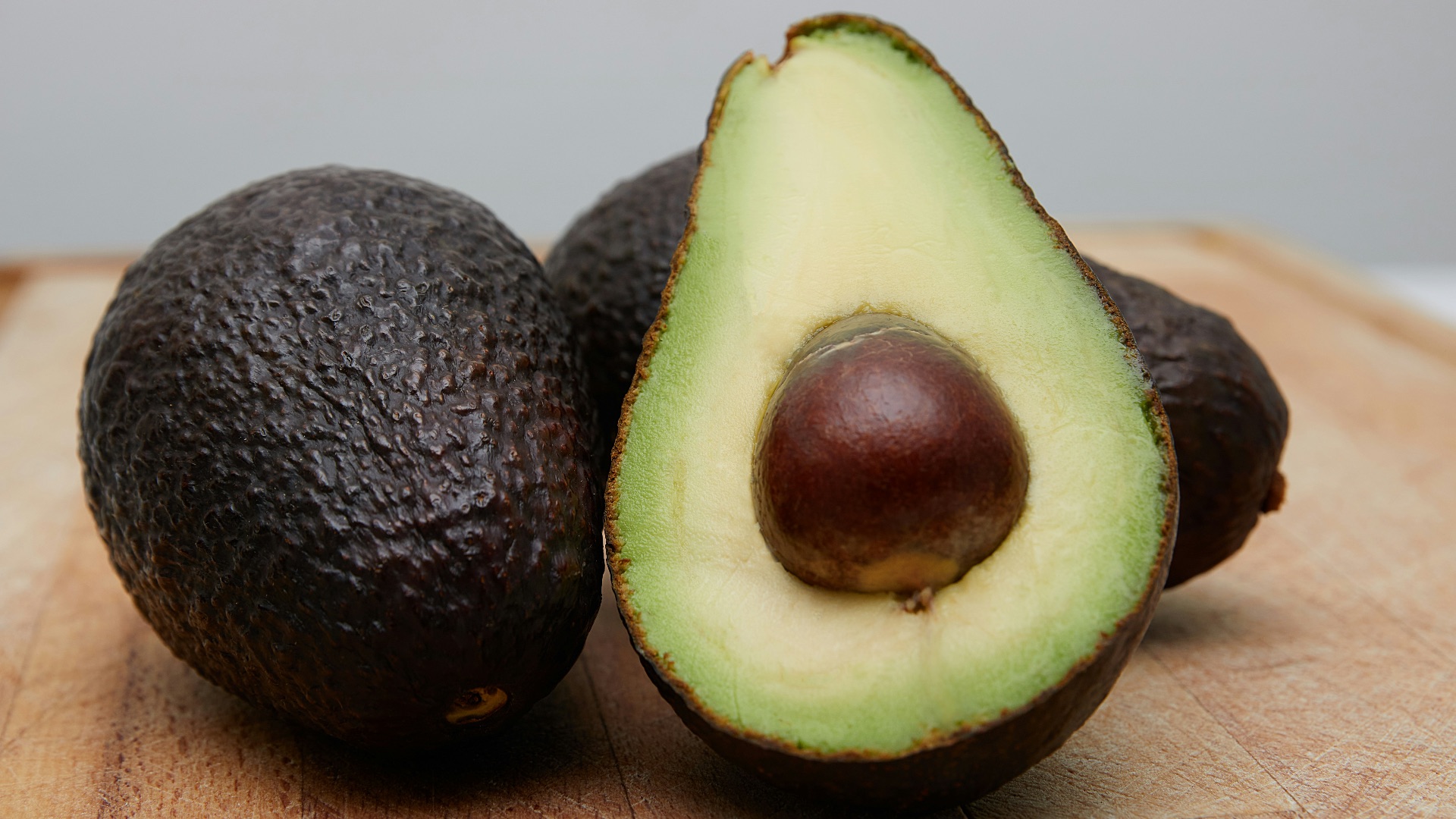
Fresh avocados are a timing game, but when you hit the sweet spot, nothing beats their rich, creamy texture. To check for ripeness, give them a gentle squeeze near the stem end; avoid mashing the whole thing like a stress ball. If you need to slow them down, move ripe ones to the fridge to hold them for a day or two.
5. Fresh Herbs
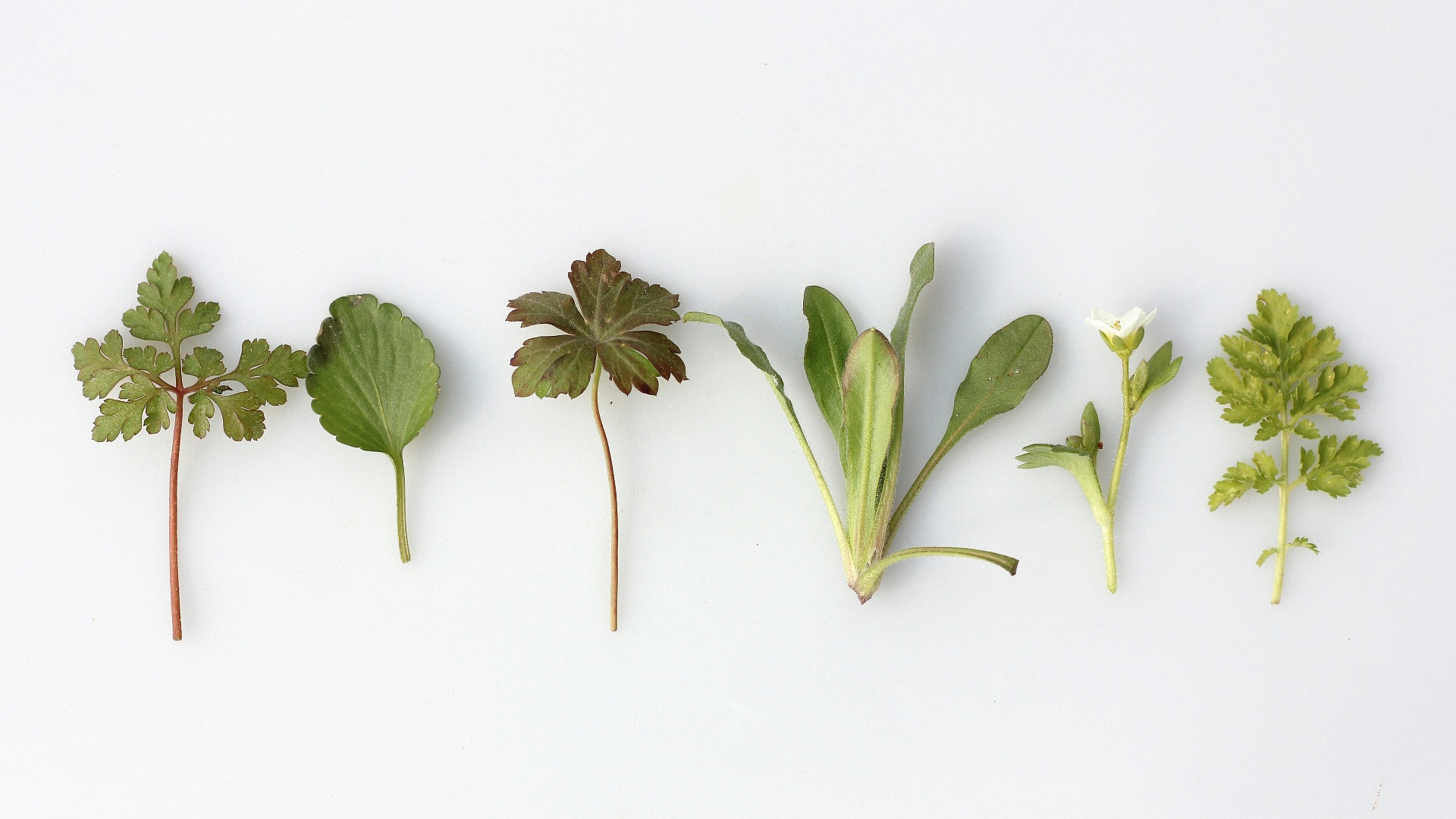
Fresh herbs bring a punchy aroma that dried versions can’t compete with, especially in quick meals. Cilantro, basil, and parsley can turn a basic dinner into something restaurant-quality. Keep them in a jar with a little water, like a tiny bouquet, and they’ll stay perky longer.
6. Citrus
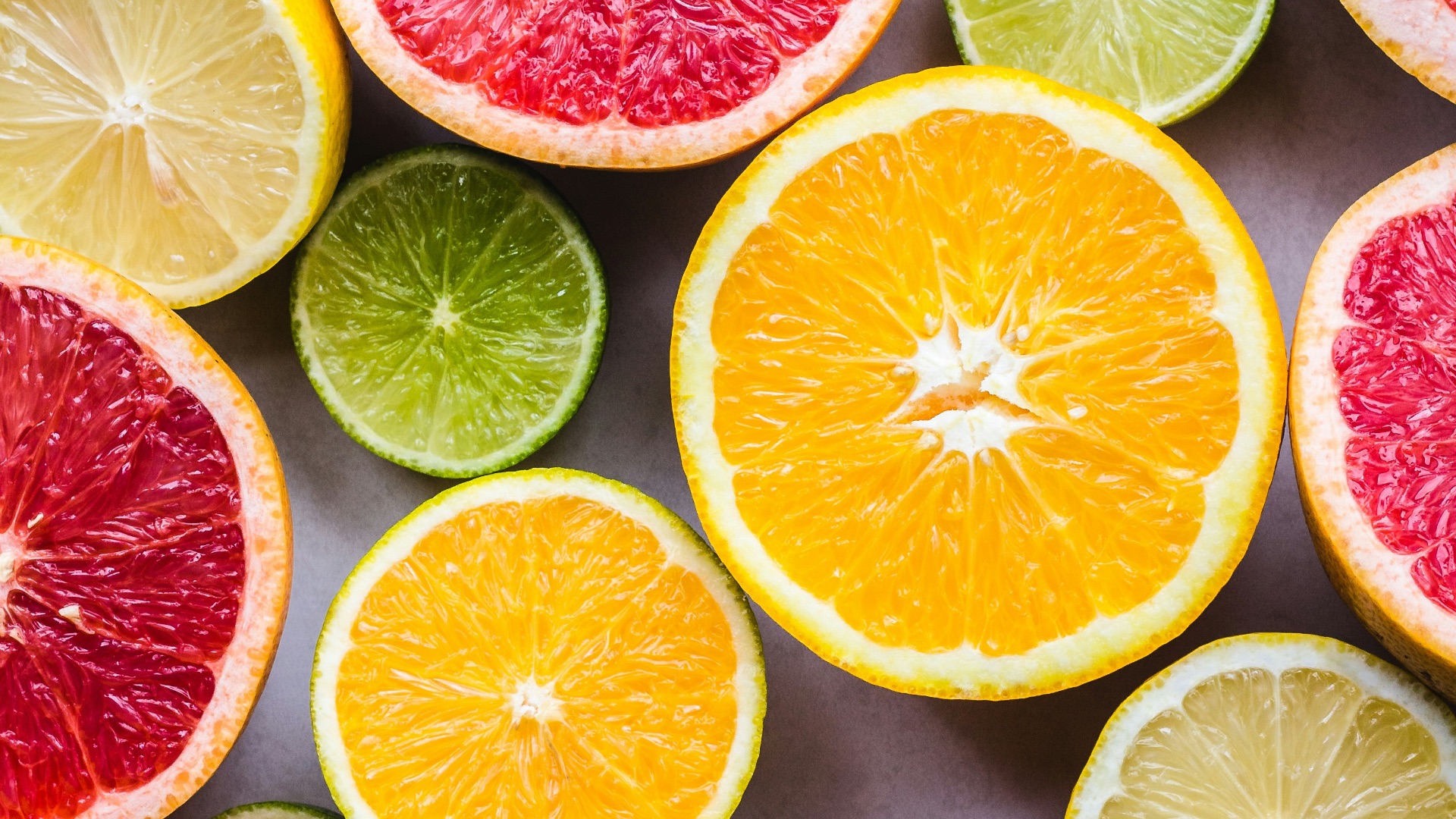
Fresh citrus is worth it for the zest alone, which adds instant brightness to everything from pasta to cookies. If you're in a pinch, bottled juice works as well, but it tastes flatter and misses that fragrant edge. When choosing the fruits, pick ones that feel heavy for their size because that usually means they’re juicier.
7. Mushrooms
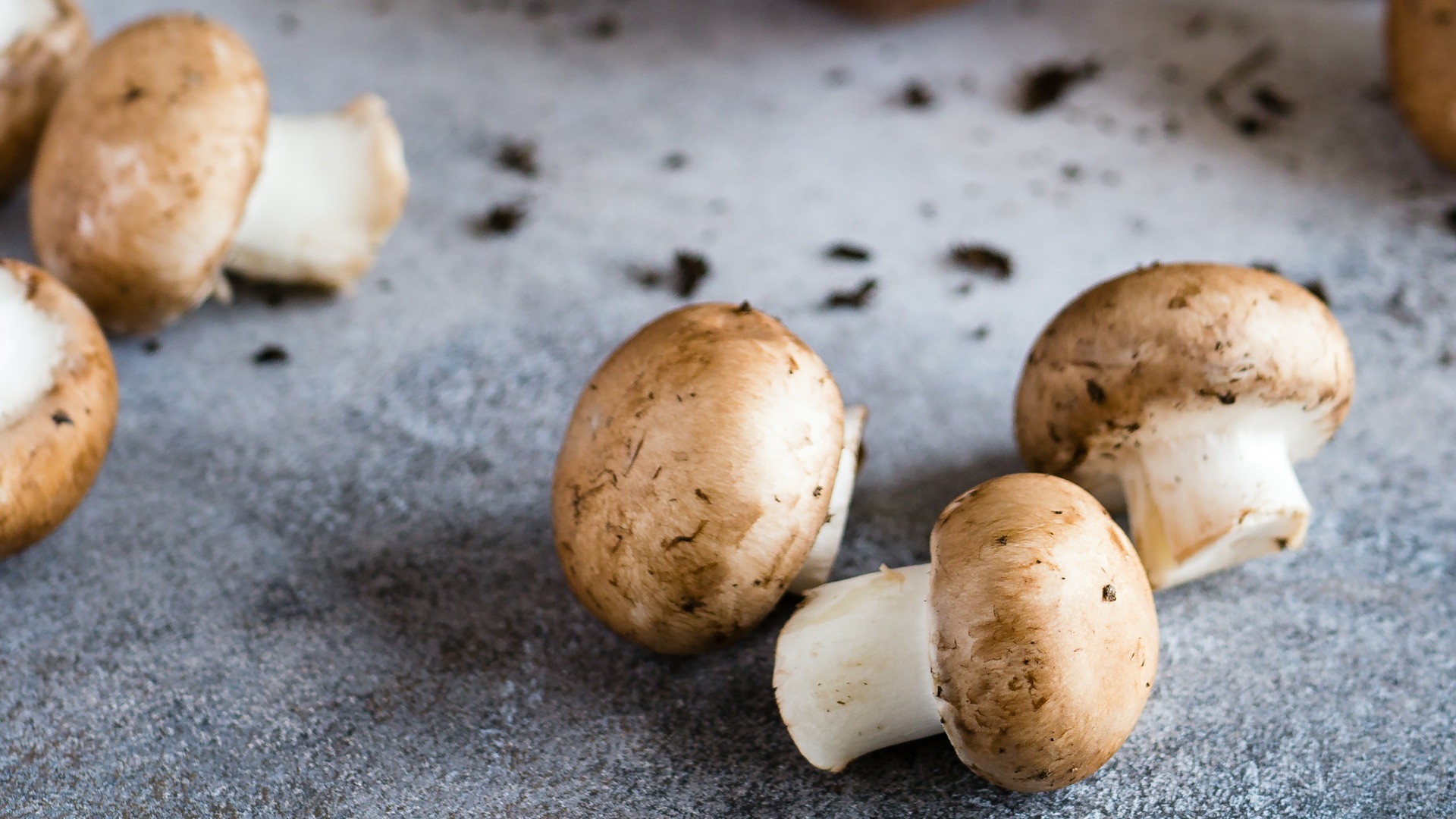
Fresh mushrooms have a bouncy bite and savory depth that often get oddly spongy when preserved. Pick ones that look dry and firm, and avoid slimy or overly dark kinds. Store them in a paper bag so they can breathe and last longer.
 Christine Siracusa on Unsplash
8. Cucumbers
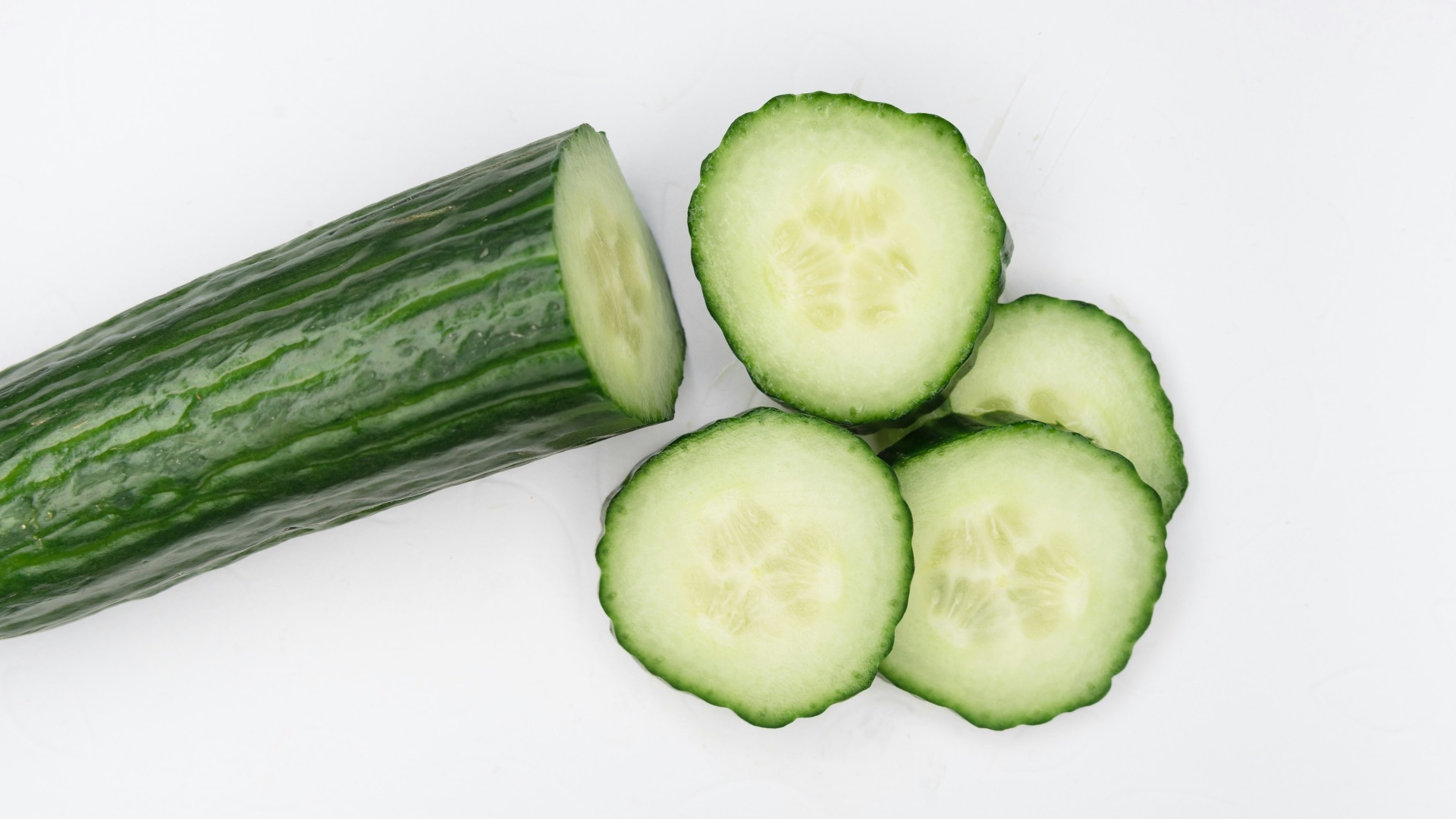
Fresh cucumbers are all about crunch, and once that texture fades... well, no one wants a mushy fruit. The best ones feel firm and don’t have soft spots near the ends. If you’re making salads or quick pickles, fresh cucumbers will make all the difference.
9. Bread
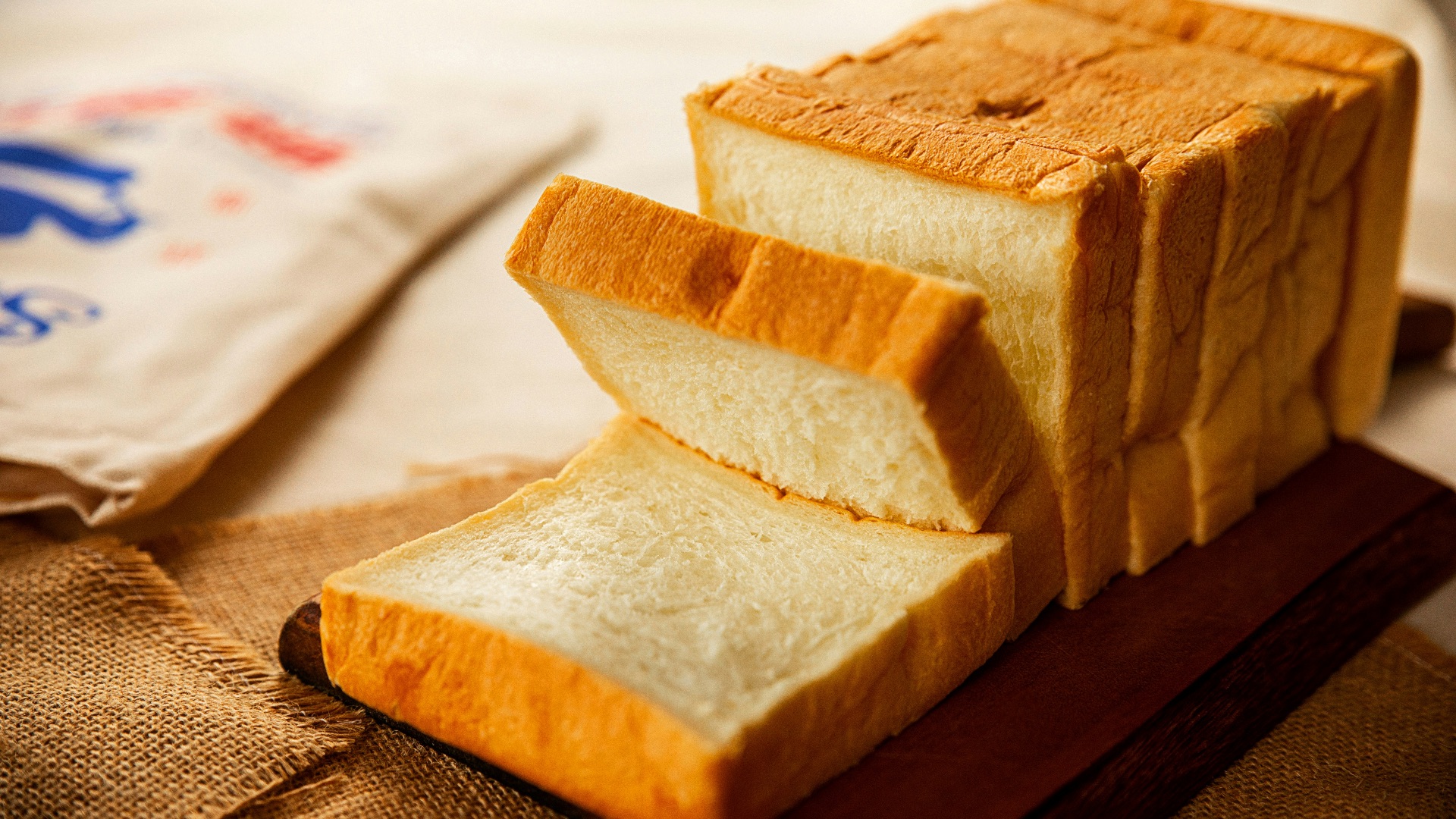
Fresh bread gives you that soft interior and crisp crust that stale loaves just can't replicate. It also makes sandwiches feel like an actual tasty meal, which makes for a perfect lunch. If you won’t finish it quickly, freeze slices and toast them so you still get that just-baked vibe.
10. Fish and Seafood
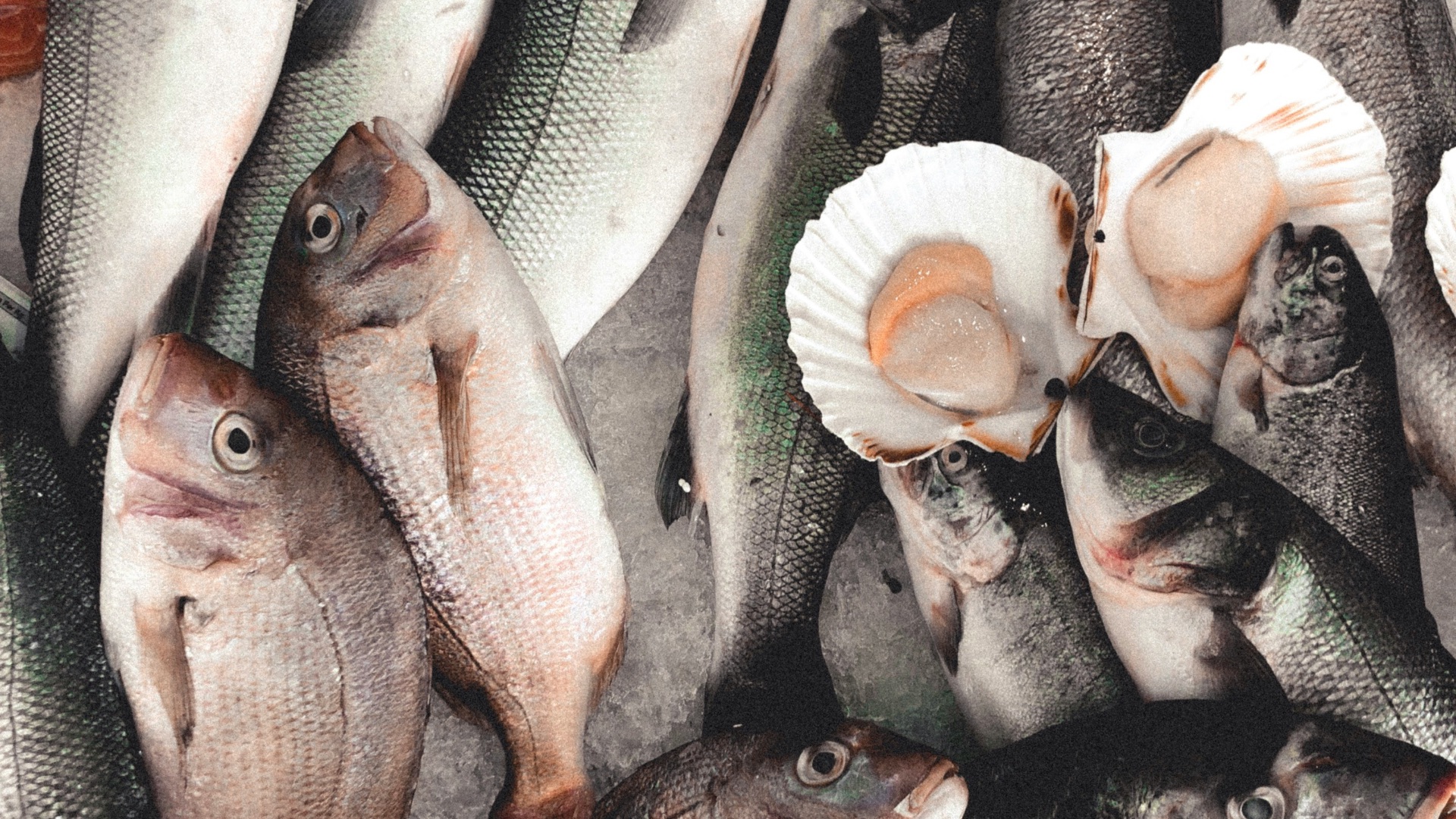
Fresh seafood has a clean, ocean-y smell, not a sharp odor that makes you turn your nose up. Texture matters here, too, because fish that’s been sitting around can turn soft and watery. Buy it the day you plan to cook it, and don’t be shy about asking what came in most recently.
Okay, but what if you're not planning to eat or prepare it right away? If you know you don't often have time to fix up home-cooked meals throughout the week, it may be better to opt for frozen or canned goods, which—don't be mistaken—can still be great choices. Here are 10 items you don't always need to buy fresh:
1. Frozen Peas
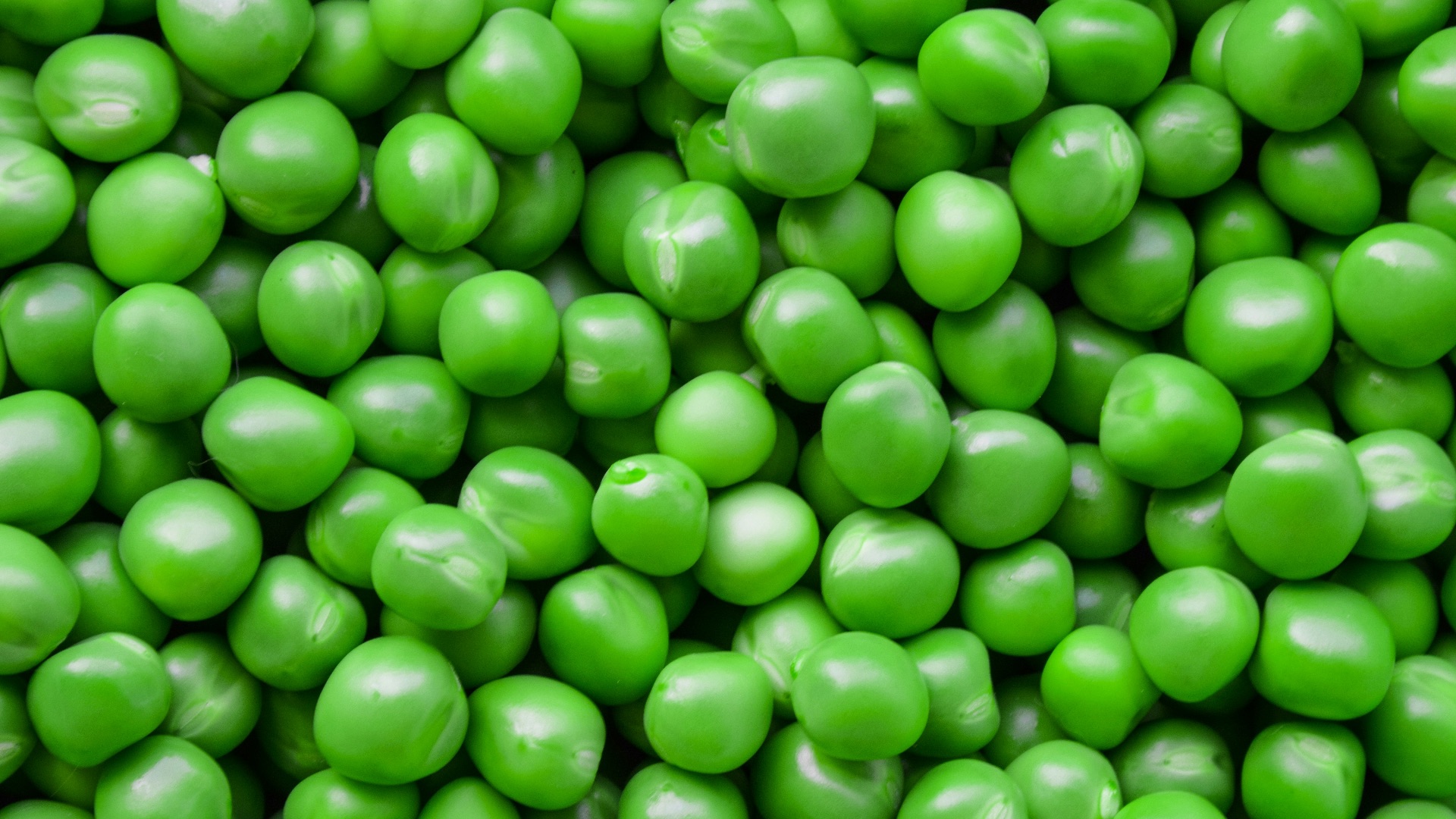
Frozen peas are little green lifesavers that still taste sweet and fresh because they’re usually frozen soon after harvest. They cook in minutes and are perfect for soups, stir-fries, pasta, and many other dishes. Keep a bag on hand and you’ll always have a vegetable option that doesn’t require planning.
2. Frozen Spinach
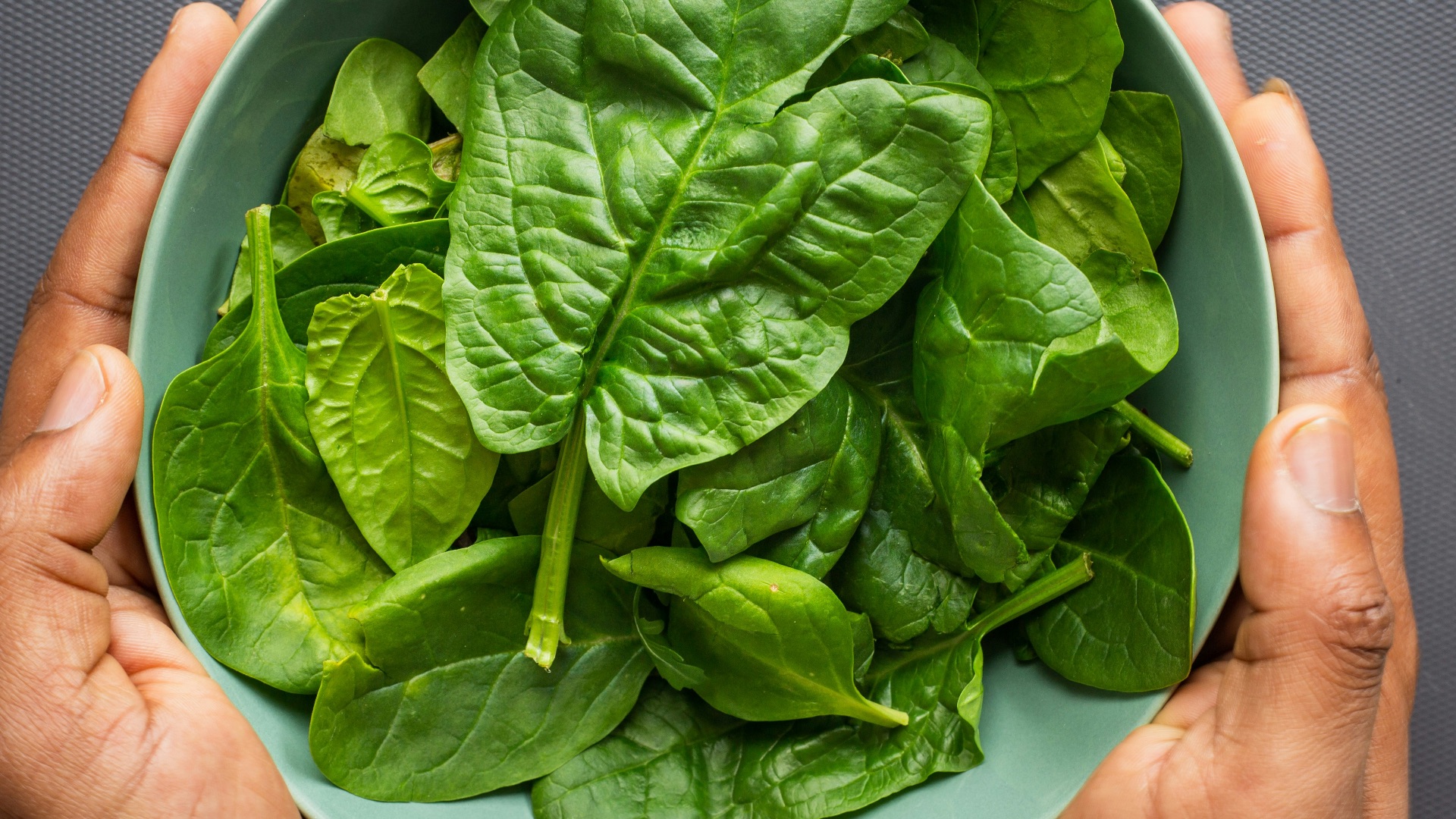
Frozen spinach is perfect when you want greens mixed into something rather than starring in a salad. It melts right into pasta sauces, smoothies, omelets, and casseroles without needing you to chop anything. Just squeeze out the excess water after thawing so your dish doesn’t turn into spinach soup.
3. Canned Tomatoes
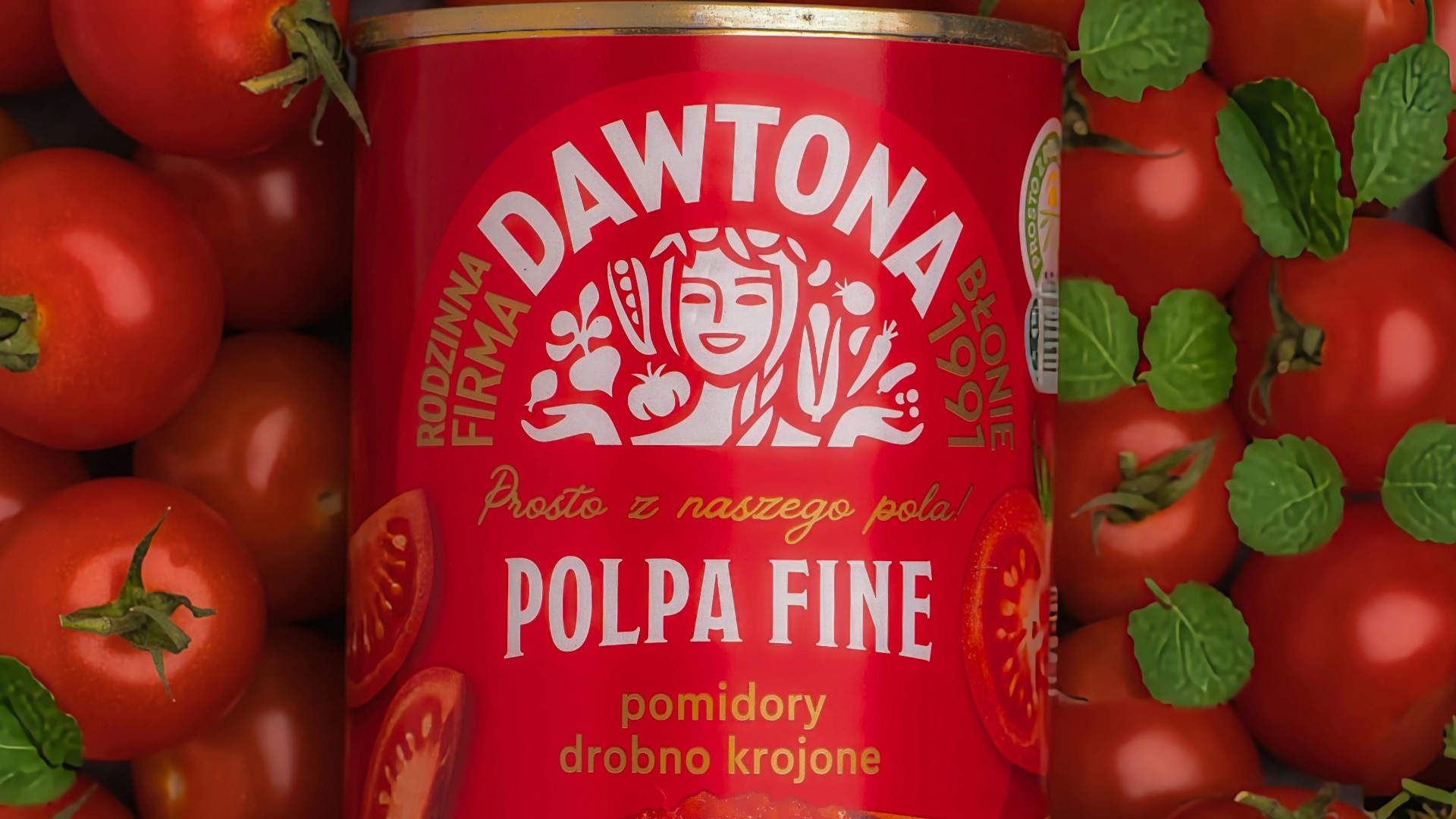
Canned tomatoes are a pantry hero because they’re consistent and packed at peak ripeness. They’re often better than out-of-season fresh tomatoes when you’re making sauce, chili, or shakshuka. Keep a couple styles around, like crushed and diced, and your future self will thank you.
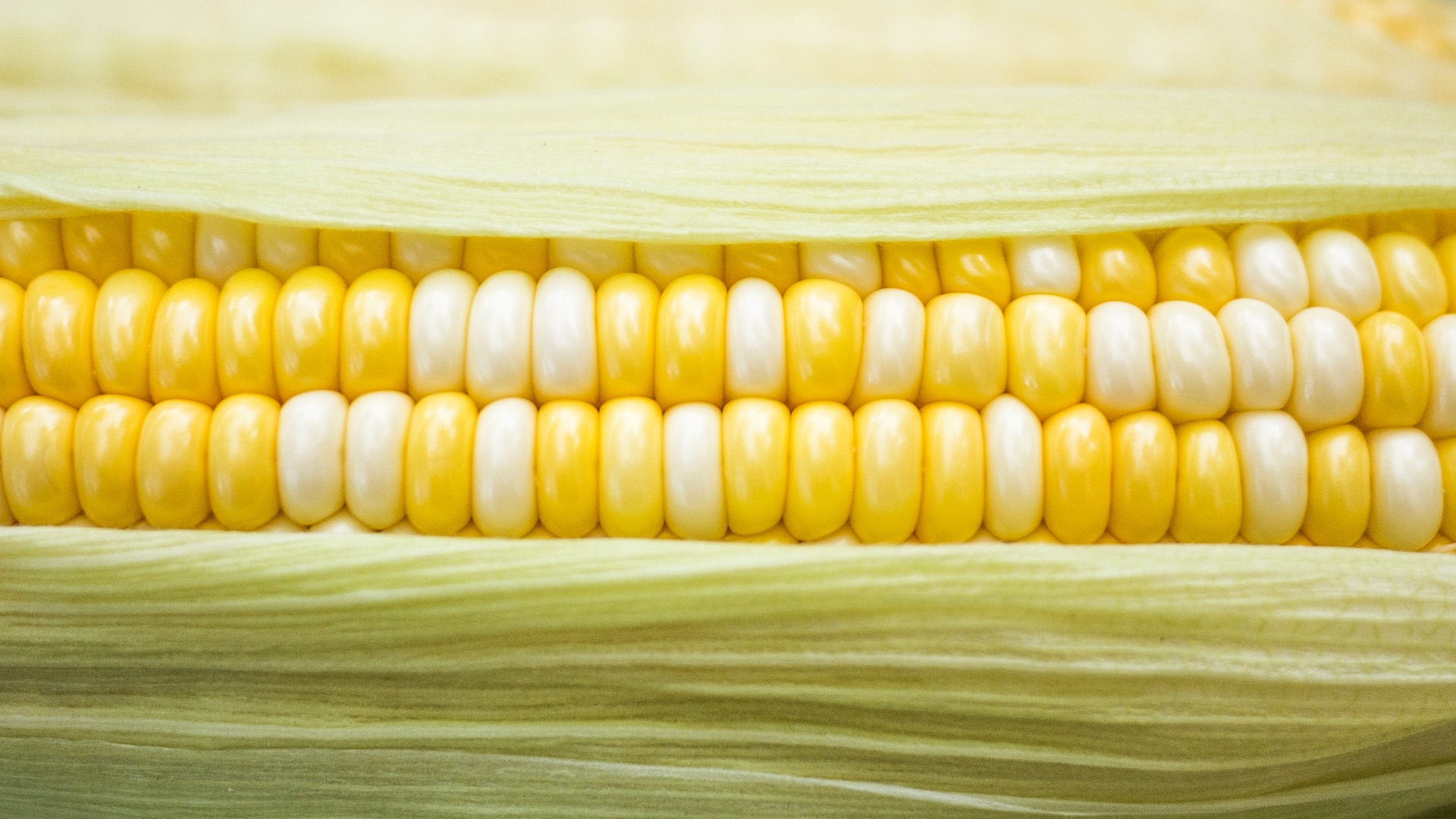
4. Frozen Corn
Frozen corn holds onto its sweetness and works year-round, while fresh corn can wilt fast. Toss it into tacos, stir-fries, chowders, or salads for a quick pop of color and flavor. If you want a roasted taste, throw it in a hot pan and let it get a little toasty.
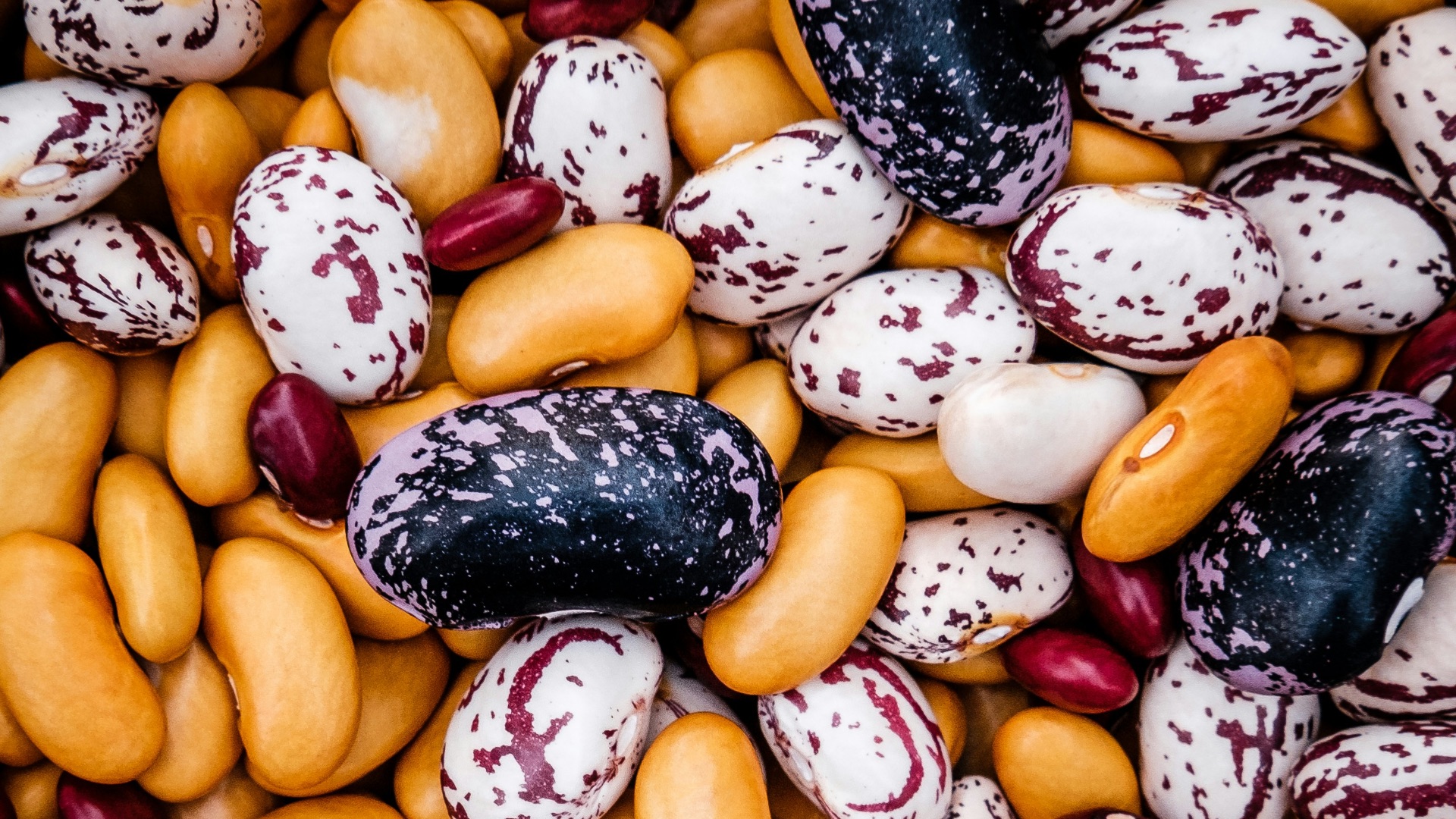
5. Canned Beans
Canned beans save you hours and still deliver plenty of protein and fiber. Rinsing them helps remove excess sodium and improves the flavor, so take our word for it and don’t skip that step. From quick burrito bowls to weeknight soups, they make dinner feel almost too easy.
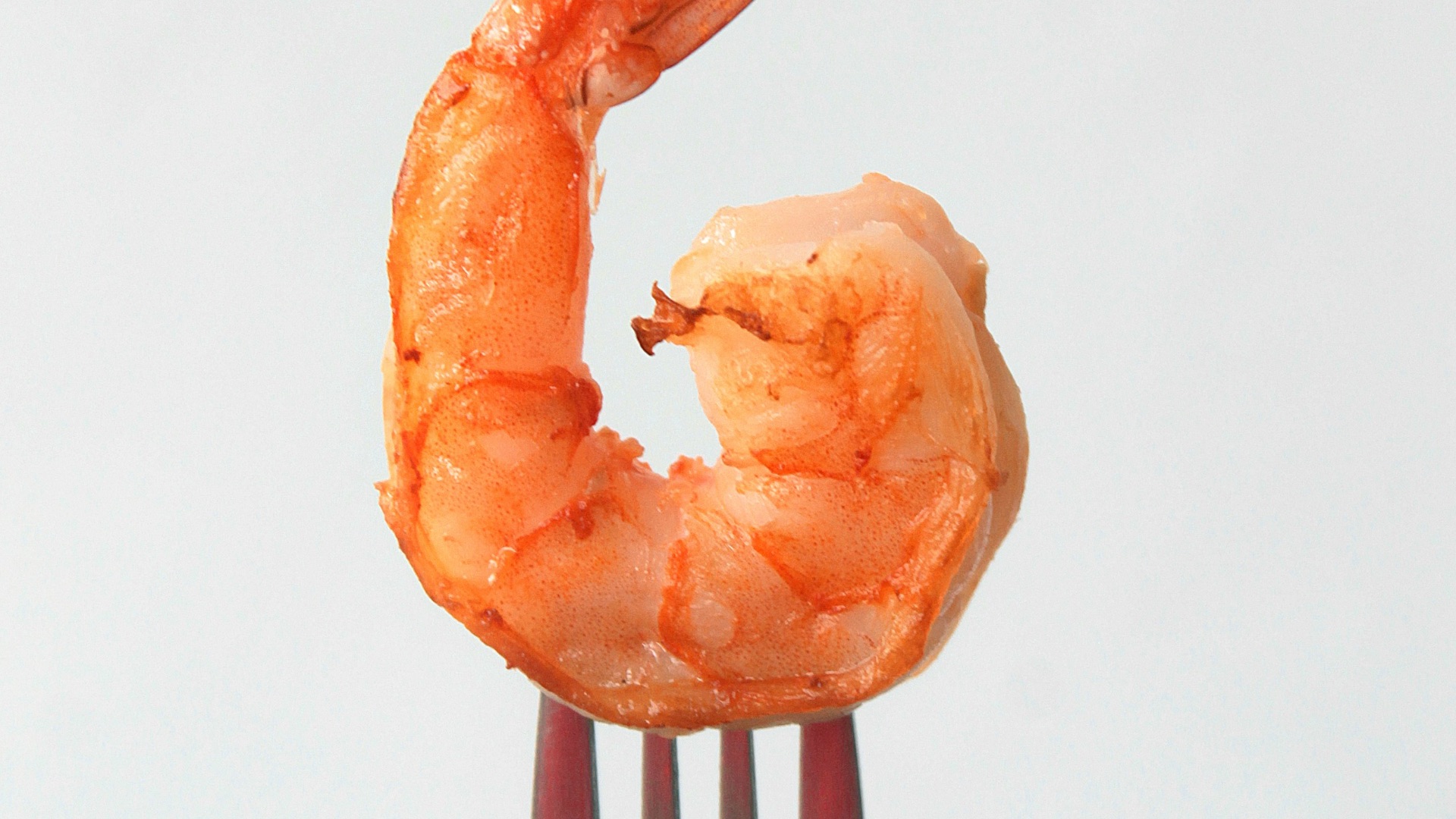
6. Frozen Shrimp
Frozen shrimp can be fantastic because it’s often frozen right after being caught, which locks in quality. It thaws quickly in cold water, so you whip up a filling lunch or dinner in no time. Buy it peeled and deveined to make the whole experience even more painless.
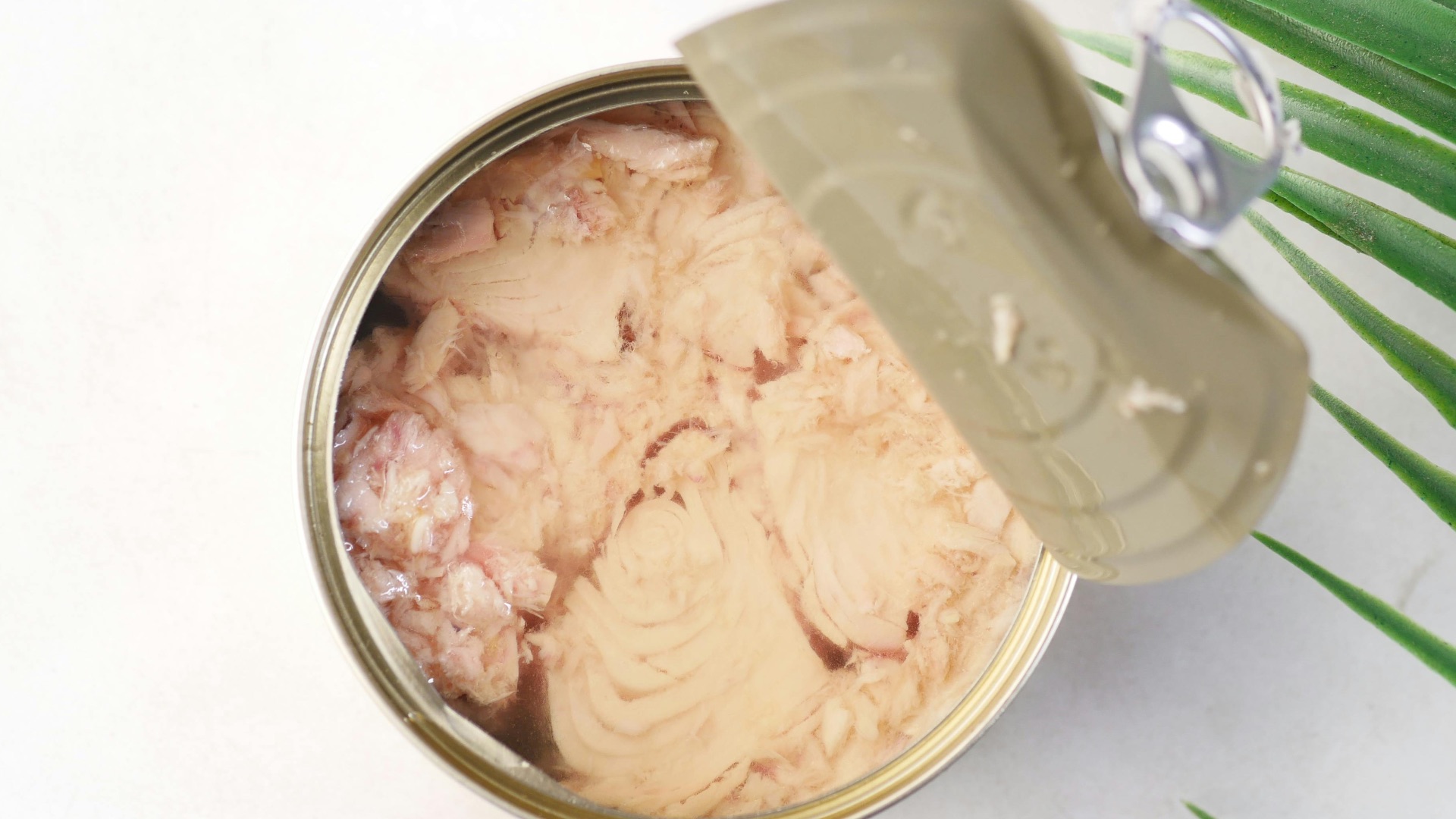
7. Canned Tuna or Salmon
Canned tuna and salmon are reliable, shelf-stable proteins that can turn into lunch in about five minutes. They’re great for salads, melts, pasta, or rice bowls when you want something filling without cooking a whole protein. Look for options packed in water or olive oil depending on the flavor and texture you prefer.
8. Frozen Fruit
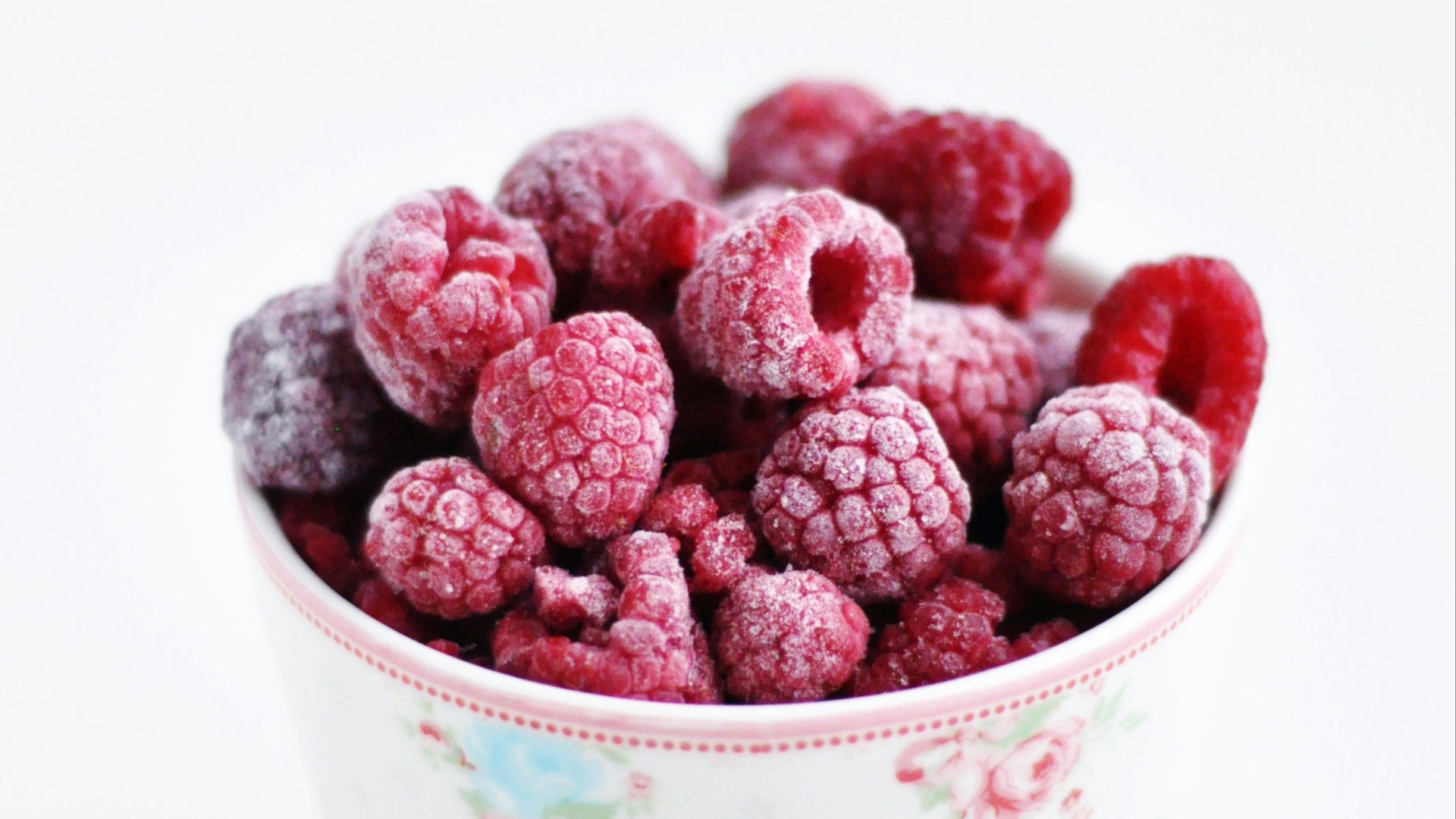
Frozen fruit is smooth, sweet, and ready whenever you are, especially for smoothies, yogurts, overnight oats, and baking. It’s also a smart way to avoid wasting fresh fruit that often goes bad before you get to it. Let it thaw a bit for yogurt bowls, or use it straight from the freezer for icy, slushy blends.
9. Frozen Broccoli or Cauliflower
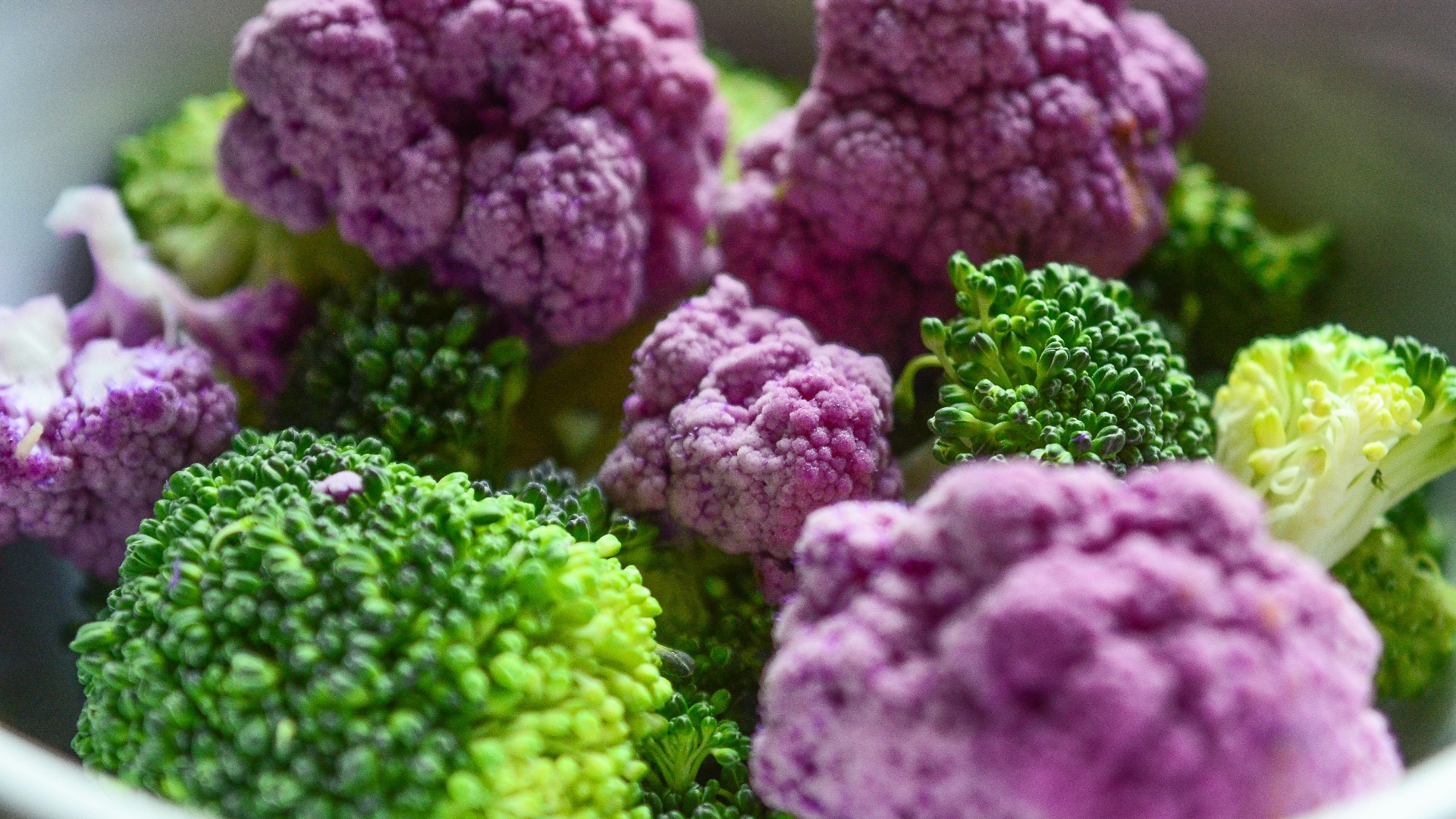
Frozen broccoli and cauliflower are ideal for roasting, soups, and casseroles. The great thing is that they’re already prepped, so you get all the benefits without needing to pull out your chopping board. For better texture, roast at a high temperature so moisture cooks off quickly.
10. Canned Pumpkin
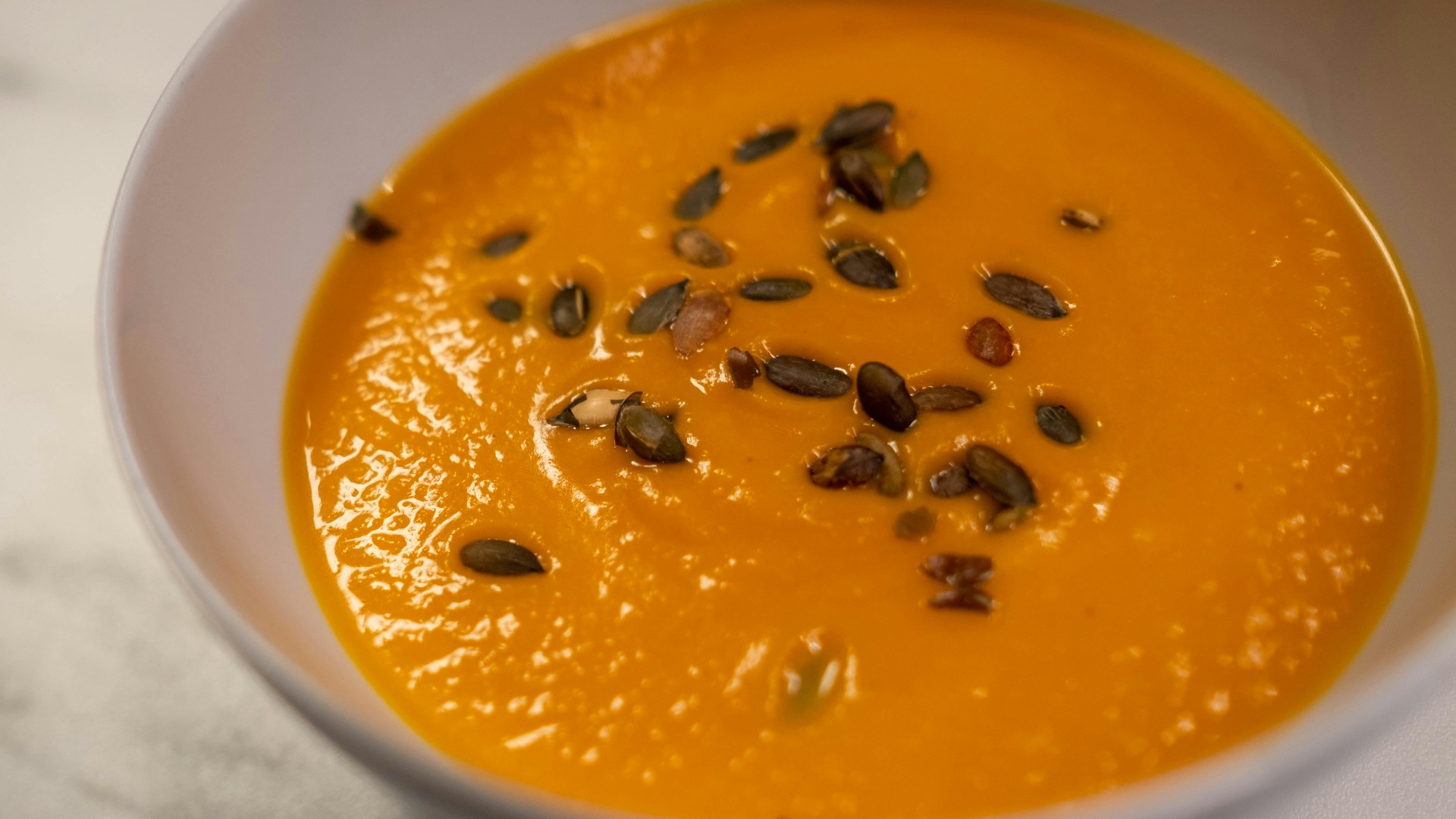
Canned pumpkin isn’t just for pie, even though it's absolutely perfect for dessert. But it’s also great for soups, oatmeal, muffins, and even savory sauces when you want a little earthy sweetness. Just make sure you’re grabbing plain pumpkin puree, not pumpkin pie filling, unless you want surprise spices.
KEEP ON READING
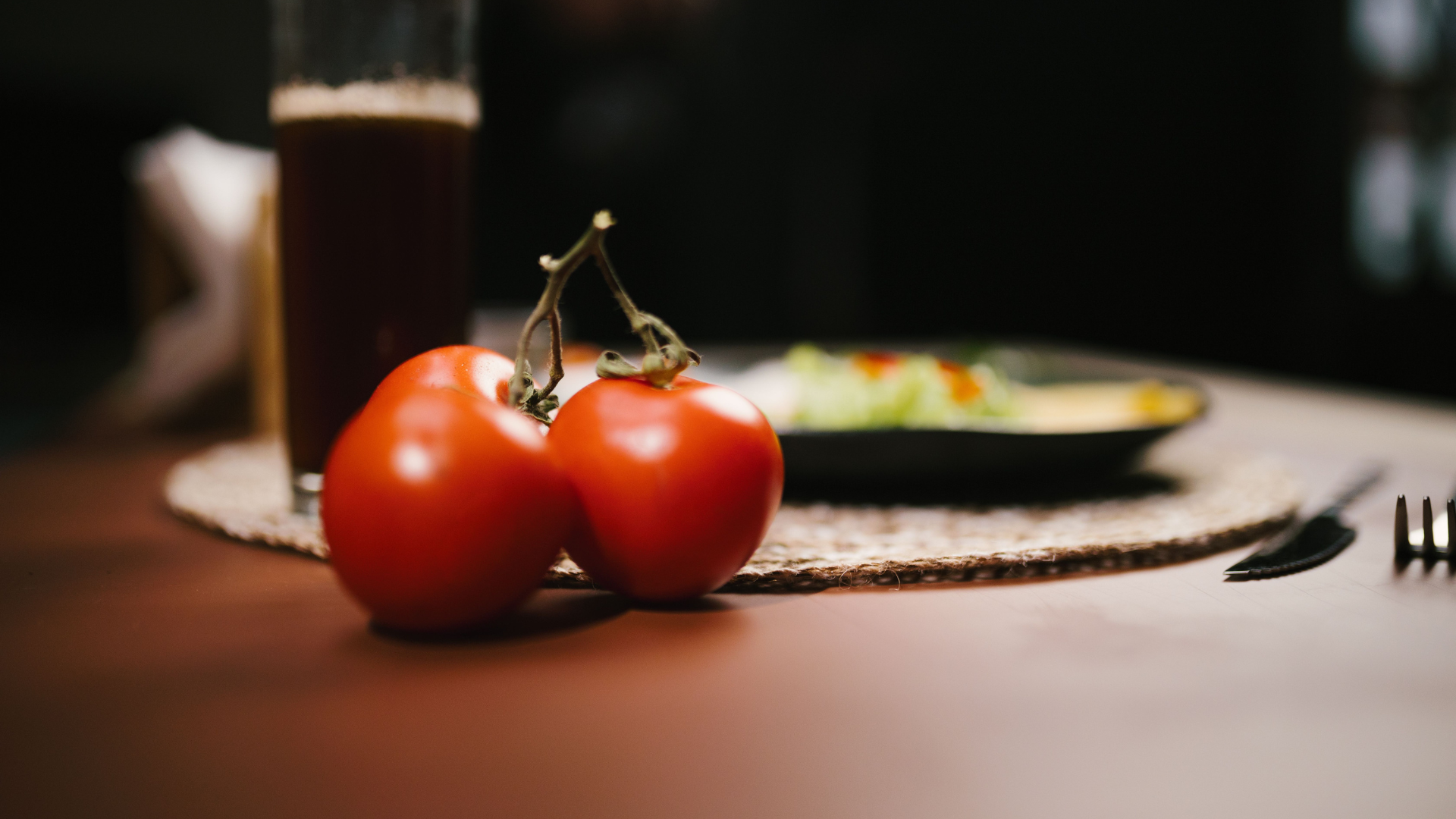
You’re Storing Tomatoes Wrong in This Heat
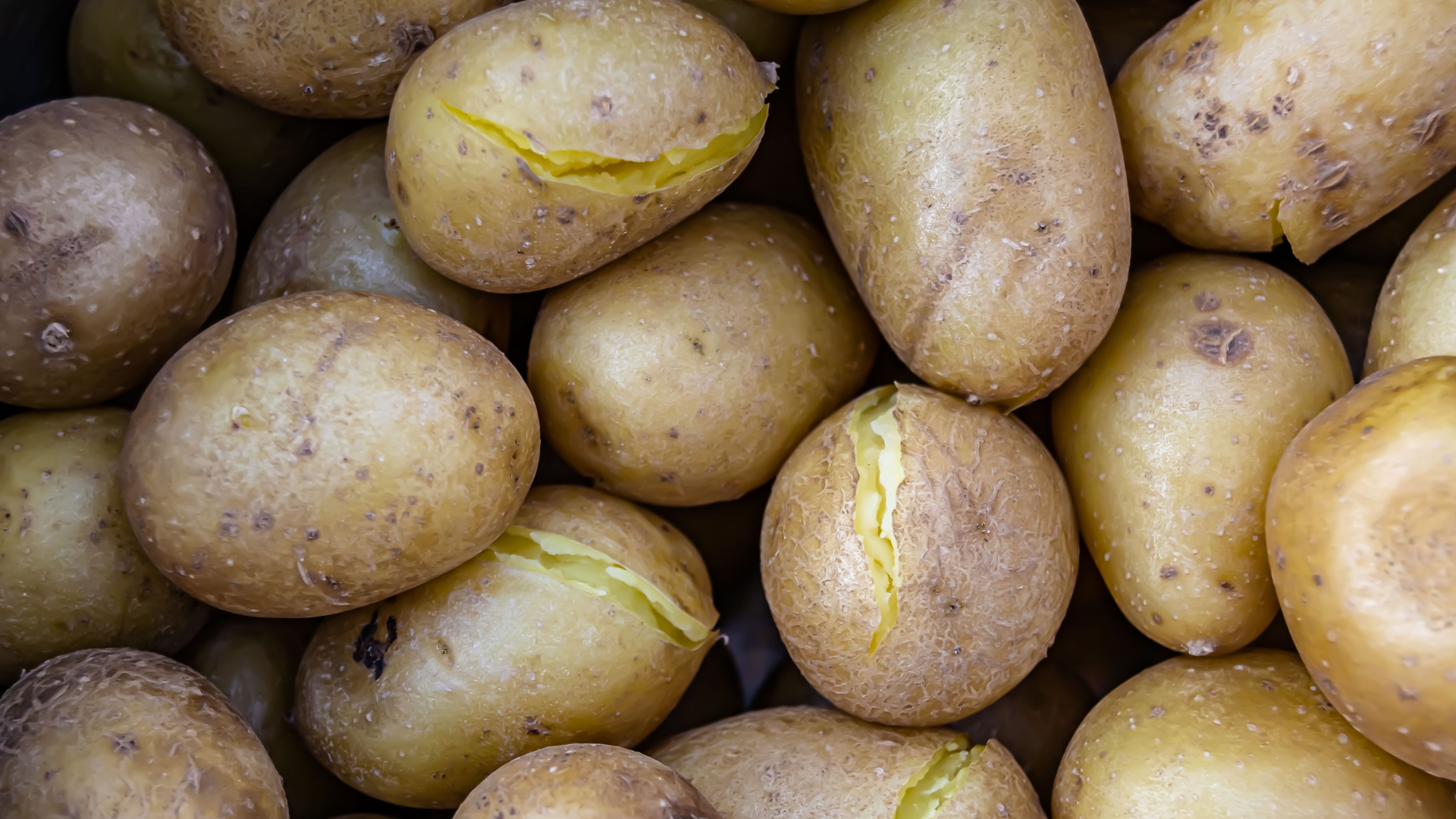
You’re Storing Potatoes Wrong in This Heat
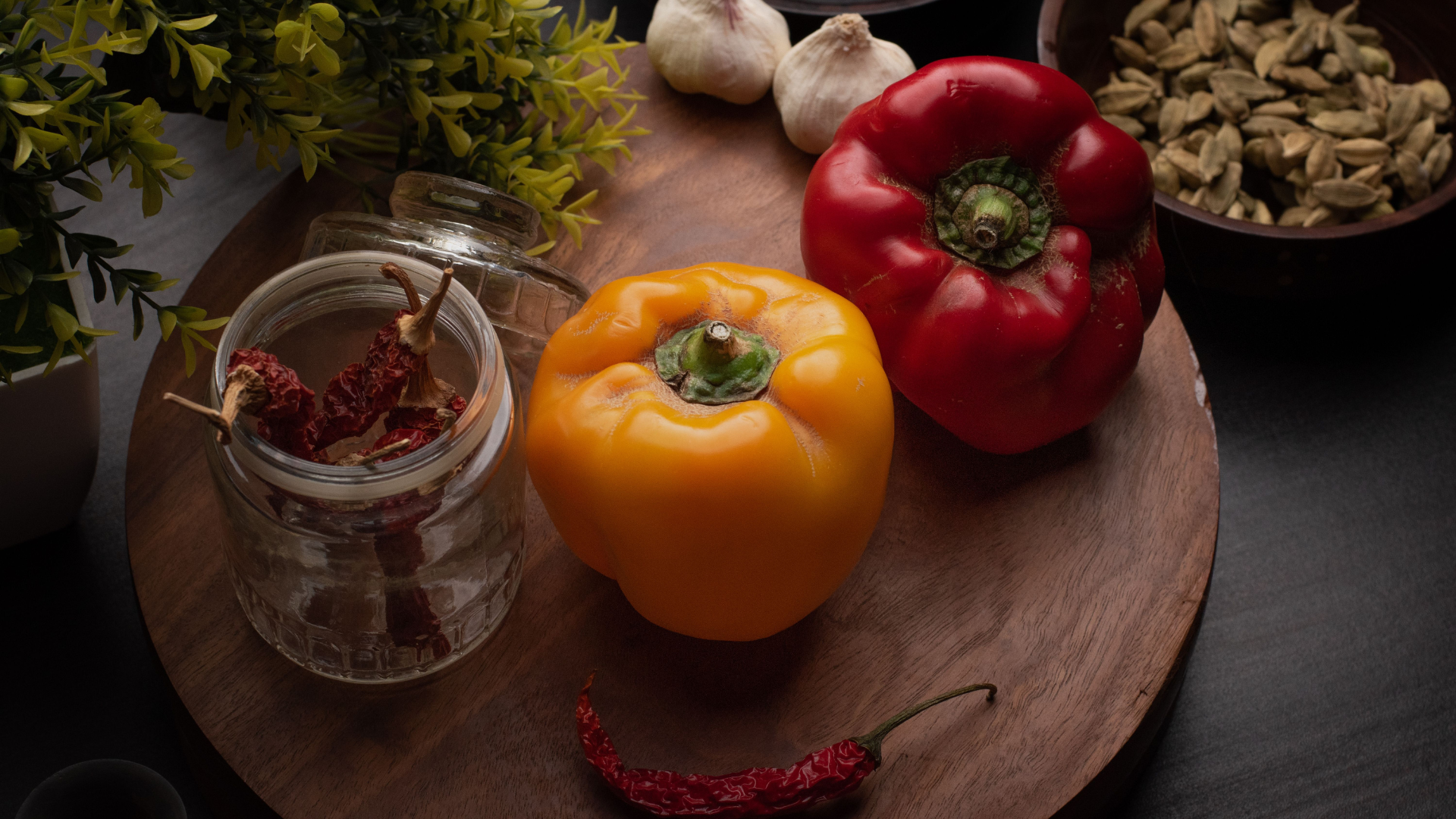
You’re Storing Peppers Wrong in This Heat
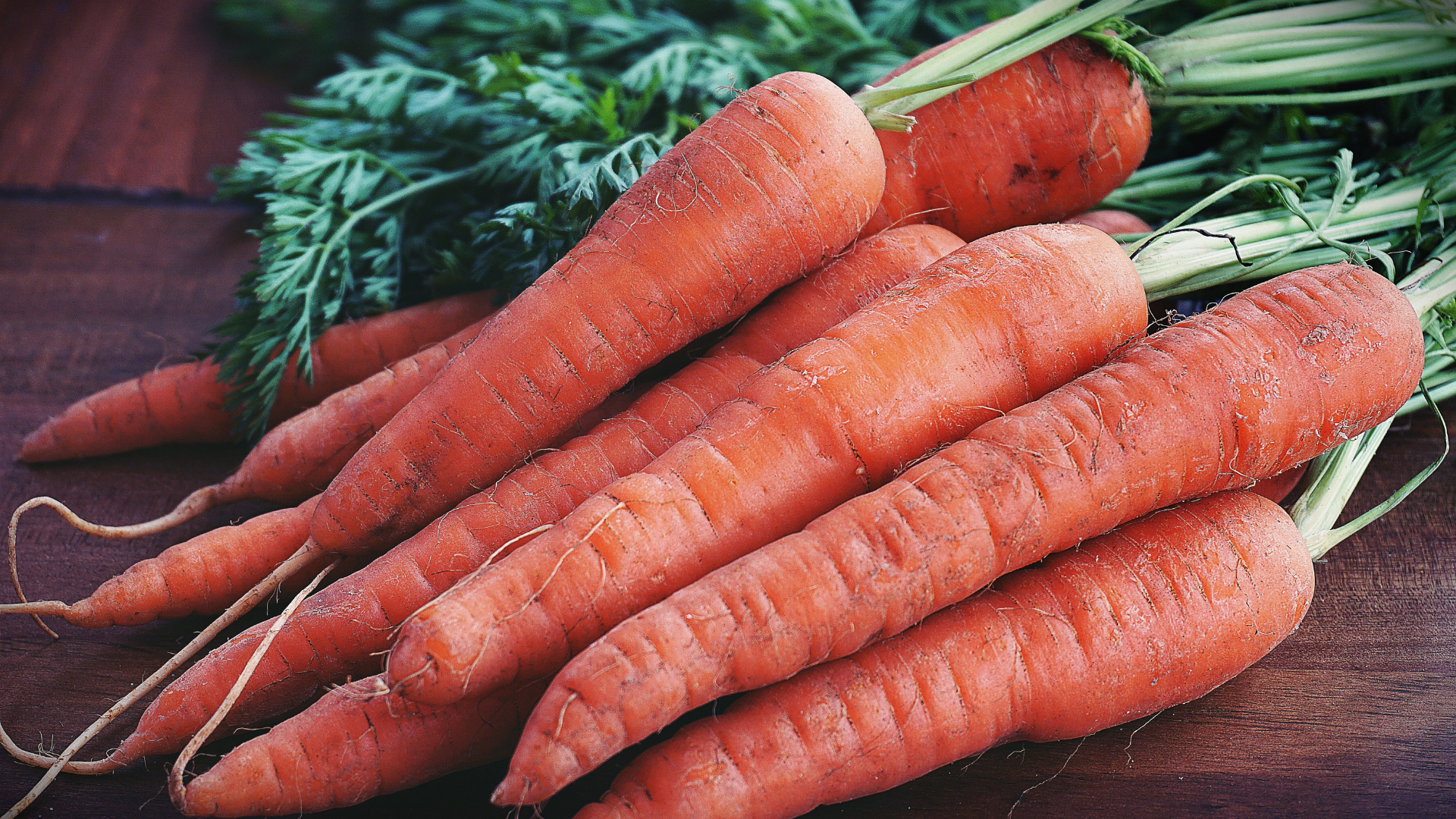
You’re Storing Carrots Wrong in This Heat