The Price Tag Lies, The Cart Fills, The Total Jumps
Walking into a grocery store with good intentions is easy. Walking out with a receipt that makes sense is harder, mostly because the store is built to make the wrong choices feel like smart ones. The signs are loud, the endcaps are shiny, and the deals are written in a way that rewards speed instead of math. Even when you know better, it’s oddly comforting to toss the big value pack in the cart and tell yourself the future you will handle it. Here are ten deals that end up costing more and ten occasions when the savings are real.
 Boxed Water Is Better on Unsplash
1. Buy One Get One Free On Anything That Spoils Fast
BOGO berries and bagged salad look like a win until the second package starts leaking in the crisper two days later. If you’re not already planning to use double the amount, the free item turns into paid compost. Stores count on that quiet little gap between what you buy and what you actually eat.
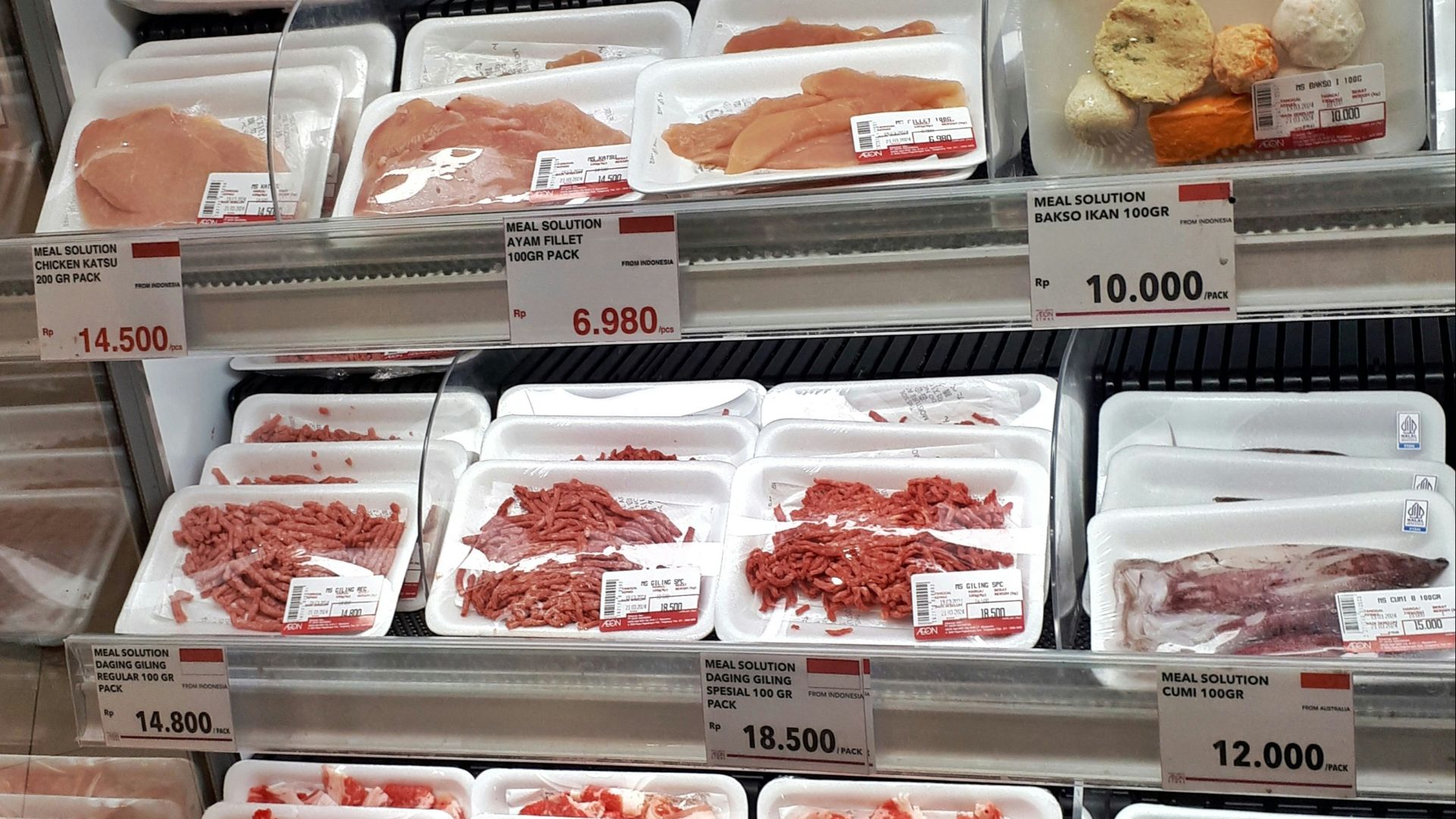
2. Family Packs Of Meat When You Don’t Have A Freezing Plan
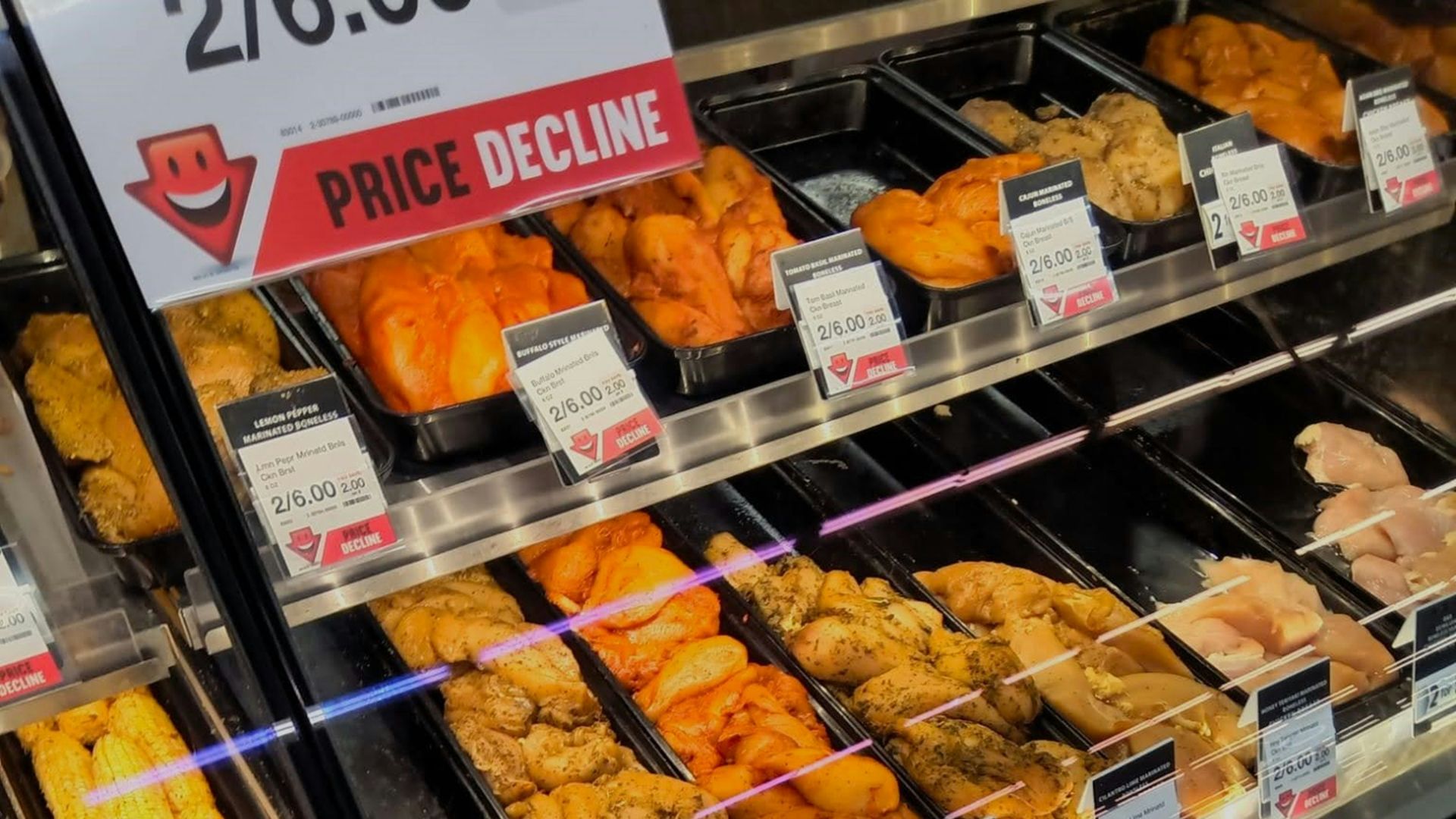
A giant tray of chicken thighs at a steep discount feels responsible in the moment, then it sits in the fridge while the week gets busy. If it does get frozen, it often goes in as one awkward brick that’s annoying to portion later, so it stays there until it tastes like the freezer. The savings only stick when the meat gets divided, wrapped well, and used on purpose.
3. Jumbo Snack Sizes That Invite Extra Snacking
The bigger bag is cheaper per ounce, and the bag is also suddenly open on the counter all week. When the food is designed to be grabbed by the handful, buying more of it usually means eating more of it, not storing it neatly for later. A deal that changes how much gets eaten is not really a deal.
4. Endcap Specials That Are Just Regular Price With Better Lighting
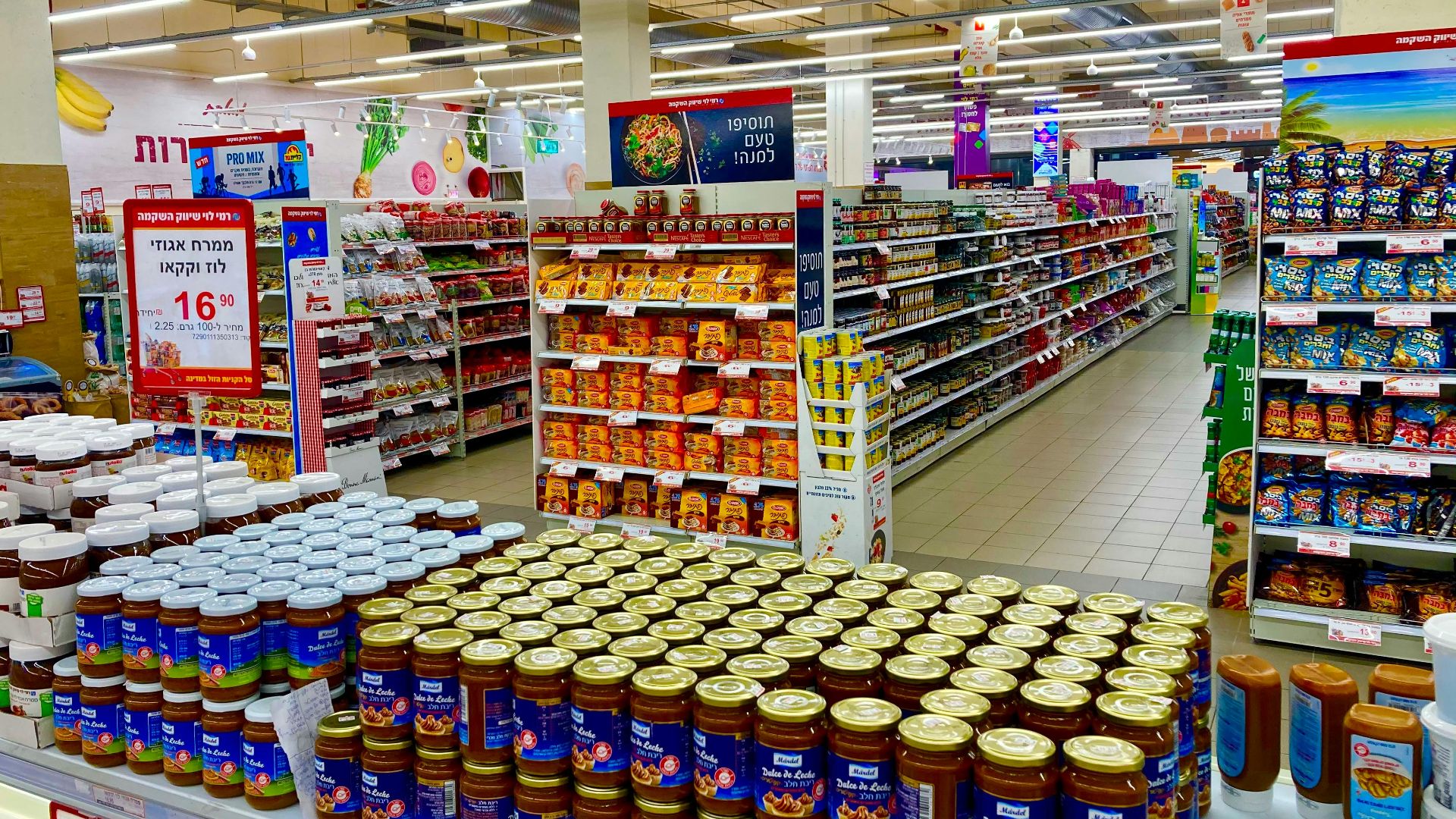
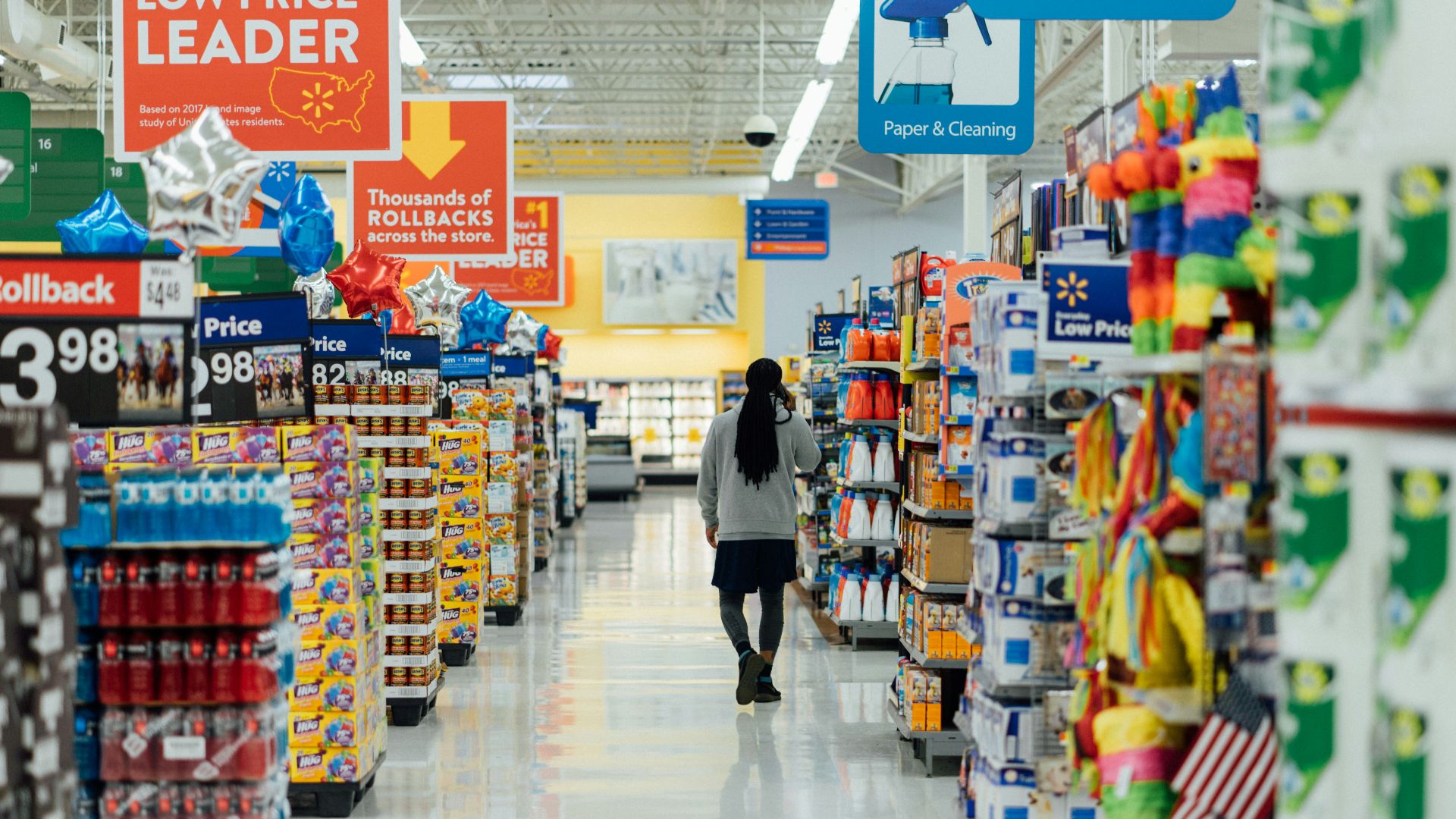
Endcaps and display stacks borrow the language of sales without always changing the price. A bright sign and a big pile of cereal can override the small shelf tag that quietly shows the exact same number as last week. The store isn’t lying, it’s just letting your brain do the exaggerating.
5. Ten For Ten Deals That Don’t Reward Buying Less
A 10 for $10 sign makes it feel like you have to commit, even when the fine print says $1 each. Plenty of shoppers still grab ten because it feels like leaving savings behind, then the extras hang around until they’re stale or forgotten.
6. Markdown Bakery Items That Force A Faster Eating Schedule
Discounted muffins and day-old bread can be a bargain, and they can also be a countdown clock you didn’t ask for. When the food goes dry by tomorrow, you either rush to finish it or toss it, and neither feels like savings. A lower sticker price doesn’t help if it pushes you into waste or extra snacking.
7. Two For Deals On Convenience Foods
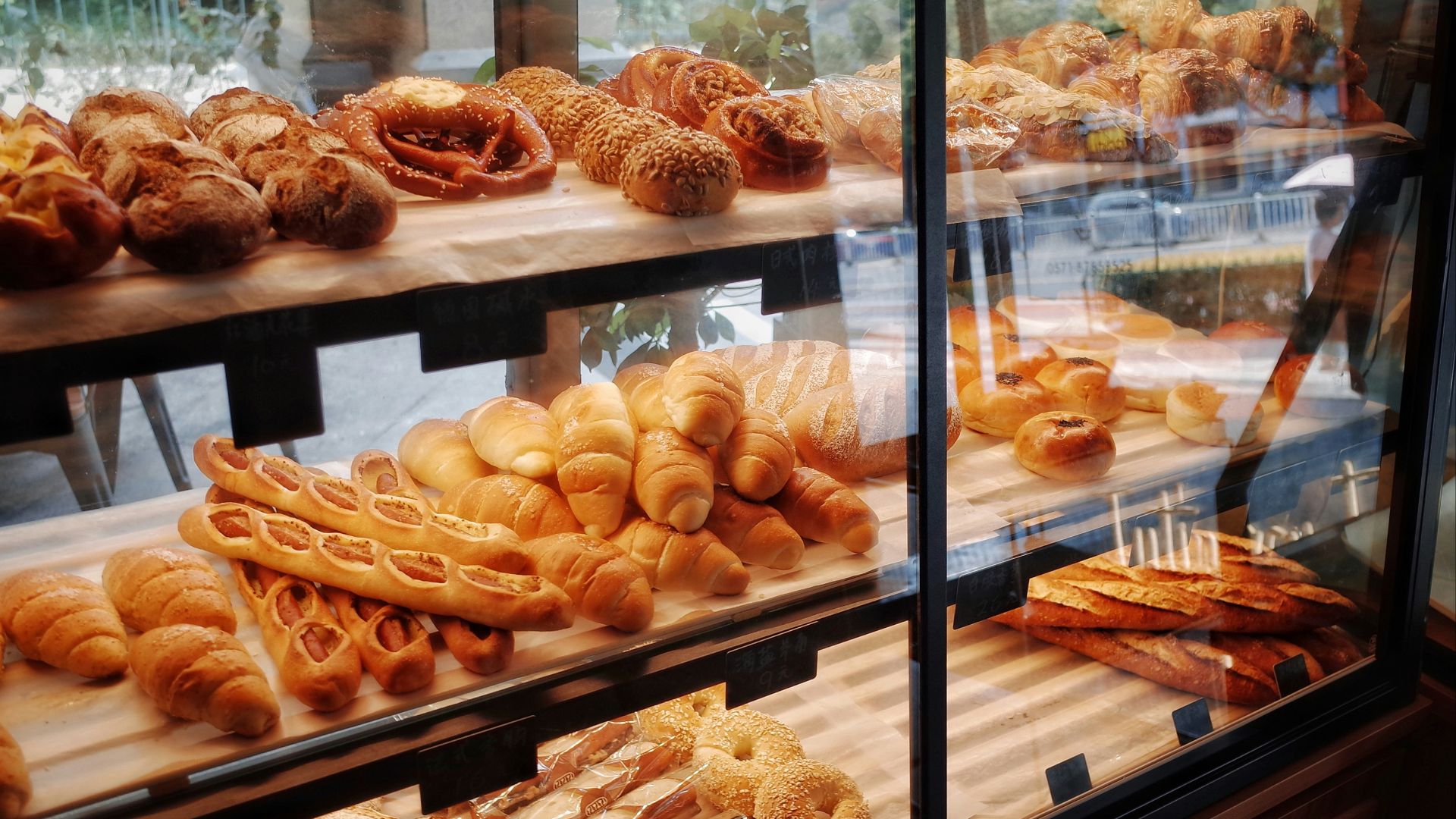
Two-for pricing on chopped vegetables, ready-to-heat grains, or deli sides often lowers the pain without changing the reality. You’re still paying for labor, packaging, and the fact that it’s placed right at eye level when you’re hungry. Convenience can be worth it, but it’s rarely the cheapest way to eat.
8. Multi-Packs Of Single-Serve Items That Cost More Per Unit
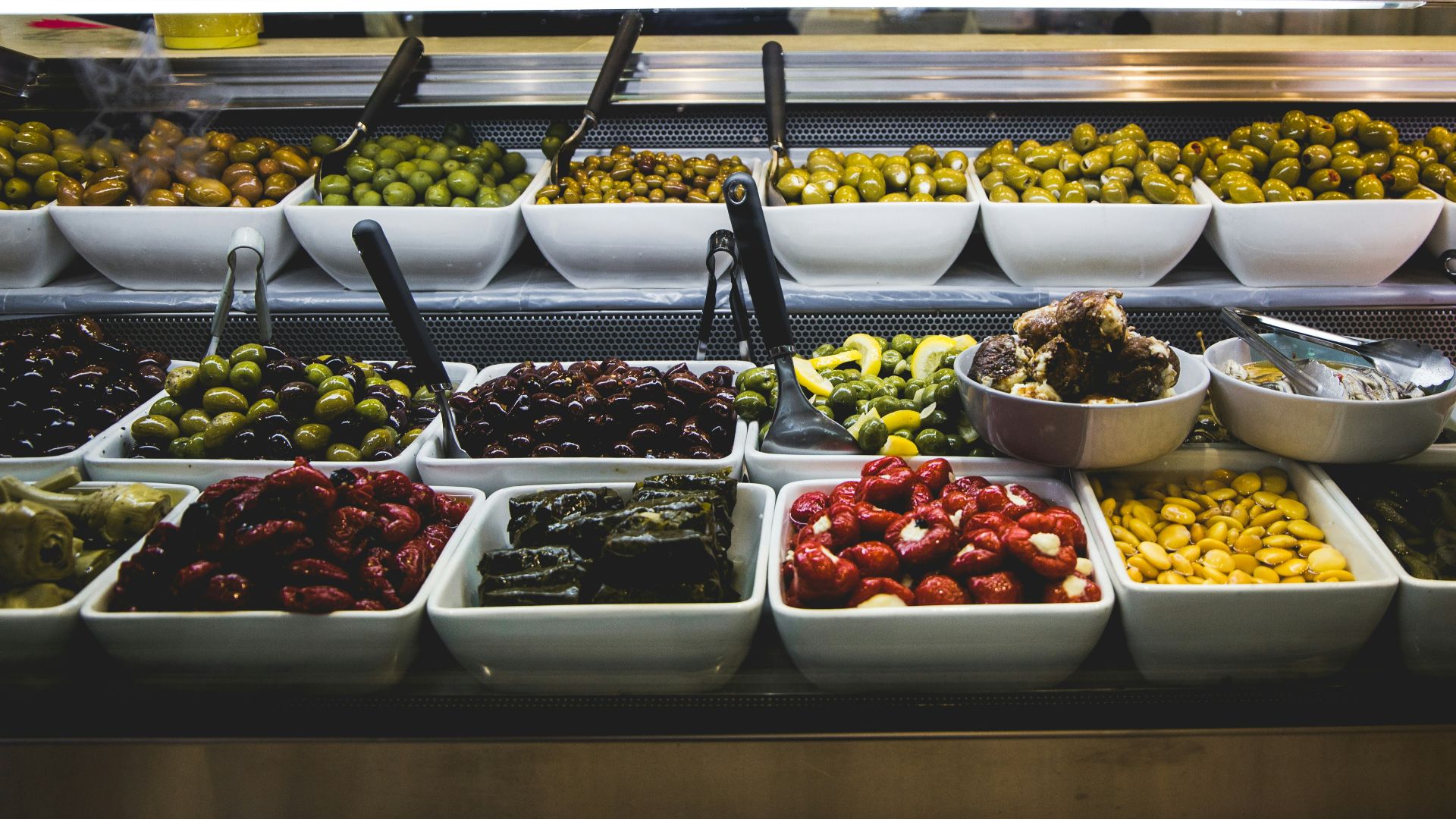
Individually wrapped yogurts, snack packs, and tiny chip bags can look budget-friendly because the boxes feel controlled. The unit price almost always tells a different story, and the extra packaging is part of what you’re paying for. If the goal is value, larger containers you portion yourself usually win.
9. Coupons That Push You Toward The Priciest Version
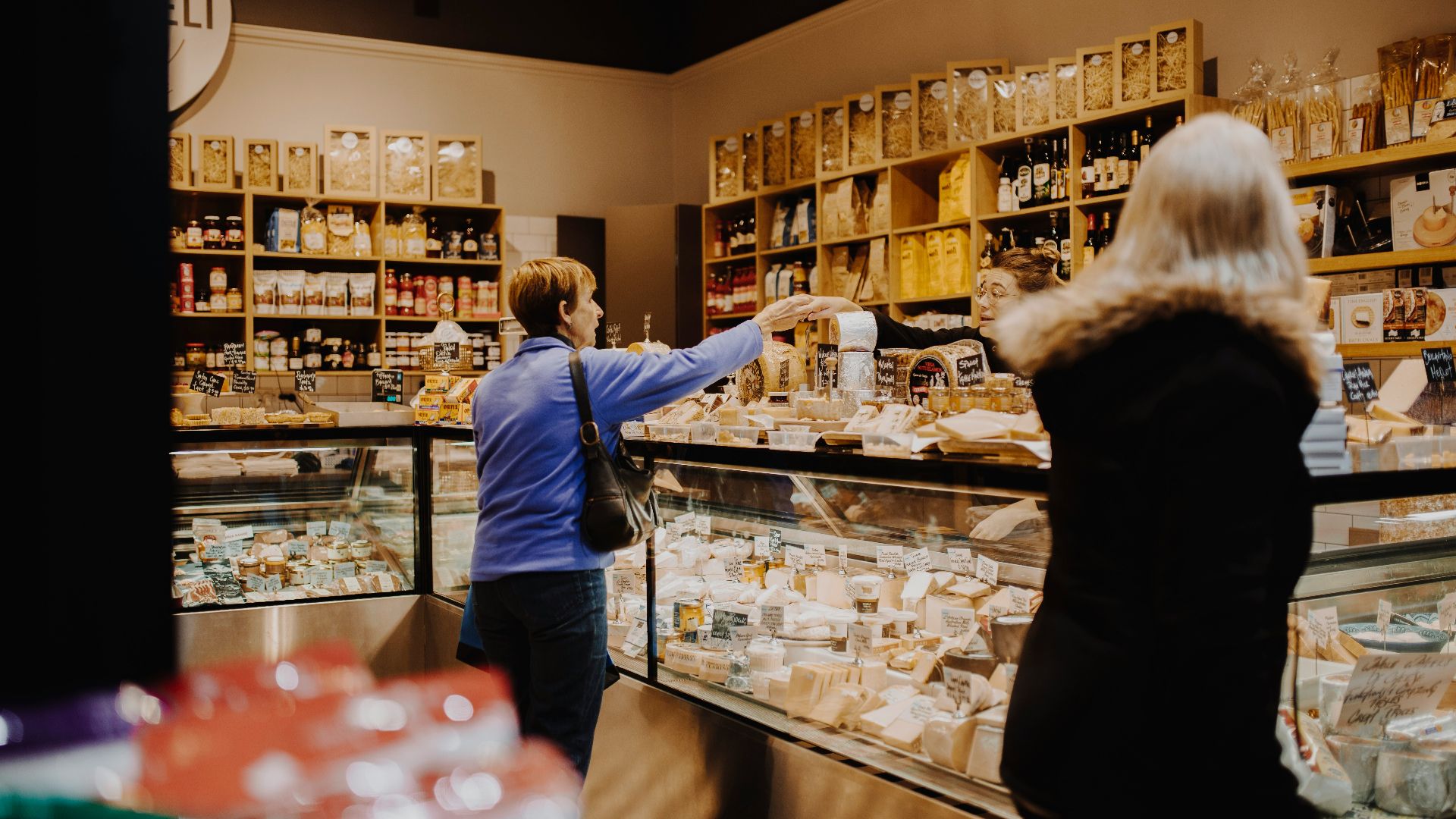
A coupon for a name-brand sauce can feel like a win, and it still might land above the store brand sitting inches away. Brands know coupons create a sense of urgency, and stores know you’ll compare the discount to the original price instead of the cheapest option. The coupon becomes a permission slip to spend more than you needed to.
 Joshua Rawson-Harris on Unsplash
10. App-Only Deals That Make You Buy Things You Didn’t Plan For
Digital coupons can be great, and they also nudge you into scrolling past items you weren’t even thinking about. If you forget to clip the offer, misread the limits, or don’t hit the required quantity, you pay full price and barely notice until later. Even when it works, the deal can quietly expand the cart.
Here are ten deals that match how real kitchens actually run.
1. Unit Pricing On Staples You Truly Use All The Way Down
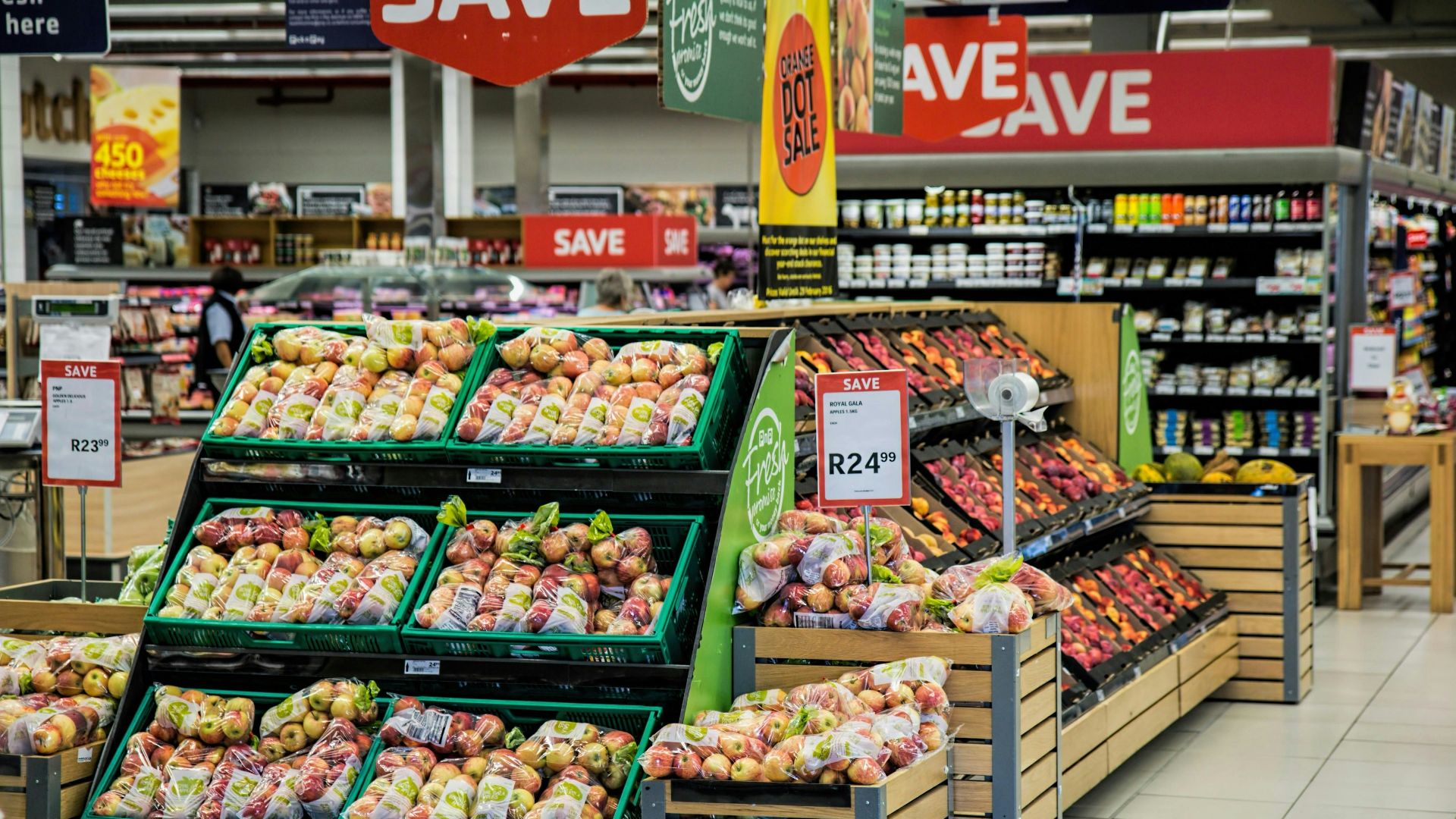
The small unit price line on the shelf tag is one of the most honest things in the store, and many states require unit pricing precisely so shoppers can compare. When oats, rice, or cooking oil are cheaper per ounce in a larger size and you’ll finish them, that’s savings that doesn’t rely on perfect behavior.
2. Store Brands For Basics With Clear Standards
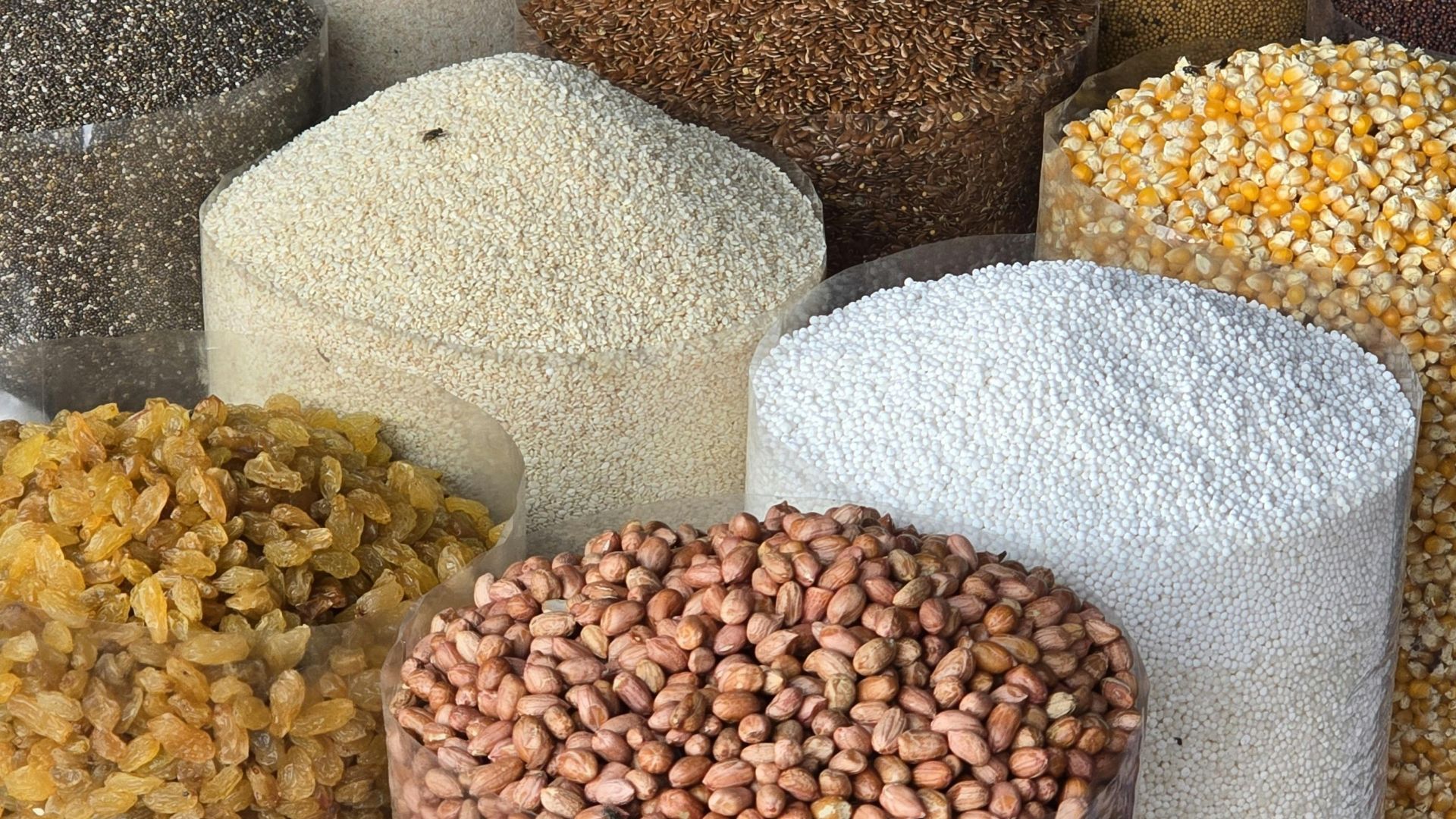
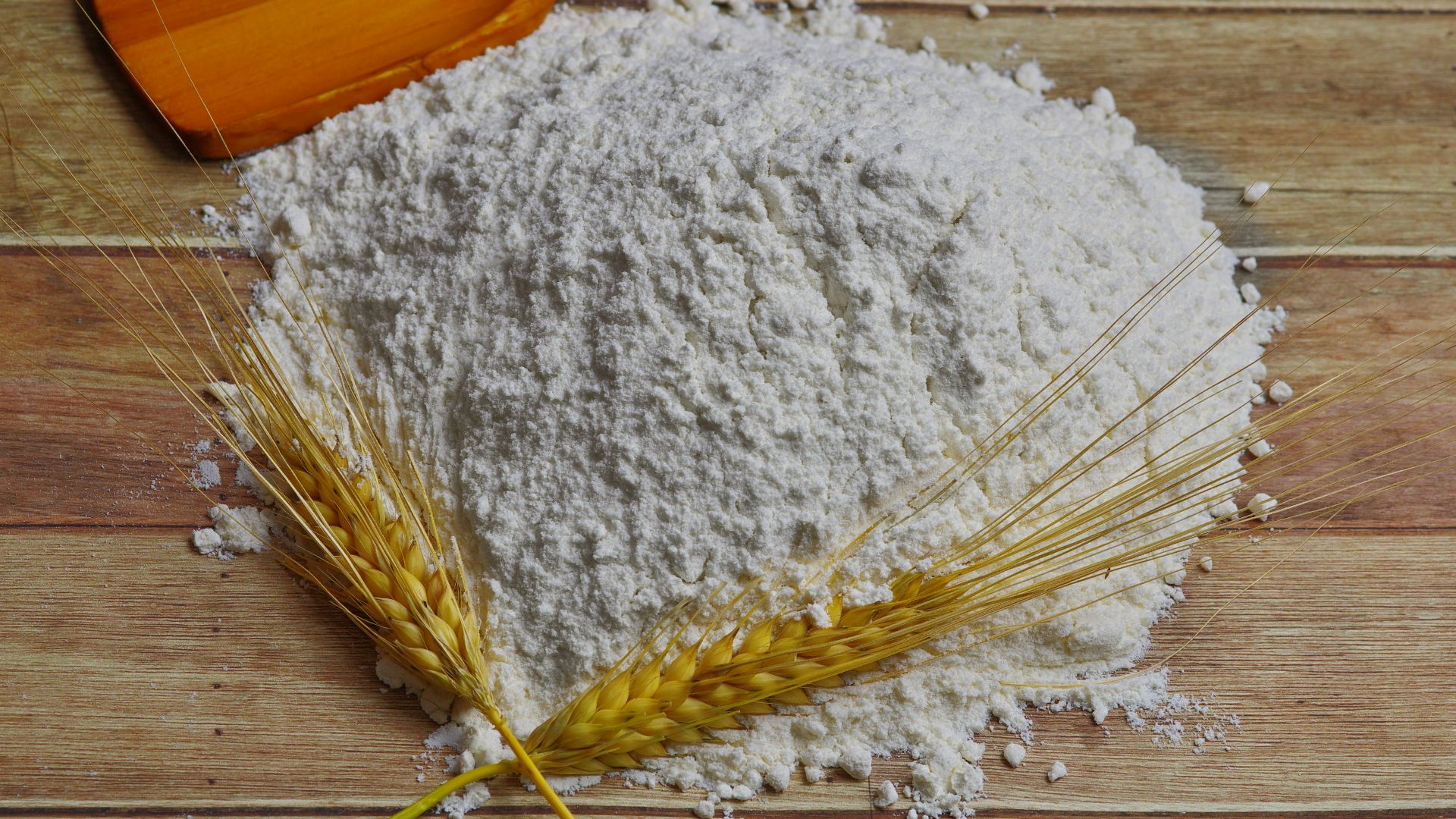
For pantry basics like flour, canned tomatoes, or frozen vegetables, store brands are often produced to meet the same safety rules as national brands because the FDA and USDA don’t give loopholes for fancy labels. The taste differences are usually small, and the price difference is often steady, not just temporary.
3. Frozen Produce That Cuts Waste Without Feeling Like A Sacrifice
Frozen berries and vegetables are picked and packed quickly, and credible nutrition groups, including the USDA, have long pointed out that frozen options can be nutritionally comparable to fresh. The bigger win is that frozen food waits for you instead of collapsing in the drawer by Thursday night. When waste goes down, the real cost per serving drops with it.

4. Seasonal Produce When The Store Is Practically Begging You To Buy It
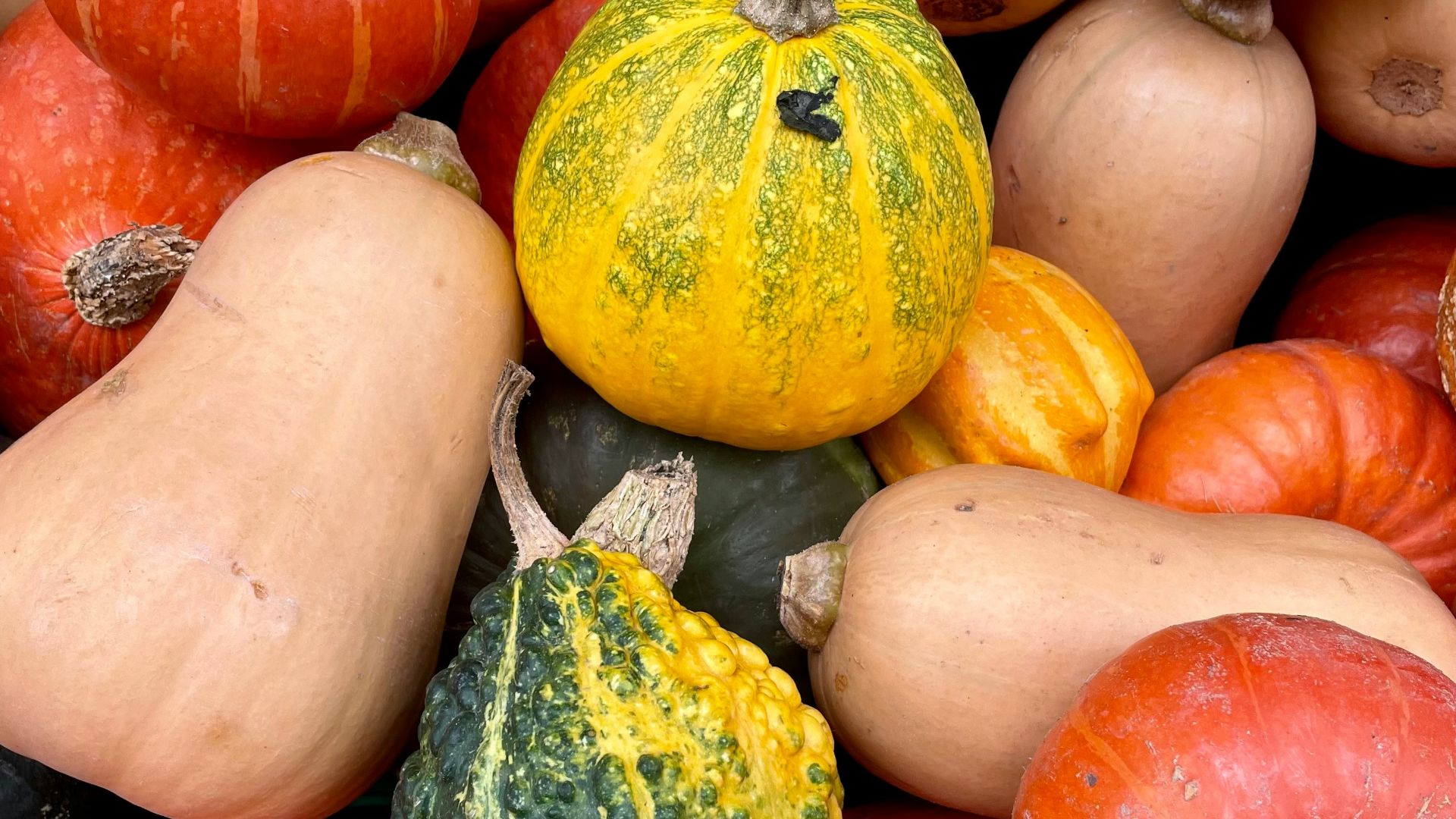
When apples are stacked in mountains in the fall or citrus takes over in winter, it’s not just decoration, it’s supply meeting demand. Seasonal items tend to be cheaper because there’s more of them, and they usually taste better, which makes them easier to actually finish.
 Drahomír Hugo Posteby-Mach on Unsplash
5. A Whole Chicken Instead Of The Neat, Trimmed Parts
Whole chickens are often cheaper per pound than boneless cuts, and they can stretch across several meals without feeling repetitive. One roast can turn into sandwiches, a rice bowl, or soup with a broth that tastes like you actually tried. The savings show up because you’re paying for less processing, not because the store is being generous.
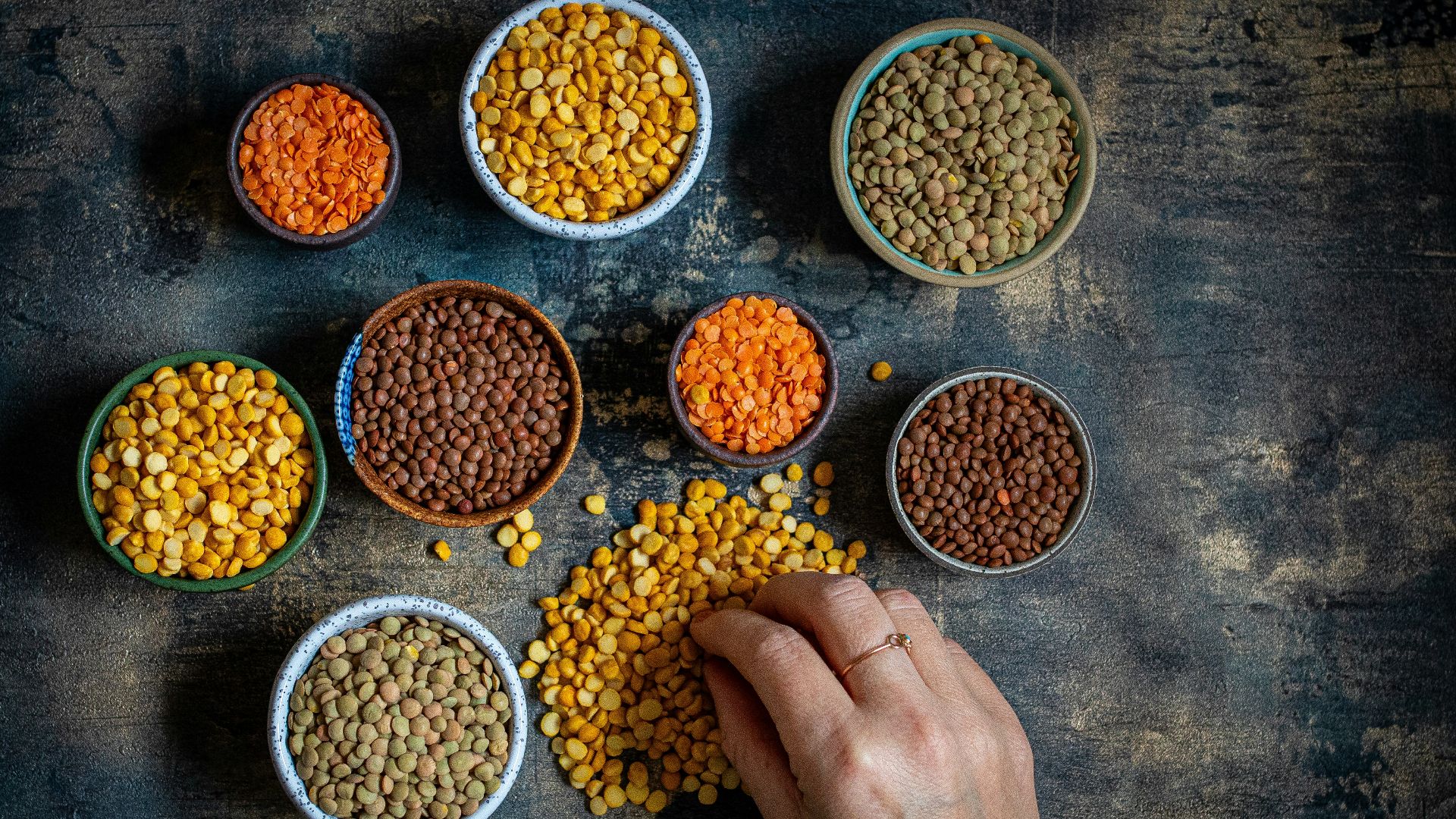
6. Dried Beans And Lentils When You Want Cheap Protein
A bag of dried beans sits quietly in the pantry and doesn’t demand attention until you’re ready. Compared to many animal proteins, beans and lentils offer a low-cost way to build filling meals, and they don’t punish you for skipping a grocery run. This is one of those purchases that makes the rest of the cart easier.
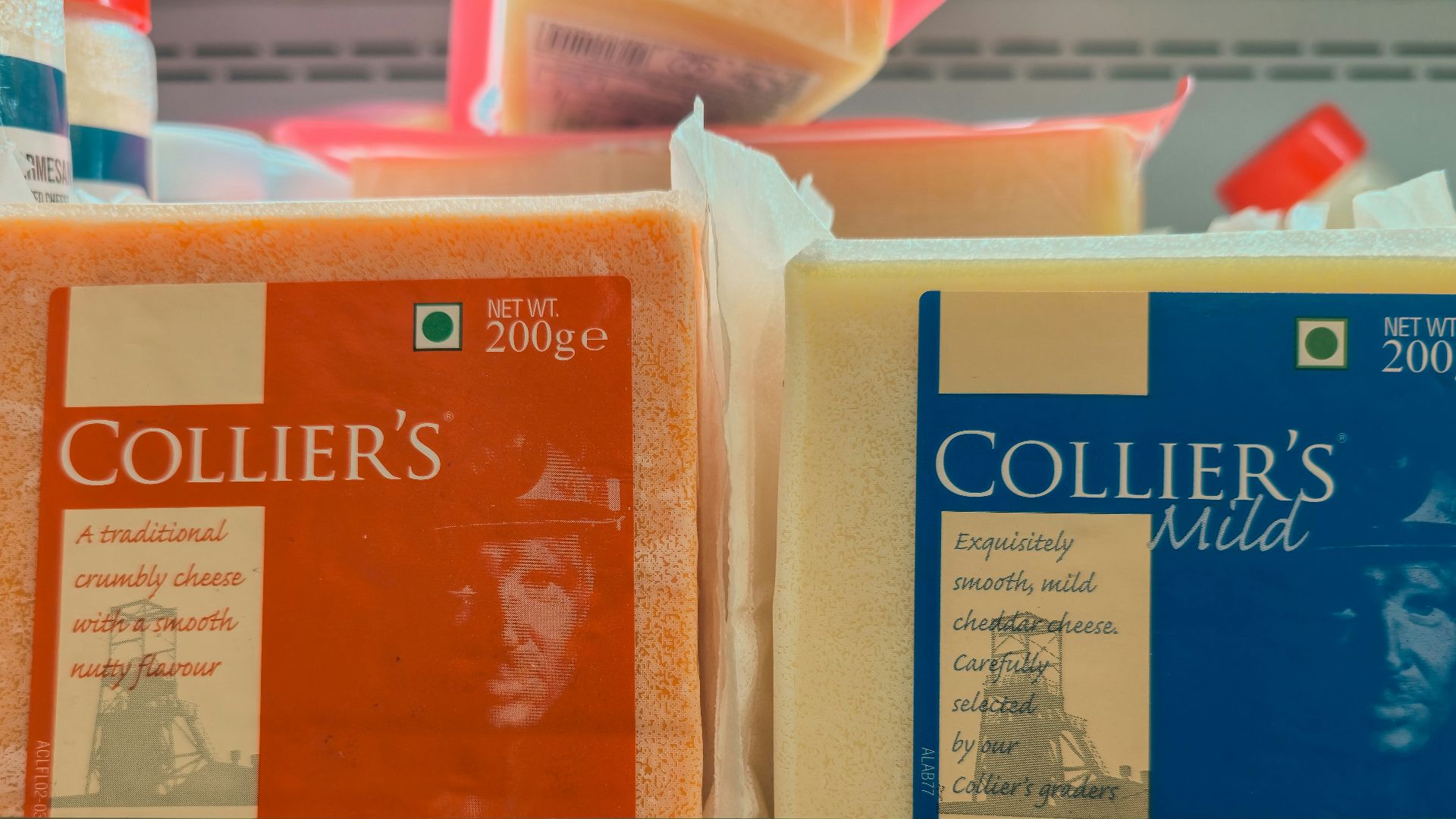
7. Cheese In Blocks Instead Of Pre-Shredded
Block cheese is usually cheaper by weight, and it avoids the added anti-caking agents that help shredded cheese stay loose in the bag. It also stores well, and you can shred just what you need, which keeps the rest from drying out too fast. The deal is small on day one and noticeable after a few weeks of shopping.
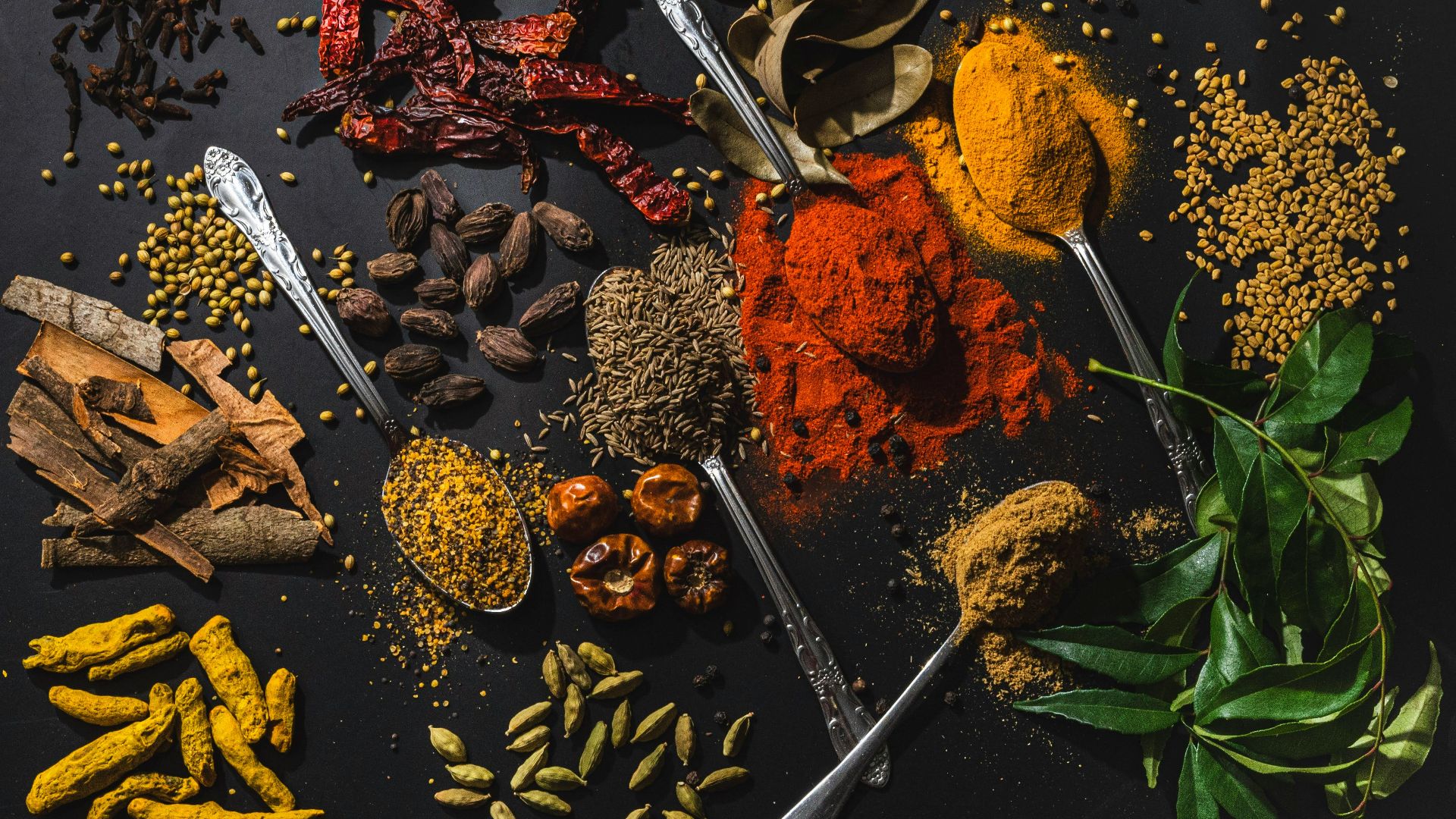
8. Spices And Pantry Items For Chefs
Some stores price small jars of spices like they’re specialty items, then quietly sell larger amounts for less in sections geared toward everyday cooking. When you buy what you’ll actually use and avoid the tiny bottles, the cost per meal drops without changing what ends up on the plate.
9. Near-Date Shelf-Stable Markdowns
Markdowns on pasta, cereal, or canned goods near their best-by dates can be real savings because those dates are usually about quality, not safety, as the USDA’s Food Safety and Inspection Service has repeatedly explained. The key is choosing items you already know you’ll eat soon, not adopting a random product because it’s cheap.
10. One Or Two Planned Meals
The best savings trick is reducing the number of times everyone stares into the fridge at 6 p.m. and reaches for a pricey shortcut. When there’s even a loose plan for a couple of dinners, it’s easier to skip the pre-made options that live near the front of the store for exactly that moment. This kind of deal doesn’t come with a sign, and it shows up clearly on the receipt.

KEEP ON READING