A Kitchen’s Pet Peeves And Ride-Or-Die Staples
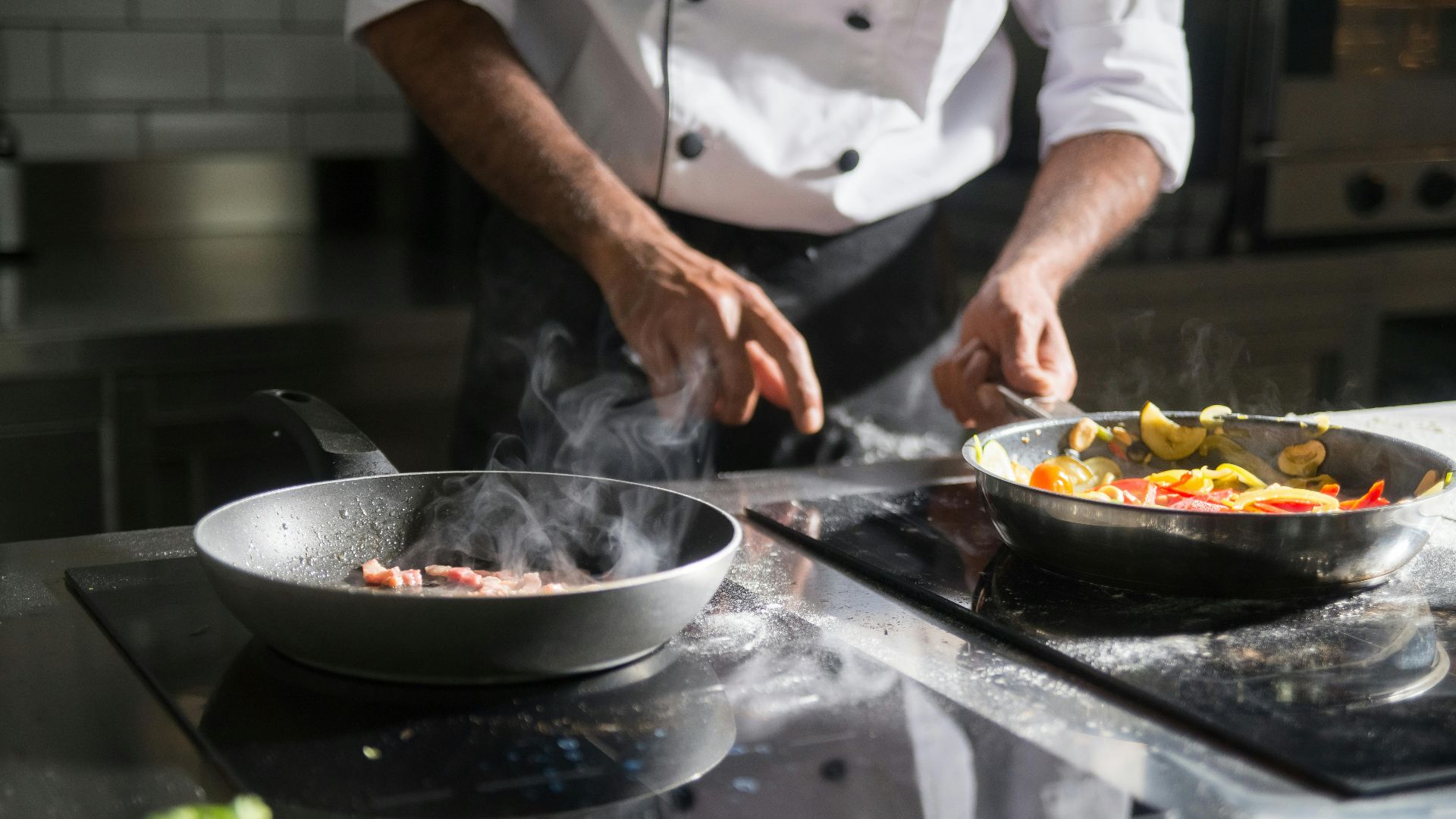
The funny part about restaurant food is that it’s built on compromises you never see. A chef can have a perfectly sharp palate and still get stuck wrestling with whatever a supplier can deliver on Tuesday, whatever the budget allows, and whatever customers keep demanding like it’s a constitutional right. Some ingredients feel like shortcuts that leave fingerprints all over the plate—the kind that make a dish taste loud, flat, or weirdly identical to a hundred other places. Others look humble but quietly hold the whole operation together, the way a good stock pot or a properly hot pan does. Below are ten ingredients chefs tend to groan about in private, followed by ten they can't do without.
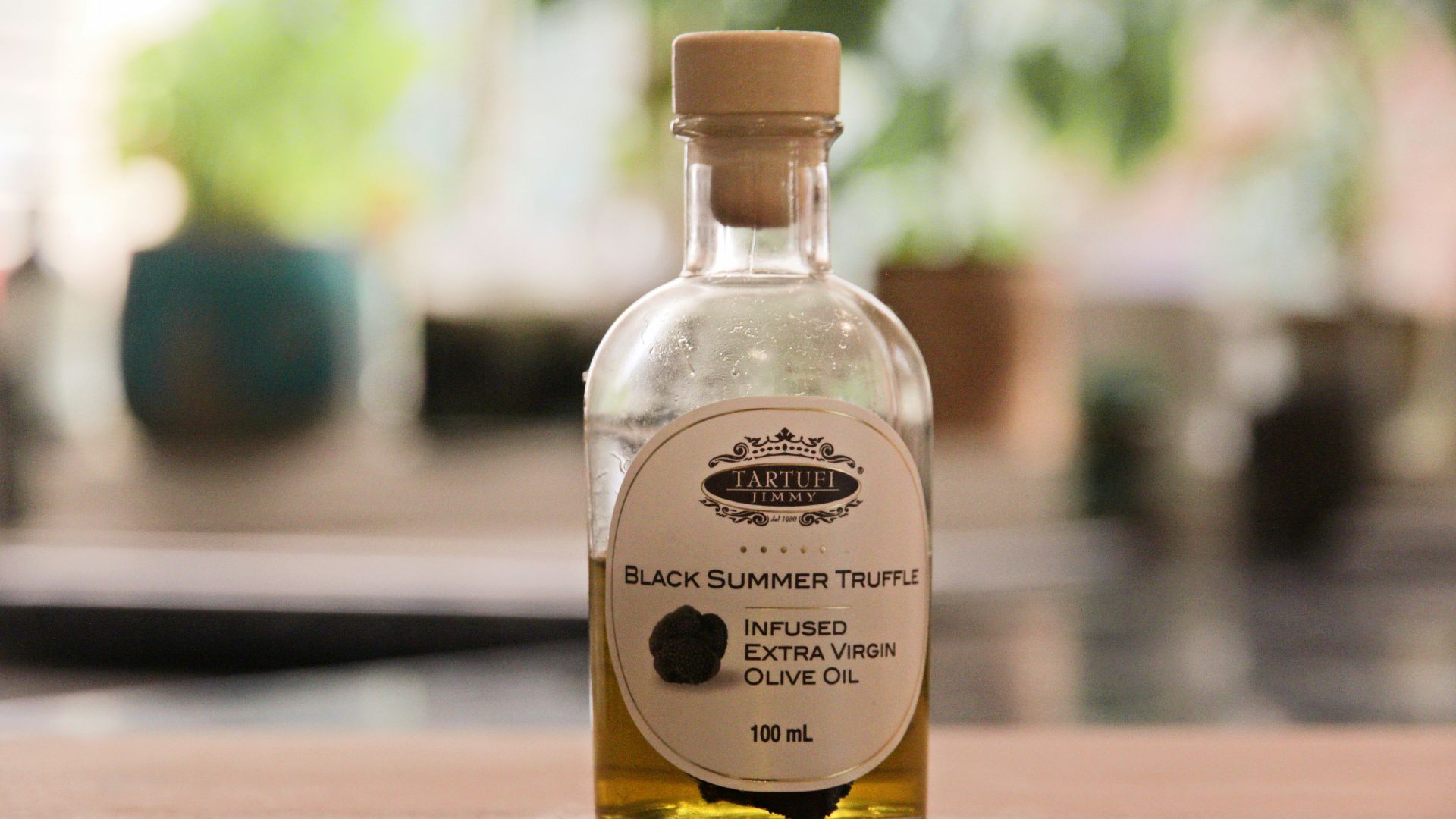
1. Truffle Oil
Many chefs dislike truffle oil because most versions are flavored with synthetic aroma compounds rather than real truffles. The taste can come across as harsh and one-dimensional, and it easily overwhelms everything else in the dish. It also tends to make different foods taste the same, which works against thoughtful cooking.
 Addilyn Ragsdill @clockworklemon.com on Unsplash
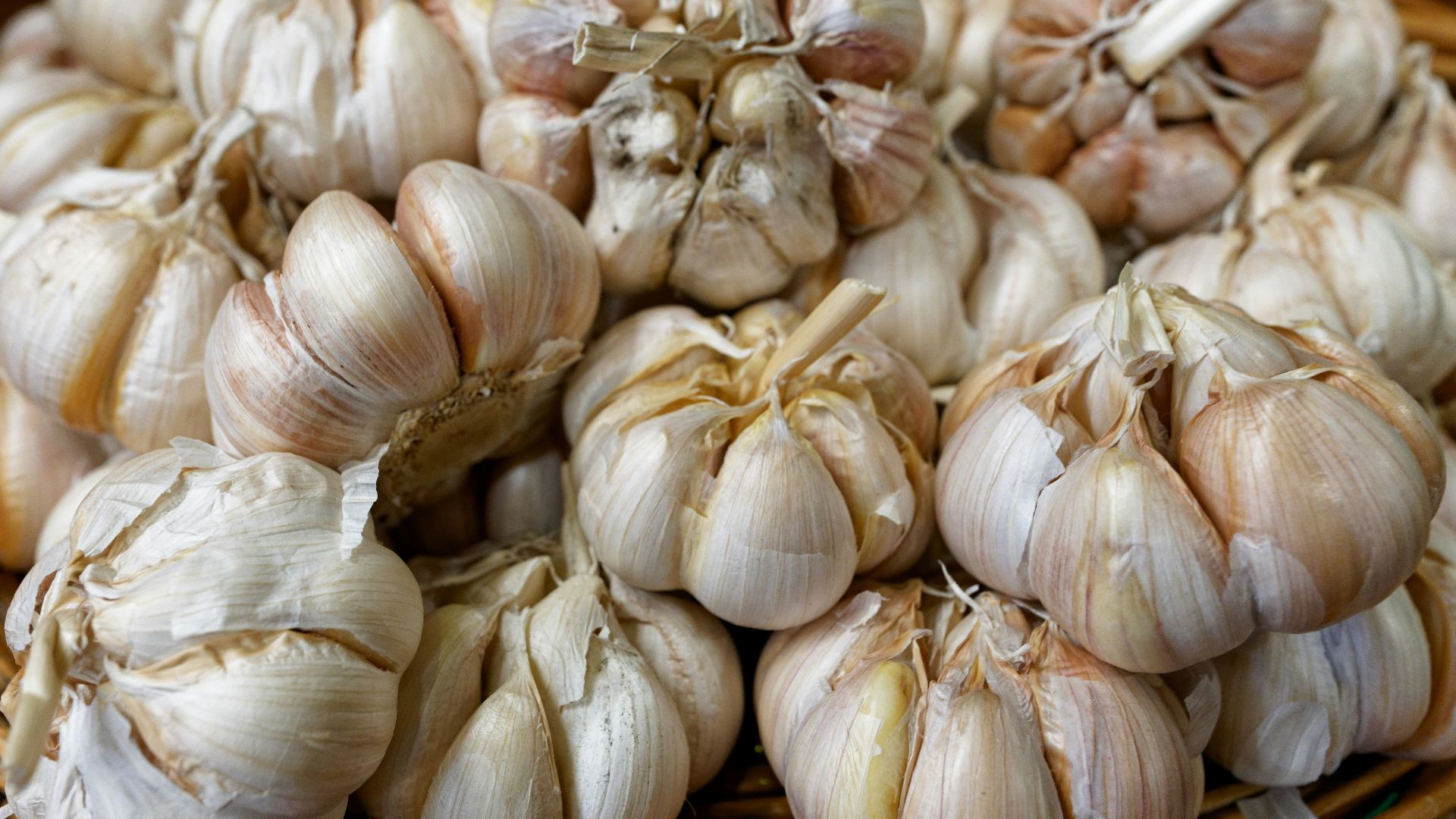
2. Pre-Minced Garlic In A Jar
Jarred minced garlic often has a sour, muted flavor compared with fresh cloves. The garlic loses its sharpness and complexity over time, and the texture becomes soft and damp. In dishes where garlic is a key flavor, chefs usually find the shortcut noticeable.
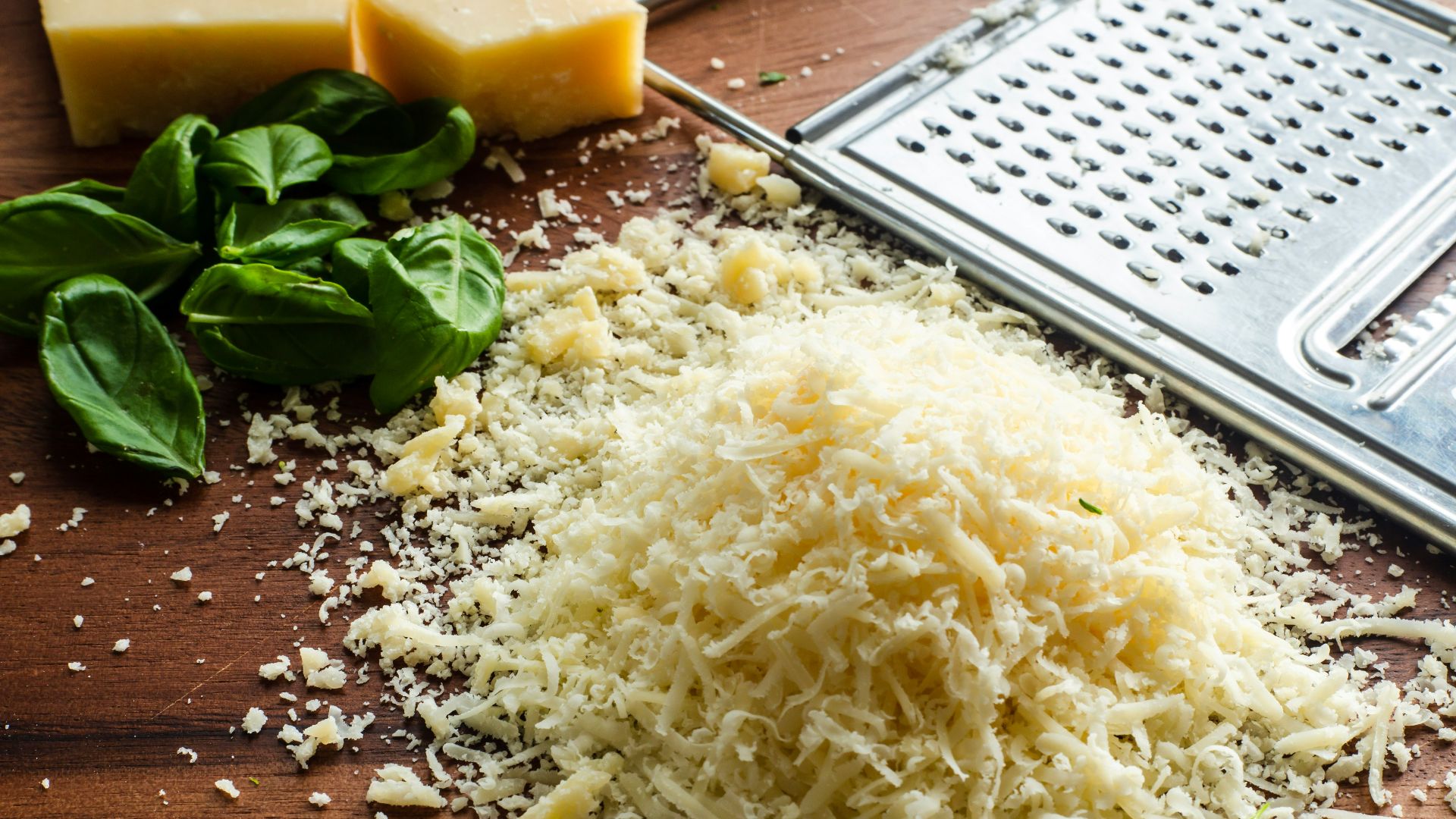
3. Pre-Shredded Cheese
Pre-shredded cheese is convenient, but it often contains anti-caking agents that affect how it melts. Cheese sauces can turn slightly grainy, and baked dishes may brown unevenly. Many chefs prefer shredding fresh because it produces a smoother, cleaner result.
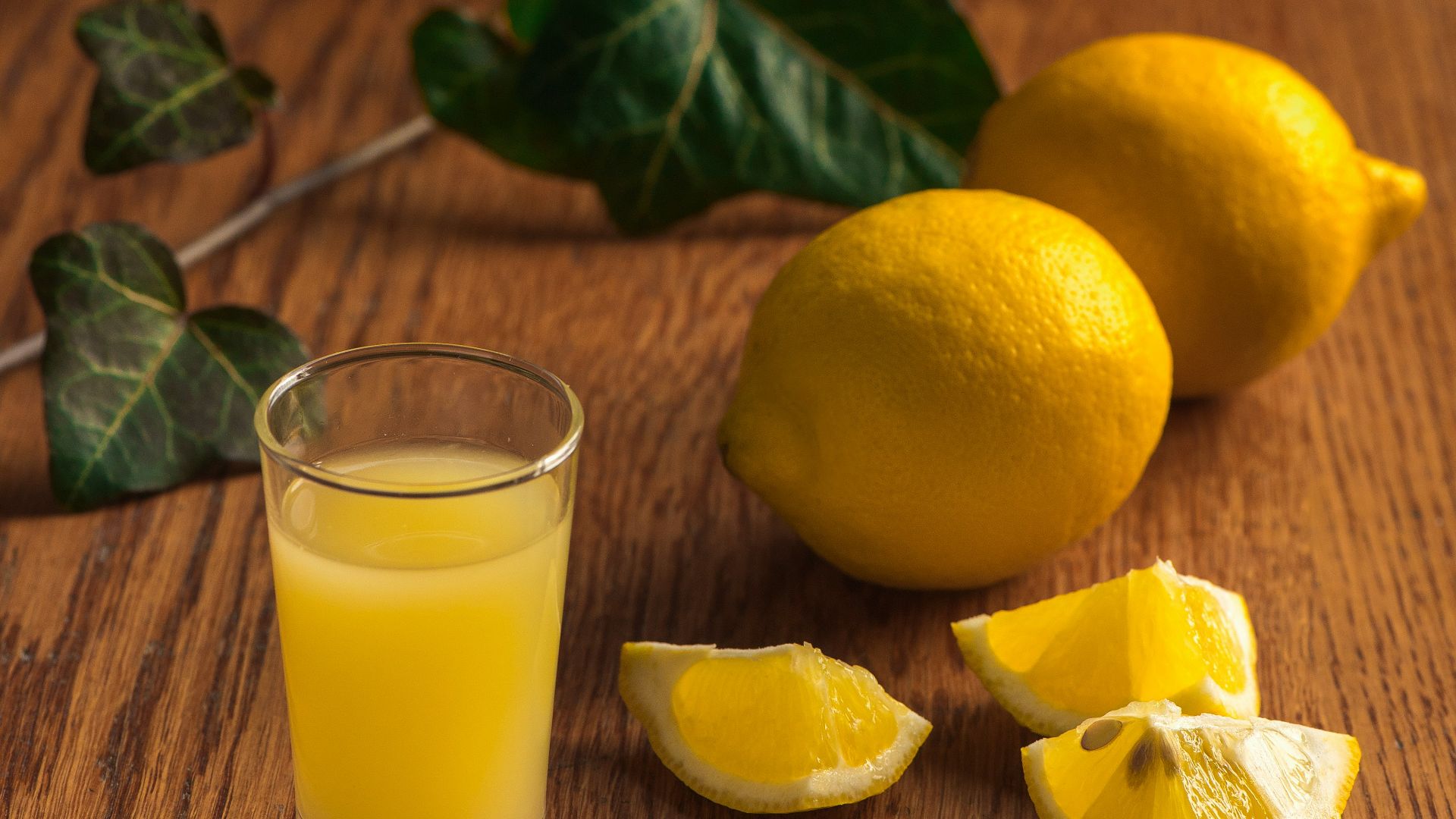
4. Bottled Lemon Juice
Fresh lemon juice has brightness and a clean acidity that bottled juice usually lacks. Bottled versions can taste dull or slightly cooked, especially in uncooked dressings or seafood preparations. Since lemon is often used as a finishing touch, the difference matters.
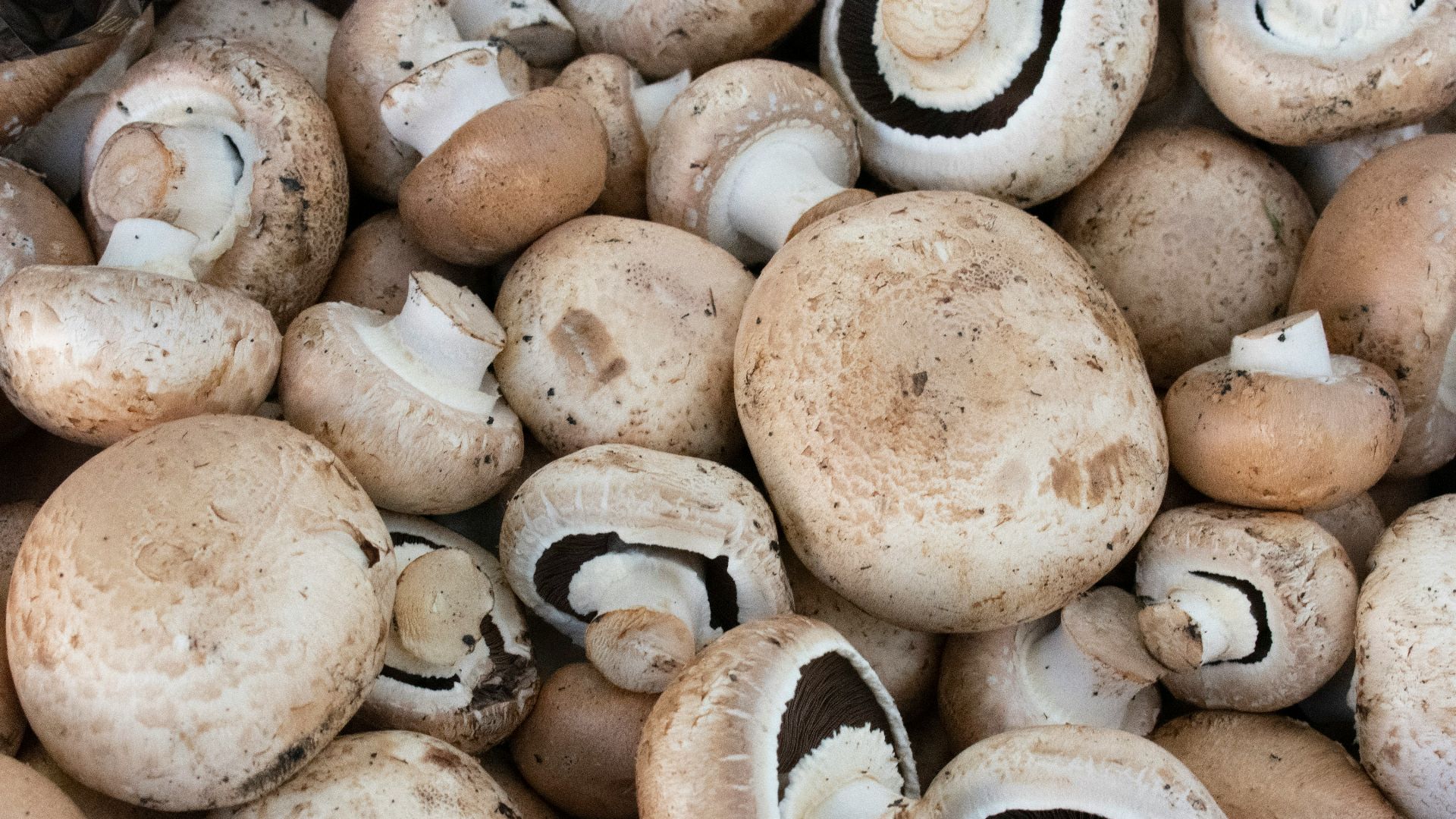
5. Canned Mushrooms
Canned mushrooms tend to be soft, watery, and lacking in flavor. They can release liquid during cooking, which dilutes sauces or creates soggy textures on pizzas and casseroles. Chefs usually prefer fresh mushrooms for their firmer bite and deeper taste.
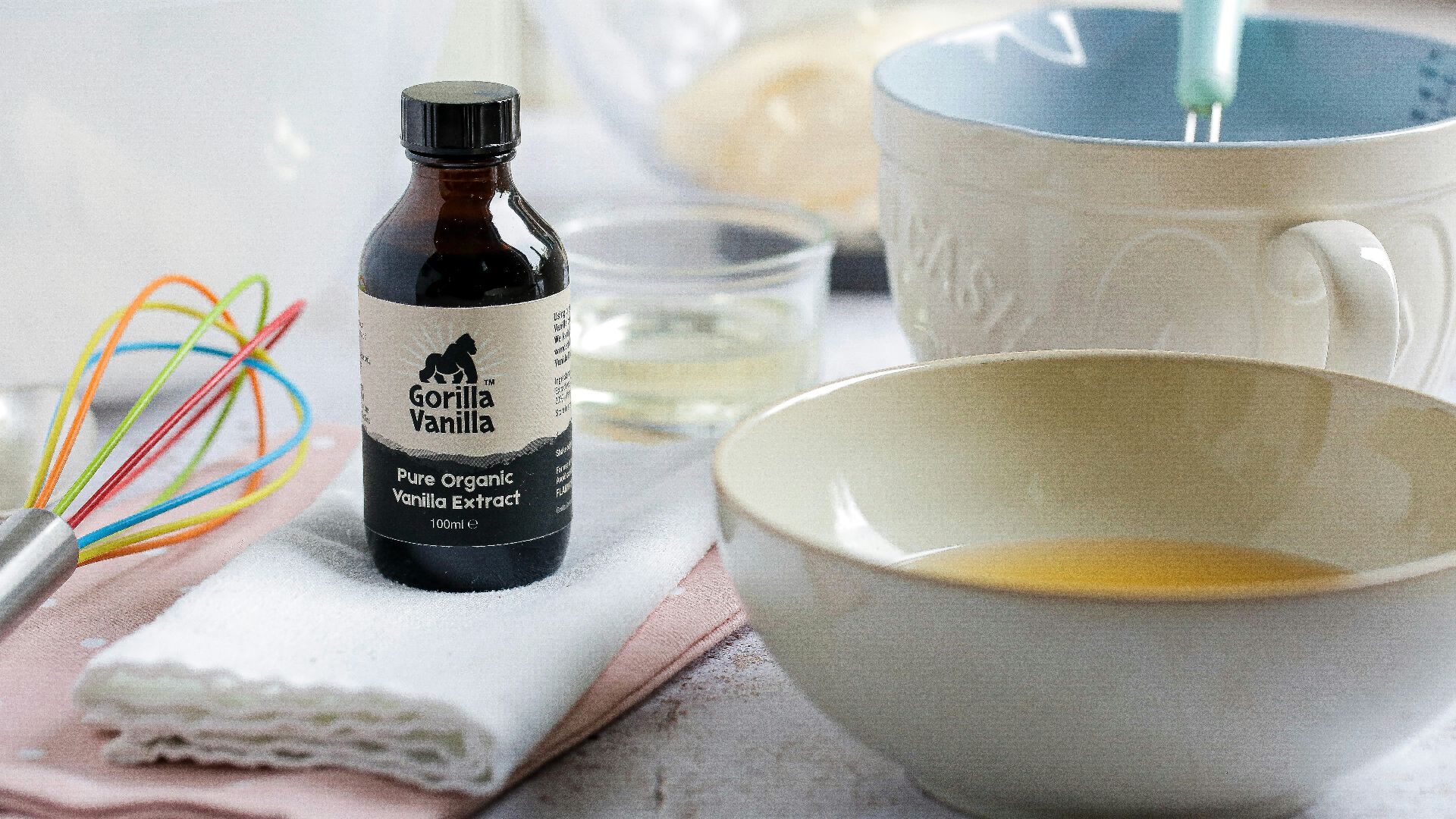
6. Artificial Vanilla Flavor
Artificial vanilla flavor can taste flat compared with real vanilla extract made from beans. In desserts, it sometimes leaves a lingering aftertaste that reads as processed. Bakers often want vanilla to feel warm and rounded, not sharp or overly sweet.
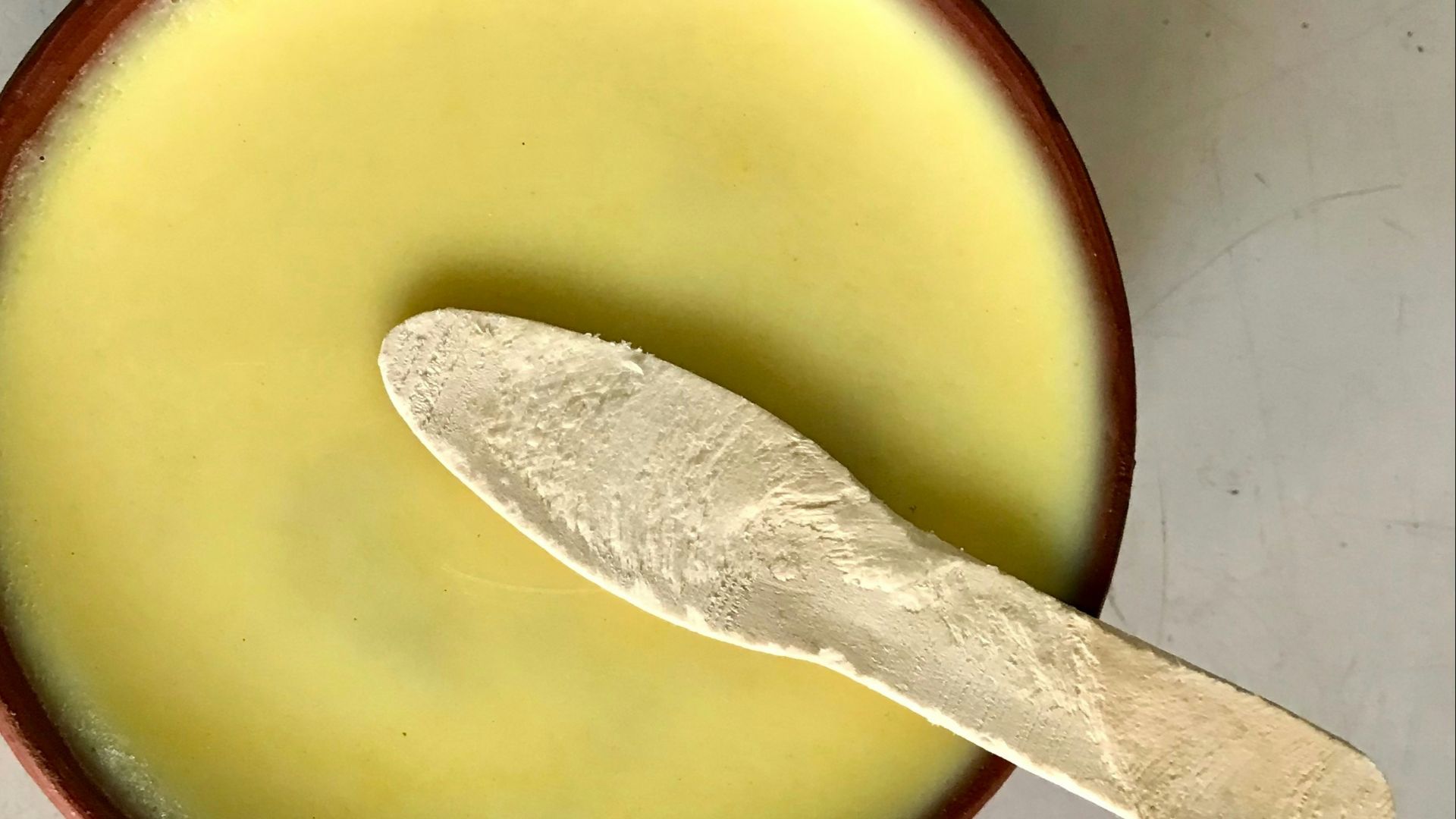
7. Margarine
Margarine is often viewed as a substitute that doesn’t deliver the same flavor as butter. Butter browns well because of its milk solids, adding richness to sauces and baked goods. Margarine can perform differently in recipes and may taste less satisfying.
8. Liquid Smoke
Liquid smoke can be useful in small amounts, but it’s easy to overdo. Too much can create bitterness or an artificial smokiness that doesn’t taste natural. Chefs generally prefer real smoking or grilled flavor when possible.

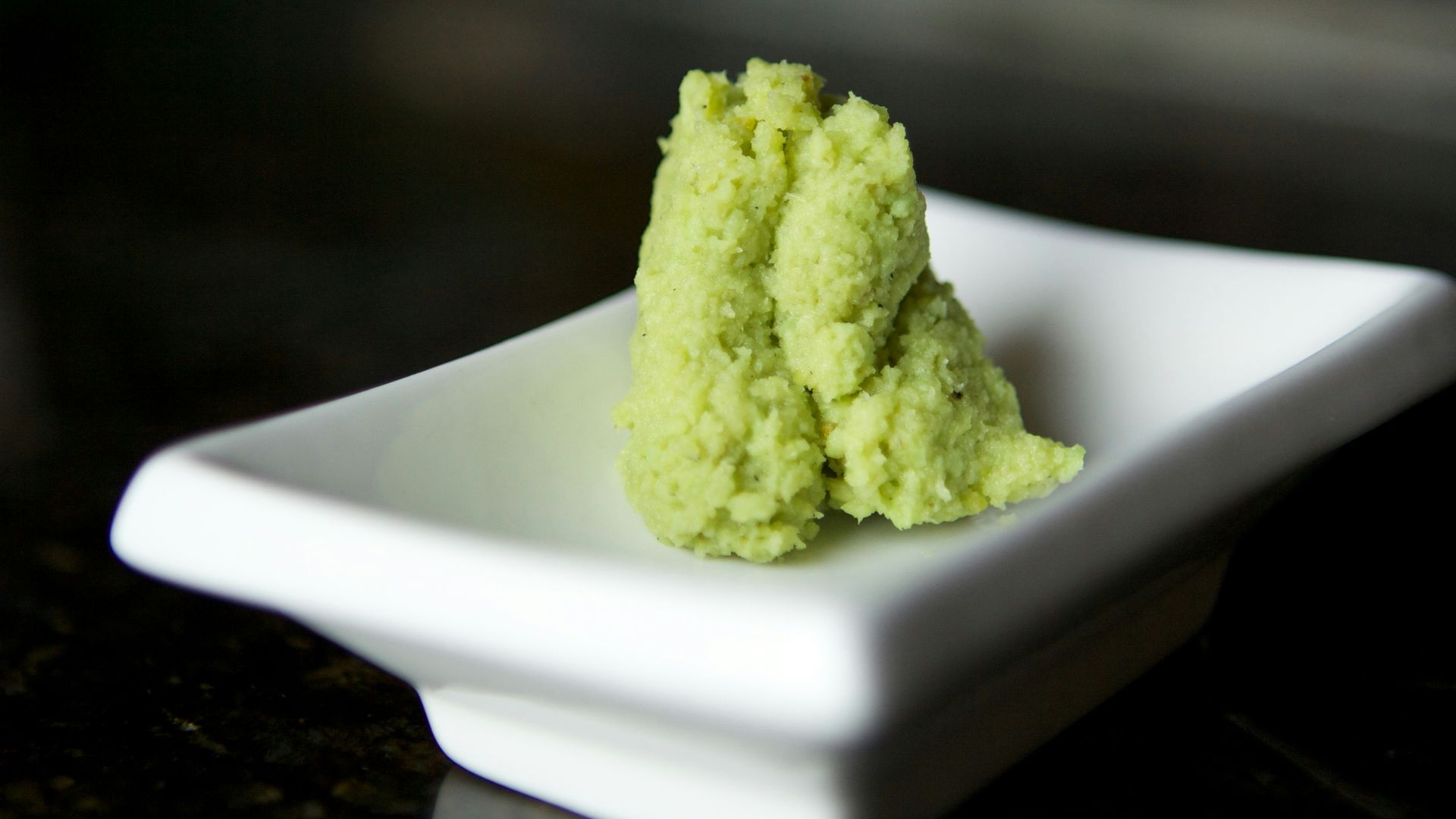
9. Imitation Wasabi
Much of the “wasabi” served outside Japan is mostly horseradish with green coloring. The heat hits quickly but lacks the cleaner, herbal quality of real wasabi. Chefs dislike it mainly because it misrepresents what diners think they’re getting.
 David Todd McCarty on Unsplash
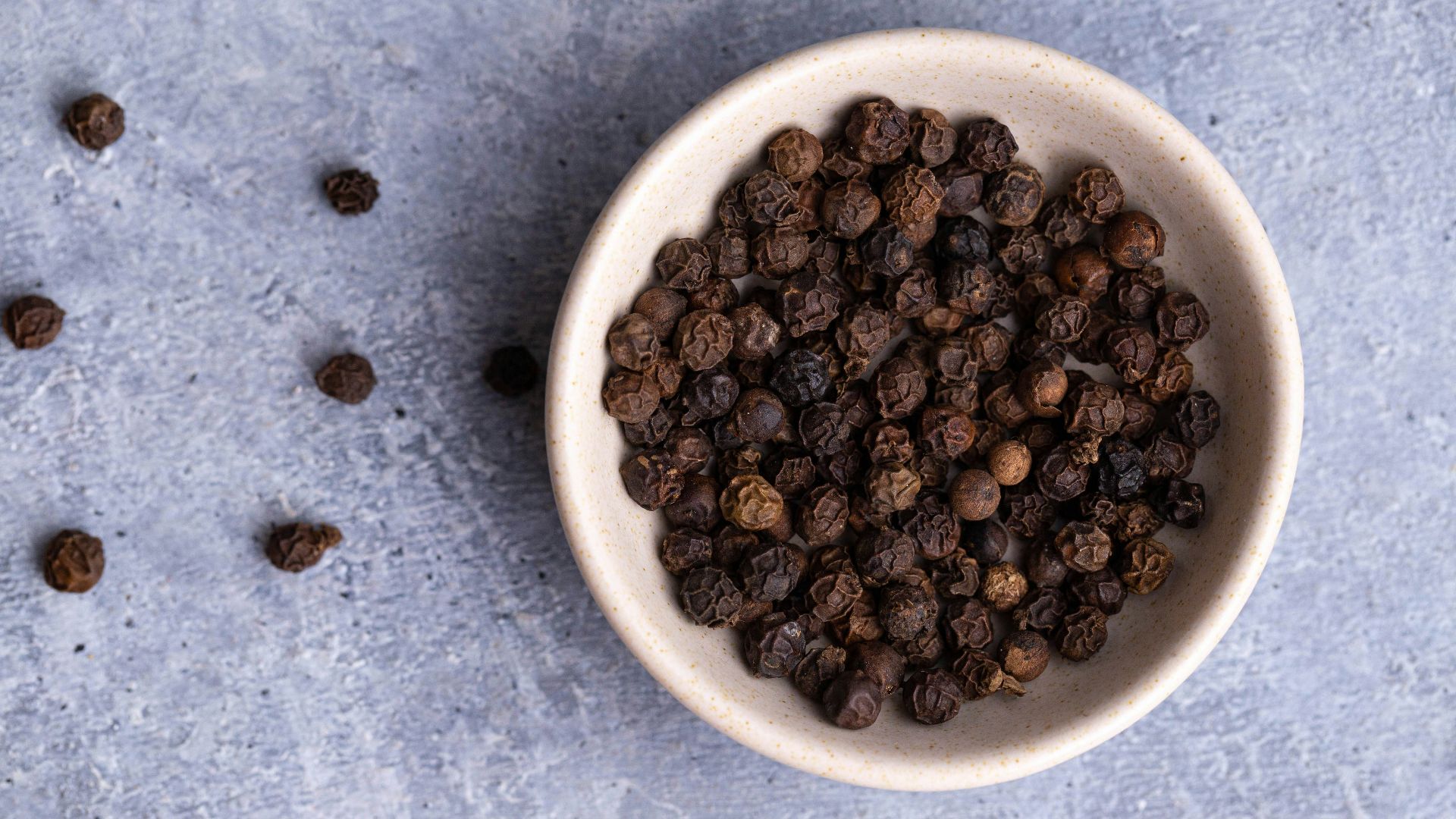
10. Pre-Ground Black Pepper
Black pepper loses aroma over time once it’s ground. Pre-ground pepper often tastes dusty and less fragrant than freshly cracked peppercorns. Since pepper is a common finishing seasoning, chefs prefer grinding it fresh for better flavor.
A lot of ingredients that chefs defend, on the other hand, are misunderstood or unfairly judged, even though they play an important role in good cooking. Here are ten examples.
1. MSG
MSG has been unfairly criticized for decades, despite being widely considered safe by major authorities such as the U.S. Food and Drug Administration. Glutamate also occurs naturally in foods like tomatoes and Parmesan cheese. In careful amounts, MSG enhances savory flavor without making food taste artificially salty.
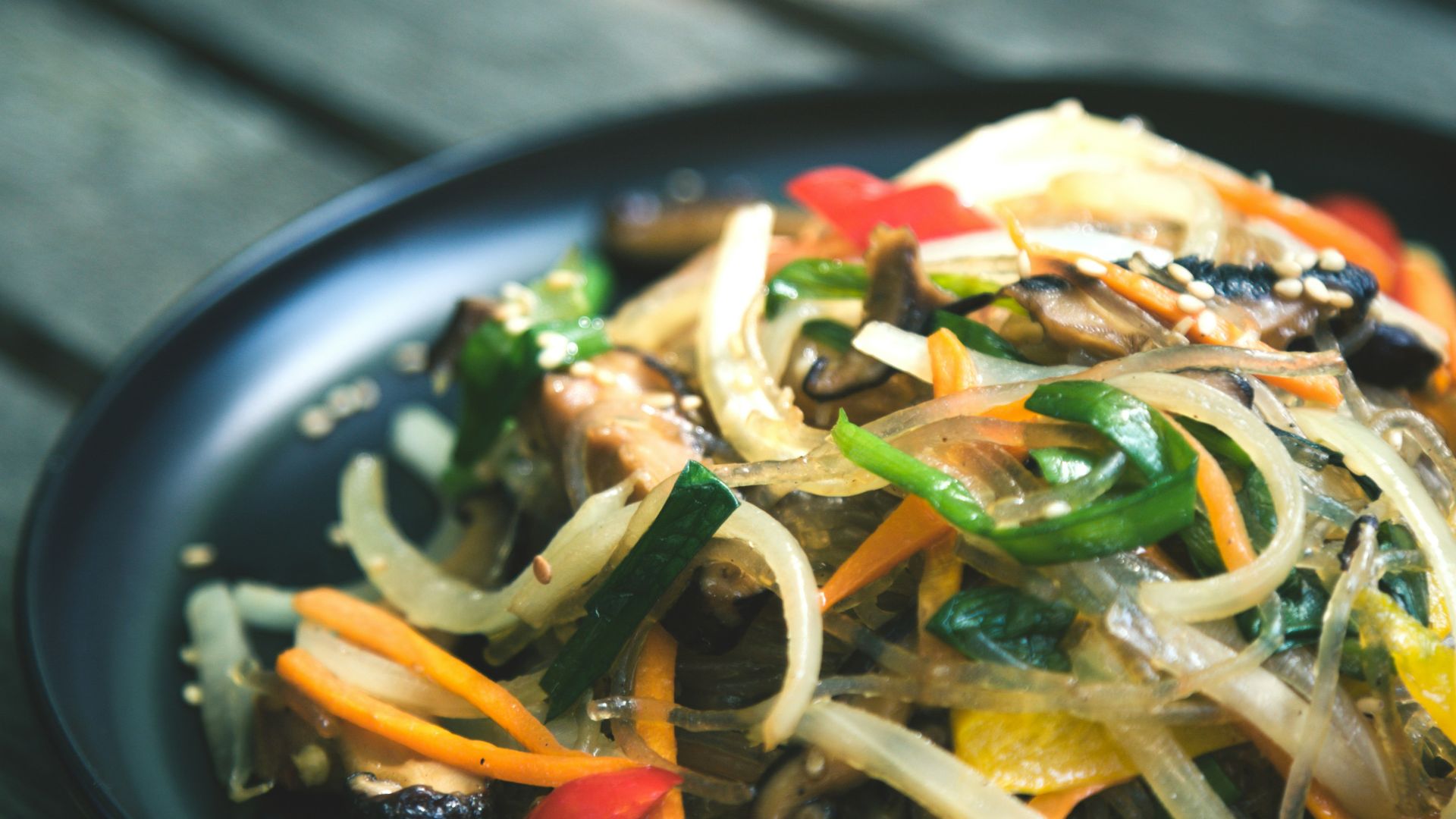
2. Anchovies
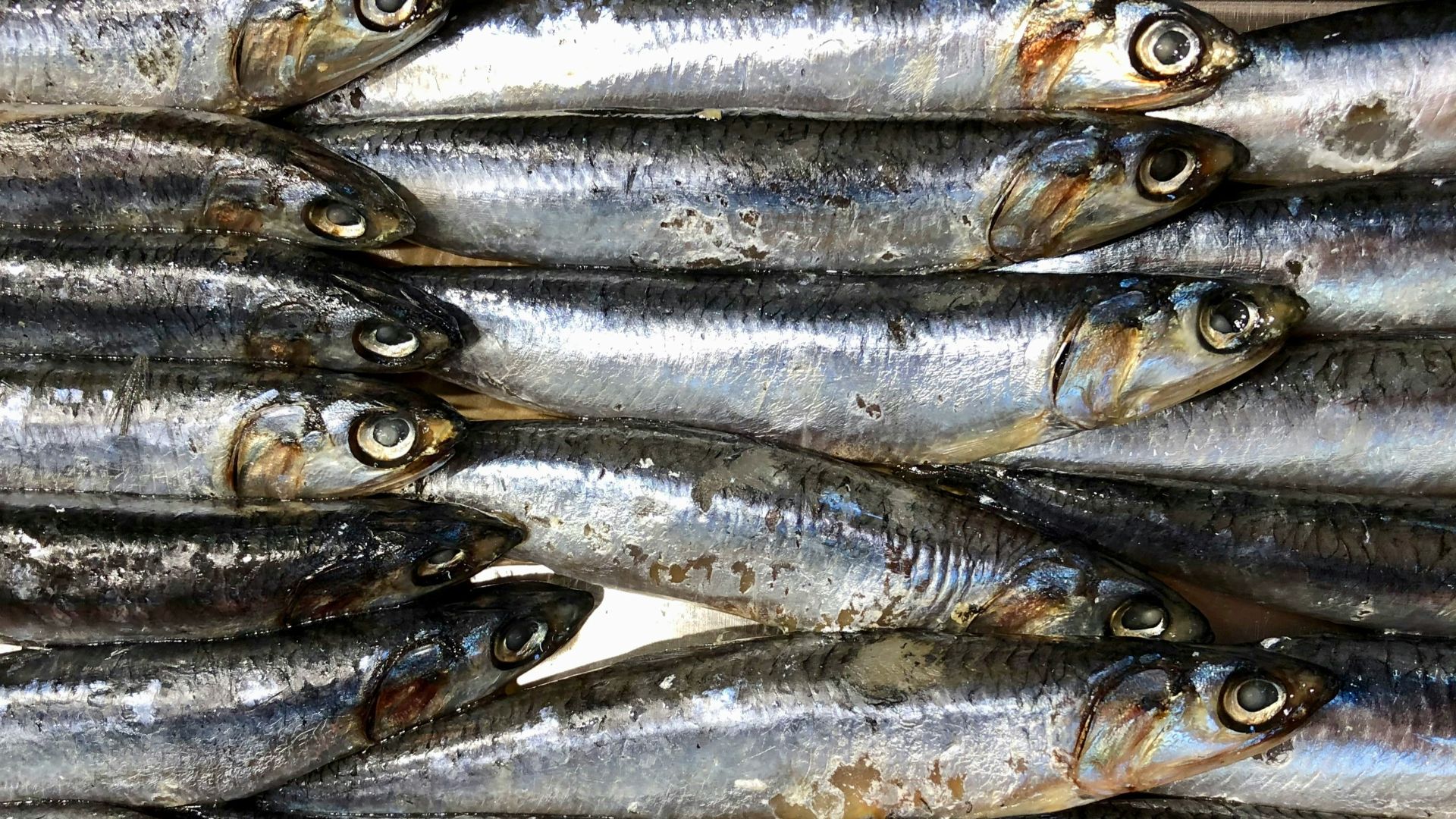
Anchovies are often disliked by people who imagine a strong fishy taste, but chefs value them for depth and umami. When melted into sauces like Caesar dressing or puttanesca, they don’t taste like straight fish. They add a savory backbone that’s hard to replicate.
3. Butter
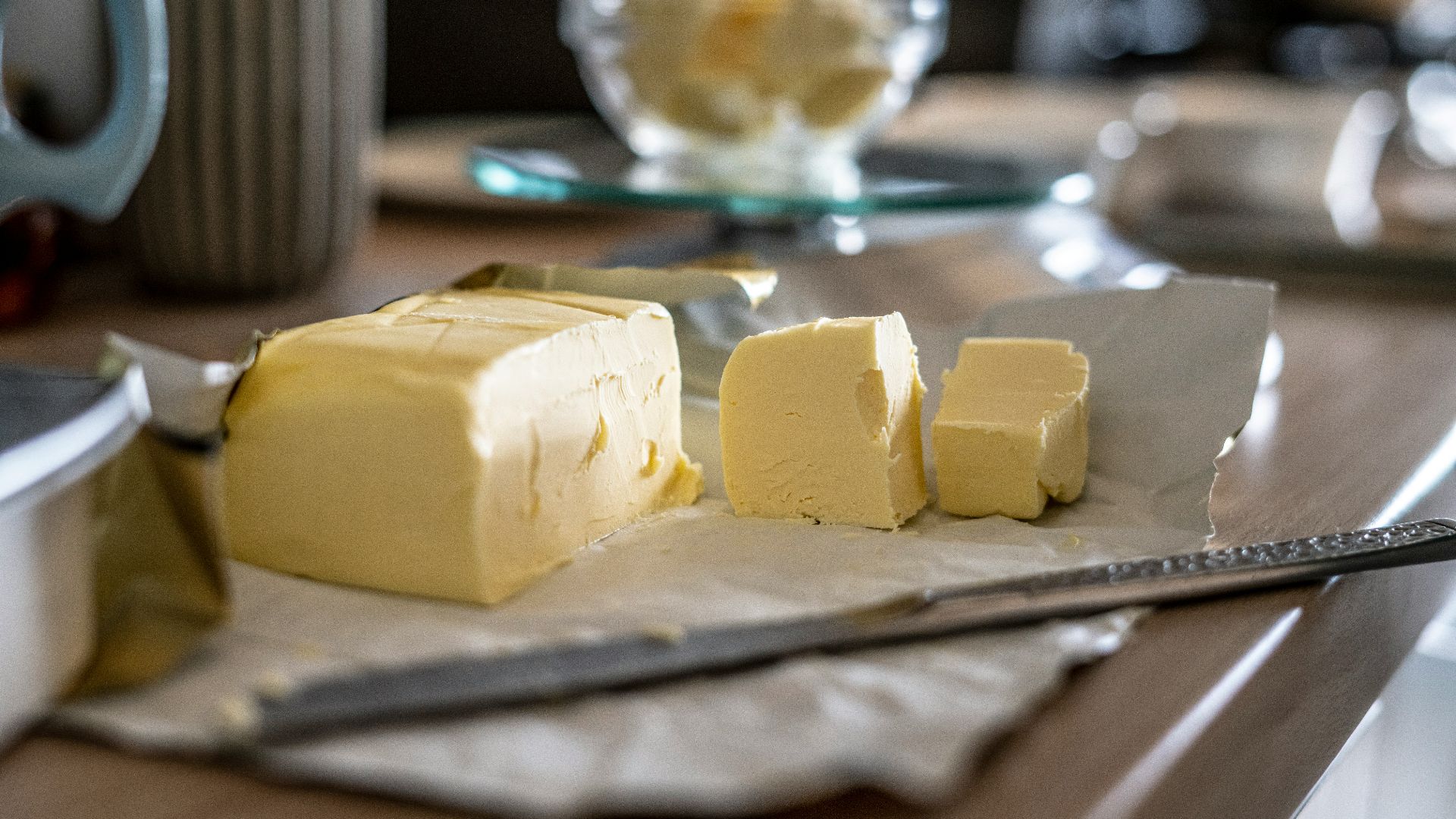
Butter remains one of the most defended ingredients in professional kitchens because of its flavor and versatility. It enriches sauces, improves texture in baking, and browns into nutty compounds that add complexity. Many classic French techniques depend on butter for a reason.
4. Canned Tomatoes
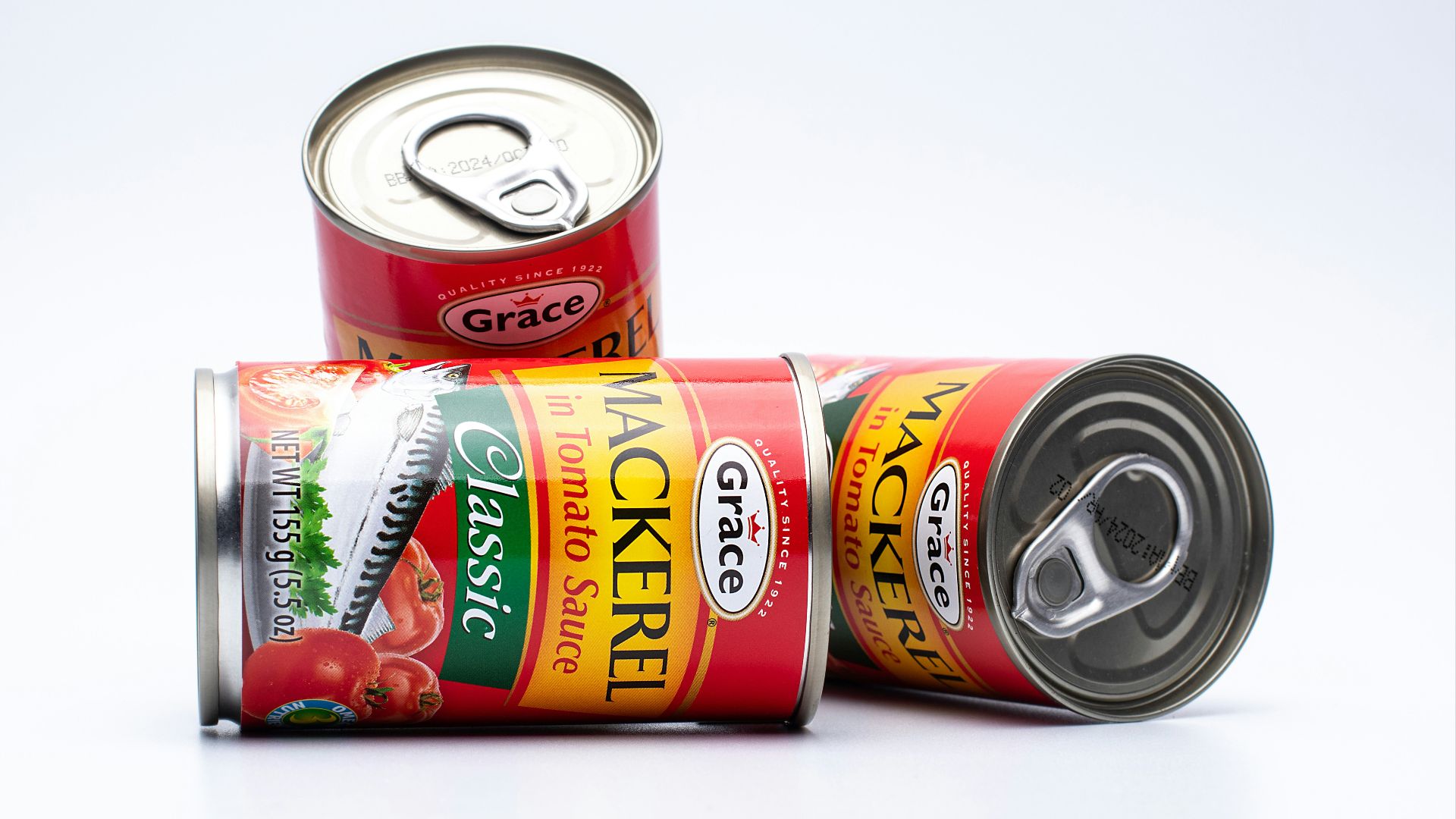
Canned tomatoes are a staple because they’re processed at peak ripeness and stay consistent year-round. In many regions, “fresh” tomatoes outside summer are bland and watery. Chefs rely on good canned tomatoes for sauces, soups, and braises that taste stable and balanced.
5. Gelatin
Gelatin is essential for many smooth desserts and structured preparations. It gives panna cotta its texture, helps stabilize mousses, and adds body to certain sauces. Chefs defend it because it provides results that are difficult to achieve with substitutes.

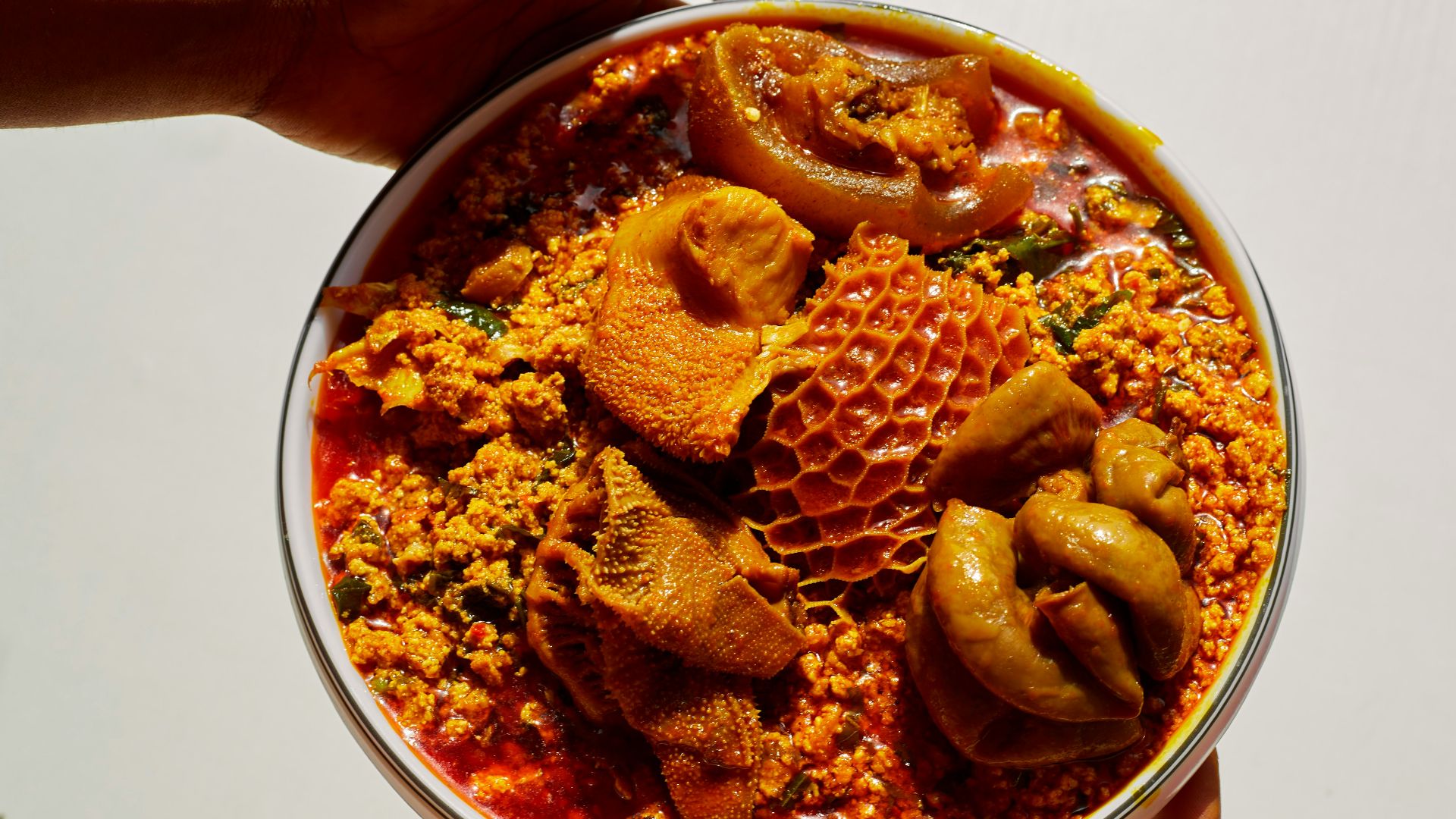
6. Organ Meats
Offal like liver, heart, and tongue is valued in many culinary traditions for its flavor and nutrition. Chefs appreciate that these cuts reduce waste and offer something different from standard muscle meat. When cooked properly, organ meats can be tender, rich, and deeply satisfying.
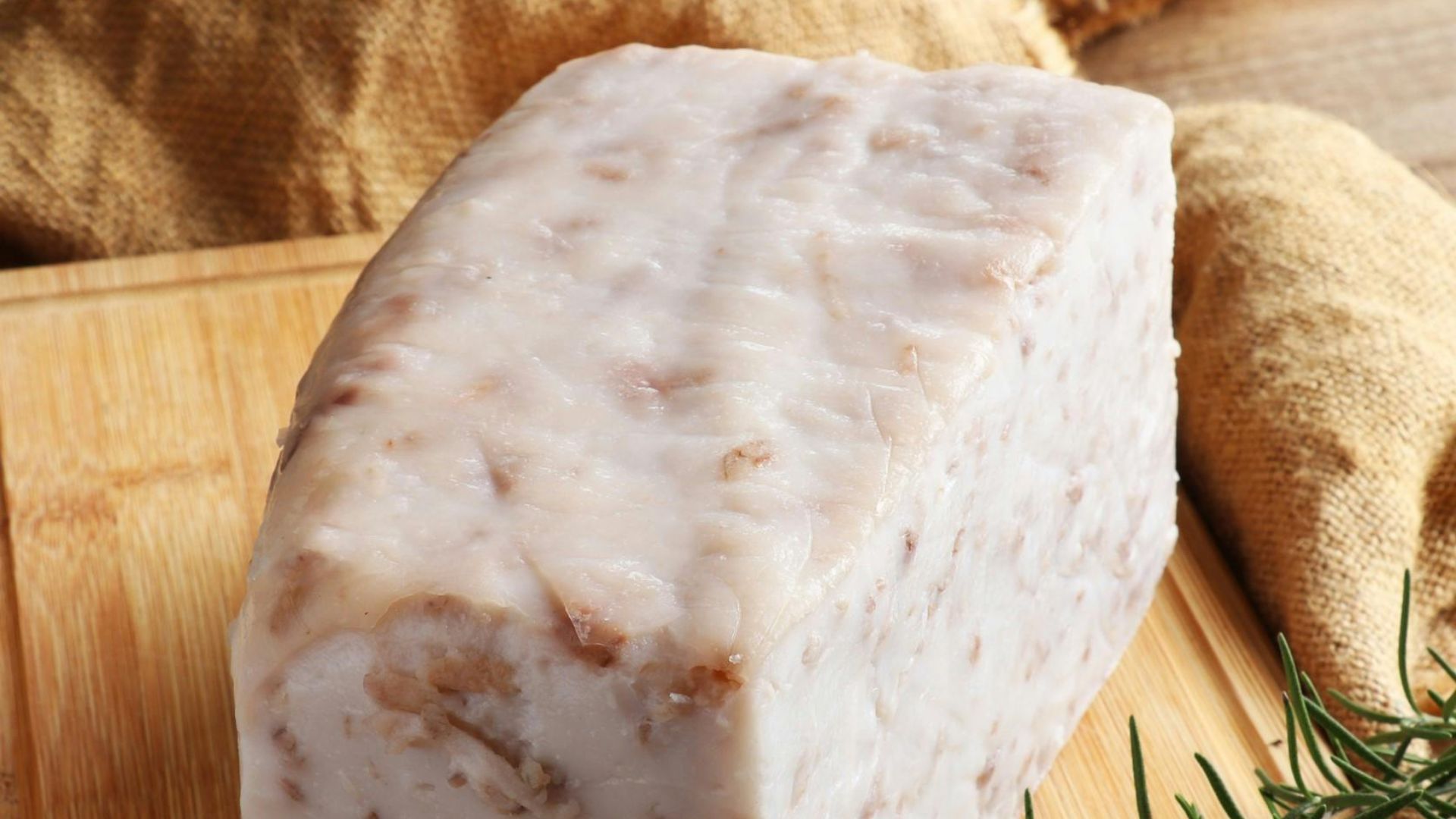
7. Lard
Lard is defended for its performance in pastry and traditional cooking. It creates flakiness in pie crusts and tenderness in tortillas that many vegetable fats don’t match. In cuisines where it has long been used, it’s considered practical and flavorful rather than outdated.
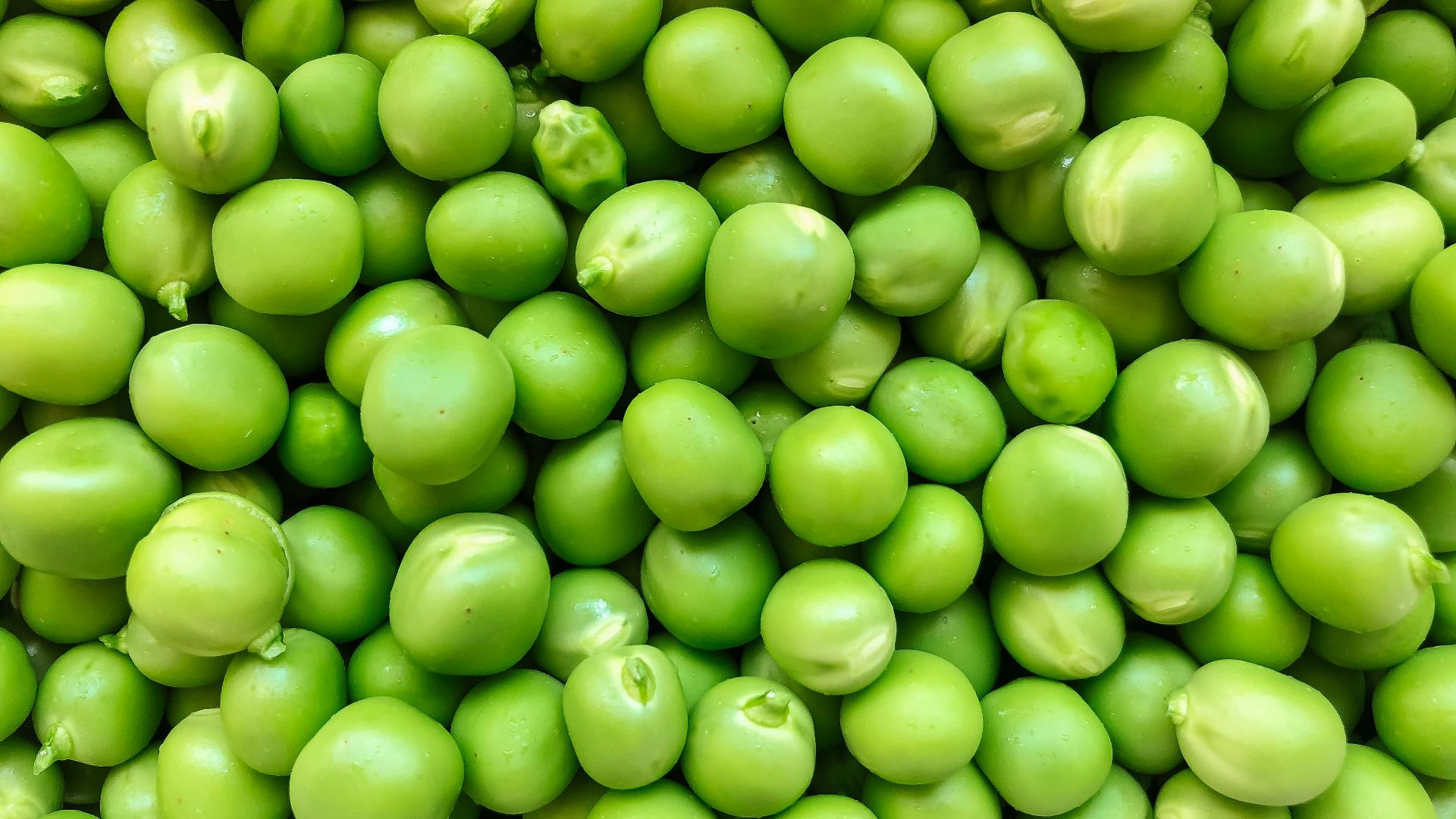
8. Frozen Peas
Frozen peas are often better than fresh peas that have sat too long, since peas lose sweetness quickly after harvest. They cook fast, stay bright, and add a clean vegetable note to pastas, risottos, and side dishes. Many chefs see them as one of the best frozen products available.
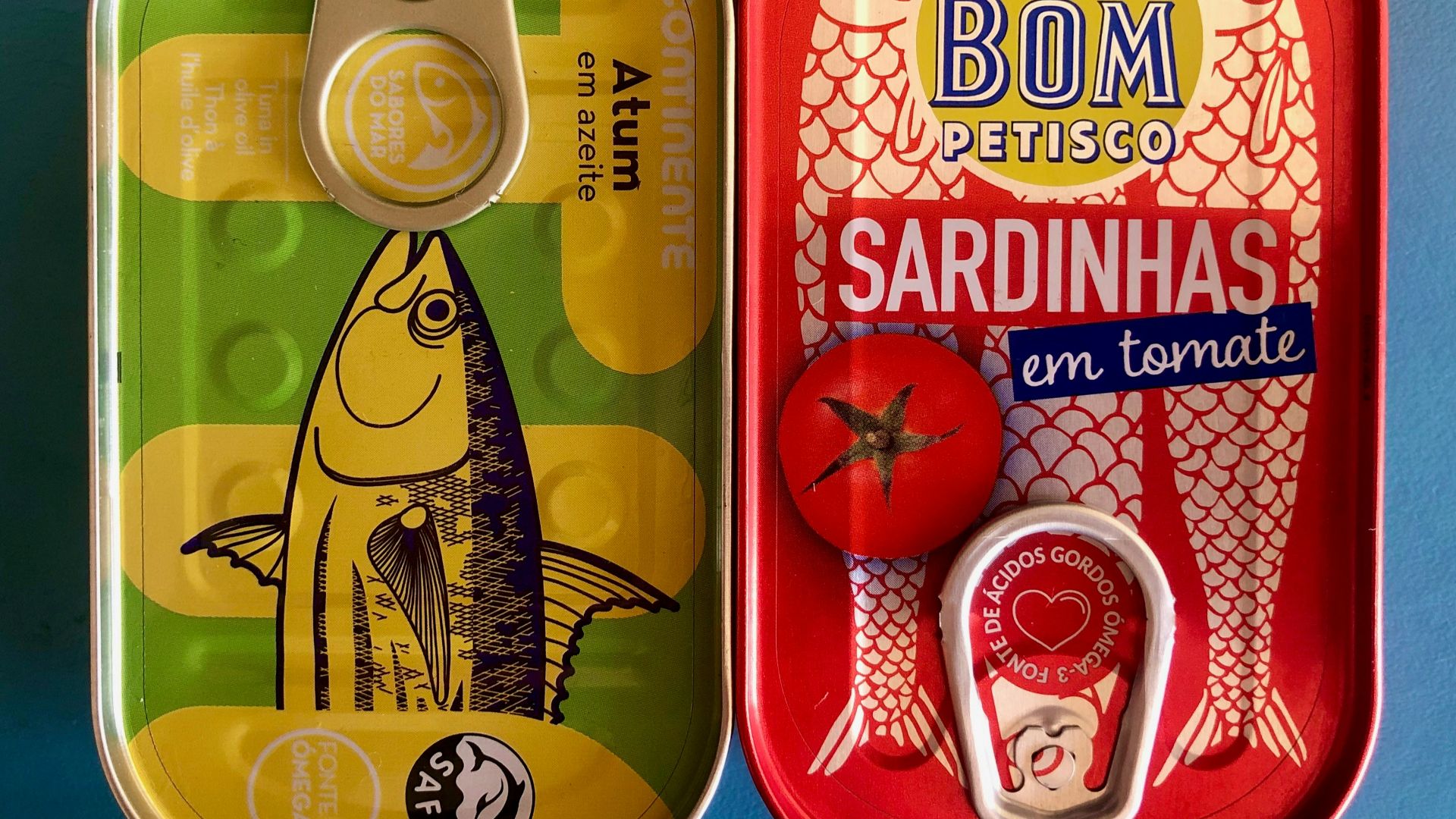
9. Sardines
Sardines are inexpensive, flavorful, and nutritionally dense, with omega-3 fats and high-quality protein. They work well in salads, pasta, and simple toast preparations. Chefs defend them because they offer strong flavor without requiring complicated technique.
10. Fresh Herbs
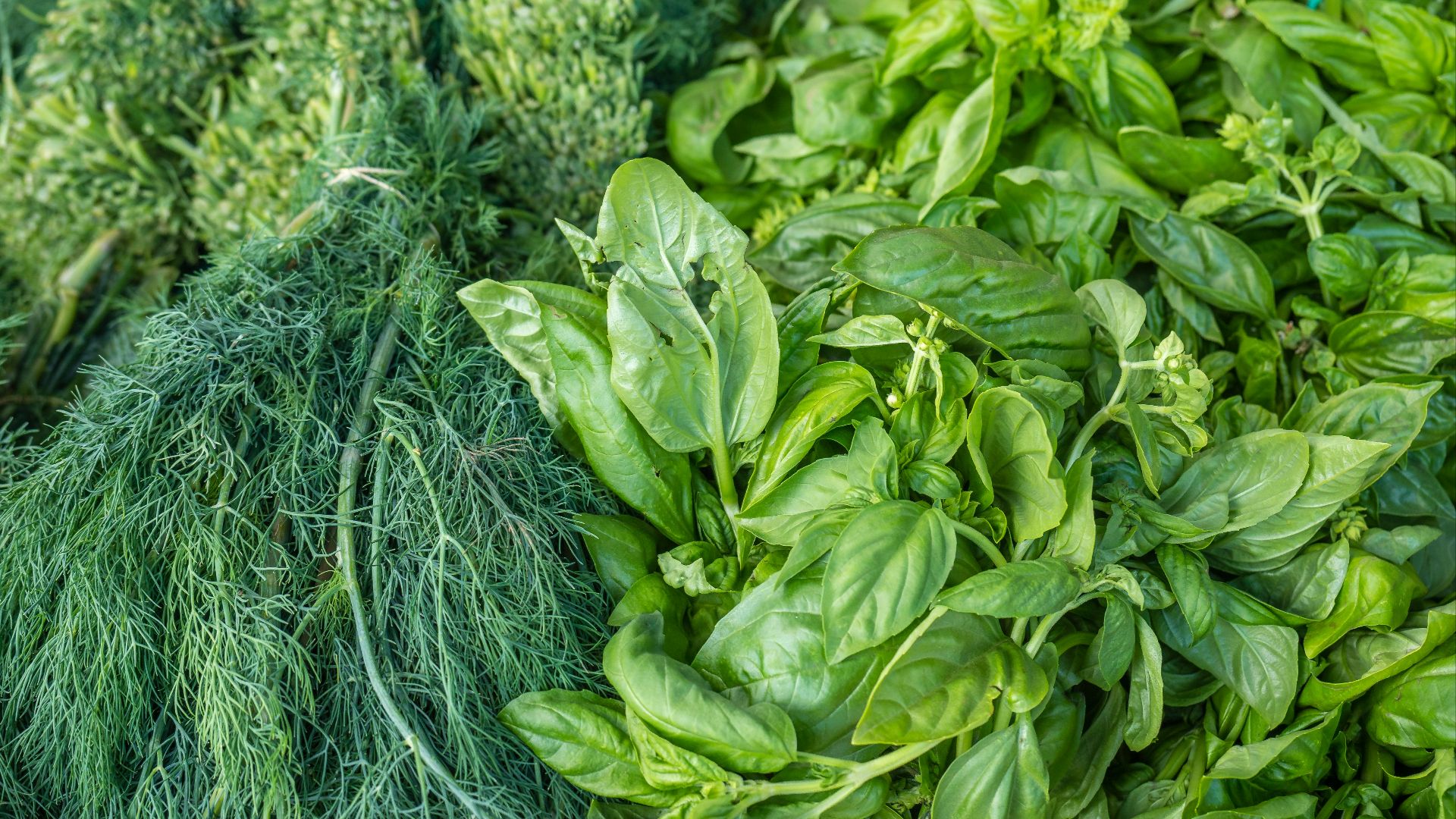
Fresh herbs are one of the simplest ways to add aroma and freshness to a finished dish. Basil, cilantro, parsley, and dill each bring distinct character that dried herbs can’t fully replace. Chefs rely on herbs to make food taste brighter, cleaner, and more complete right before serving.
 Alexander Schimmeck on Unsplash
KEEP ON READING
The Most Popular Chocolate Bars in the USA

The Most Popular Candies in the USA