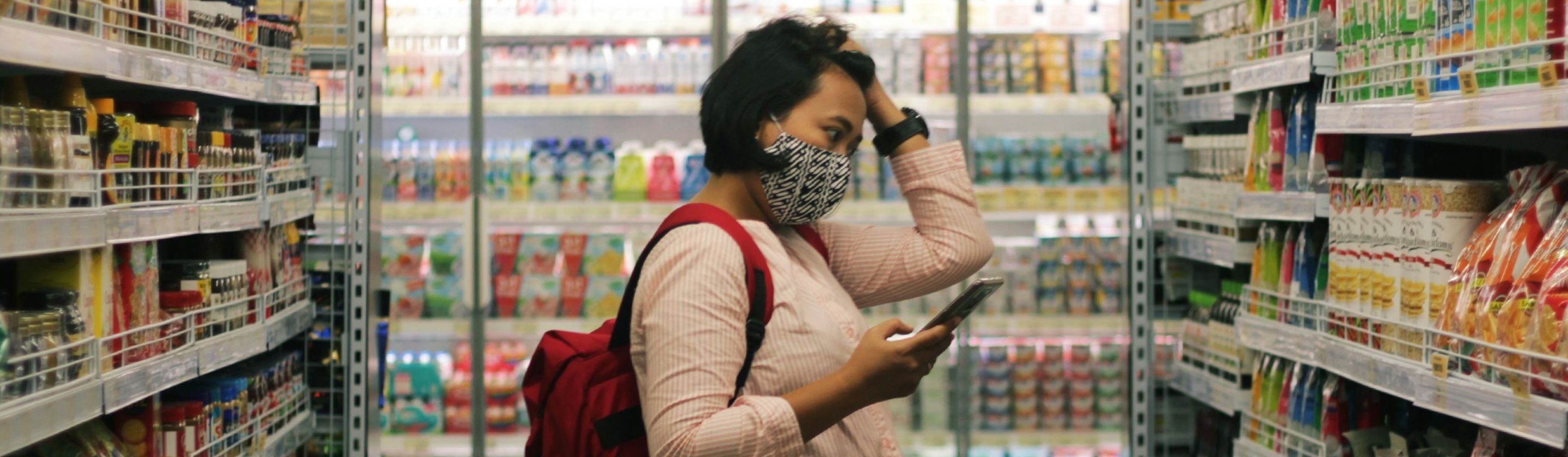
 Boxed Water Is Better on Unsplash
Most of us have stood in front of the fridge, holding something we no longer recognize. A container of leftovers from who knows when, or perhaps a bag of spinach, which we were so thrilled to use when we went grocery shopping. It's a small, deflating moment, and it happens more than we'd like to admit. The USDA estimates that food waste in the United States accounts for between 30 and 40 percent of the food supply, which means the way we shop matters a lot more than most of us want to reckon with.
People who rarely waste food aren't running some flawless kitchen operation with labeled bins and iron-clad discipline. They tend to make grocery decisions more holistically, treating shopping, storage, cooking, and leftovers as parts of the same routine rather than separate events. A 2025 peer-reviewed study of 1,066 U.S. households found that what researchers called "Structured Planners" had the strongest food waste reduction habits, while more casual shoppers reported wasting food more often.
Plan Before You Shop

Low-waste shoppers usually start their plans at home, not at the store. They check the fridge, freezer, and pantry before writing a list, so they can see what needs to get used up first, and what they've already got too much of.
That quick check also leads to more realistic meal planning. Don't go hopping with some fantasy version of the week in mind, where every dinner gets cooked from scratch, and nobody runs out of energy. Low-waste shoppers think about what they'll actually make on a busy night and what can wait for the weekend. It sounds boring, but that's why it works.
In terms of planning, making a detailed list of what you need to buy is the most important part of your pre-shopping ritual. People who waste less tend to build their lists around meals, portions, and timing, rather than writing down whatever sounds good in the moment. The National Academies report on food waste behavior points to food literacy, including planning and storage skills, as a real and meaningful part of reducing household waste.
Buy What You'll Actually Use
One of the biggest differences is that low-waste shoppers don't buy too many groceries at once. They're more likely to think in shorter time frames, especially with fresh produce, dairy, seafood, and meat. Purdue agricultural economist Brenna Ellison describes this as a just-in-time approach, where households shop for more immediate needs instead of covering one or two weeks at a time.
That shift changes how people respond to deals. A bulk package, a family-size tray, or a buy-one-get-one offer only saves money if the food actually gets eaten before it spoils. A second bag of salad greens is not a bargain when it turns to slime by the end of the week.
People who waste less also pay more attention to quantity than to the lowest unit price on the shelf. They'll choose the smaller carton of berries, the smaller loaf of bread, or the amount of deli meat that actually fits the next few days instead of chasing maximum value on paper.
Store Food With Purpose
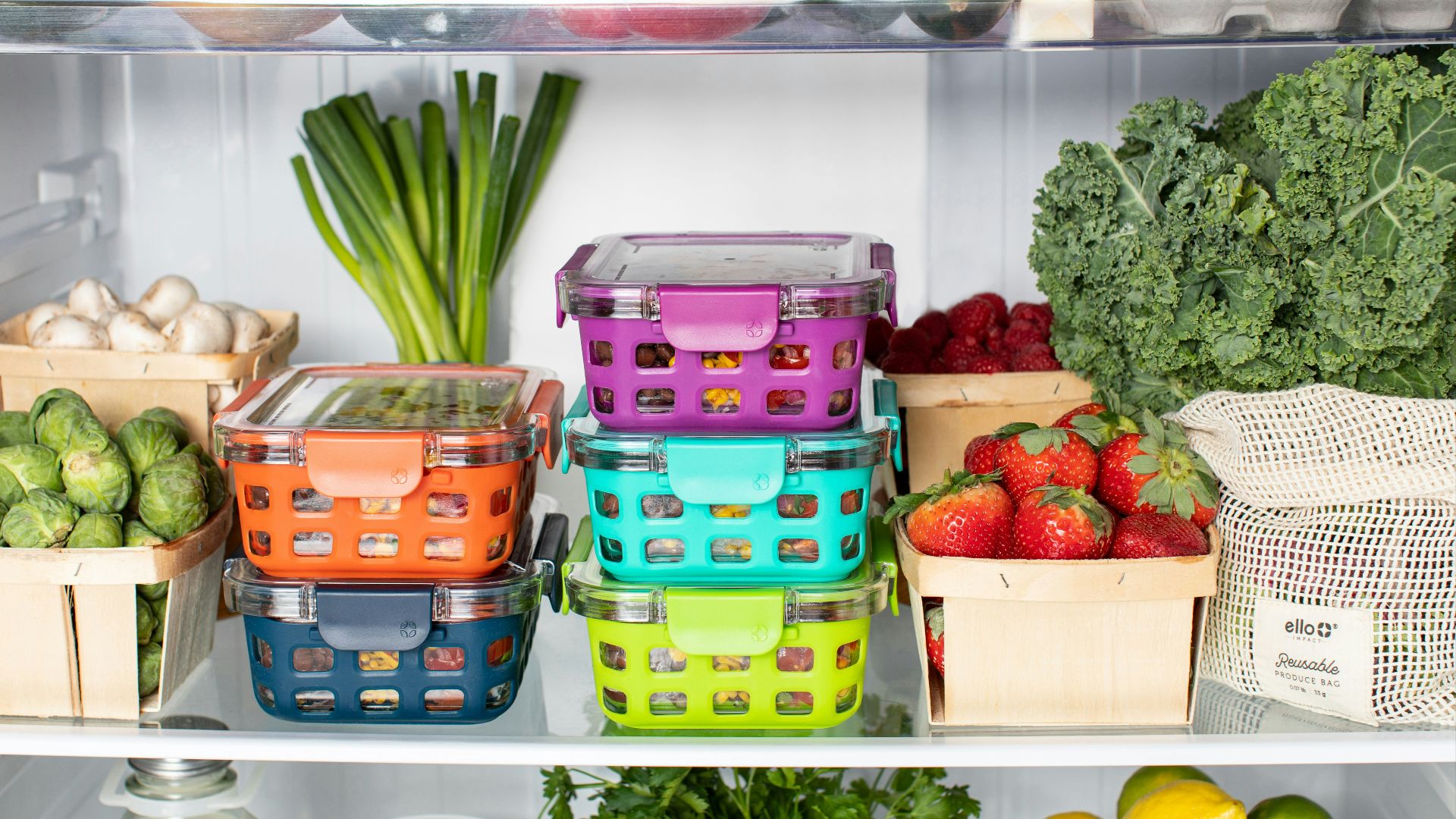
Once groceries come home, low-waste shoppers don't treat that as the finish line. They put things away, make room for what needs to stay visible, and decide right away what should be frozen or used first. The EPA's guidance on preventing wasted food at home stresses that planning, prepping, and storing food properly can make a real difference during the week, which is less glamorous than a full pantry overhaul and far more useful.
Visibility is one of those small habits that does actually help more than we want to admit. Foods that spoil quickly, like berries, herbs, greens, and cooked leftovers, tend to get placed front and center so they don't disappear behind condiments. Shelf placement, airtight containers, and knowing what to freeze all affect how long food stays fresh.
A lot of low-waste households also make leftovers part of the plan instead of treating them as a backup plan. Extra rice, roasted vegetables, soup, or chicken can become lunch or a second dinner when they’re cared for properly. That follow-through is what ties the whole system together. People who waste less aren't shopping with more virtue than everyone else; they're making sure the groceries they bring home are useful for multiple meals.
The bigger pattern is pretty simple, even if it's easier to describe than to actually do. Plan before you shop, buy with your schedule in mind, and store food in a way that makes it easier to use. None of it is flashy, but it does save money. Cut down on that low-grade guilt that comes with throwing things out, and keep a lot more food on the plate instead of in the bin.
KEEP ON READING

20 Fast Food Items With Surprisingly Weird Origins