For decades, monosodium glutamate (MSG) has been treated like a dietary villain—something to avoid at all costs. You've probably seen "No MSG" signs proudly plastered on food packets, restaurant storefronts, or even takeout menus. The fear surrounding this flavor enhancer runs deep in American food culture, but is MSG really that bad for you?
The truth is that MSG's bad reputation isn't rooted in solid science; it's built on flawed research, sensationalized media coverage, and a troubling history of xenophobia. The U.S. Food and Drug Administration (FDA) has given MSG its "generally recognized as safe" (GRAS) designation, and regulatory bodies worldwide have concluded the same thing. That means what you've been told about MSG might be one of the most persistent food myths that the world just can't seem to shake off.
The Origin Story: How MSG Became the Public Enemy
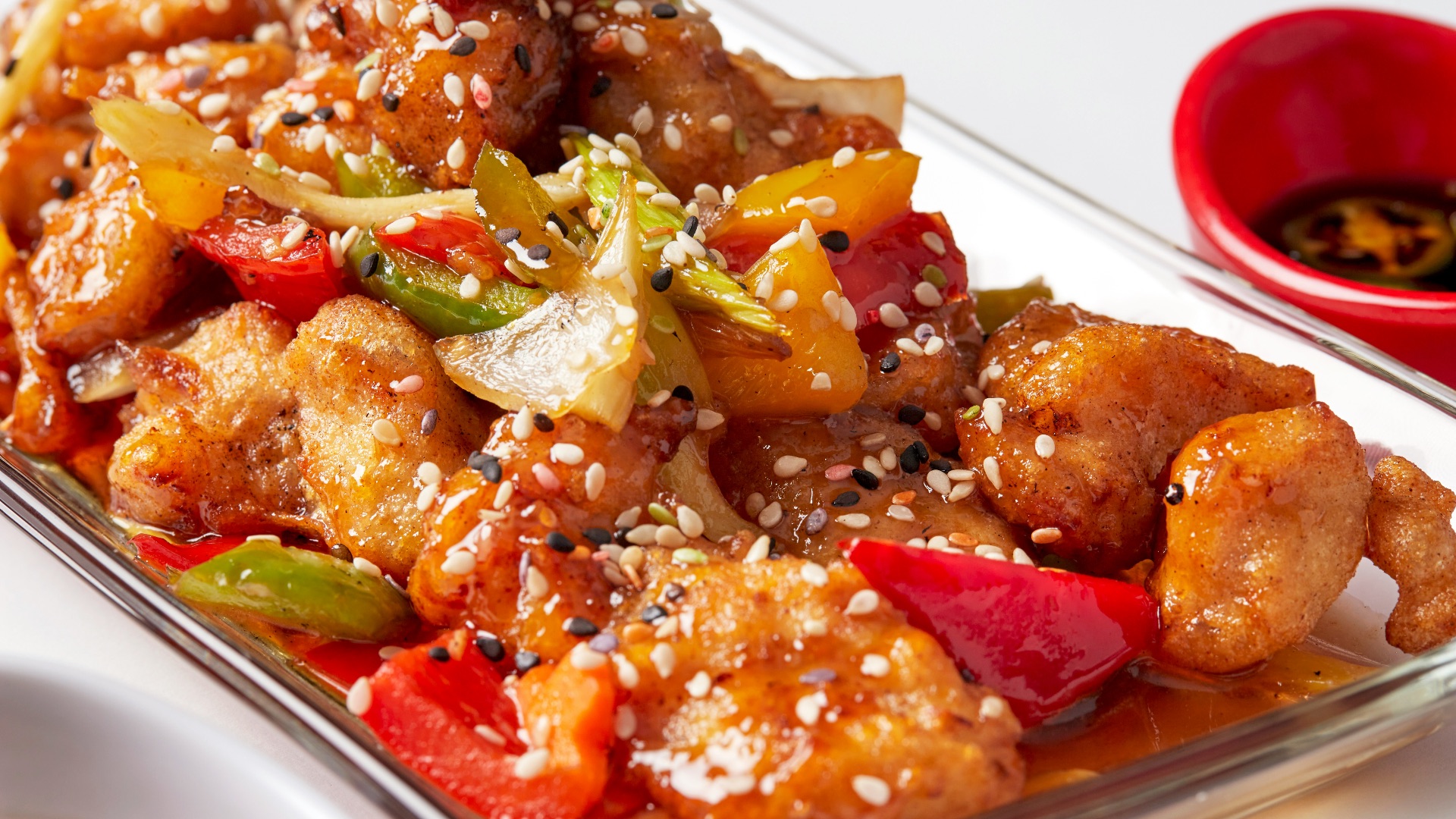
The MSG panic started with a single letter published in 1968 in the New England Journal of Medicine. A researcher named Dr. Robert Ho Man Kwok wrote about experiencing numbness and a racing pulse after eating at Chinese restaurants, speculating that cooking wine, MSG, or excessive salt might be responsible. It was soon dubbed as the "Chinese Restaurant Syndrome," and the rest became history—bad history, that is. Reader responses flooded in with similar complaints, journalists ran with sensational headlines, and scientists rushed to investigate what seemed like a legitimate health concern.
What followed was a wave of questionable research that did more harm than good. Scientists in the late 1960s conducted experiments that involved injecting extremely high doses of MSG directly into the brains of laboratory mice—amounts equivalent to a human consuming multiple ounces of pure MSG at once. These studies found negative effects, but they were completely divorced from how people actually consume MSG in food. Numerous studies published later on found no evidence supporting a connection between MSG ingestion and experiencing symptoms, but the damage was already done.
The term "Chinese Restaurant Syndrome" itself became so problematic that campaigns in recent years have pushed to eliminate it from the lexicon. Until 2020, Merriam-Webster Dictionary included and defined it as a legitimate medical condition, despite mounting evidence that it was based on racial bias rather than actual science.
What Science Actually Tells Us About MSG Safety
When you strip away the sensationalism and look at rigorous scientific evidence, MSG's safety profile becomes clear. In the 1990s, the FDA asked the Federation of American Societies for Experimental Biology (FASEB) to investigate MSG's safety, and they concluded that MSG is safe, noting that any ill effects were mild and short-lived. These effects typically occurred only with large doses—more than 3 grams—consumed without food, which doesn't reflect normal eating patterns. The average American consumes around 500 mg of MSG per day from various sources, well below any threshold that might cause problems.
International regulatory bodies, including the World Health Organization, have set recommended daily intake limits that are far higher than what most people consume. What's more, MSG doesn't behave any differently in your body than the glutamate that occurs naturally in foods like tomatoes, Parmesan cheese, and mushrooms. Put simply, your digestive system can't tell the difference between manufactured MSG and the glutamate you get from eating a sun-ripened tomato.
Some people do report sensitivity to MSG, experiencing symptoms like headaches or flushing after consuming it, but research shows it affects only a very small percentage of people. Again, the FDA notes these side effects are most likely to occur after someone with MSG sensitivity has consumed 3 grams or more without food, which is an unlikely scenario since most foods contain less than 0.5 grams of added MSG. Even more interesting is the nocebo effect at play here; when people believe MSG will make them sick, they're more likely to experience symptoms regardless of whether MSG is actually present in their food.
Beyond the Myth: MSG's Real Role in Your Diet
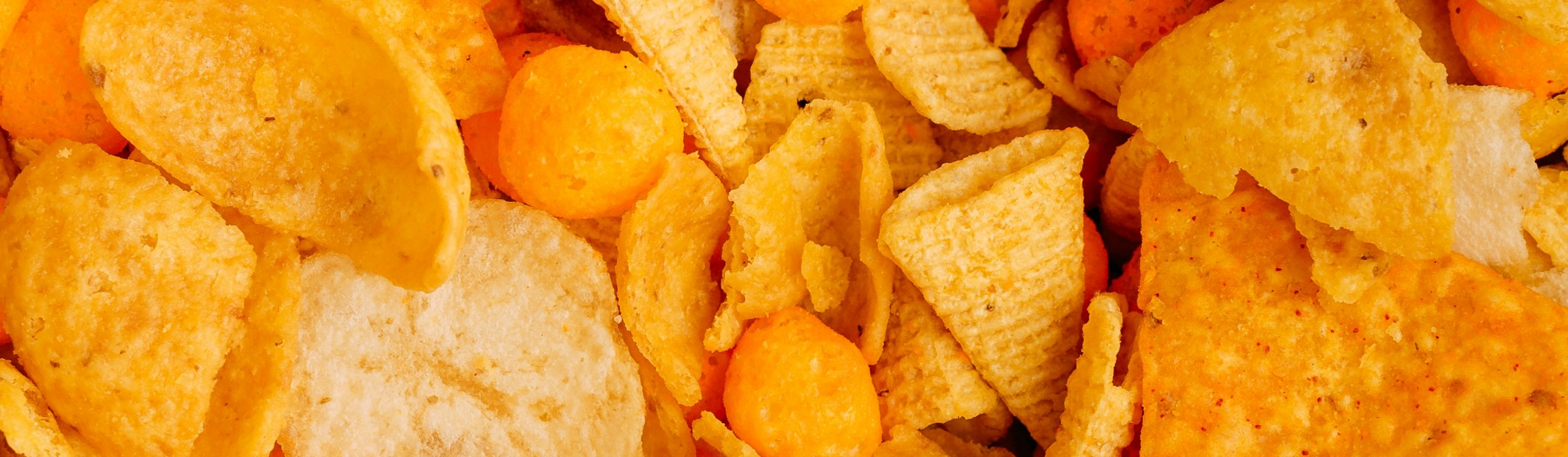
Here's something that might surprise you: MSG isn't some exotic chemical confined to Chinese restaurants. It's hiding in plain sight throughout the American food system. MSG is found in many processed and packaged foods, hot dogs, lunch meats, condiments like salad dressing and barbecue sauce, frozen pizzas, and instant noodles. That bag of Doritos you're snacking on? It contains MSG. Same with your ranch dressing and that instant ramen you make on busy weeknights. Yet somehow, these products don't trigger the same alarm bells that Chinese food does, which tells you something about the cultural biases underlying this fear.
The real issue, then, isn't MSG itself but the ultra-processed foods it's often found in. These products tend to be high in calories, unhealthy fats, added sugars, and sodium, regardless of whether they contain MSG. When studies link MSG consumption to health problems like obesity, it's usually because MSG-containing foods are part of an overall poor diet rather than because MSG itself is harmful. The flavor enhancer becomes a convenient scapegoat for larger dietary issues that are much harder to address.
Understanding MSG's true safety profile matters because the myths surrounding it have caused real harm. Chinese restaurants have suffered economically, Asian food has been unfairly stigmatized, and home cooks have been scared away from a perfectly safe ingredient that could enhance their cooking. It's time the public perception caught up with what the science has been telling us for decades: MSG isn't the villain it's been made out to be, and the fears surrounding it have more to do with prejudice than with any legitimate health concern.