10 Popular Dishes with Native American Origins & 10 Native Meals You're Never Heard Of
10 Popular Dishes with Native American Origins & 10 Native Meals You're Never Heard Of
The Foods That Were Here Long Before the “Classics”
A lot of the foods people call “American staples” are built on Indigenous ingredients, techniques, and foodways that existed long before colonists showed up. Since Native nations are diverse, the same dish can have different names, variations, and meanings depending on where you are, so think of this as a tasty starting point rather than a single definitive menu. If you’ve ever eaten corn, beans, squash, maple, or wild rice, you’ve already been enjoying Native roots, whether you realized it or not. Here are 10 classic American dishes with Indigenous roots and 10 you may not have heard of.
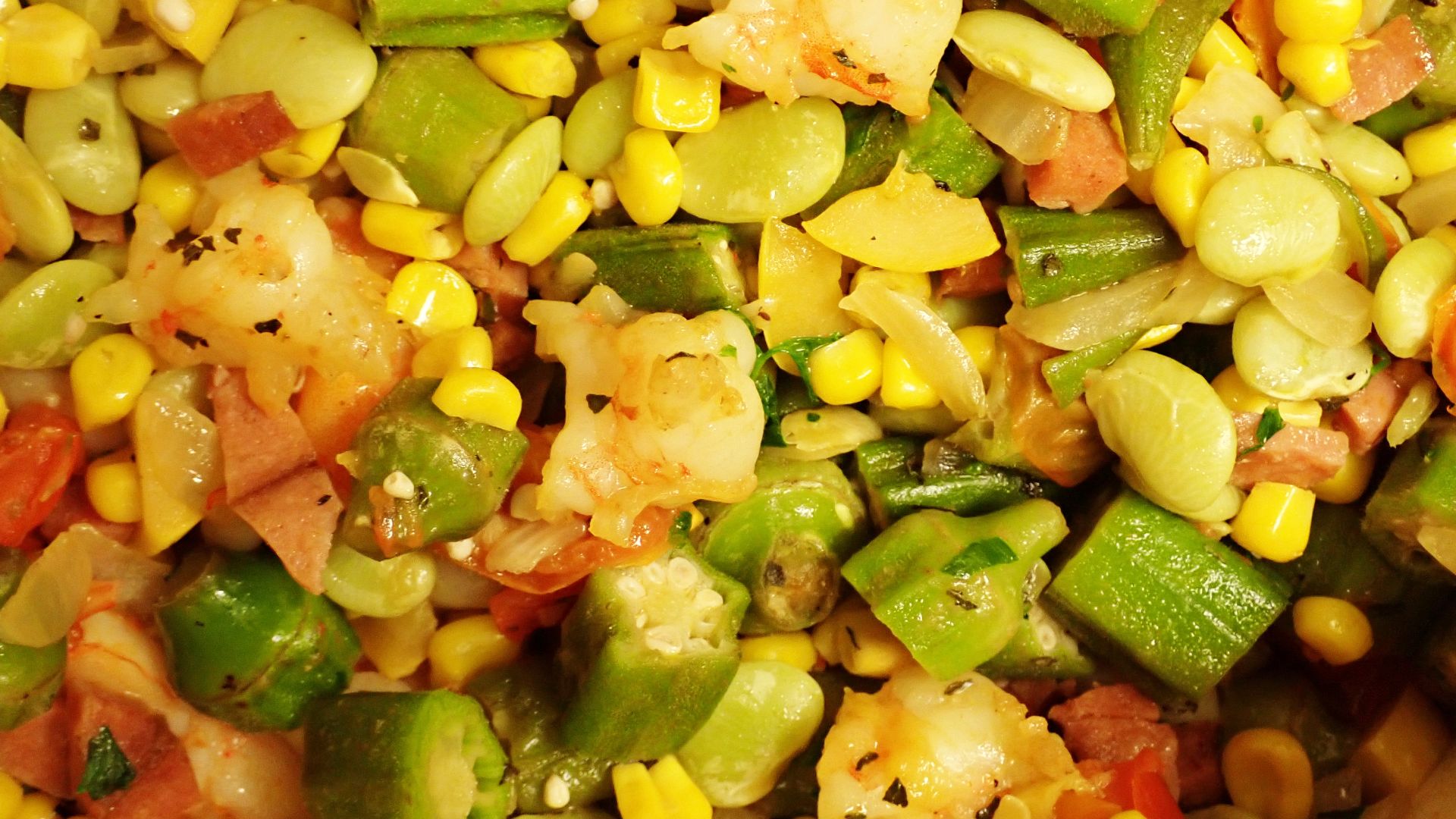
1. Succotash
Succotash comes from Indigenous cooking in the Northeast and is closely tied to the “Three Sisters” tradition of corn and beans (often with squash, too). The name traces back to the Narragansett language, which is a pretty clear hint that this dish didn’t start in a modern test kitchen.
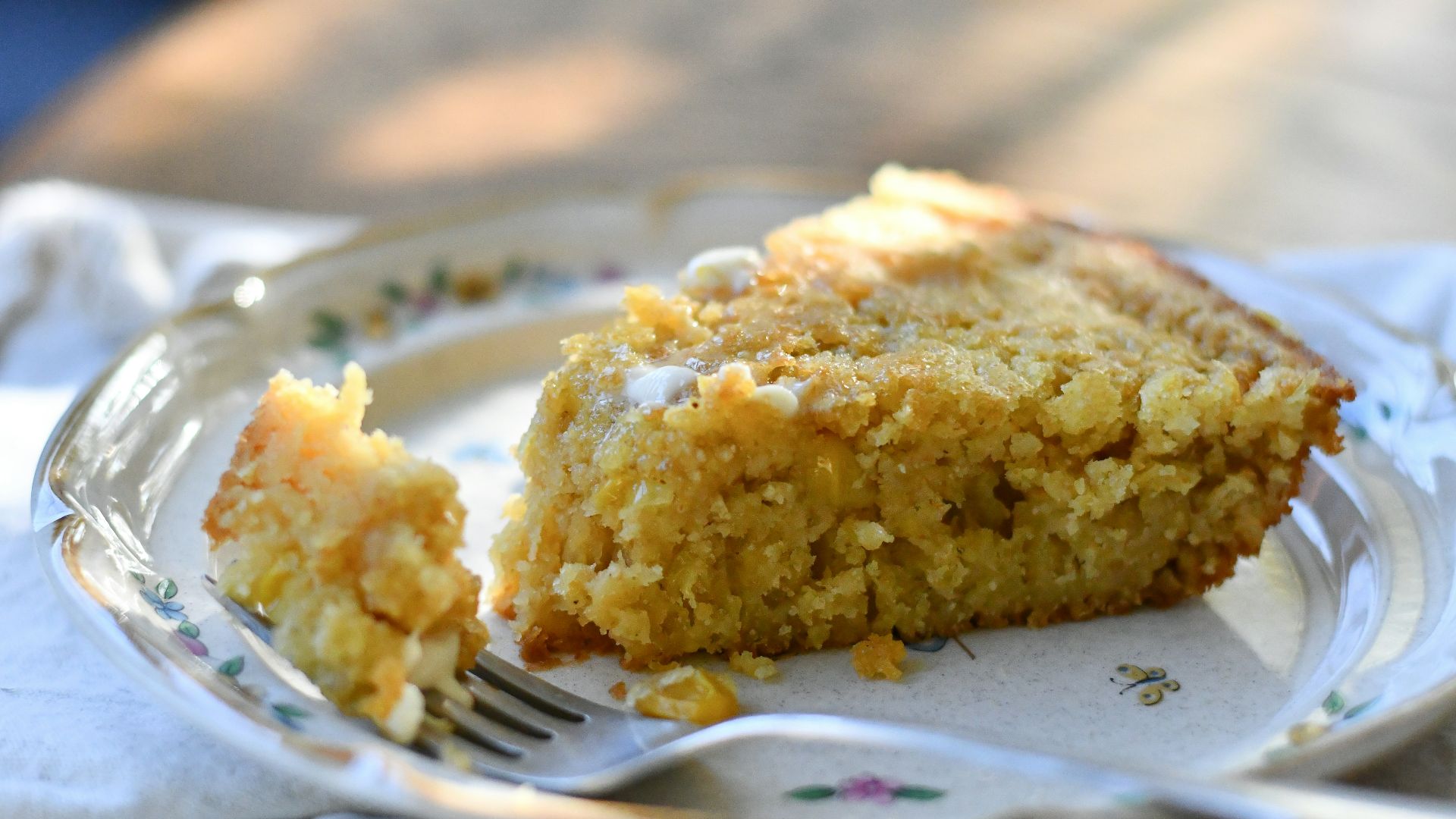
2. Cornbread’s Ancestors
Before cornbread became a potluck regular, Native communities were already working with cornmeal in practical, delicious ways. Early colonists adopted both the ingredient and methods, and even terms like “pone” are linked to Native language roots. If you’ve got a soft spot for warm cornbread, you’re not alone, and you’re also not the first.
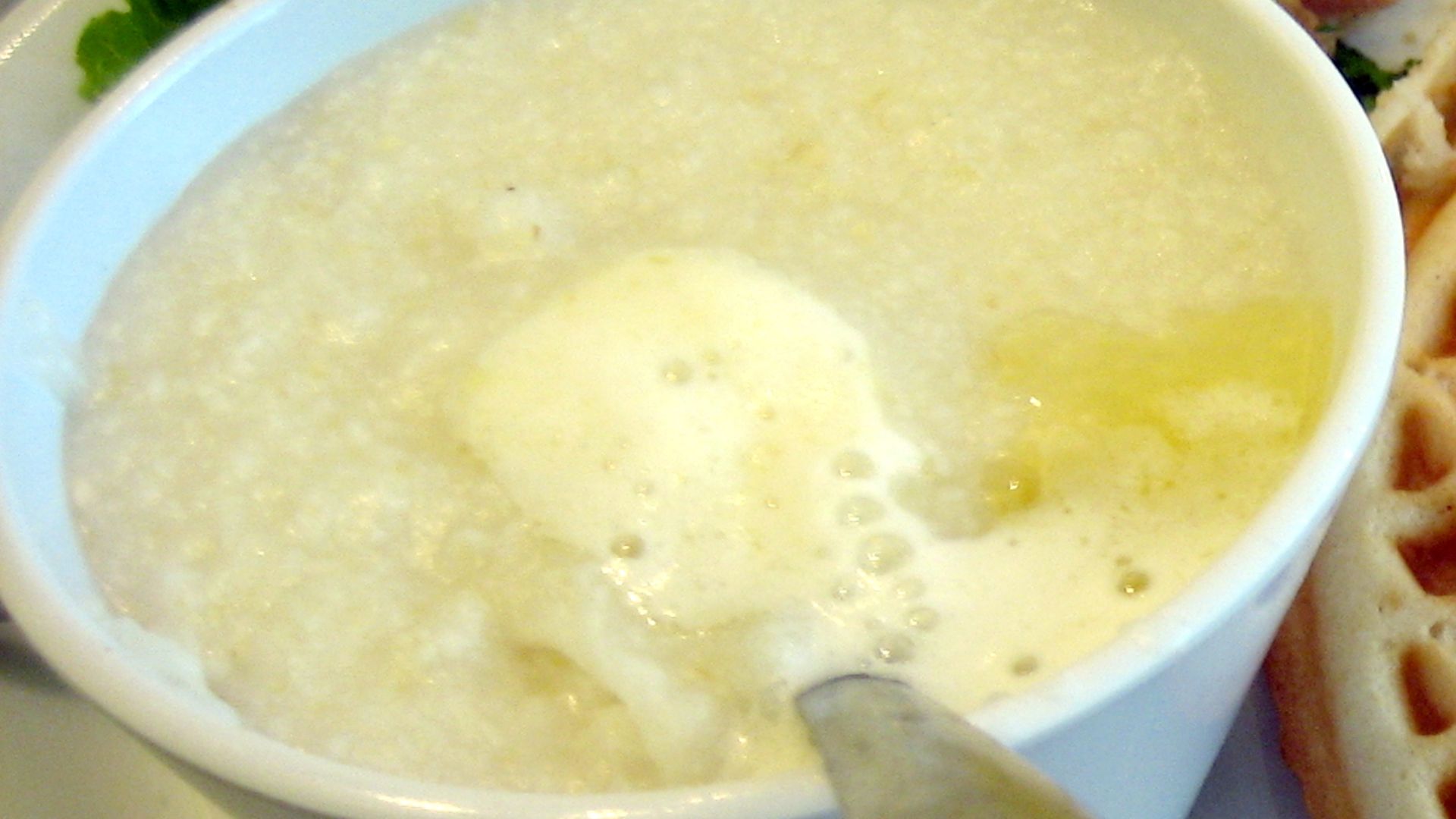
3. Hominy & Grits
Hominy is corn treated with an alkaline solution, a process that Indigenous peoples used to transform corn’s texture and usefulness. That treated corn can be ground into grits, which later became a beloved staple in the South. The next time you’re stirring a bowl of cheesy grits, just know there’s serious tradition behind that spoonful.
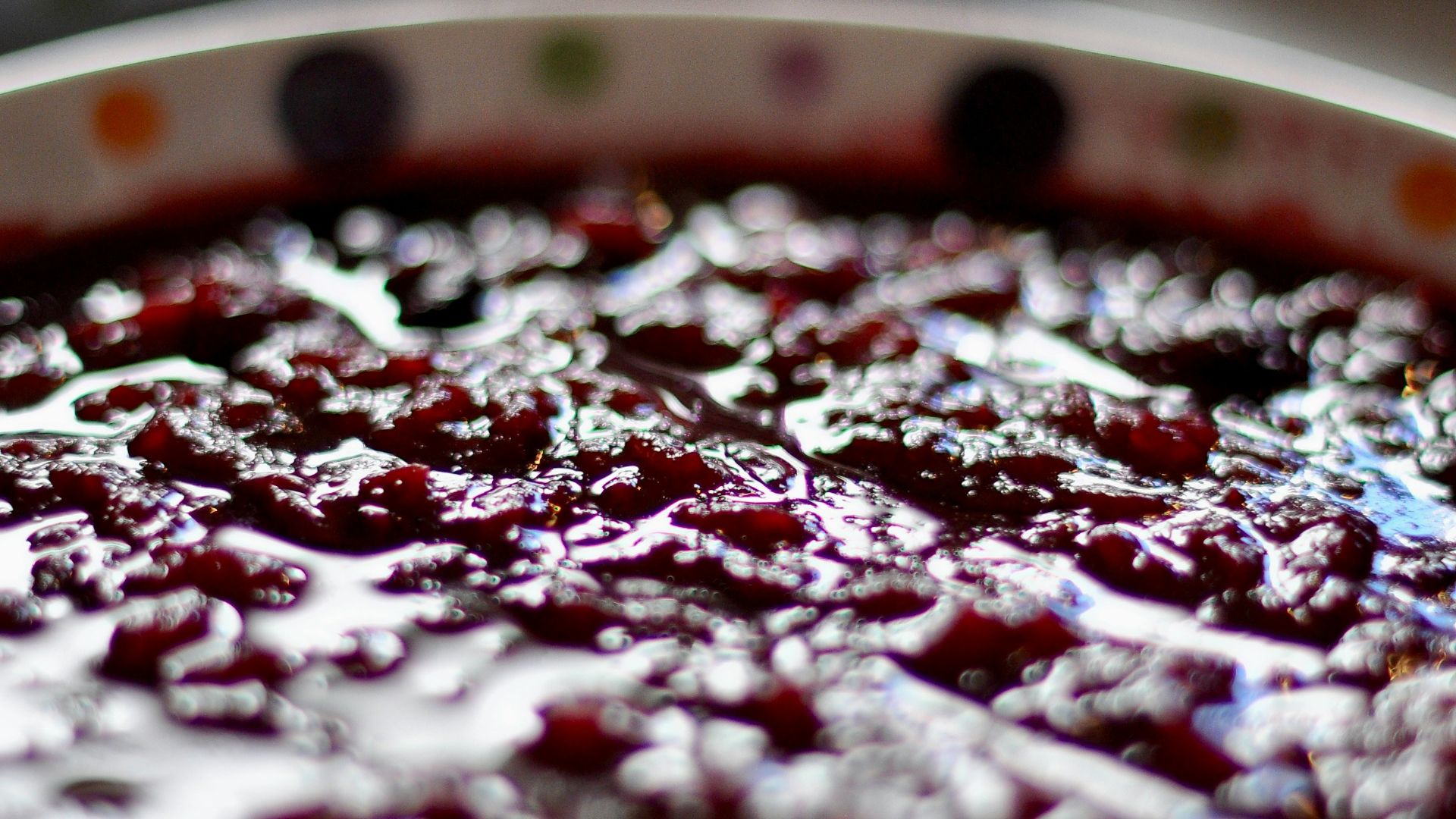
4. Cranberry Sauce
Long before cranberry sauce became a holiday side, Native peoples in the Northeast used cranberries for food and preservation. Cranberries were even mixed into foods like pemmican, a kind of jerky, showing they weren’t just a “once a year” ingredient. If your plate isn’t complete without that tangy bite, you’re unknowingly keeping a very old flavor tradition alive.
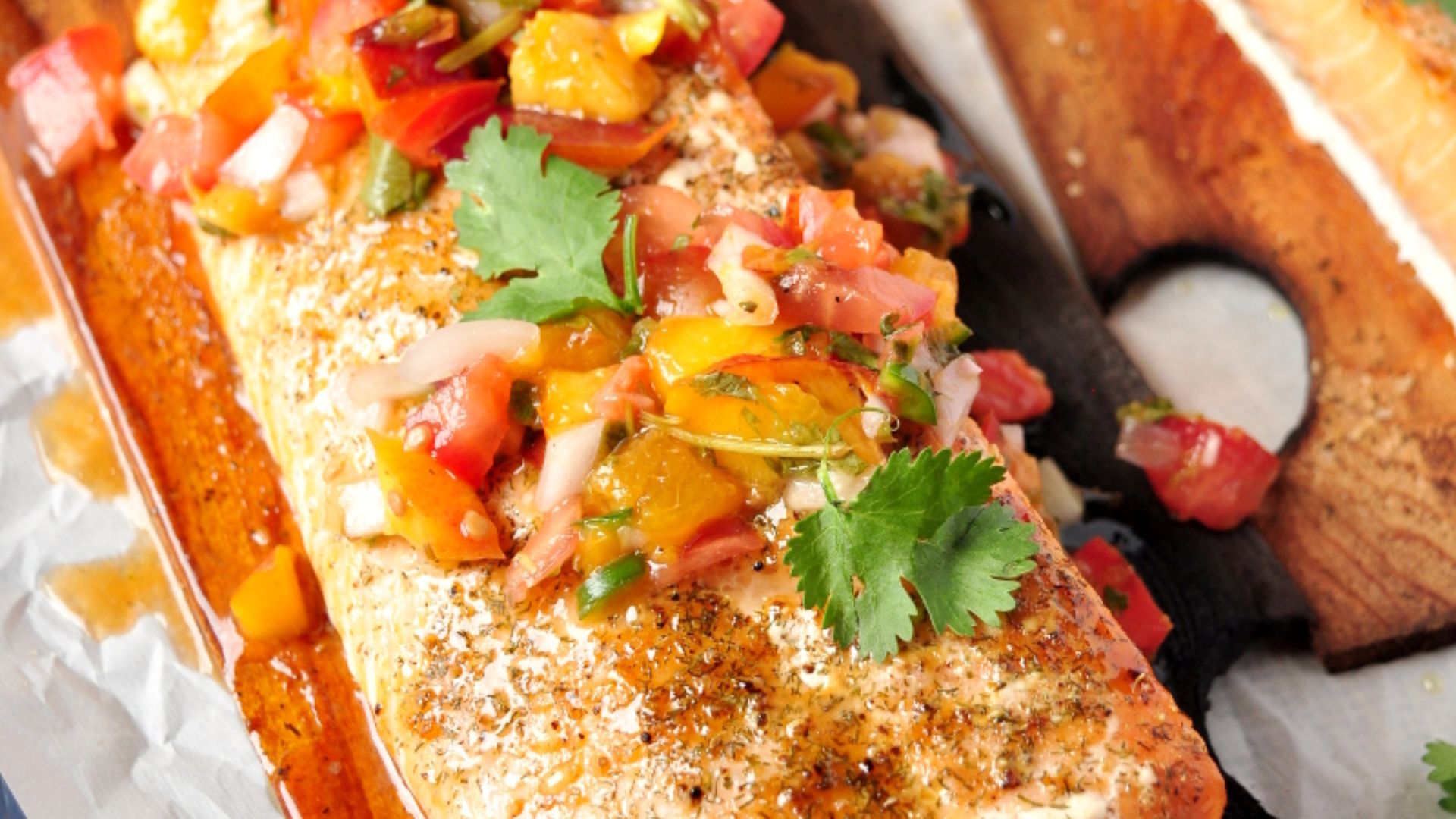
5. Cedar-Plank Salmon
You've probably seen cedar-plank salmon on the menu of upscale restaurants in recent years, but it actually has its roots in Pacific Northwest cooking tradition. The cedar adds a gentle smoky aroma from the wood, which also helps the fish stay moist and tender.
6. Popcorn
Popcorn comes from maize, which originated in the Americas, and popped corn has a long history across Indigenous cultures. It’s funny how something you buy at the movies has such deep roots, but that’s food for you. Next time you hear kernels popping, you’re listening to a tradition that’s been around a very long time.

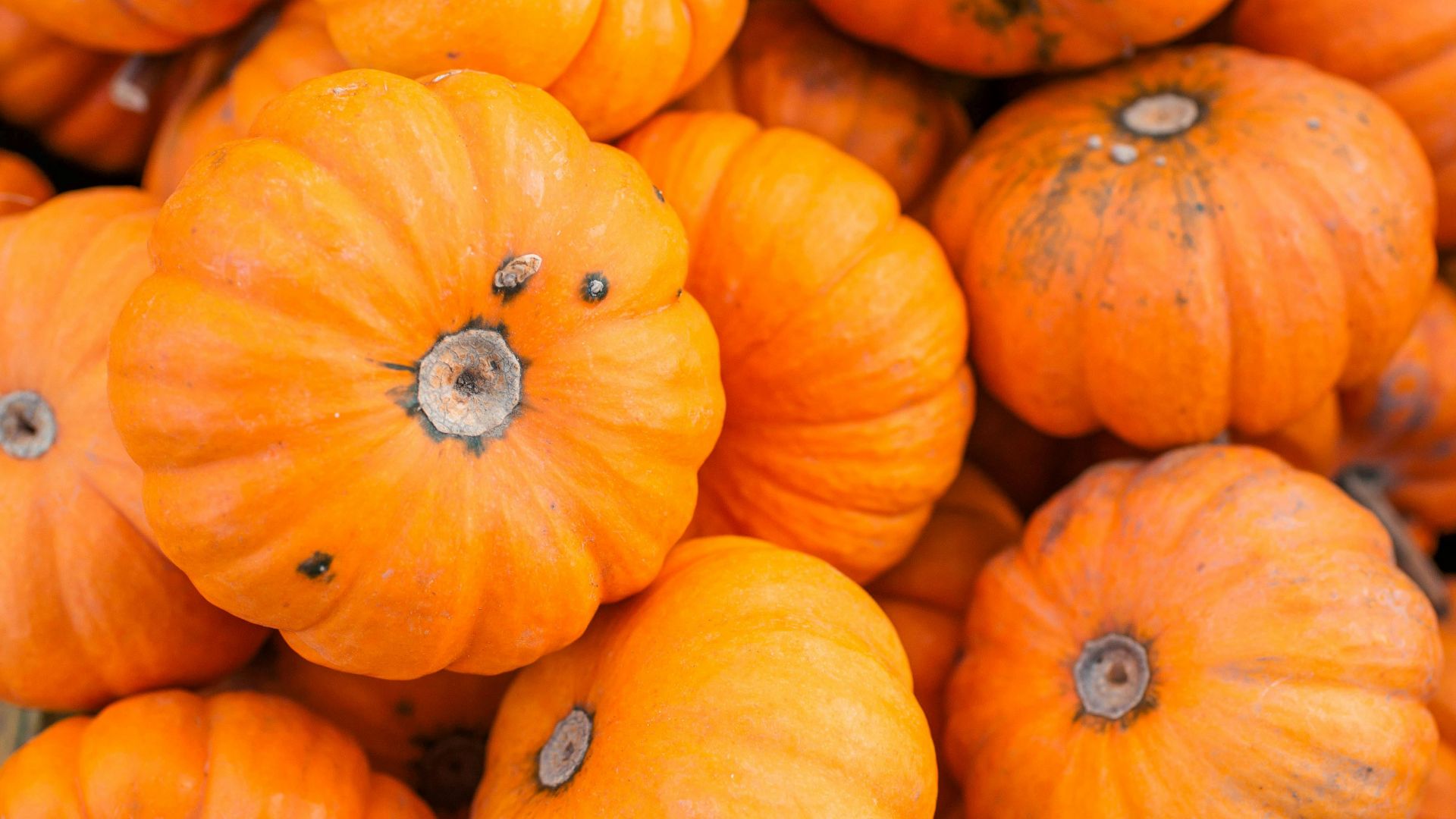
7. Pumpkin Dishes
Squash and pumpkins are native to the Americas, and Indigenous cultivation shaped how these foods became staples. Over time, pumpkin moved into all sorts of mainstream favorites, from soups to baked desserts, but the foundation is Indigenous agriculture. If you’re team pumpkin everything, you’re celebrating a crop with deep roots.
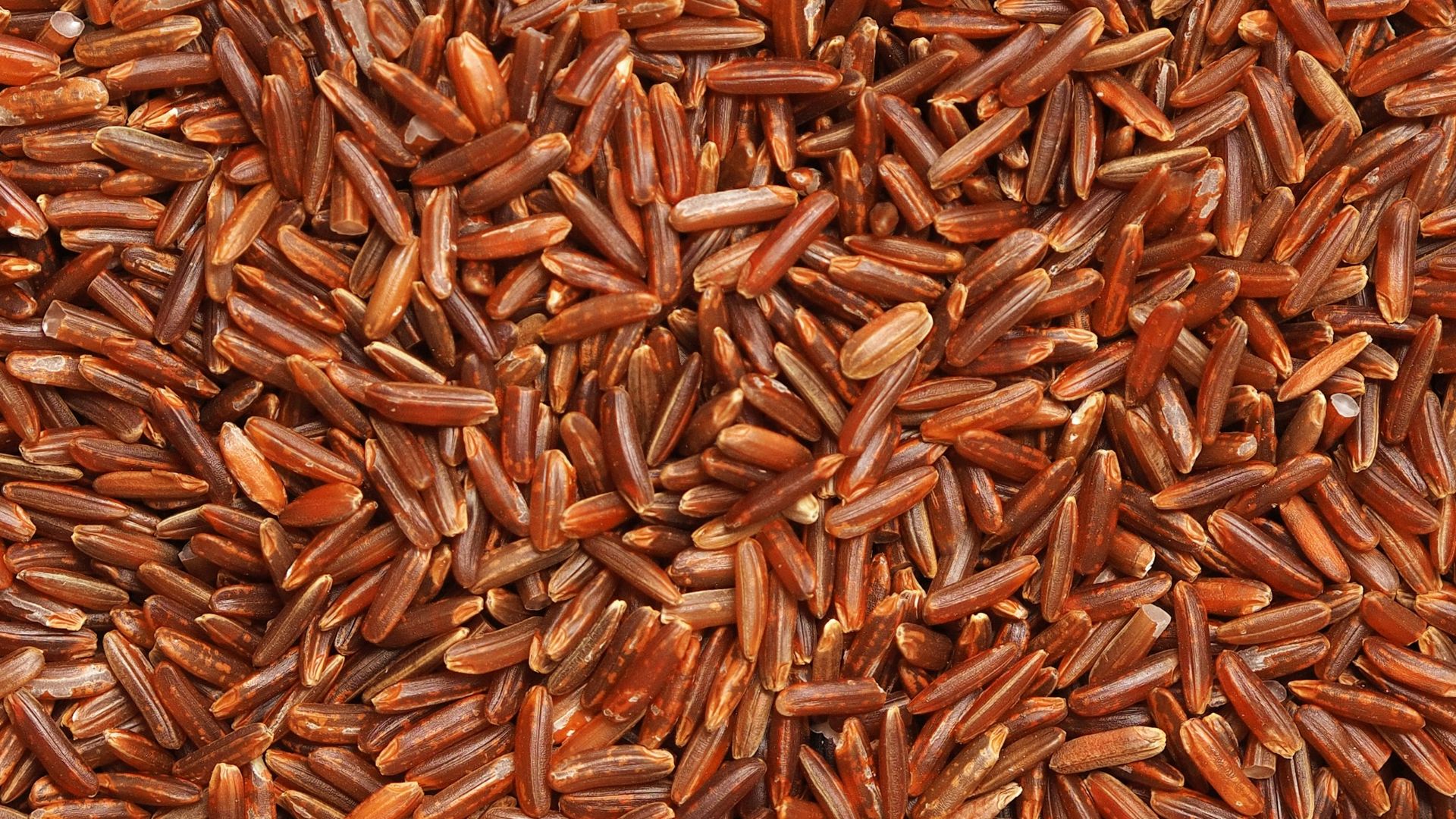
8. Wild Rice
Wild rice, known as manoomin to the Ojibwe/Anishinaabe, is more than a side dish, and it holds cultural significance as a long-standing staple. In modern kitchens, it shows up in salads, soups, and pilafs, but it’s still tied to place, season, and tradition. When you choose wild rice over basic rice, you’re upgrading your meal and connecting with tradition.
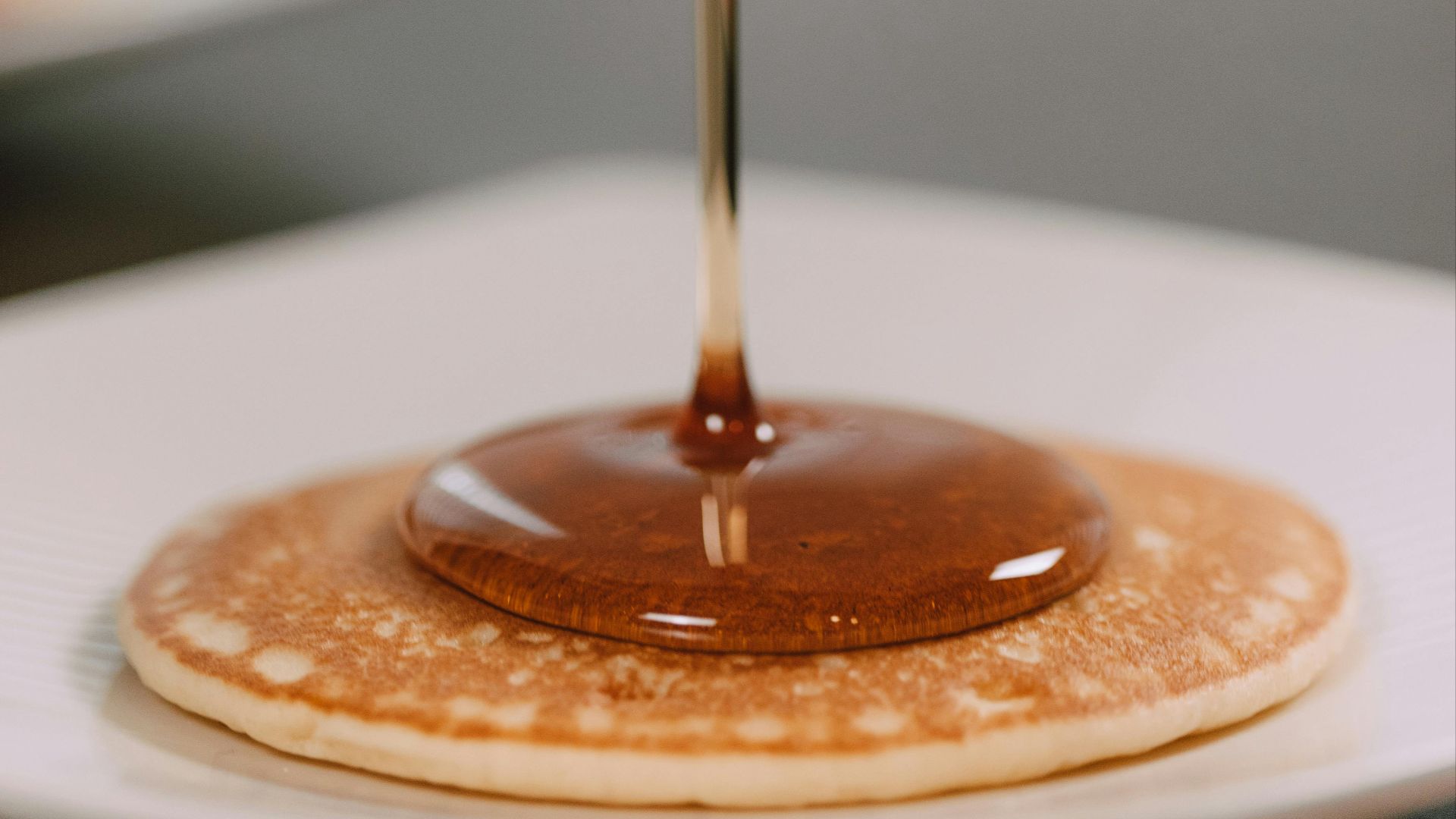
9. Maple Syrup on Everything
Maple sugaring was practiced by Indigenous peoples in the Northeast long before it became a breakfast topping. Today it’s poured onto pancakes, mixed into glazes, and baked into desserts like it’s always been in the pantry. If you keep real maple syrup around, you’re treating yourself and honoring a genuinely old craft.
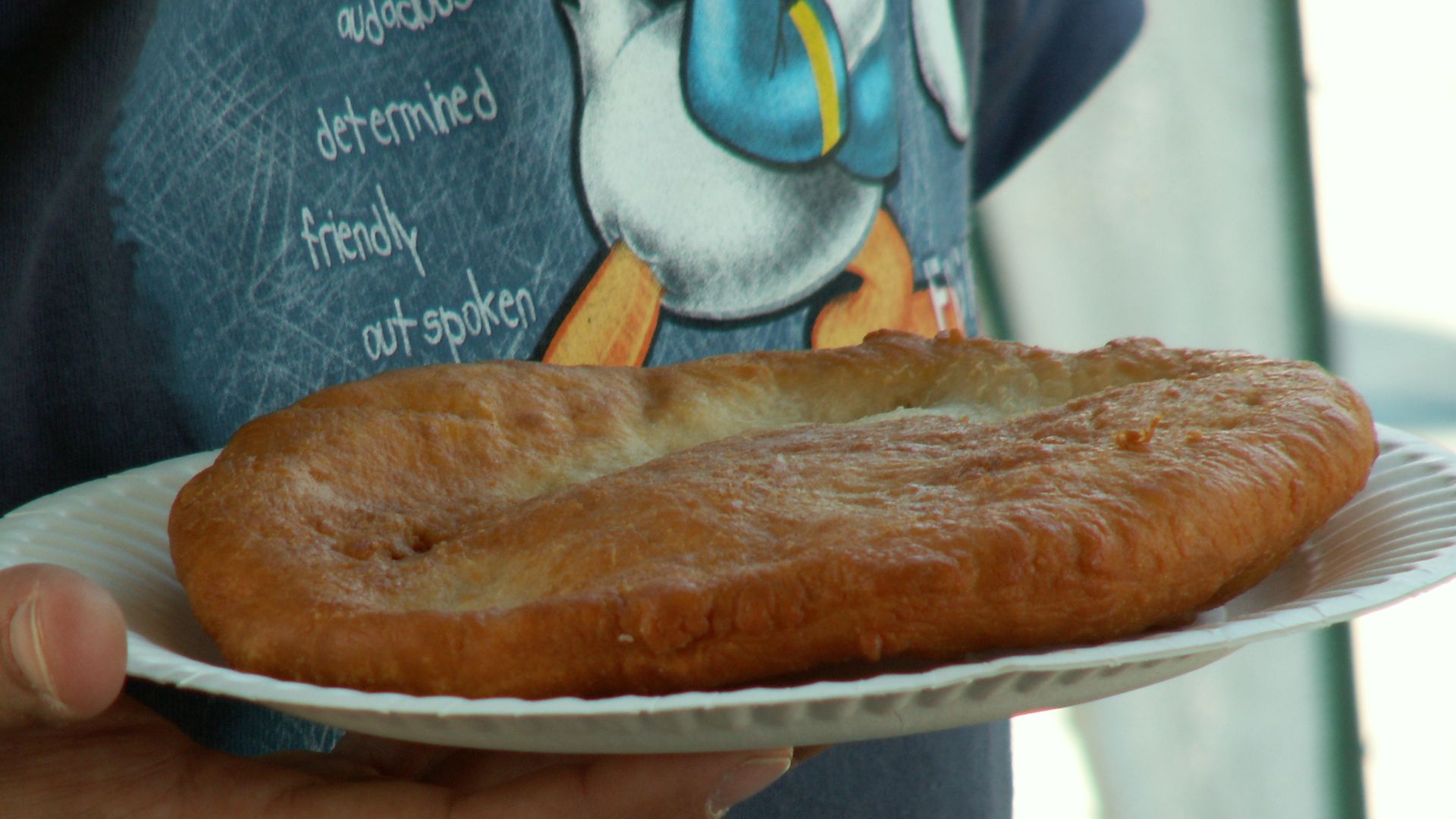
10. Frybread
Frybread’s origins are linked to the 1860s, when the Diné (Navajo) were forcibly removed from their homelands and had to rely on government rations like flour and lard. It became widespread and iconic, but many people also view it as a food shaped by hardship as much as resilience. If you’ve ever crushed a Navajo taco, you’ve tasted something with a history that deserves respect.
Now that we've covered some popular dishes with Native origins, let's talk about some you've probably never heard of.
1. Kanuchi
Kanuchi is a Cherokee soup made from hickory nuts that turns simple ingredients into something rich and comforting. It’s creamy in a way that feels both rustic and surprisingly elegant. Once you hear about it, you’ll wonder why it isn’t a cold-weather staple everywhere.
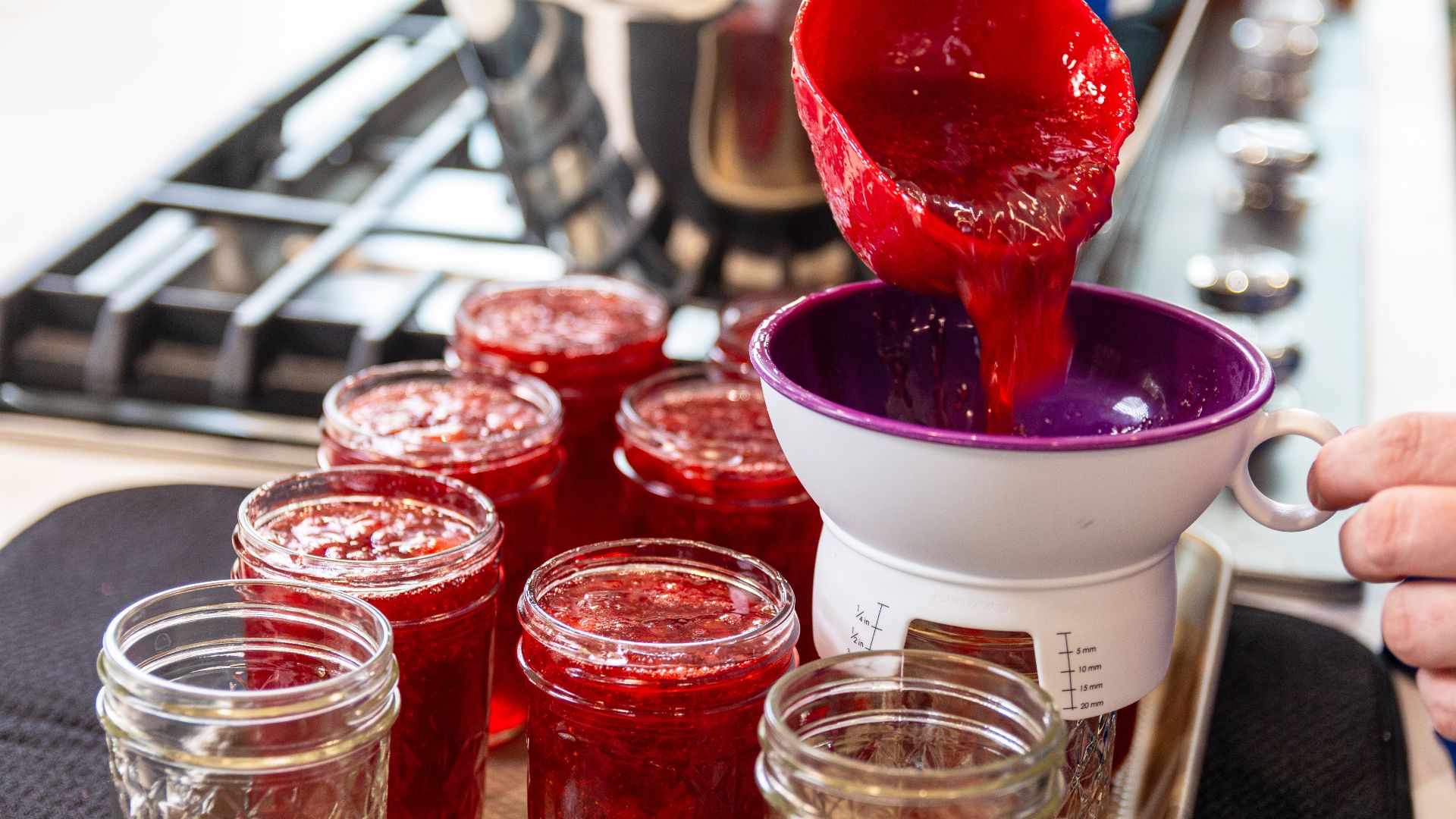
2. Wojapi
Wojapi is a traditional berry sauce rooted in Lakota and Dakota traditions, often made from berries like chokecherries. It can be thick, tangy, and cozy, which is why people love it with frybread and plenty of other foods. Try it once, and you’ll start wanting to pair it with everything in your kitchen.
 Alabama Extension on Wikimedia
3. Three Sisters Stew
This stew centers corn, beans, and squash, the “Three Sisters” crops grown together by many Native peoples for centuries. It’s hearty without being heavy, and it tastes like the kind of meal that actually takes care of you. If you want comfort food that also feels grounded, this one fits the bill.
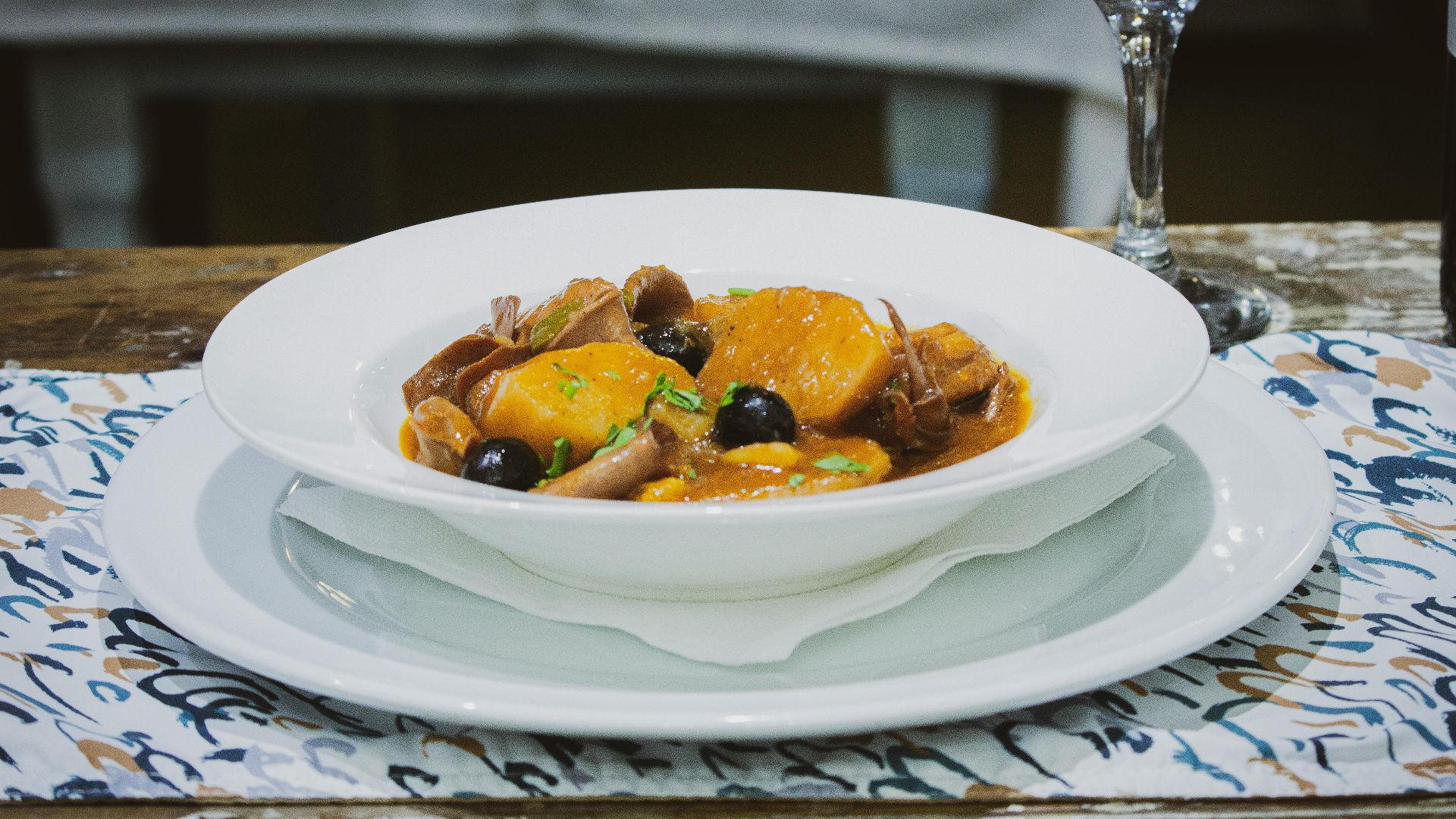 TUBARONES PHOTOGRAPHY on Pexels
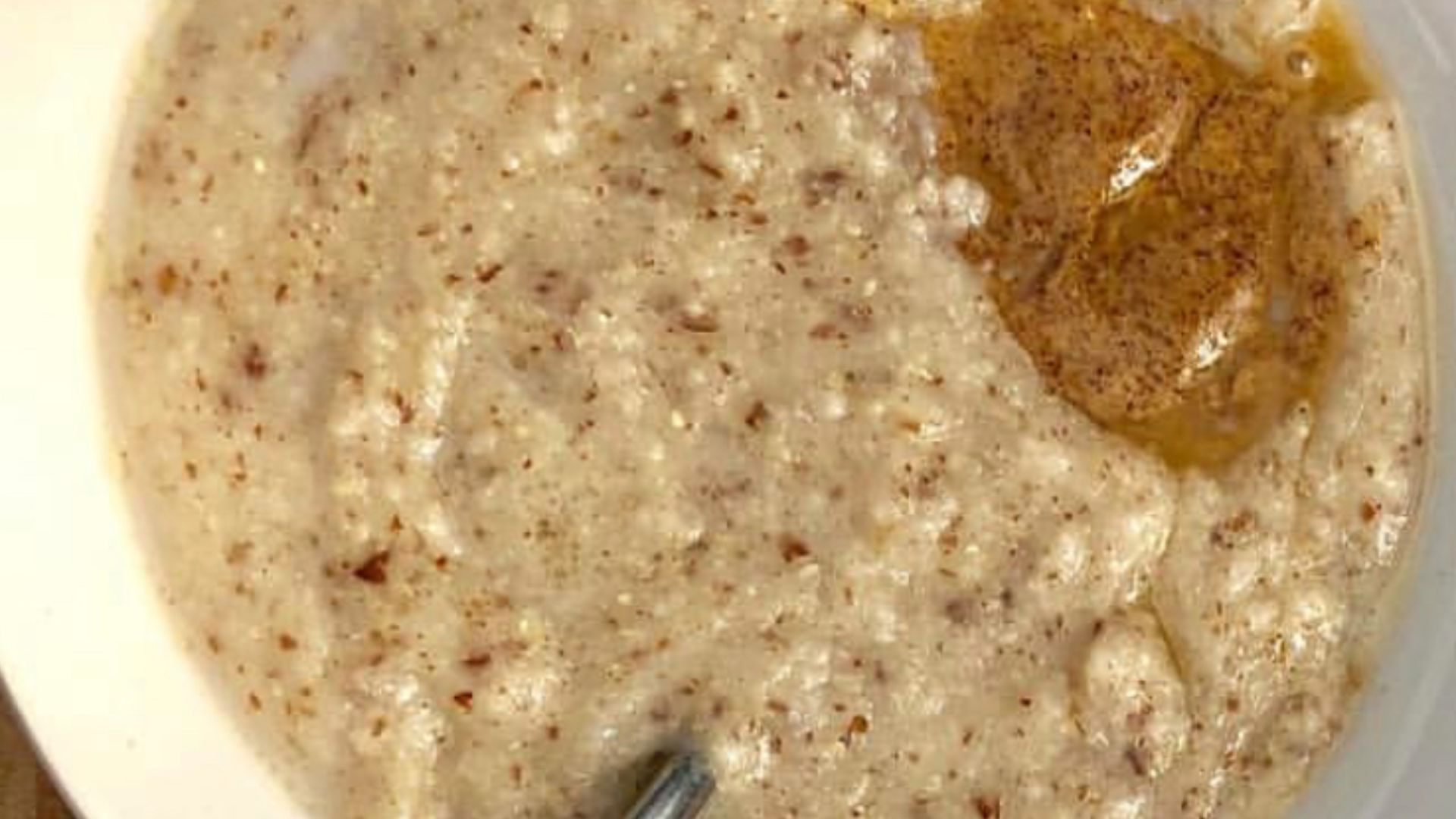
4. Nasaump
Nasaump is a traditional Wampanoag cornmeal porridge often made with berries and nuts. It’s hearty, flexible, and the texture lands somewhere between oatmeal and grits. You’ll taste it and think, “Why did nobody tell me this existed?”
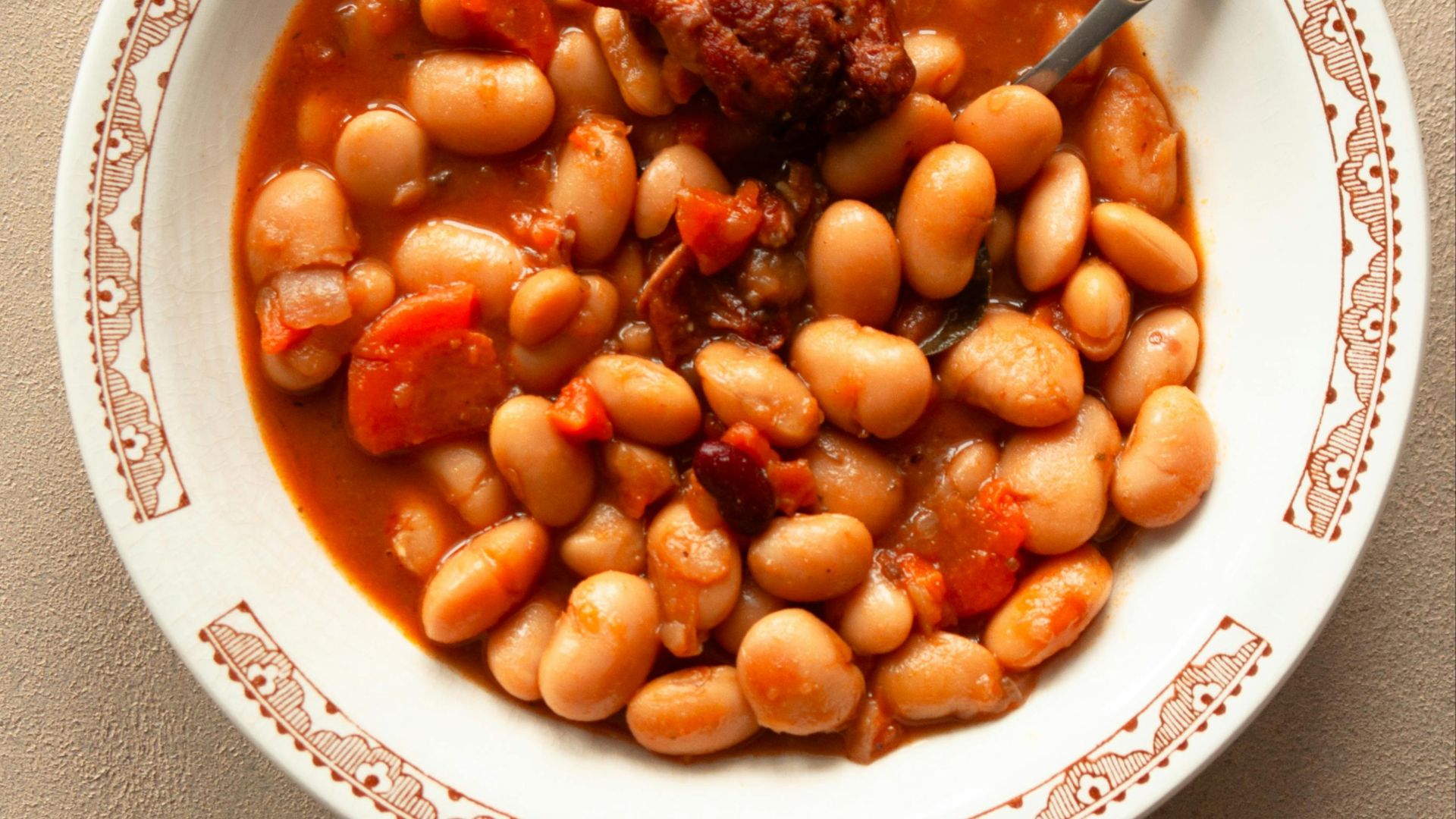
5. Sagamité
Sagamité refers to cornmeal-based soups and stews with Native American origins that also became part of French colonial cuisine. It’s a reminder that food travels, adapts, and still keeps its roots if you pay attention. If you like soups that feel both simple and historic, sagamité belongs on your list.
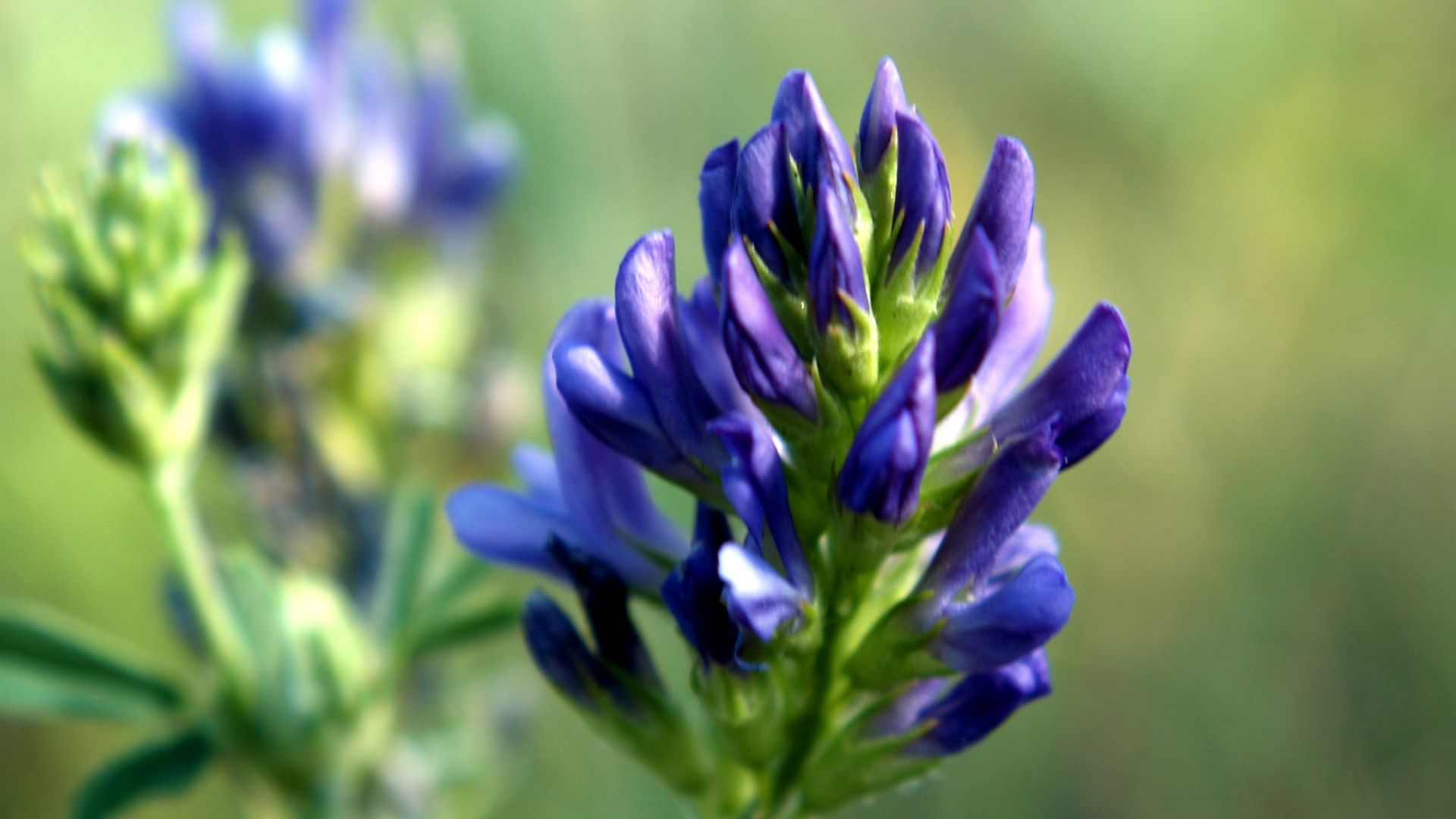
6. Timpsila
Timpsila (prairie turnip) has long been an important wild food for the Lakota, and it shows up dried, cooked, and used in hearty ways. It can be eaten in soups or used as a thickener. Learning about timpsila makes you realize the Plains pantry was never “empty,” just misunderstood.
7. Tepary Bean Stew
Tepary beans are a traditional staple in the Sonoran Desert region, including among Tohono O’odham communities, and they’re built for tough climates. Cook them low and slow, and you get a rich, satisfying stew. If you’re tired of the same beans on repeat, teparies are the upgrade you didn’t know you needed.
8. Acorn Mush
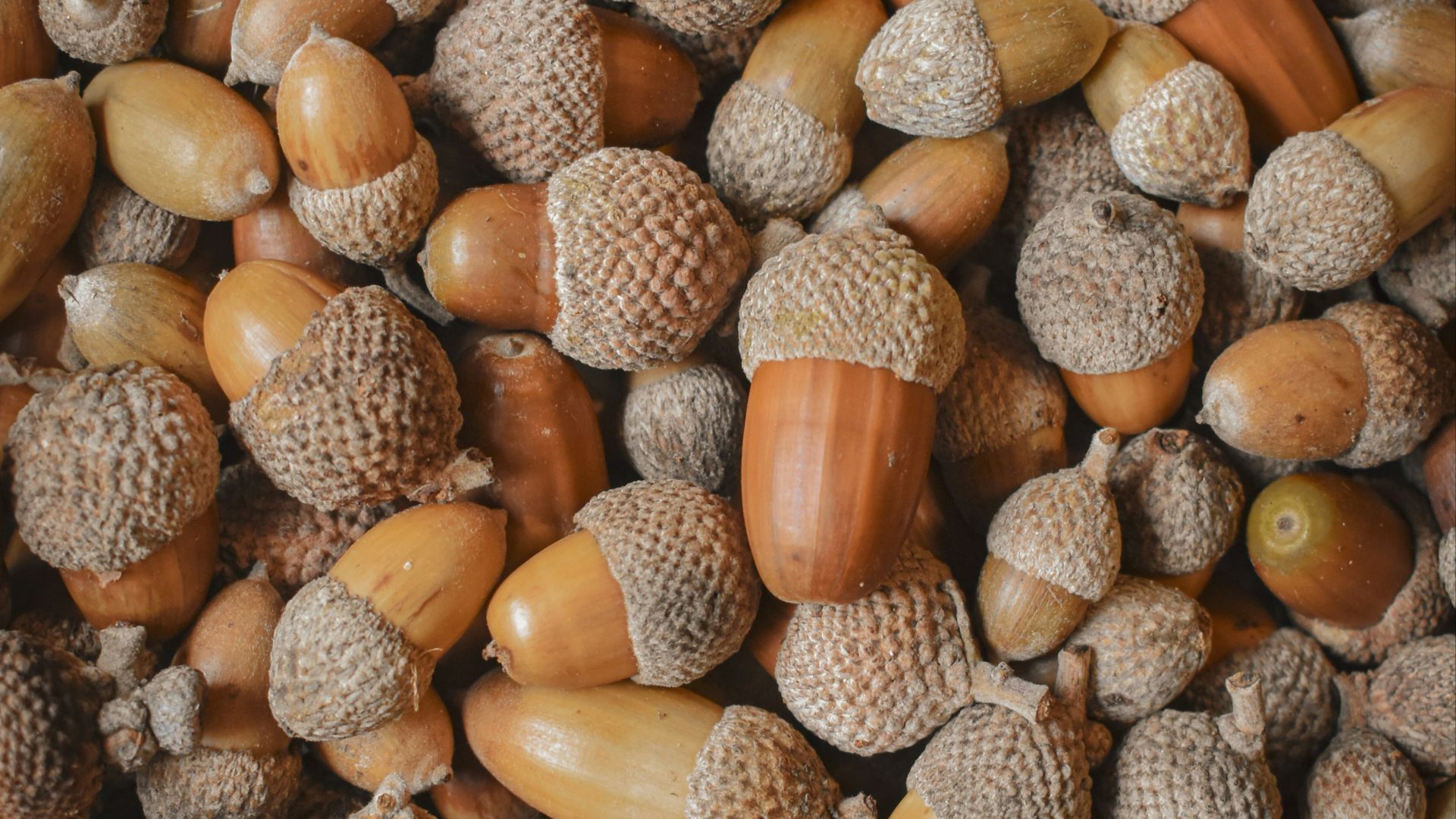
Acorn mush has been a foundational food for many Indigenous peoples in California, made by processing acorns into meal and cooking them into a porridge-like dish. The method varies by community, which makes sense because acorns and traditions aren’t one-size-fits-all. It’s the kind of food that makes you respect how much skill “simple” dishes can take.
9. Sautauthig
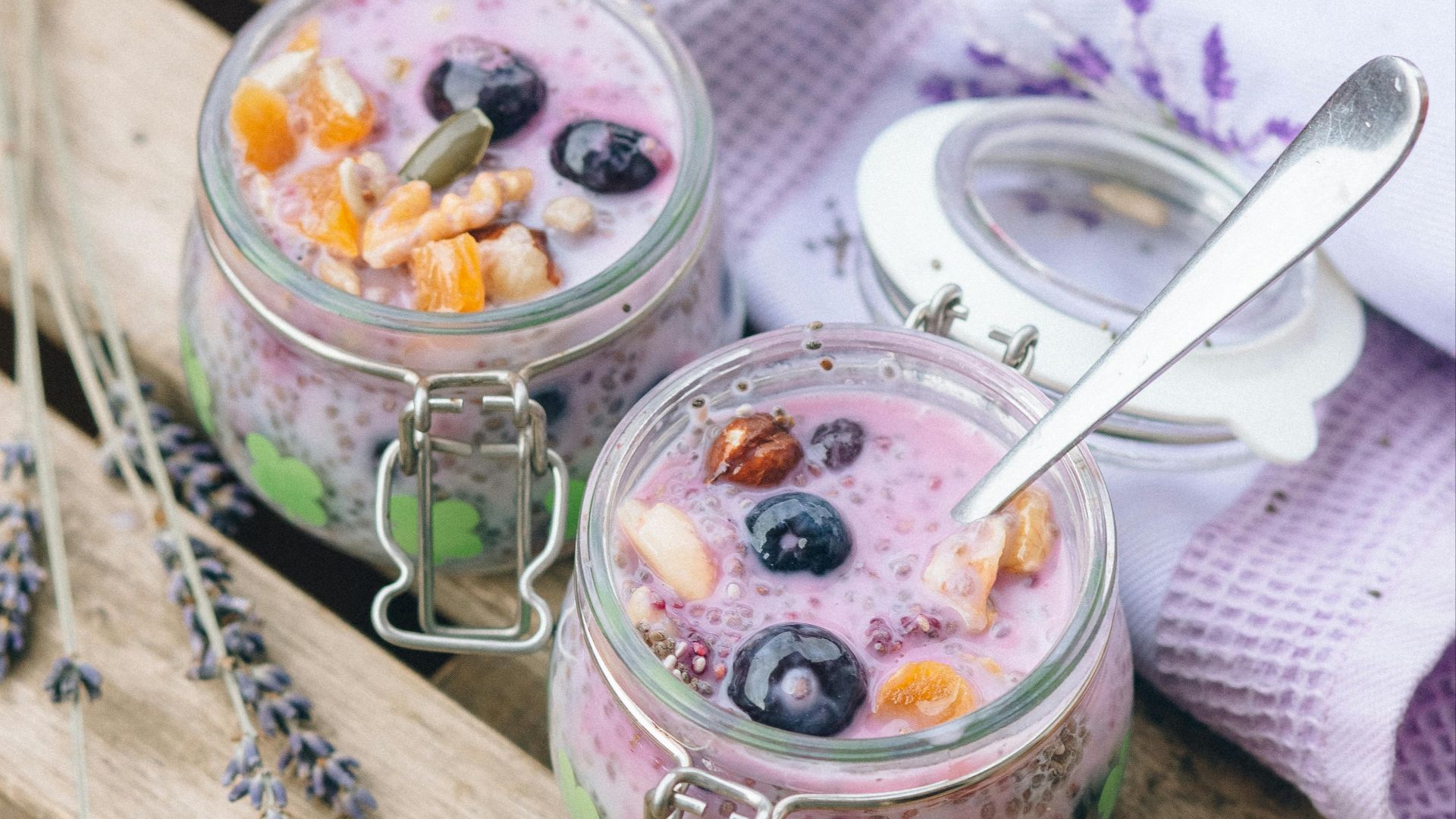
Sautauthig is a Cherokee dish that’s typically described as a pudding made with blueberries (often dried) stirred in for a sweet-tart bite. It’s the kind of simple, warming food that feels like it belongs by a fire, especially when you want something filling without a ton of fuss. If you’re expecting a flashy “food trend” moment, this isn’t it, but that’s exactly why it’s so good.
10. Wasna
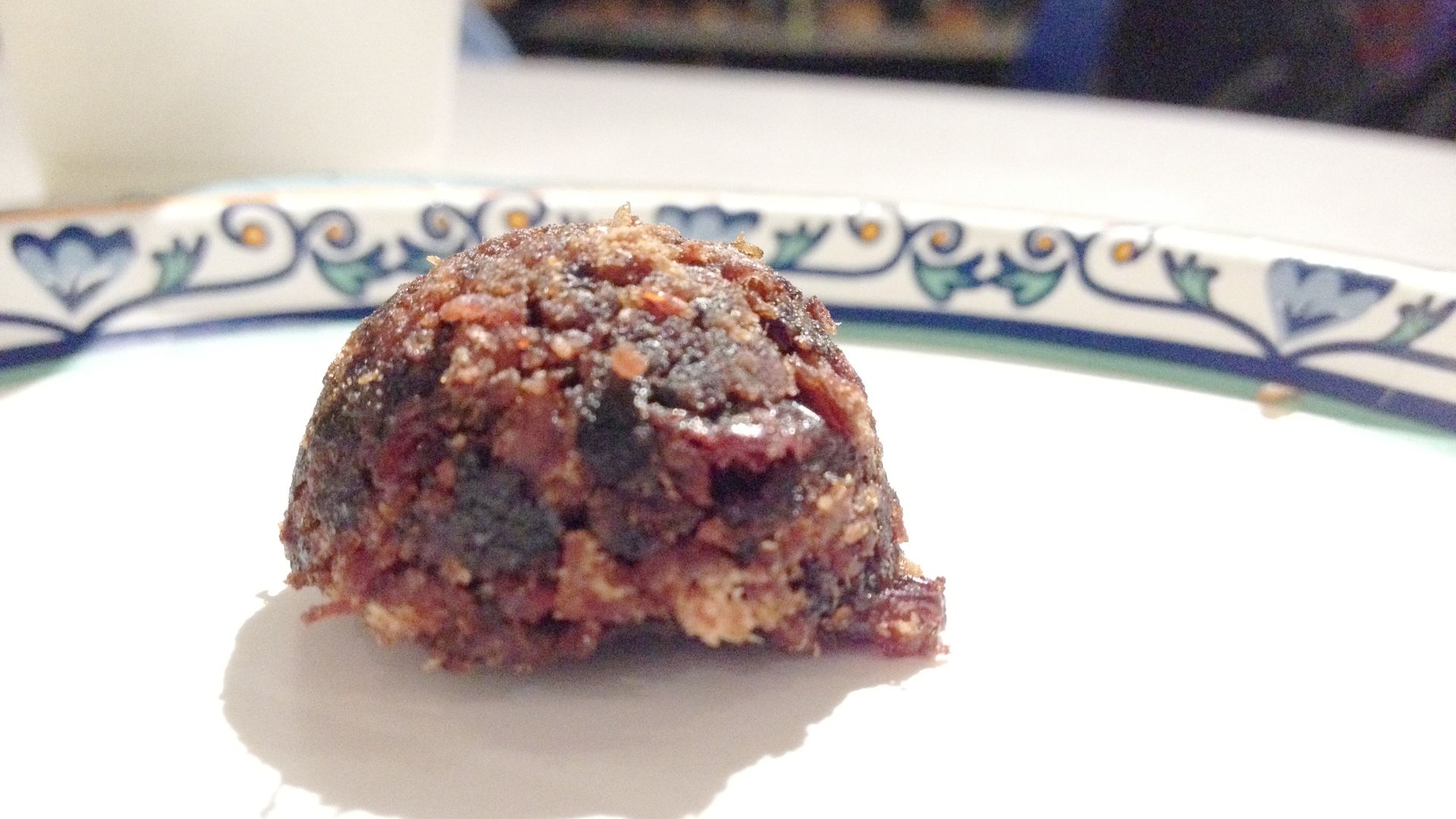
Wasna is a traditional Lakota food made from dried meat, fat, and berries, and it’s designed to be energy-dense and durable. It's like the precursor to a protein bar, except way heartier and more intense. It contributed to the survival of countless indigenous people on their various journeys and quests.
KEEP ON READING