Half Respect, Half Theater
Restaurant etiquette has turned into one of those topics where everyone has a strong opinion and half of them are made up. Somewhere along the way, a bunch of arbitrary rules got treated with the same seriousness as things that actually affect the people working around you. The truth is that some of these guidelines protect servers, kitchen staff, and other diners in real, tangible ways, while others are just leftover formality nobody bothered to question. Here are 10 rules that actually matter and 10 that don't.
 OurWhisky Foundation on Unsplash
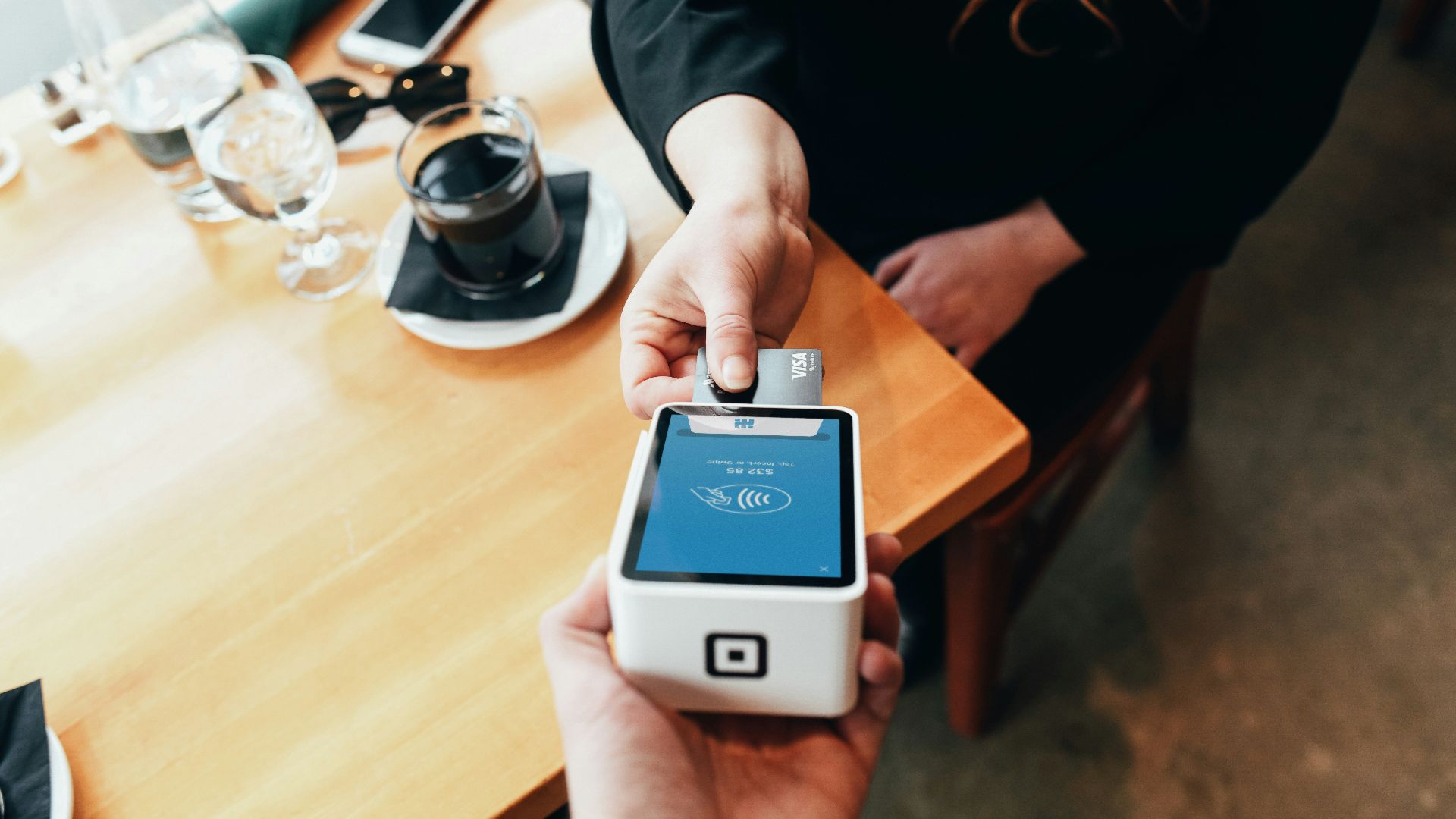
1. Tip Based On Service, Not Mood
Servers rely on tips as actual income in most of the country, not as a bonus for good vibes. Base the tip on whether the service was competent, not on whether you happened to be in a bad mood that night. This one isn't about manners so much as basic fairness to someone doing their job.
2. Show Up Close To Your Reservation Time
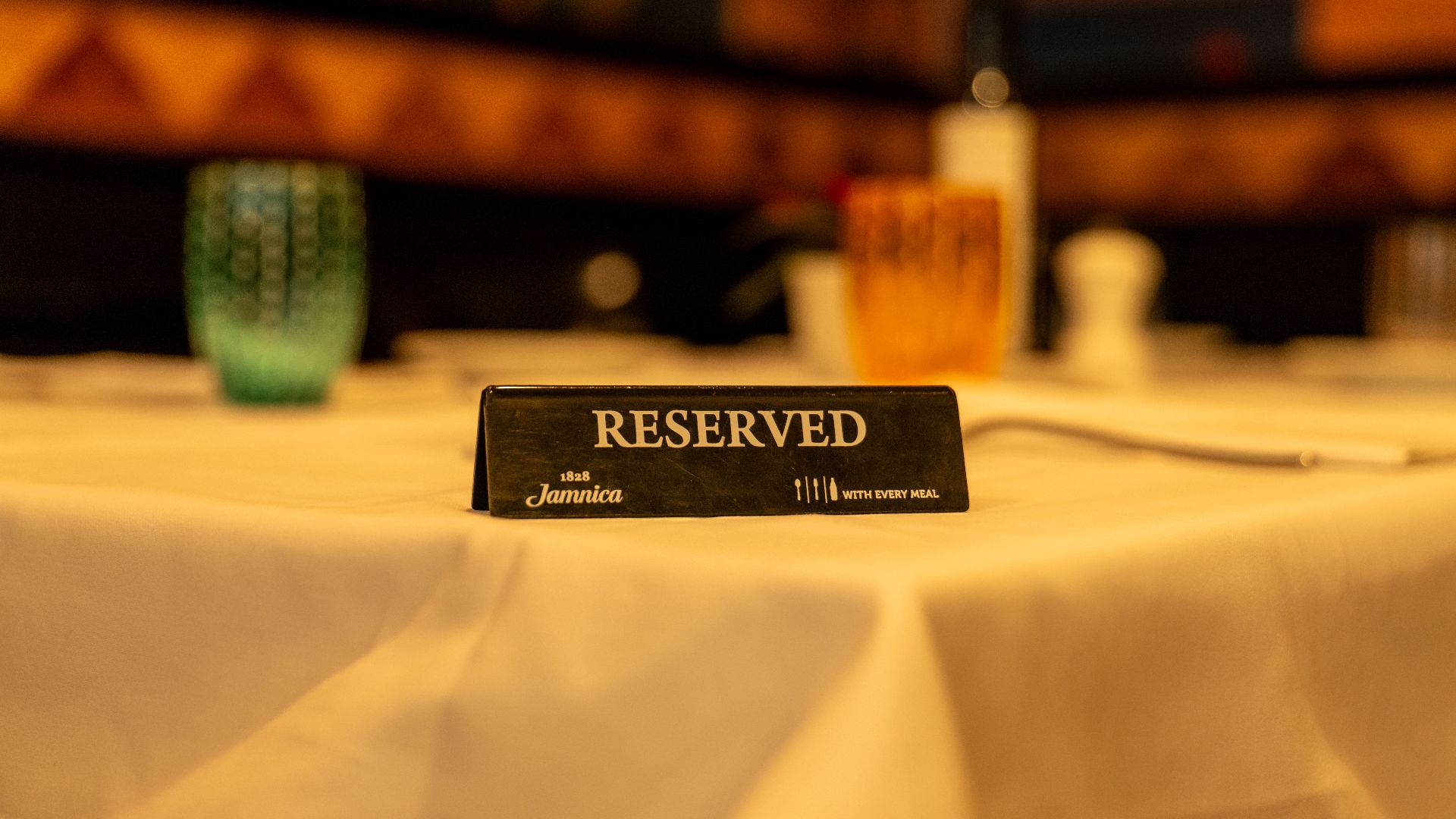
Restaurants build their whole night around reservation windows, and showing up twenty minutes late throws off tables for everyone behind you. A quick call ahead if you're running behind costs nothing and saves the host a headache. This is one of the few rules that has a direct, measurable effect on other people's evenings.
3. Don't Snap At Your Server
Getting frustrated with slow service happens, but taking it out on the person delivering your food rarely fixes anything and usually just makes the whole table uncomfortable. Kitchens run behind for reasons that have nothing to do with your server. A calm, direct request gets better results than a sharp tone ever does.
4. Keep Your Phone Off The Table During Ordering
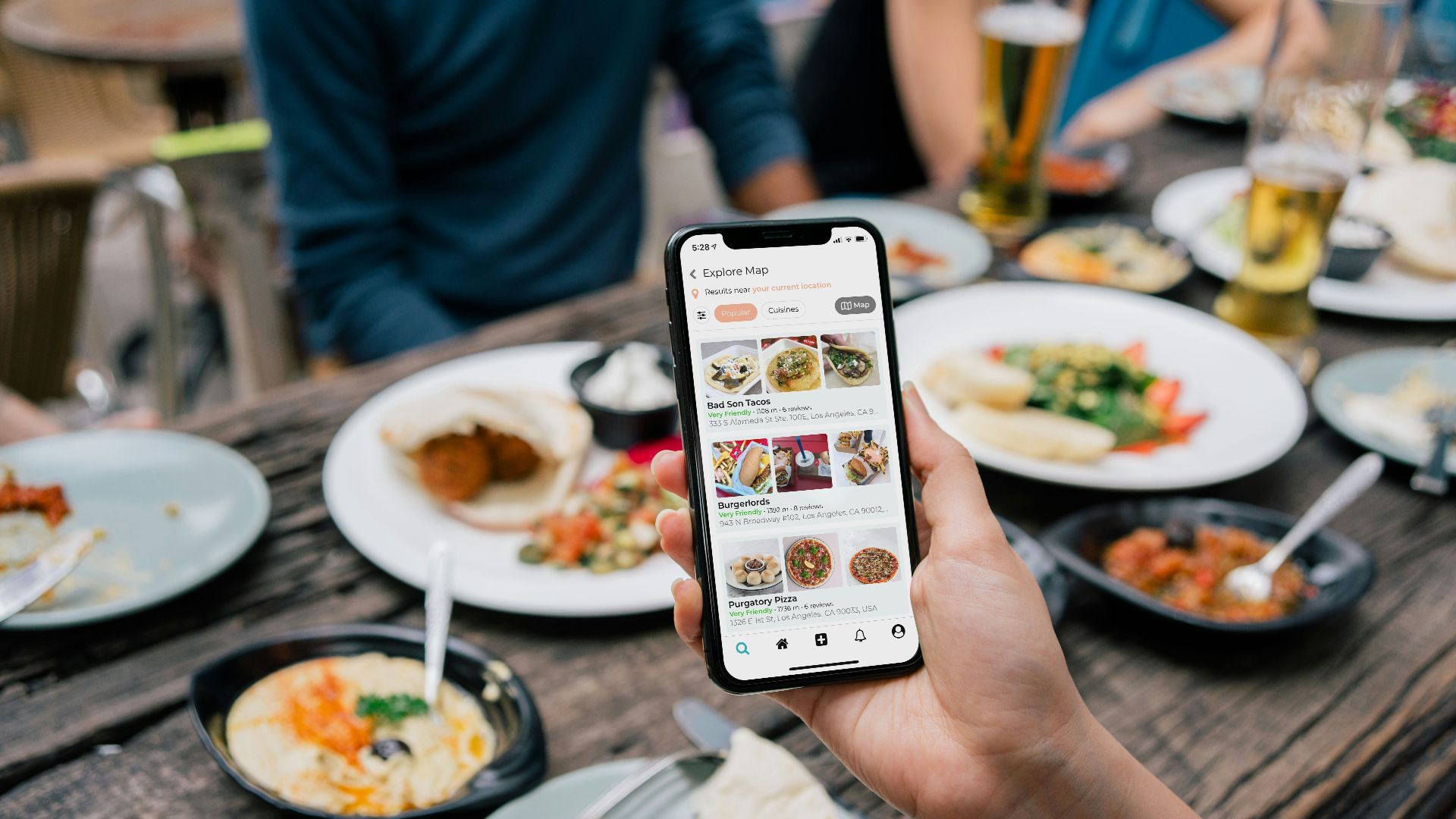
Nobody's asking you to abandon your phone for the whole meal, but staring at a screen while your server tries to take your order slows things down and comes across as dismissive. It's a small window of actual interaction. Giving someone your attention for ninety seconds isn't a huge ask.
5. Split Checks Before The Meal Starts, Not After
Asking for six different cards at the end of a long dinner puts real strain on a server who now has to run multiple transactions during a busy shift. Mentioning it when you sit down lets the staff plan for it. This one is entirely about logistics, not manners.
 Priscilla Du Preez 🇨🇦 on Unsplash
6. Don't Let Kids Run Wild
Bringing children to a restaurant is fine, but letting them treat the space like a playground affects the people trying to eat around you. Other diners paid for a meal, not a floor show. A little management goes a long way toward keeping things pleasant for everyone at nearby tables.

7. Cancel Reservations You're Not Using
No-shows cost restaurants real money, especially smaller places that hold a table specifically for you and turn away other guests to do it. A two-minute cancellation call or app tap prevents that loss. This one rarely gets talked about, but it matters more than most people realize.

8. Don't Send Food Back Over Preference
Sending a dish back because it's wrong, undercooked or missing an ingredient you asked to leave out, is completely fair. Sending it back because you simply changed your mind halfway through creates real waste and puts the kitchen in an awkward spot. There's a meaningful difference between a mistake and a change of heart.
9. Be Clear About Allergies Up Front
Mentioning a serious allergy after you've already ordered puts the kitchen in a difficult position and increases the odds of a mistake. Saying it clearly when you sit down gives the staff time to actually accommodate it safely. This isn't about etiquette so much as basic safety.

10. Don't Linger At A Packed Table Without Ordering More
Sitting at a table for hours after the check is paid, while a line forms at the door, puts real pressure on a restaurant trying to turn tables during a busy service. Ordering a coffee or dessert to justify the extra time is a fair compromise. This matters most at smaller places without much extra seating.
And now here are 10 rules that get treated like sacred law but really don't carry much weight.
 Priscilla Du Preez 🇨🇦 on Unsplash
1. Which Fork To Use First
The whole outside-in fork order thing sounds impressive at a dinner party, but almost nobody notices or cares which utensil you grab first. Most restaurants set fewer forks than etiquette books assume anyway. Nobody's going to think less of you for reaching for the wrong one.
2. Never Ordering The Most Expensive Item
Somewhere along the way, people decided ordering the priciest thing on the menu makes you look greedy or tacky. That rule mostly exists for group dinners with unclear check-splitting, and even then it's a soft guideline at best. Order what you actually want to eat.
3. Waiting For Everyone To Be Served Before Eating
This one has some logic at a big formal dinner, but at a casual restaurant with staggered kitchen timing, it just means someone's food goes cold while they watch you not eat yours. A quick "go ahead" from whoever's still waiting solves it instantly. Nobody's dignity is on the line here.
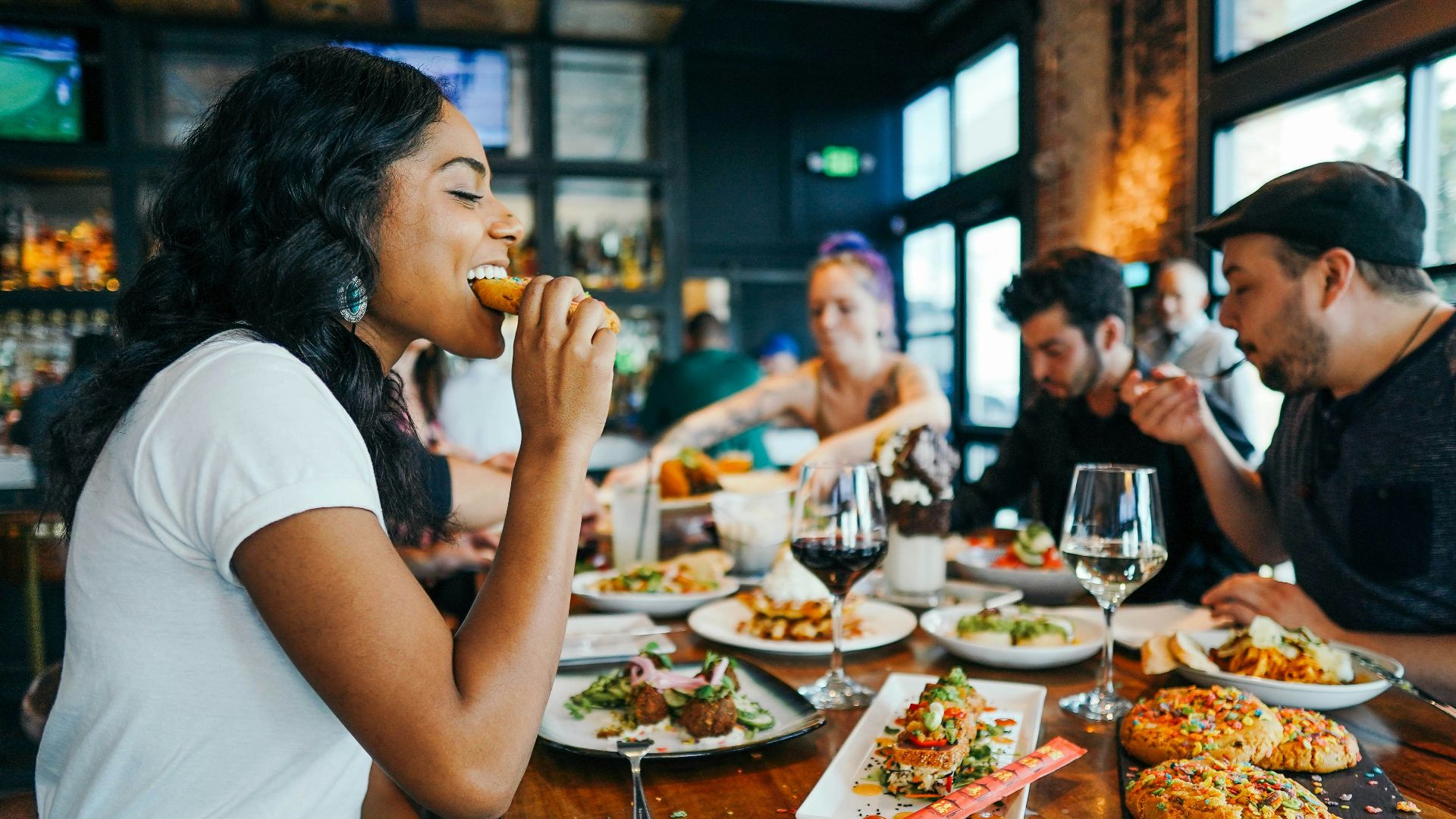
4. Never Asking For Substitutions
Plenty of people treat menu substitutions like some kind of etiquette violation, when most kitchens make small swaps constantly without blinking. Asking politely for a sauce on the side or a swap of vegetables isn't rude. It only becomes a problem if you're asking for something wildly out of scope.
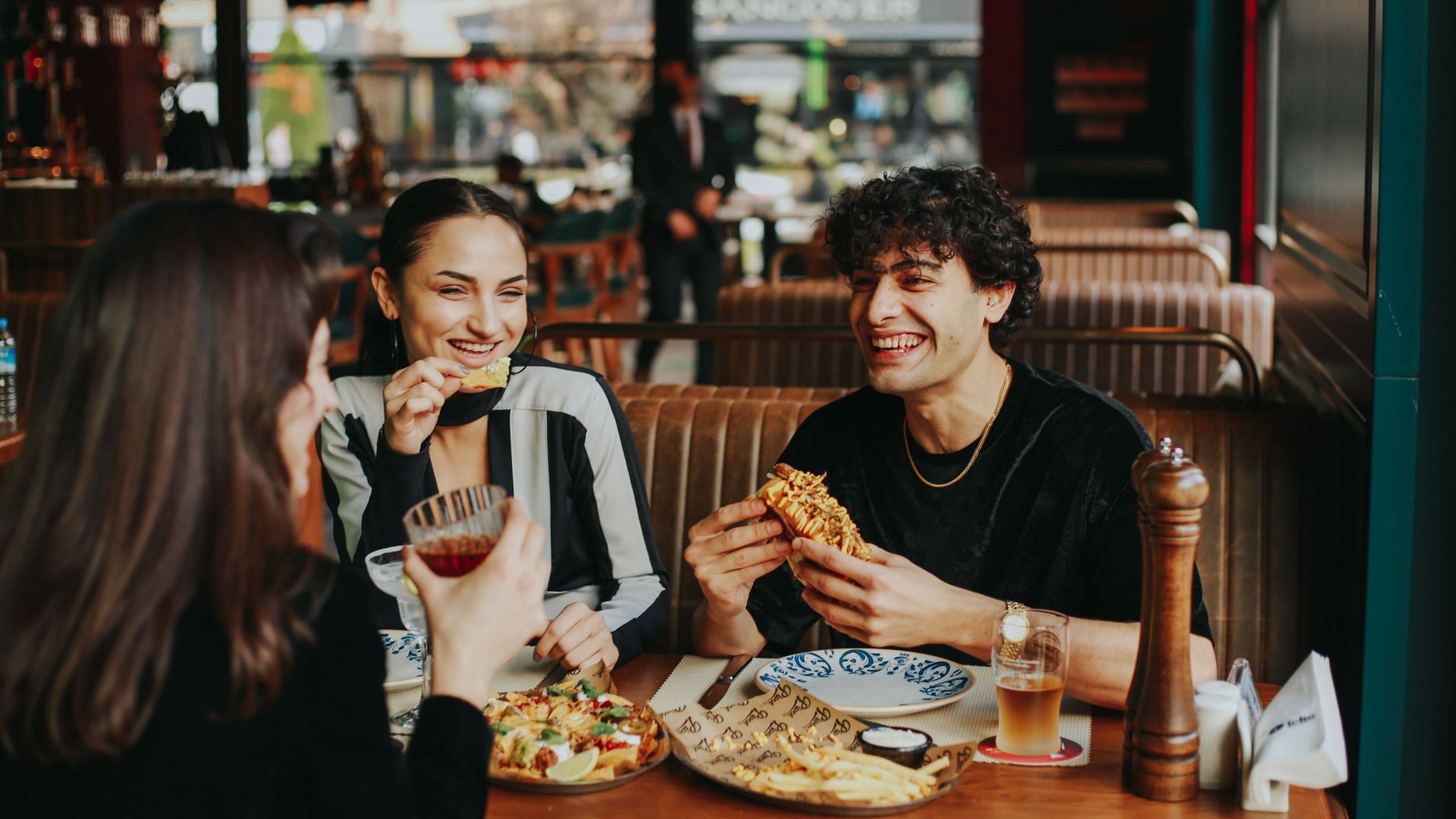
5. Ordering Wine By The Vintage Year
Nobody's silently judging you for not knowing the specific vintage of a bottle. Servers and sommeliers deal with this question constantly and would rather help than watch you fake confidence. Just say what flavor profile you like and let them guide you.
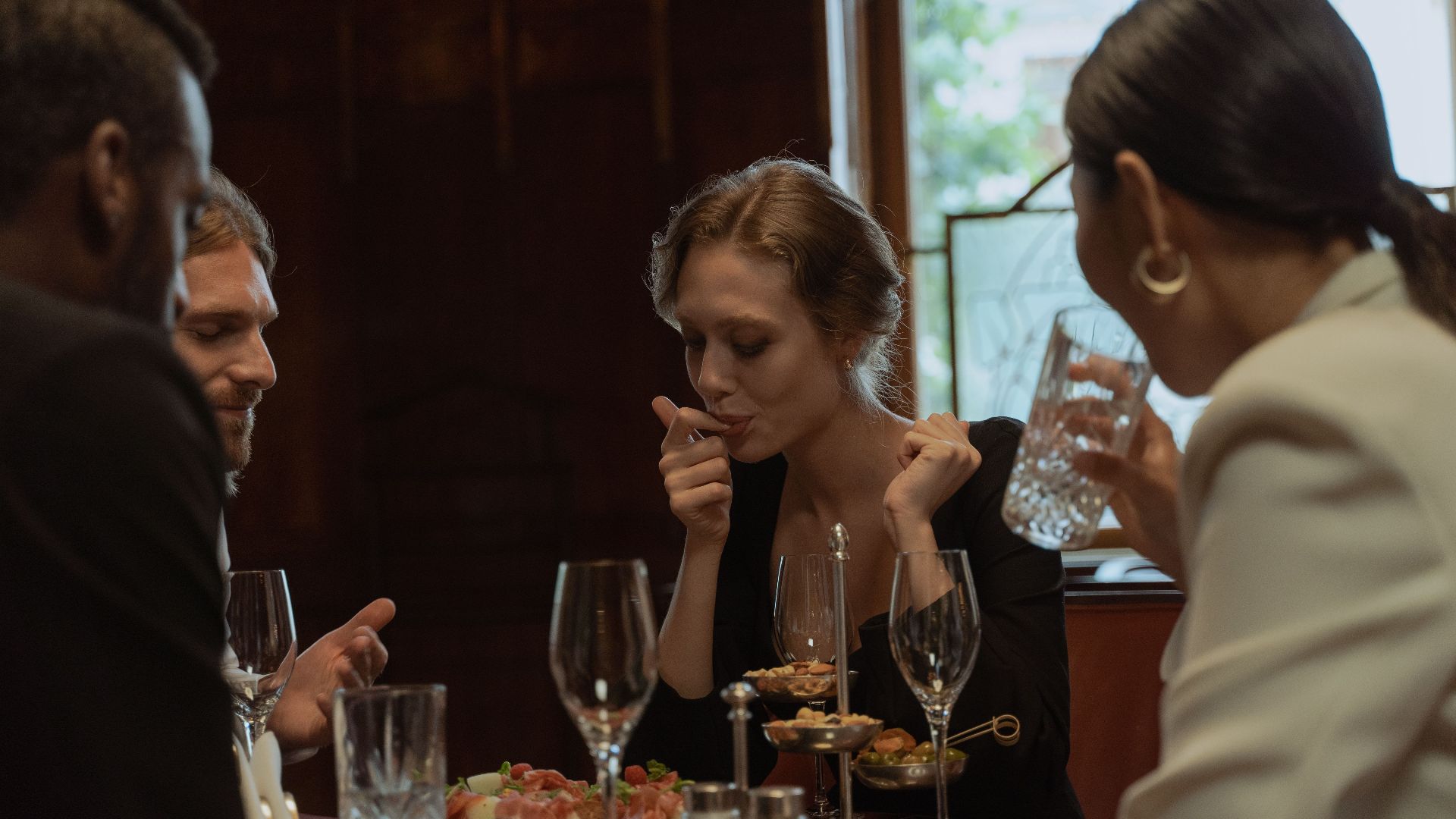
6. Avoiding Certain Foods On A Date
The old advice about skipping garlic-heavy dishes or anything messy on a first date has mostly faded, and for good reason. If the date's going well, a little food on your face isn't going to end it. Order what sounds good and let the conversation do the actual work.
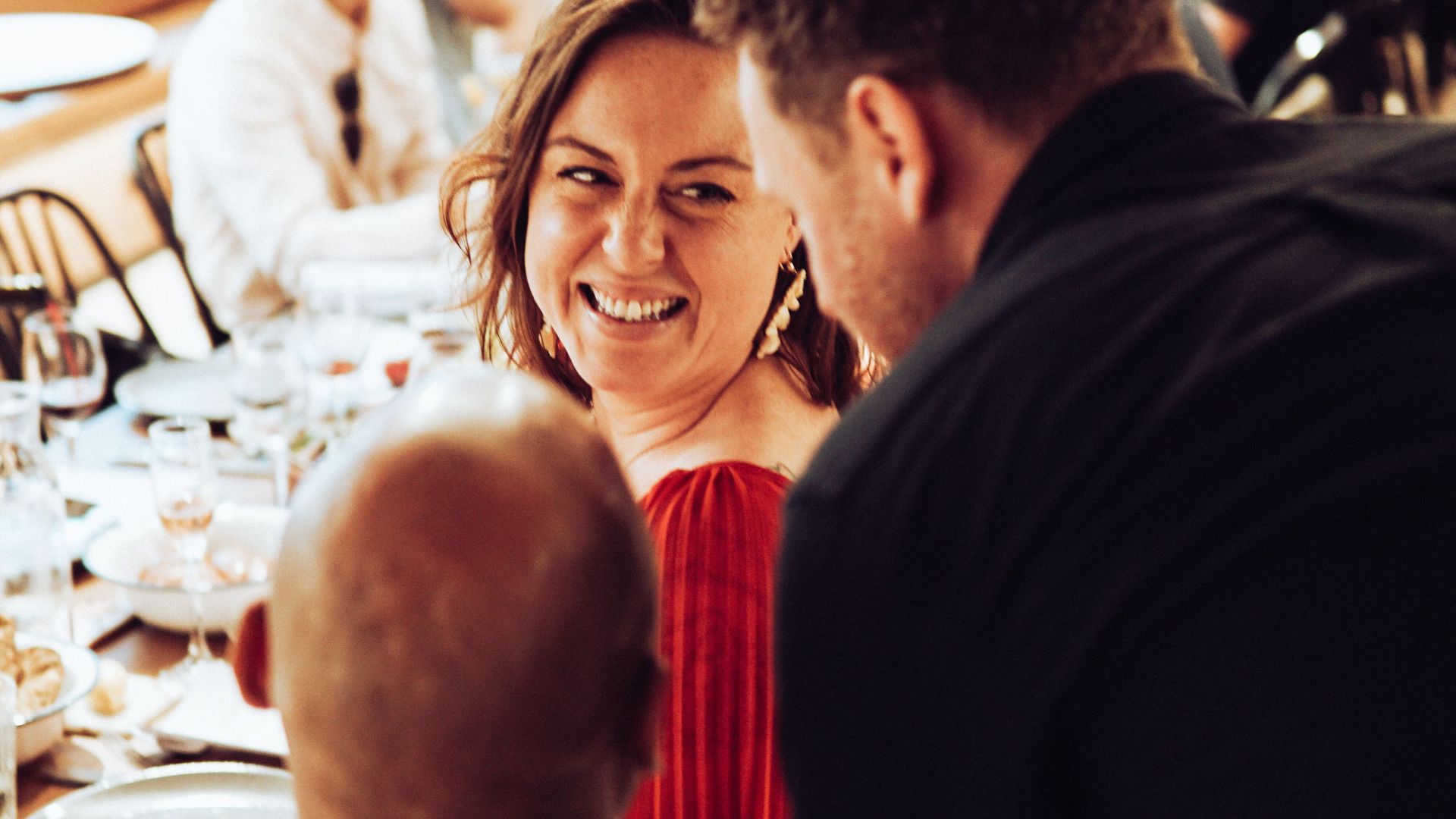
7. Never Taking Leftovers Home
There used to be this idea that asking for a box made you look cheap, which never made much sense given that you paid for the food either way. Restaurants pack up leftovers constantly and think nothing of it. Taking home what you didn't finish is just practical.
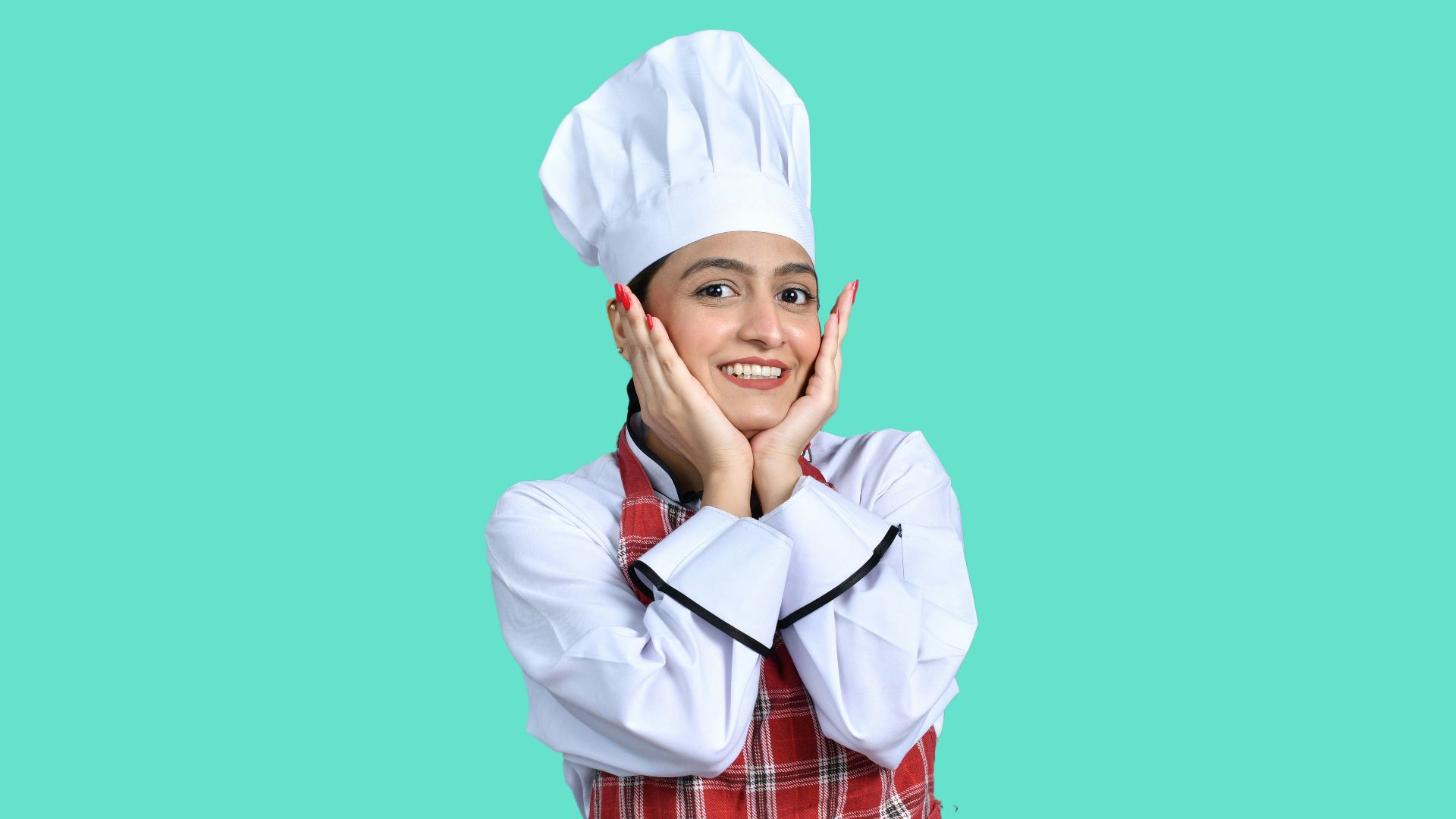
8. Sending Compliments To The Chef
This one's nice, sure, but treating it like an obligation misses the point. A kitchen that's slammed on a Saturday night doesn't need a formal message relayed through three staff members. A quick word to your server, if you're moved to say it, covers the same ground.
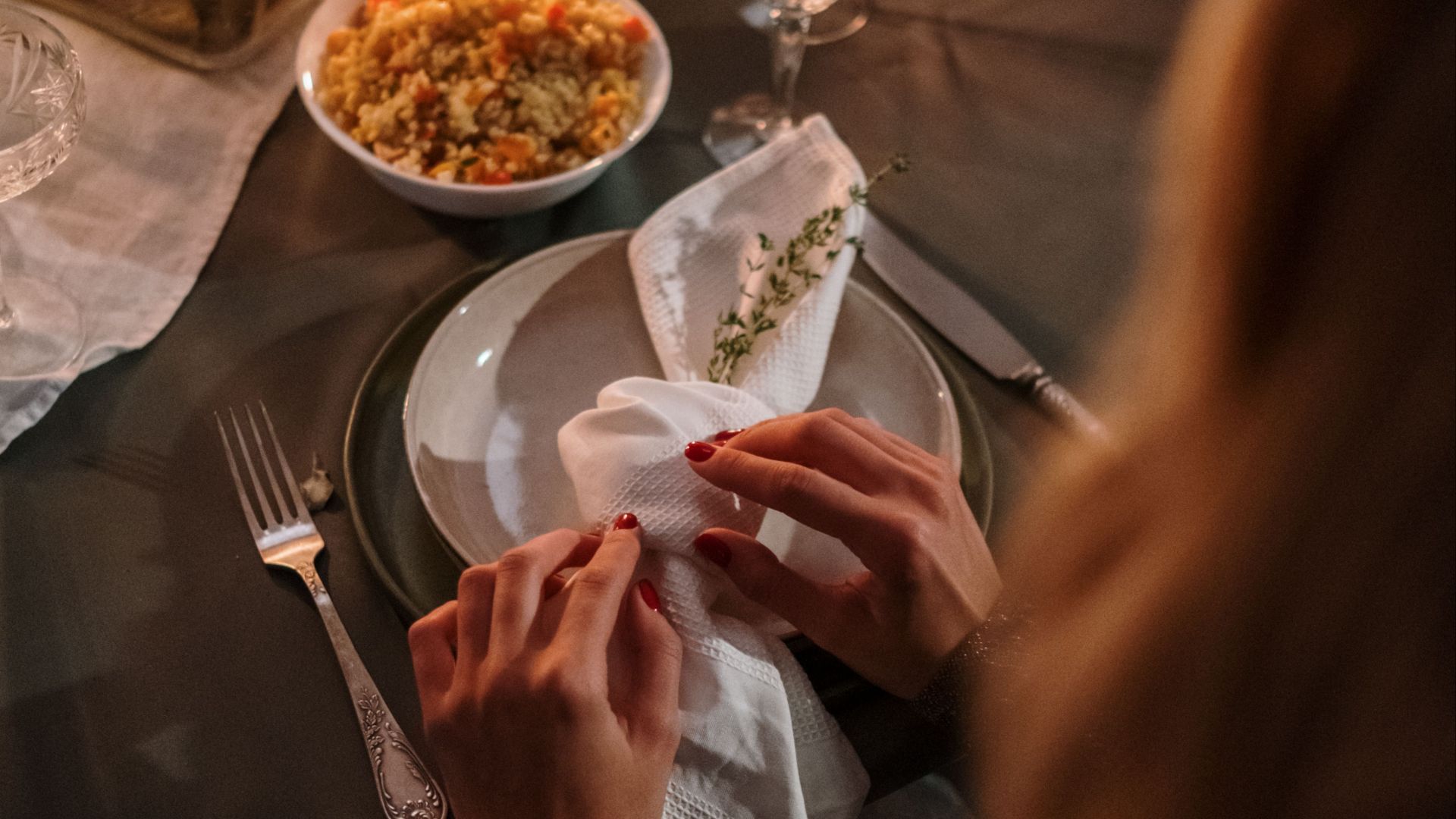
9. Strict Napkin Placement Rules
Whether you fold your napkin a certain way when you step away from the table, or leave it precisely to the left of your plate at the end of the meal, is not information anyone is tracking. Put it somewhere reasonable and move on. This is etiquette-book filler more than anything real.
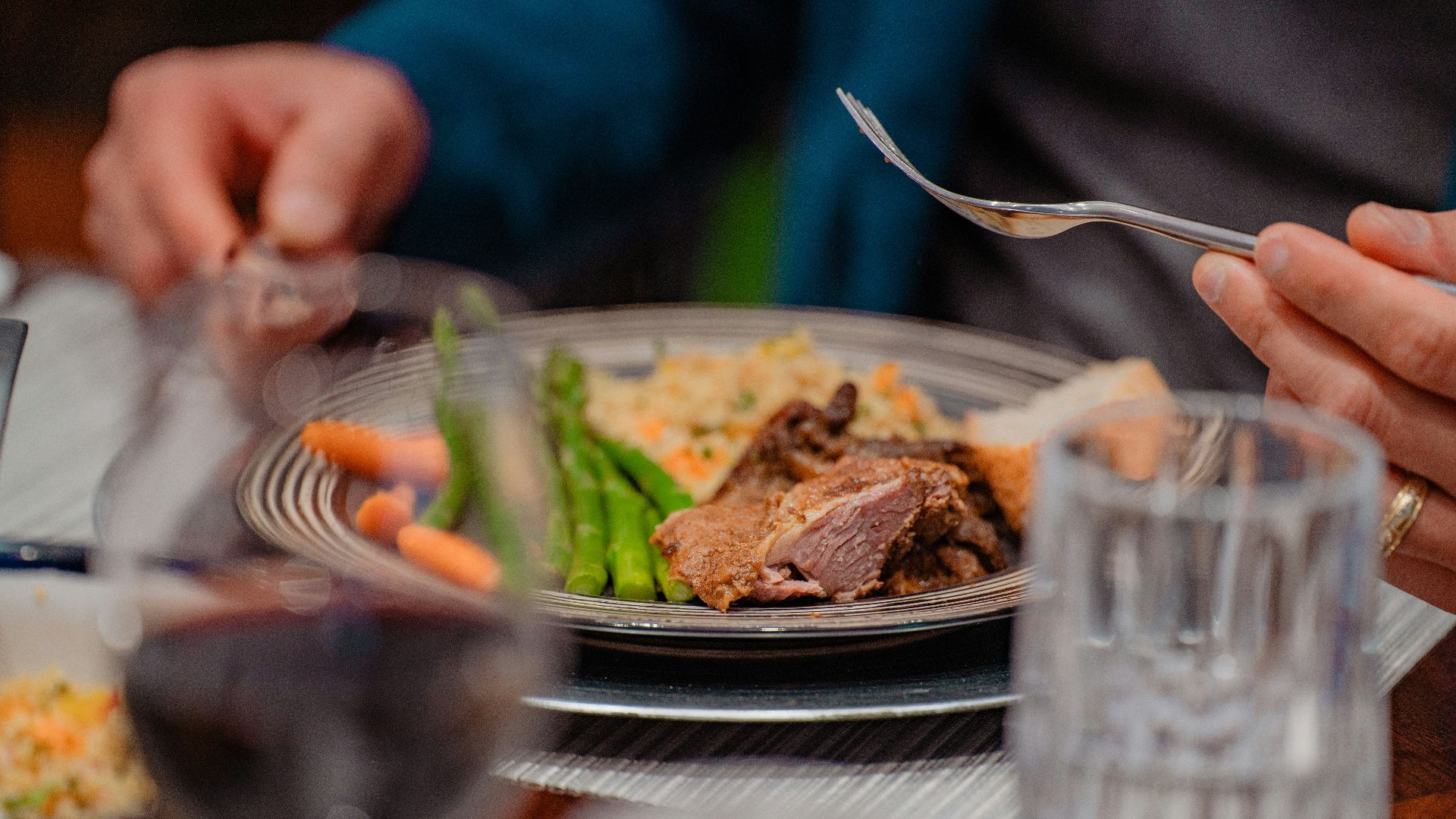
10. Never Asking For Modifications To A Tasting Menu
Fine dining etiquette suggests you take the tasting menu exactly as designed, no exceptions, out of respect for the chef's vision. In reality, most kitchens handle basic allergy or preference adjustments without much fuss, and a polite heads-up when booking makes it even easier. Treating every substitution request like an insult to the chef gives the whole thing more weight than it deserves.