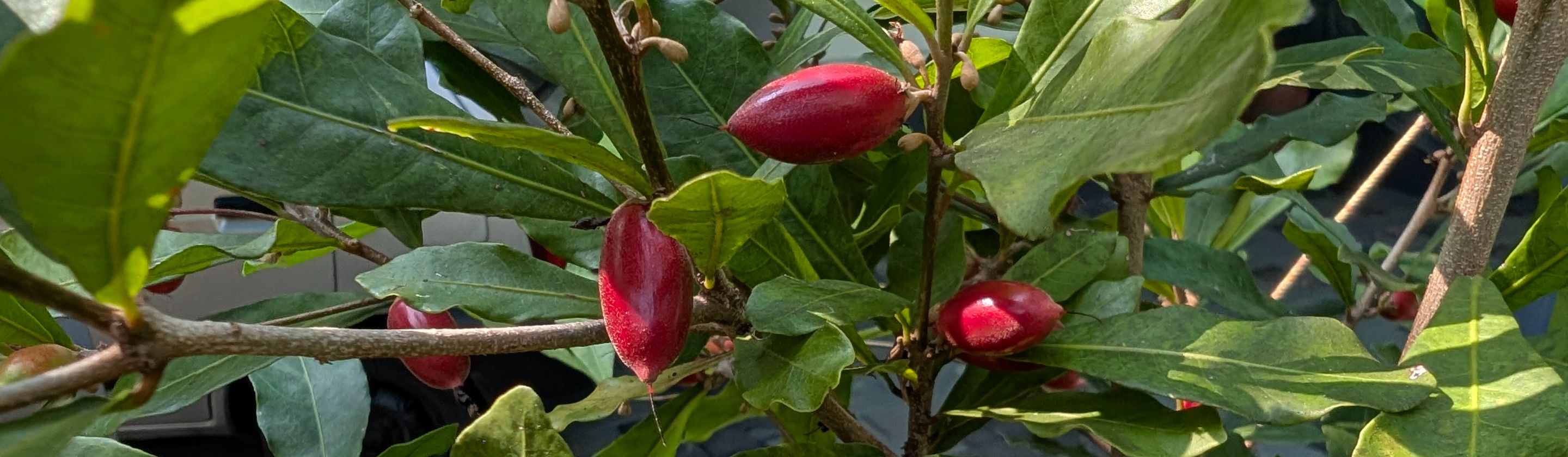
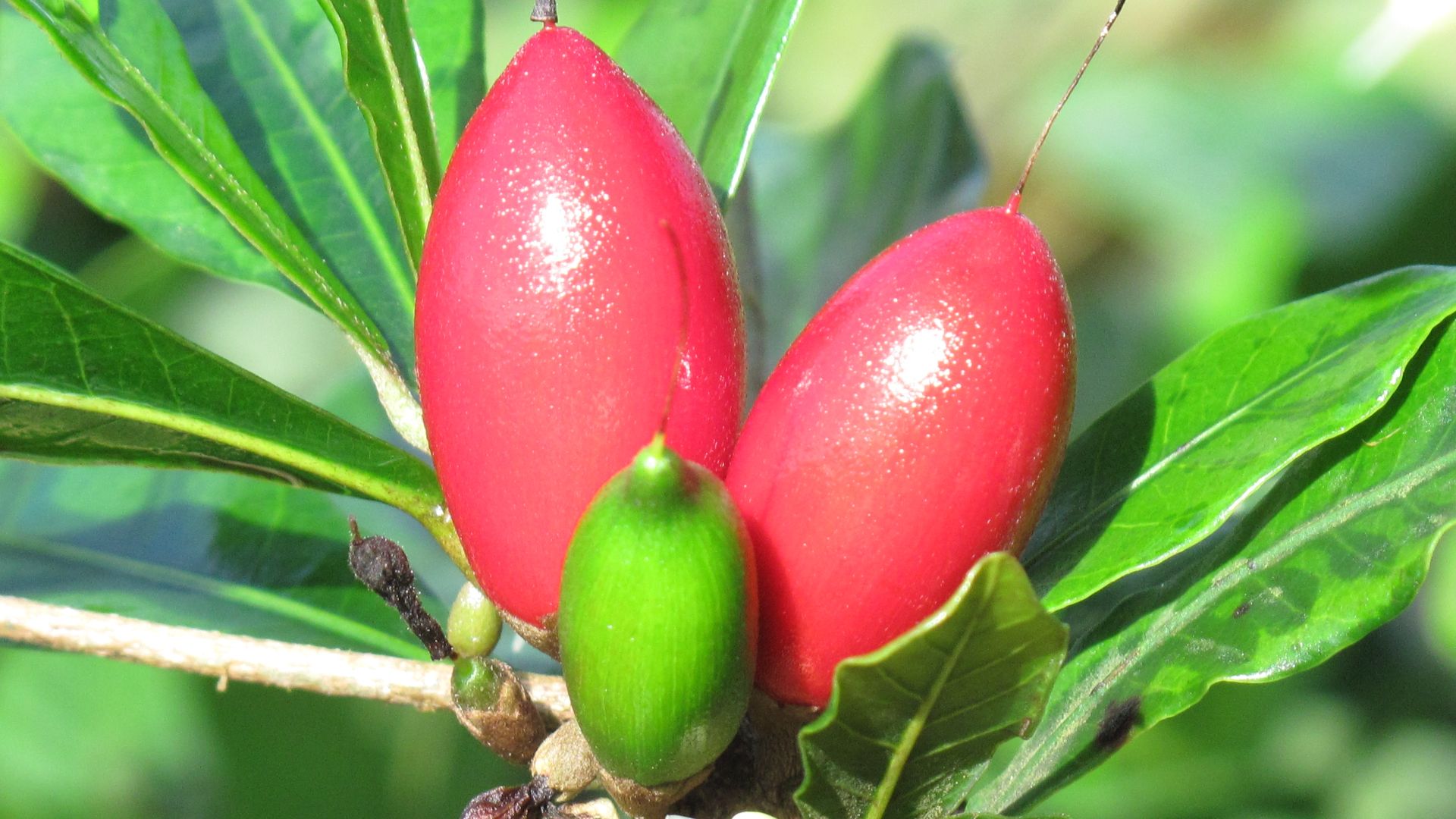
Chew a small red berry from West Africa, swallow it, and take a sip of dry white wine. Suddenly, the wine tastes as sweet as a dessert wine, and the effect lasts through several more glasses. Beer tastes sweeter too, while lime juice becomes almost like cordial. Even a spoonful of vinegar loses much of its sharpness. Nothing about the food or drink has changed, but your taste buds are telling you something completely different.
The berry is the fruit of Synsepalum dulcificum, and the active ingredient is a protein called miraculin. What it does is stranger than sweetening anything. Miraculin adds no sweetness to the drink and contributes no sugar, and it works only because your wine happens to be acidic. Take the acid away and it has the opposite effect.
What The Protein Actually Does
Miraculin attaches itself to the receptors on your tongue that detect sweetness, but it doesn't activate them right away. Instead, it stays in place, waiting for something acidic to trigger a reaction. It holds on tightly enough that even rinsing your mouth won't wash it away.
Acid is the switch. A 2011 study found the protein activated the receptor more strongly as pH fell from 6.5 to 4.8, and traced the mechanism to two histidine amino acids that pick up protons in acidic conditions. That charge change alters the shape of the protein, which in turn reactivates the receptor it is sitting on.
Without anything acidic in your mouth, miraculin does something unexpected. It can actually make sugar taste less sweet by interfering with the receptors that normally detect sweetness. Add something sour, and the same protein starts making things taste sweet instead. Researchers also found evidence that it may reduce sourness directly, although they haven't fully worked out how.
Why Alcohol Sits In The Window
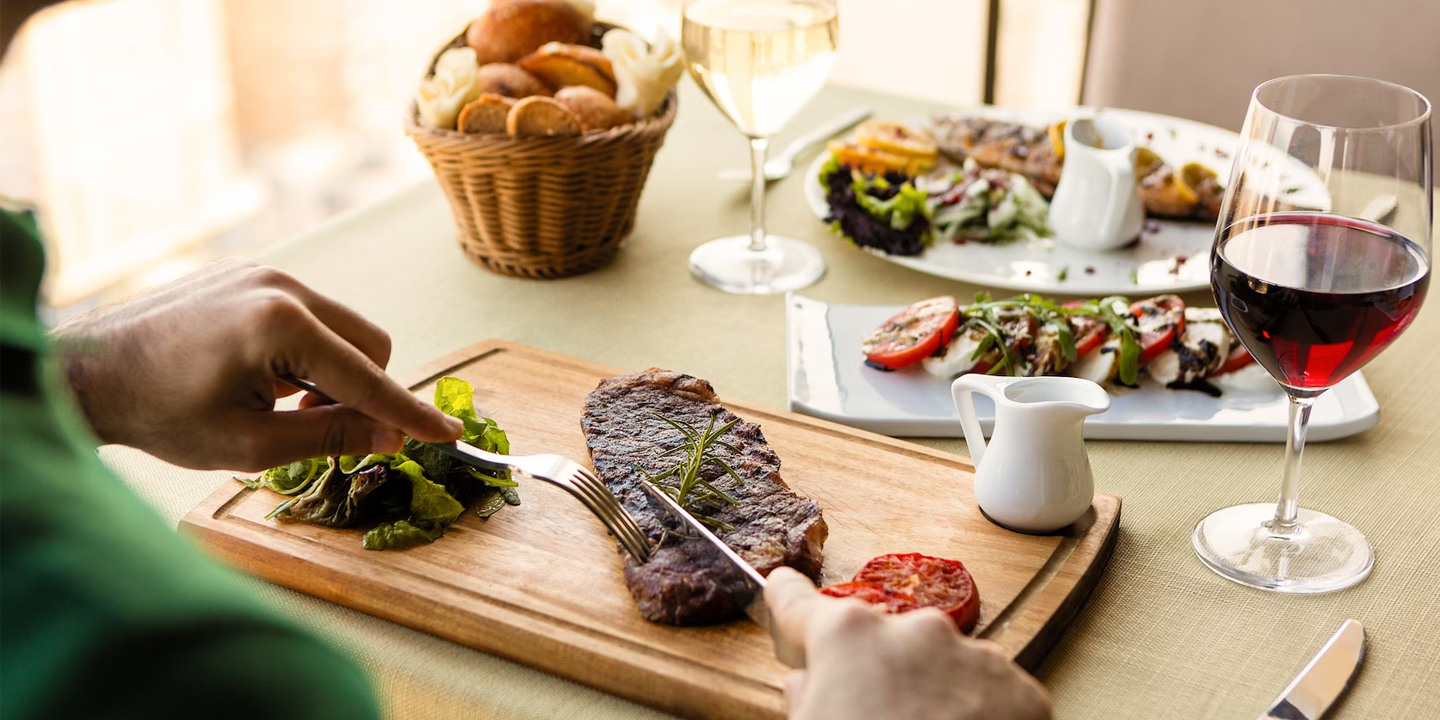
Wine is acidic enough to bring out miraculin's strongest effects, which helps explain why the berry works so well as a party trick. Most wines have a pH between 2.8 and 4, with whites generally more acidic than reds. Varieties like Chardonnay and Riesling often fall around 3.3, right in the range where miraculin can make a dry wine taste surprisingly sweet.
Beer is generally less acidic than wine, but it can still trigger miraculin's sweetness effect. Traditional cask-conditioned beers typically have a pH between 3.7 and 4.1, while sour beers are more acidic and can taste even sweeter after eating the berry. Cocktails made with citrus or tonic can change dramatically too, turning something like a gin and lime into a surprisingly sweet drink.
The trouble is how long the effect lasts. Miraculin can change your sense of taste for one to two hours, long after you've finished whatever you wanted to try. That's fine for a party trick, but less appealing in an everyday sweetener. One food scientist even argued that the lingering effect made it unsuitable for commercial use. Heat also breaks down the protein, making it a poor choice for sweetening hot coffee.
Why You Cannot Buy It As A Sweetener
Somebody tried. Robert Harvey spent the 1960s developing a miraculin-based sugar substitute and had his company, Miralin, ready to sell by 1974, aimed first at diabetics and then at a wider market once investors took an interest. A toxicology study found no ill effects in rats even at high doses. Boston schoolchildren given ice pops made with the sweetener preferred them to the sugar versions. Harvey had a working product with clean safety data behind it.
What happened next is well-documented and still unexplained. Harvey and his colleague reported being followed and said a car photographed their office. They also described a burglary in which an FDA file was left open, with no locks broken. The FDA then classified miraculin as a food additive instead of granting it generally recognized as safe status, which meant expensive testing that Miralin could not fund. The company went bankrupt.
That classification remains in place decades later, and an attempt to approve miraculin as a dietary supplement also failed. Americans can buy whole or powdered miracle berries, but miraculin hasn't been approved as an ingredient in other foods. Scientists disagree about its commercial potential. One argues that it won't become practical until consumers are more accepting of genetically modified foods. Another believes crops could be genetically engineered to produce miraculin, making it easier to grow and potentially opening the door to approval with further research.
KEEP ON READING
The 5 Most Consumed Foods in the Entire World