The Difference Between Craft And Theater
Restaurants are weirdly intimate places for how public they are. You sit under flattering light, you listen to music you didn’t pick, and you hand over control of dinner to strangers moving fast behind a swinging door. When a meal lands and tastes incredible, it can feel like the room is charmed, as if everything in there is designed to make you happy. Sometimes that’s true in the best way, because great restaurants are built on heat control, seasoning, timing, and a hundred tiny decisions that keep flavors clear and textures alive. Other times the spell is less wholesome, and the experience is engineered to keep you spending. Here are 10 tricks that genuinely make food taste better, followed by 10 that mainly work on you.
1. Seasoning In Layers
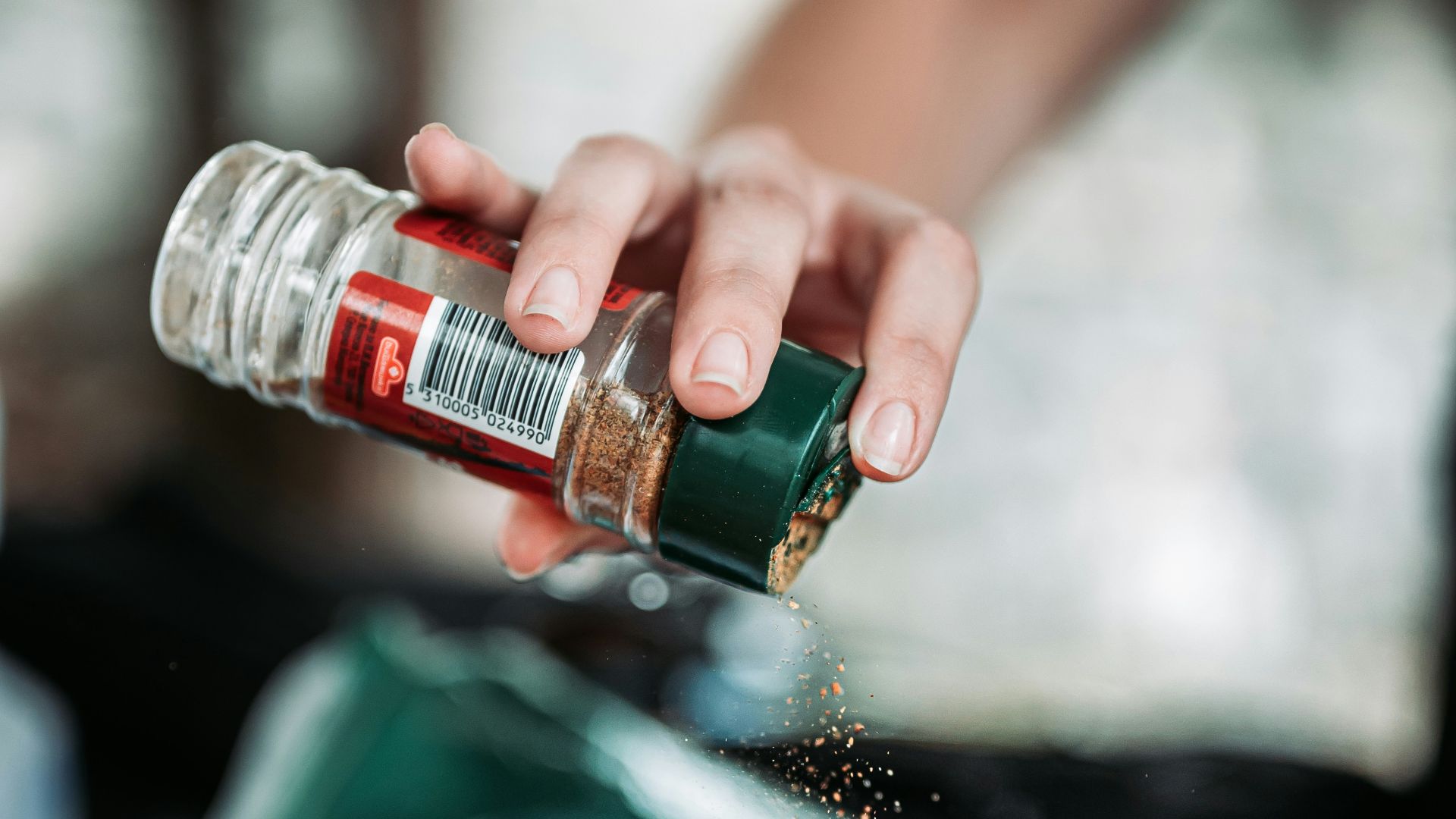
The best kitchens salt early and keep adjusting as they build a dish, so flavor tastes embedded rather than sprinkled on at the end. It’s the difference between a soup that tastes “done” and one that tastes like it needs help. Professional culinary programs teach this for a reason, because layering seasoning is a cheap trick with a huge payoff.
2. High Heat For Real Browning
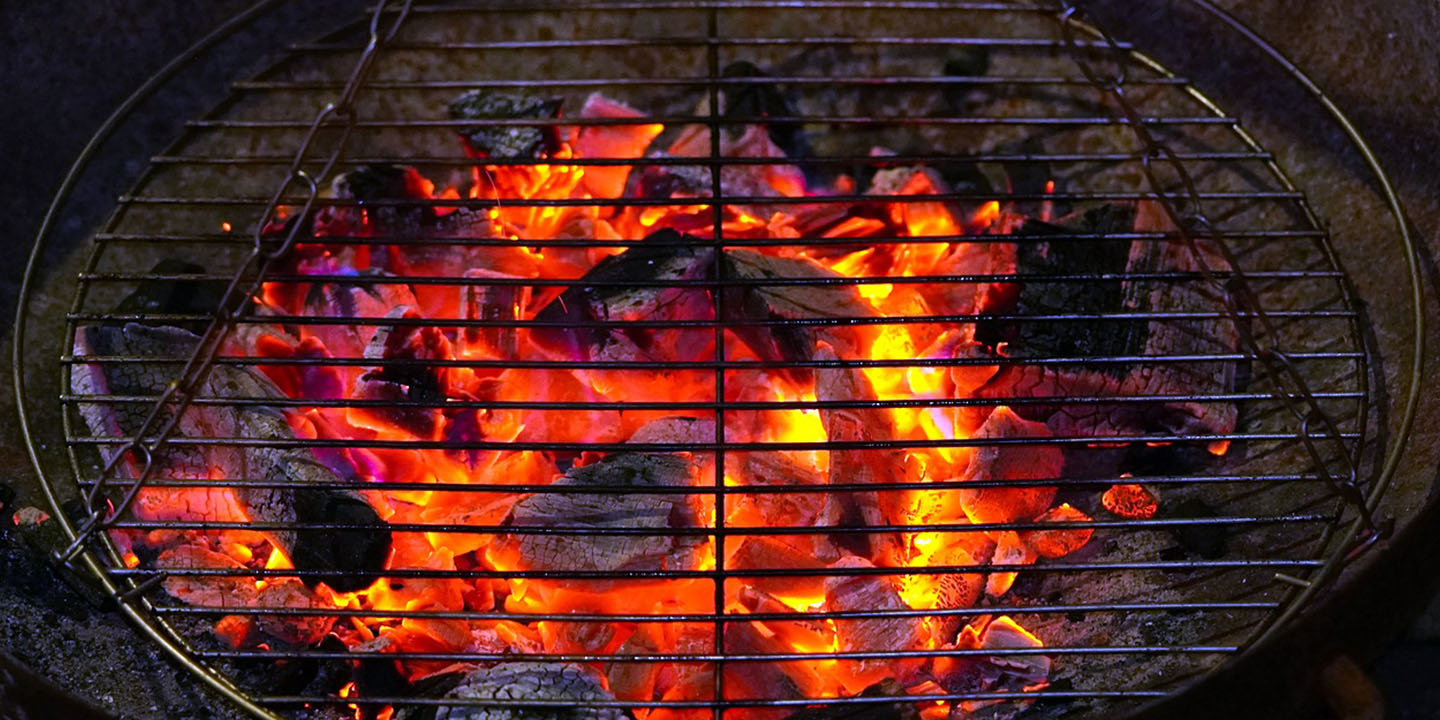
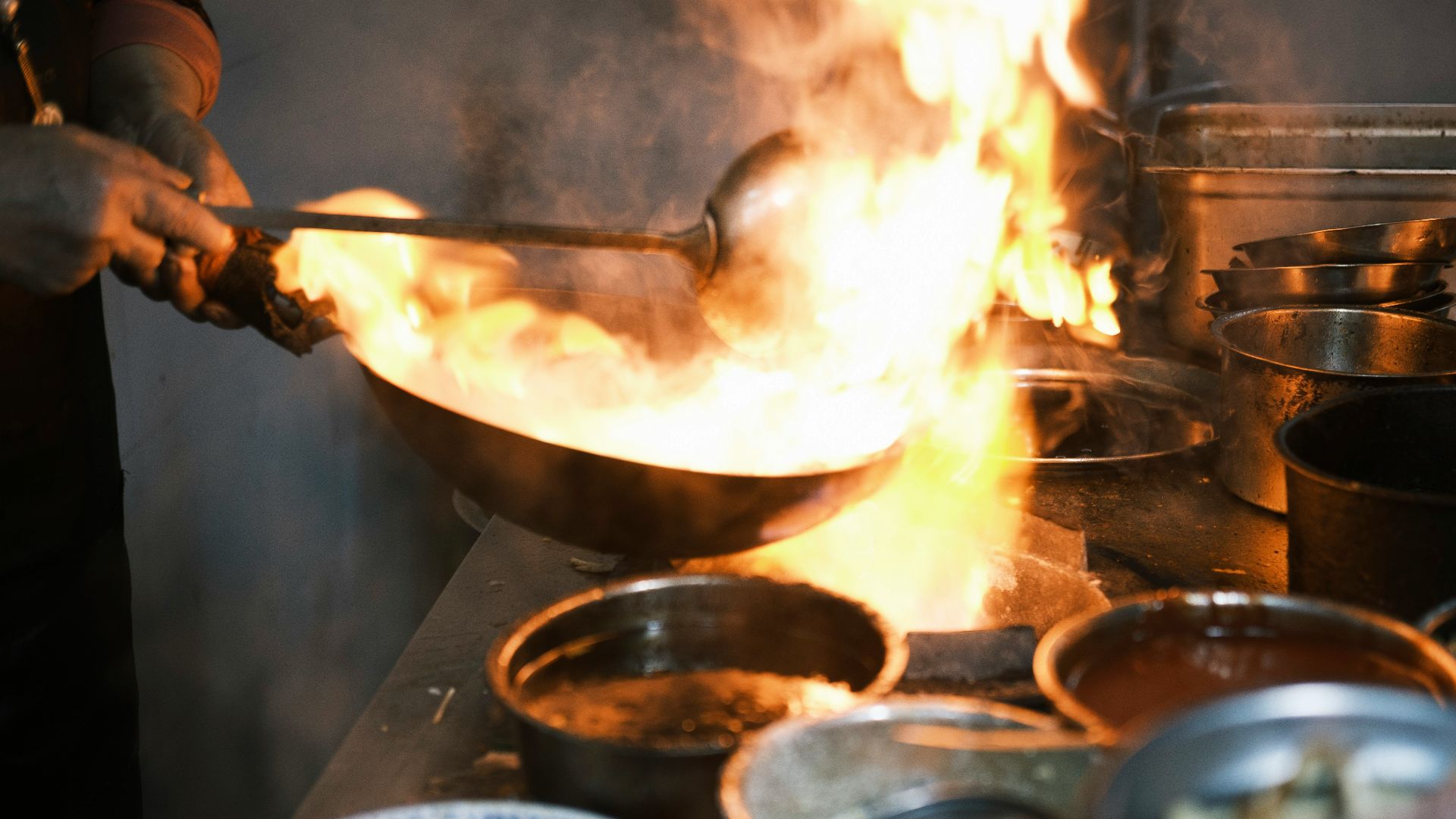
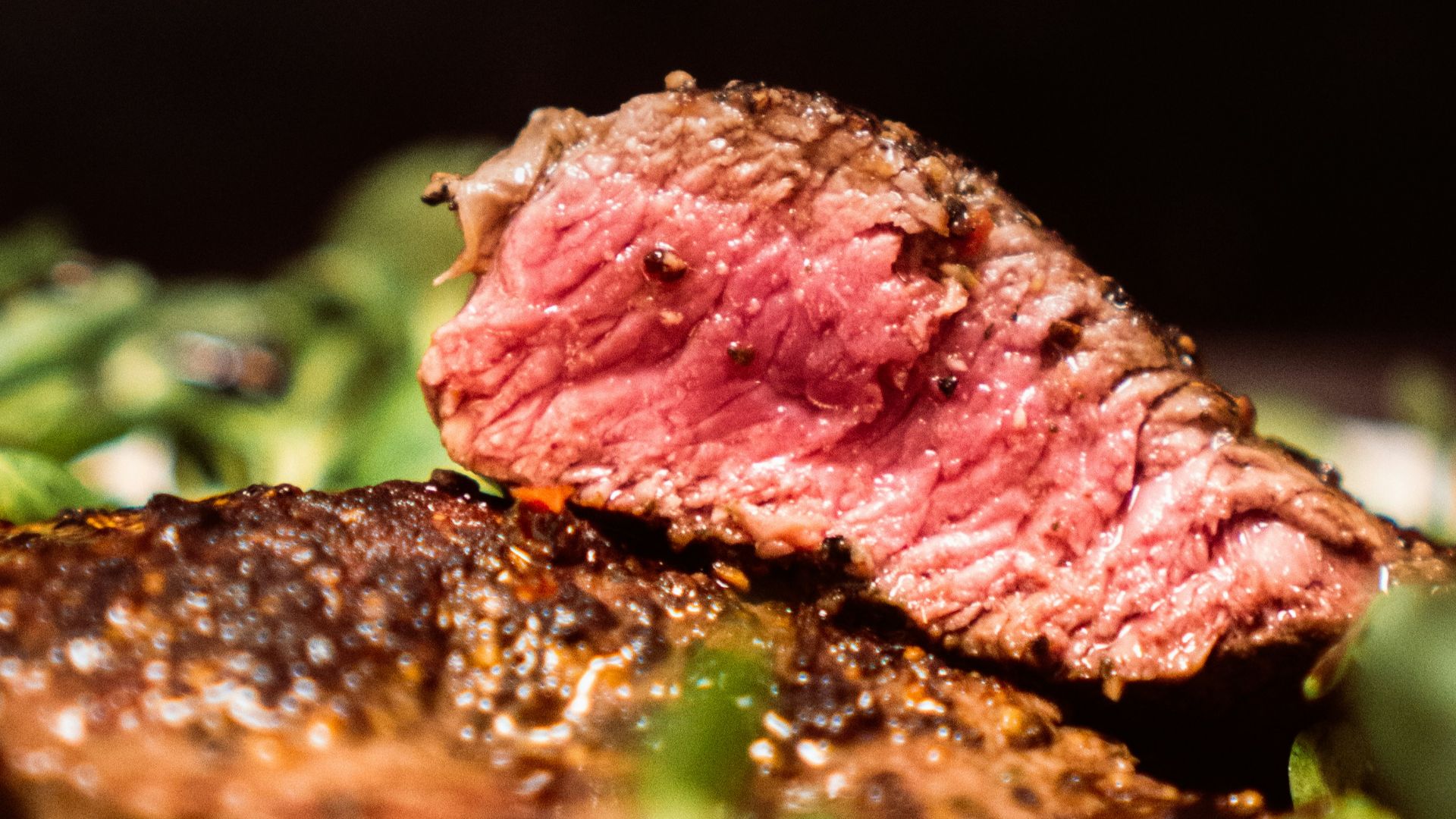
That deep crust on a steak or the lacy edge of a smash burger comes from the Maillard reaction, a well-documented chemical browning process that creates new flavor compounds. Restaurants that nail it usually have equipment that can stay ripping hot and cooks who know exactly when to flip and when to stop. You taste it as roastiness, nuttiness, and that savory pull.
3. Acid As A Finishing Move
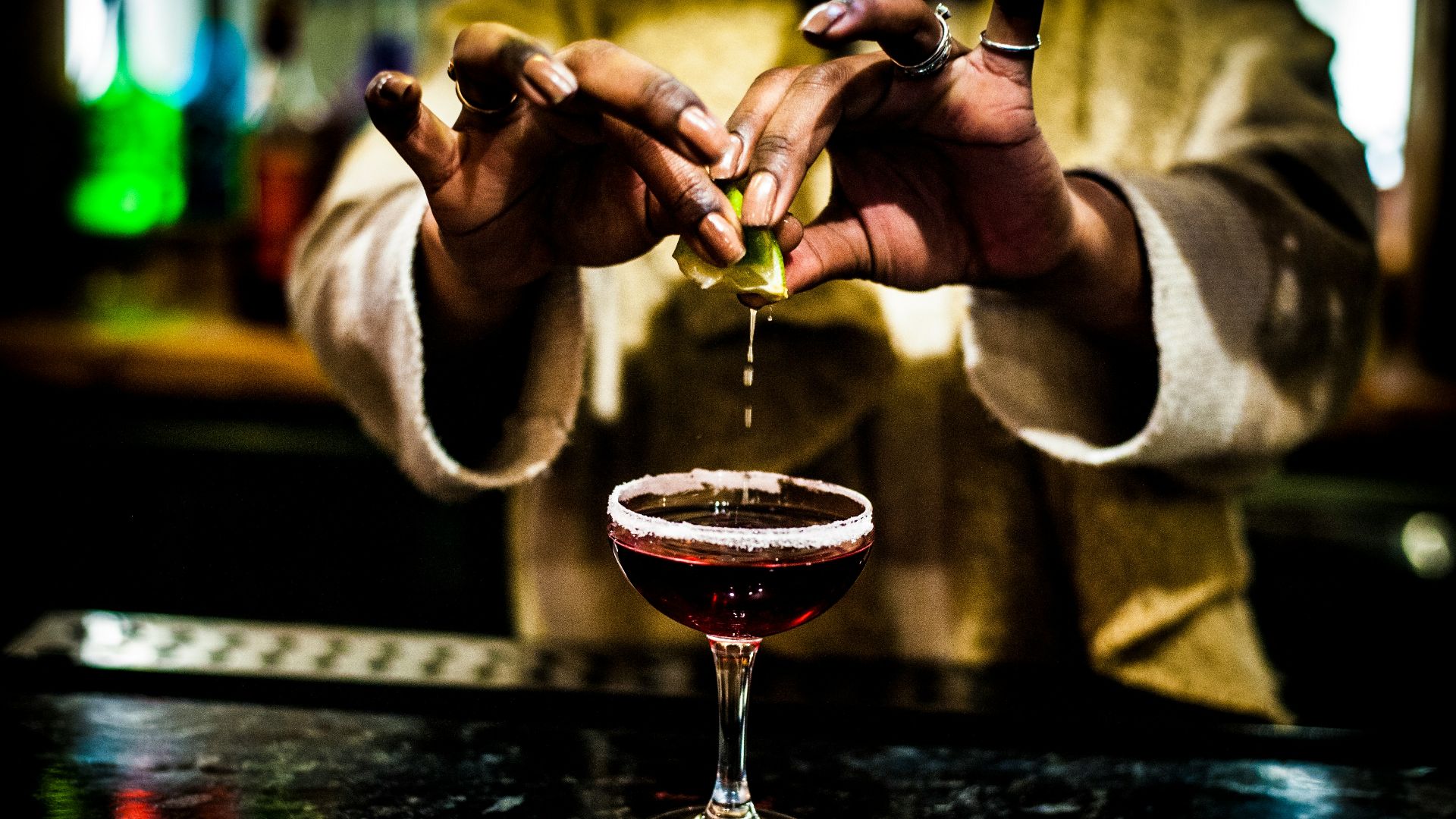
A splash of vinegar in a sauce, a squeeze of lemon over fish, or a few pickled onions on top can make a rich dish feel sharper and more complete. Acid lifts flavor the same way a clean window makes a view look brighter. Lots of chefs talk about this openly because it’s one of the simplest ways to rescue something that tastes heavy or flat.
4. Letting Things Rest
Meat that rests before slicing stays juicier, and the plate looks better, too, because the cutting board doesn’t turn into a puddle. Sauces also benefit from a short pause, giving emulsions time to settle and thickened liquids time to stop tasting raw or starchy. This is the quiet patience that keeps a dish from feeling rushed.
5. Building An Aromatic Base
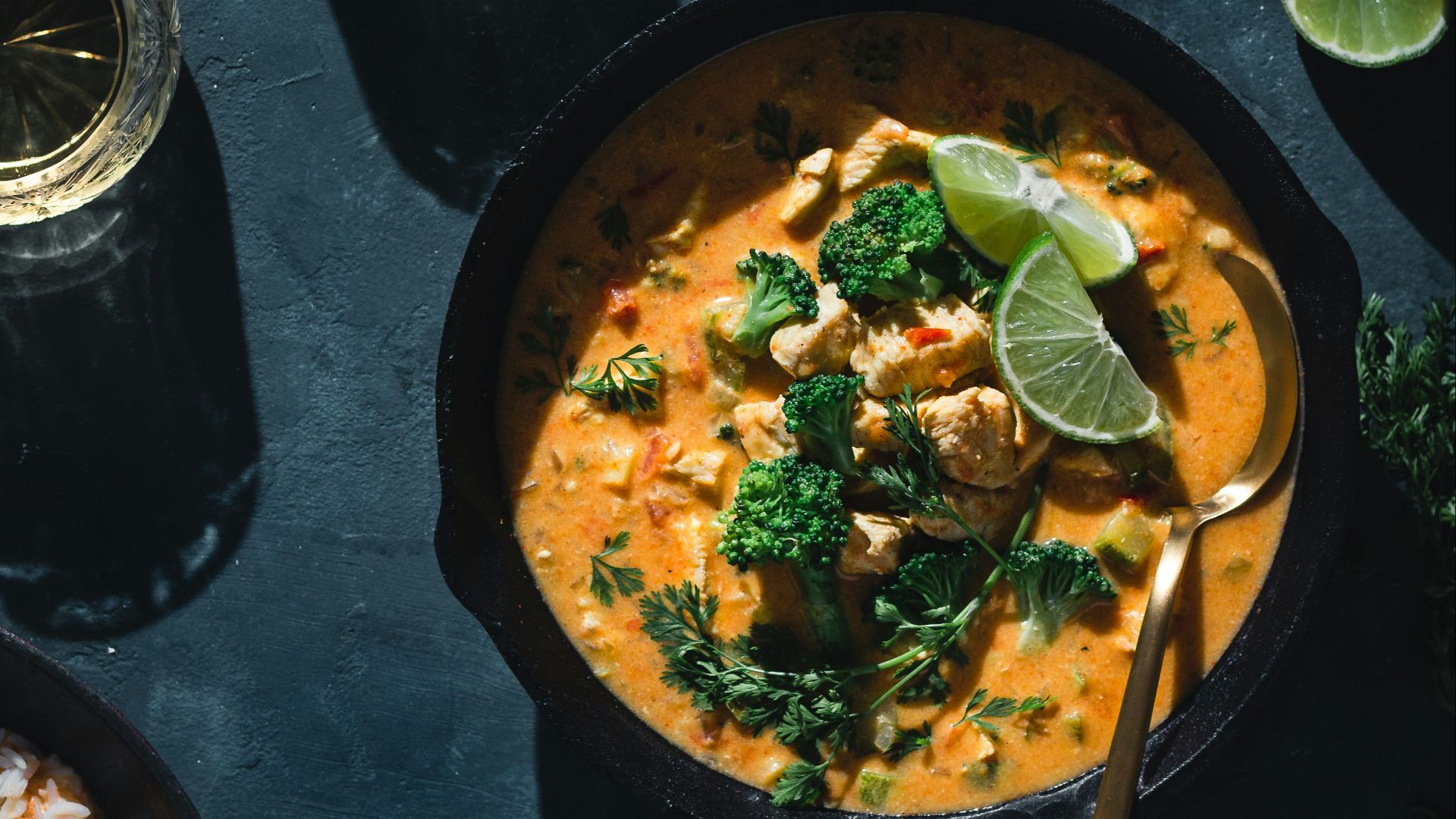
Onions, garlic, ginger, scallions, celery, and carrots aren’t just ingredients, they’re the background music of a dish. When they’re sweated properly in oil or butter, they build sweetness and depth that you don’t notice until it’s missing. A good chili, curry, or stew tastes layered because the foundation got time.
6. Reduced Stock Instead Of Shortcuts
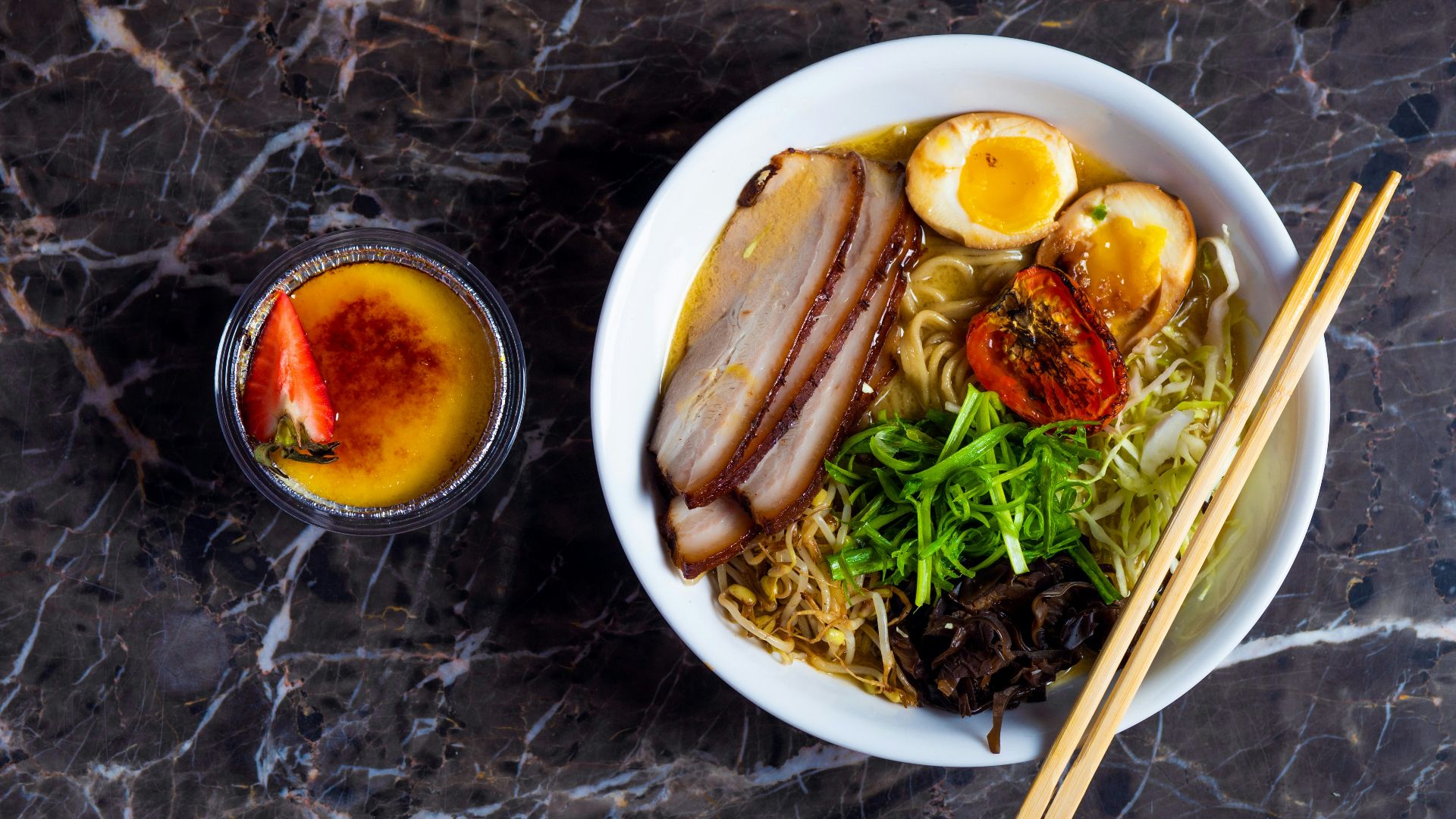
When a kitchen reduces stock, it concentrates savoriness and gives sauce that glossy, clingy body you can’t fake easily. Classic French technique made reduction a cornerstone, and modern kitchens still lean on it even when the menu looks casual. You feel it when a sauce coats every bite instead of sliding off like warm broth.
7. Fresh Herbs Used Like Seasoning
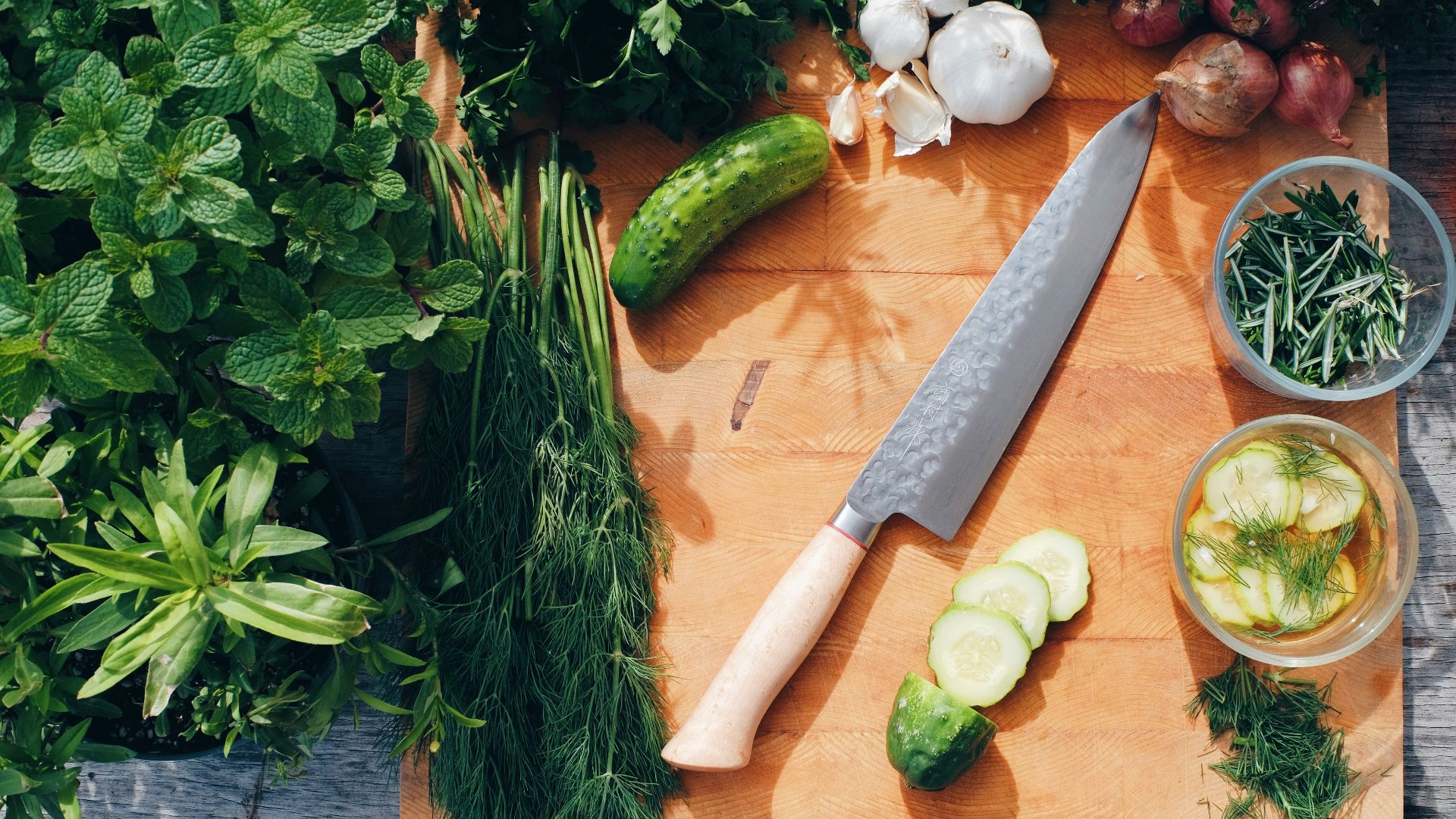
Herbs added at the end smell bright and alive, not tired and cooked into oblivion. Basil makes tomatoes taste sweeter, parsley cleans up richness, dill makes fish feel intentional, and cilantro can wake up anything smoky. Restaurants that do this well treat herbs as a final adjustment, not a decorative afterthought.
8. Intentional Texture Contrast
A dish gets more satisfying when textures bounce off each other: crispy skin with tender meat, crunchy topping over creamy pasta, cool garnish against something hot. This kind of contrast makes food feel more complete without necessarily adding expensive ingredients. You can tell when a chef planned the bite, not just the recipe.
9. Temperature Control Beyond Heat
Warm plates keep food in its best window longer, and cold glassware keeps drinks crisp instead of lukewarm and sticky. These details sound fussy until you eat fries that go limp fast or pasta that cools into a gluey mass halfway through. Good restaurants treat temperature like part of seasoning.
10. Tasting And Adjusting During Service
Kitchens that taste constantly catch drift as the night goes on, especially in soups, sauces, dressings, and braises. Salt levels change, acidity dulls, and heat can creep upward as pots reduce. A team that keeps tasting keeps the last table as happy as the first.
Now for the other side of the dining room, where the food may be fine, yet the real work is happening in your head. Here are ten examples.
 Battlecreek Coffee Roasters on Unsplash
1. Menu Layout That Steers Your Eyes
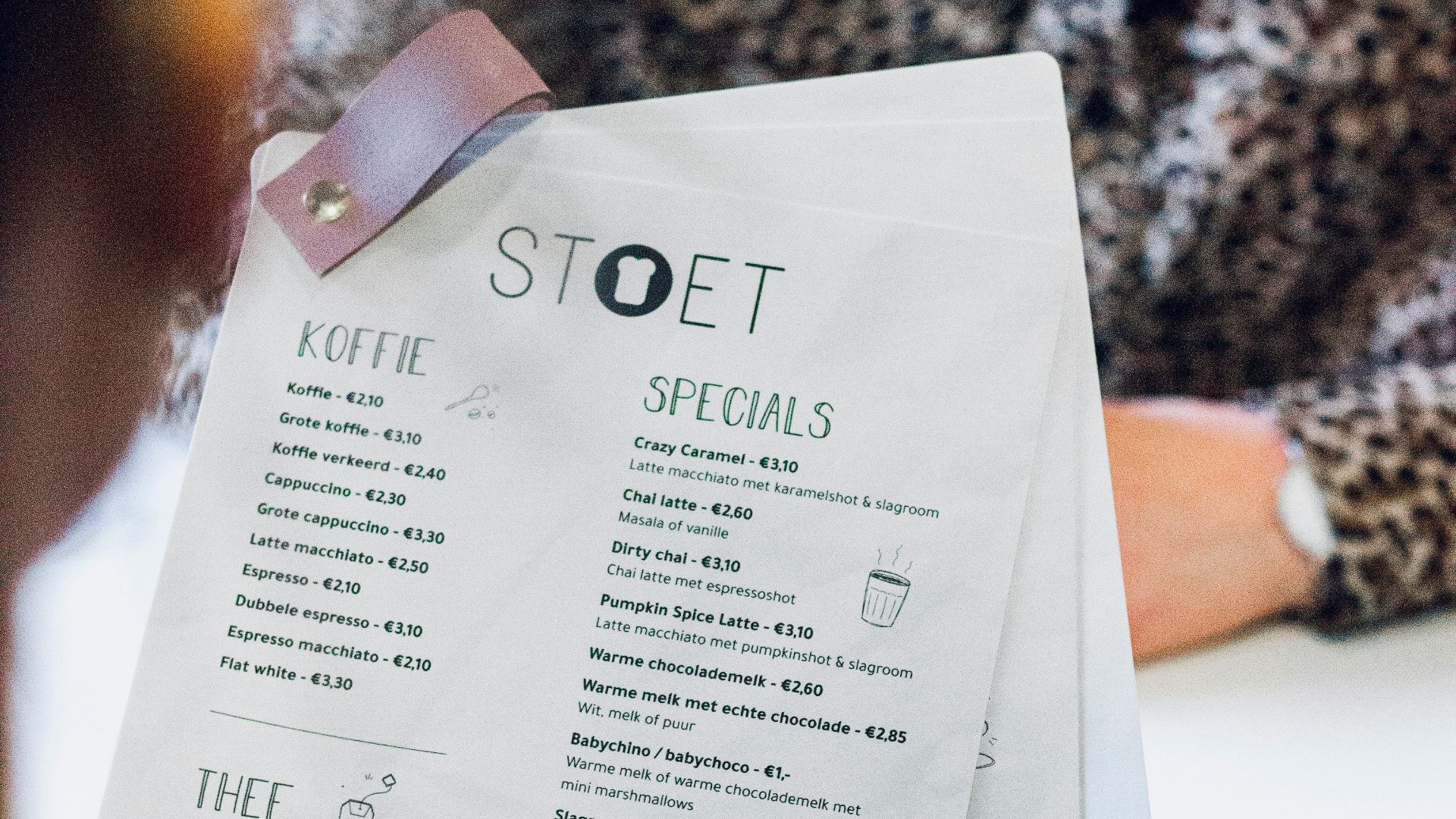
Many restaurants use placement, boxes, and typography to push attention toward high-margin items, a practice often discussed in hospitality as menu engineering. The signature section is frequently the safest bet for the kitchen and the best bet for profit. You can feel the nudge when one corner of the menu looks like it’s raising its hand.
2. A Price Decoy That Makes The Rest Feel Reasonable
That one wildly expensive steak or seafood tower often exists to make the next tier seem normal by comparison, a classic “decoy effect” studied in consumer psychology and behavioral economics. Your brain relaxes around a $32 entrée once a $78 option is sitting nearby like a loud benchmark. The dish didn’t become a bargain, the frame shifted.
3. Quiet Pricing Without Dollar Signs
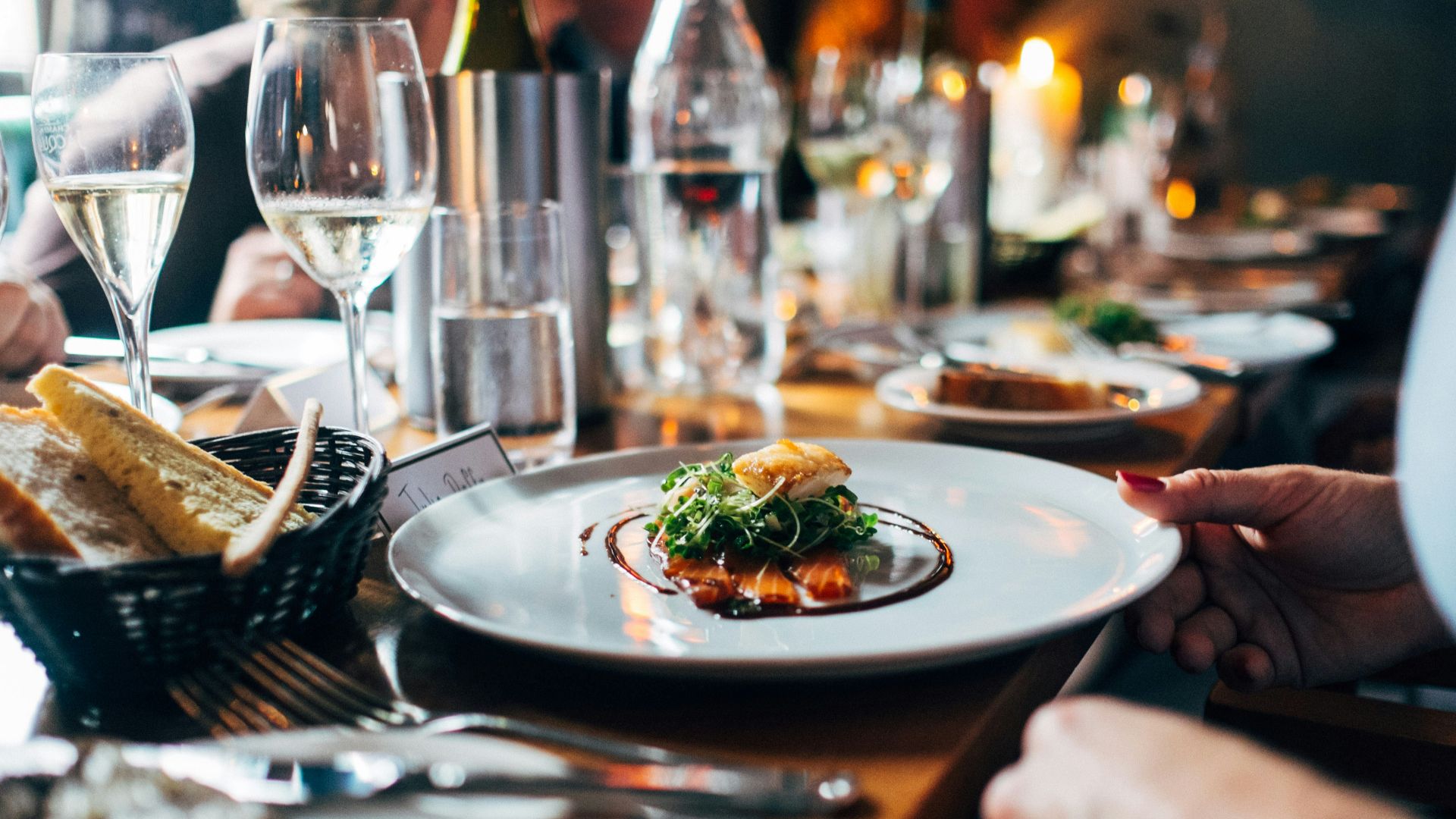
Dropping the dollar sign and tucking prices into descriptions can reduce the little sting that makes you hesitate. Research on price presentation has found that subtle cues can change how people perceive spending, even when the numbers are the same. A menu that avoids price alignment also discourages you from scanning like you’re buying groceries.
4. Instant Bread And Snacks
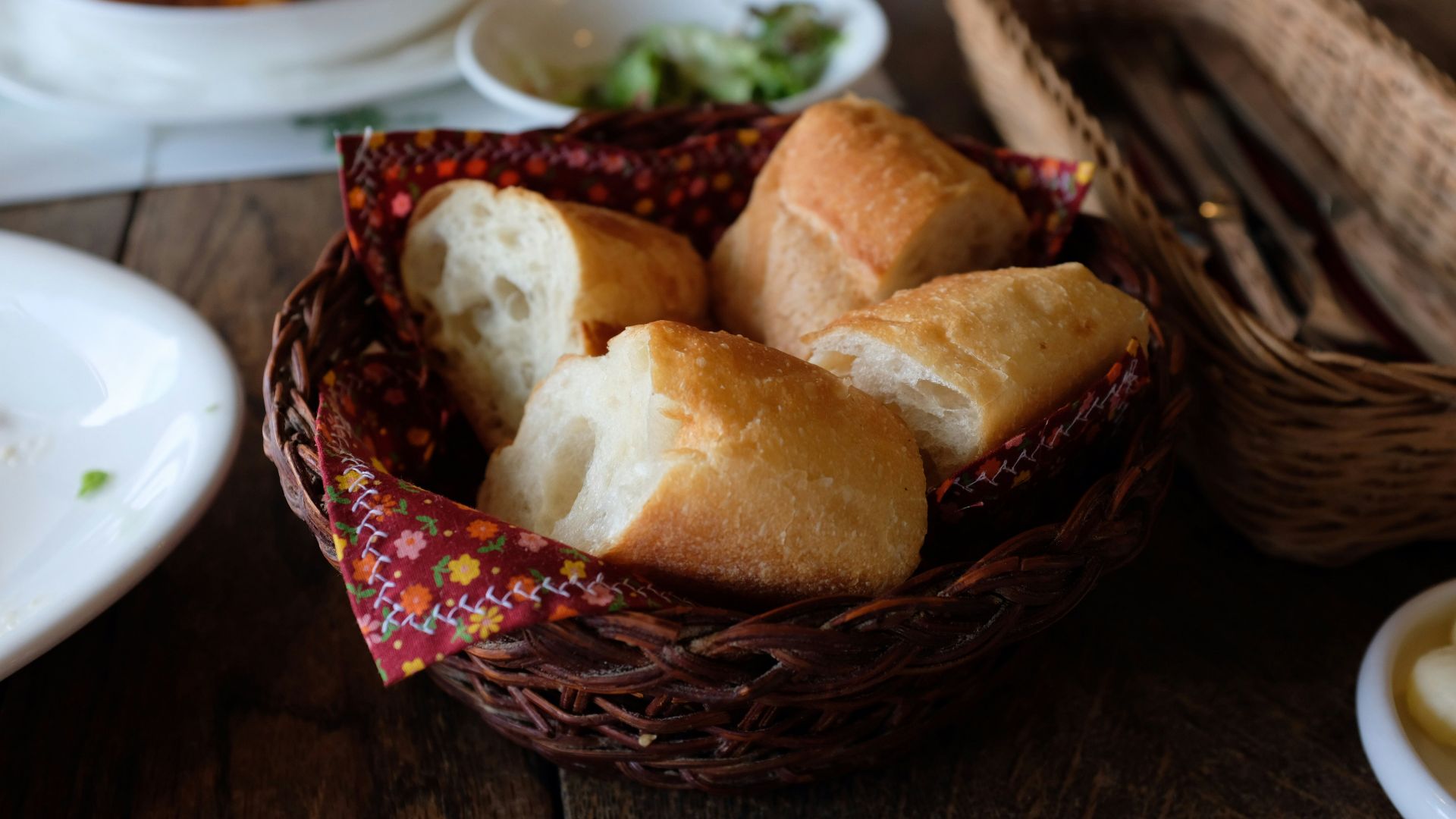
A basket of bread or chips arriving immediately feels welcoming, and it also locks you in. Once you’re chewing, you’re less likely to leave, and you’re more likely to order quickly with your appetite already switched on. It can also push you toward richer choices because you’ve started the meal in a treat yourself mood.
5. Music Tempo That Shapes Your Pace
There’s classic research on background music in retail and restaurants, including studies published in hospitality contexts showing slower tempo can encourage people to linger longer. When you linger, you tend to order another drink, maybe dessert, maybe a coffee you didn’t plan on. Fast, loud music can do the opposite, keeping tables turning and conversations shorter.

6. Lighting That Softens Judgment
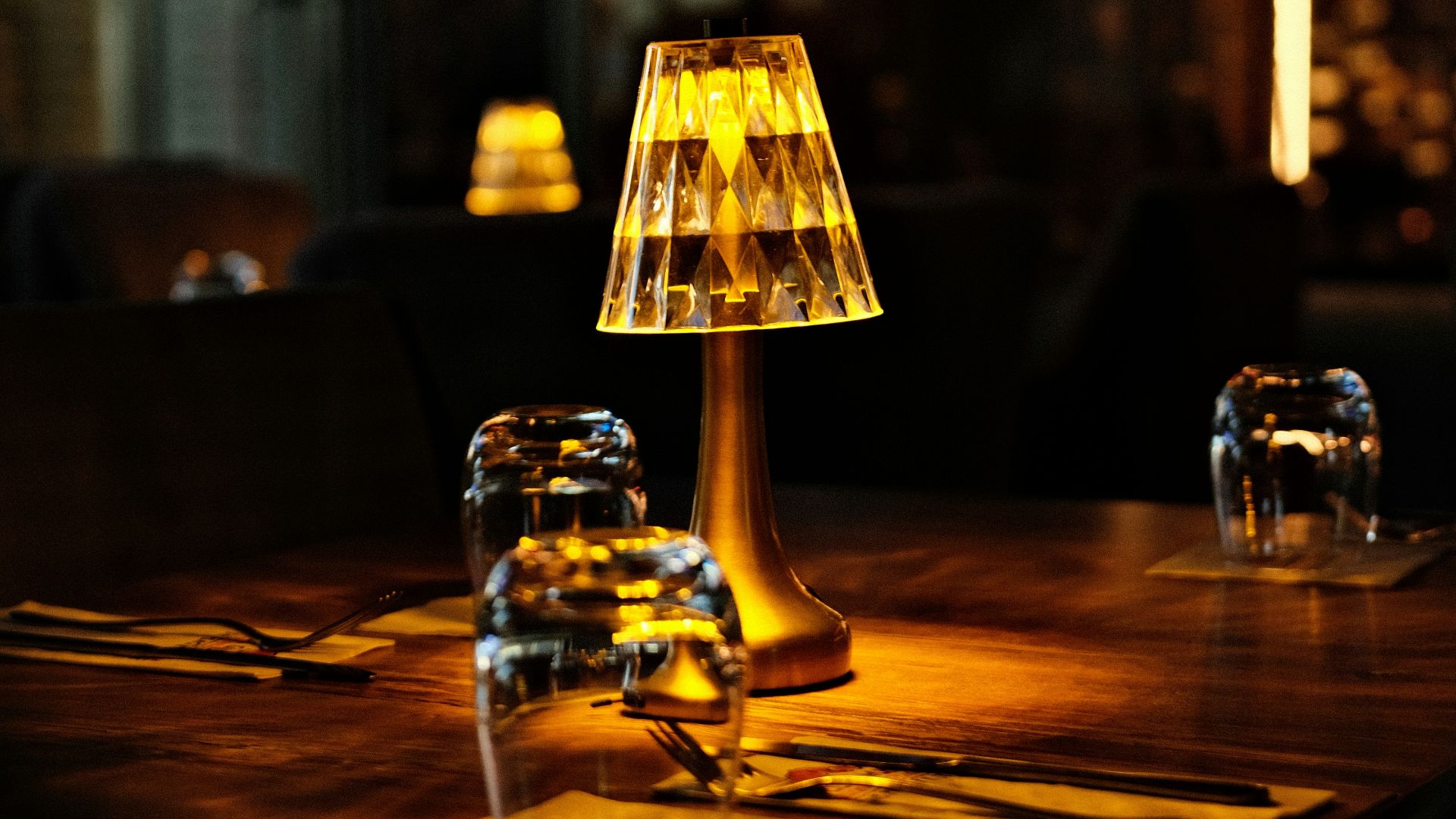
Dim lighting makes everyone look better and makes food feel more indulgent, which is part romance and part strategy. A darker room can blur tiny flaws and encourage a slower, more relaxed ordering style. You may not notice it consciously, yet the mood is doing work.
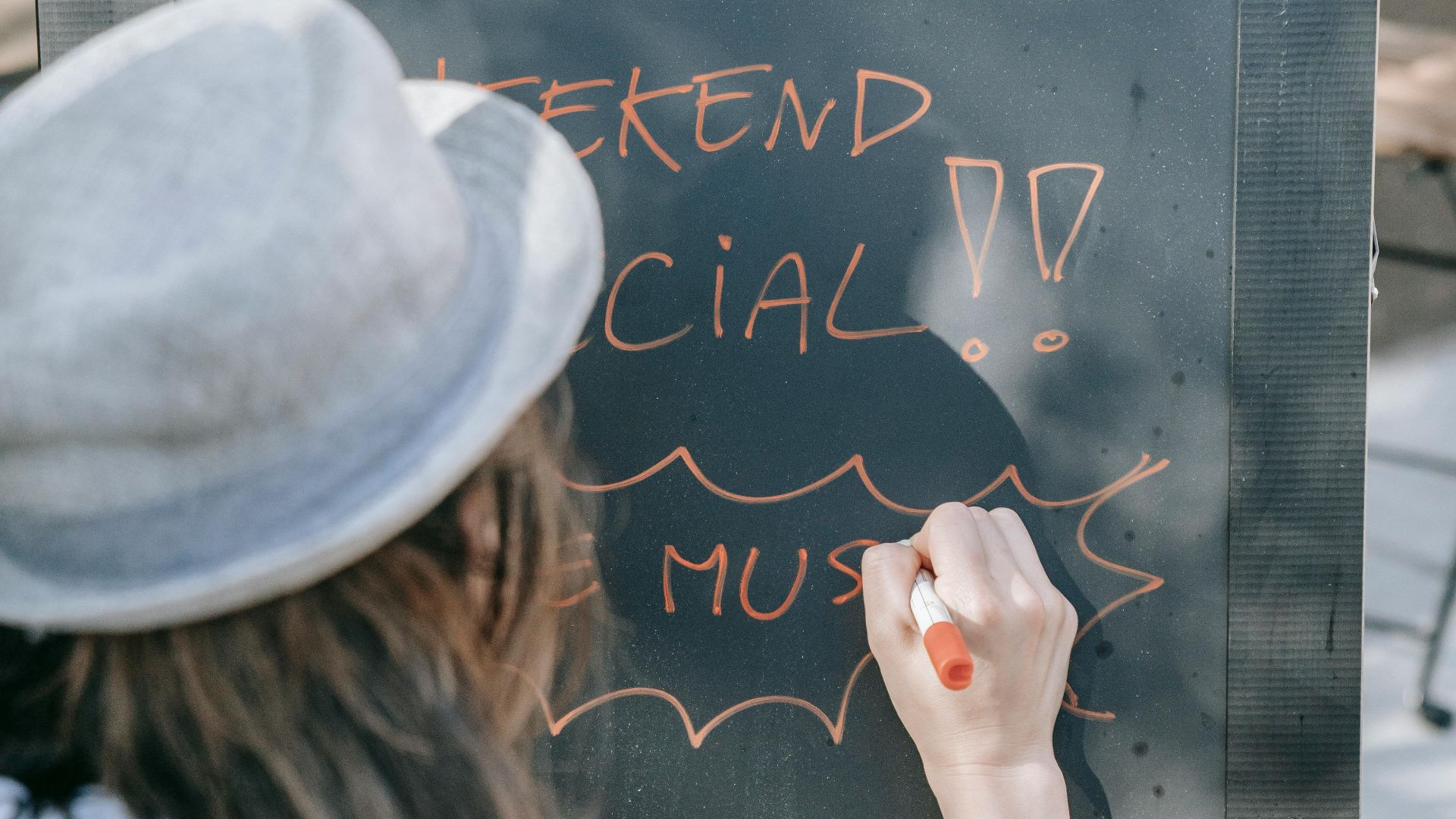
7. Vague Specials Delivered Like A Story
A server can sell a special with momentum, especially when the details are fuzzy and the price isn’t printed. “Fresh catch” and “chef’s special” can mean a genuinely great one-off, and they can also mean something the kitchen wants to move. When the pitch is all adjectives, it’s often a sales technique dressed as charm.
8. The “Small Plate” That Adds Up Fast
Small plates feel playful and social, which makes ordering three or four seem reasonable. Each one is priced like a miniature splurge, and suddenly the table has spent more than a straightforward entrée plan would have cost. Variety disguises the total because it feels like collecting experiences, not buying food.
9. Descriptive Language That Sells Familiar Food As Luxury
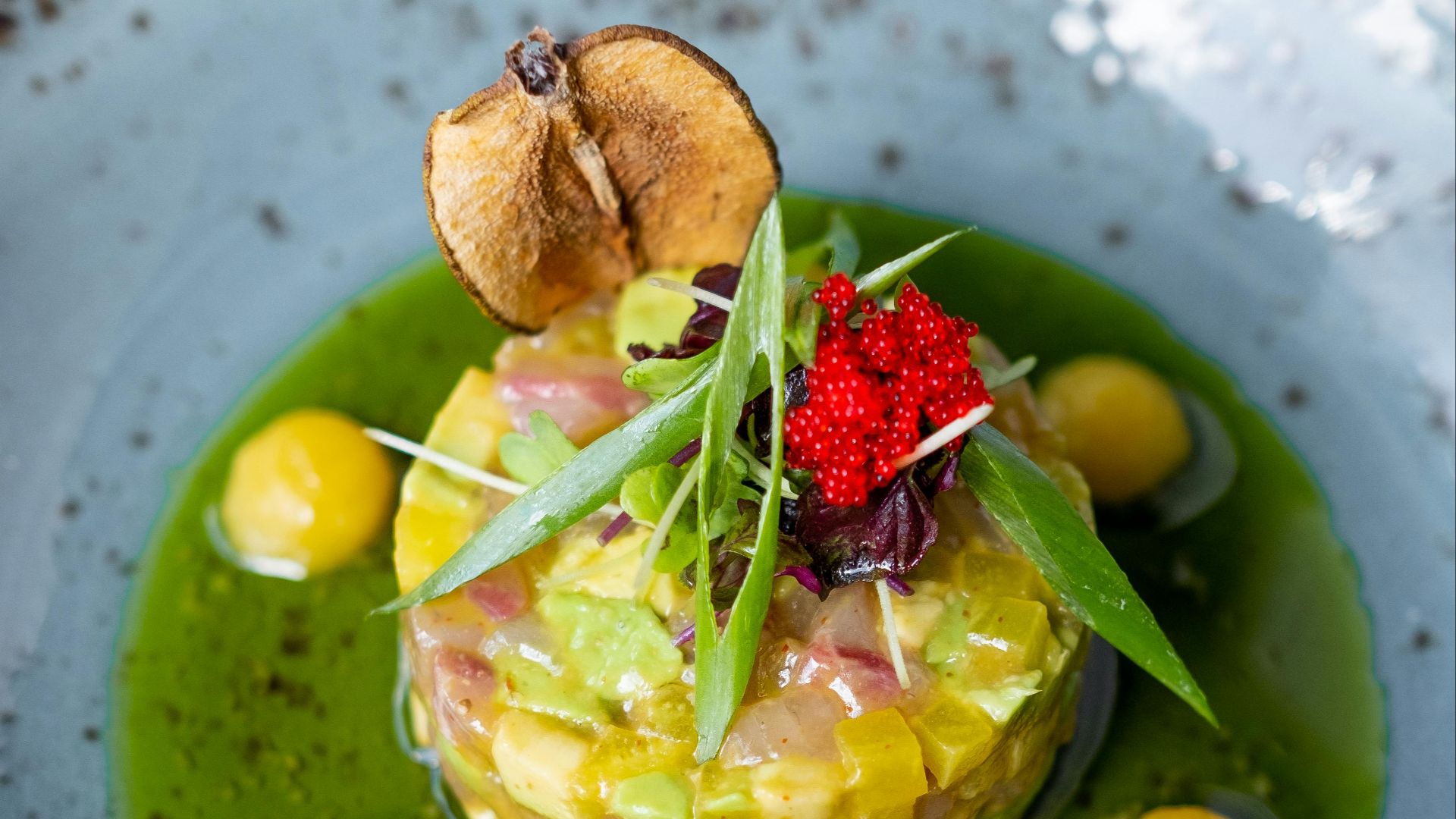
“Hand-cut,” “artisan,” “garden,” “heritage,” and “farm” can be meaningful, and they can also be menu perfume. The words create an image of care that may or may not be reflected in the kitchen’s actual sourcing. The dish can still taste good, yet the language is doing extra work to justify the price.
10. A Server Script That Assumes The Add-Ons
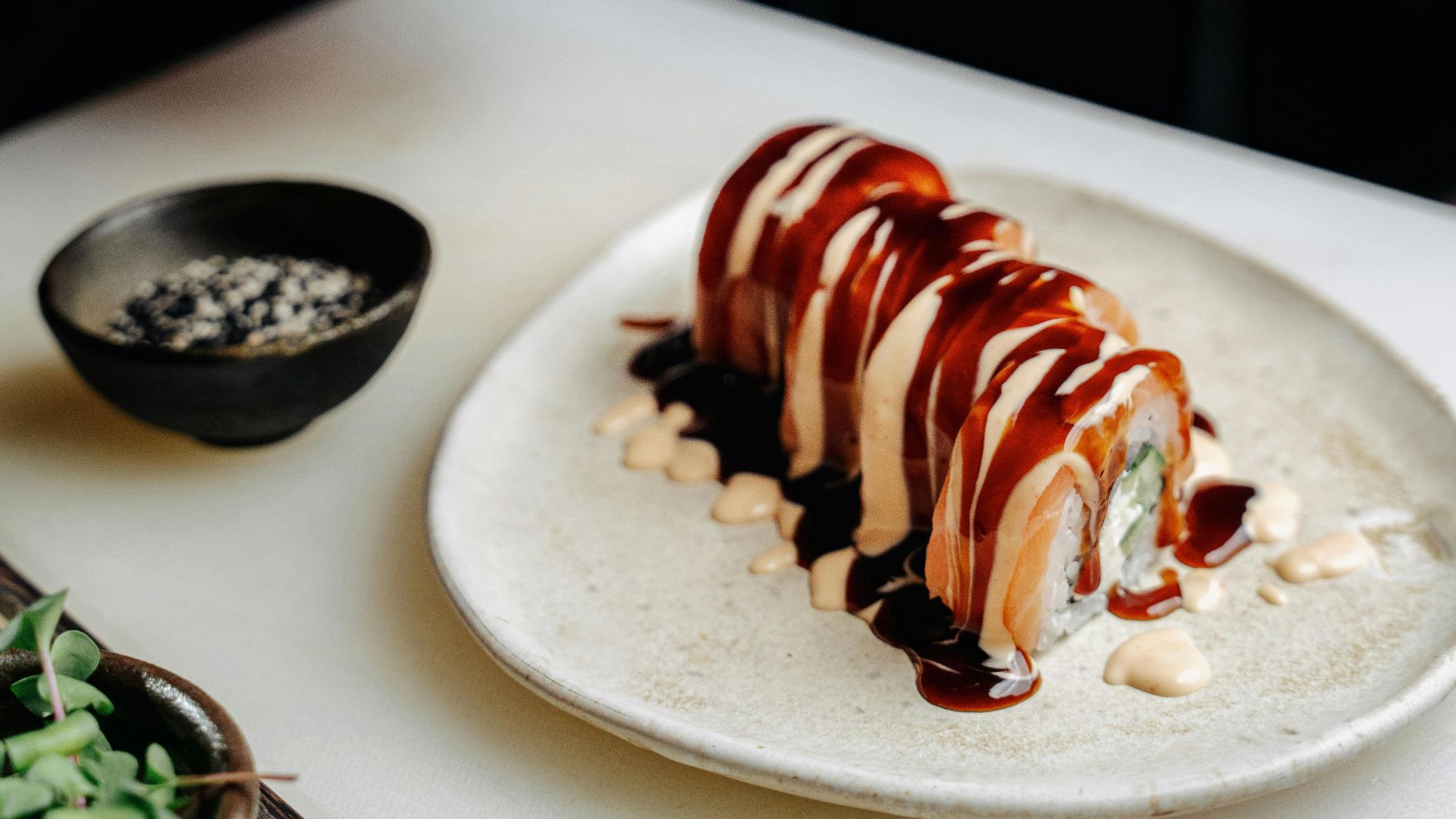
Some places train staff to offer upgrades in a way that sounds like the default: add avocado, make it a double, start with the shared appetizer, finish with dessert “for the table.” The friendliness is real, and the structure is real, too, because scripts are designed to increase check averages across hundreds of tables. When the suggestion is smooth enough, it can feel like your own idea.
KEEP ON READING

20 Food-Related Art Projects