To Fork or Not to Fork
Believe it or not, the way we eat says a lot about who we are, where we come from, and what we believe about food. Across the globe, billions of people sit down to meals every day using nothing but their hands, while others wouldn't dream of touching their dinner without a full set of silverware. But both approaches have genuine merit, and the choice between them often comes down to culture, context, and cuisine. Whether you're a devoted fork-and-knife type or someone who swears by the sensory pleasure of eating with your fingers, there's more to this debate than table manners alone. Ready to dig in?

1. It Creates a Deeper Connection to Your Food
When you eat with your hands, you engage more of your senses before the food even reaches your mouth, giving you a richer, more tactile experience. You can feel the texture, temperature, and weight of what you're eating, which many people find genuinely satisfying in a way that utensils simply don't allow. Research in food science has suggested that this physical contact can actually heighten your perception of flavor and make meals feel more enjoyable overall.

2. It's the Culturally Authentic Way to Enjoy Many Dishes
Countless beloved cuisines around the world were designed to be eaten by hand, and using cutlery can actually diminish the experience. Think of Ethiopian injera, South Asian flatbreads, West African stews, or Middle Eastern mezze—all of these dishes have traditions built around hand-eating that go back generations. Respecting that cultural context means embracing the intended way of eating, which enriches both the meal and your appreciation of the cuisine.
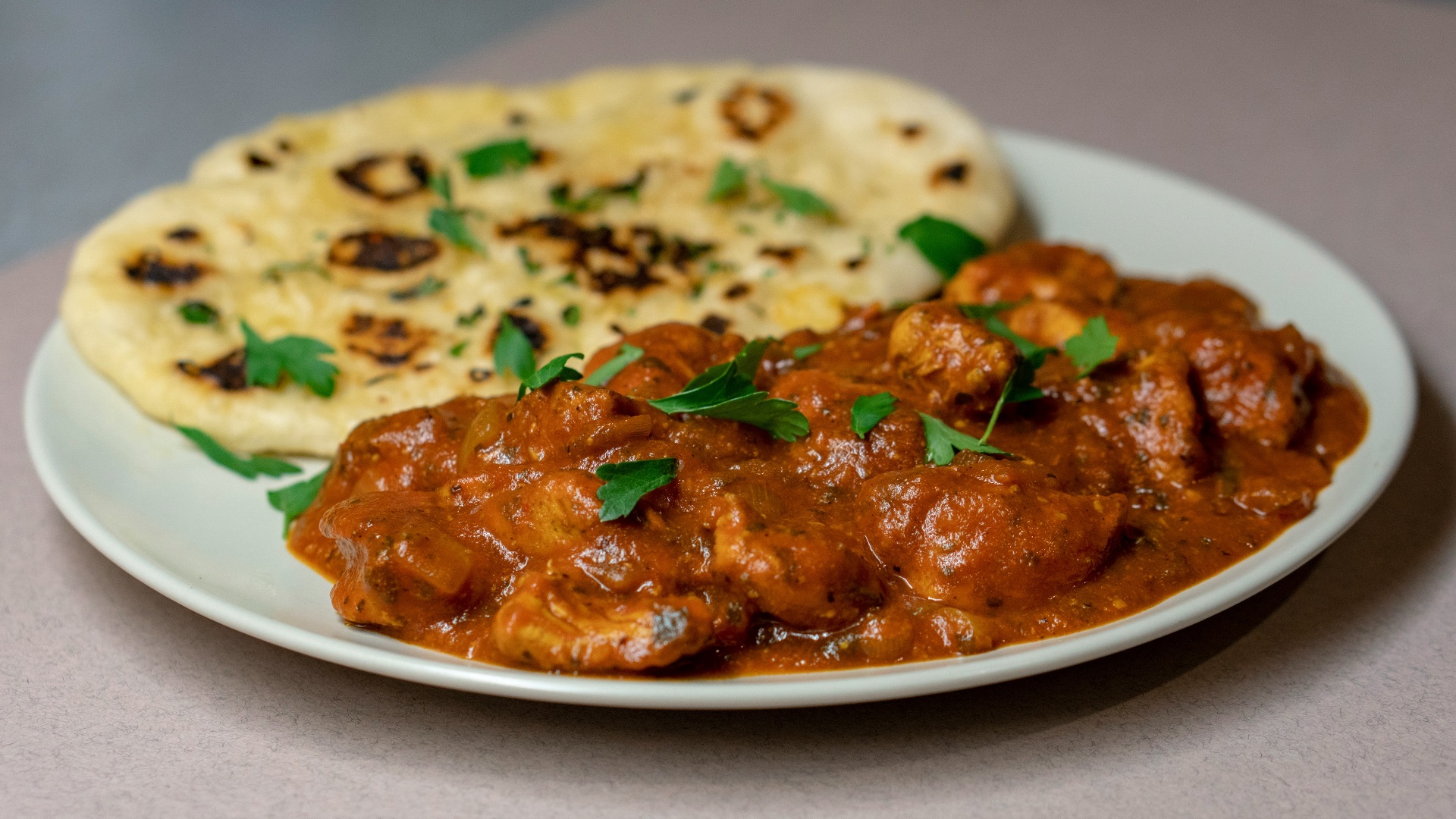 amirali mirhashemian on Unsplash
3. You Naturally Eat at a Slower, More Mindful Pace
Eating with your hands tends to slow you down, which is actually a big benefit for your digestion and your sense of fullness. You're more deliberate with each bite, tearing or scooping food with intention rather than mechanically stabbing and lifting with a fork. That slower rhythm gives your stomach more time to signal your brain that it's satisfied, which can help you avoid overeating.
4. It Can Actually Support Better Portion Awareness
Because your hands are in direct contact with everything you're eating, you're far more aware of how much food is moving from the plate to your mouth. That tangible feedback makes it harder to eat on autopilot, and many people find that they naturally moderate their intake without even trying. It's a surprisingly effective way to stay present during a meal rather than zoning out while your fork keeps going.
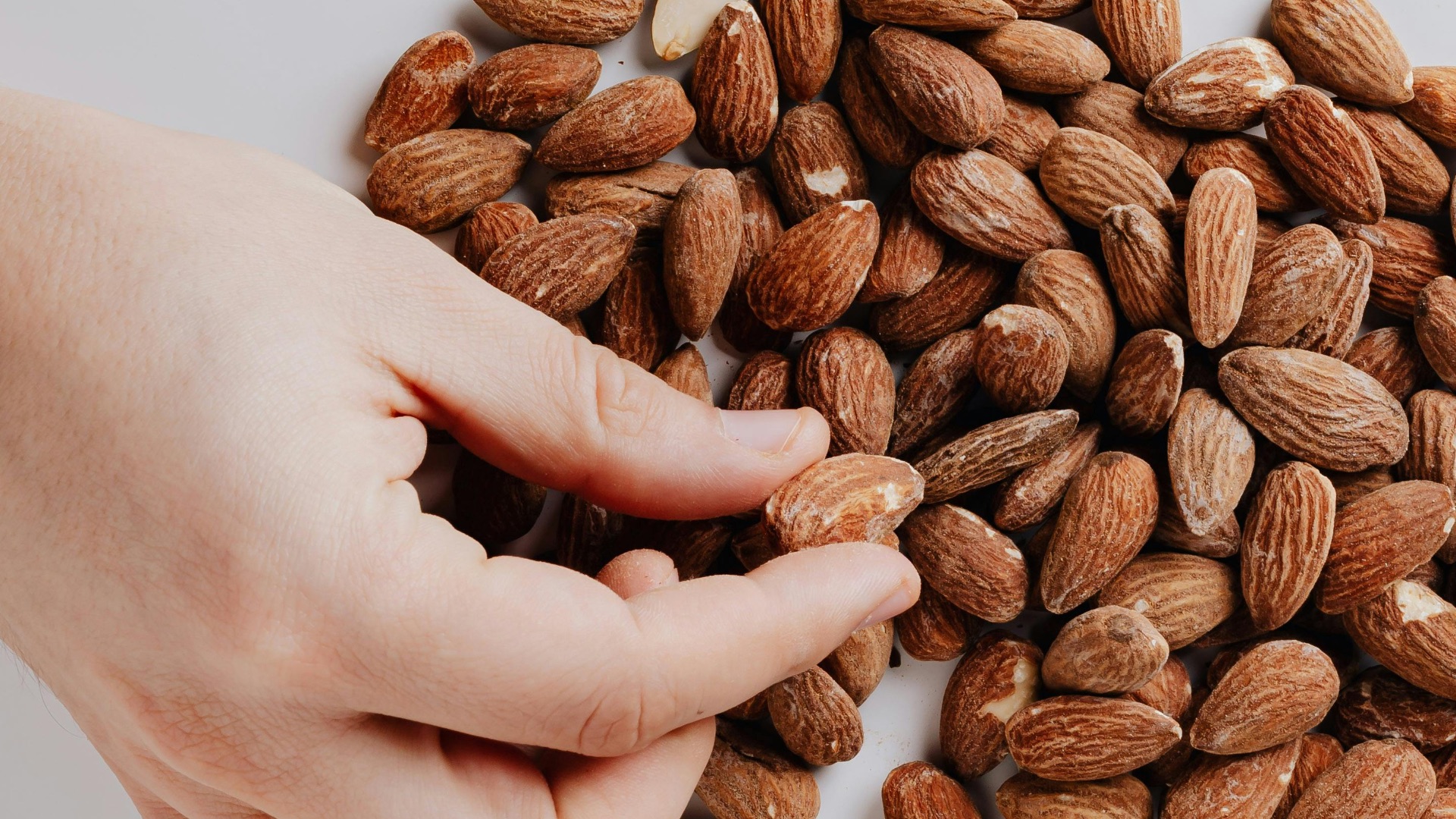
5. There's No Equipment to Wash Up Afterward
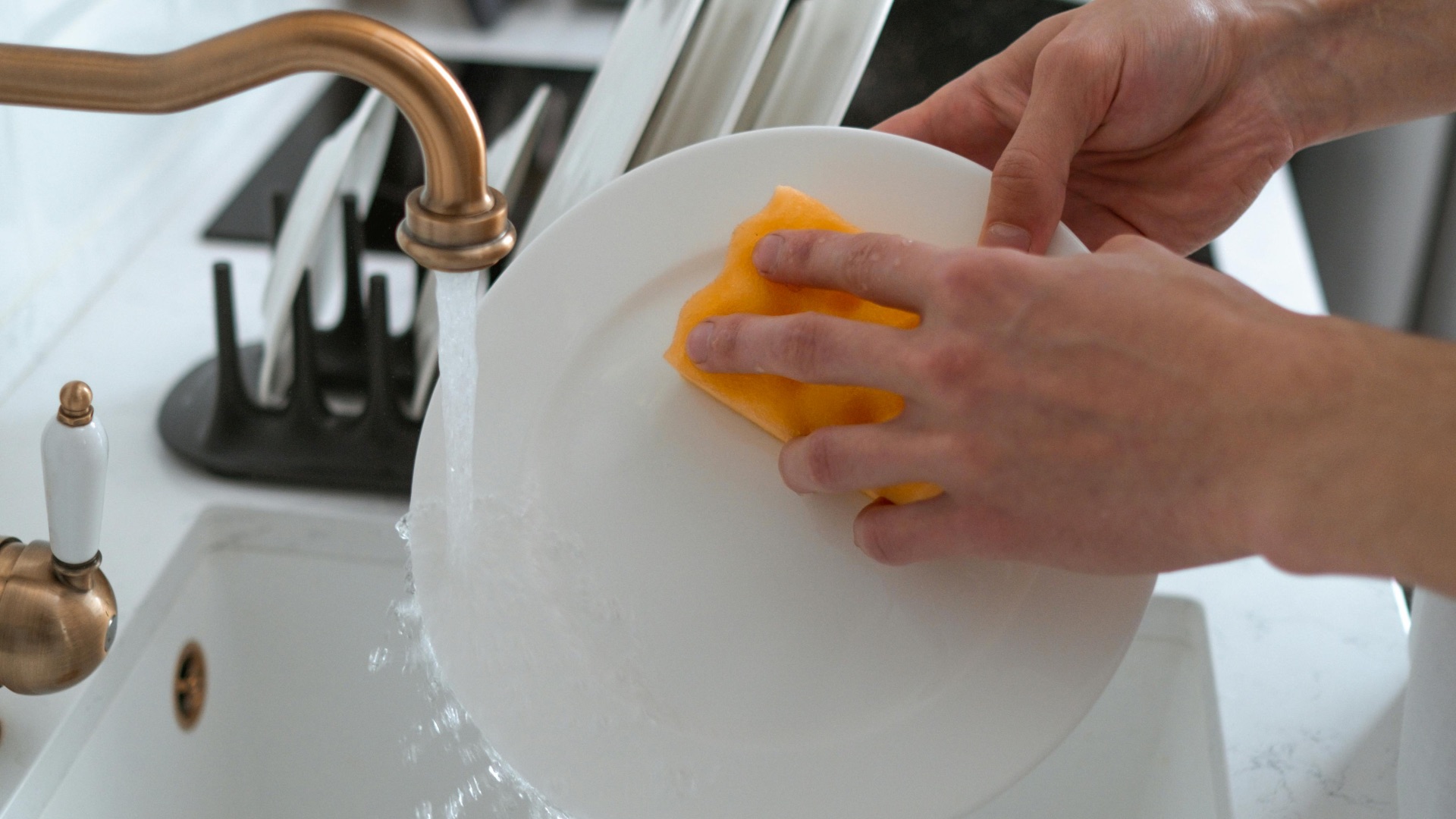
One of the most practical upsides of hand-eating is the complete absence of silverware to clean, which makes it a genuinely convenient option for casual meals, outdoor eating, and picnics. Fewer dishes in the sink means less time spent scrubbing after a meal, and, if you ask us, that's a small but pretty great perk.
6. Hand-Eating Has Deep Roots in Human History
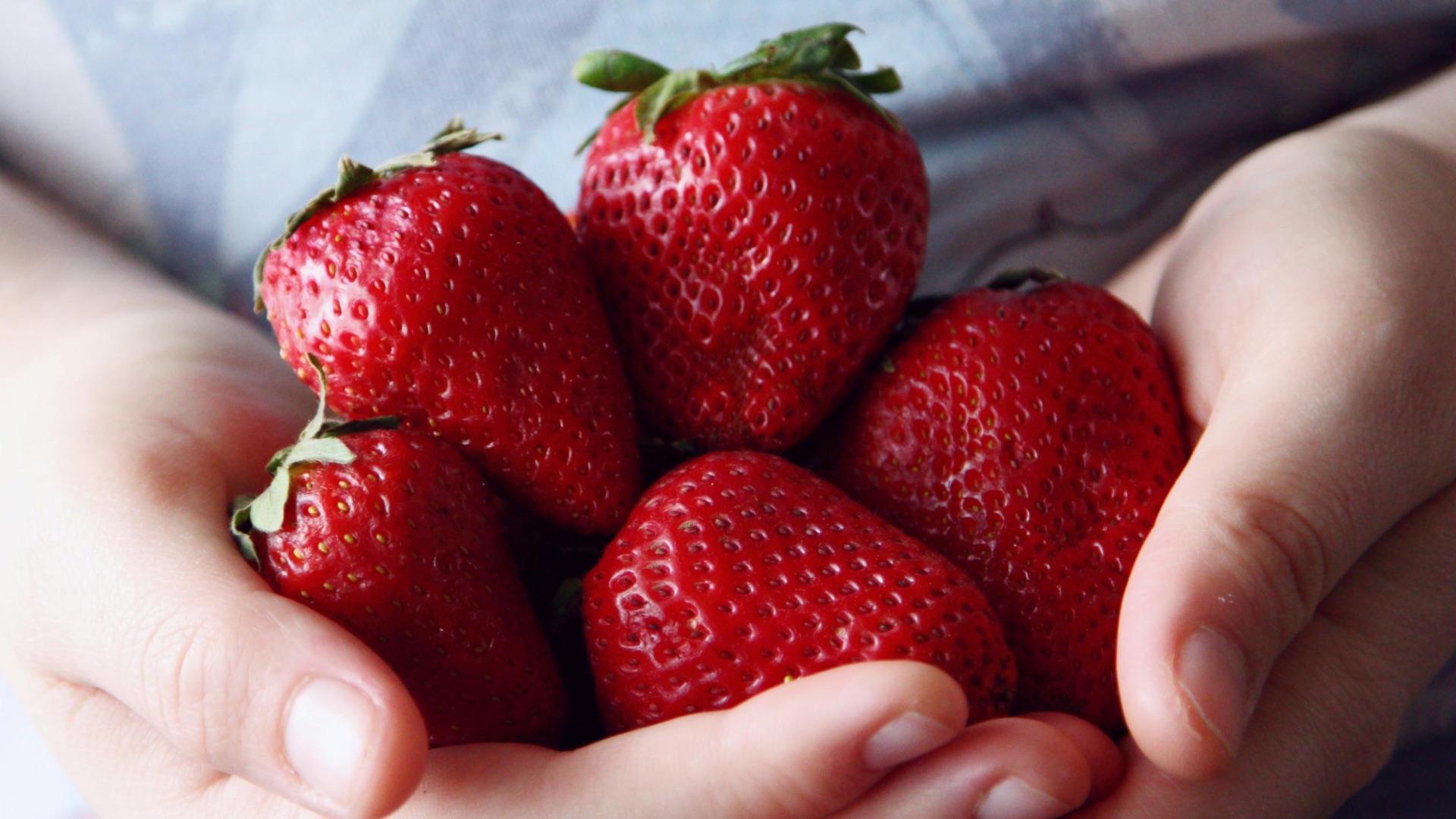
For the vast majority of human history, eating with your hands was the default, and utensils are actually a relatively recent invention in the grand timeline of our species. Forks didn't become widespread in Europe until the 18th century, which means that for thousands of years, people ate perfectly well without them. There's something grounding about participating in a practice that's as old as humanity itself.
7. It Encourages a More Communal Style of Dining
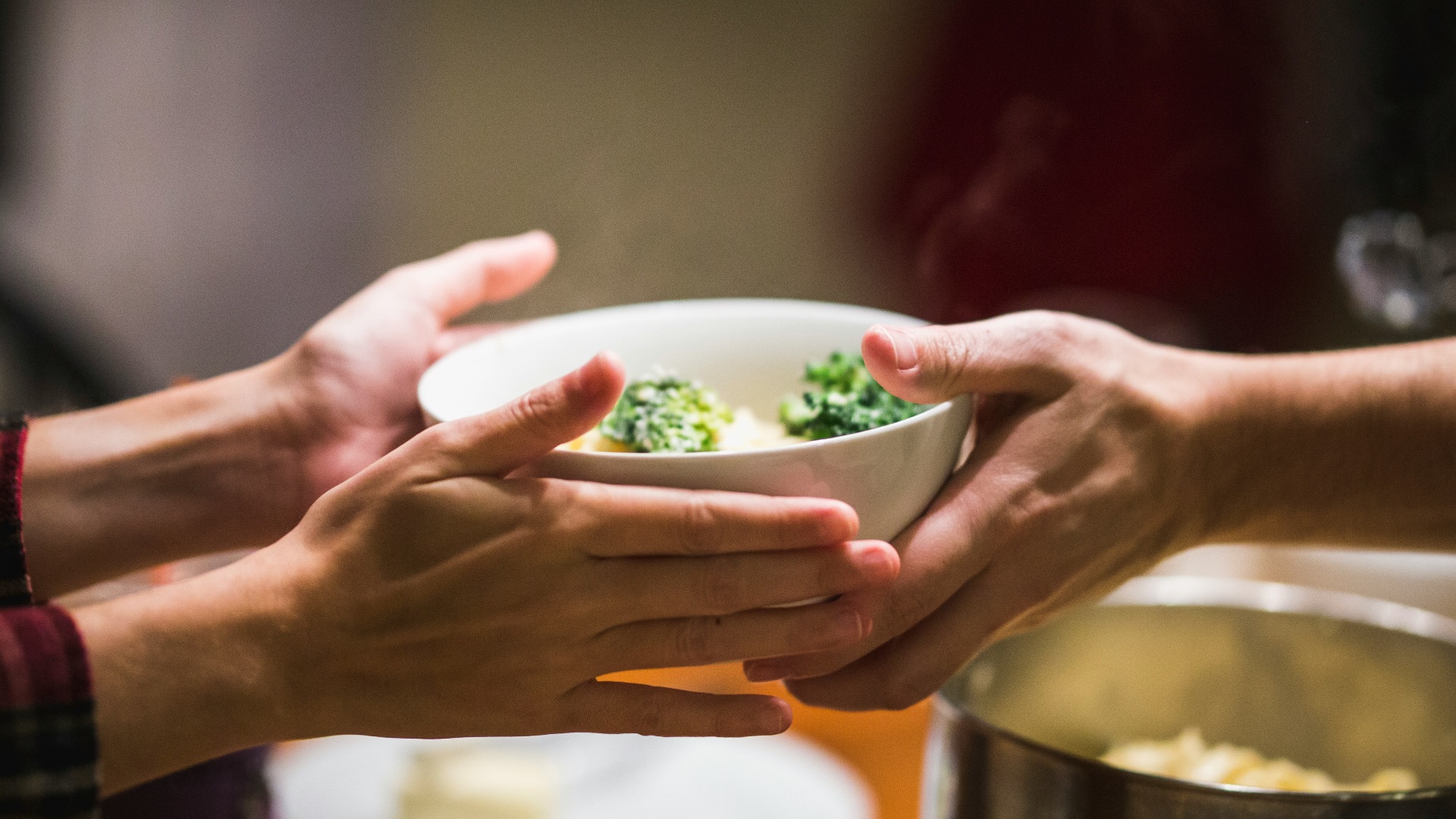
Many hand-eating traditions are closely tied to shared meals where everyone dips into the same dish, creating a sense of togetherness that individually plated food sometimes misses. Sharing a bowl of stew or a platter of rice with your hands fosters a kind of intimacy and equality around the table that's hard to replicate with formal place settings. That communal spirit can make an ordinary dinner feel like a genuinely meaningful gathering.
8. You Can Eat on the Go
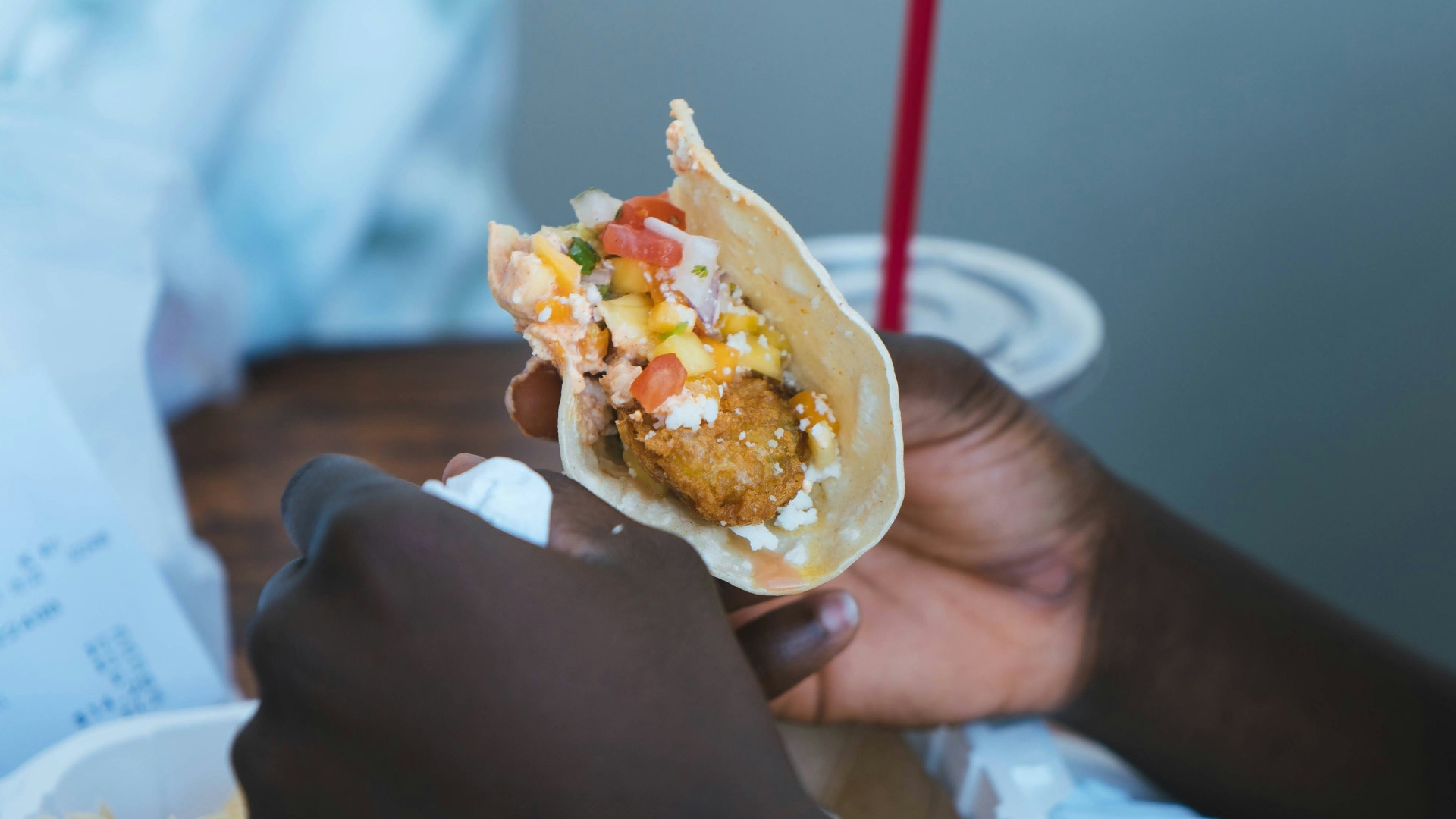
Hand-held foods are some of the most practical and portable options in the entire culinary world, and they're designed specifically for the freedom of eating without a table, plate, or cutlery. Street food culture around the globe is built on this premise, from tacos and dumplings to samosas and empanadas.
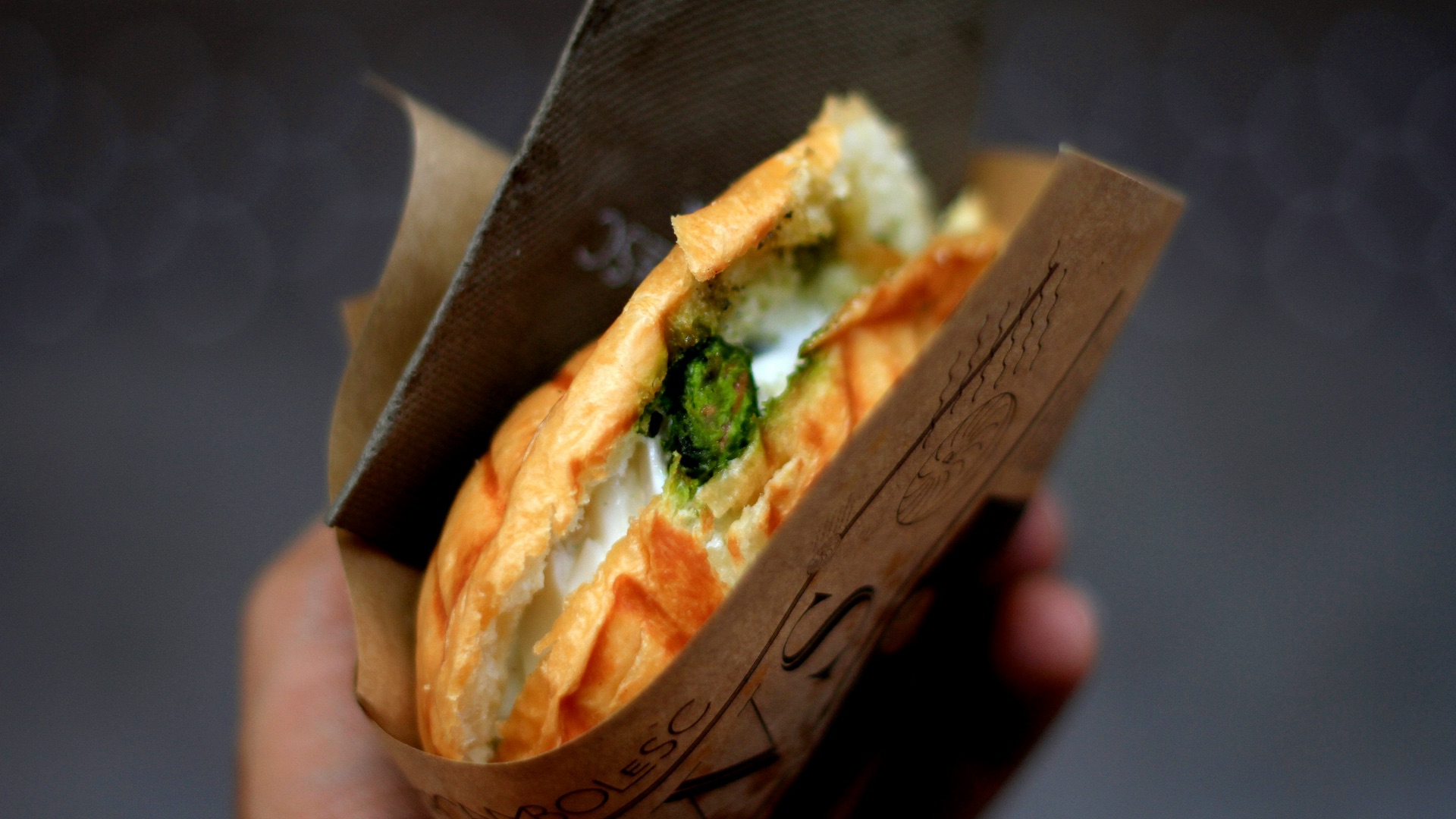
9. It Can Help Young Children Develop Fine Motor Skills
Letting toddlers and young children eat with their hands might be messy, but it's actually an important part of their physical and sensory development. Picking up small pieces of food, squeezing, pinching, and manipulating different textures all help build the hand-eye coordination and dexterity that children will need later in life. Encouraging hand-eating in early childhood is considered developmentally appropriate by most pediatric nutrition experts.

10. Some Foods Simply Taste Better This Way
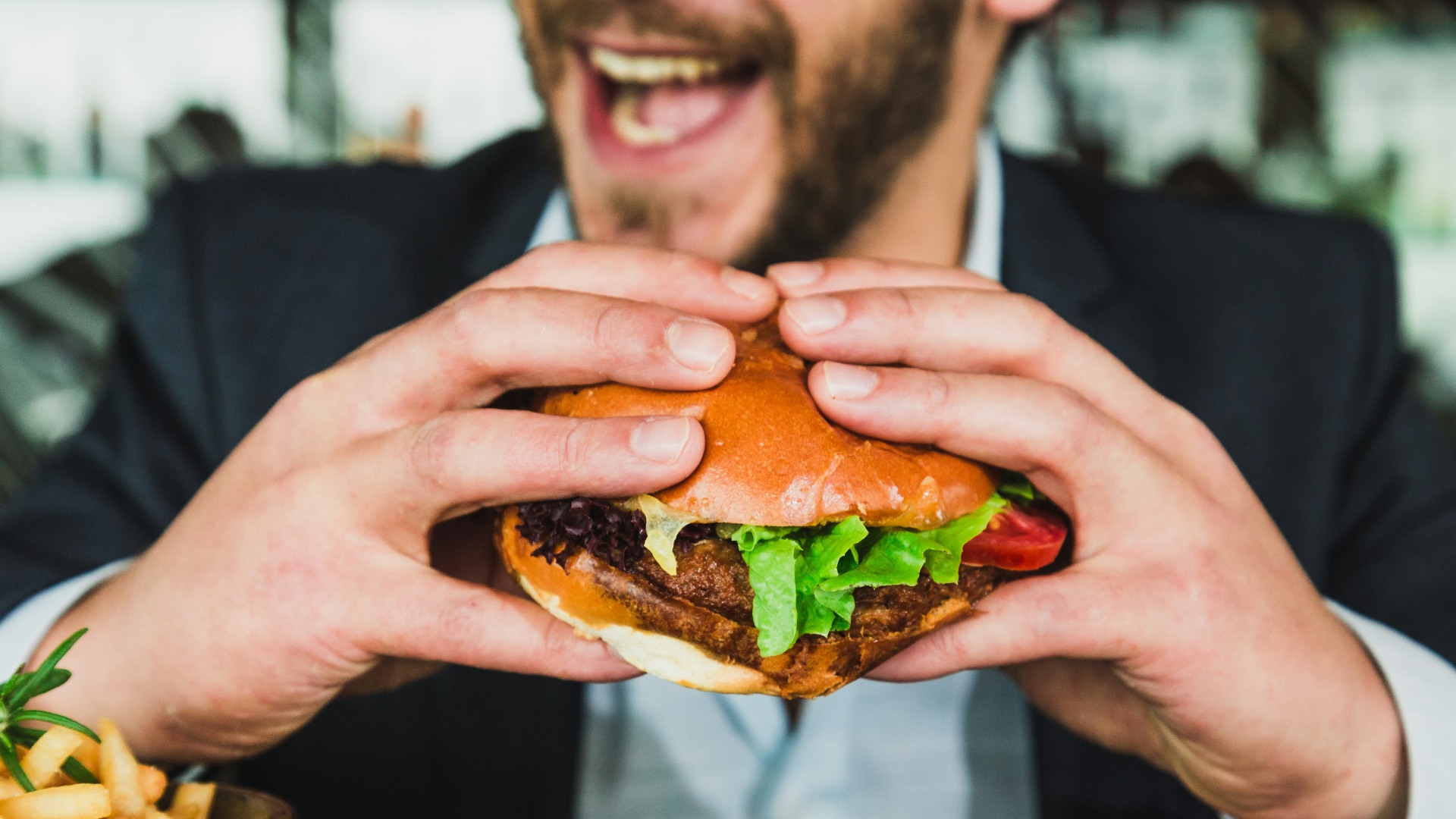
There's a reason pizza, fried chicken, and crusty bread rarely call for a knife and fork. The crunch of a well-made taco shell, the cheesy pull of a slice of pie, and the satisfying grip of a good burger all belong to the hands. Reaching for a fork in these situations can feel odd and as if you're distancing yourself from the food.
But alas, there are cases when food calls for proper utensils, too. Let's dive into that next.
1. Utensils Help You Manage Hot Foods Safely
When a dish comes out of the oven or arrives steaming from the kitchen, your hands are simply not the right tool for the job, and utensils offer a crucial layer of protection. A fork or spoon lets you portion, move, and eat hot food without burning your fingers or having to wait an inconvenient amount of time for everything to cool down. Practical safety is a compelling reason on its own to keep cutlery as a regular part of your meals.
 Farhad Ibrahimzade on Unsplash
2. They Allow for Greater Precision with Certain Foods
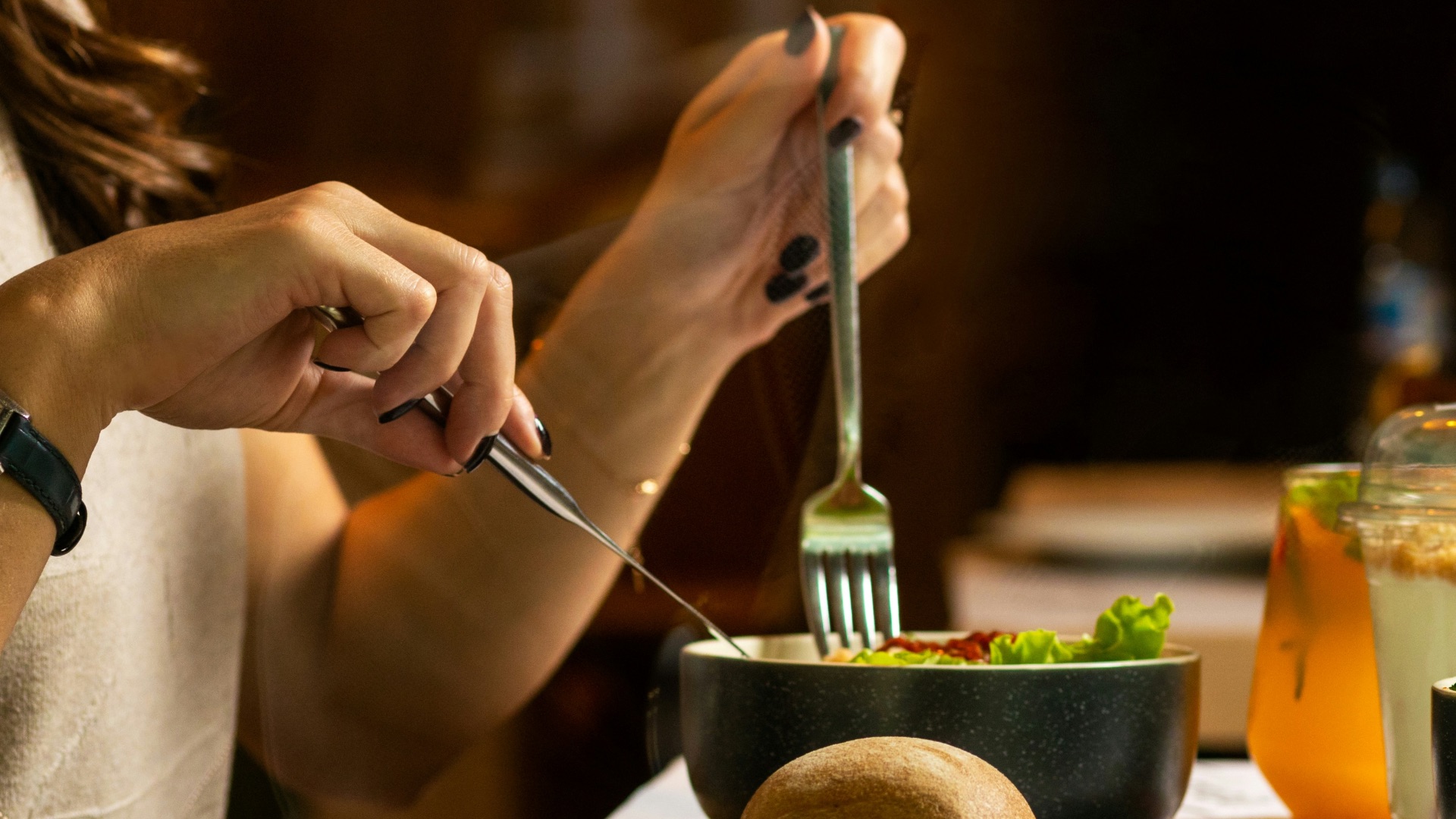
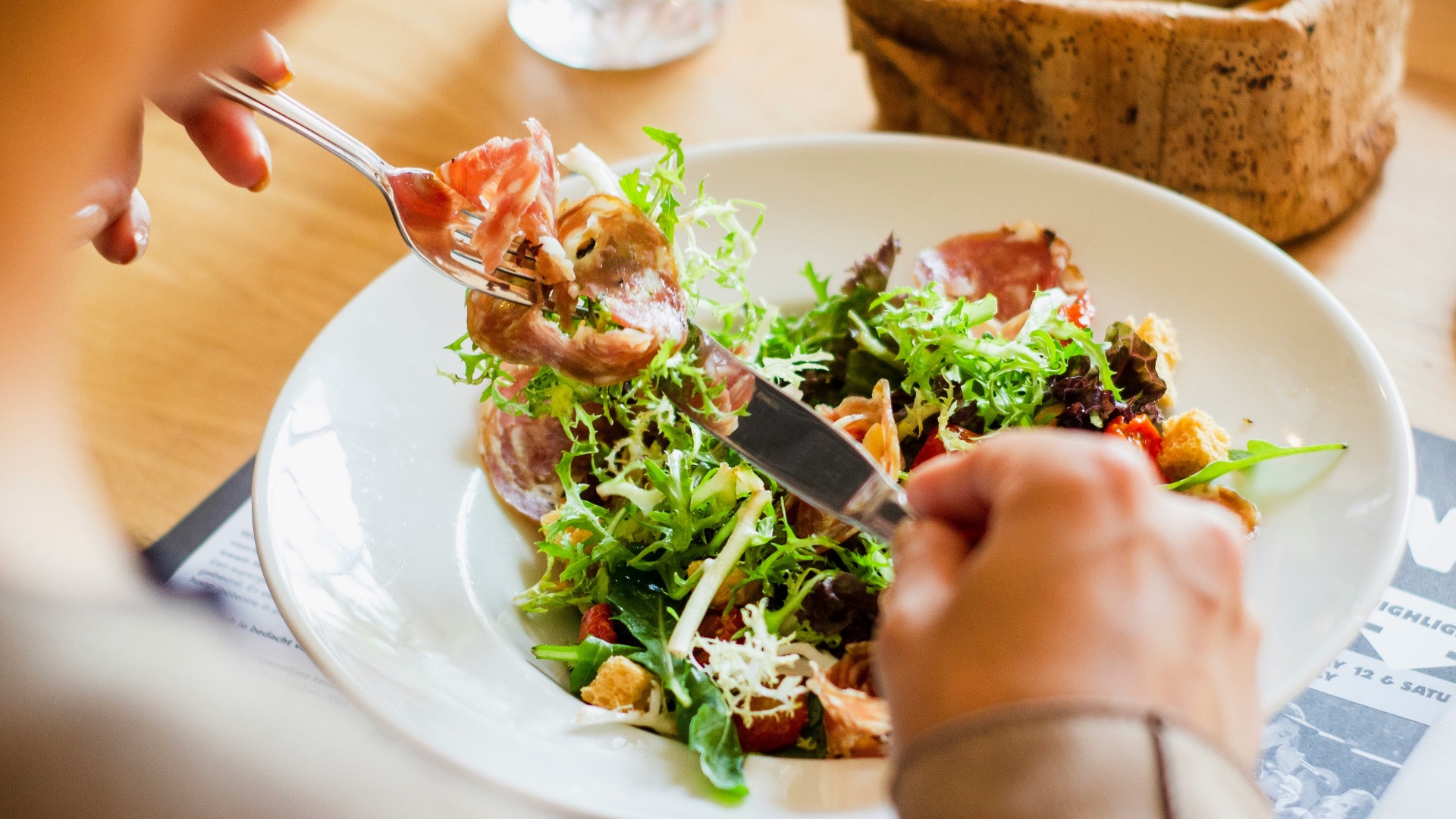
Try eating a delicate piece of poached fish or a finely plated salad with your hands and you'll quickly realize how much work a good fork and knife are doing for you. Utensils allow you to cut, separate, and portion foods with a level of control that fingers just can't replicate, especially with dishes that have been carefully composed. That precision matters a great deal when texture, presentation, and balance are central to the dining experience.
3. They're Essential for Liquid-Based Dishes
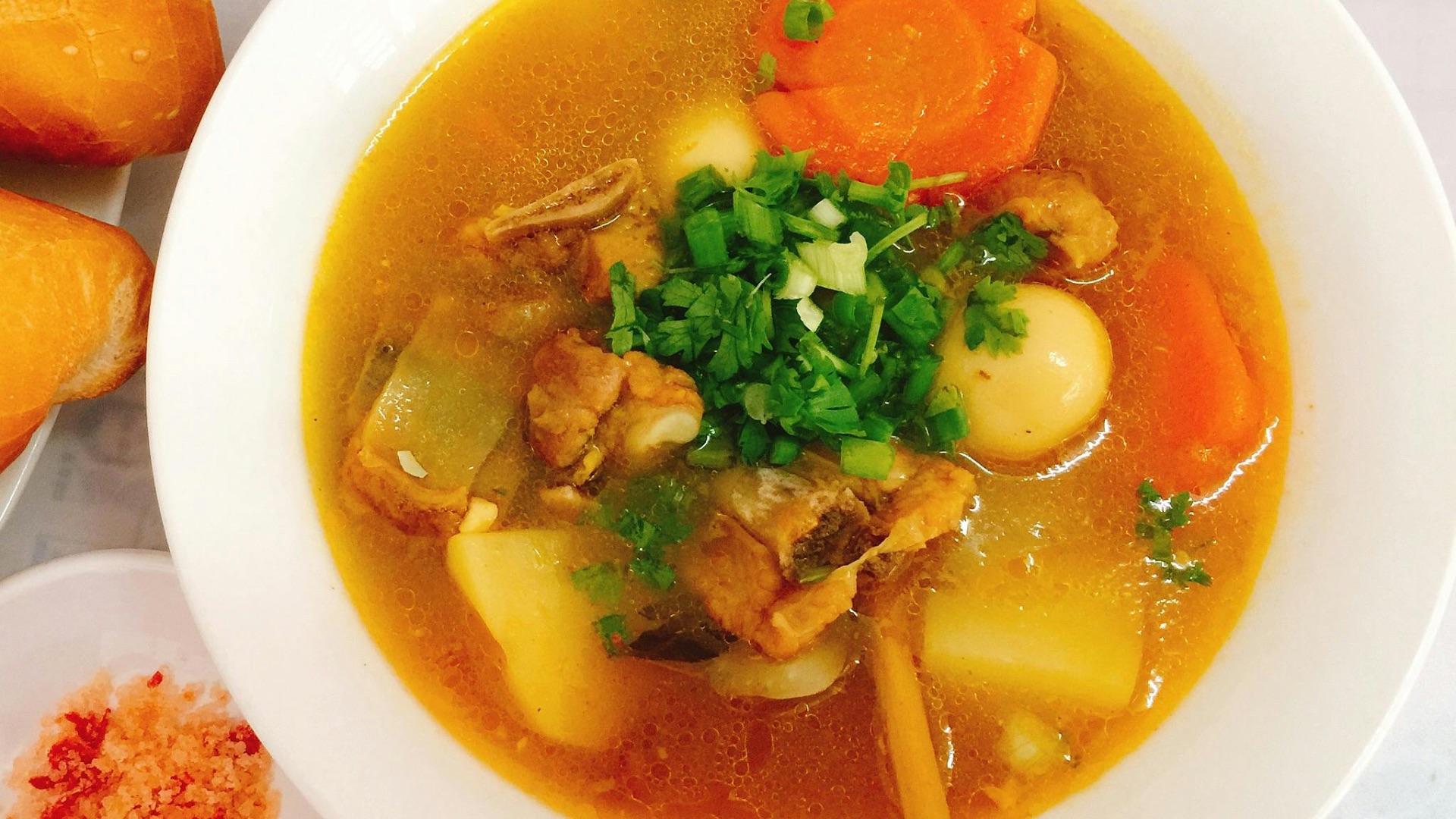
Soups, stews, broths, and sauces are simply not candidates for hand-eating, and a spoon is the only practical solution for getting them from bowl to mouth. Even dishes that have solid components suspended in liquid, like ramen, pho, or chili, require the right utensil to navigate properly.
4. Using Utensils Is Expected in Formal Dining Settings
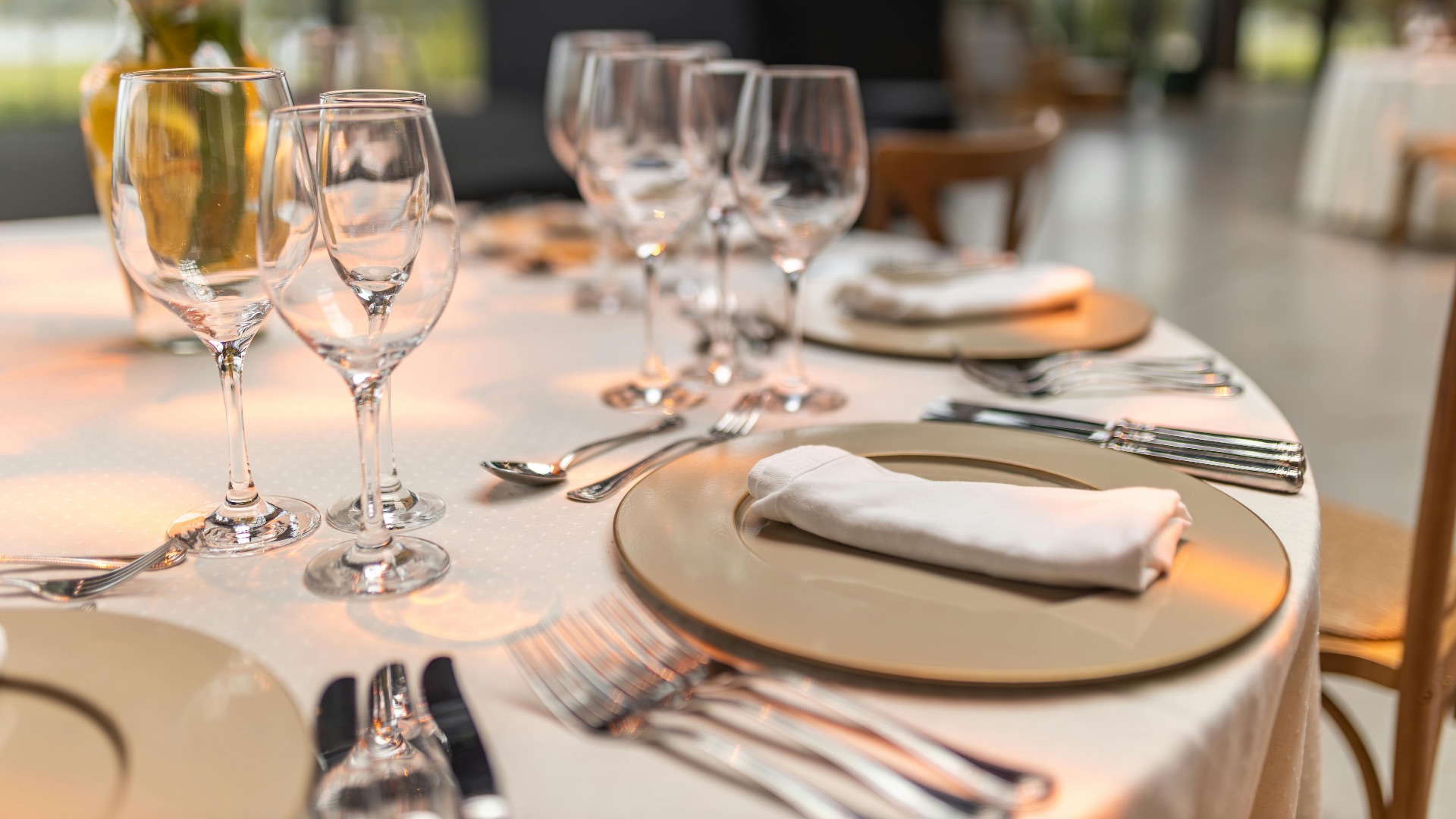
Whether you're attending a business dinner, a wedding reception, or a formal celebration, knowing how to use utensils correctly is a social skill that carries real weight in professional and ceremonial contexts. Understanding when to adapt to the expectations of your environment is part of being a considerate and socially aware guest.
5. They Help Keep Your Hands Clean During a Meal
Not every meal lends itself to a quick rinse afterward, and there are plenty of situations where keeping your hands clean and presentable throughout eating is genuinely important. Utensils act as a barrier between you and the food, so you can finish your meal without worrying about grease, sauce, or residue on your fingers.
6. They Reduce the Spread of Germs at Shared Tables
When multiple people are sharing dishes from the same serving platters, using serving spoons and individual utensils significantly reduces the transfer of bacteria between diners. This is particularly relevant when someone at the table is sick, or when food is being shared across a large group where hand hygiene can't be uniformly guaranteed. Public health professionals consistently emphasize the role utensils play in maintaining basic sanitation standards during communal eating.

7. Chopsticks and Specialty Tools Enhance Specific Cuisines
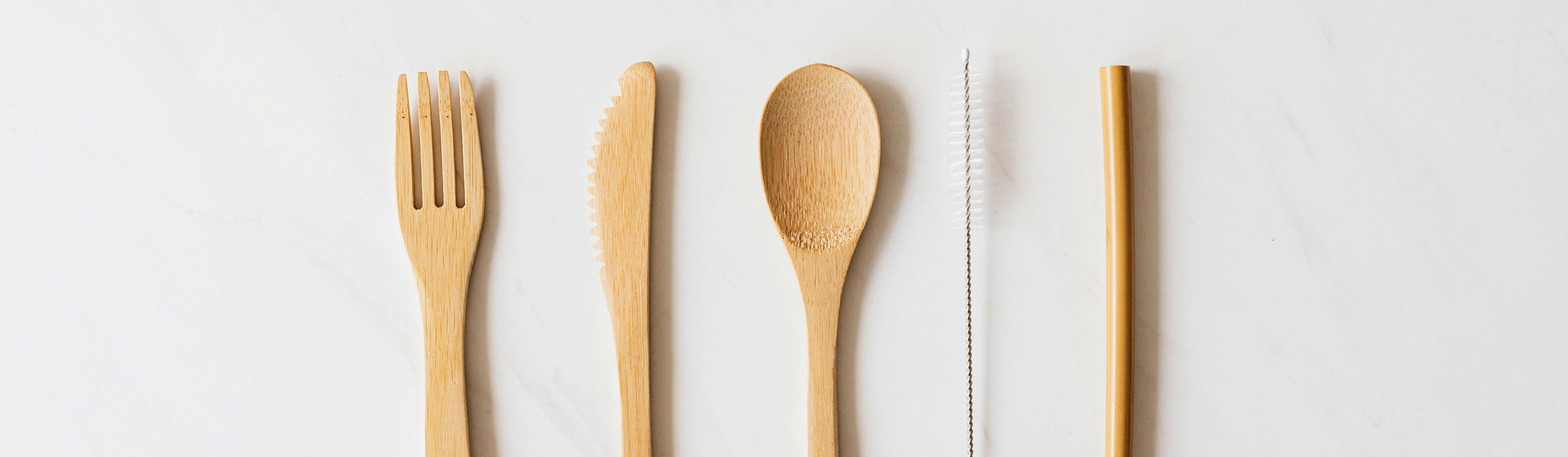
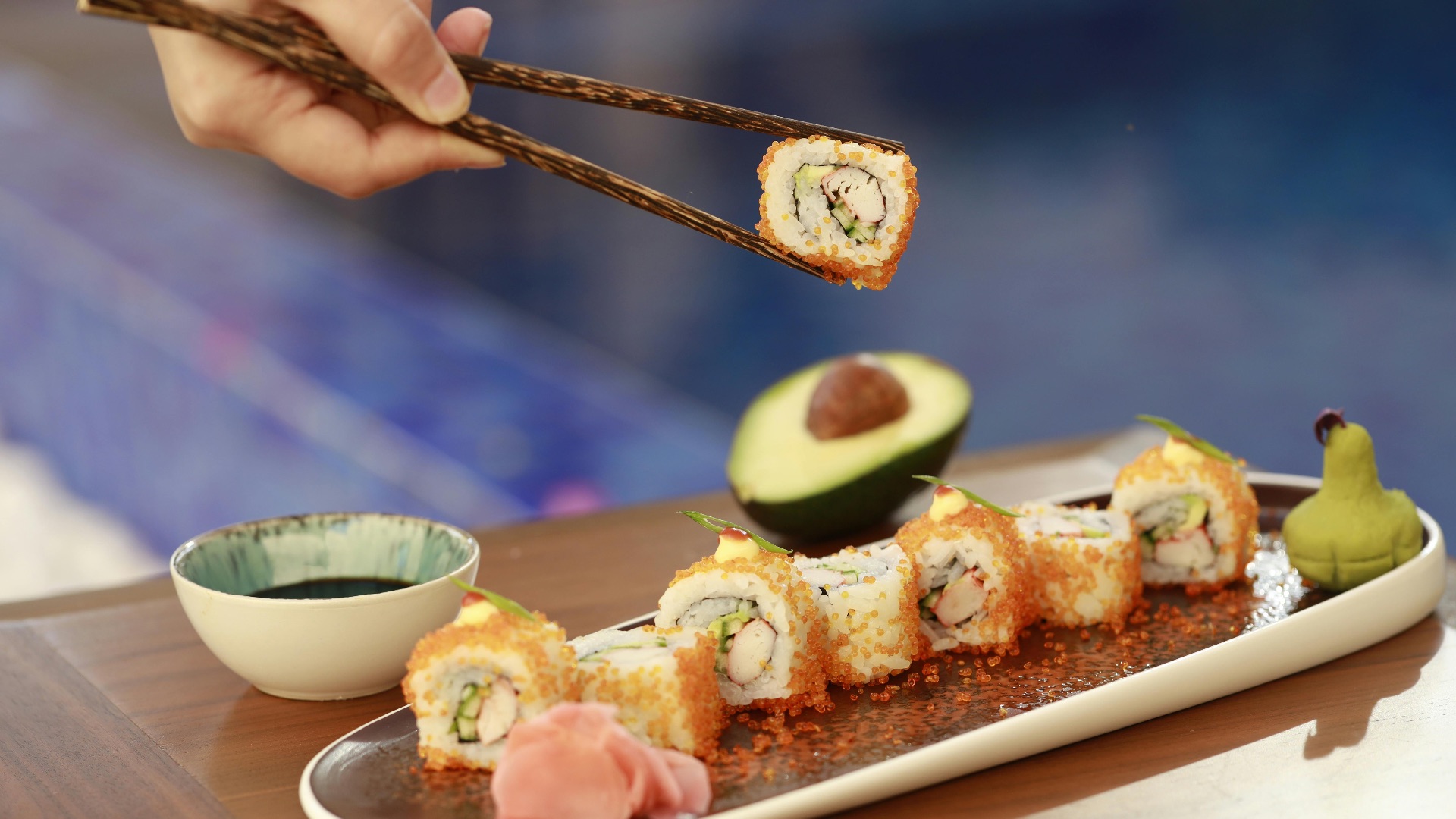
Utensils aren't limited to the Western fork-knife-spoon trio, and specialized tools like chopsticks, tongs, skewers, and seafood picks are deeply integrated into the cuisines they accompany. Learning to use chopsticks properly, for example, allows you to engage with Japanese, Chinese, Korean, and Vietnamese food in a more authentic and intentional way. Each specialized utensil was developed alongside a specific culinary tradition, and using it correctly shows a genuine respect for that tradition.
8. They Make Cutting Foods Much Easier
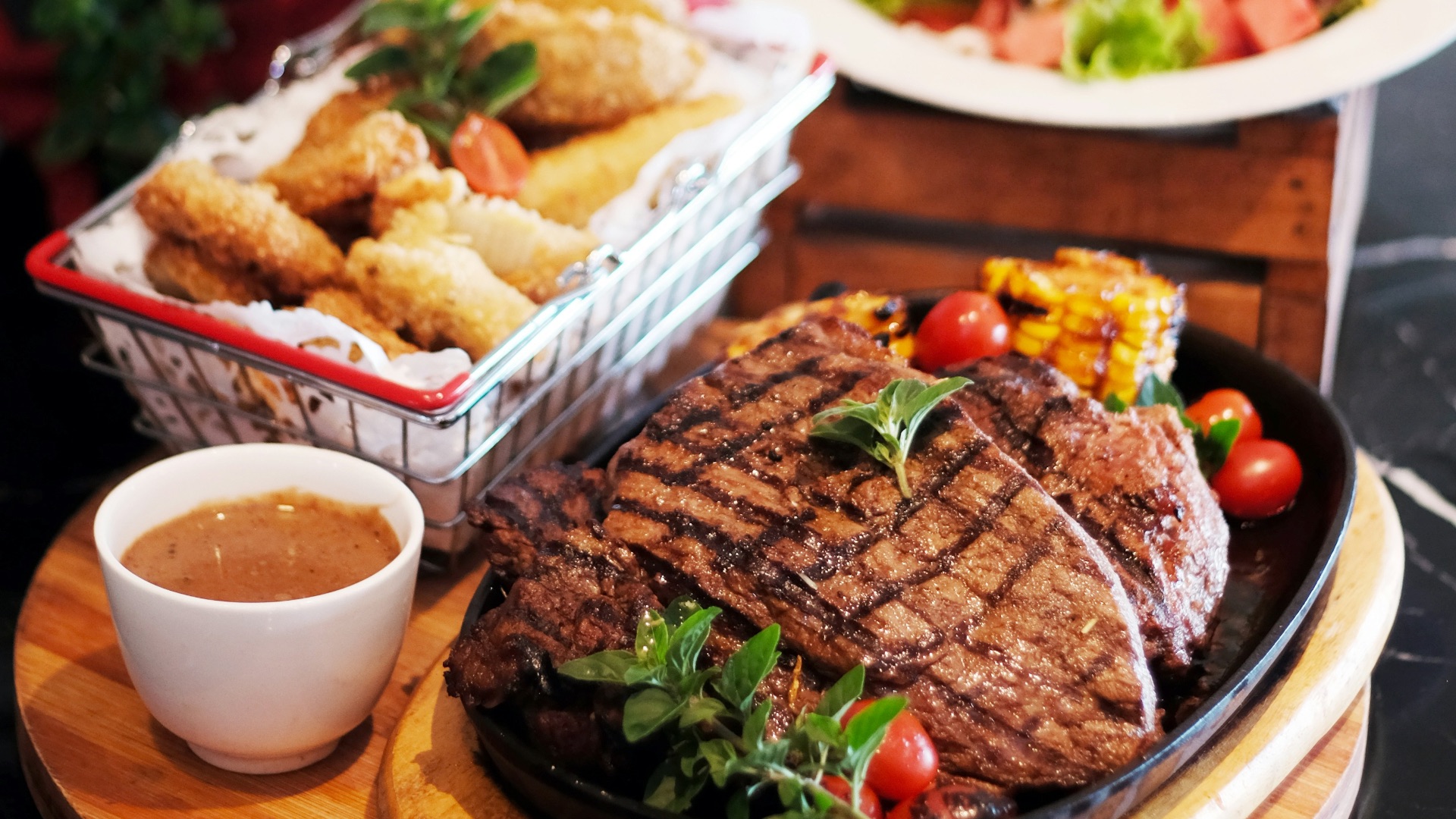
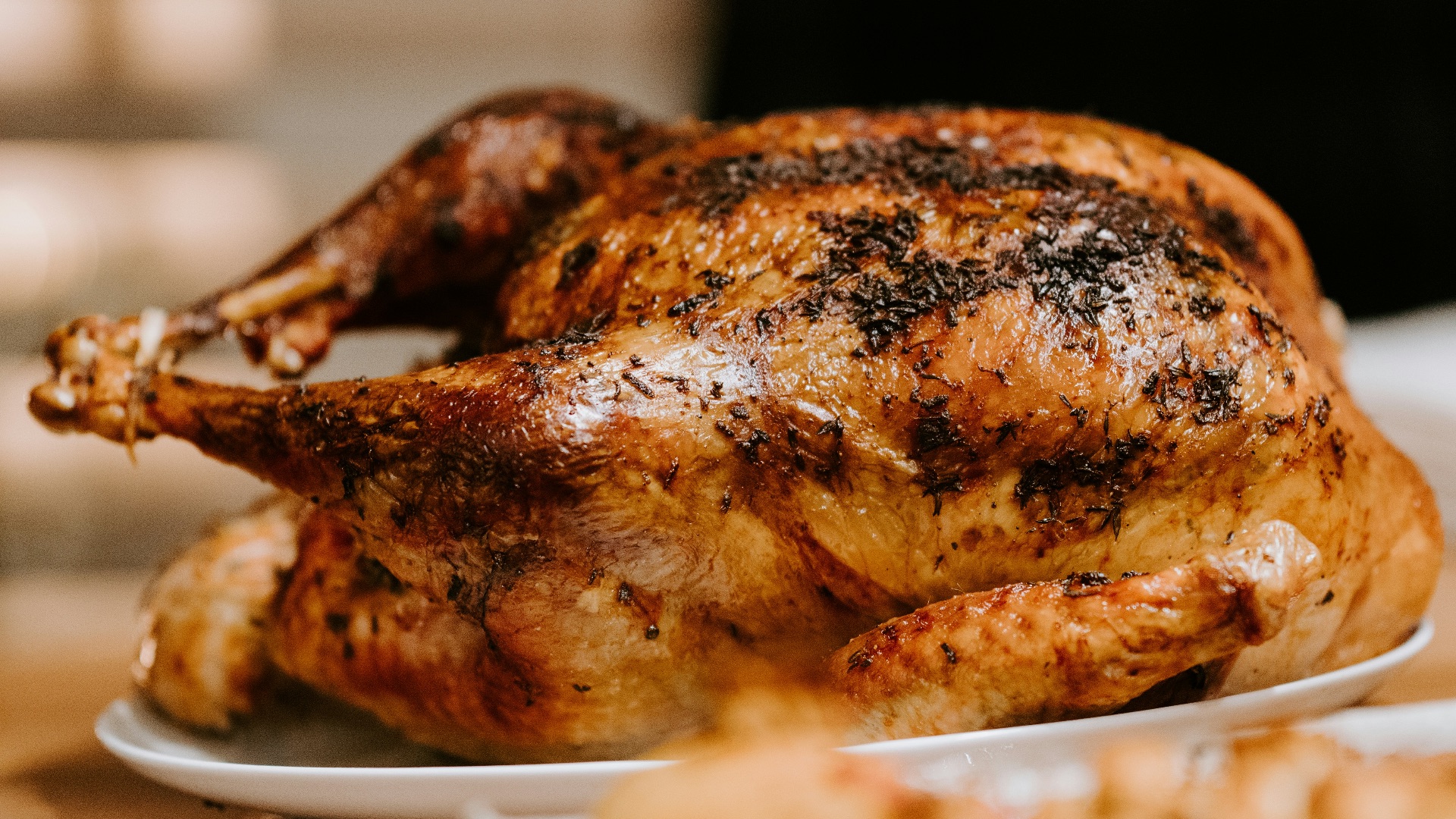
A well-cooked steak, a roasted chicken thigh, or a thick-cut pork chop all benefit enormously from a sharp knife that can slice through the meat cleanly and efficiently. Attempting to pull apart certain proteins with your fingers is not only messy but can be genuinely difficult, particularly with tougher cuts or foods that haven't been cooked to complete tenderness. A proper knife takes the effort out of the equation entirely and lets you enjoy the food rather than wrestle with it.
9. Utensils Give You Better Control Over Portion Size
For people who are actively monitoring their food intake for health or dietary reasons, utensils can offer a measurable advantage by allowing you to take controlled, consistent bites rather than irregular handfuls. A fork lets you spear a specific number of pieces, and a spoon gives you a defined volume with every scoop, which can make it easier to be deliberate about how much you're consuming.

10. They're Often Necessary When Eating Away from Home
Restaurants, cafeterias, hospitals, office events, and catered functions almost universally provide utensils, and knowing how to use them comfortably means you can eat anywhere without hesitation or discomfort. Beyond convenience, there are settings where eating with your hands just isn't the norm, regardless of your personal comfort with the practice. Being adaptable in the way you eat is a practical life skill, and feeling at ease with utensils ensures you're always ready for wherever a meal might take you.

KEEP ON READING
You’re Storing Tomatoes Wrong in This Heat
You’re Storing Potatoes Wrong in This Heat
You’re Storing Peppers Wrong in This Heat
You’re Storing Carrots Wrong in This Heat