When Fast Food Tried to Go Fancy
Fast food is built on convenience, affordability, and consistency, but over the years, many chains have tried to elevate their image with more upscale offerings. Sometimes, these efforts paid off by attracting new customers and boosting brand perception. Other times, the changes clashed with what people expect from fast food, leading to confusion or rejection. Here are ten times fast food chains successfully went upscale, followed by ten attempts that didn’t quite work.

1. McDonald’s Signature Crafted Recipes
This line introduced premium burgers with higher-quality ingredients and customizable toppings. It aimed to compete with fast-casual brands while still using the existing menu structure. Customers appreciated the upgraded options without losing familiarity. It helped modernize the brand’s image.
2. Starbucks Reserve Stores
These locations offer small-batch coffee, upscale interiors, and a more curated experience. The concept focuses on craftsmanship and atmosphere rather than speed. It appeals to customers looking for a more premium coffee outing. This approach successfully expanded the brand’s reach.
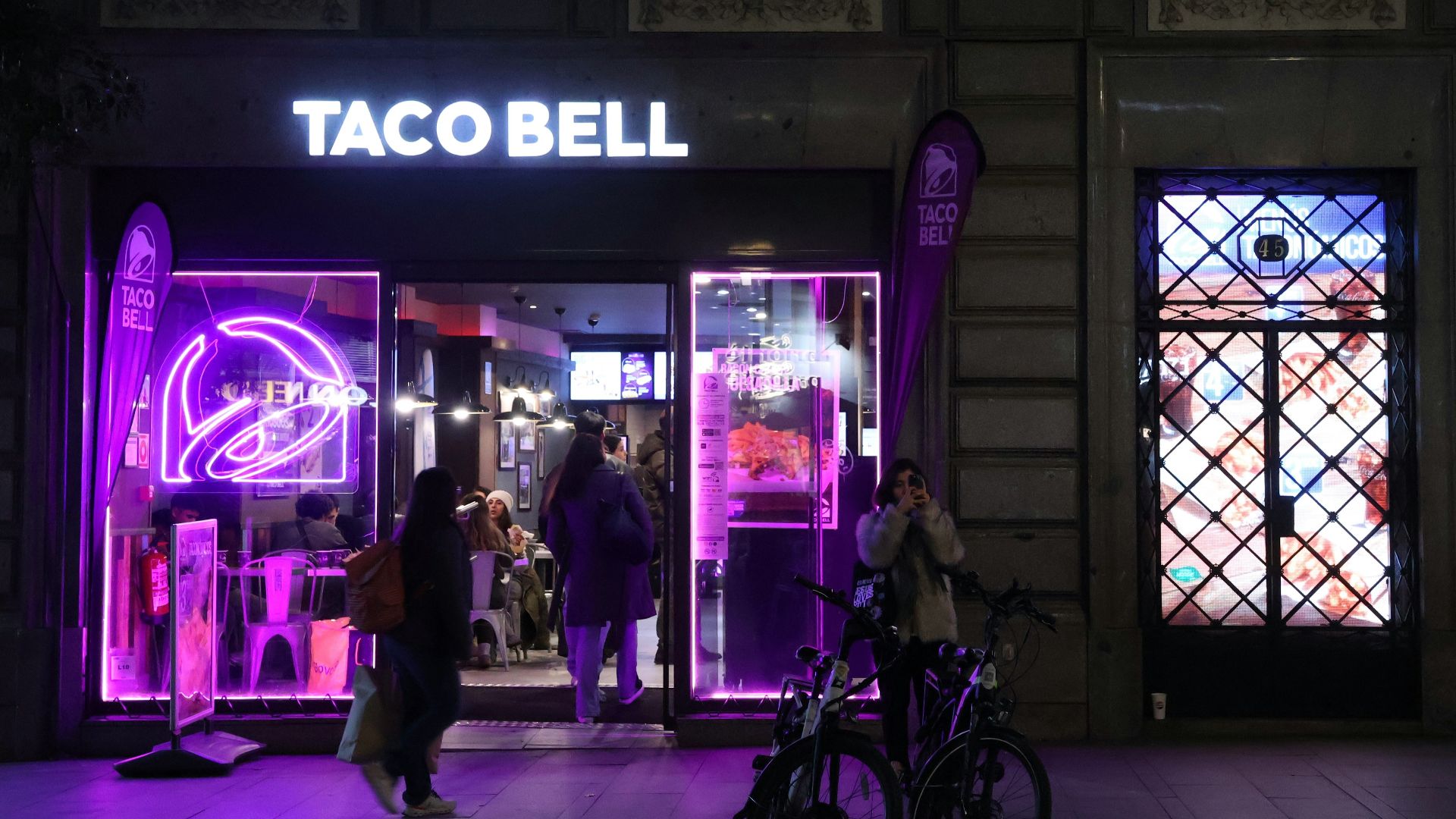
3. Taco Bell Cantina Locations
These urban locations feature modern design, digital ordering, and expanded menus, sometimes including alcoholic beverages. The environment feels more like a casual dining space than a traditional fast food restaurant. It attracts a broader, often younger audience. The concept has grown steadily in major cities.
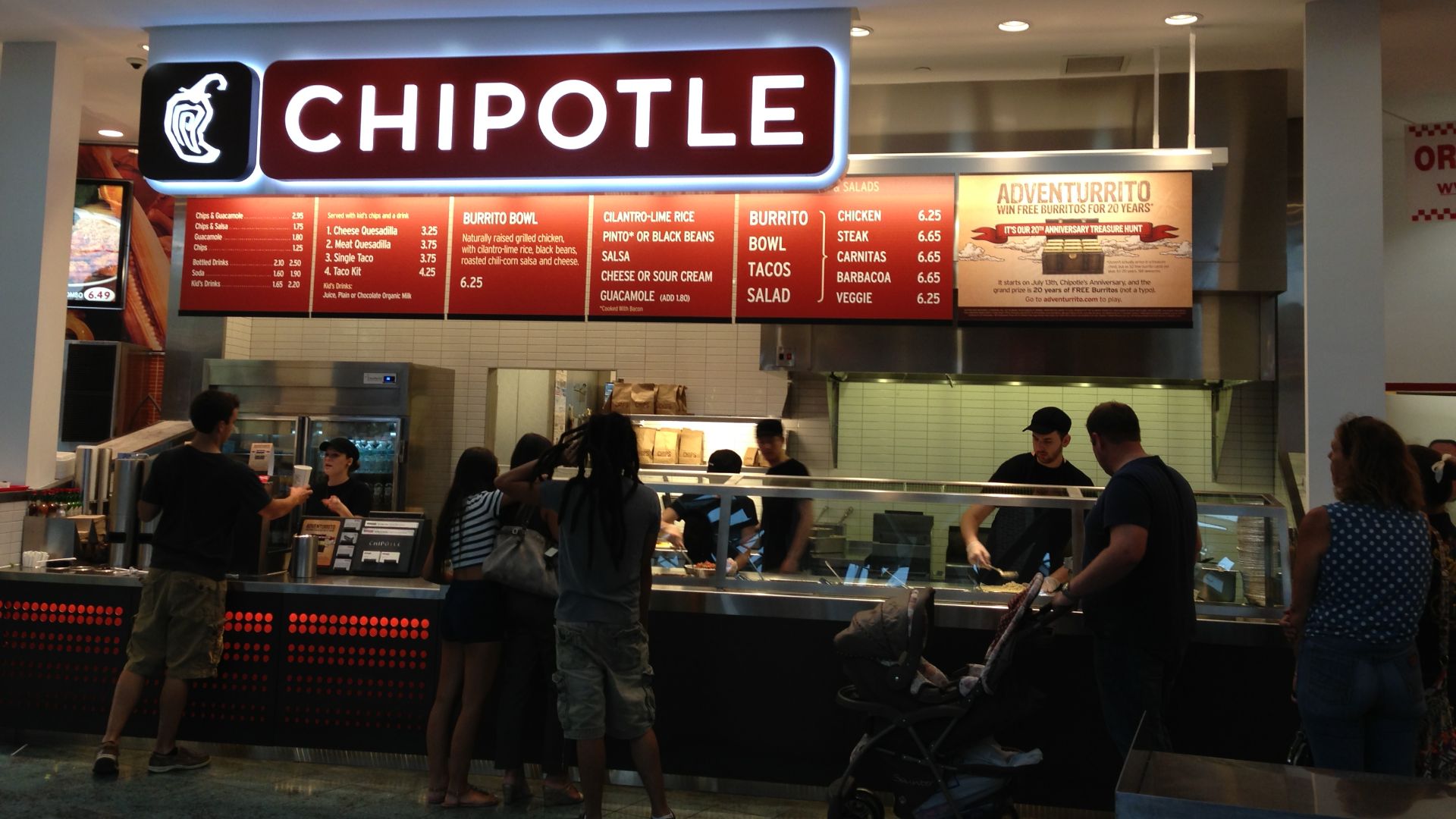
4. Chipotle’s Ingredient Transparency
While always positioned slightly above traditional fast food, the focus on responsibly sourced ingredients elevated its perception.
Clear messaging about food quality helped build trust, and the simplified menu reinforced consistency. It became a model for upscale fast-casual dining.
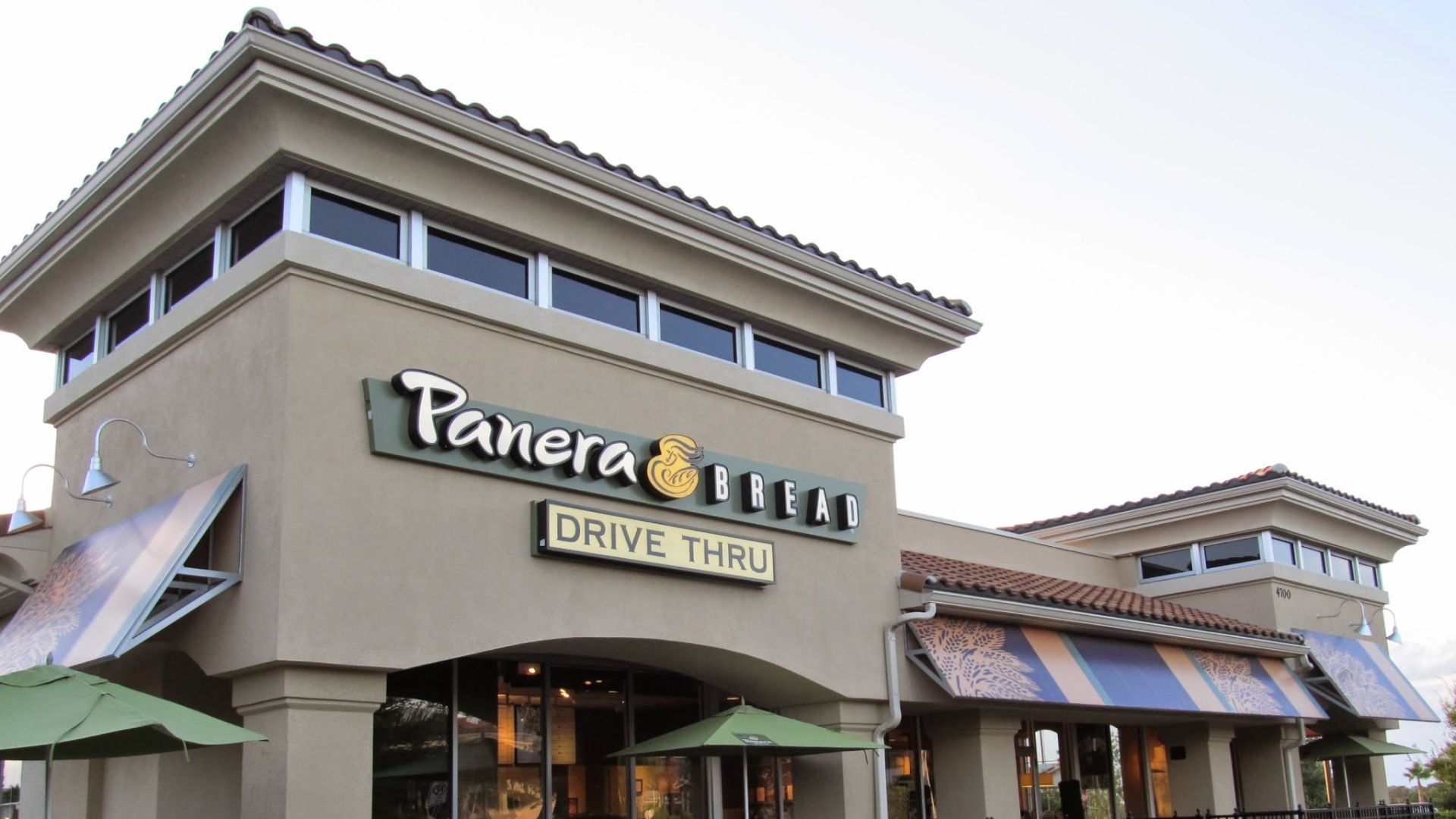
5. Panera Bread’s Bakery-Café Model
Panera positioned itself as a step above standard fast food with fresh bread, soups, and café-style seating. The environment encourages customers to stay longer. Its menu emphasizes perceived freshness and quality, and this approach has remained consistently successful.
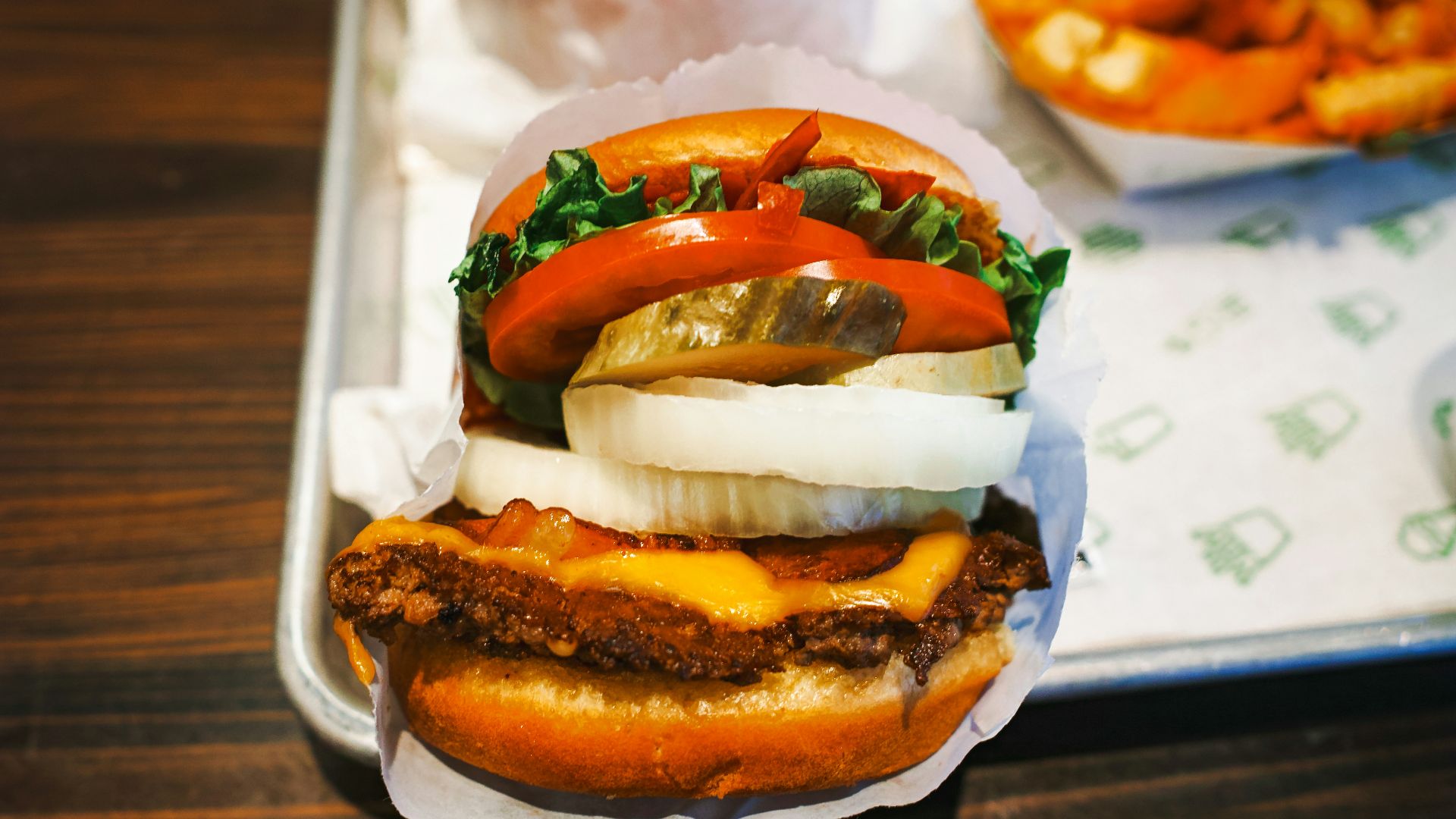
6. Shake Shack’s Premium Fast-Casual Approach
Starting as a small stand, it grew into a brand known for higher-quality ingredients and a more refined experience. The focus on simple but well-executed items resonated with customers, bridging the gap between fast food and casual dining. The upscale positioning became a key part of its identity.
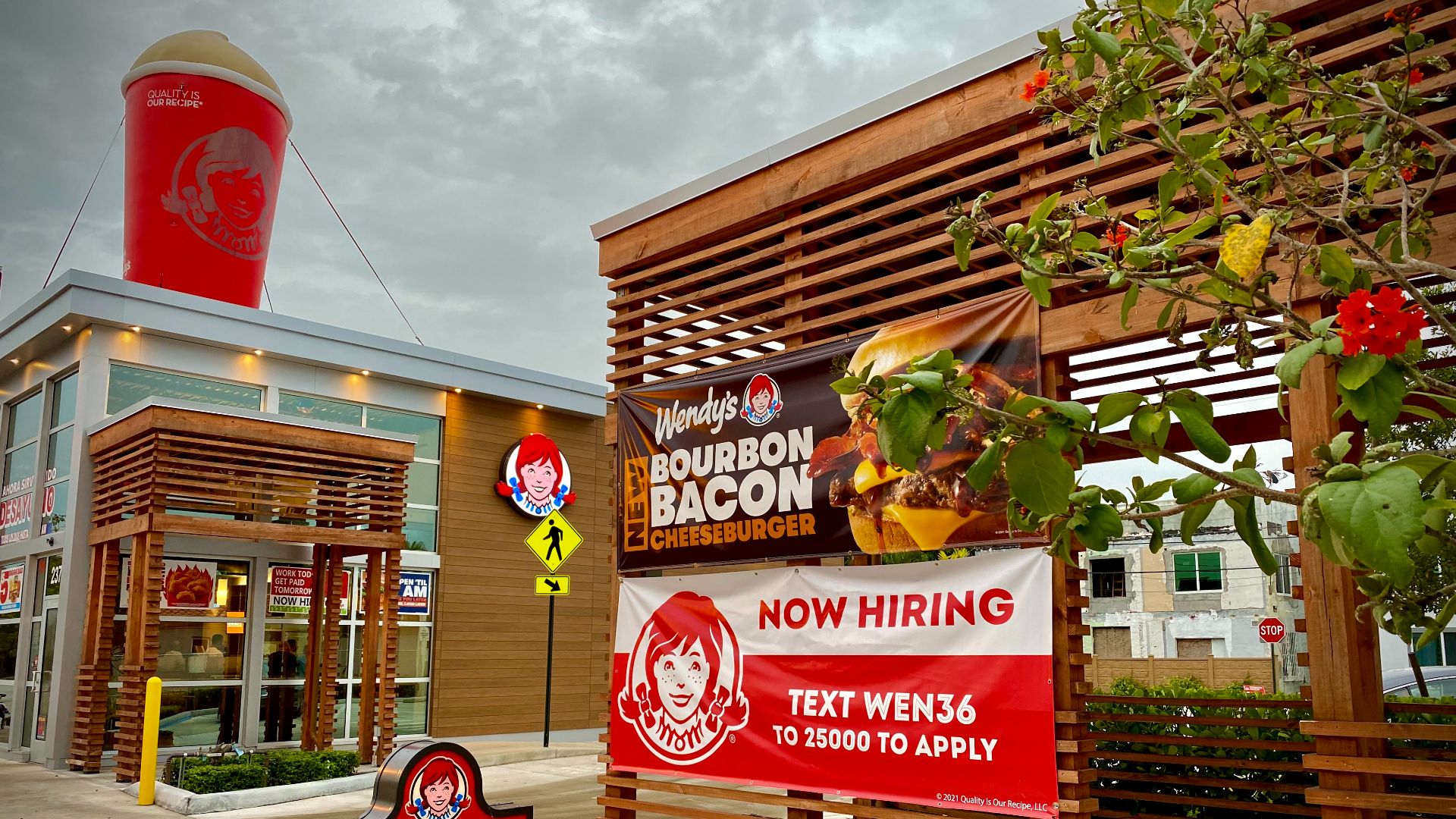
7. Wendy’s Made-to-Order Messaging
Wendy’s emphasized fresh, never-frozen beef and customizable orders to stand out. This approach gave the brand a more premium feel compared to competitors. The messaging reinforced quality without drastically changing the menu, helping strengthen customer perception.
 Sharon Hahn Darlin on Wikimedia
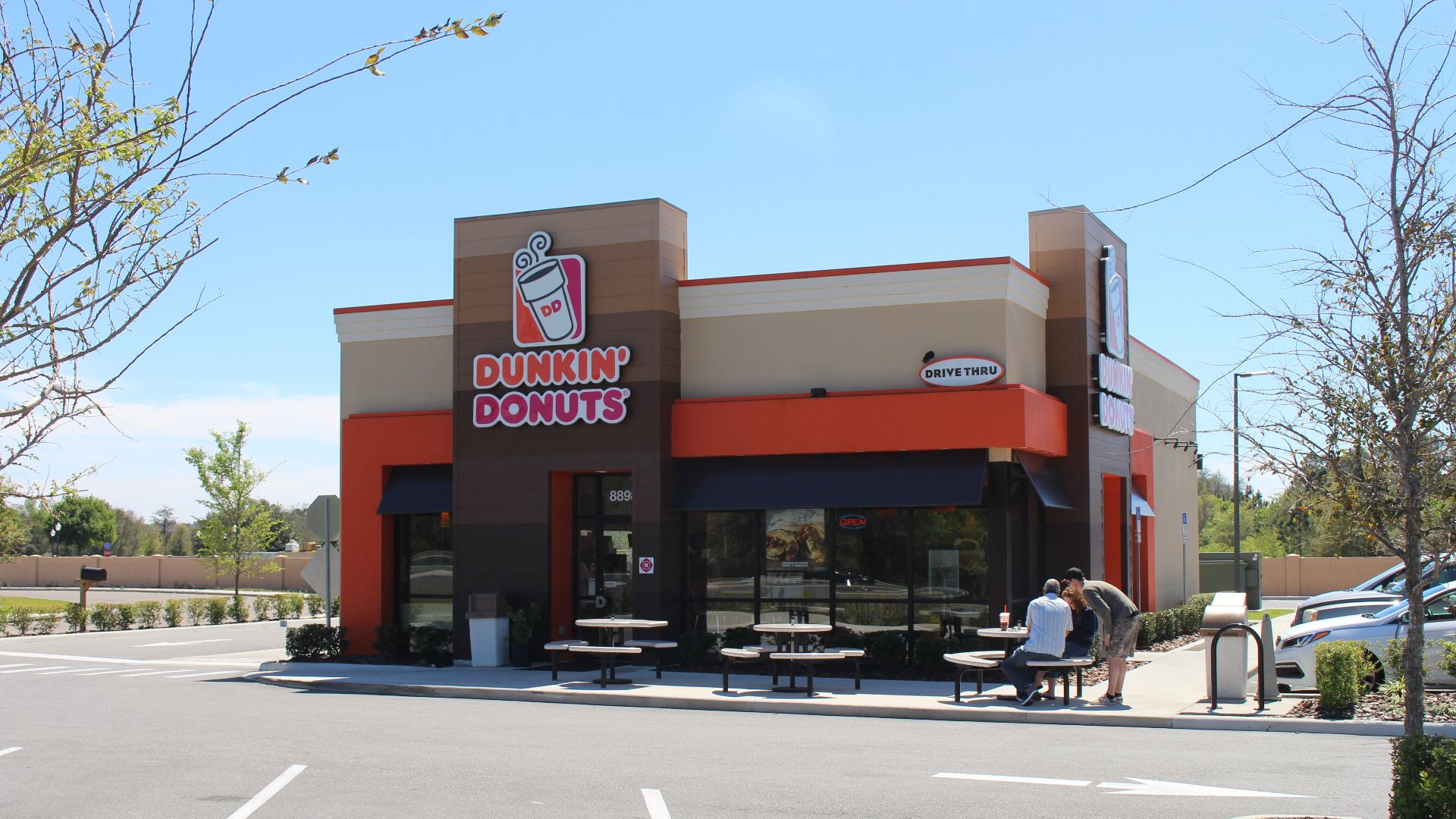
8. Dunkin’ Store Redesigns
Dunkin’ modernized its stores with updated interiors and a focus on coffee culture. The shift away from a donut-heavy image aimed to elevate the brand. Faster service combined with a cleaner aesthetic improved the experience. It aligned better with changing consumer habits.
9. KFC’s Menu Expansions in Select Markets
In some regions, the chain introduced more diverse and premium menu options tailored to local tastes.
These offerings often included higher-end ingredients or presentation. The strategy helped appeal to different customer segments. It showed flexibility in brand positioning.
10. Tim Hortons Café Updates
The chain updated its interiors and expanded menu items to feel more like a café experience. The goal was to compete with premium coffee chains. While still accessible, the atmosphere became more inviting. This helped maintain relevance in a competitive market.
1. McDonald’s Arch Deluxe
This burger was marketed toward adults with a more refined taste profile. However, it conflicted with the brand’s family-friendly image. Customers didn’t connect with the concept as expected. The product was eventually discontinued.
2. Pizza Hut’s “The Edge” Reintroduction Push
While marketed as a premium offering, it didn’t clearly differentiate itself from existing options. Customers saw it as a variation rather than an upgrade. The higher positioning didn’t justify the change.
3. Burger King’s Satisfries
These were introduced as a healthier, more premium alternative to regular fries. Despite the concept, they didn’t significantly change customer perception. Pricing and taste didn’t align with expectations. The item was eventually removed.
4. Subway’s “Eat Fresh Refresh” Premium Push
The brand attempted to reposition itself with upgraded ingredients and menu changes. However, many customers didn’t perceive a meaningful difference. The effort struggled to overcome existing brand associations and didn’t fully achieve its intended impact.
5. Domino’s Artisan Pizzas
These pizzas were designed to feel more upscale with curated toppings and presentation.
However, they didn’t align with what customers expected from the brand. The concept felt out of place within its delivery-focused model. It was eventually phased out.
6. KFC’s “Eleven Herbs & Spices” Firelog Promotion
This unusual product aimed to extend the brand into a novelty, upscale-adjacent space. While it gained attention, it didn’t connect with core food offerings. The idea felt more like a gimmick than a genuine upgrade.
7. Starbucks Evening Menu
The chain introduced wine, beer, and small plates to create a more upscale evening experience. However, it didn’t align with customer expectations of the brand, as most visitors still associate it with coffee. The concept was eventually discontinued.
8. Taco Bell’s Bell Beefer Revival Attempts
This menu item was reintroduced with the idea of appealing to nostalgia in a slightly elevated way. However, it didn’t stand out as a premium offering. Customers didn’t see it as a meaningful upgrade, and it failed to gain long-term interest.
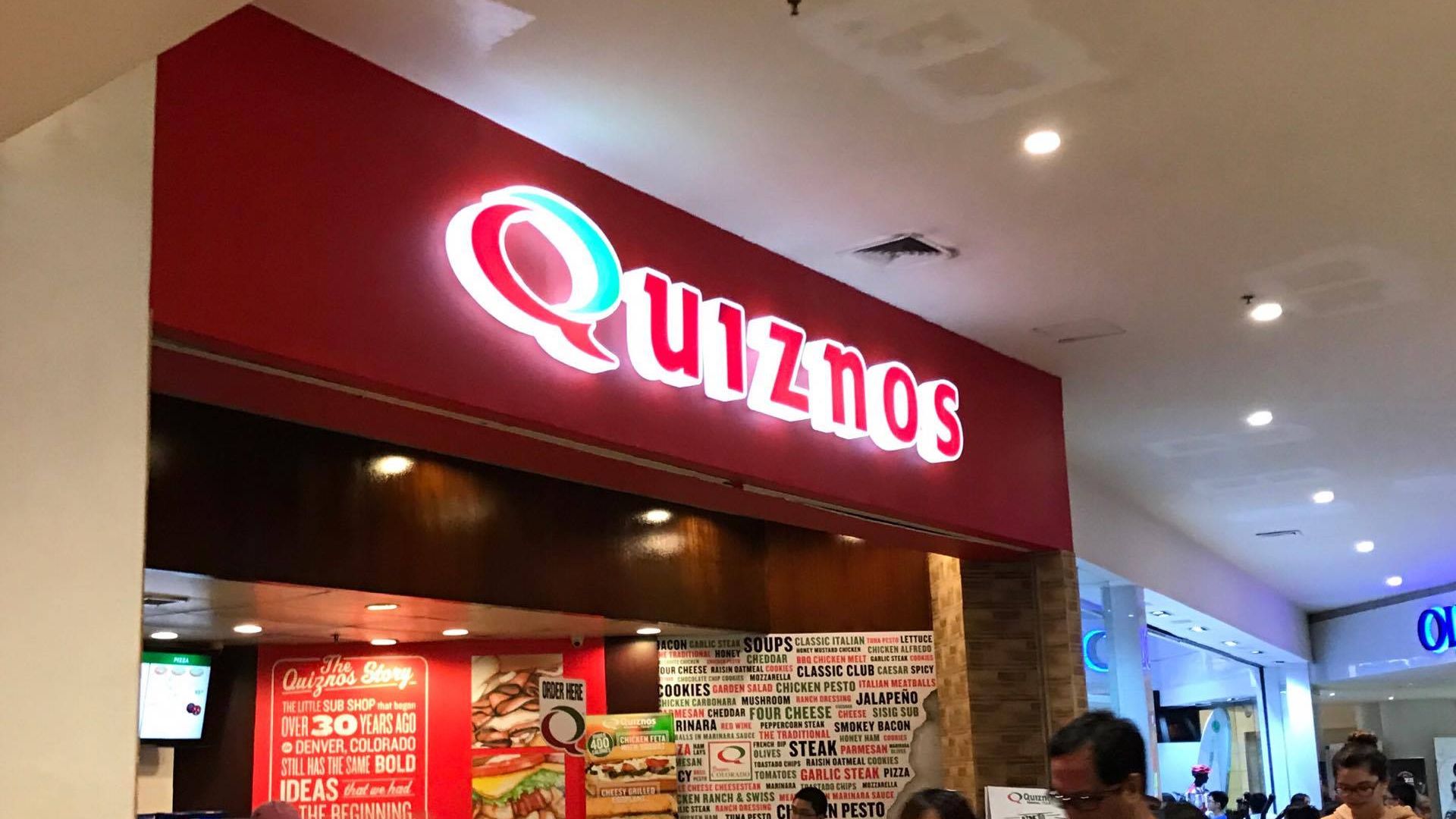
9. Quiznos’ Premium Positioning Strategy
The brand attempted to position itself as higher quality than its competitors. However, pricing and market competition made it difficult to sustain. Customers didn’t consistently choose it over alternatives, and this strategy didn’t lead to long-term success.
10. A&W’s Upscale Menu Experiments (U.S).
Efforts to introduce more premium items in certain markets didn’t resonate widely. The brand struggled to balance nostalgia with a modern upscale image.
Customers remained more interested in its classic offerings. The changes didn’t significantly shift perception.