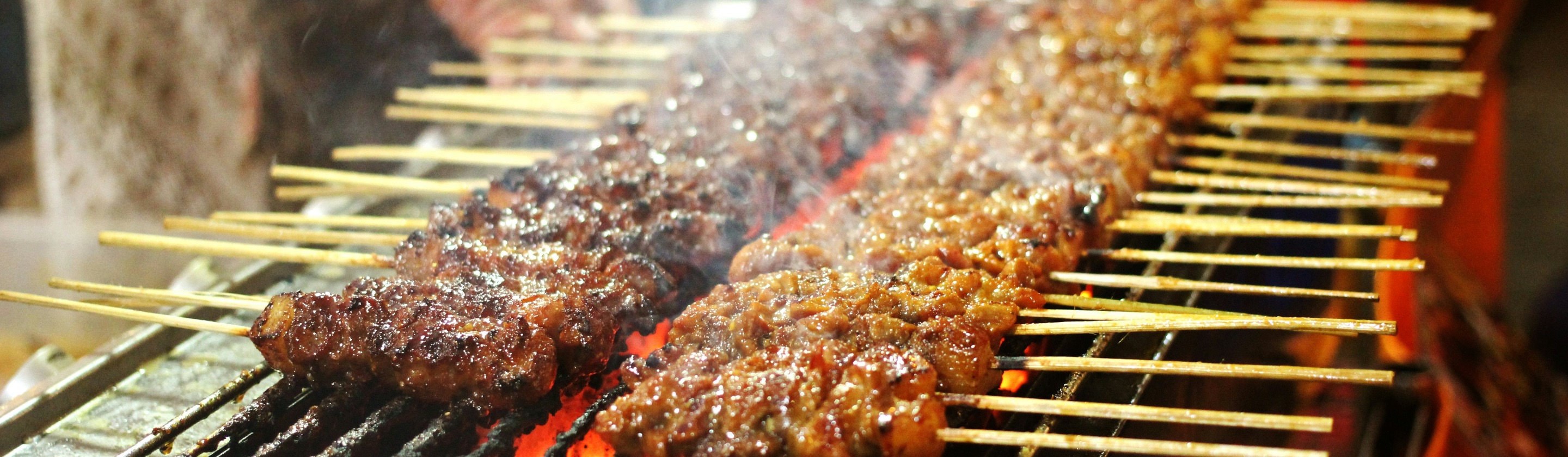
From the Strange to the Satisfying
Street food is one of the most direct windows into a culture's history and culinary creativity. Vendors around the world have been feeding locals and curious travelers alike for centuries, and what ends up in their hands can either be off-putting or absolutely delicious, or sometimes both at once. Whether you're a seasoned foodie or just browsing from your couch, these 20 picks from across the globe are worth knowing about. You might want to hold off on eating when reading the first half, though.
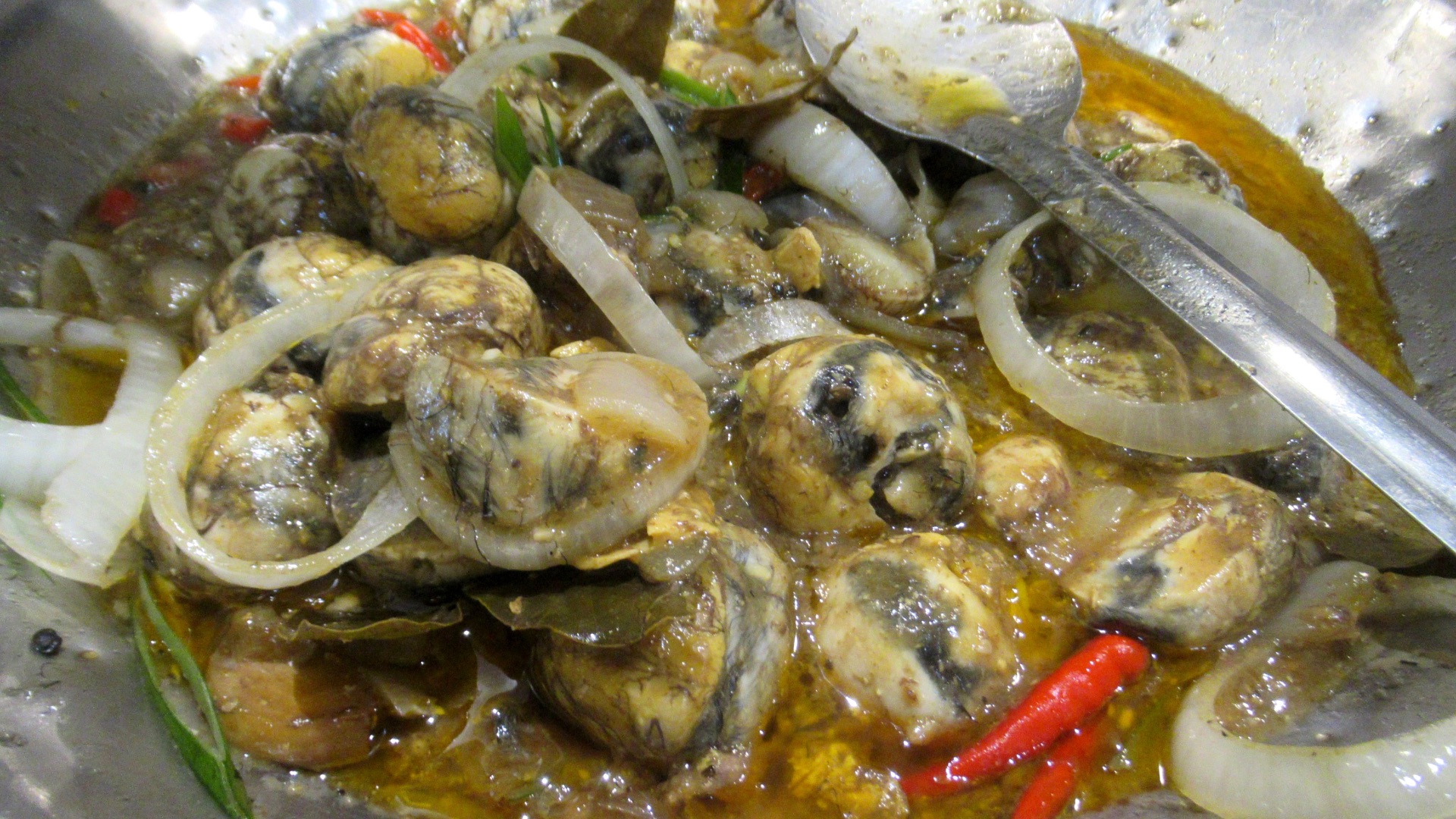
1. Balut (Philippines)
Balut is a fertilized duck egg that's been incubated for around 14 to 18 days before it's boiled and eaten straight from the shell. You'll find it sold by vendors at night markets across the Philippines, typically seasoned with a pinch of salt or a splash of vinegar. The egg contains a partially developed duck embryo, which is the part that tends to make first-timers hesitate, though locals consider it a beloved and protein-rich snack.
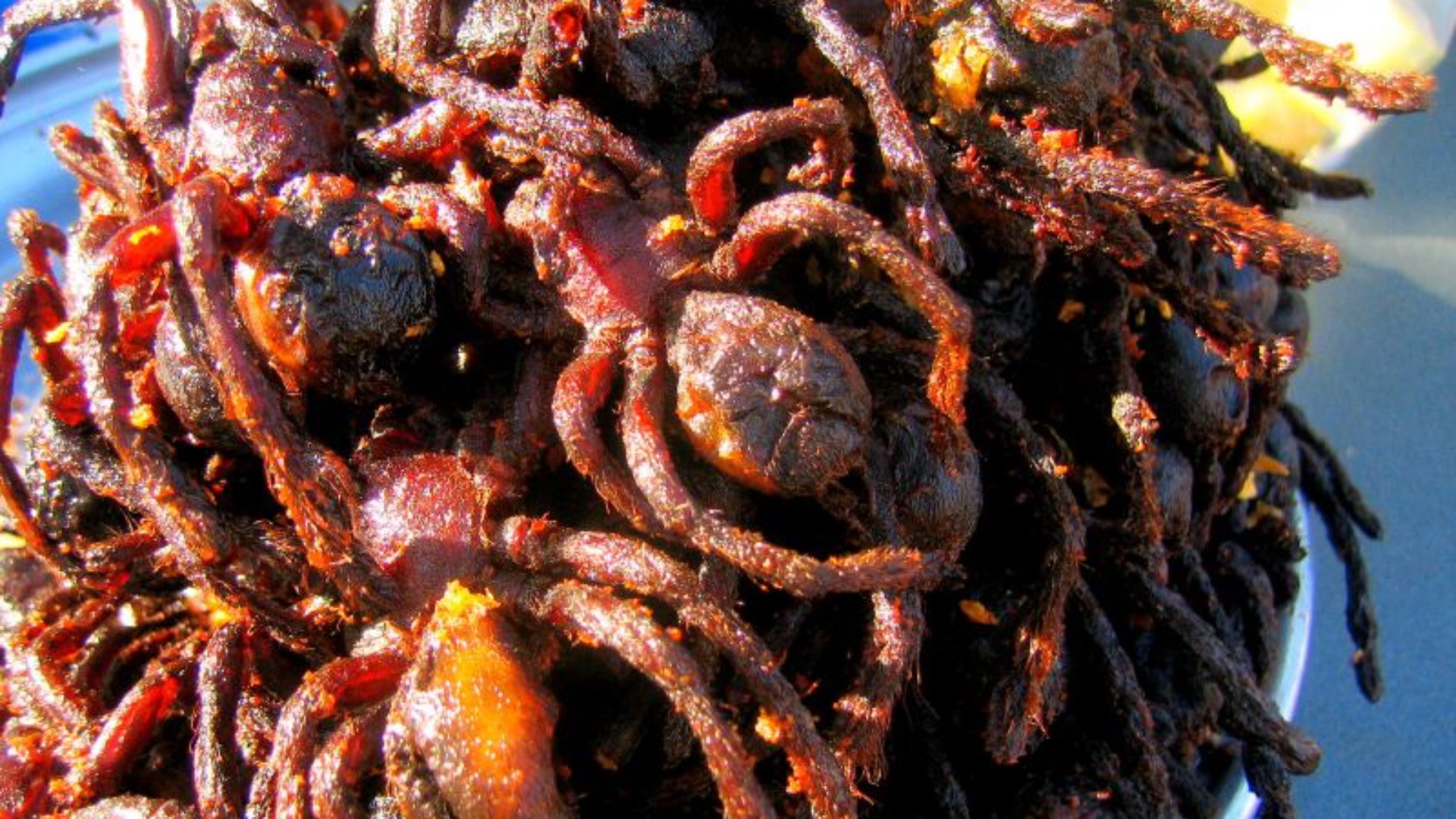
2. Fried Tarantulas (Cambodia)
In Skuon, Cambodia, deep-fried tarantulas are a well-known street snack that draws as many curious tourists as it does regular customers. The spiders are typically seasoned with salt, sugar, and garlic before being fried until the legs are crispy and the body is tender. This practice is said to have originated during the Khmer Rouge era when food was scarce, and it's since become a recognized part of the region's culinary identity.
 A. www.viajar24h.com on Wikimedia
3. Deep-Fried Butter (United States)
Though not as gut-churning as fried tarantulas, deep-fried butter is still a strange novelty in the array of street foods you'll experience in the U.S. As its name suggests, it typically consists of frozen butter balls or sticks that are coated in batter and deep-fried until the outside is crisp and the inside turns molten. The result is rich to the point of excess, which is exactly why it holds such fascination as an over-the-top example of American carnival food culture.
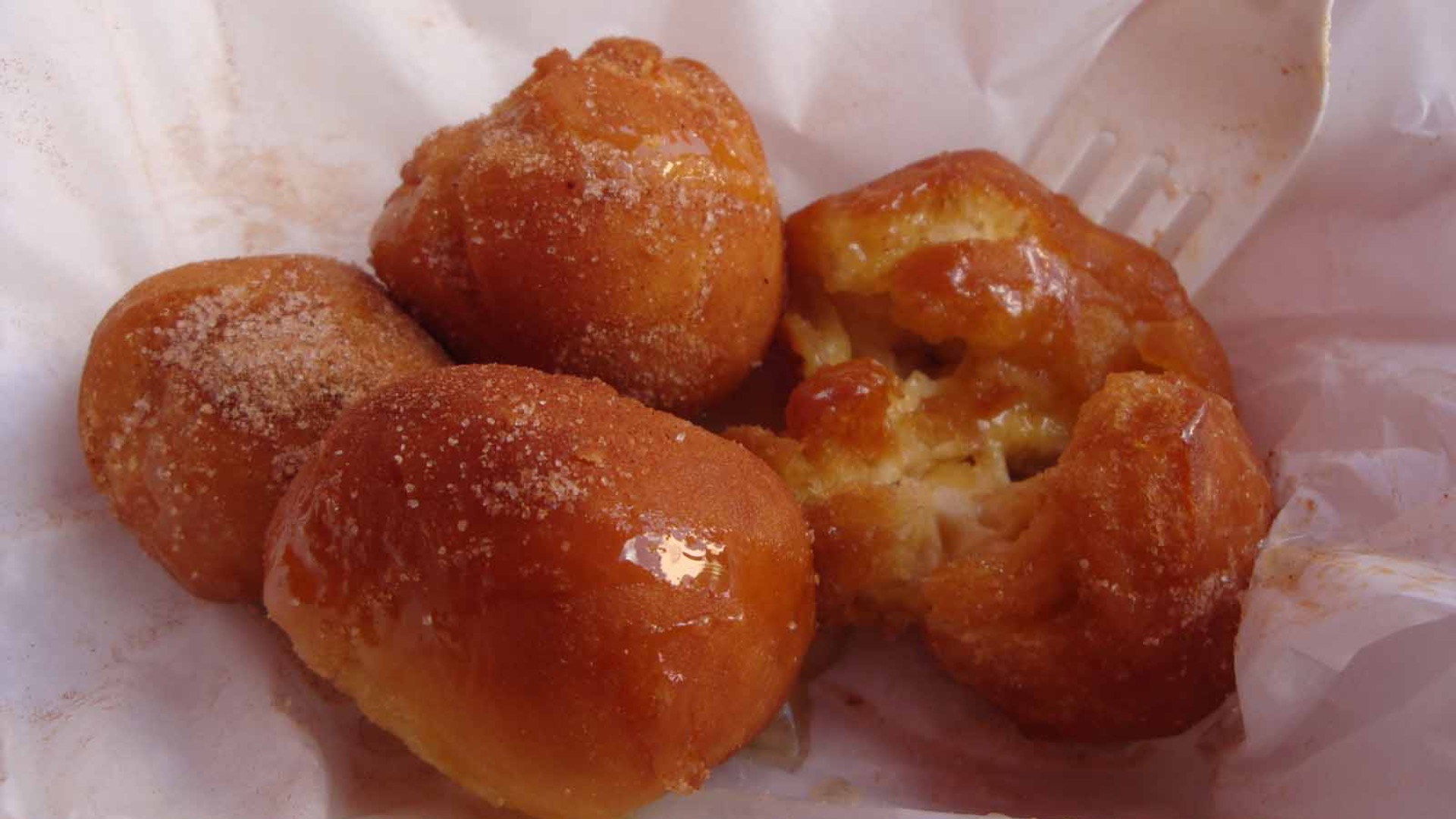 Collin Harvey from Grand Prairie, Texas, USA on Wikimedia
4. Stinky Tofu (Taiwan)
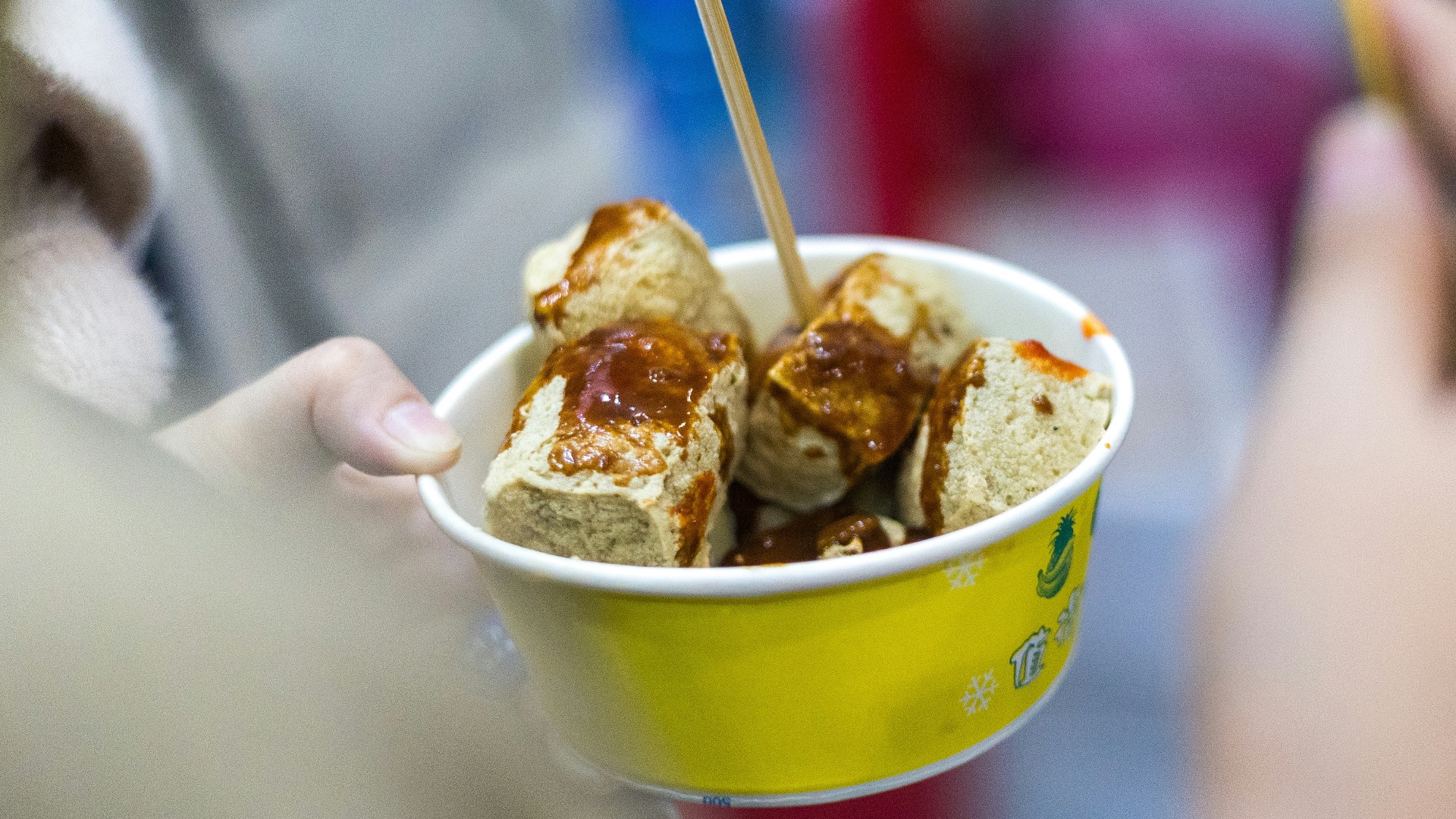
Stinky tofu is exactly what it sounds like: fermented tofu with a smell so strong that you'll often detect a vendor's cart before you can see it. It's a staple of night markets in Taiwan, where it's commonly deep-fried and served with pickled cabbage and chili sauce. Despite the overwhelming odor, the flavor is surprisingly complex, and it has a devoted following among locals who've grown up eating it.
5. Betamax (Philippines)
Another Filipino specialty, Betamax is made from coagulated chicken or pig's blood that's formed into rectangular blocks, skewered, and grilled over hot coals. Its nickname comes from its resemblance to old Betamax tapes, which gives the snack an oddly nostalgic pop-culture reference alongside its more intimidating appearance. It's usually brushed with a sweet or spicy sauce as it cooks, and while the idea of grilled blood can put off newcomers, the texture is firm and the flavor is surprisingly mild and smoky.
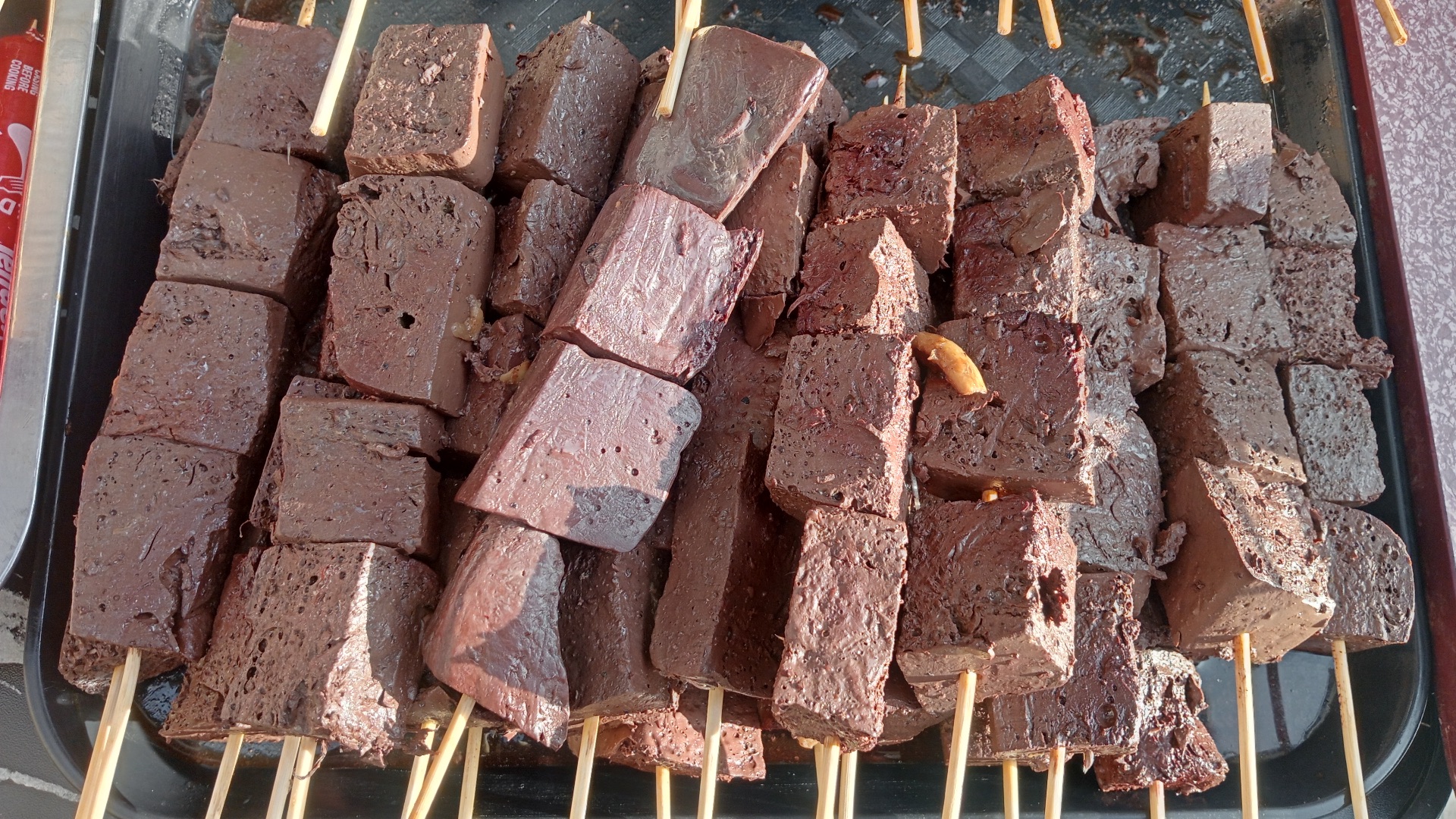 Ralff Nestor Nacor on Wikimedia
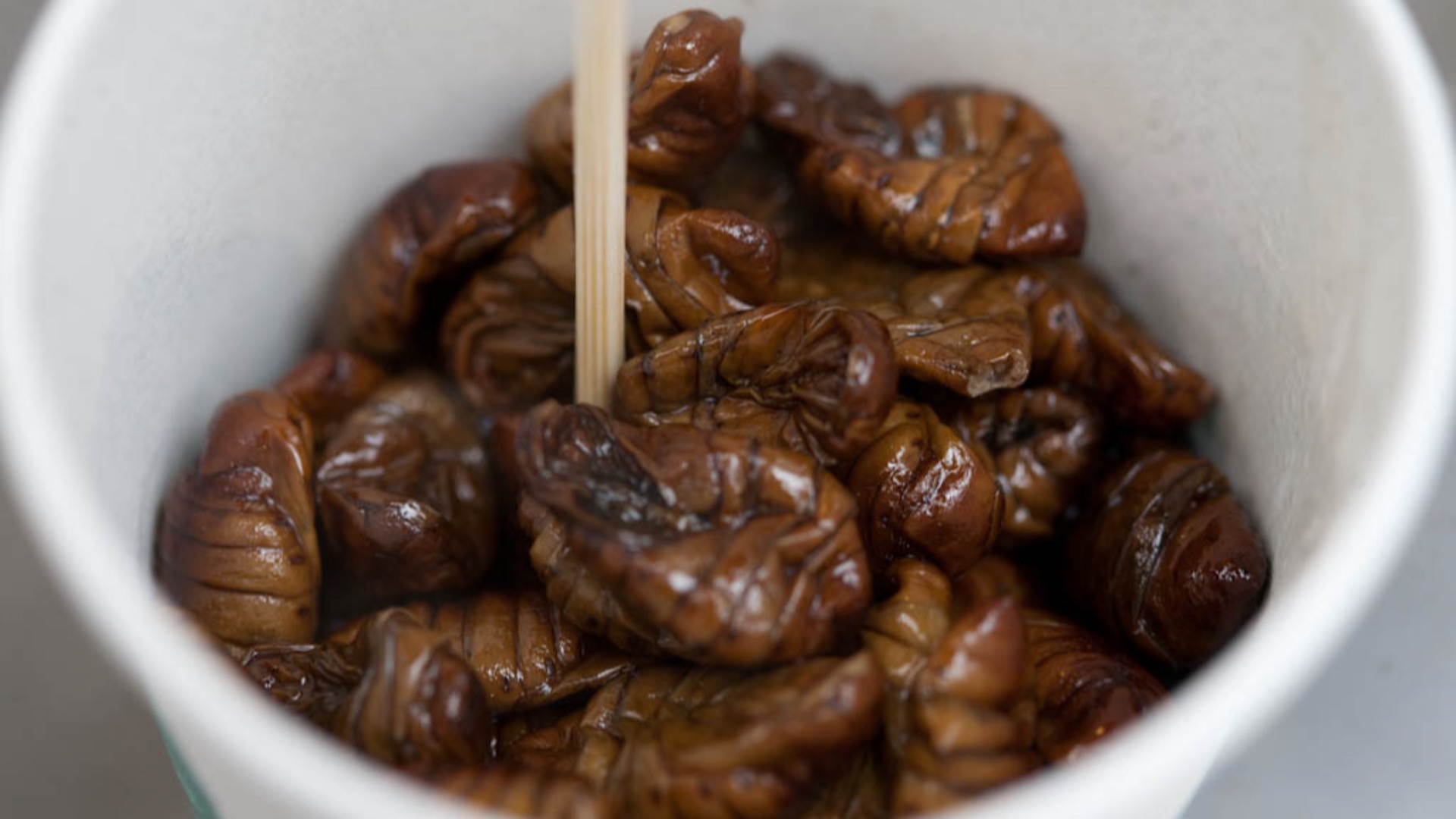
6. Beondegi (South Korea)
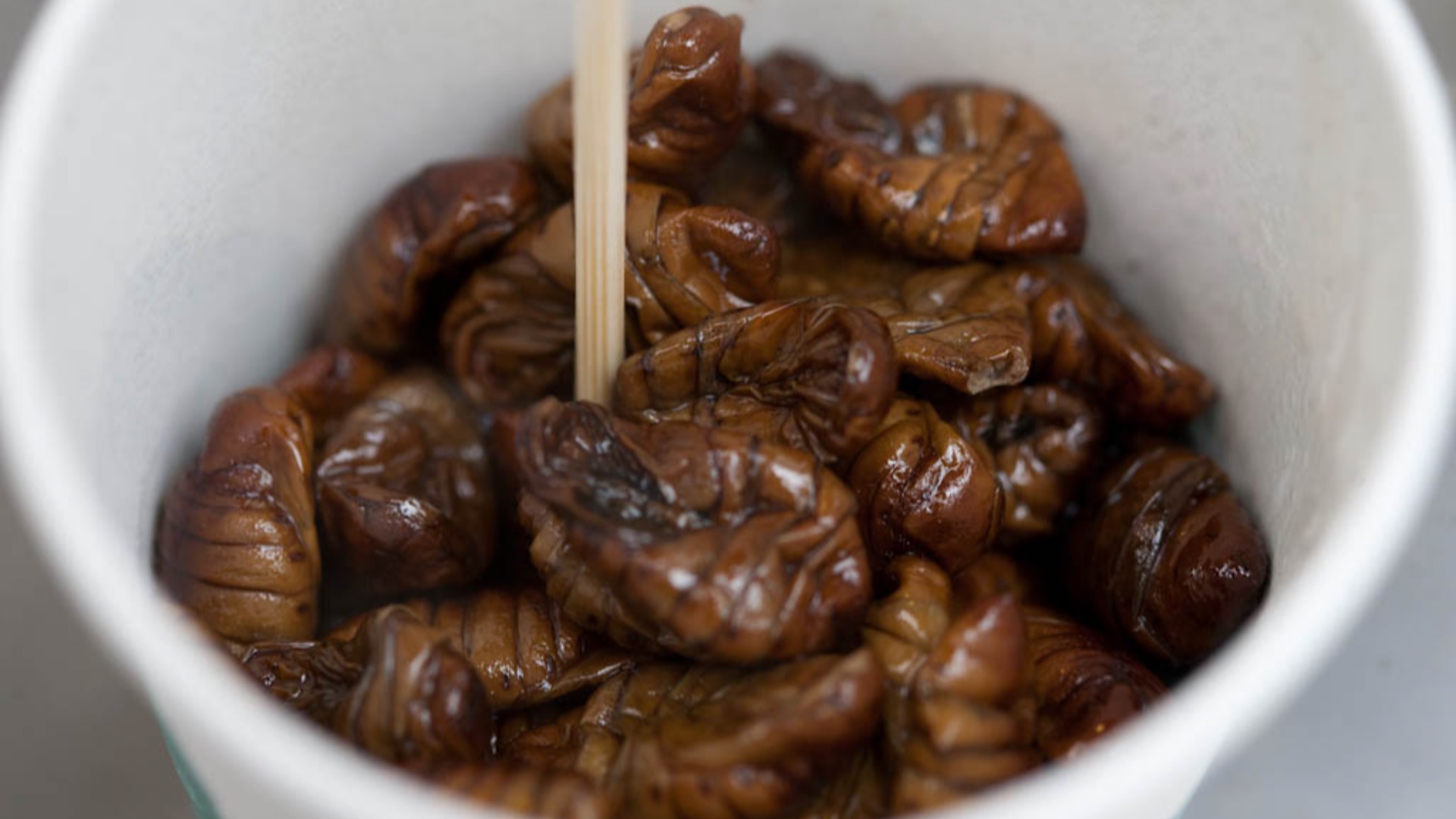
Beondegi is a traditional Korean street snack made from silkworm pupae, usually boiled or steamed and sold in paper cups by market vendors. The smell is earthy and unmistakable, and the texture is soft and chewy, which tends to turn noses almost immediately. Though it can seem like an especially unusual thing to snack on, it's long been appreciated in South Korea as an inexpensive, protein-rich food with a strong association to older market culture.
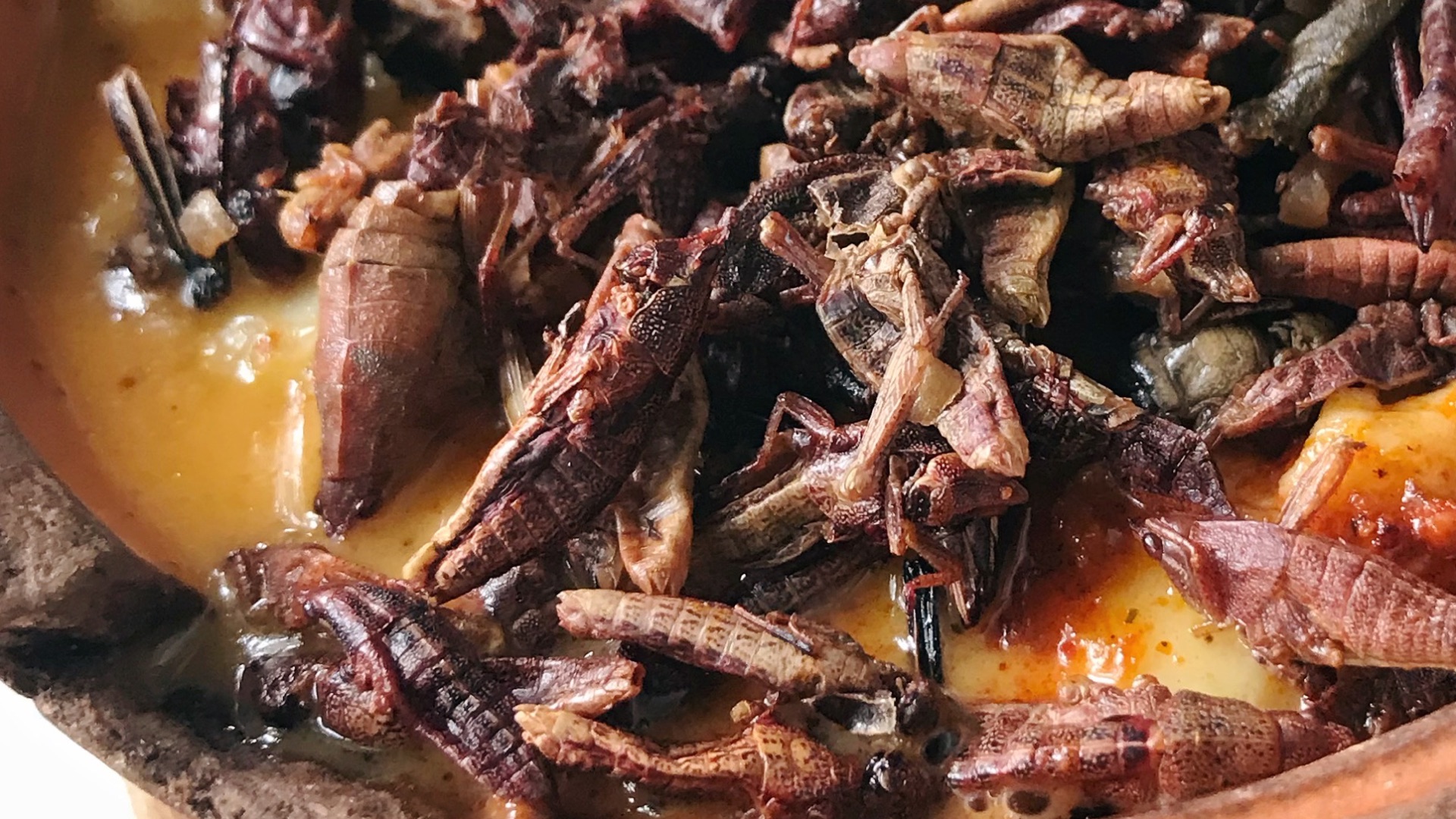
7. Chapulines (Mexico)
Chapulines are toasted or fried grasshoppers that are a traditional street food in Oaxaca, Mexico, where they've been consumed for thousands of years. They're typically seasoned with lime juice, chili, garlic, and salt, and eaten on their own as a snack or used as a topping for tacos, guacamole, and quesadillas. The texture is crunchy and the flavor is savory with a slight citrusy tang, making them surprisingly more approachable than many other insect-based foods.
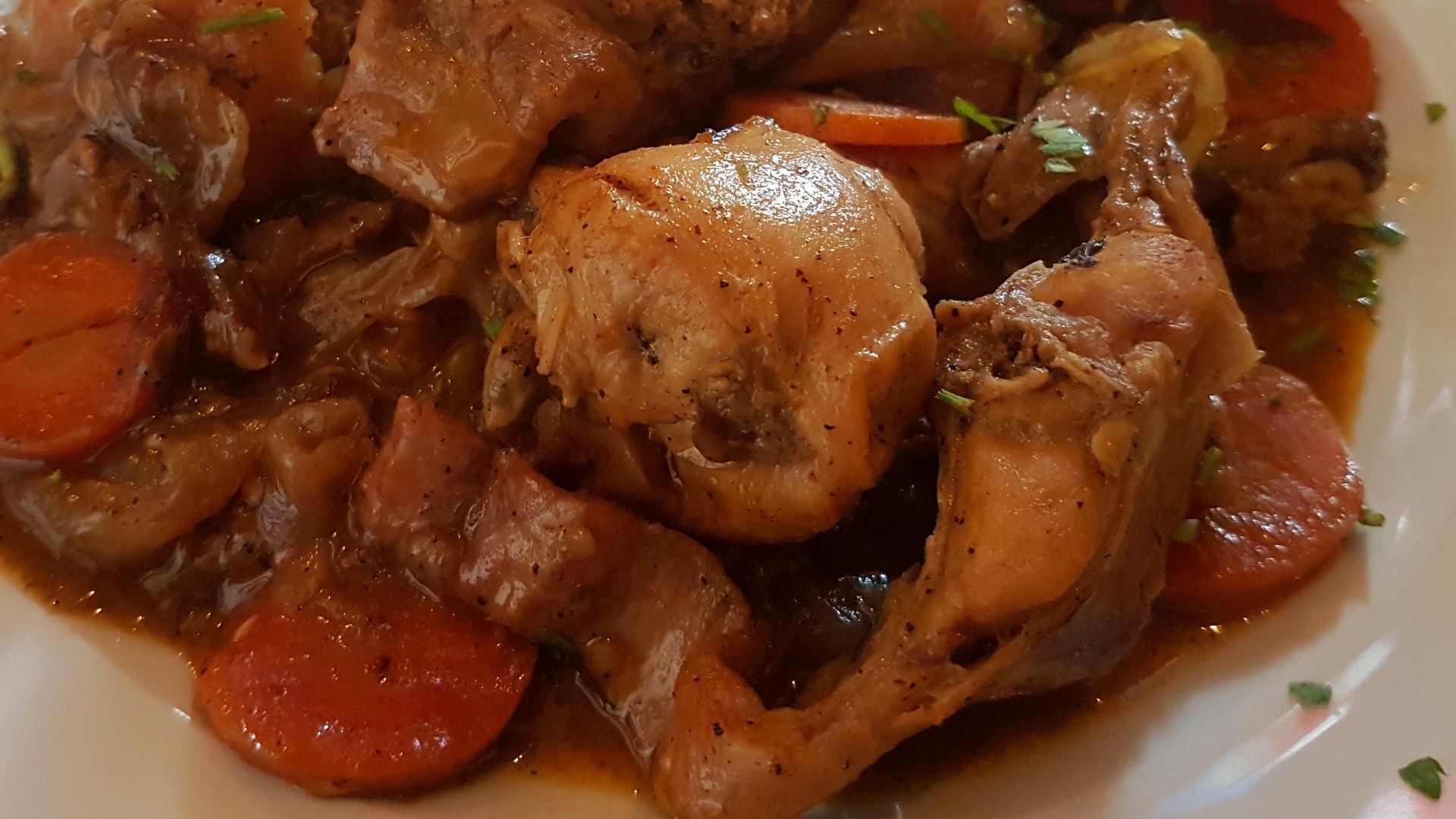
8. Rabbit Head (China)
Rabbit head (tù tóu) is a specialty street food most closely associated with Sichuan and Chengdu, where it's typically braised in a deeply spiced mixture of chili, Sichuan peppercorns, and aromatic herbs. Vendors sell the heads whole, and eating them involves picking through the meat and cheeks carefully, which makes the experience feel far more hands-on than most snacks. For locals, it's less about shock value than flavor, especially since the numbing heat and rich seasoning are what make it such a sought-after treat.
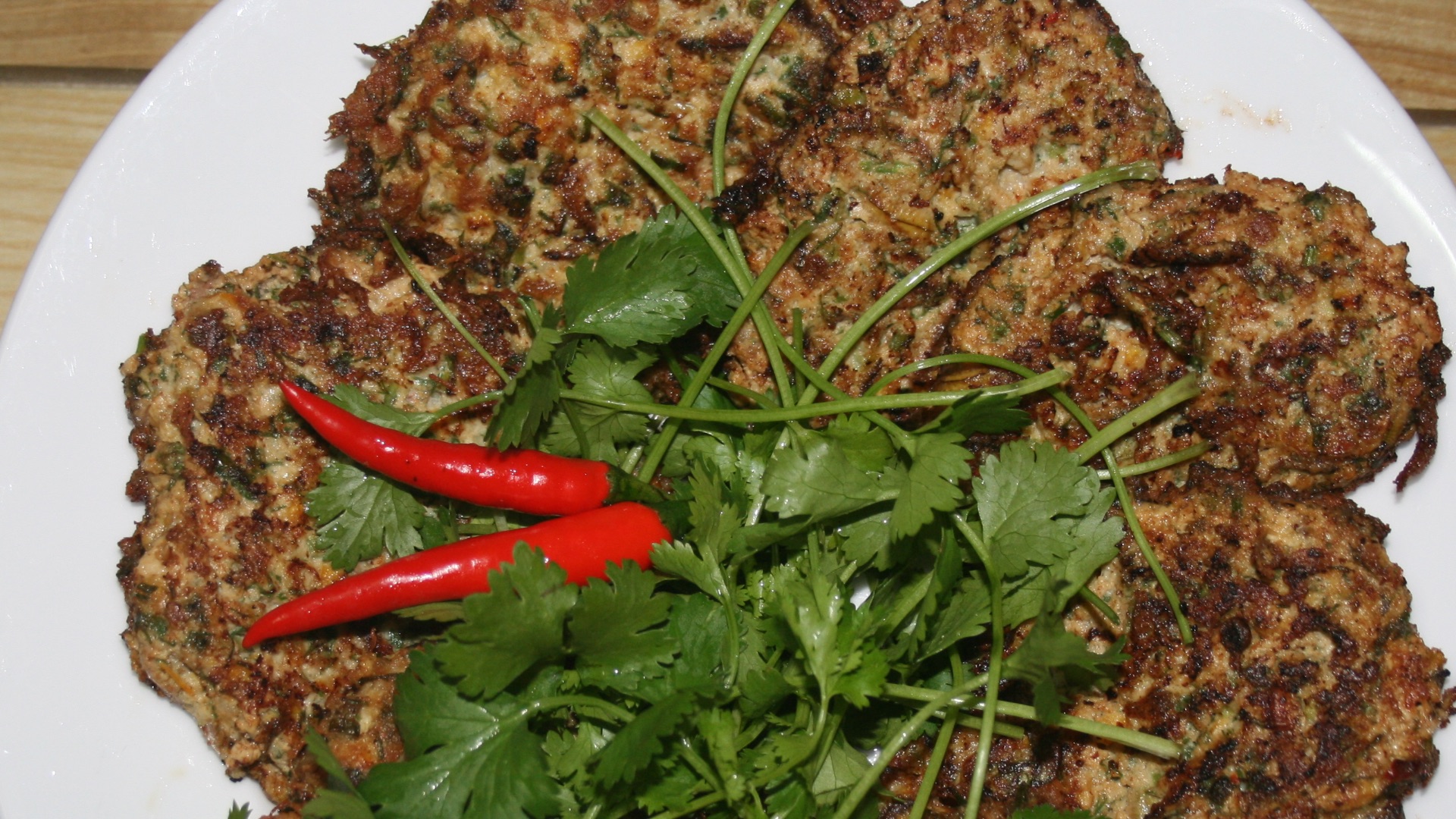
9. Worm Omelette (Vietnam)
Chả rươi, or sand worm omelette, is another bizarre street food you'll find in Vietnam, where ragworms are cooked with eggs, onions, and spices into a savory pan-fried dish. Fried and served with sauce, you might not realize this dish was made with worms as its main ingredient unless someone tells you, so maybe don't think too much before you take that first bite.
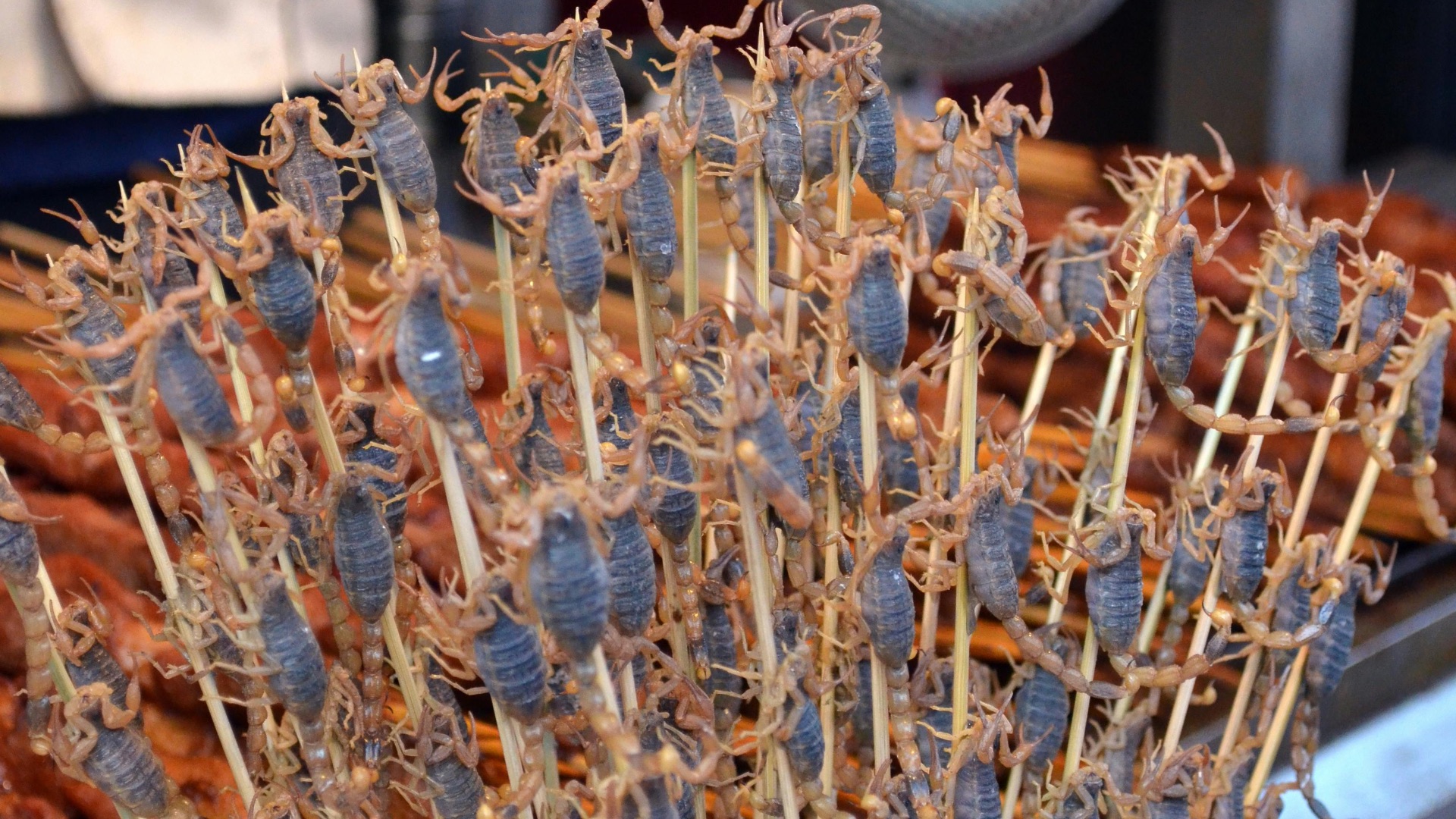
10. Scorpions on a Stick (China)
Skewered scorpions are one of the most photographed street foods at Beijing's Wangfujing Snack Street, where vendors display them live before frying them to order. The venom is neutralized by the heat of cooking, so there's no danger in eating them once they're fully fried. The flavor is often described as similar to soft-shell crab, though the experience of biting into a scorpion is admittedly a psychological hurdle for most visitors.
Now that you've gotten through the world's most eyebrow-raising bites, let's talk about something more appetizing. These next 10 street foods are beloved for all the right reasons.
 Inguaribile Viaggiatore on Pexels
1. Bánh Mì (Vietnam)
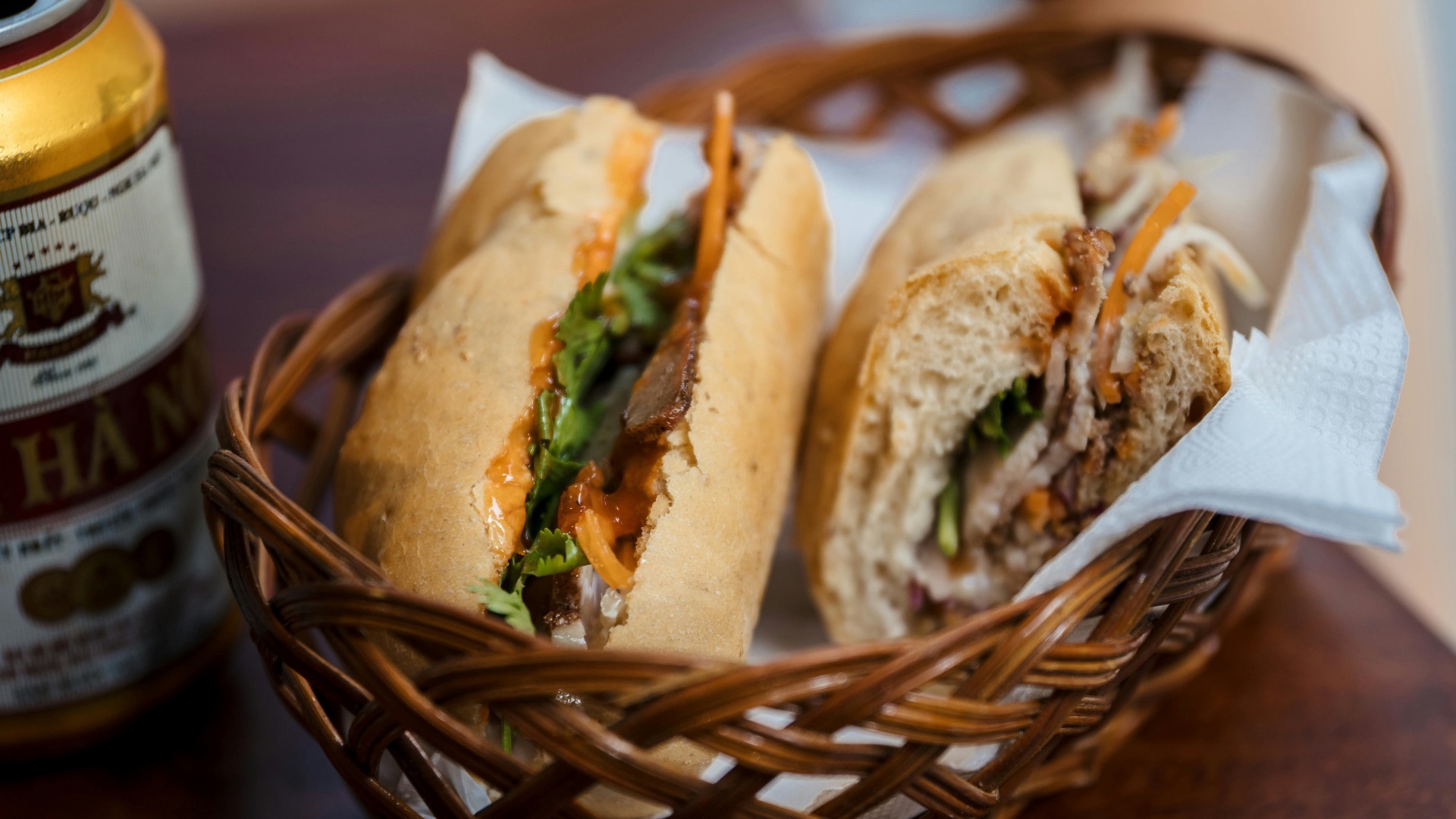
Bánh mì is a Vietnamese sandwich served in a crispy French-style baguette that's packed with a combination of ingredients like pickled daikon and carrots, fresh cilantro, sliced jalapeños, and your choice of protein, often pork belly, grilled chicken, or pâté. The bread itself might be a legacy of French colonial influence in Vietnam, but the fillings are entirely Vietnamese in flavor. It's one of the most well-balanced street foods in the world, hitting salty, sour, sweet, and spicy notes all in a single bite.
2. Arepas (Colombia and Venezuela)
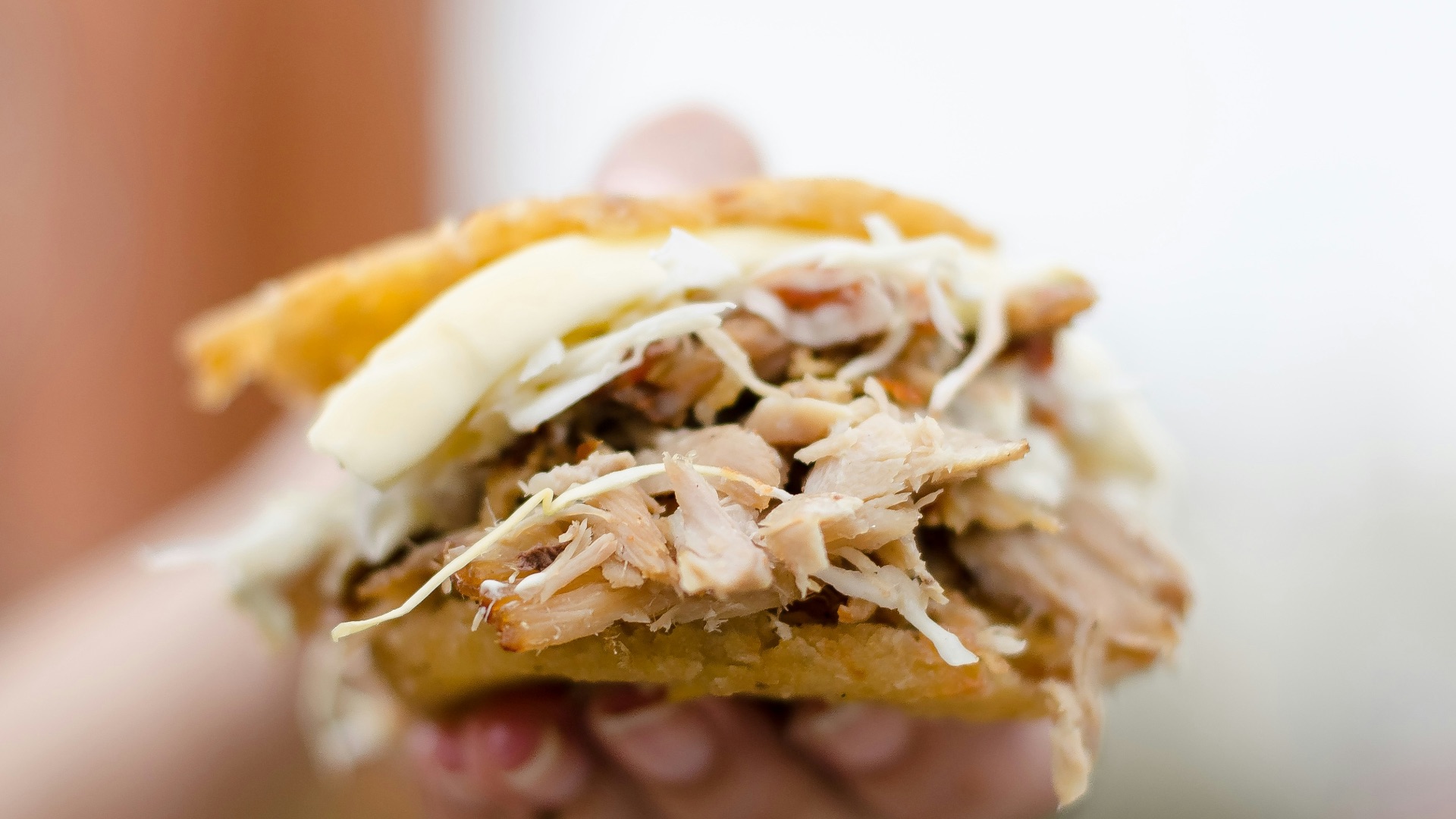
Arepas are thick, round corn cakes that are grilled, baked, or fried and then stuffed or topped with everything from shredded beef and avocado to black beans and cheese. They're a daily staple across Colombia and Venezuela, and the fillings vary widely by region and personal preference. Street vendors typically serve them fresh and hot, making them one of those foods that tastes even better eaten standing up outside a food stall.
3. Mango Sticky Rice (Thailand)
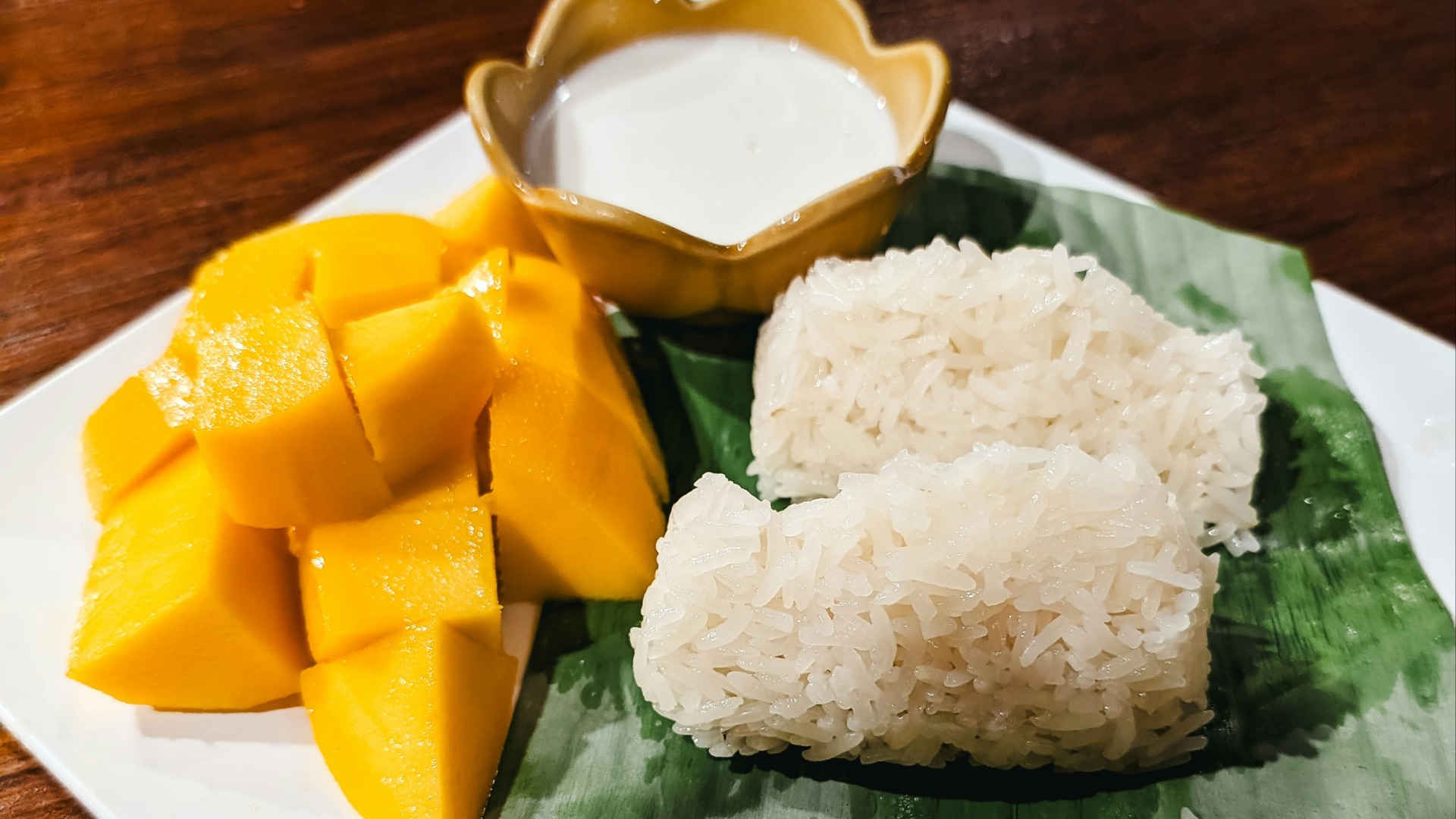
Mango sticky rice is one of Thailand's most iconic desserts, combining sweet glutinous rice with slices of ripe mango and a generous drizzle of salted coconut cream. The beauty of it lies in the contrast: the rice is dense and lightly chewy, the mango is juicy and fragrant, and the coconut sauce adds a richness that keeps you coming back for more.
4. Churros (Spain and Mexico)
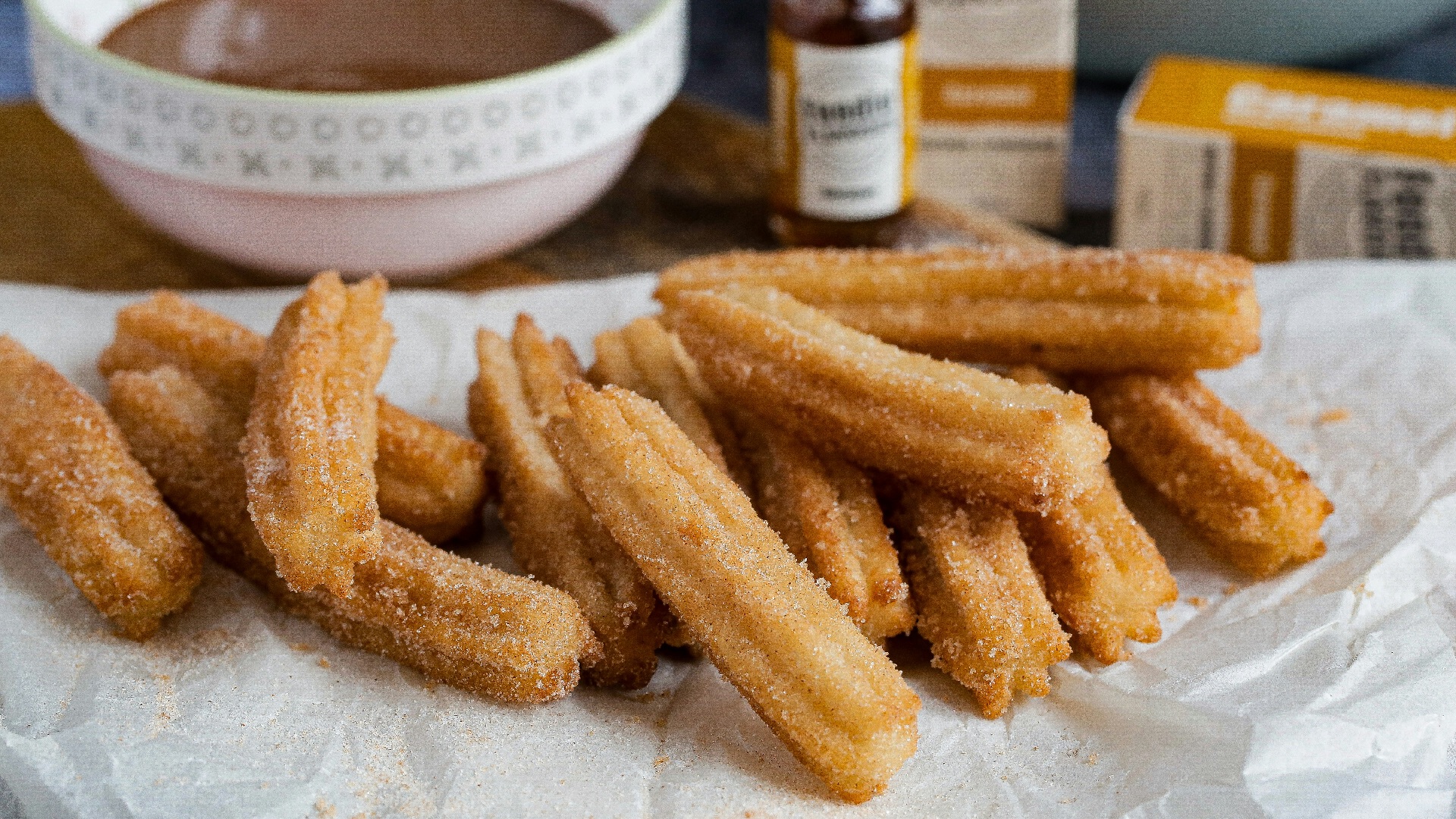
Churros are fried dough pastries made from a simple choux-style batter that's piped through a star-shaped tip and fried until golden, then coated in cinnamon sugar. In Spain, they're traditionally served with a thick, dark chocolate dipping sauce for breakfast or as an afternoon snack, while Mexican versions are often longer and sometimes filled with caramel or cream. They've since spread far beyond their origins and are now a beloved street food staple at markets and fairs around the world.
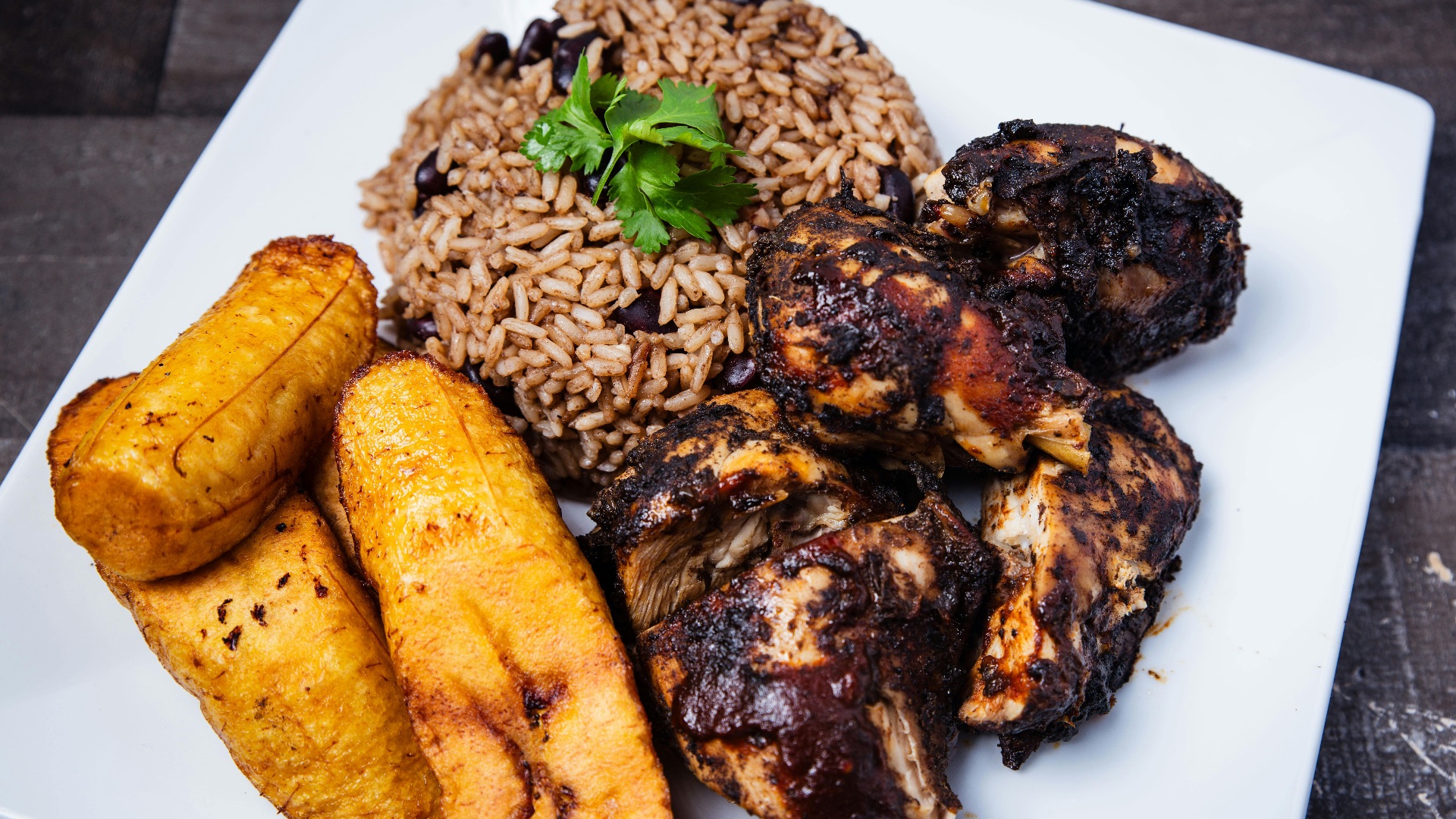
5. Jerk Chicken (Jamaica)
Jerk chicken is marinated in a fiery blend of scotch bonnet peppers, allspice, thyme, garlic, and ginger before being slow-cooked over pimento wood, which gives it a distinctive smoky depth. It's one of Jamaica's most celebrated culinary exports, and the roadside jerk stands dotted along the island's highways are considered by many to be the best places to try it. The combination of intense heat and aromatic spice makes it the kind of food that people will make a point of returning to.
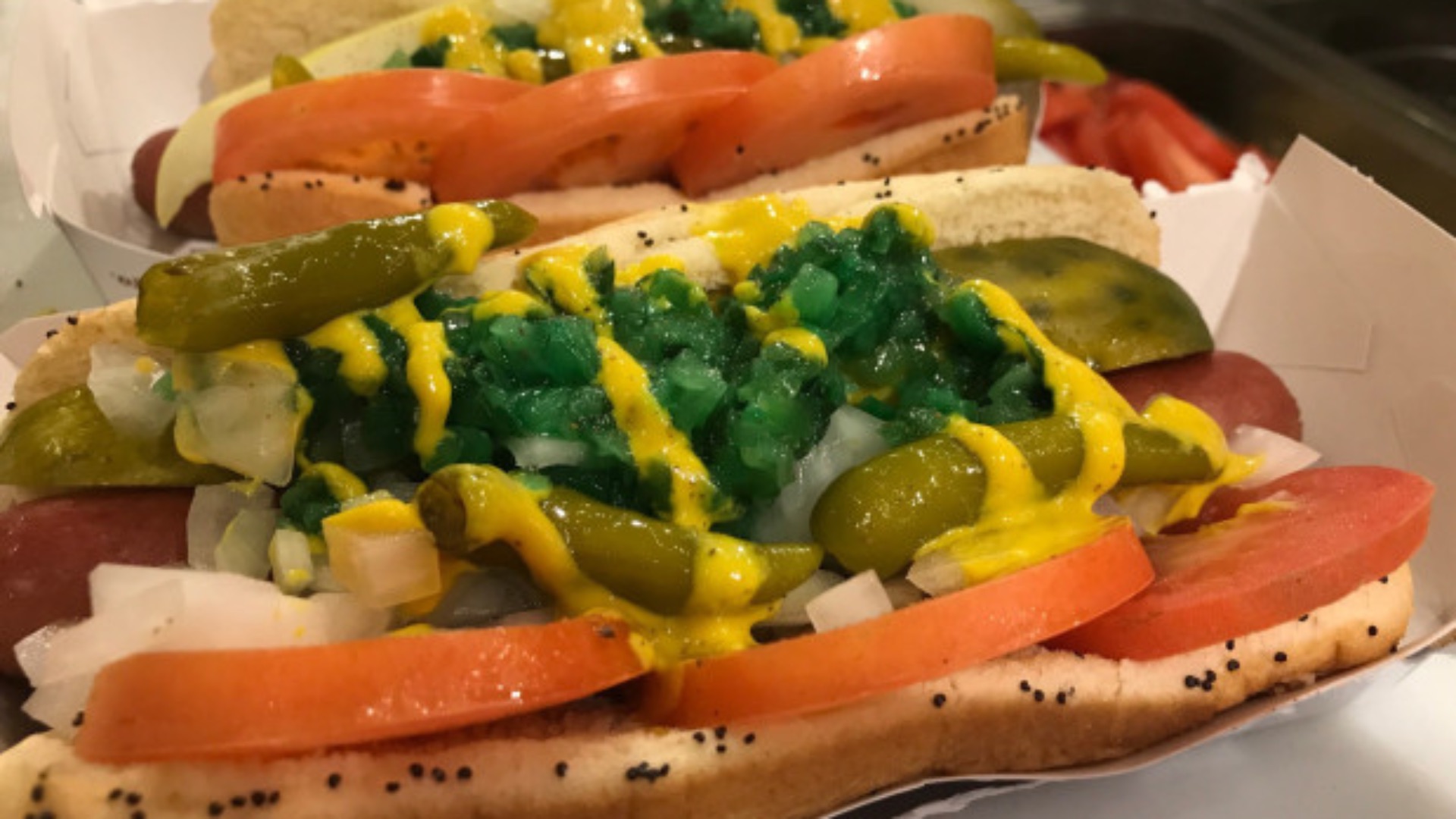
6. Chicago-Style Hot Dogs (United States)
Chicago-style hot dogs are all-beef franks served in a poppy-seed bun and loaded with a very specific set of toppings: yellow mustard, chopped onions, neon green relish, tomato slices, a pickle spear, sport peppers, and a dash of celery salt. The one thing you won't find on an authentic version is ketchup, which locals tend to reject with near-religious seriousness. What makes this hot dog especially memorable is how it delivers crunch, acidity, salt, heat, and snap in every bite.
 Menna.Mohamed.Azmy on Wikimedia
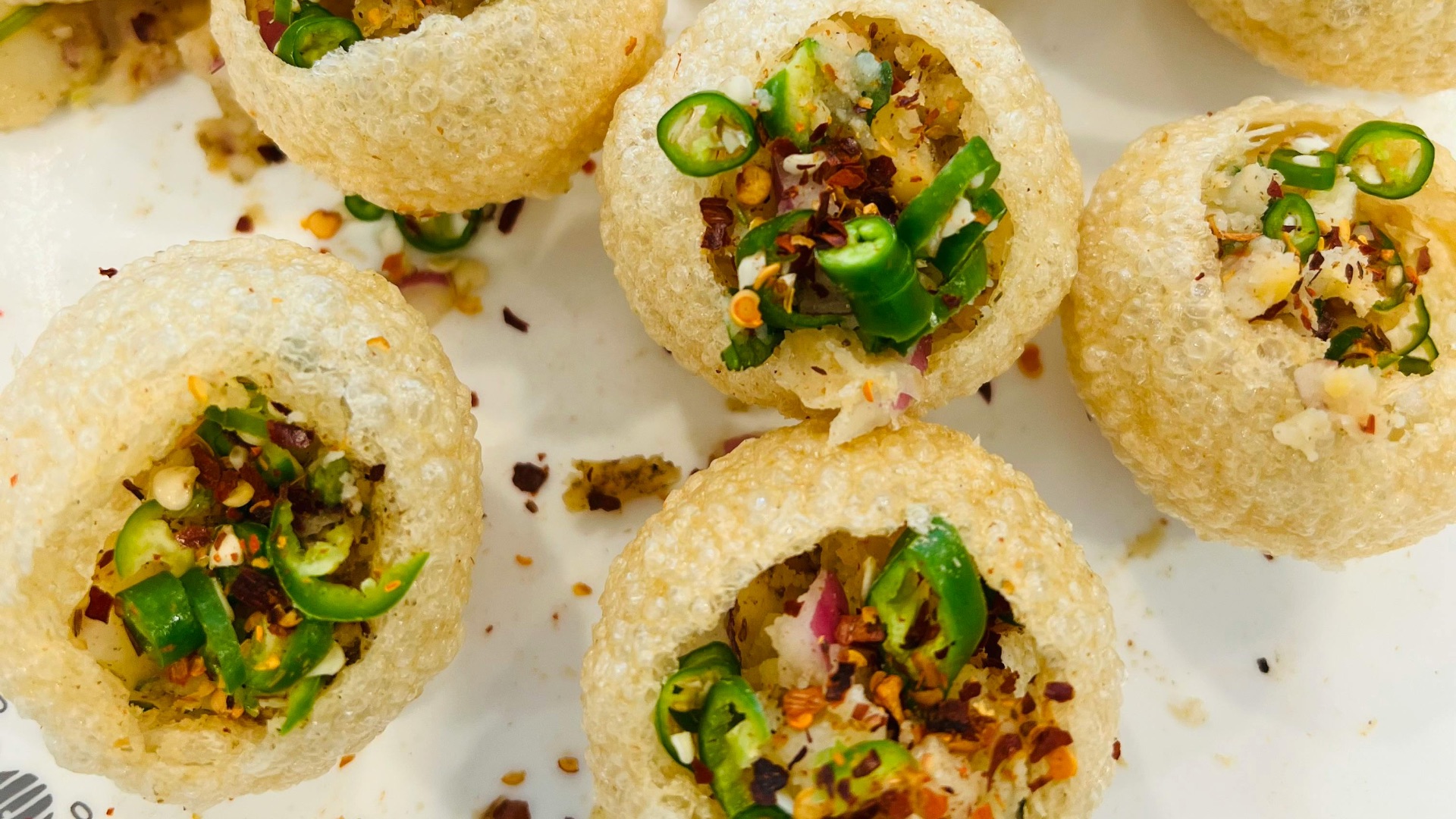
7. Pani Puri (India)
Pani puri consists of small, hollow, crispy spheres of fried dough that are cracked open and filled with a spiced mixture of mashed potatoes or chickpeas, then dunked into a tangy and spiced tamarind or mint water. It's eaten in one bite, making it as much of an experience as it is a food, and the combination of textures and flavors is what keeps people coming back for another and another. You'll find pani puri vendors all across India, though the spice level and fillings vary noticeably by region.
 Barsha Bhetwal Adhikari on Pexels
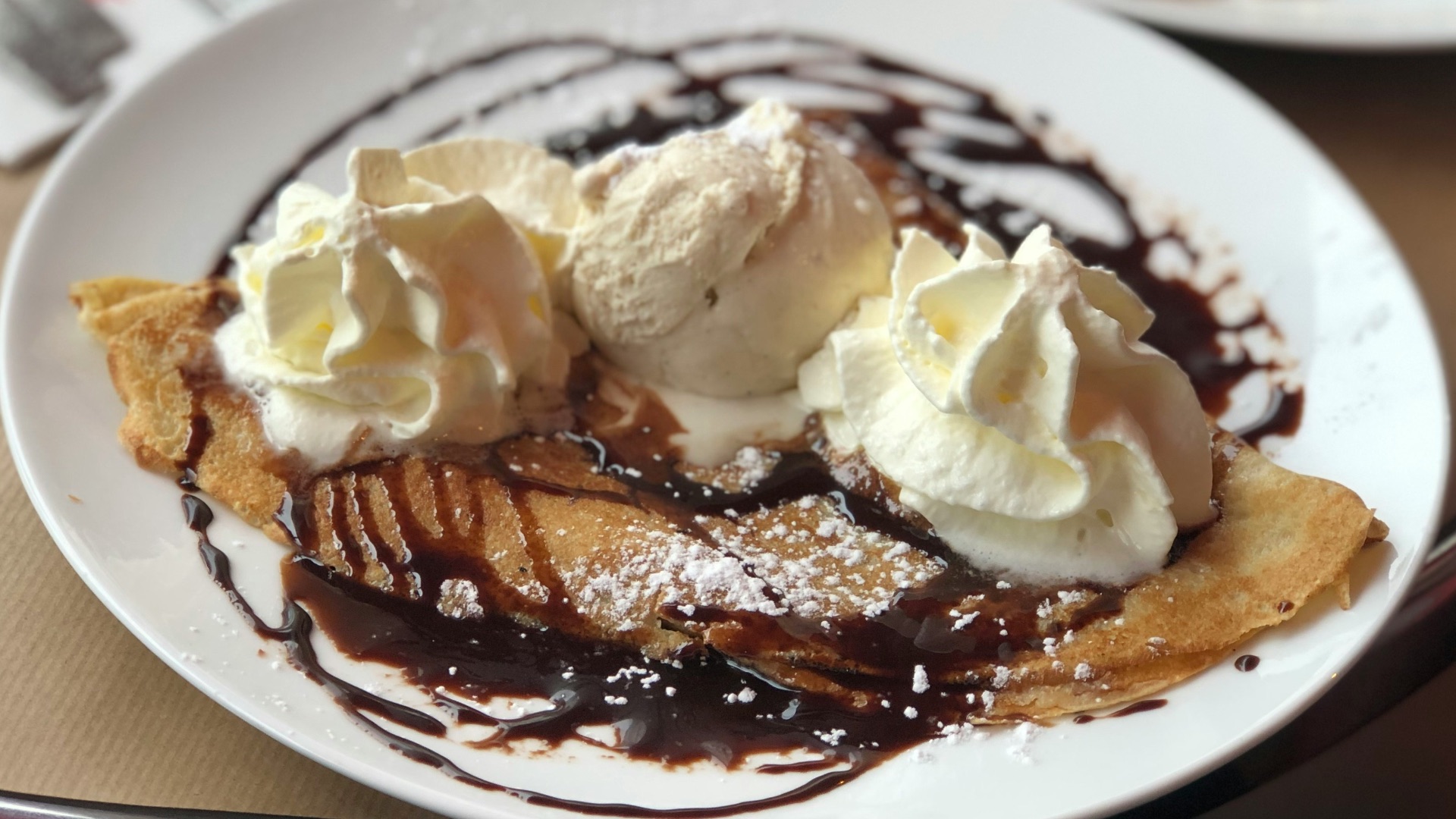
8. Crêpes (France)
French crêpes are paper-thin pancakes made from a simple batter of flour, eggs, milk, and butter, cooked on a large flat iron griddle and folded around sweet or savory fillings. Sweet versions with Nutella, banana, or fresh strawberries are a staple at Parisian street stalls, while savory buckwheat crêpes filled with ham, egg, and cheese are just as popular, especially in Brittany, where they're called galettes.
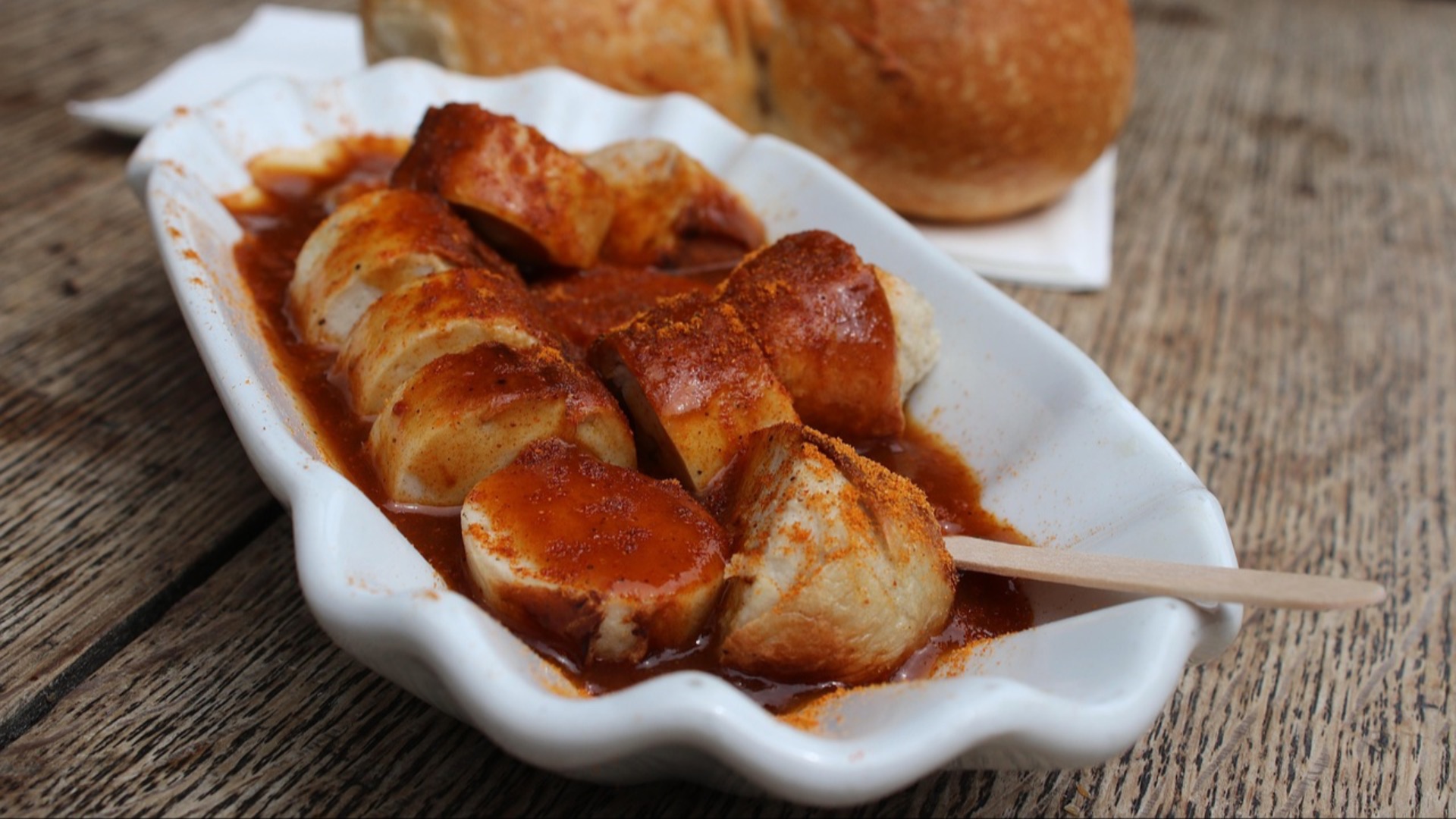
9. Currywurst (Germany)
Currywurst is a Berlin invention that consists of sliced or whole pork sausage topped with a ketchup-based curry sauce and dusted with curry powder, usually served with a side of fries or a bread roll. It was reportedly created in 1949 by a Berlin street vendor named Herta Heuwer, who received ketchup and Worcestershire sauce from British soldiers and experimented with the combination. Today, it's one of Germany's most consumed street foods, with Berlin alone selling an estimated 70 million portions per year.
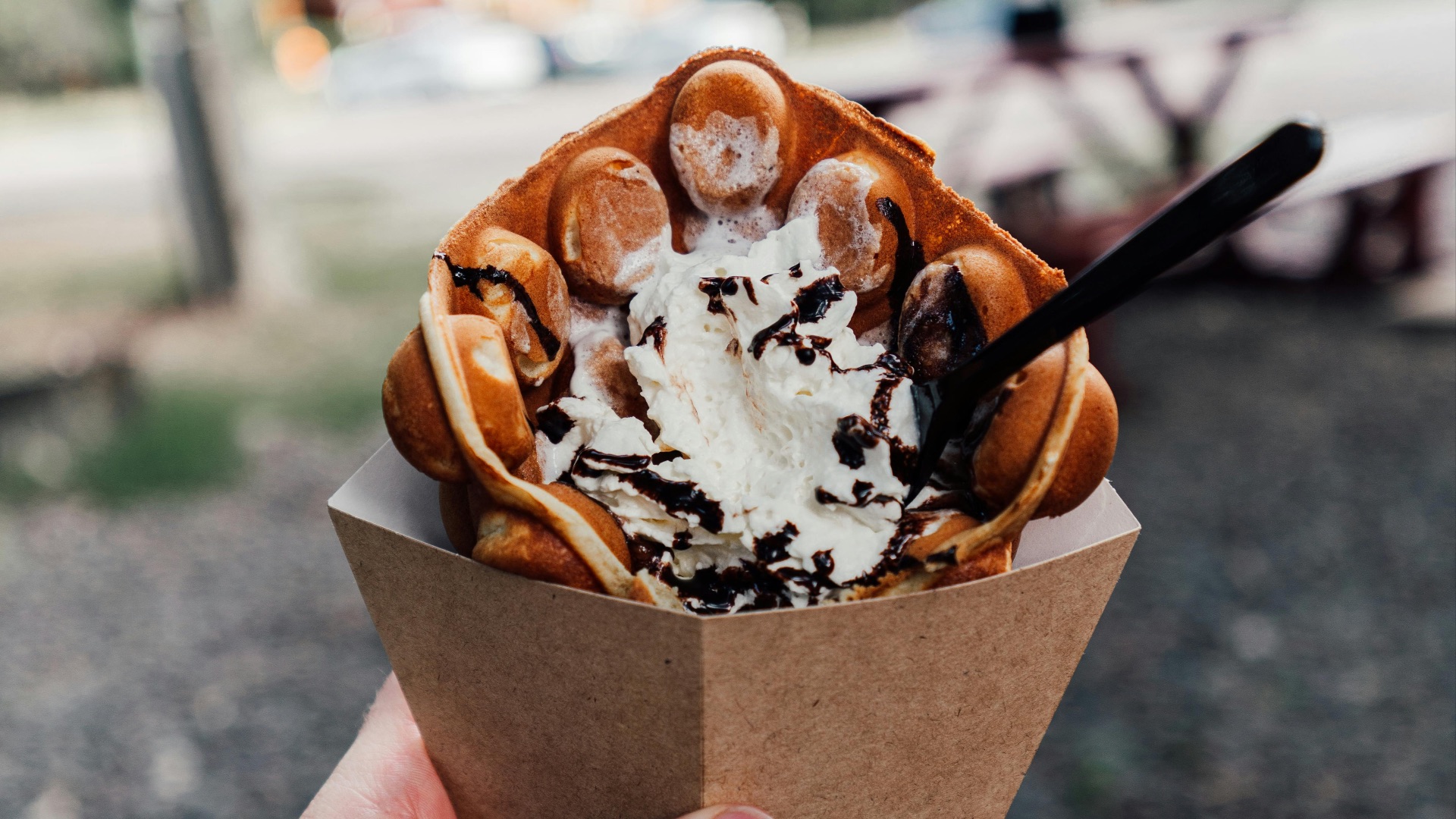
10. Bubble Waffle (Hong Kong)
Bubble waffles, known in Hong Kong as gai daan jai, are spherical egg-based waffles cooked in a special mold that gives them their signature puffed shape. The best ones have a lightly crisp exterior and a soft interior, making them satisfying even when served plain and fresh off the griddle. Originally a humble street snack, they've become increasingly popular in modern dessert shops with toppings like ice cream and fruit, though the classic version remains the most beloved.
KEEP ON READING