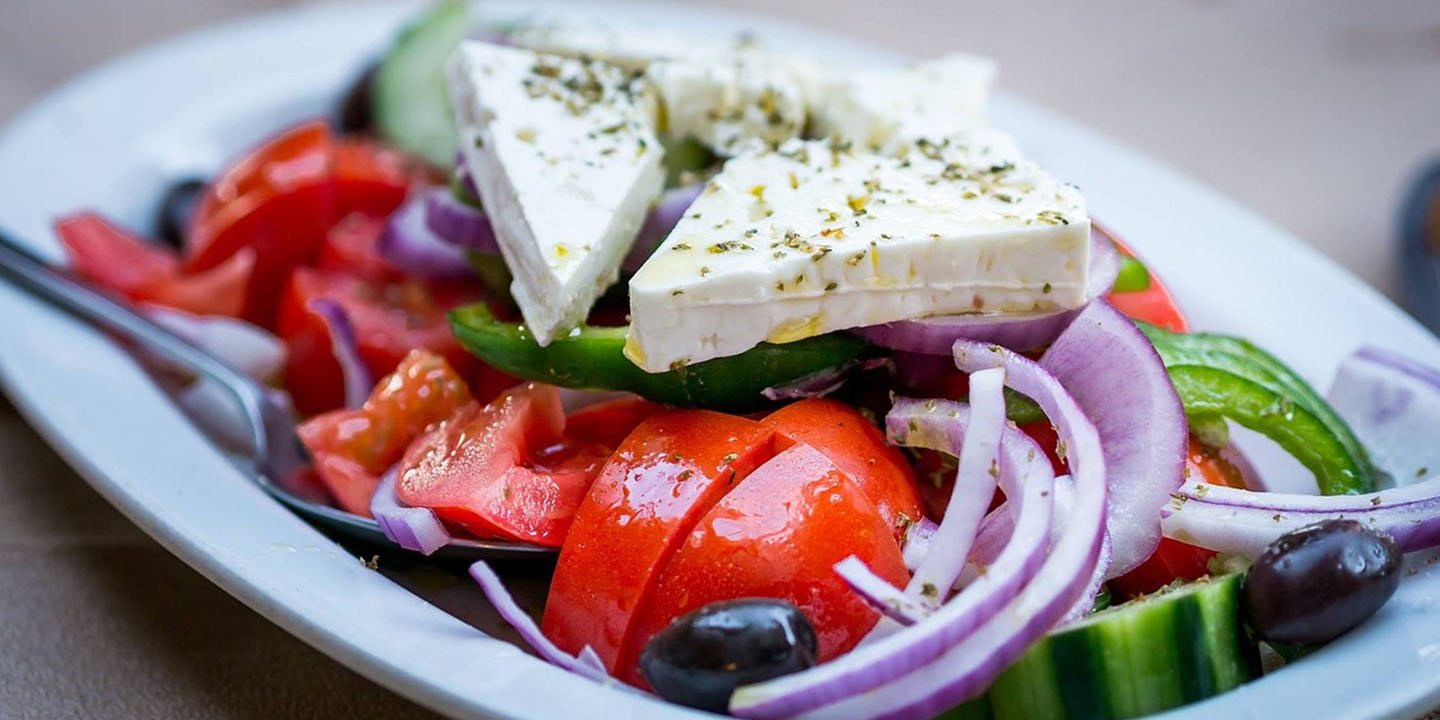

Regional dishes often tell a deeper story than just what’s on the plate. They reflect history, geography, and cultural influences that have shaped communities over time. Across North America, certain meals have become closely tied to specific places, gaining recognition far beyond their origins. These dishes aren’t just popular; they represent traditions that continue to evolve while staying rooted in local identity. Understanding them gives you a better sense of how food connects people to place.
At the same time, what makes a dish iconic isn’t just its flavor, but how consistently it shows up in everyday life and special occasions. These meals are often passed down, adapted, and shared in ways that keep them relevant across generations. While there are many contenders, a few stand out for their lasting impact and widespread recognition. Looking at these examples helps highlight what makes regional cuisine so meaningful.
Poutine From Quebec
Poutine originated in Quebec in the 1950s and quickly became a defining dish of the region. It traditionally consists of fresh-cut fries topped with cheese curds and hot brown gravy, creating a combination of textures that is both simple and distinctive. The use of squeaky cheese curds is essential, as it sets authentic versions apart from imitations. Over time, it has become widely available across Canada and even internationally.
What makes poutine stand out is how it reflects local ingredients and preferences. Quebec’s dairy industry plays a major role in the dish, particularly in the production of fresh curds. The gravy varies slightly depending on the recipe, but it is typically rich and savory without overpowering the other components. This balance has helped the dish remain popular while still allowing for variation.
Today, poutine has expanded beyond its original form, with versions that include toppings like pulled meat, vegetables, or specialty sauces. Despite these adaptations, the classic version remains the standard that defines the dish. It continues to be a staple in casual dining and roadside eateries throughout the region. Its lasting appeal comes from both its simplicity and its strong connection to place.
Southern Barbecue From The United States
Southern barbecue refers to a range of slow-cooked meat traditions found primarily in the southeastern United States. While methods and sauces vary by region, the core idea involves cooking meat at low temperatures over wood or charcoal for extended periods. This process creates tender results and deep flavor that can’t be replicated quickly. It’s a technique rooted in both practicality and tradition.
Different areas have developed their own distinct styles, which adds to the dish’s identity. For example, some regions favor vinegar-based sauces, while others use tomato-based or mustard-based variations. The type of meat also changes depending on location, with pork being especially common in many areas. These differences reflect local resources and cultural influences.
Barbecue is often associated with gatherings, making it as much a social experience as a culinary one. It’s commonly served at events, family meals, and community celebrations. The preparation itself can take hours, which reinforces its role as a shared activity. This combination of flavor, time, and tradition has helped barbecue remain a defining regional dish.
Mexican Street Tacos
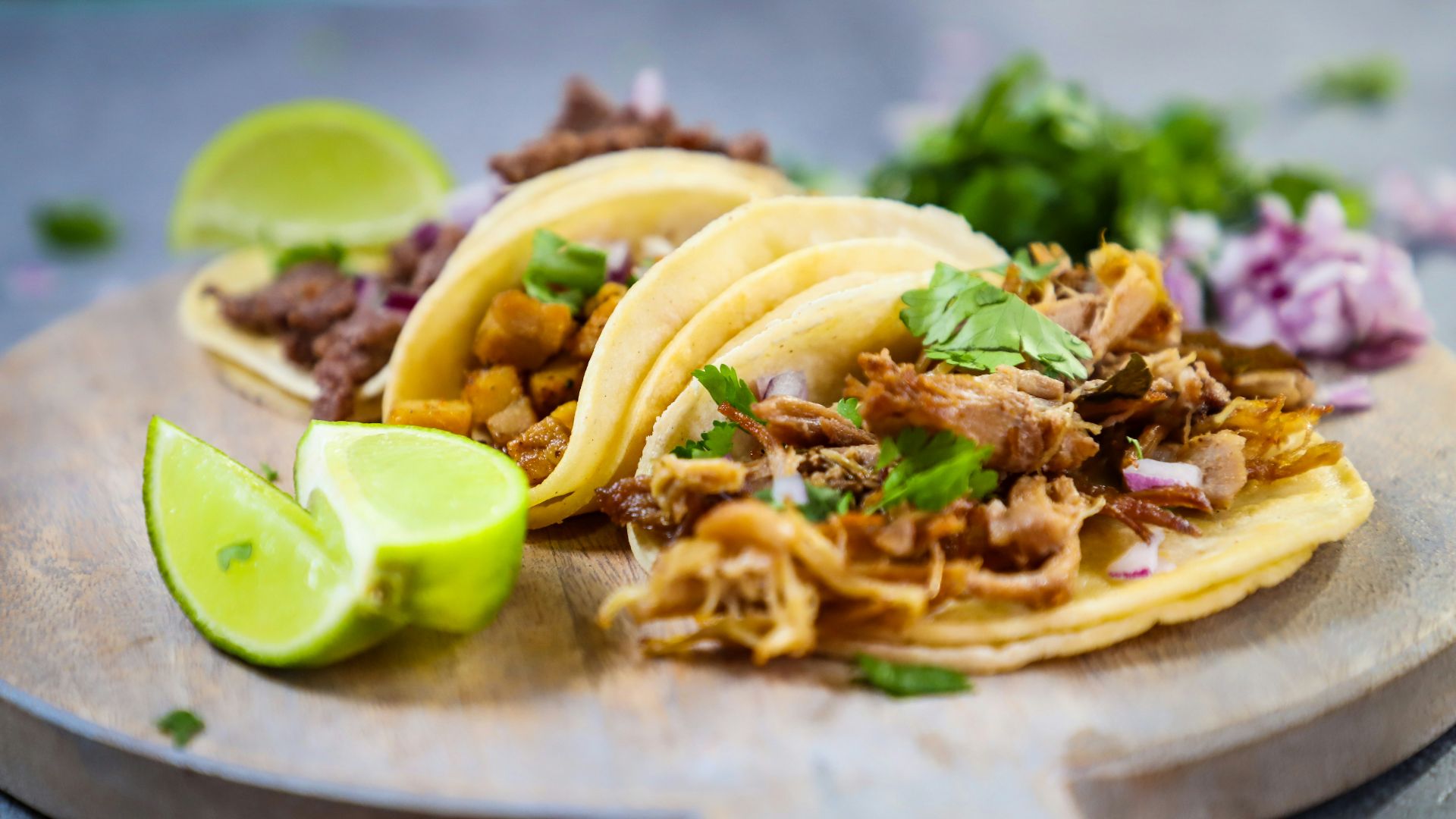
Street tacos are a staple of Mexican cuisine and are widely recognized across North America. They typically feature small corn tortillas filled with simple, flavorful ingredients such as grilled meat, onions, and fresh herbs. The focus is on balance and freshness rather than heavy preparation. This approach allows each ingredient to stand out.
One reason street tacos have become so iconic is their accessibility. They are commonly sold by vendors and are meant to be eaten quickly and casually. Despite their simplicity, they rely on well-prepared components and traditional cooking techniques. This combination makes them both approachable and deeply rooted in culinary tradition.
The variety of fillings and regional styles adds to their significance. Different areas may emphasize specific meats or preparation methods, creating subtle differences in flavor and presentation. These variations keep the dish dynamic while maintaining its core identity. As a result, street tacos continue to represent both tradition and adaptability in North American cuisine.
These dishes show how regional food can carry meaning far beyond taste alone. They reflect history, environment, and the people who continue to prepare them in familiar ways. When you explore these foods, you’re not just trying something new, you’re connecting with a larger cultural story. That connection is what keeps these dishes relevant across generations.
KEEP ON READING


The 5 Most Consumed Foods in the Entire World